Notes from the Inkpot
Writing, teaching, creating - one ink-stained idea at a time.




Captain of the Lighthouse by Togara Muzanenhamo: Summary, Themes & Analysis
Explore Togara Muzanenhamo’s Captain of the Lighthouse with a detailed summary and analysis of its themes, imagery, structure, extended metaphor and poetic techniques. Discover how Muzanenhamo transforms a childhood game into a moving exploration of brotherhood, imagination, memory, grief, loss and the enduring power of love after death.

Lightness by Yvonne Gray: Summary, Themes & Analysis
Explore our complete analysis of Lightness by Yvonne Gray. This guide examines the poem's summary, themes, symbolism, villanelle form, structure, key quotations, and literary techniques, showing how Gray explores perseverance, hope, and the search for meaning through a powerful winter landscape. Perfect for students, teachers, and revision, this analysis also includes stanza-by-stanza commentary, alternative interpretations, exam-ready insights, and a model analytical paragraph to help you build confident, evidence-based responses.

Sleep by Kenneth Slessor: Analysis of Death, Rebirth and Surrender
Kenneth Slessor's Sleep is a richly symbolic poem exploring mortality, rebirth, the unconscious, surrender, and the cyclical nature of human existence. Through the personification of Sleep as a powerful speaking presence, Slessor transforms an everyday experience into a profound meditation on death, renewal, and the temporary dissolution of identity. Using imagery of burial, water, gestation, and childbirth, the poem blurs the boundaries between life and death, safety and vulnerability, comfort and annihilation. This analysis explores the poem's themes, structure, symbolism, literary techniques, key quotations, and alternative interpretations while examining how Slessor presents sleep as a paradoxical state that resembles both death and rebirth. Ideal for students studying CIE AS & A Level Literature (9695) Songs of Ourselves Volume 2.
Late Wisdom by George Crabbe: Meaning, Mortality and the Limits of Experience
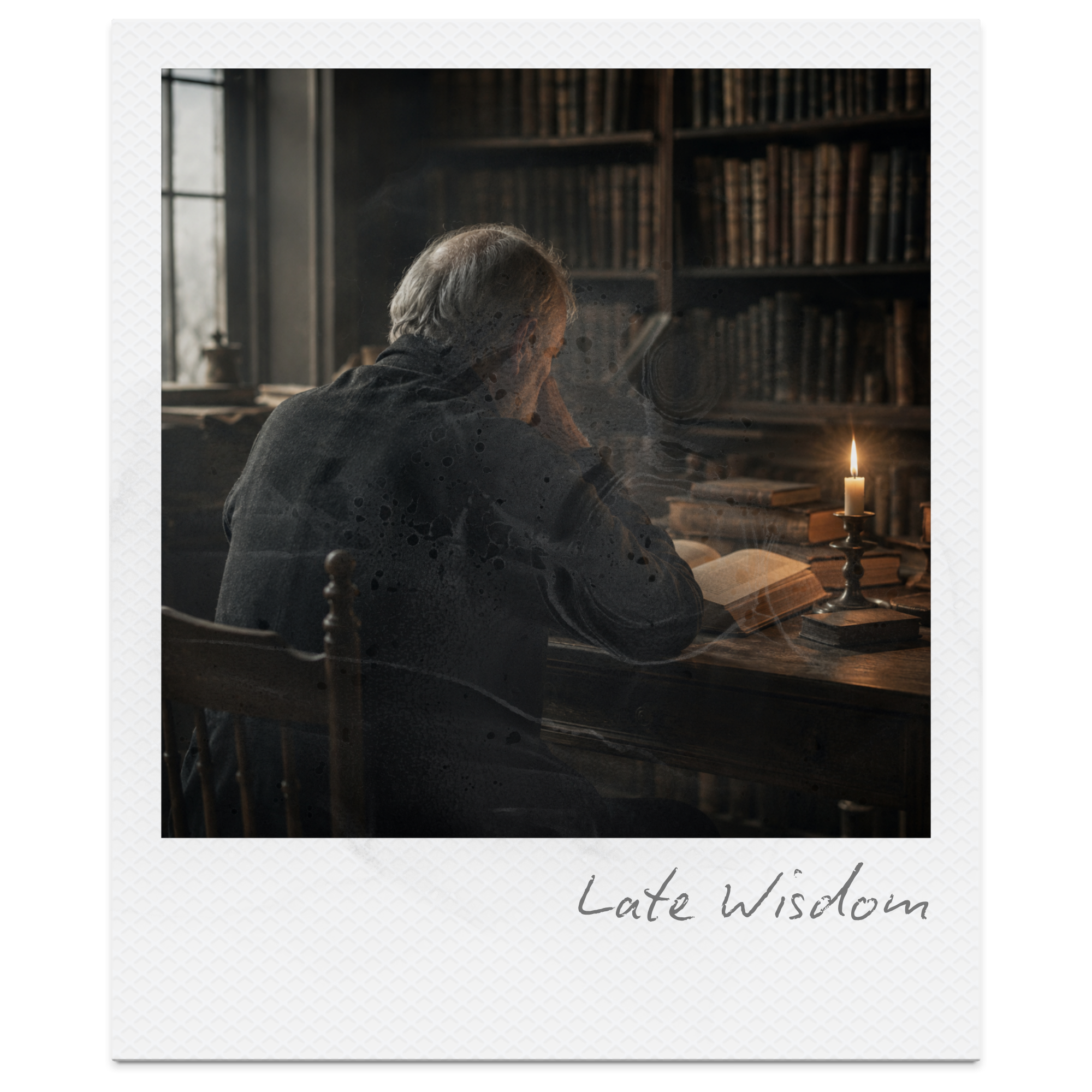
Late Wisdom by George Crabbe is a thoughtful exploration of ageing, experience, hindsight, and self-knowledge. Through the powerful symbolism of a "maze of error" and a "torch of truth," Crabbe examines the uncomfortable reality that wisdom often arrives only after life's most important mistakes and opportunities have passed. This analysis explores the poem's themes, symbolism, structure, literary techniques, key quotes, and exam-ready insights, revealing how Crabbe transforms a reflection on old age into a deeper meditation on human limitation and the true value of understanding.
The Exequy by Henry King: Love, Loss, and the Hope of Reunion
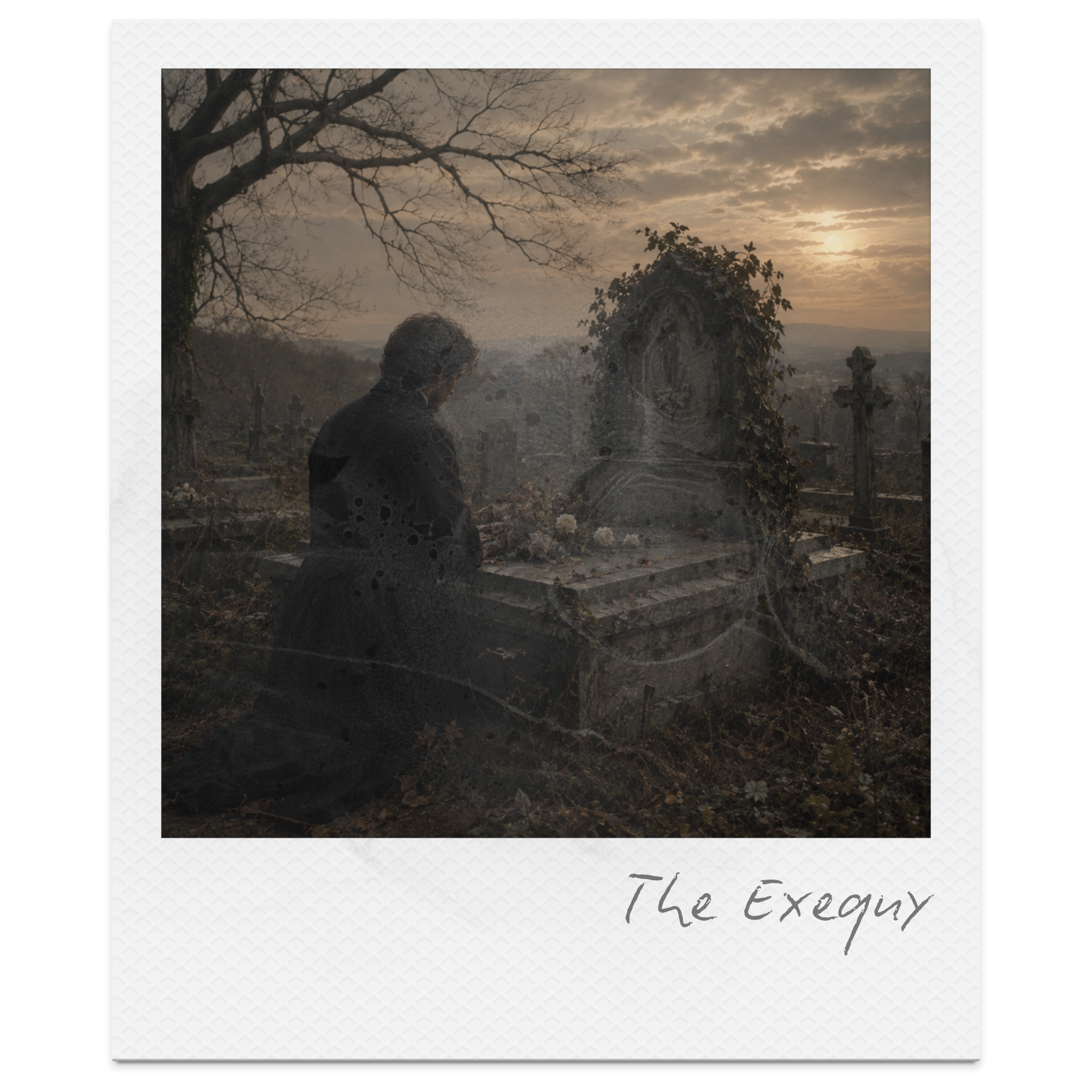
The Exequy by Henry King is a powerful seventeenth-century elegy that explores grief, love, mortality, and the hope of reunion after death. Written following the loss of King's wife, the poem combines deeply personal mourning with Christian beliefs about resurrection and eternal life. Through rich symbolism, metaphysical conceits, celestial imagery, and reflections on memory and devotion, King transforms bereavement into a moving meditation on enduring love and spiritual consolation. This analysis explores the poem's themes, structure, imagery, symbolism, and emotional impact for students studying Songs of Ourselves Volume 2.

The Migrant by A. L. Hendriks: Analysis of Belonging, Mortality and the Human Journey
A. L. Hendriks' The Migrant is a powerful allegorical poem that explores belonging, identity, transience, and the universal human journey. Through the story of a woman who gradually discovers that she is only "in transit," Hendriks transforms the experience of migration into a profound reflection on mortality, uncertainty, and humanity's search for a place to call home. This analysis explores the poem's symbolism, travel imagery, extended allegory, themes, key quotes, alternative interpretations, and structural development. Ideal for students and teachers studying Cambridge International AS & A Level Literature in English (9695), it includes stanza-by-stanza analysis, anthology comparisons, exam-focused insights, and classroom discussion ideas.

Excelsior by Henry Wadsworth Longfellow: Analysis of Ambition, Idealism and the Cost of Aspiration
Henry Wadsworth Longfellow's Excelsior is a powerful poem about ambition, idealism, and the pursuit of goals that lie beyond ordinary human experience. Through the symbolic journey of a young traveller who repeatedly rejects comfort, safety, and companionship, Longfellow explores the tension between aspiration and sacrifice, inviting readers to question whether the pursuit of higher ideals is heroic, reckless, or both. This analysis examines the poem's symbolism, structure, imagery, and recurring refrain, exploring how Longfellow creates a complex and ambiguous portrait of determination. Ideal for students and teachers studying Cambridge International AS & A Level Literature in English (9695), it also includes key quotes, themes, comparisons, alternative interpretations, and exam-focused insights.

Showing the Flag by Jane Gardam: Summary, Themes & Analysis
Jane Gardam’s Showing the Flag is a psychologically rich short story exploring childhood insecurity, grief, emotional repression, and the fragile relationship between parents and children. Through Philip’s lonely journey from England to France shortly after his father’s death, Gardam reveals how fear and emotional misunderstanding can distort a child’s perception of love and belonging. This detailed analysis explores the story’s symbolism, themes, structure, narrative voice, key quotes, alternative interpretations, and exam-focused insights for CIE IGCSE English Literature (0475 & 0922), while examining how the seemingly simple image of a lost Union Jack becomes a powerful symbol of identity, emotional security, and hidden parental care.

A Walk to the Jetty by Jamaica Kincaid: Summary, Themes & Analysis
Jamaica Kincaid’s A Walk to the Jetty is a deeply reflective short story exploring identity, separation, motherhood, migration, and the emotional conflict of leaving home. Through Annie John’s final journey from Antigua to the ship that will carry her to England, Kincaid examines the painful transition between childhood and adulthood, revealing how independence can feel both liberating and devastating at the same time. This detailed analysis explores the story’s themes, symbolism, structure, narrative voice, key quotes, alternative interpretations, and exam-focused insights for CIE IGCSE English Literature (0475 & 0922).
A Story of a Wedding-Tour by Margaret Oliphant: Summary, Themes & Analysis
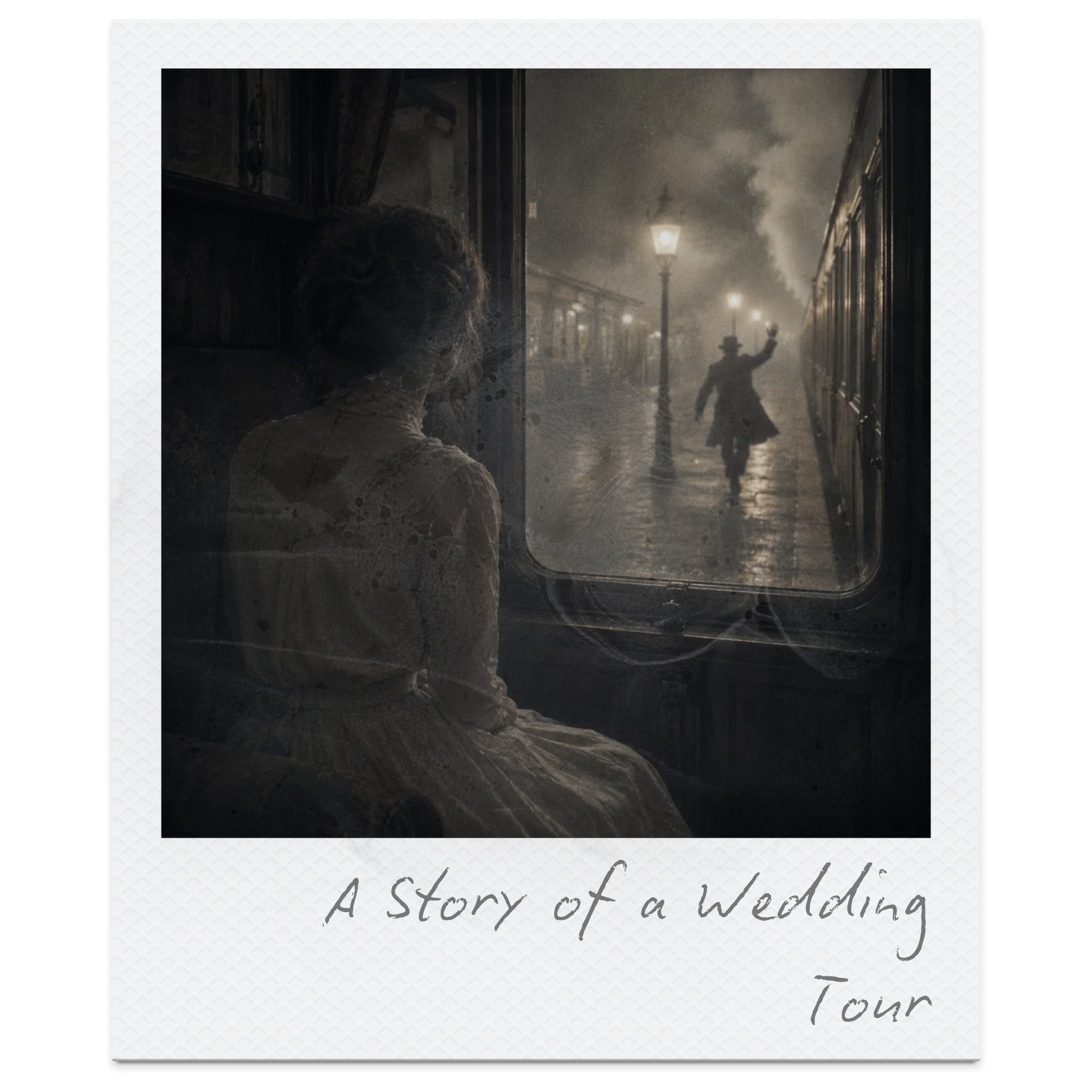
Margaret Oliphant’s A Story of a Wedding-Tour is a psychologically complex Victorian short story exploring marriage, female autonomy, freedom, identity, and moral ambiguity through the story of Janey, a young bride who impulsively abandons her husband during their honeymoon journey through France. Combining emotional realism with powerful symbolism, Oliphant examines the suffocating realities hidden beneath romantic expectations while exploring the emotional consequences of escape and reinvention. This analysis explores the story’s themes, structure, symbolism, narrative voice, and key quotations, while examining how Oliphant uses trains, movement, and shifting settings to reflect Janey’s psychological transformation. Ideal for students studying Stories of Ourselves Volume 2 for CIE IGCSE World Literature (0408), the guide also includes exam-ready insights, alternative interpretations, and classroom-focused teaching ideas.

Meeting at Night by Robert Browning: Summary, Themes, Meaning & Analysis
Robert Browning’s Meeting at Night explores romantic desire, anticipation, and secrecy, presenting a speaker driven across a dark landscape to reach a moment of intimate connection. Through vivid sensory imagery, rhythmic variation, and a carefully structured progression from distance to closeness, the poem transforms a physical journey into a powerful expression of emotional urgency. This analysis examines how Browning uses language, form, and sound to create meaning and impact, showing how each stage of the journey intensifies the speaker’s focus and desire. With a clear emphasis on method → purpose → effect, this guide supports IGCSE World Literature (0408) students in developing precise, high-level analytical responses.

Because I could not stop for Death by Emily Dickinson: Summary, Themes & Analysis
Emily Dickinson’s Because I could not stop for Death presents death as a calm, deliberate journey, using personification and symbolism to transform a typically feared concept into something controlled and almost reassuring. Through the image of a carriage ride, the poem moves steadily through the stages of life, suggesting that death is not a sudden end but a process leading toward eternity. However, beneath this calm surface lies a deeper sense of uncertainty, as shifts in perspective and imagery reveal the limits of human understanding. The progression from familiar scenes to the final realisation of eternity highlights how time and control break down beyond life, leaving the reader with a quiet but unsettling reflection on what lies beyond death.