Notes from the Inkpot
Writing, teaching, creating - one ink-stained idea at a time.

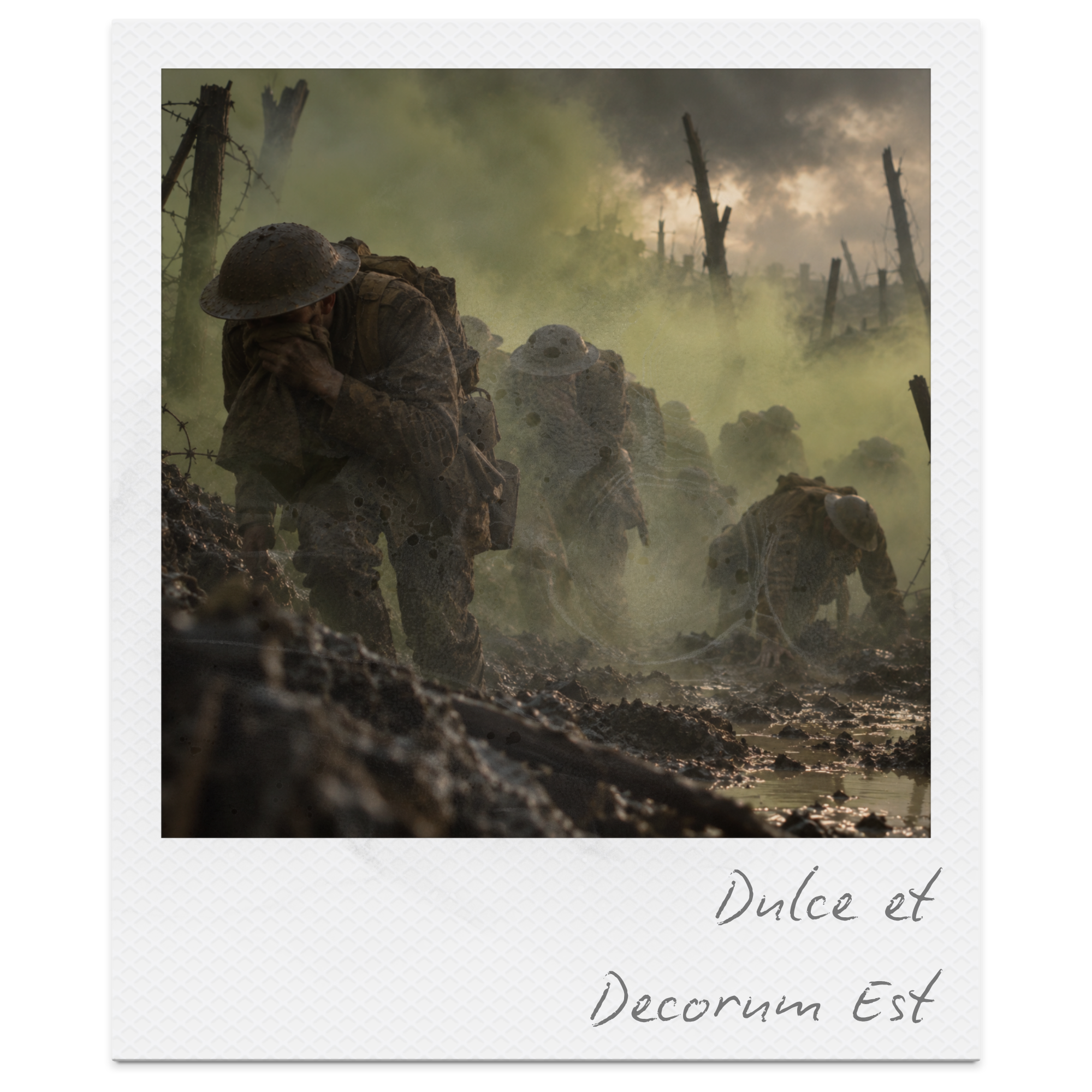
Dulce et Decorum Est by Wilfred Owen: Summary, Themes & Analysis
Explore Dulce et Decorum Est by Wilfred Owen with detailed analysis of its meaning, themes, form, structure, metre, symbolism, imagery and poetic techniques. Discover how Owen uses the horror of a gas attack and its traumatic aftermath to challenge patriotism, propaganda, glorious sacrifice and romanticised ideas of war.
For the Fallen by Laurence Binyon: Summary, Themes & Analysis
Explore Laurence Binyon’s For the Fallen with a detailed guide to its meaning, context, themes, symbolism, key quotes, poetic techniques, structure and alternative interpretations. Discover how Binyon transforms grief and wartime loss into an enduring meditation on youth, sacrifice, remembrance, national identity and memory.
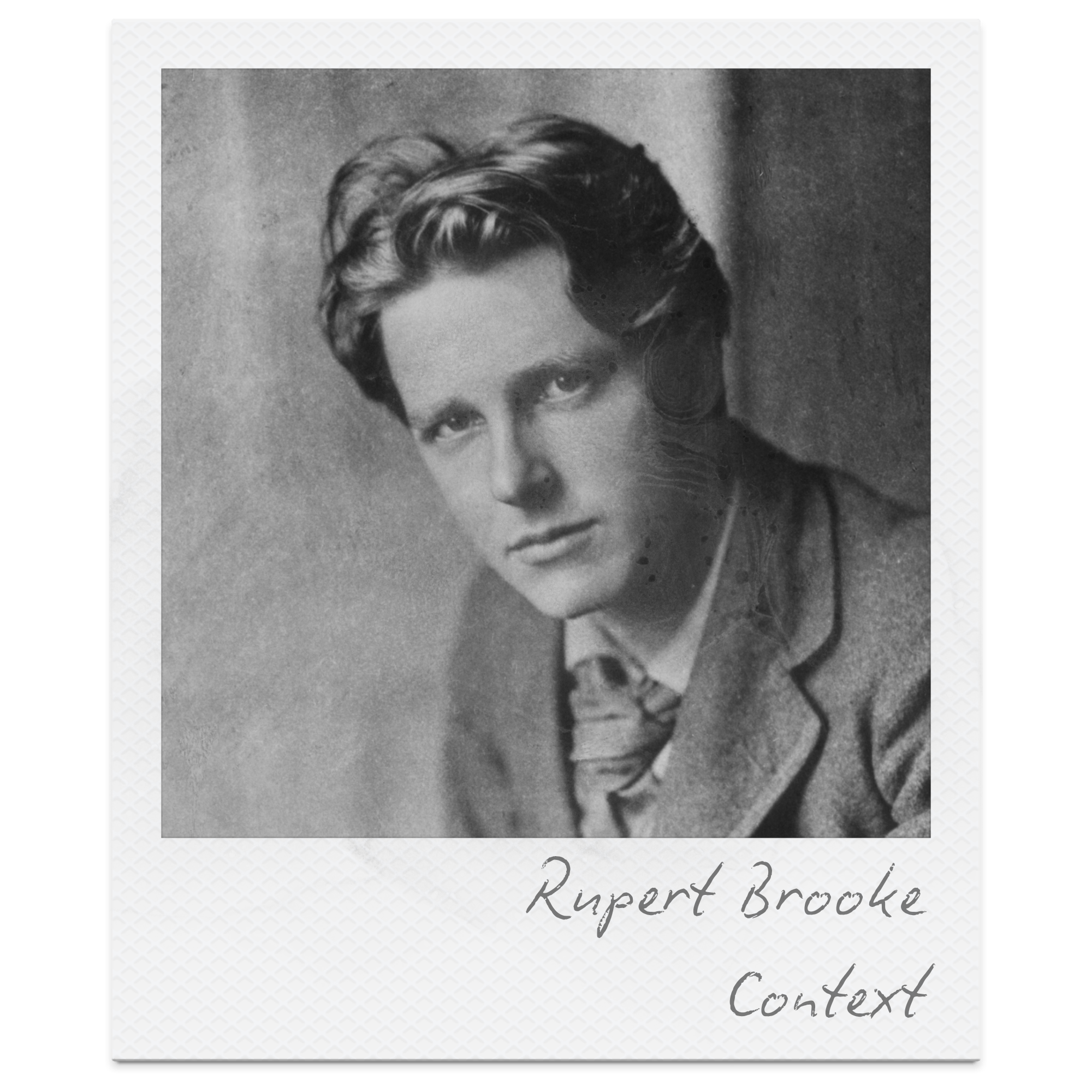
Rupert Brooke: Context, War Poetry, and Literary Significance
Explore the life, historical context, poetry, and literary significance of Rupert Brooke, one of the most famous voices of early First World War poetry. Discover how patriotism, sacrifice, Englishness, mortality, Georgian poetry, and the opening months of the war shaped his writing, and why poems such as “The Soldier” remain essential for understanding the changing literary representation of the First World War.
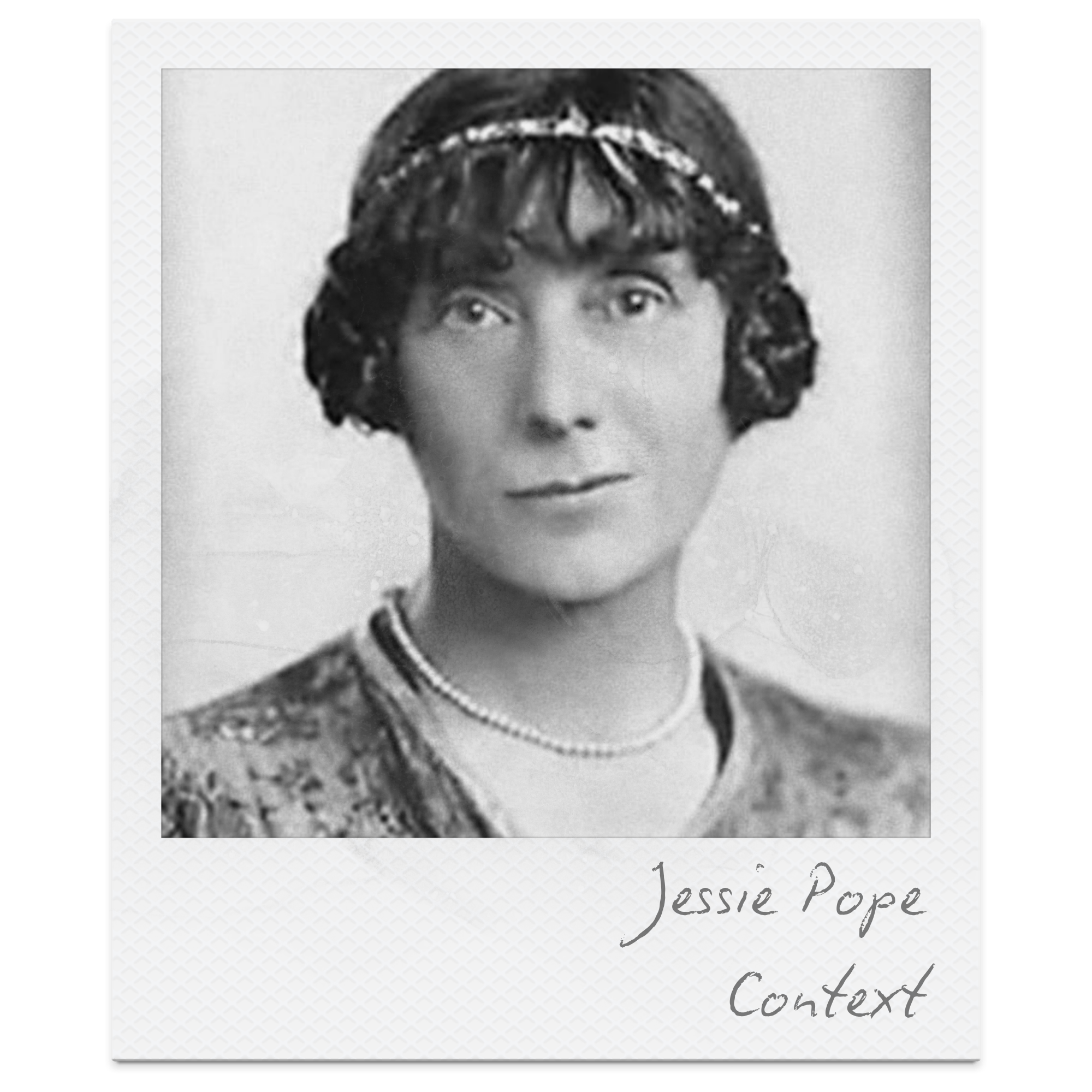
Jessie Pope: Context, War Poetry, and Literary Significance
Explore the life, historical context, poetry, and literary significance of Jessie Pope, one of the most controversial voices of First World War literature. Discover how patriotism, recruitment, propaganda, gender expectations, sporting imagery, and popular culture shaped her writing, and why reading Pope alongside poets such as Wilfred Owen and Siegfried Sassoon reveals the competing ways the First World War was represented through poetry.
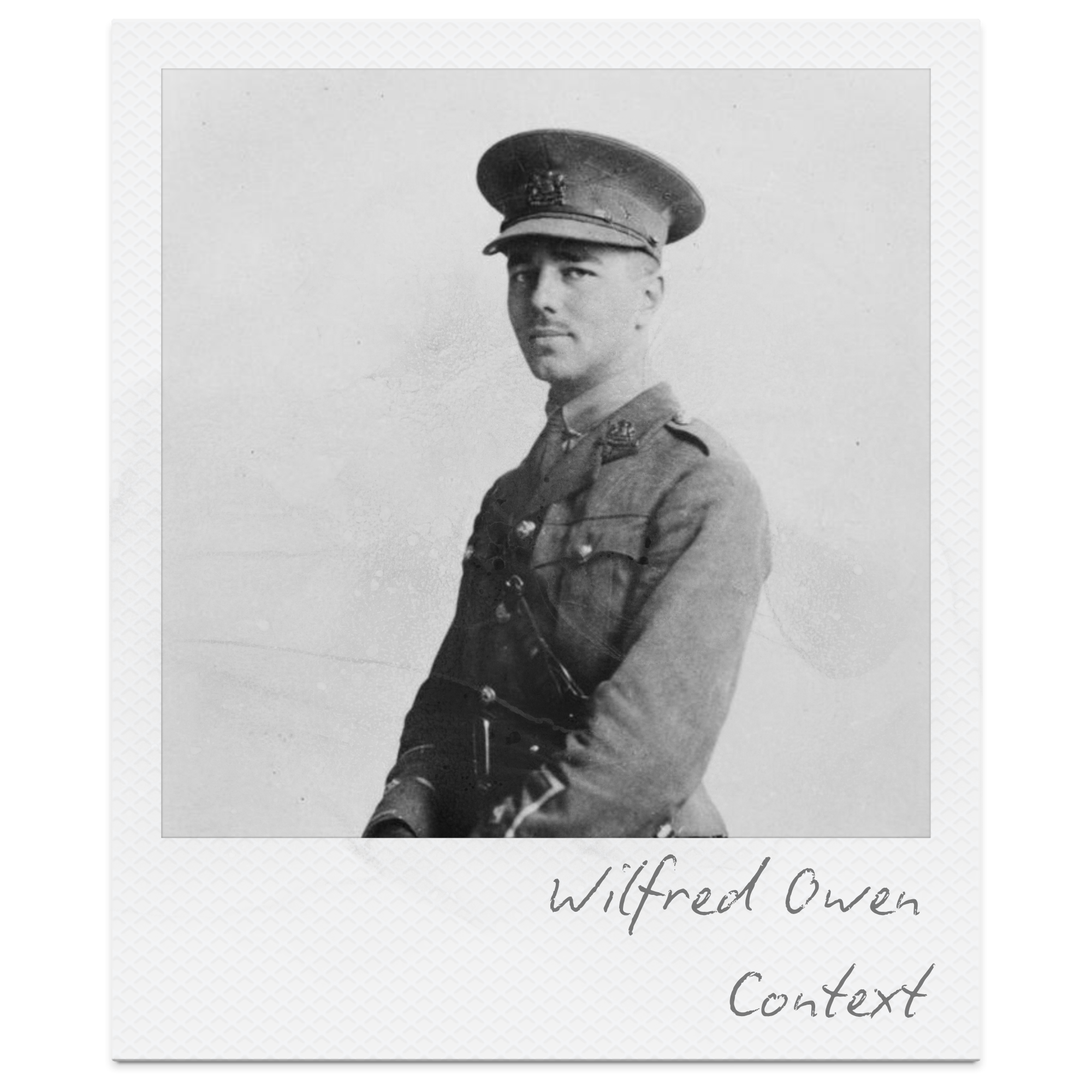
Wilfred Owen: Context, War Poetry, and Literary Significance
Explore the life, historical context, major themes, and literary significance of Wilfred Owen, one of the defining voices of First World War poetry. From patriotic ideas of King and Country to the brutal realities of trench warfare, shell shock, and mass loss, discover how Owen challenged romanticised representations of war and transformed the suffering of ordinary soldiers into some of the most powerful poetry of the twentieth century.
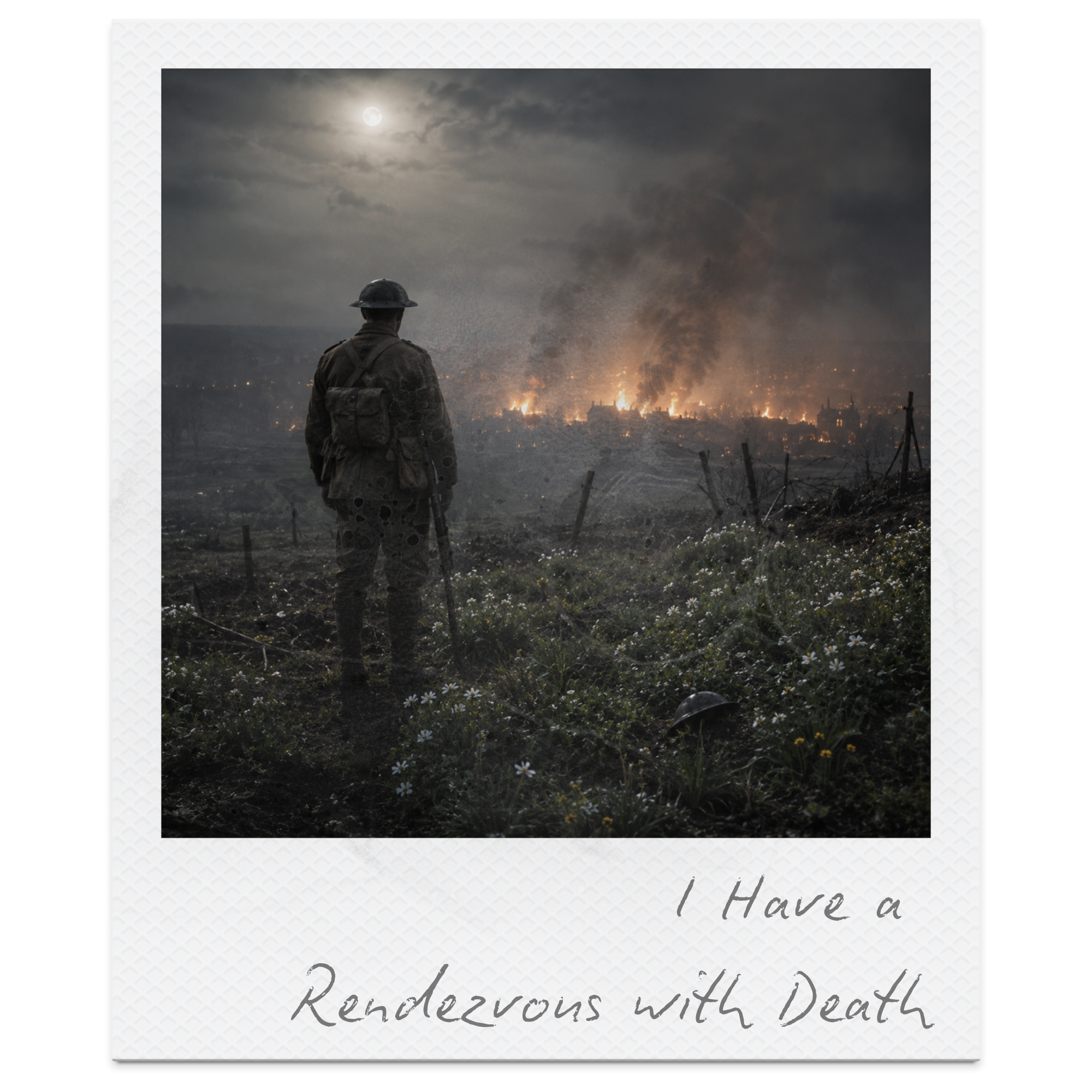
I Have a Rendezvous with Death by Alan Seeger: Themes, Symbolism and Analysis
I Have a Rendezvous with Death by Alan Seeger is a powerful First World War poem exploring mortality, duty, sacrifice, honour, and courage. Through the personification of Death, recurring spring imagery, and a speaker who calmly accepts the possibility of dying in battle, Seeger examines the tension between the beauty of life and the obligations that may require its sacrifice. This analysis explores the poem's themes, symbolism, structure, literary techniques, key quotes, and exam-ready insights, revealing how Seeger transforms a wartime reflection into a timeless meditation on commitment, mortality, and personal conviction.
The Soldier by Rupert Brooke: Meaning, Themes, and How to Teach the Poem
The Soldier by Rupert Brooke is one of the most recognisable poems from the early years of the First World War, presenting death in war as meaningful, peaceful, and bound to ideas of home and national identity. Rather than depicting violence or trauma, the poem offers clarity and reassurance, reflecting the confidence and idealism that shaped early attitudes to conflict. This teaching-focused deep dive explores the meaning, themes, form, and structure of The Soldier, examining how patriotism, sacrifice, and legacy are constructed through language and sonnet form. Designed for classroom use, the post offers clear analysis, creative teaching approaches, and guidance on placing the poem within a wider study of conflict poetry.
10 Best WWI Poems to Teach (And How to Teach Them)
World War One poetry is a powerful and enduring part of secondary English literature, offering students a direct literary response to war, trauma, memory, and loss. This post explores 10 of the best WWI poems to teach, with clear teaching focuses, classroom-ready ideas, and suggestions for discussion and creative response. The poems are grouped thematically to support comparative study and flexible unit planning. Designed for global classrooms, this guide supports close reading, empathy-building discussion, and analytical writing, while linking to deeper teaching resources and the wider Literature Library. Whether you’re planning a full World War One poetry unit or selecting individual poems to complement a wider literature course, this post offers practical guidance rooted in strong literary foundations.