Notes from the Inkpot
Writing, teaching, creating - one ink-stained idea at a time.

Fantasy Kingdoms: The Ultimate Guide to Names, Ideas & Worldbuilding
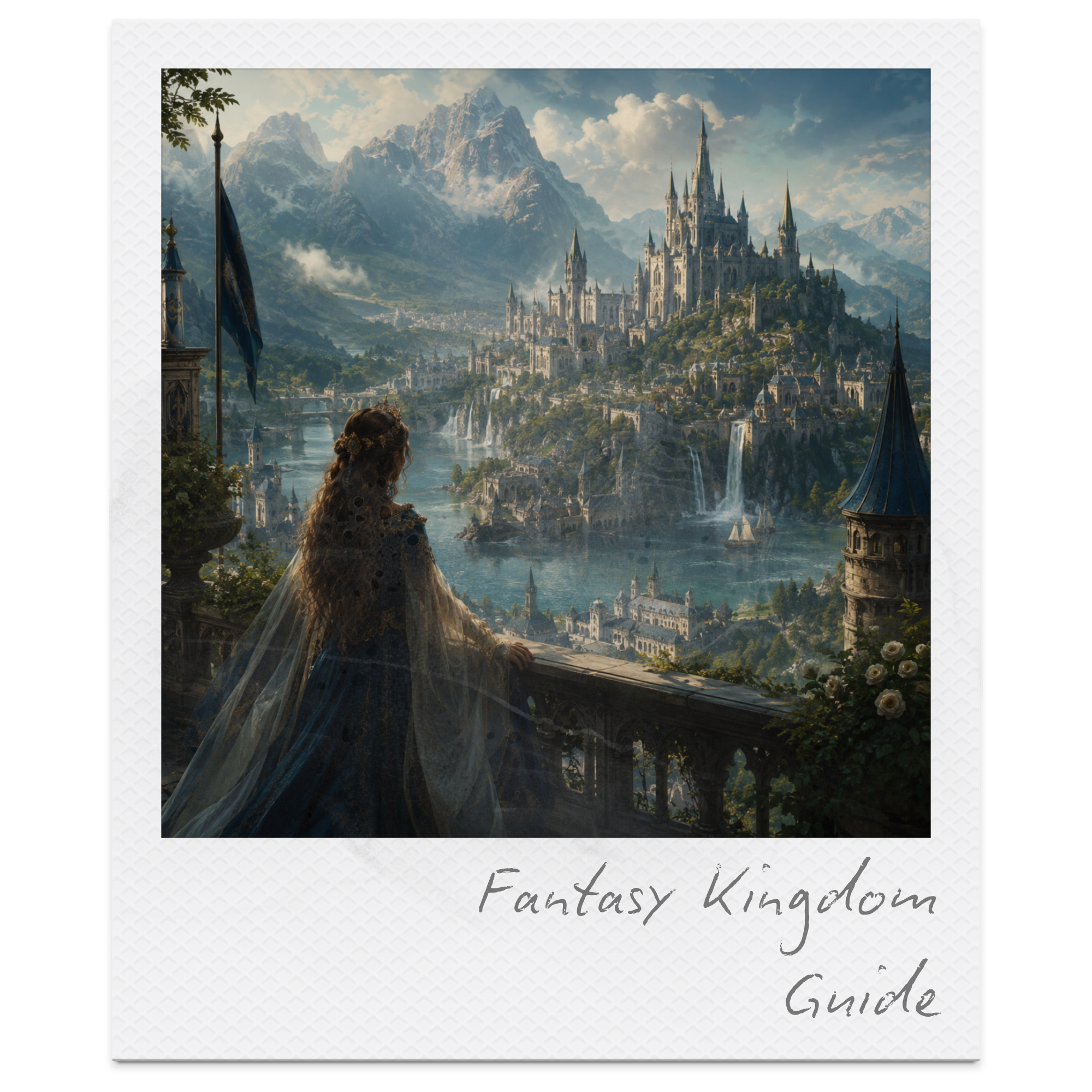
Build an unforgettable fantasy kingdom from the ground up with this ultimate worldbuilding guide. Discover hundreds of fantasy kingdom names, ideas, writing prompts and worldbuilding questions, explore forest, mountain, desert, frozen, island and underwater realms, create rulers, capitals, cultures, magic systems, histories and political rivalries, and use free generators to turn your kingdom into a story.
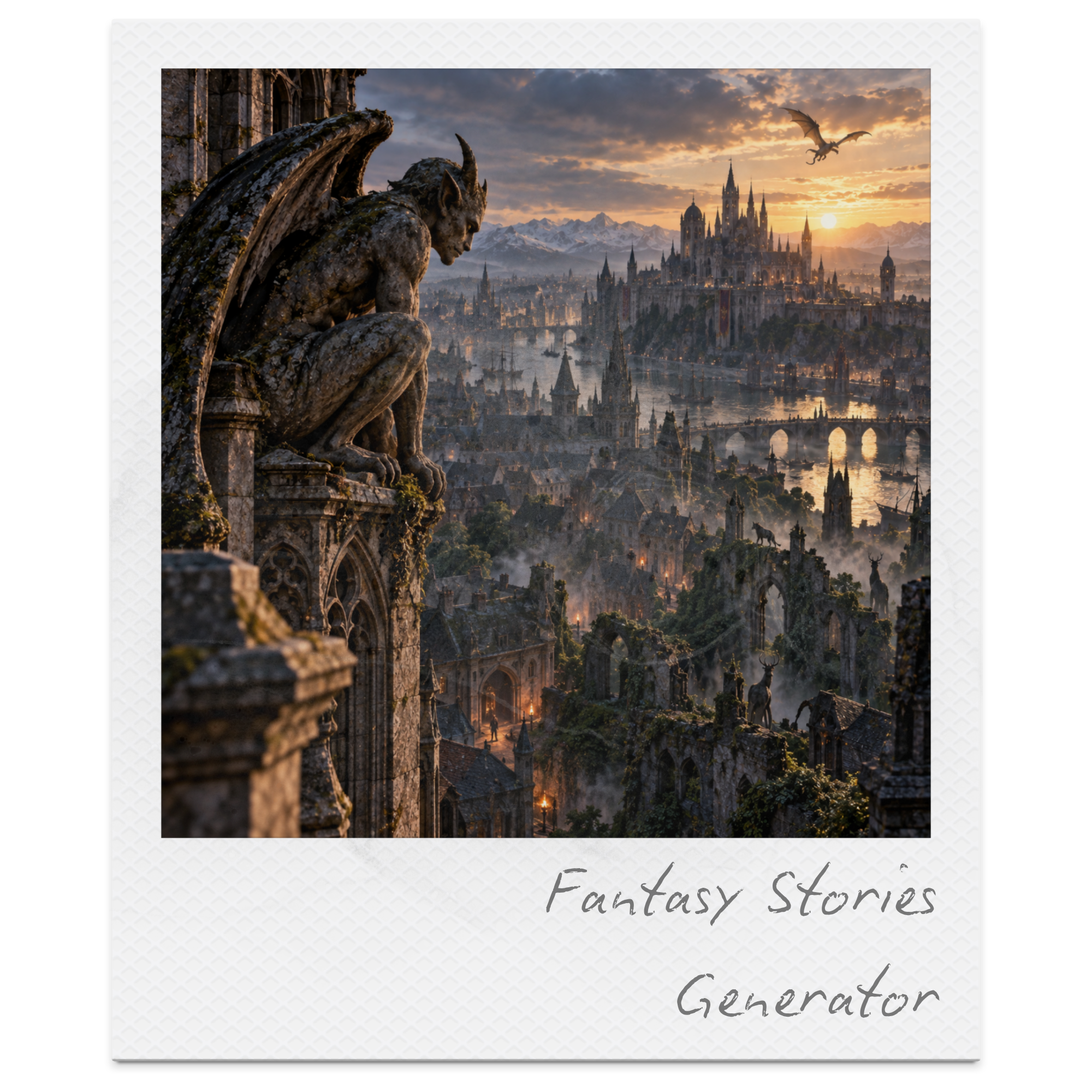
Fantasy Story Idea Generator: Create a Character, Setting, Conflict, Twist, Title & Opening Line
Create your next fantasy story in seconds with this free Fantasy Story Generator. Generate a complete story idea with a fantasy title, main character, setting, central conflict, plot twist, opening line and closing line, then change individual elements until inspiration strikes. Perfect for fantasy writers, creative writing exercises, short stories and anyone searching for a fresh idea to start writing.
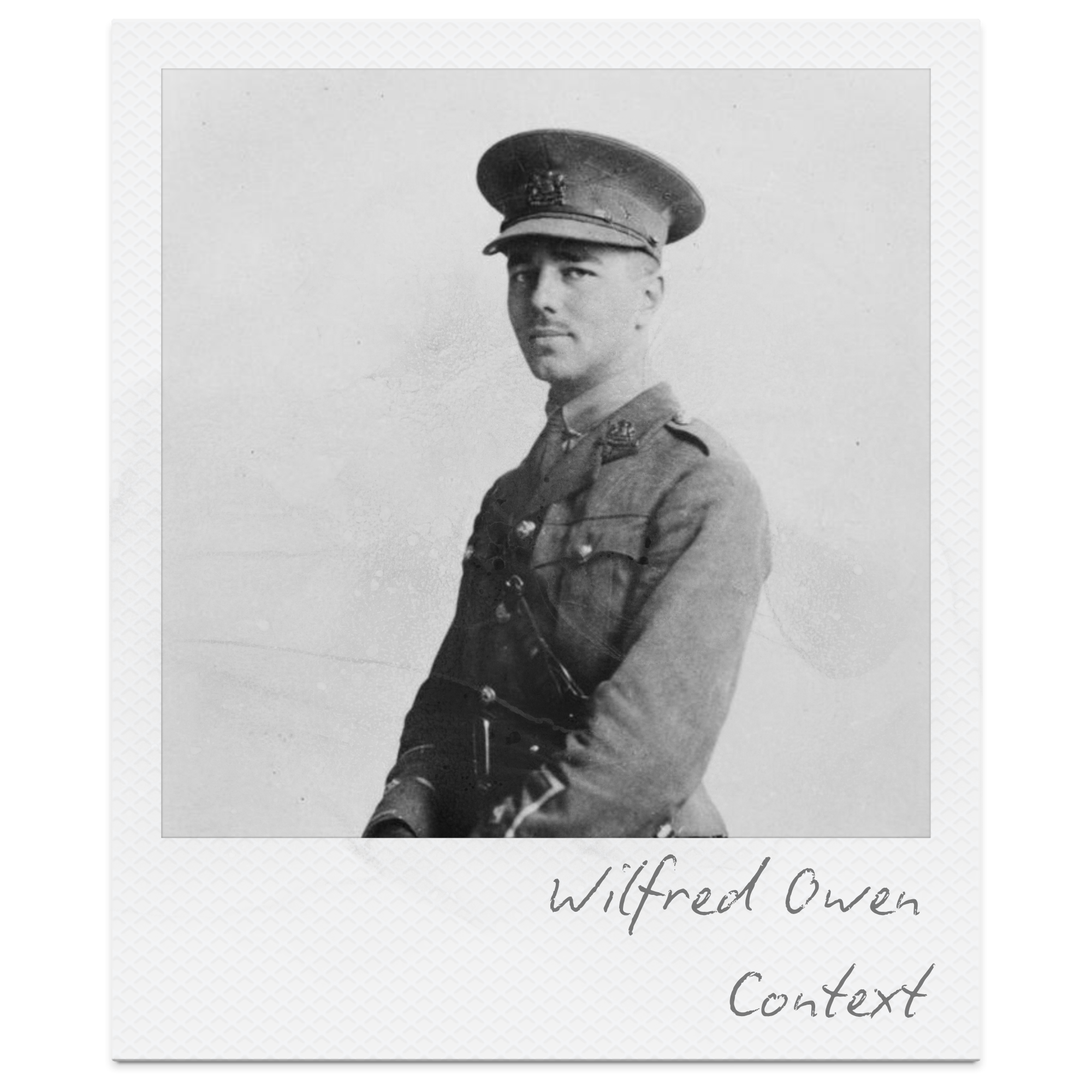
Wilfred Owen: Context, War Poetry, and Literary Significance
Explore the life, historical context, major themes, and literary significance of Wilfred Owen, one of the defining voices of First World War poetry. From patriotic ideas of King and Country to the brutal realities of trench warfare, shell shock, and mass loss, discover how Owen challenged romanticised representations of war and transformed the suffering of ordinary soldiers into some of the most powerful poetry of the twentieth century.
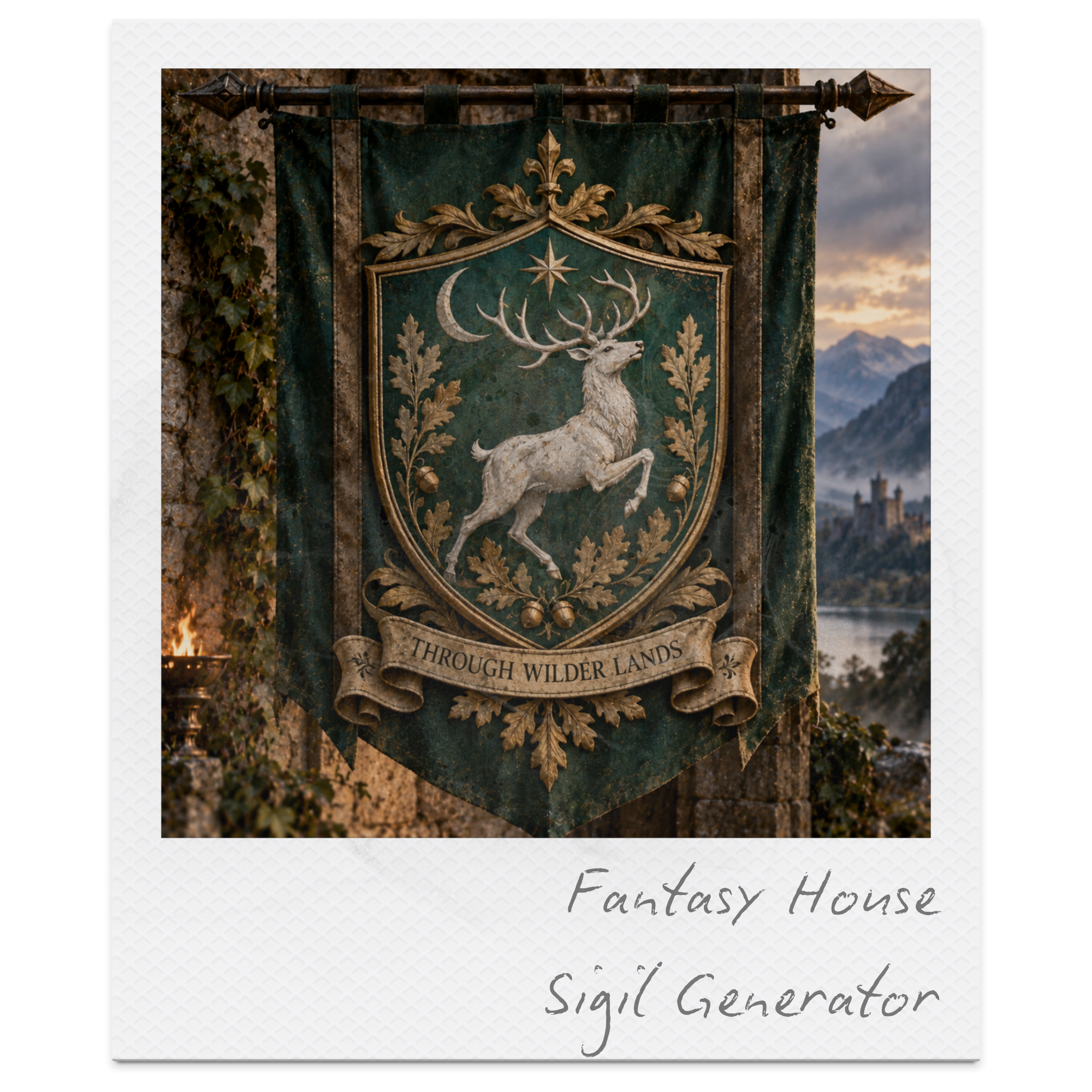
Fantasy Sigil Generator: Create a House Banner, Crest & Coat of Arms
Create a memorable Fantasy Sigil, Crest, Shield or House Banner with this free generator. Discover colours, symbols, mottos and reputations, then explore how to turn your emblem into a meaningful piece of fantasy worldbuilding.
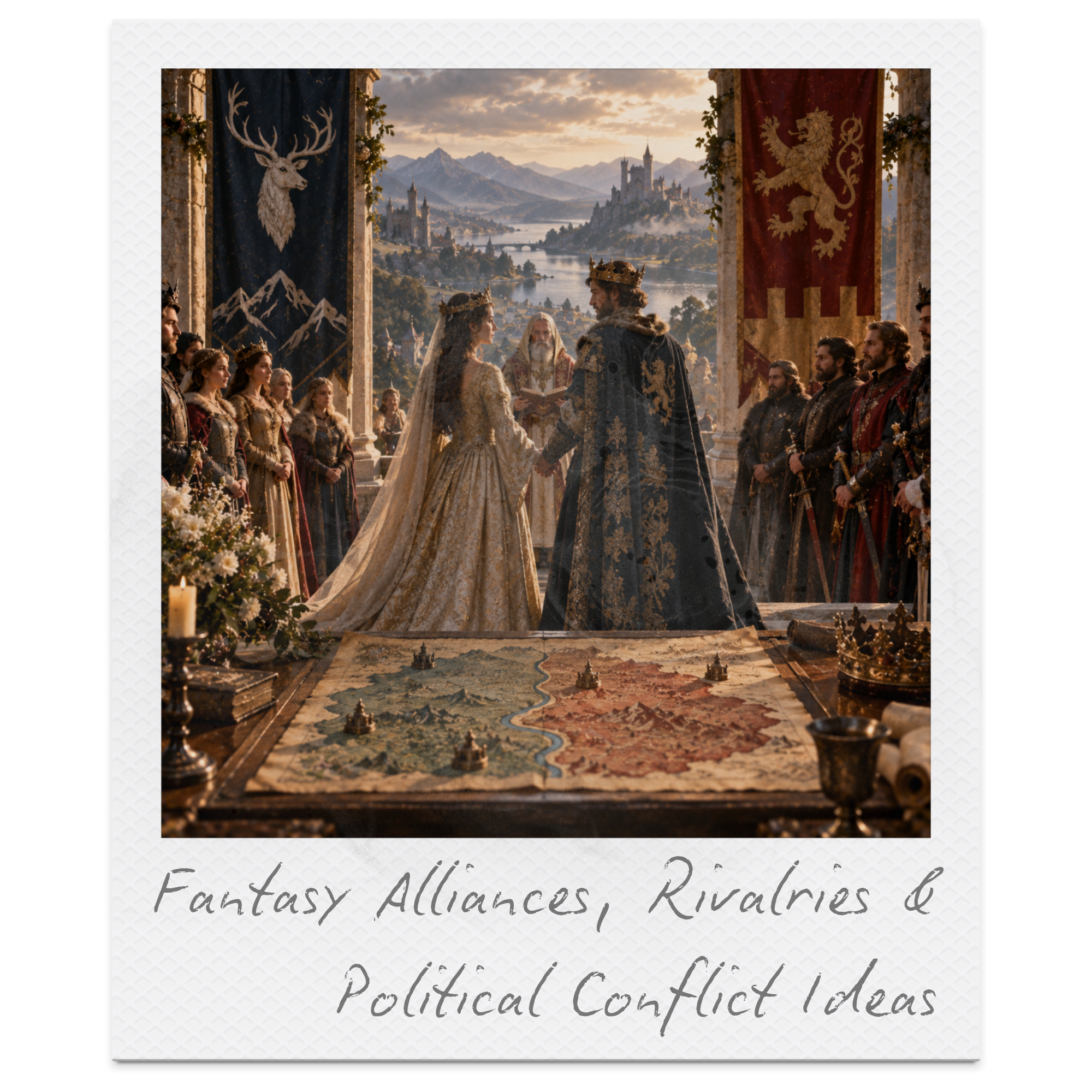
100 Fantasy Alliances, Rivalries & Political Conflict Ideas
Explore 100 Fantasy Alliances, Rivalries and Political Conflict Ideas for kingdoms, noble houses and factions. From marriage alliances and ancient blood feuds to secret treaties, succession crises, betrayals and rebellions, discover political conflicts with story ideas to inspire deeper fantasy worldbuilding.
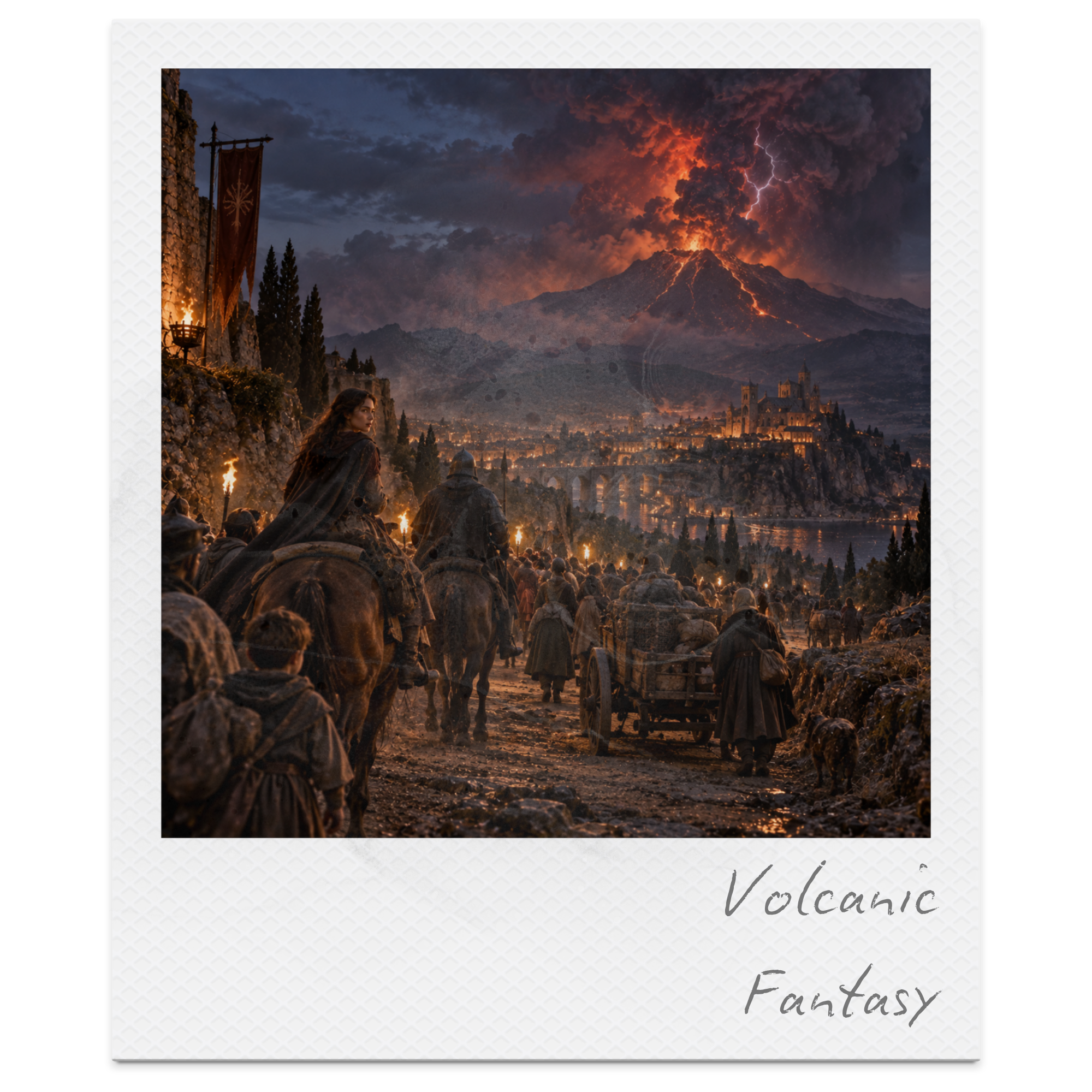
70 Volcanic Fantasy Writing Prompts: Fiery Kingdoms, Obsidian Cities & Sleeping Mountains
Explore 70 Volcanic Fantasy Writing Prompts inspired by sleeping mountains, obsidian cities, black-sand shores, crater lakes and fiery landscapes. Discover plot prompts, title ideas, opening and closing lines, characters, settings and picture prompts for fantasy stories shaped by volcanic worlds.
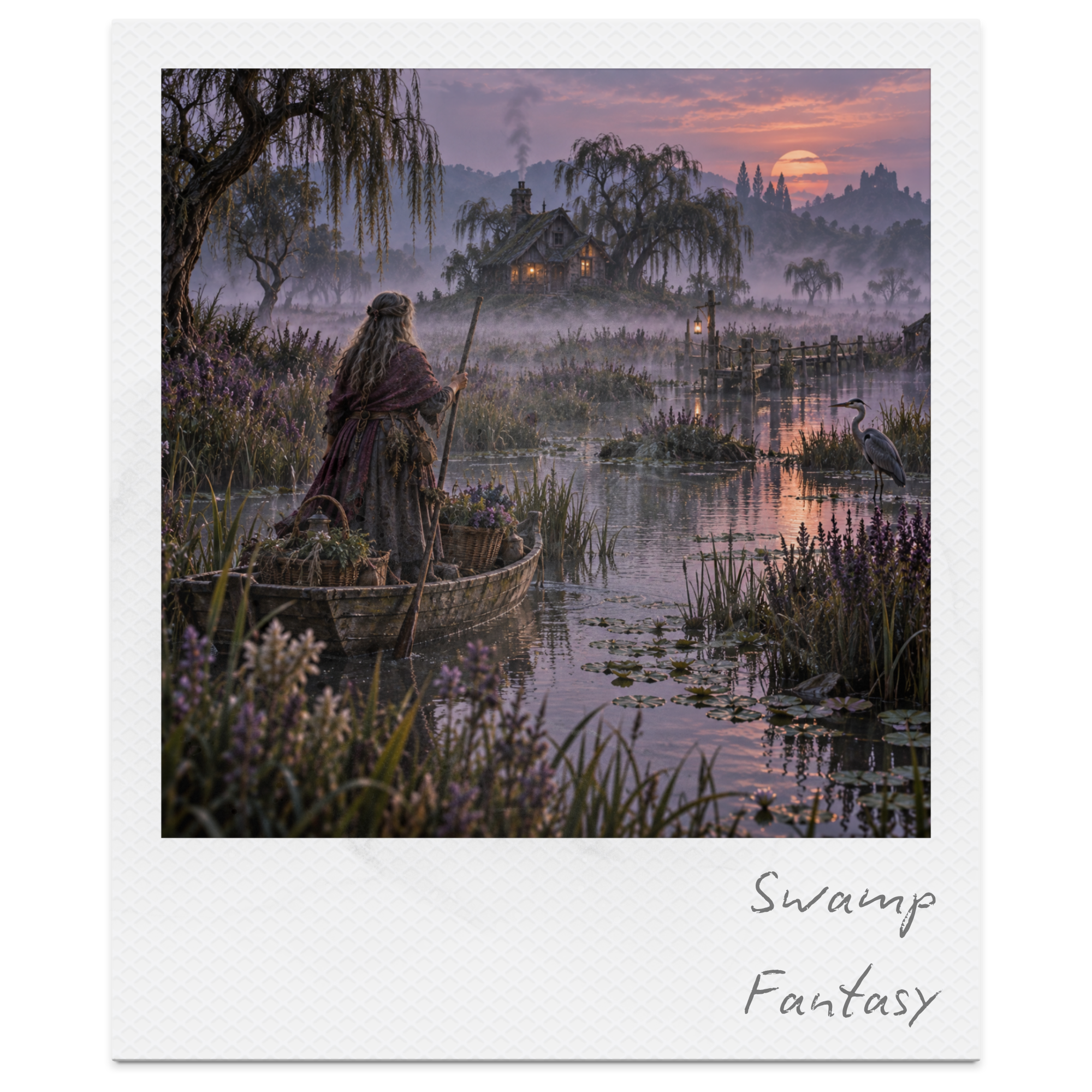
70 Swamp Fantasy Writing Prompts: Misty Wetlands, Sunken Ruins & Hidden Magic
Explore 70 Swamp Fantasy Writing Prompts inspired by misty wetlands, flooded forests, sunken ruins, floating villages and mysterious waterways. Discover plot prompts, title ideas, opening and closing lines, characters, settings and picture prompts for magical stories hidden among the reeds.
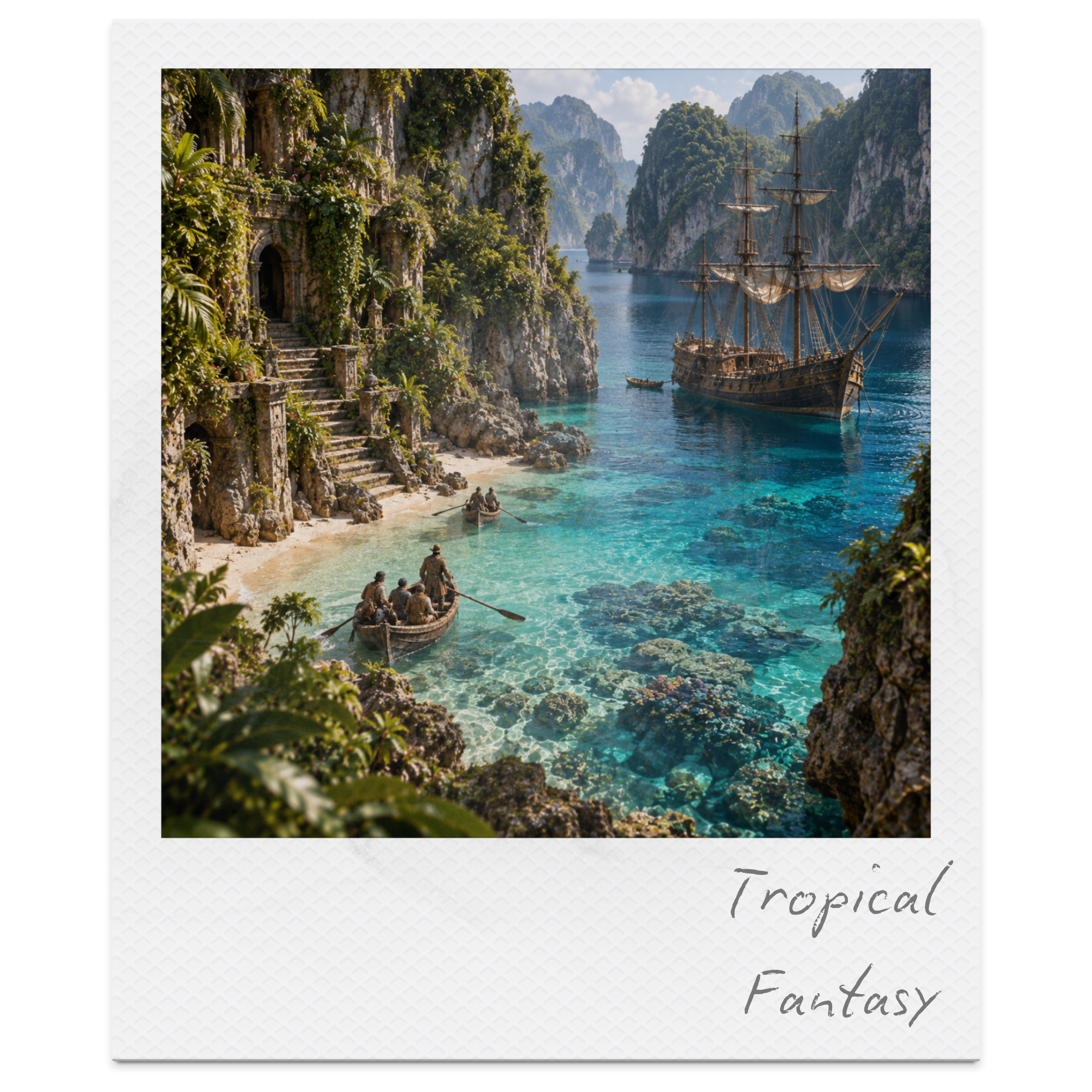
70 Tropical Fantasy Writing Prompts: Lush Islands, Hidden Temples & Magical Paradises
Explore 70 Tropical Fantasy Writing Prompts inspired by lush islands, rainforests, volcanic mountains, turquoise lagoons and hidden temples. Discover plot prompts, title ideas, opening and closing lines, characters, settings and picture prompts for magical stories shaped by extraordinary tropical landscapes.
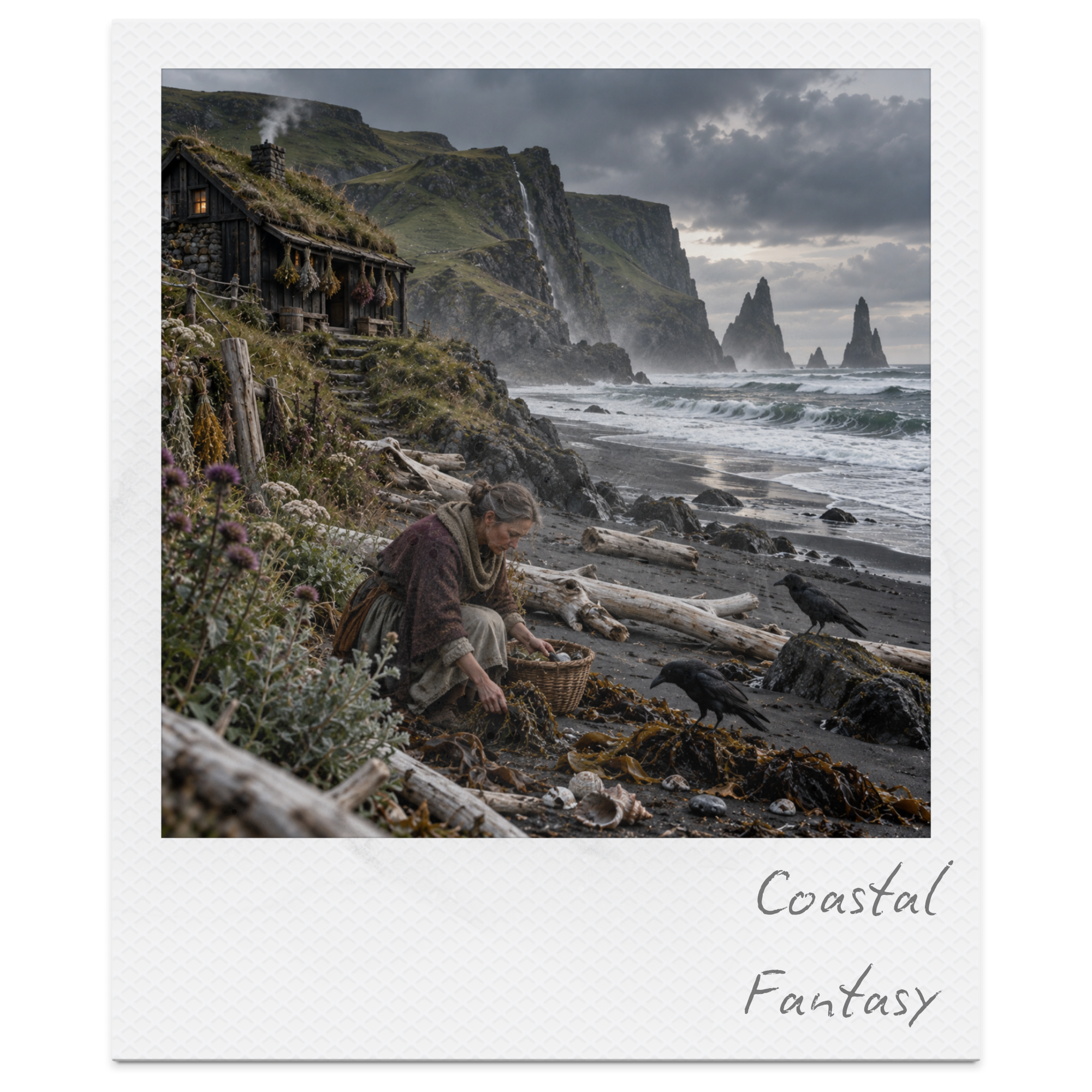
70 Coastal Fantasy Writing Prompts: Clifftop Kingdoms, Hidden Coves & Stormy Shores
Explore 70 Coastal Fantasy Writing Prompts inspired by rugged cliffs, hidden coves, bustling harbours, stormy shores and seaside kingdoms. Discover plot prompts, title ideas, opening and closing lines, characters, settings and picture prompts designed to spark magical stories where land meets sea.
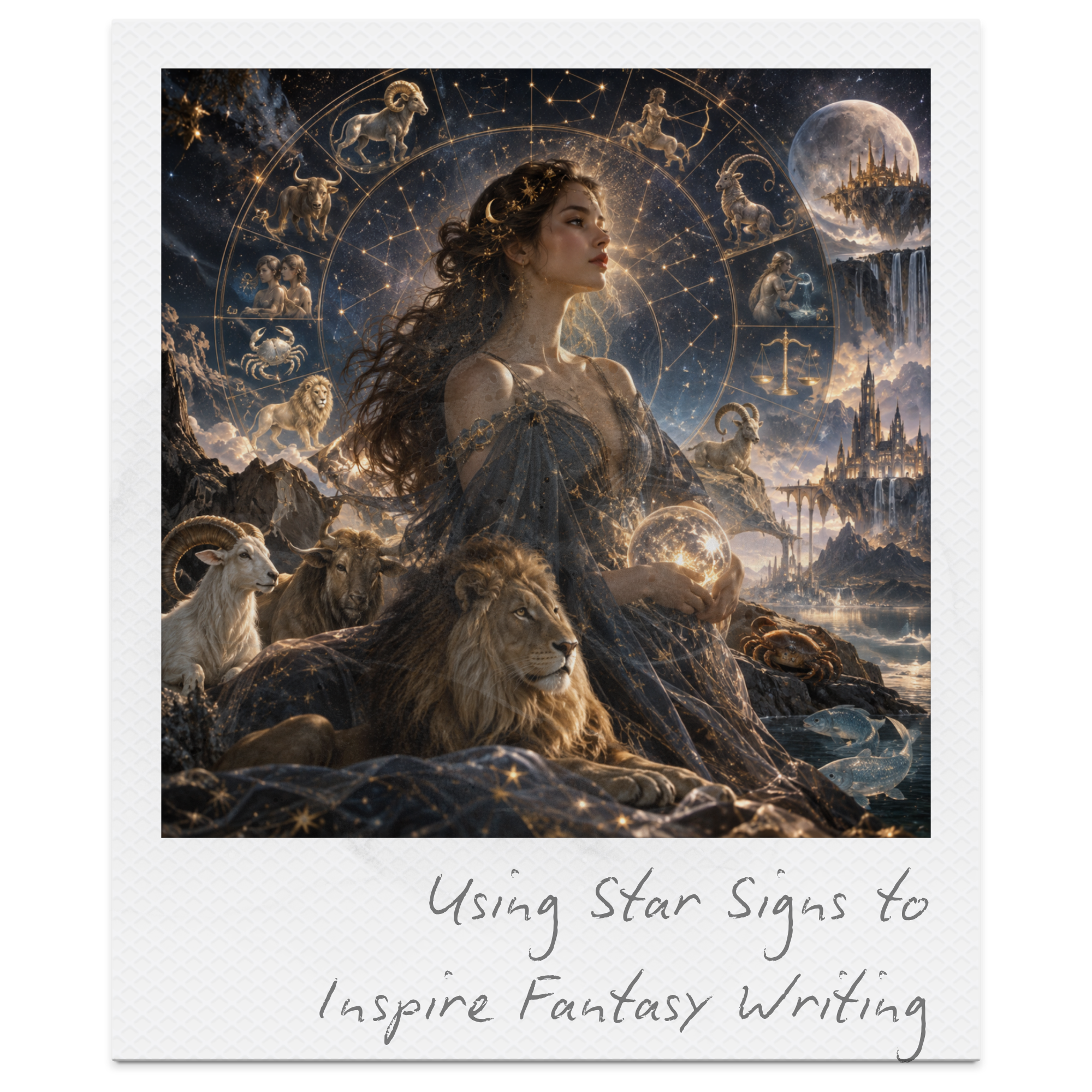
Zodiac Fantasy Writing Prompts: 12 Star Signs, Magical Worlds & Story Ideas
Excerpt
Go beyond earth, air, fire and water and discover the fantasy worlds hidden within the stars. Explore zodiac fantasy writing prompts inspired by all 12 star signs, from the fiery courage of Aries and solar kingdoms of Leo to Scorpio's shadow realms, Pisces' enchanted seas and Aquarius' impossible worlds. With nearly 1,000 prompts across the zodiac and celestial fantasy, discover new ideas for magical kingdoms, characters, stories and worldbuilding.
Creative Writing Prompts & Story Spark Generators: Take the One-Prompt Writing Challenge
Sometimes you don’t need hundreds of writing prompts — you just need one. Take the Story Sparks Challenge and let chance choose your next idea with random creative writing prompts for fantasy, romance, horror, mystery, sci-fi, dystopian, Gothic, historical fiction and more. Pick a genre, generate your first Story Spark and turn it into a ten-minute exercise, flash fiction, short story or the beginning of something much bigger.
100 Fantasy History Worldbuilding Questions: Create a Rich & Believable Past
Build a richer past for your fantasy world with these 100 Fantasy History Worldbuilding Questions. Explore ancient civilisations, royal dynasties, wars, rebellions, magic, religion, disasters, golden ages, forgotten secrets and the historical events that continue to shape your kingdom in the present.
100 Fantasy Kingdom History Ideas: Ancient Wars, Fallen Dynasties & Forgotten Secrets
Give your fantasy kingdom a past that shapes its present with 100 History Ideas covering legendary foundations, ancient wars, fallen dynasties, rebellions, magical catastrophes, golden ages, conquests, lost cities, religious upheaval and political betrayals. Each idea includes three story possibilities to help you turn centuries of worldbuilding into conflicts, mysteries and plot hooks for your fantasy stories.
100 Fantasy Magic Worldbuilding Questions: Build a Believable Magic System
Explore 100 Fantasy Magic Worldbuilding Questions designed to help you develop a rich and believable magical world. Explore magical origins, abilities, education, costs, limitations, forbidden practices, religion, law, inequality, warfare, magical creatures and everyday life while discovering how magic shapes your characters, cultures and societies.
Fantasy Magic System Generator: Create Unique Magic for Your World
Create a unique fantasy magic system with this interactive generator, combining magical sources, abilities, users, costs, limitations, forbidden practices, social attitudes and complications. Reroll individual elements, explore more than one quintillion possible combinations and build a magic system that genuinely shapes your characters, society and fantasy world.
100 Fantasy Culture Worldbuilding Questions: Create a Rich & Believable Society
Explore 100 Fantasy Culture Worldbuilding Questions designed to help you create rich, believable societies. Develop values, family life, social structures, customs, food, clothing, religion, traditions, laws, entertainment and attitudes towards outsiders while building cultures that feel genuinely lived in.
100 Fantasy Occupations: Magical Jobs, Unusual Professions & Character Ideas
Explore 100 Fantasy Occupations for characters and worldbuilding, from bakers, blacksmiths and royal physicians to dragon keepers, curse breakers, monster hunters and ghost negotiators. Each fantasy job includes three story ideas to help you create characters, develop your world and inspire new plots.
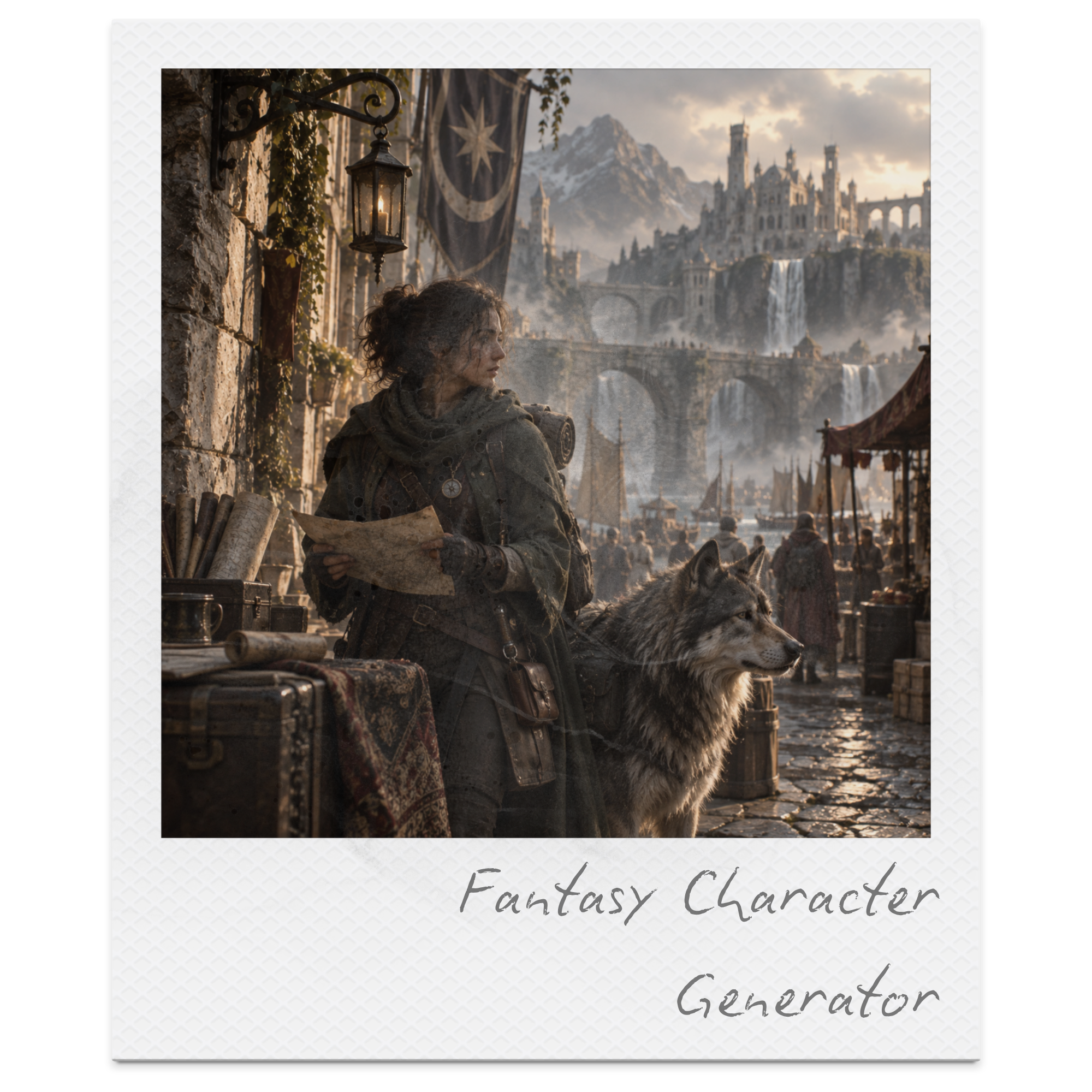
Fantasy Character Generator: Create Unique Characters for Your Story
Create unique fantasy characters at the click of a button with this free Fantasy Character Generator. Generate names, character types, occupations, appearances, personalities, powers, secrets, flaws and motivations — then turn unexpected combinations into original characters for your next fantasy story.
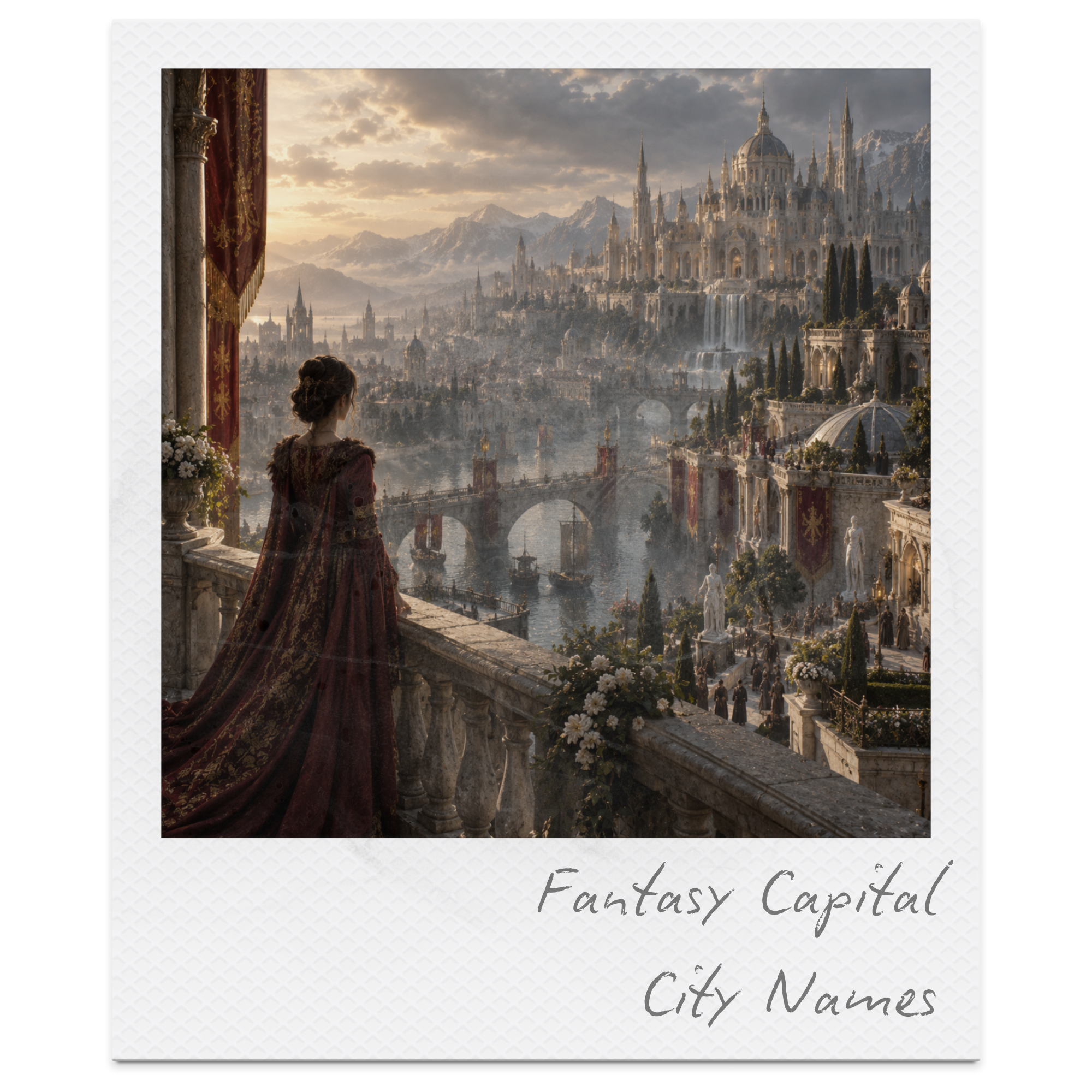
100 Fantasy Capital City Names for Magical Kingdoms, Ancient Realms & Epic Worlds
Discover 100 Fantasy Capital City Names for magical kingdoms, ancient realms and epic worlds, from royal and imperial capitals to forest cities, mountain strongholds, coastal courts, desert kingdoms, frozen realms and impossible cities. Each name includes worldbuilding inspiration and three story ideas to help fantasy writers bring their capital to life.
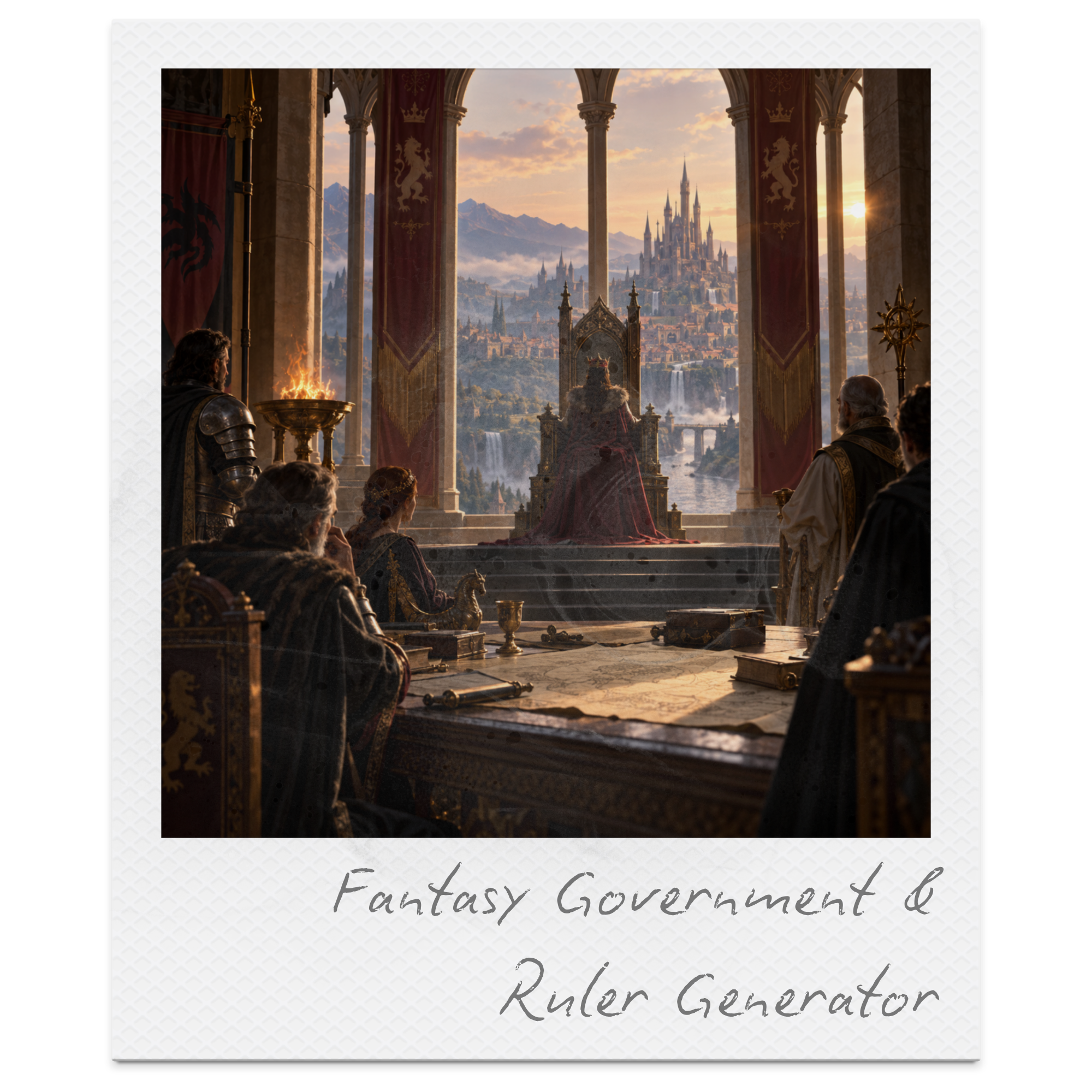
How to Create a Fantasy Kingdom Government: Rulers, Power & Politics
Build a believable political system for your fantasy realm with this guide to 12 types of fantasy government, from hereditary monarchies and noble councils to theocracies, magocracies and military rule. Explore rulers, succession, hidden power, political conflict and worldbuilding questions, then use the Who Rules Your Fantasy Kingdom? generator to create a unique system of rule and instant story conflict.