Ekphrastic Writing for the Classroom: Art, Photo & Science Prompts for English Teachers
Ekphrastic writing encourages students to slow down, look closely, and transform images into language. By responding to visual stimuli rather than written instructions, students develop imagery, inference, voice, and emotional control across poetry, prose, and creative nonfiction.
This classroom-ready guide brings together ekphrastic writing prompts using art, photography, sculpture, science imagery, and AI-generated visuals. Whether you’re planning a poetry unit, setting high-impact bell-ringers, or building cross-curricular links with Art, History, or Science, these activities are designed for real classroom use.
If you’re looking for more ways to build visual and image-led writing into your lessons, you might also find it useful to explore our Poetry Writing Activities for the Classroom, dip into 100 Poetry Prompts, Poetry Writing Hub for longer units, or browse the wider Creative Writing Archive for genre-based and seasonal writing ideas.
Understanding Ekphrasis in the Classroom
Ekphrasis is best understood not as a single genre, but as an approach to writing that begins with close observation and moves into interpretation, voice, and meaning. In the classroom, ekphrastic tasks can support a wide range of outcomes — from narrative prose to tightly controlled poetry — depending on the form students choose.
What Is Ekphrastic Writing?
Ekphrastic writing is a form of creative writing that responds to a visual image, using it as a starting point for interpretation, voice, and narrative thinking. In the classroom, ekphrasis can take many forms — not just poetry, but prose, monologue, reflective writing, and short fiction.
Rather than describing an image literally, ekphrastic writing encourages students to translate what they see into language.
◆ writers explore what happened before or after the moment shown
◆ they imagine thoughts, motivations, or memories linked to the image
◆ they write from the perspective of a figure, object, or observer
◆ they use the image to develop character, conflict, or theme
Ekphrastic writing is therefore best understood as an umbrella approach — a way of generating ideas and developing voice across multiple forms of writing.
Since ekphrastic writing acts as an idea-generation and thinking tool, helping students move from observation into purposeful writing.
In the classroom, ekphrastic writing might look like:
◆ a first-person monologue spoken by a figure inside the image
◆ a short prose scene imagining the moment just before or after what is shown
◆ a diary entry, letter, or witness statement inspired by the image
◆ a reflective paragraph responding to the emotions or questions the image raises
◆ a piece of creative nonfiction blending observation with memory or inference
These forms allow students to expand ideas outward, using the image as a narrative anchor rather than a subject to describe.
Well-known examples of ekphrastic writing in prose include:
◆ Girl with a Pearl Earring by Tracy Chevalier — a novel imagining the life and inner world behind Vermeer’s painting
◆ The Goldfinch by Donna Tartt — uses a painting as a recurring emotional and symbolic anchor for narrative
◆ The Silence of the Girls by Pat Barker — reinterprets classical art and myth through marginalised perspectives
◆ My Name Is Red by Orhan Pamuk — explores art, storytelling, and perspective through image-led narrative fragments
◆ Museum catalogue essays and gallery labels that blend historical observation with imaginative inference
These texts demonstrate how ekphrastic writing can expand outward into story, character, and theme, using visual art as a narrative springboard rather than a fixed object of description.
What Is Ekphrastic Poetry?
Ekphrastic poetry is a specific form of ekphrastic writing that responds to an image through poetic craft. Rather than expanding into narrative, ekphrastic poems often compress meaning, focusing on imagery, symbolism, sound, and emotional resonance.
◆ poets concentrate on a single moment or detail
◆ meaning is shaped through metaphor, line breaks, and repetition
◆ ambiguity and silence are often left unresolved
◆ emotion or tension is prioritised over explanation
Classic examples of ekphrastic poetry include:
◆ Ode on a Grecian Urn by John Keats
◆ Musée des Beaux Arts by W. H. Auden
◆ My Last Duchess by Robert Browning
For a deeper exploration of ekphrasis across both forms — with classroom examples and scaffolding — see The Ultimate Guide to Ekphrasis (for Secondary Classrooms).
How to Teach Ekphrastic Writing in the Classroom
Ekphrastic writing works best when students are given time to observe before they are asked to write. The focus is not on identifying the “right” meaning of an image, but on encouraging interpretation, inference, and voice.
A simple, repeatable approach might look like this:
◆ display the image and allow silent observation before any discussion or writing
◆ invite students to note what they see, what they notice, and what they wonder
◆ ask one guiding question (e.g. What moment is this image capturing? or What can’t we see?)
◆ give students a clear choice of form (poem, monologue, prose, reflection)
◆ allow writing to remain exploratory rather than polished on the first attempt
This structure helps remove anxiety, especially for reluctant writers, and keeps the emphasis on process rather than performance.
Ekphrastic Writing Prompts for the Classroom
The following ekphrastic writing prompts are organised by image type, making it easy to select visuals that suit your lesson focus, student confidence, or cross-curricular links. Each section includes suggested ways to use the images in class, along with adaptable prompt ideas that work across poetry, prose, monologue, and creative nonfiction.
These prompts are designed to be low-prep and flexible. You can use them as quick bell-ringers, extended writing tasks, discussion starters, or the foundation of a longer creative unit. Images can be projected, printed, or shared digitally, and students can respond individually or collaboratively.
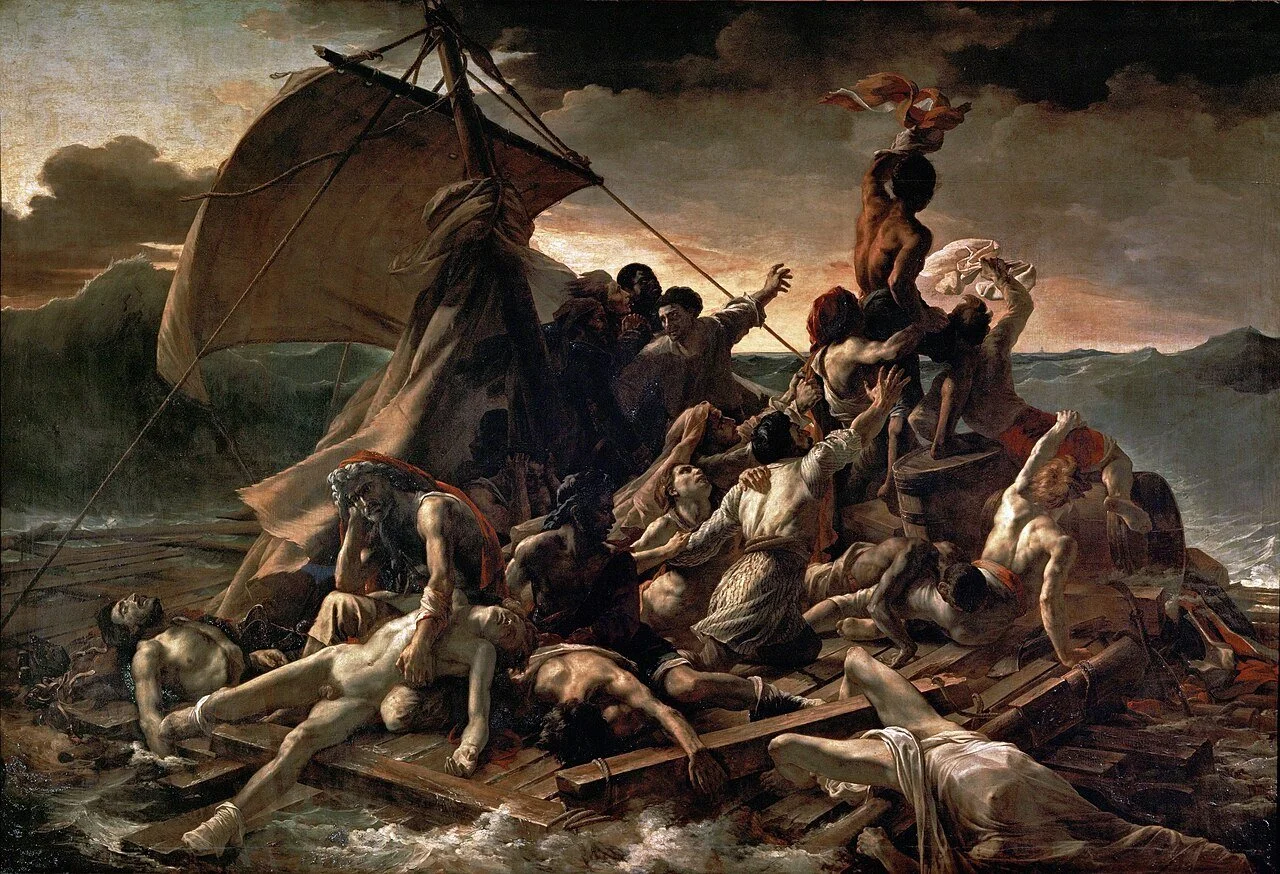
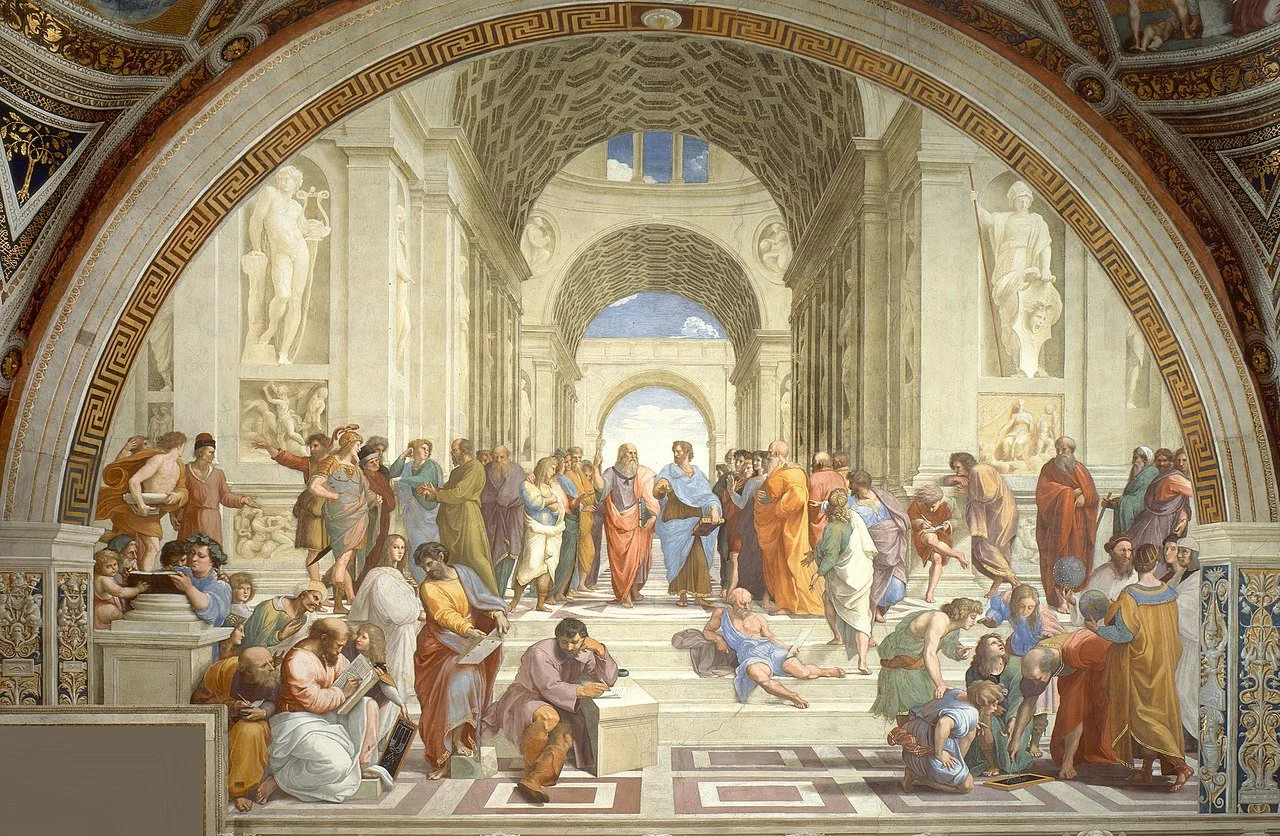
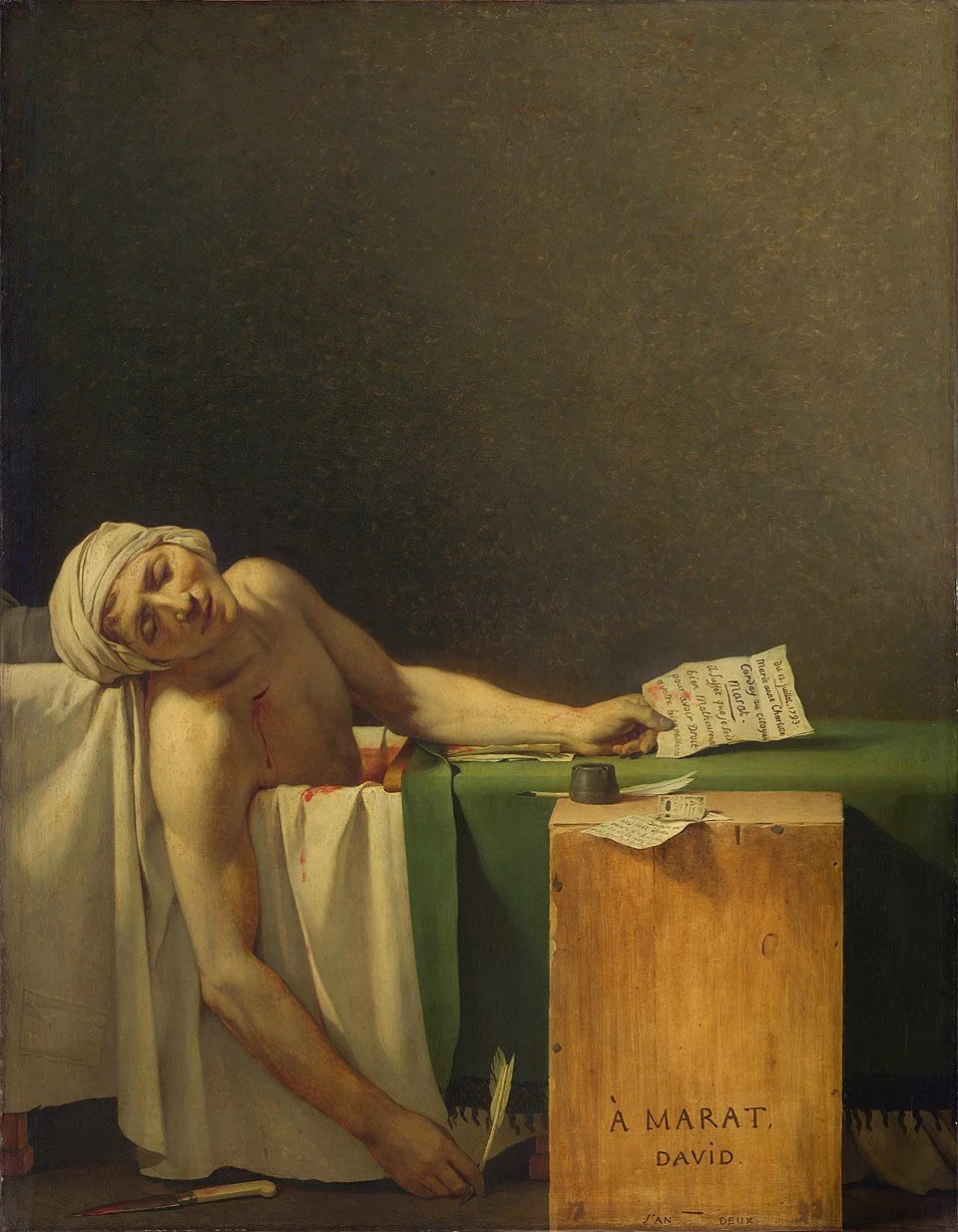
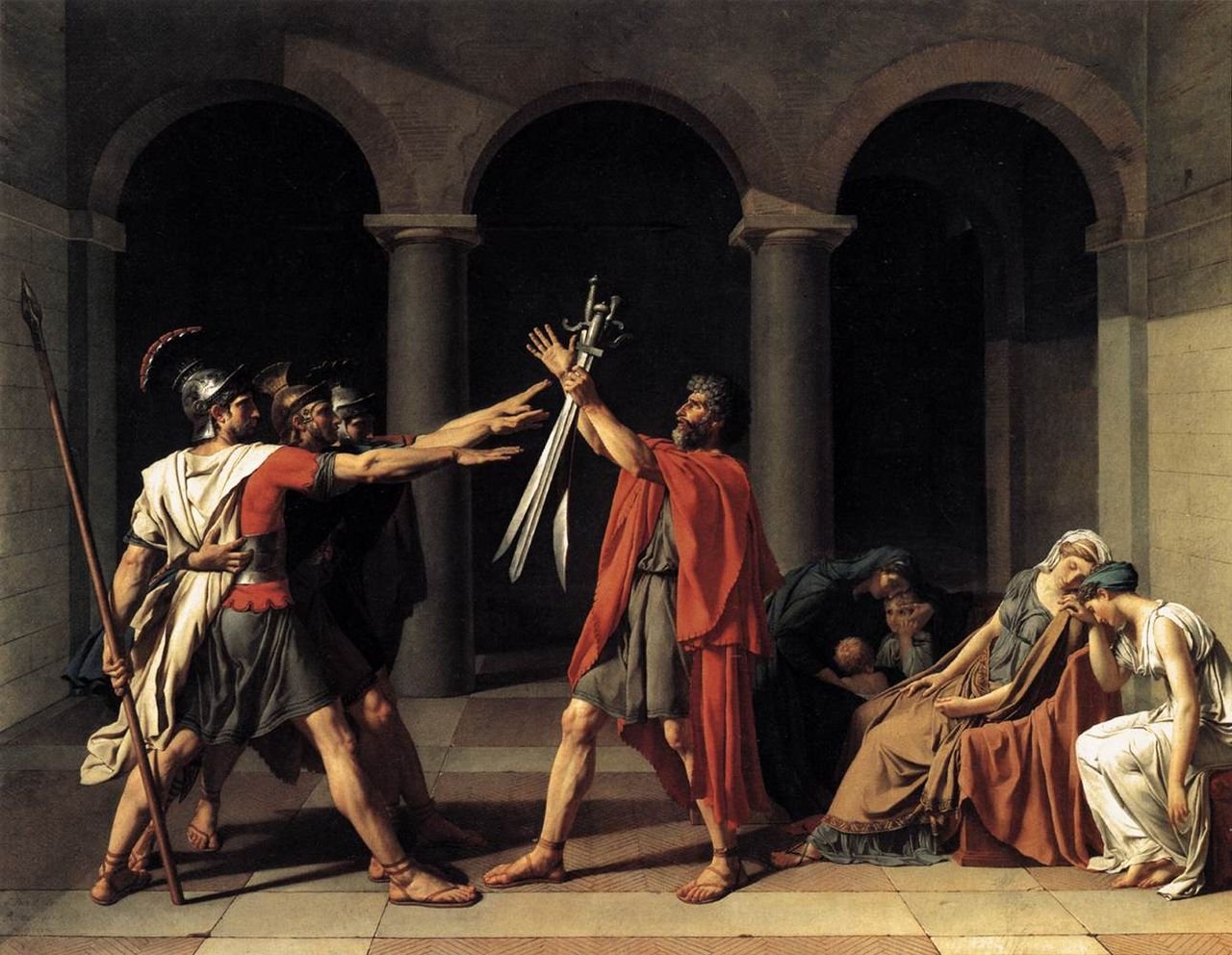
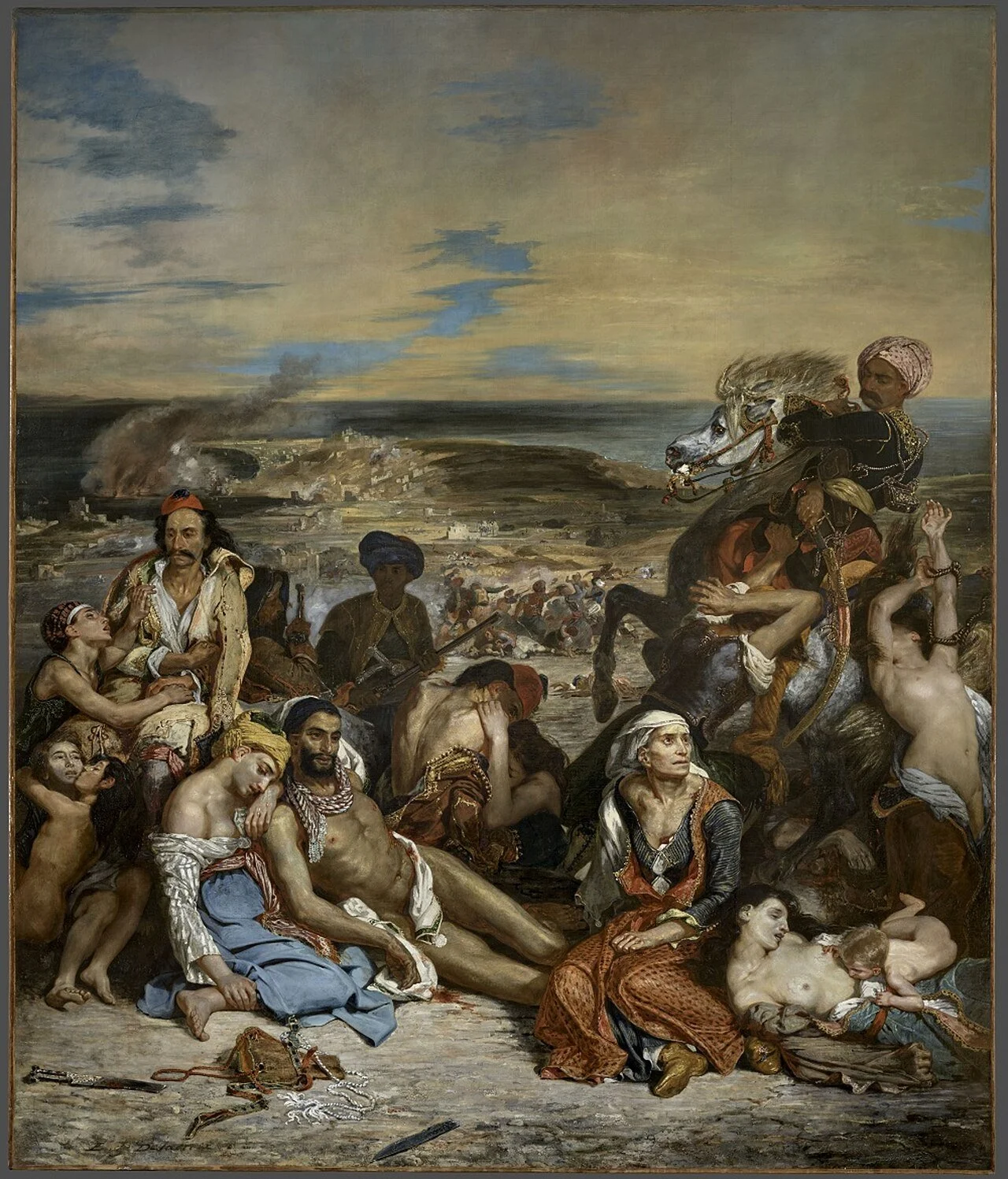
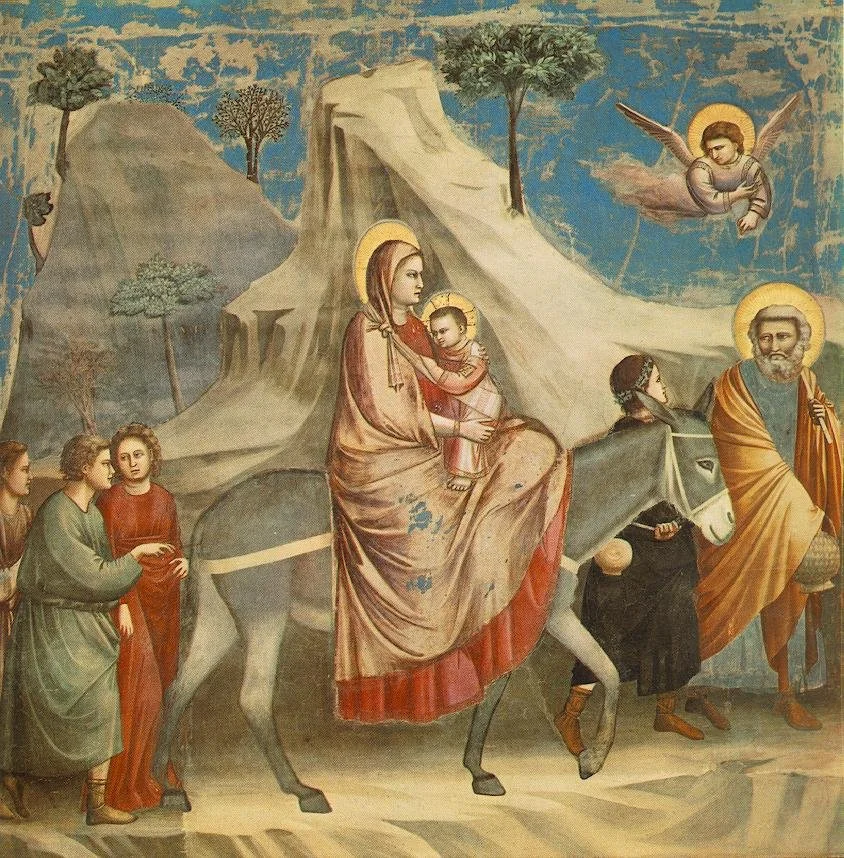
1. Classical Paintings
Why it works:
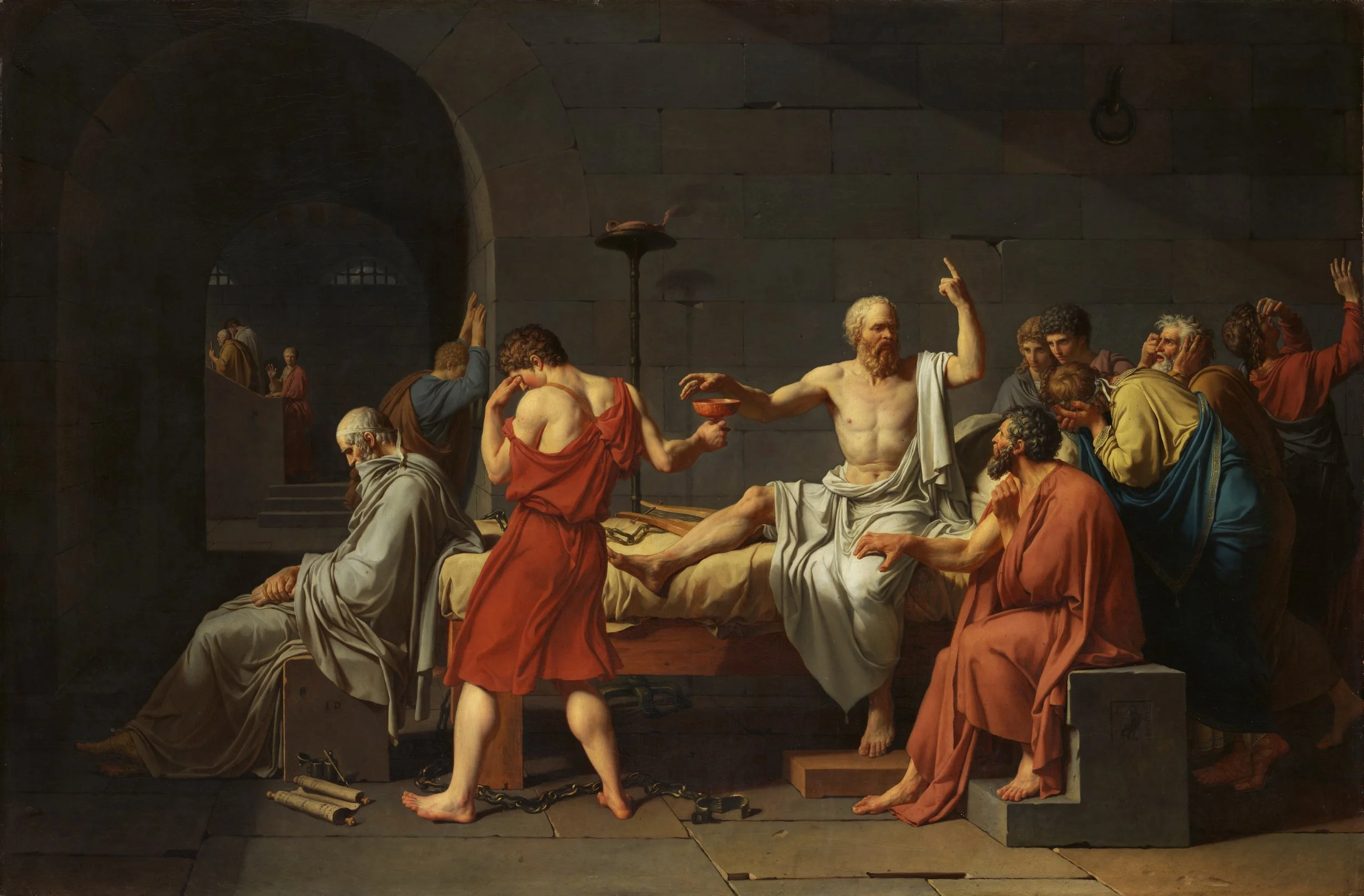
Classical paintings are built around pivotal moments — revolt, sacrifice, revelation, death. Their heightened drama and rich symbolism draw students into scenes often frozen at the point of decision or consequence, making them ideal for writing that explores voice, conflict, power, and emotional stakes.
Ways to use them:
◆ Project a painting and ask: What happened just before this moment? What happens next?
◆ Have students write from the perspective of a minor figure, bystander, or overlooked character
◆ Ask students to rewrite the scene in a modern context (e.g. protest, trial, personal sacrifice)
◆ Invite students to use the painting’s title as their own — without directly describing the image
Prompt ideas:
◆ Write a monologue from someone who can’t stop looking at this painting
◆ Tell the story of this moment as a whispered secret
◆ Choose two figures in the image and write a letter between them
◆ Begin: “You don’t know what it cost me to stand still.”

.jpg)


.jpg)





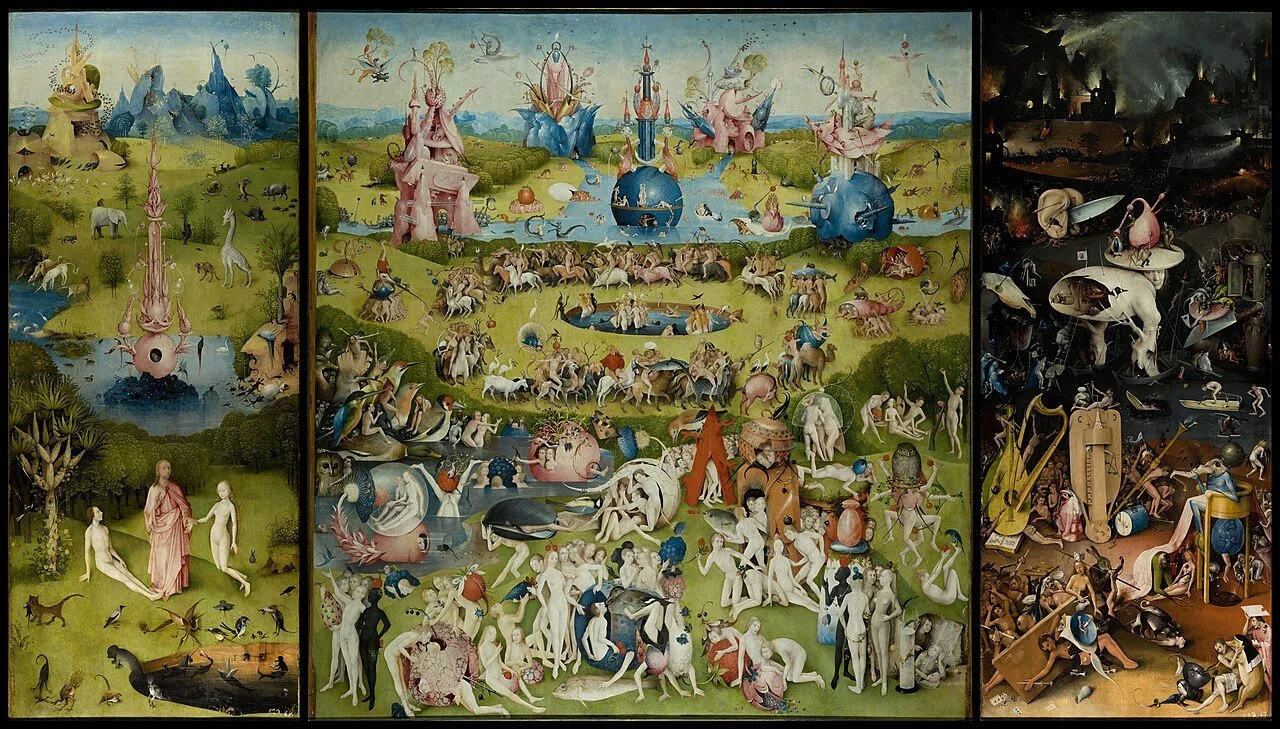
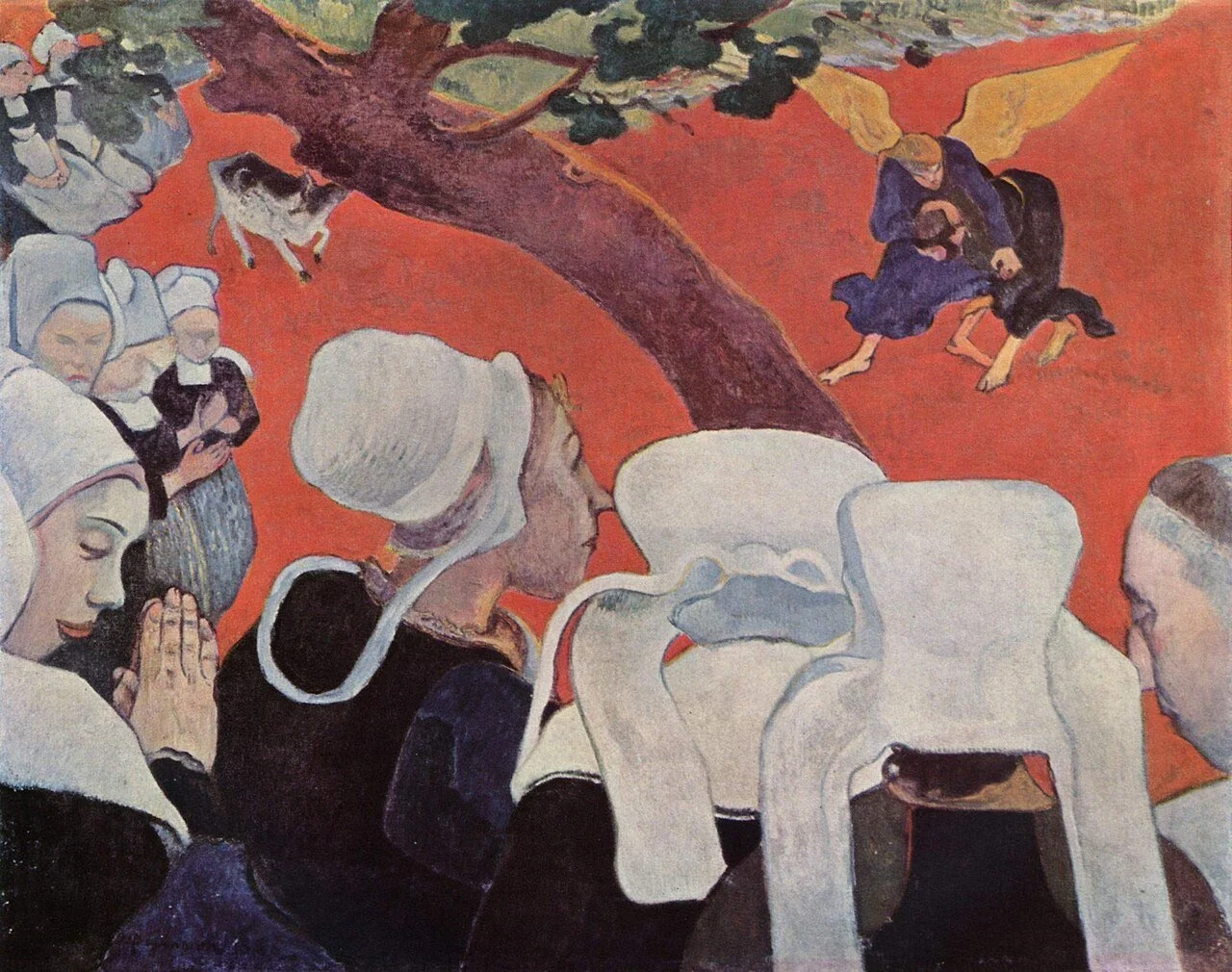
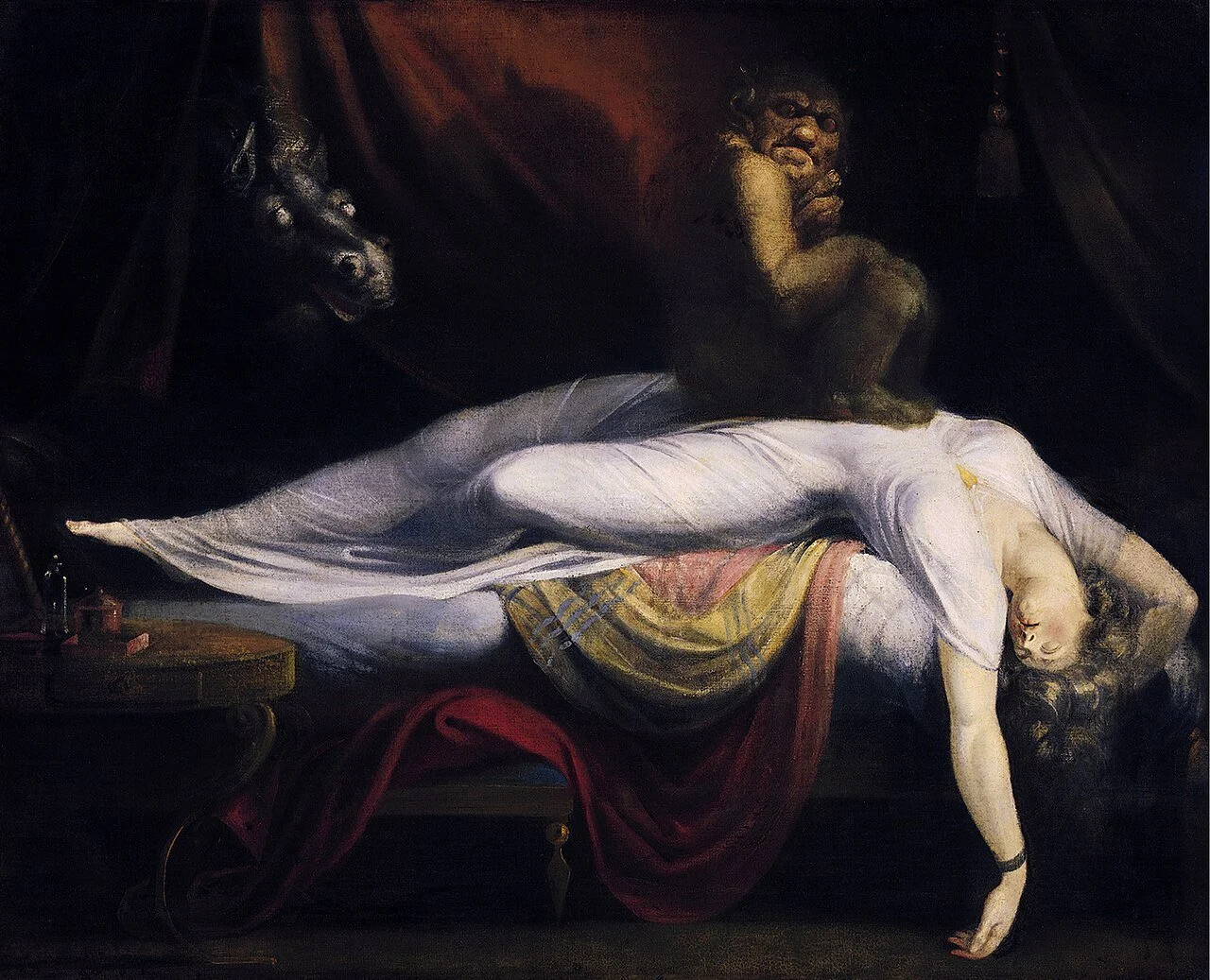
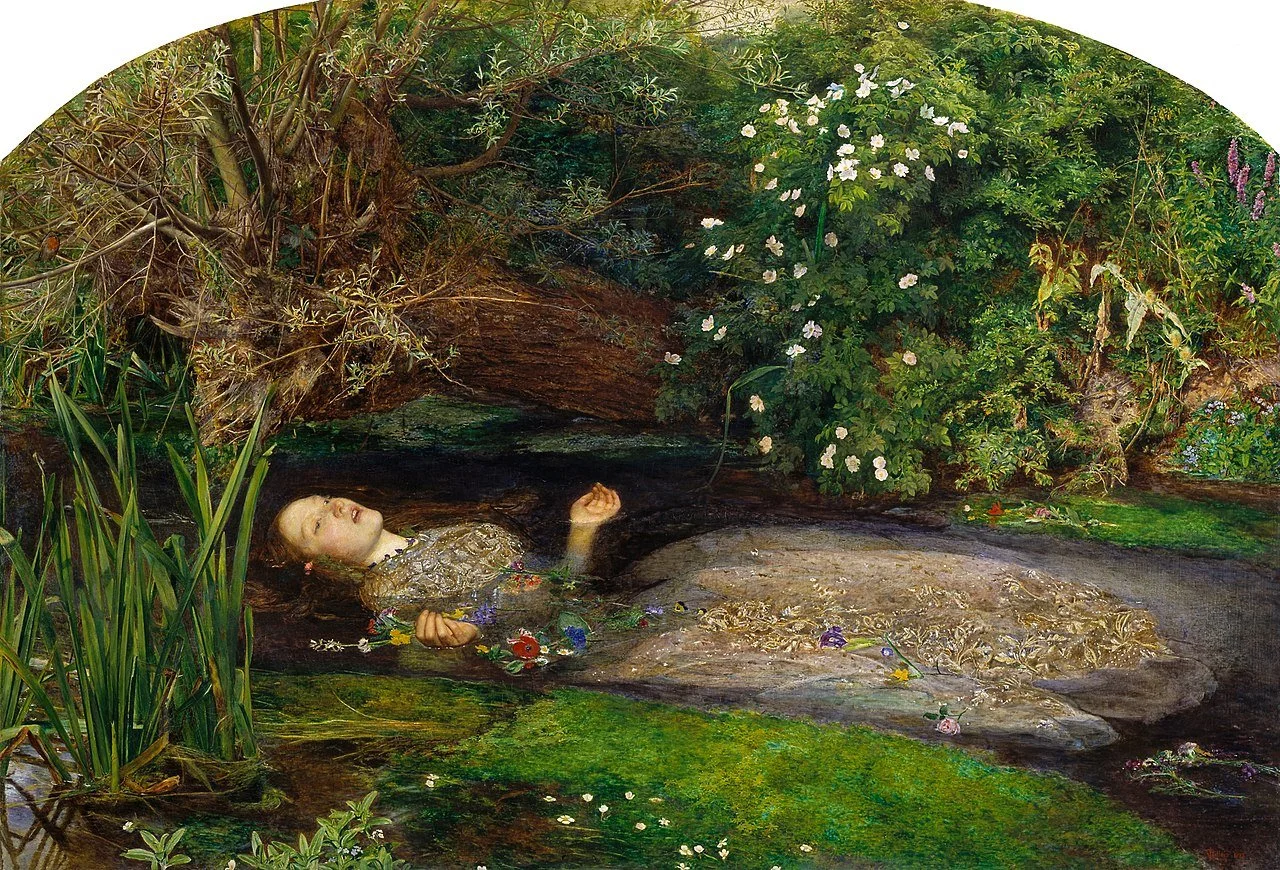
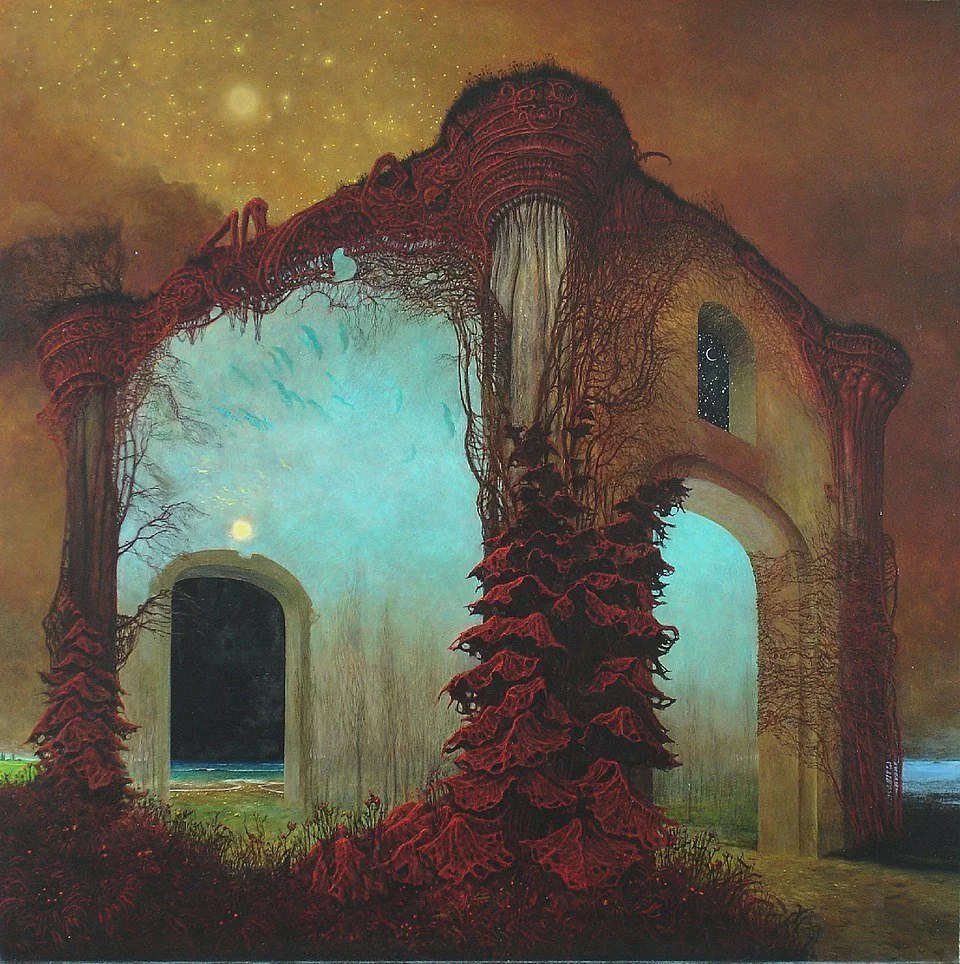
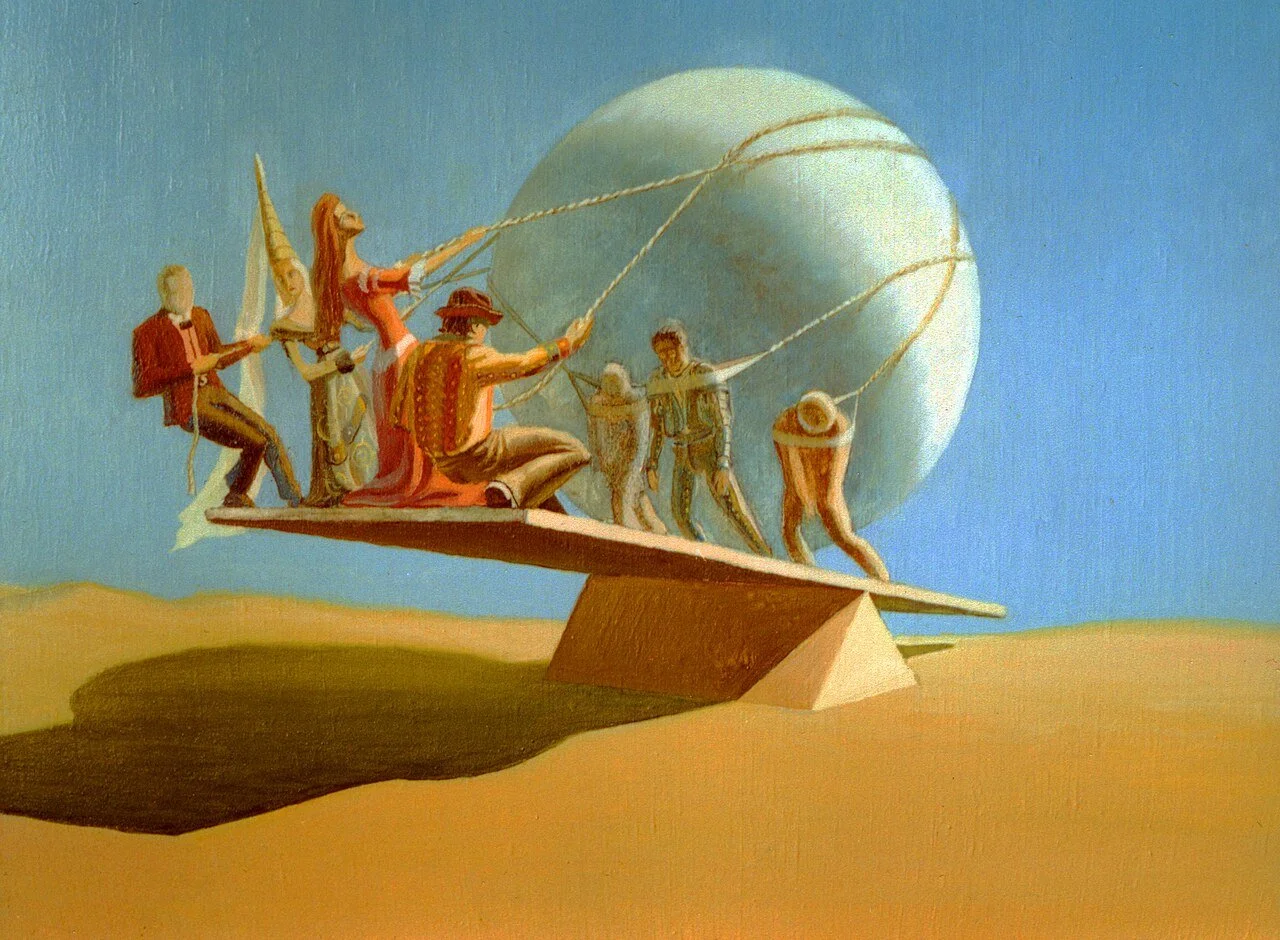
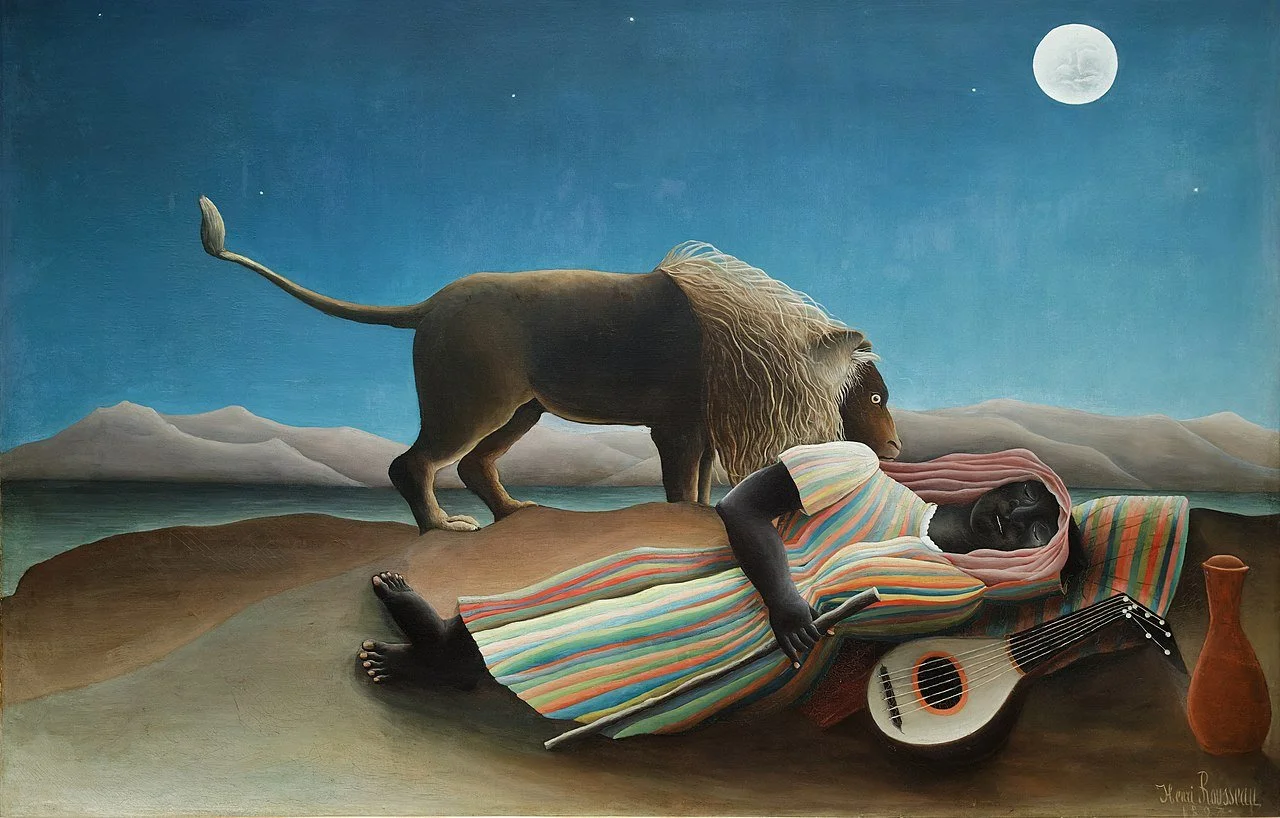
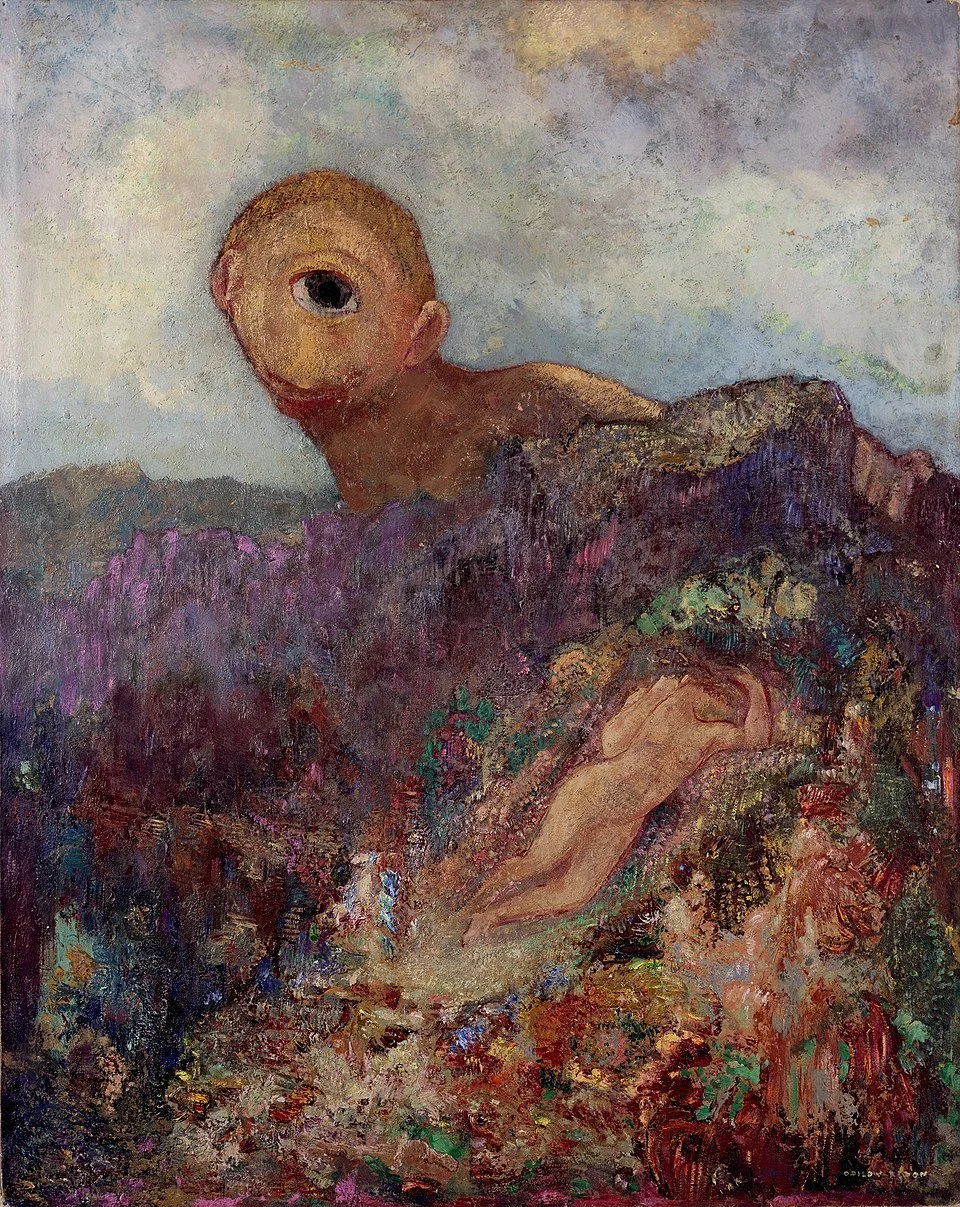
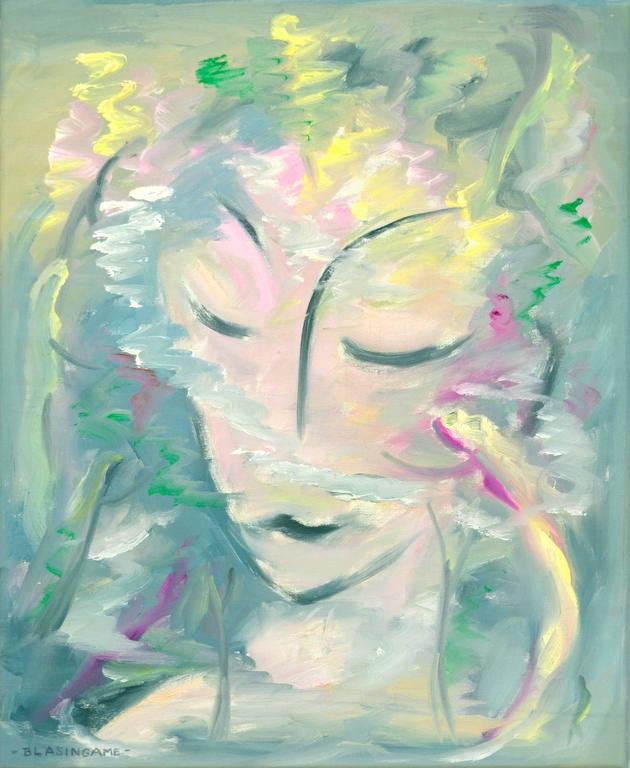
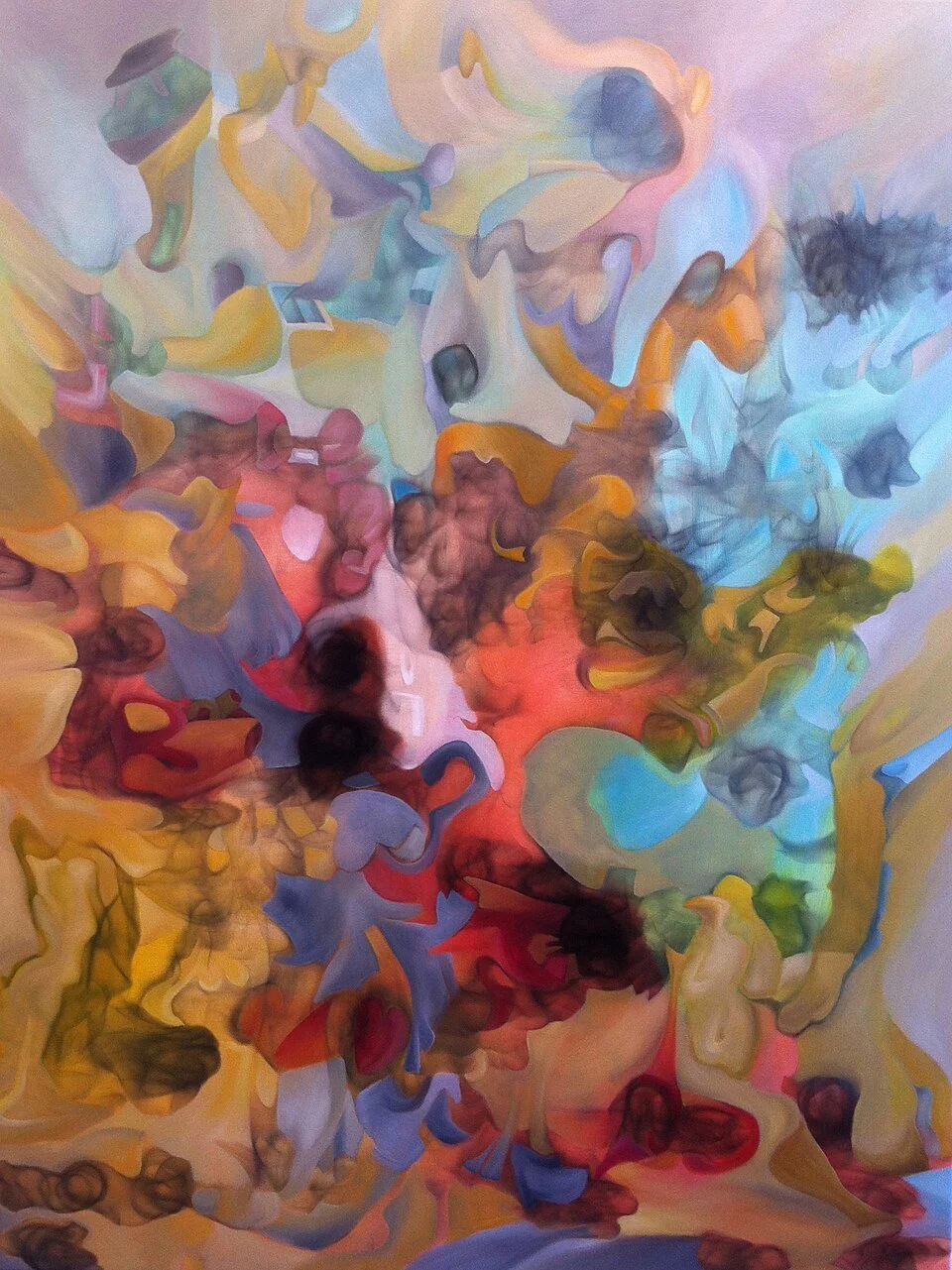
2. Surreal & Dreamlike Works
Why it works:
Surreal art helps students step away from logic and lean into metaphor, mood, and the unconscious. These images often resist clear interpretation, bending space, time, and realism — which makes them ideal for symbolic poetry, speculative fiction, and dream-led writing.
Ways to use them:
◆ Project an image and ask students to freewrite what they feel before trying to describe what they see
◆ Invite students to title the artwork before revealing the original title
◆ Try an ekphrastic dream journal: respond to the image as if the writer has just dreamt it
◆ Use a single image to spark five quick story or poem starts
Prompt ideas:
◆ Write a poem that begins: “I woke up and it was still happening.”
◆ Tell the story of someone trapped in this world — or choosing to stay
◆ Give the image a soundtrack, then write the lyrics
◆ Use the image as the setting for a memory that never actually happened


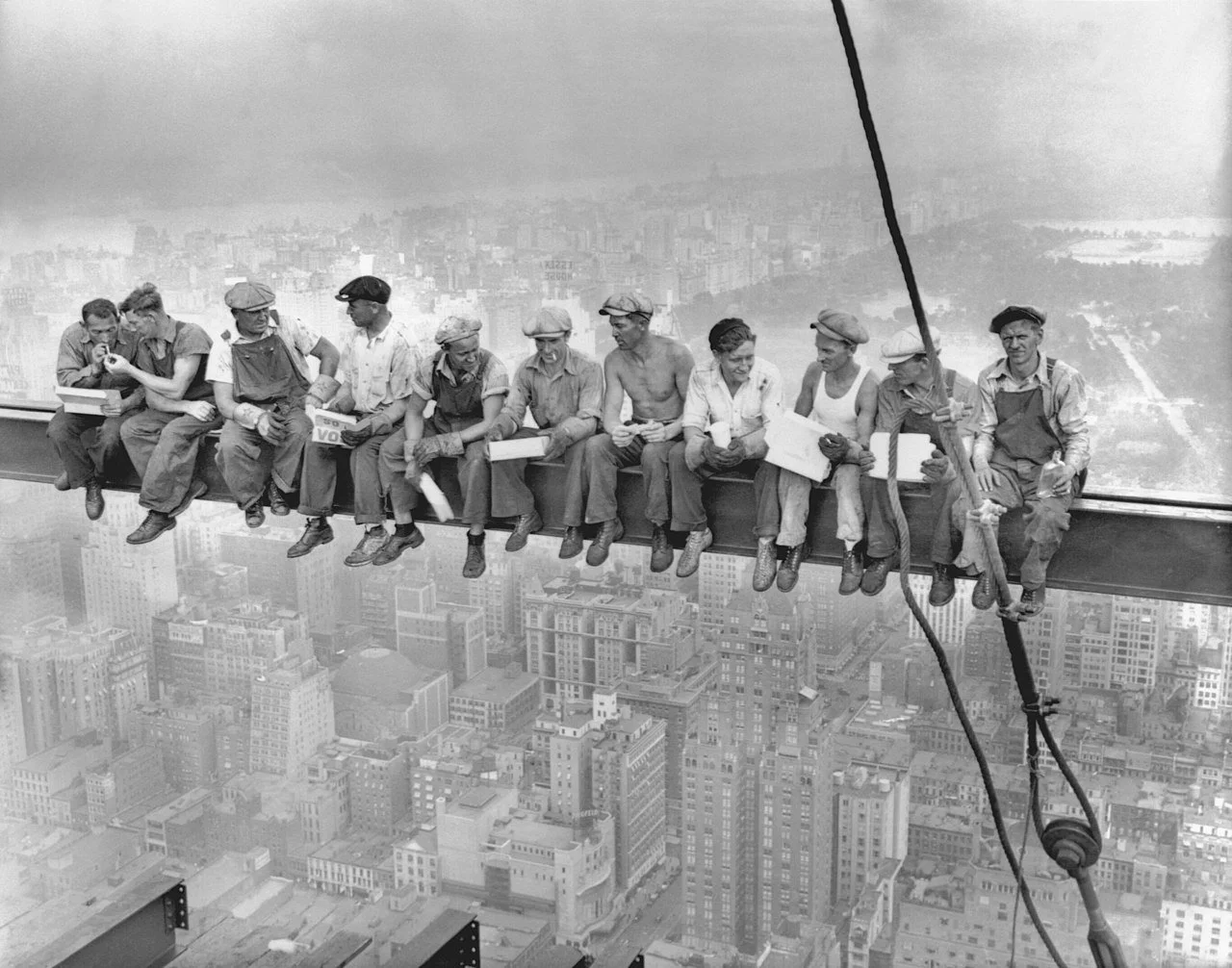
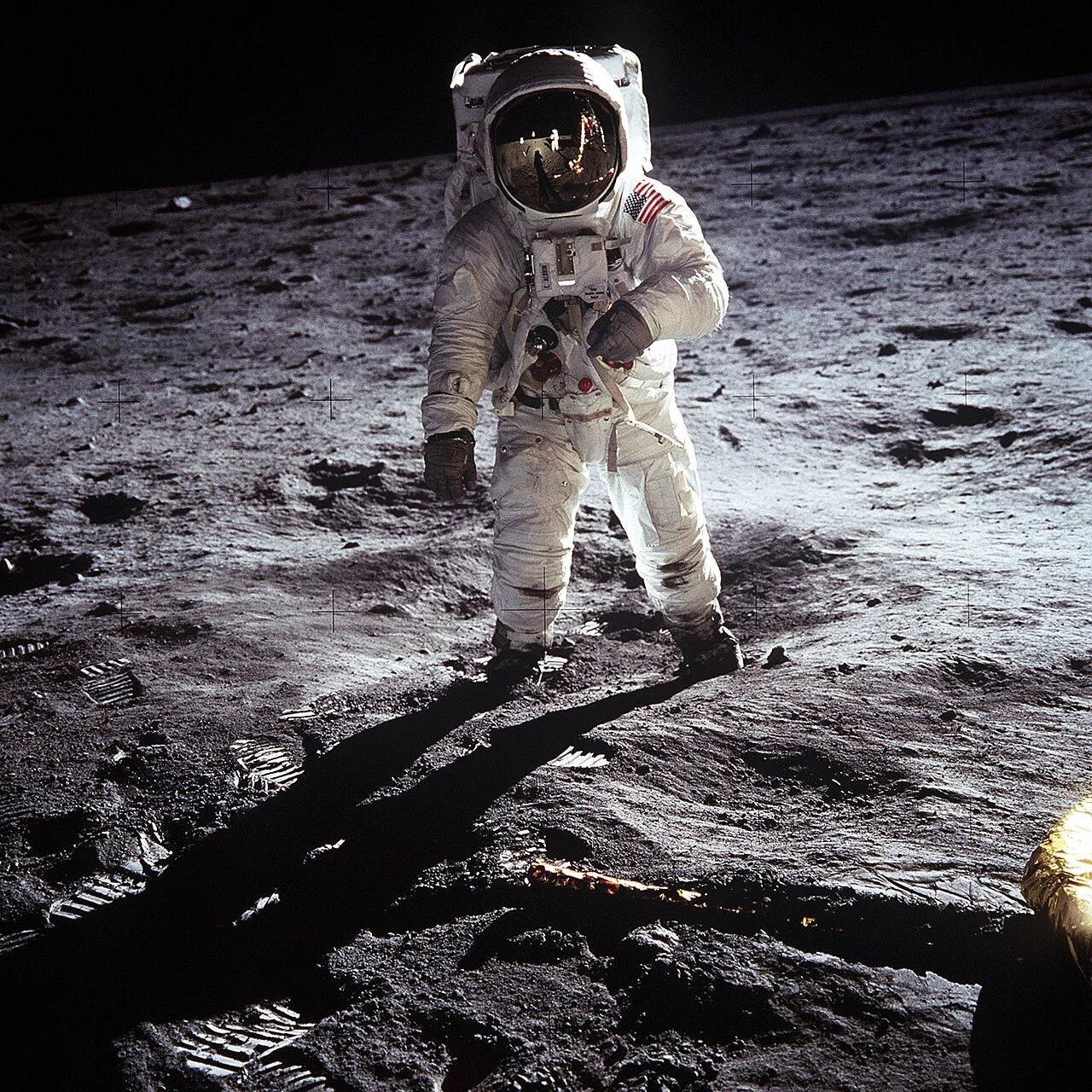
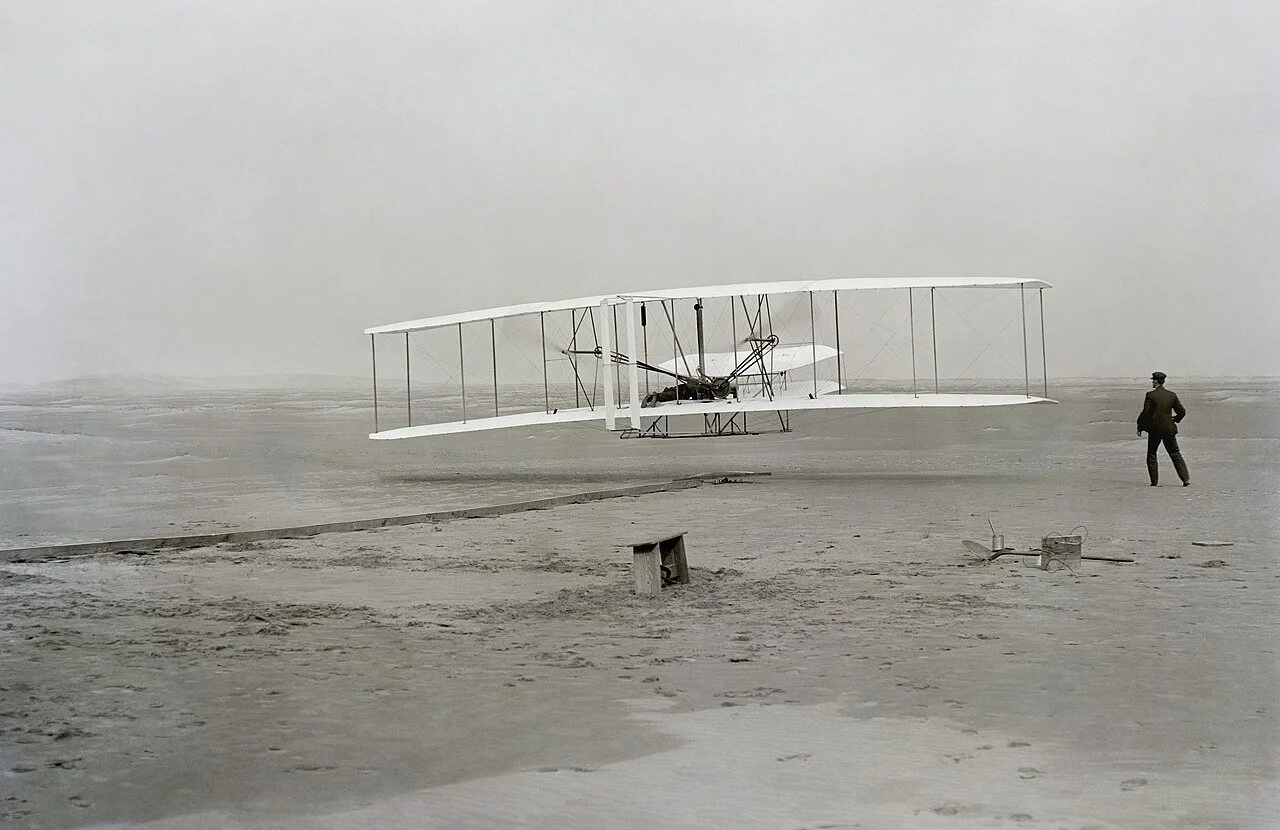
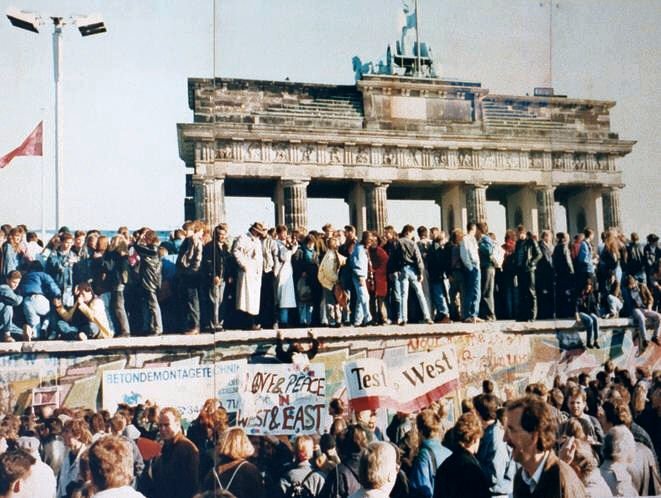
3. Historical Photographs
Why it works:
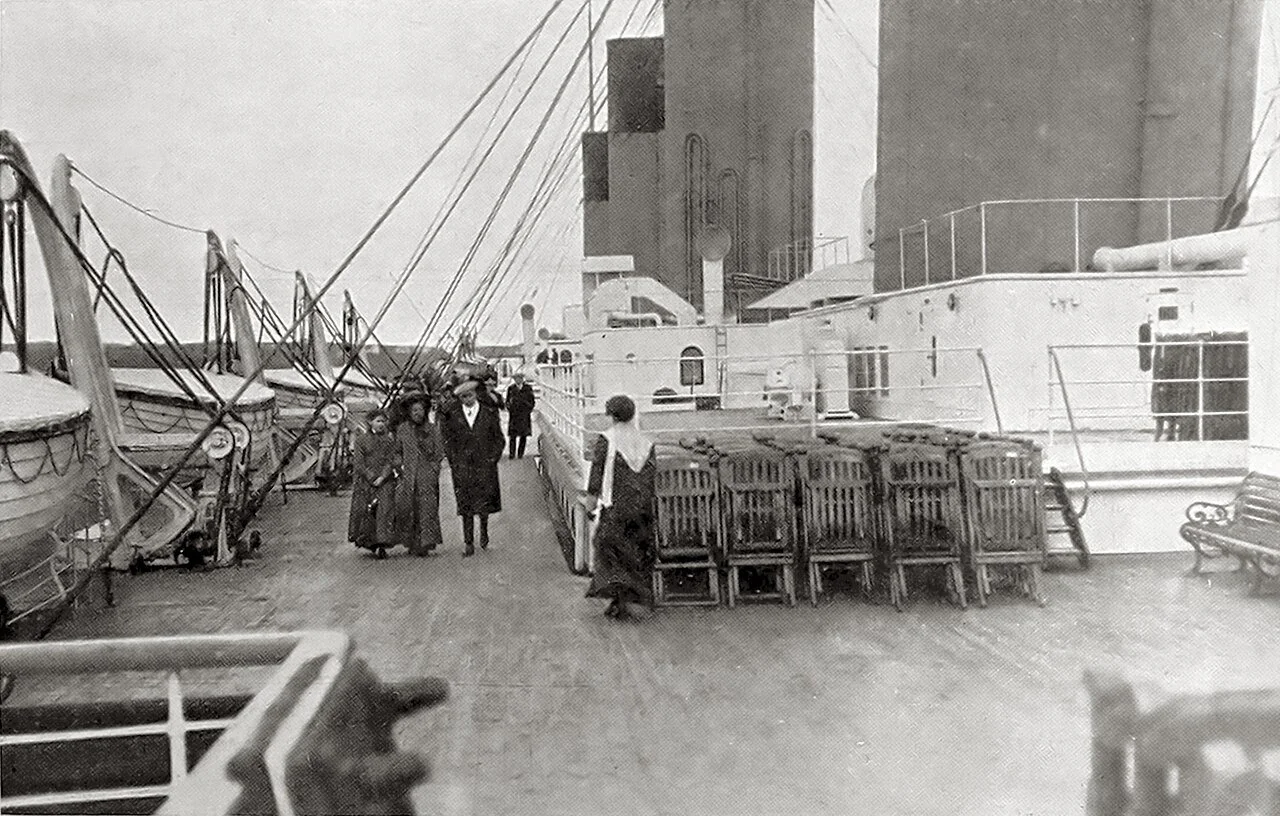
Historical photographs capture real people in unfinished moments. Their stillness invites empathy, curiosity, and voice, making them powerful entry points for blending creative writing with historical understanding. These images allow students to step inside the frame and speak from within it.
Ways to use them:
◆ Give each student a different photograph and ask them to respond from a character’s point of view
◆ Zoom in on a single figure in the image and build their backstory
◆ Write from the perspective of someone not shown in the photograph but shaped by the moment
◆ Pair images with a nonfiction unit or historical topic to support cross-curricular context
Prompt ideas:
◆ Write a letter someone in the image might have written — or received
◆ Begin with the line: “They didn’t know anyone was watching.”
◆ Tell the story of what happened five minutes after the photograph was taken
◆ Reimagine the image as a myth or origin story


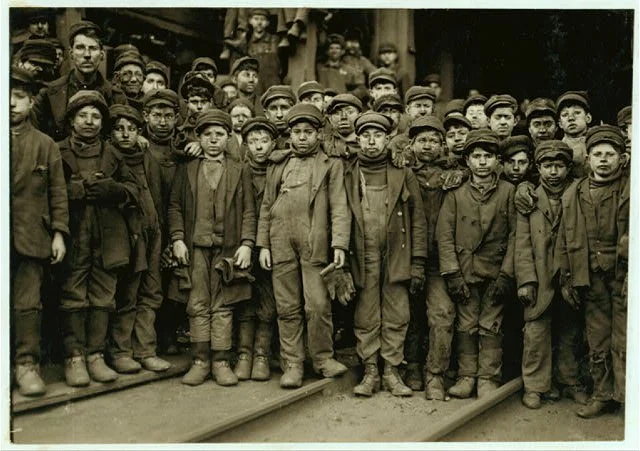


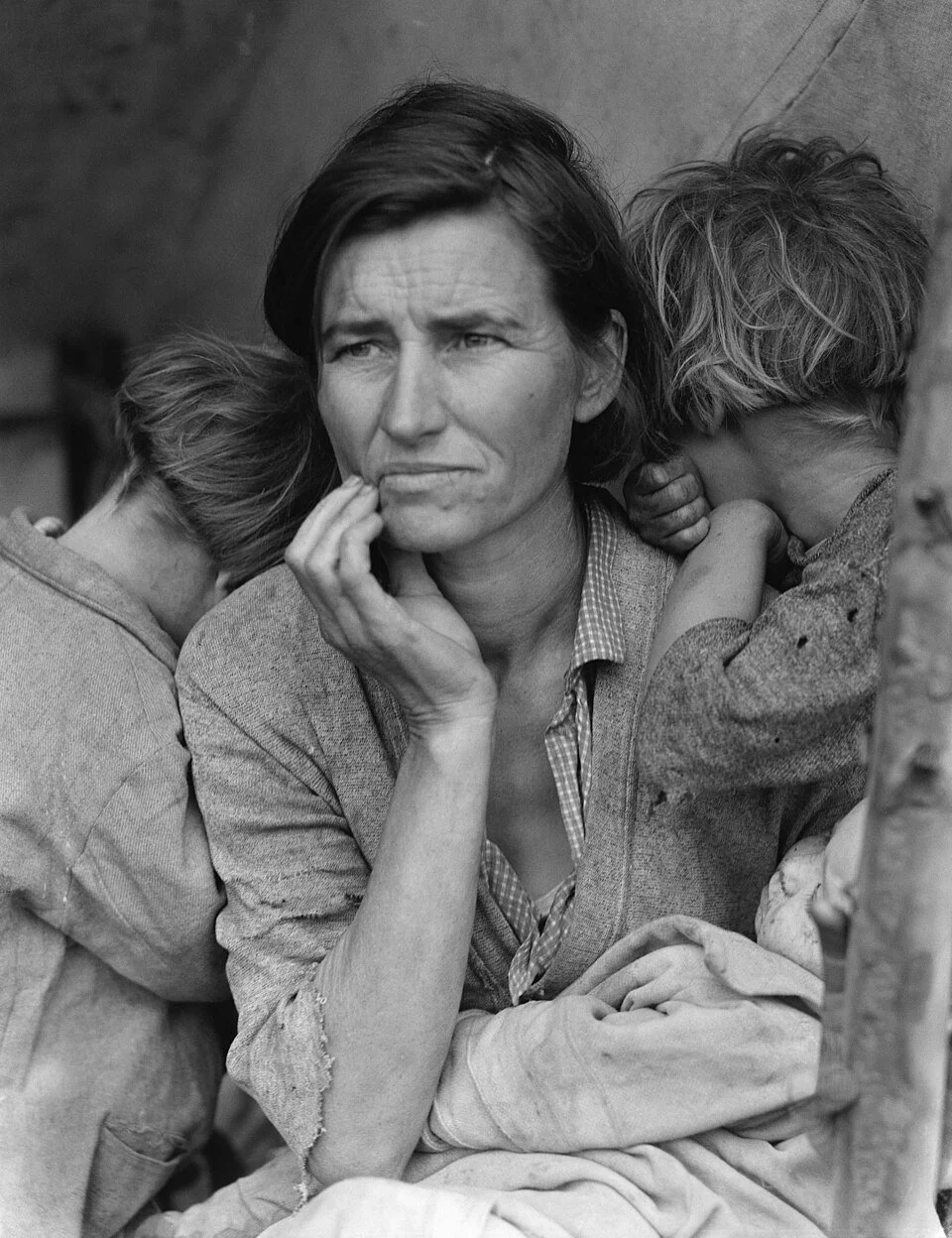
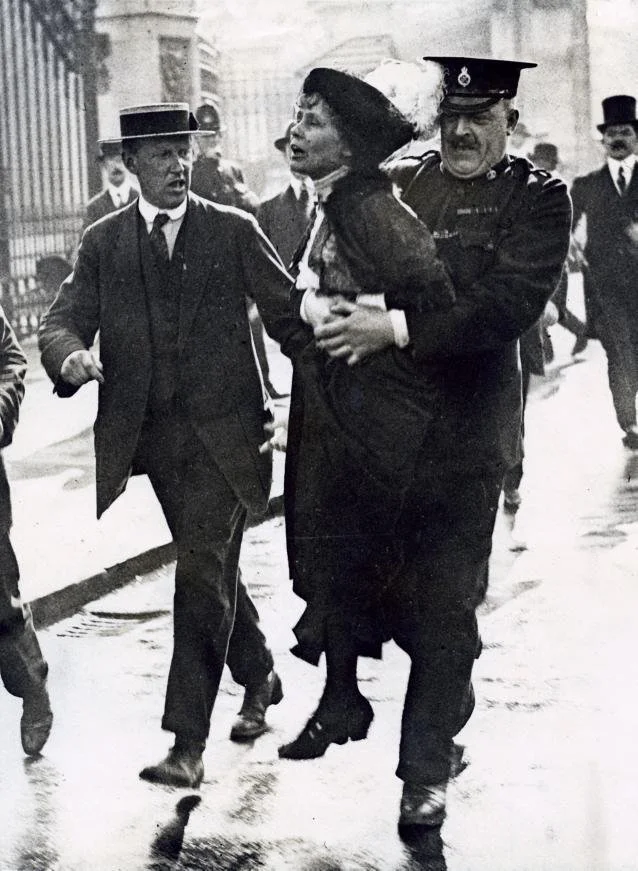
4. Sculptures & Statues
Why it works:
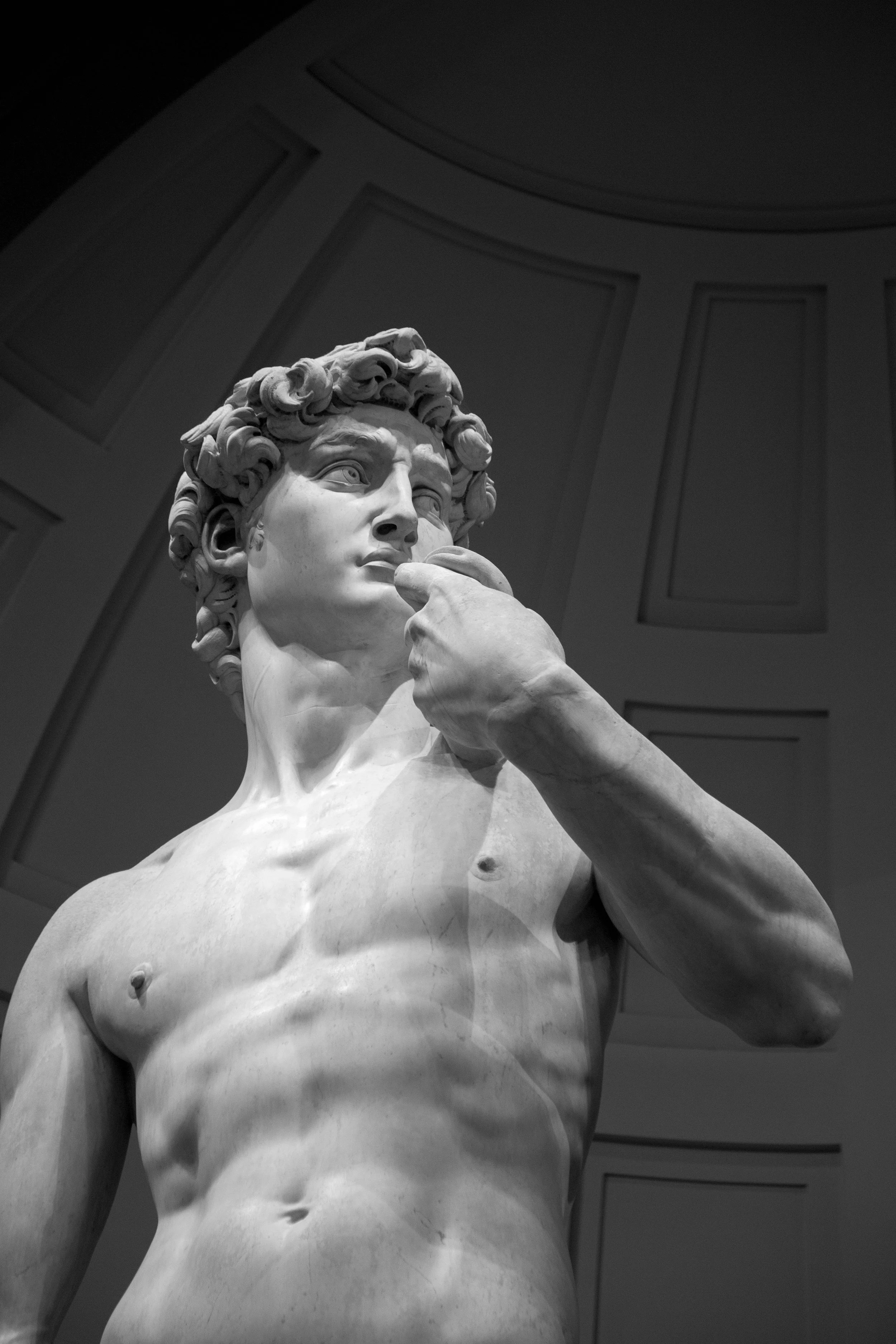
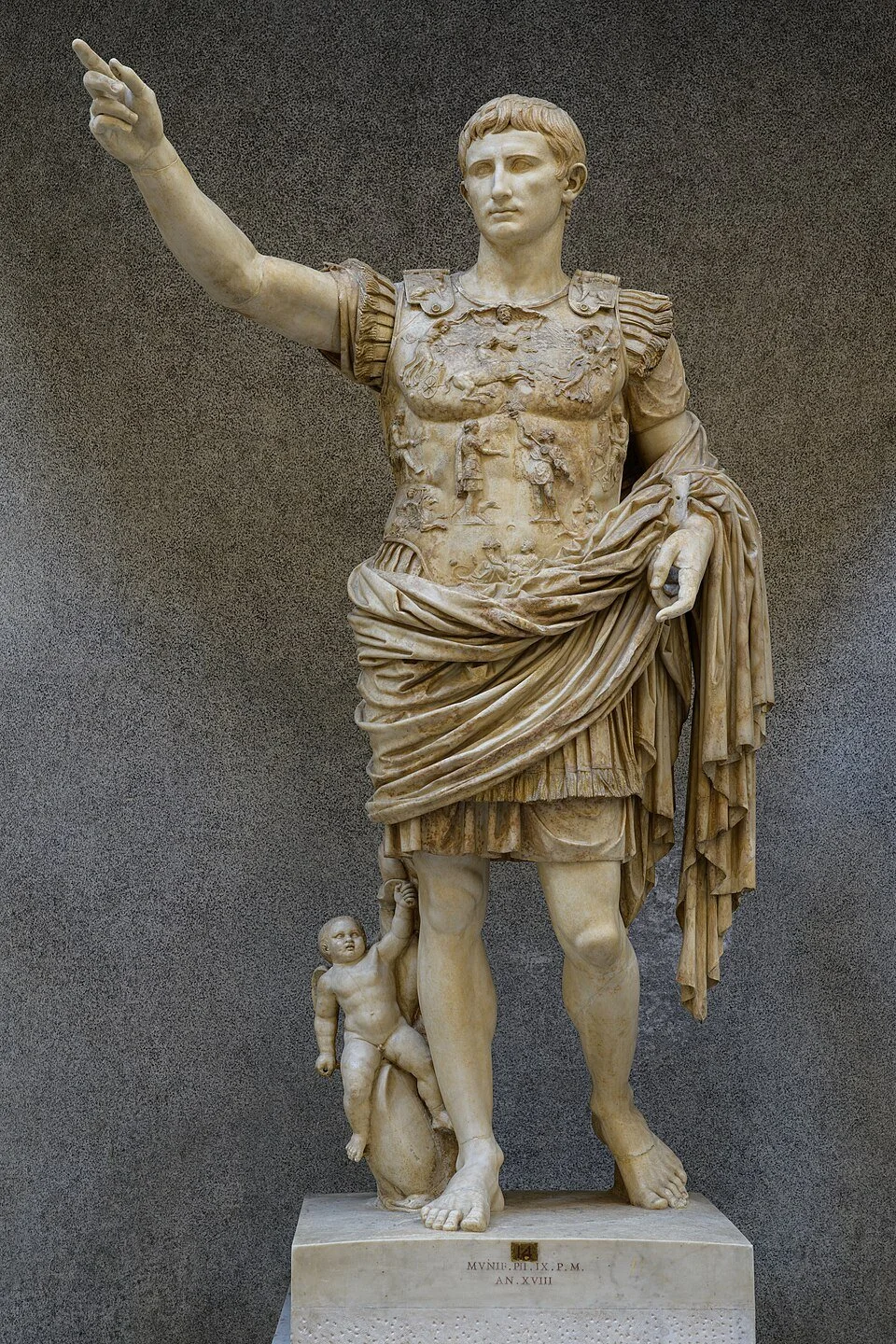
Sculptures freeze gesture, expression, and myth in three dimensions. Their physical presence makes them especially effective for voice-driven writing, as statues often feel as though they are thinking, remembering, or silently witnessing the world around them. Students can step inside classical stories, invent modern interpretations, or write dramatic monologues straight from marble and bronze.
Ways to use them:
◆ Give the class a statue and ask them to write a monologue from its point of view
◆ Ask students to identify what the statue is watching — or deliberately ignoring — and turn that into a scene
◆ Use sculptures as physical character studies (pose, gesture, tension, status)
◆ Compare two statues and write a dialogue or argument between them
◆ Pair with History or Classics to support myth, symbolism, and context work
Prompt ideas:
◆ Write from the perspective of a statue that has come to life — but cannot move from its pedestal
◆ Begin with: “They only see what’s on the outside.”
◆ Write a one-sided conversation a visitor is having with the sculpture
◆ Tell the story of the sculptor who made it, or the model who posed for it
◆ Write a poem that describes the statue without ever naming the material it is made from
#/media/File:Pieta_de_Michelangelo_-_Vaticano.jpg)


_(4528252054).jpg)
#/media/File:Rodin_-_Le_Baiser_06.jpg)


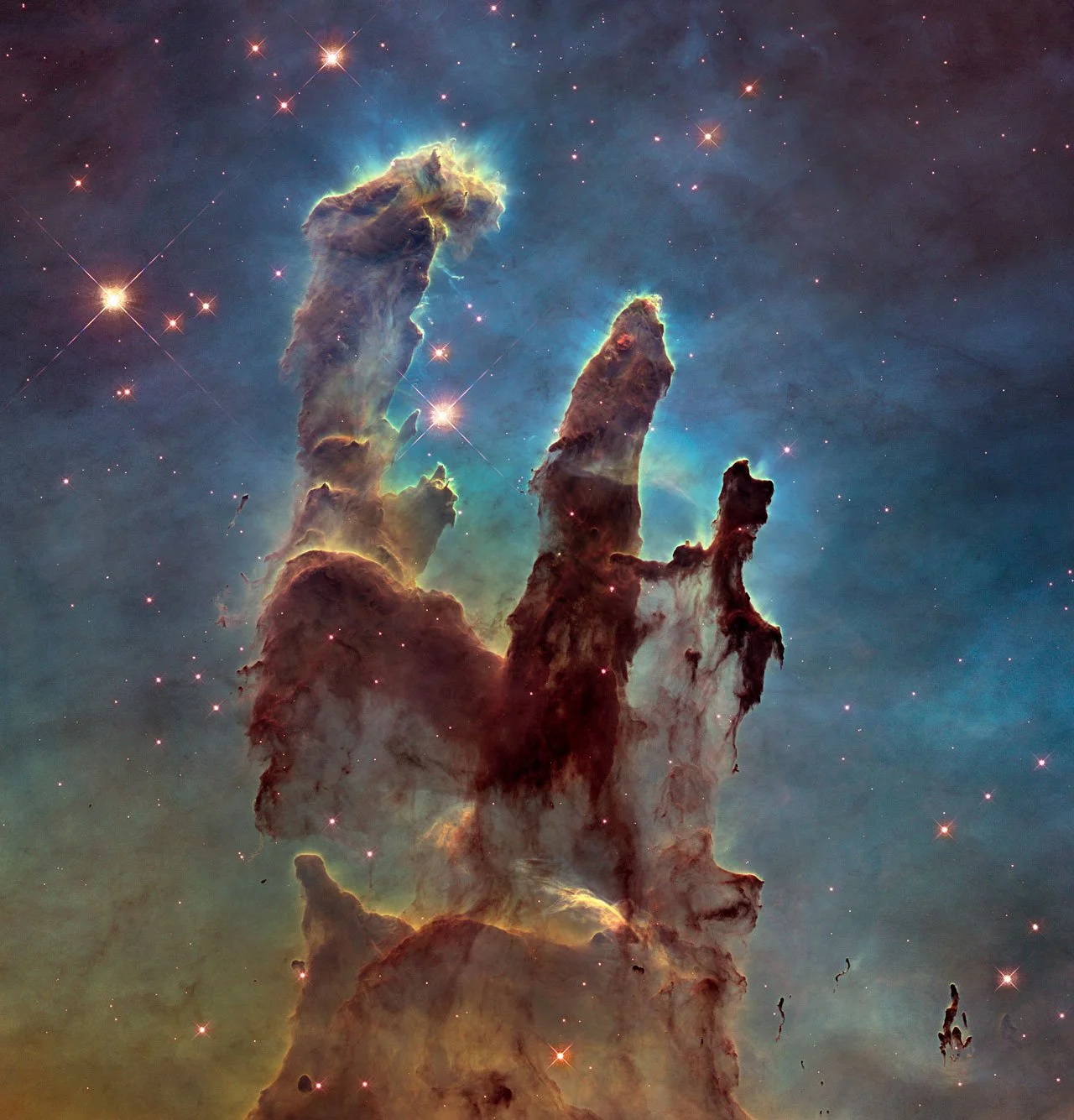
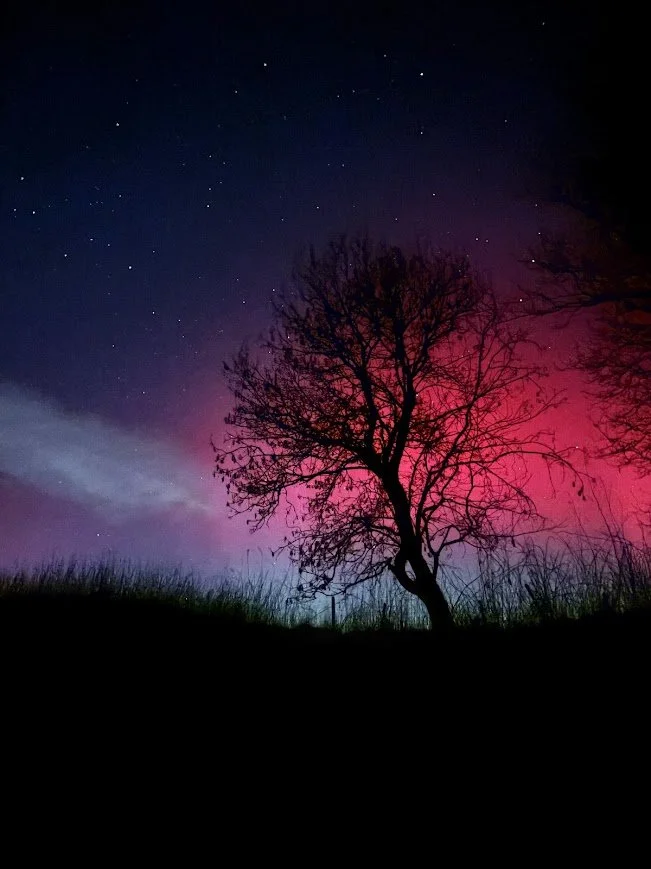
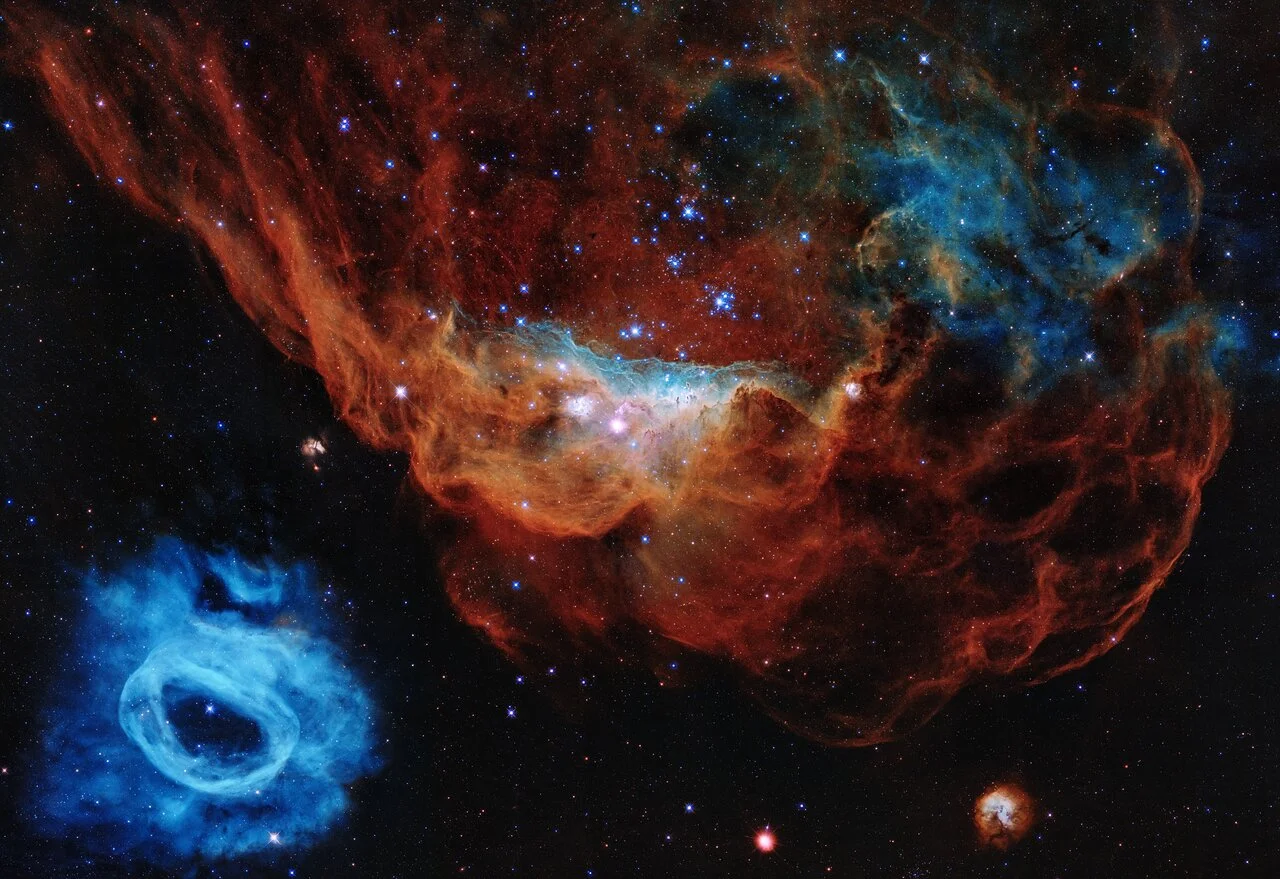
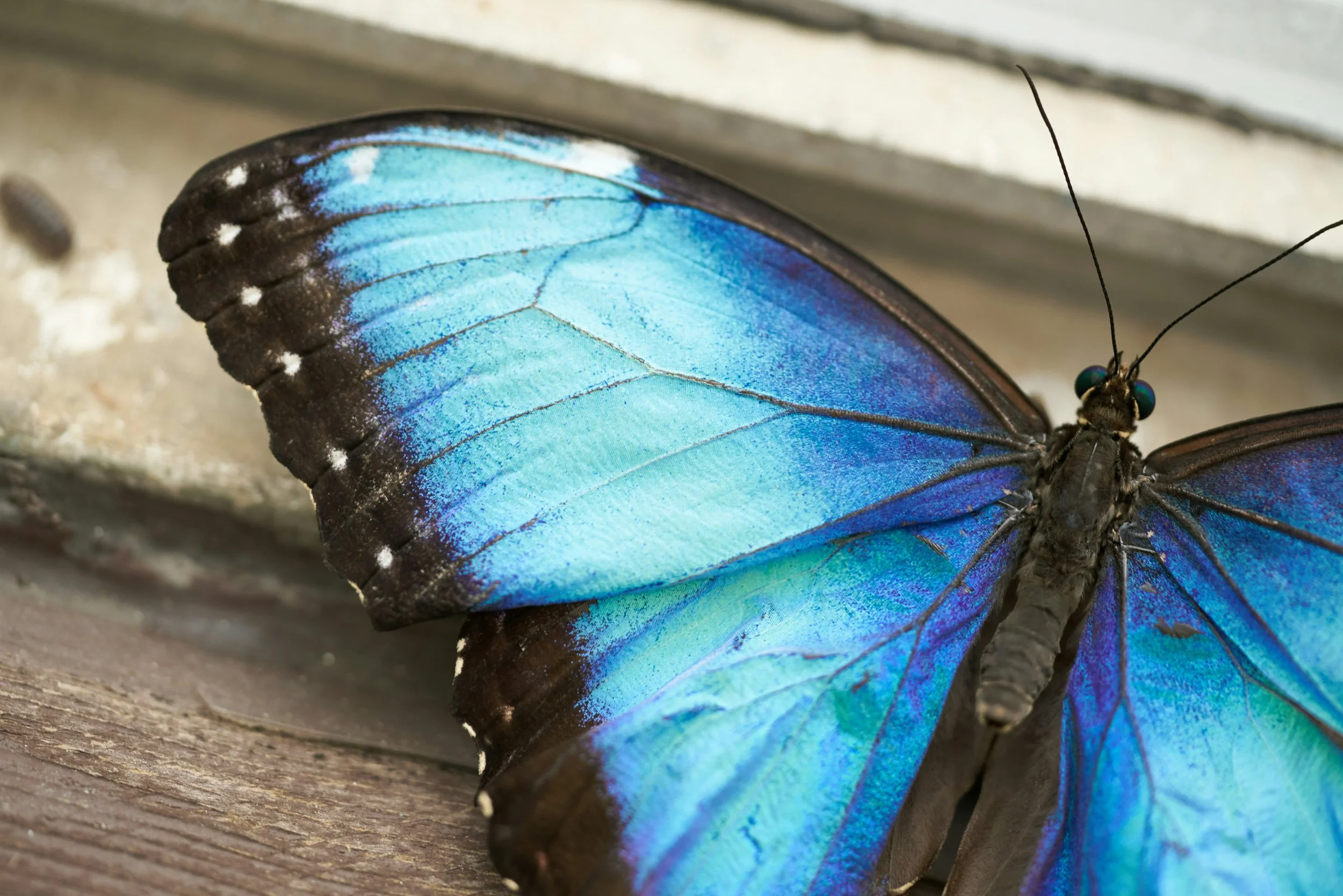
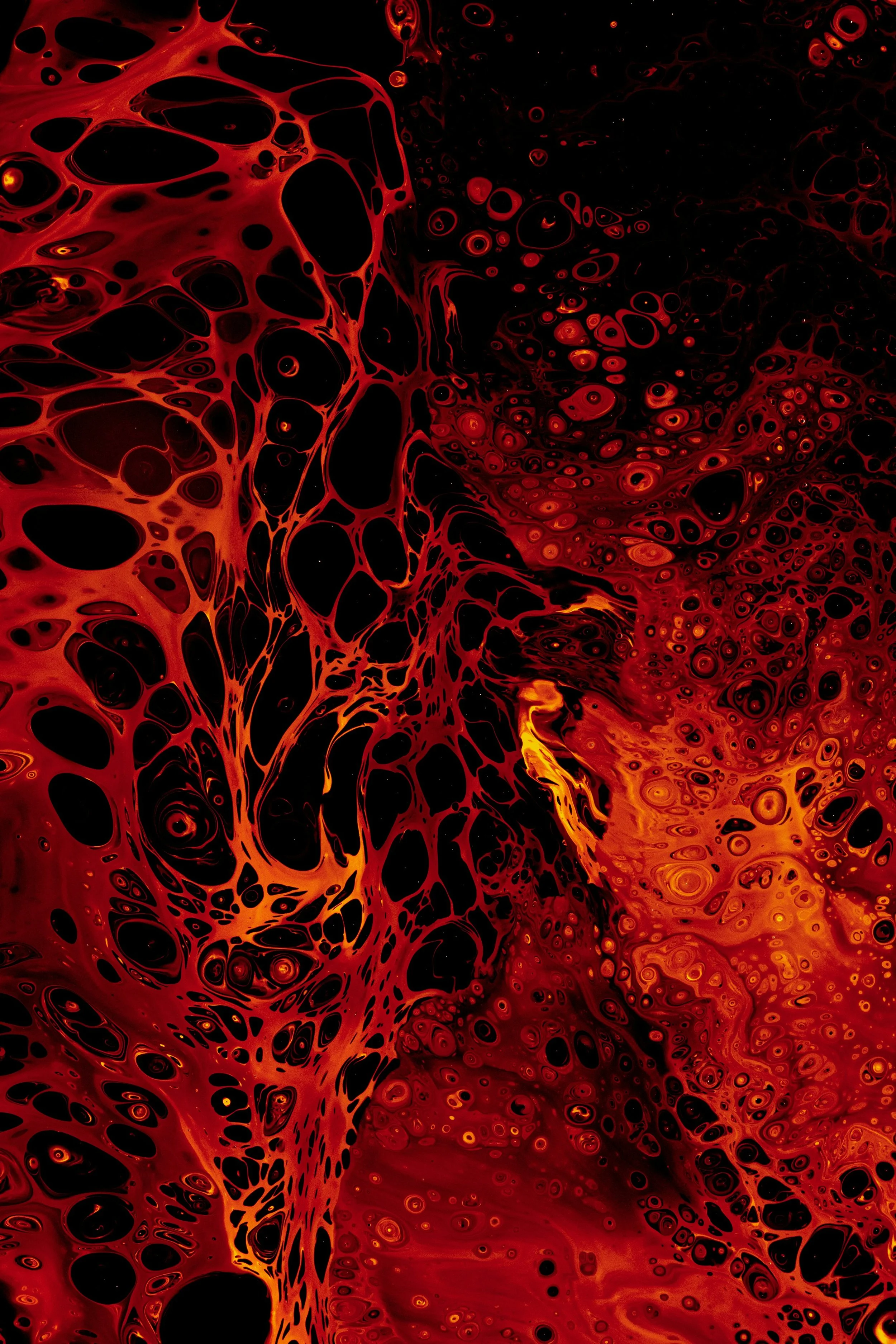
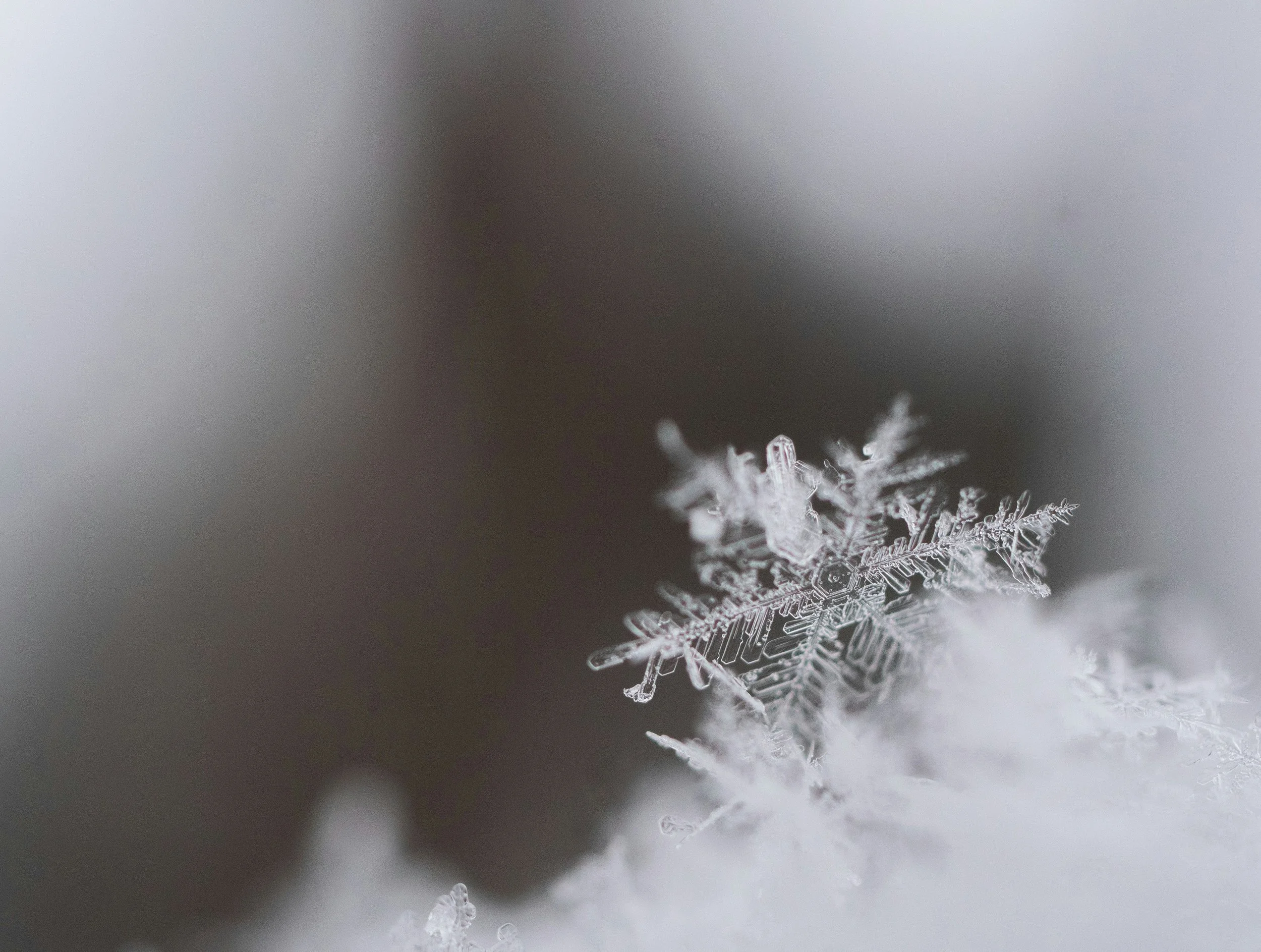
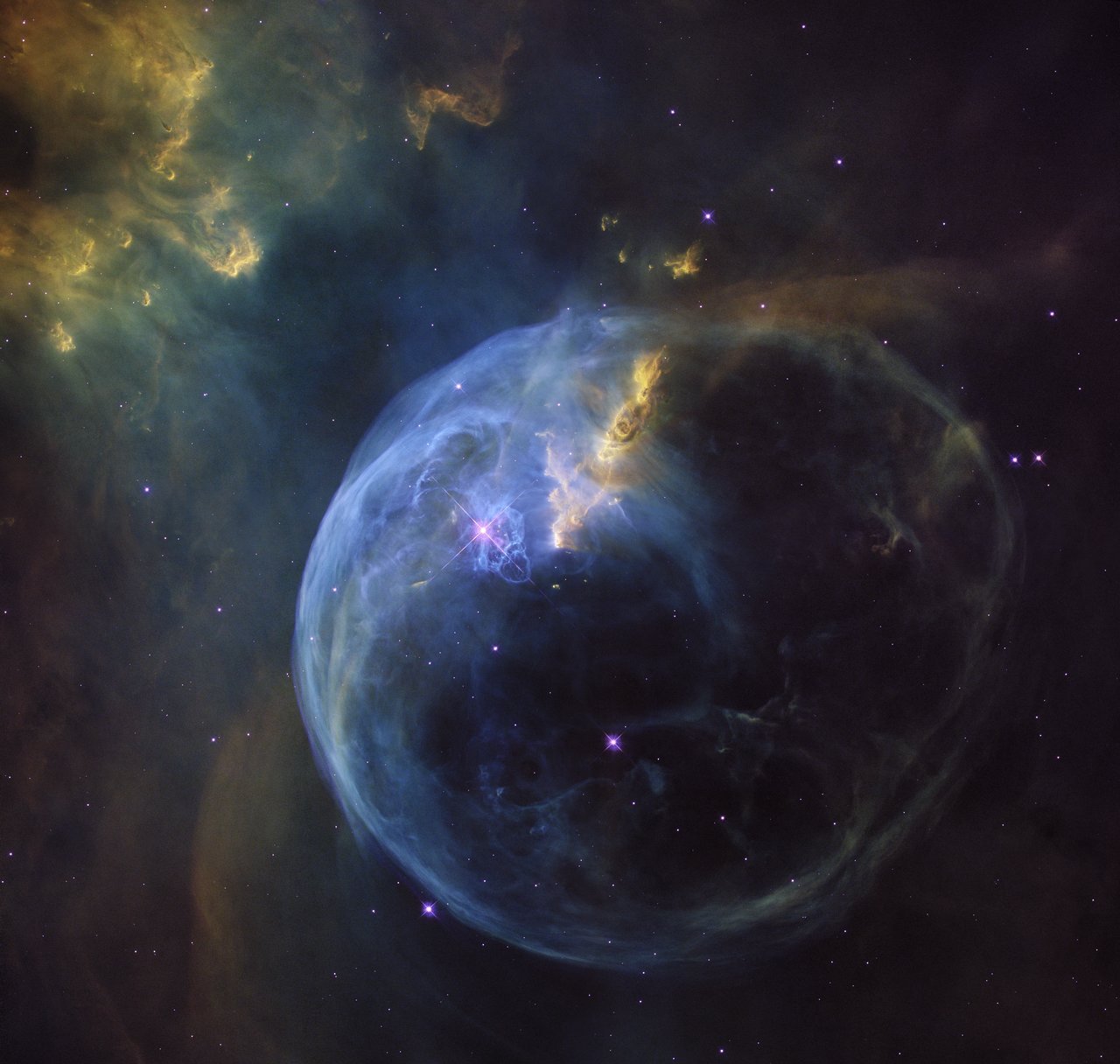
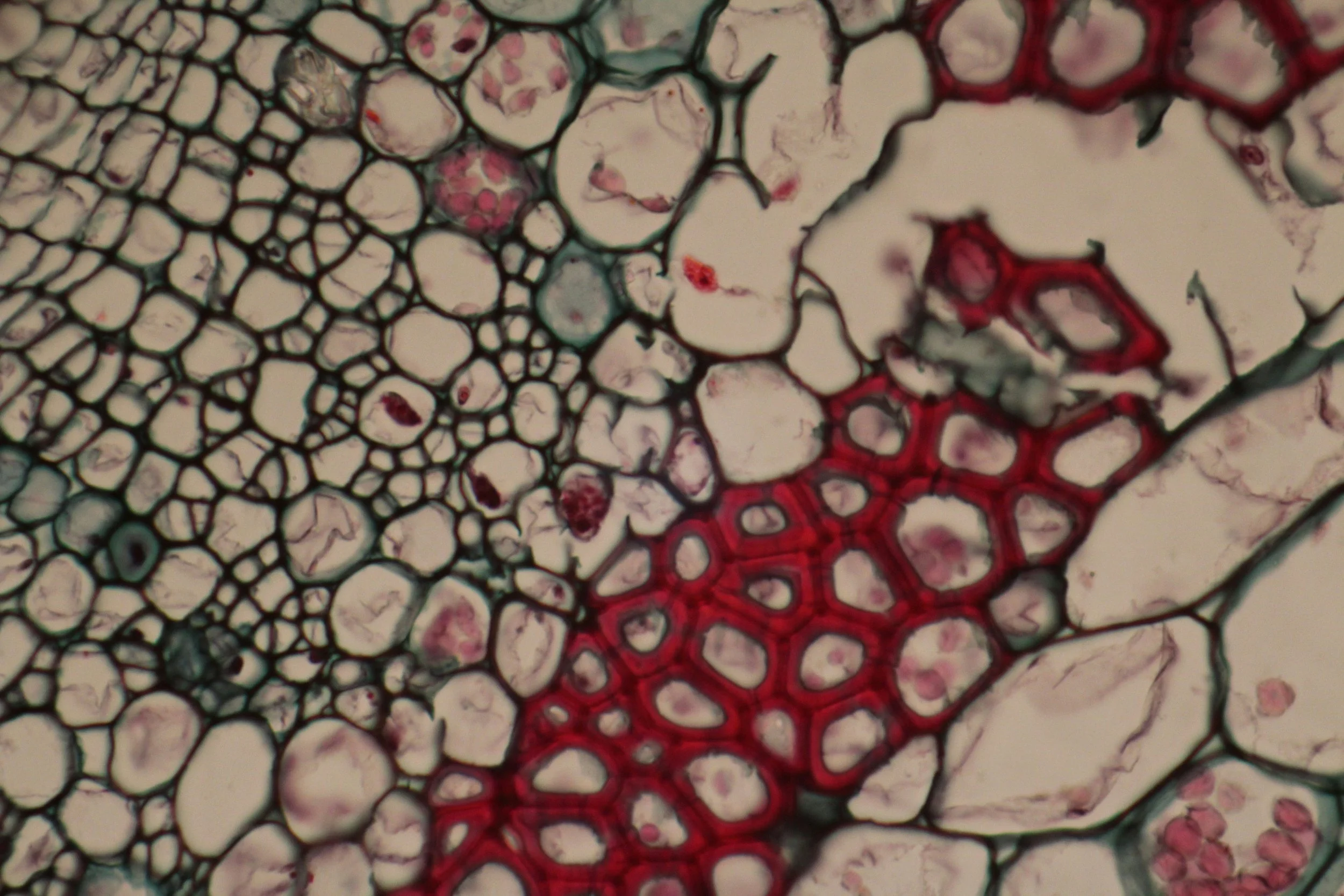
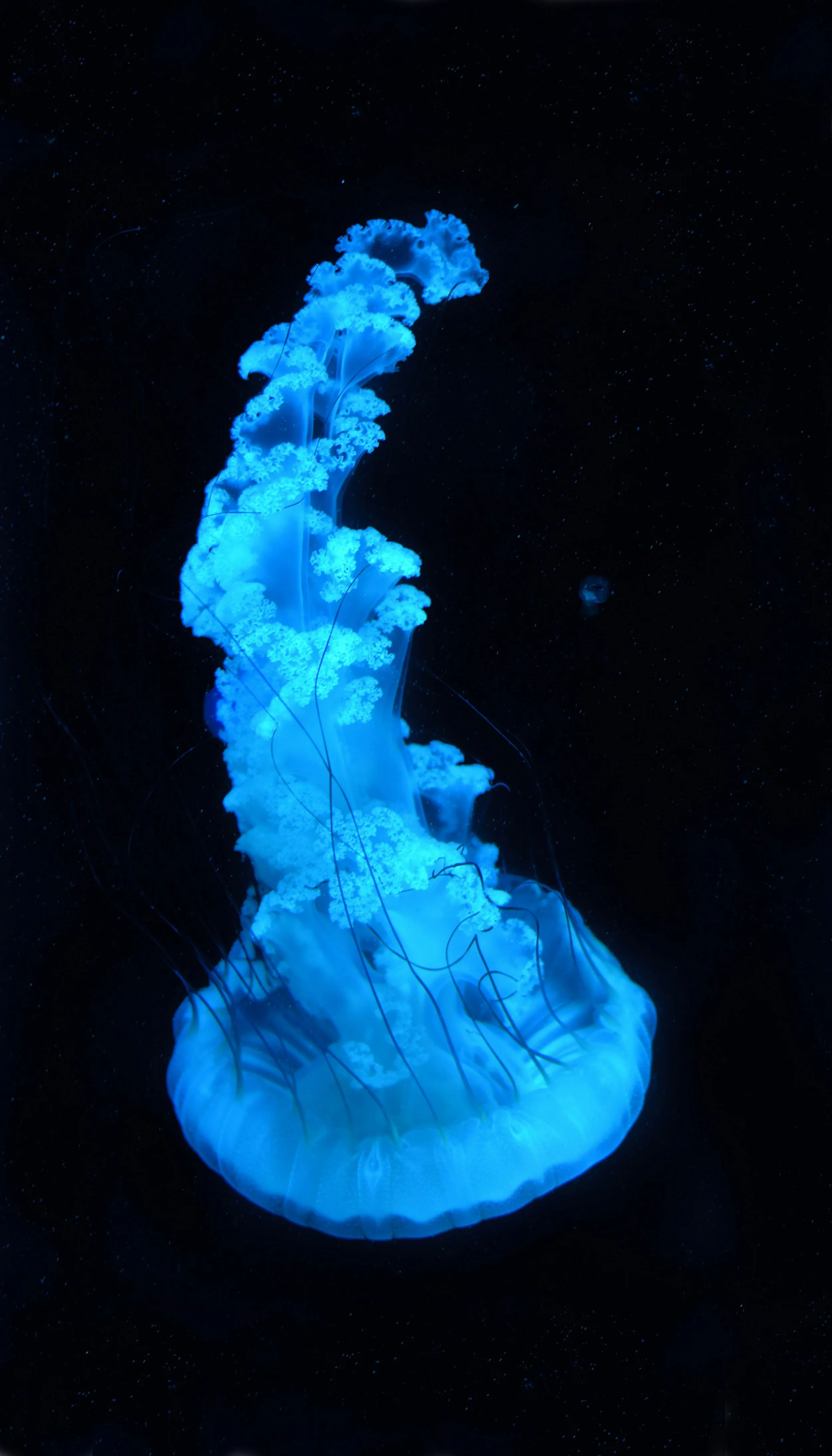
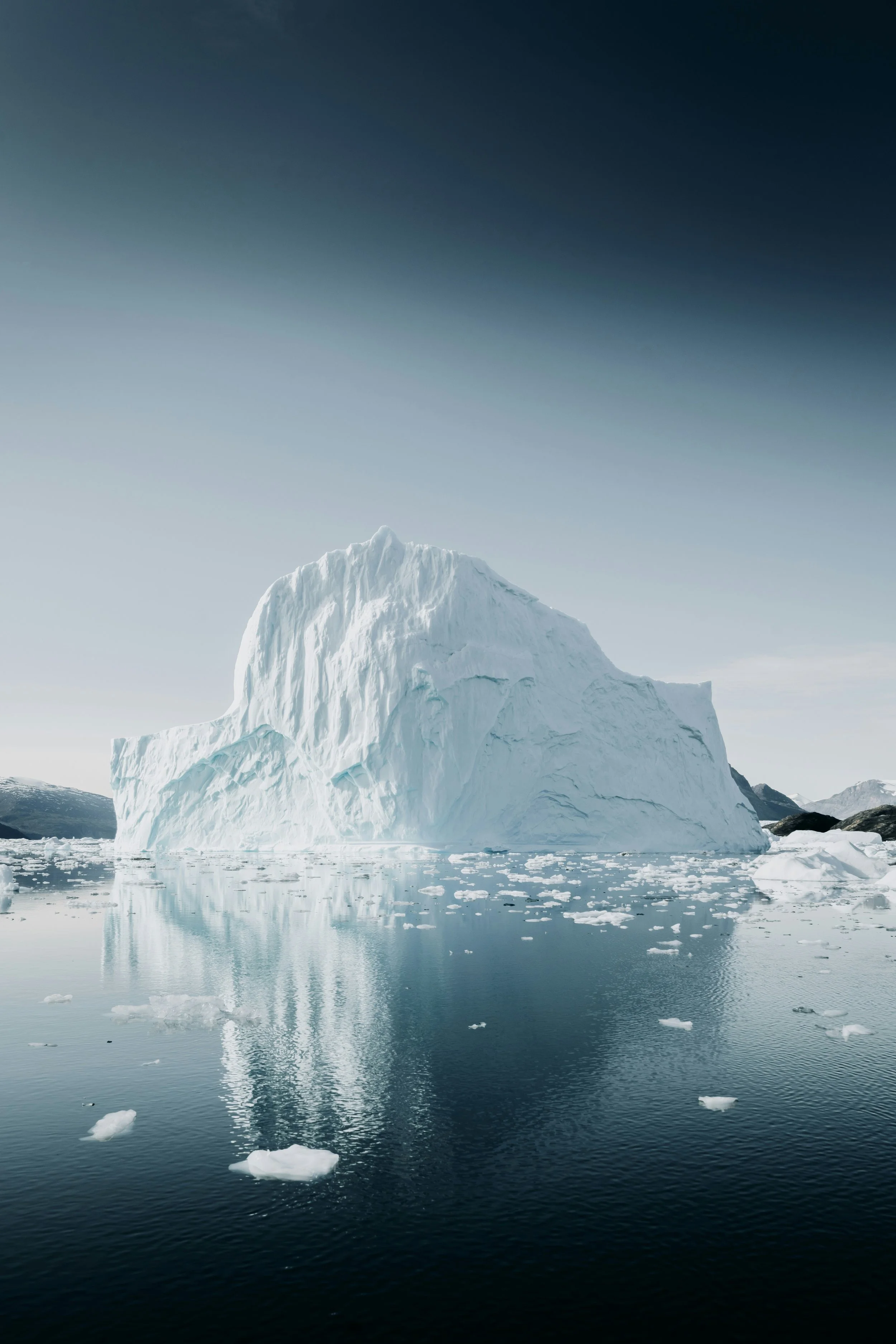
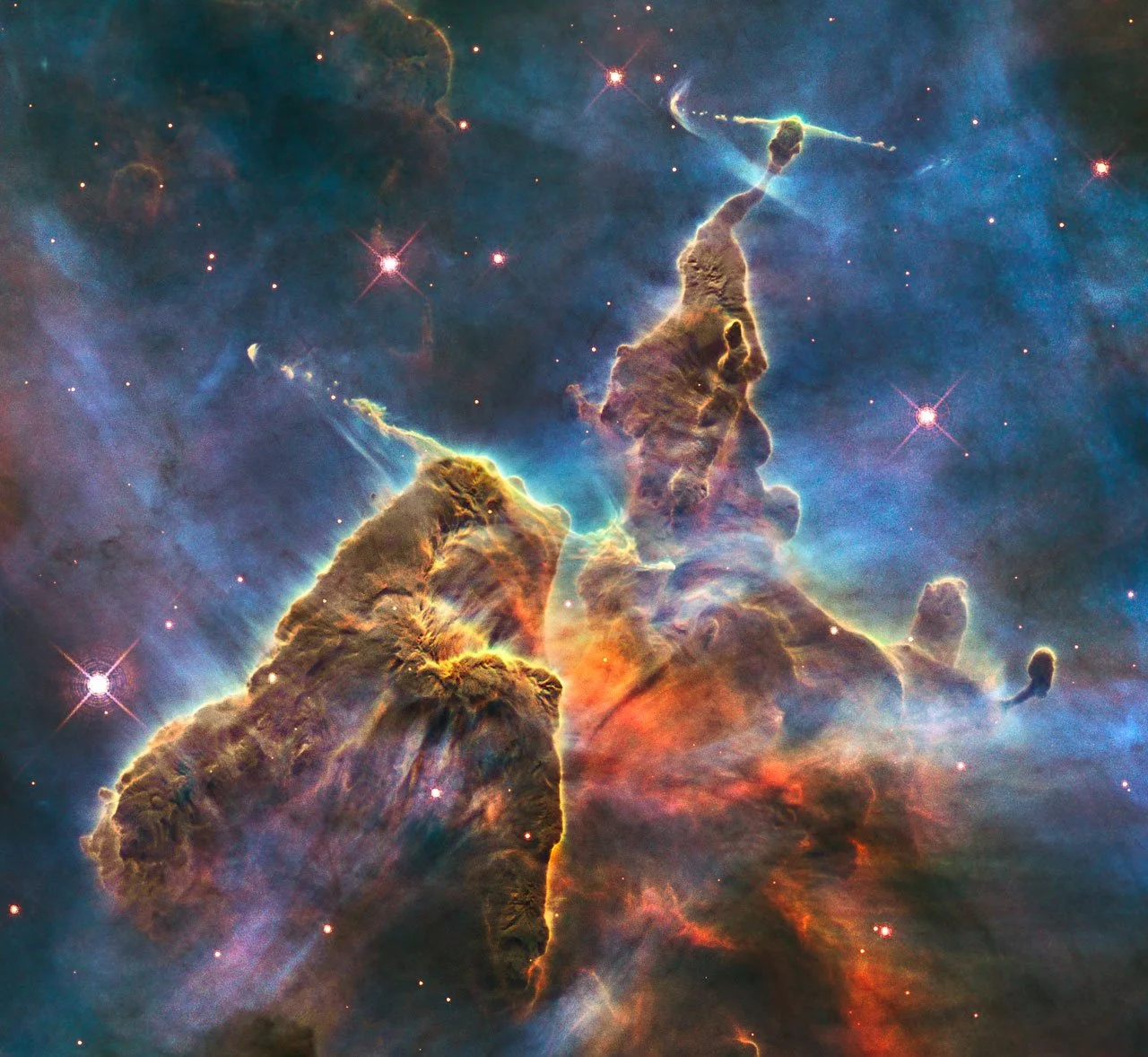
5. Science, Nature & Astronomy
Why it works:
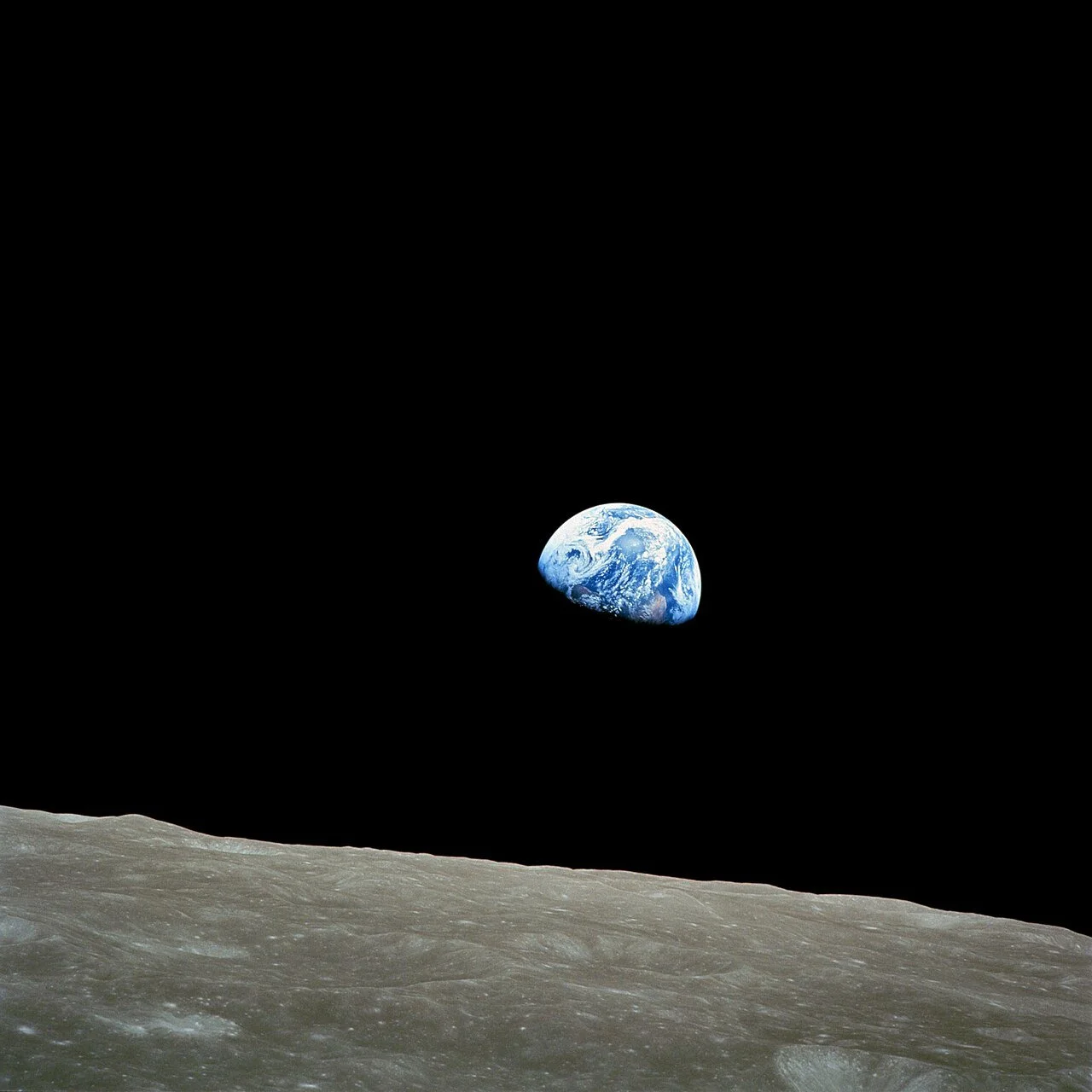
Science-based visuals carry a sense of awe, scale, and mystery. From nebulae and coral reefs to microscopic cells and storm systems, these images allow students to blend fact with imagination. They are particularly effective for speculative genres, environmental voice, and cosmic perspective — without requiring prior scientific knowledge.
Ways to use them:
◆ Display an image and ask students to write from inside it (cell, storm, star, reef)
◆ Pair visuals with nonfiction facts for cross-curricular writing (Science × English)
◆ Use images as settings for science fiction, climate fiction, or adventure writing
◆ Treat natural forms as characters and give them interior lives
◆ Compare micro vs macro imagery (e.g. neurons vs galaxies) to explore scale and perspective
Prompt ideas:
◆ Begin with: “I was formed from dust and silence.”
◆ Write an environmental monologue from the perspective of a coral reef, glacier, or storm
◆ Tell a story set five billion years in the future
◆ Describe what a microscope would say if it could talk about what it sees
◆ Write a poem that never uses the words planet, ocean, or sky
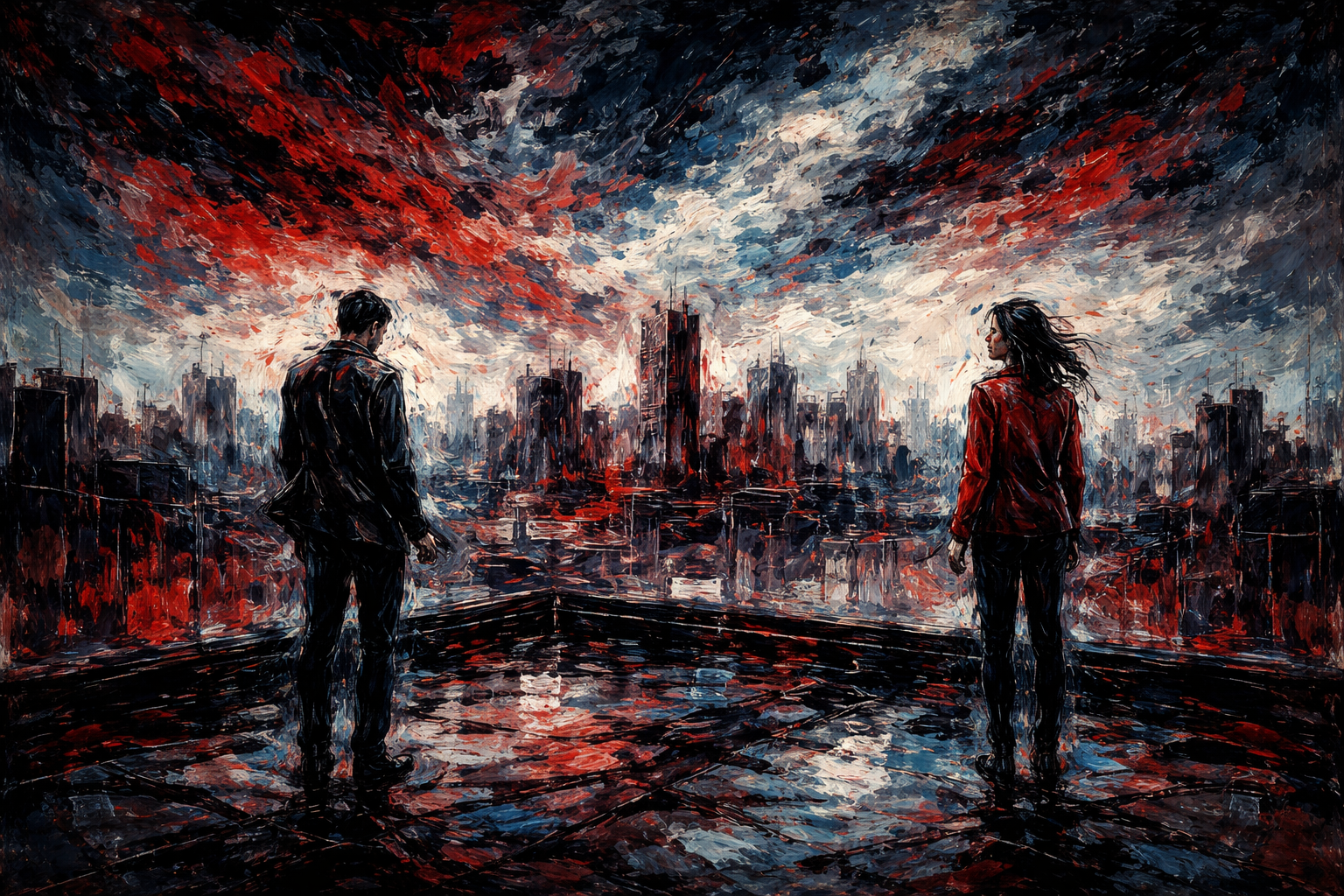
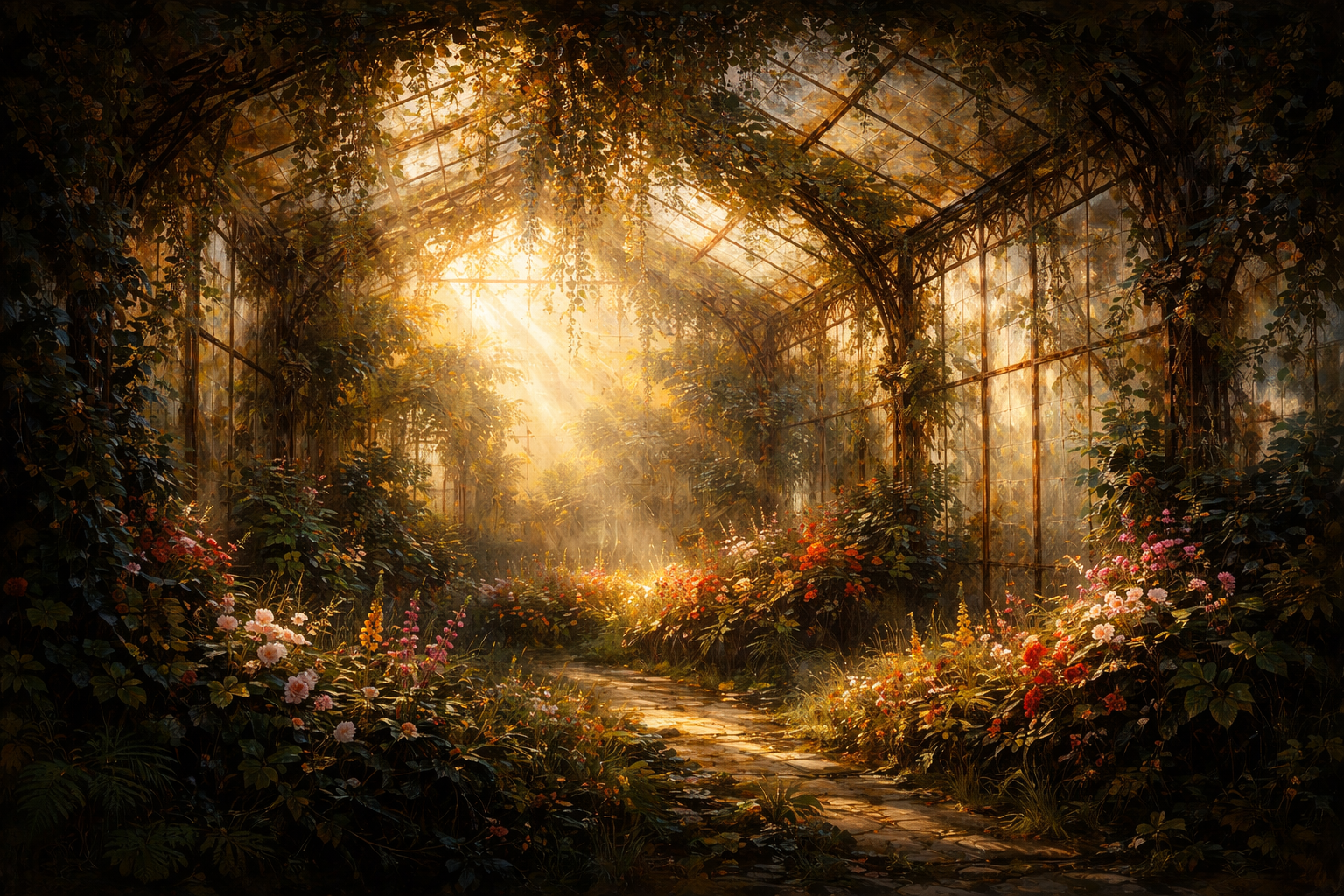
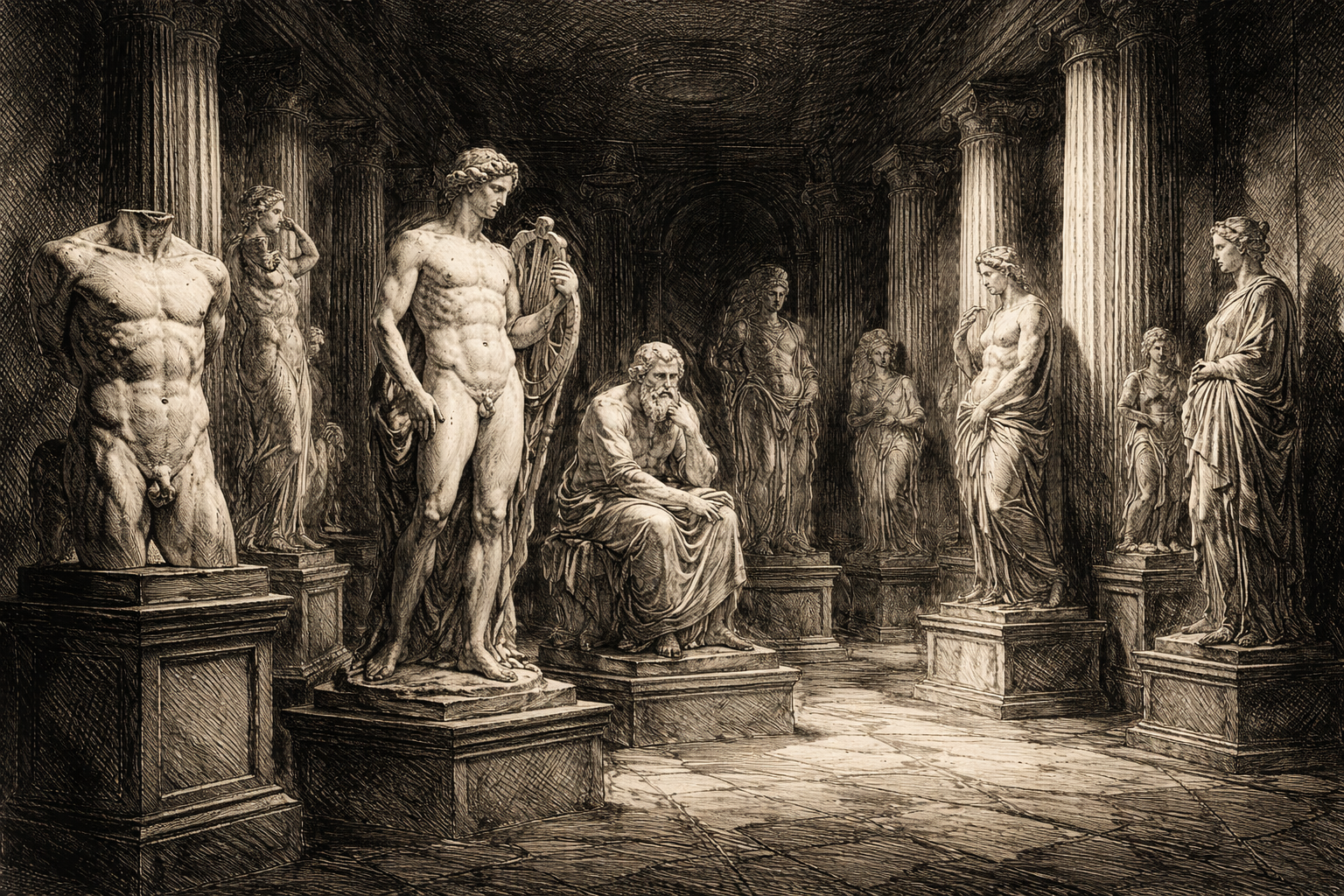
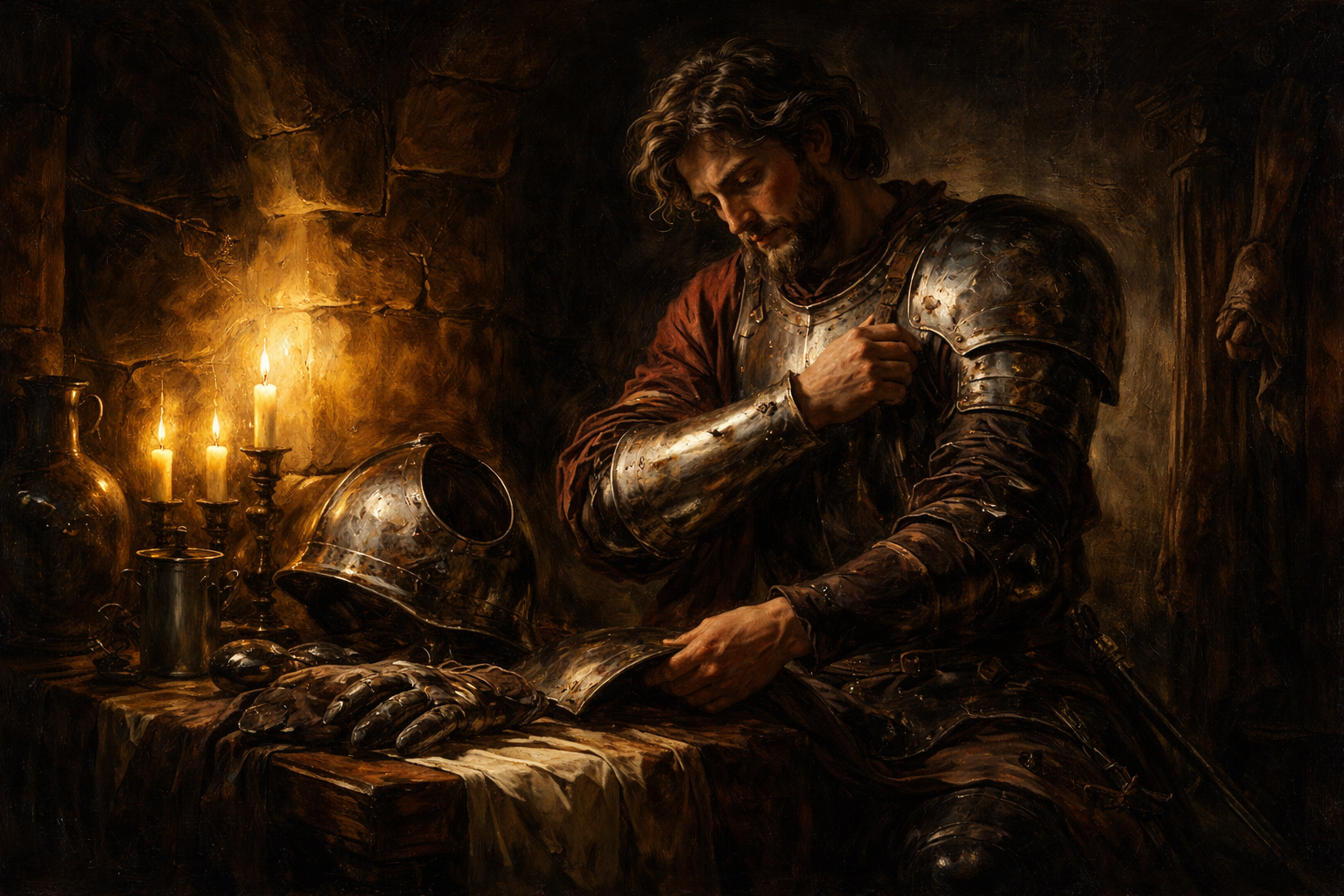
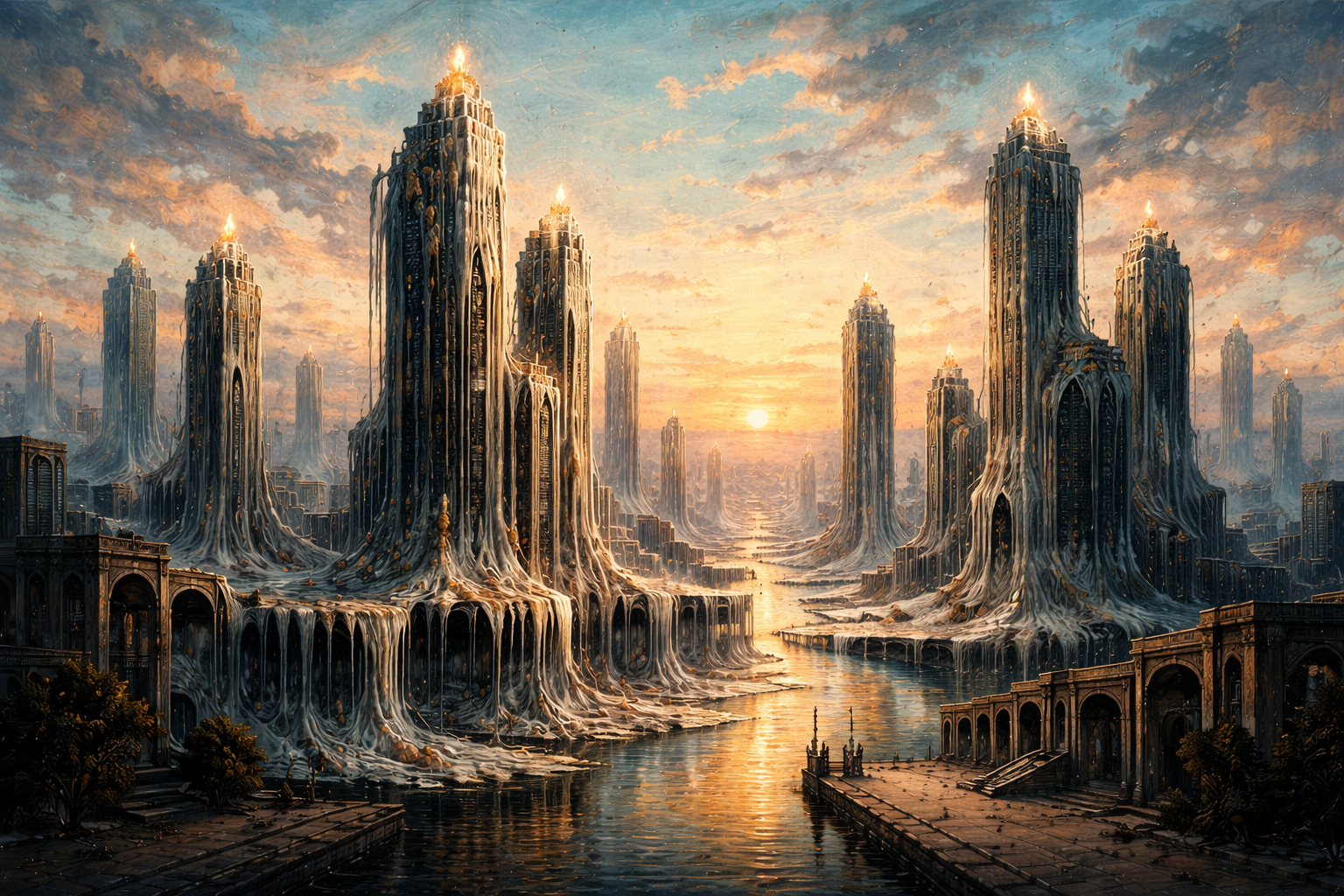
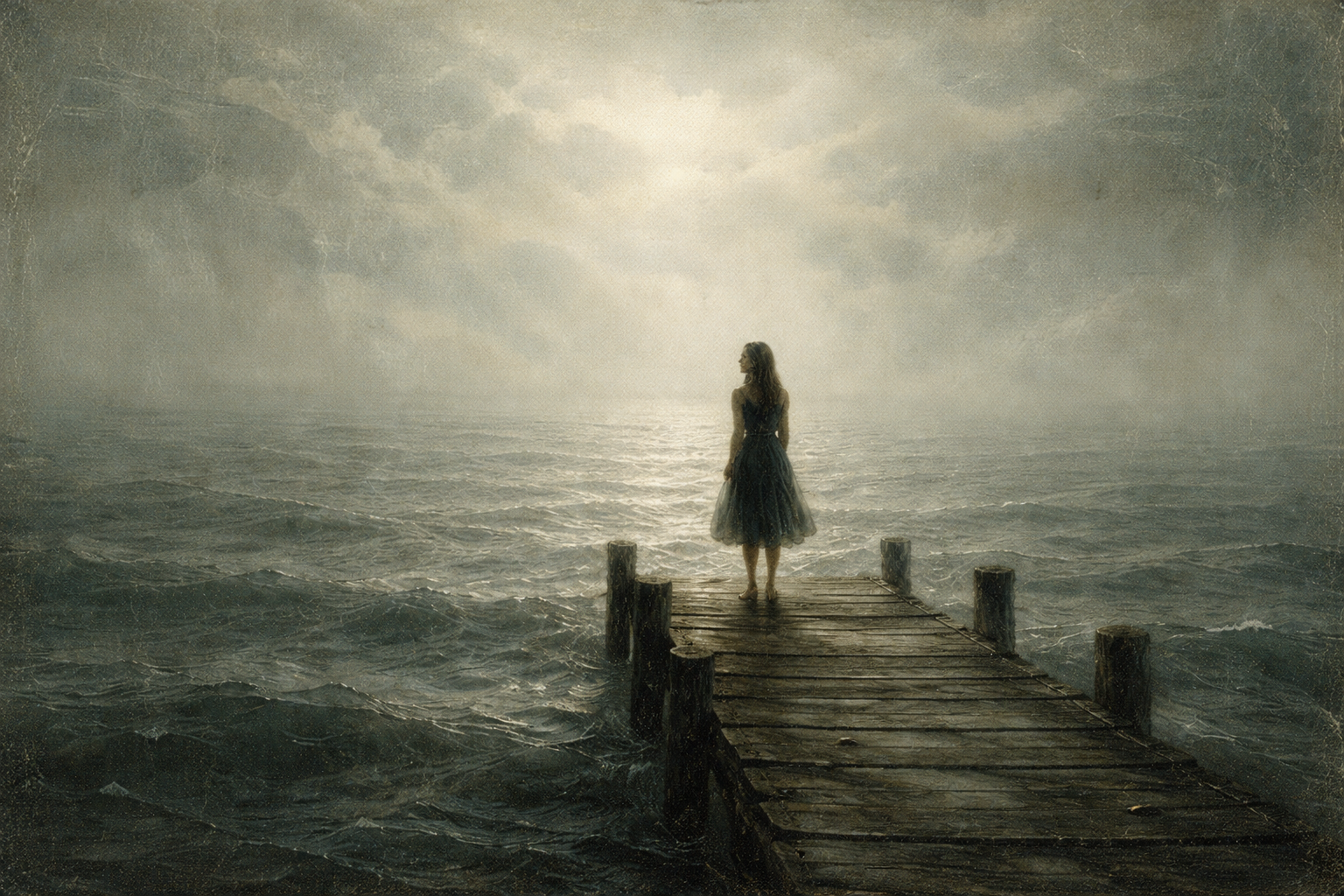
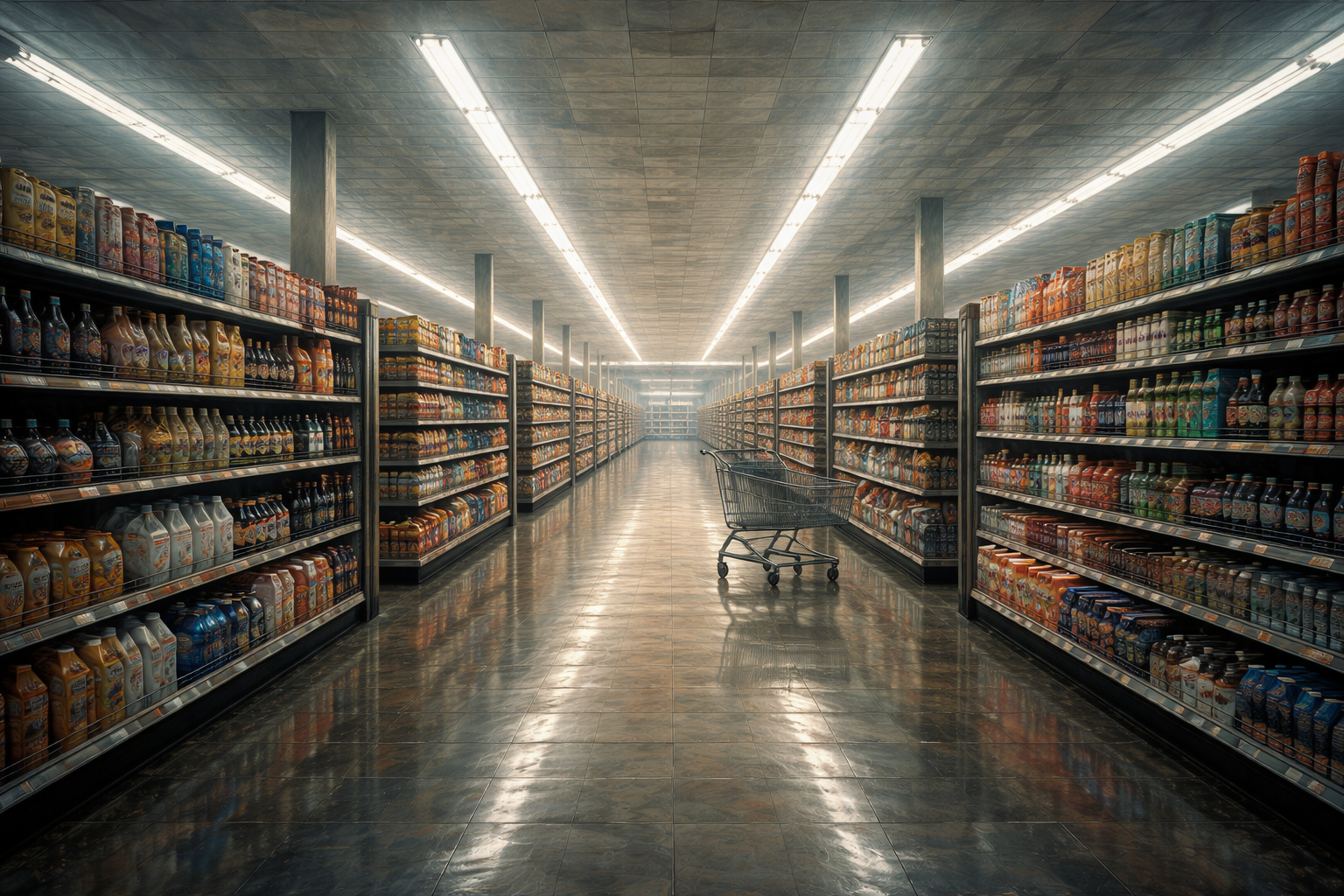
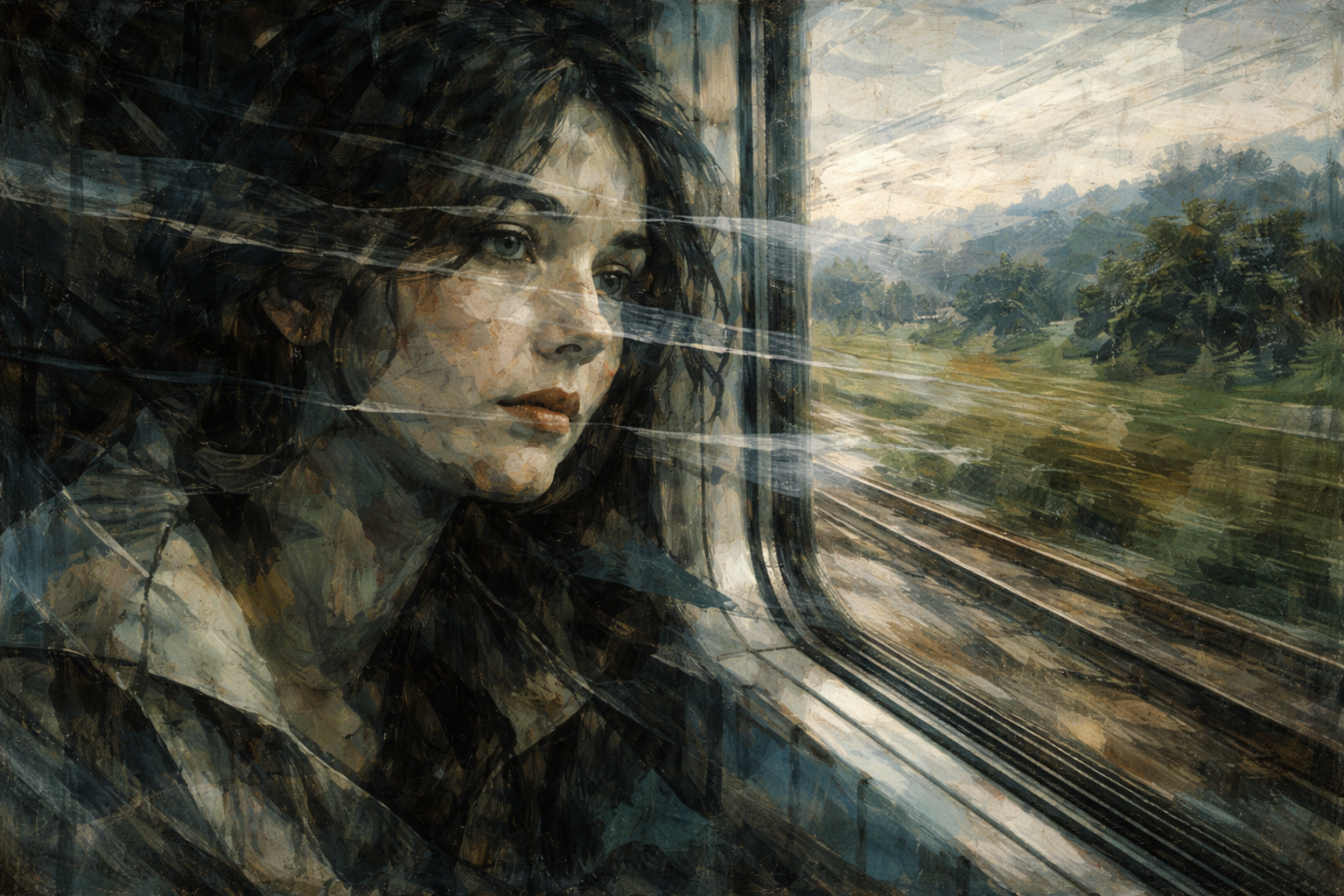
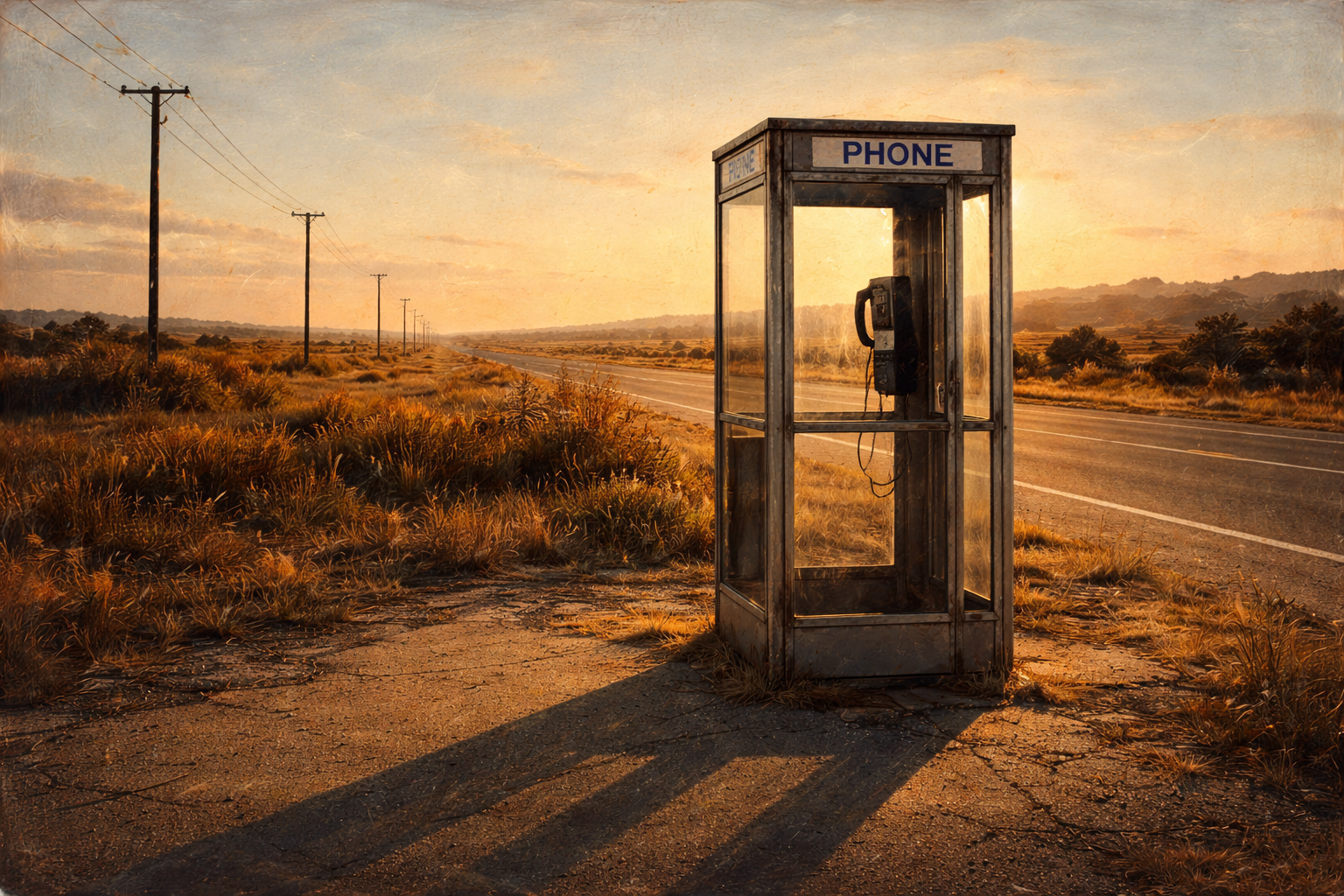
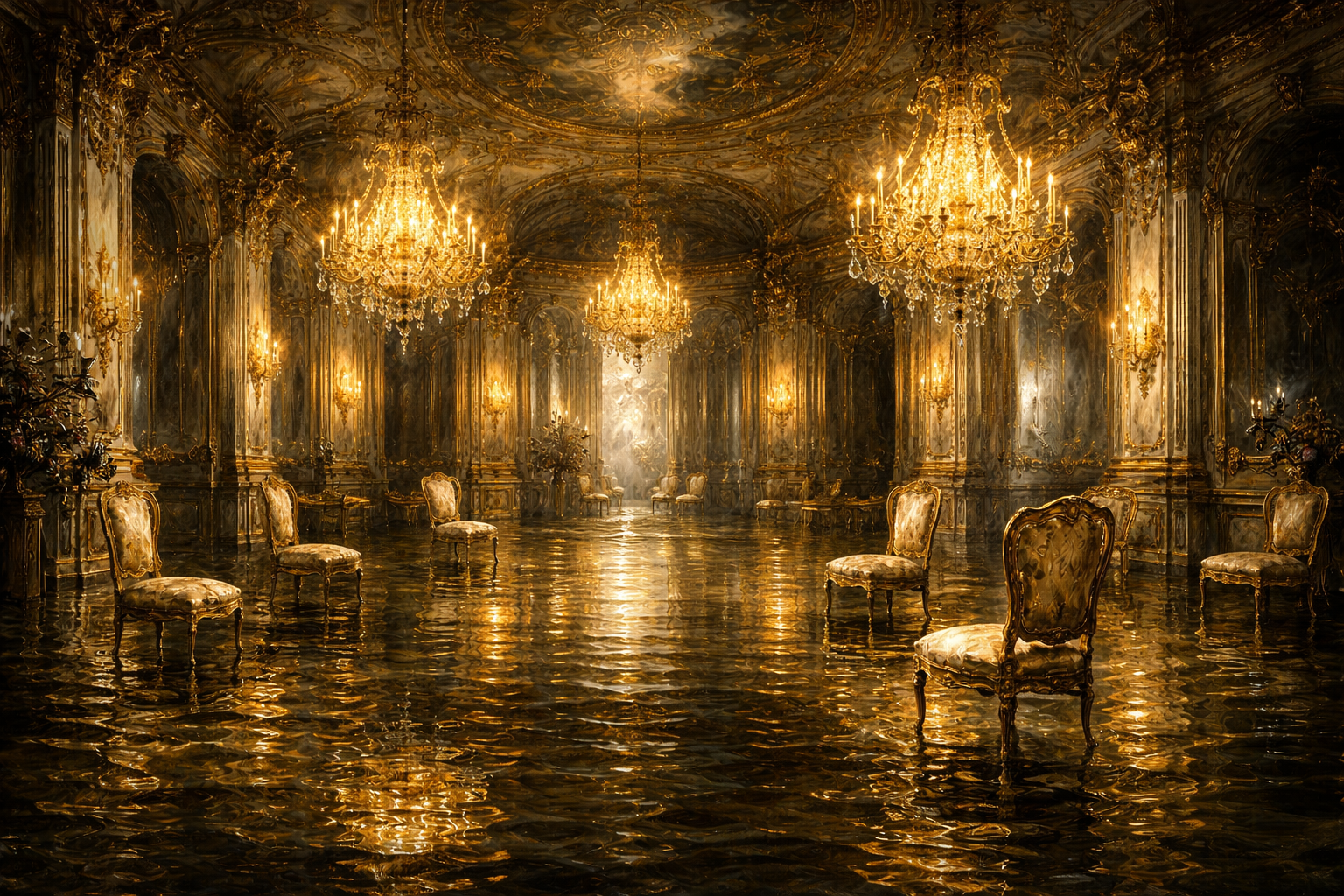
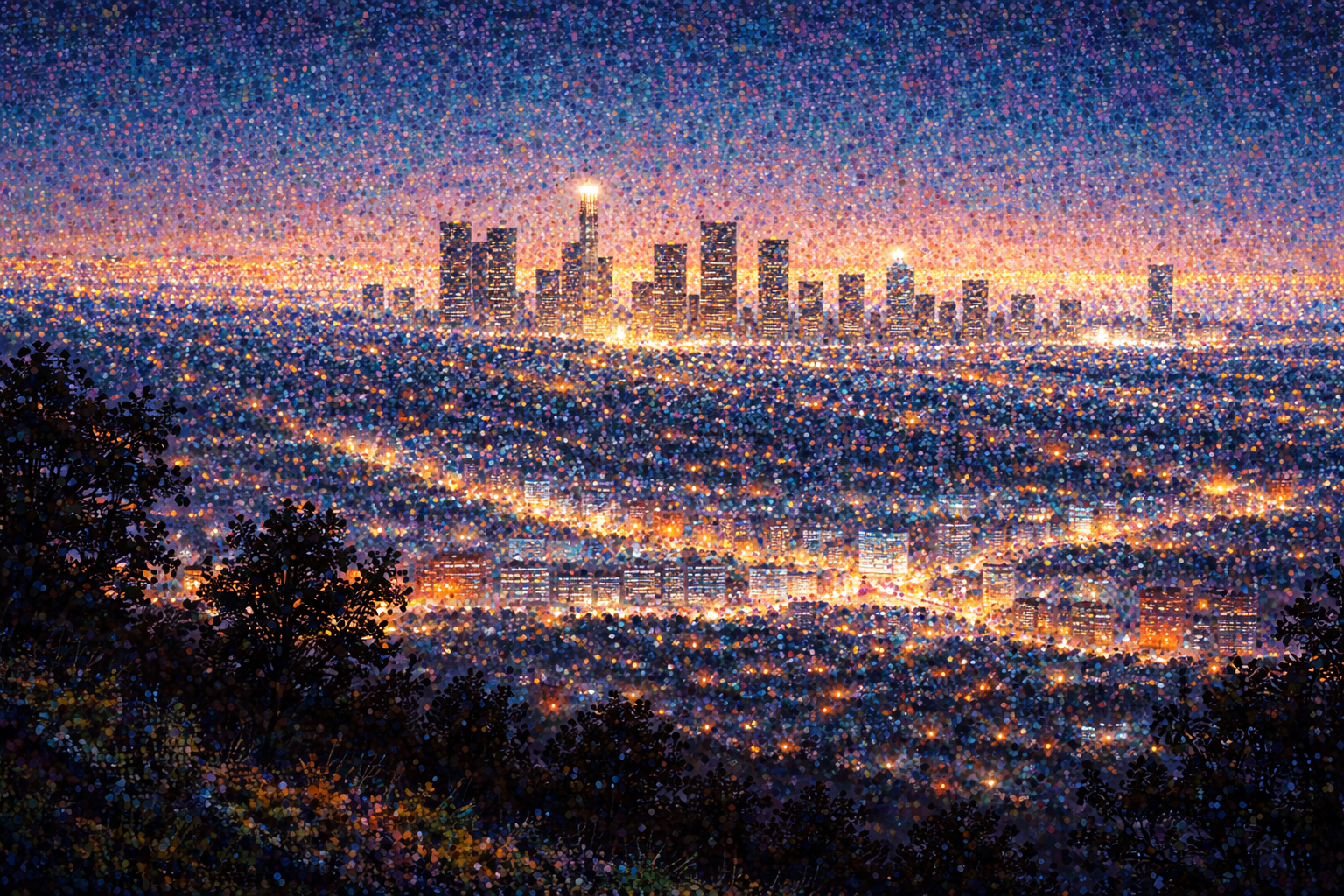
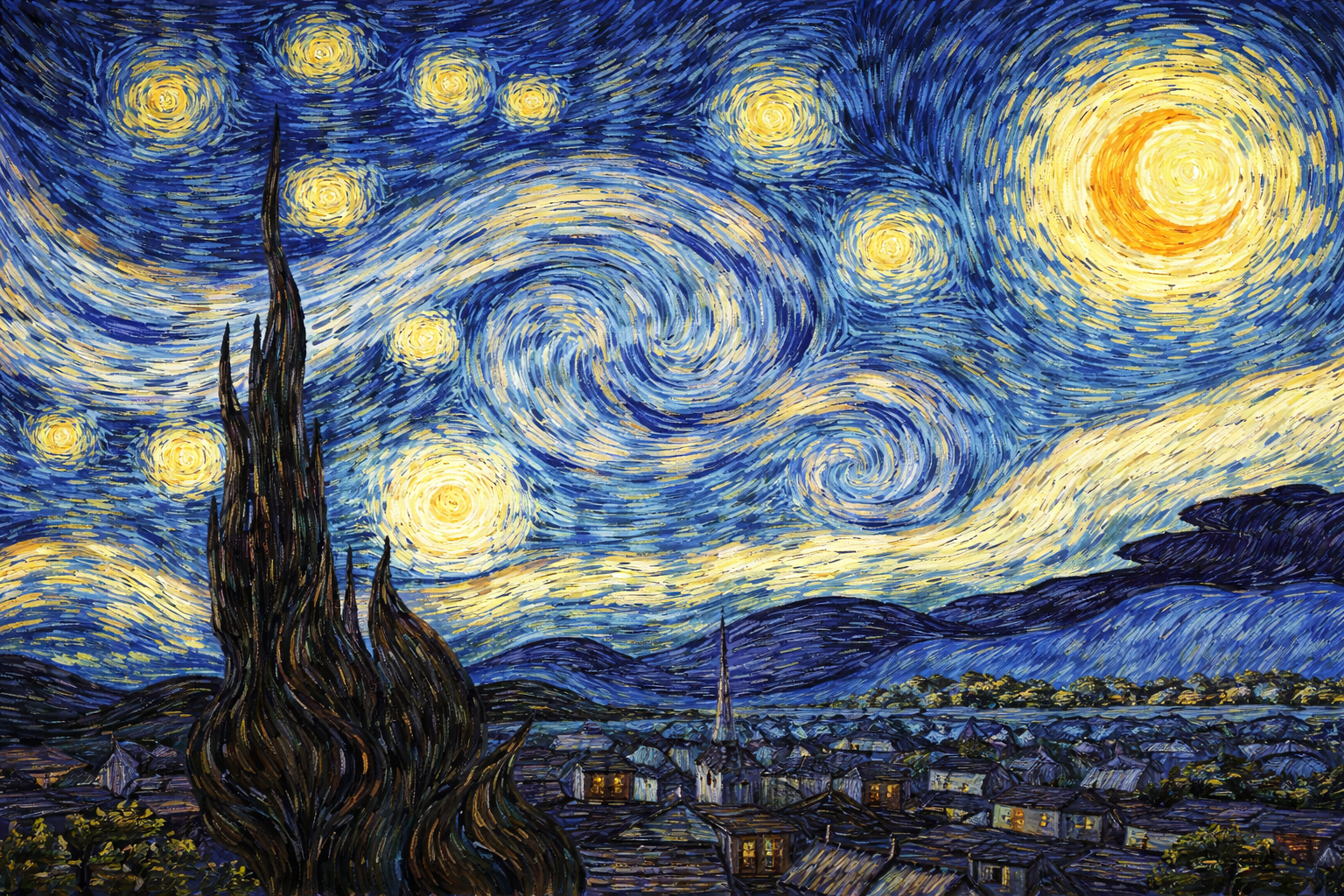
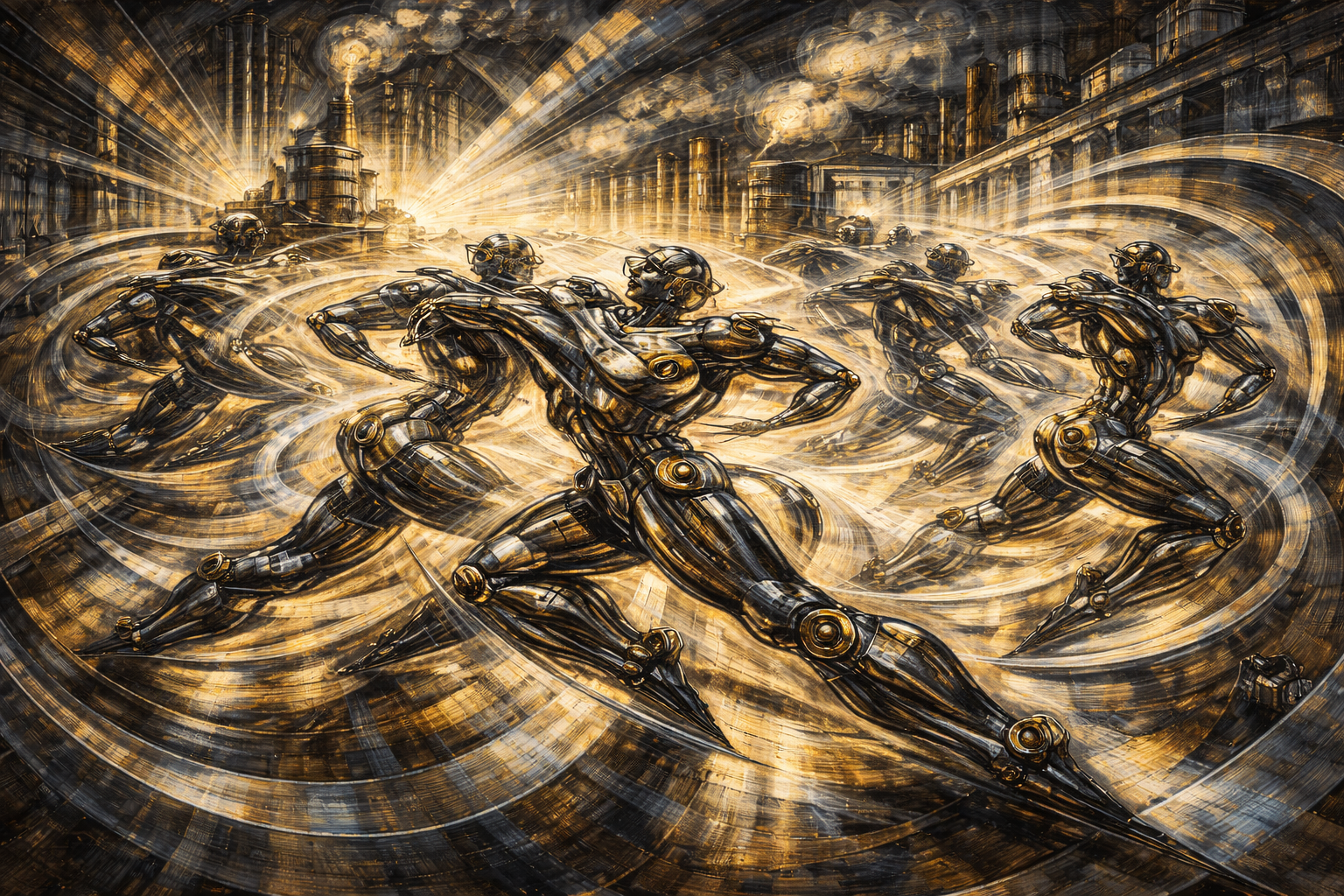
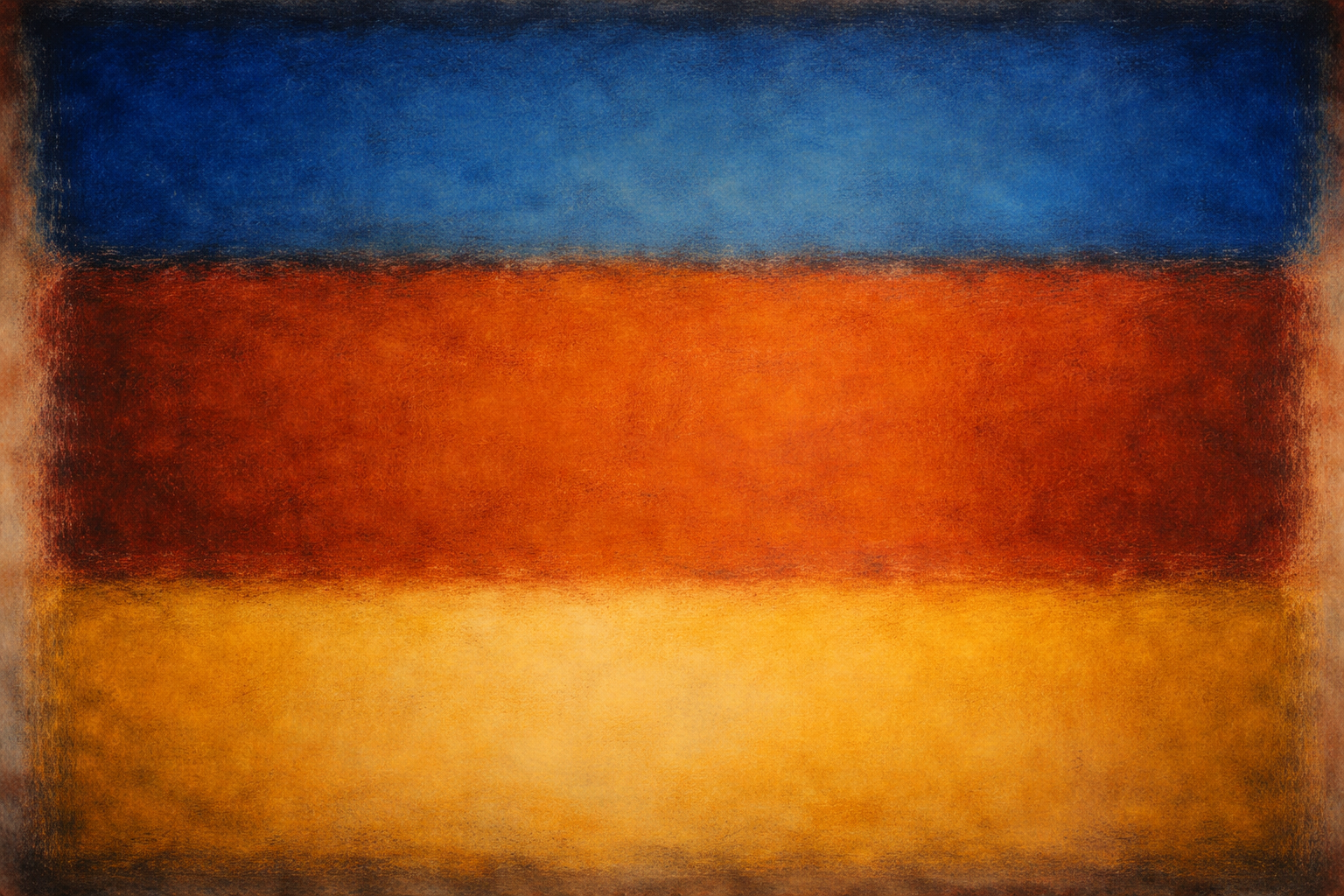
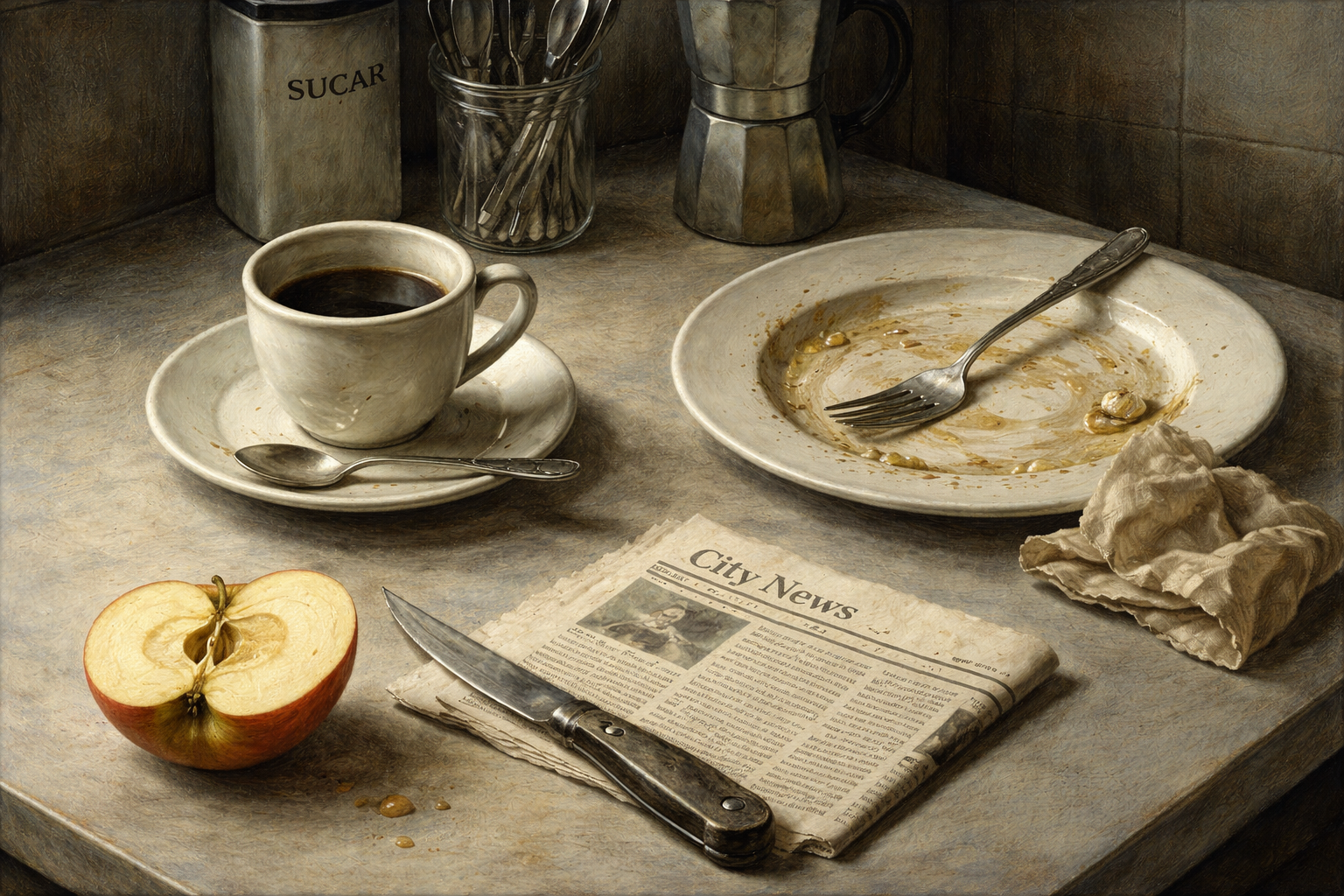
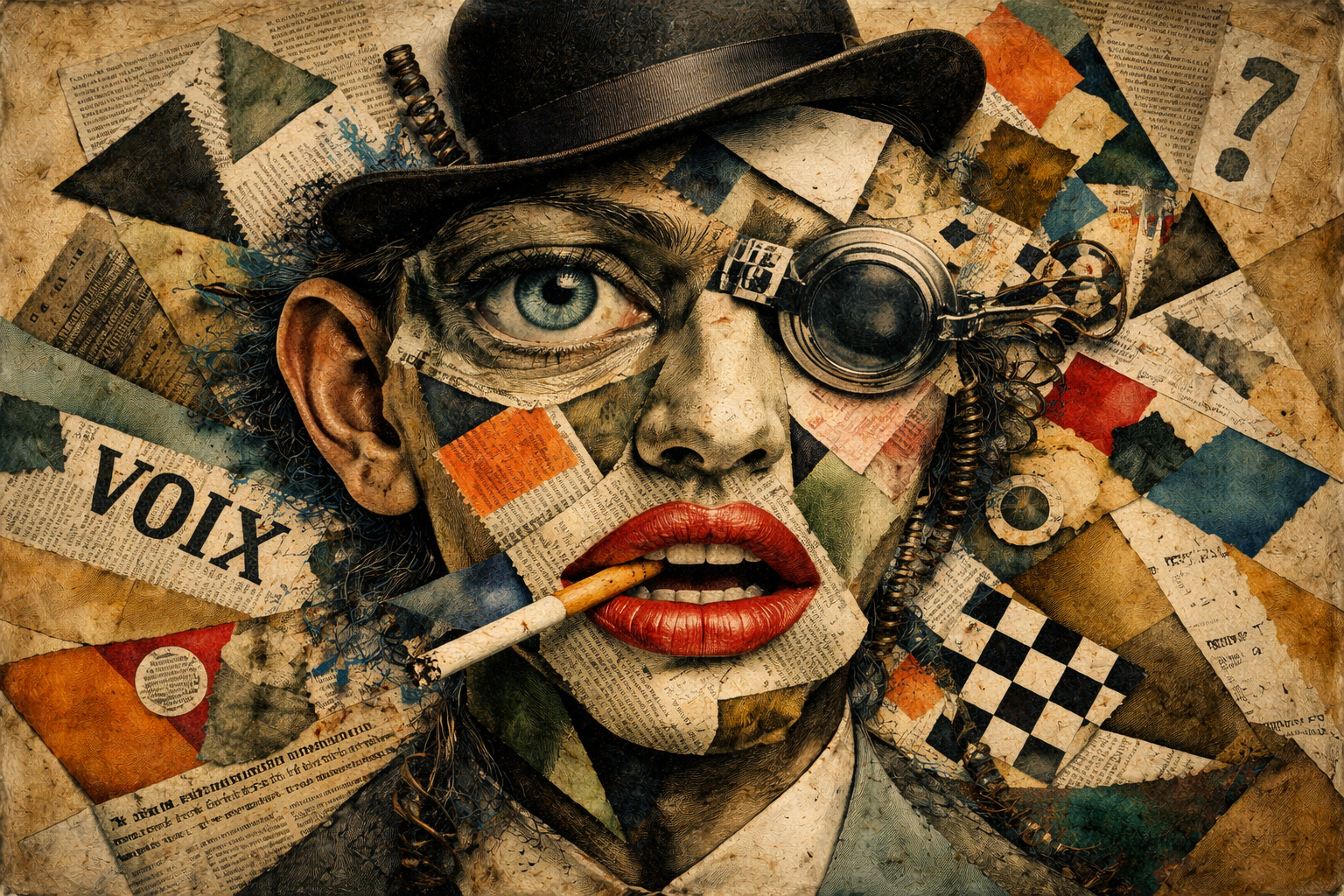
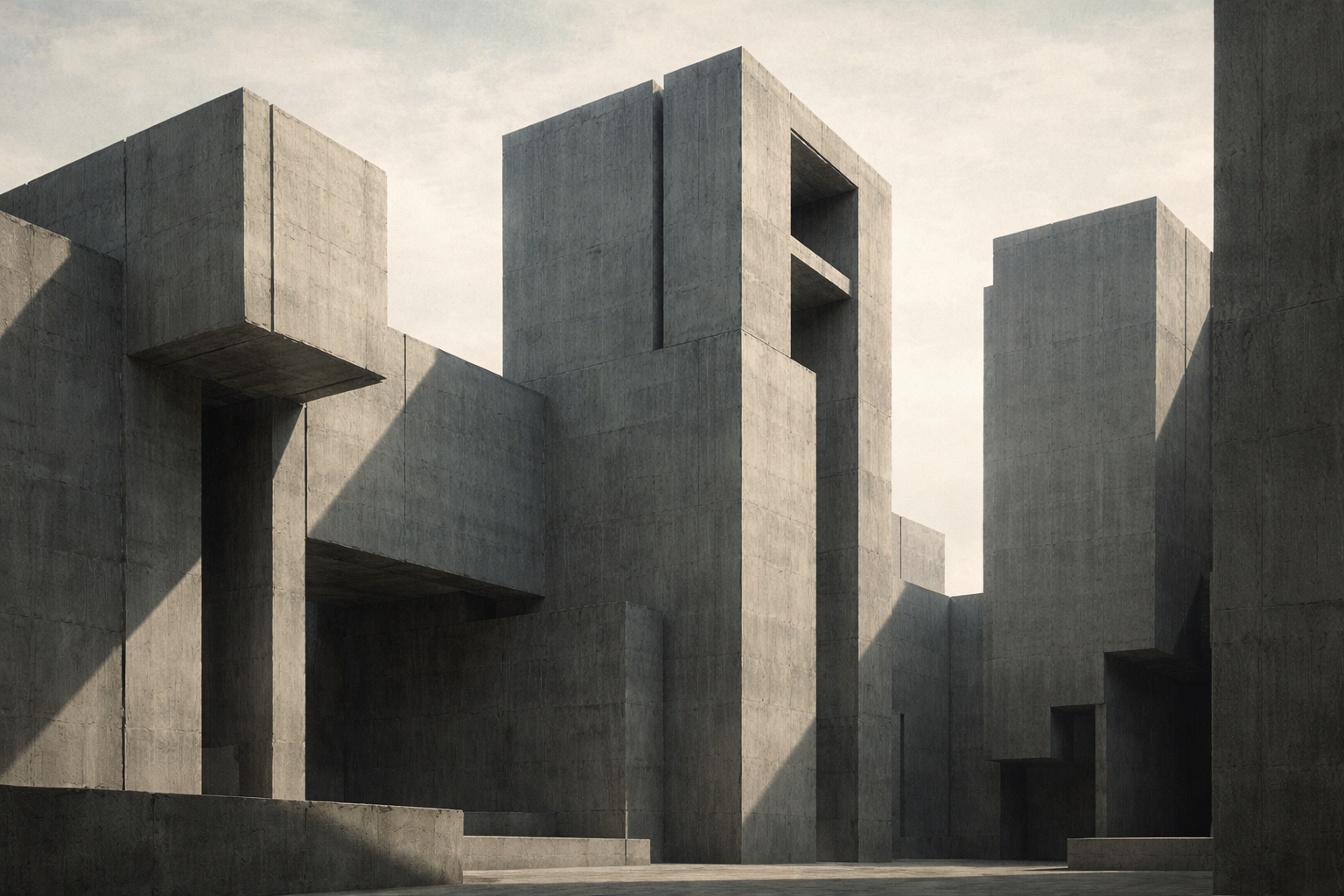
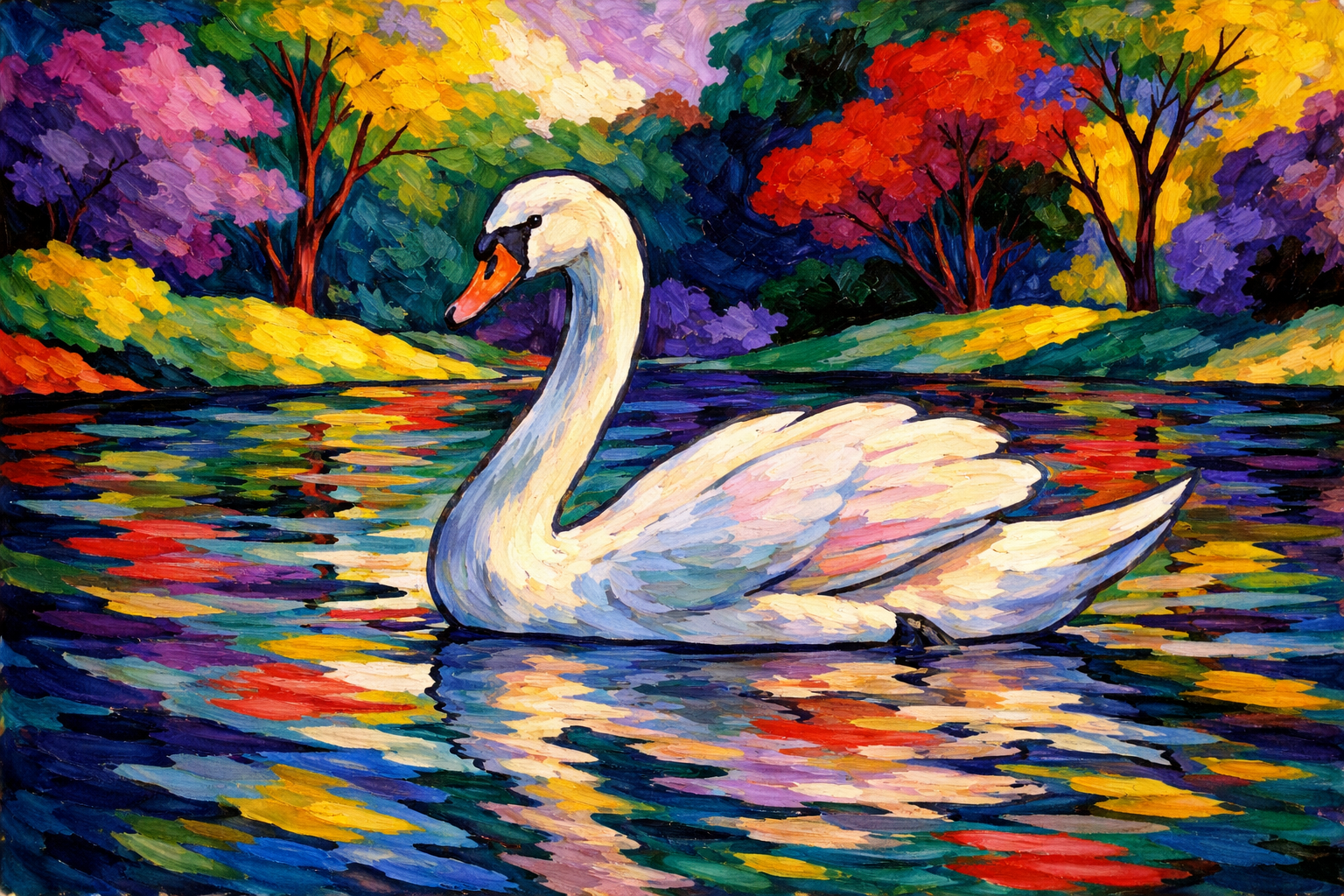
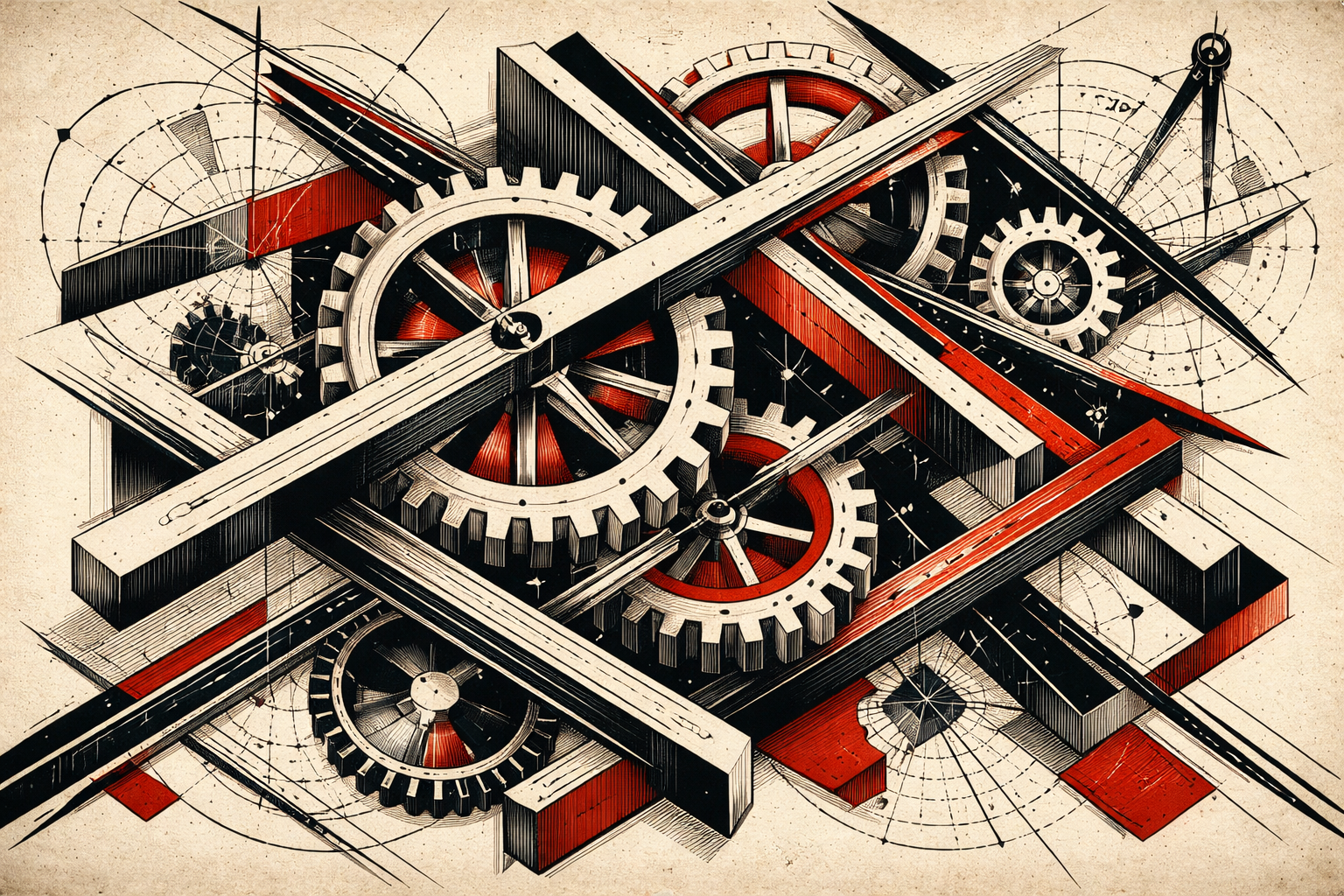
6. AI Artwork for Ekphrasis
AI-generated artwork provides imaginative, high-contrast visuals that often resemble paintings, film stills, concept art, or surreal photography — without the need for museum context or copyright concerns. Because students tend to respond to these images instinctively, they work particularly well for flash fiction, persona poetry, monologue, and low-stakes writing tasks.
Ways to use them:
◆ Project an image and give students five minutes to freewrite
◆ Invite students to title the artwork before sharing titles aloud
◆ Pair two images and ask students to write a story that links them
◆ Use images as cover lesson prompts when no photocopying or preparation is possible
◆ Create a gallery walk where students choose one image and respond with a poem
Prompt ideas:
◆ Write a poem that begins: “The moment before the door closed…”
◆ Describe this place as if it were a memory someone else had
◆ Give the image a soundtrack, then write the lyrics
◆ Write a monologue addressed to the artist who “captured” this scene
◆ Write a story in which this image becomes the final scene

7. Extensions, Displays & Cross-Curricular Ideas
Why it works:
Ekphrastic writing doesn’t need to stay confined to a single lesson. It adapts naturally into projects, exhibitions, collaboration with other departments, and creative assessment, allowing students to revisit and refine their work over time. These extensions encourage ownership, audience awareness, and deeper engagement with visual stimuli.
Classroom & Corridor Displays
◆ Create a gallery walk where artworks are displayed around the room and students leave written responses beside them
◆ Print final drafts on acetate and overlay them directly onto the artwork for layered visual displays
◆ Pair student writing with QR codes so visitors can listen to recordings or view digital responses
◆ Curate a corridor display titled “When Images Speak: Ekphrastic Writing”, showing drafts, annotations, and final versions
Cross-Curricular Projects
◆ English × Art: students create their own visual pieces (collage, painting, sculpture), then swap and write ekphrasis based on each other’s work
◆ English × History: pair historical photographs with diary entries, reportage, or persona poems from different viewpoints
◆ English × Science: use microscopy, NASA/ESA imagery, or climate photography for speculative fiction and environmental poetry
◆ English × Drama: turn ekphrastic monologues into performed pieces with blocking, voice, and lighting choices
◆ English × Music: students create a soundtrack or playlist for selected artworks, then write lyrics, narration, or voiceovers
Publishing & Sharing Ideas
◆ Compile pieces into a digital magazine or PDF anthology for families and the wider community
◆ Submit work to school magazines, literacy newsletters, or local arts competitions
◆ Display writing during open evenings or parent events to showcase multi-modal learning
◆ Build a class blog or Padlet gallery where students can continue adding ekphrastic responses throughout the year
Differentiation & Access Adjustments
◆ Provide sentence stems (e.g. “I see… I wonder… I imagine…”) for emerging writers
◆ Allow speech-to-text for students who think verbally before writing
◆ Encourage sketchnotes or mind-mapping as a bridge between image and language
◆ Offer genre choice (poetry, monologue, journal entry, reportage) so students can work from strength
For Creative Writing Clubs & GCSE / IB Coursework
◆ Use ekphrasis as a warm-up for narrative voice and descriptive precision
◆ Experiment with persona poems for voice essays and character studies
◆ Pair artworks with anthology poems for comparison (voice, tone, imagery)
◆ Use surreal images for non-fiction reflective writing (identity, belief, memory)
Go Deeper into Ekphrastic Writing
Ekphrastic writing doesn’t have to end with a single draft or a finished piece. In fact, some of the most meaningful image-led writing happens when students are encouraged to pause, return, and revise, rather than move quickly from prompt to product.
Going deeper with ekphrasis often means shifting focus away from explanation and towards attention.
◆ returning to the same image across multiple lessons
◆ responding to an image in different forms (poetry, prose, monologue, fragments)
◆ working with limitation rather than expansion
◆ allowing meaning to emerge through selection, erasure, and silence
This slower approach helps students understand that writing doesn’t always begin with certainty — and that interpretation can evolve over time.
One effective way to deepen ekphrastic practice is through fragment-led writing. Instead of asking students to fill the page, fragment-based approaches invite them to work indirectly: removing language, rearranging lines, and revisiting partial ideas. This pairs naturally with ekphrasis, where the image remains constant but the response shifts.
◆ pressure on the blank page is reduced
◆ close looking and selective language choices are prioritised
◆ blackout and erasure techniques become tools for meaning-making
◆ uncertainty and ambiguity are treated as productive, not problematic
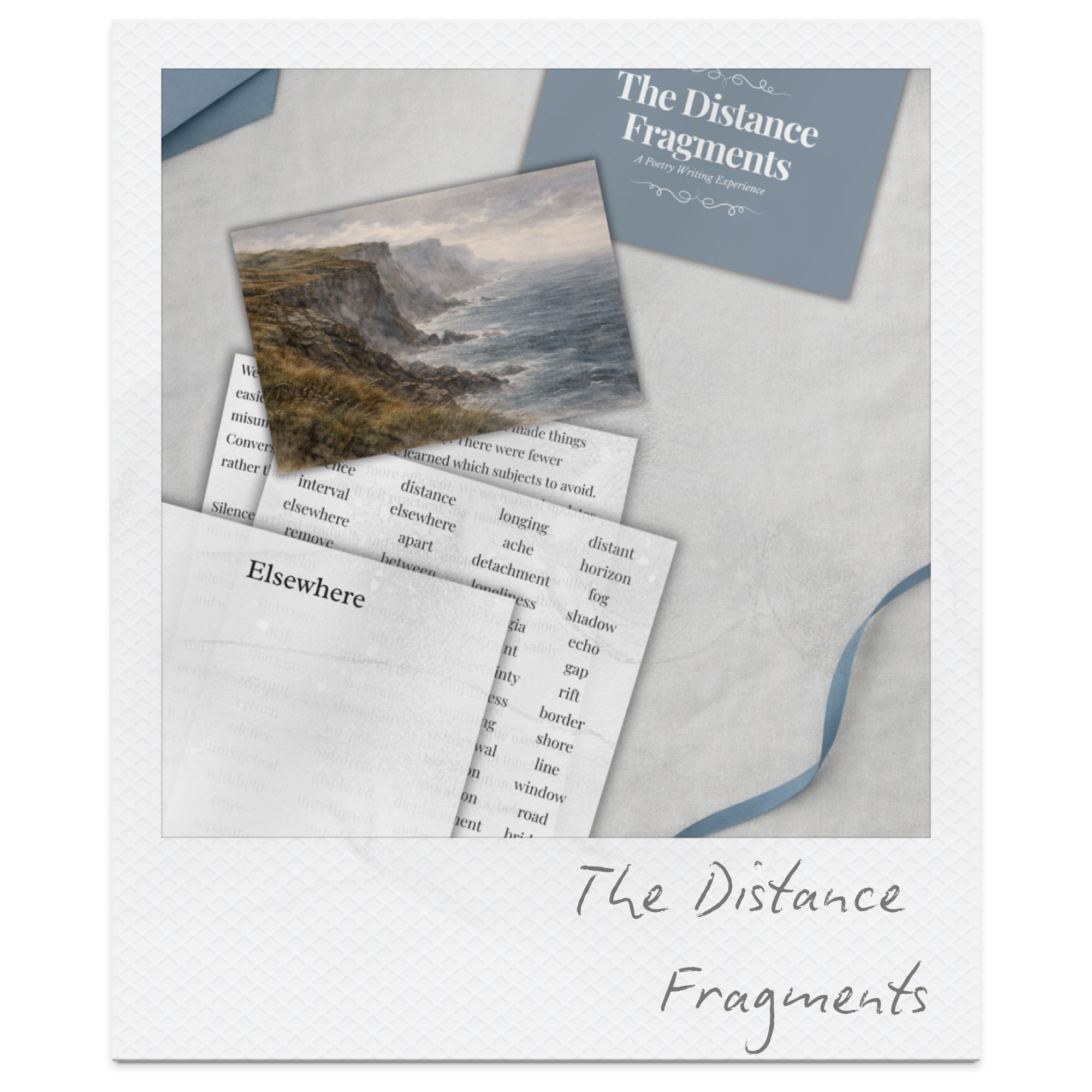
If this quieter, more reflective way of working resonates, you may want to explore The Distance Fragments — a free poetry writing experience built around images, prose fragments, word banks, and short lines designed for blackout poetry, erasure, and return. The materials are intentionally open-ended, allowing writers to revisit, alter, and re-see rather than rush toward completion.
Used alongside ekphrastic writing, fragment-led work can help students see writing as something they are allowed to enter and re-enter, rather than something they must solve in one sitting.
◆ images become places to return to, not prompts to exhaust
◆ writing becomes exploratory rather than performative
◆ confidence grows through revision, restraint, and choice
This is often the point where ekphrastic writing stops being a one-off activity and becomes part of how students think about language, image, and meaning.
Final Thoughts
Ekphrastic writing reminds students that strong writing begins with attention. By slowing down, looking closely, and responding to images rather than instructions, students learn to trust observation, inference, and voice. Whether they are writing poetry, prose, monologue, or fragments, ekphrasis creates space for creativity without the pressure of immediate explanation or certainty.
If you’d like to keep this kind of image-led writing going beyond a single lesson, then check out the Poetry Writing Hub and Creative Writing Archive brings together genre-based, seasonal, and thematic prompts you can return to throughout the year. Together, they help turn ekphrastic writing from a one-off activity into a sustainable classroom practice.
Choose Your Next Adventure