Notes from the Inkpot
Writing, teaching, creating - one ink-stained idea at a time.

70 Creative Writing Prompts Inspired by Frankenstein: Creation, Isolation and the Consequences of Ambition
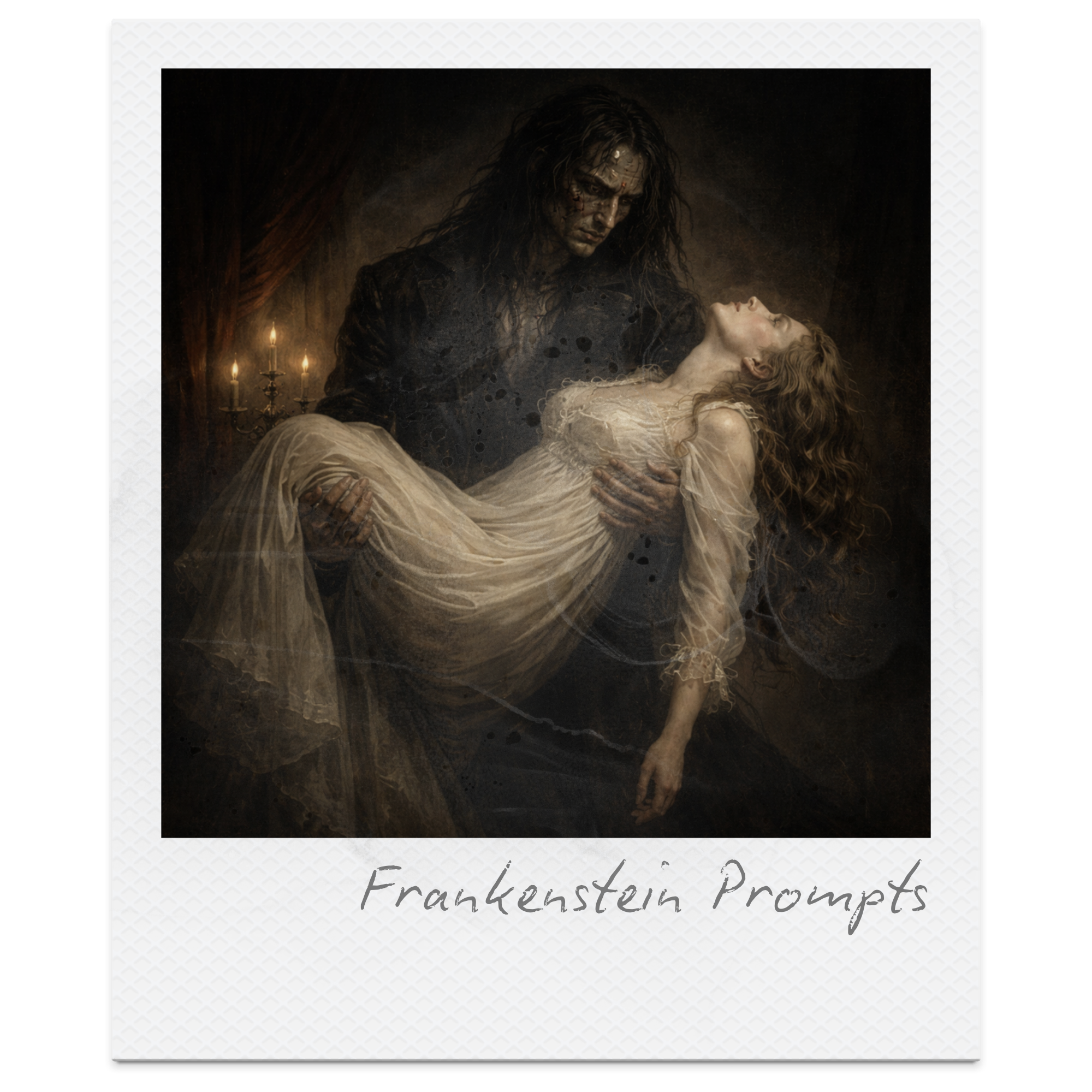
Mary Shelley’s Frankenstein remains one of the most influential gothic novels ever written, exploring ambition, scientific discovery and the moral consequences of creating life. These creative writing prompts draw inspiration from the novel’s atmosphere, characters and philosophical questions, encouraging writers to explore themes such as responsibility, isolation, obsession and the dangers of pushing knowledge too far. This collection of 70 Frankenstein-inspired writing prompts includes plot hooks, opening lines, closing lines, character ideas, settings and visual prompts designed to spark original storytelling. Perfect for classroom use or independent writing practice, the prompts invite writers to experiment with perspective, voice and atmosphere while engaging with the gothic tension and moral complexity that make Frankenstein such a powerful literary work.
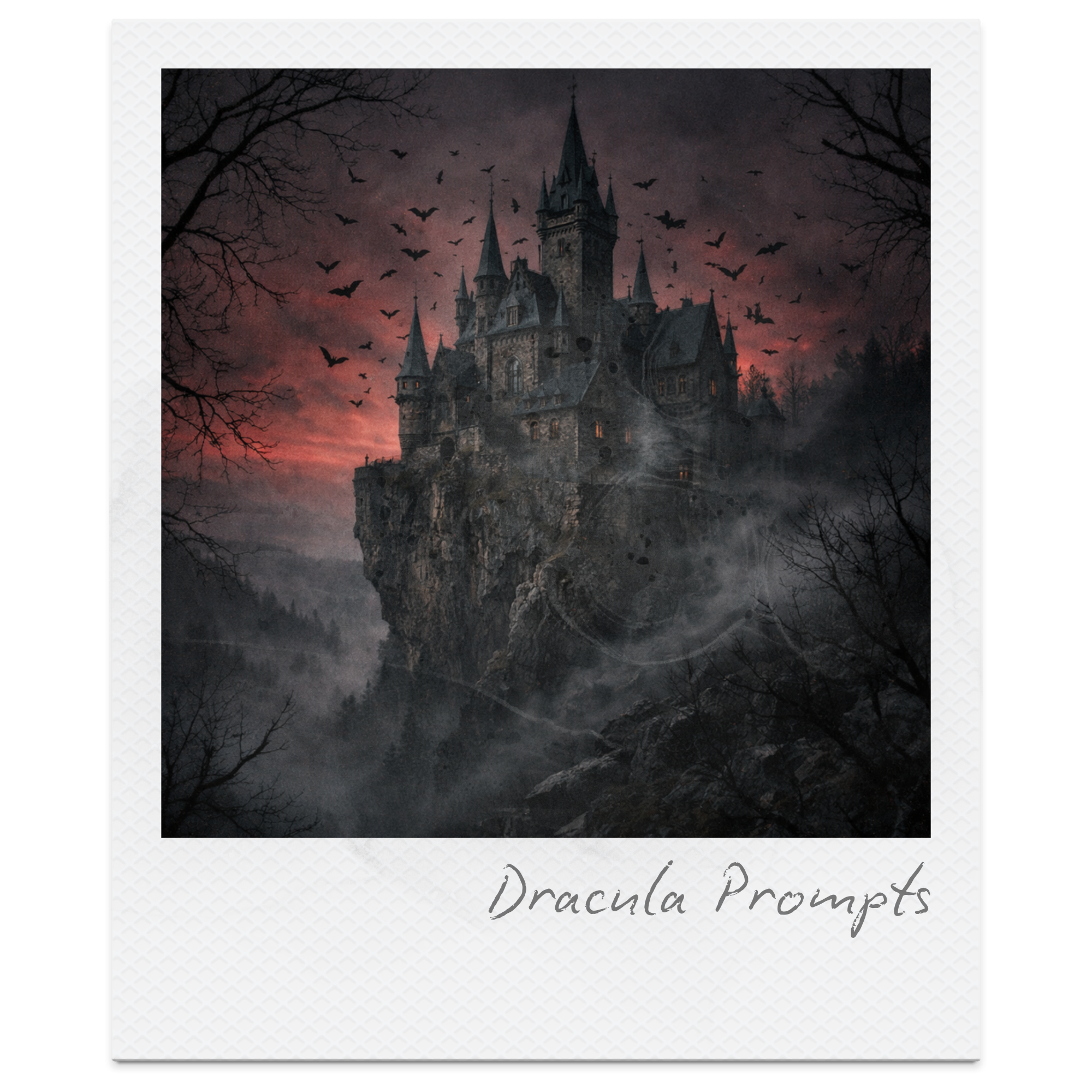
70 Creative Writing Prompts Inspired by Dracula: Gothic Horror, Letters & Unseen Shadows
Bram Stoker’s Dracula remains one of the most influential works of gothic fiction, blending eerie landscapes, secret diaries, unsettling discoveries and the slow realisation that something ancient is moving through the modern world. This collection of 70 creative writing prompts inspired by Dracula explores the novel’s atmosphere of creeping dread through plot hooks, opening lines, closing lines, characters, settings and visual prompts designed to spark dark and suspenseful storytelling. Whether you are teaching gothic literature or looking for atmospheric story ideas, these prompts draw on the themes and narrative techniques that make Dracula so powerful. Writers can experiment with epistolary storytelling, mysterious journeys, haunted locations and unsettling discoveries while developing their own gothic horror stories inspired by one of the genre’s most enduring novels.
The Resurrection Collection: Writing Into the Dark History of Body Snatching
Edinburgh, 1828. Anatomy lectures are full. Graves are not staying closed. As medical knowledge advances, a quiet trade emerges in the shadows of churchyards and lecture rooms. Bodies are exhumed, sold, recorded, and forgotten — while institutions continue as normal. The Resurrection Collection is a document-led creative writing experience inspired by the real history of body snatching, anatomy, and institutional silence. Through fragmented records, personal writings, ledgers, adverts, and modern historical commentary, writers and students are invited to investigate what happened — and what was deliberately left unrecorded. This isn’t a single story or a guided prompt. It’s an archive. The documents don’t agree, some voices are missing, and the truth depends on what you choose to trust. Every reader uncovers a different version of events — shaped by inference, interpretation, and the uncomfortable spaces between evidence.
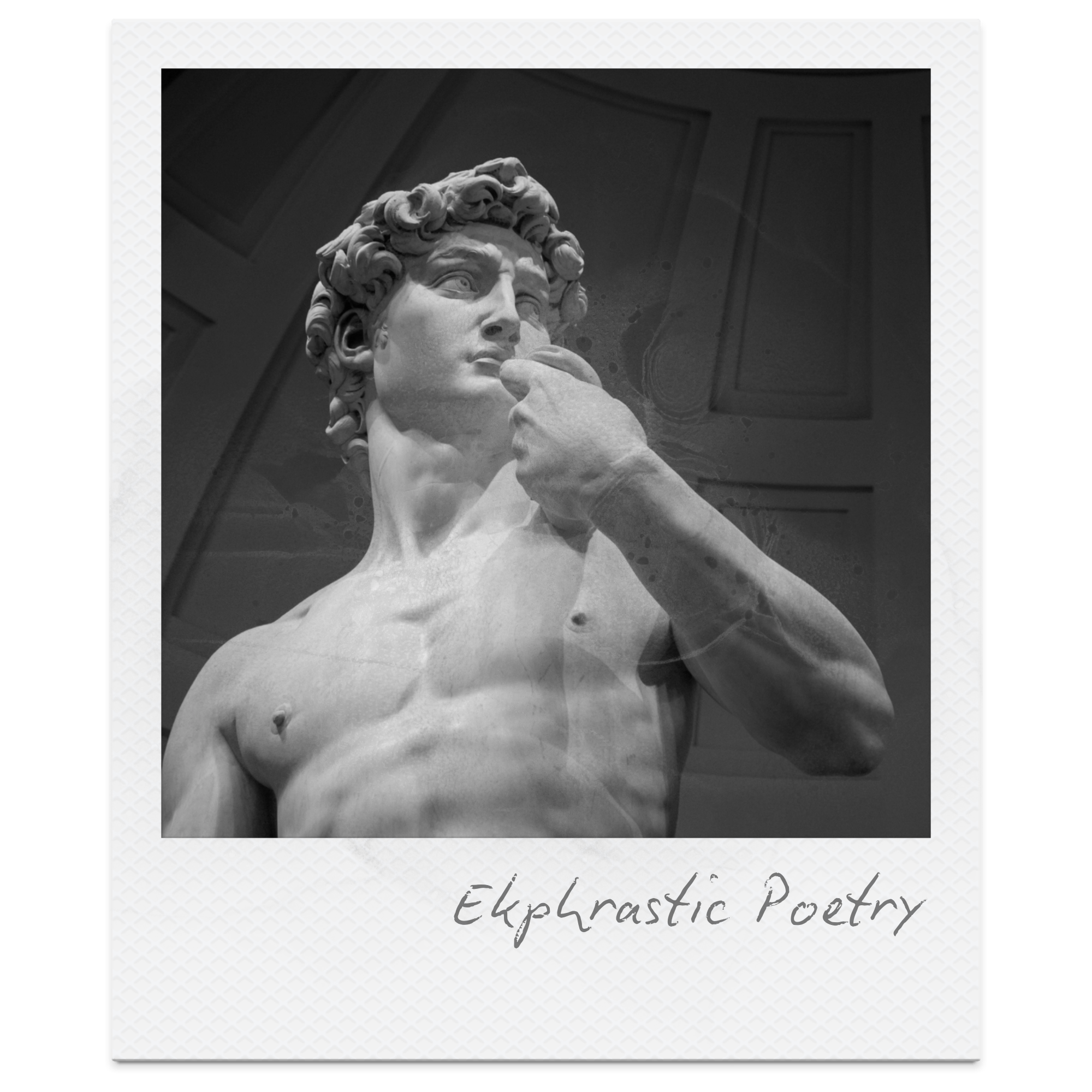
Ekphrastic Writing for the Classroom: Art, Photo & Science Prompts for English Teachers
This comprehensive guide to ekphrastic writing in the classroom brings together image-based writing prompts using art, photography, sculpture, science imagery, and AI-generated visuals. Designed for secondary English teachers, the post includes practical ways to use ekphrasis across poetry, prose, monologue, and creative nonfiction, alongside adaptable classroom activities and cross-curricular ideas. Whether you’re planning a poetry unit, setting low-prep bell-ringers, or encouraging close observation and voice-driven writing, these ekphrastic writing prompts for students support inference, imagery, and creative confidence. With clear guidance, differentiated approaches, and links to ongoing writing resources, this post is built for real classroom use.