Notes from the Inkpot
Writing, teaching, creating - one ink-stained idea at a time.

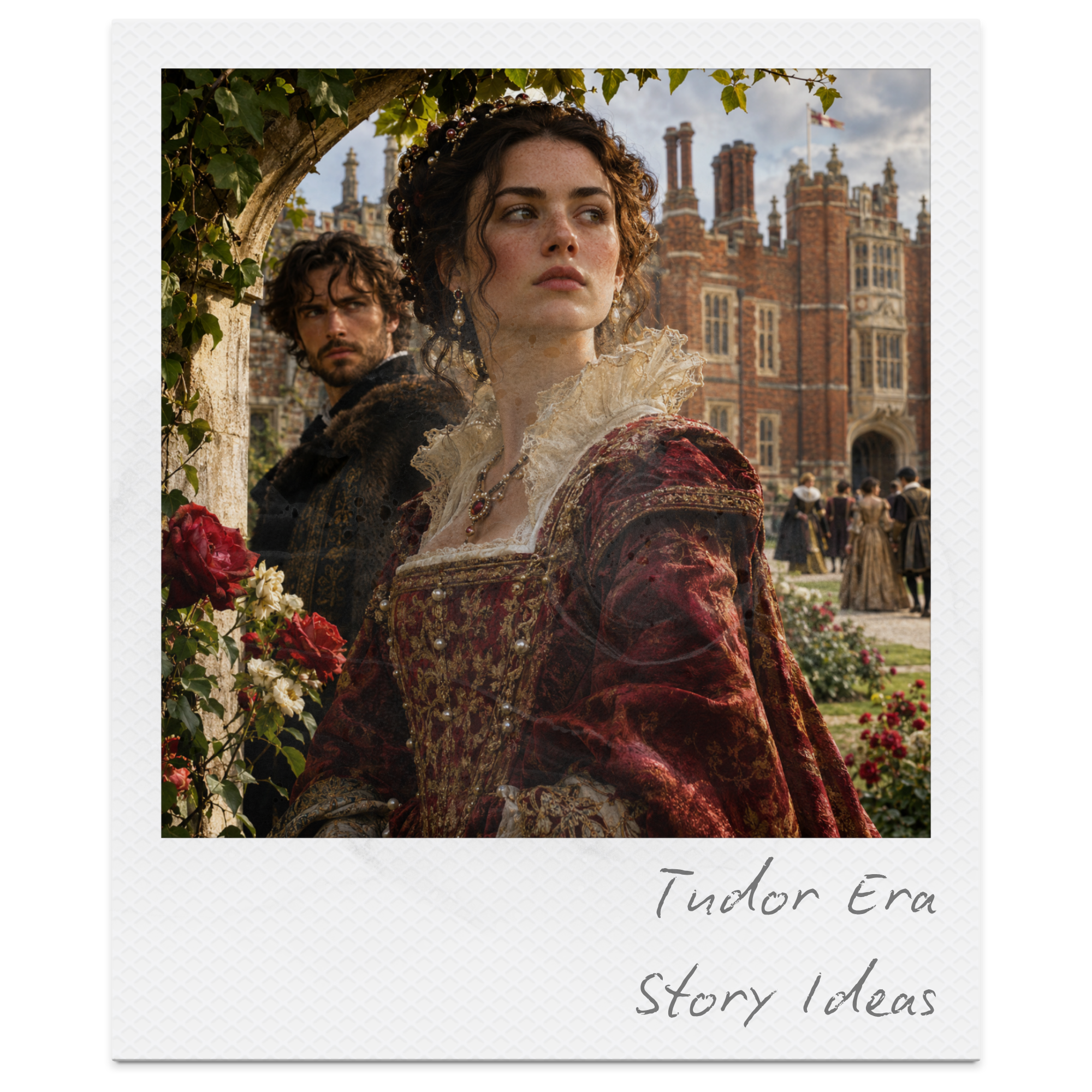
100 Tudor Story Ideas: Court Intrigue, Forbidden Love, Betrayal & Historical Fiction Prompts
Step into Tudor England with 100 richly detailed historical fiction story ideas inspired by royal intrigue, forbidden love, dangerous betrayals, witchcraft, religious rebellion and the secrets of the Tudor court. From Henry VIII and Anne Boleyn to Elizabeth I's spies, plague-stricken villages and daring voyages of exploration, discover compelling Tudor writing prompts featuring real historical figures, forgotten voices and fictional characters. Perfect for historical fiction writers seeking atmospheric settings, unforgettable characters and original stories set between 1485 and 1603.
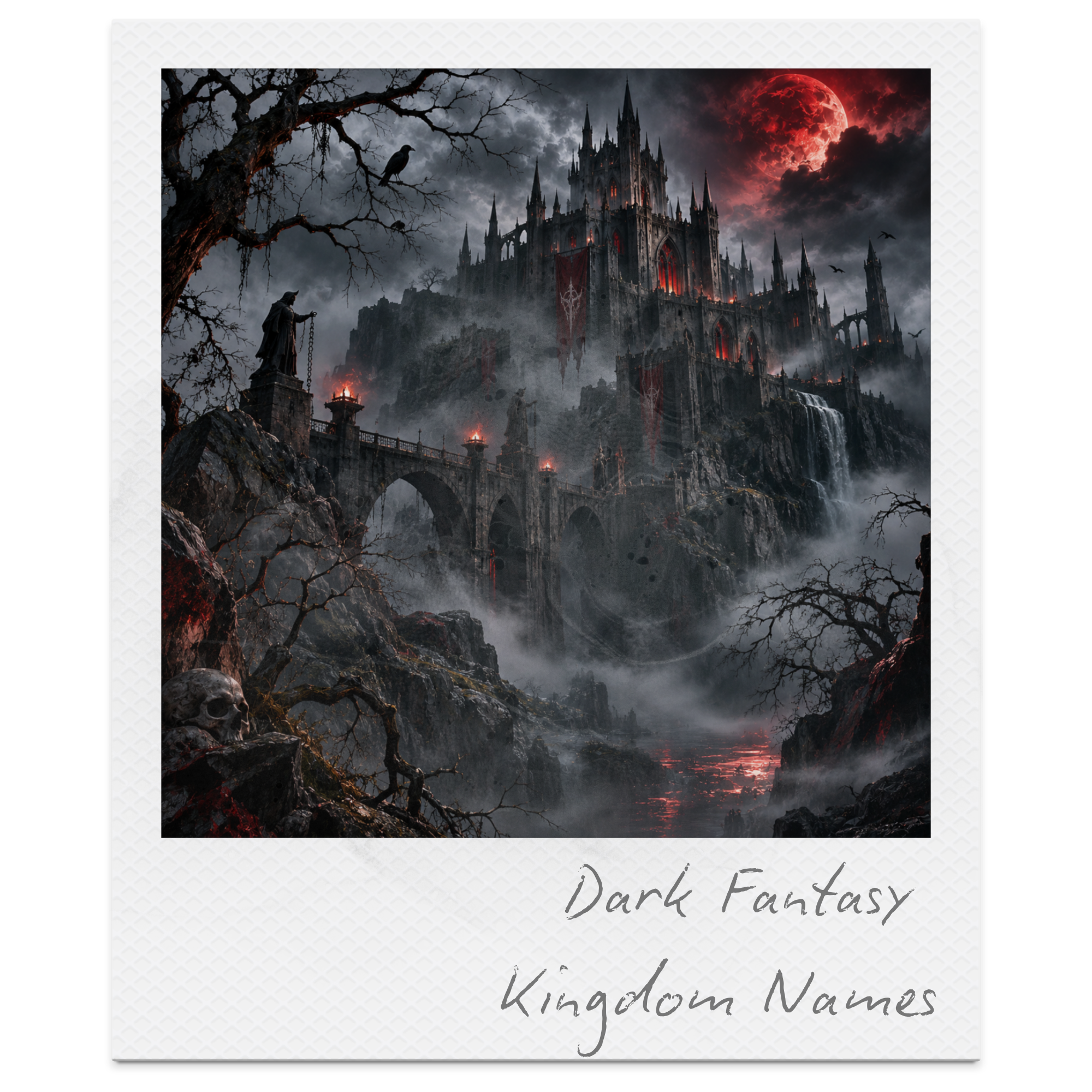
100 Dark Fantasy Kingdom Names: Cursed Realms, Fallen Empires & Shadow Kingdoms
Discover 100 Dark Fantasy Kingdom Names inspired by cursed realms, fallen empires, Gothic castles, shadow kingdoms and forbidden magic. From sinister fae courts and blood-soaked dynasties to infernal dominions and eldritch civilisations, each original kingdom comes with rich worldbuilding details and three imaginative story ideas. Explore 300 dark fantasy story prompts filled with ancient betrayals, dangerous rulers, supernatural secrets and forgotten histories. Perfect for fantasy writers, novelists and worldbuilders looking to create atmospheric, unforgettable kingdoms where every crown conceals a curse and every realm has a story waiting to be told.
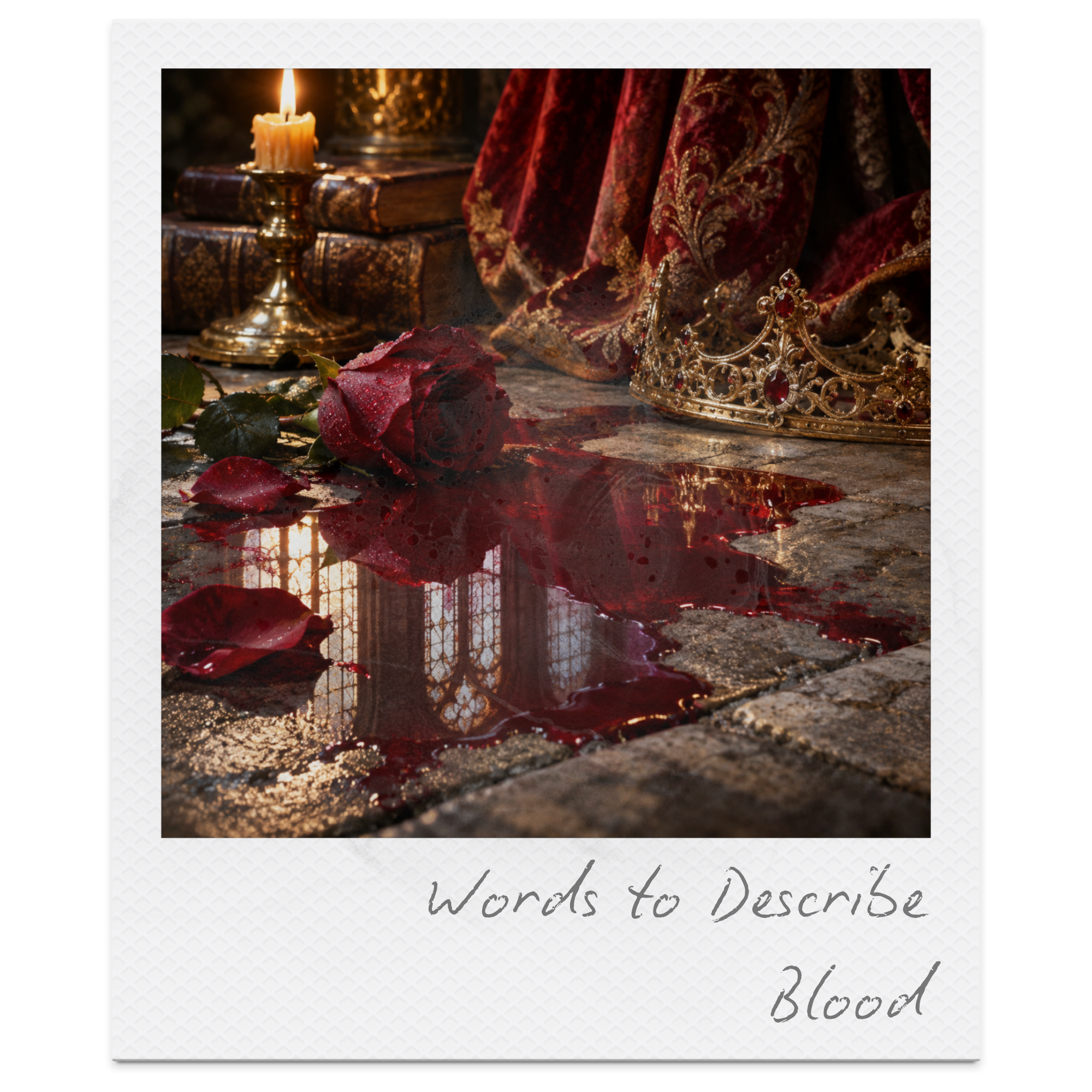
100 Words to Describe Blood: Colours, Textures, Gothic Imagery & Examples for Writers
Discover 100 words to describe blood, from rich crimson shades and glossy textures to dried stains, unsettling Gothic imagery and supernatural blood magic. Explore vivid descriptive vocabulary with clear meanings, original example sentences and practical writing tips to bring your scenes to life. Learn how to describe fresh blood, bleeding, splashes and stains while using metaphor, symbolism and sensory detail to create atmosphere, suspense and emotional depth. Perfect for writers of Gothic horror, dark fantasy, mystery, historical fiction and poetry looking to make their descriptions more precise, evocative and memorable.
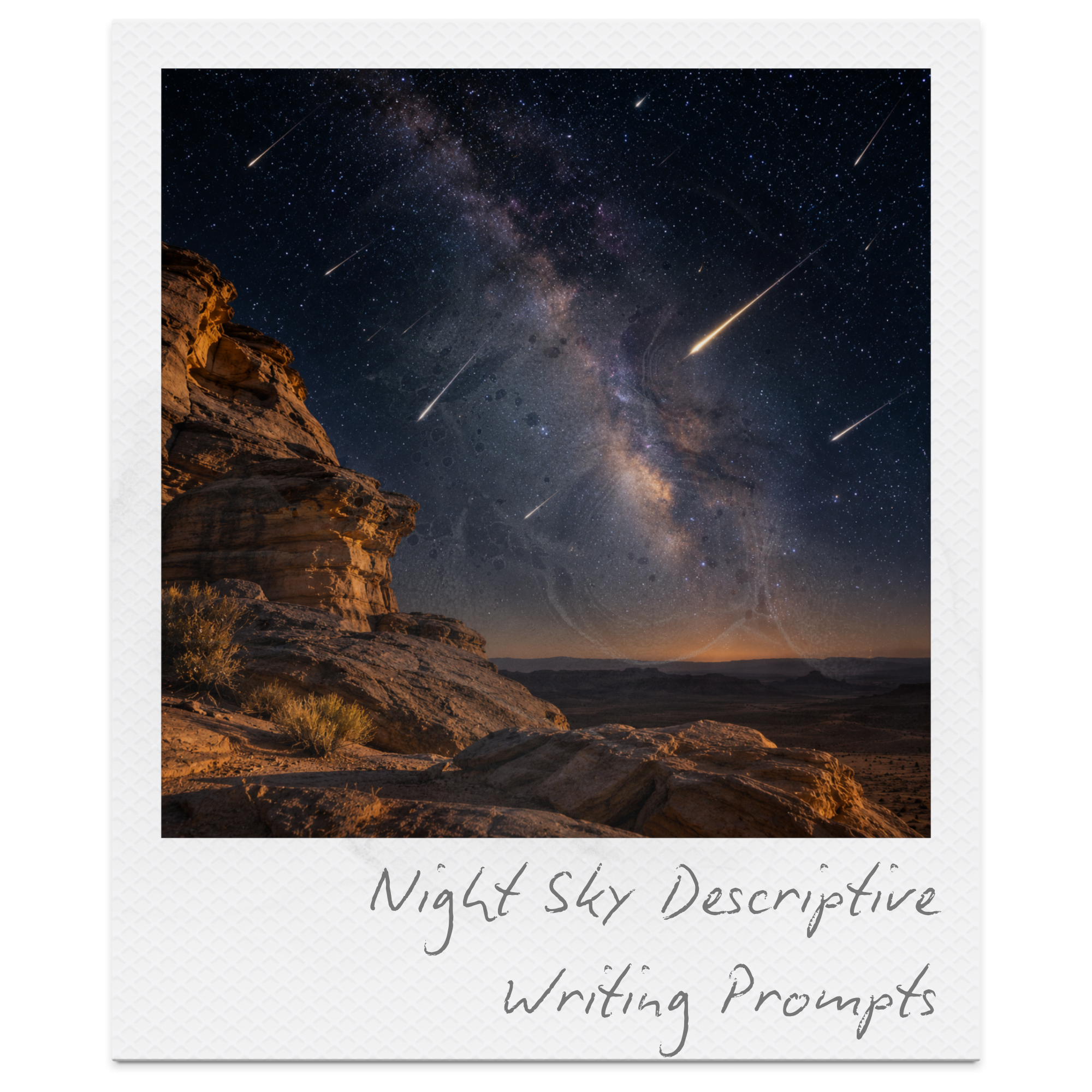
70 Night Sky Descriptive Writing Prompts: Celestial Scenes, Sensory Challenges & Picture Ideas
Explore 70 Night Sky Descriptive Writing Prompts inspired by star-filled landscapes, moonlit coastlines, the Milky Way, meteor showers and the spectacular Northern Lights. Discover atmospheric scene descriptions, contrasting perspectives, sensory writing exercises and creative challenges designed to develop vivid celestial imagery. Experiment with figurative language, precise vocabulary, shifting light and imaginative viewpoints to capture the beauty, mystery and extraordinary scale of the heavens. Featuring stunning night sky picture prompts, observation questions and practical writing techniques, this collection offers endless inspiration for creating immersive, atmospheric descriptions.
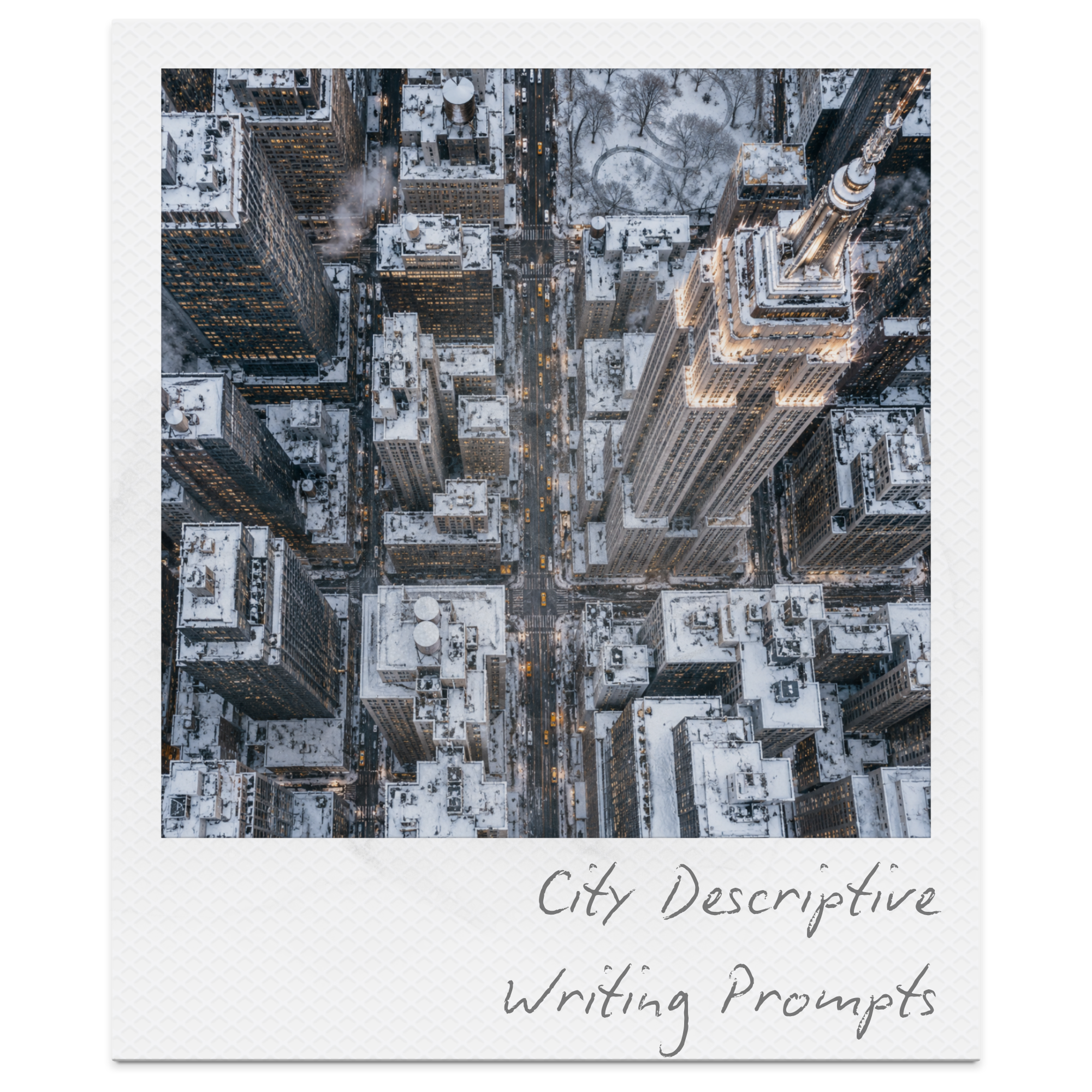
70 City Descriptive Writing Prompts: Urban Scenes, Atmosphere & Sensory Challenges
Explore 70 City Descriptive Writing Prompts inspired by rain-soaked streets, towering skyscrapers, bustling markets, historic neighbourhoods and atmospheric urban landscapes. Discover evocative city scenes, contrasting descriptions, sensory observation exercises, figurative language challenges and creative writing activities designed to strengthen your descriptive skills. From neon-lit streets and misty canals to spectacular skylines and waterfronts at sunrise, these prompts encourage vivid imagery, precise vocabulary and immersive atmosphere. Featuring 10 cinematic city picture prompts, this collection is perfect for students, teachers and creative writers looking to bring urban settings to life.
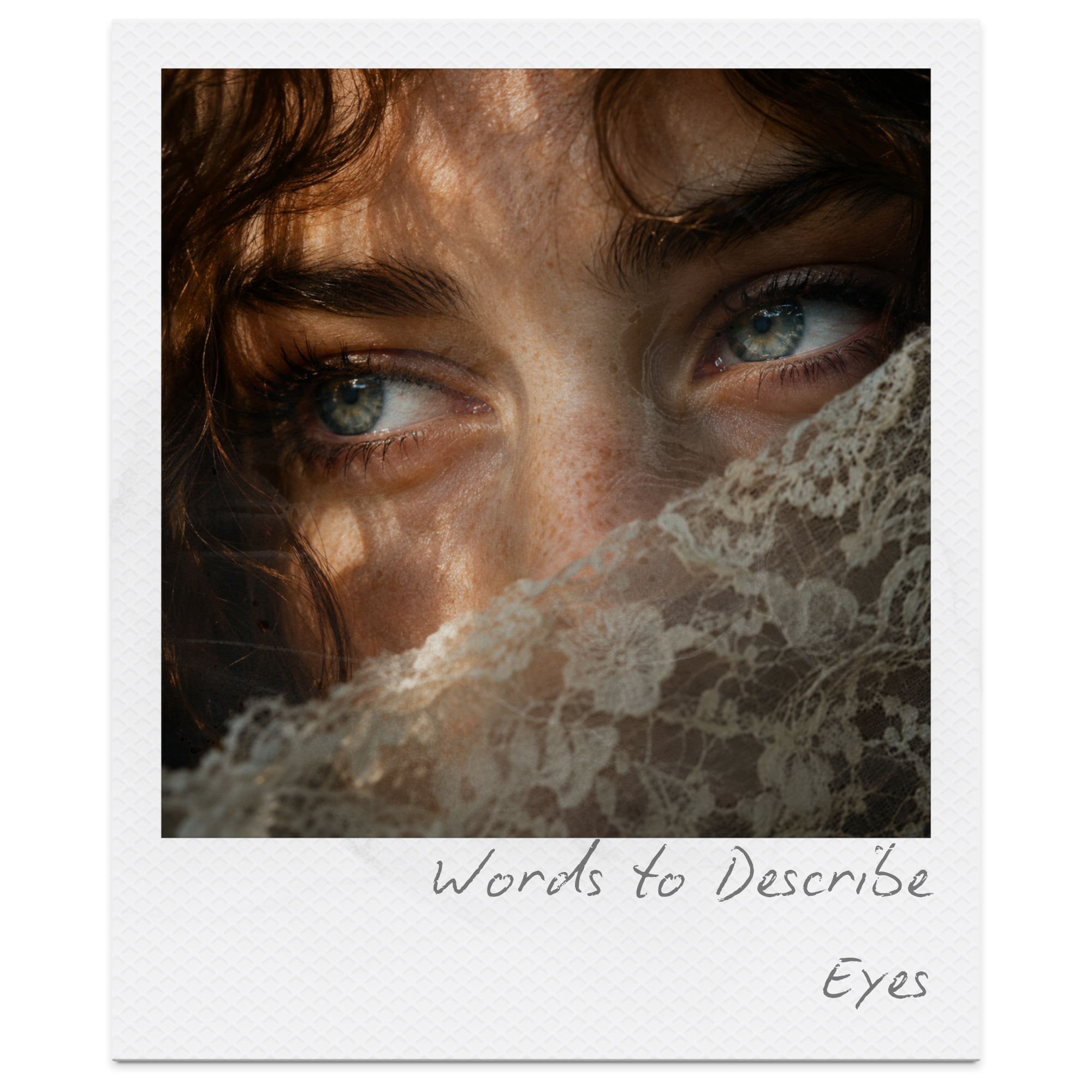
100 Words to Describe Eyes: Beautiful, Expressive & Atmospheric Vocabulary for Writers
Discover 100 beautiful, expressive and atmospheric words to describe eyes in creative writing, from striking colours and distinctive shapes to loving glances, sorrowful expressions and sinister stares. Explore ten carefully organised vocabulary collections, each featuring clear meanings, original example sentences and practical writing advice. Learn how to use eye contact, movement, metaphor and symbolism to reveal emotion, develop memorable characters and create vivid descriptions. Perfect for writers of fantasy, romance, Gothic fiction, poetry and literary fiction looking to bring greater depth and originality to their character descriptions.
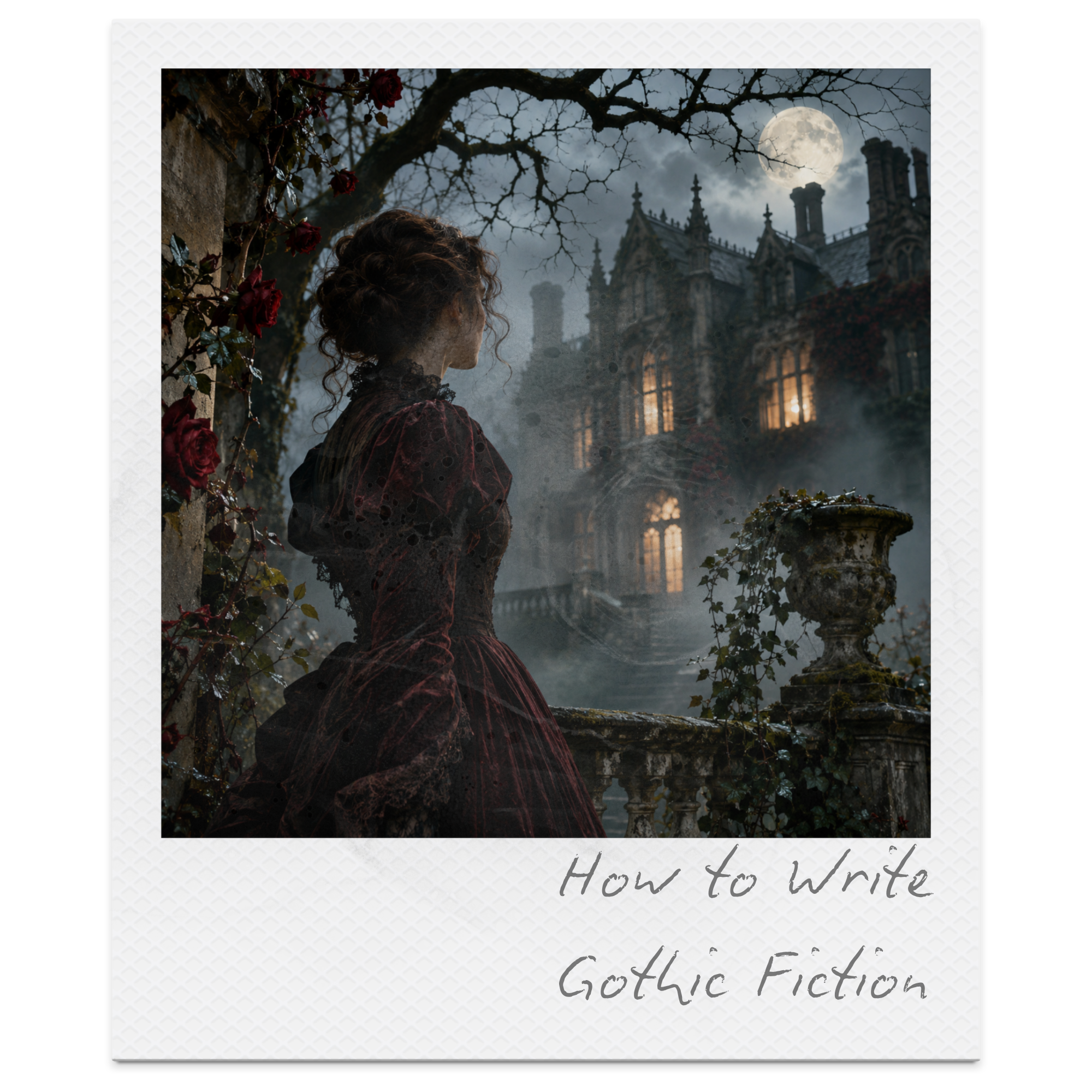
How to Write Gothic Fiction: A Complete Guide to Gothic Storytelling, Techniques & Examples
Discover how to write Gothic fiction with this complete guide to atmospheric storytelling, psychological suspense and dark literary techniques. Explore the essential elements of Gothic literature, from haunted settings and sinister characters to buried secrets, supernatural mysteries and the enduring influence of the past. Learn how to structure a Gothic story, create unsettling imagery, build tension and develop complex characters, with original writing examples and detailed analysis throughout. You'll also find practical Gothic writing exercises, common mistakes to avoid and inspiration from some of literature's greatest Gothic authors. Whether you're writing a Gothic short story, a supernatural mystery or a full-length novel, this guide will help you transform your darkest ideas into compelling fiction.
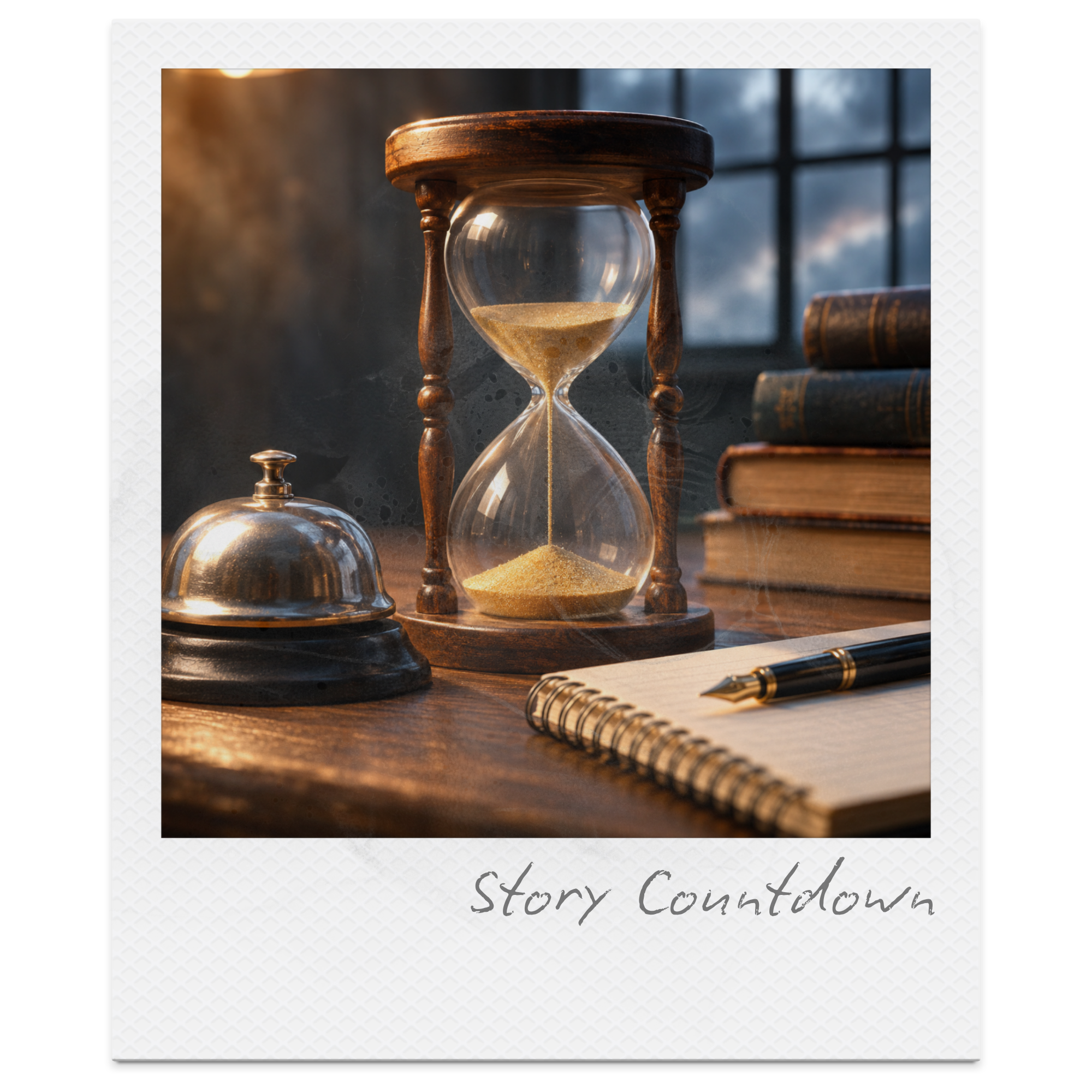
Story Countdown: Can You Write a Story Using Just Eight Ingredients?
Eight random ingredients. One ticking clock. Endless storytelling possibilities! Inspired by the classic TV game show Countdown, Story Countdown is a free interactive creative writing game that challenges students to build original stories using randomly generated characters, settings, plots and wildcard details. Choose up to eight story ingredients, set the adjustable timer and race against the clock to create an imaginative narrative. Perfect for five-minute writing starters, classroom warm-ups, creative writing challenges, collaborative storytelling and engaging KS3 and KS4 English lessons.
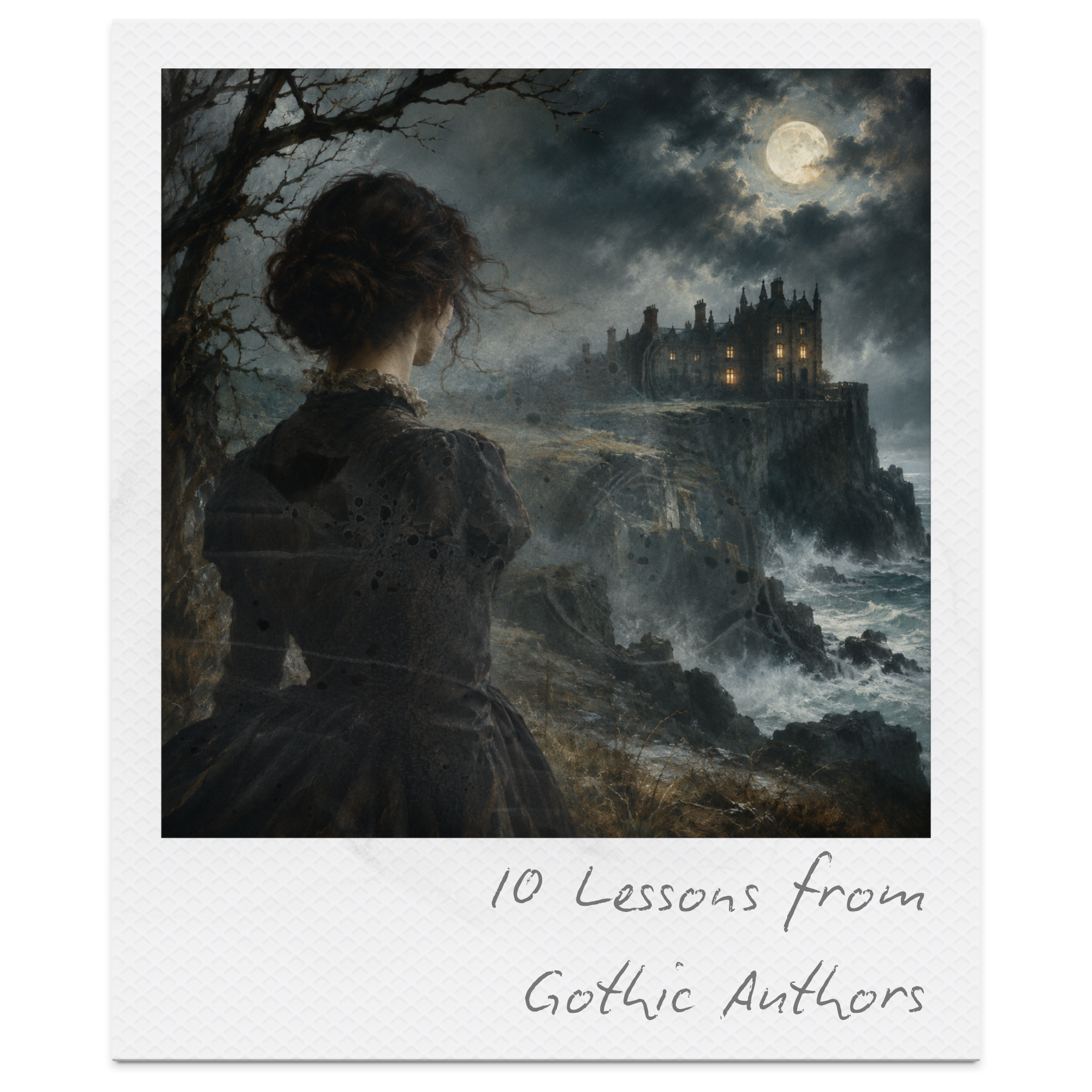
10 Lessons Every Writer Can Learn from Gothic Authors: Mastering Atmosphere, Suspense and Psychological Horror
Discover 10 essential Gothic writing lessons from literary masters including Mary Shelley, Edgar Allan Poe, Bram Stoker, Shirley Jackson and Angela Carter. Explore how these influential authors use atmospheric settings, psychological horror, unreliable narrators, symbolism and suspense to create unforgettable stories. With detailed literary analysis, practical writing techniques and creative exercises, this guide will help you bring greater depth, darkness and originality to your own Gothic fiction.
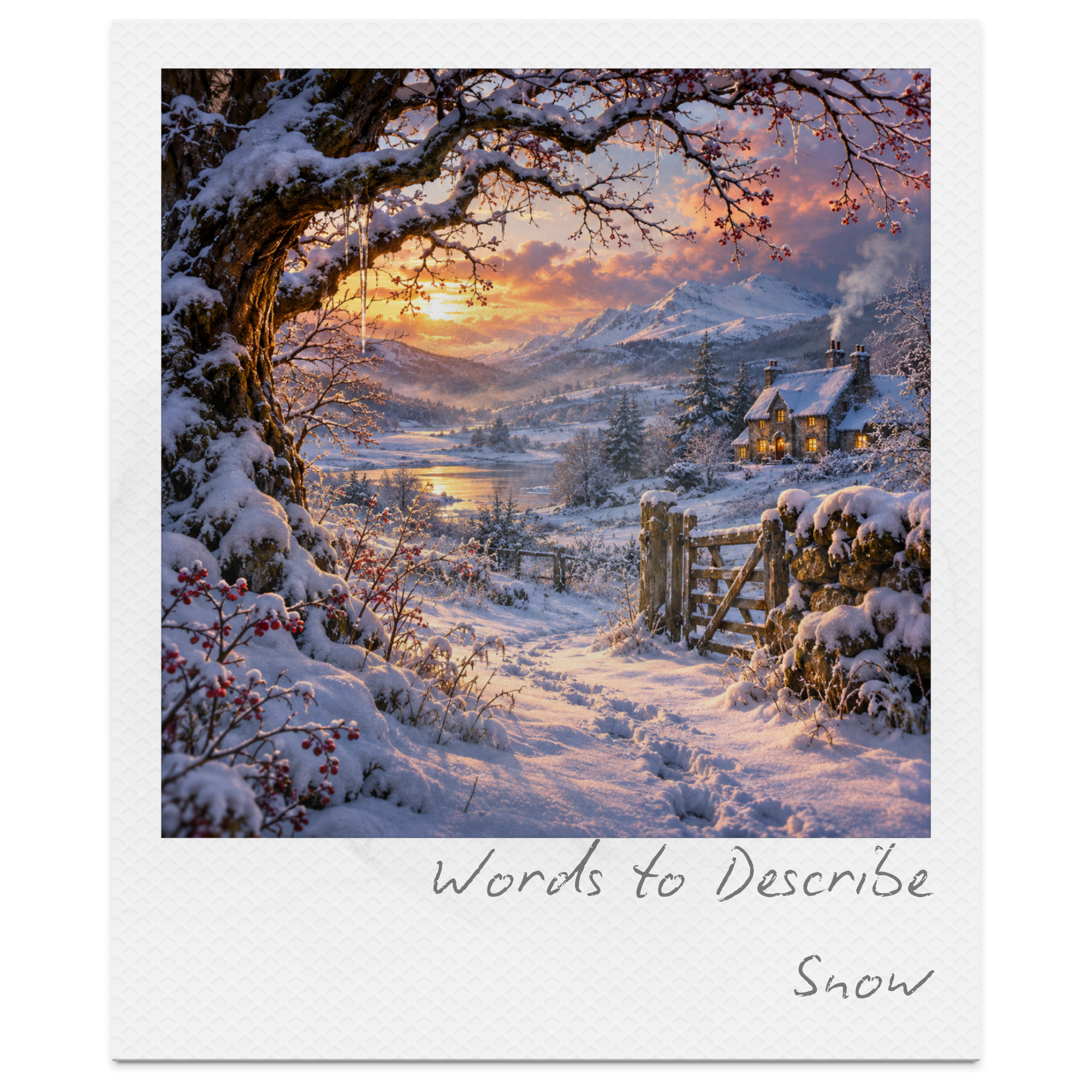
100 Words to Describe Snow: Beautiful, Atmospheric & Evocative Vocabulary for Writers
Discover 100 beautiful, atmospheric and evocative words to describe snow, from delicate powdery snowfall and glittering winter landscapes to fierce blizzards, frozen forests and haunting Gothic scenery. Organised into ten descriptive categories, each word includes a clear meaning, practical writing guidance and an original example sentence to help bring your winter settings to life. Explore peaceful, romantic, sinister and symbolic snow imagery while learning how to create vivid sensory descriptions, establish atmosphere and reflect emotion through the natural world. Perfect for creative writers, poets, students and teachers looking to move beyond ordinary winter vocabulary and create unforgettable snowy scenes.
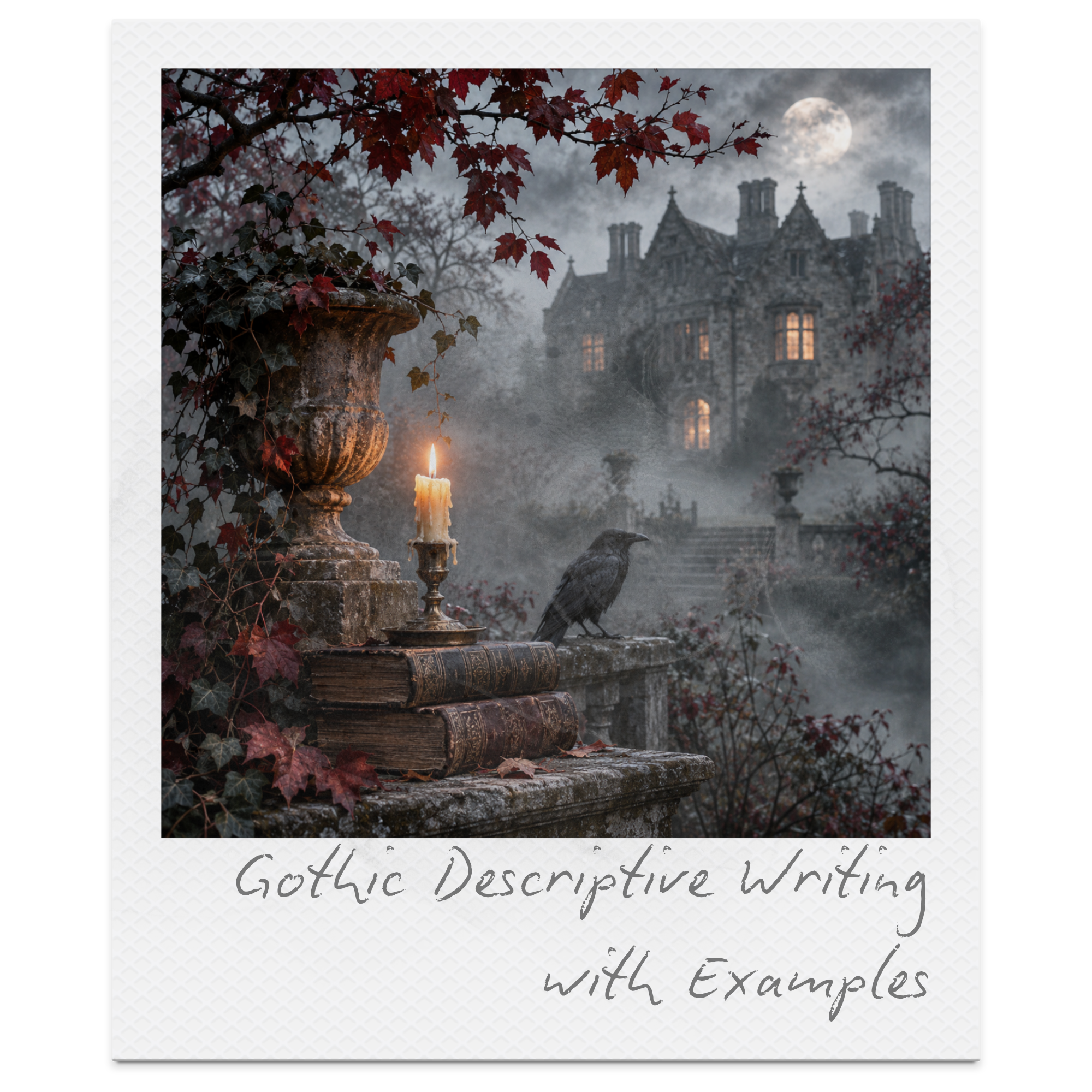
Gothic Descriptive Writing: 30 Atmospheric Examples with Analysis
Discover 30 atmospheric Gothic descriptive writing examples exploring haunted architecture, mist-shrouded landscapes, sinister characters, mysterious objects, unsettling interiors and supernatural encounters. Each original passage includes detailed analysis revealing how sensory imagery, personification, symbolism, psychological tension and carefully chosen details create powerful Gothic atmosphere. Explore 10 essential Gothic writing techniques, learn how to transform ordinary settings into haunting scenes, and develop your own descriptive style through five practical creative writing exercises. Whether you're writing Gothic horror, dark fantasy, supernatural fiction or a psychological mystery, this comprehensive guide will help you create vivid, evocative descriptions that linger long after the final sentence.
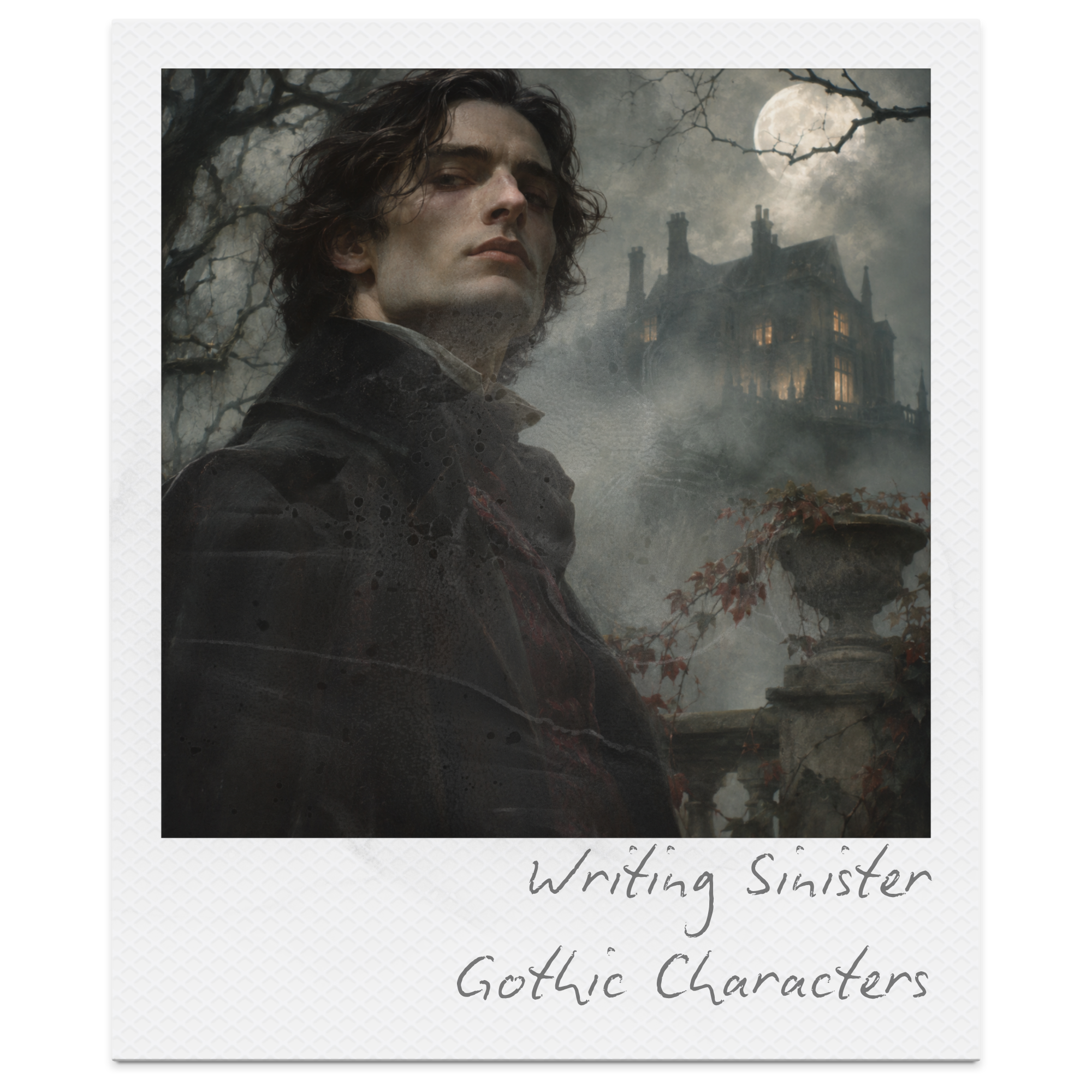
How to Describe a Sinister Character: 10 Techniques with Examples
What makes a character truly sinister? Discover how to describe unsettling characters through subtle gestures, deceptive appearances, disturbing dialogue and carefully concealed intentions. This comprehensive Gothic writing guide explores 10 powerful characterisation techniques, evocative vocabulary, five original sinister character descriptions and common mistakes to avoid. With literary inspiration from Dr Jekyll and Mr Hyde, Dracula and The Picture of Dorian Gray, plus five practical writing exercises, you'll learn how to create mysterious strangers, manipulative villains and morally ambiguous figures who linger in your readers' imaginations long after the story ends.
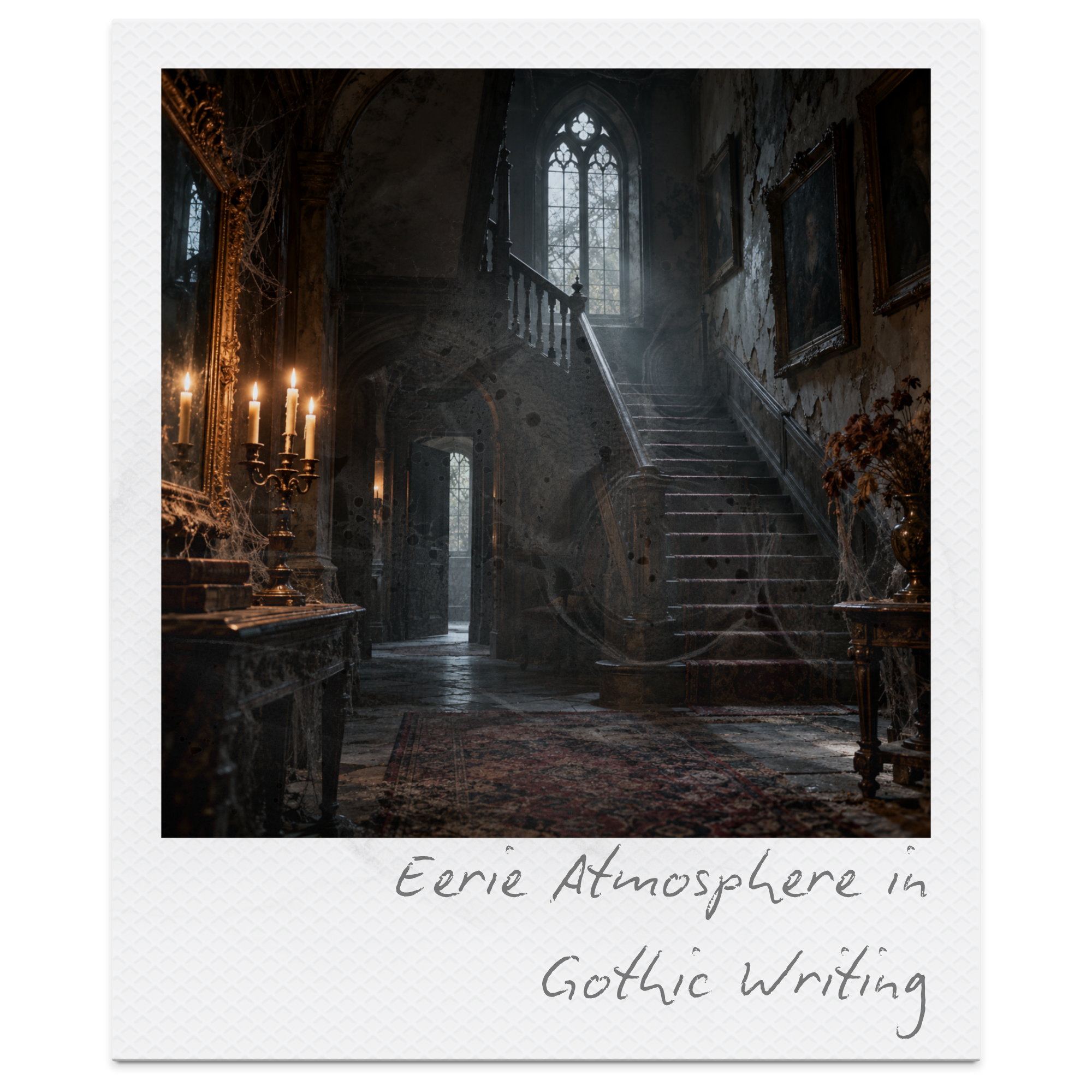
How to Create an Eerie Atmosphere in Gothic Writing: 10 Techniques with Examples
What makes an empty room feel watched, a familiar corridor strangely unfamiliar, or an ordinary sound deeply unsettling? Discover how to create an eerie atmosphere in Gothic writing with 10 powerful techniques exploring unnatural silence, unseen presences, shifting shadows, decaying settings and inexplicable disturbances. Featuring original Gothic descriptive writing examples, practical analysis and five atmospheric writing exercises, this comprehensive guide shows you how to build psychological unease, manipulate sensory details and create haunting scenes without relying on obvious horror. Explore how classic Gothic authors use suggestion, uncertainty and the uncanny to transform ordinary places into disturbing fictional worlds. Whether you're writing a ghost story, Gothic mystery or psychological horror, learn how to create an atmosphere that lingers long after the final sentence.
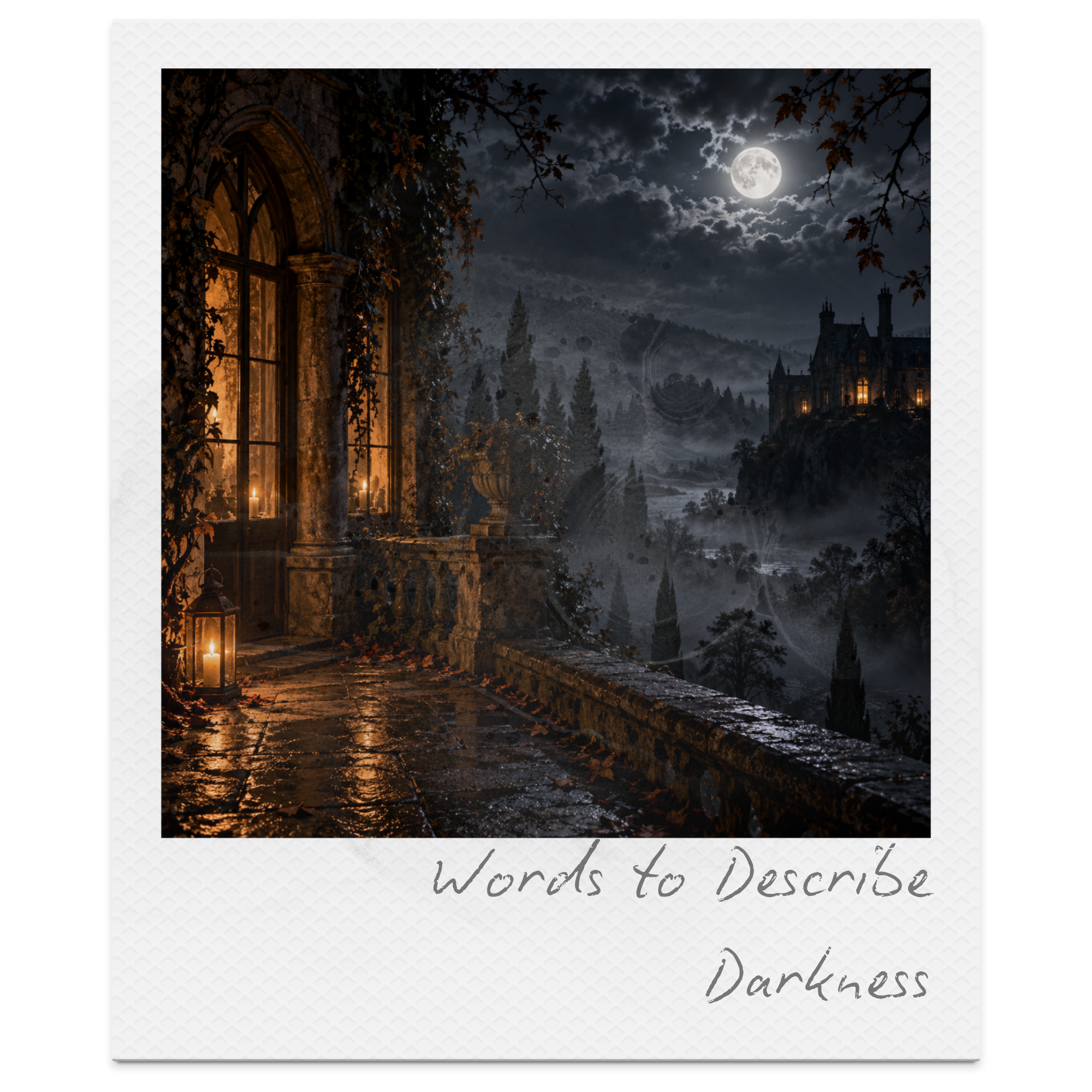
100 Words to Describe Darkness: Gothic, Atmospheric & Evocative Vocabulary for Writers
Darkness can be comforting, mysterious, beautiful or deeply unsettling, but how do you capture its atmosphere in words? Discover 100 evocative words to describe darkness, from impenetrable shadows and moonless forests to candlelit rooms, Gothic landscapes and supernatural gloom. Each word includes a clear meaning, practical writing guidance and an original example sentence to help you create richer, more immersive descriptions. Explore atmospheric writing techniques, 10 original descriptive passages and five creative writing exercises designed to bring darkness to life in your fiction, poetry and descriptive writing.
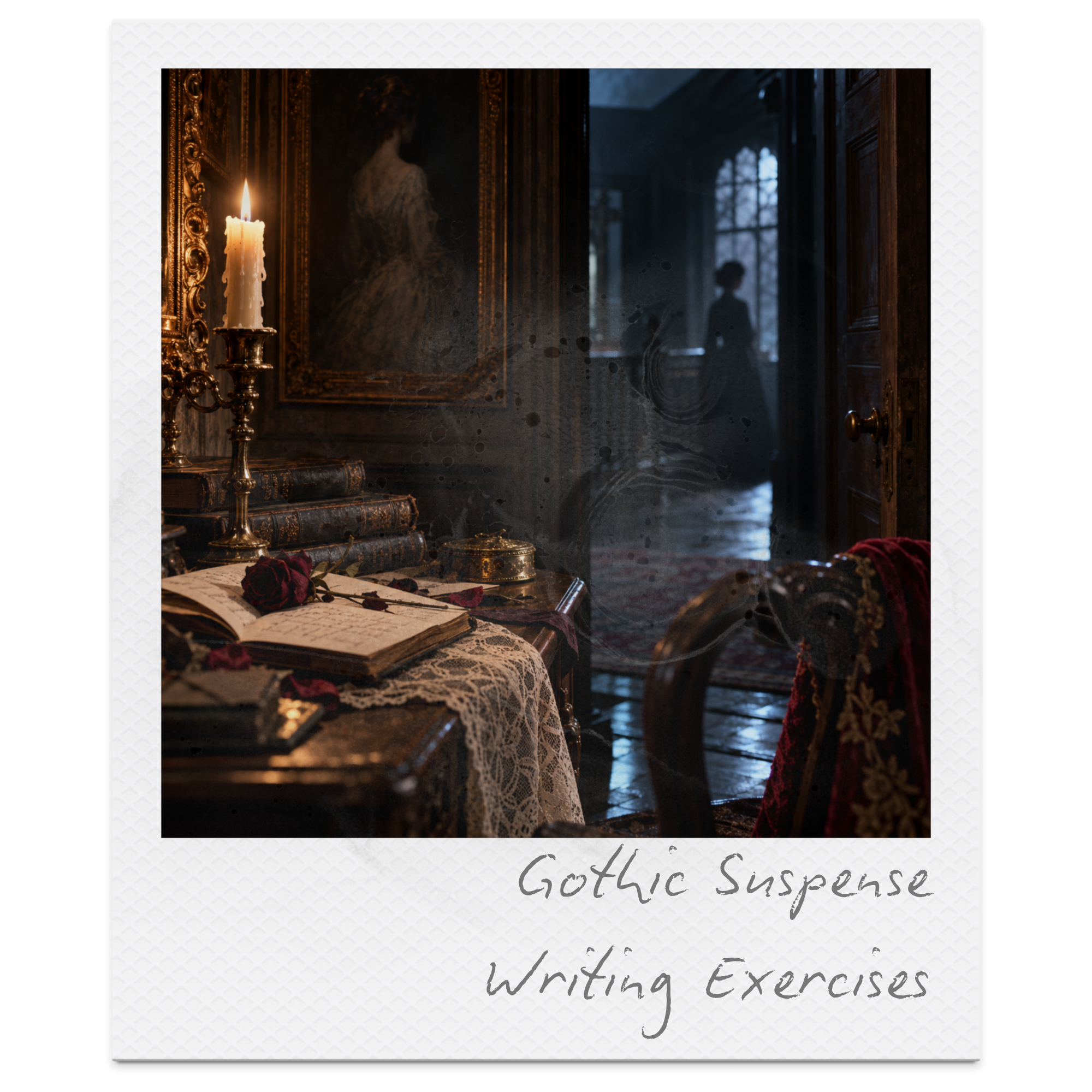
10 Gothic Suspense Writing Exercises: How to Build Dread, Tension & Psychological Unease
Discover 10 Gothic suspense writing exercises designed to help you build dread, psychological tension and an atmosphere of creeping unease. From shifting corridors and mysterious letters to unreliable reflections, unseen presences and doors that should never be opened, each exercise includes an original atmospheric example, practical writing challenge and techniques for keeping readers on edge. Explore how Gothic masters Daphne du Maurier, Henry James and Ann Radcliffe use secrets, isolation, unreliable perception and delayed revelations to sustain suspense. Whether you're writing a haunted-house mystery, Victorian Gothic tale or psychological horror story, this guide will help you transform ordinary moments into unsettling scenes that leave readers desperate to discover what happens next.
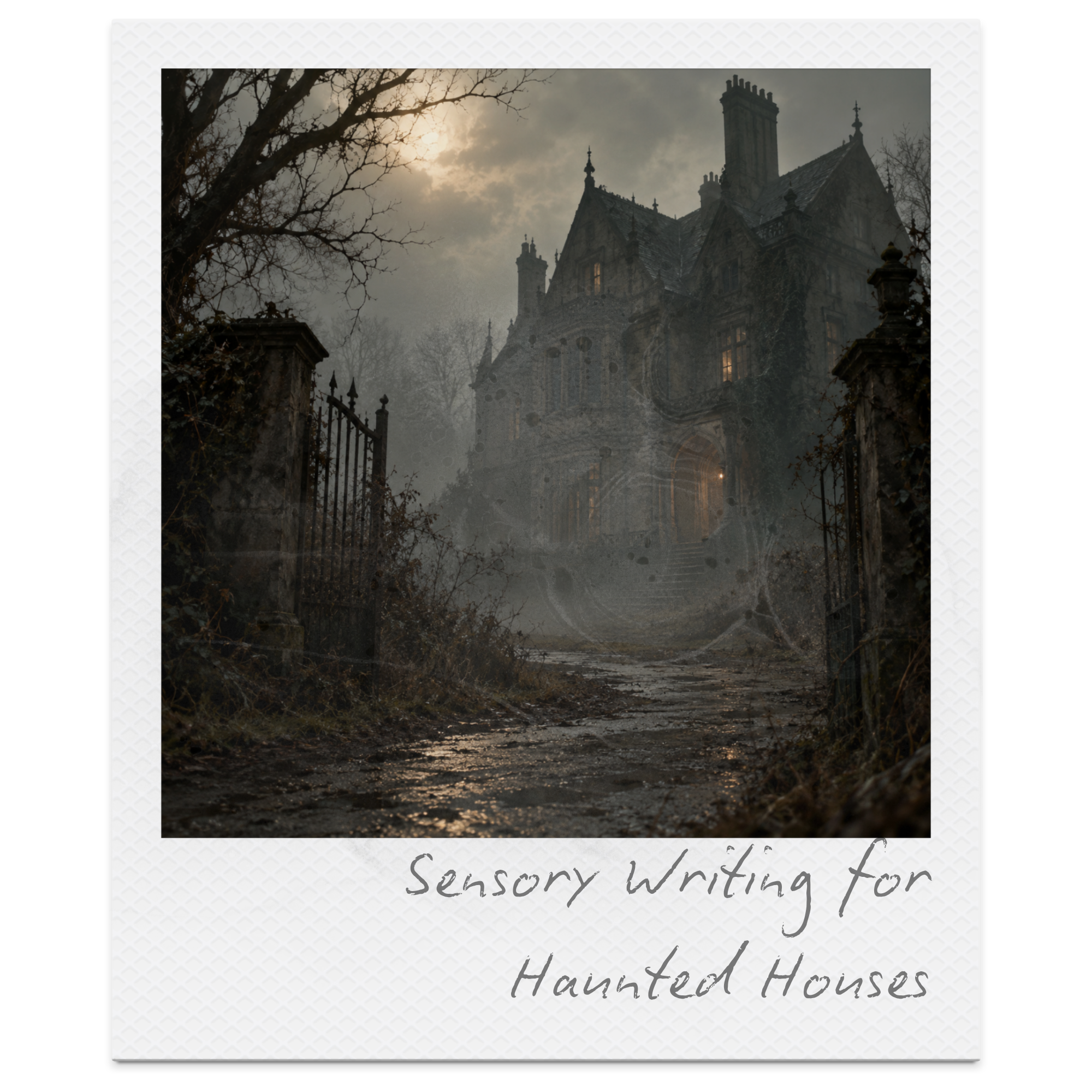
Sensory Writing: How to Describe a Haunted House with Atmospheric Examples & Gothic Writing Techniques
Discover how to describe a haunted house using vivid sensory imagery, atmospheric Gothic language and carefully crafted descriptive writing techniques. Explore 25 original sensory description examples, practical exercises and expert insights from Shirley Jackson's The Haunting of Hill House, Edgar Allan Poe's The Fall of the House of Usher and Susan Hill's The Woman in Black. Learn how to transform abandoned corridors, decaying mansions, unsettling sounds and mysterious rooms into immersive settings filled with psychological tension and supernatural dread. Whether you're writing Gothic fiction, ghost stories or atmospheric horror, this comprehensive guide will help you create haunted houses that linger in your readers' imaginations.
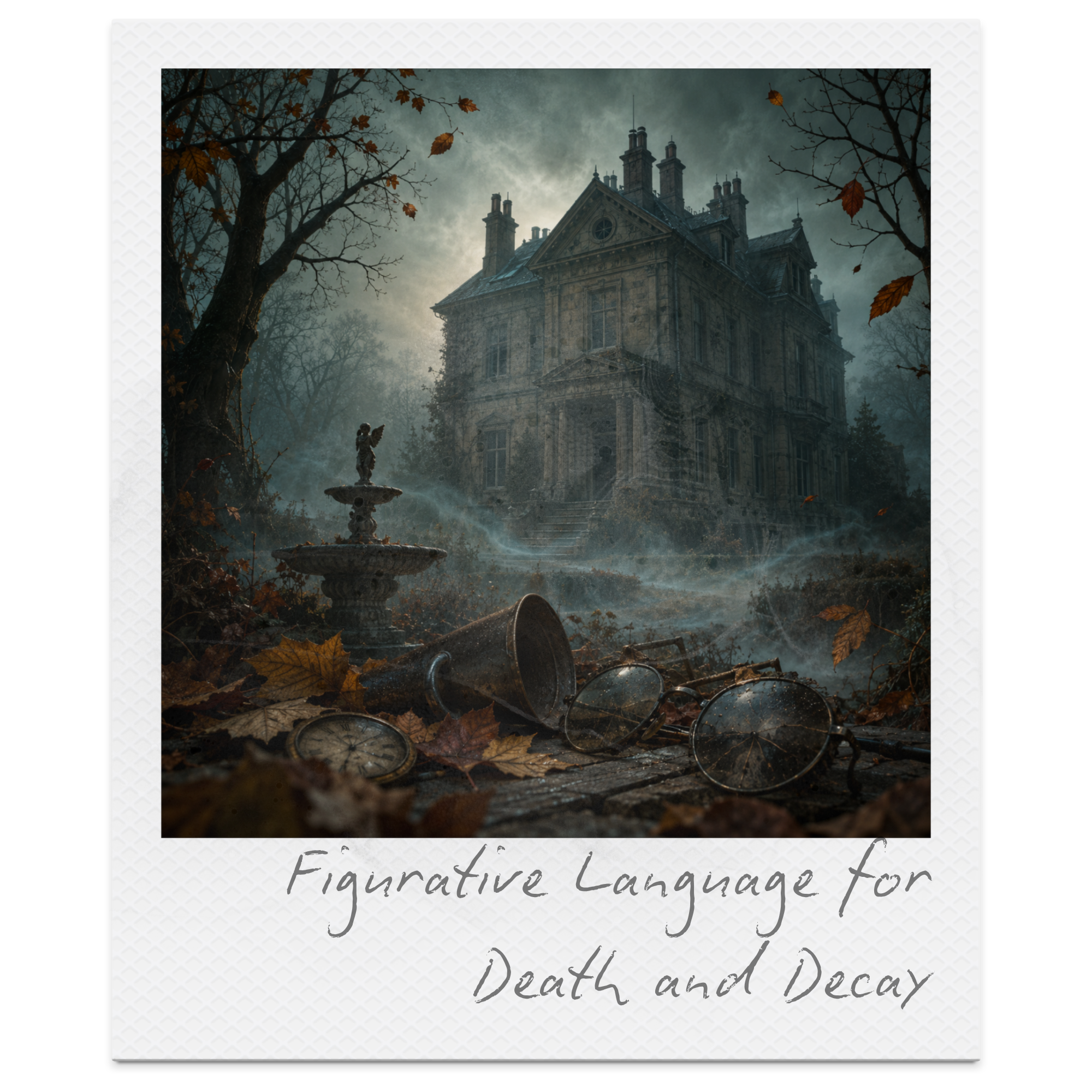
50 Figurative Language Examples for Death and Decay: Metaphors, Similes & Personification
Explore 50 evocative figurative language examples for death and decay, including haunting metaphors, atmospheric similes, personification, symbolism and extended imagery. Discover how to describe crumbling Gothic mansions, dying gardens, forgotten graveyards, fading memories and the inevitable passage of time through original, richly developed descriptions. Learn how to create powerful imagery that conveys grief, mortality, deterioration and loss, with practical writing techniques, common mistakes to avoid and detailed examples explaining why each comparison works. Featuring five creative writing exercises and further Gothic and descriptive writing inspiration, this comprehensive guide will help you transform ordinary scenes of decay into unforgettable literary moments.
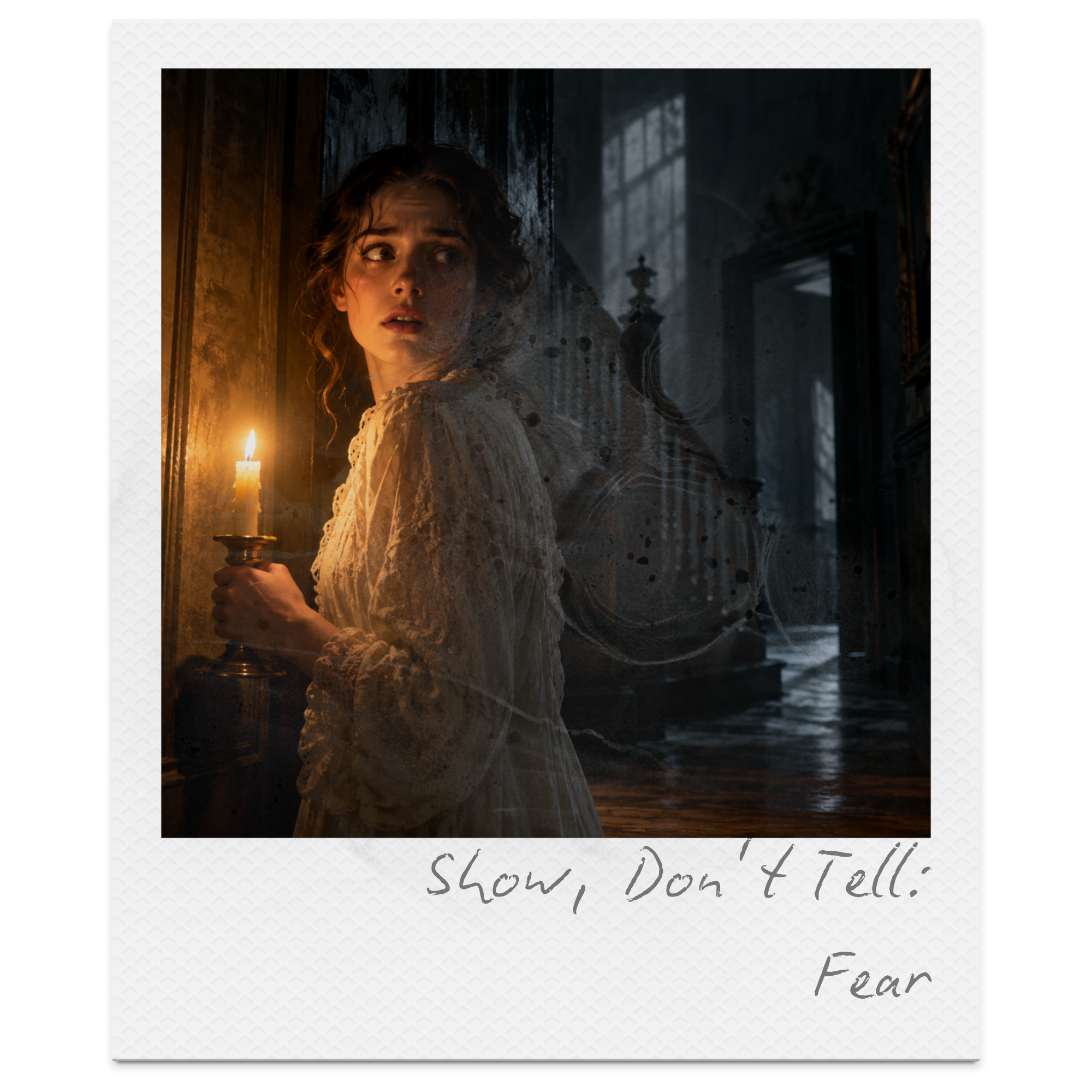
Show, Don't Tell: 50 Ways to Describe Fear in Creative Writing
Discover 50 powerful ways to show fear in creative writing through body language, facial expressions, psychological tension, dialogue and atmospheric sensory details. This comprehensive show, don't tell guide explores how to transform simple statements of fear into vivid, immersive descriptions that allow readers to experience every moment of uncertainty and dread. Explore original examples, before-and-after scene transformations, common writing mistakes and practical techniques for building believable emotion and suspense. With five creative writing exercises and further inspiration for gothic fiction, horror, thrillers and beyond, you'll learn how to make fear feel real without ever needing to name it.
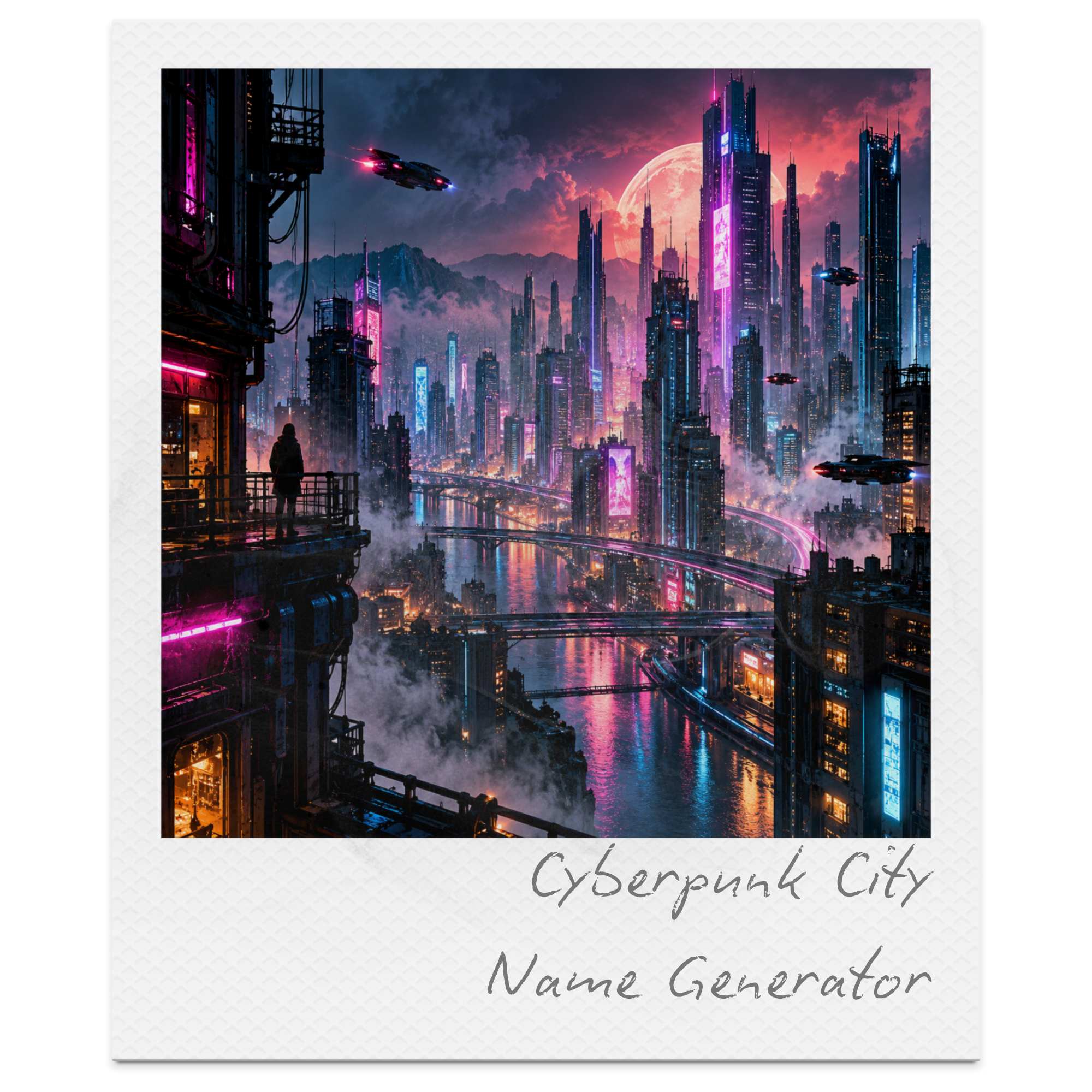
Cyberpunk City Name Generator: Millions of Dystopian Cities, Dark Secrets & Futuristic Worlds
Step into a world of neon-lit skyscrapers, corporate-controlled megacities, underground districts, and futuristic societies hiding dangerous secrets. Our free Cyberpunk City Name Generator combines 350 city names, 250 city types, and 250 dark secrets to create over 21 million possible combinations for your next science fiction or dystopian story. Discover atmospheric cyberpunk city names, imagine extraordinary technological worlds, and uncover sinister mysteries lurking beneath their glittering skylines. Perfect for writers, novelists, worldbuilders, and RPG creators looking to bring unforgettable futuristic cities to life.
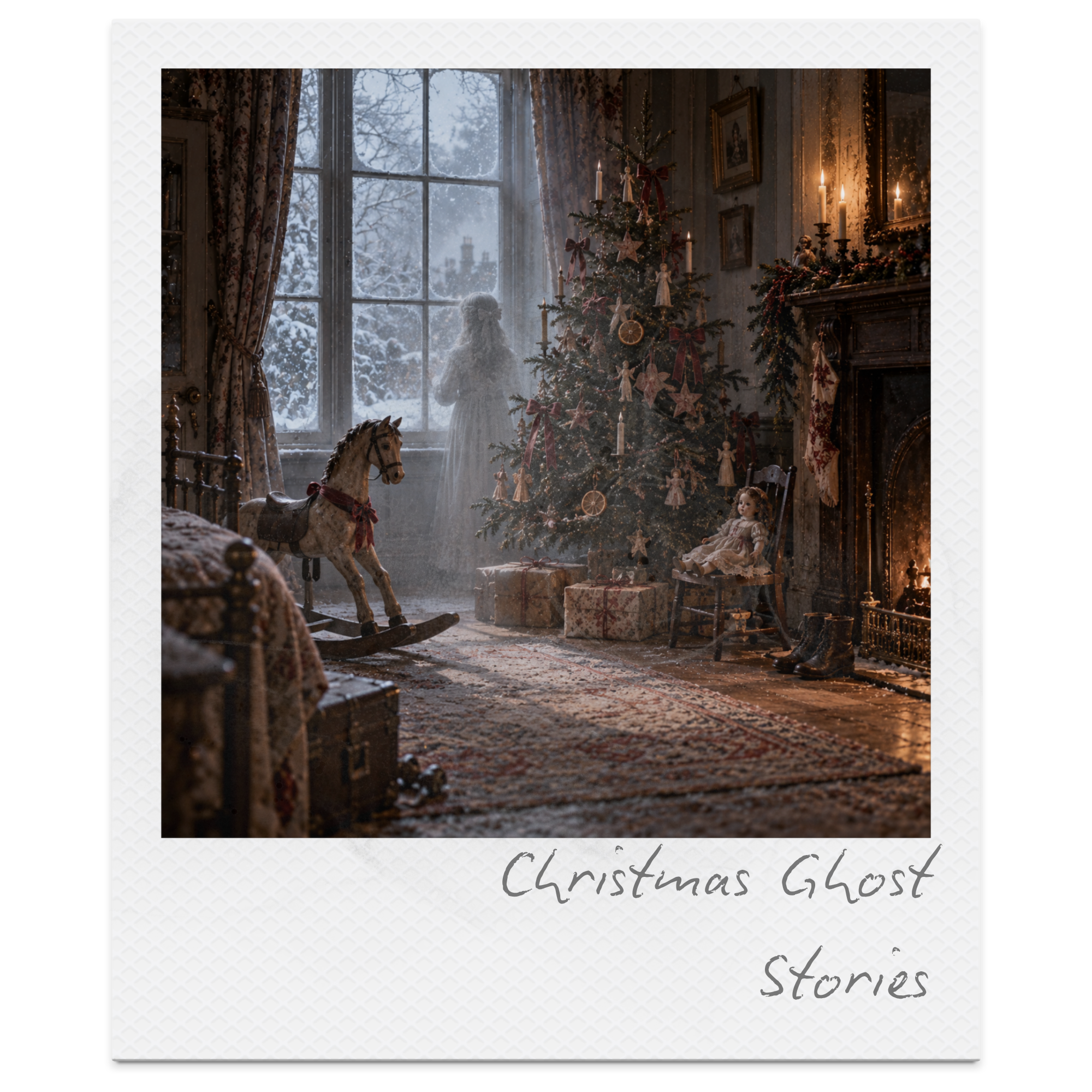
70 Christmas Ghost Story Writing Prompts: Victorian Hauntings, Festive Spirits & Fireside Tales
Step into the enchanting world of Victorian Christmas Ghost Stories with 70 atmospheric writing prompts inspired by Dickensian fireside tales, mysterious visitors and restless spirits. Discover haunting plot hooks, intriguing story titles, evocative opening and closing lines, unforgettable characters, snow-covered settings and beautifully illustrated picture prompts. From ghostly carol singers and forgotten Christmas promises to candlelit parlours, spectral reunions and long-buried family secrets, these ideas blend supernatural mystery with nostalgia, melancholy, kindness and redemption. Perfect for writers seeking inspiration for traditional Christmas ghost stories, heartwarming hauntings and beautifully atmospheric festive fiction where the past returns for one extraordinary night.