Fantasy Writing Prompts, Worldbuilding, and Story Ideas
Fantasy is a genre built on imagination, possibility, and the creation of worlds beyond the limits of reality. Defined by magic, power, and the unknown, fantasy storytelling allows writers to explore ideas through entirely constructed systems — from ancient prophecies and rival kingdoms to hidden magic woven into everyday life. Whether set in vast secondary worlds or grounded in familiar environments with subtle supernatural elements, fantasy is shaped by the rules that govern its worlds and the consequences of breaking them.
From classic high fantasy to modern subgenres like urban fantasy, romantasy, and darker, more complex narratives, the genre continues to evolve and expand. Fantasy frequently overlaps with other forms of storytelling, blending with fairytales, science fiction, and gothic traditions to create rich, layered narratives. Across all variations, the genre centres on worldbuilding — how magic works, who controls it, and how characters navigate systems of power, belief, and limitation.
For writers, fantasy offers the opportunity to design immersive worlds where setting, character, and conflict are deeply interconnected. Stories often explore themes of power, identity, ambition, and transformation, with characters forced to confront both external forces and the internal consequences of their choices. Whether you are drawn to epic quests, political tension, or quieter, character-driven narratives shaped by magic, fantasy provides a flexible and expansive framework for storytelling.
This hub brings together a growing collection of fantasy writing prompts designed to help you develop worlds, characters, and stories across a range of subgenres. You’ll find prompts exploring magical systems, political conflict, mythic creatures, and immersive settings — from enchanted forests and royal courts to hidden cities and distant realms. You can also explore a wider range of ideas in the Creative Writing Archive, where prompts are organised for quick inspiration across genres and styles.
Explore the sections below to discover new story ideas and begin building your own fantasy world.
Fantasy Genre Prompts
Explore fantasy writing prompts across some of the genre’s most imaginative subgenres, from epic high fantasy and morally complex dark fantasy to urban fantasy, romantasy, Gothic fantasy, portal fantasy and genre-blending worlds. Each collection offers a different way to approach magic, character, conflict and worldbuilding, helping you discover the kind of fantasy story you want to tell.
Whether you want to build an enormous secondary world, hide magic within an ordinary city, cross through a portal into an impossible realm or combine fantasy with romance, horror, mystery, science fiction or dystopian storytelling, start with the genre that captures your imagination.
Inside this section:
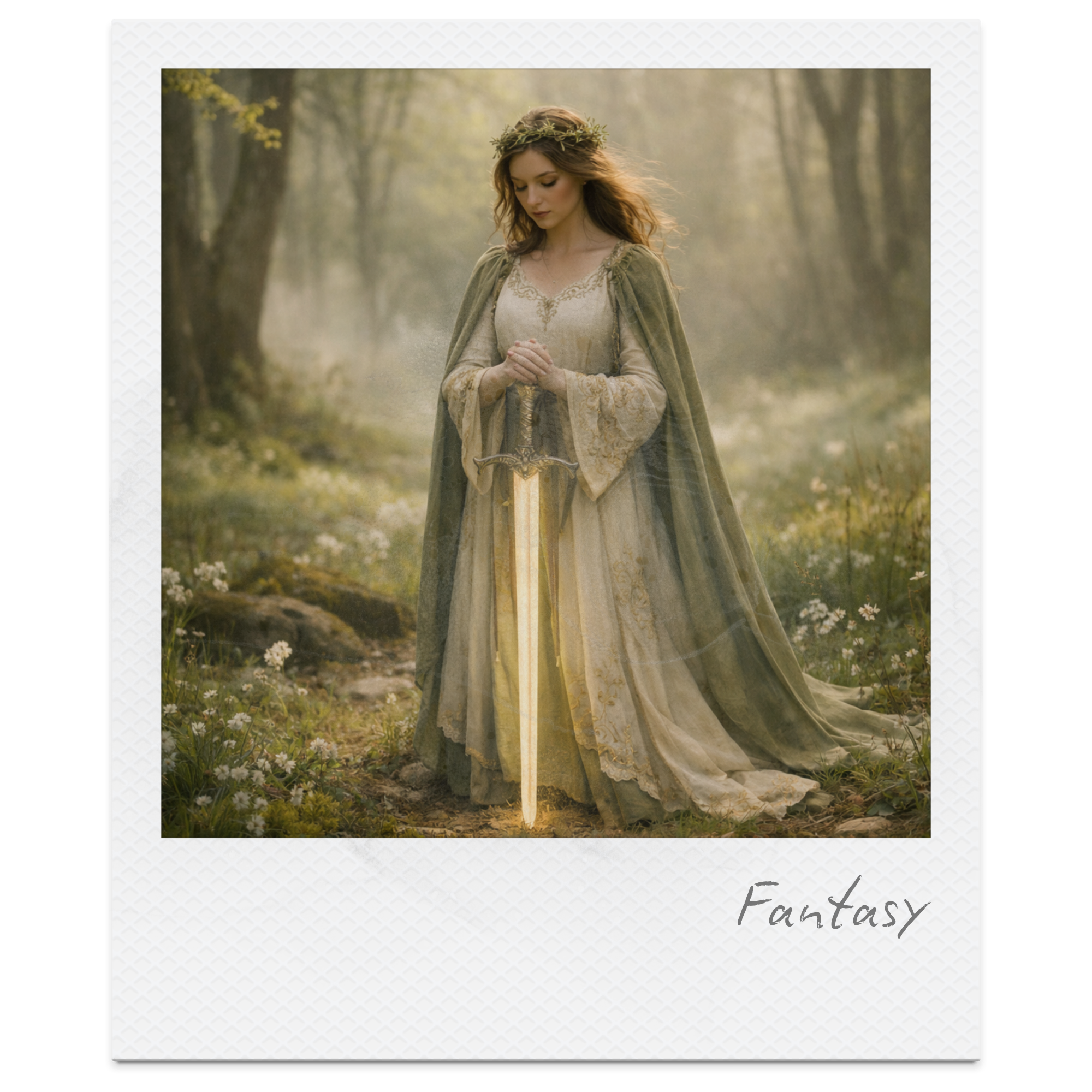
◆ Fantasy – immersive worlds shaped by magic systems, quests, and the balance of power
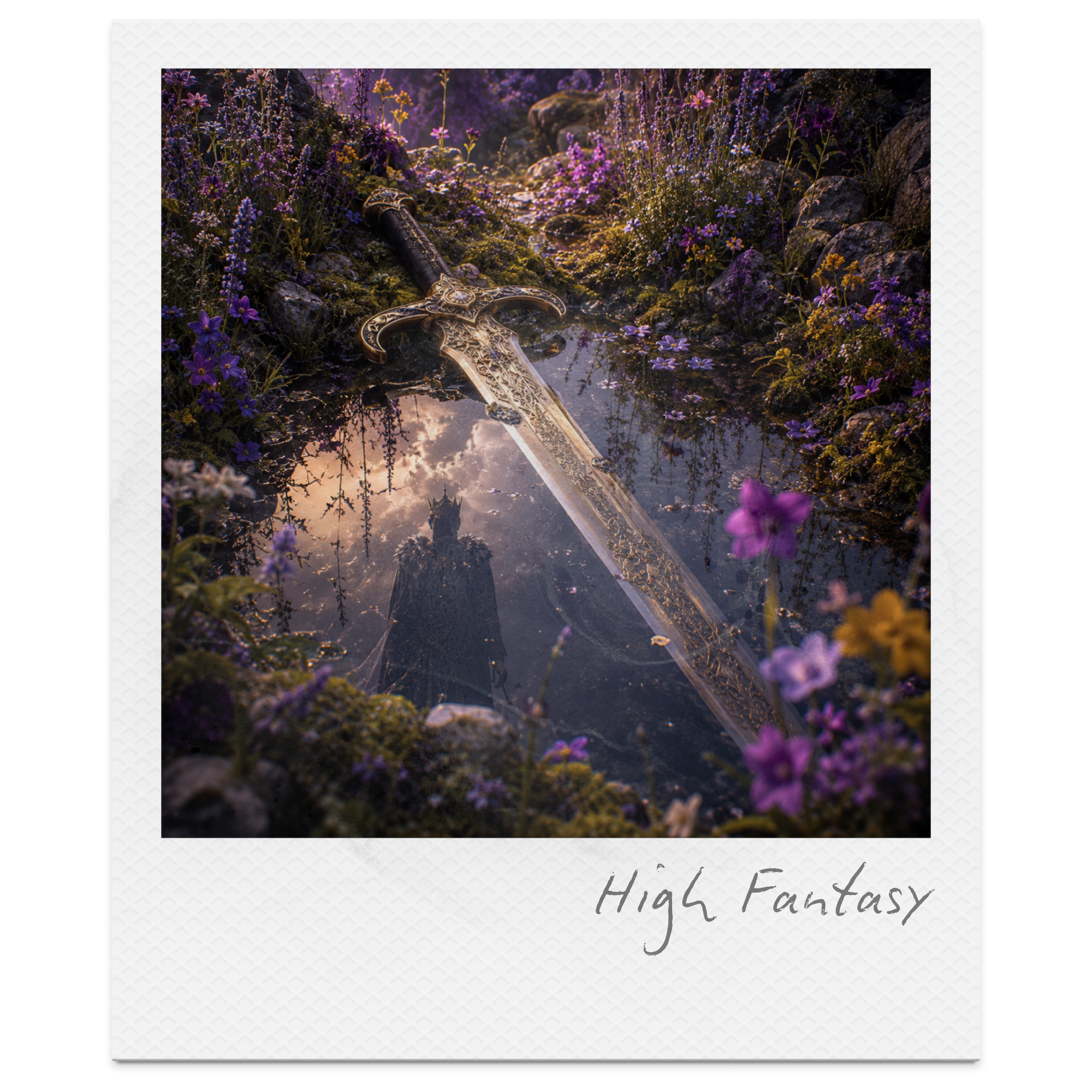
◆ High Fantasy – epic secondary worlds shaped by ancient magic, legendary kingdoms, powerful artefacts, and world-changing destinies, where heroes, rulers, dragons, and forgotten prophecies determine the fate of entire realms.
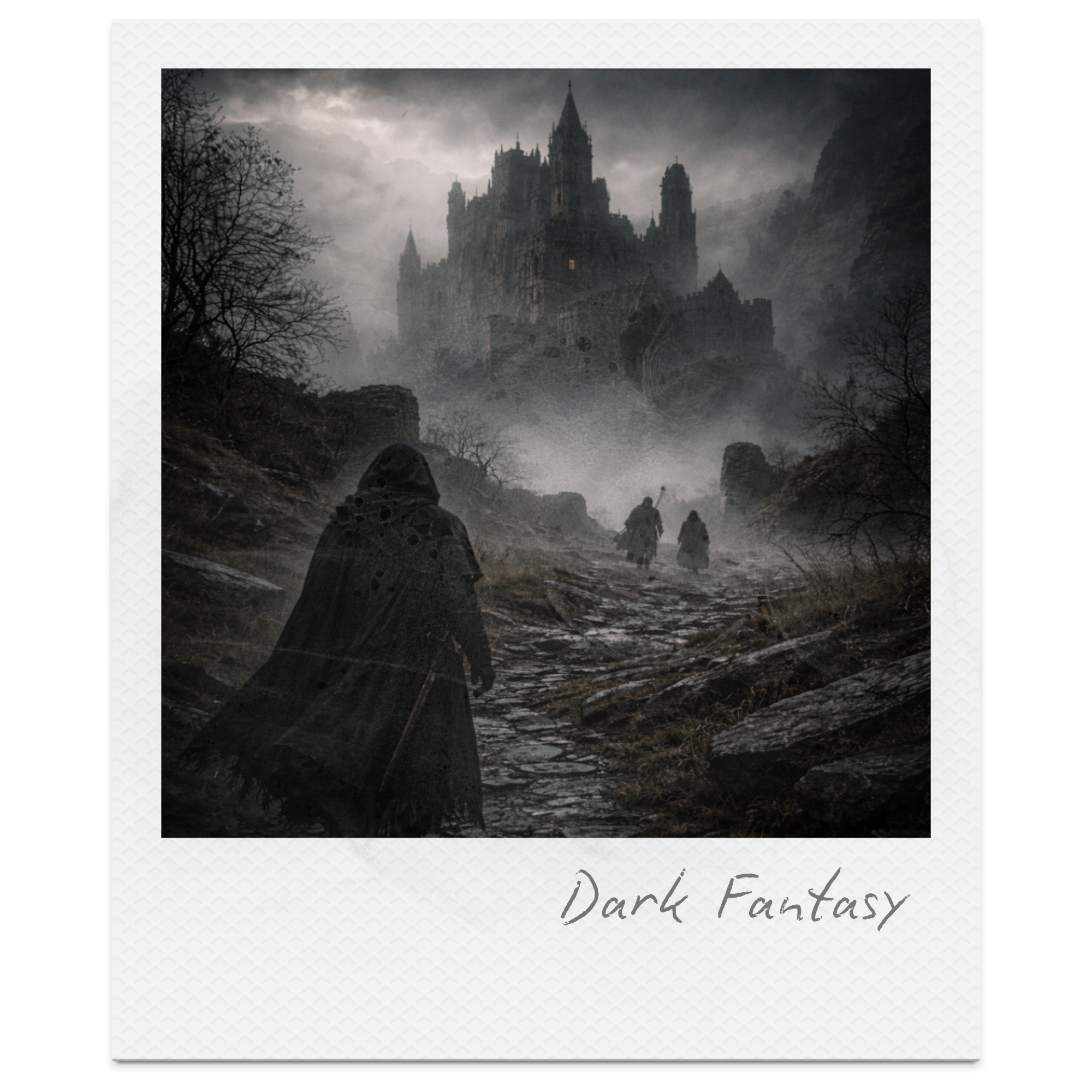
◆ Dark Fantasy – morally complex worlds where magic is dangerous, corrupting, or unstable
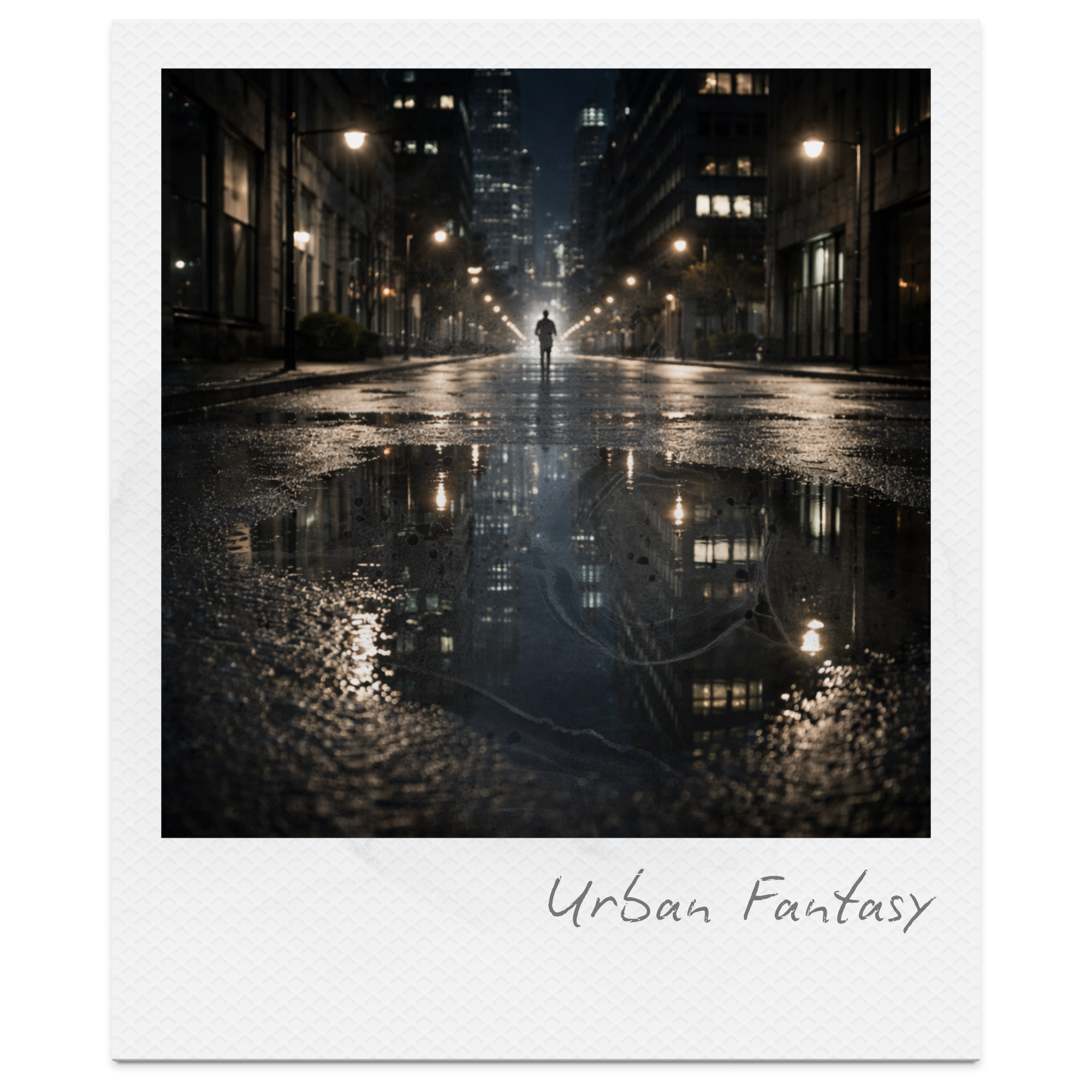
◆ Urban Fantasy – hidden magic woven into modern cities, where the supernatural exists beneath everyday life
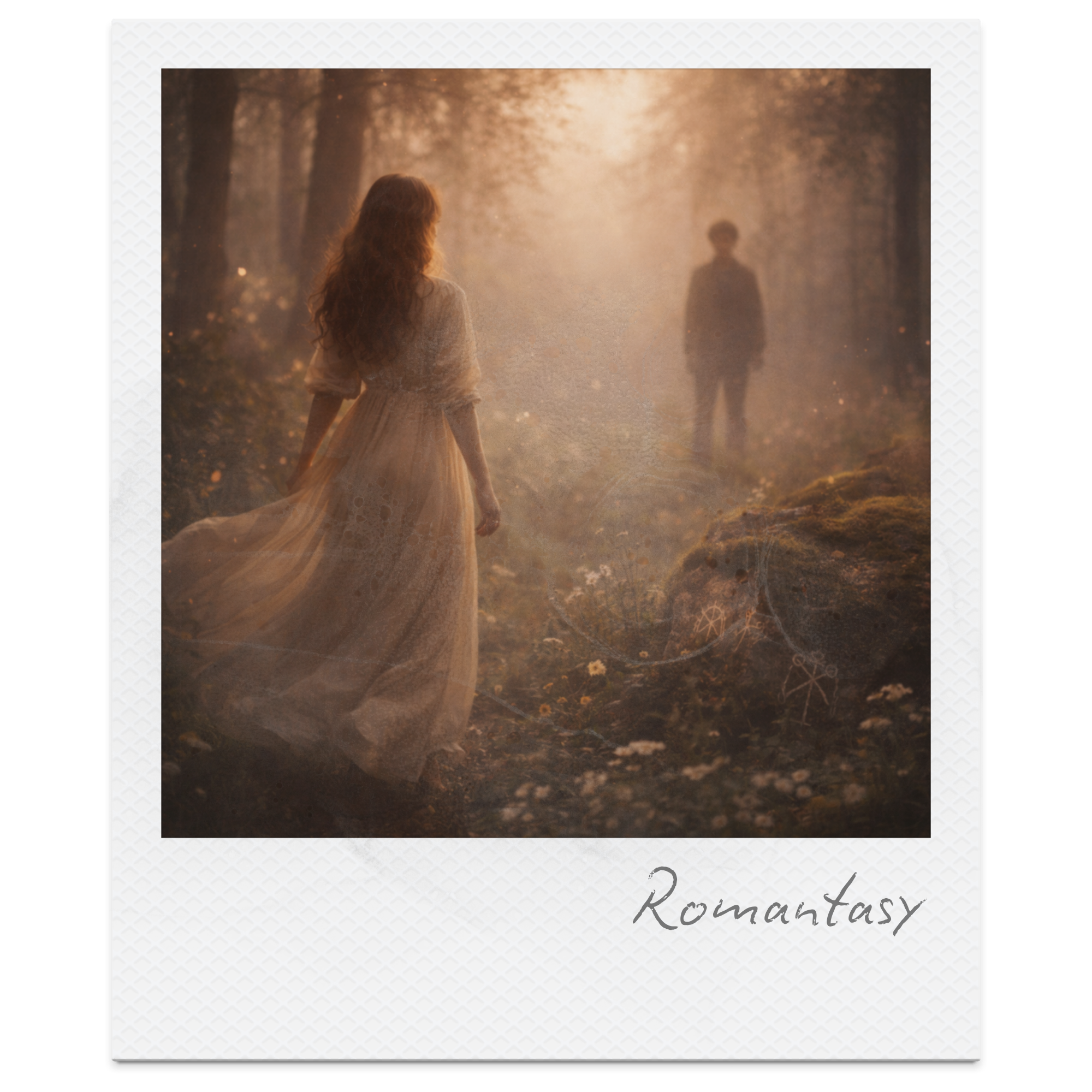
◆ Romantasy – stories where romance and power are intertwined, often shaped by desire, rivalry, and forbidden magic
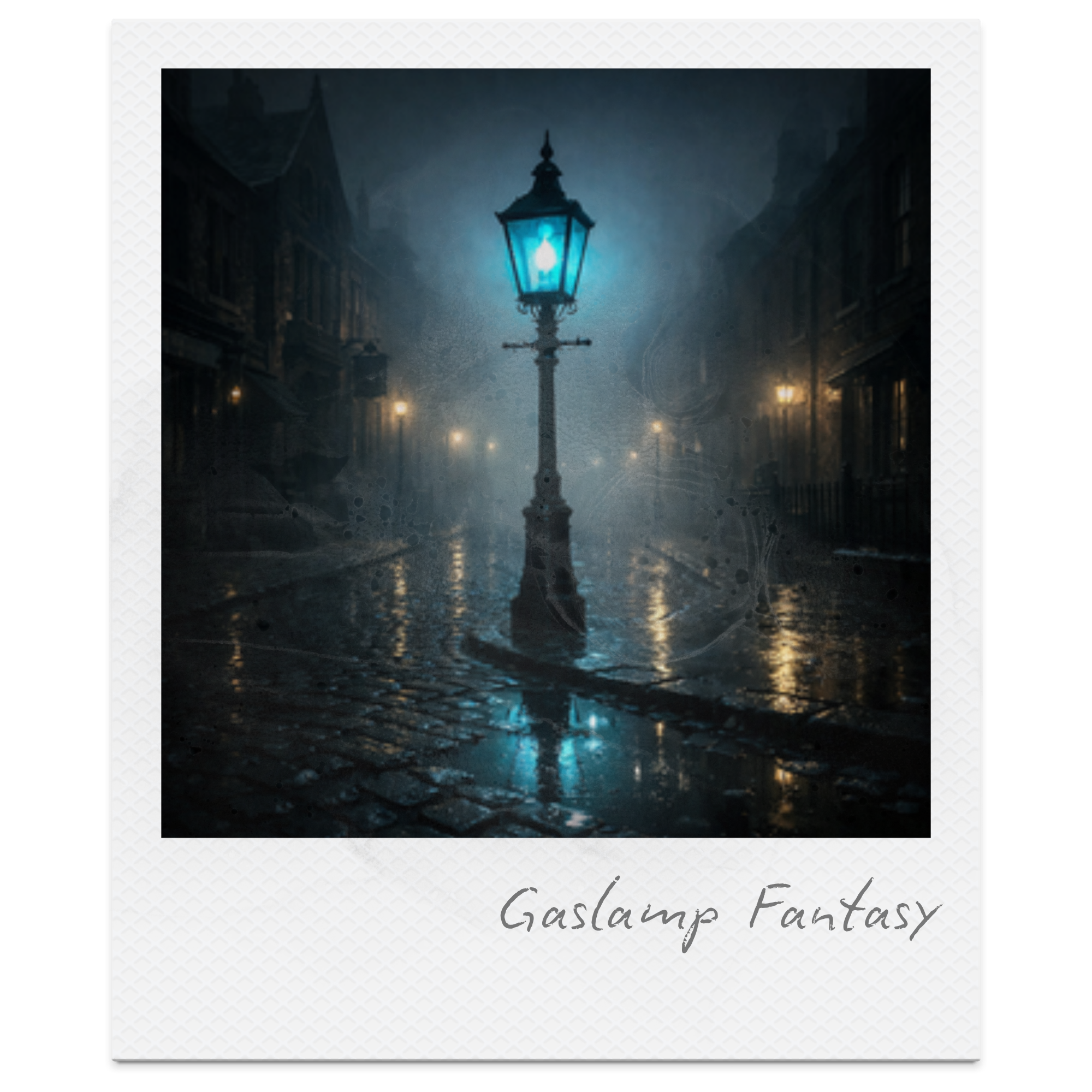
◆ Gaslamp Fantasy – historical settings influenced by industrial change, where science, magic, and social hierarchy collide
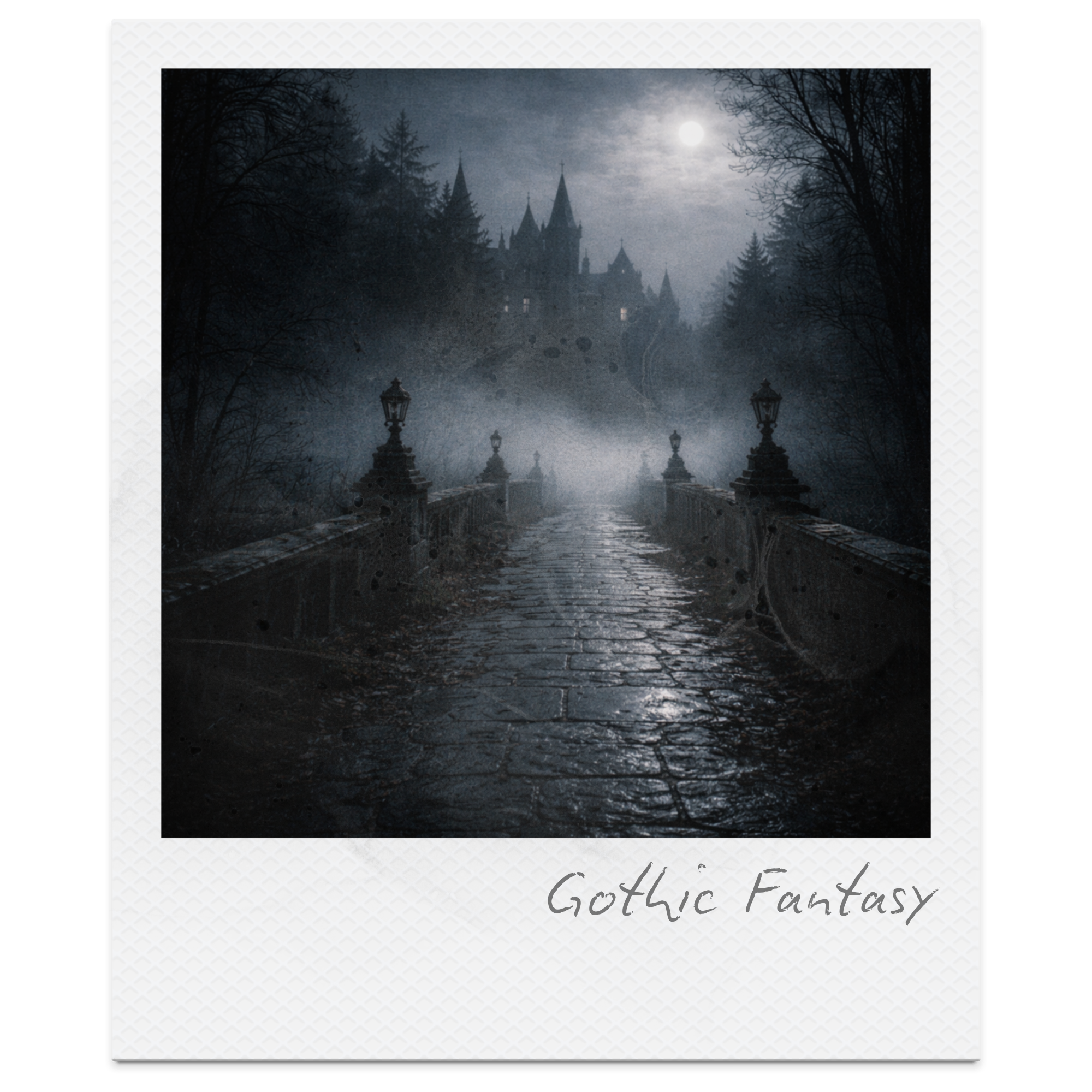
◆ Gothic Fantasy – dark, atmospheric worlds where psychological tension, decay, and the uncanny shape the narrative
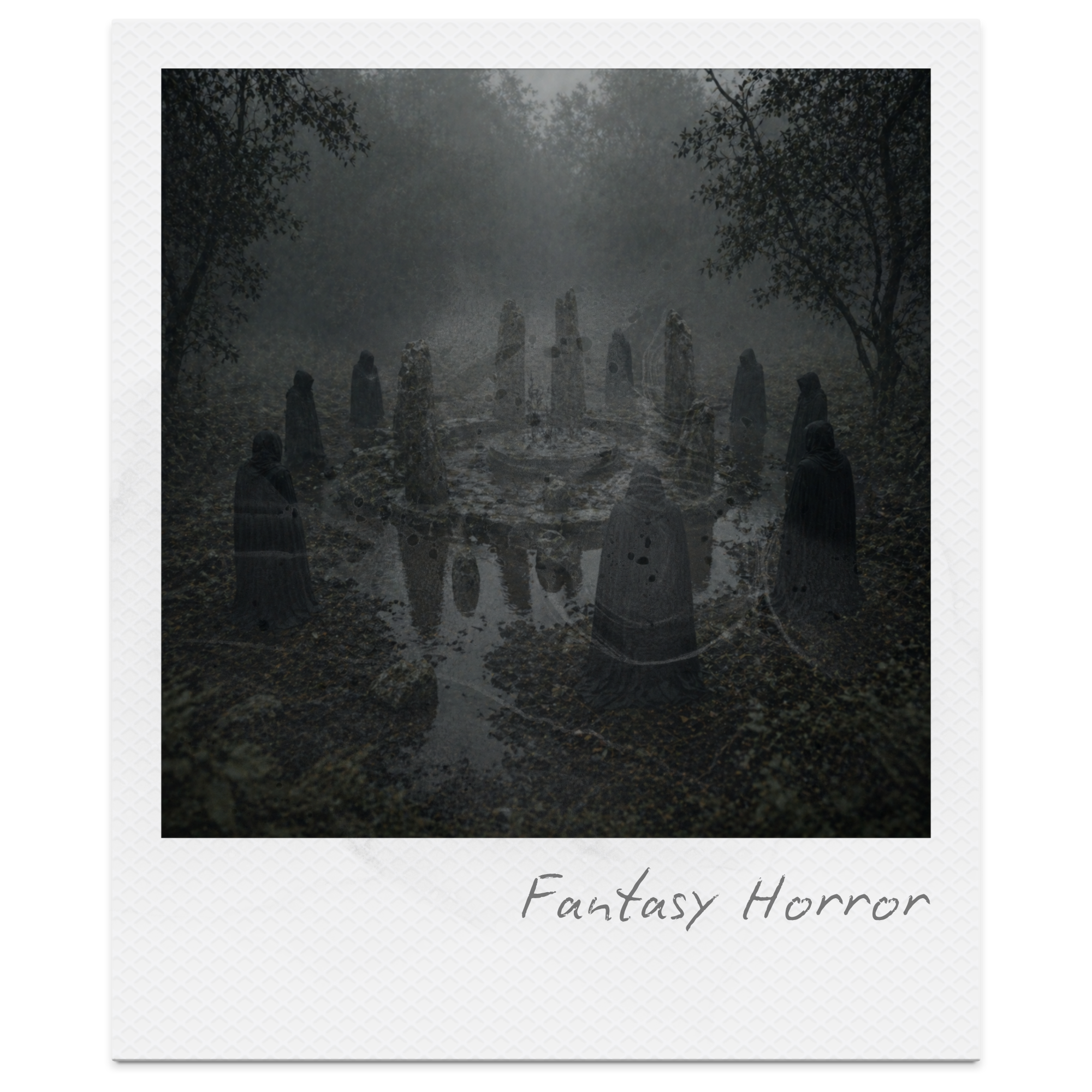
◆ Fantasy Horror – stories driven by dark magic, fear, and the corruption of power, where the boundaries between reality and the unknown begin to break down
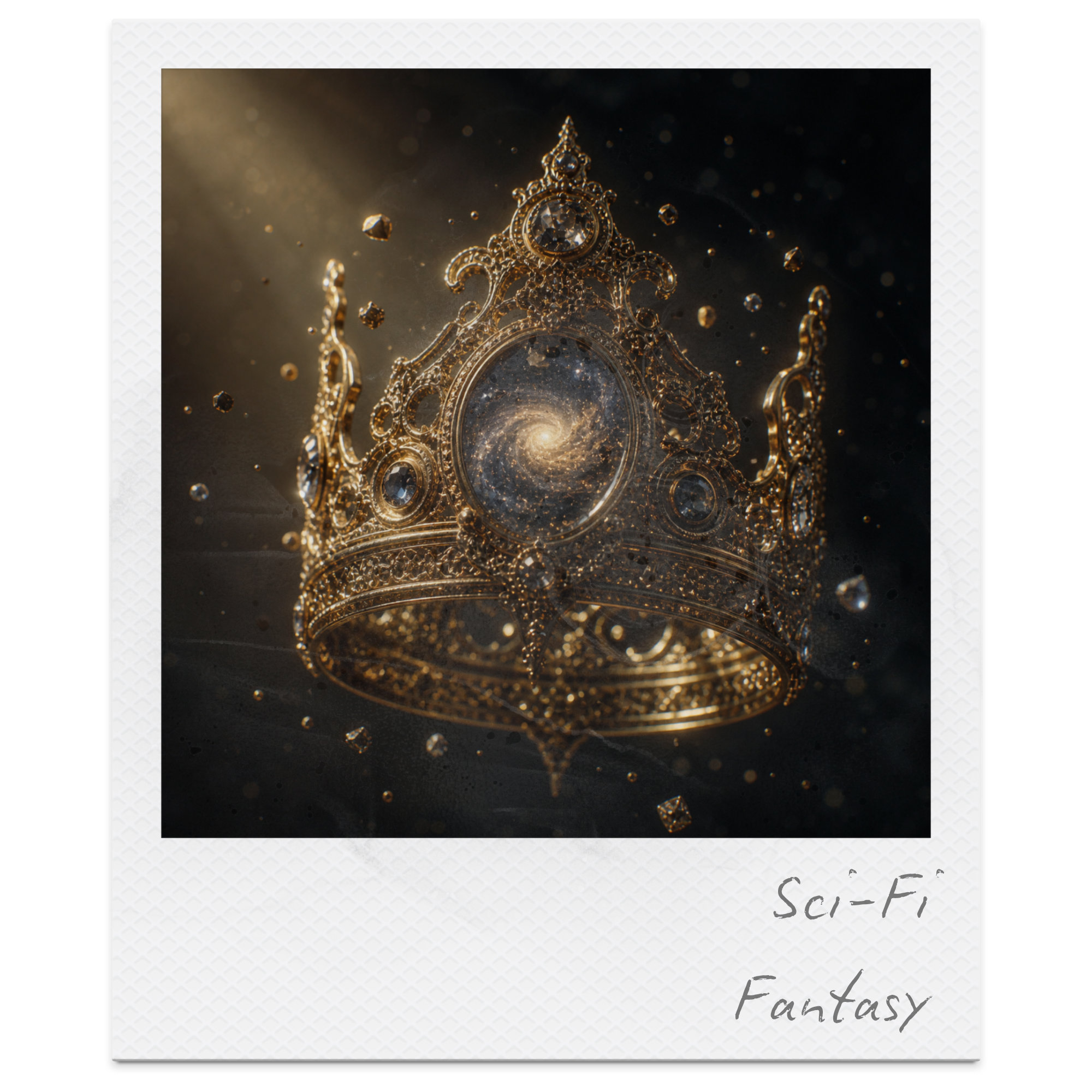
◆ Sci-Fi Fantasy – hybrid worlds shaped by technology, magic systems, and the unstable balance between logic, power, and the unknown
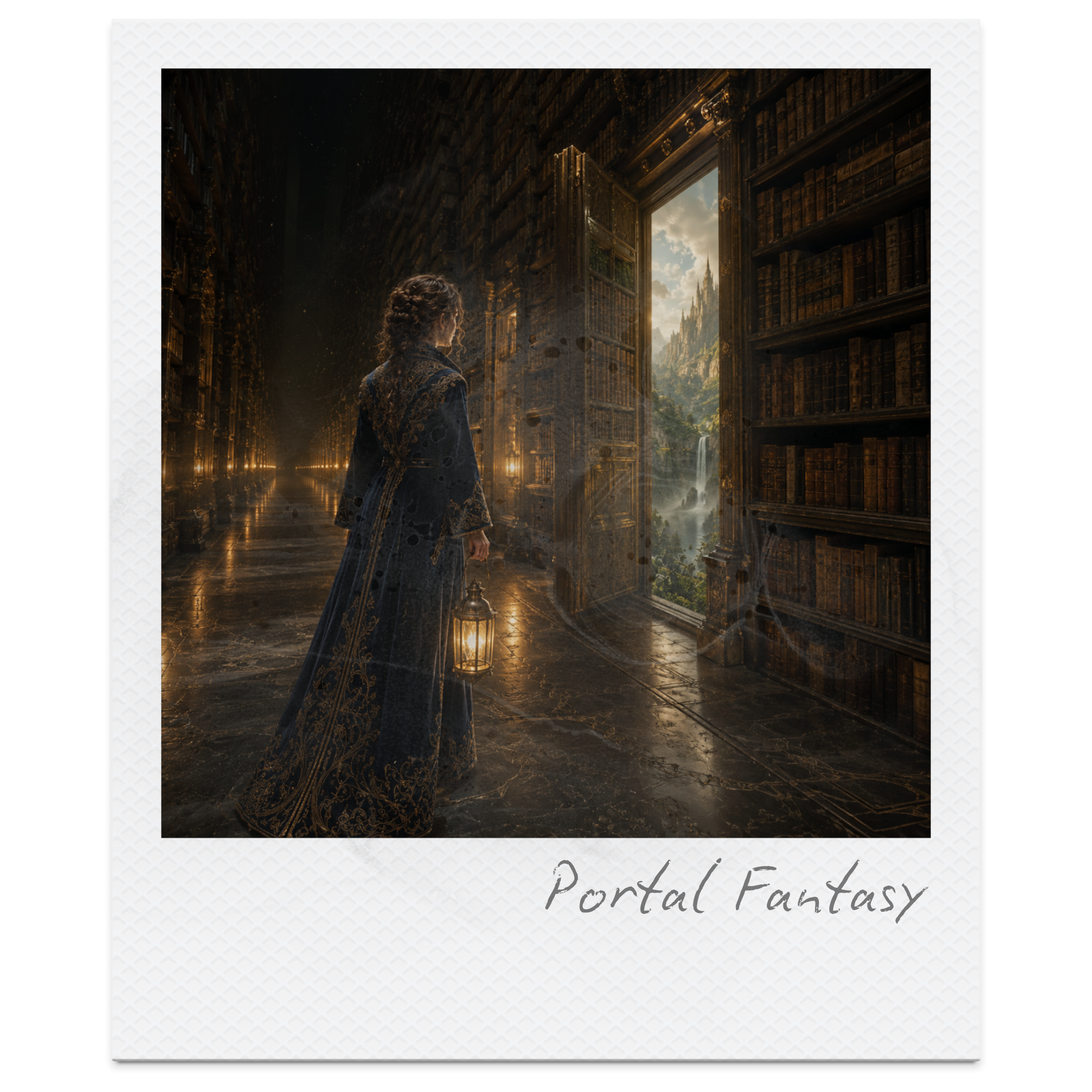
◆ Portal Fantasy – stories shaped by hidden gateways, parallel worlds, and impossible journeys, where ordinary characters cross into extraordinary realms filled with ancient magic, forgotten kingdoms, mysterious dangers, and life-changing discoveries.
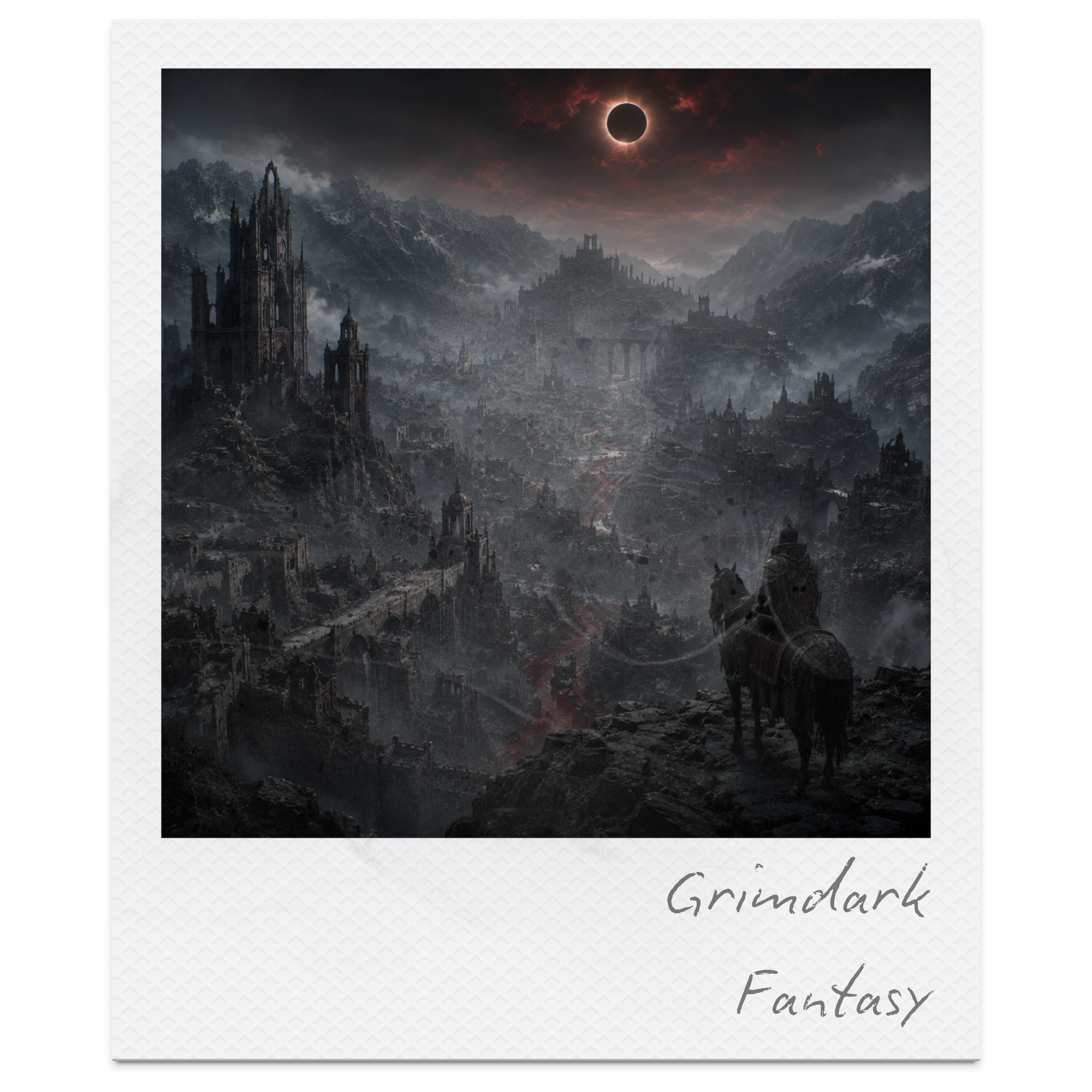
◆ Grimdark Fantasy – brutal worlds shaped by war, ambition, and moral compromise, where fallen kingdoms, ruthless rulers, shifting alliances, and broken loyalties blur the line between hero and villain, and survival often comes at a devastating cost.
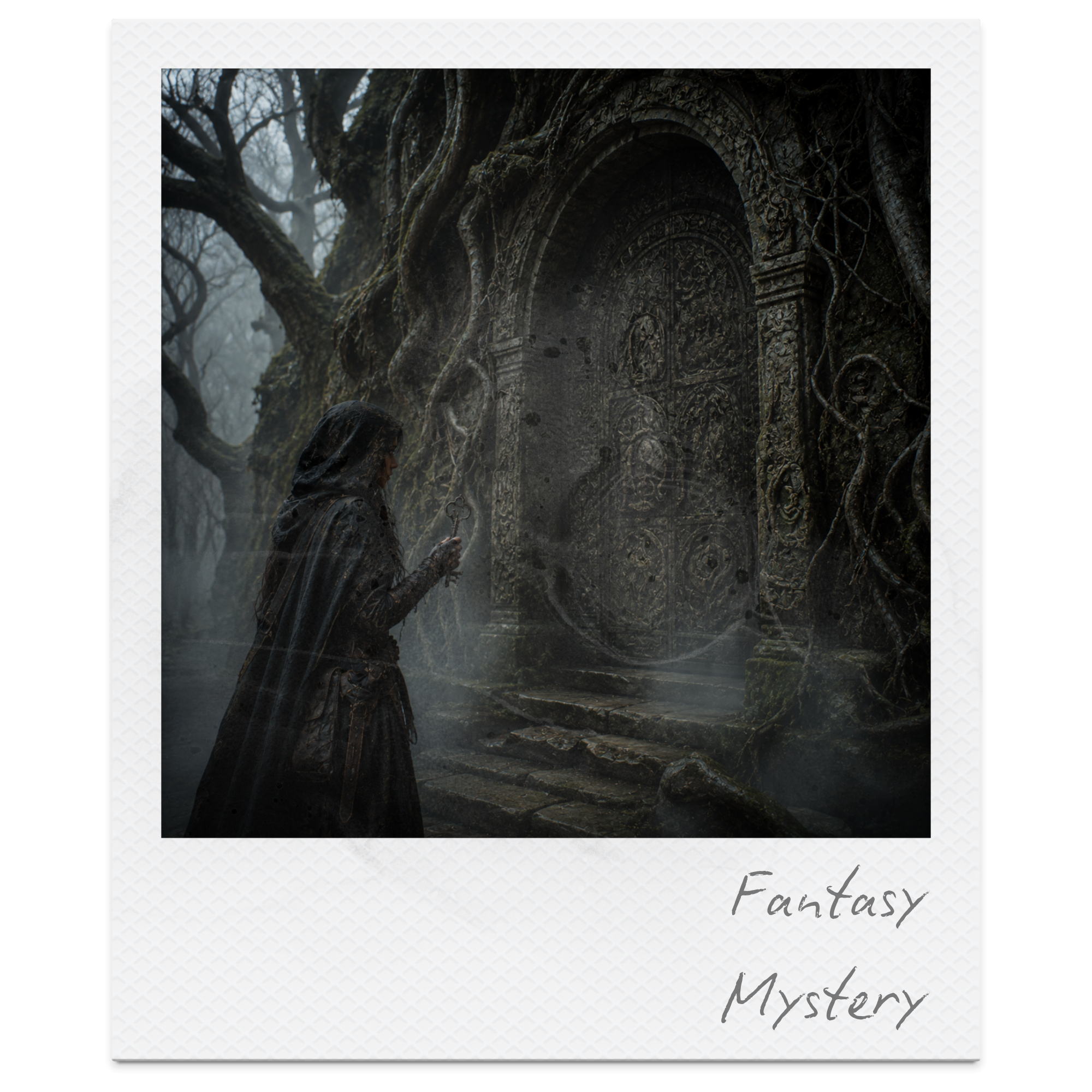
◆ Fantasy Mystery – mystery prompts set within magical worlds, where missing relics, forgotten kingdoms, ancient prophecies, hidden societies, magical crimes, and long-buried secrets drive the search for answers. These stories combine fantasy worldbuilding with investigation, discovery, and the gradual uncovering of truths that powerful people, creatures, or entire civilisations may have tried to conceal.
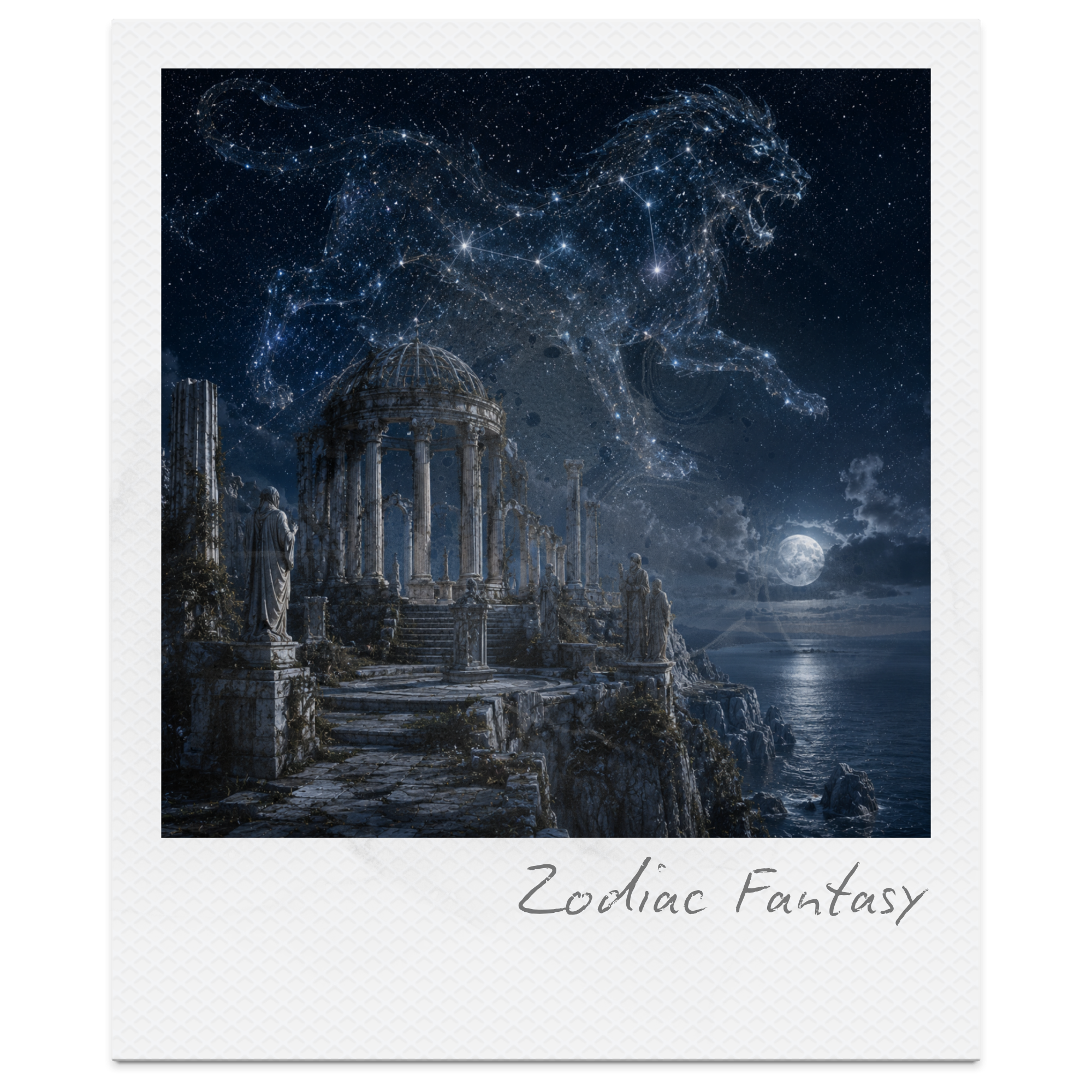
◆ Zodiac Fantasy – celestial kingdoms, magical houses, ancient prophecies, forgotten constellations, star-blessed rulers, dreamlike realms, sacred observatories, and mythic destinies, helping writers create fantasy worlds rich with symbolism, destiny, political intrigue, celestial magic, and worldbuilding potential.
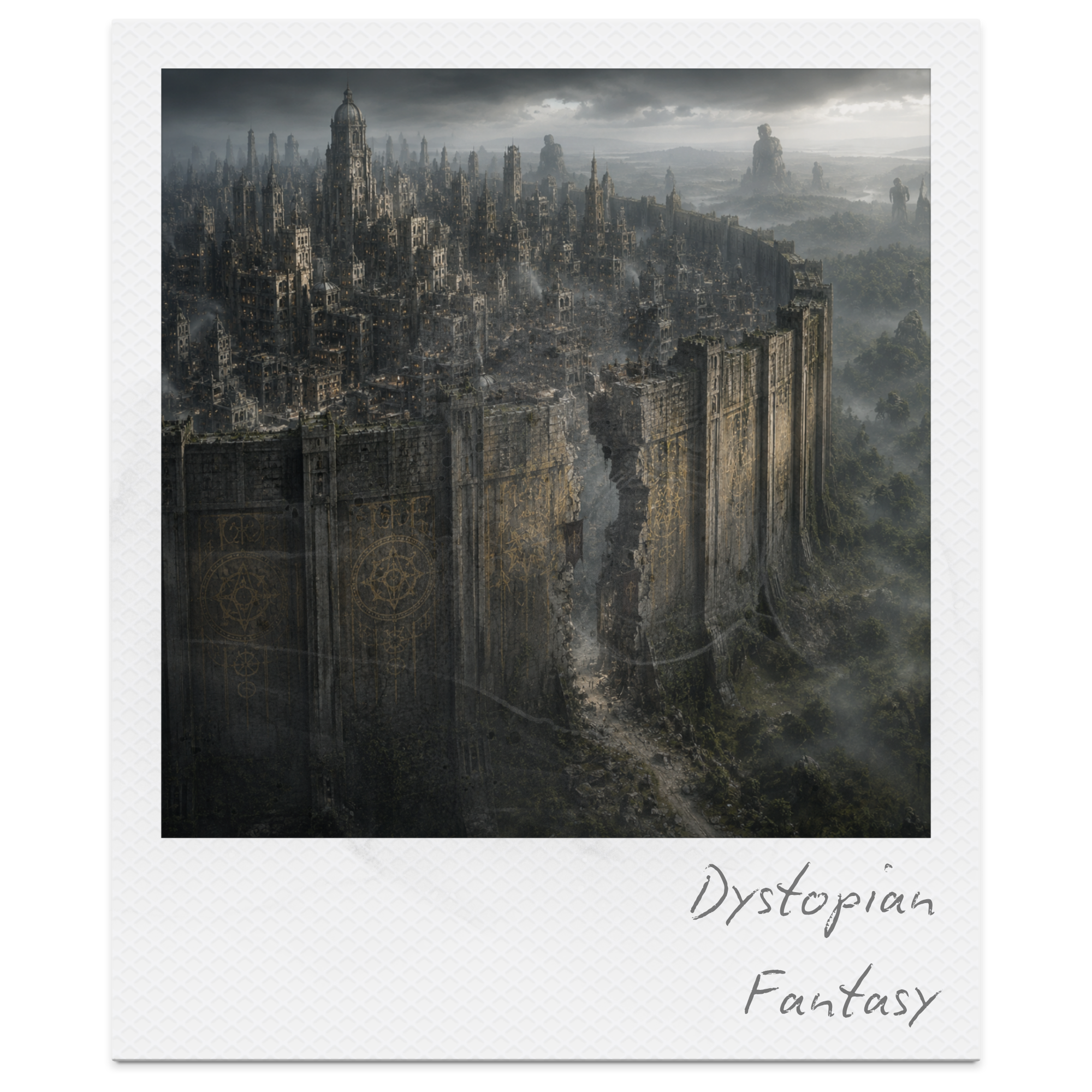
◆ Dystopian Fantasy – forbidden magic, oppressive kingdoms, immortal rulers, magical surveillance, controlled prophecies, outlawed creatures and dangerous rebellions, with plot prompts, titles, opening and closing lines, characters, settings and picture prompts for creating dark dystopian fantasy worlds.
Fantasy Characters and Creature Prompts
Create the people, creatures and magical beings that bring your fantasy world to life. Explore fantasy character prompts, villains, royalty, witches, fae, mermaids, dragons and other extraordinary beings, alongside character names, noble houses and unusual fantasy occupations.
Whether you're creating a reluctant hero, dangerous monarch, ancient creature, mysterious witch or an entire magical bloodline, these resources will help you develop memorable characters with their own identities, powers, secrets, relationships and places within the wider world.
Inside this section:
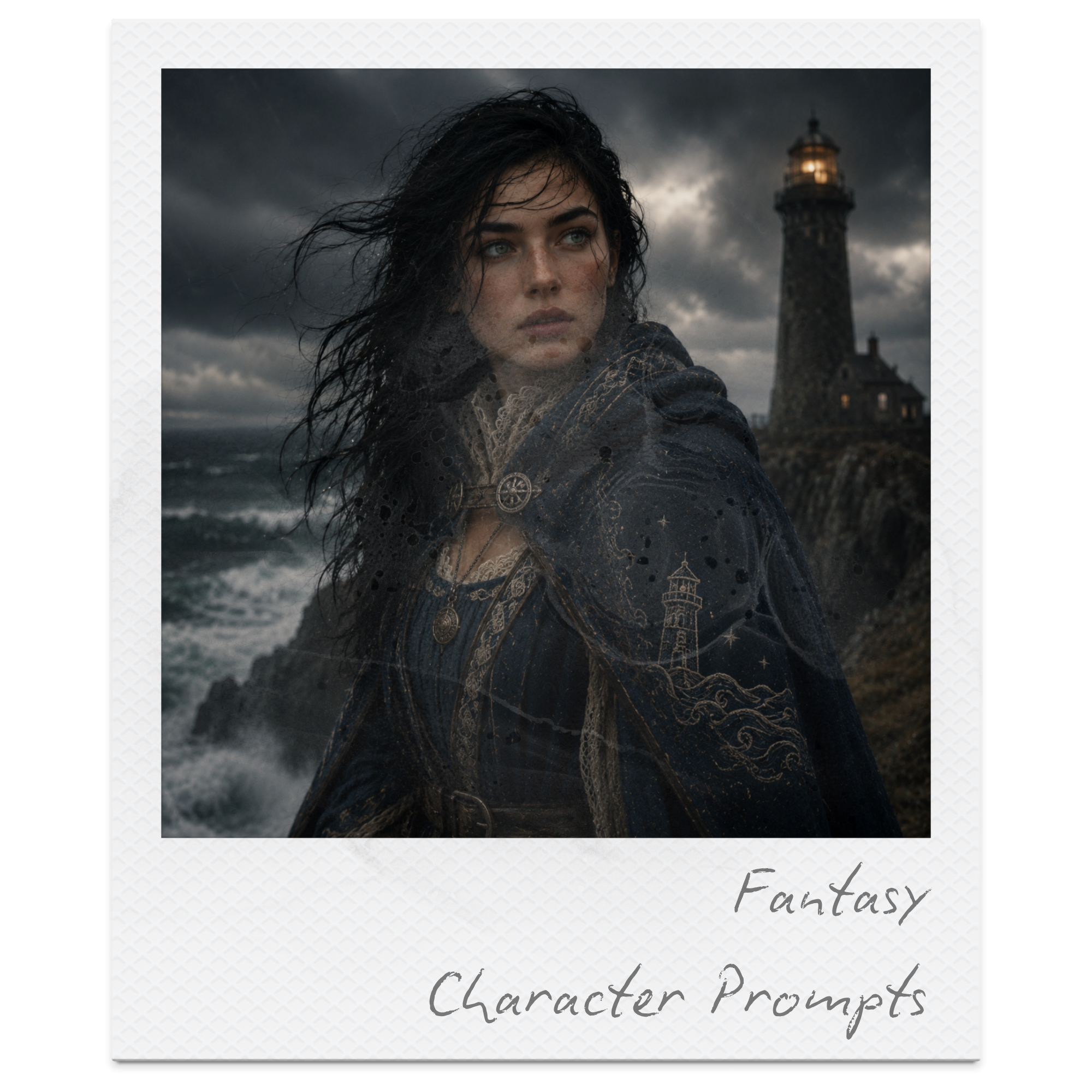
◆ Fantasy Character Prompts – inspiring character creation through cinematic portraits, rich backstories, hidden secrets, personal conflicts, magical destinies, ancient prophecies, forgotten kingdoms, complex relationships, heroic journeys, and unforgettable fantasy personalities.
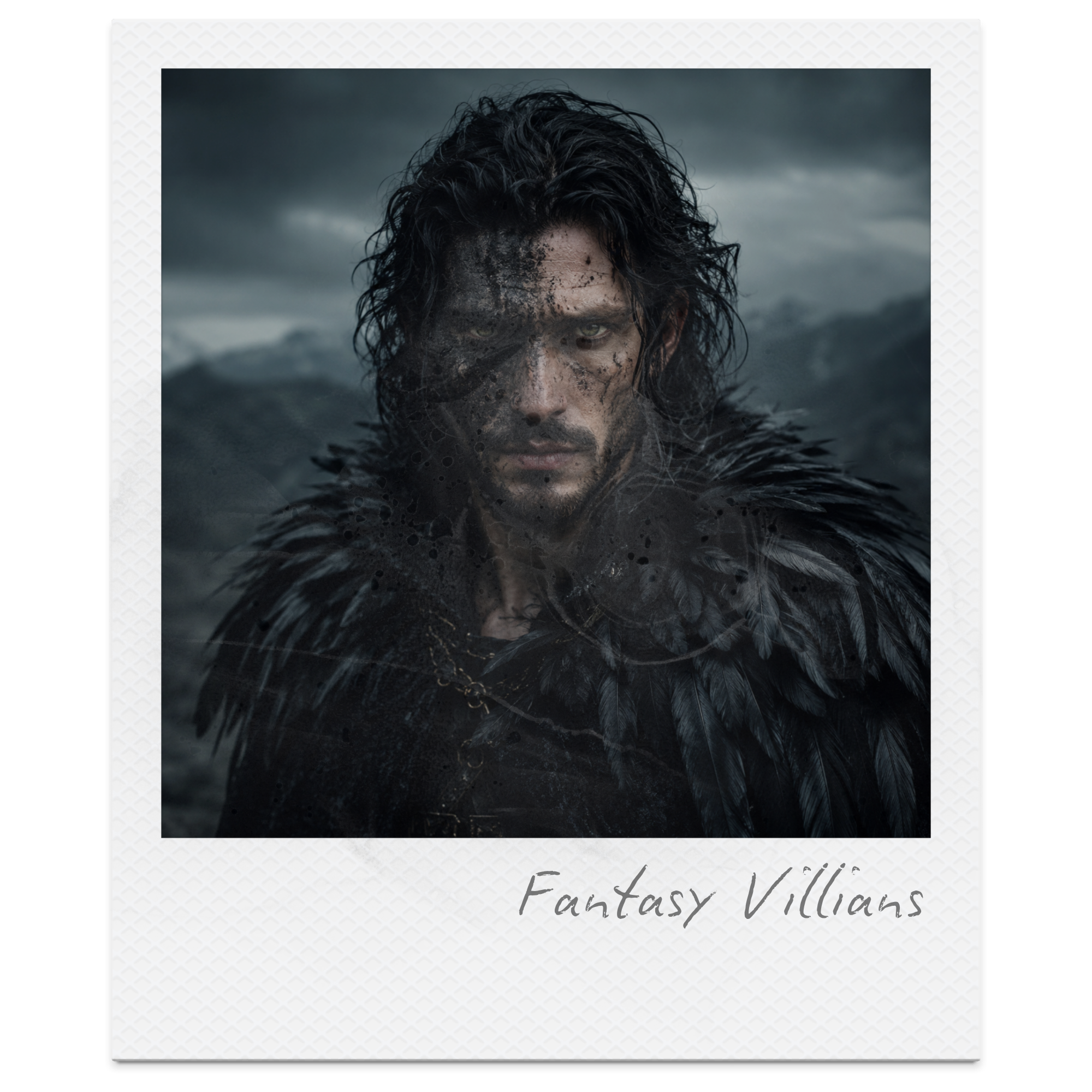
◆ Fantasy Villain Prompts – complex antagonists shaped by ambition, revenge, grief, power, and moral conviction, where fallen heroes, immortal rulers, cult leaders, dark mages, and dangerous visionaries challenge the boundaries between heroism and villainy
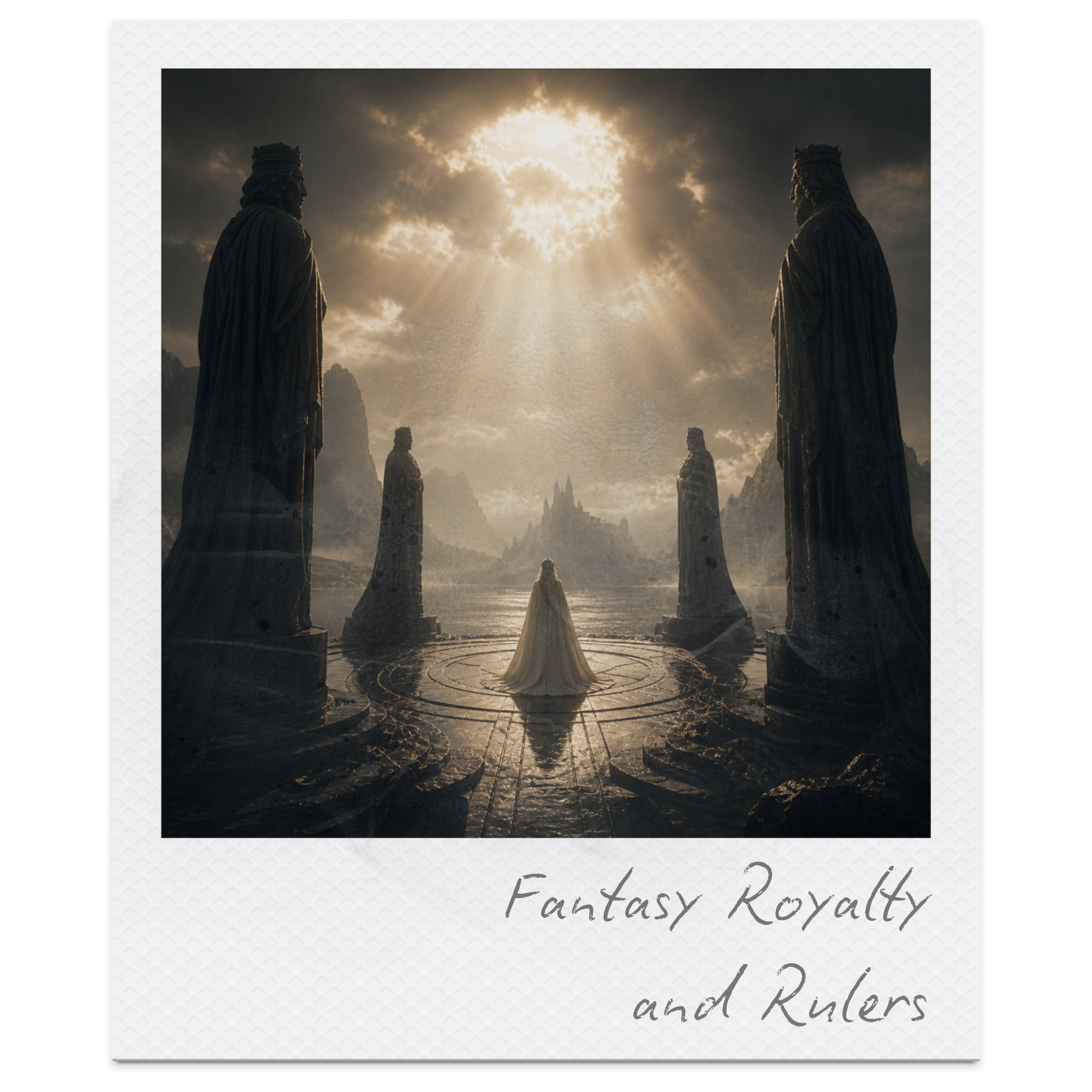
◆ Fantasy Royalty – stories driven by power, succession, and court intrigue, where rulers navigate authority, legacy, and the fragile systems that sustain control
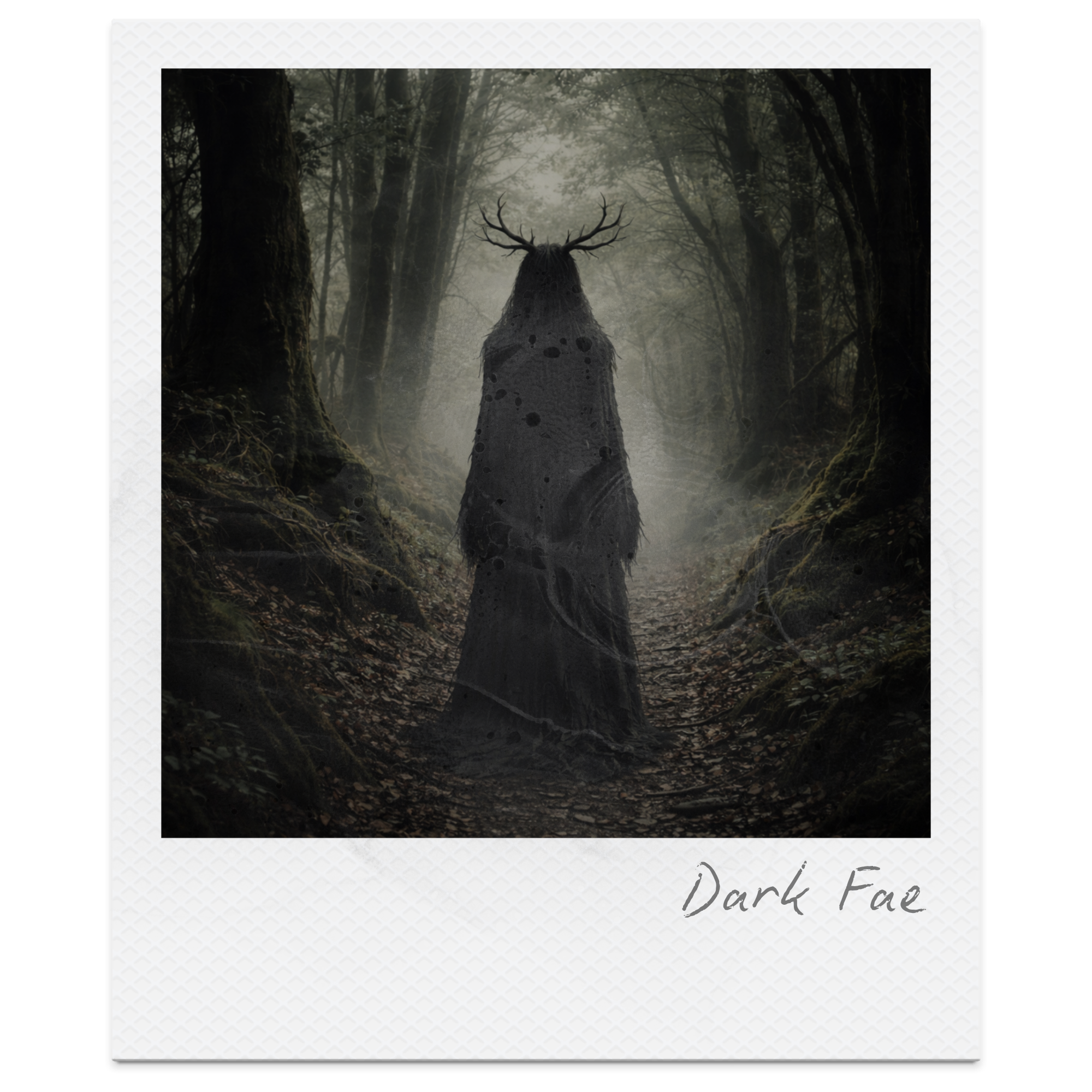
◆ Dark Fae – powerful, often unpredictable beings bound by strict rules, bargains, and a moral code that rarely aligns with human logic
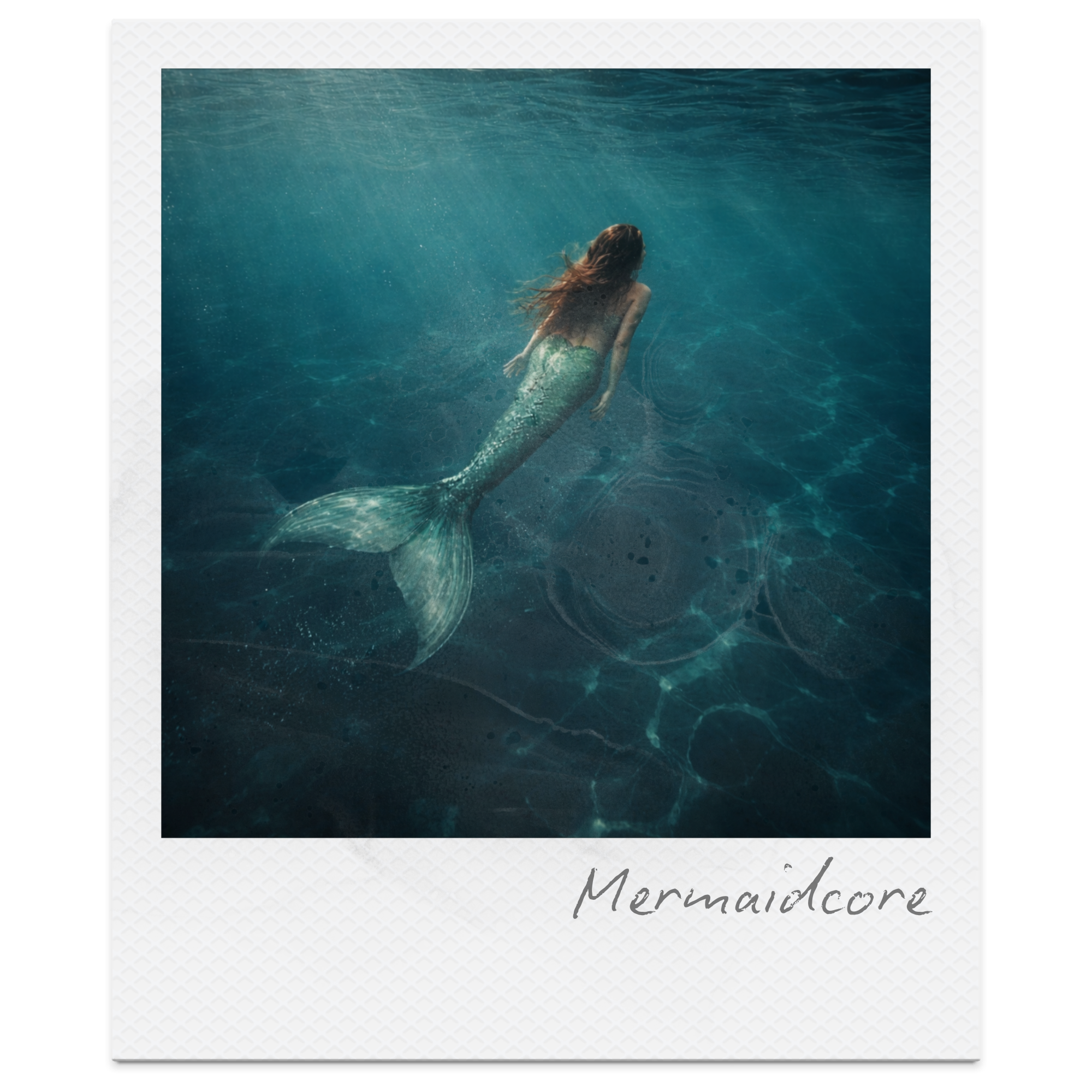
◆ Mermaids and Sirens – alluring and dangerous figures tied to the sea, transformation, and desire, often blurring the line between beauty and threat
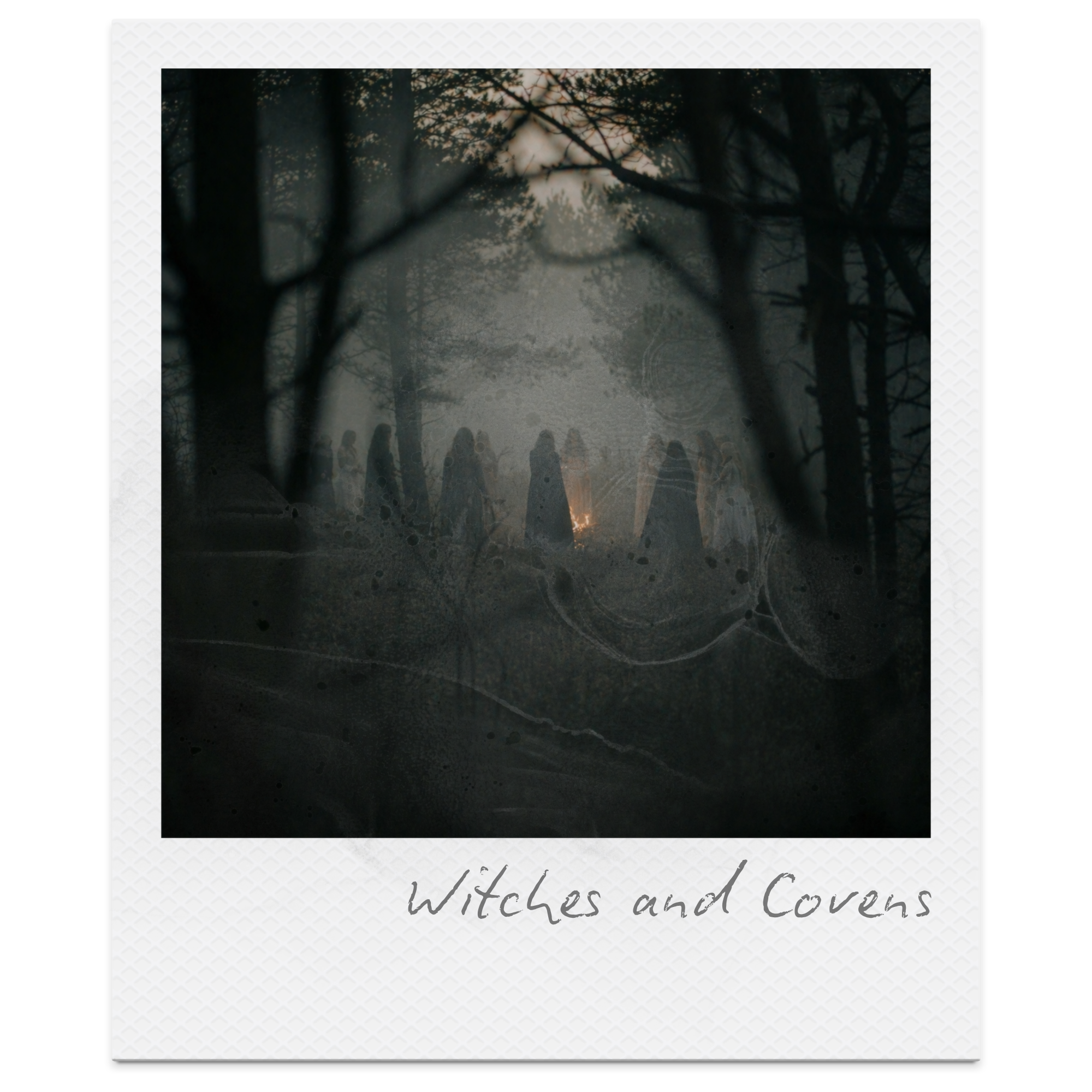
◆ Witches & Covens – practitioners of magic bound by ritual, secrecy, and shared power, where loyalty, hierarchy, and hidden rules shape every spell and every consequence
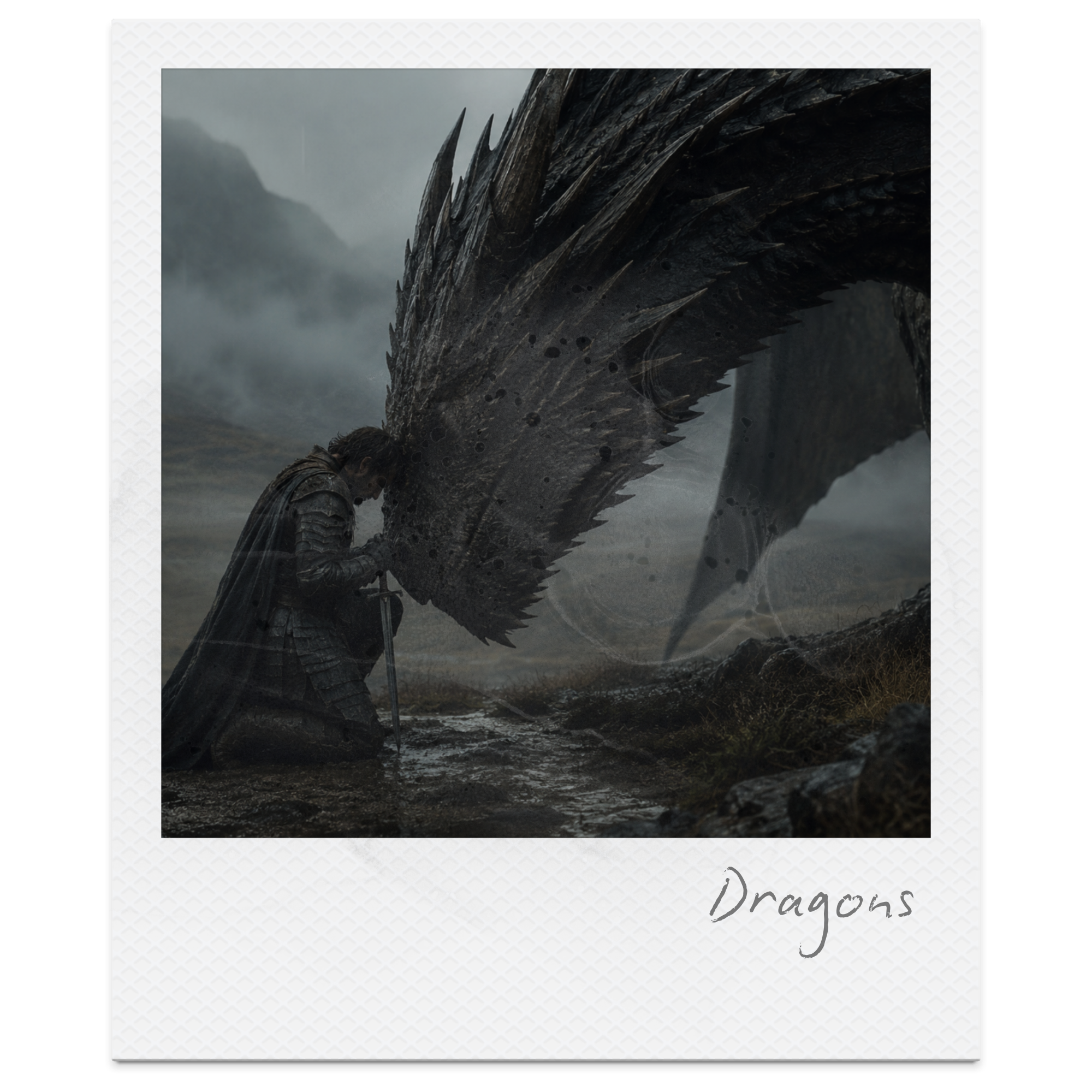
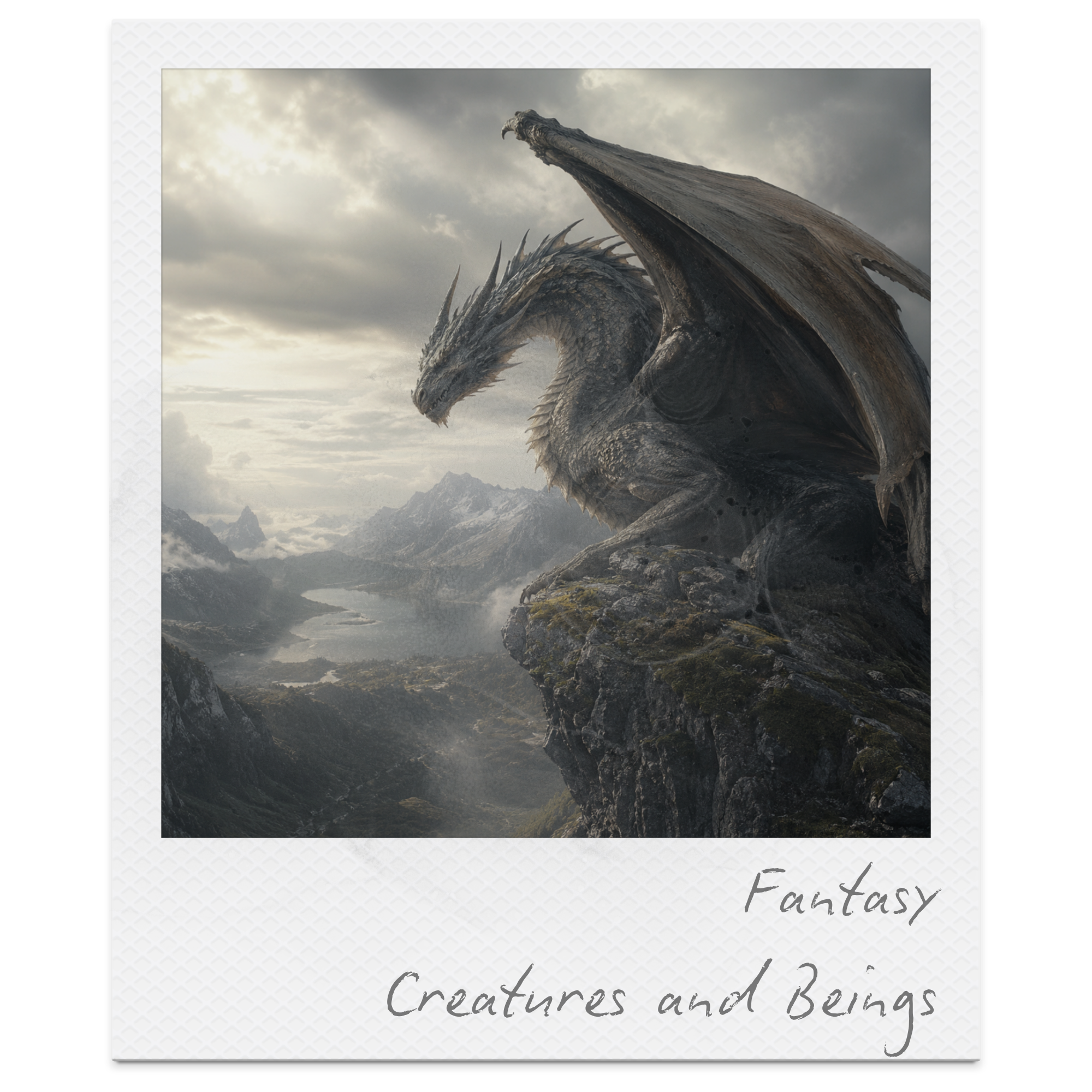
◆ Dragons – ancient and powerful creatures tied to magic, legend, and forgotten history, where dragon riders, hidden hoards, old rivalries, and world-shaping secrets blur the line between monster, guardian, and myth
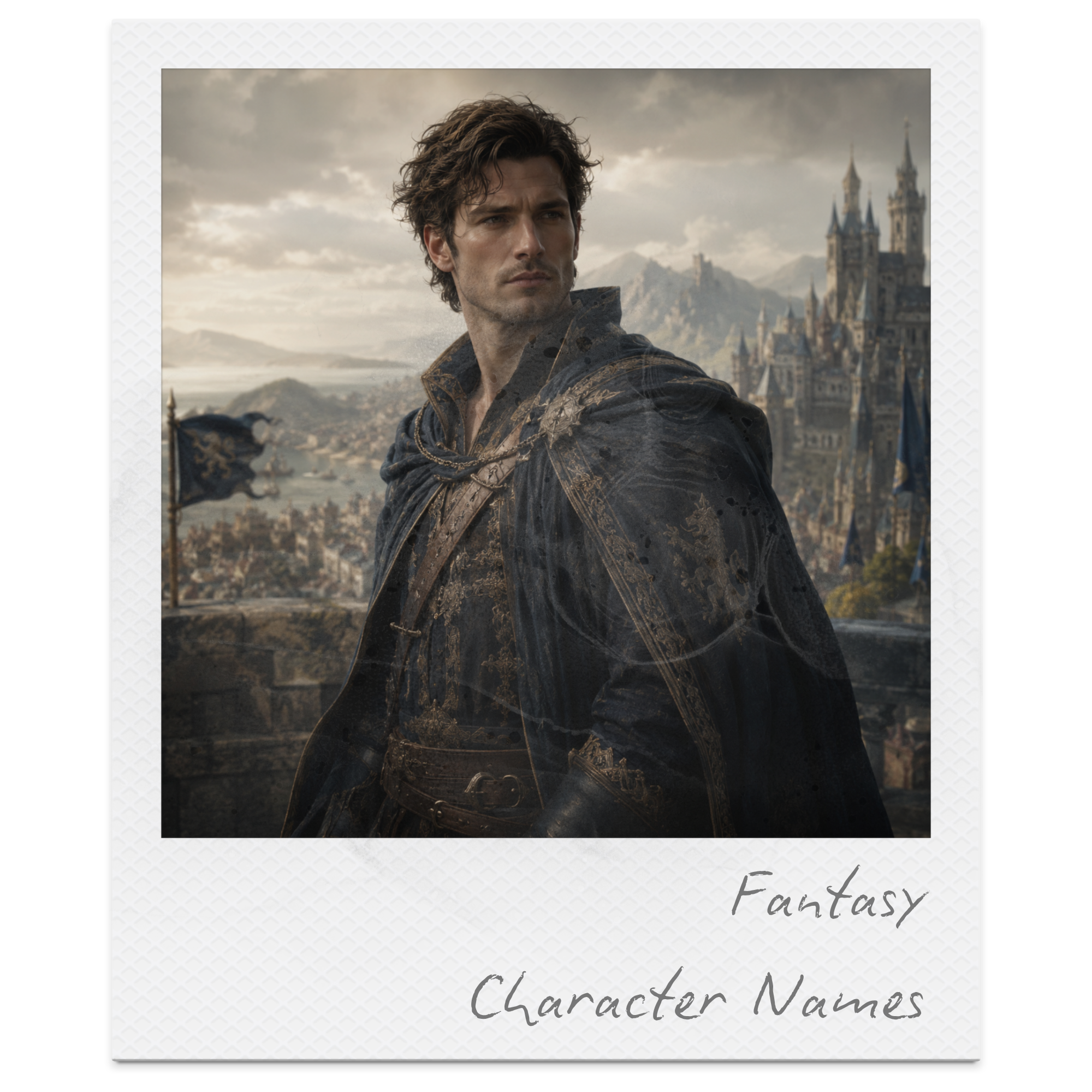
◆ Fantasy Character Names – original fantasy names for heroes, villains, royalty, mages, adventurers, guardians, and legendary figures, each paired with meanings, symbolism, character concepts, magical destinies, personal conflicts, and story ideas to inspire unforgettable fantasy worlds.
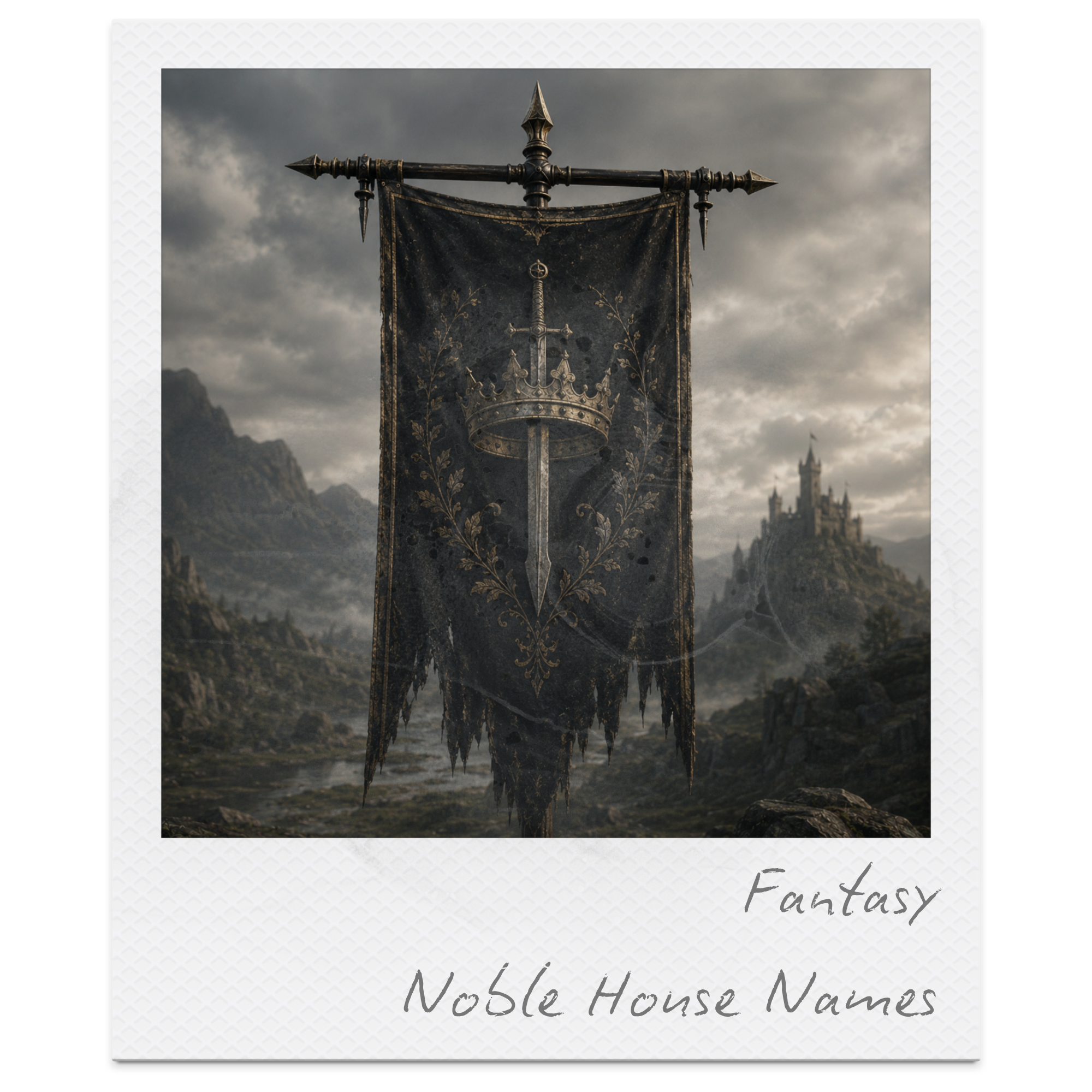
◆ Fantasy Noble House Names – original noble family names inspired by medieval heraldry, royal dynasties, magical bloodlines, ancient kingdoms, legendary rulers, and powerful aristocratic houses. Designed to help writers create believable fantasy families, rich political histories, memorable heraldry, and compelling worldbuilding for epic fantasy, high fantasy, and dark fantasy stories.
◆ Fantasy Creatures & Magical Beings – legendary dragons, ancient spirits, celestial guardians, mythical monsters, enchanted beasts and forgotten magical beings, where every creature offers new possibilities for worldbuilding, unforgettable encounters and imaginative fantasy stories.
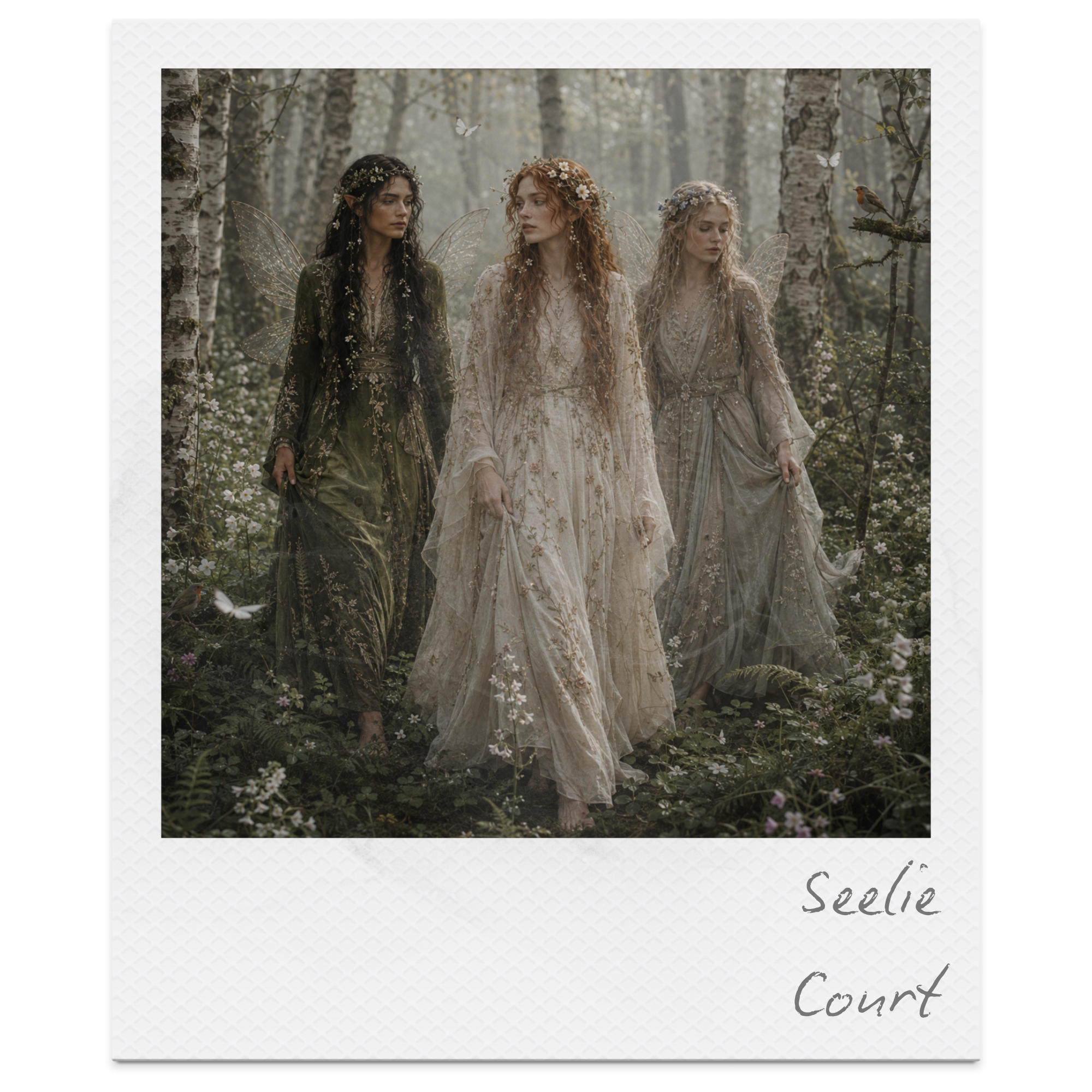
◆ Seelies – enchanting fantasy inspired by Scottish folklore, ancient fae courts, immortal royalty, moonlit forests, enchanted feasts, timeless oaths, magical bargains and hidden kingdoms where beauty, honour and ancient laws conceal mysteries older than the mortal world.
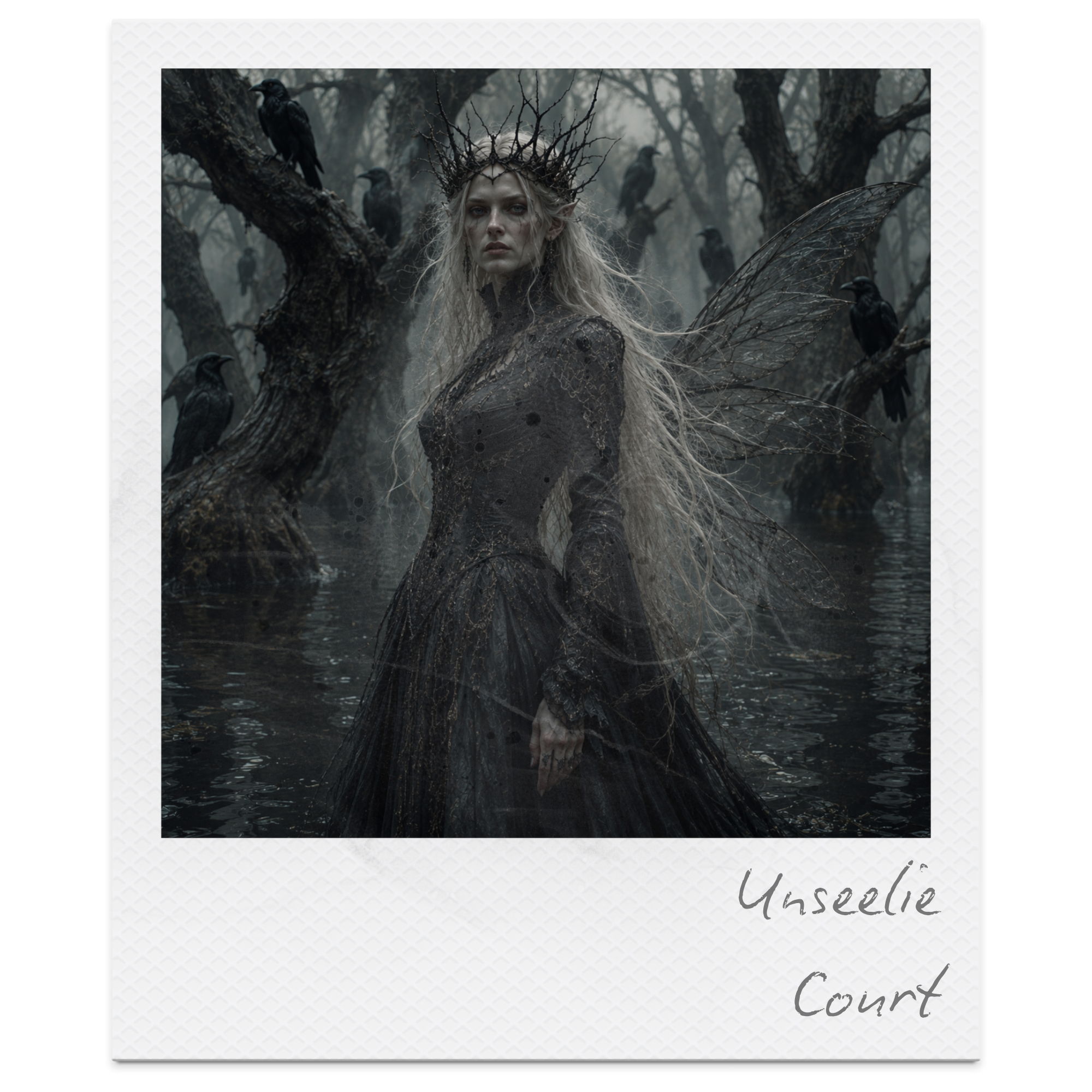
◆ Unseelies – atmospheric fantasy inspired by Scottish folklore, dark fae courts, forbidden bargains, ancient curses, winter kingdoms, thorn-covered forests, immortal rulers and untamed magic where beauty, power and mystery exist beyond the laws of the mortal world.
◆ Fantasy Occupations – fantasy jobs and professions for characters and worldbuilding, from bakers, blacksmiths and royal physicians to dragon keepers, curse breakers, monster hunters, ghost negotiators and other unusual magical occupations, each with three story ideas to inspire fantasy plots.
Fantasy Tropes and Themes
Explore the tropes, themes and story patterns that shape fantasy fiction, from epic quests and dangerous adventures to court intrigue, rivalries, forbidden power and battles between destiny and choice. These familiar elements can provide the foundations for characters, conflicts and entire fantasy stories while still leaving plenty of room to make them your own.
Use these collections to explore classic fantasy conventions, experiment with familiar ideas from new perspectives and discover conflicts, relationships and themes that can bring greater depth to the worlds you create.
Inside this section:
◆ Adventure – quests, journeys, and trials that push characters beyond the familiar, forcing them to confront danger, uncertainty, and personal limitation
◆ Court Intrigue – political tension, manipulation, and shifting alliances within systems of power, where ambition, loyalty, and identity are constantly at risk
Fantasy Story Starters, Prompt Generators, & Writing Hooks
Find your next fantasy story with free generators, writing prompts, plot ideas, opening lines, picture prompts and creative challenges designed to spark new characters, worlds and adventures. Whether you need one unexpected idea or the foundations of an entire story, these resources give you somewhere to begin.
Generate complete fantasy stories, kingdoms, characters and magic systems, explore plot twists and visual prompts, or challenge yourself with a single random Story Spark. Use the results exactly as they appear, combine your favourite ideas or turn one unexpected detail into a story entirely your own.
Inside this section:
◆ Fantasy Story Sparks – a free random fantasy writing prompt generator filled with titles, characters, settings, opening lines, magical objects, conflicts, plot hooks, plot twists, secrets, relationships, discoveries, threats, messages, rules and events across high fantasy, dark fantasy, low fantasy, maritime fantasy, cosy fantasy, mythic fantasy and more.
◆ Fantasy Kingdom Generator – create a complete fantasy realm at the click of a button, generating a kingdom name, genre, landscape, capital, ruler, government, magic, culture, beliefs, trade, defences, landmarks, threats, ancient secrets and story hooks to inspire fantasy stories and worldbuilding.
◆ Fantasy Story Ideas – imaginative story concepts shaped by magic, adventure, and transformation, where ancient prophecies, forgotten kingdoms, mythical creatures, dangerous bargains, and world-changing choices drive epic journeys and unforgettable conflicts.
◆ Fantasy Opening Lines – atmospheric and immersive story beginnings shaped by hidden magic, enchanted landscapes, ancient kingdoms, mythical creatures, political intrigue, forbidden knowledge, magical tension, and mythic adventure
◆ Fantasy Picture Prompts – atmospheric and immersive visual writing prompts featuring hidden kingdoms, dragonbone cathedrals, forgotten gods, magical libraries, fae bargains, epic quests, celestial observatories, ancient mysteries, enchanted landscapes, and mythic adventure.
◆ Fantasy Plot Twists – hidden identities, forgotten bloodlines, ancient prophecies, magical betrayals, cursed artefacts, mythical creatures, political conspiracies, lost kingdoms, and world-changing revelations, helping writers create unforgettable fantasy stories filled with suspense, mystery, epic stakes, and satisfying surprises.
◆ Cozy Fantasy Story Ideas – magical villages, enchanted bakeries, wandering bookshops, woodland cottages, everyday witches, found families, gentle quests, unusual magical businesses, seasonal festivals, unlikely friendships, and whimsical adventures where community, belonging, and everyday magic take centre stage.
◆ Who Rules Your Fantasy Kingdom? Generator – explore 12 ways to govern a fantasy realm, from hereditary monarchies and noble councils to theocracies, magocracies and military rule, then use the interactive generator to create a ruler, power structure, succession system, hidden influence and political conflict for your kingdom.
◆ Fantasy Character Generator – create unique fantasy characters with randomly generated names, character types, occupations, appearances, personalities, powers, secrets, flaws and motivations, with billions of possible combinations to inspire protagonists, villains and supporting characters.
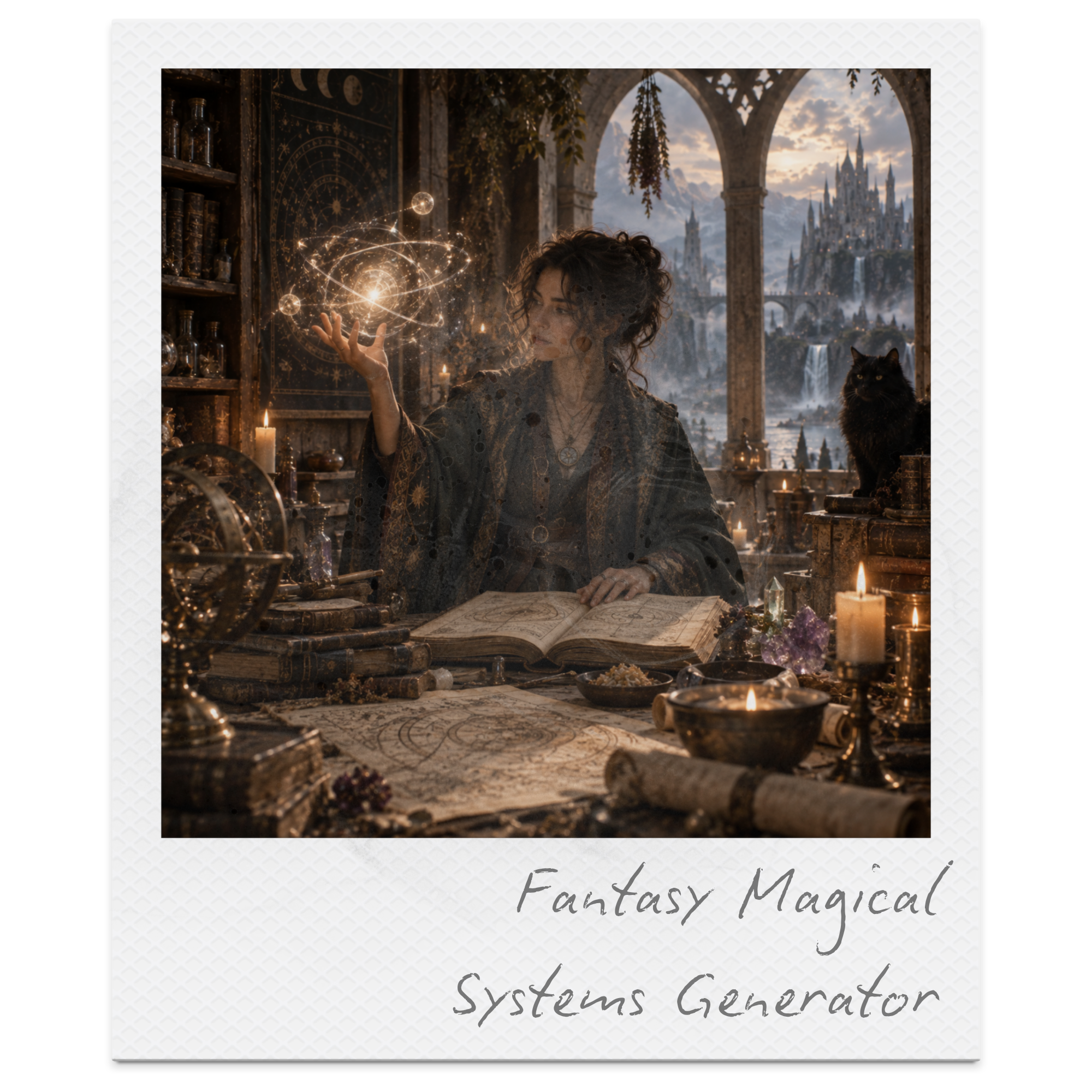
◆ Fantasy Magic System Generator – generate unique fantasy magic systems with magical sources, powers, costs, limitations, forbidden magic, social attitudes, magical institutions and story complications to build rich, believable worlds for fantasy fiction.
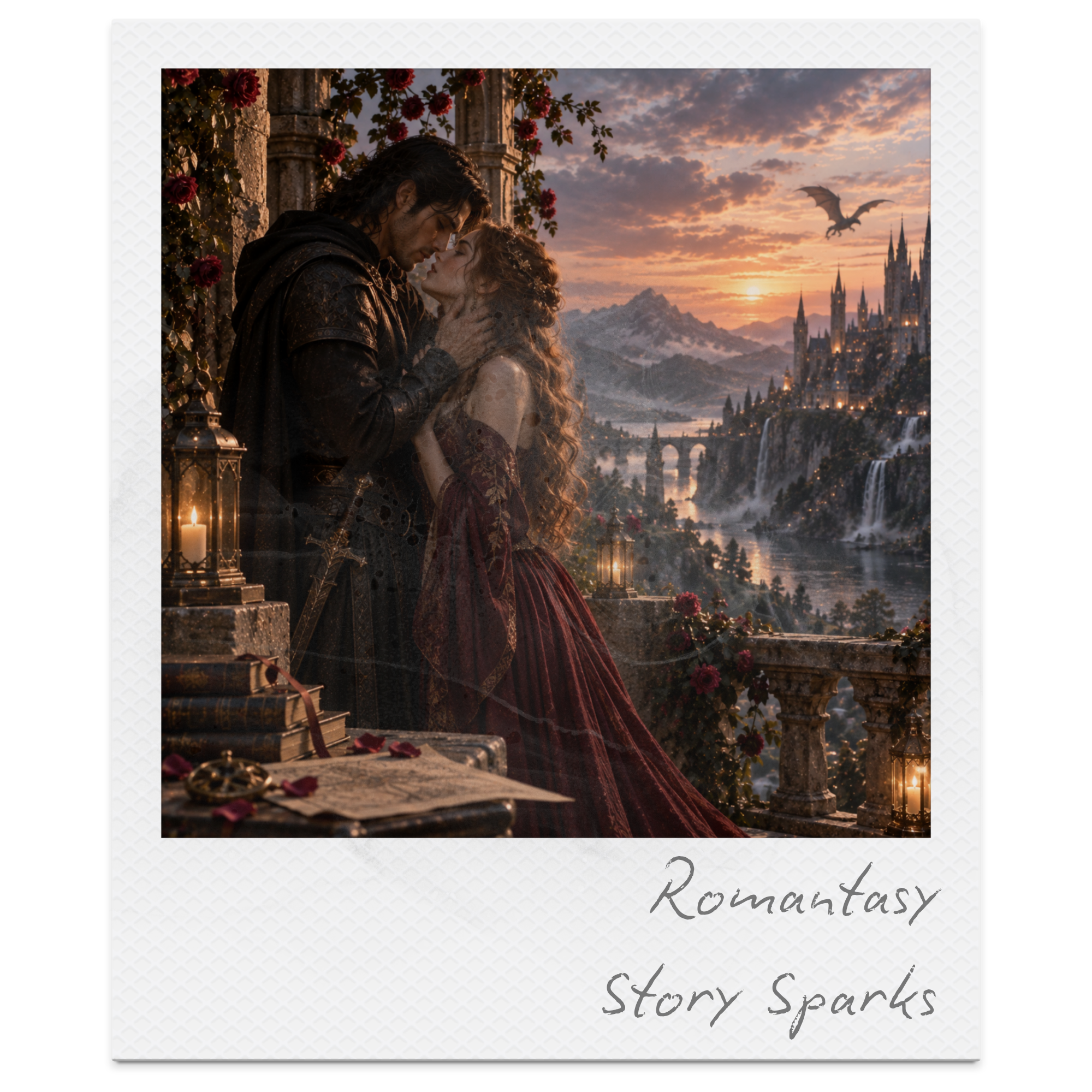
◆ Romantasy Story Sparks – combine romance with magic using a free random generator filled with fantasy characters, magical worlds, romantic dynamics, dangerous encounters, supernatural bonds, rival kingdoms, curses, quests, secrets, impossible choices and story twists. Create love stories shaped by magic, adventure and conflict, from reluctant allies and forbidden attraction to enemies-to-lovers journeys and romances powerful enough to change entire realms.
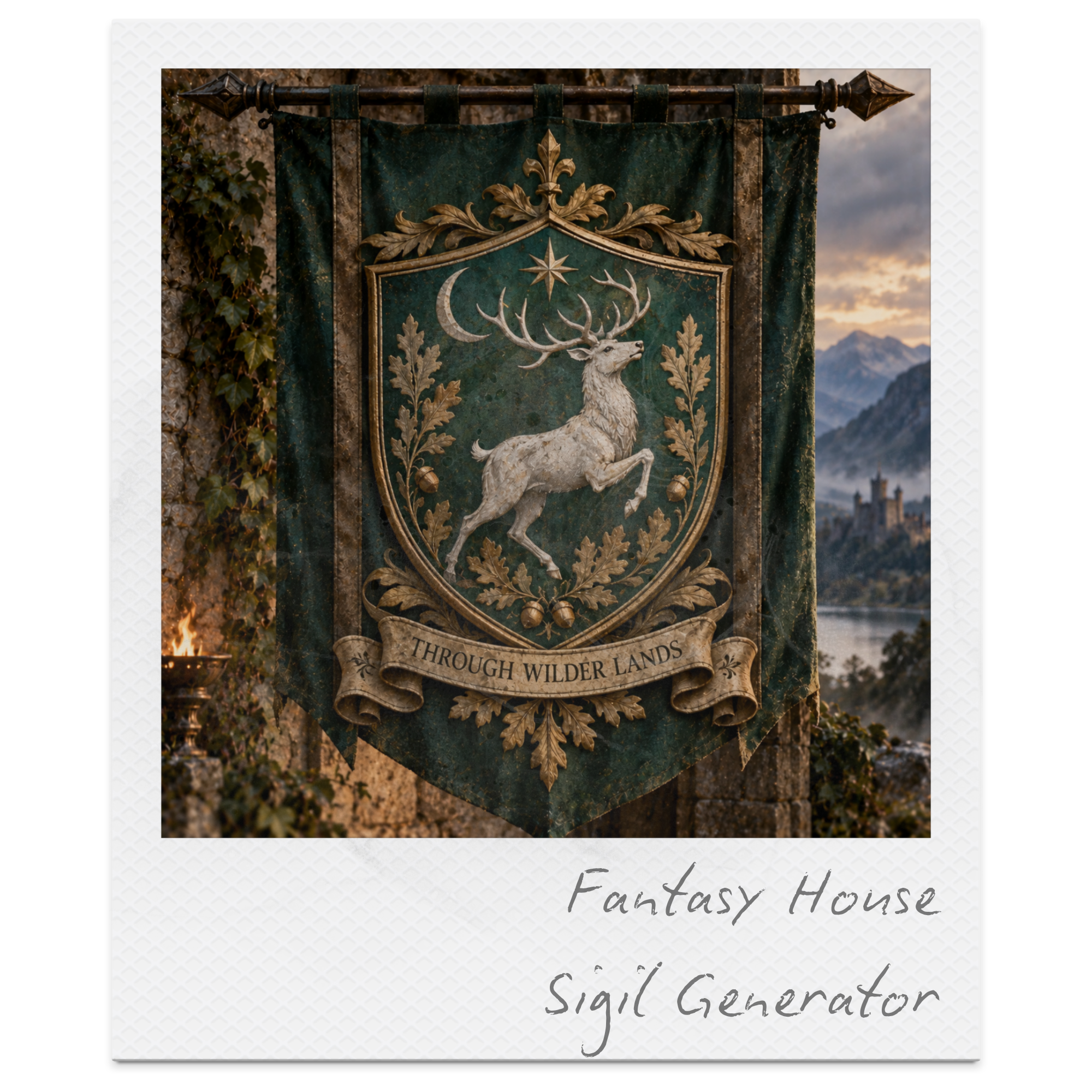
◆ Fantasy Sigil Generator – create a unique fantasy sigil for a noble house, royal dynasty, kingdom, clan or faction, generating colours, symbols, decorative details, mottos and reputations to inspire memorable crests, shields, house banners and fantasy worldbuilding.
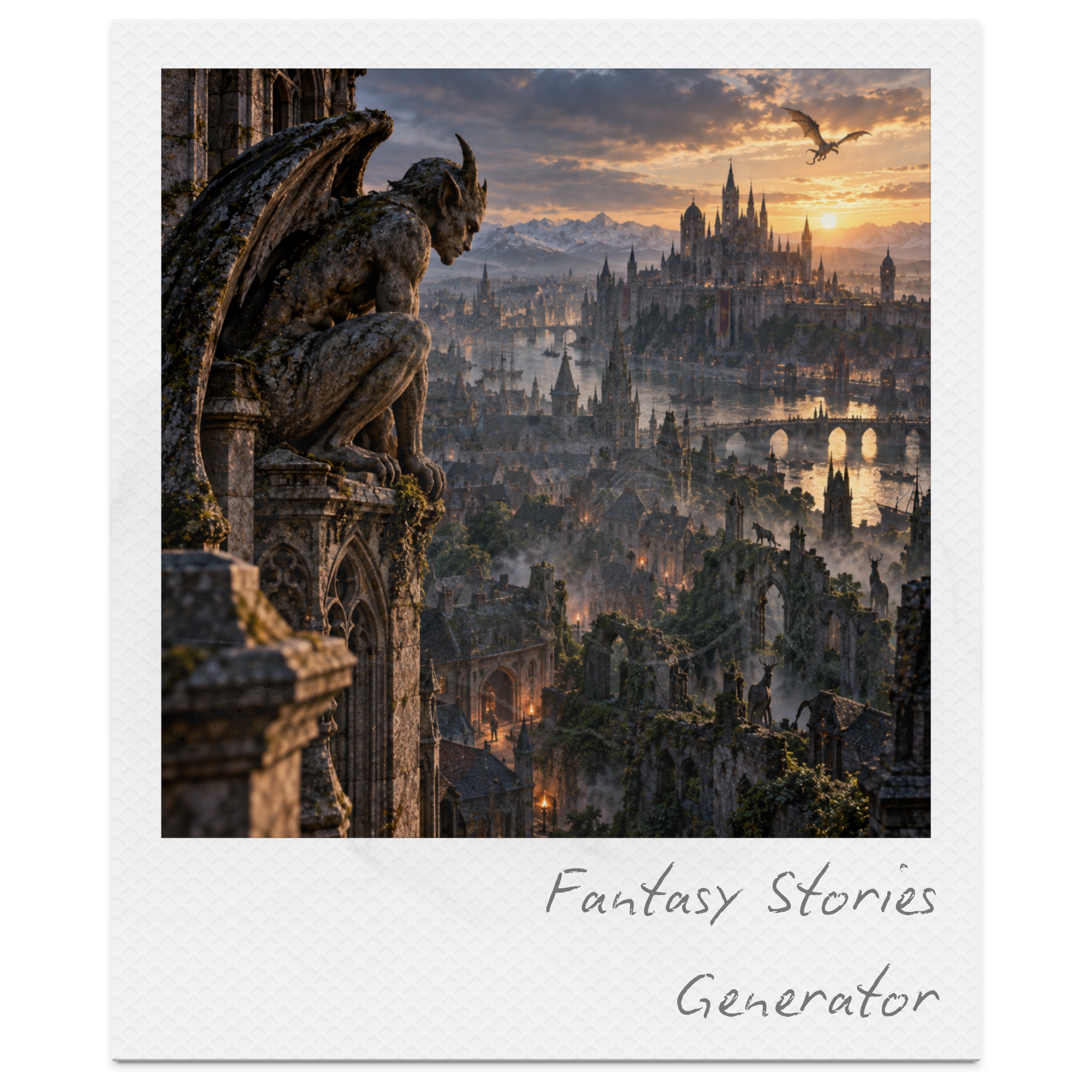
◆ Fantasy Story Generator – generate a complete fantasy story idea with a title, main character, setting, central plot or conflict, plot twist, opening line and closing line, then refresh individual elements to create unique story premises, writing prompts and inspiration for your next fantasy adventure.
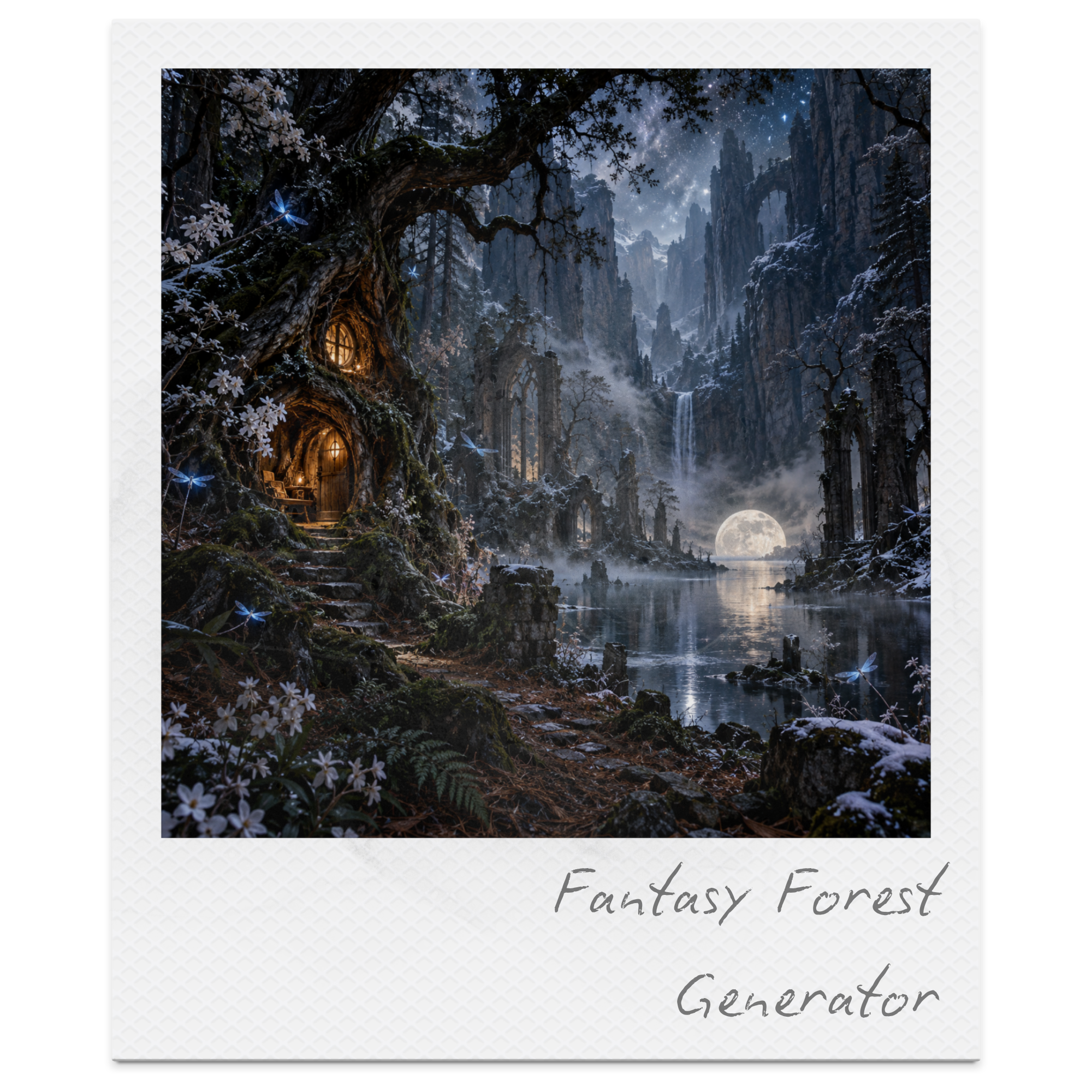
◆ Enchanted Forest Generator – create a complete magical forest with its own name, forest type, atmosphere, plant life, weather, wildlife, magical feature, hidden place, inhabitants, dangers, rules and secrets, then refresh individual elements to build unique fantasy settings, fairytale worlds and story ideas.
Fantasy Worldbuilding
Build richer fantasy worlds by exploring the kingdoms, cultures, magic, politics and histories that shape them. These worldbuilding resources are designed to help you move beyond individual settings and begin creating interconnected societies with their own systems of power, traditions, conflicts and pasts.
Name and develop kingdoms, design magical systems, create cultures, establish governments and political rivalries, and uncover the historical events that made your world what it is today. Whether you're building an entire secondary world or developing one corner of a larger realm, use these ideas, questions and generators to make every element feel connected.
Inside this section:
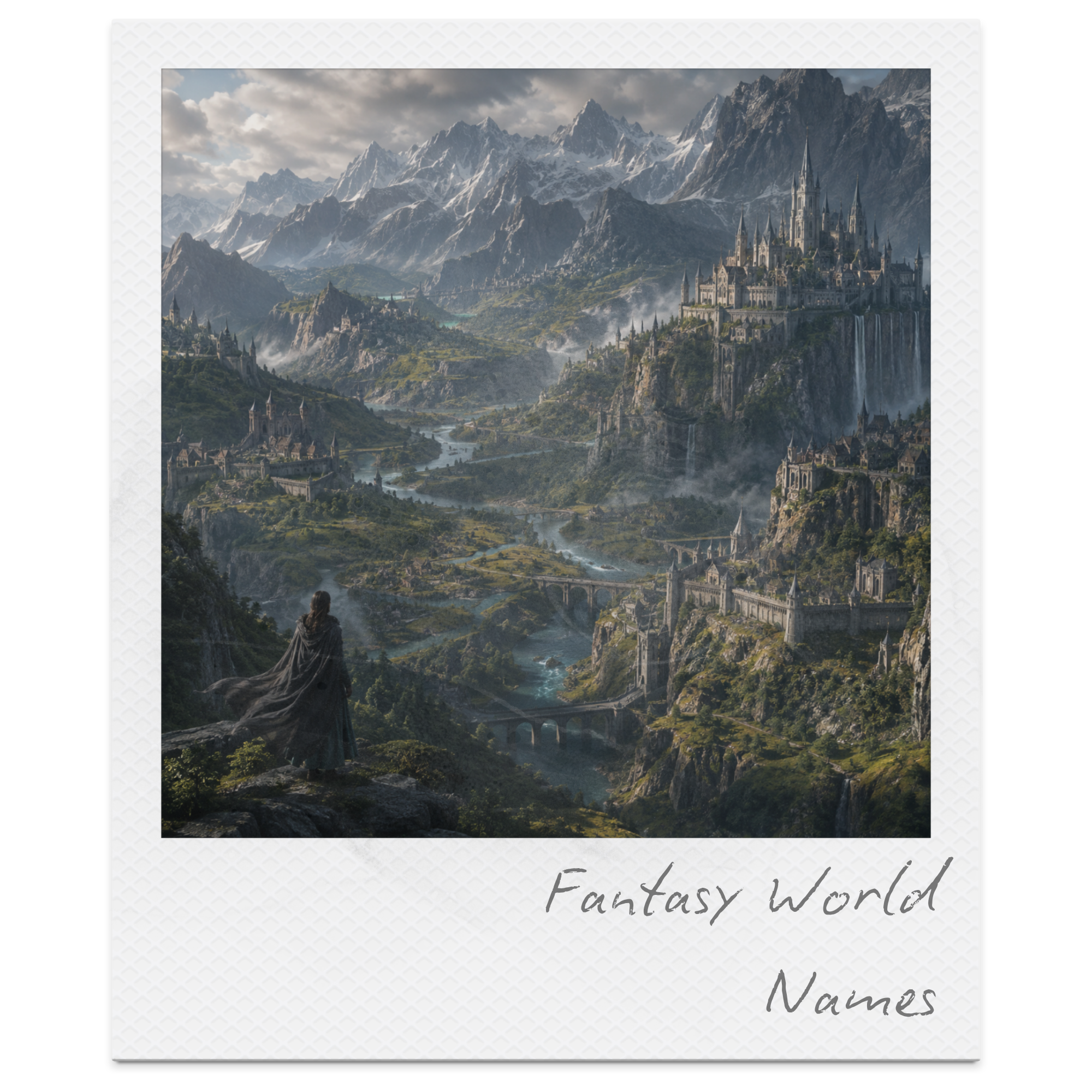
◆ Fantasy World Names – high fantasy realms, dark and ancient worlds, enchanted lands, celestial settings, elemental worlds, fairytale realms, mythic landscapes, strange dimensions and beautiful ethereal worlds, with detailed worldbuilding inspiration and story ideas for creating immersive fantasy settings.
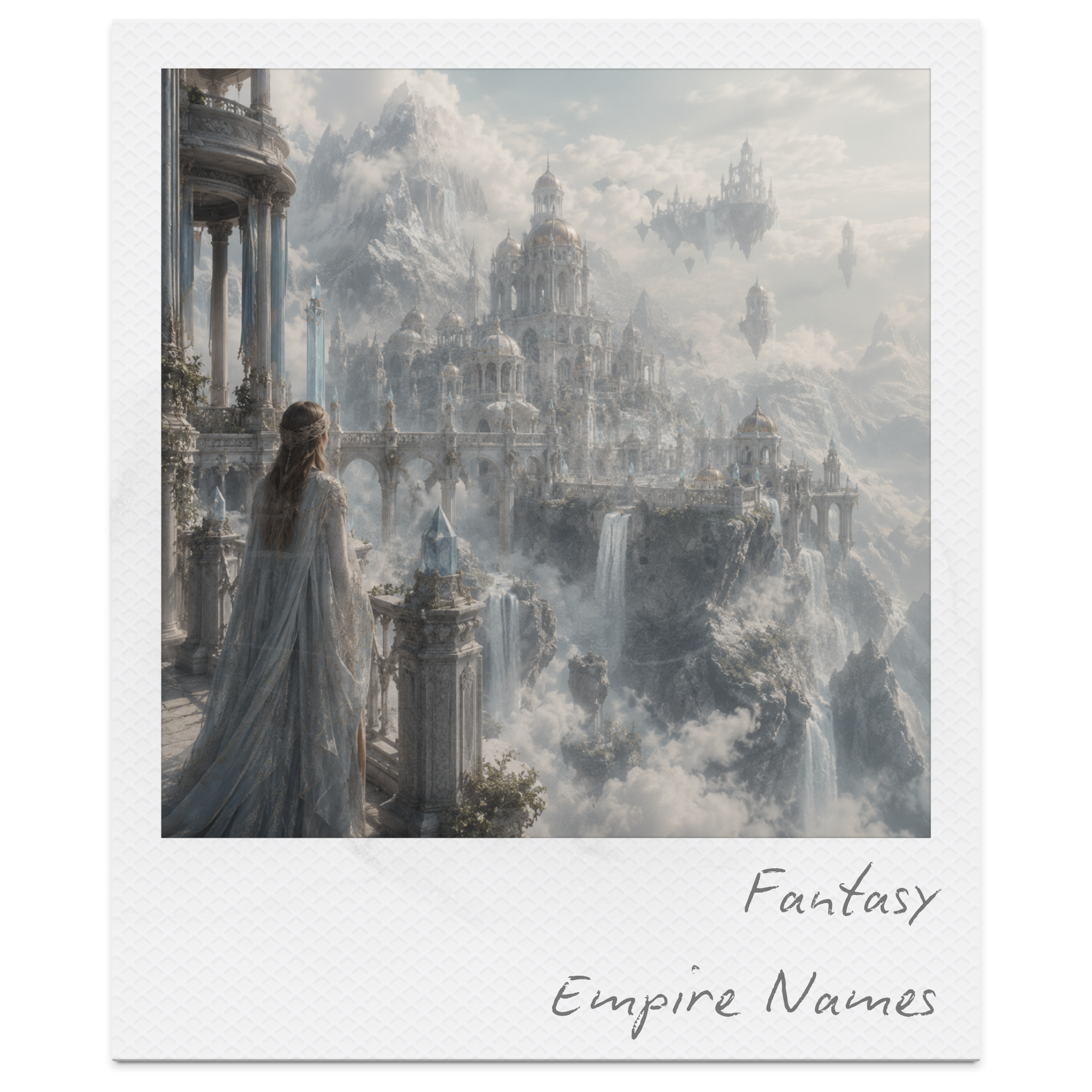
◆ Fantasy Empire Names – ancient empires, conquering civilisations, noble dynasties, forgotten kingdoms, dragon dominions, celestial realms, magical powers and legendary superpowers, helping writers create believable fantasy worlds rich with history, politics, culture, conflict, mythology and worldbuilding.
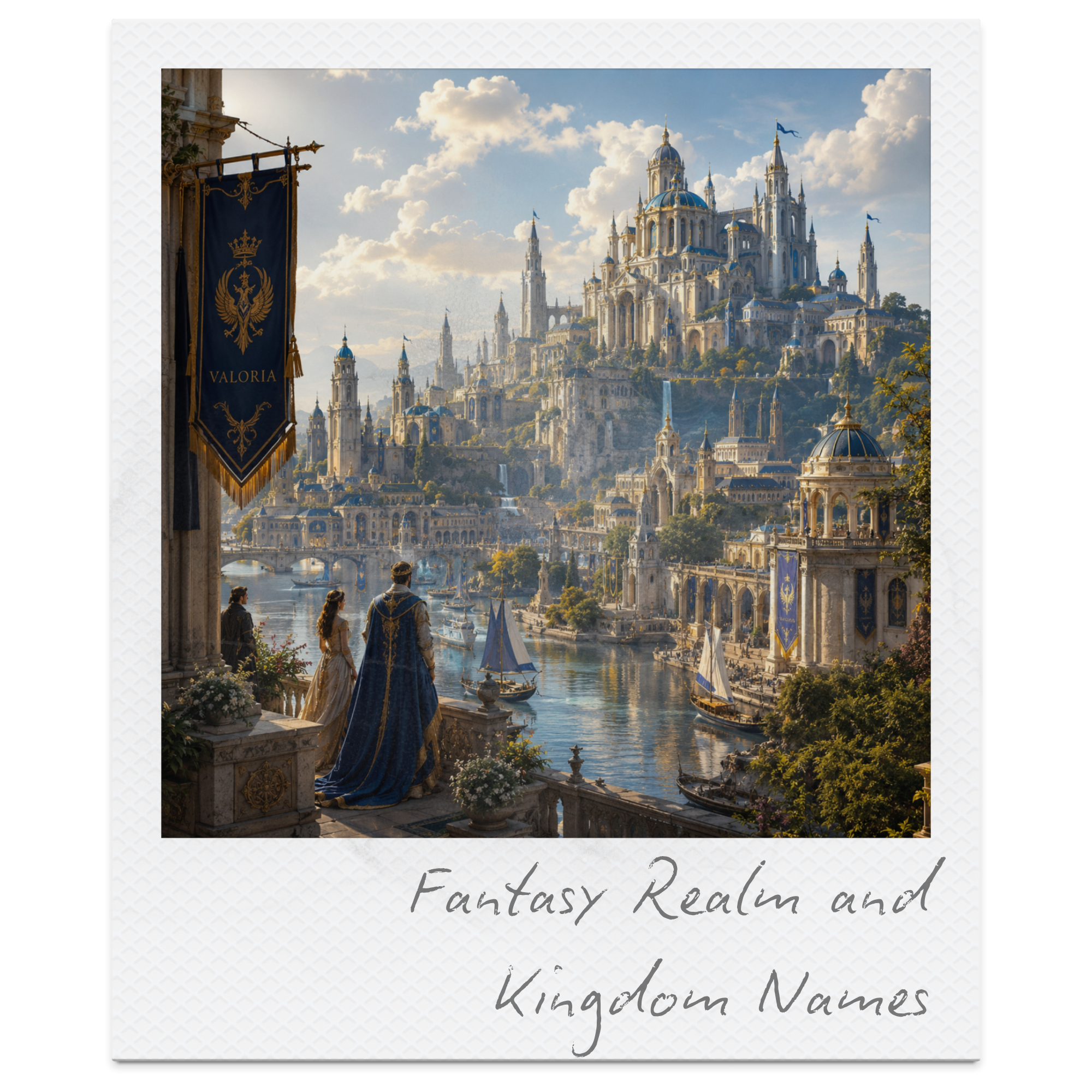
◆ Fantasy Kingdom & Realm Names – ancient empires, noble courts, lost civilisations, floating kingdoms, magical realms, and forgotten lands, helping writers create memorable settings rich with history, symbolism, political intrigue, culture, conflict, and worldbuilding potential.
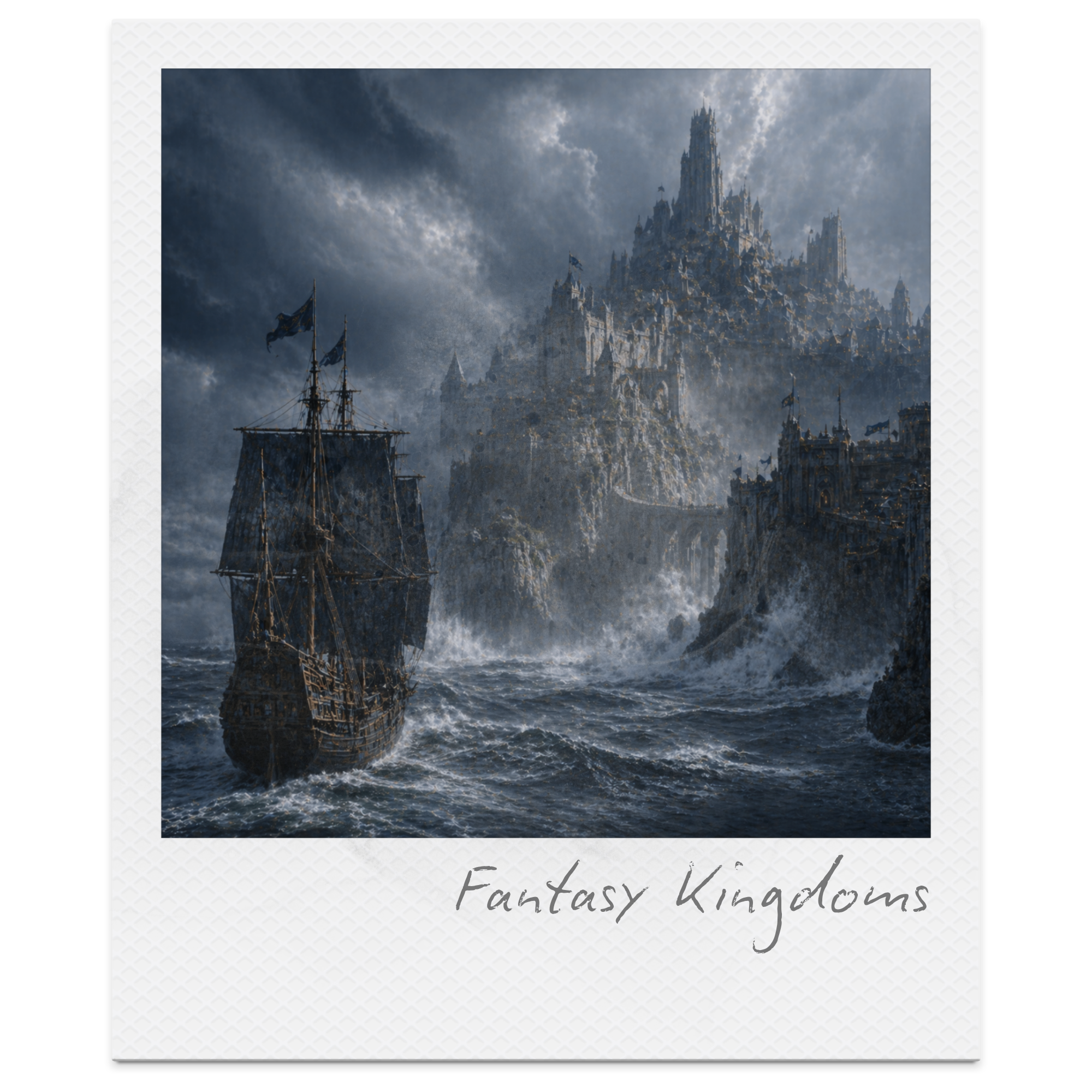
◆ Fantasy Kingdoms – expansive realms shaped by power, hierarchy, and control, where rulers govern through tradition, fear, or ambition, and characters must navigate political intrigue, shifting alliances, and the fragile balance between loyalty, rebellion, and the consequences of leadership
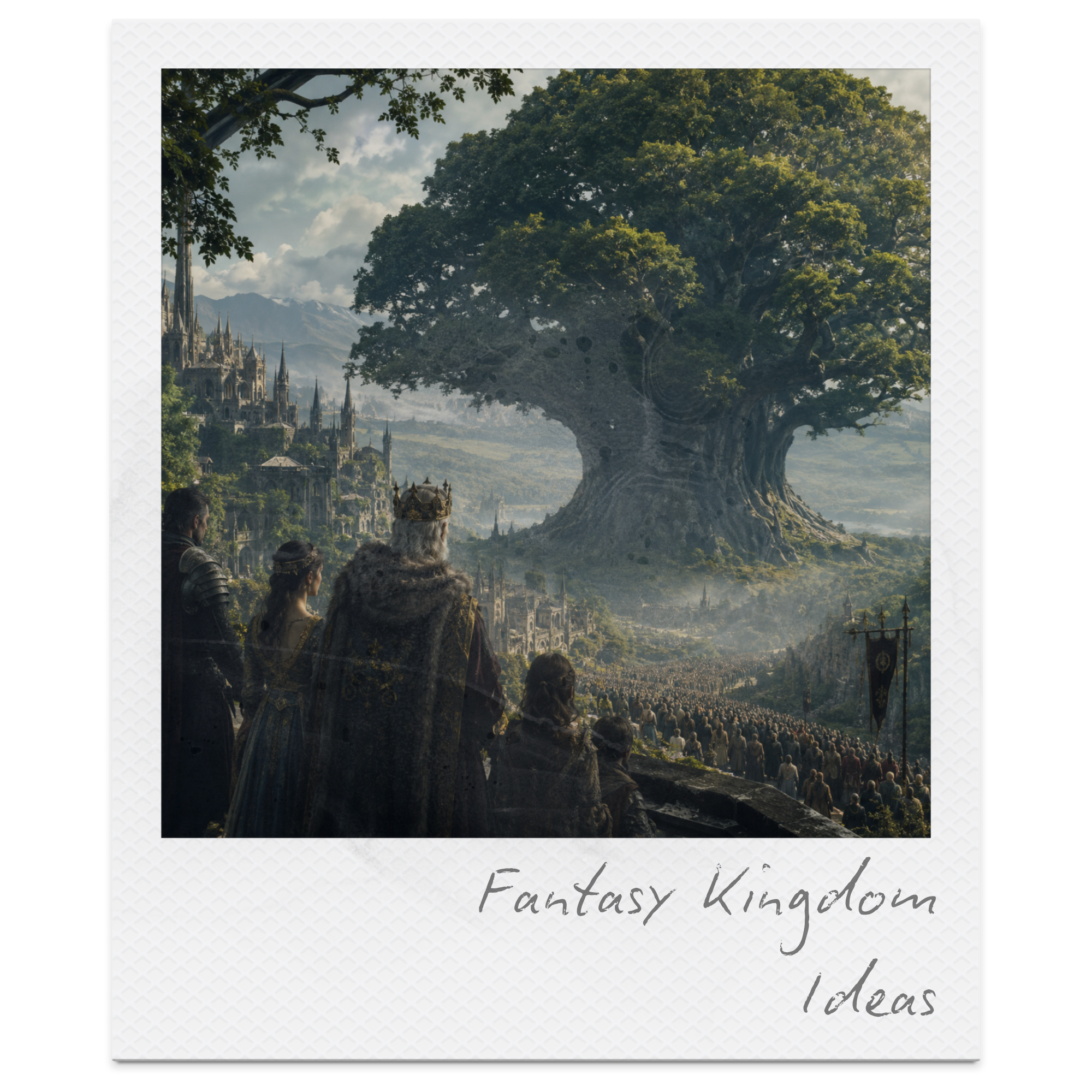
◆ Fantasy Kingdom Ideas – enchanted realms, dangerous royal courts, cursed kingdoms, forest realms, frozen strongholds, underwater kingdoms, desert cities, celestial lands, forgotten civilisations and strange magical worlds, with story ideas to inspire fantasy plots, characters and immersive worldbuilding.
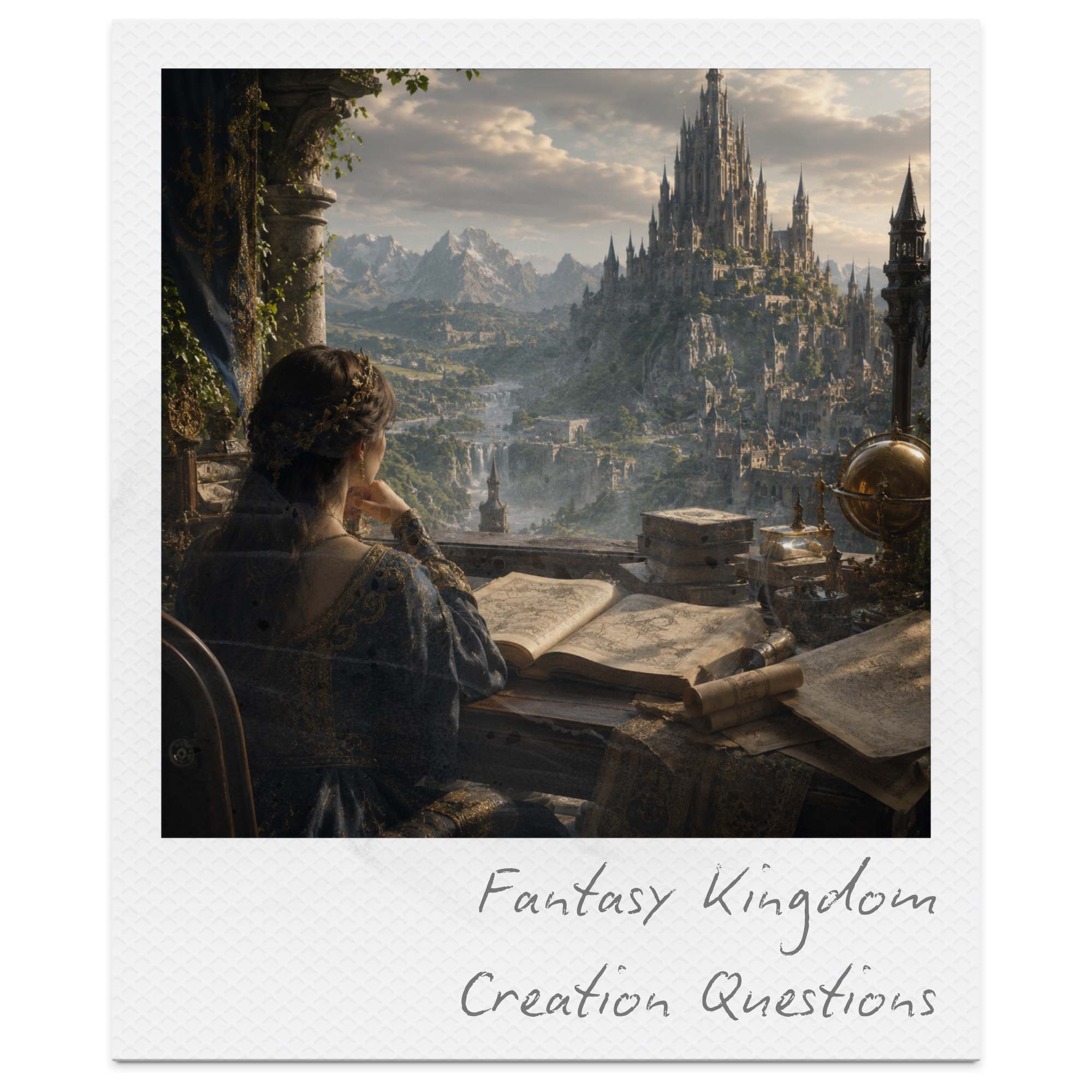
◆ Fantasy Kingdom Worldbuilding Questions – 100 questions covering kingdom identity, geography, monarchy, royal succession, society, culture, religion, magic, trade, history, war, neighbouring realms, secrets and conflict, designed to help writers create believable fantasy kingdoms filled with depth and story potential.
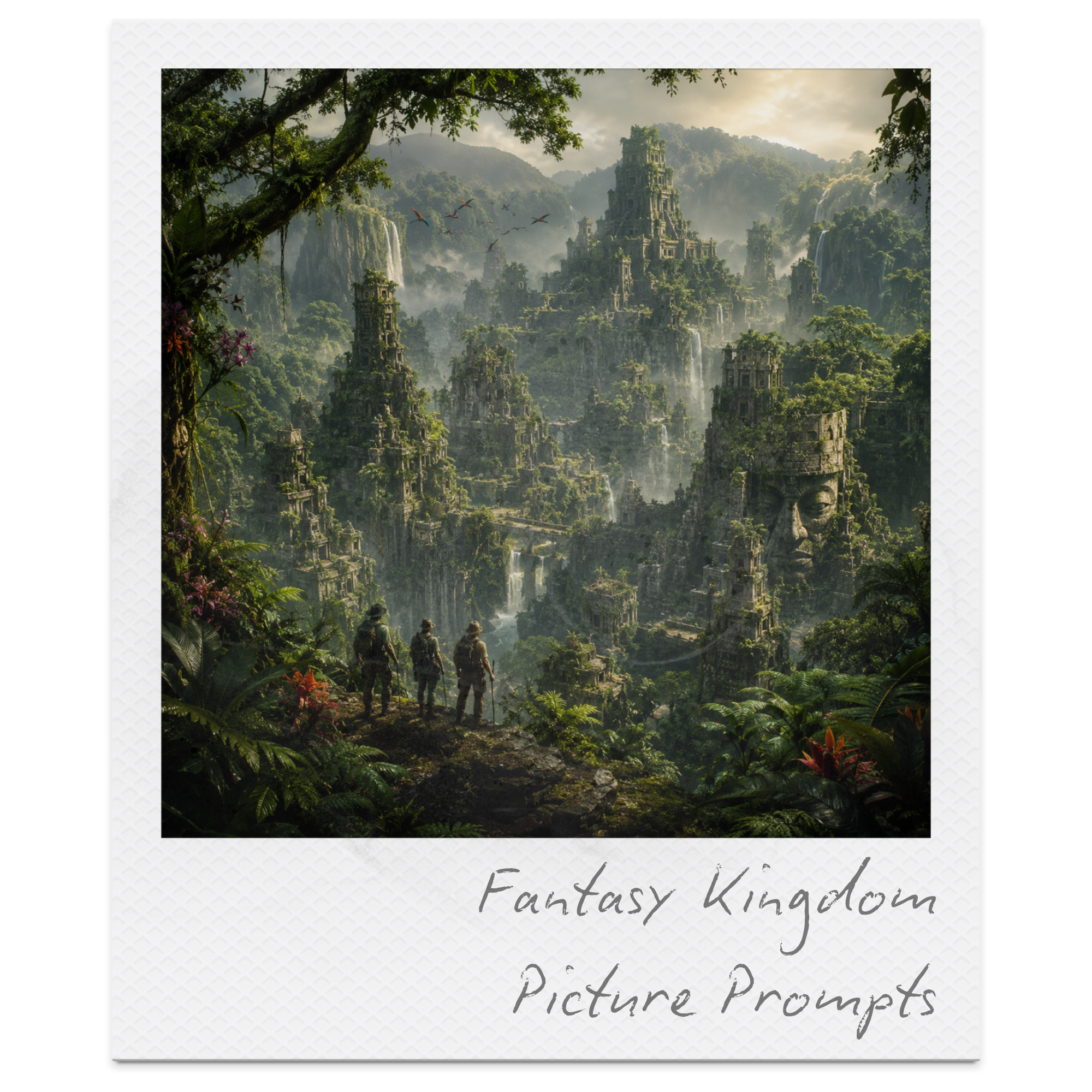
◆ Fantasy Kingdom Picture Prompts – magical kingdoms above the clouds, beneath the sea, hidden in jungles, carved into mountains and built at the edge of the world, with visual writing questions, story ideas and worldbuilding inspiration to help writers turn imaginative fantasy realms into original stories.
◆ Fantasy Magic Worldbuilding Questions – explore the source and nature of magic, magical abilities, training and education, costs and limitations, laws and forbidden practices, religion, wealth and inequality, warfare, political power, magical creatures, everyday life and the future of magic to build a deeper, more believable fantasy magic system.
◆ Fantasy Kingdom History Ideas – ancient wars, fallen dynasties, royal succession crises, rebellions, magical catastrophes, golden ages, conquests, lost cities, forgotten civilisations, political betrayals and buried secrets to help you create a rich and believable history for your fantasy kingdom.
◆ Fantasy History Worldbuilding Questions – explore ancient civilisations, royal dynasties, wars, rebellions, magic, religion, disasters, golden ages, lost knowledge and historical secrets with 100 questions designed to help you build a rich and believable past for your fantasy world.
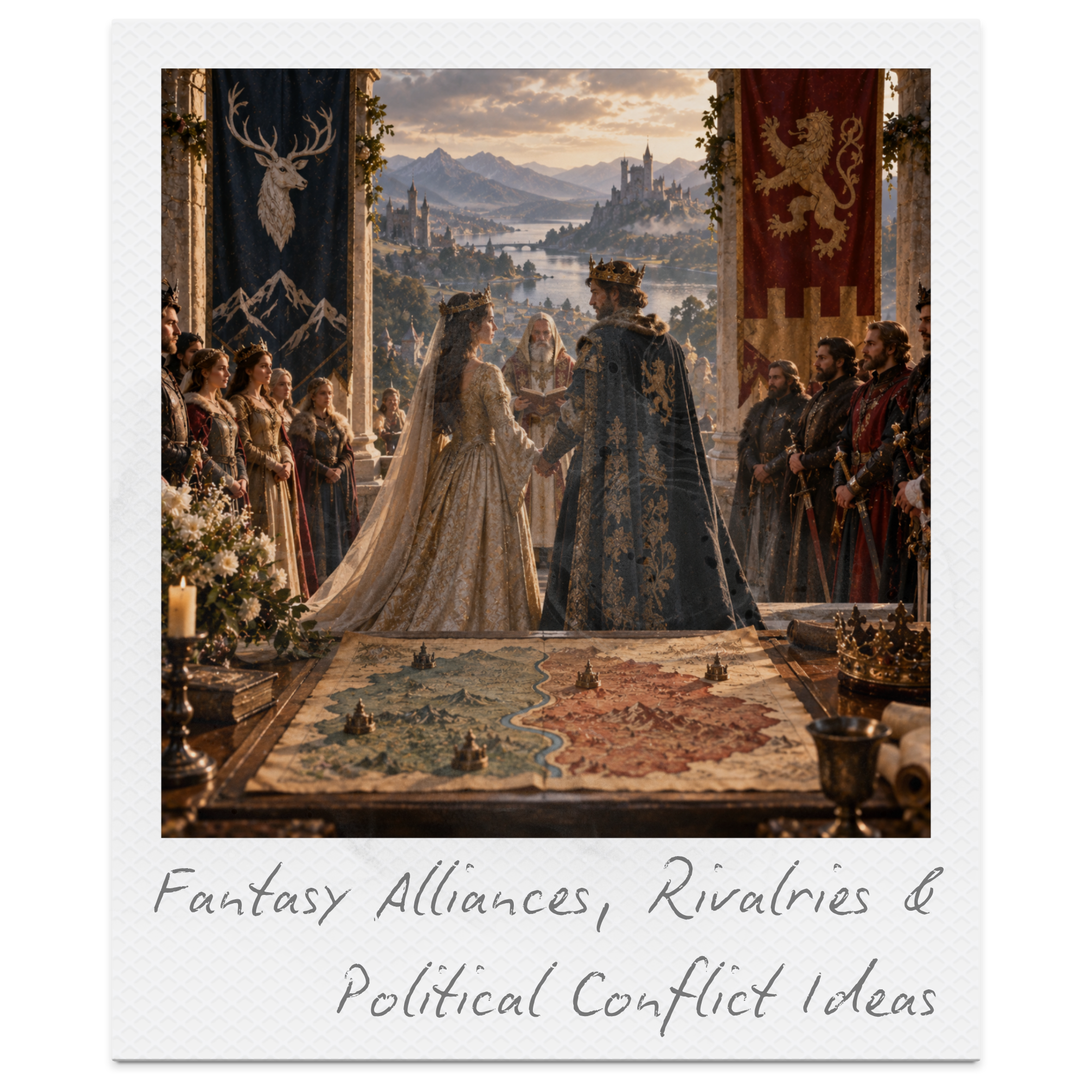
◆ Fantasy Alliances, Rivalries & Political Conflict Ideas – explore 100 political conflicts for fantasy kingdoms, noble houses and factions, including marriage alliances, ancient rivalries, succession disputes, secret treaties, betrayals, rebellions, shifting loyalties and fragile peace agreements, each with three story ideas for deeper fantasy worldbuilding.
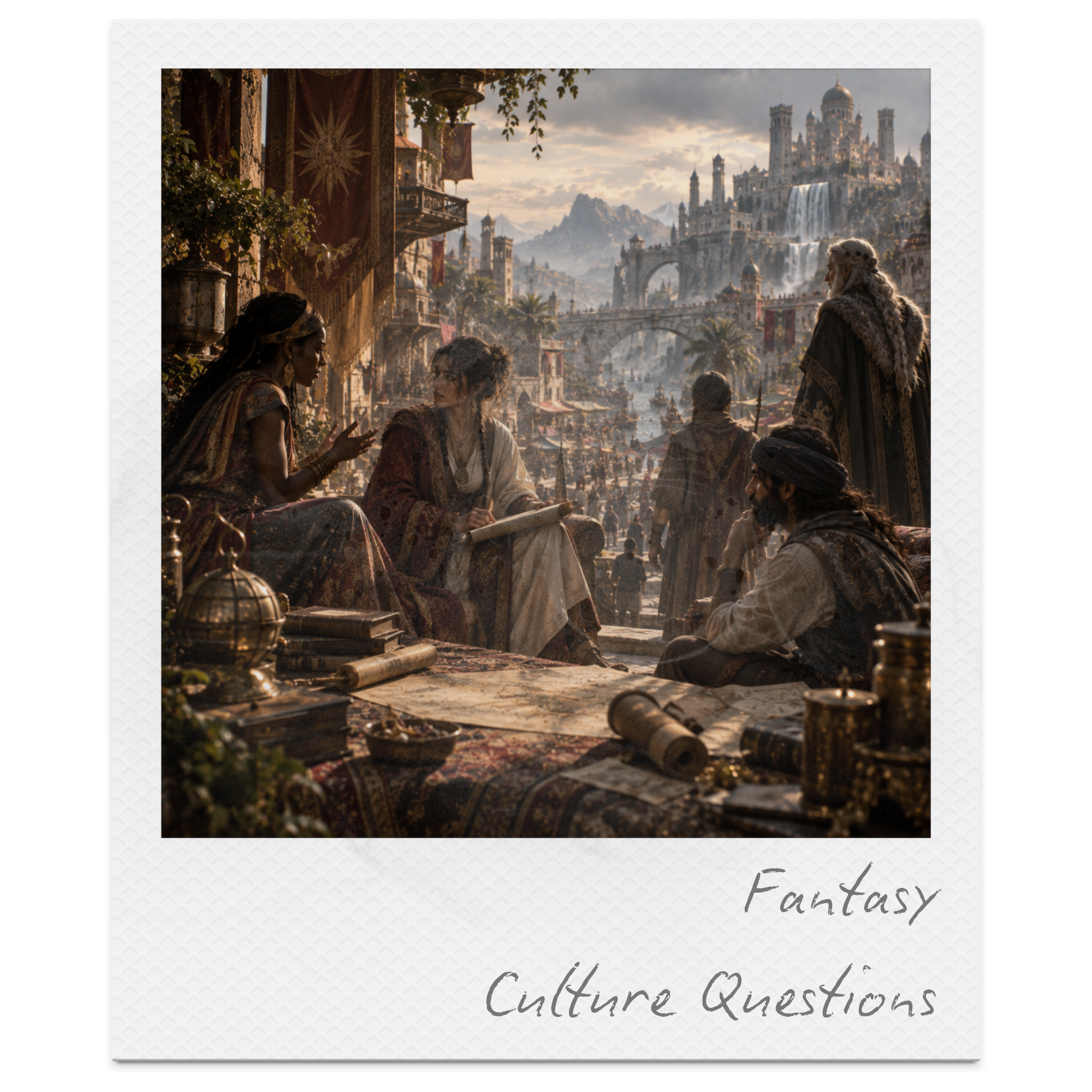
◆ Fantasy Culture Worldbuilding Questions – questions to help you create rich and believable fantasy cultures, exploring values, family, social structure, customs, everyday life, religion, art, traditions, laws, cultural conflict, outsiders and change.
Fantasy Storyworld Archives
Step inside richly imagined fantasy kingdoms through beautifully illustrated collections of fictional documents, historical records, mysterious artefacts and forgotten histories. The Ink & Insights Storyworld Archives invite you to explore worlds shaped by royal dynasties, political intrigue, ancient prophecies, powerful families and secrets buried beneath generations of history.
Unlike traditional writing prompts, these immersive digital collections allow you to investigate a fictional world through the evidence its inhabitants have left behind. Examine royal correspondence, study family trees, uncover conflicting accounts and piece together the events that shaped a kingdom. Each archive offers inspiration for fantasy writing, character development, political conflict, historical worldbuilding and original storytelling.
Explore the collections below:
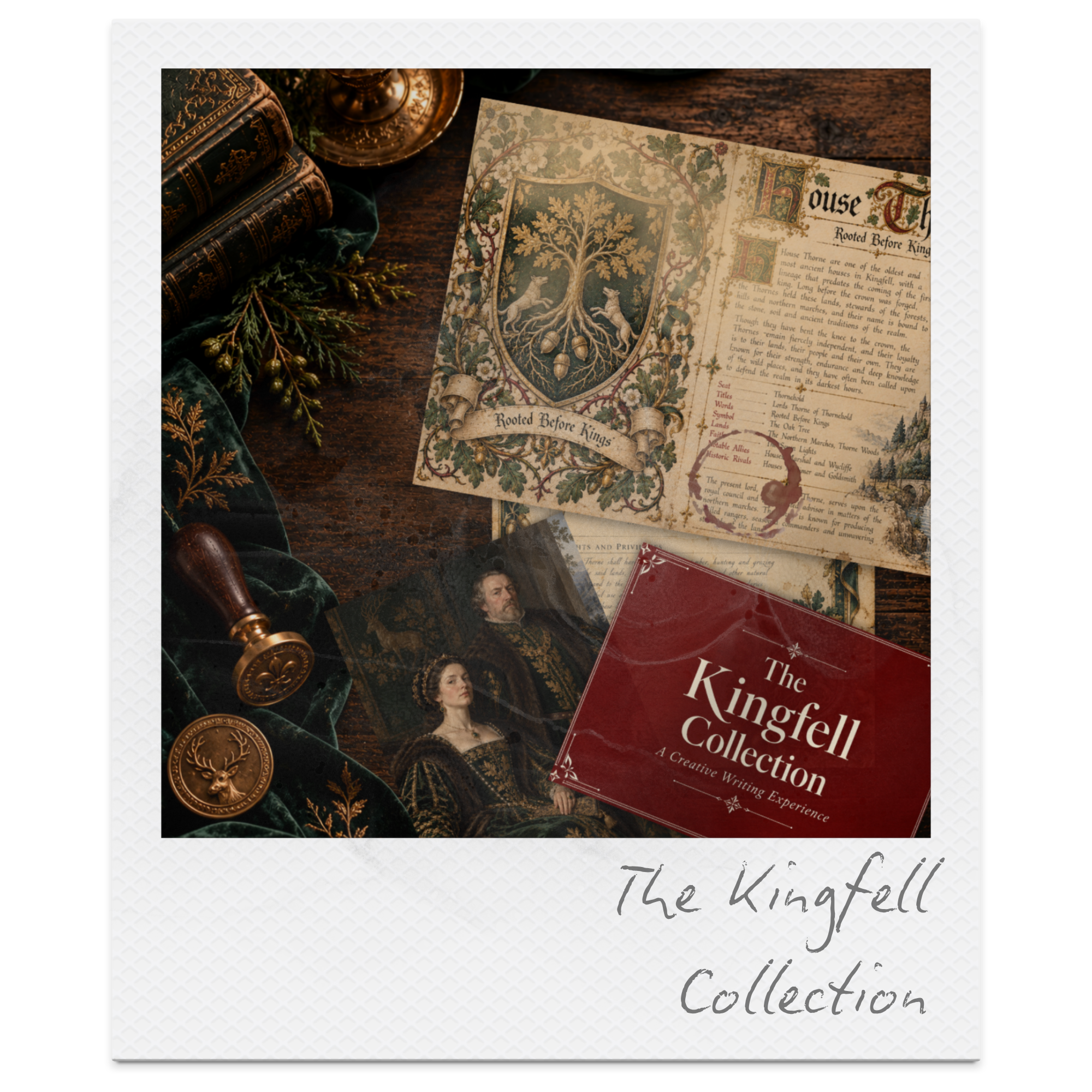
◆ The Kingfell Collection – medieval fantasy kingdoms, rival noble houses, royal succession, ancient prophecies, political betrayals, mysterious disappearances and forgotten histories, where the surviving records of a vanished young queen reveal a kingdom built upon secrets.
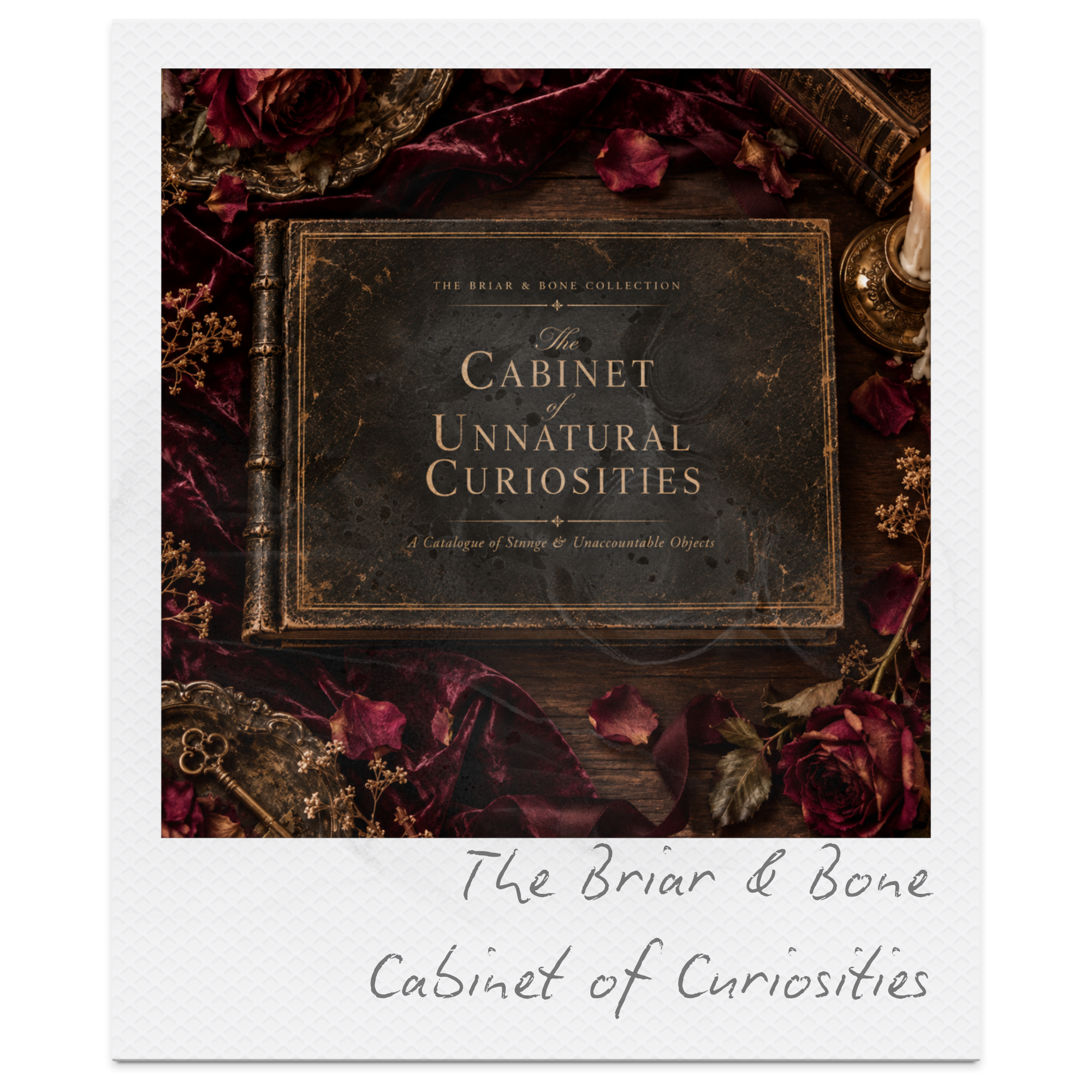
◆ Briar & Bone: The Cabinet of Unnatural Curiosities – discover enchanted objects, peculiar magical artefacts and forgotten treasures from a fictional kingdom, offering inspiration for fantasy worldbuilding, supernatural mysteries and original stories.
Fantasy Settings & Landscapes
Explore the extraordinary places where fantasy stories unfold, from enchanted forests, mountain kingdoms and frozen wildernesses to tropical islands, underwater worlds, ancient villages and impossible cities. Setting can shape everything from the atmosphere of a story to the cultures, conflicts, journeys and magic that develop within it.
Use these fantasy setting and landscape resources to discover new locations, name the places within your world and explore how geography influences the people who live there. Whether you're creating a single mysterious village or mapping an entire continent, every landscape offers new possibilities for worldbuilding and story.
Inside this section:
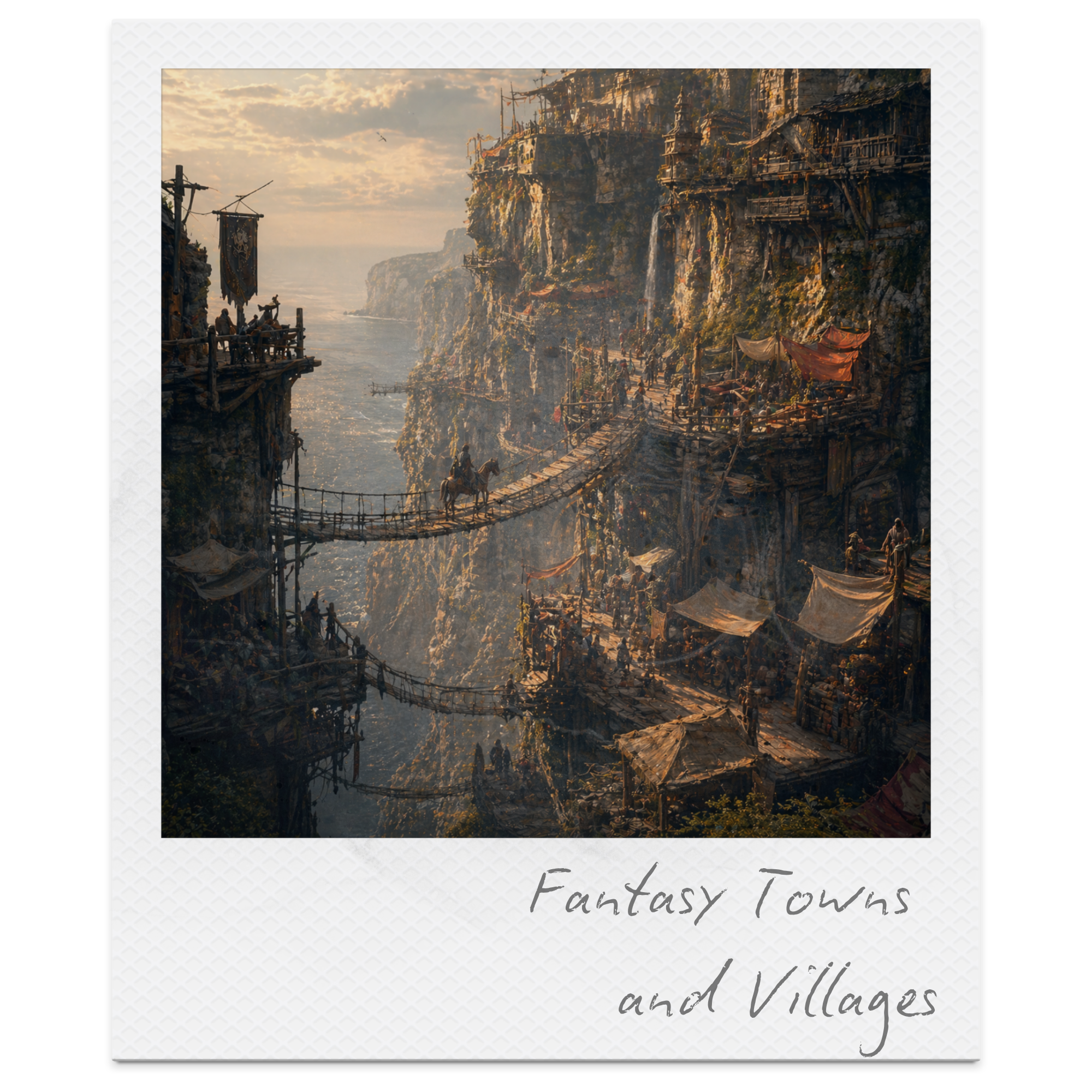
◆ Fantasy Towns & Villages – intimate communities shaped by tradition, memory, and unspoken rules, where close-knit lives unfold within layered histories, hidden tensions, and shifting realities, as residents navigate belonging, secrecy, and the quiet power structures that define life in small, self-contained worlds
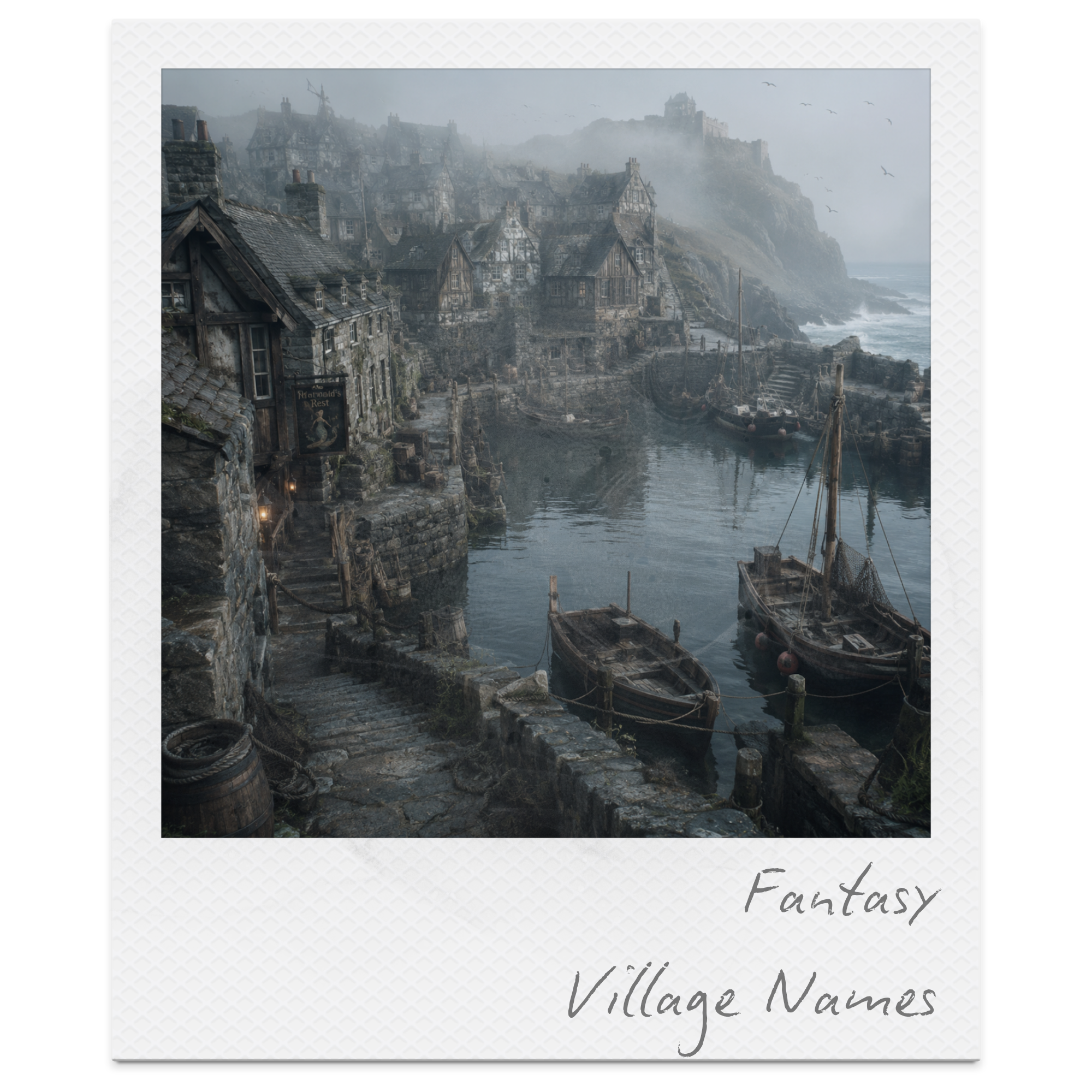
◆ Fantasy Village Names – original fantasy village names inspired by ancient hamlets, enchanted woodland settlements, mountain communities, riverside villages, coastal harbours, magical enclaves, prosperous market towns, snowy northern outposts, and fairytale storybook villages.
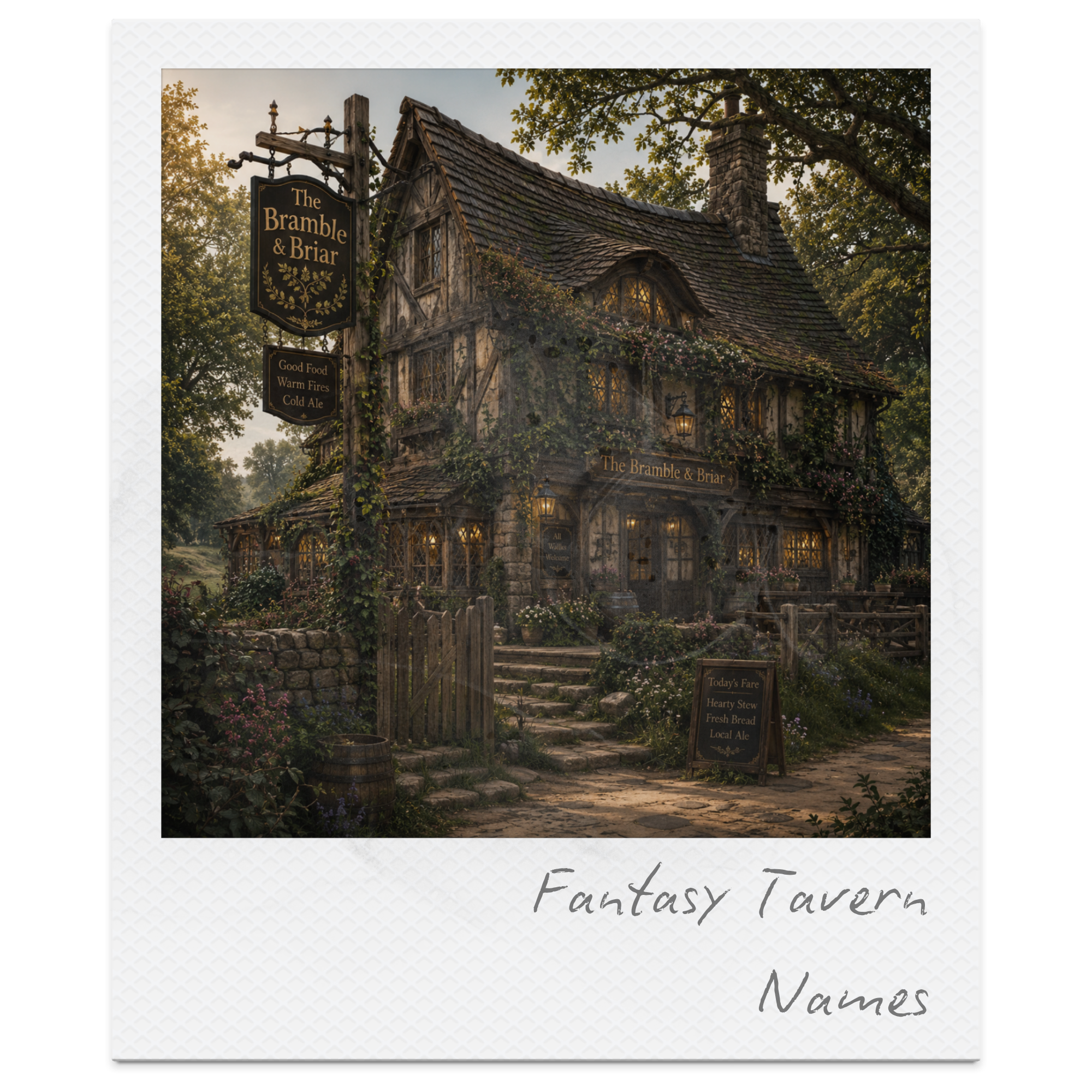
◆ Fantasy Tavern Names – cozy village inns, legendary gathering places, magical taverns, frontier outposts, royal establishments, and dark fantasy alehouses, helping writers create memorable locations rich with atmosphere, history, local folklore, character interactions, and worldbuilding potential.
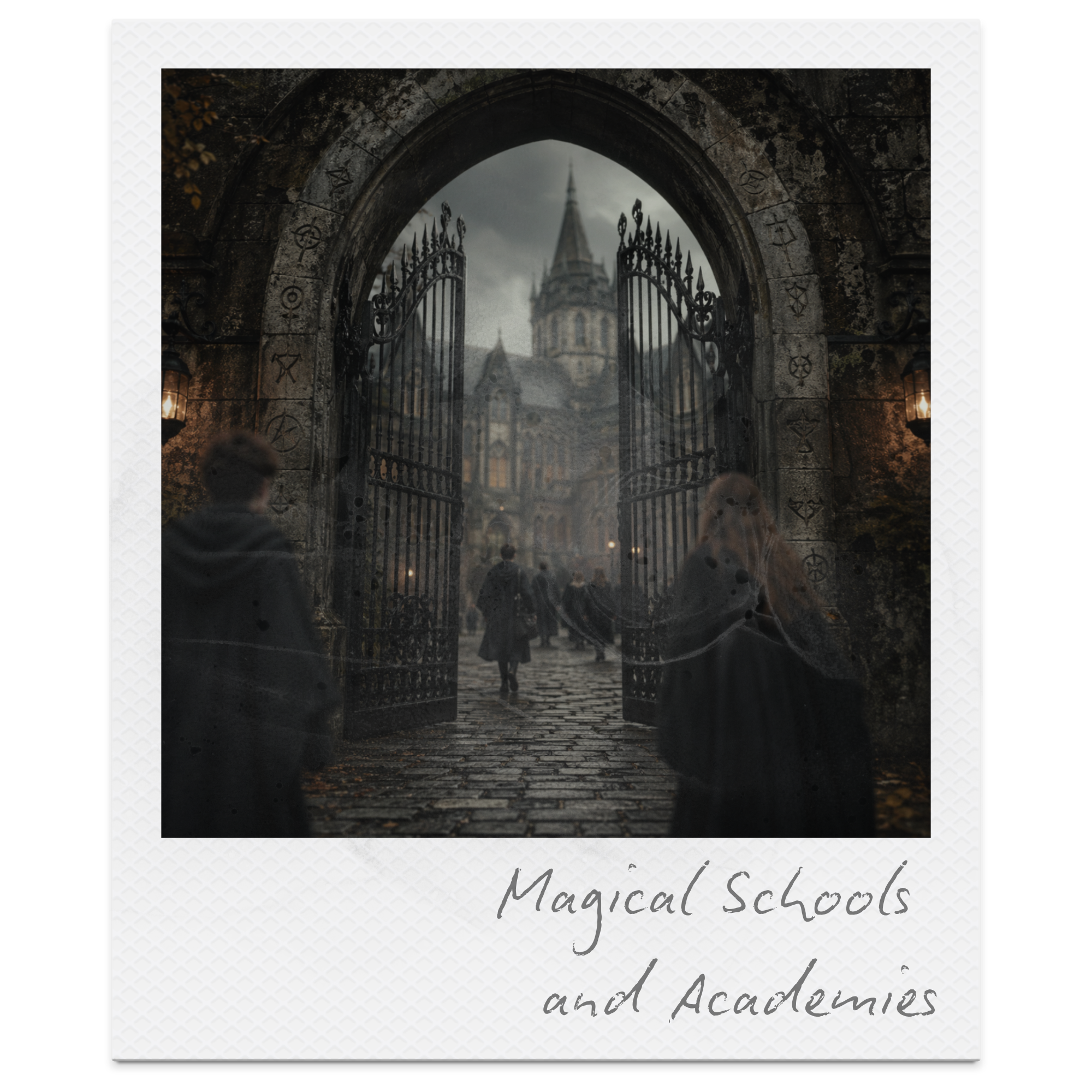
◆ Magical Schools & Academies – hidden institutions shaped by knowledge, hierarchy, and control, where students are tested through rigid systems, secret traditions, and forbidden learning, navigating rivalry, ambition, and the dangerous consequences of power within closed worlds
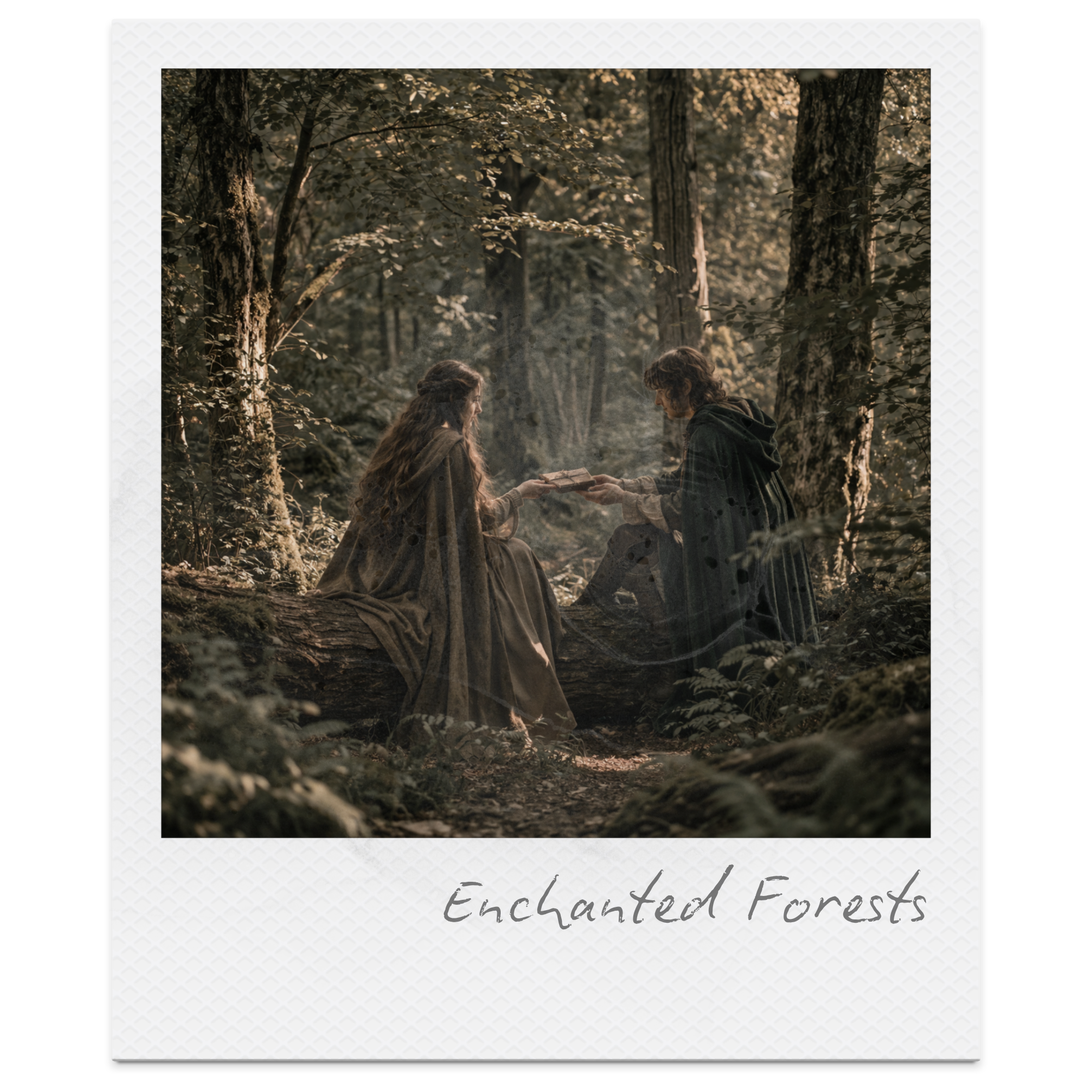
◆ Enchanted Forests – magical landscapes shaped by hidden rules, transformation, and the unknown, where paths shift, time behaves unpredictably, and characters encounter forces that test choice, identity, and consequence
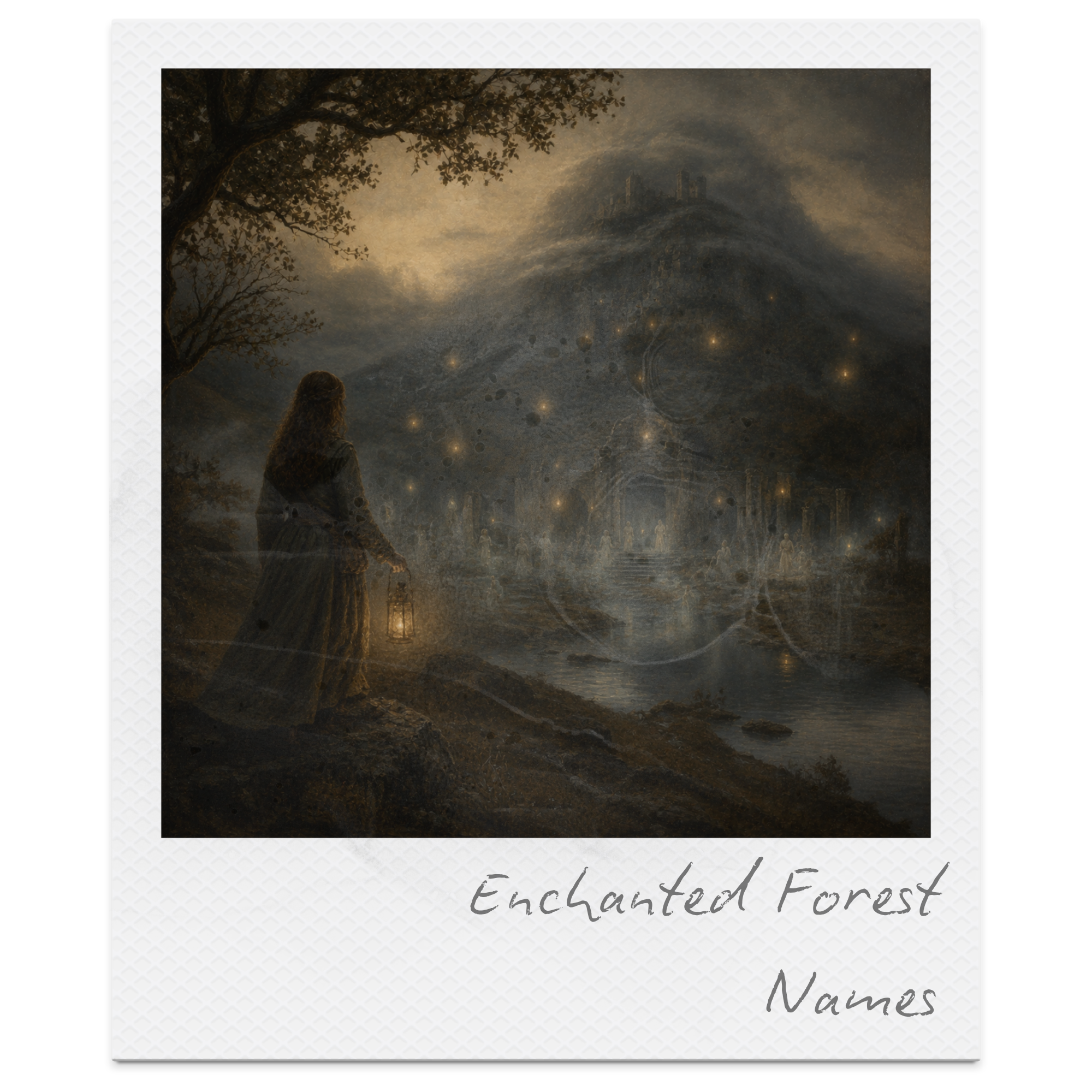
◆ Enchanted Forest Names – original enchanted forest names paired with rich story ideas and worldbuilding inspiration exploring ancient woodlands, fairy forests, sacred groves, cursed woods, hidden kingdoms, magical rivers, celestial canopies, mythical guardians, living forests, and timeless legends, helping writers create unforgettable settings for fantasy novels, fairytale retellings, folklore-inspired fiction, tabletop RPGs, and magical adventures.
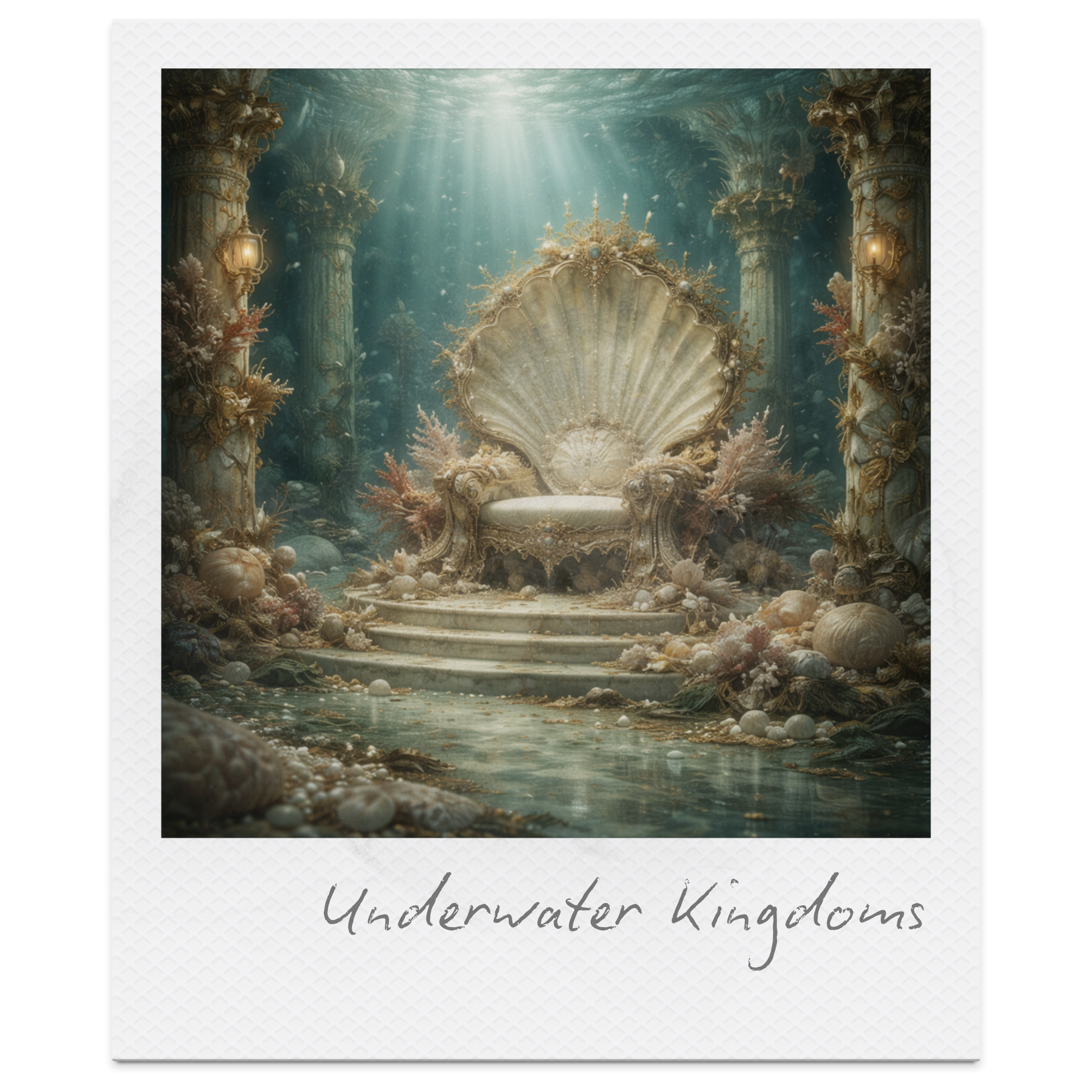
◆ Underwater Worlds – submerged landscapes shaped by pressure, silence, and the unknown, where hidden kingdoms, sunken ruins, and ocean depths transform identity, power, and survival, and characters must navigate forces that shift, conceal, and reshape reality beneath the surface
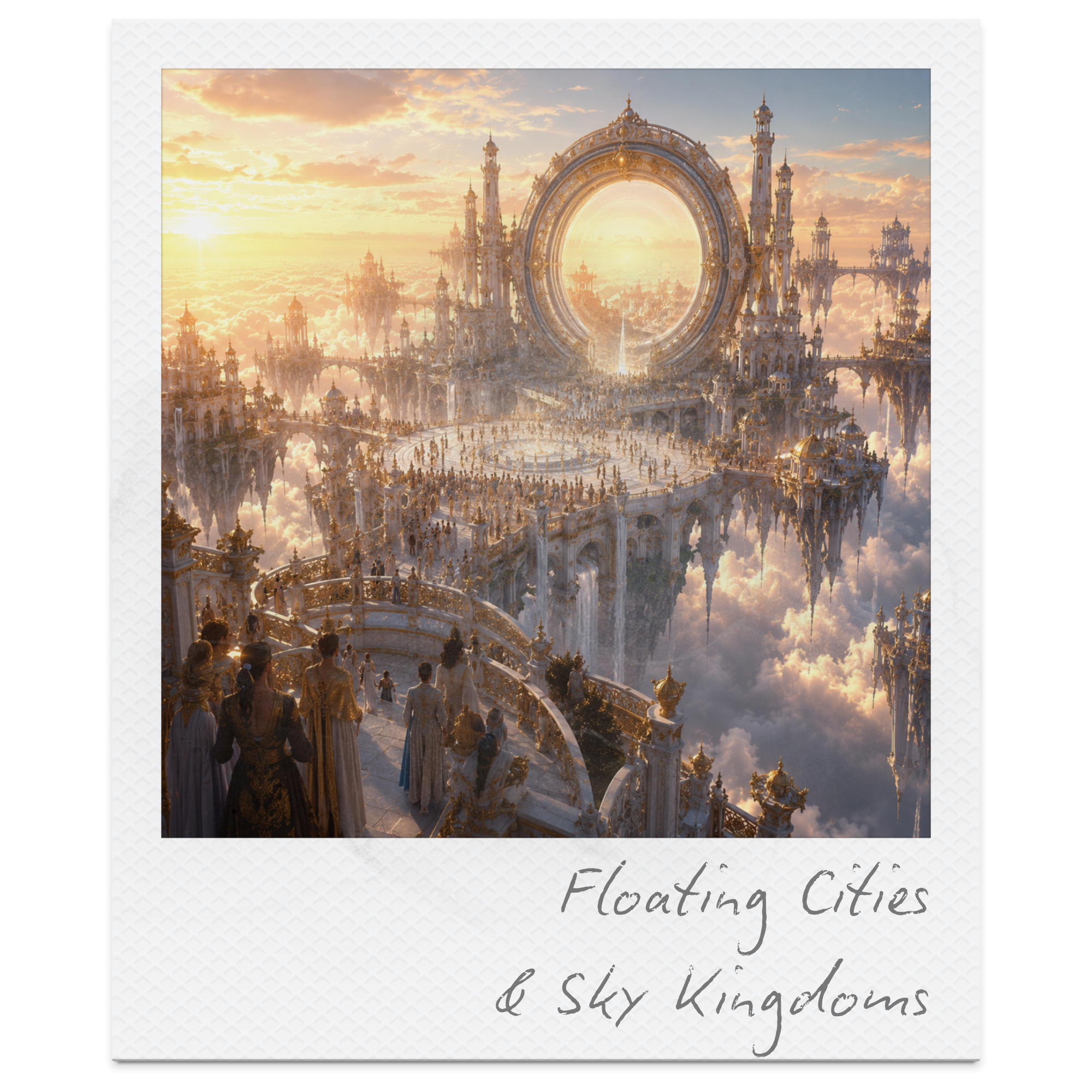
◆ Floating Cities & Sky Kingdoms – airborne realms shaped by altitude, freedom, and fragile balance, where cloud kingdoms, drifting islands, skyships, and ancient powers redefine politics, survival, and exploration, and characters must navigate a world suspended between earth and sky.
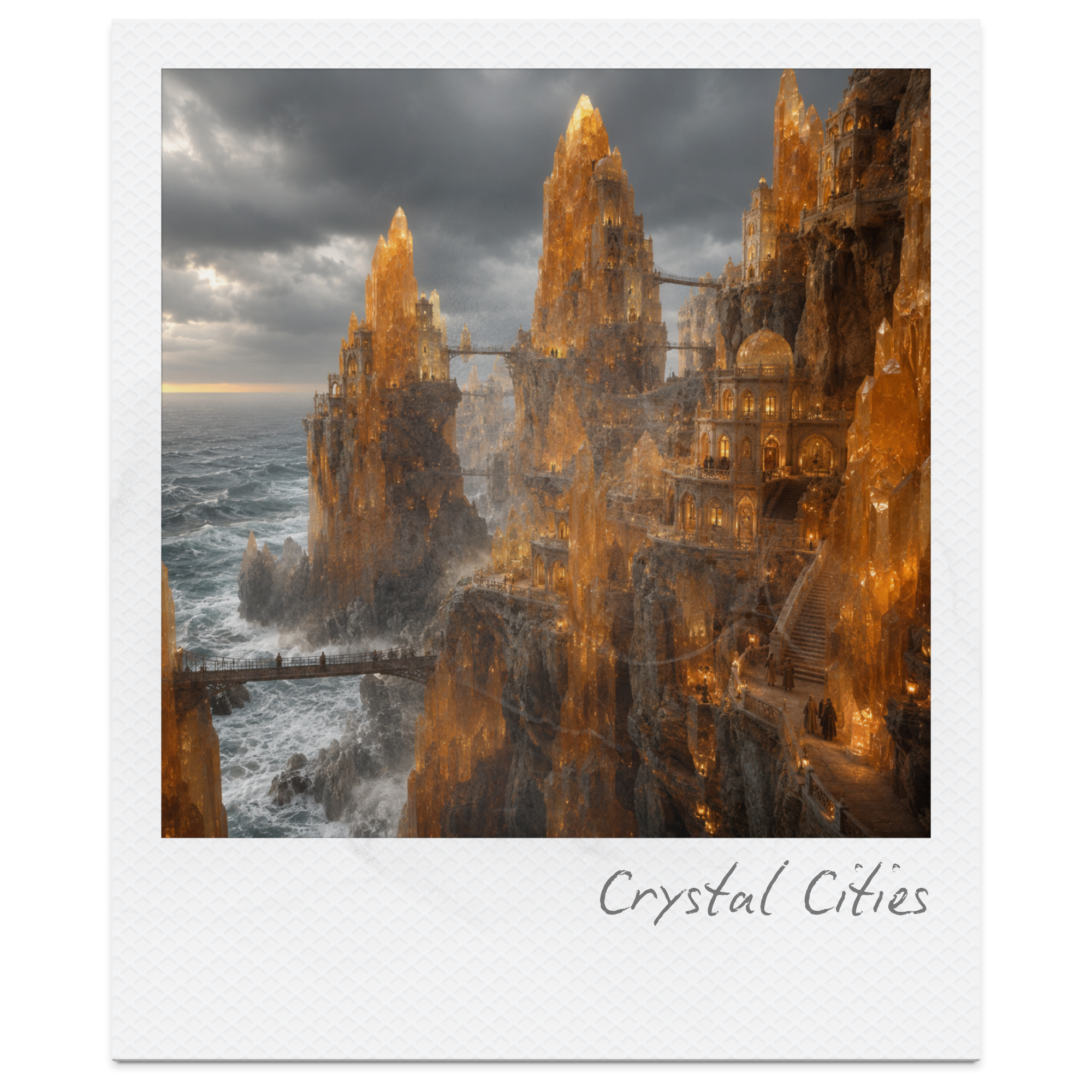
◆ Crystal Cities – shimmering gemstone kingdoms, soaring prism towers, underground crystal caverns, sapphire palaces, glowing quartz forests, geode cathedrals, suspended crystal bridges, ancient observatories, hidden subterranean realms, and breathtaking crystalline architecture, helping writers create spectacular fantasy worlds centred on wonder, discovery, forgotten civilisations, extraordinary craftsmanship, hidden magic, and the timeless beauty of the natural world.
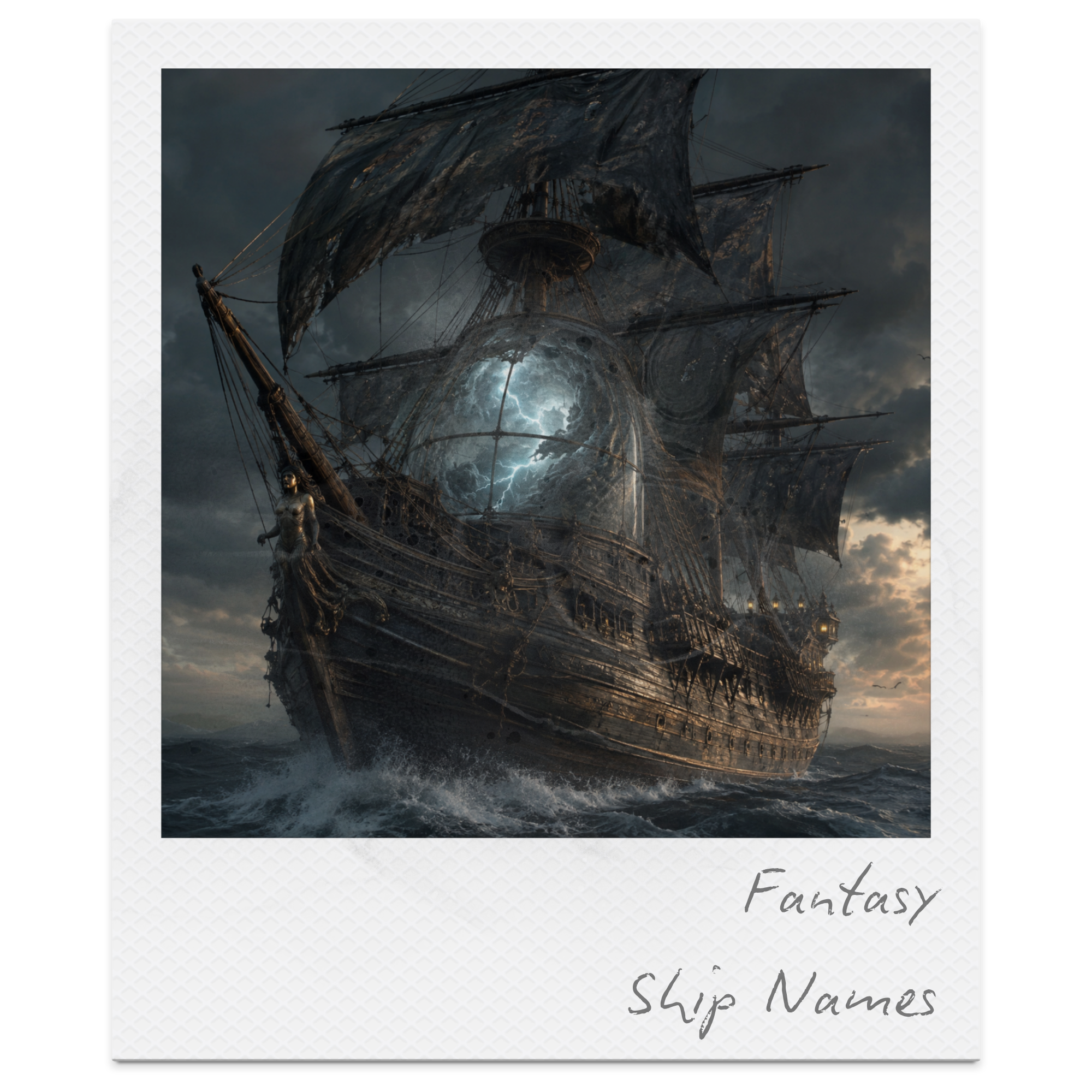
◆ Fantasy Ship Names – magical vessels, pirate ships, royal flagships, legendary explorers, elven craft, skyships, mythical creature-inspired ships and mysterious names, each with meanings and story ideas to inspire fantasy adventures and worldbuilding.
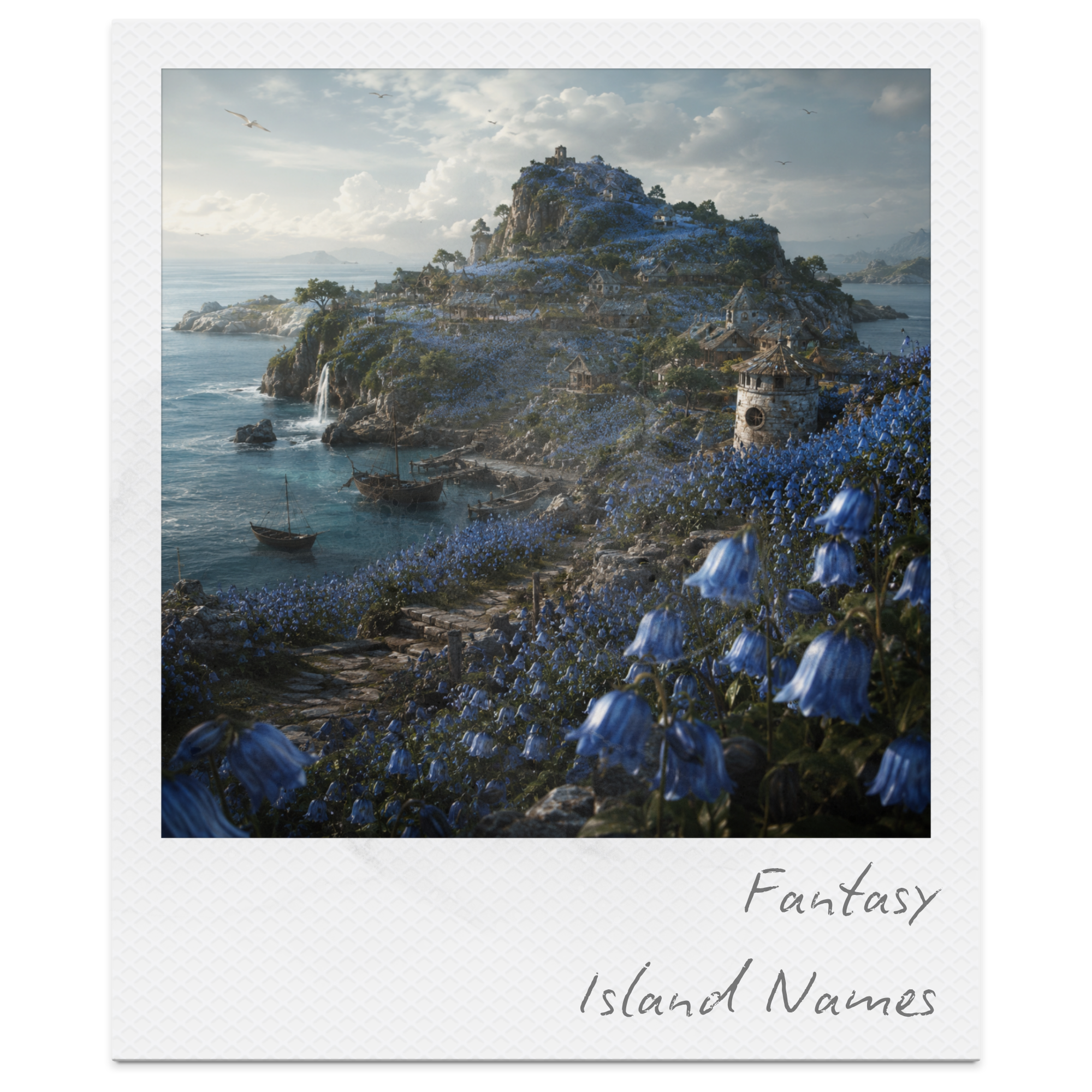
◆ Fantasy Island Names – enchanted islands, pirate havens, cursed shores, royal island kingdoms, tropical paradises, volcanic landscapes, mythical creatures, floating islands, forgotten civilisations and mysterious lands, with meanings and story ideas to inspire fantasy adventures and immersive worldbuilding.
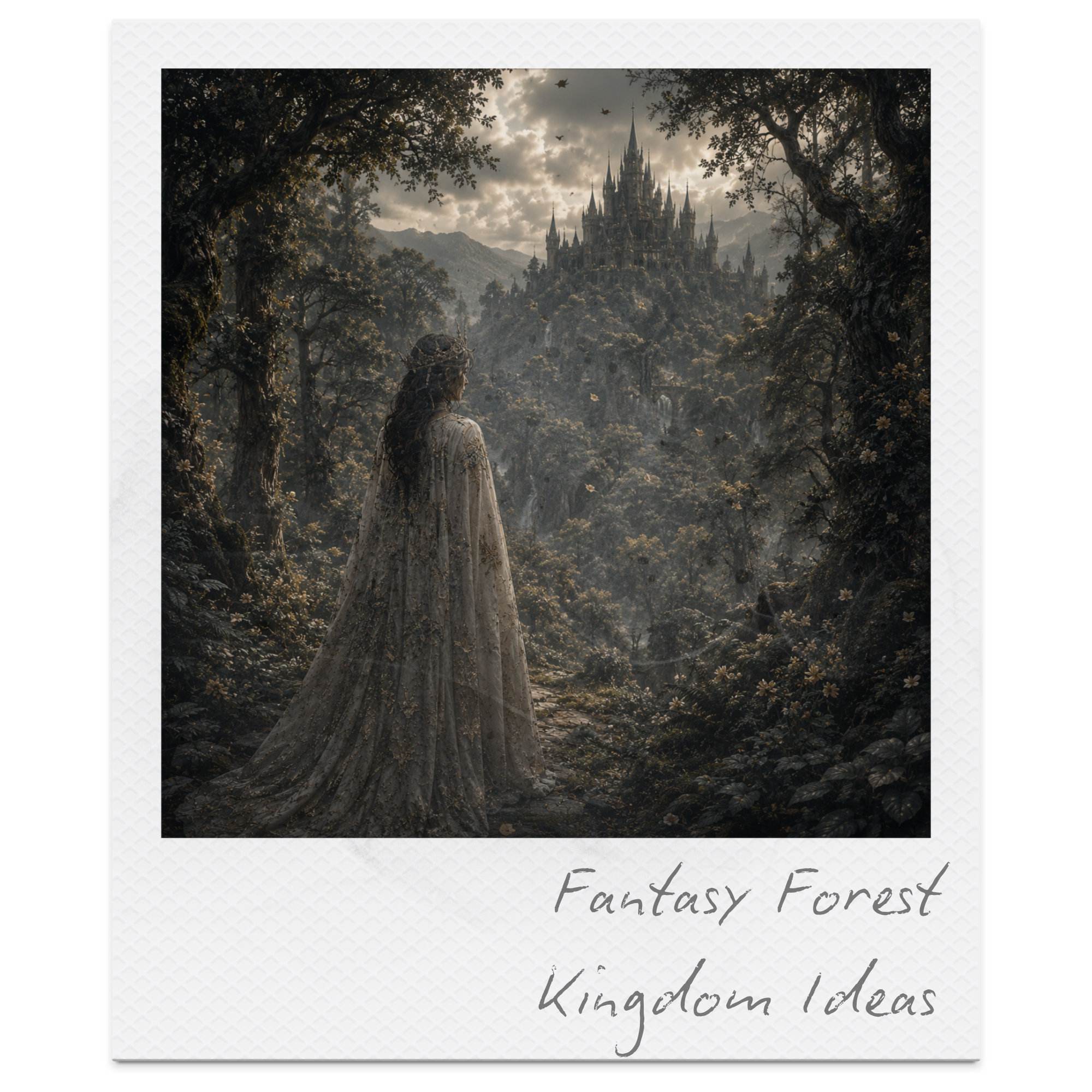
◆ Fantasy Forest Kingdom Ideas – enchanted woodland realms, ancient forest civilisations, hidden kingdoms, fae courts, cursed woods, magical tree cities, seasonal forests, forgotten ruins and unusual woodland worlds, with story ideas and worldbuilding inspiration for creating immersive fantasy forest kingdoms.
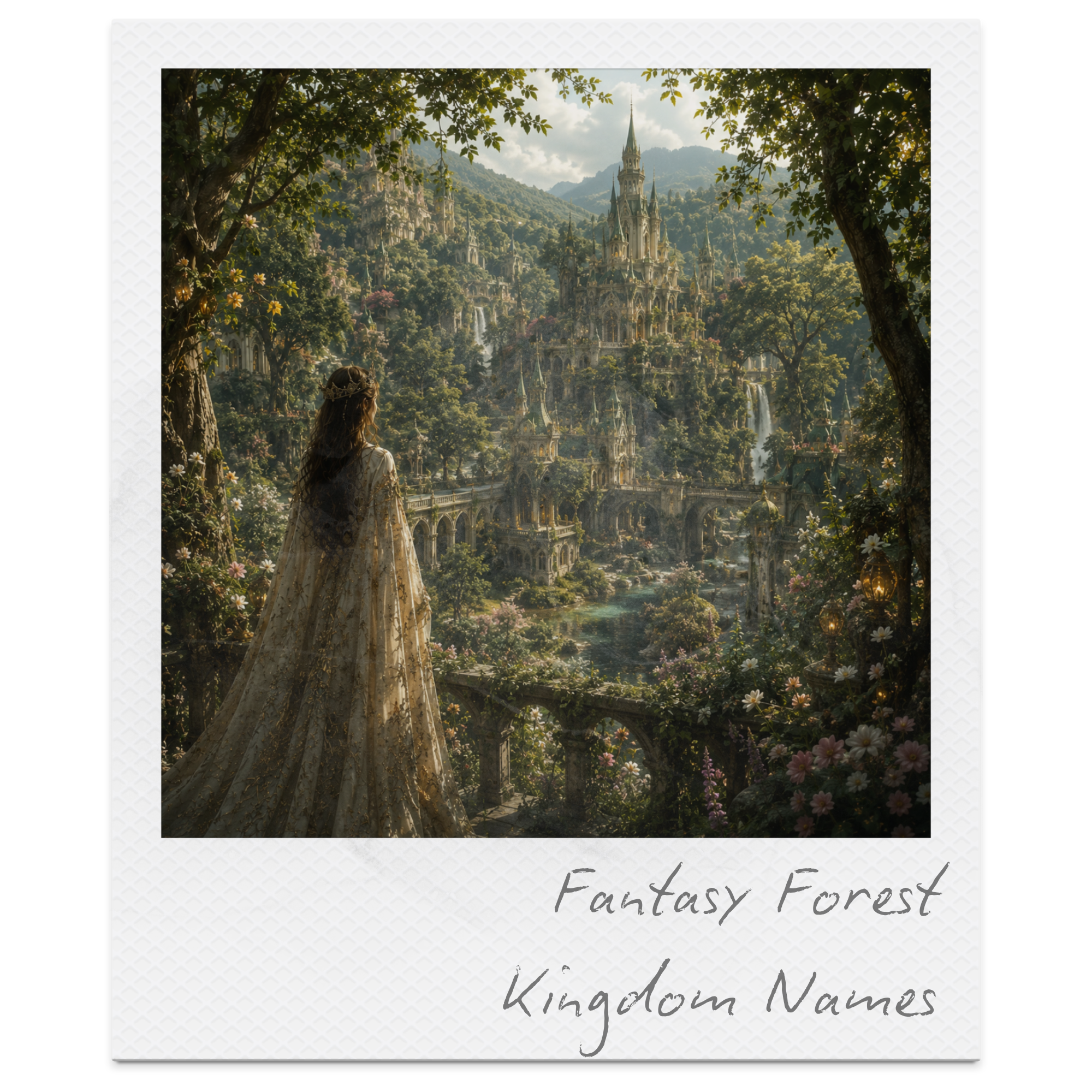
◆ Fantasy Forest Kingdom Names – enchanted forest kingdoms, ancient woodland realms, dark and cursed lands, fae courts, hidden kingdoms, canopy civilisations, wild forests, seasonal realms and forgotten territories, with meanings and story ideas to help writers name and develop magical woodland worlds.
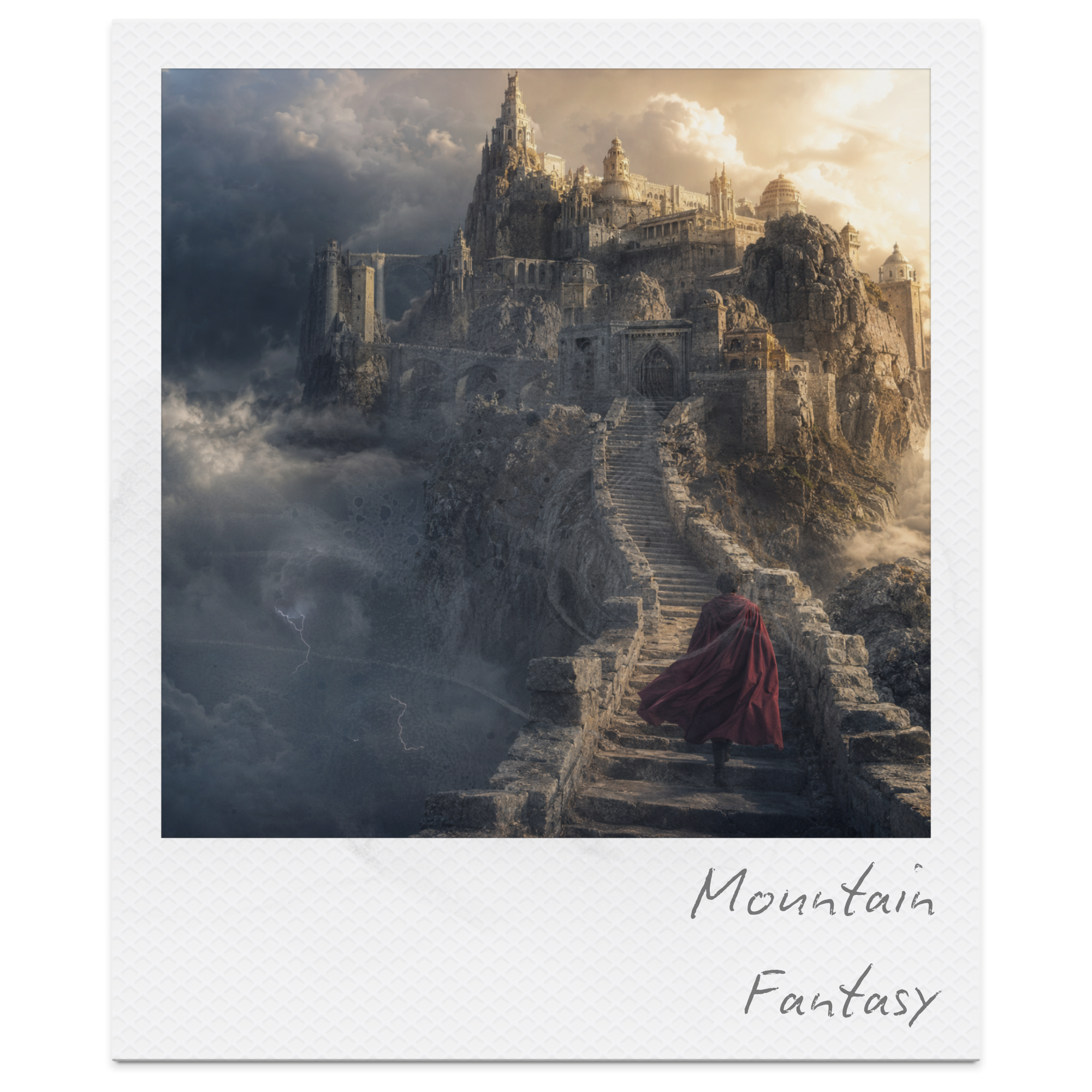
◆ Mountain Fantasy – mountain kingdoms, hidden valleys, snowy citadels, volcanic realms, ancient peaks, dangerous passes, magical landscapes and high-altitude adventures, with plot prompts, titles, opening and closing lines, characters, settings and picture prompts to inspire fantasy stories.
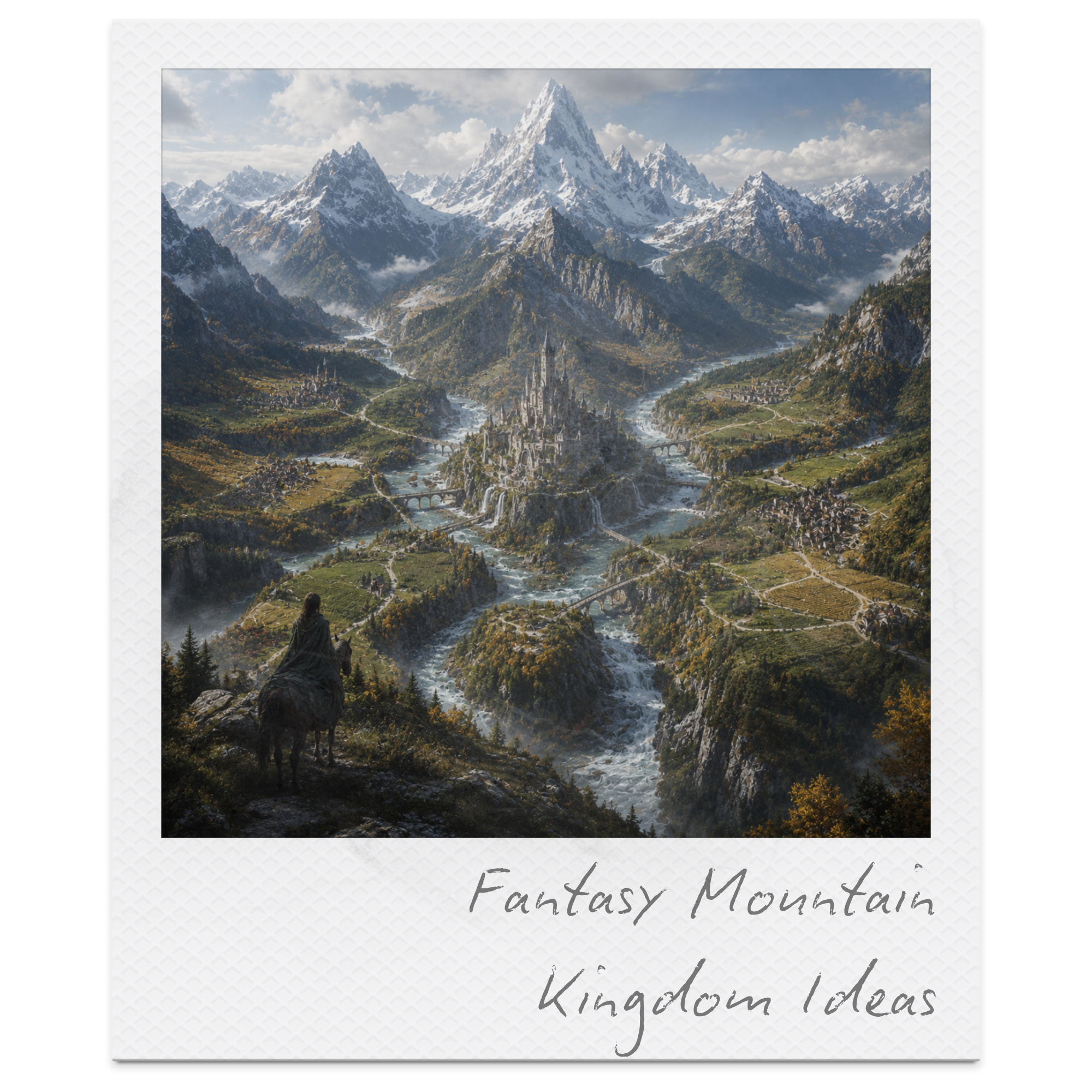
◆ Fantasy Mountain Kingdom Ideas – snowy alpine realms, volcanic kingdoms, red-rock citadels, forested peaks, frozen empires, cloud-top palaces, cliffside cities, sacred mountains, dangerous realms and impossible magical kingdoms, with detailed worldbuilding concepts and story ideas for fantasy writers.
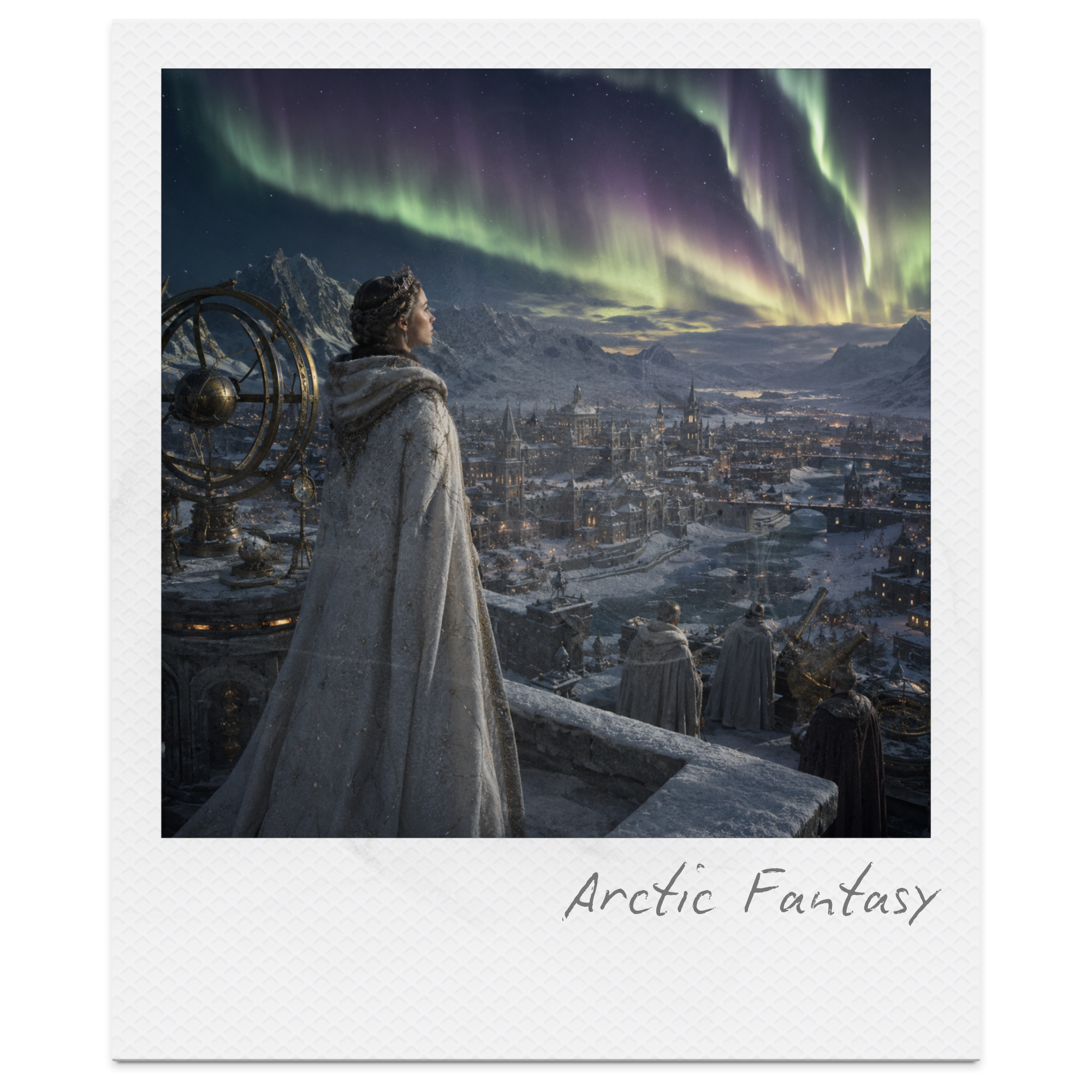
◆ Arctic Fantasy – frozen kingdoms, icebound cities, ancient glaciers, aurora magic, polar expeditions, mysterious northern landscapes, winter characters, opening lines, story titles and atmospheric picture prompts to inspire fantasy adventures in the far north.
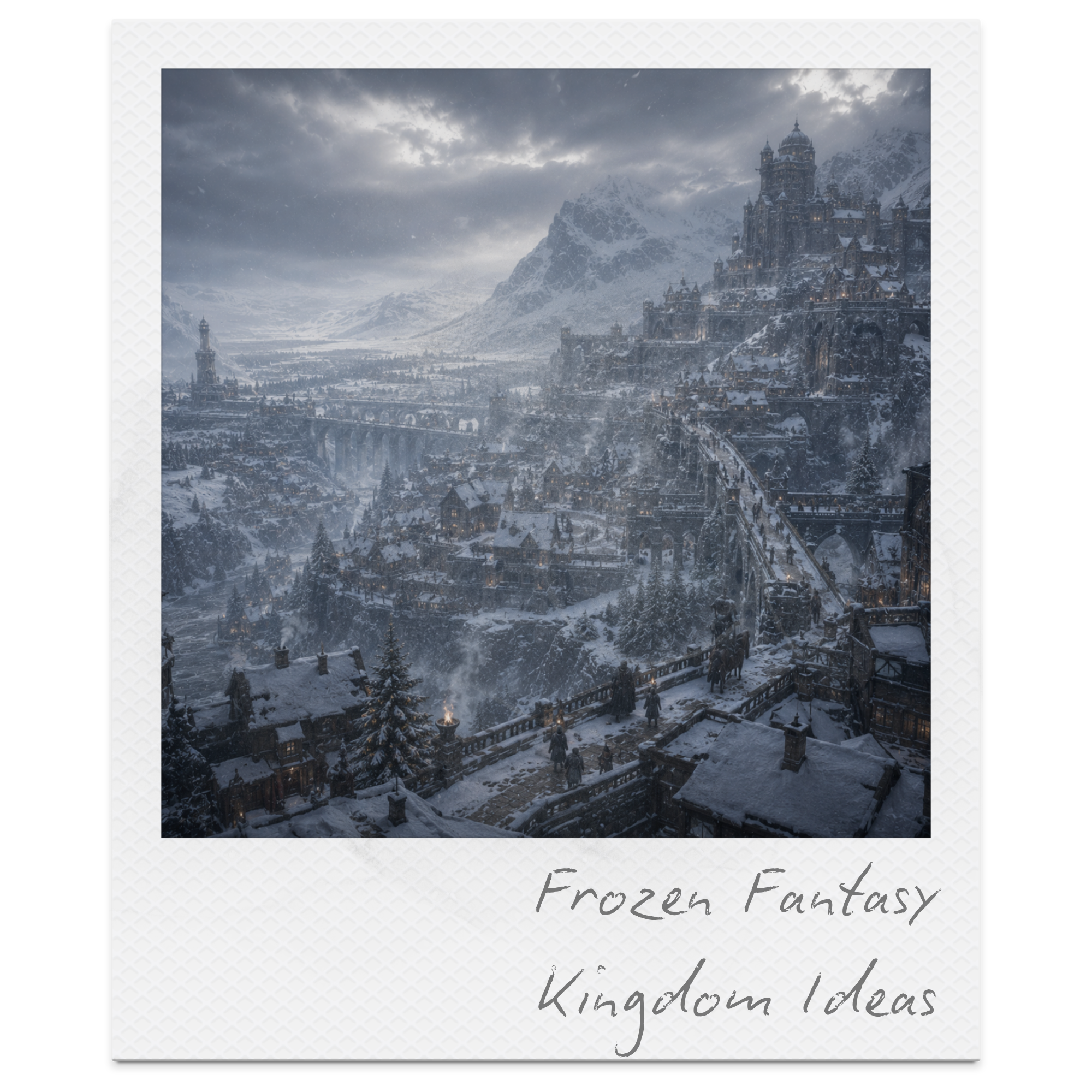
◆ Frozen Fantasy Kingdom Ideas – snowbound realms, glacier cities, frozen seas, aurora kingdoms, hidden winter valleys, travelling tundra civilisations, geothermal settlements, ancient folklore and impossible ice worlds, with three story possibilities for every kingdom to inspire fantasy worldbuilding.
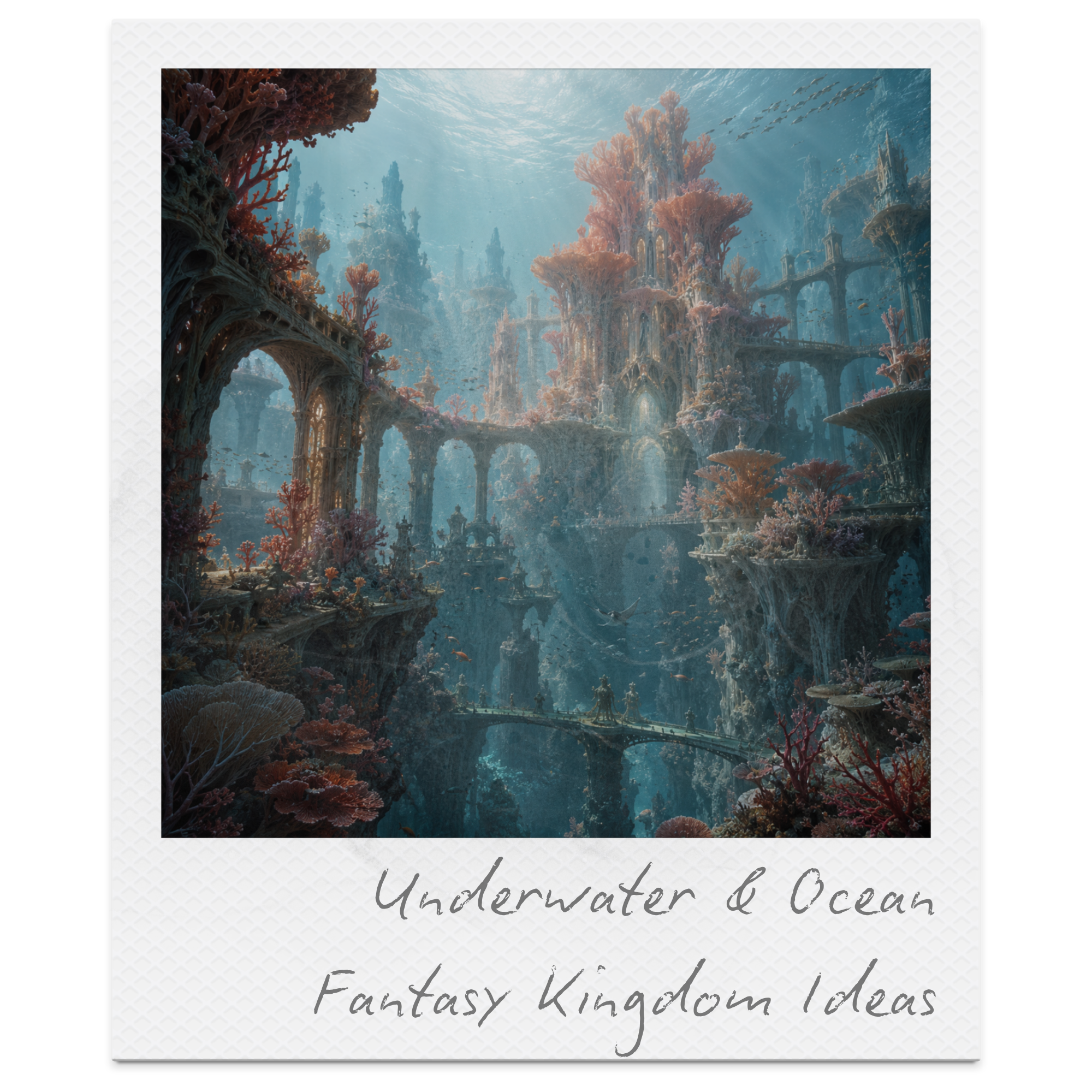
◆ Ocean & Underwater Fantasy Kingdom Ideas – living coral kingdoms, deep-sea empires, drowned cities, abyssal realms, island monarchies, floating kingdoms, frozen oceans, volcanic seas, magical tides and impossible underwater worlds, with three story ideas for every kingdom to inspire fantasy writing and immersive worldbuilding.
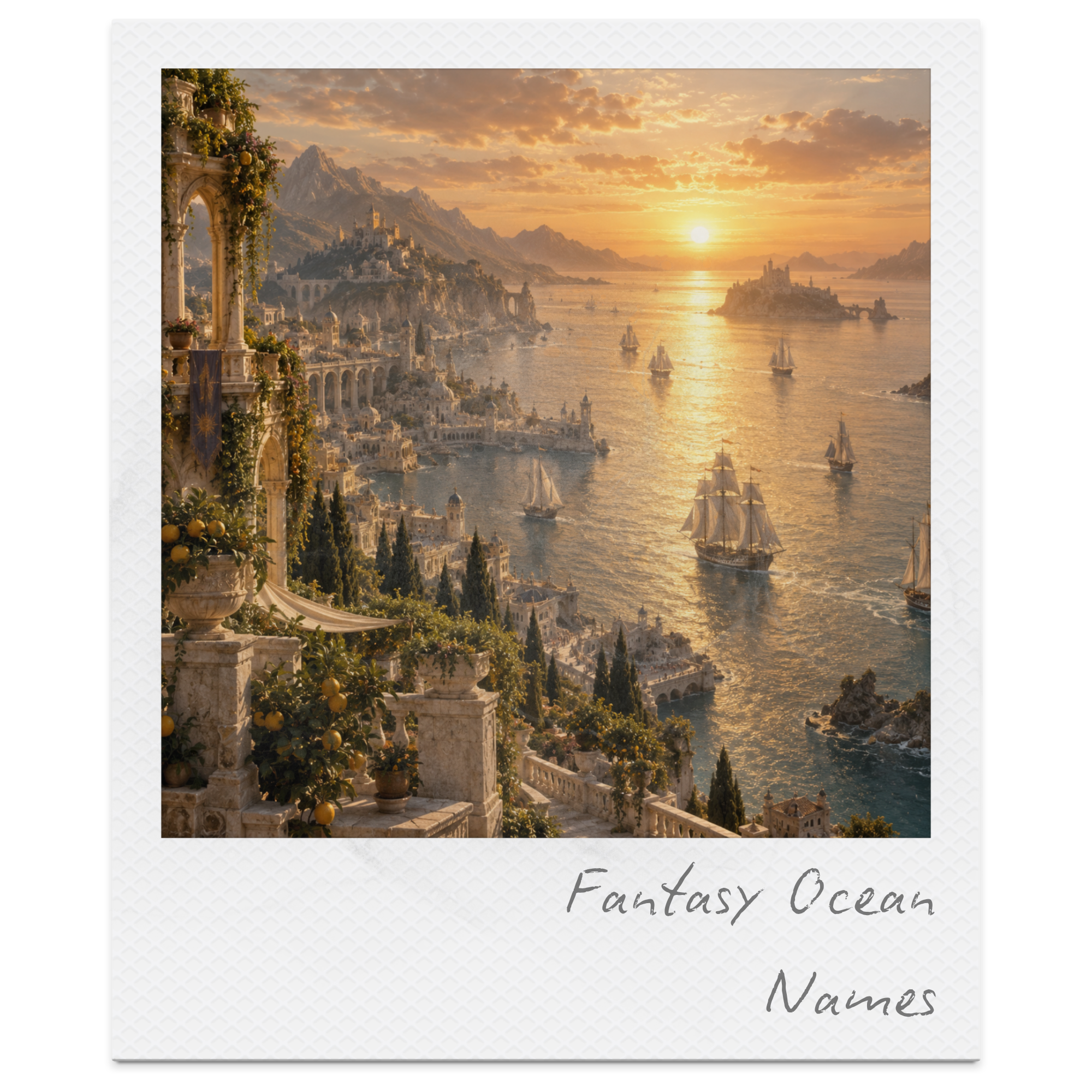
◆ Fantasy Ocean & Sea Names– beautiful enchanted seas, pirate waters, ancient oceans, tropical archipelagos, frozen waters, stormy passages, abyssal depths, magical seas and legendary oceans, with meanings and story ideas to inspire fantasy maps, maritime adventures and immersive worldbuilding.
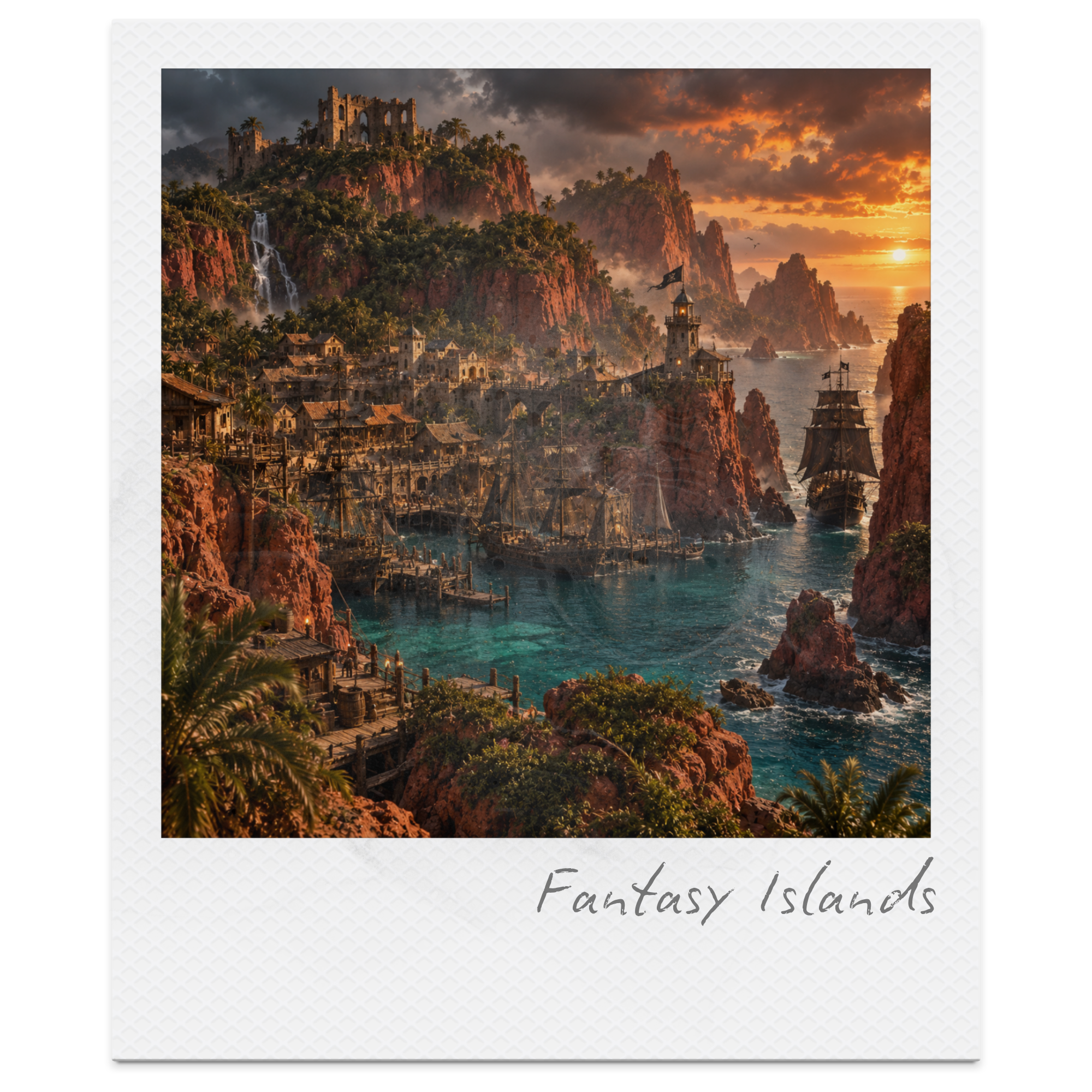
◆ Fantasy Islands – enchanted islands, hidden kingdoms, pirate havens, merfolk lagoons, volcanic shores, tropical paradises, frozen islands, magical archipelagos, island characters, opening lines, story titles and atmospheric picture prompts to inspire fantasy adventures across mysterious seas.
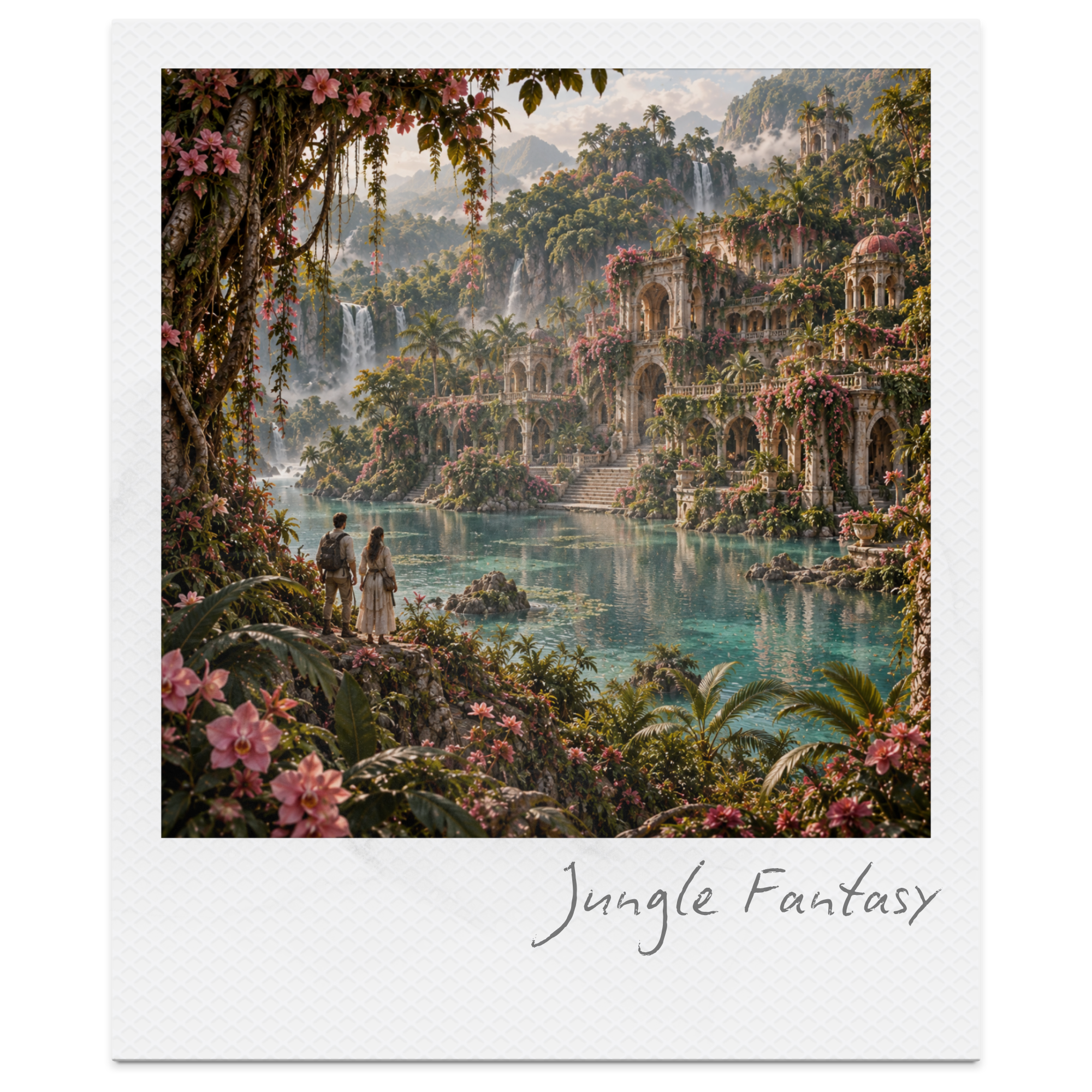
◆ Jungle Fantasy – lost kingdoms, ancient ruins, magical rivers, tropical cities, mysterious rainforests, jungle characters, opening lines, story titles and atmospheric picture prompts to inspire wild fantasy adventures beneath the canopy.
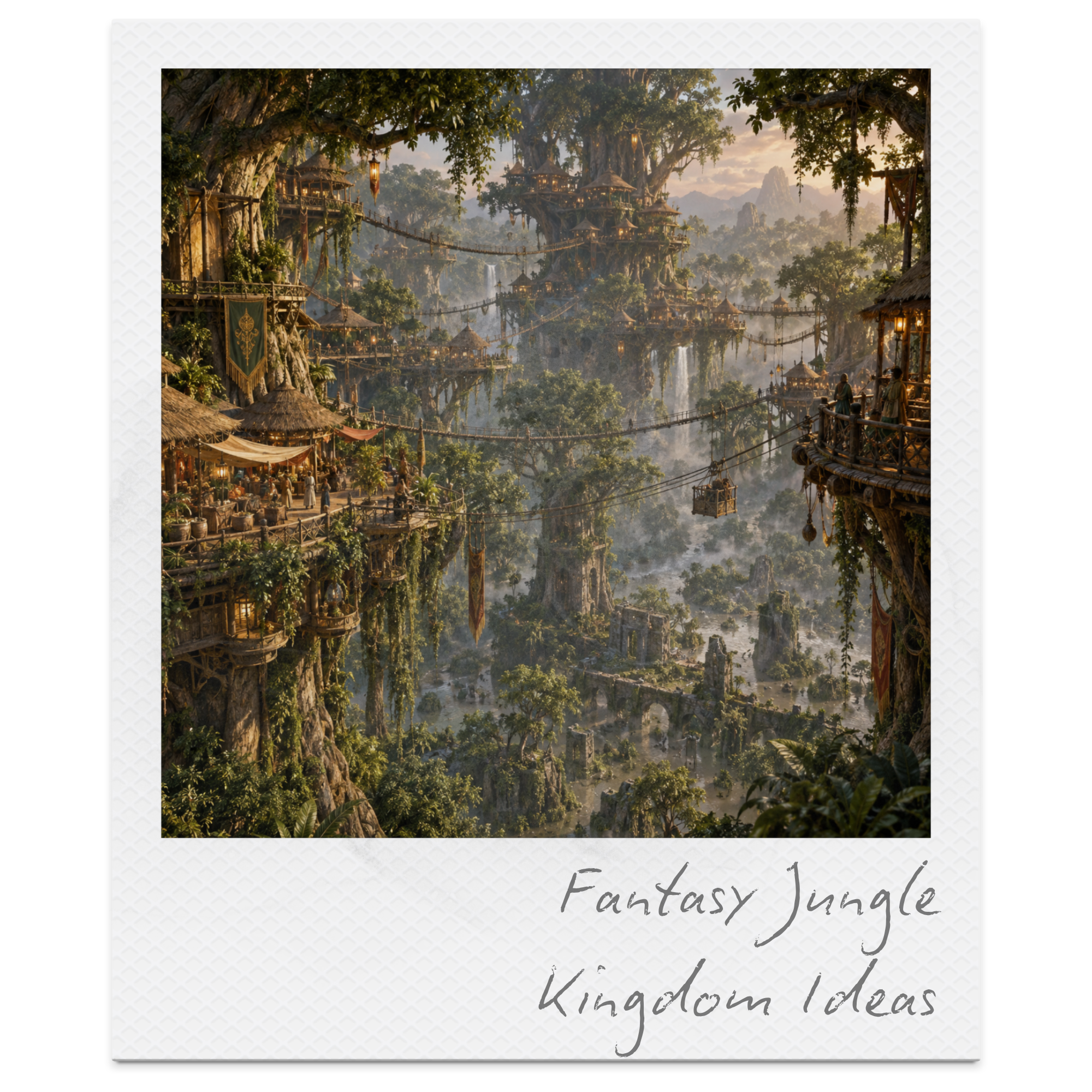
◆ Fantasy Jungle Kingdom Ideas – hidden rainforest kingdoms, ancient lost cities, river civilisations, jungle royal courts, sacred temples, magical plants, extraordinary creatures, valuable tropical resources, cursed realms and impossible kingdoms to inspire fantasy stories and tropical worldbuilding.
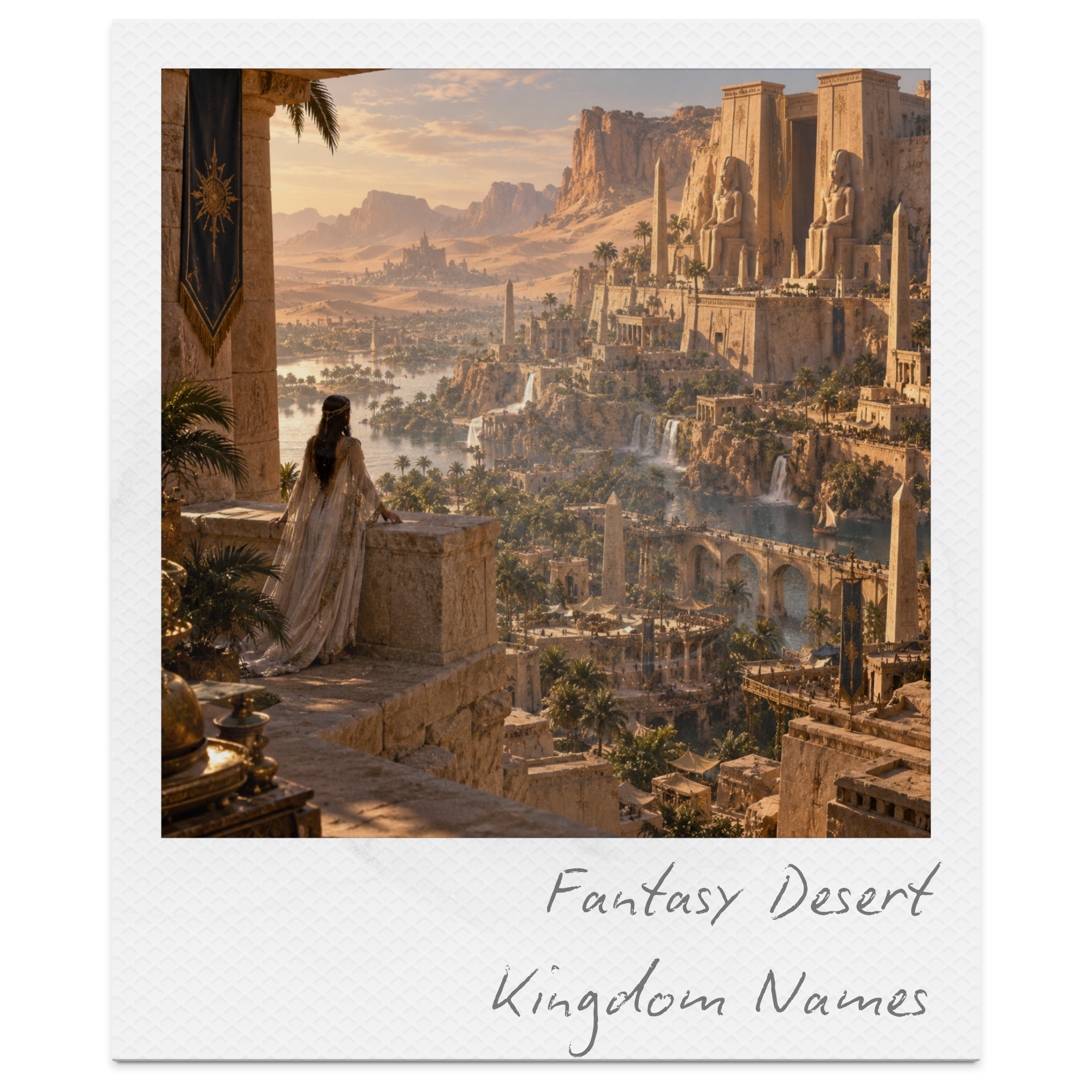
◆ Fantasy Desert Kingdom Names – ancient desert realms, golden empires, oasis kingdoms, river civilisations, dune and wasteland realms, canyon strongholds, magical deserts, imperial courts, cursed kingdoms, caravan powers and mythical desert worlds, with 100 evocative names, worldbuilding inspiration and story ideas for fantasy writers.
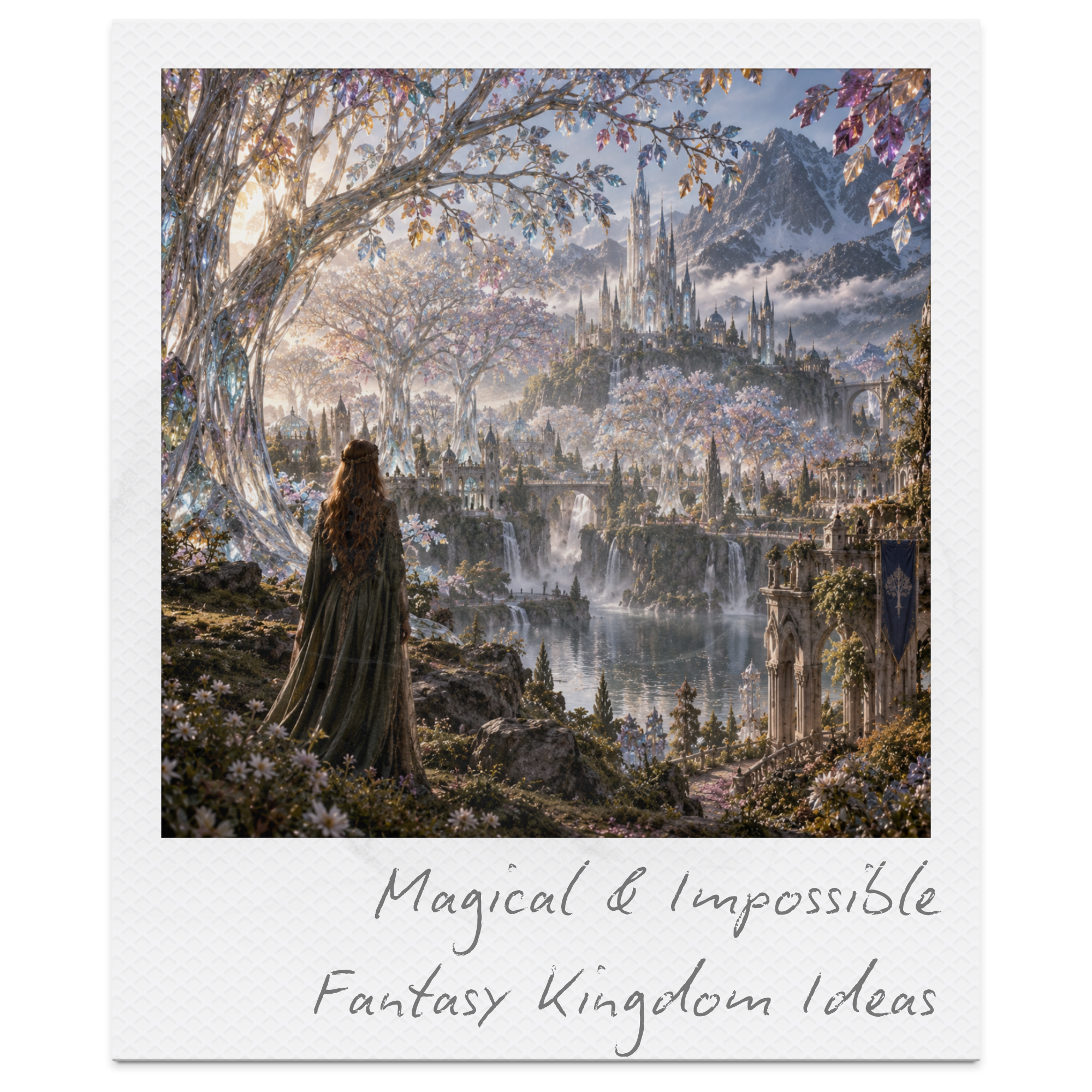
◆ Magical & Impossible Fantasy Kingdom Ideas – impossible geography, living landscapes, strange time, elemental realms, hidden kingdoms, celestial worlds, extraordinary structures, cursed lands, surreal realms and reality-bending kingdoms, with 100 imaginative worldbuilding concepts and story ideas for fantasy writers.
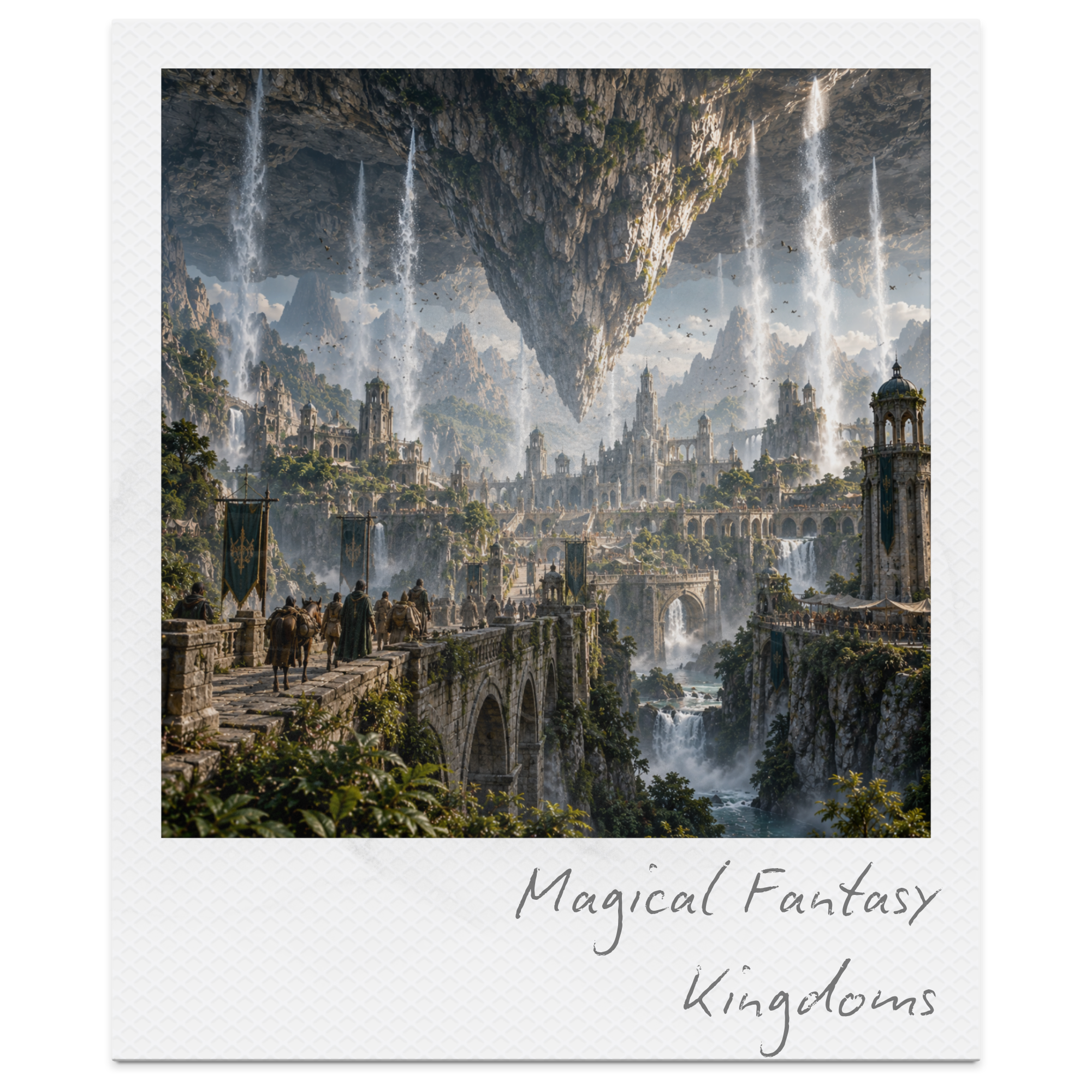
◆ Magical & Impossible Fantasy Kingdoms – strange realms, impossible cities, enchanted monarchies, shifting landscapes, unusual magic, fantasy characters, story titles, opening lines, settings and atmospheric picture prompts to inspire extraordinary fantasy worlds.
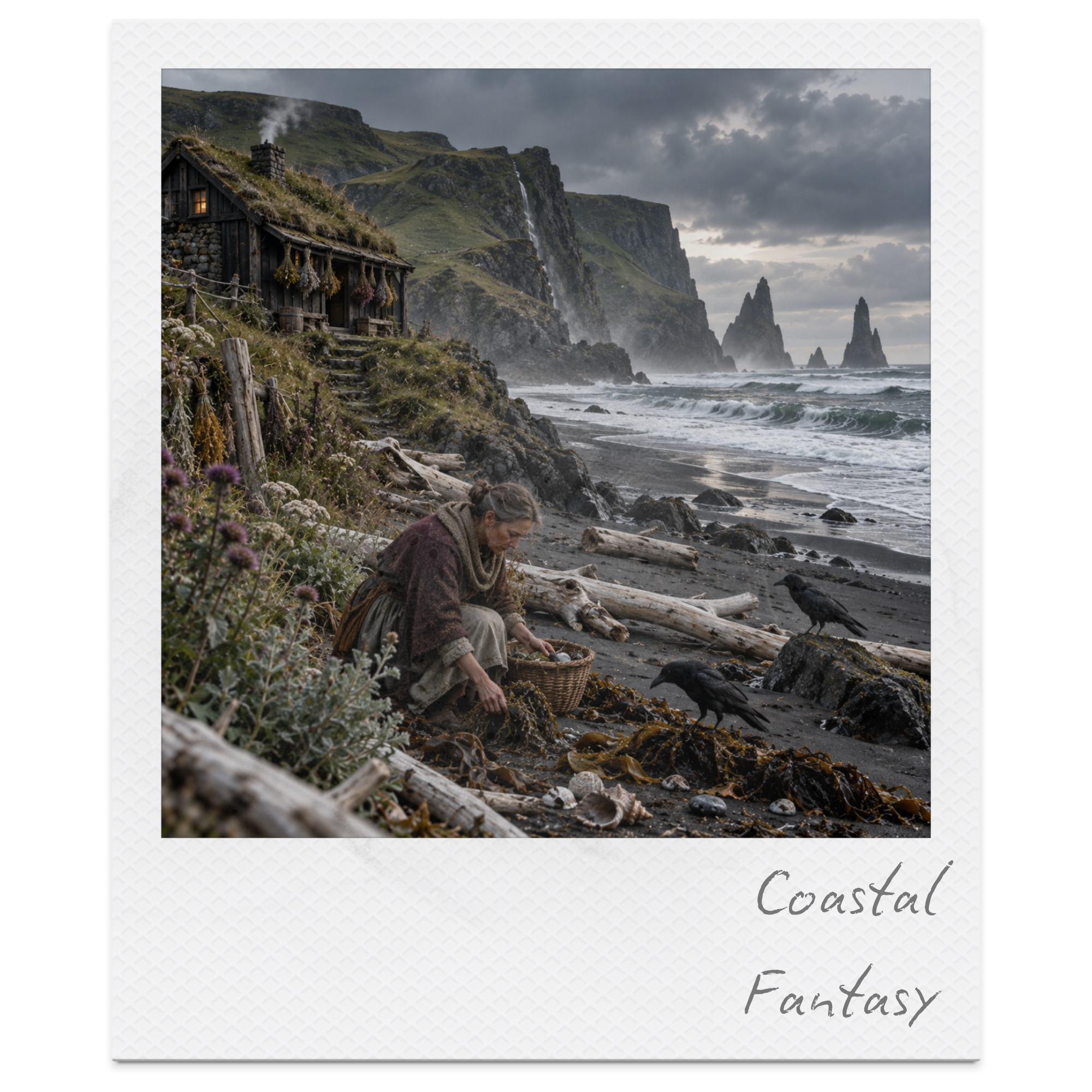
◆ Coastal Fantasy – rugged cliffs, hidden coves, fishing villages, bustling harbours, lonely lighthouses, stormy shores, tidal secrets and seaside kingdoms, with 70 plot prompts, title ideas, opening and closing lines, characters, settings and picture prompts for coastal fantasy stories.
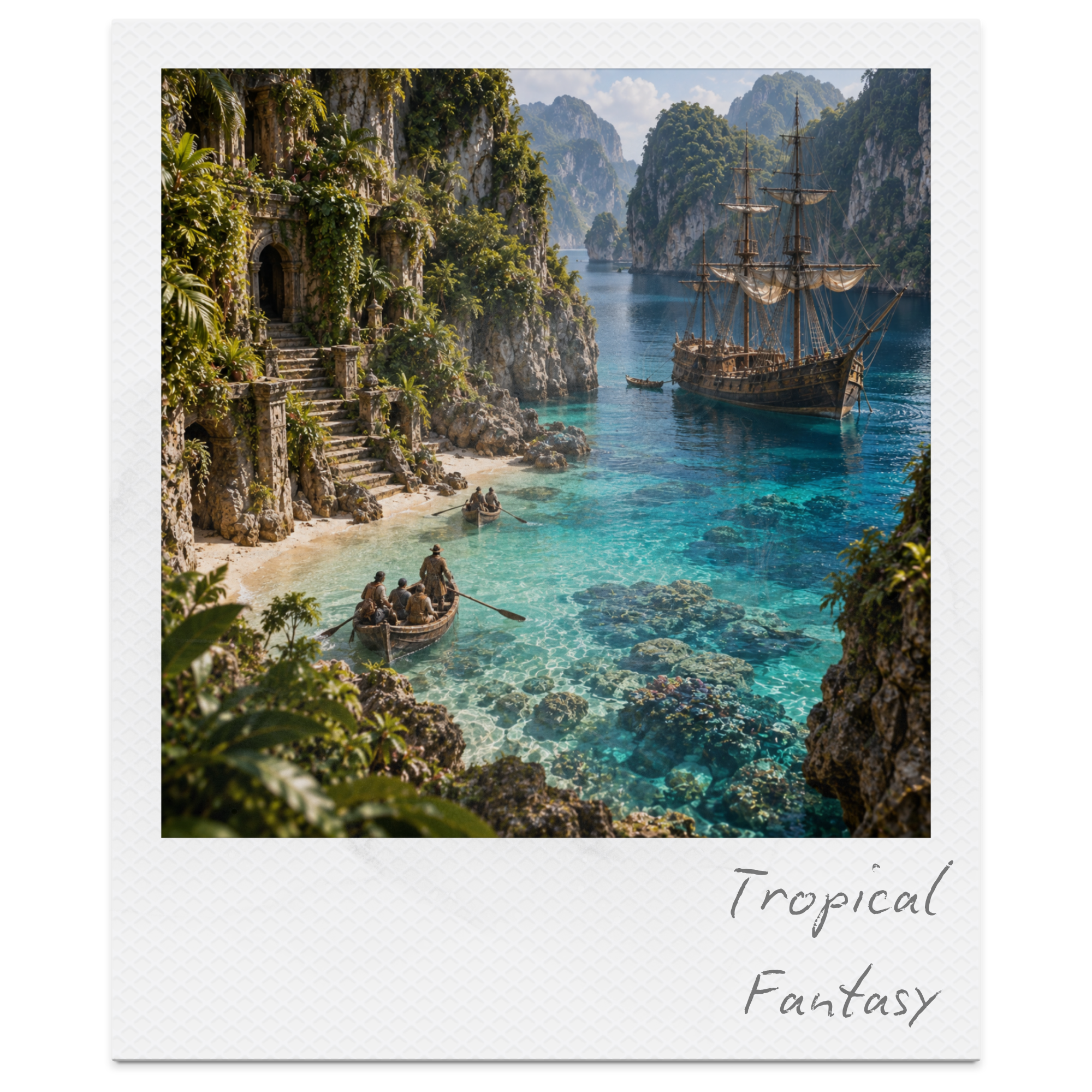
◆ Tropical Fantasy – lush islands, tropical rainforests, volcanic mountains, turquoise lagoons, hidden temples, monsoon storms, colourful cities and magical paradises, with 70 plot prompts, title ideas, opening and closing lines, characters, settings and picture prompts for tropical fantasy stories.
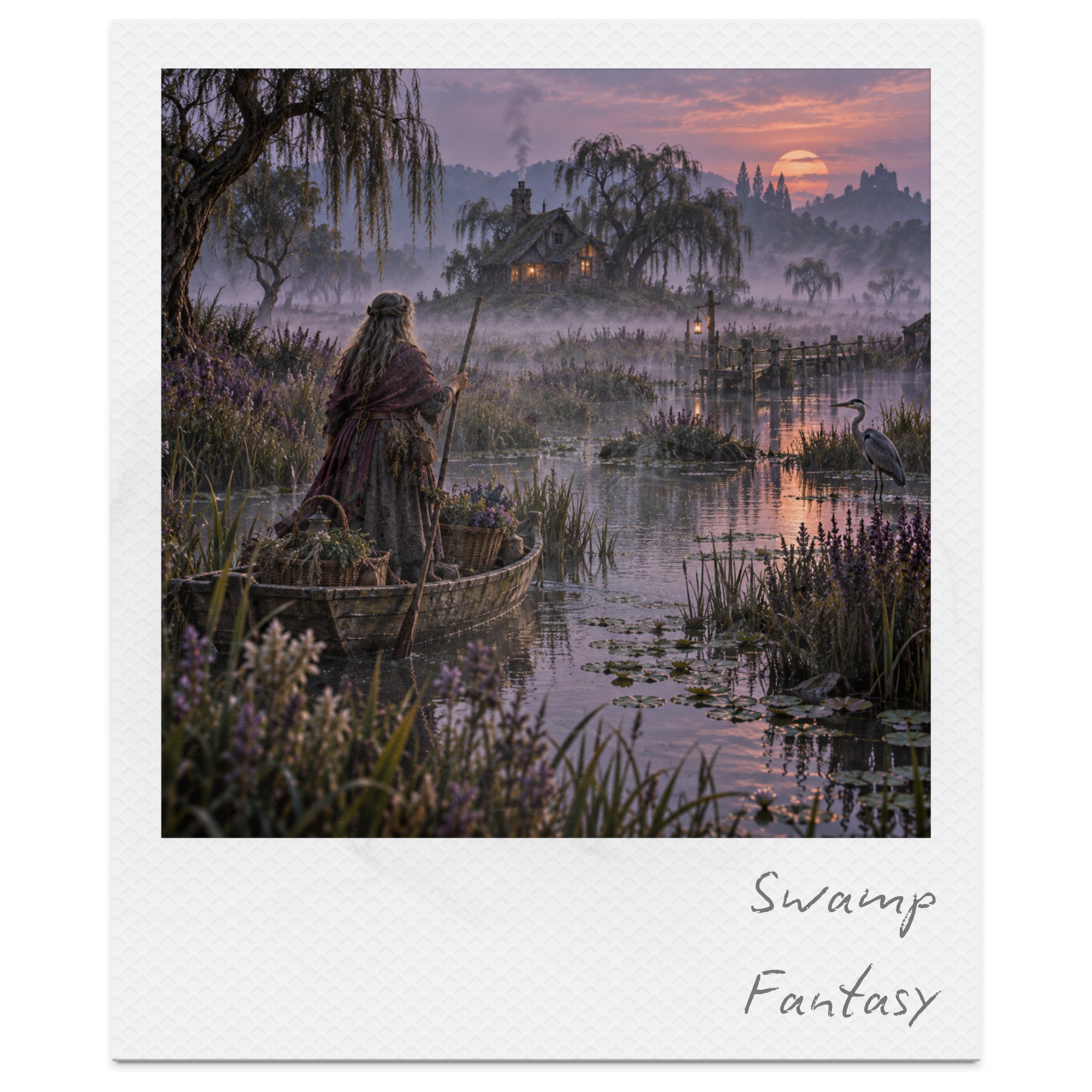
◆ Swamp Fantasy – misty wetlands, flooded forests, sunken ruins, floating villages, mysterious waterways, ancient bogs and hidden magic, with 70 swamp fantasy writing prompts, story inspiration and creative writing ideas for writers
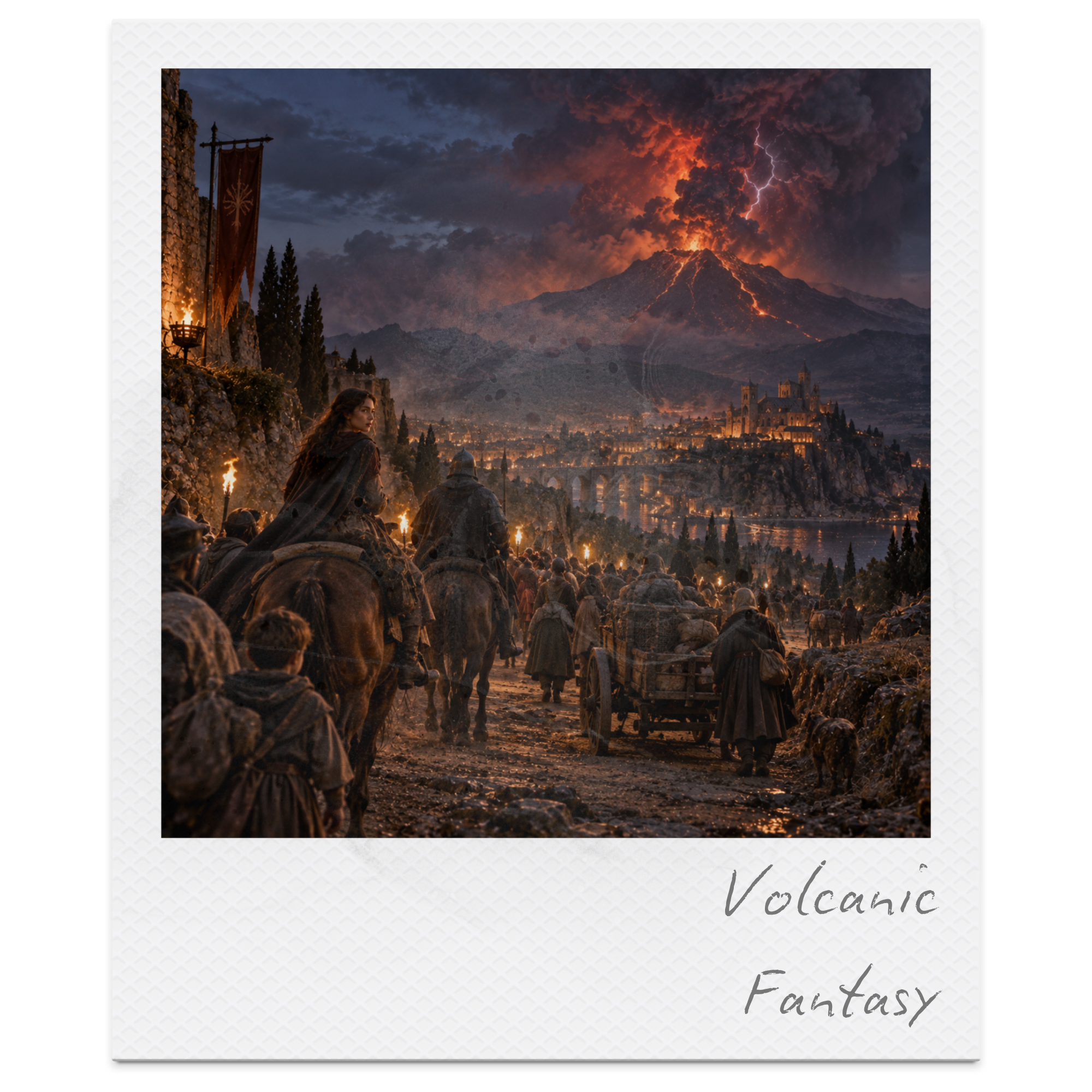
◆ Volcanic Fantasy – sleeping volcanoes, obsidian cities, black-sand shores, crater lakes, geothermal landscapes, fertile valleys and kingdoms shaped by fire, with 70 volcanic fantasy writing prompts, story inspiration and creative writing ideas for writers.
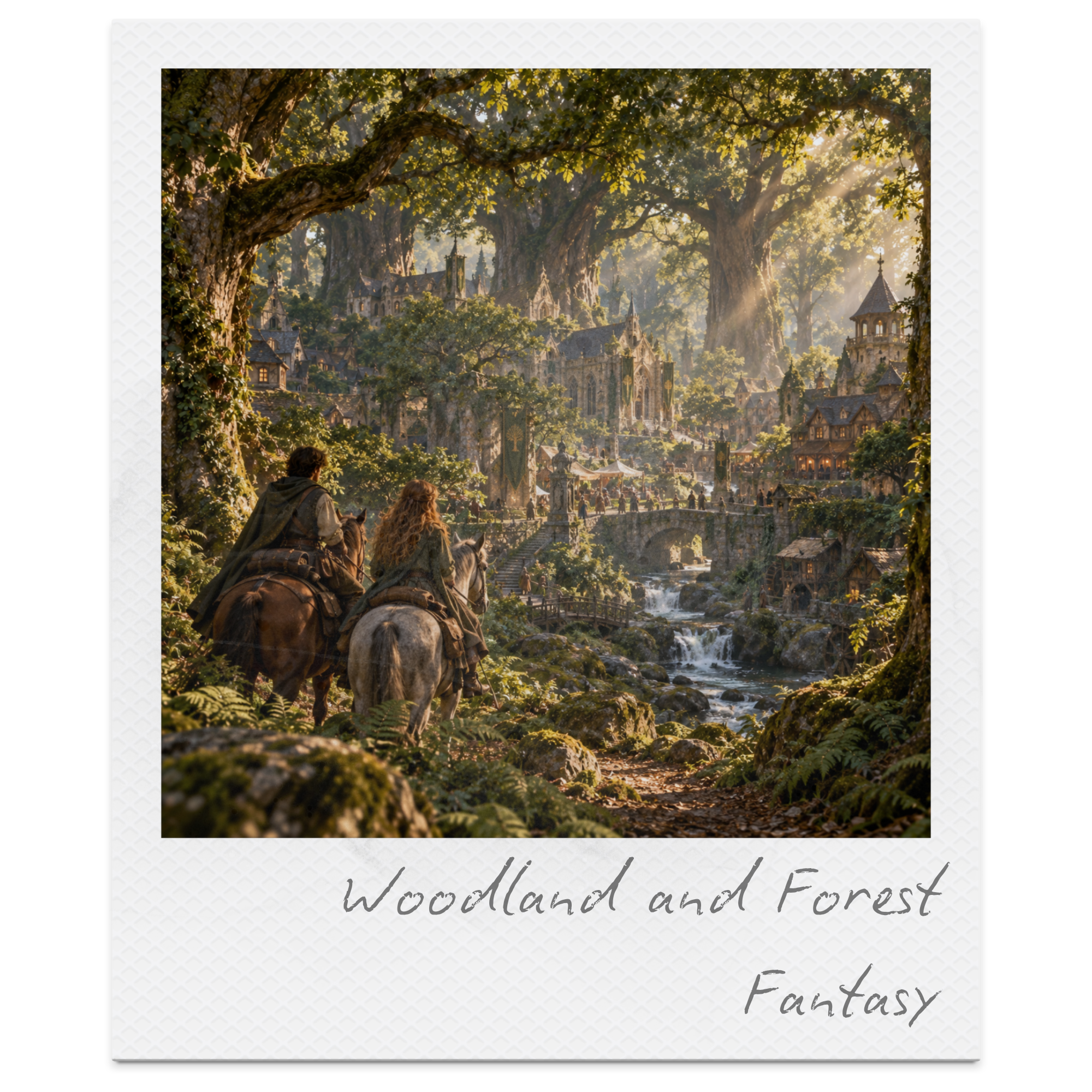
◆ Woodland & Forest Fantasy – ancient forests, hidden paths, woodland villages, seasonal woods, forgotten ruins, mysterious clearings and enchanted realms, with 70 plot prompts, title ideas, opening and closing lines, characters, settings and picture prompts for woodland and forest fantasy stories.
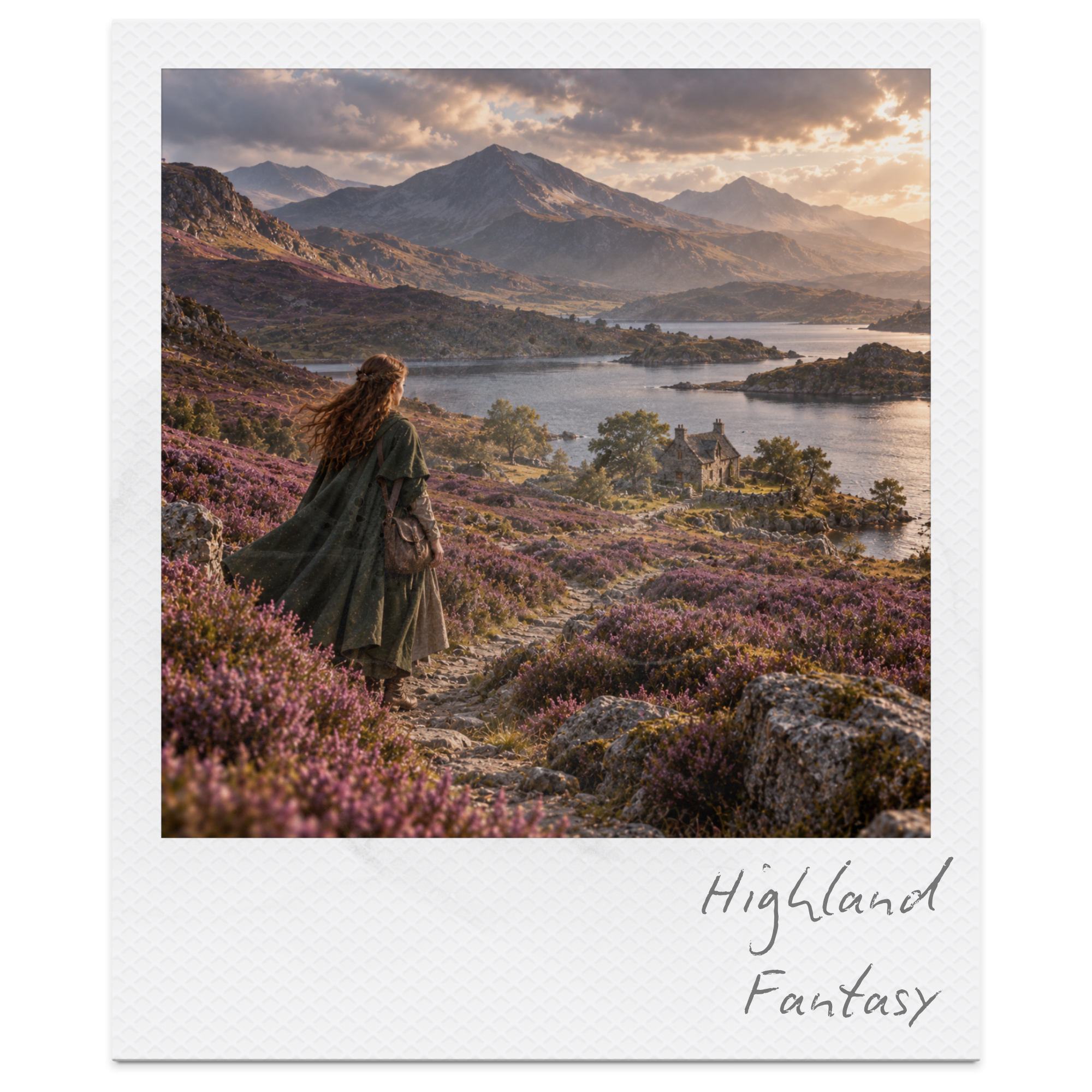
◆ Highland Fantasy – misty glens, heather-covered moors, dark lochs, remote settlements, ancient strongholds, windswept uplands and forgotten roads, with plot prompts, title ideas, opening and closing lines, characters, settings and picture prompts for highland fantasy stories.
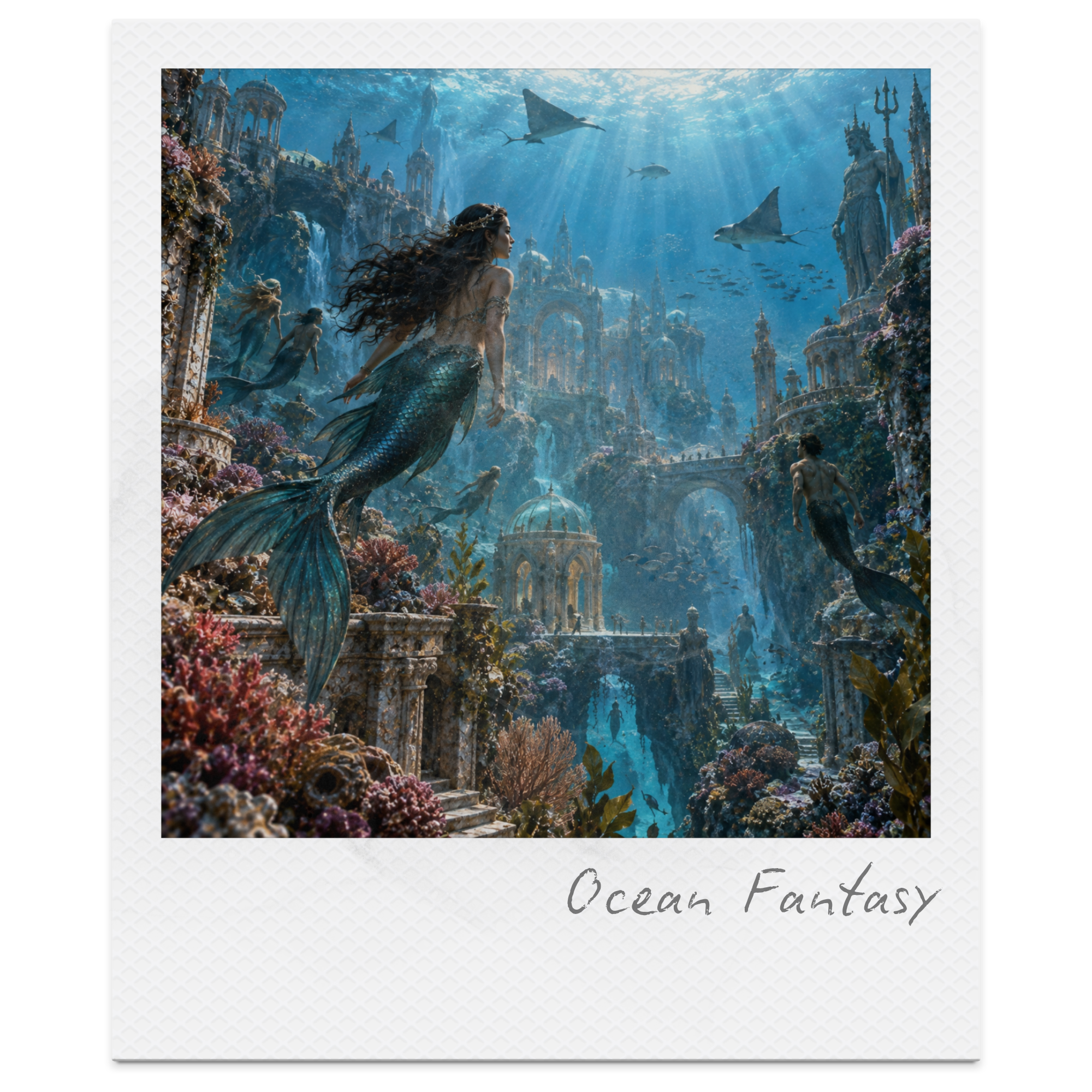
◆ Ocean Fantasy – magical seas, sunken kingdoms, mysterious islands, maritime cities, underwater realms, legendary creatures and unexplored waters, with 70 plot prompts, title ideas, opening and closing lines, characters, settings and picture prompts for ocean fantasy stories.
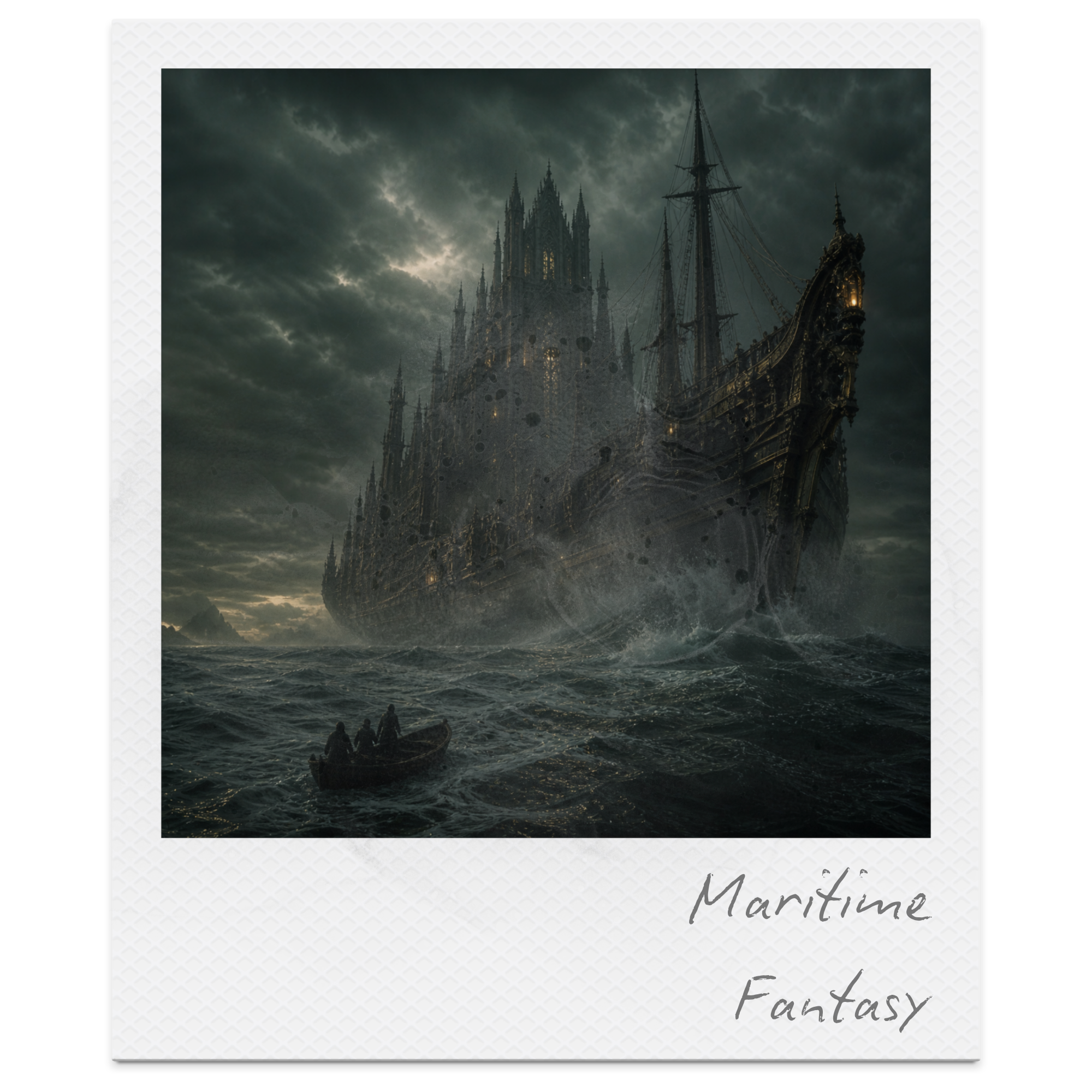
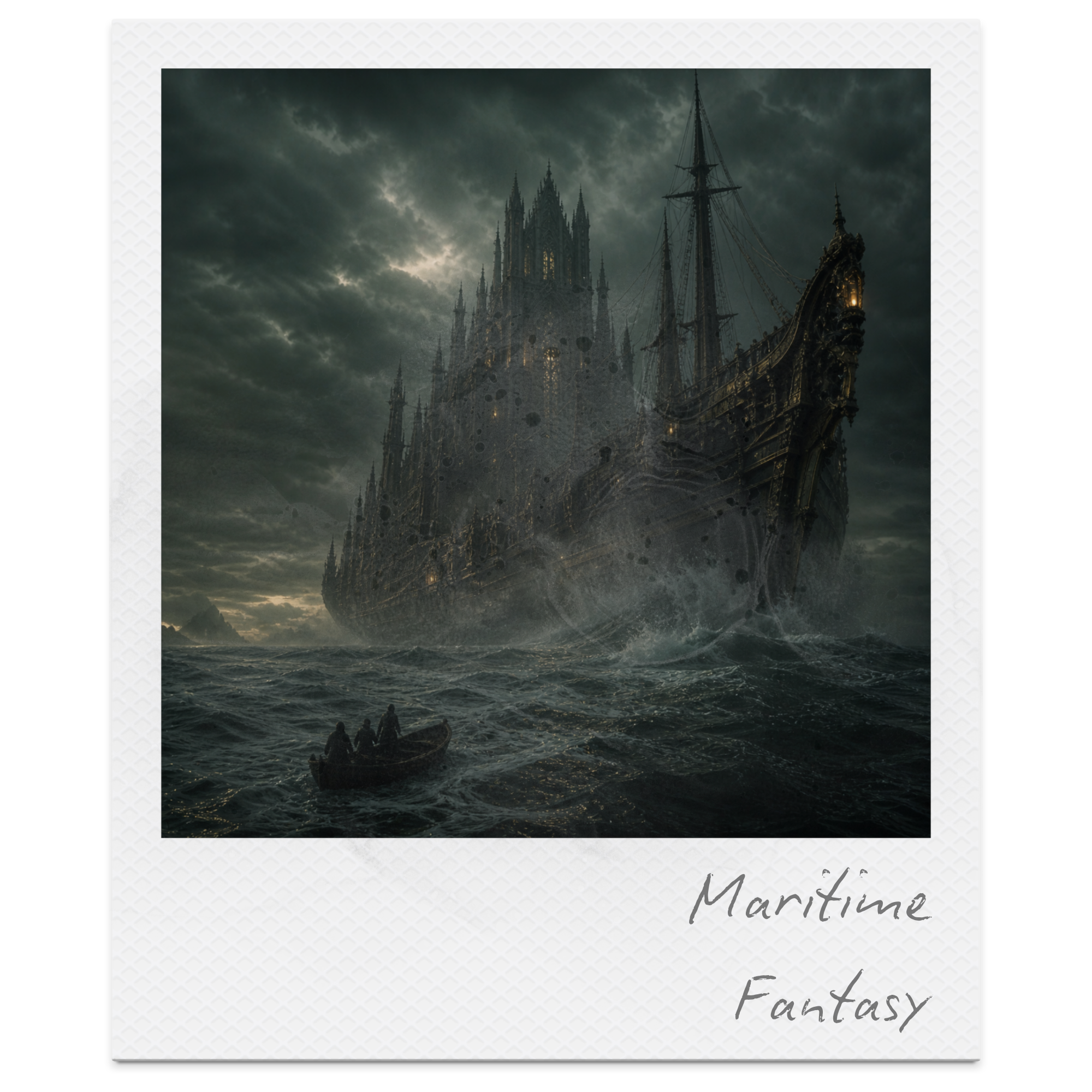
◆ Maritime Fantasy – atmospheric ocean worlds shaped by storms, voyages, sea legends, cursed ships, and dangerous coastlines
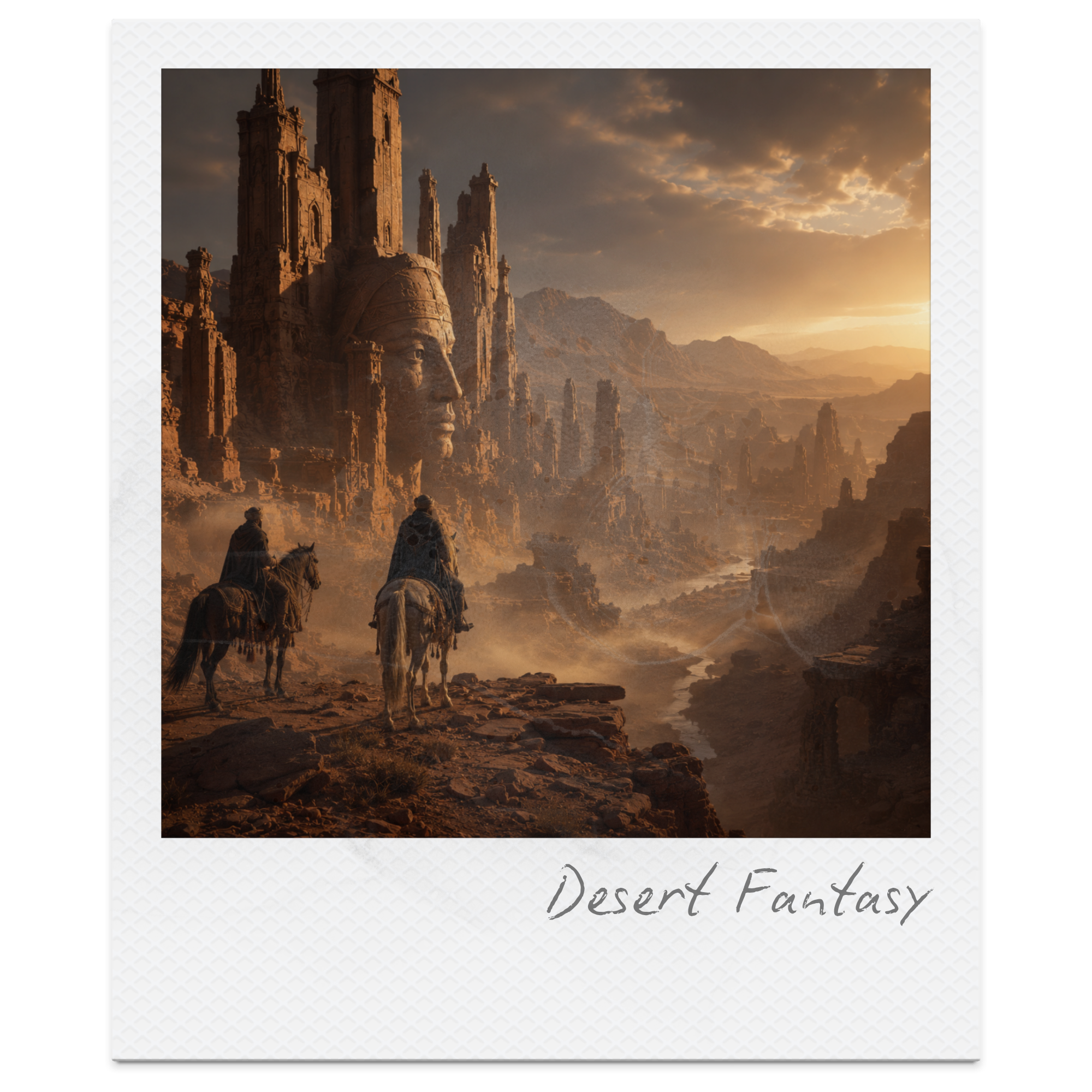
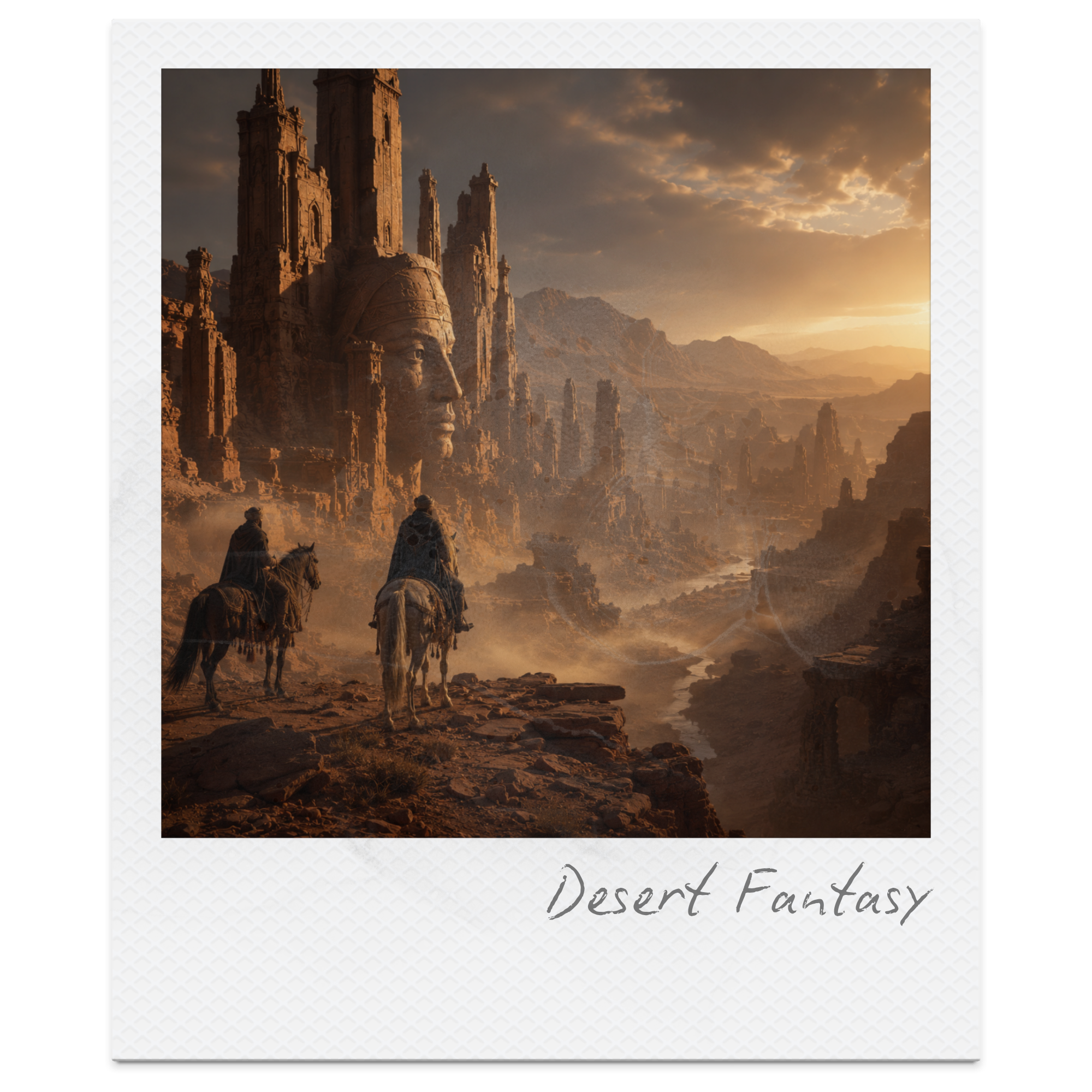
◆ Desert Fantasy – harsh, atmospheric worlds shaped by ancient kingdoms, shifting sands, survival, prophecy, buried ruins, and the dangerous power hidden beneath the desert landscape
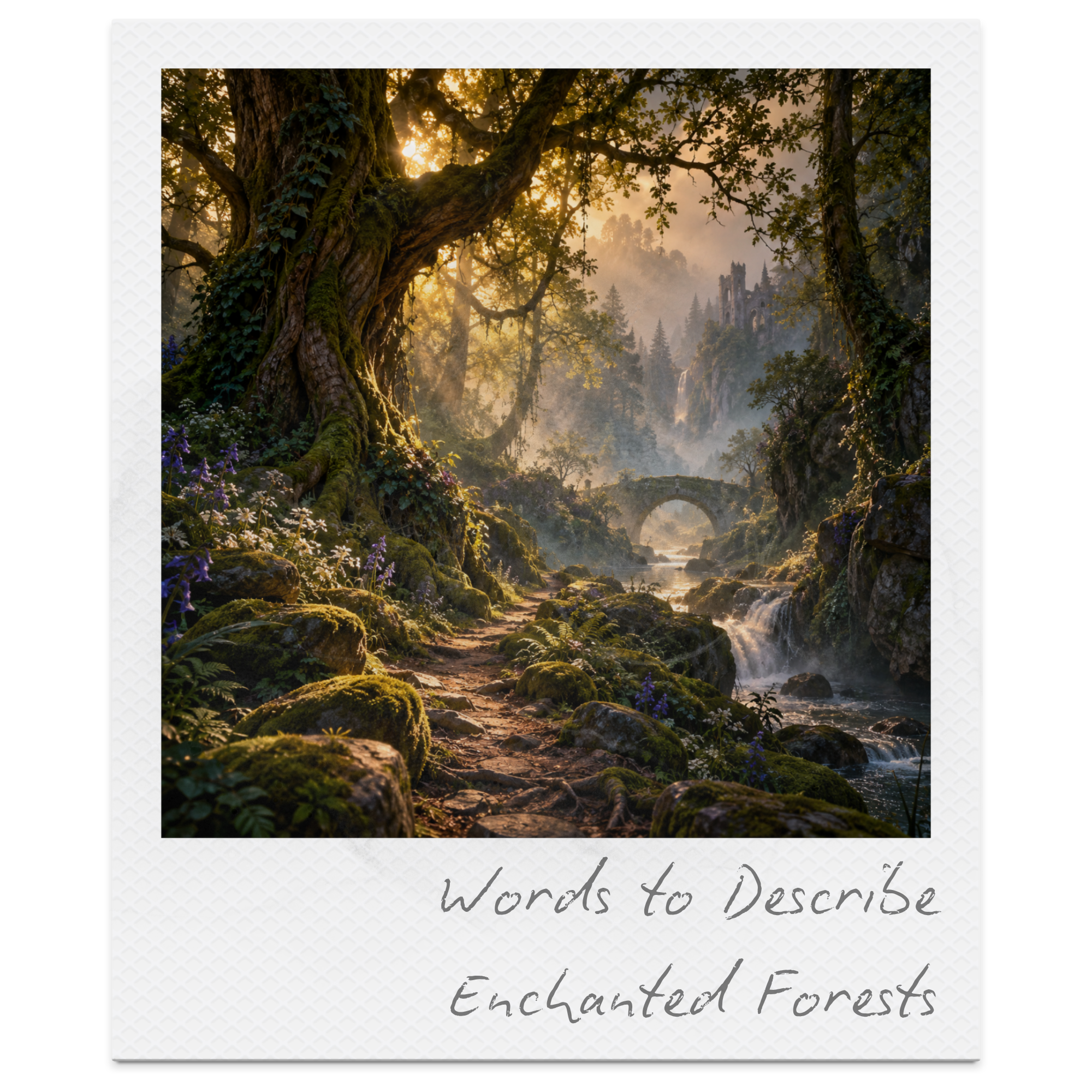
◆ Words to Describe an Enchanted Forest – a descriptive vocabulary collection exploring 100 words for magical forests, ancient trees, tangled undergrowth, shifting light, woodland sounds, scents, textures, atmosphere, beauty, mystery and danger. Each word includes a clear meaning and original example sentence to help writers create vivid, immersive forest descriptions for fantasy, fairytale, folklore, gothic and descriptive writing.
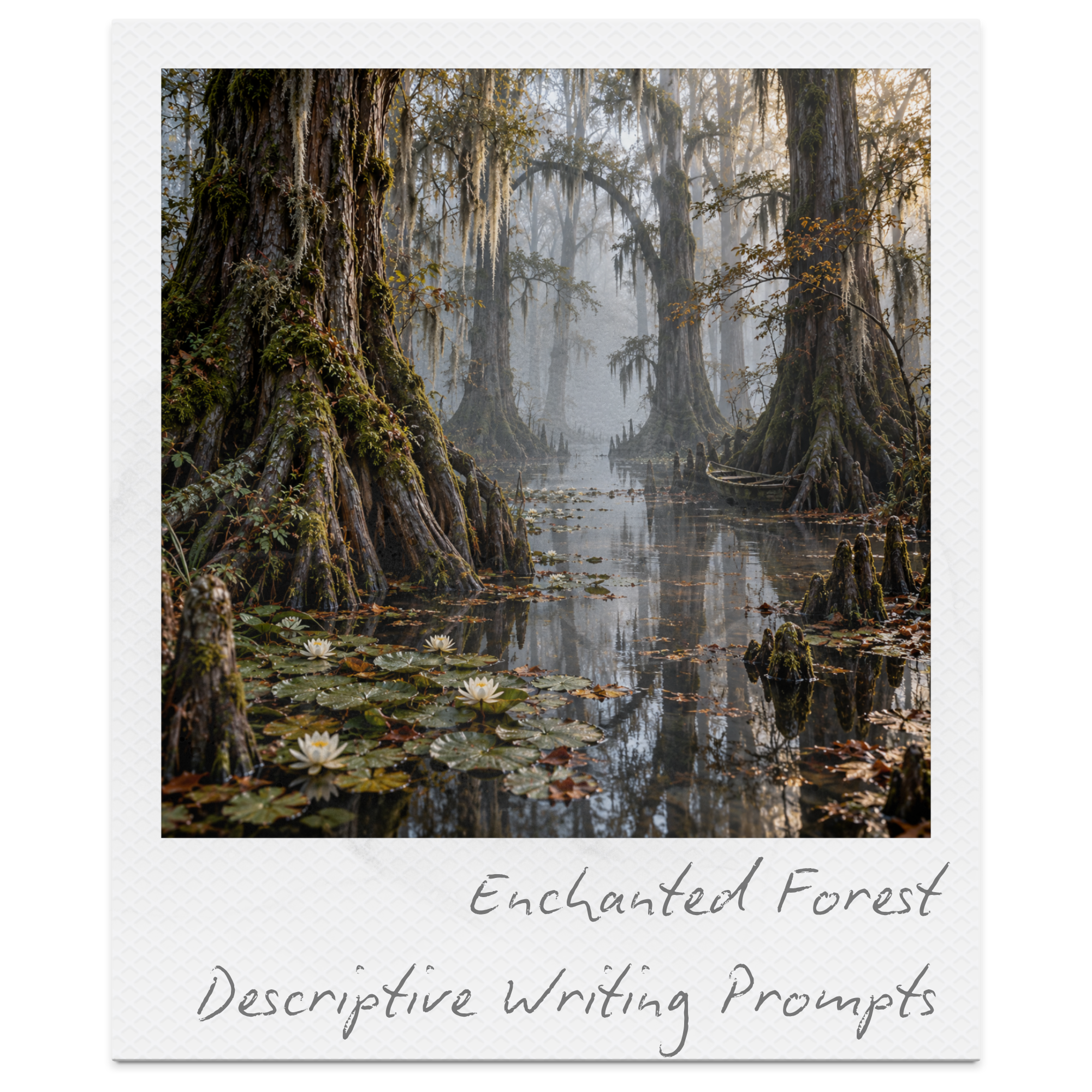
◆ Enchanted Forest Description Prompts – imaginative descriptive writing challenges inspired by magical woodlands, shifting paths, ancient trees, hidden clearings, impossible landscapes, strange magic, and darker forest secrets. Explore sensory exercises, contrasting scenes, language challenges, creative constraints, and picture prompts designed to help writers create vivid, atmospheric enchanted forests for fantasy, fairytale, folklore, and magical stories.
Fantasy Atmospheres & Aesthetics
Discover fantasy worlds through atmosphere, imagery and aesthetic inspiration, from celestial kingdoms and zodiac-inspired realms to dreamlike landscapes, enchanted architecture and distinctive visual styles. These collections explore how colour, setting, symbolism, mythology and mood can give a fantasy world its own recognisable identity.
Use them to inspire the look and feeling of your next story, develop a cohesive worldbuilding aesthetic or simply discover an atmosphere that sparks an unexpected character, kingdom or adventure.
Inside this section:
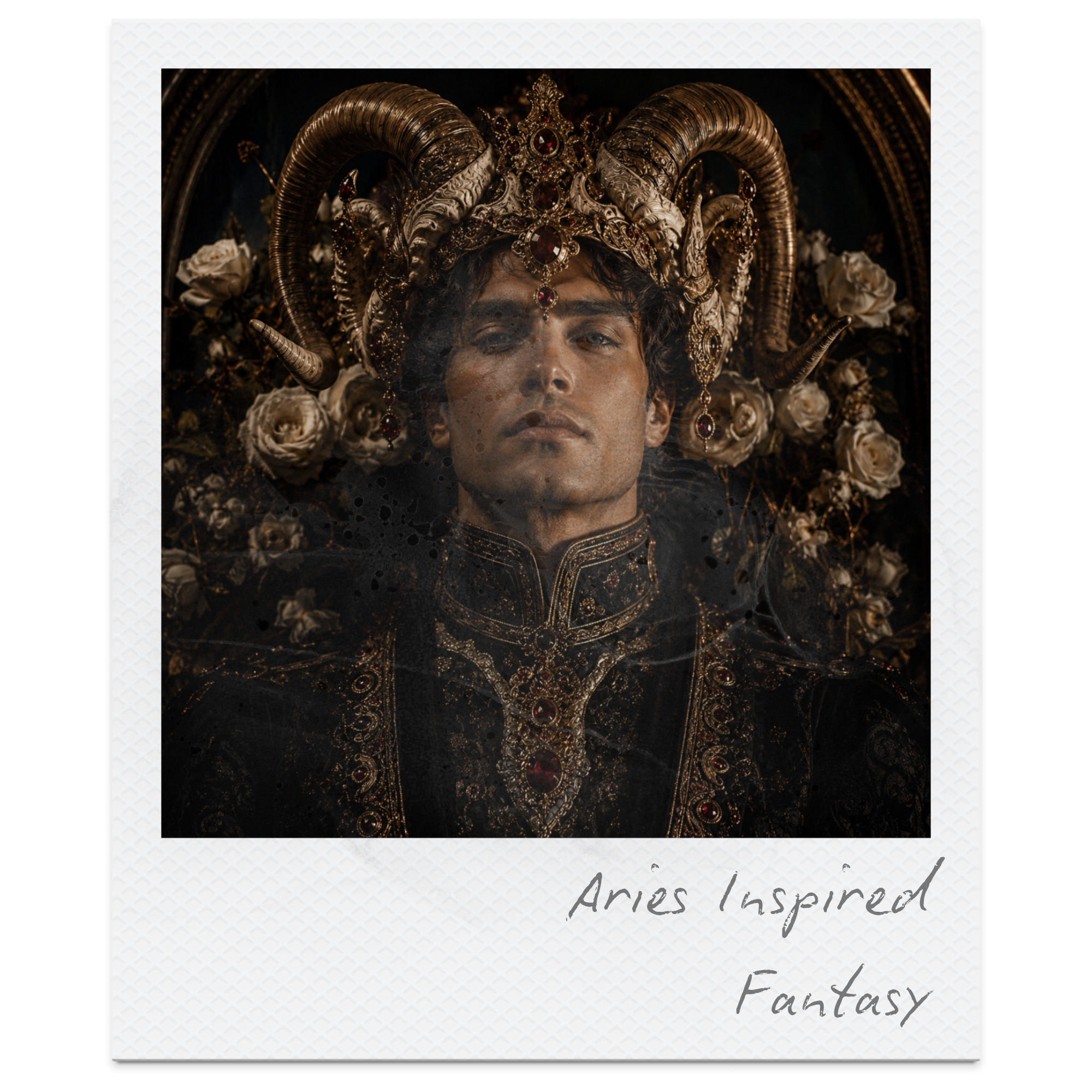
◆ Aries-Inspired Fantasy – warrior kingdoms, sacred rams, volcanic fortresses, crimson banners, legendary weapons, frontier settlements, mountain strongholds, ambitious rulers, and daring explorers, helping writers create fantasy worlds centred on courage, leadership, adventure, competition, and new beginnings.
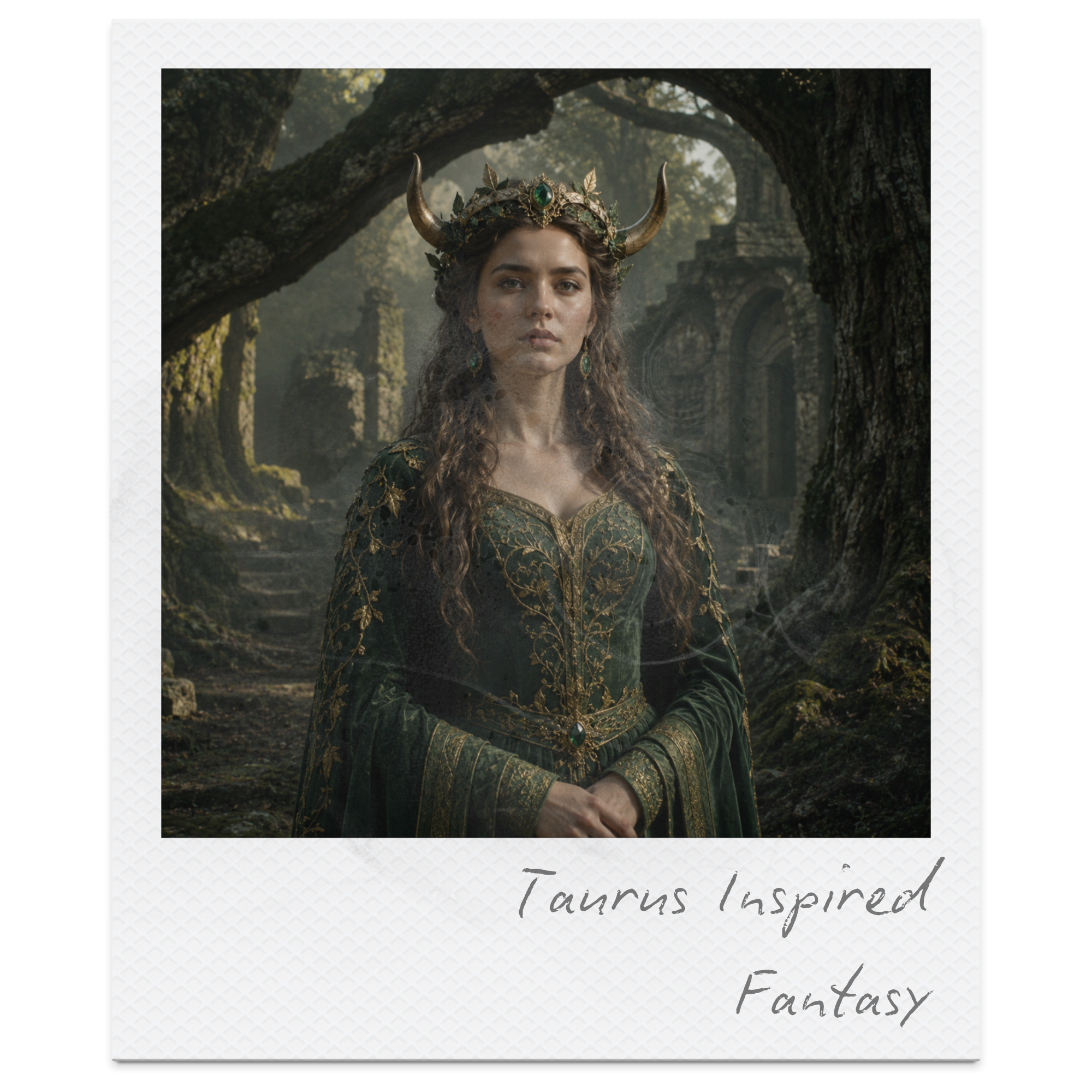
◆ Taurus-Inspired Fantasy – sacred white bulls, ancient forests, emerald valleys, earth magic, druidic guardians, crystal caverns, standing stones, woodland temples, enchanted orchards, and enduring kingdoms, helping writers create mythology-inspired fantasy worlds centred on nature, prosperity, guardianship, quiet strength, and timeless magic.
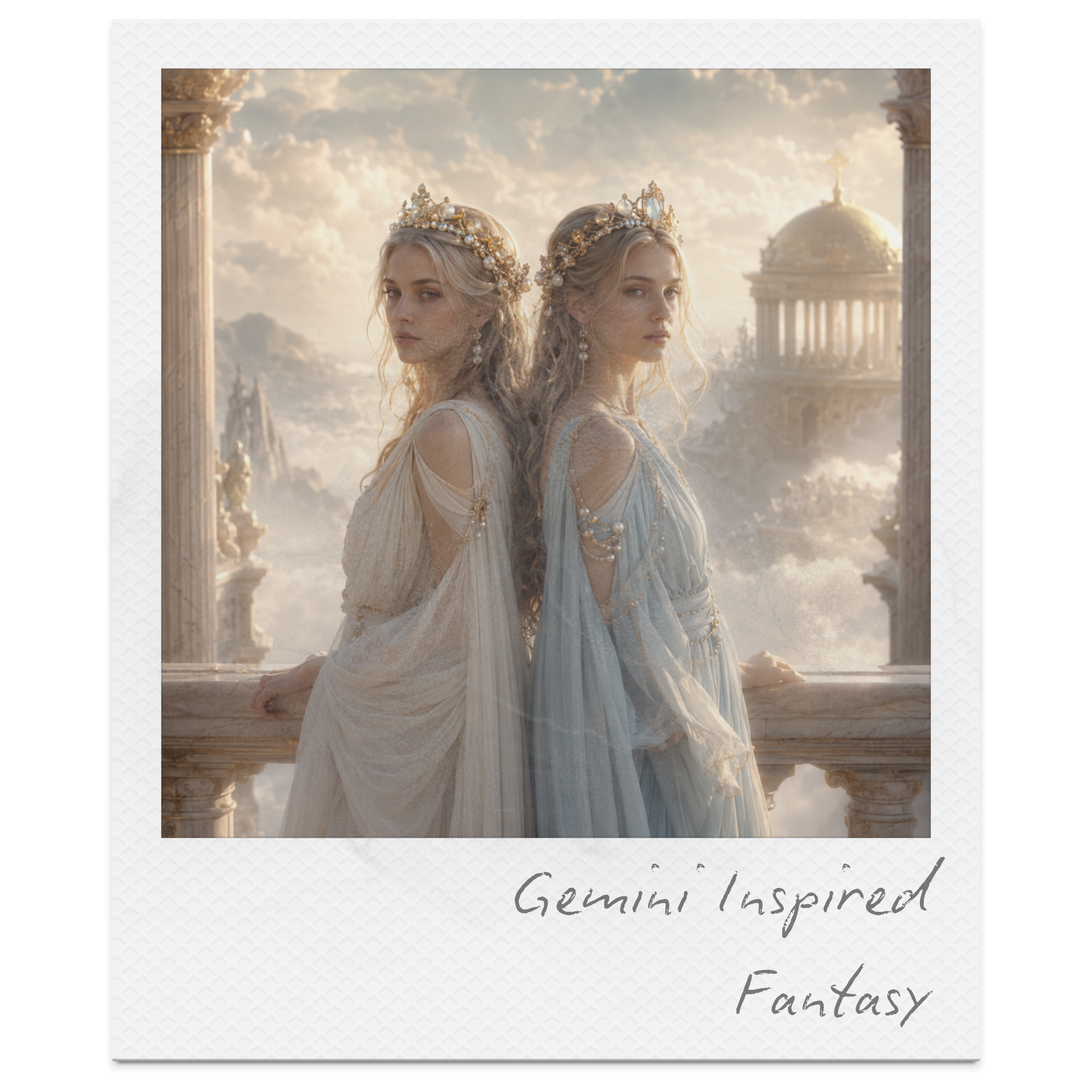
◆ Gemini-Inspired Fantasy – celestial twins, floating kingdoms, star temples, cloud palaces, magical observatories, ancient libraries, pearl-white architecture, winged messengers, cosmic maps, and heavenly bridges, helping writers create ethereal fantasy worlds centred on discovery, knowledge, communication, duality, wonder, and the mysteries of the stars.
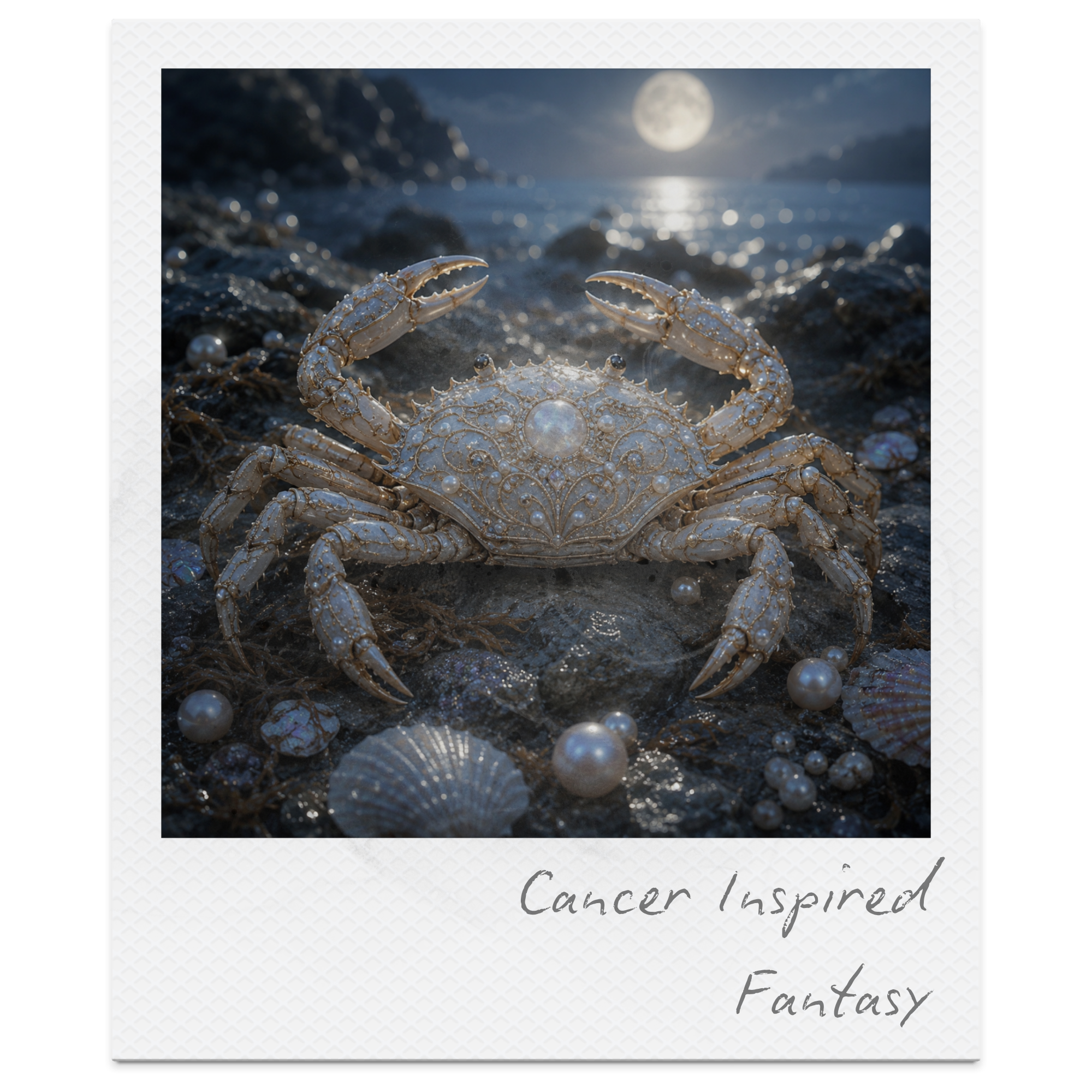
◆ Cancer-Inspired Fantasy – moonlit coastlines, pearl kingdoms, lunar temples, sacred sea caves, enchanted lighthouses, hidden coves, moonstone shrines, silver tides, coastal guardians, and ancient ocean mythology, helping writers create atmospheric fantasy worlds centred on intuition, protection, belonging, quiet magic, and the timeless rhythm of the sea.
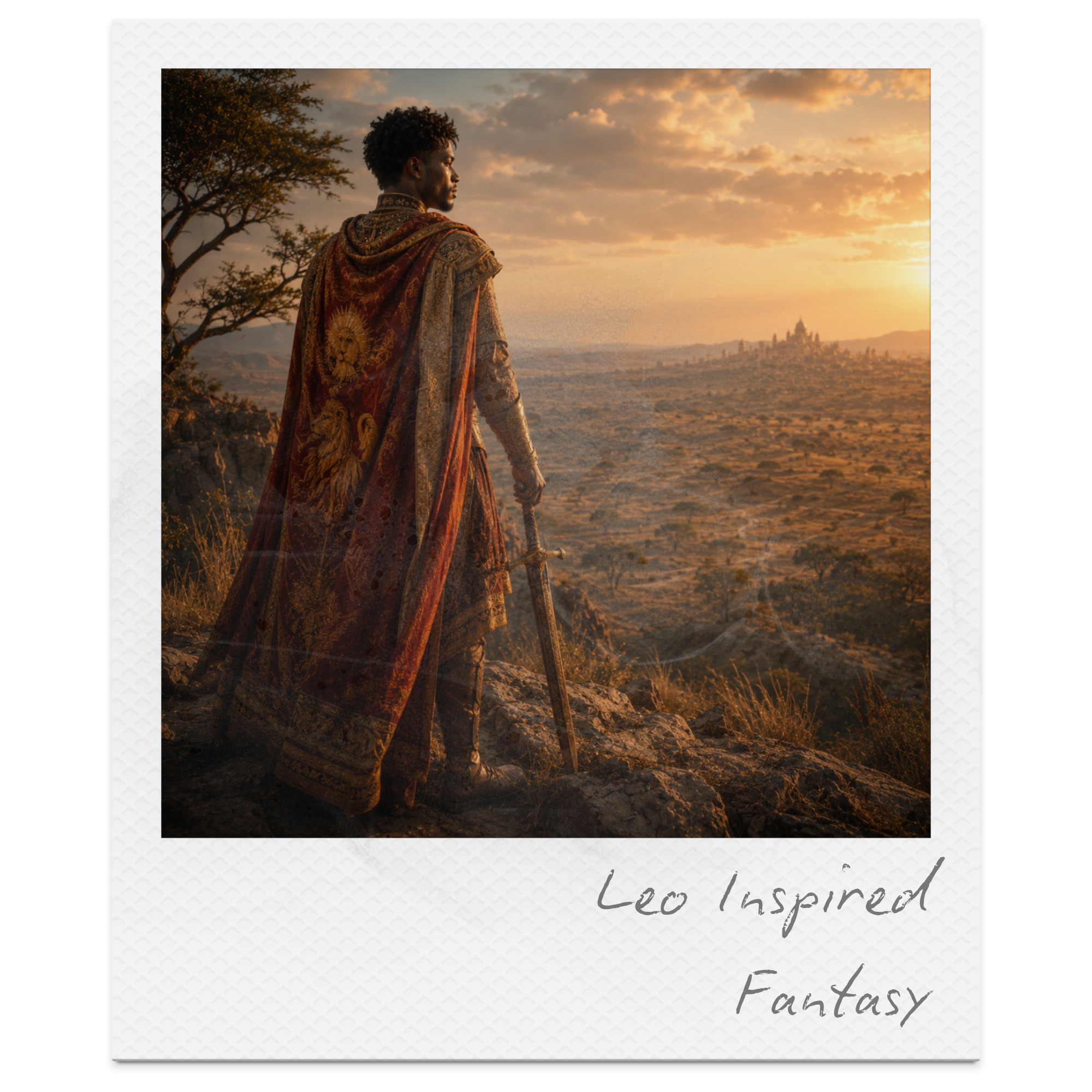
◆ Leo-Inspired Fantasy – sun-drenched savannah kingdoms, magnificent royal courts, sacred white lions, ancient solar temples, golden palaces, legendary heroes, ceremonial crowns, sprawling grasslands, flourishing royal gardens, and timeless myths of leadership, helping writers create epic fantasy worlds centred on courage, loyalty, legacy, honour, ambition, and the enduring power of the Sun.
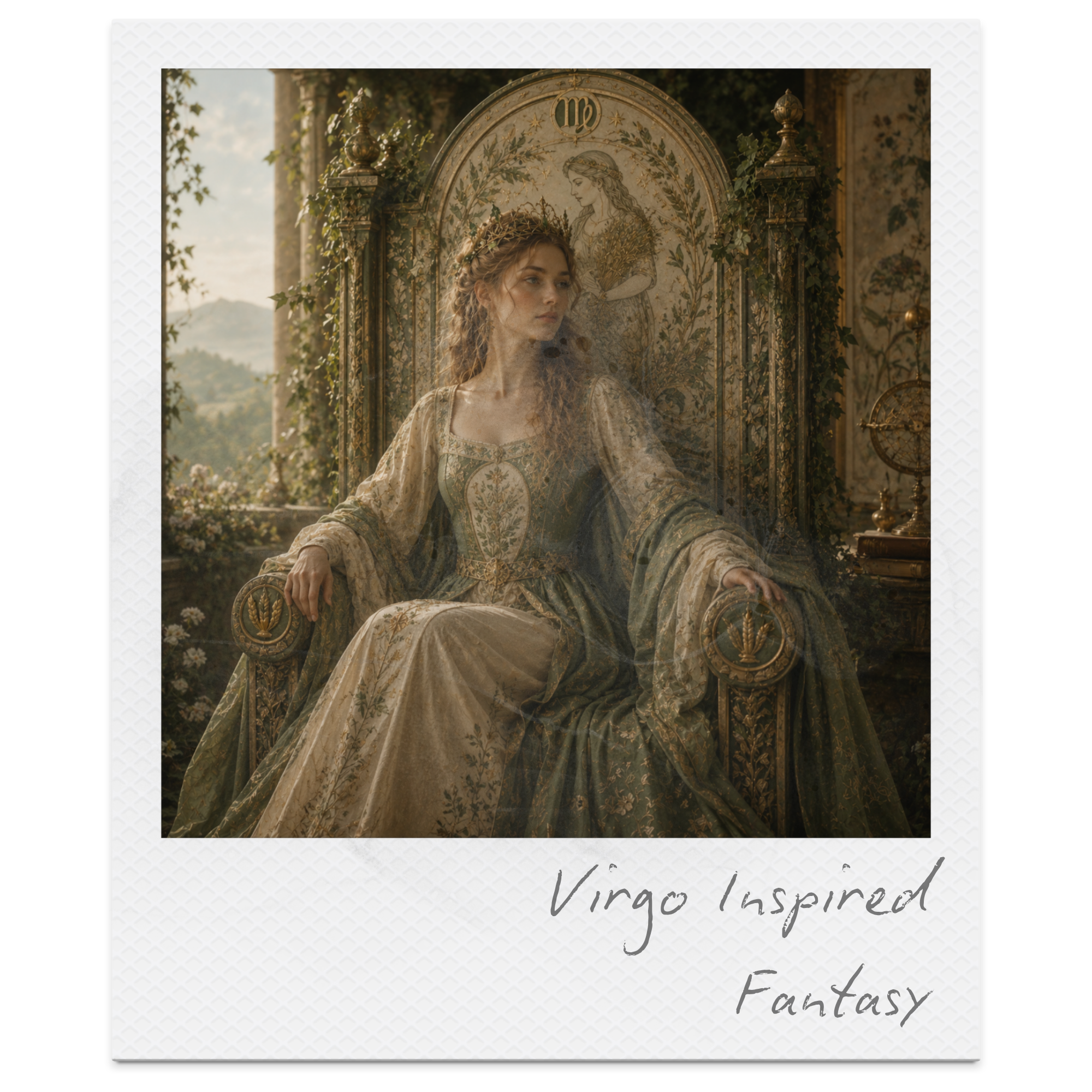
◆ Virgo-Inspired Fantasy – peaceful monastery libraries, ancient herb gardens, botanical conservatories, forgotten observatories, wandering herbalists, scholarly travellers, ivy-covered abbeys, hidden archives, pressed flower journals, sacred oak forests, and quiet woodland sanctuaries, helping writers create thoughtful fantasy worlds centred on wisdom, curiosity, healing, stewardship, patience, craftsmanship, and the preservation of forgotten knowledge.
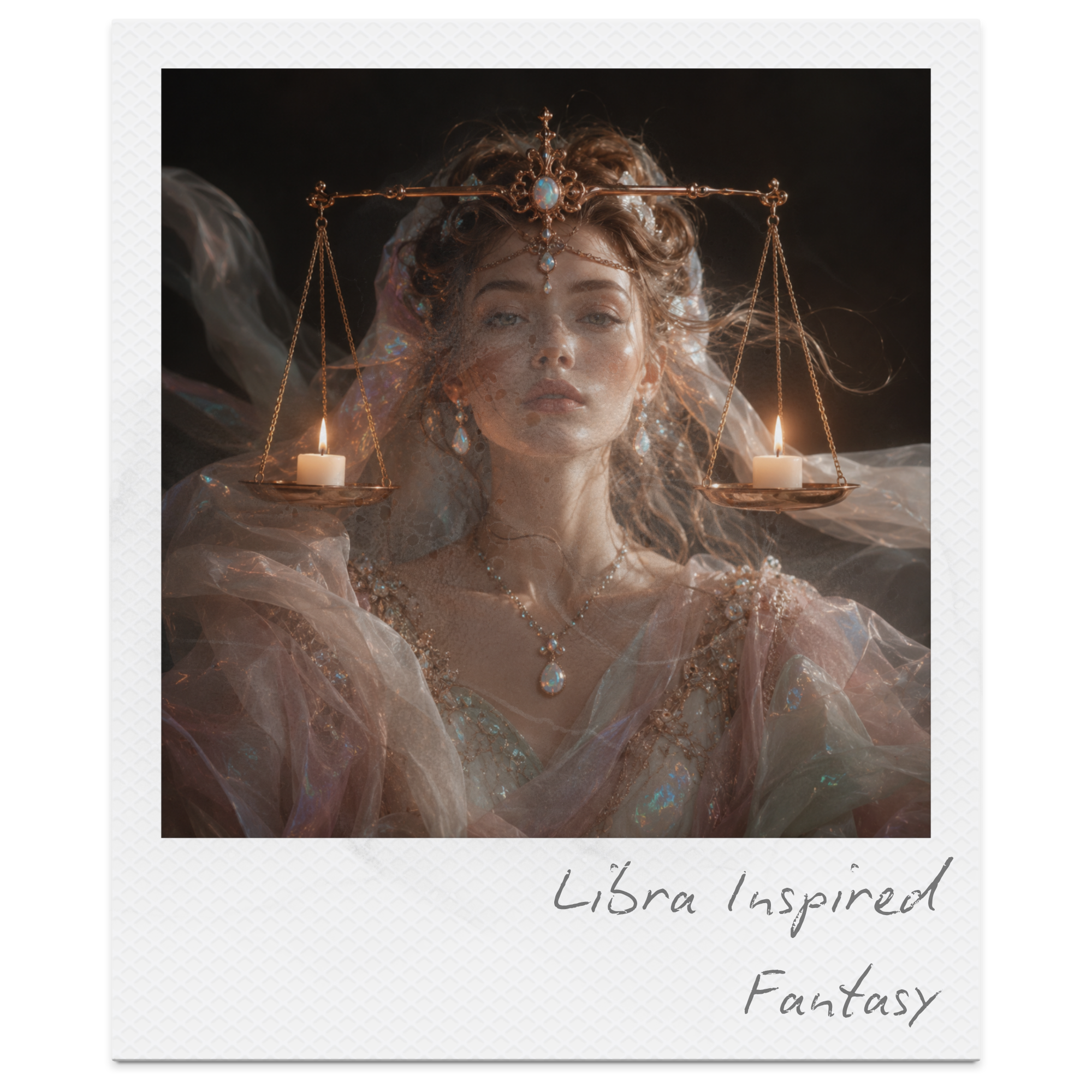
◆ Libra-Inspired Fantasy – elegant marble kingdoms, celestial courtrooms, sacred balance scales, botanical conservatories, magnificent ballrooms, peaceful observatories, enchanted rose gardens, graceful diplomacy, harmonious kingdoms, and timeless myths of justice, helping writers create sophisticated fantasy worlds centred on balance, beauty, wisdom, partnership, artistry, and the enduring power of harmony.
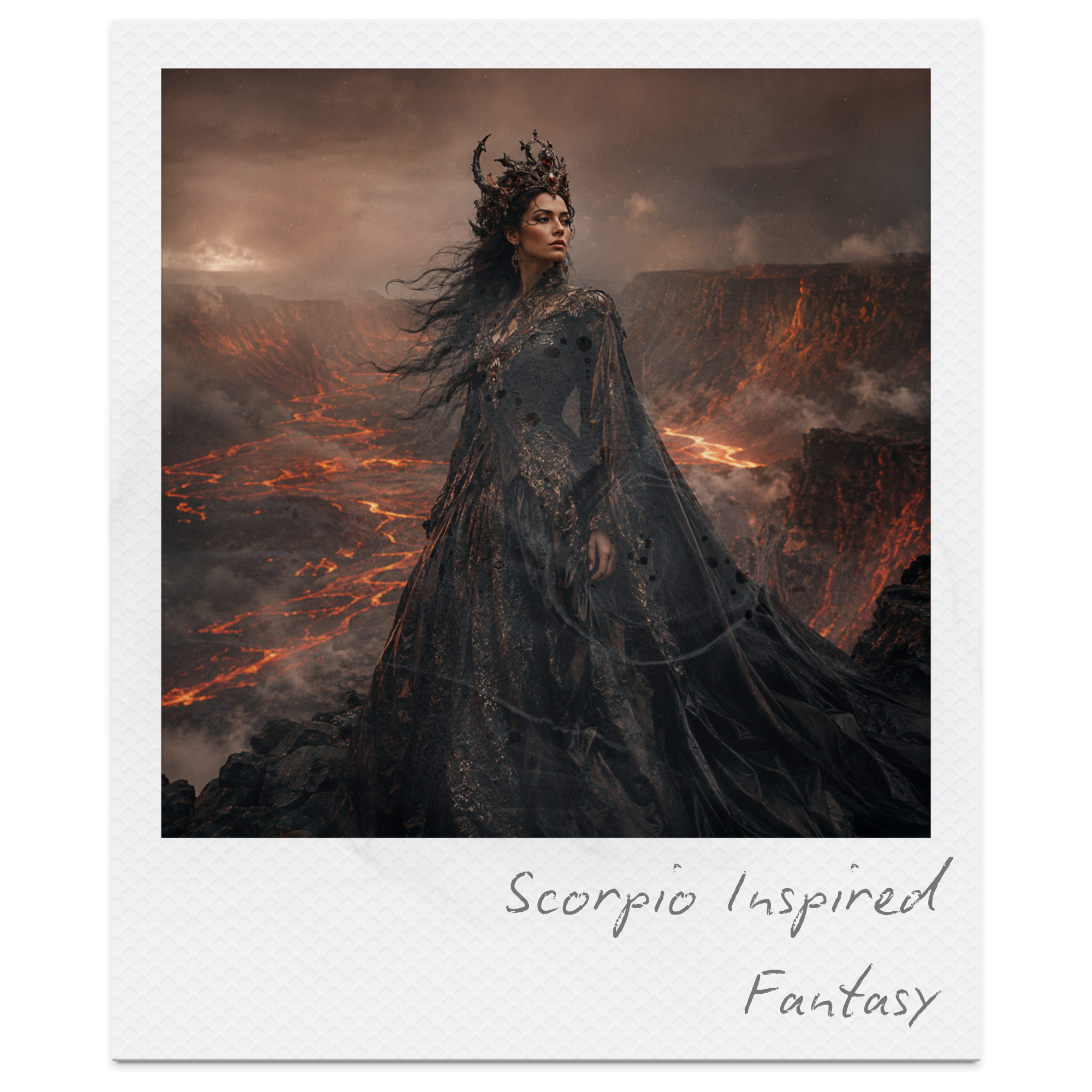
◆ Scorpio-Inspired Fantasy – obsidian kingdoms, volcanic empires, sacred phoenixes, serpent guardians, hidden underworlds, ancient temples, lava rivers, black stone citadels, resilient rulers, and mysterious oracles, helping writers create fantasy worlds centred on transformation, hidden power, resilience, rebirth, intuition, and ancient magic.
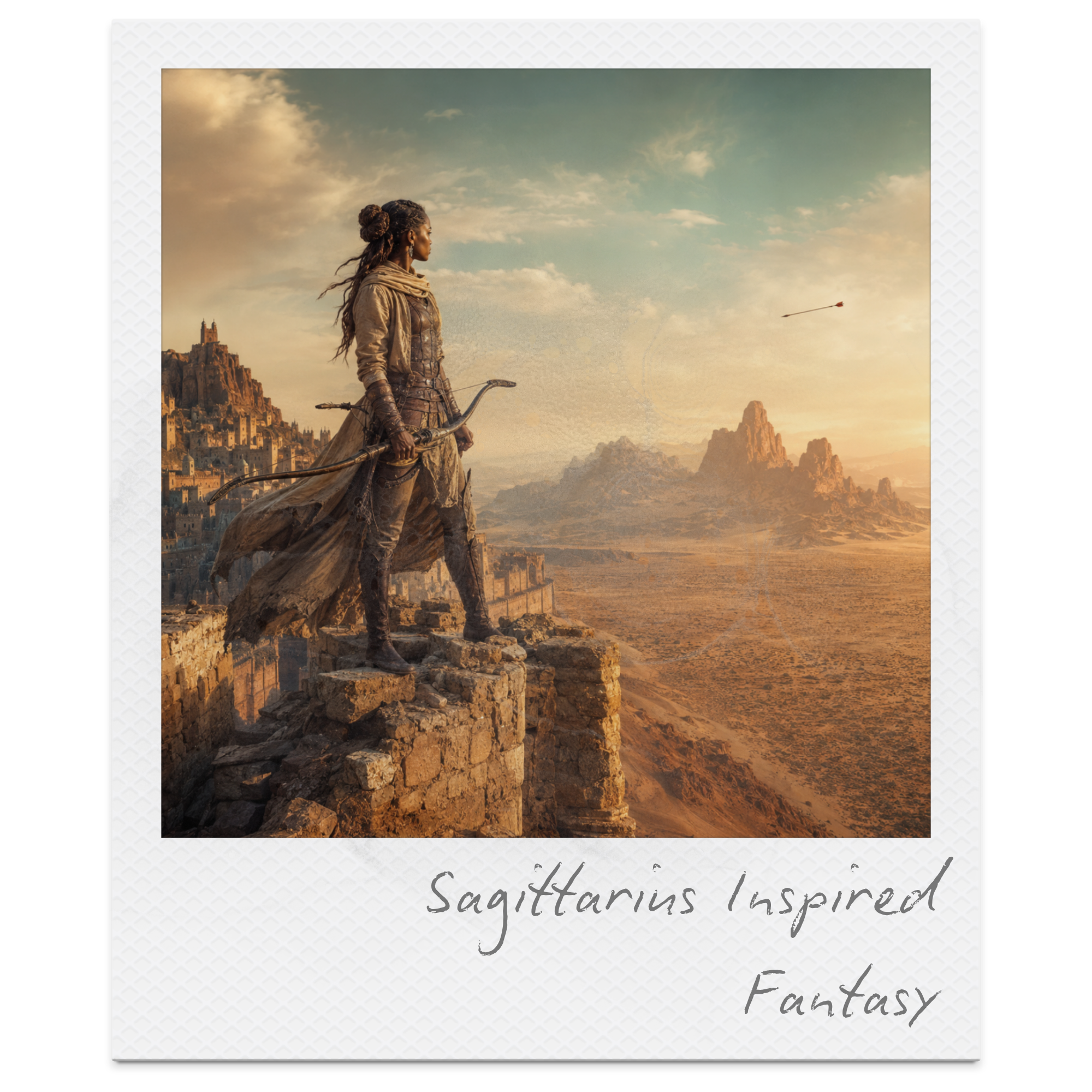
◆ Sagittarius-Inspired Fantasy – celestial observatories, wandering archers, centaur cities, enchanted roads, distant kingdoms, magical horses, turquoise compasses, ancient temples, travelling scholars, and wild landscapes, helping writers create fantasy worlds centred on adventure, freedom, exploration, optimism, discovery, extraordinary fortune, and the irresistible pull of the unknown.
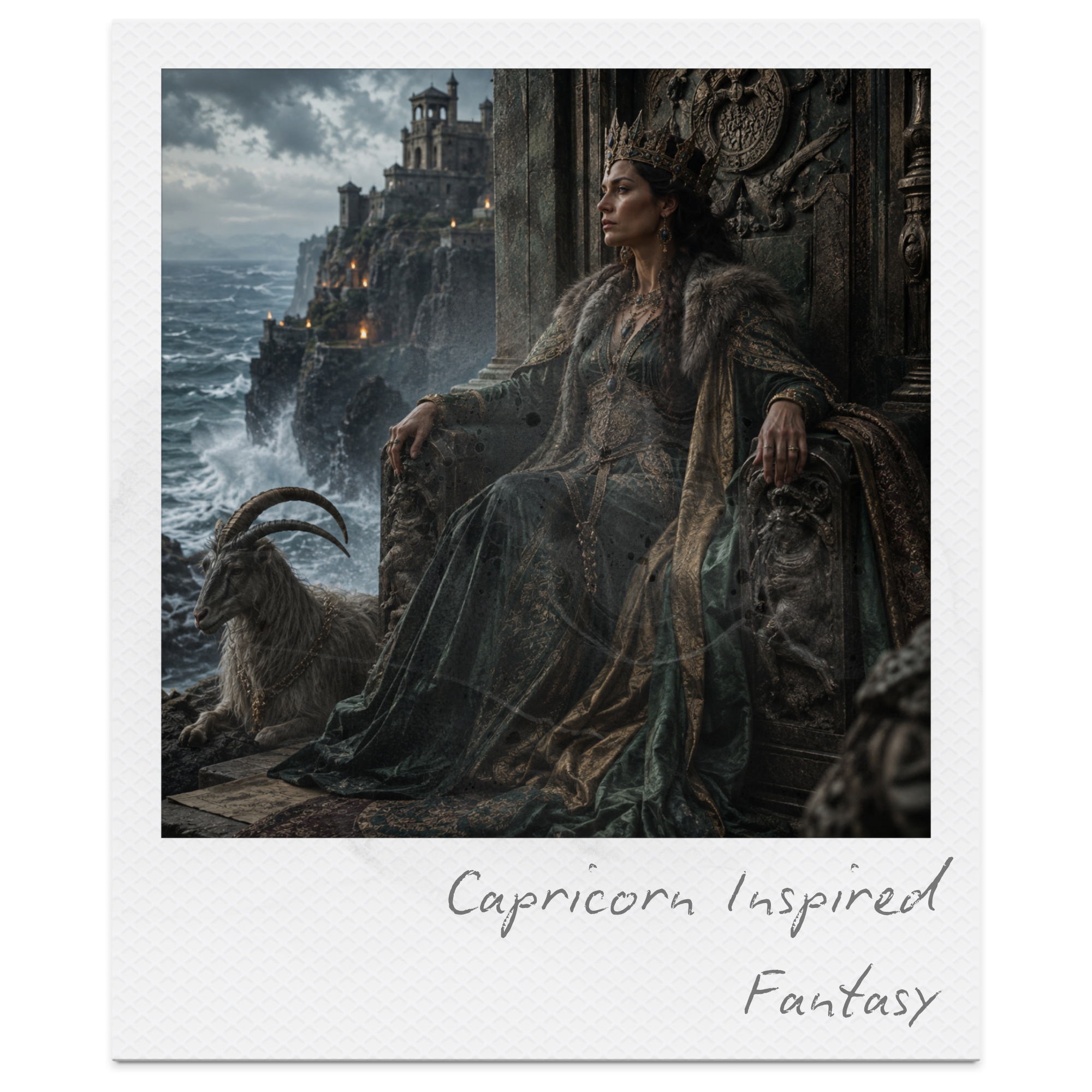
◆ Capricorn-Inspired Fantasy – ancient mountain kingdoms, Sea-Goat guardians, Saturnian magic, winter fortresses, submerged palaces, garnet crowns, earth mages, inherited oaths, monumental cities, and ambitious rulers, helping writers create fantasy stories centred on endurance, discipline, responsibility, legacy, ancient power, and the relentless pursuit of seemingly impossible goals.
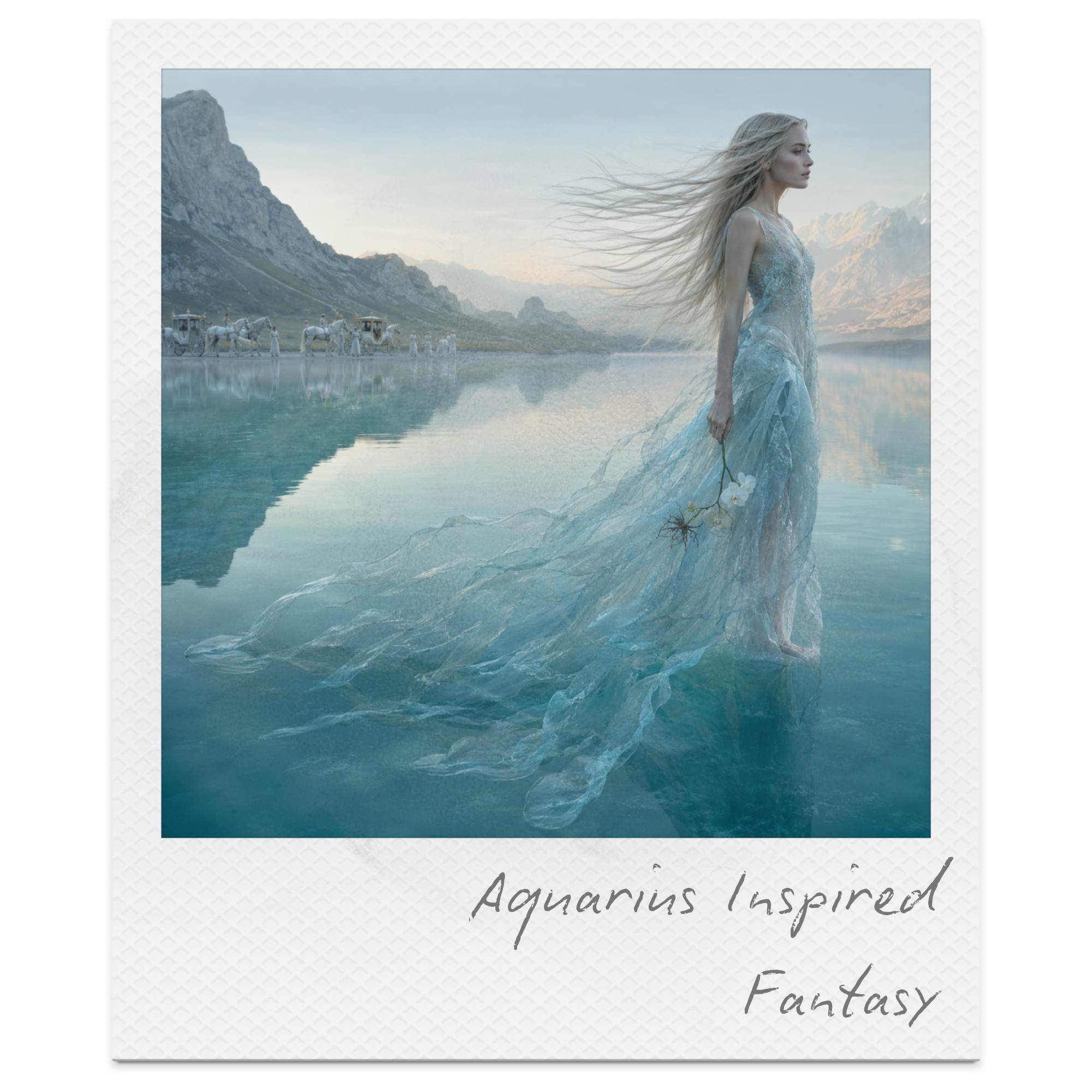
◆ Aquarius-Inspired Fantasy – Water-Bearers, floating cities, rebellious princesses, celestial machinery, experimental kingdoms, shared consciousness, impossible inventions, air magic, visionary outsiders, and unconventional societies, helping writers create fantasy stories centred on originality, freedom, innovation, collective change, radical ideas, and the courage to imagine a completely different world.
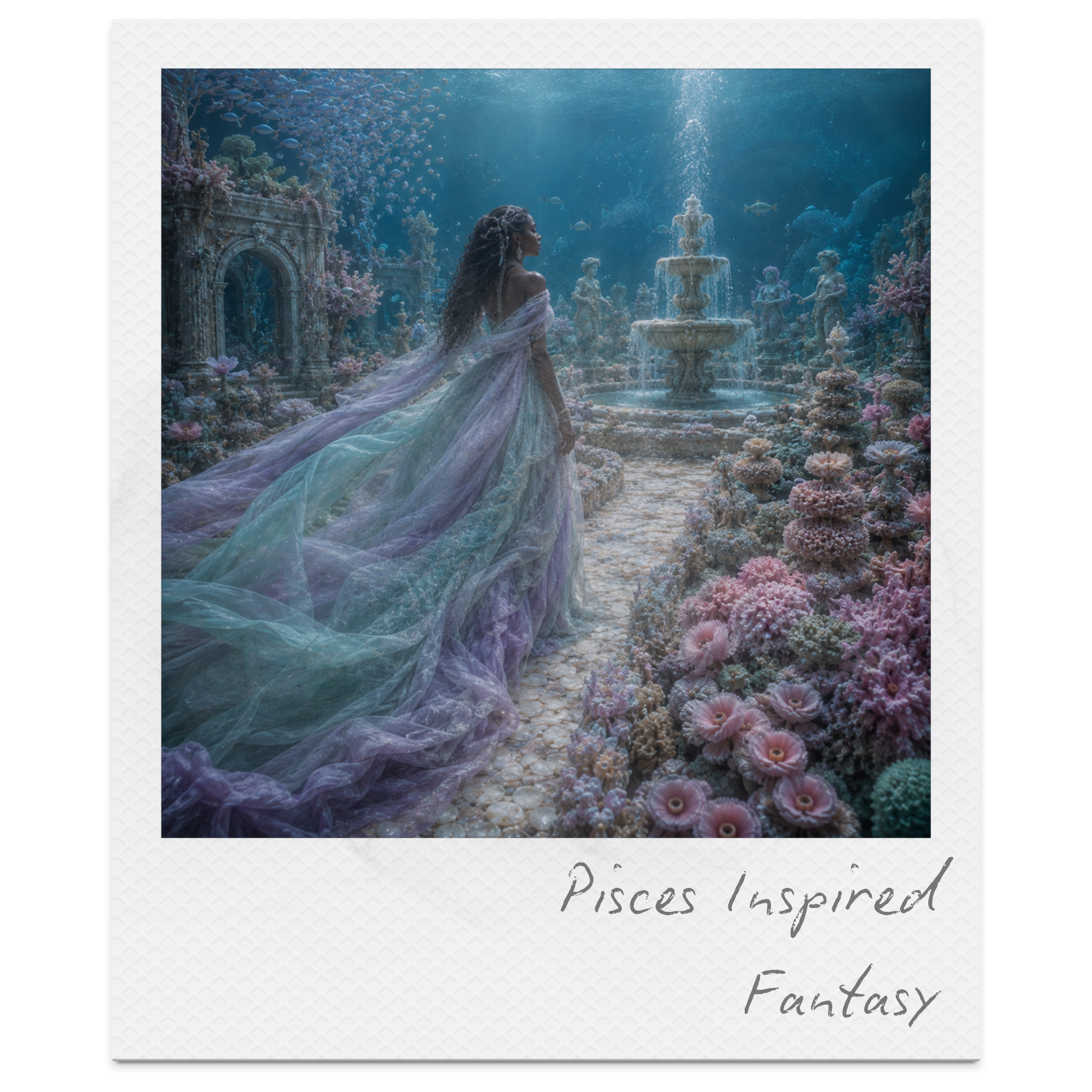
◆ Pisces-Inspired Fantasy – Enchanted seas, submerged kingdoms, prophetic dreams, magical aquariums, living memories, psychic connections, impossible islands, divided destinies, artistic magic, and dreamlike worlds, helping writers explore imagination, intuition, compassion, duality, illusion, escapism, emotional connection, and the mysterious spaces between dreams and reality.
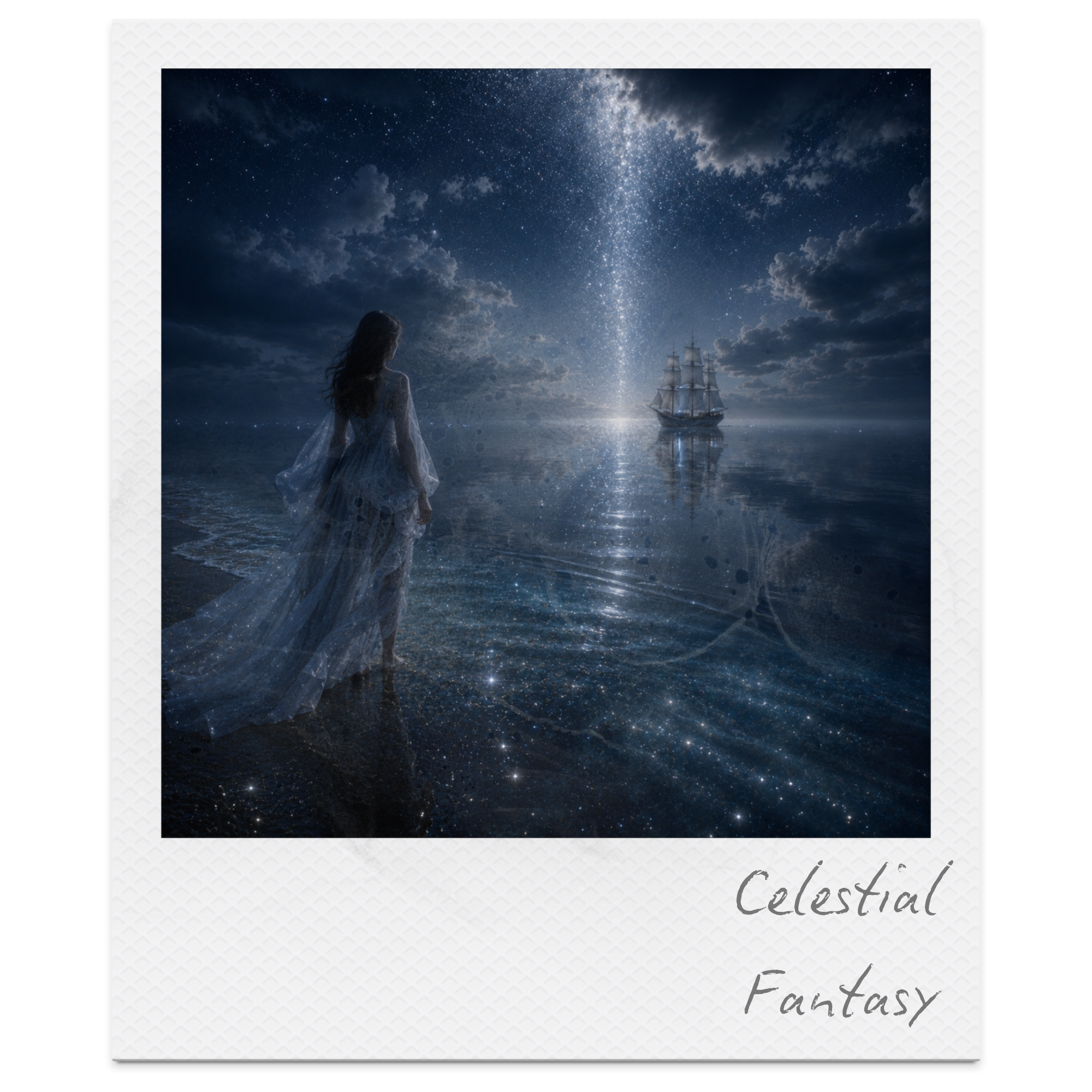
◆ Celestial Fantasy – Starlit kingdoms, moonlit courts, living constellations, celestial royalty, fallen stars, heavenly creatures, cosmic magic, palaces suspended above the clouds, and impossible worlds shaped from the night sky, helping writers create beautiful, ethereal fantasy stories filled with wonder, destiny, celestial power, and the magic of the heavens.
Fantasy Seasons & Celebrations
Explore fantasy inspired by the changing seasons, magical celebrations and traditions that mark the passing of the year. From enchanted autumn forests and Halloween kingdoms to ancient festivals, seasonal magic and extraordinary celebrations, these collections use time, nature and tradition to inspire atmospheric fantasy worlds and stories.
Discover seasonal settings, magical festivals, folklore-inspired traditions and story ideas that can shape everything from the atmosphere of a single scene to the customs and celebrations of an entire fantasy world.
Inside this section:
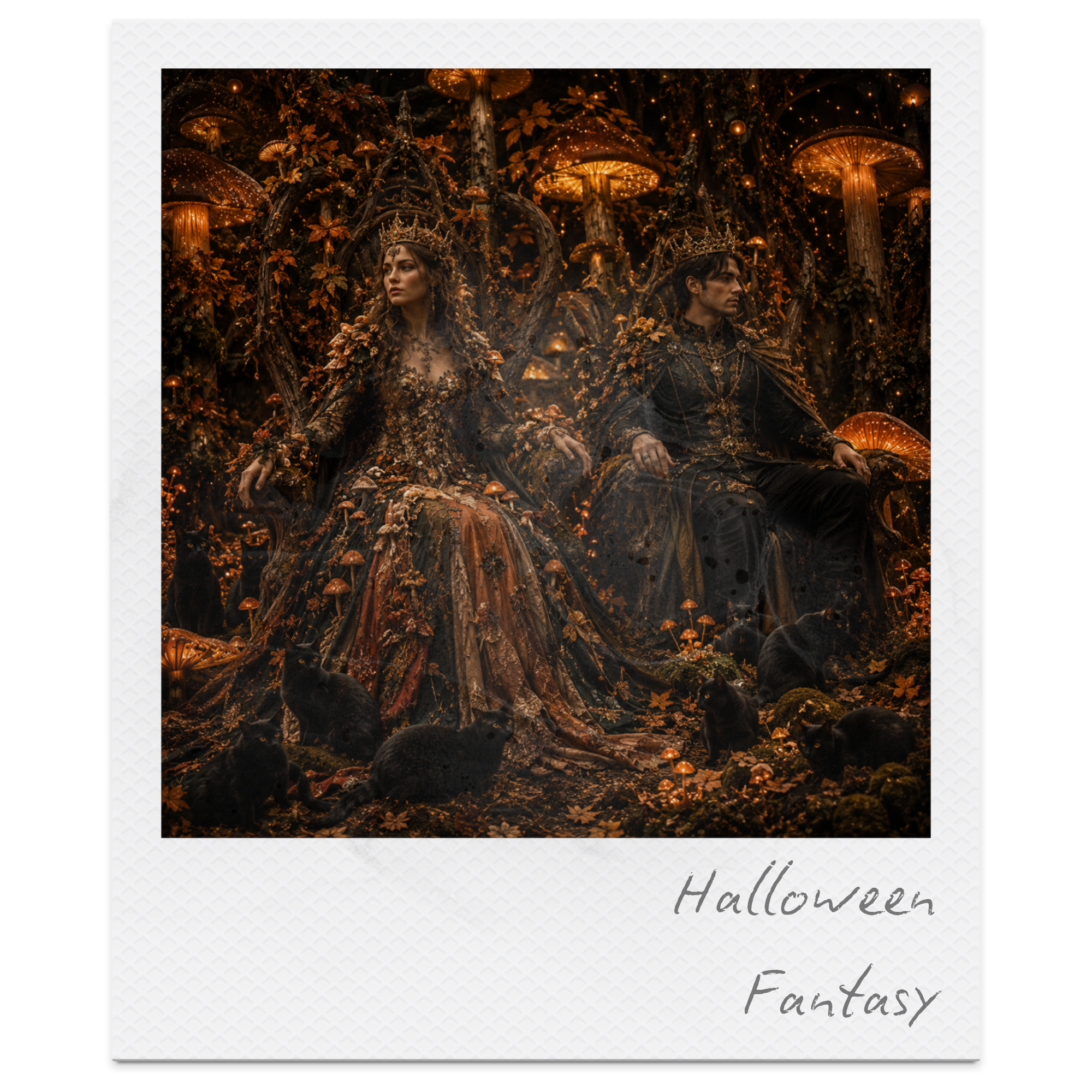
◆ Halloween Fantasy – enchanted pumpkin kingdoms, moonlit forests, magical harvest festivals, witches, ghosts, black cats, haunted villages, glowing jack-o'-lanterns, autumn folklore, and spellbound celebrations, helping writers create atmospheric fantasy adventures filled with seasonal magic, ancient traditions, mysterious creatures, and unforgettable autumn worlds.
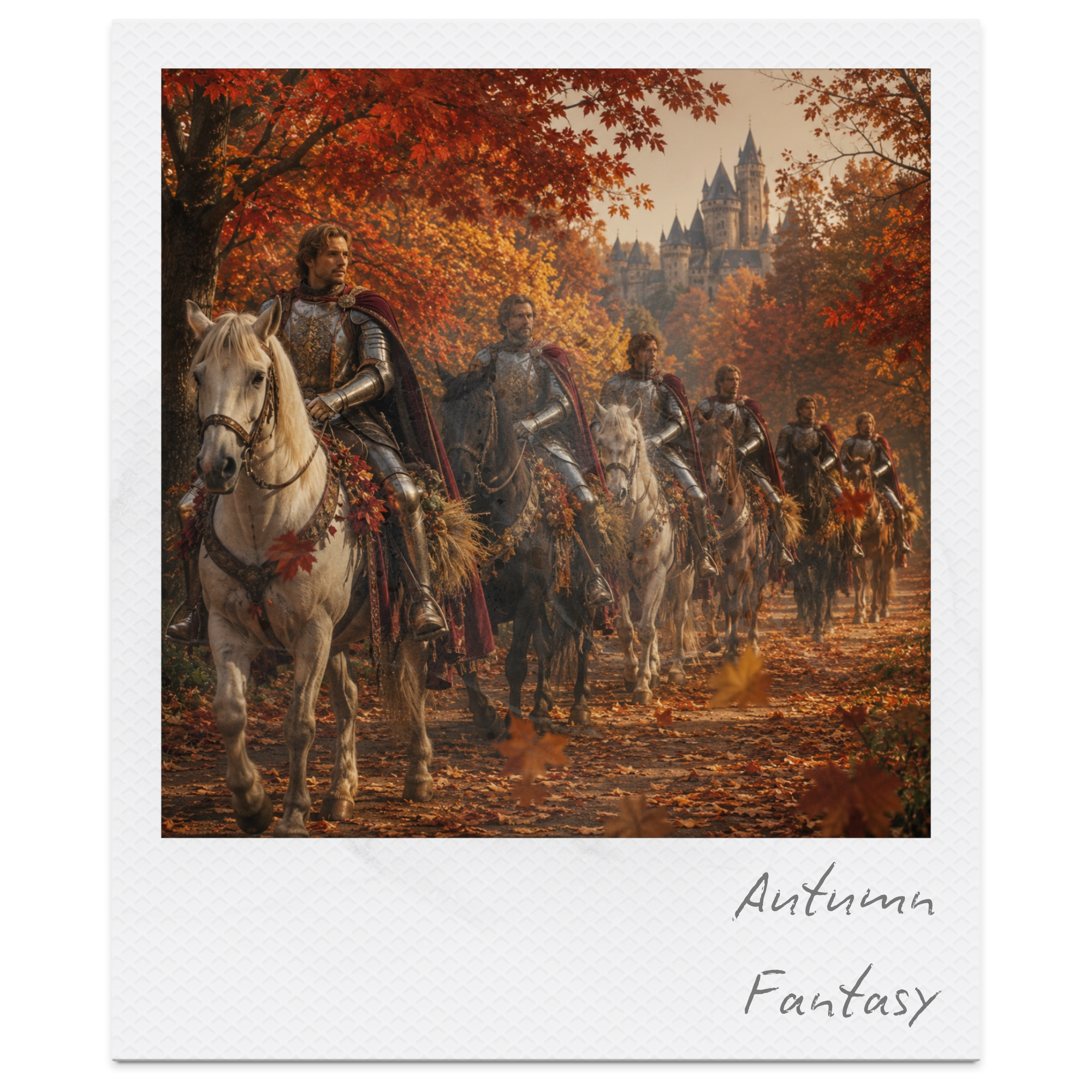
◆ Autumn Fantasy – enchanted forests, golden woodlands, harvest festivals, magical orchards, harvest moons, woodland spirits, foxes, ancient castles, cosy villages, misty valleys, glowing lanterns, witches, forgotten kingdoms, autumn folklore, and spellbound landscapes, helping writers create immersive fantasy adventures filled with seasonal magic, timeless folklore, unforgettable characters, and breathtaking worlds where every falling leaf begins a new story.
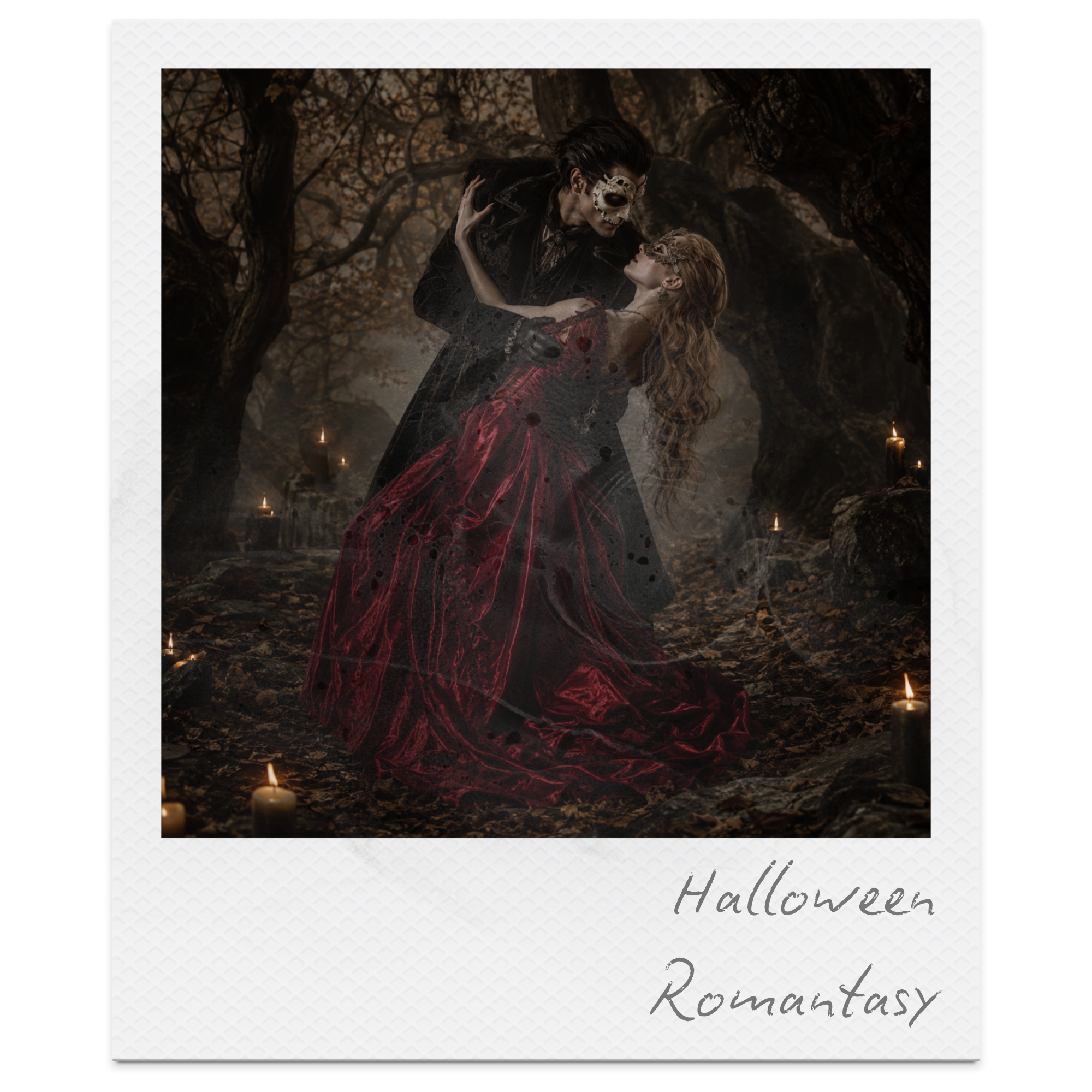
◆ Halloween Romantasy – magical romance shaped by Halloween nights, forbidden attraction, witches, fae, supernatural bargains, cursed lovers, enchanted masquerades, autumn magic, and love stories where desire and danger become impossible to separate.
Fantasy Writing Guides
Go deeper into fantasy writing and worldbuilding with complete guides that bring related ideas, prompts and creative resources together in one place. These larger collections are designed to help you develop an aspect of your fantasy world step by step, while giving you plenty of inspiration whenever you need it.
Explore kingdoms, landscapes and other major areas of fantasy worldbuilding through detailed guides connecting names, ideas, questions, generators, writing prompts and practical worldbuilding advice.
Inside this section:
◆ Fantasy Kingdoms: The Ultimate Guide to Names, Ideas & Worldbuilding – build an entire fantasy kingdom from the ground up, exploring kingdom names and ideas, forests, mountains, deserts, islands, frozen realms and impossible kingdoms alongside rulers, governments, capital cities, cultures, occupations, magic systems, histories, noble houses, alliances, rivalries and political conflict. Discover hundreds of prompts, worldbuilding questions and story ideas, experiment with free fantasy generators, and turn the realm you create into the setting for an unforgettable story.
◆ Fantasy Landscapes: The Ultimate Guide – explore forests, mountains, highlands, coastlines, tropical worlds, swamps, oceans, islands, deserts, volcanic regions, frozen wildernesses and jungles, with worldbuilding ideas, literary inspiration and 70 writing prompts for each landscape to help you create immersive fantasy settings shaped by geography, culture, magic and conflict.
◆ Zodiac Fantasy Writing Guide – a creative guide to using the twelve zodiac signs as inspiration for fantasy characters, kingdoms, magic systems, cultures and conflicts. Explore fire, earth, air and water through celestial symbolism, mythical creatures, personality traits and worldbuilding ideas, with prompts for every star sign and inspiration for transforming familiar zodiac imagery into original fantasy worlds.
Fantasy Literature-Inspired Prompts
Find new writing inspiration in some of fantasy literature’s most memorable worlds, characters and stories. These collections use classic texts, mythology and influential fantasy works as starting points for exploring magical worlds, quests, transformation, power, identity and adventure through your own original writing.
Explore prompts inspired by legendary heroes, enchanted forests, magical schools, rival kingdoms and journeys into extraordinary worlds, using familiar literary ideas and themes as inspiration for characters, settings and stories of your own.
Inside this section:
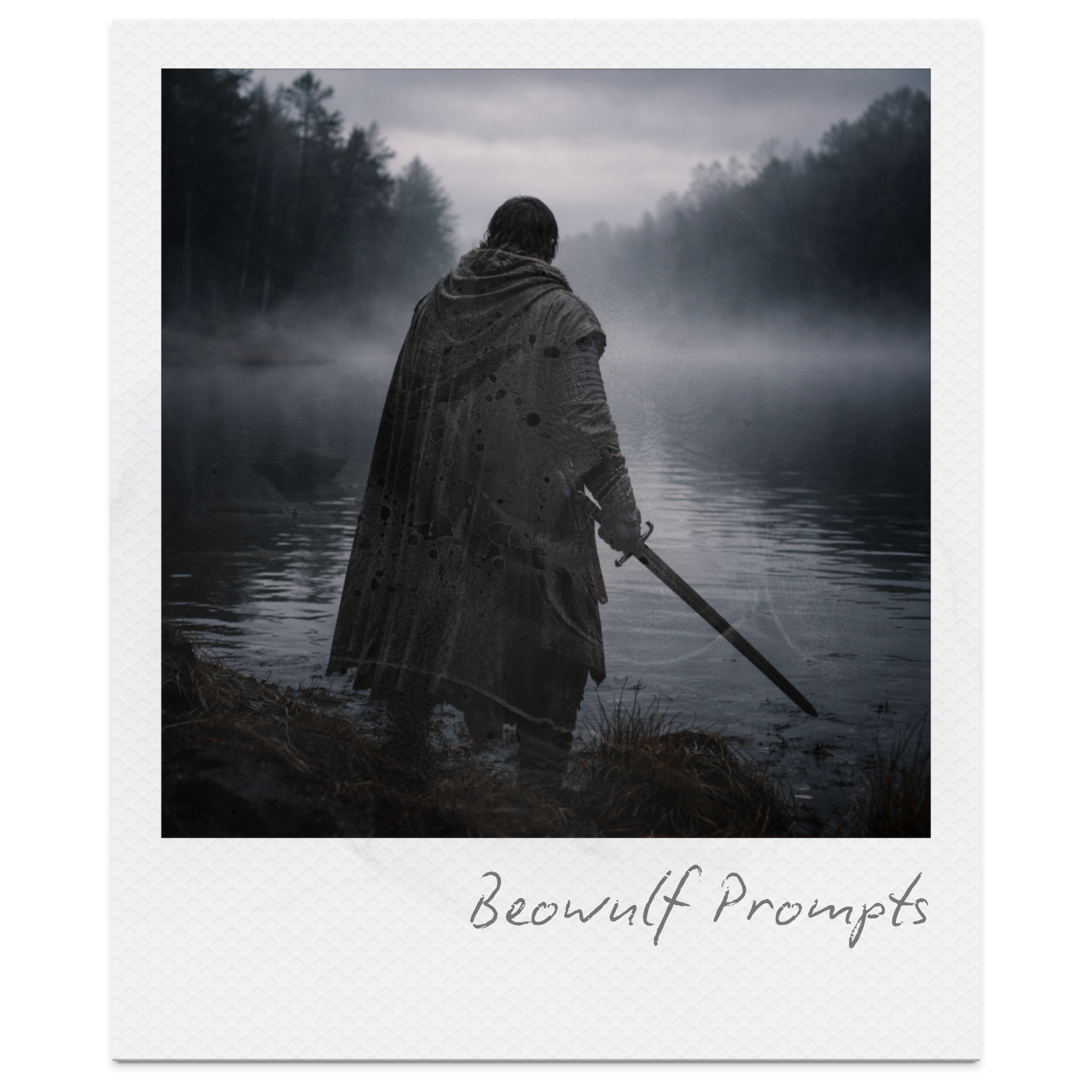
◆ Beowulf – legendary battles, heroic identity, and the tension between civilisation and chaos
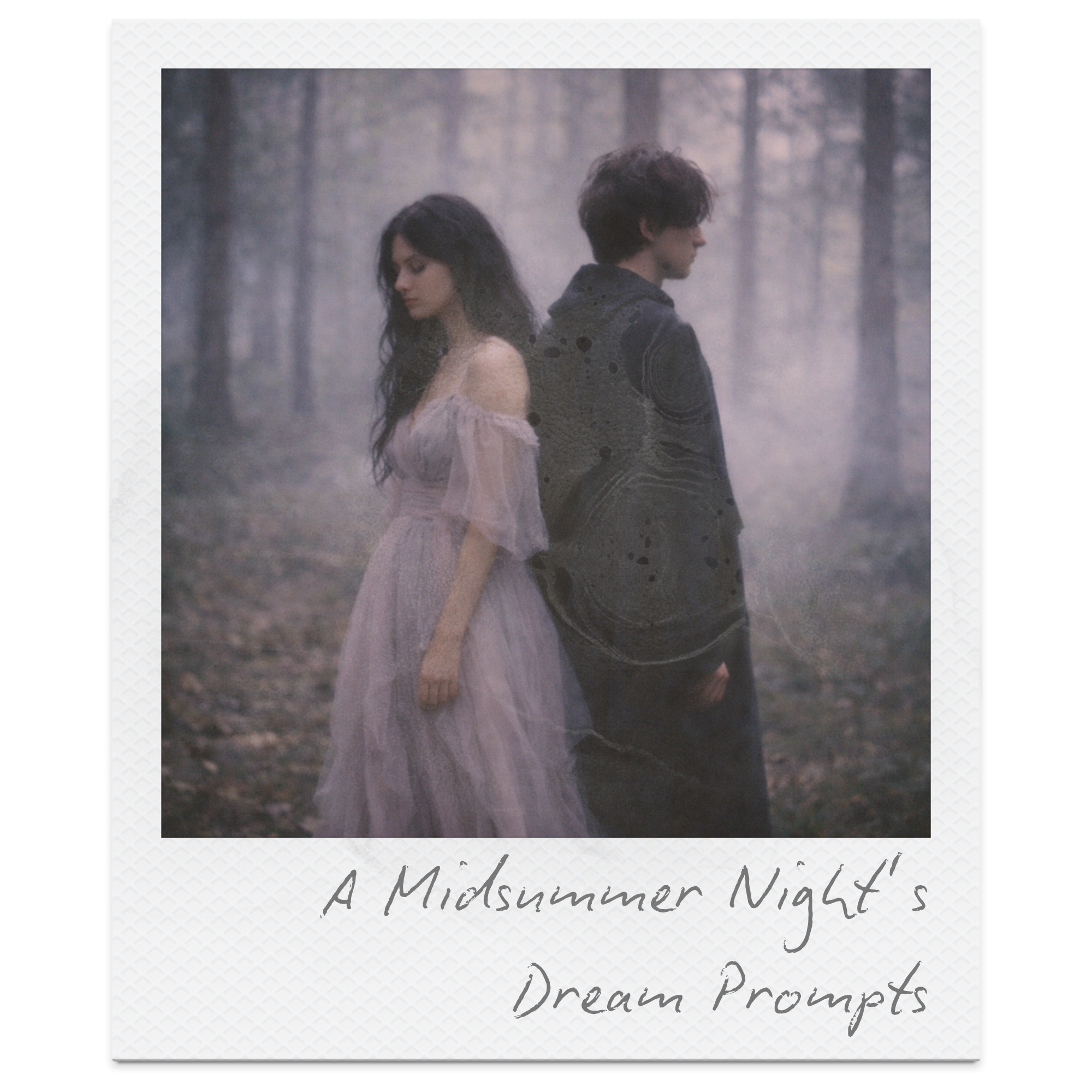
◆ A Midsummer Night’s Dream– enchantment, transformation, and the unpredictable influence of magic and desire
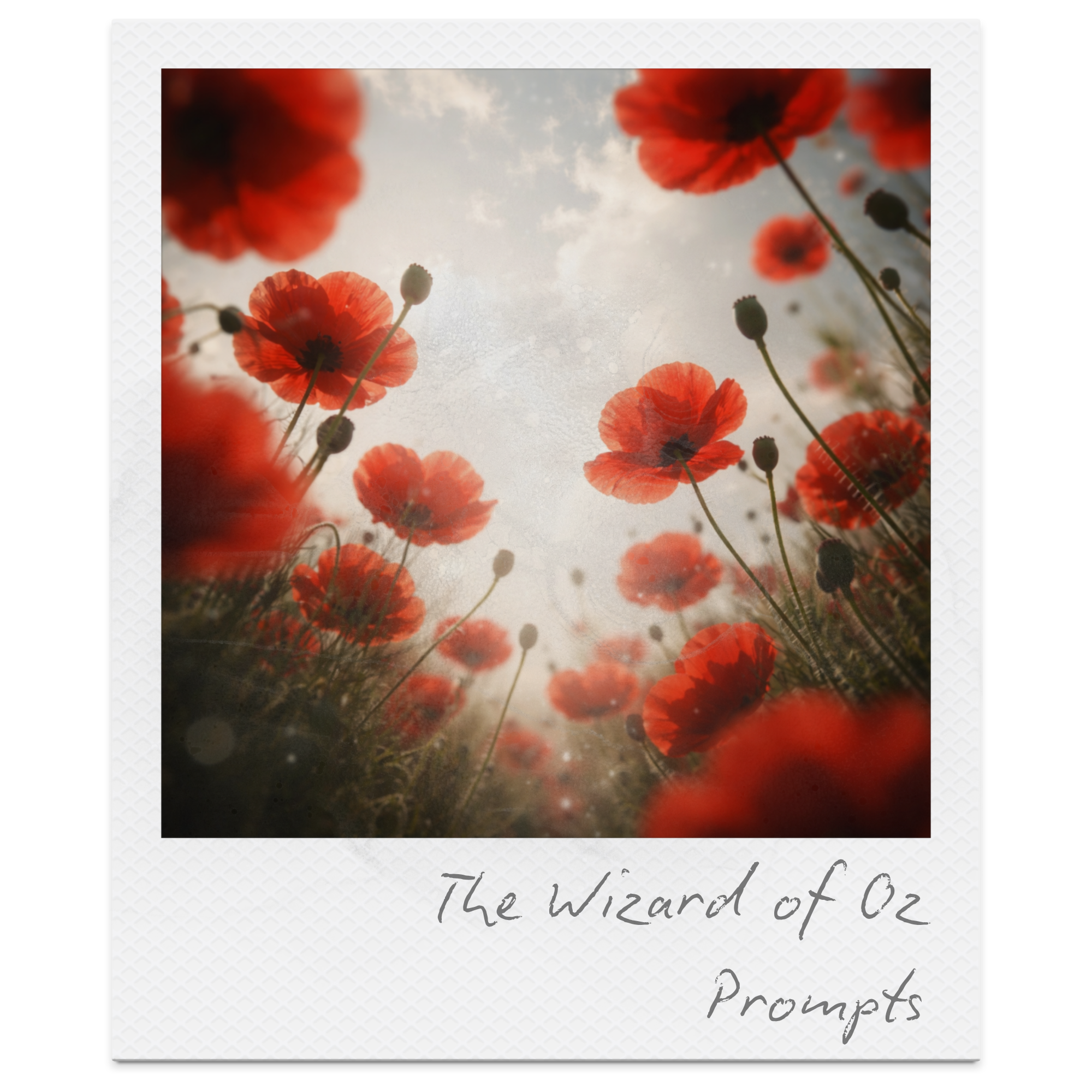
◆ The Wizard of Oz – journey, identity, and self-discovery within a vividly imagined magical world
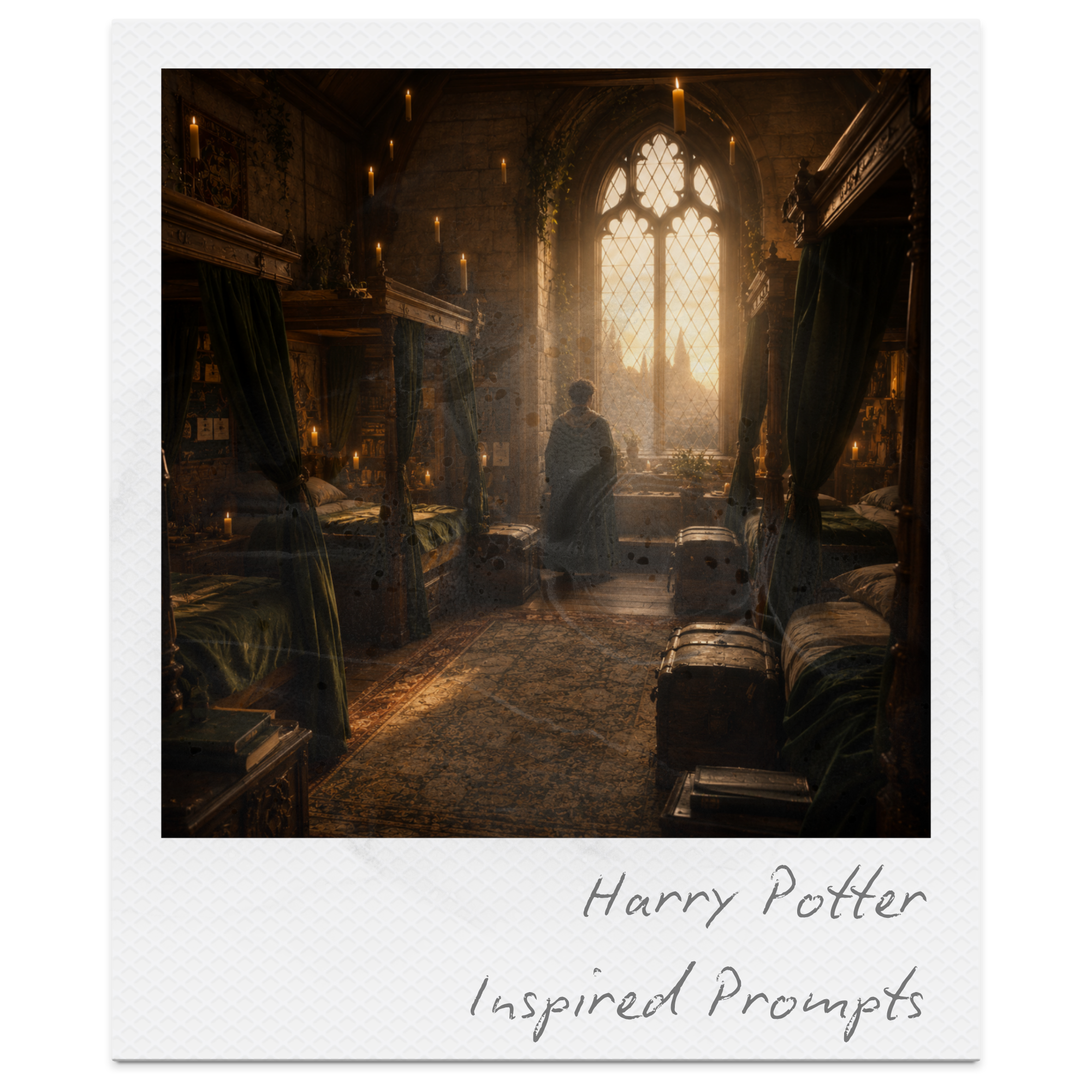
◆ Harry Potter – magical schools, enchanted libraries, hidden worlds, magical creatures, spellbinding adventures, mysterious artefacts, found family, coming-of-age journeys, friendship, courage, and original fantasy storytelling inspired by one of the world's most beloved fantasy series.
◆ A Game of Thrones – rival kingdoms, political intrigue, noble houses, contested thrones, ancient magic, dangerous alliances, epic battles, morally grey characters, medieval-inspired fantasy, and original worldbuilding inspired by one of fantasy's most influential series.
Fantasy Poetry Prompts
Explore fantasy through poetry with writing prompts inspired by magical worlds, legendary journeys, mythical landscapes and extraordinary characters. Fantasy poetry can capture the scale of an epic adventure or focus on a single enchanted moment, using imagery, symbolism, rhythm and voice to suggest worlds extending far beyond the poem itself.
Use these prompts to experiment with heroic quests, ancient magic, battles, prophecies, mythical creatures and imagined landscapes while developing your own poetic voice within the fantasy genre.
Inside this section:
◆ Epic Fantasy Poetry Prompts – quests, battles, journeys, and heroic arcs shaped by conflict, fate, and the pursuit of something beyond the self
Choose Your Next Adventure
Fantasy is only one doorway into a much bigger world of storytelling. Explore the writing hubs below to discover hundreds of creative writing prompts, story ideas, character inspiration, settings, generators and worldbuilding resources across genres including fairytales, folklore, Gothic, horror, romance, science fiction, mythology and more.
Choose the world that captures your imagination and see where your next story takes you.
Fantasy Writing FAQs
Whether you’re starting your first fantasy story or building an entire world from scratch, these frequently asked questions cover some of the most important parts of fantasy writing, from choosing a subgenre and finding story ideas to creating kingdoms, cultures and magic systems.
-
Fantasy writing is fiction that introduces elements beyond the rules of ordinary reality, such as magic, mythical creatures, invented worlds, supernatural powers or impossible places. Fantasy can take place in a completely imagined secondary world or introduce magical elements into a setting similar to our own.
The genre can encompass everything from enormous quests and warring kingdoms to magical schools, cosy villages and character-driven stories. What connects them is the freedom to imagine something impossible and establish the rules that make it believable within the story.
-
Fantasy contains many different subgenres, including high fantasy, dark fantasy, urban fantasy, romantasy, Gothic fantasy, portal fantasy, grimdark fantasy and fantasy horror. Fantasy can also overlap with mystery, science fiction, dystopian fiction, romance and other genres.
Each creates different storytelling possibilities. High fantasy often explores large secondary worlds and epic conflicts, while urban fantasy introduces magic into recognisable cities and contemporary settings. Portal fantasy transports characters into another world, while romantasy places a major romantic storyline alongside fantasy adventure and worldbuilding.
Explore the Fantasy Genre Prompts above to find the style that best fits the story you want to tell.
-
You don’t need to build an entire world before you begin writing. Start with one compelling element: a character, conflict, magical rule, strange setting, unanswered question or image that makes you curious about what happens next.
You might begin with a kingdom whose ruler has disappeared, a character discovering an impossible ability, a forbidden magical object or a road that appears only once every hundred years. Once you have your initial idea, ask what changes because of it, who is affected and what your character wants.
If you need a starting point, try the Fantasy Story Ideas & Generators section above for prompts, opening lines, plot twists, picture prompts and random story generators.
-
Good fantasy writing prompts create possibilities rather than dictating an entire story. Try ideas such as a kingdom where nobody is permitted to dream, a magical forest that has begun moving towards the capital, an apprentice who discovers their teacher has been hiding the true cost of magic, or a supposedly mythical creature appearing in the centre of an ordinary town.
The best prompt is usually one that immediately makes you ask questions. Why is this happening? Who caused it? What happens next?
Explore the fantasy writing prompts, Fantasy Story Sparks, picture prompts, story ideas and generators throughout this hub for hundreds of additional starting points.
-
Start with the elements that matter most to your story rather than attempting to invent everything at once. Consider where your characters live, who holds power, what people believe, whether magic exists, what happened in the past and which conflicts are shaping the world now.
Then look for connections between those decisions. Geography can influence trade and political power. Magic can affect wealth, education and social class. Old wars can create modern rivalries. Religion, traditions and history can influence how characters understand their world.
Explore Fantasy Worldbuilding above or use the Ultimate Fantasy Kingdom Worldbuilding Guide to begin developing a realm step by step.
-
Useful areas to consider include geography, settlements, cultures, government, social structures, religion, magic, history, economics, warfare, technology, traditions and relationships with neighbouring societies. You do not necessarily need to develop every category in equal detail.
Concentrate on the parts of the world your characters actually encounter and the systems that influence the story. A political fantasy may require detailed governments, noble families and alliances, while a magical adventure might need greater attention to geography, creatures and the rules governing magic.
The Fantasy Worldbuilding and Fantasy Settings & Landscapes sections above contain questions, ideas and resources for developing these elements in greater depth.
-
Begin by deciding where magic comes from, who can use it and what it can actually do. Then establish its limitations. Consider whether magic requires training, inherited ability, particular objects or resources, and whether using it carries a physical, emotional, social or magical cost.
Next, consider how the existence of magic has changed the wider world. Magic could influence medicine, warfare, religion, education, employment, politics and social inequality. A believable magic system is not only about creating interesting powers; it is also about understanding the consequences of those powers existing.
Use the Fantasy Magic System Generator for an instant starting point or explore the 100 Fantasy Magic Worldbuilding Questions to develop your system in greater depth.
-
Combine elements that create questions or conflict. Choose a character, setting, magical element and problem, then ask what happens when they collide. A reluctant prince + a disappearing kingdom + forbidden magic already contains the beginnings of a story.
You can also take something familiar and change one important rule. What if dragons were ordinary working animals? What if prophecy was illegal? What if a magical school taught something other than spells? What if the supposedly evil kingdom had been telling the truth all along?
If you’re stuck, explore Fantasy Story Sparks, the Fantasy Story Generator, fantasy writing prompts and the other free generators throughout this hub. Sometimes one unexpected combination is all you need to discover your next story.