70 Adventure Writing Prompts for Teens: Plot Hooks, Characters, Settings & Story Starters
Adventure writing is driven by movement, risk, and discovery — stories where characters are pushed beyond the familiar and forced to act. For many students, however, adventure writing can feel overwhelming: big stakes, unfamiliar worlds, and pressure to invent complex plots from nothing. These adventure writing prompts for teens are designed to remove that barrier, offering structured starting points that help writers focus on storytelling, character, and choice rather than getting stuck at the blank page.
This collection of 70 adventure writing prompts includes clear plot hooks, flexible character ideas, evocative settings, and adaptable story starters that support a wide range of adventure stories — from survival journeys and quests to modern adventures, explorations, and high-stakes challenges. Suitable for middle and high school students, these prompts work well for creative writing lessons, classroom warm-ups, independent writing, and longer adventure projects.
If you’re looking for more ideas across genres, tropes, and themes, you can browse all of my creative writing prompts in the Creative Writing Prompts Archive, which brings together over 2000 classroom-ready prompts in one place.
1. Plot Hooks
Adventure stories begin when safety is disrupted and a character is forced into motion. These plot hooks introduce journeys, risks, discoveries, and moments where staying behind is no longer an option. They encourage writers to explore action, decision-making, and consequence as the driving forces of adventure storytelling.
Write about a journey that begins by accident rather than choice.
Write about a place that can only be reached by leaving something important behind.
Write about a map, message, or object that points toward danger instead of safety.
Write about crossing a boundary everyone else avoids — and discovering why.
Write about a rescue mission that creates a greater risk than the one it was meant to solve.
Write about getting lost in a place that shouldn’t exist on any map.
Write about a return journey that feels more dangerous than the departure.
Write about a deadline that turns a simple task into a race against time.
Write about being forced to rely on someone you don’t trust in order to survive.
Write about a moment when turning back is no longer possible.
2. Title Ideas
Adventure titles often suggest movement, danger, or discovery without revealing the full story. These title ideas help writers frame their narratives by hinting at journeys, challenges, and turning points, while leaving room for interpretation and originality.
Beyond the Edge
The Long Way Back
No Safe Return
The Crossing
Off the Map
Against the Current
What We Left Behind
Into Unknown Territory
The Last Route
Further Than Planned
3. Opening Lines
Strong adventure openings place the reader at the edge of action or uncertainty. These opening lines are intentionally open-ended, allowing writers to establish momentum and tone without fixing the story too narrowly.
It wasn’t meant to start this way, but once it did, there was no stopping it.
We should have turned back earlier, but by then the decision had already been made.
The map promised a clear route, though nothing about the journey felt certain.
At first, it seemed like an ordinary journey, until the first sign that something was wrong.
No one warned us what would happen if we crossed that line.
The moment we stepped beyond the boundary, everything changed.
We didn’t realise how dangerous it was until it was too late to turn back.
What began as a simple plan quickly became something else entirely.
The decision felt small at the time, even though it would change everything.
I knew then that going back was no longer an option.
4. Closing Lines
Adventure endings often reflect change, cost, or survival rather than simple victory. These closing lines encourage writers to consider what the journey has taken, altered, or revealed.
We were not the same people when the journey ended.
Some journeys don’t allow you to return unchanged.
The danger had passed, but its impact remained.
Surviving came at a cost I hadn’t expected.
The journey ended, but the consequences did not.
We understood the price of going further only once it was too late.
Reaching the destination did not feel like winning.
What we lost along the way mattered more than what we gained.
The journey gave us answers we hadn’t been looking for.
Looking back, I realise there was no other choice we could have made.
5. Character Ideas
Adventure characters are often defined by how they respond to risk, responsibility, and uncertainty. These character ideas help writers develop figures whose choices drive the story forward.
A reluctant traveller forced to lead the group
Someone who knows the route — but hides part of the truth
A character running from something as much as toward something
An experienced guide who begins to doubt themselves
A newcomer whose mistake puts everyone at risk
Someone determined to prove they belong
A character who wants to turn back when it’s too late
Someone carrying responsibility for another’s safety
A character who underestimates the danger
A leader whose authority is questioned during the journey
6. Setting Ideas
Adventure settings often involve distance, isolation, or unfamiliar territory. These setting ideas encourage writers to use place as a source of challenge, tension, and discovery.
A remote landscape far from civilisation
A route few people are willing to take
A place marked on old maps but missing from new ones
A natural environment that shifts unexpectedly
A location only accessible during a narrow window of time
A setting where communication with the outside world is impossible
A place shaped by past travellers’ failures
An environment that becomes more dangerous over time
A setting that feels safer than it truly is
A destination reached too late
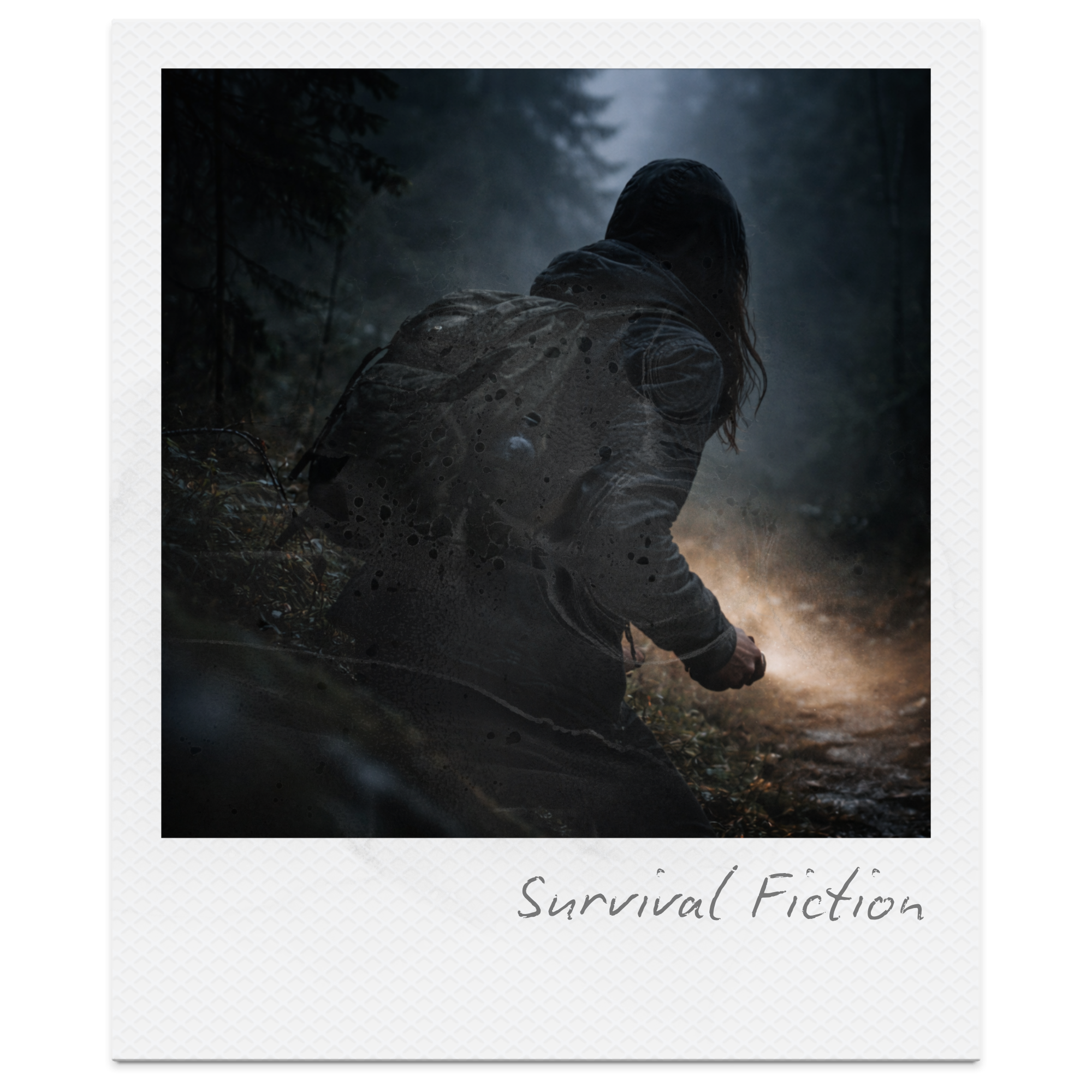
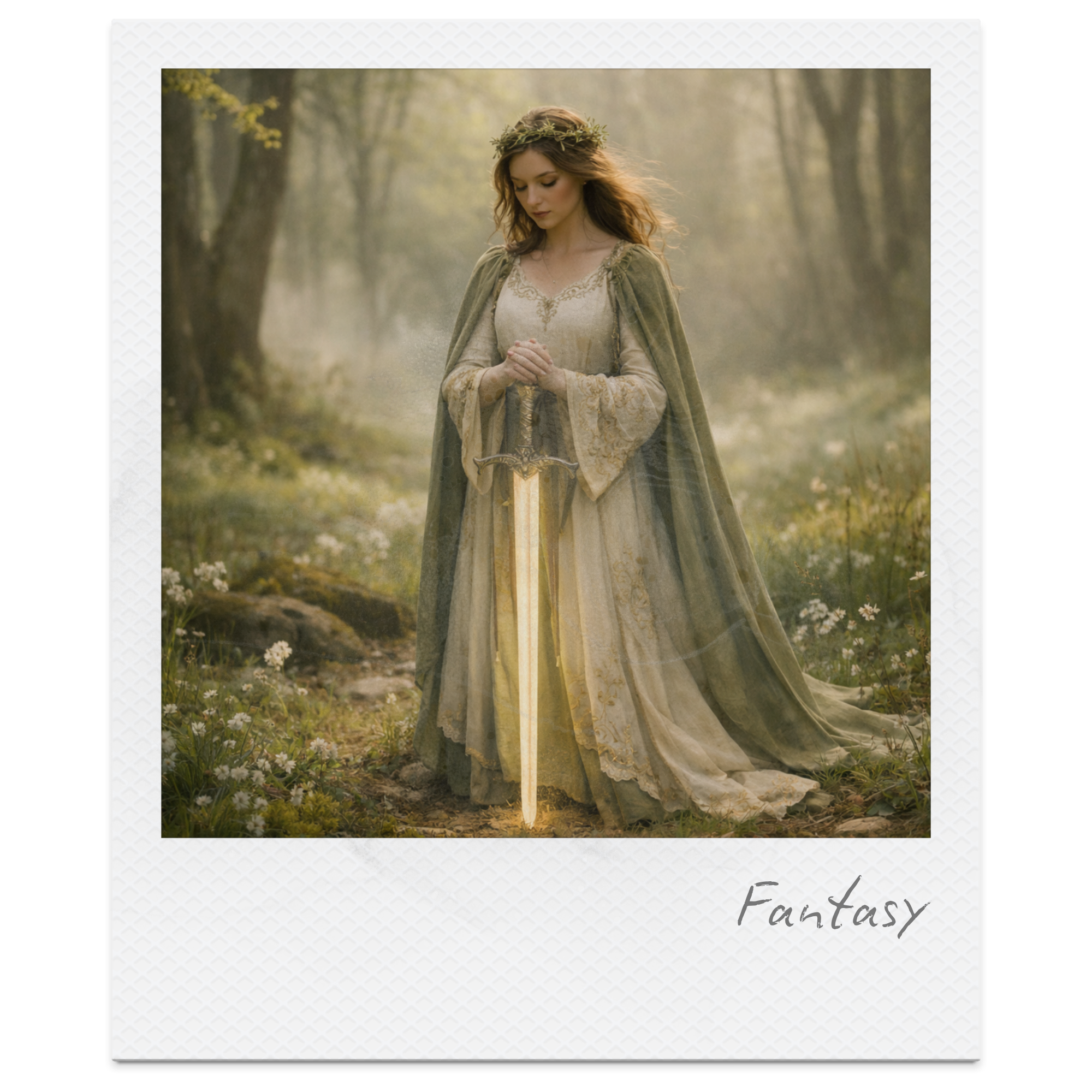
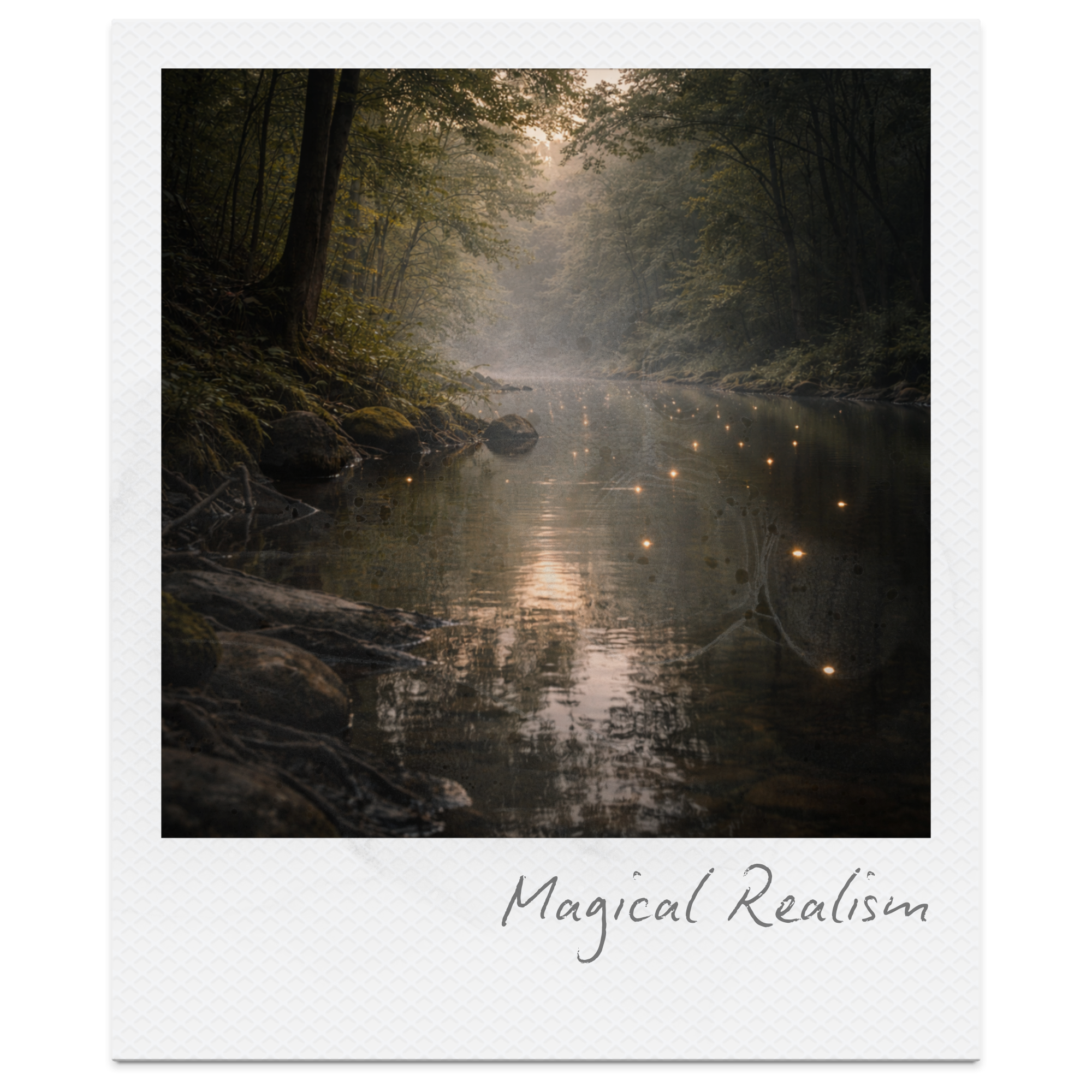
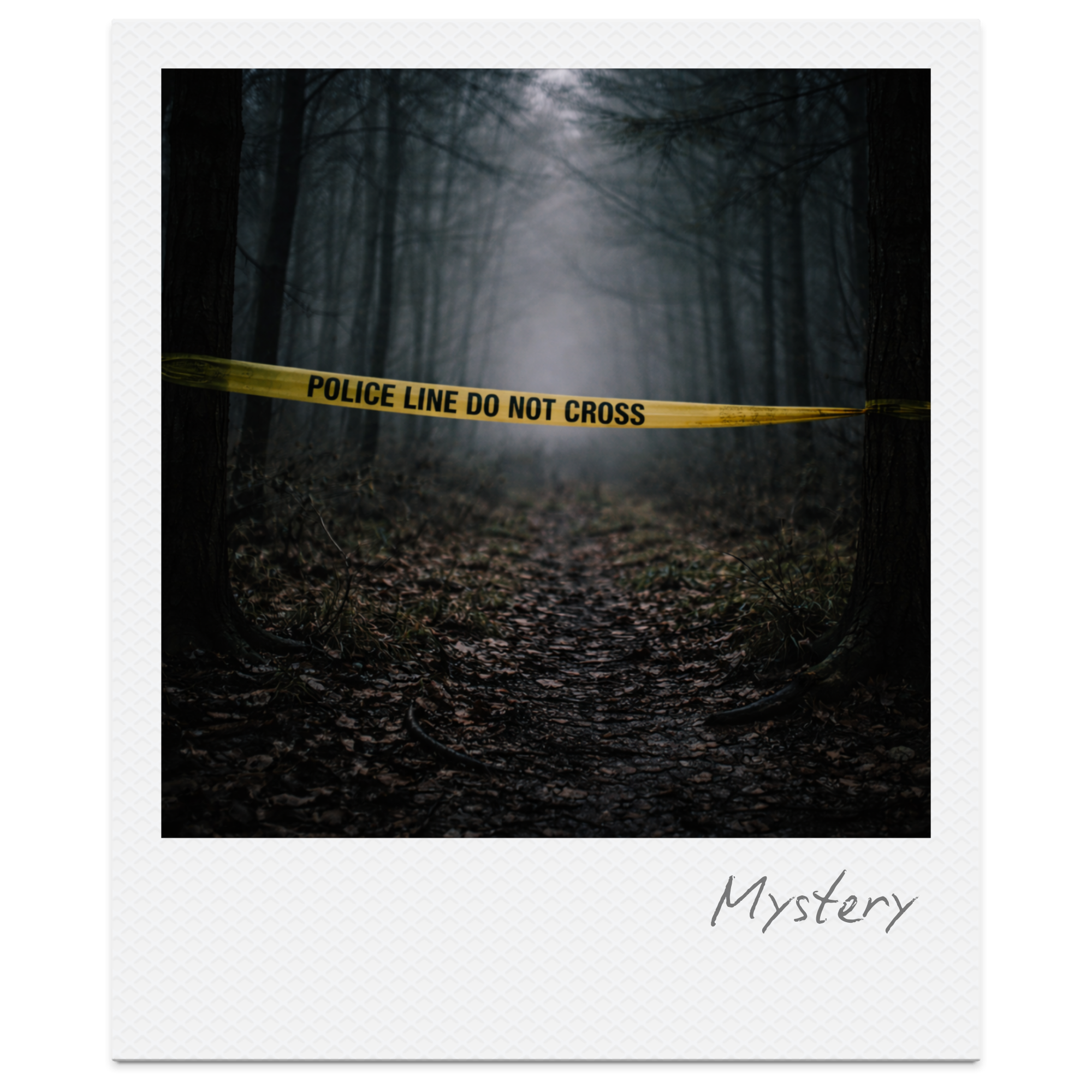
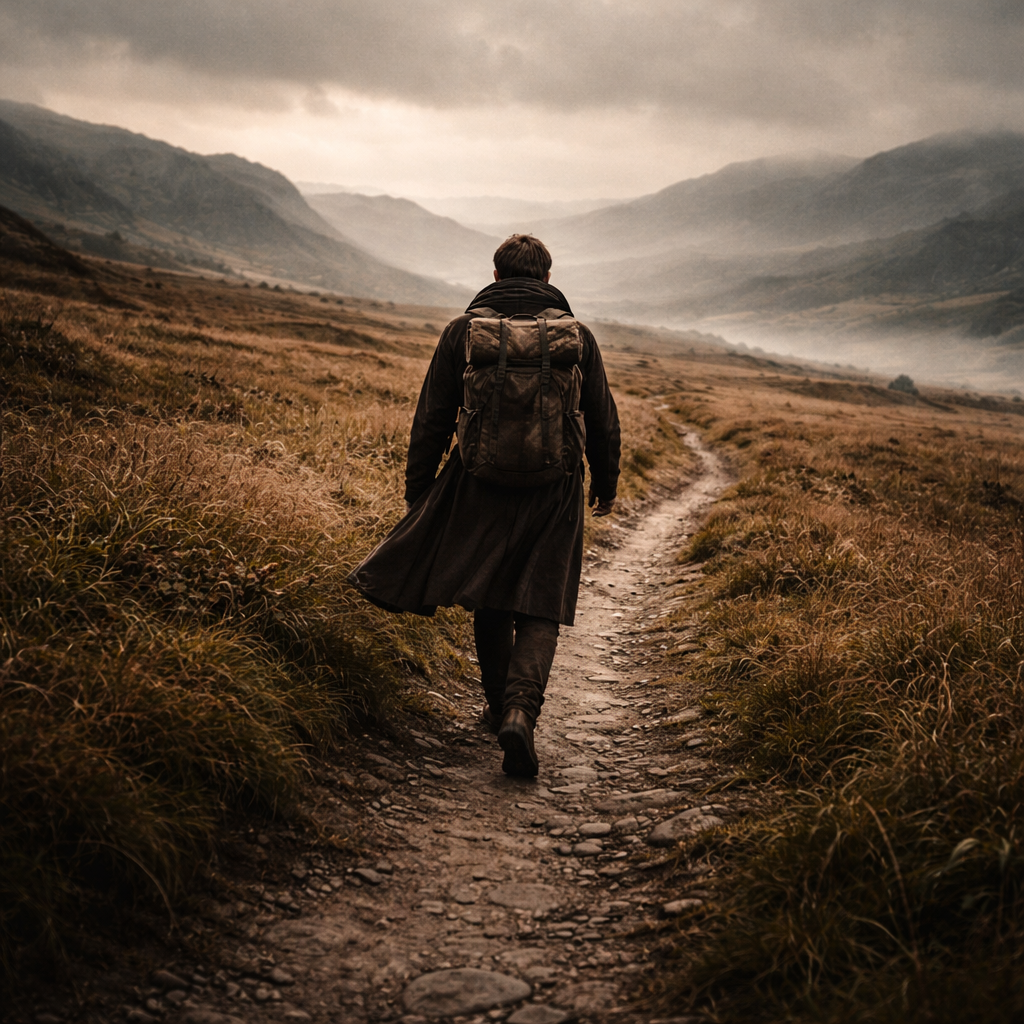
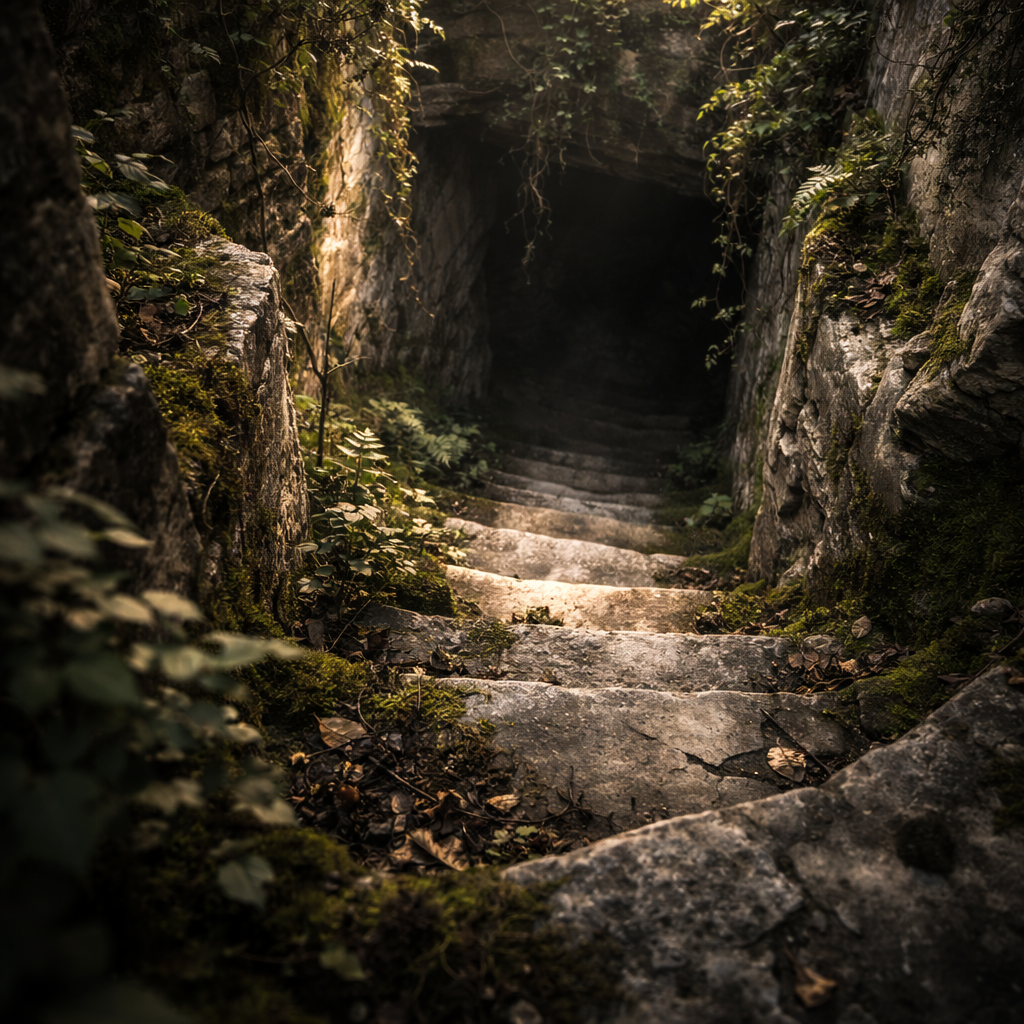
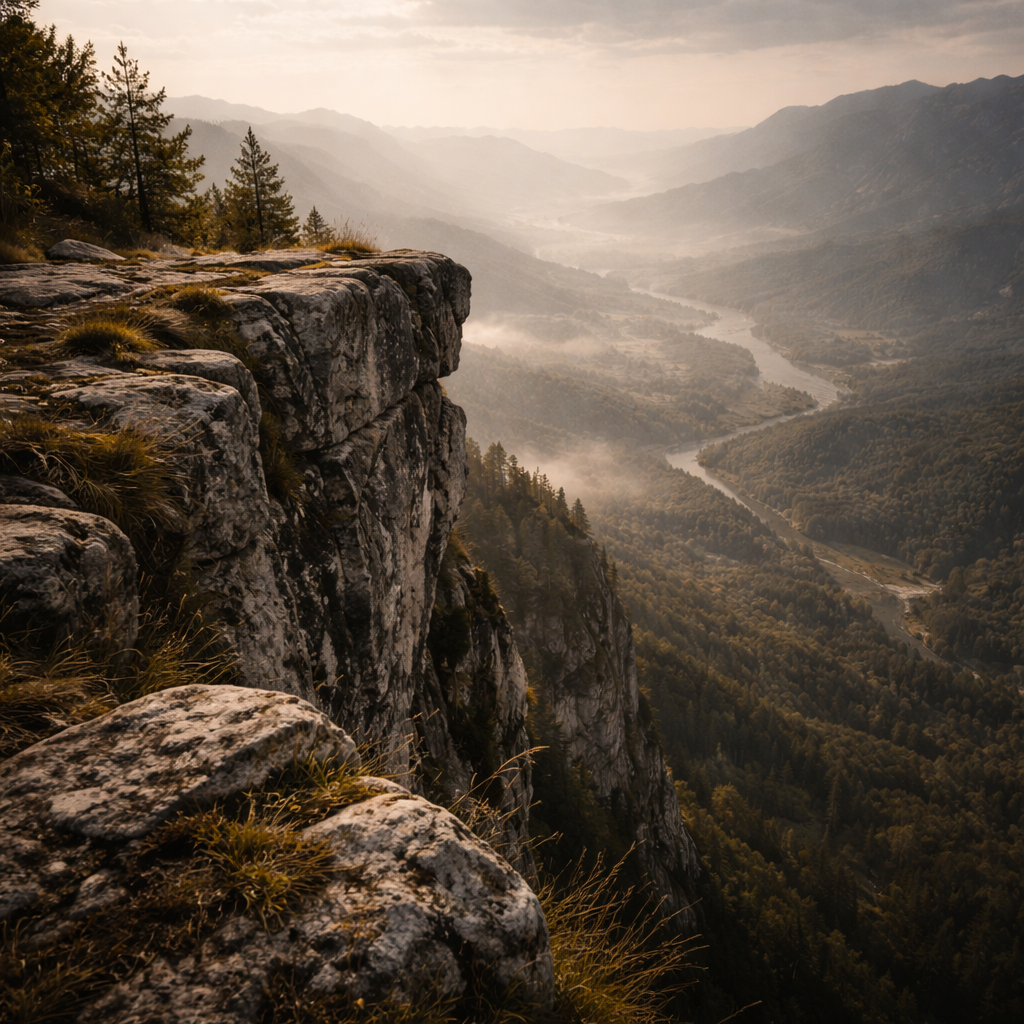
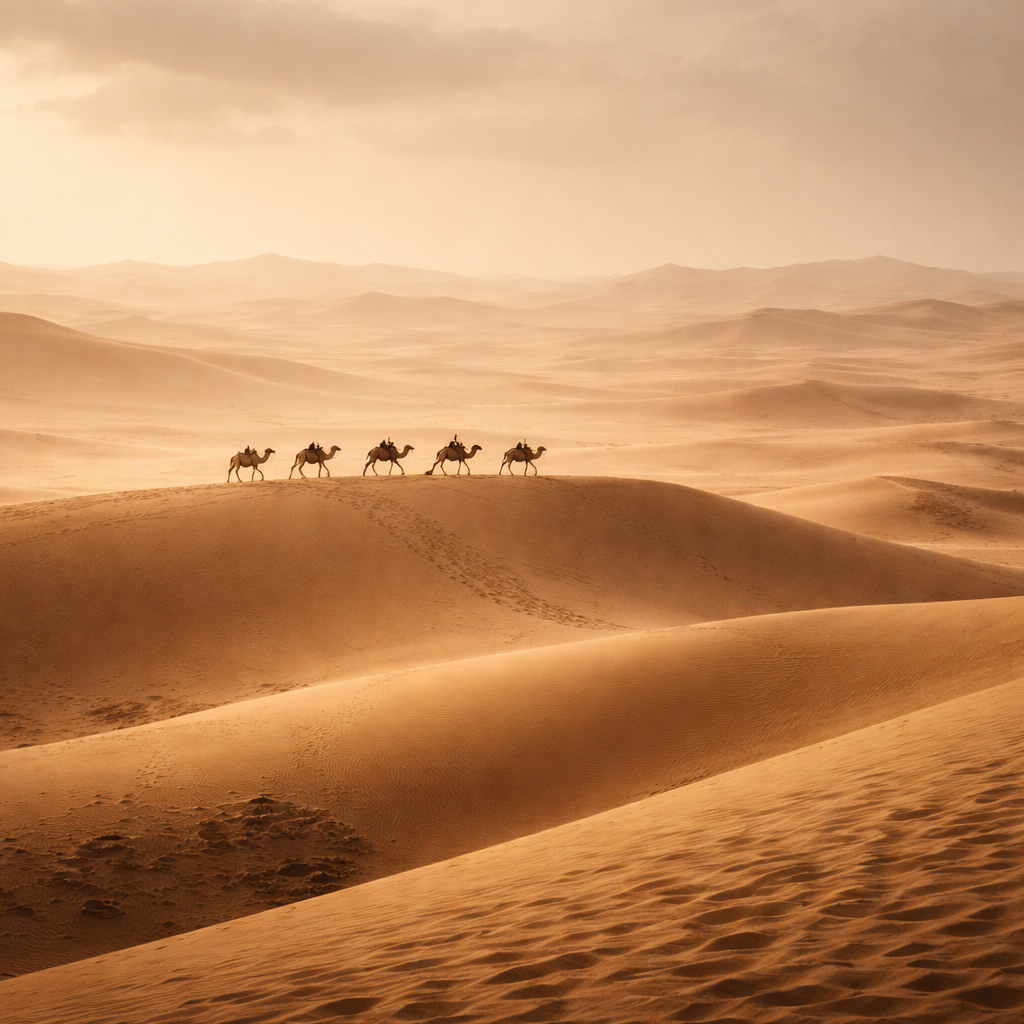
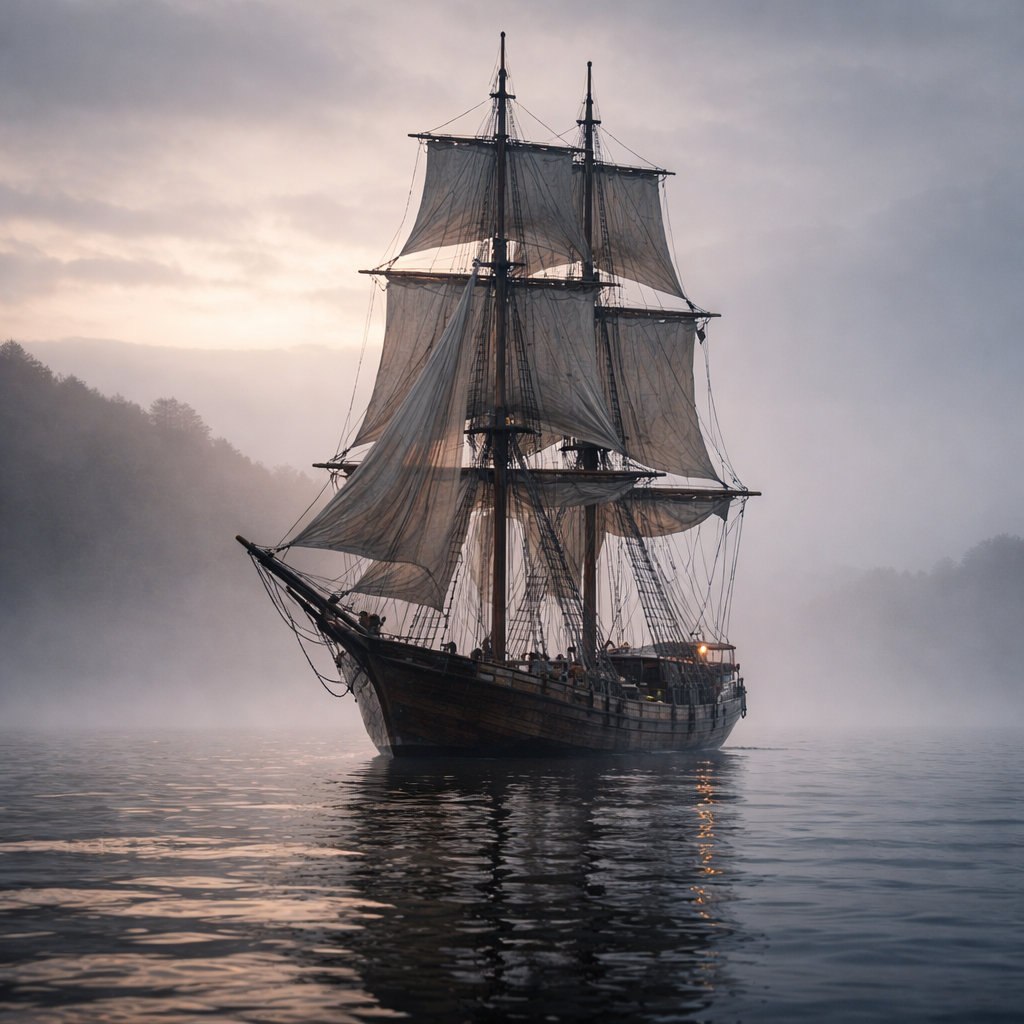
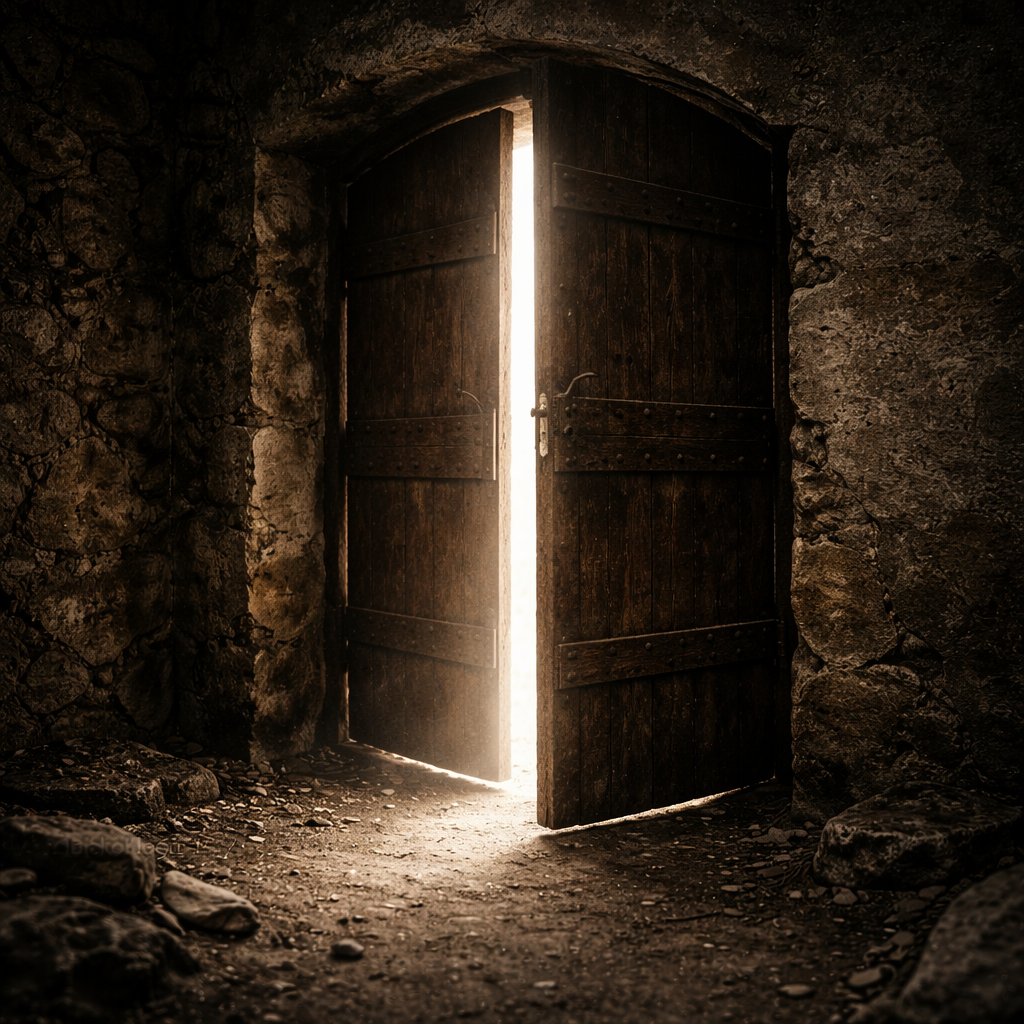
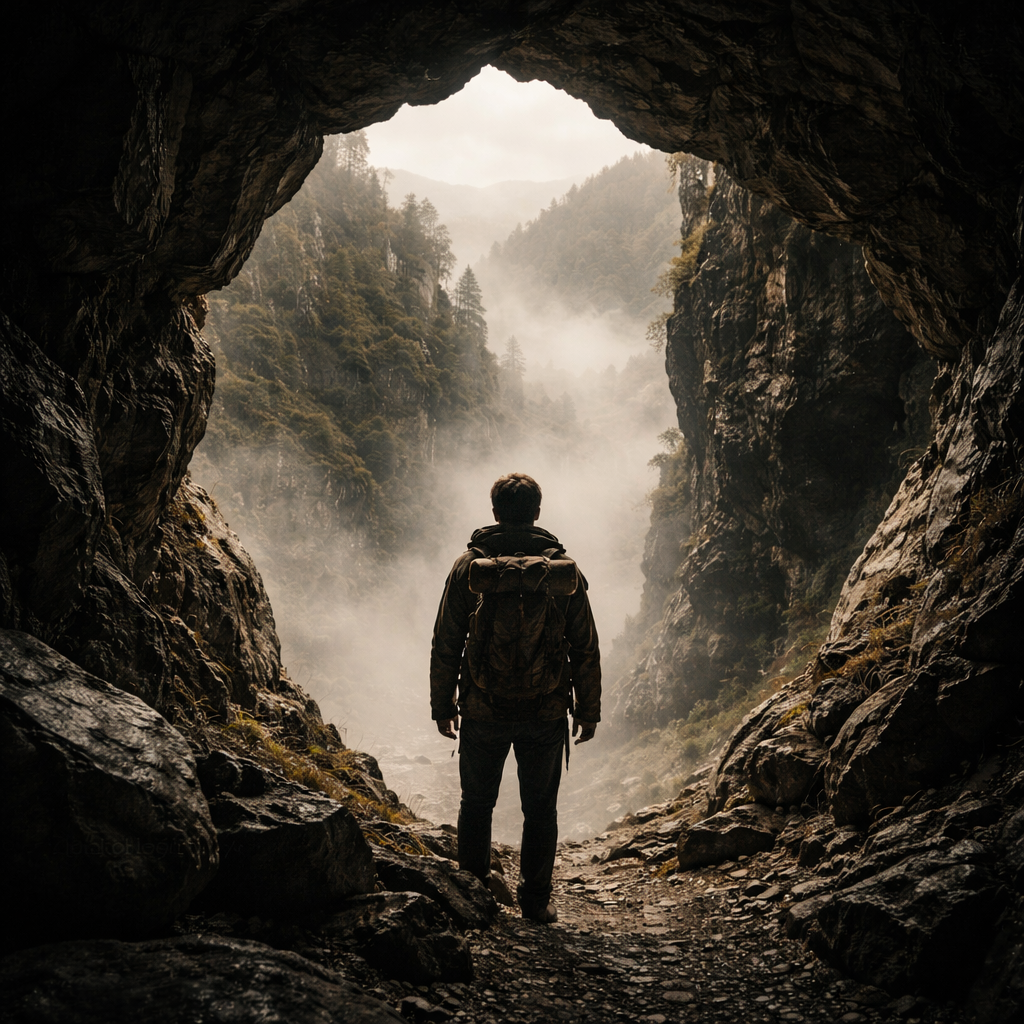
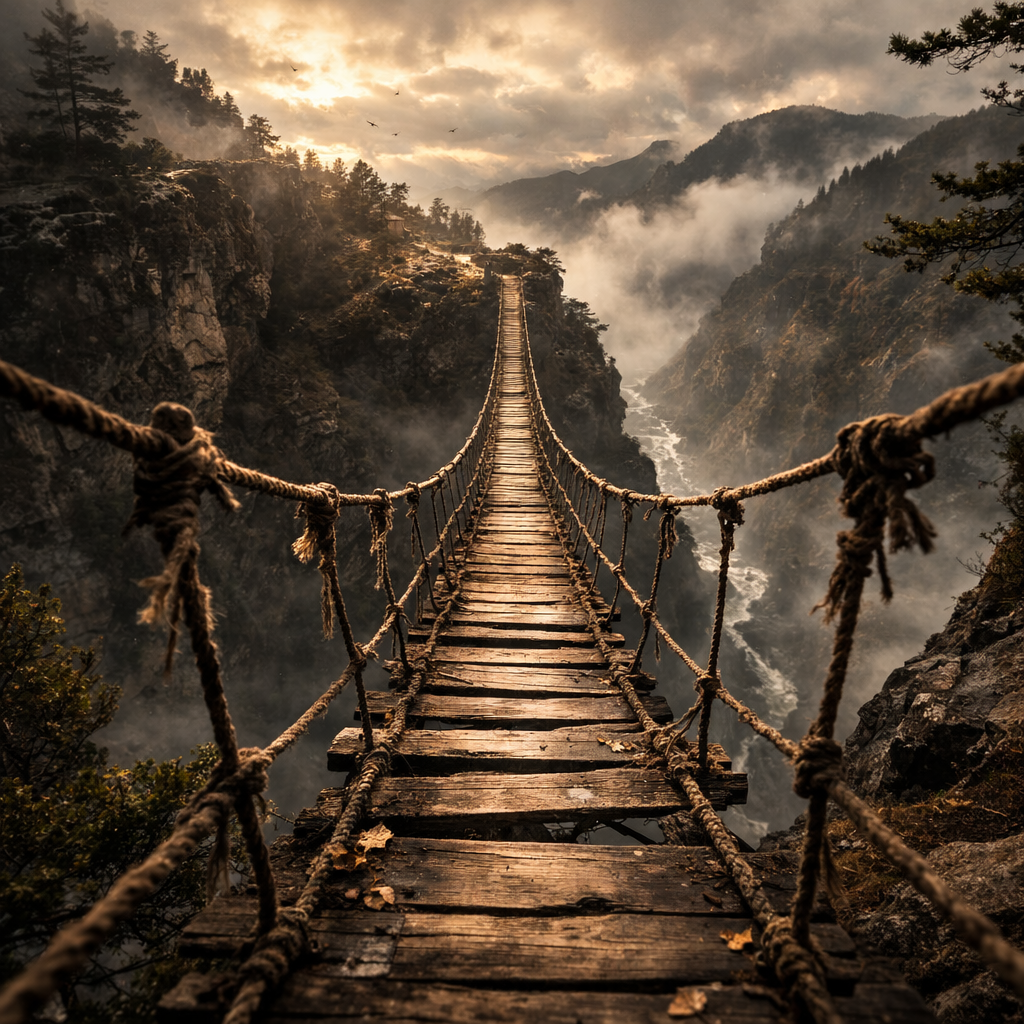
7. Picture Prompt Ideas
Adventure picture prompts use images of distance, movement, and threshold to inspire stories rooted in journey and risk. These images are designed to suggest possibility rather than dictate plot, allowing writers to project their own narratives onto the scene.

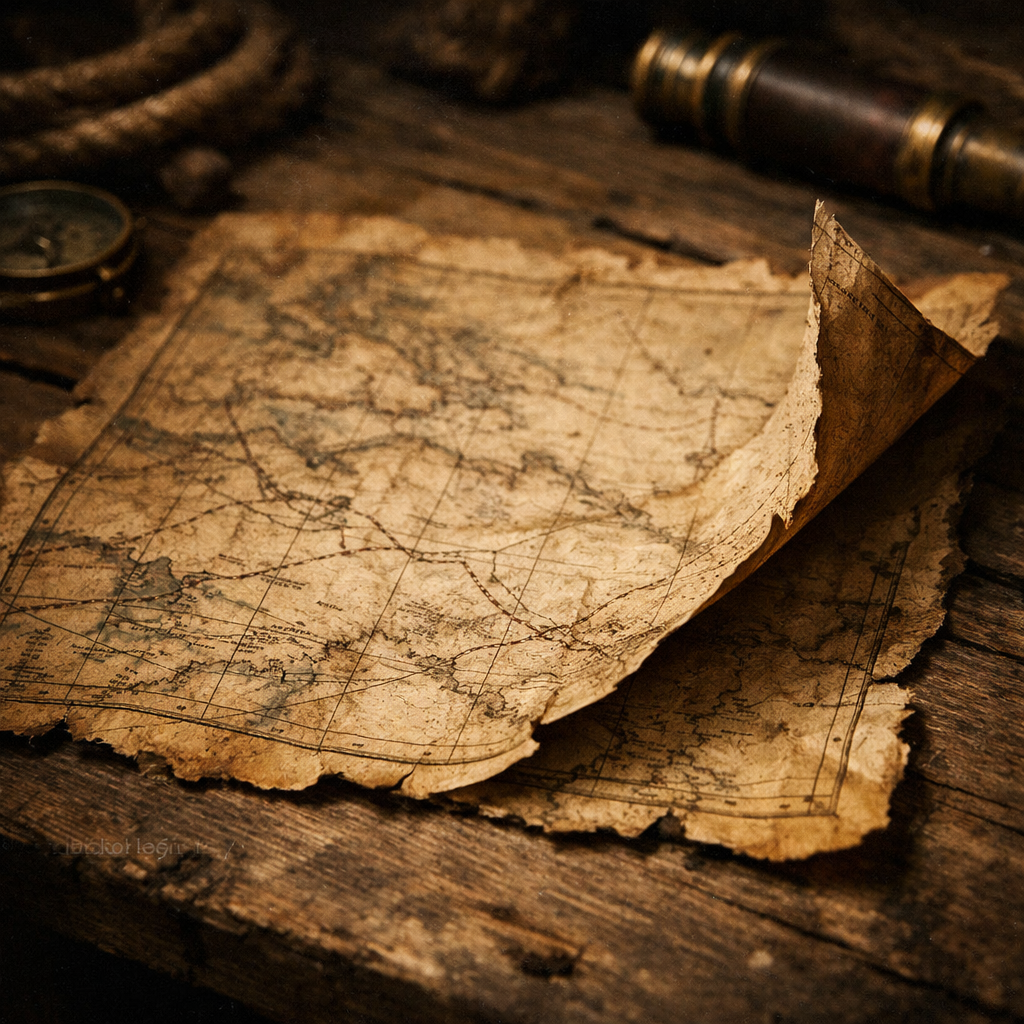
Go Deeper into Adventure Writing
Adventure writing is not only about movement or danger — it is about choice, consequence, and transformation. Strong adventure stories ask what a journey demands of a character and what it takes away in return. These approaches help writers deepen tension, develop character, and shape purposeful narratives.
◆ Rewrite the opening scene so the decision to leave feels unavoidable, then rewrite it again as if the character still believes they can turn back.
◆ Track how the setting changes across the journey and reflect how those changes mirror the character’s internal state.
◆ Introduce a moment where doing the right thing increases the risk, forcing the character to choose between safety and responsibility.
◆ Remove one physical obstacle and replace it with a moral or emotional challenge, focusing on consequence rather than action.
◆ Rewrite a key scene from the perspective of someone who did not want the journey to happen, exploring resistance and doubt.
◆ Experiment with pace and sentence length during moments of danger to heighten urgency and momentum.
◆ Write two endings — one where the journey succeeds and one where it fails — then compare how each outcome reshapes the character’s understanding of themselves.
Final Thoughts
Adventure writing invites students to explore risk, choice, and transformation, using movement through the world as a way to reveal character and consequence. Rather than focusing on spectacle alone, strong adventure stories consider what a journey demands, what it costs, and how it reshapes the person who undertakes it.
These adventure writing prompts are designed to support purposeful storytelling in the classroom, offering structure without limiting imagination. Whether used for creative writing lessons, independent projects, or extended narrative work, the prompts encourage writers to think carefully about motivation, tension, and outcome.
To explore more genres, tropes, and themed collections, you can also browse the Creative Writing Prompts Archive, which brings together all of my creative writing prompts in one place.
Choose Your Next Adventure