Notes from the Inkpot
Writing, teaching, creating - one ink-stained idea at a time.

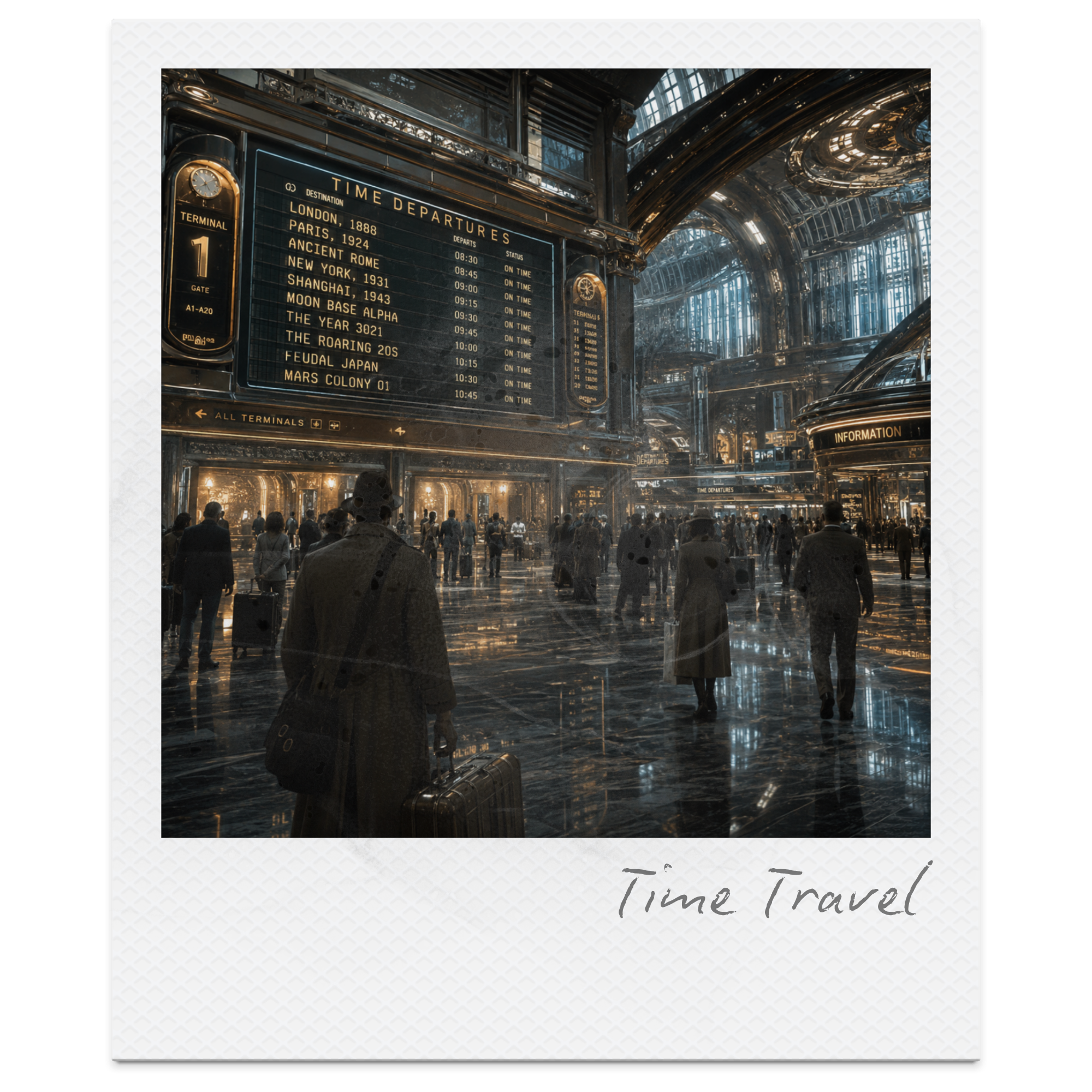
70 Time Travel Writing Prompts: Parallel Timelines, Temporal Paradoxes & Forgotten Futures
Explore 70 time travel writing prompts inspired by parallel timelines, temporal paradoxes, alternate histories, forgotten futures, and retrofuturist worlds where time itself has become unstable. This collection includes plot hooks, opening lines, title ideas, character prompts, setting inspiration, and cinematic picture prompts designed to help writers create atmospheric speculative fiction shaped by consequence, memory, and shifting realities. Inspired by stories such as The Time Machine, Dark, Interstellar, Back to the Future, and A Sound of Thunder, these prompts explore collapsing timelines, commercialised time travel, luxury temporal tourism, historical interference, looping realities, and the emotional cost of changing the past. Perfect for speculative fiction writers, worldbuilding, classroom writing, and science fiction storytelling focused on time, identity, and cause and effect.
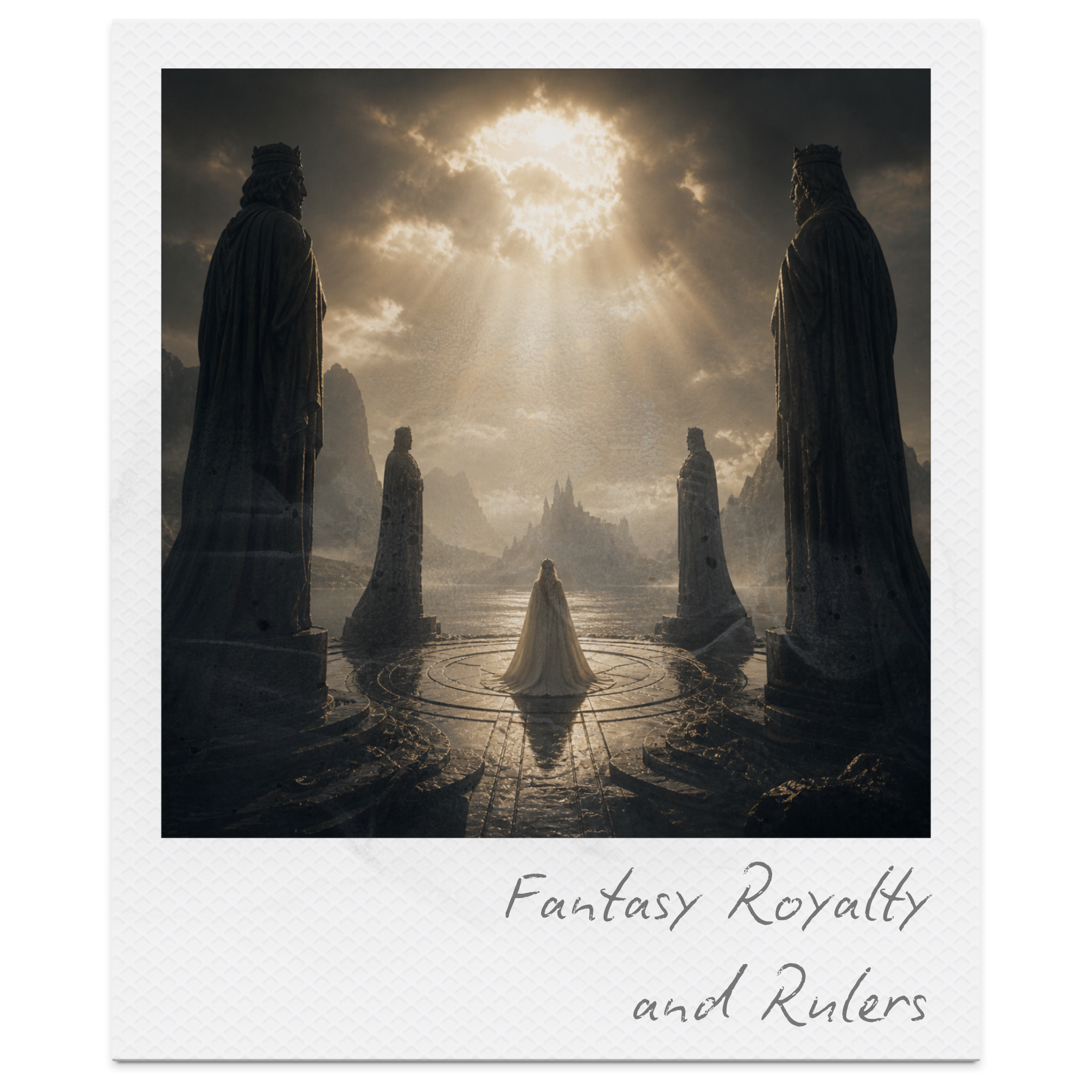
70 Fantasy Royalty & Rulers Writing Prompts: Power, Legacy, and Control
Fantasy royalty and rulers sit at the centre of power—where authority is inherited, contested, and constantly under threat. These stories explore more than crowns and kingdoms; they focus on control, legacy, and the fragile systems that uphold power. Beneath ceremony and tradition, there are always tensions—ambition, betrayal, loyalty, and the risk of collapse. This collection of 70 Fantasy Royalty & Rulers Writing Prompts is designed to help you build immersive, high-stakes worlds shaped by hierarchy and consequence. From succession crises and political intrigue to character-driven power struggles, these prompts offer a complete toolkit to create compelling stories where every decision carries weight.
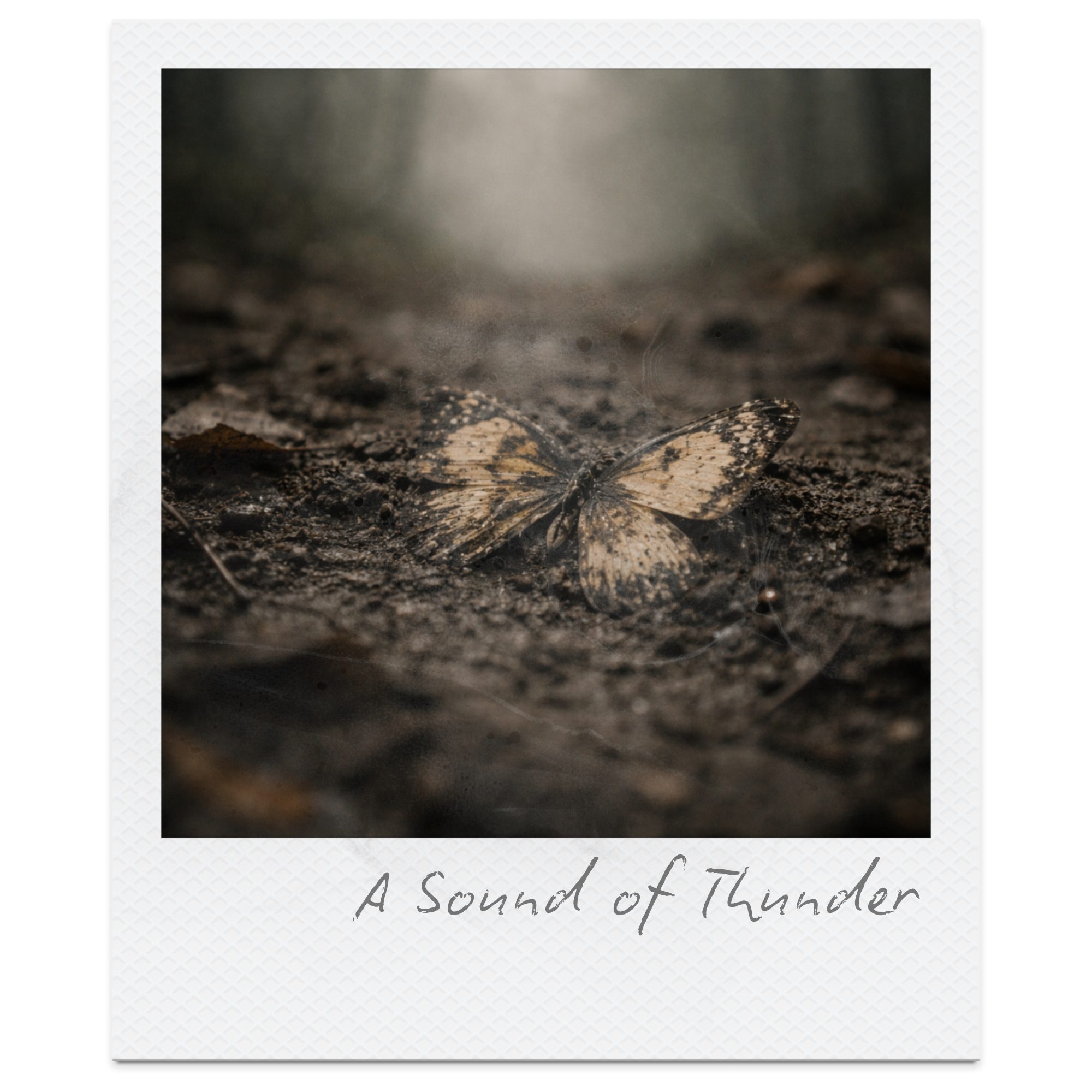
A Sound of Thunder by Ray Bradbury: Summary, Themes, Meaning & Analysis
A Sound of Thunder by Ray Bradbury is a gripping work of science fiction that explores the dangers of time travel, human interference, and unintended consequences. When a group of hunters travel back in time to kill a dinosaur, they are given one strict rule: stay on the Path. But when Eckels panics and steps off it, a seemingly small action triggers a chain reaction that alters the future in subtle but devastating ways. Through its famous exploration of the butterfly effect, the story reveals how fragile and interconnected reality truly is. Bradbury presents a powerful warning about cause and effect, responsibility, and the illusion of control, showing that even the smallest mistake can reshape entire systems. The story’s unsettling ending lingers long after reading, reminding us that once a choice is made, its consequences cannot be undone.
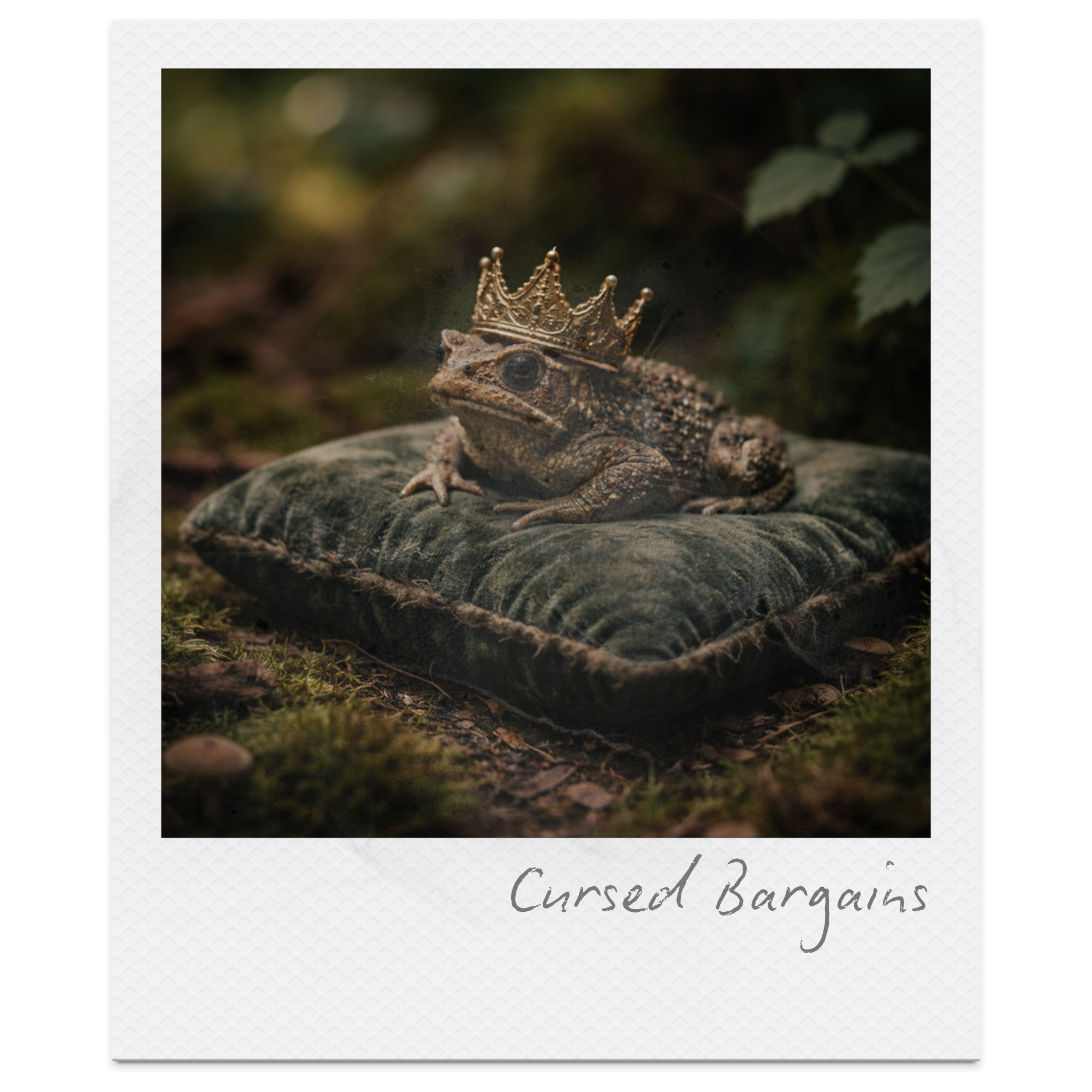
70 Cursed Bargains Writing Prompts: Deals, Desire & Consequence
Cursed bargains sit at the heart of fairytale and folklore storytelling, capturing the moment when desire outweighs caution and a single decision begins to reshape everything that follows. Whether the offer comes from a stranger, a witch, a fae creature, or something less easily named, these stories explore the tension between what is promised and what is truly given. At their most compelling, they are not simply about magic or consequence, but about choice — the quiet, often desperate moment when a character decides the risk is worth it. This collection of 70 Cursed Bargains Writing Prompts invites writers to explore that moment from every angle, from tempting offers and hidden terms to the slow, unsettling realisation of the cost. Designed for both classroom use and independent writing, these prompts support imaginative, craft-focused storytelling rooted in folklore, symbolism, and consequence.
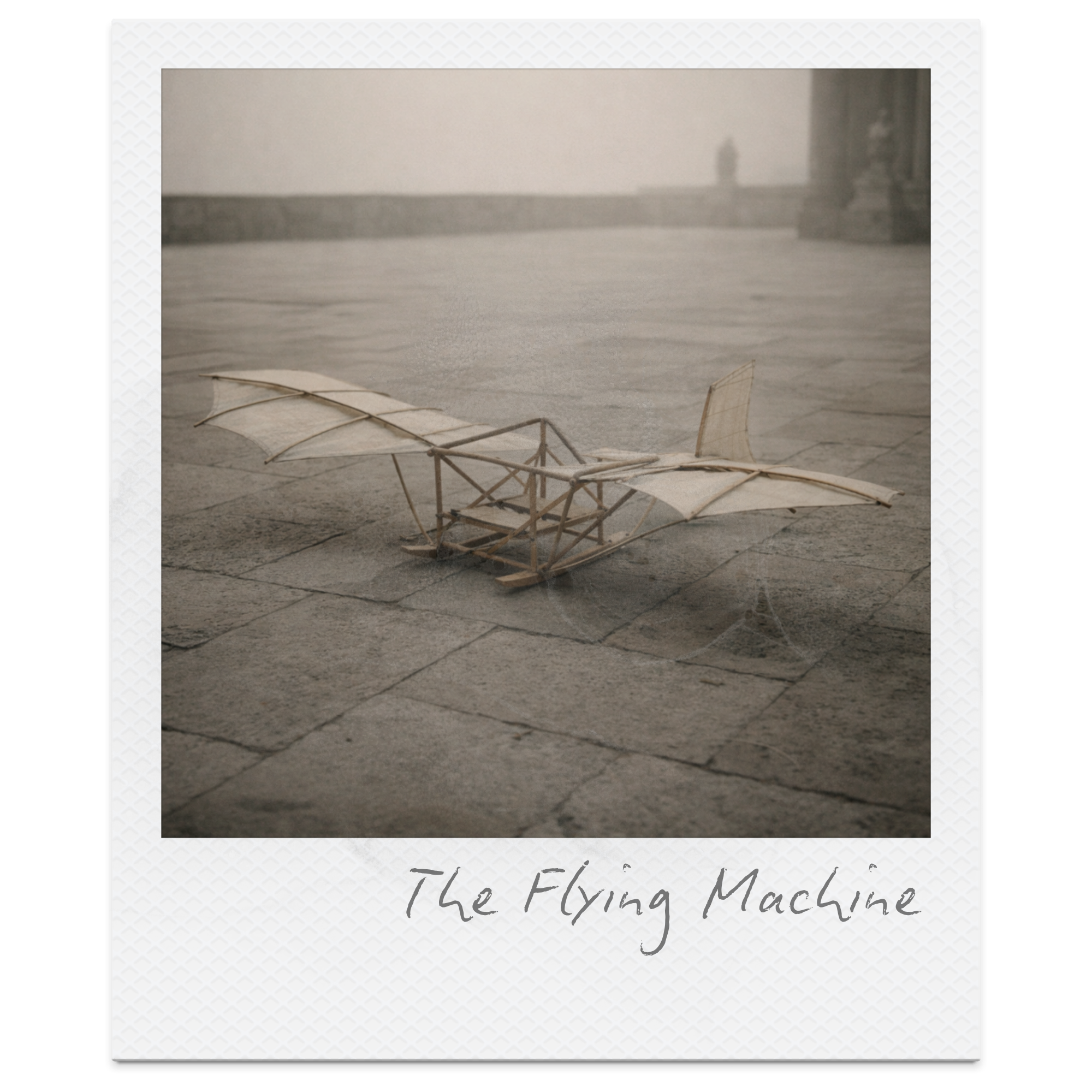
The Flying Machine by Ray Bradbury: Summary, Themes, Symbolism & Analysis
Ray Bradbury’s The Flying Machine explores the uneasy relationship between innovation and fear, presenting a world where beauty and progress are not always welcomed. Set in ancient China, the story follows an inventor who achieves the impossible—human flight—only to face the Emperor’s growing concern about what such a discovery might become. Through this encounter, Bradbury examines the fragile balance between creativity and control, raising questions about whether all knowledge should be allowed to exist. At its core, the story reflects a deeper anxiety about the consequences of progress, particularly when invention can be replicated and misused. The Emperor’s decision to destroy both the machine and its creator reveals a chilling logic: that protecting the future may require the sacrifice of something extraordinary in the present. Blending speculative fiction with philosophical insight, The Flying Machine leaves readers questioning whether humanity can truly be trusted with its own creations—and what might be lost when fear takes precedence over wonder.

The Veldt by Ray Bradbury: Summary, Themes, Meaning & Analysis
Ray Bradbury’s The Veldt is often taught as a warning about technology gone too far — but that reading only scratches the surface. Beneath the virtual nursery and its unsettling imagery, the story is really about parenting, power, and what happens when moral responsibility is repeatedly deferred in favour of comfort. In this in-depth analysis for English teachers, I explore how The Veldt exposes emotional outsourcing, delayed authority, and the quiet consequences of avoidance. The post examines Bradbury’s post-war context, the nursery as a site of control rather than care, and why the story’s ending feels inevitable rather than shocking. With clear classroom insight, teaching guidance, and extension ideas, this post helps teachers move beyond surface-level symbolism and into richer discussion about technology, control, and responsibility — showing why The Veldt remains one of Bradbury’s most disturbing and relevant stories to teach.
Teaching The Lottery by Shirley Jackson Without Context (And Why It Works)
When teaching The Lottery by Shirley Jackson, I deliberately avoid giving students historical context before the first reading. Instead, I let them experience the story as it was designed to be read: ordinary, unsettling, and deeply uncomfortable. In this post, I explain why teaching The Lottery without context leads to stronger discussion, deeper understanding, and more meaningful student responses — and how delaying explanation allows the text itself to do the work.
Lord of the Flies: Why Students Engage, and Why Teachers Need More Than a Summary Sheet
Lord of the Flies is a novel that consistently engages students, but teaching it well requires more than summary sheets and surface-level analysis. This post explores why Lord of the Flies works so powerfully in the classroom, how students instinctively respond to its themes of power, fear, and responsibility, and where lessons often begin to break down once discussion deepens. Written for teachers working across different classrooms and curricula, this guide focuses on how to teach Lord of the Flies effectively — from structuring discussion and securing recall to using creative writing as a way into deeper analysis. It also shares practical classroom strategies and introduces a comprehensive Lord of the Flies resource bundle designed to support discussion, analysis, and assessment without increasing planning workload.
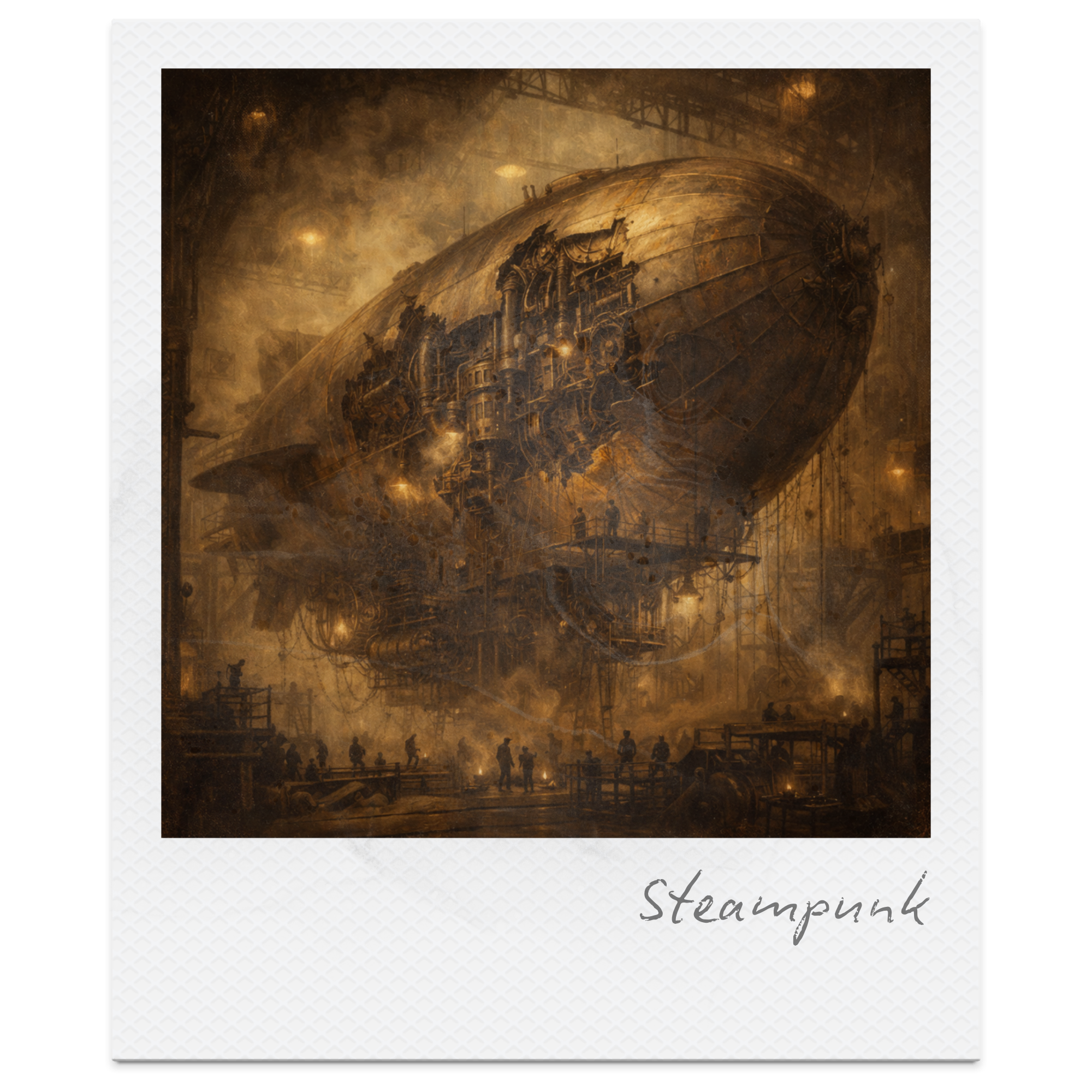
70 Steampunk Writing Prompts: Story Starters, Characters, Settings & Visual Ideas
Steampunk writing prompts for teens blend Victorian history with speculative invention, creating worlds shaped by steam power, machinery, and bold technological imagination. More than an aesthetic, steampunk explores systems of power, class, labour, and progress — asking what happens when innovation advances faster than ethics. This collection of 70 steampunk writing prompts is designed to help teen writers build rich, believable worlds through plot hooks, story titles, opening and closing lines, character ideas, immersive settings, and visual picture prompts. From inventors and rebels to airships, factories, and mechanical cities, these prompts encourage thoughtful, consequence-driven storytelling rather than surface-level genre tropes. Ideal for classroom creative writing, genre studies, or independent projects, these steampunk prompts support worldbuilding, narrative tension, and imaginative problem-solving — making them a powerful resource for teachers and young writers exploring speculative fiction.
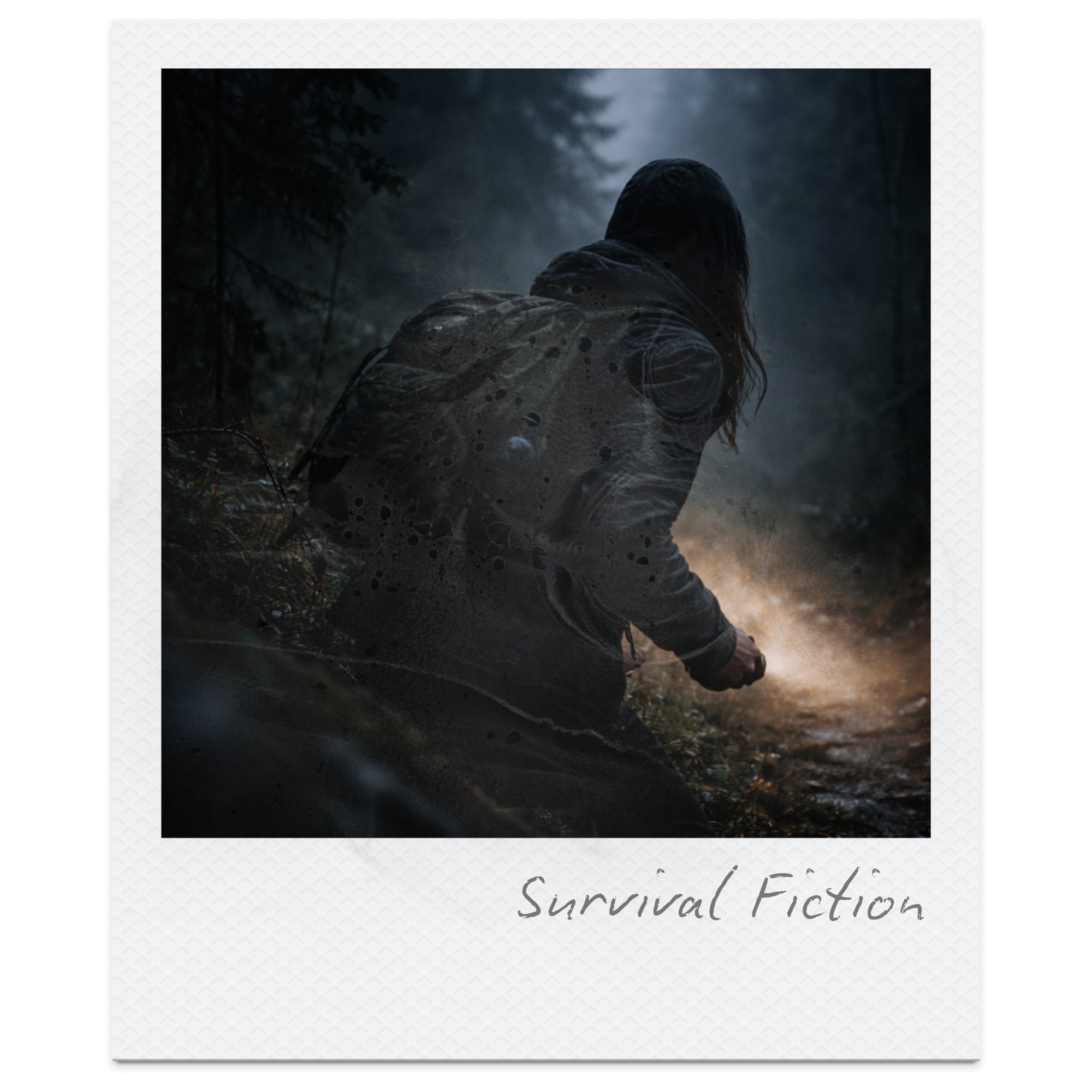
70 Survival Writing Prompts for Teens: Story Starters, Characters, Settings & Visual Ideas
Survival writing prompts for teens explore what happens when comfort, safety, and certainty disappear. Rooted in isolation, scarcity, and high-stakes decision-making, survival fiction reveals character under pressure and asks how far people are willing to go to endure. This collection of 70 survival writing prompts includes plot hooks, story titles, opening and closing lines, character ideas, immersive settings, and picture prompts designed to support realistic, tension-driven storytelling. From natural disasters and remote environments to moral dilemmas and fractured group dynamics, these prompts help young writers build stories focused on resilience, consequence, and human choice. Ideal for classroom creative writing, survival fiction units, or independent projects, these prompts encourage thoughtful exploration of endurance, leadership, and survival when there are no easy answers.
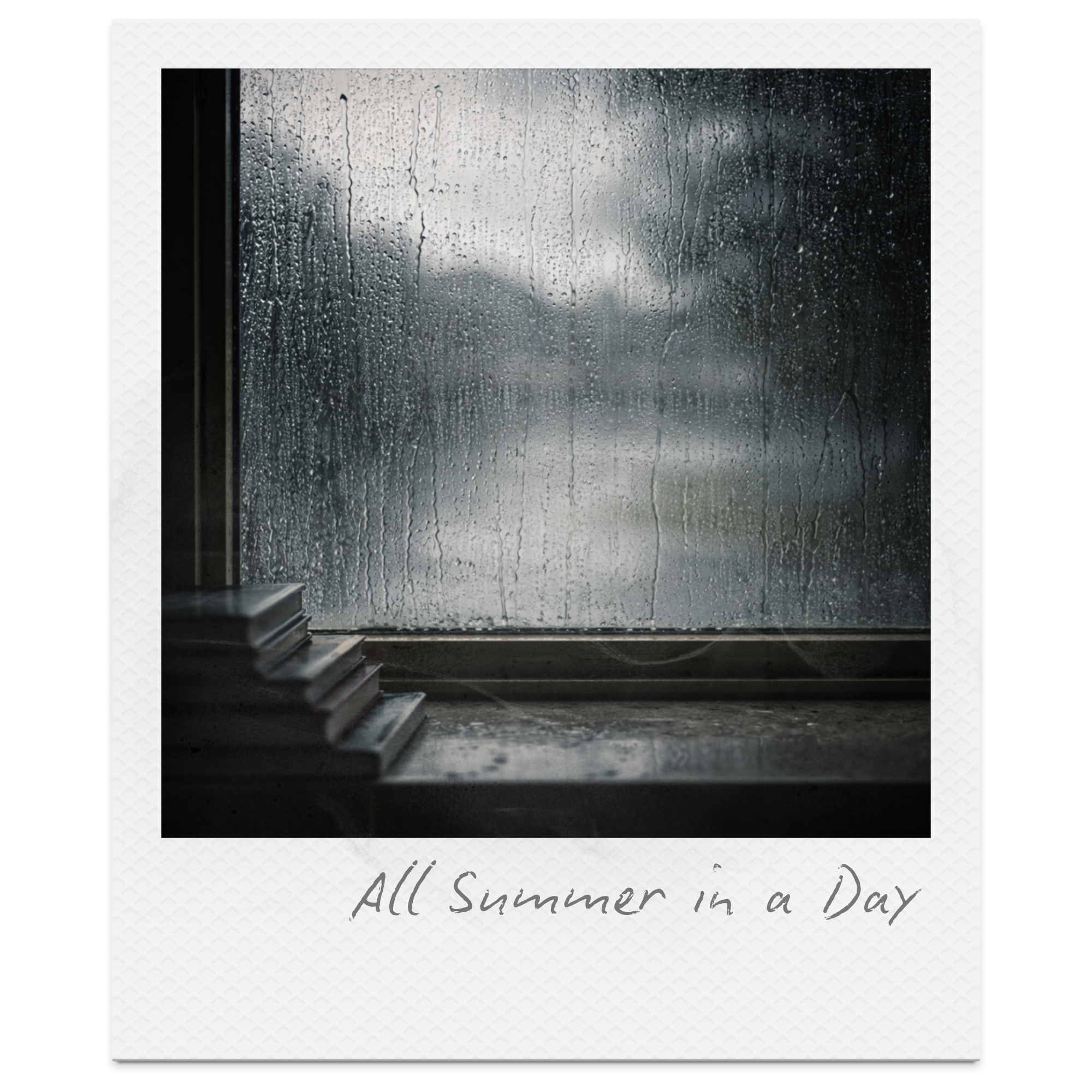
How to Teach All Summer in a Day (Including Discussion Ideas & Creative Writing Activities)
All Summer in a Day by Ray Bradbury is a powerful KS3 short story that explores conformity, bullying, empathy, and collective cruelty through a deceptively simple science-fiction setting. This classroom-focused guide shares practical teaching strategies, discussion ideas, and creative writing approaches to help students engage deeply with the text while encouraging thoughtful analysis and reflection. Drawing on literary context, lesson flow, and meaningful creative responses, this post shows how All Summer in a Day can be taught as more than a plot-driven story — and how it opens into wider conversations about responsibility, silence, and moral choice in both literature and the classroom.
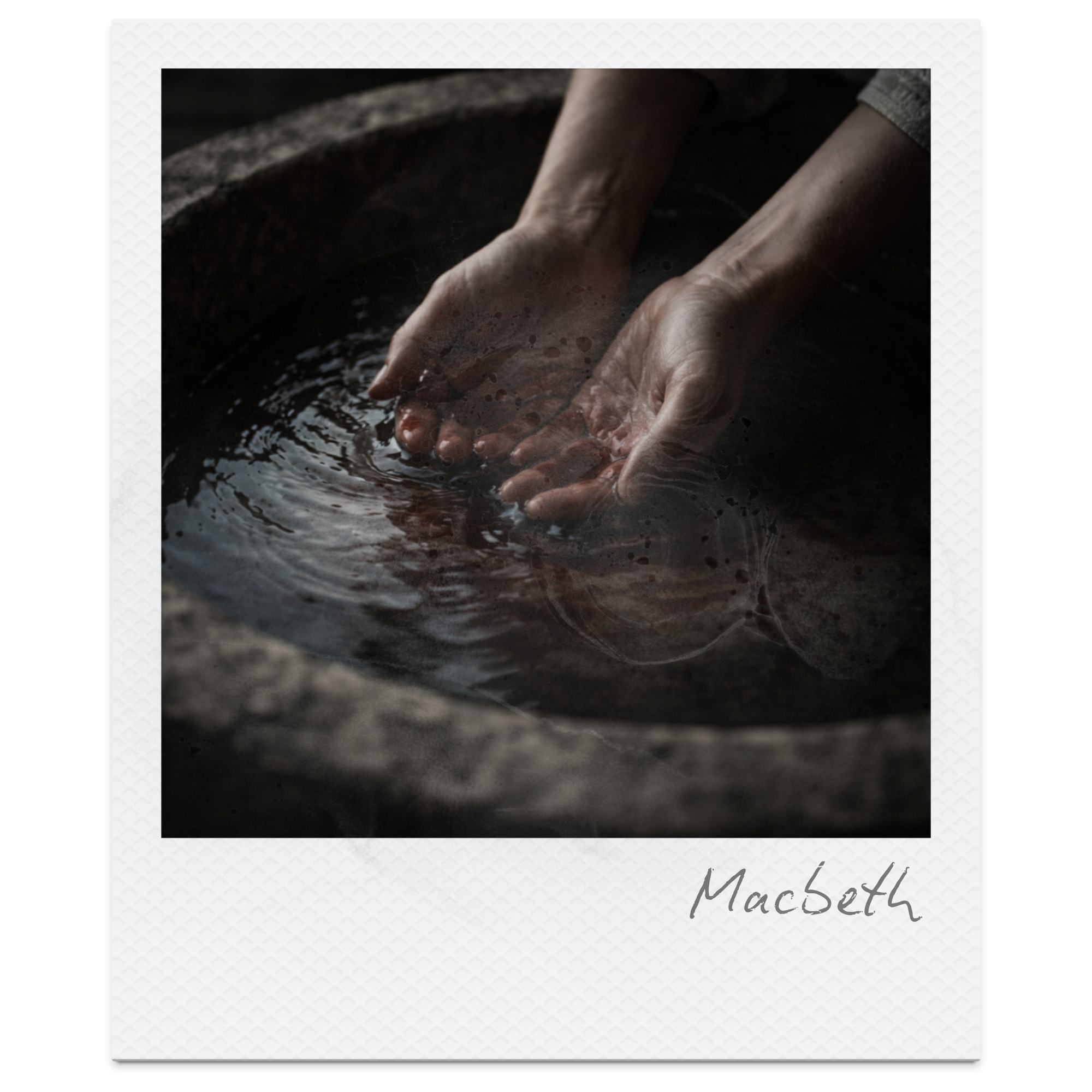
Why Macbeth Is the Only Shakespeare Play I’ll Never Get Sick Of (And Why It Works So Well in the Classroom)
Why is Macbeth still one of the most effective Shakespeare plays to teach? Because it refuses easy answers. Packed with ambition, power, guilt, and moral consequence, Macbeth invites students to interrogate responsibility, persuasion, and the slow erosion of ethical boundaries. Far from feeling dated, the play’s questions about decision-making and complicity remain deeply recognisable in modern classrooms. In this post, I explore why Macbeth continues to work so well with students, how its structure naturally invites debate and interpretation, and how creative and discussion-based approaches can deepen understanding without sacrificing rigour. I also share a free Macbeth classroom resource and explain how I use flexible, reusable teaching tools to support analysis, creative writing, and meaningful discussion across the play.
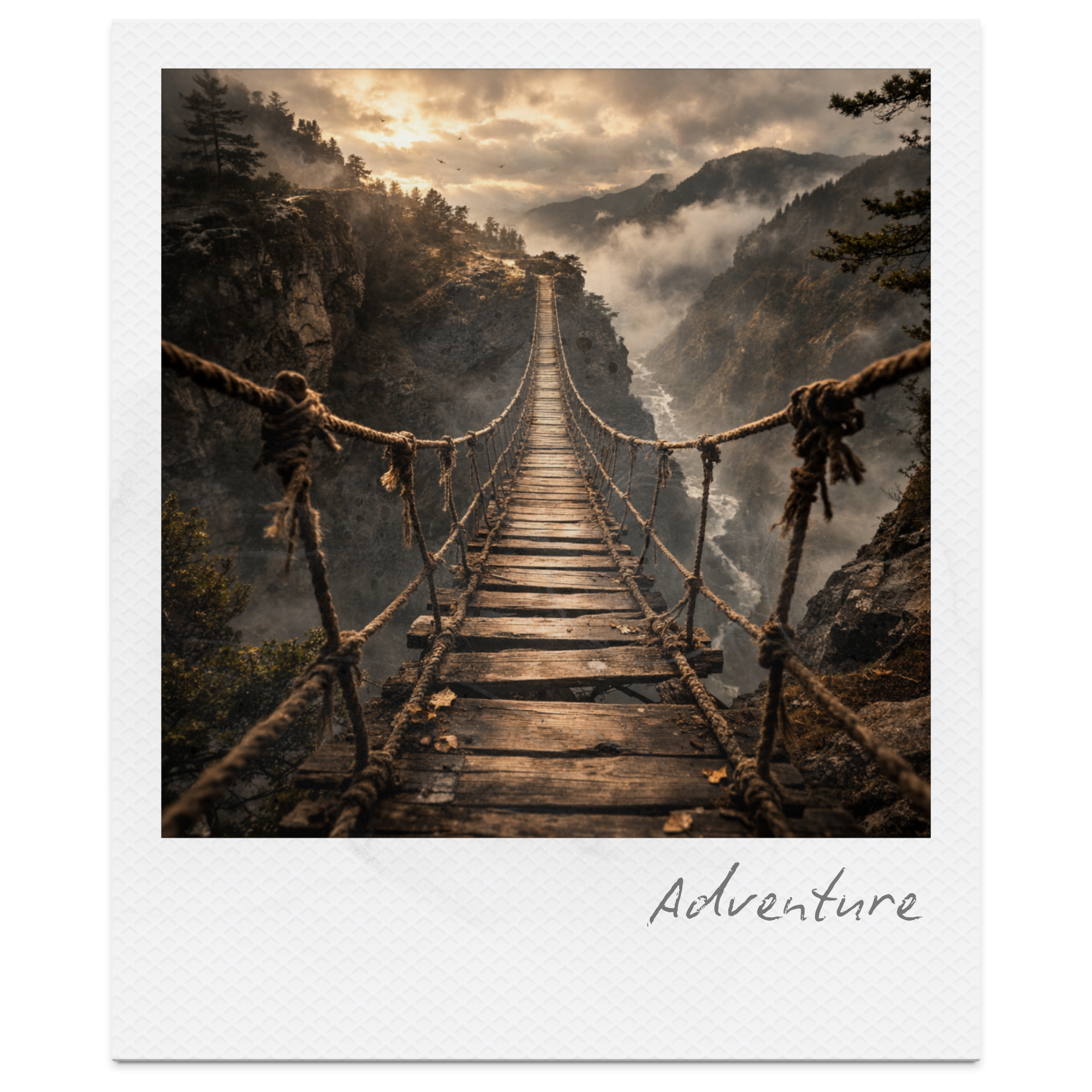
70 Adventure Writing Prompts for Teens: Plot Hooks, Characters, Settings & Story Starters
These adventure writing prompts for teens are designed to help students build exciting, purposeful stories driven by choice, risk, and consequence. This collection of 70 adventure writing prompts includes plot hooks, character ideas, settings, opening and closing lines, and picture prompts, giving writers structured support while still allowing creativity and originality. Suitable for middle and high school classrooms, these adventure writing prompts work well for creative writing lessons, warm-ups, independent projects, and extended narrative tasks. The prompts are flexible, classroom-safe, and ideal for developing story structure, tension, and character motivation across a wide range of adventure stories.
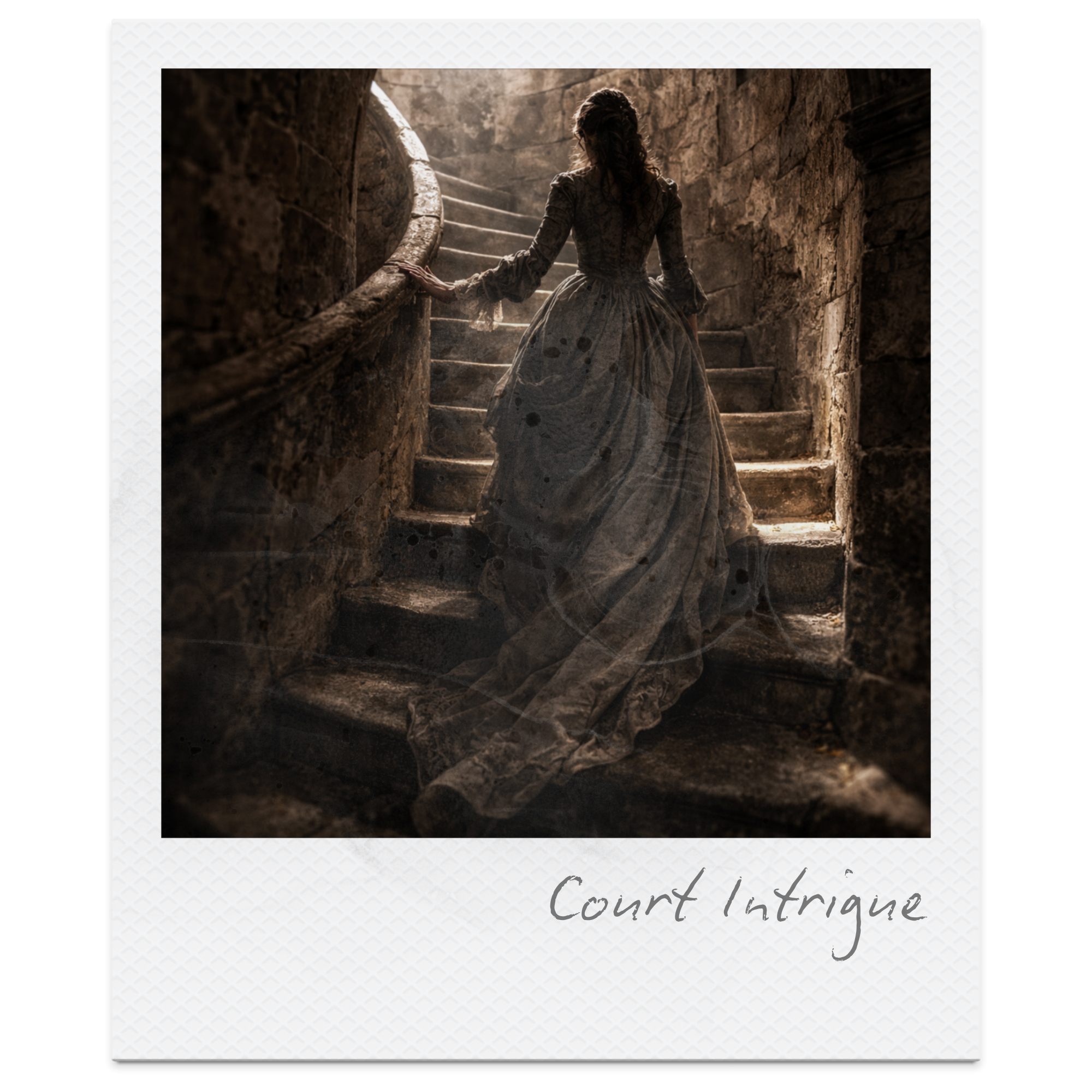
70 Court Intrigue Writing Prompts for Teens: Political Secrets, Power Struggles, Betrayal & Royal Schemes
Court intrigue stories explore power at its quietest and most dangerous. Set within royal courts, noble houses, councils, or controlled hierarchies, these narratives focus on secrecy, reputation, and moral compromise rather than open conflict. Authority is exercised through ceremony, silence, and strategy, where a single decision made behind closed doors can reshape lives far beyond the chamber walls. These court intrigue writing prompts invite teen writers to explore political tension across fantasy courts, dystopian regimes, and gothic power structures. Rather than relying on spectacle or violence, the prompts prioritise atmosphere, psychological pressure, and consequence-driven storytelling, making them ideal for classroom use, writing clubs, or longer YA projects rooted in restraint, ambiguity, and choice.
70 Urban Legend–Inspired Writing Prompts for Teens: Modern Folklore, Myths & Unseen Threats
Urban legends live in the space between belief and denial — stories passed quietly, rarely confirmed, and shaped by repetition rather than proof. Rooted in modern folklore, these narratives attach unease to ordinary places and routines, transforming roads, buildings, and shared habits into sources of quiet tension. This collection of 70 Urban Legend–Inspired Writing Prompts for Teens brings together plot hooks, opening and closing lines, character ideas, settings, and visual inspiration designed for atmosphere-driven storytelling. Ideal for creative writing lessons, classrooms, and independent projects, the prompts encourage writers to explore modern myths, uncertainty, and consequence with restraint rather than spectacle.
70 Dark Fae & Folklore Writing Prompts: Fantasy Story Starters, Characters, Settings & Visual Ideas
Dark fae and folklore stories sit at the uneasy edges of fantasy — where beauty conceals danger, bargains carry consequences, and the supernatural follows rules that do not bend for human comfort. Rooted in fae mythology, folklore traditions, and dark fantasy, these stories explore power, temptation, and survival through atmosphere and implication rather than spectacle. This collection of 70 Dark Fae & Folklore Writing Prompts for Teens offers a complete creative toolkit, combining plot hooks, opening and closing lines, character ideas, setting prompts, and visual inspiration. Designed for creative writing lessons, English classrooms, and independent writing, the prompts encourage young writers to explore folklore-inspired fantasy with depth, restraint, and narrative control.
Why I Still Teach Romeo and Juliet (Even Though I Hate It) — And Why It Still Works in the Classroom
Why does Romeo and Juliet still earn its place in the English classroom, even when it’s so often misunderstood? This reflective teaching post explores why Shakespeare’s most over-romanticised play continues to work with students, examining impulsiveness, authority, and avoidable loss rather than idealised love. By reframing the play away from romance and towards consequence, Romeo and Juliet becomes far more relevant — and far more teachable. Drawing on classroom experience, this post explores how and why to teach Romeo and Juliet, from contextualising it within Shakespeare’s wider work to using discussion, creative writing, and debate to deepen understanding. It also shares classroom-tested strategies and resources designed to support meaningful engagement with the play across secondary English.