70 Fantasy Writing Prompts for Teens: Story Starters, Characters, Settings & Visual Ideas
Fantasy has always been one of the most powerful genres for developing imagination, voice, and worldbuilding. From enchanted forests and hidden kingdoms to quiet magic and heroic choices, fantasy writing allows teen writers to explore identity, morality, and consequence within worlds that feel limitless but emotionally grounded.
This collection of 70 fantasy writing prompts for teens is designed to support creative storytelling across a range of abilities and classroom settings. Inside, you’ll find story starters, title ideas, opening and closing lines, character concepts, settings, and visual writing prompts that help students build rich fantasy worlds while practising narrative structure, description, and character development. The prompts work equally well for English lessons, creative writing units, writing clubs, and independent storytelling.
Whether you’re teaching fantasy as a genre, encouraging reluctant writers, or giving confident students space to expand their ideas, these fantasy writing prompts offer flexible entry points into imaginative fiction without relying on clichés or overcomplicated magic systems.
If you’d like to explore more fantasy prompts, worldbuilding ideas, and genre-based writing inspiration, visit the Fantasy Writing Hub or browse the Creative Writing Archive for a wider collection of prompts organised by theme, style, and storytelling focus.
1. Plot Hooks
These story ideas offer a range of fantasy subgenres: magical realism, classic quests, mythic retellings, and speculative twists on modern life. Each one invites students to build their own world, rules, and logic.
Write a story about a girl who wakes up to find stars falling from the sky, and only she can hear them whisper.
Write a story about mirrors that stop reflecting you, and instead show someone else watching.
Write a story about an ancient map found in a school library, showing places that don’t exist… yet.
Write a story about a creature made of ink and parchment escaping from a writer’s notebook.
Write a story about a town where people wake up with prophecies burned into their skin.
Write a story about a world where music is banned, and one girl finds a forgotten melody.
Write a story about a portal in the school theatre’s prop cupboard leading to a parallel version of your life.
Write a story about a bookstore where every book shows you a different version of your future.
Write a story about a lost phone with a countdown and the message: “Don’t let them find you.”
Write a story about dreams that aren’t dreams, they’re memories of your other lives.
2. Title Prompts
These title prompts work like spells - suggestive, mysterious, and full of worldbuilding potential. Here are 10 tried and tested ones from my classroom:
The Kingdom Beneath the Sand
A Song for the Broken Sky
The Clockmaker’s Apprentice
Where the Forest Remembers
Paper Wings and Iron Hearts
The Seventh Silence
Spindle & Stone
The Rules of the Wildwood
A Door Without a Key
The Girl Who Spoke to Shadows
3. Opening Lines
A strong fantasy opening hints at the world, the stakes, and the strange. These lines are perfect for creative warm-ups or developing sensory narrative skills:
I didn’t mean to bring the statue to life.
The river only appears every seven years.
They told me the spell wouldn’t work. They were wrong.
The library didn’t exist yesterday.
Her footsteps didn’t make a sound, not even on snow.
I found the key in a place that doesn’t exist anymore.
Magic was banned before I was born. I just didn’t know I had it.
He wasn’t born with a heart, so he built one.
My grandmother left me two things in her will: a teacup and a list of names.
The sky opened, and something fell through.
4. Closing Lines
A good fantasy ending lingers, whether it brings closure, mystery, or the start of something new. Here are a few that my students have worked towards:
The spell broke, but I never really came back.
I closed the book and felt the world shift slightly.
Somewhere out there, she’s still waiting.
The forest took my name, but gave me something in return.
I never saw him again — but sometimes, I hear the music.
The door disappeared behind me. I didn’t look back.
The stars looked different that night. Brighter. Closer. Watching.
We built our city on what was left of the storm.
The curse lifted at dawn, but none of us remembered why we were afraid.
I stepped into the light and chose a different ending.
5. Character Ideas
Fantasy characters often wrestle with identity, power, and fate. These character ideas can shape entire stories or kick off deeper explorations of voice:
A girl who remembers every version of every life she’s ever lived.
A reluctant guardian assigned to protect a magical object.
A boy born under a blood moon, whose shadow acts on its own.
A creature made of storm and sea, sworn to defend a human city.
A teen who accidentally trades places with the villain in a storybook.
A healer who can fix anything, except their own heart.
A mapmaker whose maps change while they sleep.
A runaway royal disguised as a travelling bard.
A dragon who protects a single human child.
A girl who sees how people will die, and decides to stop it.
6. Setting Ideas
I think a great fantasy setting feels like its own character. These eerie, magical, and enchanting locations are perfect for atmosphere and worldbuilding:
A floating island that appears once a year, bringing strange weather with it.
An underground city powered by glowing insects.
A mountain library guarded by riddles and carved from stone.
A school for gifted children — where no one remembers enrolling.
A forest where the trees hum old lullabies.
A city where stars fall like rain each night.
A marketplace where every item costs a memory.
A kingdom where no one can lie — and no one may speak the truth.
A castle that changes layout every sunrise.
A village that only appears on maps if you’ve been there before.
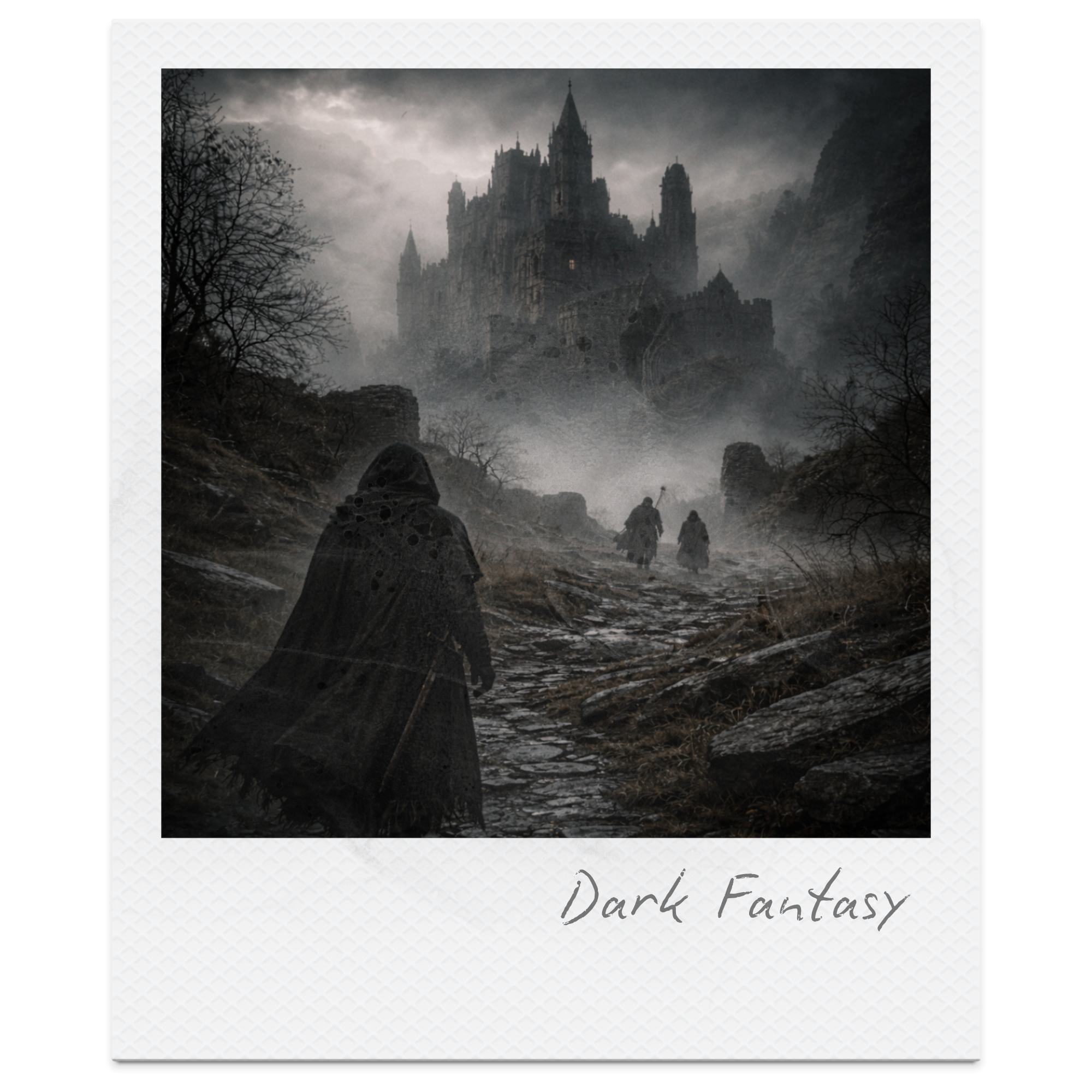
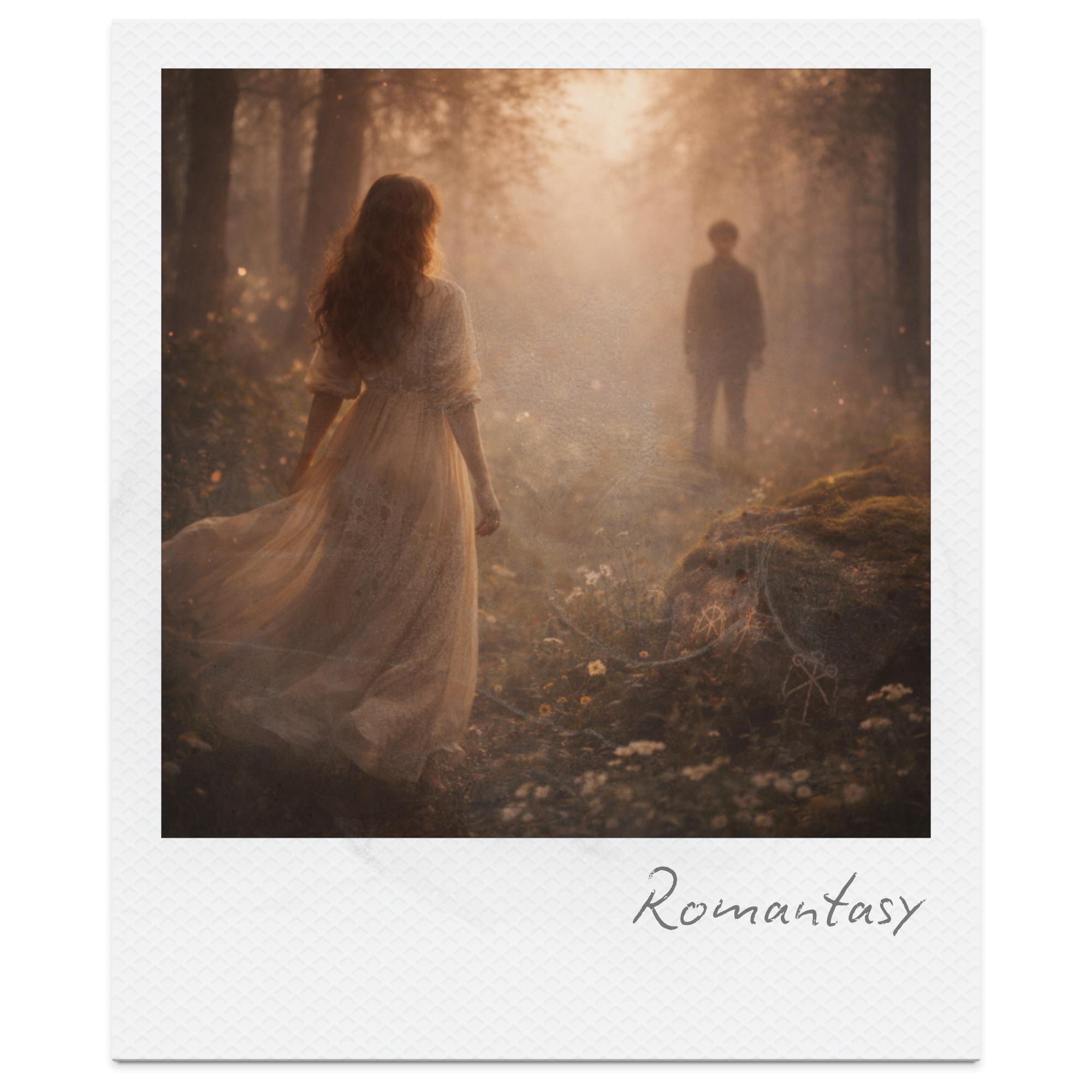
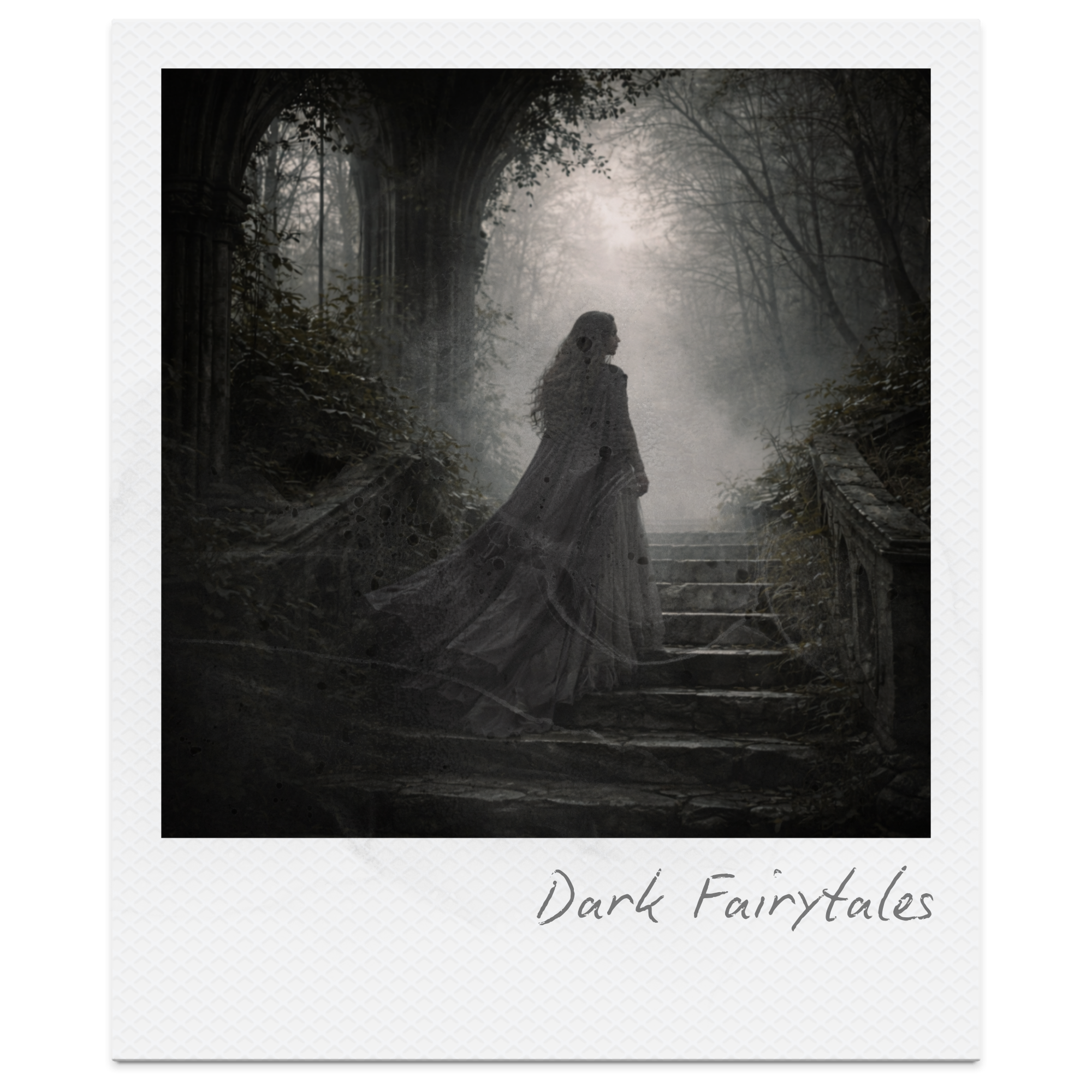
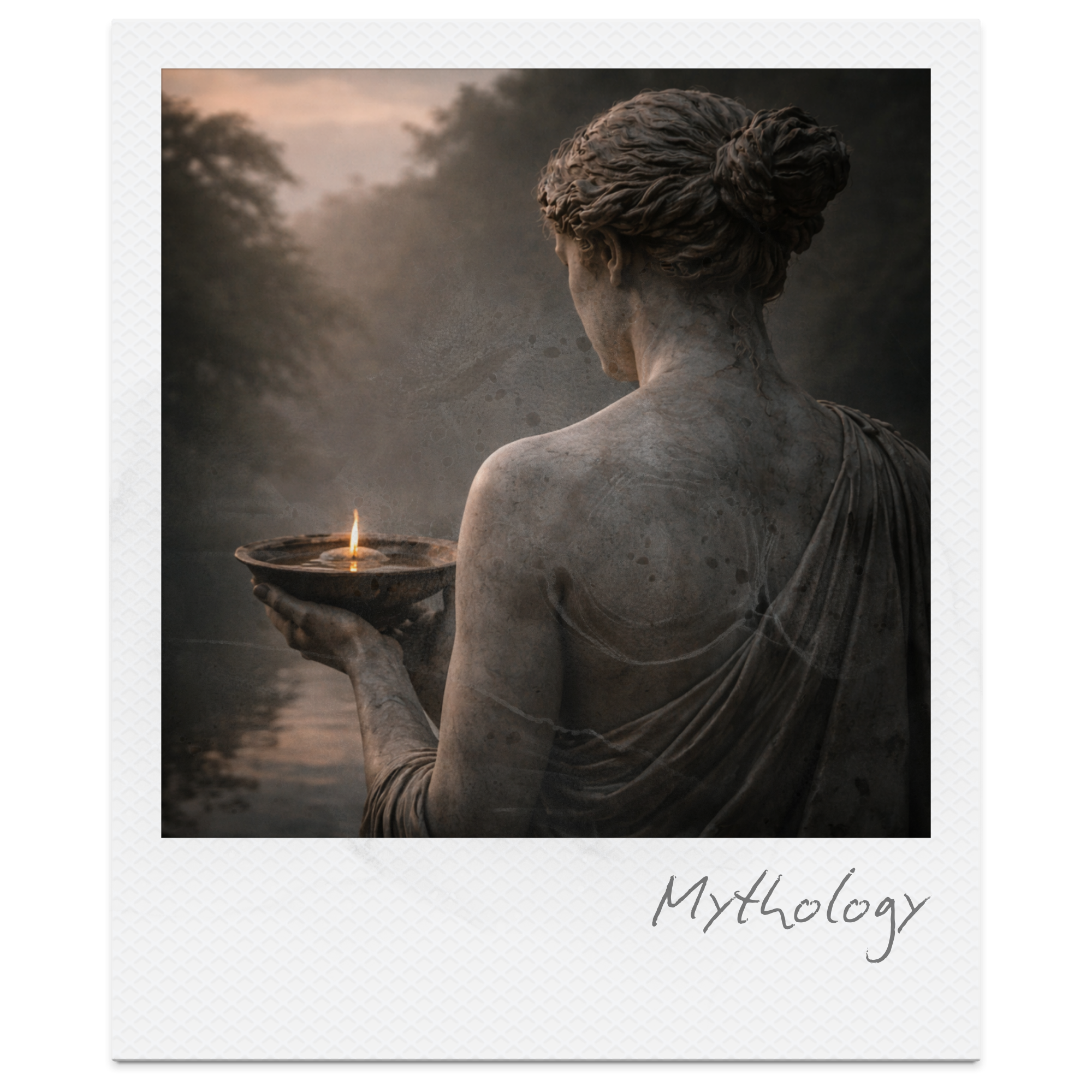
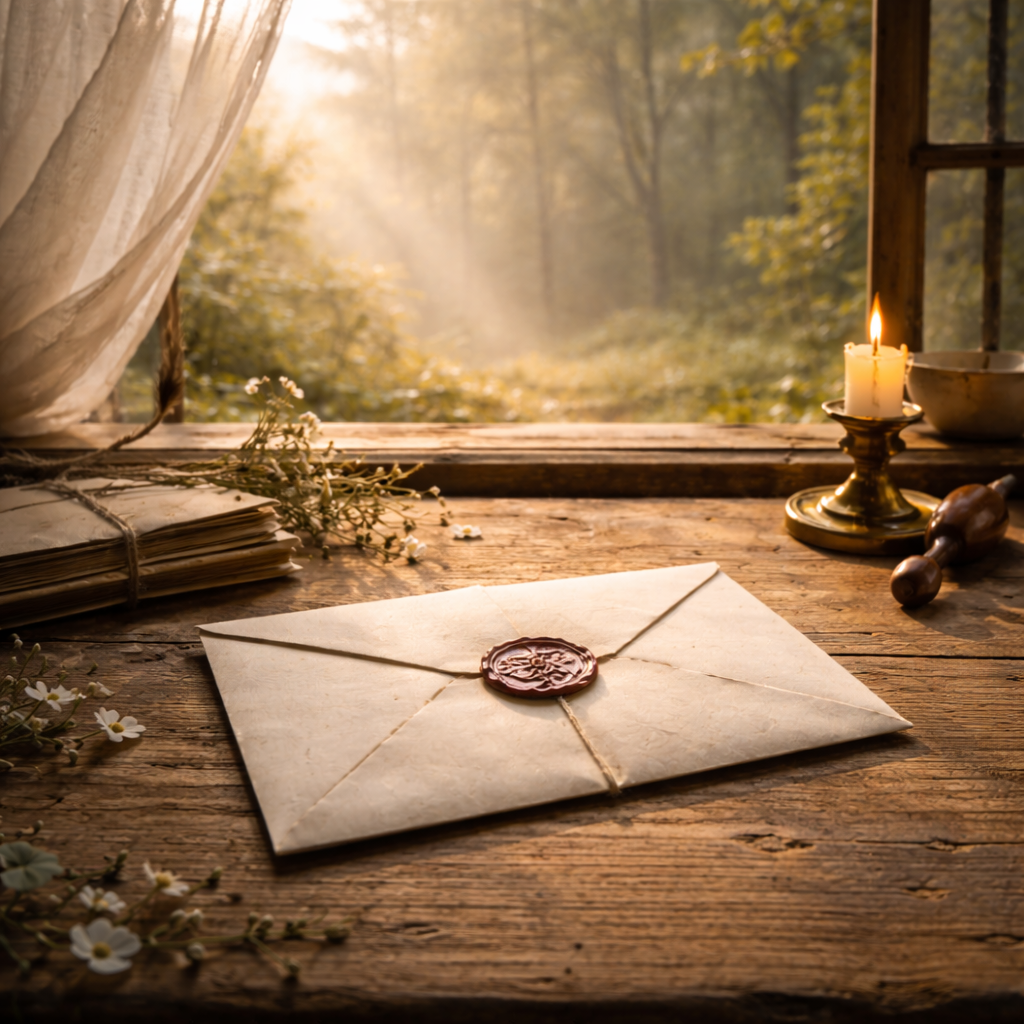
7. Picture Prompts
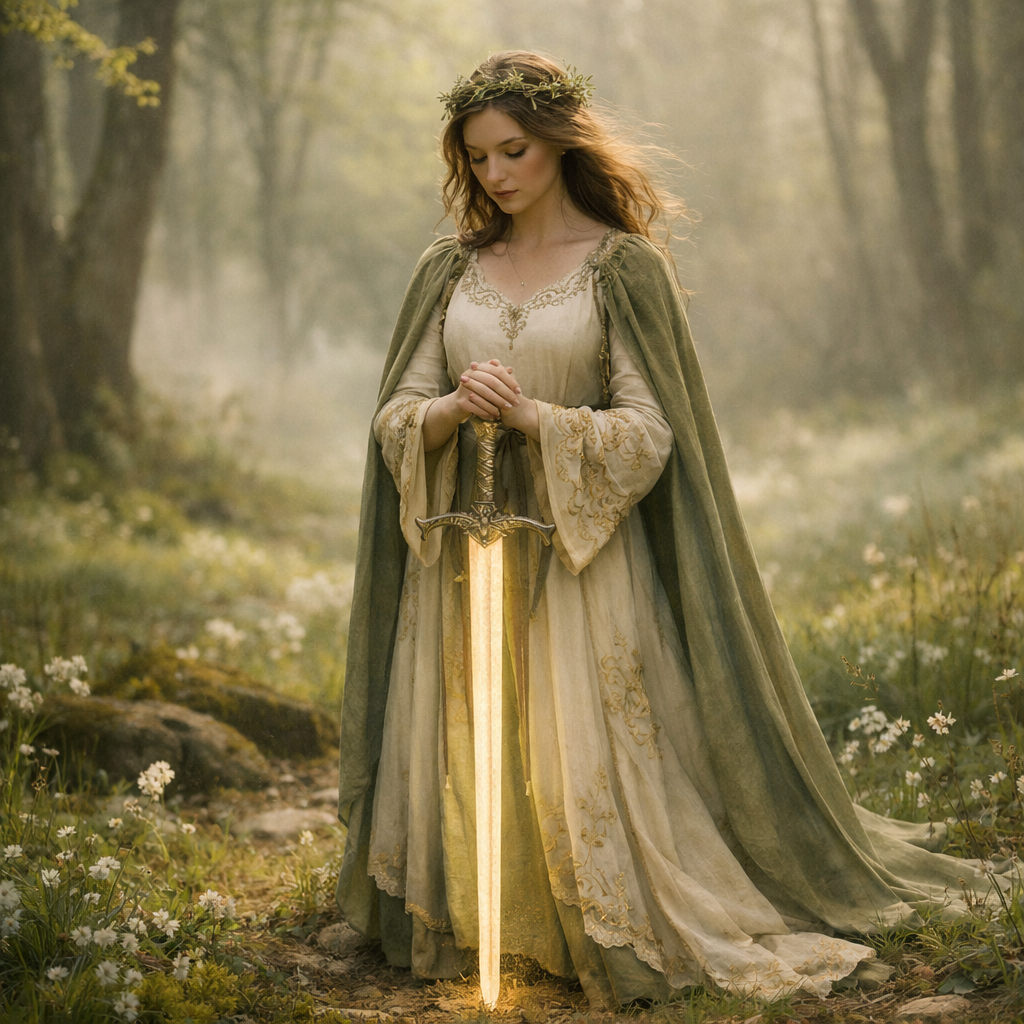
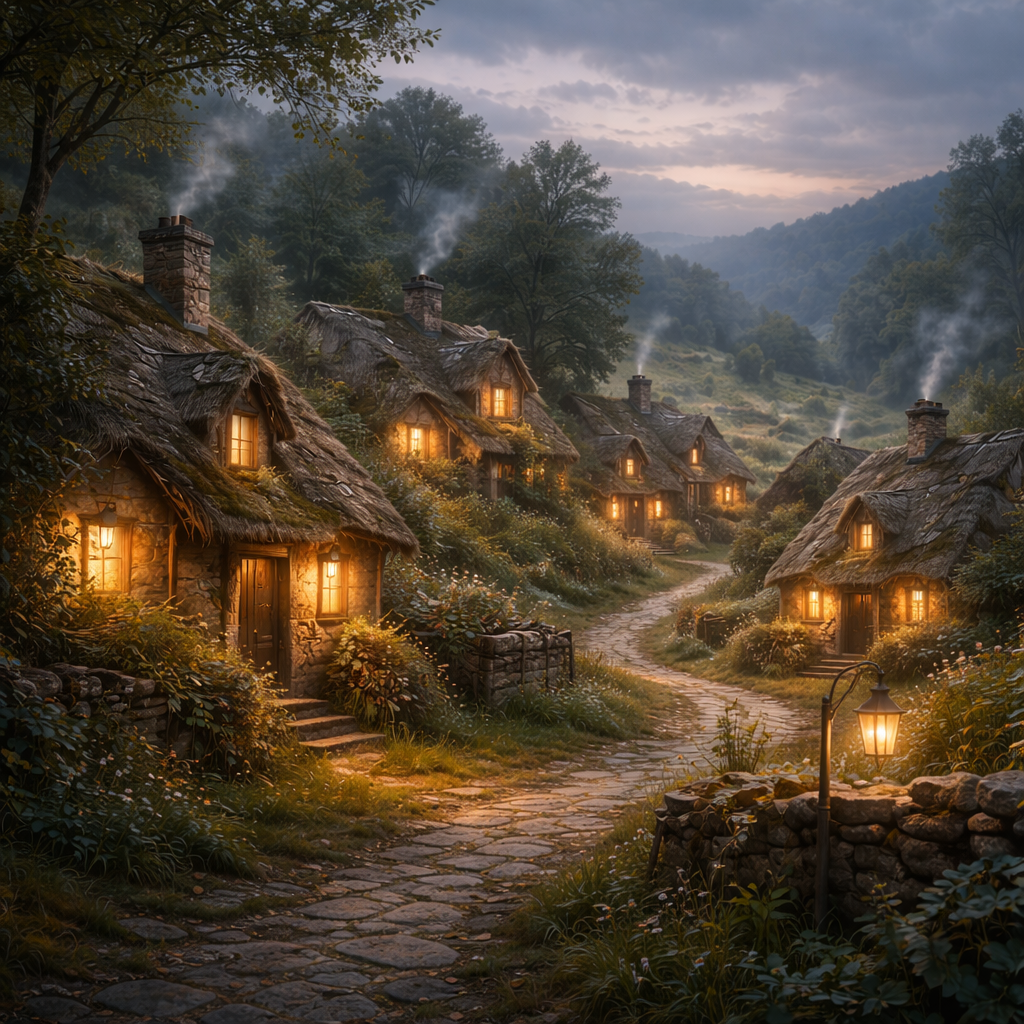
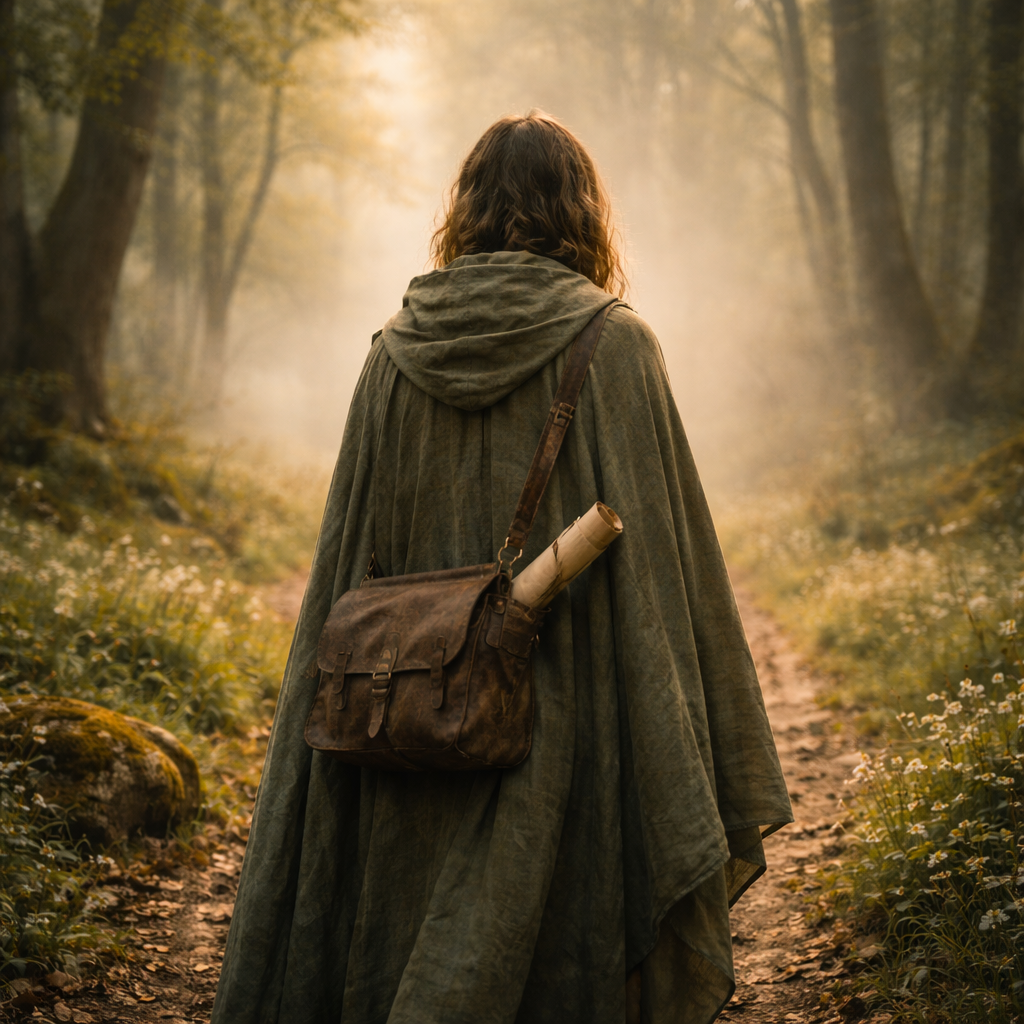
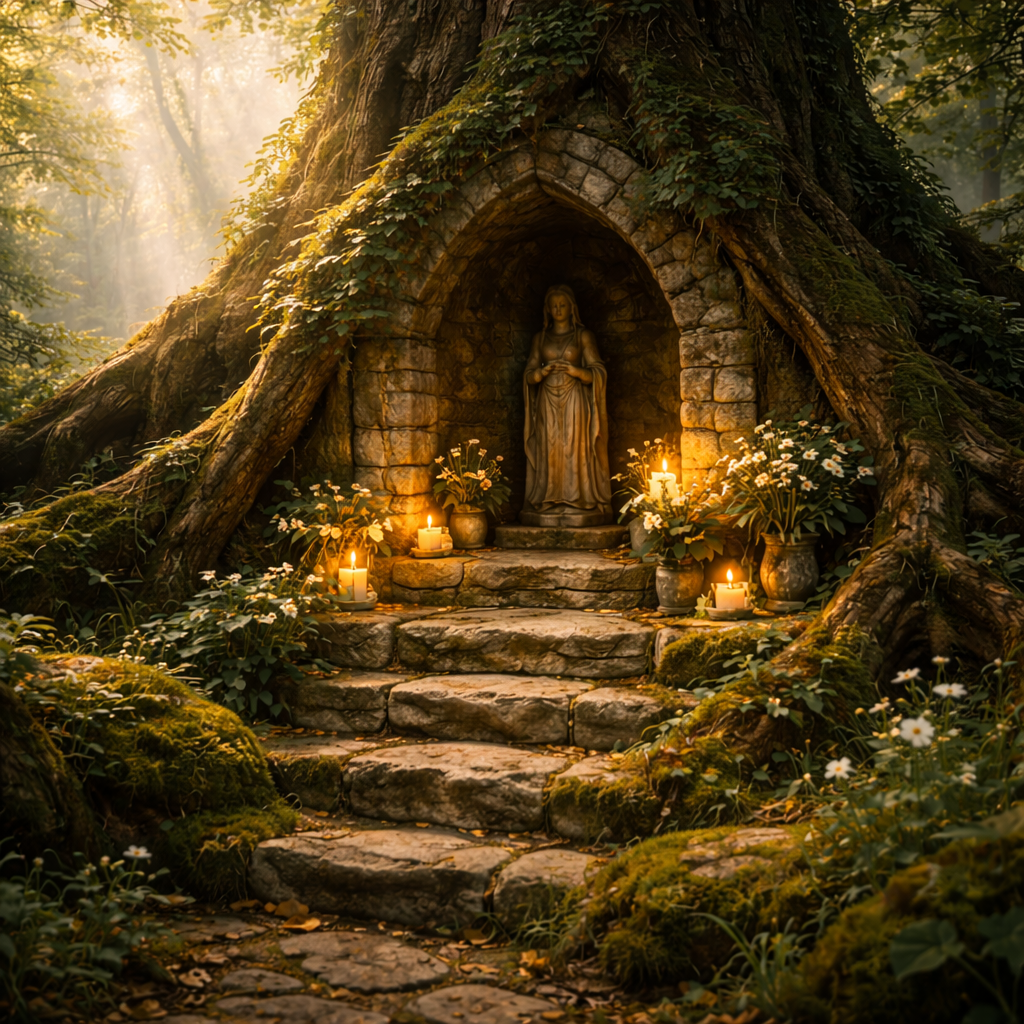
I’ve said it before, and I’ll say it again: a single image can spark a thousand stories. These fantasy visuals are perfect for descriptive writing, story openers, or full narrative units:

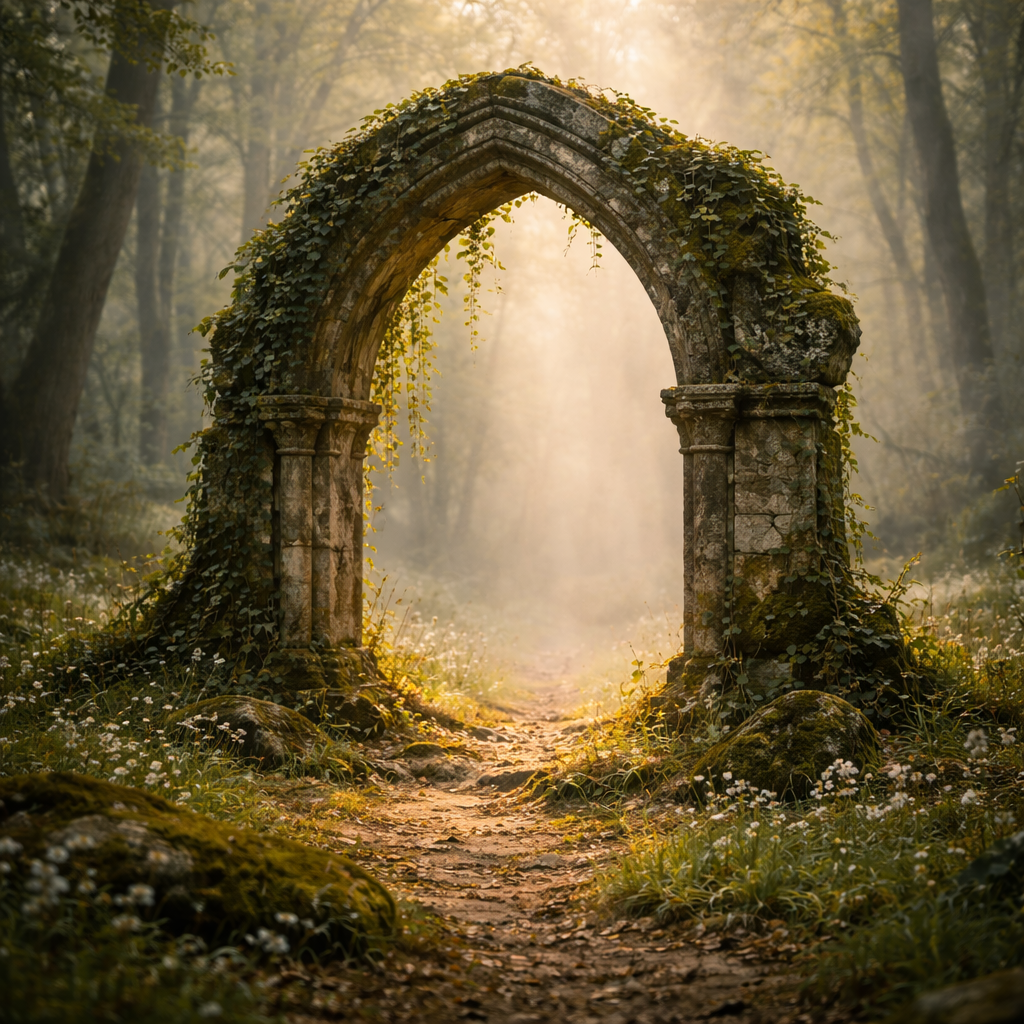
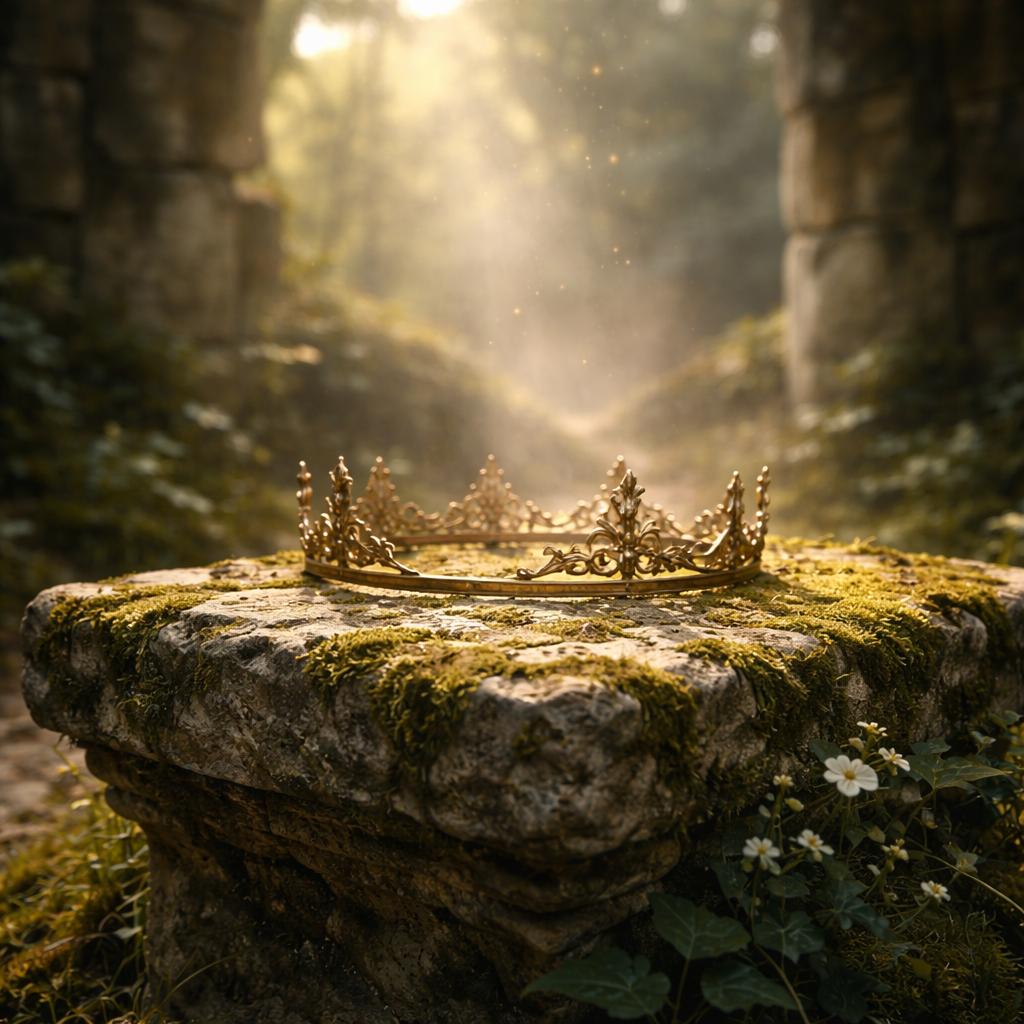
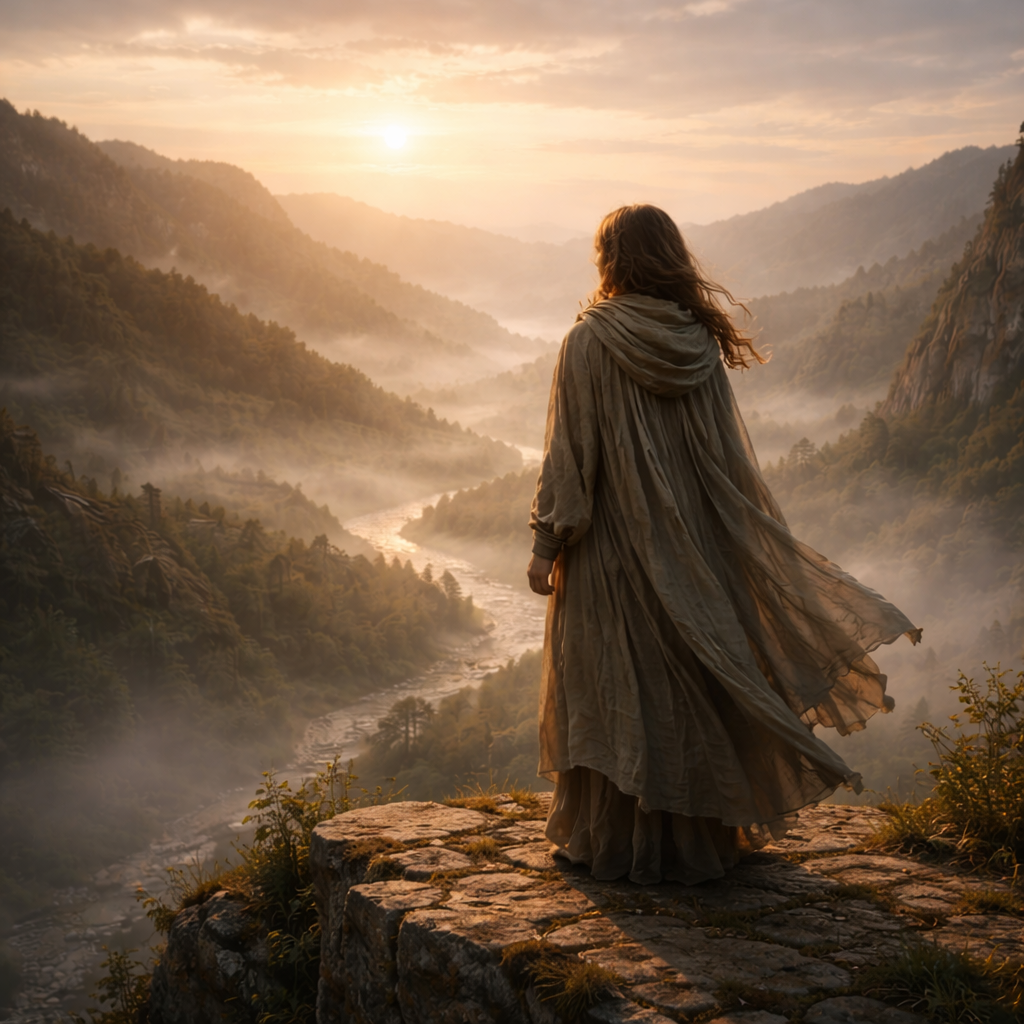
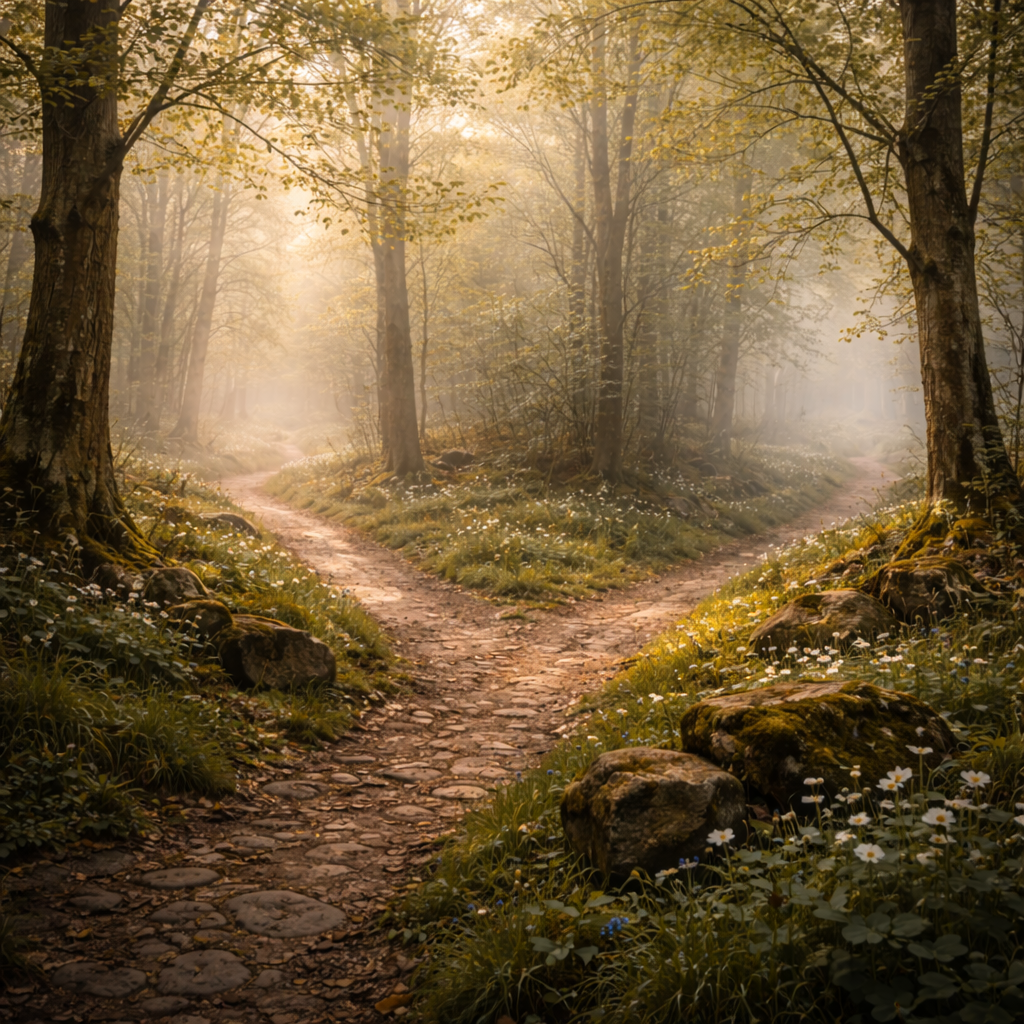
Go Deeper into Fantasy Writing
Fantasy writing rewards intention. Rather than focusing on spectacle or complex magic systems, encourage students to think about why magic exists in a story and how it shapes characters, choices, and consequences. The strongest fantasy often feels emotionally real, even when the world itself is impossible.
◆ Ask students to rewrite a fantasy prompt with one clear rule governing magic, power, or the world — then explore what happens when that rule is tested or broken.
◆ Encourage depth of setting by focusing on one small location within a fantasy world and describing it through sensory detail, memory, or routine rather than action.
◆ Experiment with point of view by telling a fantasy story from the perspective of a side character, guardian, witness, or someone affected by a hero’s decision rather than the hero themselves.
◆ Invite students to explore quiet moments by writing a scene set just before or just after a major fantasy event, allowing emotion and consequence to take centre stage.
These approaches help teen writers develop worldbuilding with purpose, stronger character motivation, and more controlled fantasy storytelling that goes beyond surface-level tropes.
Final Thoughts
Fantasy is more than escapism. At its best, it offers teen writers a way to explore courage, responsibility, identity, and change through imagined worlds that still reflect real emotional truths. By balancing magic with meaning, fantasy becomes a powerful tool for creative growth and storytelling confidence.
These fantasy writing prompts for teens are designed to support imaginative, flexible writing across classroom and independent settings. Whether used for short stories, extended fantasy projects, creative warm-ups, or genre study, the prompts encourage students to build worlds thoughtfully, shape characters with intention, and tell stories that resonate beyond the page.
If you’d like to explore more fantasy prompts, worldbuilding ideas, and genre-based writing inspiration, visit the Fantasy Writing Hub or browse the Creative Writing Archive for a wider collection of prompts organised by theme, style, and storytelling focus.
Choose Your Next Adventure