Notes from the Inkpot
Writing, teaching, creating - one ink-stained idea at a time.


70 January Writing Prompts for Teens: New Beginnings, Aftermaths, and Turning Points
January is a month of quiet turning points — what comes after the celebrations, when routines return and choices begin to matter. This collection of 70 January writing prompts invites teen writers to explore aftermath, new beginnings, and moments of change through plot hooks, opening and closing lines, character ideas, settings, and visual prompts designed for classrooms or independent writing.

70 Christmas Writing Prompts for Teens: Story Starters, Characters, Settings & Visual Ideas
Christmas is a season full of contrasts — cozy fireplaces and glittering lights, but also mystery, magic, and the occasional bit of chaos. These prompts invite teen writers to explore the holiday across genres, from festive romance and fantasy adventures to gothic tales and eerie mysteries. With 70 story starters, titles, characters, settings, and picture prompts, this collection sparks creativity for classrooms or independent writing, offering fresh takes on the season that go far beyond the expected.
20 Great Texts to Teach at Christmas (or during Winter)
Looking for meaningful texts to teach in December? These 20 Christmas and winter-themed classics — from short stories and poems to films and podcasts — offer rich discussion, creative writing opportunities, and seasonal engagement without sacrificing academic depth.

12 Engaging Podcasts to Hook Teens and Deepen Classroom Analysis
Podcasts aren’t just background noise or Friday-afternoon filler. Used intentionally, they become rich texts for analysis, offering students access to real voices and real perspectives. From true crime to poetry to investigative journalism, podcasts allow students to explore ideas, examine viewpoint, and analyse how meaning is constructed through sound, structure, and tone. Here are twelve powerful podcast recommendations to transform listening into real learning.

The Best Netflix Shows and Films to Use in the Secondary Classroom
Streaming doesn’t have to mean “switching off.” Netflix is packed with series and films that open up rich discussions in the secondary English classroom — from dystopian cautionary tales like Black Mirror to tender coming-of-age stories like Heartstopper. Used thoughtfully, these titles can spark debate, connect literature to students’ lives, and bring themes like identity, grief, and power into focus. This guide rounds up some of the best options, with classroom pairings, creative activities, and cross-curricular links to help you use screen time as a powerful teaching tool.

Micro Writing for the TikTok Generation (Why Short Bursts Spark Big Ideas)
Micro writing is about stripping things back — short bursts of creativity that can grow into something bigger. This post explores how daily prompts, complete with titles, images, opening and closing lines, and plot ideas, can be used for quick five-minute writes that fit neatly into any lesson. Think of it as a clean, minimalist approach to writing practice: simple to set up, but powerful in what it sparks.

The Hemlock Collection: A Witch Trial Mystery Across Centuries
Step into Crowhurst, 1628. A child’s screams in the night, whispered accusations, and a village consumed by fear. The Hemlock Collection is a digital-first creative writing mystery that blends witch trials and folklore with the modern-day disappearance of Beth Crowhurst in 2023. Through letters, grave rubbings, diary entries, and newspaper clippings, students and writers are invited to investigate both timelines and craft their own stories from the shadows left by history.

10 Haunting Poems to Teach This Halloween (That Aren’t Just The Raven)
Halloween isn’t just for spooky short stories — poetry can be just as haunting. From Poe’s The Raven to eerie ballads like The Unquiet Grave, these poems bring atmosphere, symbolism, and Gothic chills into the classroom. Perfect for middle and high school, this list offers ten haunting poems that make October lessons both literary and seasonal.

10 Books by Young Authors That Show Students Their Voices Matter
Many students believe they’re “too young” to write something meaningful. Yet history proves otherwise. From Anne Frank’s diary to Mary Shelley’s Frankenstein and Malala Yousafzai’s memoir, young authors have created works that changed literature, history, and even global movements. This post explores ten powerful books written by teenagers and young writers, showing how their voices can inspire students to write with confidence today.
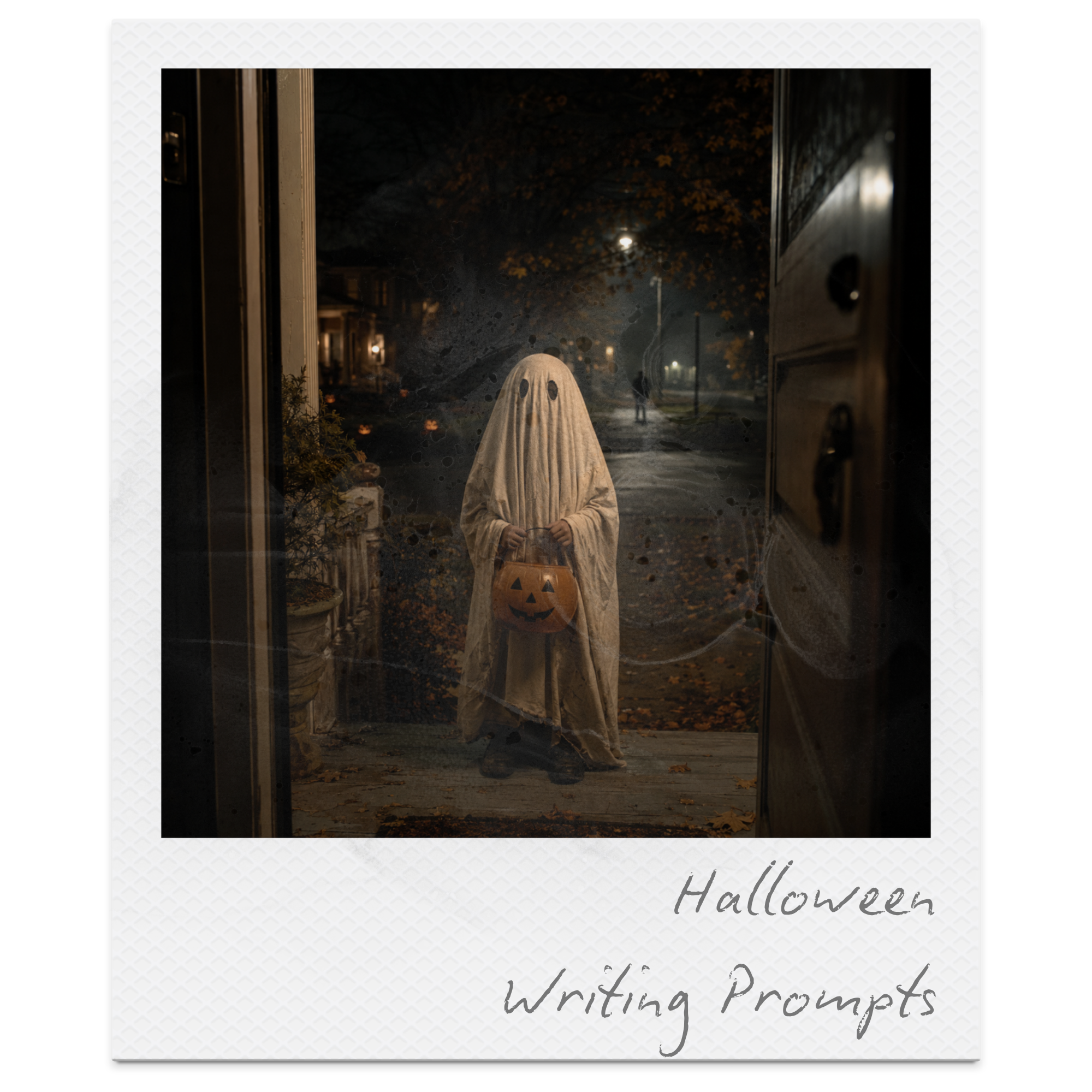
70 Halloween Writing Prompts: Spooky Story Ideas, Characters, Settings & More
Get into the spooky spirit with 70 Halloween writing prompts designed for teen writers. From eerie plot hooks and chilling titles to haunted settings and creepy character ideas, this collection brings the mystery and magic of October to life. Perfect for classrooms or young writers, these prompts encourage creativity through suspense, atmosphere, and a touch of fear.
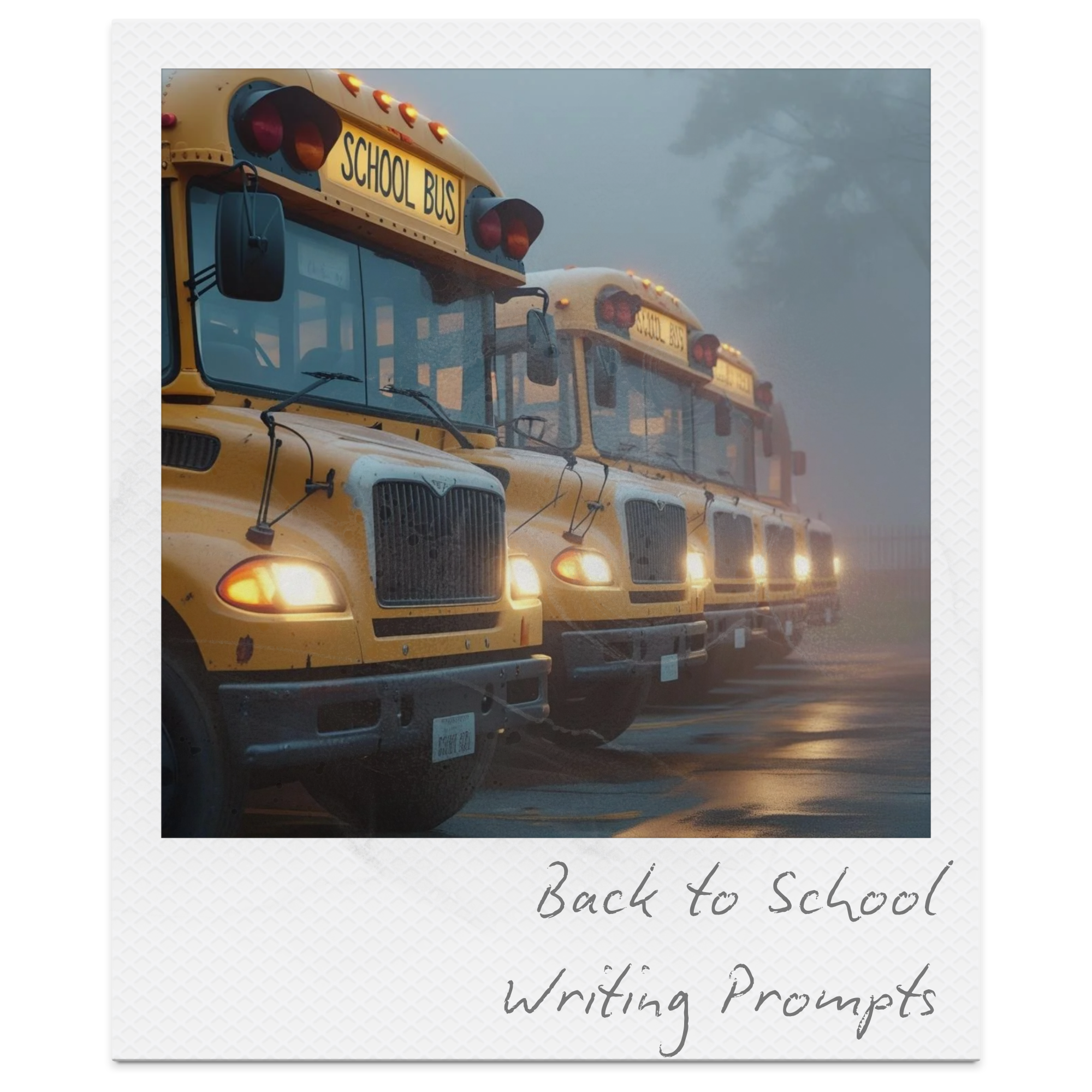
70 Back-to-School Creative Writing Prompts: Story Ideas, Characters, Settings & Picture Prompts
The start of the school year is full of story potential — new beginnings, old rivalries, unexpected friendships, and the drama of everyday life. These 70 back-to-school writing prompts include plot hooks, titles, characters, settings, and picture prompts to spark ideas for teen writers and keep creativity flowing all term.

Why I Swear by Picture Prompts for Teaching Literature (And How to Use Them)
Picture prompts aren’t just for creative writing units — they can transform the way students connect with literature. Whether you use them to spark predictions before reading or to inspire a fresh take after finishing a text, the right image can flip the switch from passive reader to active thinker. Here’s how I use picture prompts to teach language through literature, keep lessons fresh, and make analysis feel less like a chore.

Creative Writing Lessons That Feel Like Time Travel: How I Use Writing Boxes in the Classroom
Tired of blank stares during creative writing lessons? These immersive story boxes turn students into detectives, poets, and storytellers. From séance invitations to village festivals with a secret, here’s how I use creative writing boxes to spark serious engagement (and save my sanity) in the classroom.

The Back-to-School Writing Task That Helps Me Understand Every Student
One simple writing task. That’s all it takes to start building real relationships with your students. Here’s the first-week activity I always use to understand who’s in front of me, and why it works year after year.

The Ashridge Collection: A Free Creative Writing Resource for Curious Students and Tired Teachers
Tired of worksheets? The Ashridge Collection is a free printable creative writing mystery designed for curious classrooms. Built from letters, diary entries, and eerie school documents, it invites students to step into a story, and shape it themselves.

How to Teach English Language Skills Using Literature Texts (Free Prompts Included)
Combine language and literature in a meaningful way with chapter-by-chapter creative writing prompts. This post explores how you can build writing skills while deepening students’ understanding of the texts you teach - plus, you’ll find lots of free resources to download and try right away.

Why Ray Bradbury Is the Original Black Mirror (and How to Teach Both in the Classroom)
Ray Bradbury might not have predicted Instagram likes or parental control implants, but his stories hold up like eerie reflections of our own tech-obsessed world. In this post, I pair classic Bradbury short stories with Black Mirror episodes to explore how both challenge our ideas about progress, power, and humanity. Perfect for teachers looking to spark meaningful discussions in the classroom.

10 Big Themes to Teach in Literature (That Students Actually Care About)
Tired of trying to make students care about literature? Start with themes that actually mean something to them. These ten big ideas - from identity and injustice to grief and resilience - are the ones students really connect with. Plus, I’ve included text suggestions and creative ways to teach each one.