70 February Writing Prompts for Teens: Story Starters, Characters, Settings & Visual Ideas
February sits at a strange point in the year — part lingering winter, part restless anticipation for spring. It’s a month of cold mornings, quiet streets, early sunsets, and small but meaningful bursts of human warmth: winter festivals, folk traditions, slow routines, and a stubborn desire for new beginnings.
Because Valentine’s Day tends to dominate February, the quieter moods of the season are often overlooked. These February writing prompts focus instead on atmosphere, folklore, weather, and the emotional texture of late winter — creativity that isn’t centred on romance. Think icy landscapes, strange weather, migration patterns, winter folklore, and the subtle drama of communities enduring the cold.
This collection of 70 February writing prompts for teens is designed for writers who want inspiration beyond Valentine’s cards and heart-shaped clichés. Inside, you’ll find plot hooks, title ideas, opening and closing lines, character sketches, atmospheric settings, and picture prompts. Ideal for secondary classrooms, writing clubs, or independent creative writing, these prompts explore resilience, mystery, environment, and quiet transformation during the final stretch of winter.
If you’re looking for more seasonal writing prompts, genre-based ideas, or creative writing collections for teens, you can browse the full master list of 2000+ creative writing prompts here.
1. Plot Hooks
February writing prompts lend themselves naturally to mystery, survival, quiet tension, and seasonal folklore. As winter drags on, communities are pushed to their limits by cold, isolation, and long nights — making late winter an ideal setting for stories driven by atmosphere rather than action.
These February plot hooks for teens focus on late-winter settings, environmental pressure, and small human dramas unfolding beneath snow, ice, and ritual.
Write about a town preparing for its annual winter lantern festival during a record-breaking February cold snap, when the celebrations may be the only thing keeping spirits alive.
Write about a remote community cut off after a sudden blizzard, with no power, no transport, and rising tension as supplies begin to run low.
Write about a meteorologist who begins to notice an impossible pattern forming in February storms — one that suggests the weather is responding to something unseen.
Write about a group of students who discover strange symbols carved into frozen ponds, appearing overnight and vanishing as the ice starts to crack.
Write about a wolf sighting on the outskirts of a rural town that sparks fear, fascination, or reverence — depending on who you ask.
Write about a travelling botanist searching for the first flowers of the year, risking frostbite and failure to find signs of life beneath the snow.
Write about a family who opens their home to stranded strangers during a winter power outage, slowly realising not everyone is who they claim to be.
Write about a photographer attempting to capture a rare February winter phenomenon, only to realise the moment may be changing them as much as the image.
Write about a neighbourhood that holds an unspoken contest of winter endurance, where everyone knows the rules but no one admits they’re playing.
Write about a group of locals investigating the origins of an eerie late-winter folktale, long dismissed as superstition — until it begins to repeat itself.
2. Title Ideas
Choosing a title can help shape the mood of a piece before a single word is written. These February-inspired story titles reflect late winter, folklore, quiet tension, and the sense of existing in a season that hasn’t quite let go.
The Long February
When Winter Refuses to End
Lanterns in the Last Snow
Between Frost and Thaw
Winter Keeps Its Secrets
The Cold That Lingers
Under a Late Winter Sky
The Final Weeks of Winter
After the Deep Freeze
Where February Holds On
3. Opening Lines
These opening lines drop writers straight into the atmosphere of February, capturing late-winter cold, quiet tension, and the sense that something is beginning to shift beneath the ice.
“The cold in February felt sharper than the rest of winter, as if it had grown impatient.”
“The first lantern flickered to life, and for a moment the entire town stopped to watch.”
“I don’t remember snow ever being this quiet — not even when it was falling.”
“The forecast warned us about the storm, but it said nothing about the singing that came with it.”
“By mid-February, the wolves had stopped hiding, and that’s when people began to worry.”
“The river looked solid enough to cross, but February has a way of lying.”
“Someone had cleared a narrow path through the snow overnight, and it definitely wasn’t human.”
“It hadn’t been warm for weeks, but that morning the ice began to crack anyway.”
“Everyone in town knew something strange happened during the last week of winter — we just never talked about it.”
“The power went out just as the sky turned an unfamiliar shade of green.”
4. Closing Lines
These closing lines leave space for reflection, uncertainty, and quiet unease, echoing the slow, unresolved mood of late winter.
“Spring would come eventually — but for now, winter was still holding on.”
“The storm passed, but the stories it left behind refused to fade.”
“The wolves slipped back into the trees, and I realised my fear had gone with them.”
“No one spoke about what we saw, but none of us ever forgot it.”
“The ice broke that night, and after that, silence was no longer an option.”
“February ended quietly, as if the month itself was trying to erase what had happened.”
“The lantern smoke drifted into the pale dawn, carrying the weight of what we’d endured.”
“We survived the cold — but survival turned out to be the easiest part.”
“I stepped onto the thawing ground and felt it shift, alive beneath my feet.”
“By morning, the tracks were gone, but the mystery remained.”
5. Character Ideas
These character ideas are well suited to late-winter settings, where cold, isolation, and routine shape behaviour. Each one places a character under seasonal pressure, making February an active force rather than a backdrop.
A botanist searching frozen ground for the first signs of spring, racing against time, funding, or failing hope.
A storm chaser obsessed with unpredictable late-winter weather, convinced February storms behave differently from the rest.
A student documenting local folklore for a school project, only to find some stories are still unfolding.
A mail carrier who delivers through snow and ice and knows which houses are hiding more than just the cold.
A retired fisherman who reads the frozen river or sea ice like a map — and notices when it begins to change.
A young athlete training outdoors despite the cold, driven by discipline, desperation, or something they’re trying to outrun.
A wildlife tracker monitoring wolves or migrating birds, caught between scientific detachment and growing unease.
A festival volunteer preparing lanterns for the town square, quietly holding a community together during the darkest weeks of winter.
An engineer responsible for ageing infrastructure, fighting freezing temperatures to keep power, water, or transport running.
A hermit living alone in a remote cabin, watching the woods shift as winter loosens its grip — and realising they’re no longer alone.
6. Setting Ideas
February settings are often stark, quiet, and charged with atmosphere. Cold reshapes familiar places, routines slow down, and ordinary locations take on new meaning beneath ice, fog, and low winter light.
A frozen canal lined with bicycles locked in place, flanked by old brick buildings dusted with frost.
A small-town main street lit by paper lanterns during a winter festival, glowing softly against the surrounding darkness.
A snow-covered field scattered with migrating birds, their sudden movement breaking the stillness.
A forest trail that only becomes visible after snowfall, winding between bare trees and disappearing into mist.
A frozen lake dotted with fishing shacks, the ice creaking beneath footsteps and wind.
A house lit only by candles during a winter power outage, shadows stretching long across the walls.
A school gymnasium echoing with boredom and restlessness as students wait out indoor recess.
A train platform at dawn, wrapped in fog, where departures are delayed and figures appear and vanish without warning.
A storm-battered lighthouse overlooking a frozen harbour, its light cutting through sleet and sea spray.
A neighbourhood where everyone is shovelling snow at once, working side by side in silence, breath rising in the cold air.
7. Picture Prompts
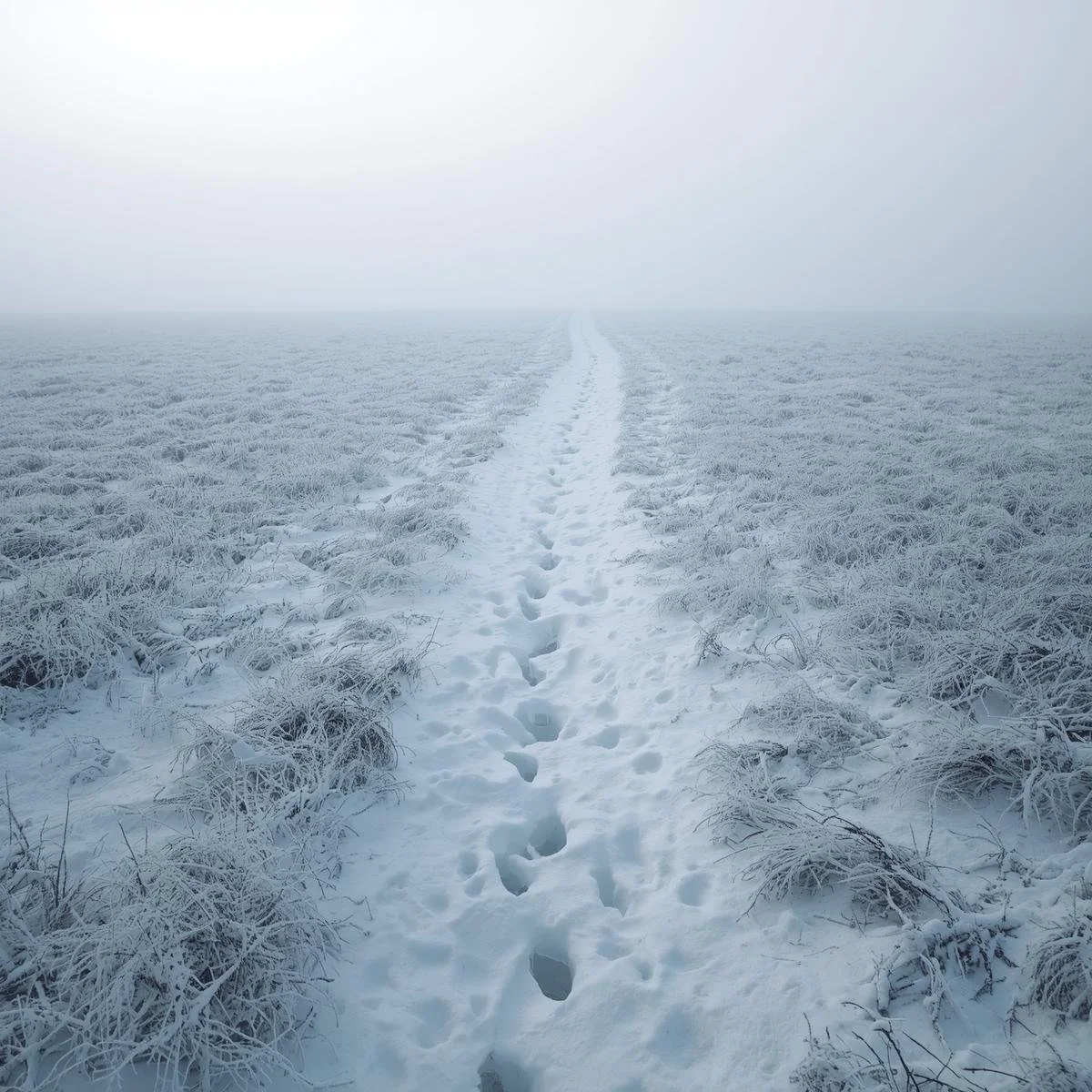
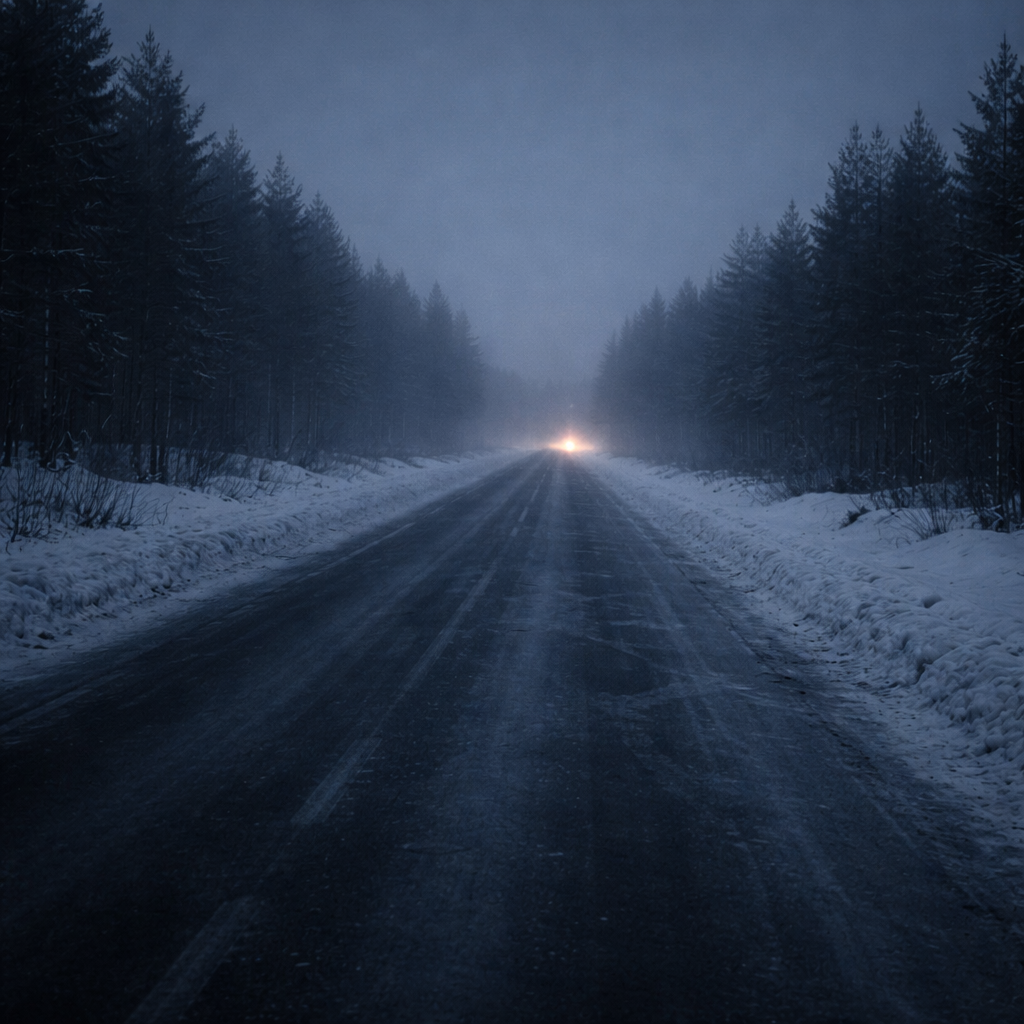
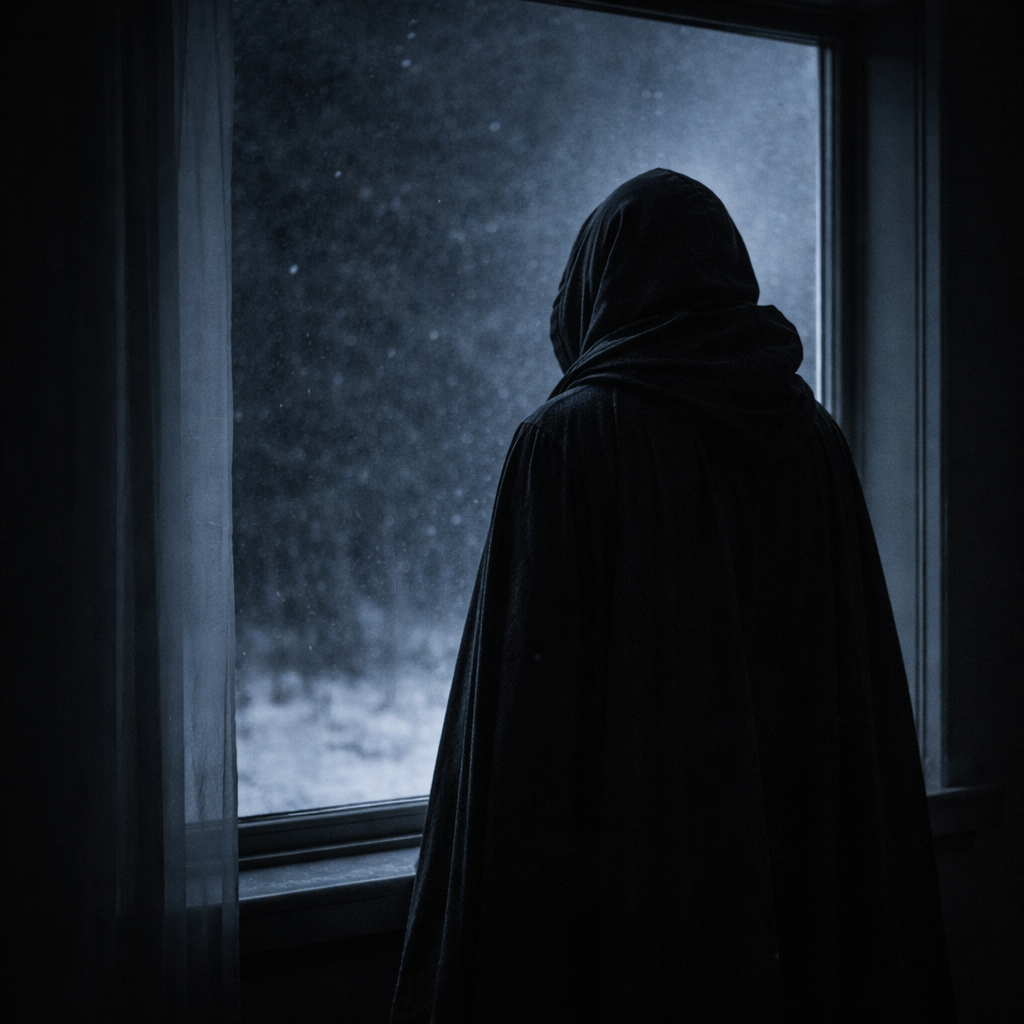
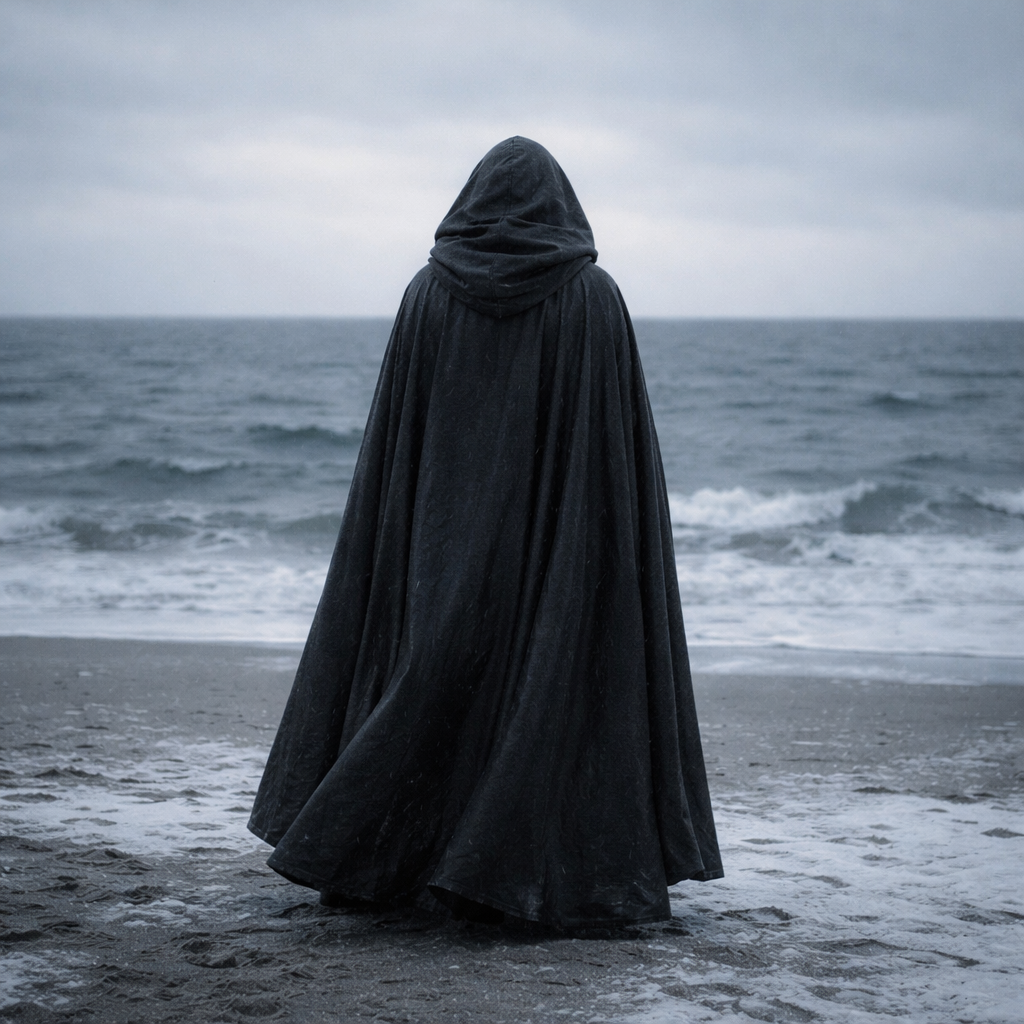
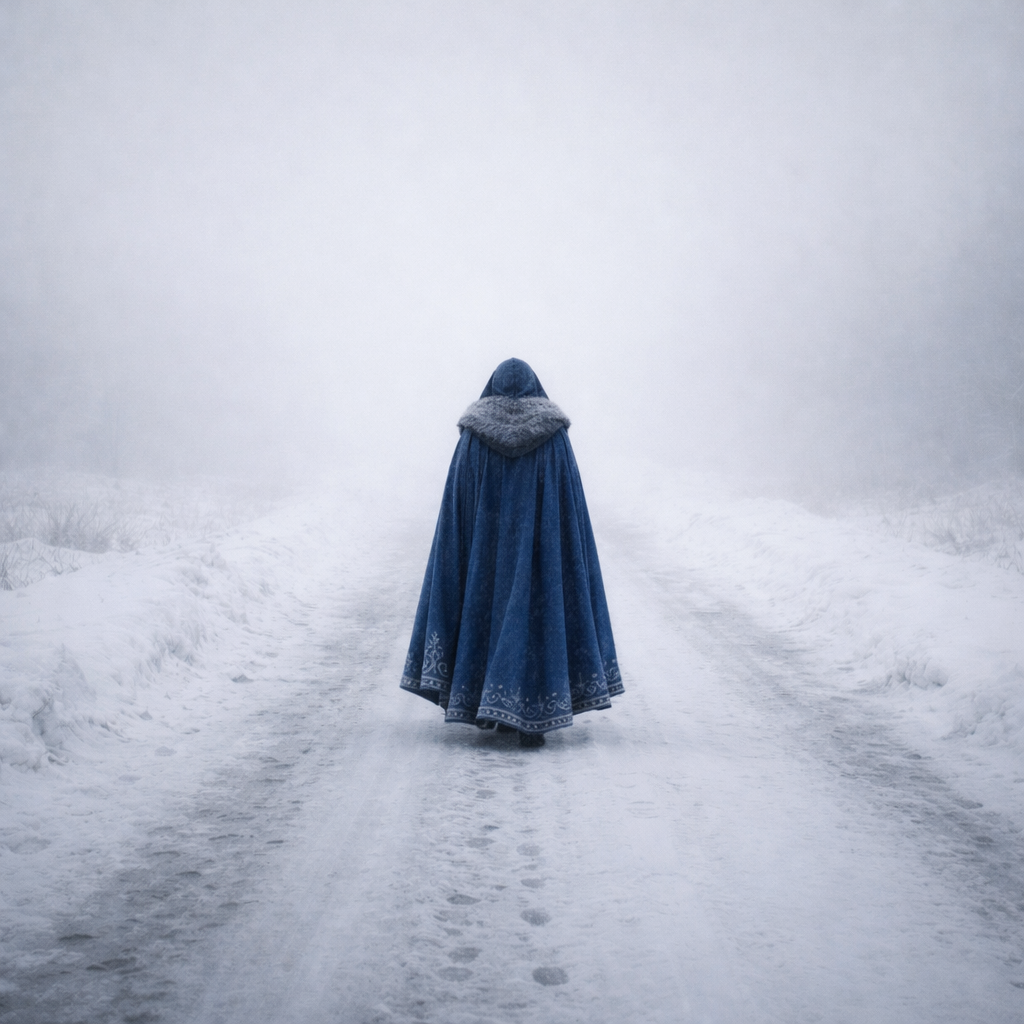
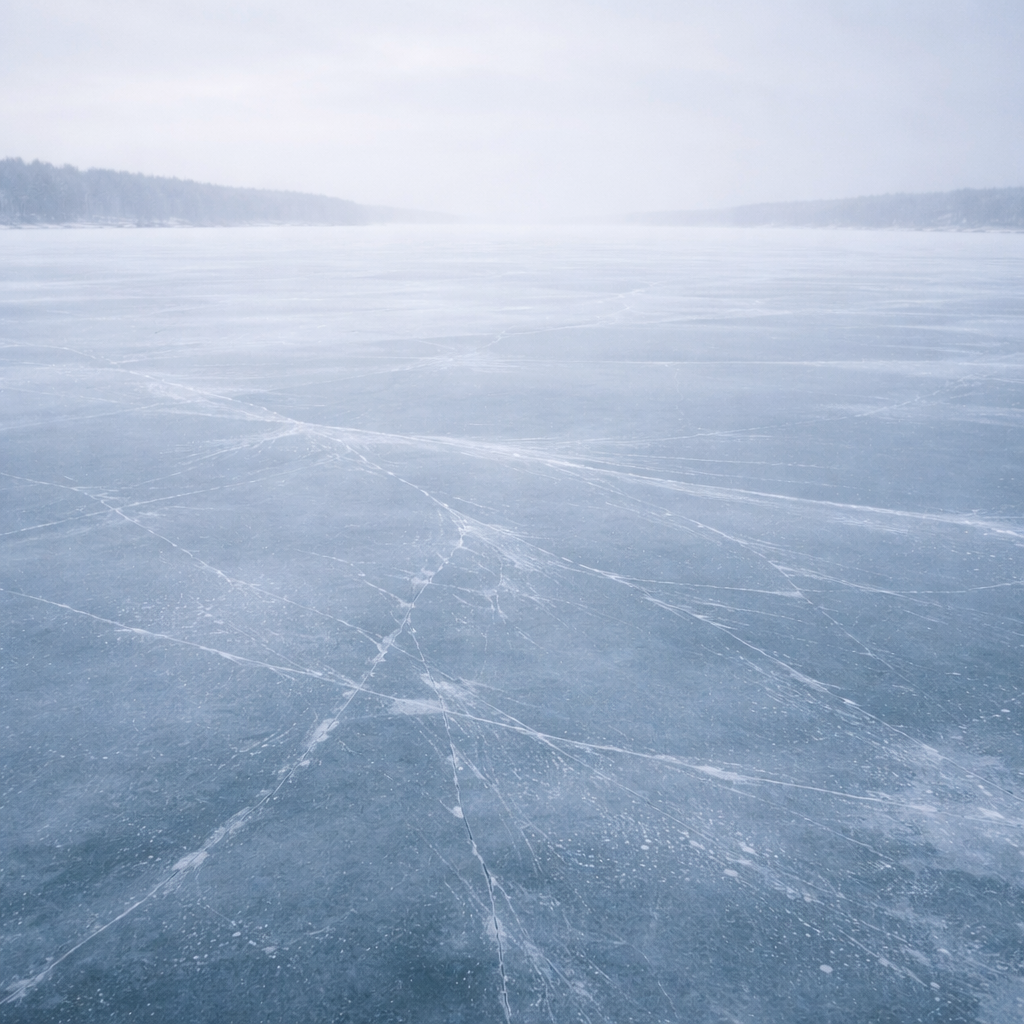
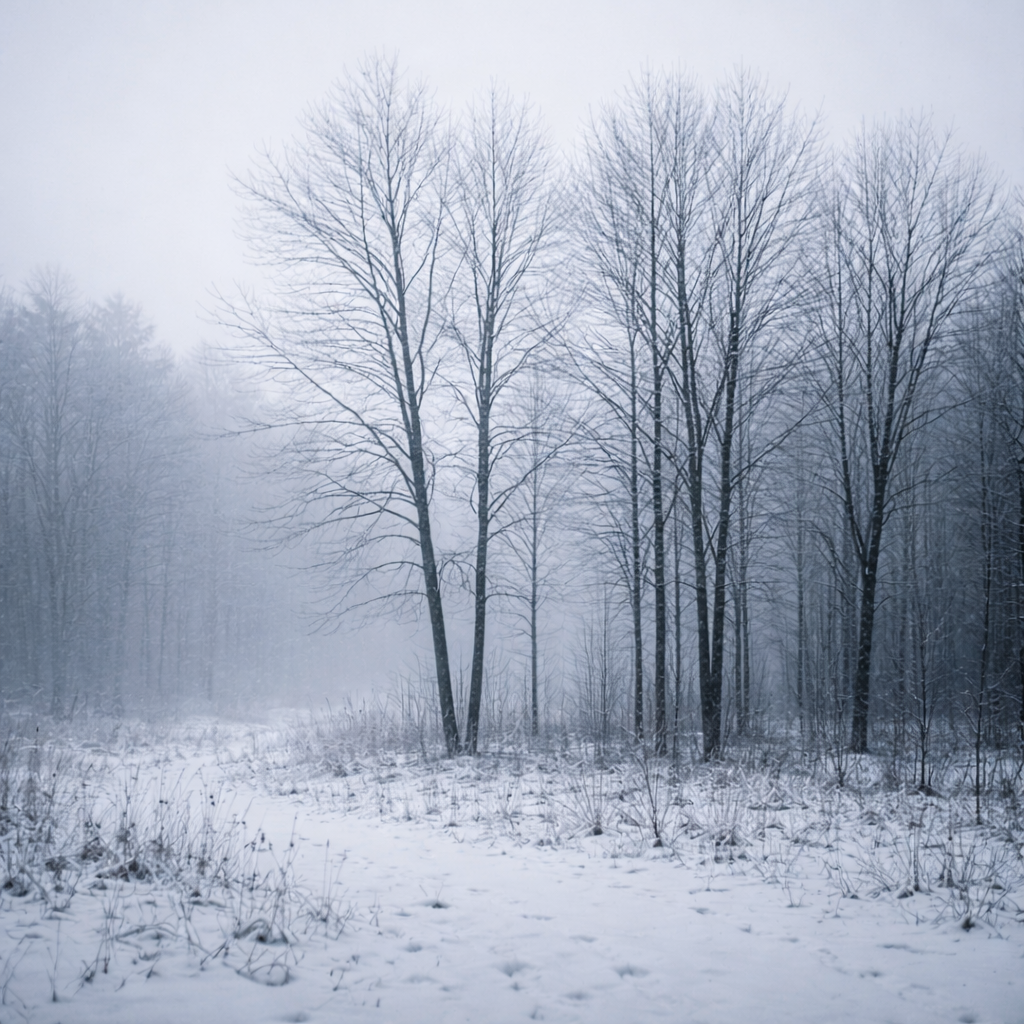
These February picture prompts use winter imagery to spark atmosphere-led storytelling. Rather than focusing on action or spectacle, each image invites writers to slow down, observe, and respond to late-winter landscapes, quiet human presence, and the subtle tension that lingers at the edge of change.
Designed for teen writers and secondary classrooms, these prompts work well for descriptive writing, narrative openings, and mood-driven pieces. Each image can be approached from multiple angles — as a setting, a moment of conflict, or a turning point — making them ideal for exploring resilience, isolation, and the feeling of standing between winter and spring.



Go Deeper into February Writing
If you want to develop these February writing prompts further, try approaching them in ways that deepen atmosphere, tension, and emotional weight. Late-winter stories often work best when February itself becomes an active presence — shaping decisions, delaying change, and testing how long characters can endure uncertainty.
◆ Rewrite a prompt with the focus shifted from external events to internal conflict, using cold, darkness, or waiting as pressure rather than spectacle.
◆ Choose one February setting and explore how it changes over time — what shifts after weeks of frost, repeated routines, or prolonged isolation.
◆ Experiment with silence and restraint by limiting dialogue and allowing landscape, weather, and physical sensation to carry meaning.
◆ Rewrite a scene twice: once during the height of winter tension, and once in the quiet moments near the thaw, letting consequences linger rather than resolve.
These approaches encourage writers to move beyond surface-level winter imagery and into stories shaped by endurance, anticipation, unease, and quiet transformation.
Final Thoughts
February stories are not just about cold weather or frozen landscapes — they explore waiting, resilience, memory, and the choices people make when progress feels delayed. Whether set in snowbound towns, isolated homes, or landscapes caught between frost and thaw, late-winter narratives often reveal character through pressure rather than action.
These 70 February writing prompts for teens give writers space to experiment with atmosphere-driven storytelling, symbolic settings, and emotionally grounded conflict, without relying on Valentine’s clichés or overt seasonal tropes. The prompts are suitable for short fiction, creative warm-ups, extended writing tasks, or reflective pieces in secondary classrooms.
If you’d like to explore more genres, tropes, or seasonal writing prompts, you can browse the full master list of 2000+ creative writing prompts for teens and continue your next creative adventure.
