Notes from the Inkpot
Writing, teaching, creating - one ink-stained idea at a time.

When It Happens by Margaret Atwood: Summary, Themes & Analysis
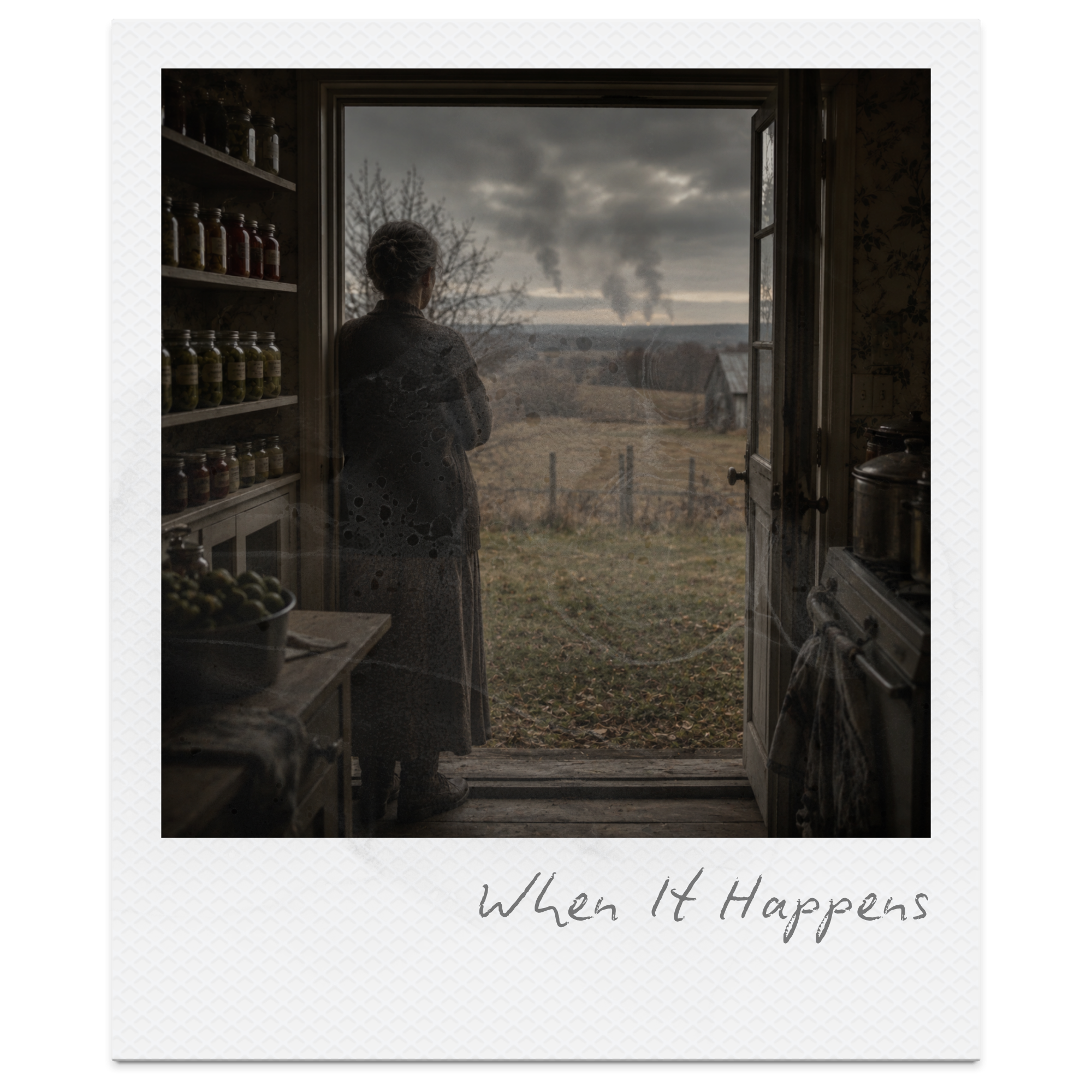
Margaret Atwood’s When It Happens is a haunting and psychologically tense short story exploring fear, survival, uncertainty, and the quiet collapse of ordinary life. Through the perspective of Mrs. Burridge, Atwood transforms domestic routines such as preserving food, writing shopping lists, and organising supplies into symbols of preparation and anxiety, gradually revealing a world overshadowed by the expectation of disaster. This detailed analysis explores the story’s themes, symbolism, structure, narrative voice, key quotes, and exam-focused interpretations for CIE IGCSE English Literature (0475 & 0922).
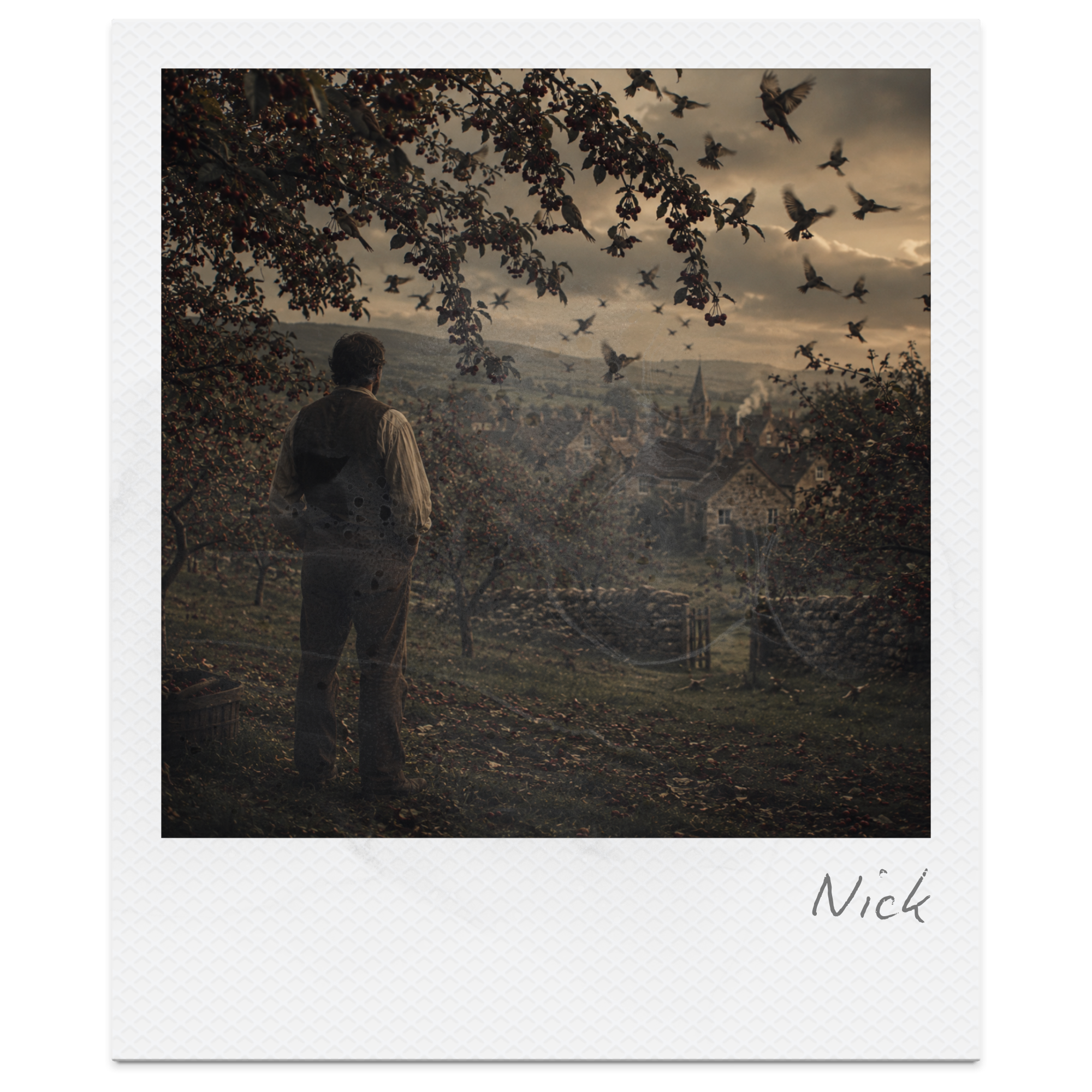
Nick by Christina Rossetti: Summary, Themes & Analysis
Christina Rossetti’s Nick is a darkly comic moral fable exploring envy, greed, consequence, and self-awareness through a series of strange magical transformations. Although Nick already lives in comfort and prosperity, he becomes consumed by jealousy and bitterness towards his neighbours. After receiving the power to become whatever he wishes, his malicious desires repeatedly spiral into humiliation, fear, and destruction. This analysis of Nick explores Rossetti’s use of symbolism, narrative voice, structure, and fairytale conventions to examine the psychological effects of resentment and selfishness. It also considers key themes including morality, social responsibility, and transformation, while offering exam-focused insights for CIE IGCSE English Literature (0475 & 0922).
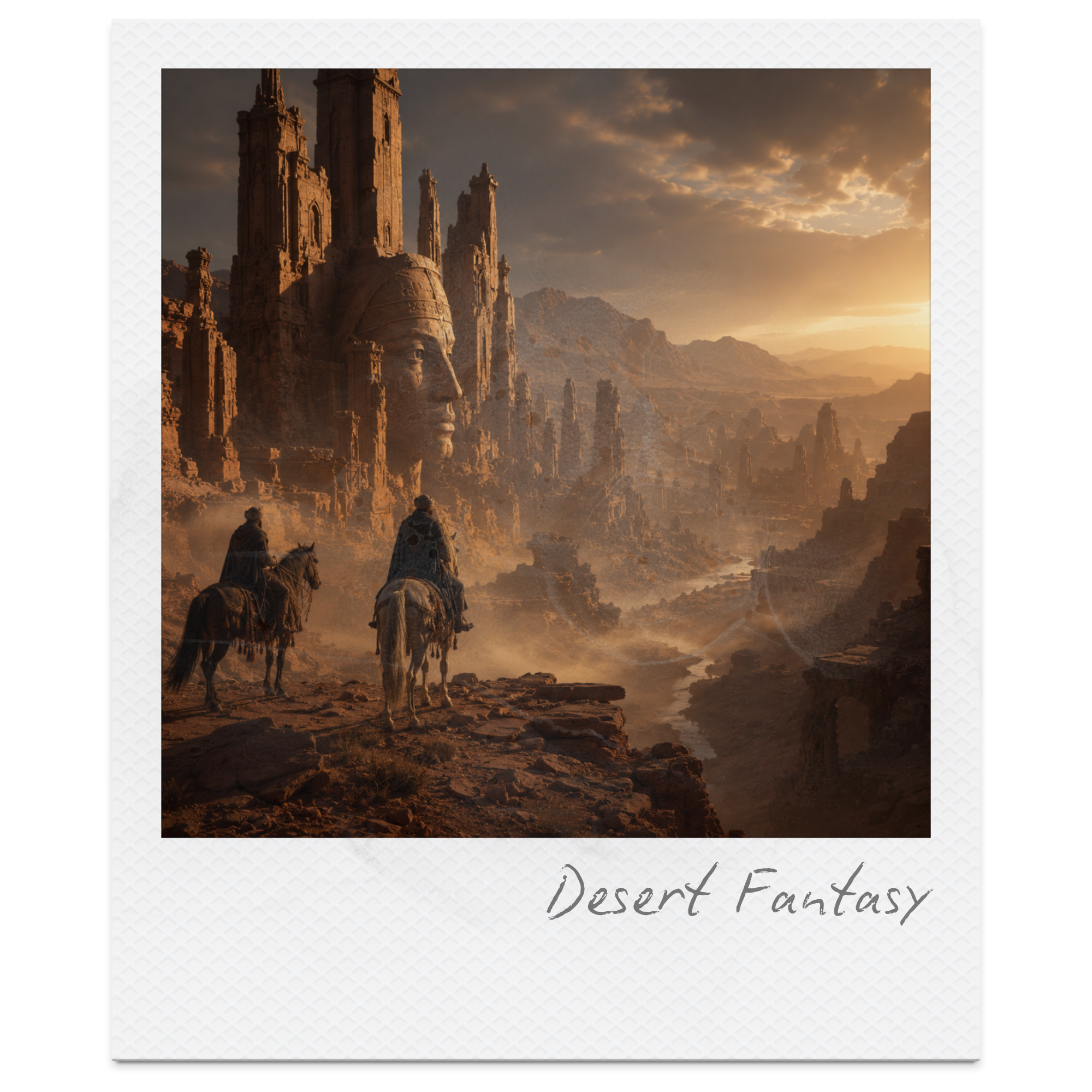
70 Desert Fantasy Writing Prompts: Ancient Kingdoms, Lost Cities & Endless Sands
Desert fantasy combines ancient kingdoms, harsh landscapes, forgotten gods, and survival-driven storytelling within worlds shaped by heat, distance, and myth. From buried cities and sacred oases to wandering caravans and cursed ruins, these stories explore environments where scarcity creates power and every journey carries danger. Unlike traditional fantasy forests or kingdoms, desert fantasy is defined by endurance, isolation, shifting landscapes, and the constant tension between civilisation and the wilderness beyond it. This collection of 70 Desert Fantasy Writing Prompts includes plot hooks, opening lines, title ideas, character concepts, setting inspiration, and visual prompts designed to help writers build immersive desert fantasy stories. Whether you are creating political desert empires, mystical wastelands, ancient prophecies, or atmospheric survival adventures, these prompts encourage rich worldbuilding, atmosphere, and high-stakes storytelling across worlds buried beneath endless sands.
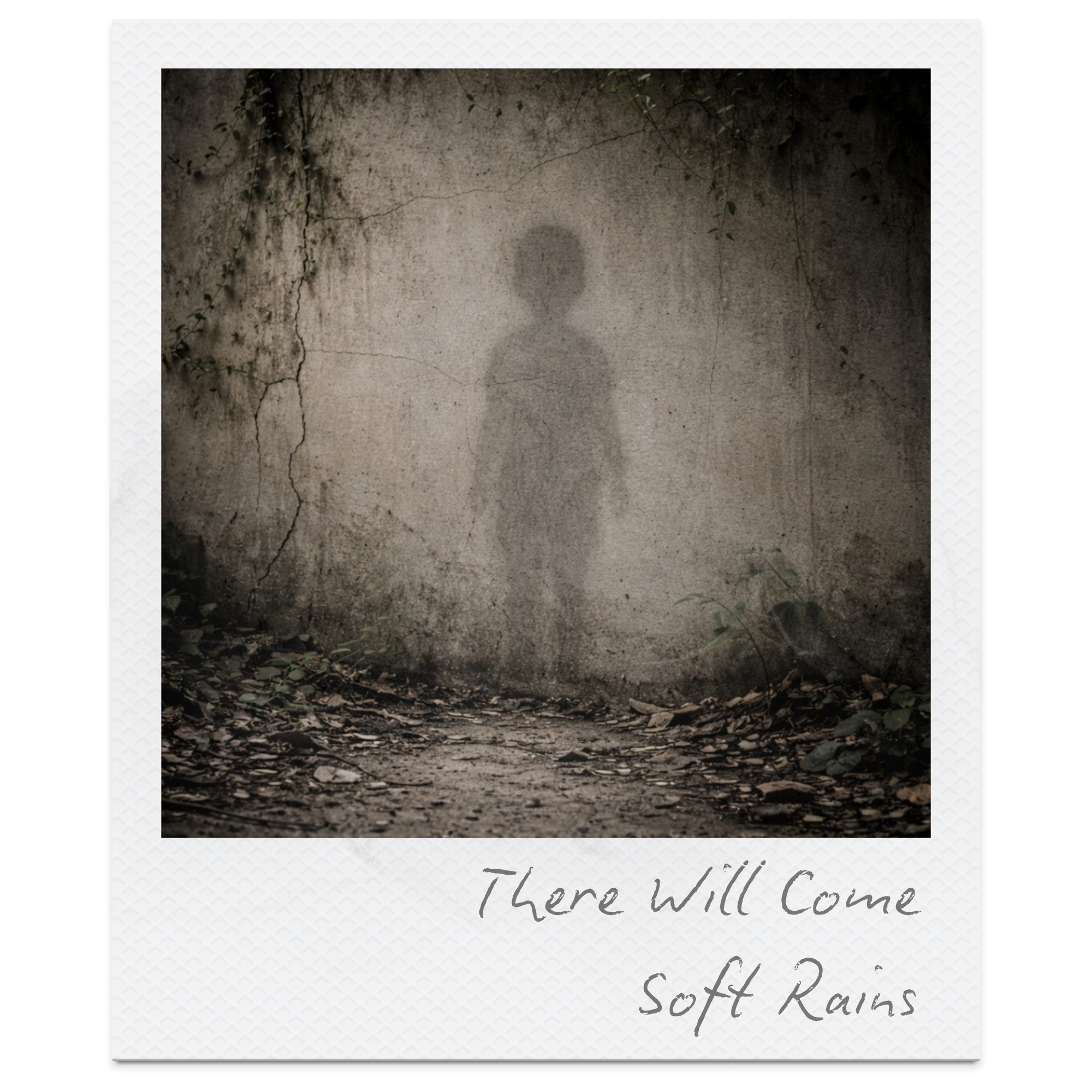
There Will Come Soft Rains by Ray Bradbury: Summary, Themes, Meaning & Analysis
There Will Come Soft Rains by Ray Bradbury is a haunting work of science fiction that explores a world where technology continues after human extinction. Set in an automated house that carries out its daily routines—cooking, cleaning, and organising—Bradbury presents a chilling vision of mechanisation without purpose, where systems persist despite the complete absence of human life. Through its eerie atmosphere and powerful imagery, the story examines isolation, environmental destruction, and the illusion of control. As the house continues its routines in a devastated world, Bradbury raises unsettling questions about what remains when humanity is gone, and whether progress without responsibility ultimately leads to emptiness and collapse.
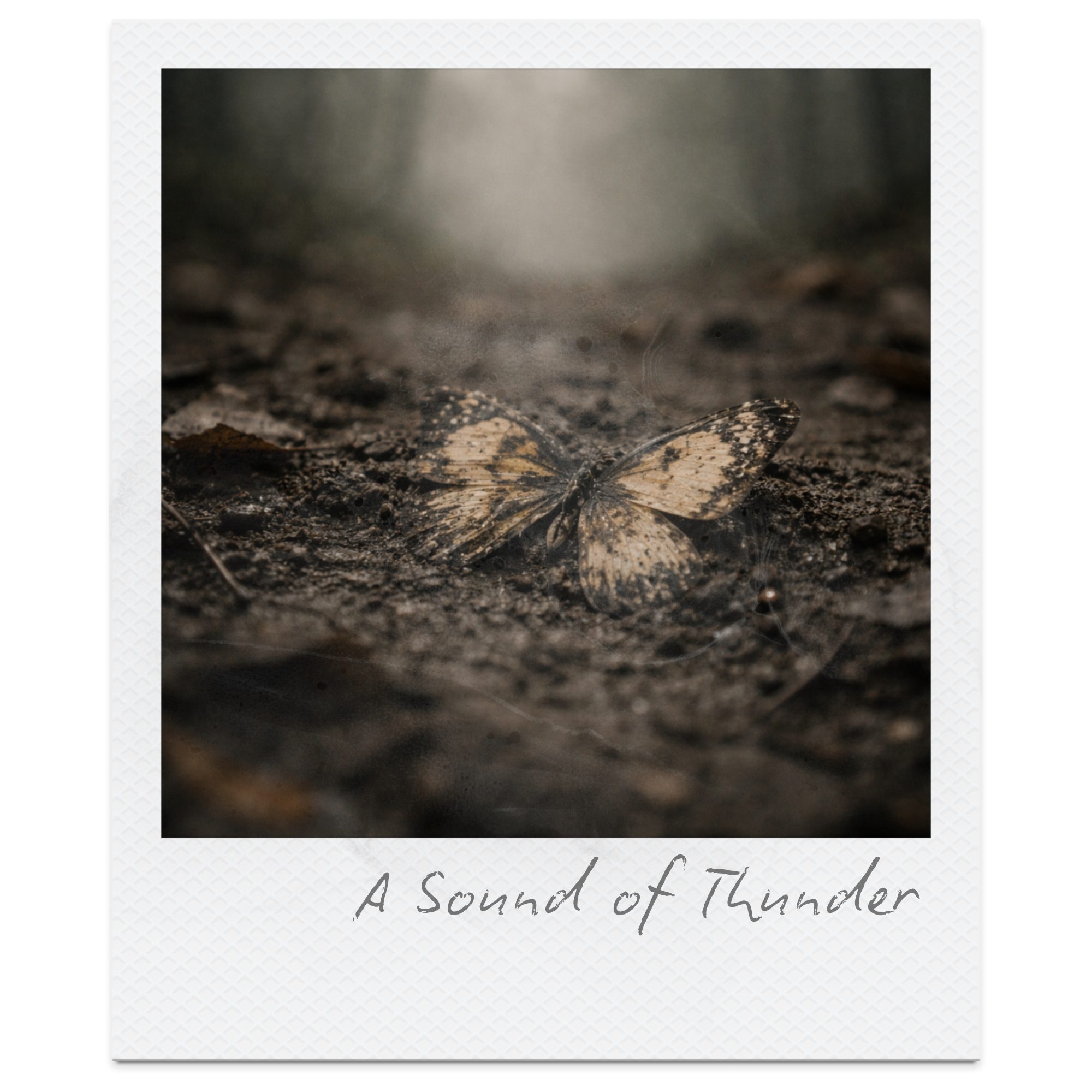
A Sound of Thunder by Ray Bradbury: Summary, Themes, Meaning & Analysis
A Sound of Thunder by Ray Bradbury is a gripping work of science fiction that explores the dangers of time travel, human interference, and unintended consequences. When a group of hunters travel back in time to kill a dinosaur, they are given one strict rule: stay on the Path. But when Eckels panics and steps off it, a seemingly small action triggers a chain reaction that alters the future in subtle but devastating ways. Through its famous exploration of the butterfly effect, the story reveals how fragile and interconnected reality truly is. Bradbury presents a powerful warning about cause and effect, responsibility, and the illusion of control, showing that even the smallest mistake can reshape entire systems. The story’s unsettling ending lingers long after reading, reminding us that once a choice is made, its consequences cannot be undone.
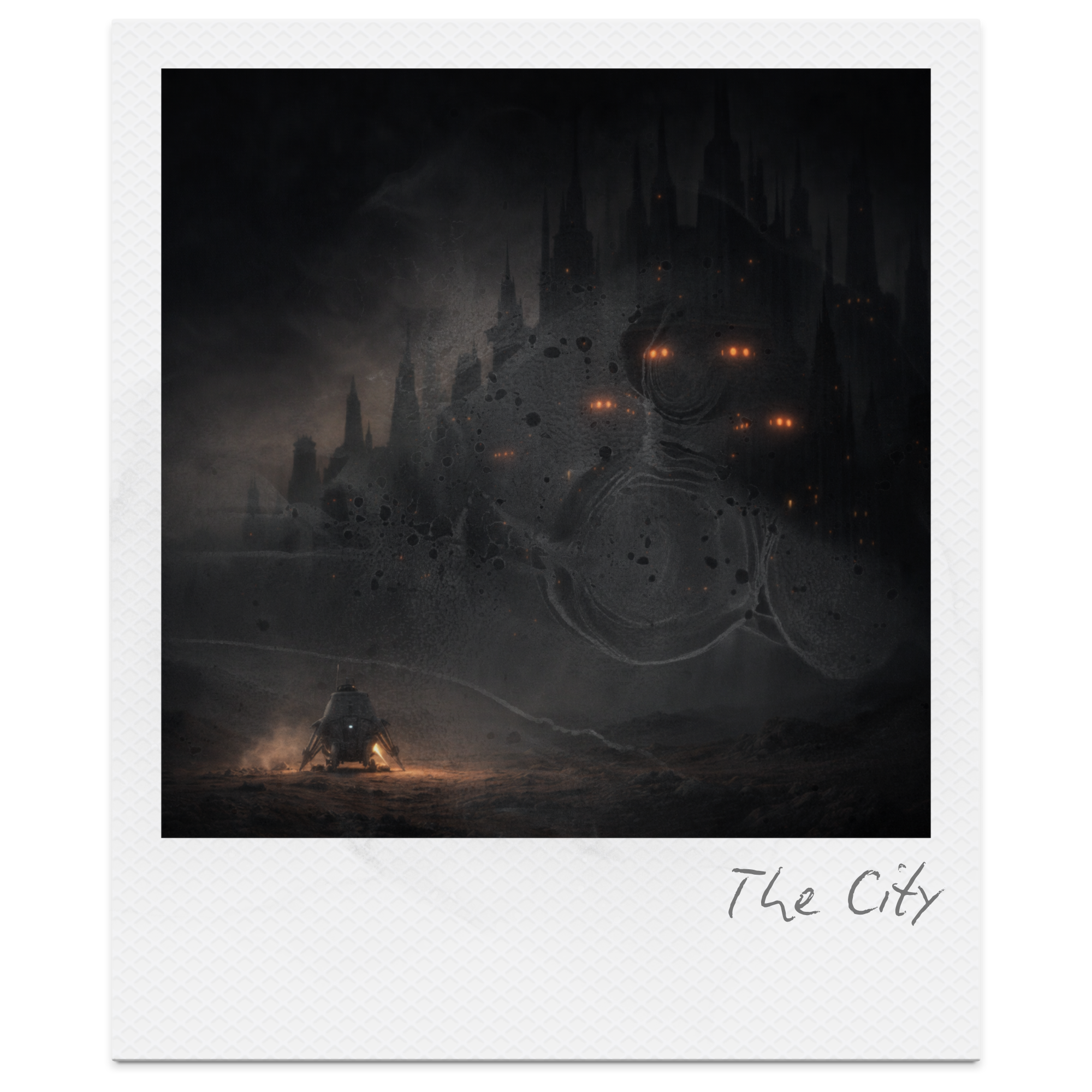
The City by Ray Bradbury: Summary, Themes, Meaning & Analysis
Ray Bradbury’s The City is a haunting work of speculative science fiction that explores revenge, memory, and technological power through the image of a vast, silent city waiting across twenty thousand years. At first, the city appears empty and lifeless, but as human explorers arrive, it becomes clear that it is watching, analysing, and responding with cold precision. Bradbury transforms setting into a conscious force, creating a narrative where the environment itself becomes the central intelligence. As the story unfolds, the city reveals its true purpose: to enact a long-delayed act of revenge against humanity. What makes this particularly unsettling is the way emotion has been embedded into a mechanical system, removing empathy and replacing it with calculation. The result is a chilling exploration of how violence and memory can be preserved beyond human life, raising questions about justice, control, and the consequences of past actions that continue to shape the future.
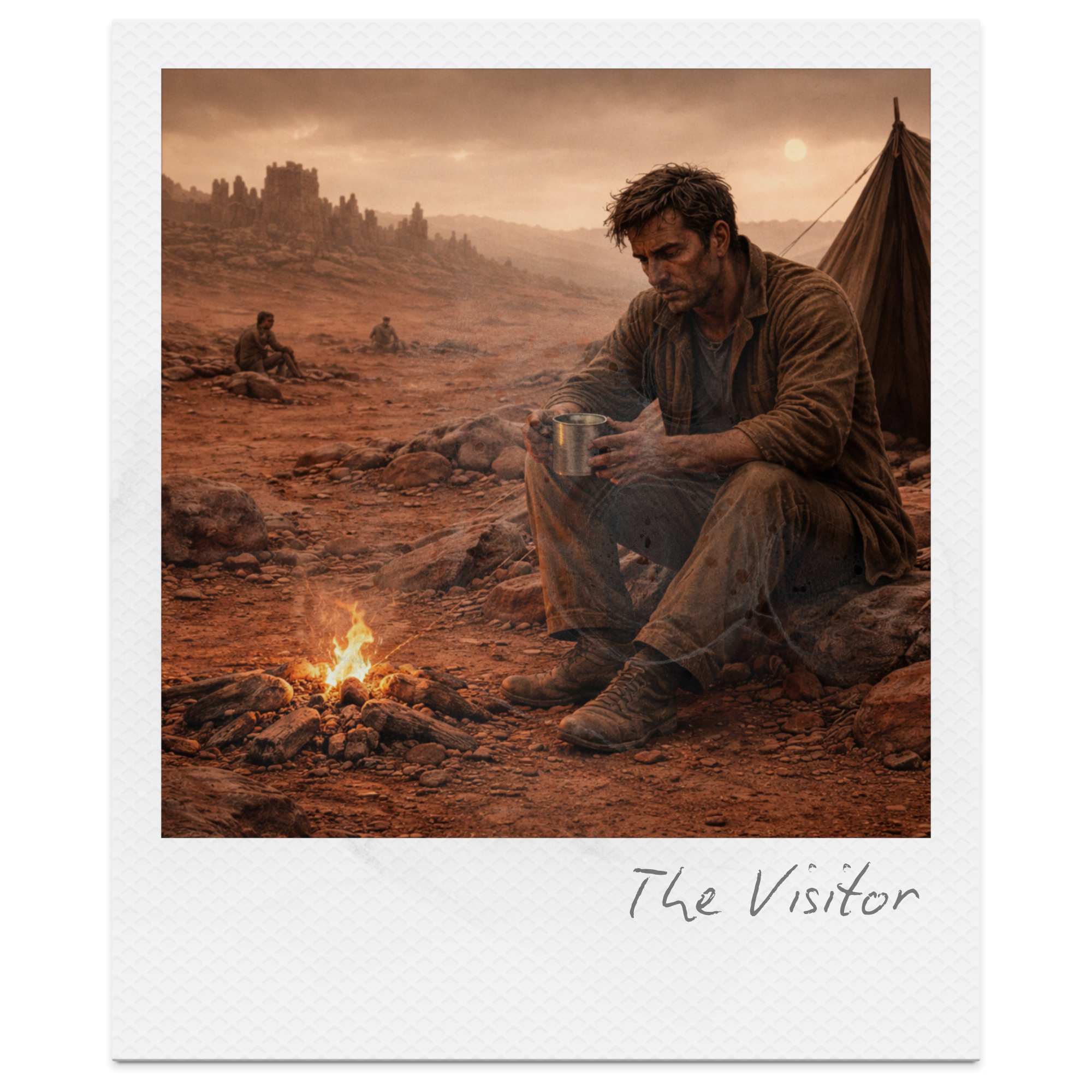
The Visitor by Ray Bradbury: Summary, Meaning, Themes & Full Analysis
Ray Bradbury’s The Visitor is a haunting science fiction story exploring isolation, loneliness, and the dangerous power of illusion. Set on a desolate Mars inhabited by dying exiles, the narrative follows Saul Williams as he struggles with the psychological weight of separation from Earth. When a mysterious newcomer arrives with the ability to project vivid, shared visions of Earth, hope briefly returns—bringing with it beauty, memory, and the possibility of connection. However, Bradbury quickly reveals the darker side of this gift, as desperation turns to possession and conflict. What begins as relief becomes something fought over, exposing the fragility of human morality under pressure. Through its exploration of illusion vs reality, control, and human fragility, The Visitor offers a powerful warning about what happens when hope exists without trust—and how easily it can be destroyed.
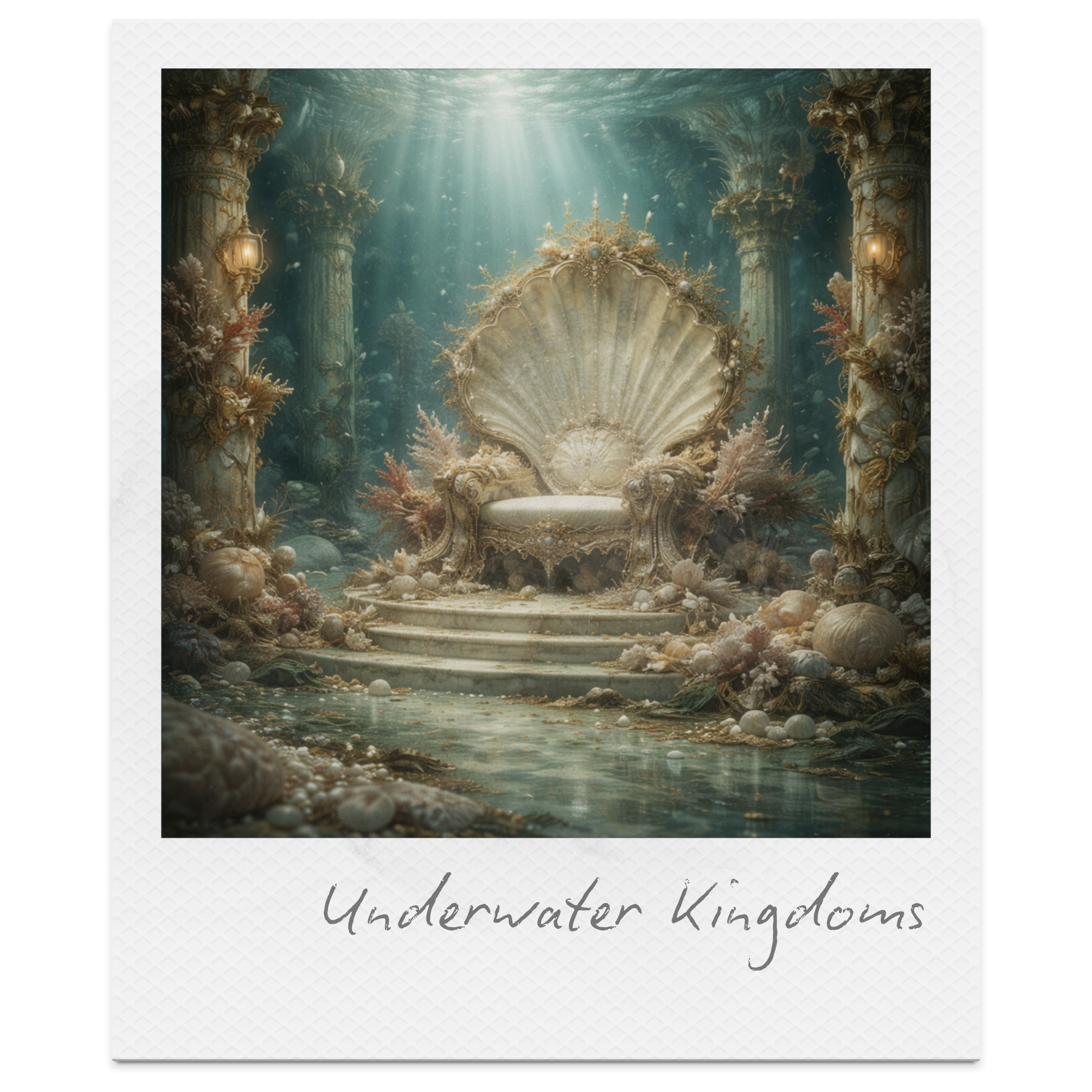
70 Underwater Fantasy World Writing Prompts: Sunken Kingdoms, Lost Worlds & Ocean Magic
Underwater fantasy worlds offer some of the most immersive and visually striking settings in the genre, where entire civilisations exist beneath the surface, shaped by pressure, silence, and the unknown. From the legendary city of Atlantis to the transformative journey in The Little Mermaid, these stories explore the tension between two worlds — land and sea — and the cost of crossing between them. In this collection, writers are invited to imagine sunken kingdoms, hidden societies, and the powerful forces that govern life beneath the waves. This set of 70 Underwater Fantasy Writing Prompts provides a complete creative toolkit, including plot hooks, title ideas, opening and closing lines, character concepts, and atmospheric setting prompts. Exploring themes of transformation, isolation, and survival, these prompts are designed to help writers build immersive worlds and develop stories shaped by the beauty and danger of the ocean.
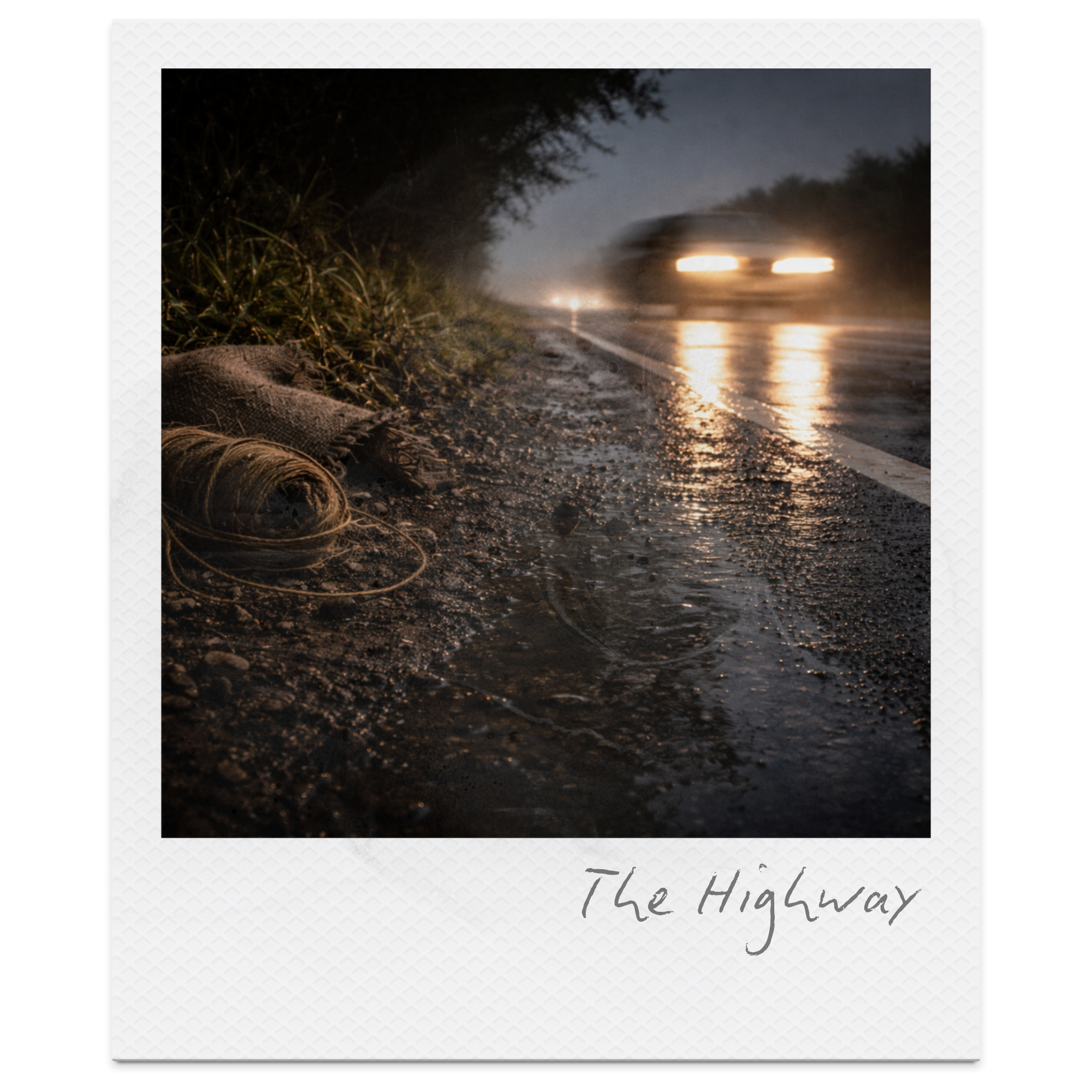
The Highway by Ray Bradbury: Summary, Themes, Symbolism & Analysis
Ray Bradbury’s The Highway is a striking piece of speculative fiction that explores isolation, perspective, and the fragility of civilisation. Set in a quiet rural valley, the story follows Hernando, a farmer whose life is largely untouched by the modern world—until a sudden, frantic stream of cars on the nearby highway signals that something catastrophic has happened beyond his understanding. As news of “the atom war, the end of the world!” rushes past him, Hernando’s response challenges everything we assume about global events and their impact. Bradbury uses this powerful contrast between panic and stillness to question whether such events are truly universal, revealing that meaning is shaped by experience, distance, and perspective.
Haunted House Writing Prompts: Ideas for Atmospheric and Unsettling Stories
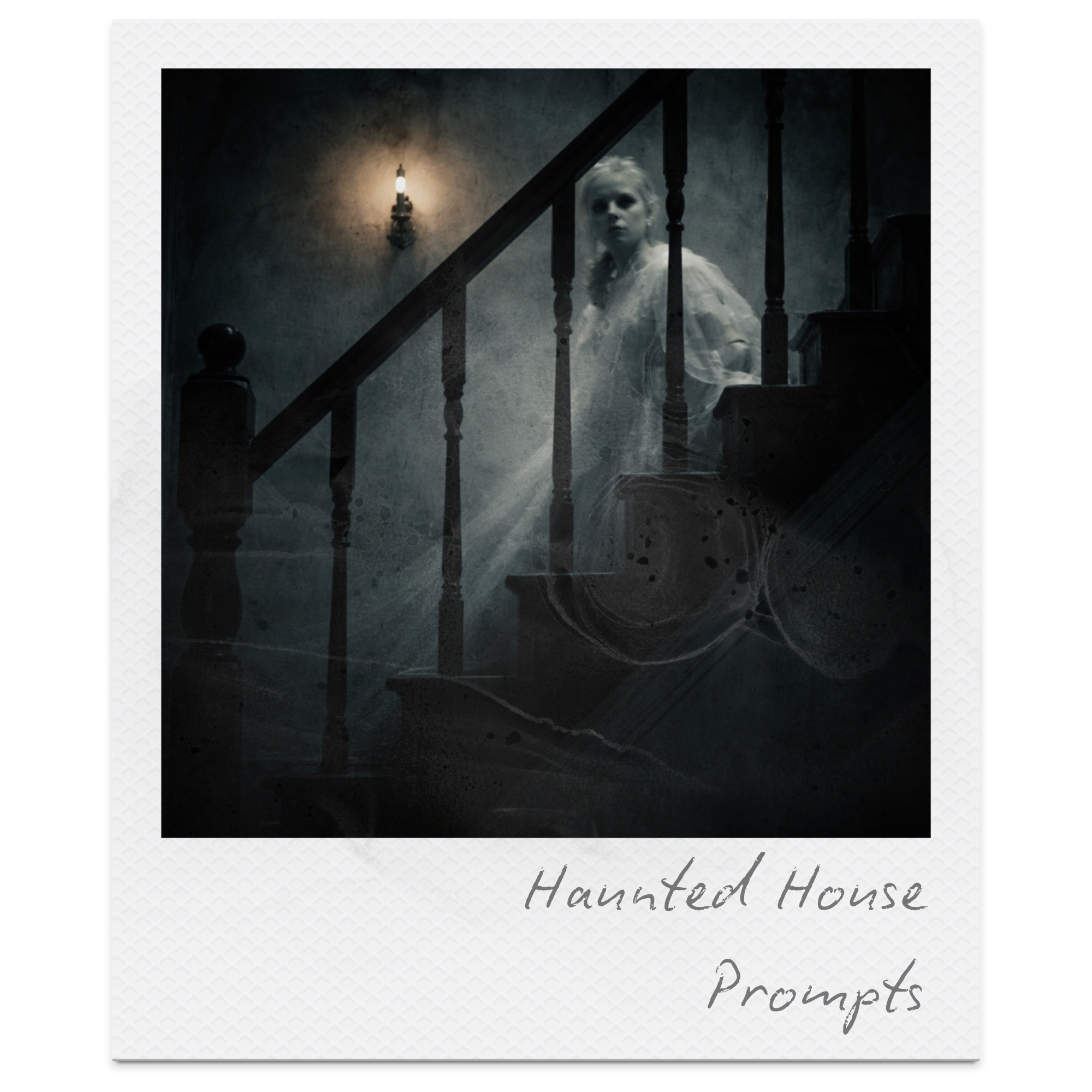
Haunted houses have long been central to gothic storytelling, creating spaces where memory, fear and the unknown begin to overlap. More than simple settings, these houses feel shaped by the lives once lived within them, holding traces of grief, secrecy and unfinished stories. From decaying mansions to quiet family homes, they create an atmosphere where something feels slightly wrong, even before anything is seen or heard. This collection of haunted house writing prompts explores eerie settings, psychological tension and the lingering presence of the past. With plot ideas, opening lines, character prompts and atmospheric images, these ideas are designed to help you craft unsettling stories where the house itself becomes a powerful and unsettling force within the narrative.
The April Witch by Ray Bradbury: Summary, Themes, Symbolism & Analysis
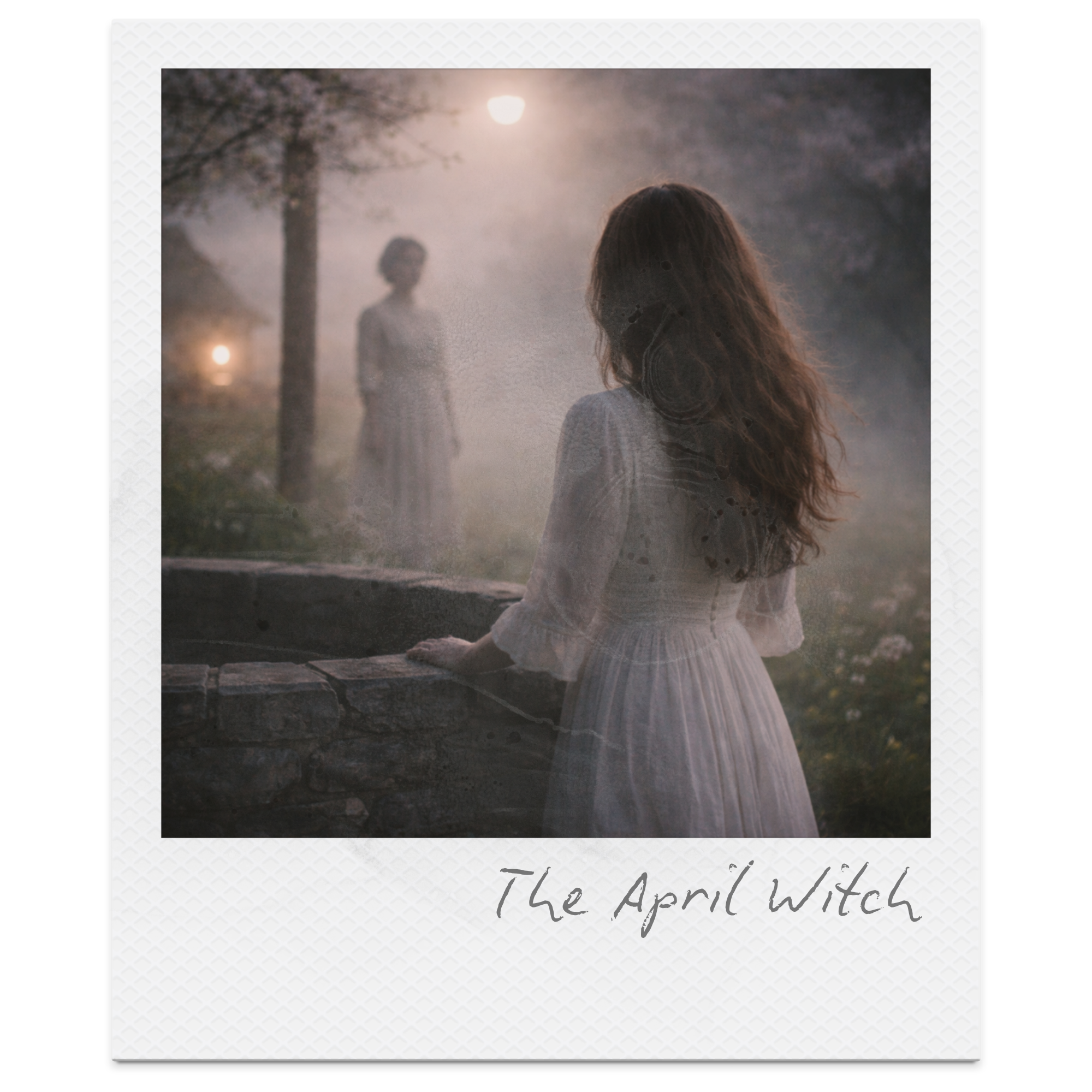
Ray Bradbury’s The April Witch is a lyrical piece of speculative fiction that explores longing, identity, and the desire for connection through a magical yet emotionally grounded premise. The story follows Cecy, a young girl who can inhabit other living beings, as she seeks to experience love by entering another person’s body, revealing both the beauty and the limitations of her extraordinary ability. At its heart, the story examines illusion versus reality, the fragility of belonging, and the emotional cost of distance, showing that borrowed experiences cannot replace genuine connection. Through rich imagery and a dreamlike tone, Bradbury creates a haunting reflection on what it truly means to be present, loved, and understood.
The Fog Horn by Ray Bradbury: Summary, Themes, Symbolism & Analysis
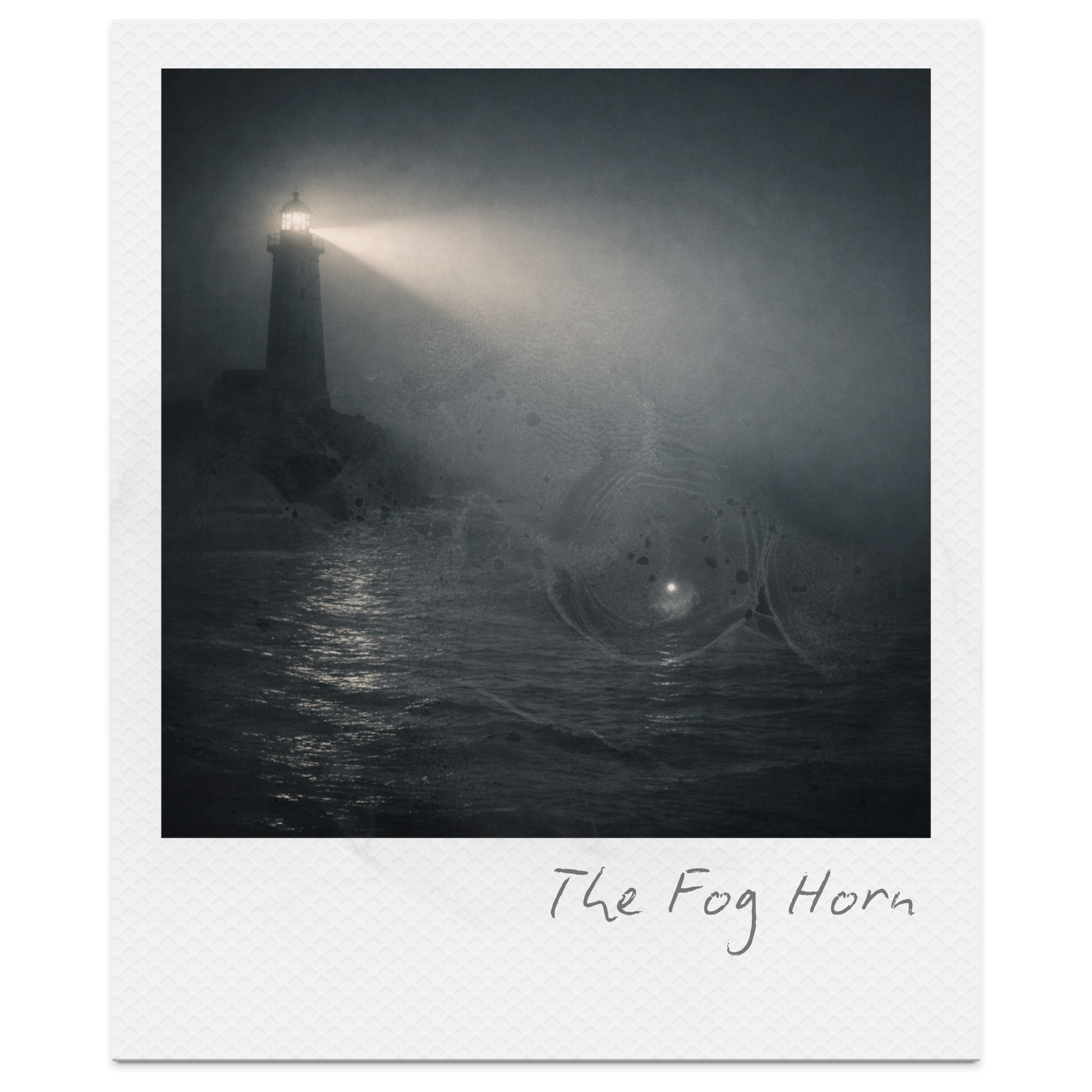
Ray Bradbury’s The Fog Horn is a haunting work of speculative fiction that explores isolation, longing, and the deep human need for connection. Set in a remote lighthouse surrounded by vast, empty seas, the story follows two keepers who encounter a mysterious creature drawn to the mournful sound of the fog horn—a sound that echoes across time like a call waiting to be answered. At its core, the story examines unfulfilled connection, illusion versus reality, and the fragility of belonging, revealing how even the hope of companionship can lead to devastation when it is misunderstood. Through powerful symbolism and atmosphere, Bradbury creates a deeply emotional narrative that lingers long after the final line.
Kaleidoscope by Ray Bradbury: Summary, Themes, Symbolism & Analysis
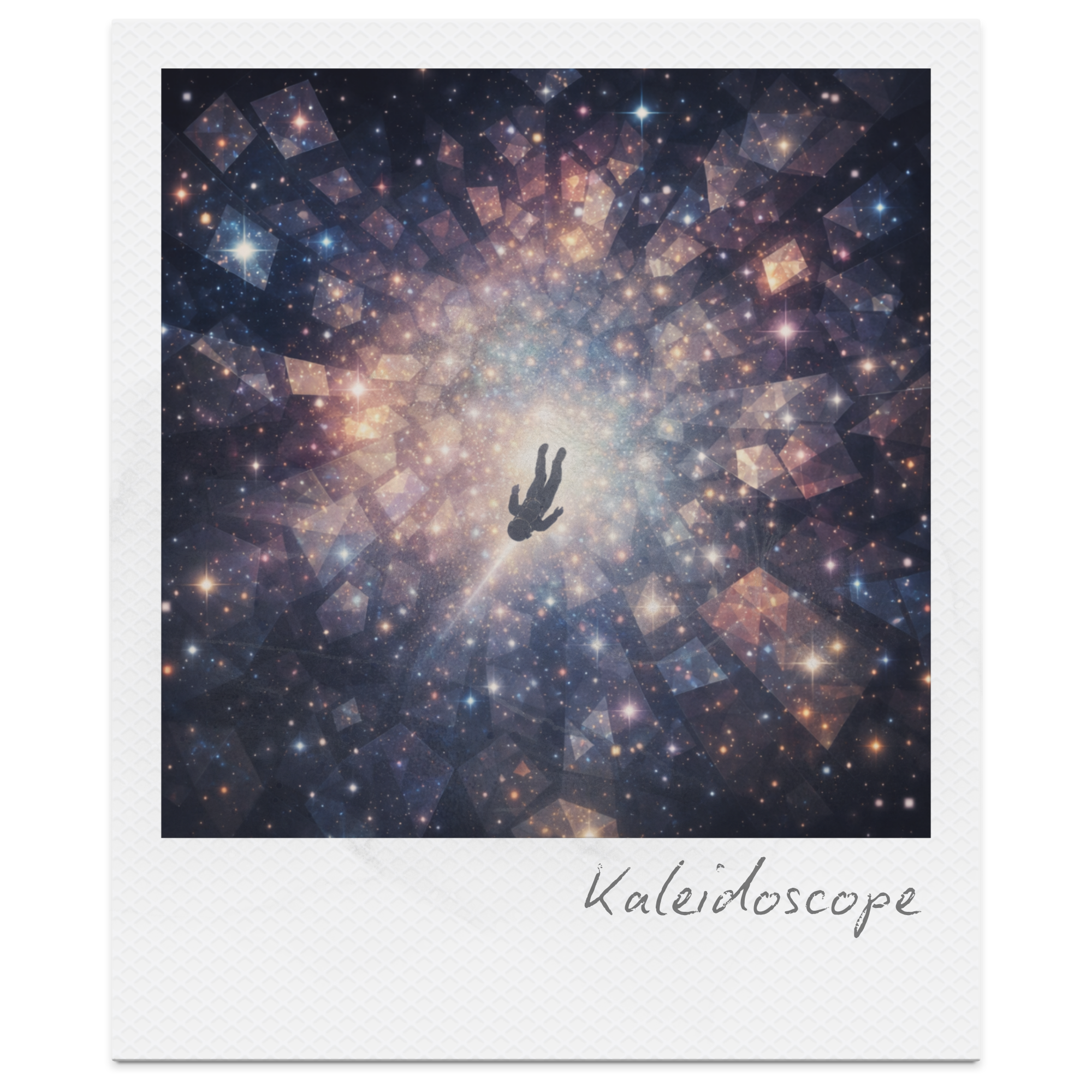
Ray Bradbury’s Kaleidoscope is a striking exploration of human insignificance, mortality, and isolation, set against the vast and indifferent backdrop of space. After a catastrophic explosion scatters a crew of astronauts, the story follows their fragmented descent as they drift apart, connected only by fading voices. Through this disintegration, Bradbury examines how individuals respond when faced with the loss of control, connection, and certainty. As the astronauts confront their inevitable deaths, the story becomes a powerful reflection on memory, regret, and the search for meaning. While some find comfort in the lives they have lived, others are left questioning what their existence has amounted to. Blending science fiction with existential philosophy, Kaleidoscope leaves readers with a haunting question: when everything falls away, what truly gives a life value?
The Long Rain by Ray Bradbury: Summary, Themes, Symbolism & Analysis
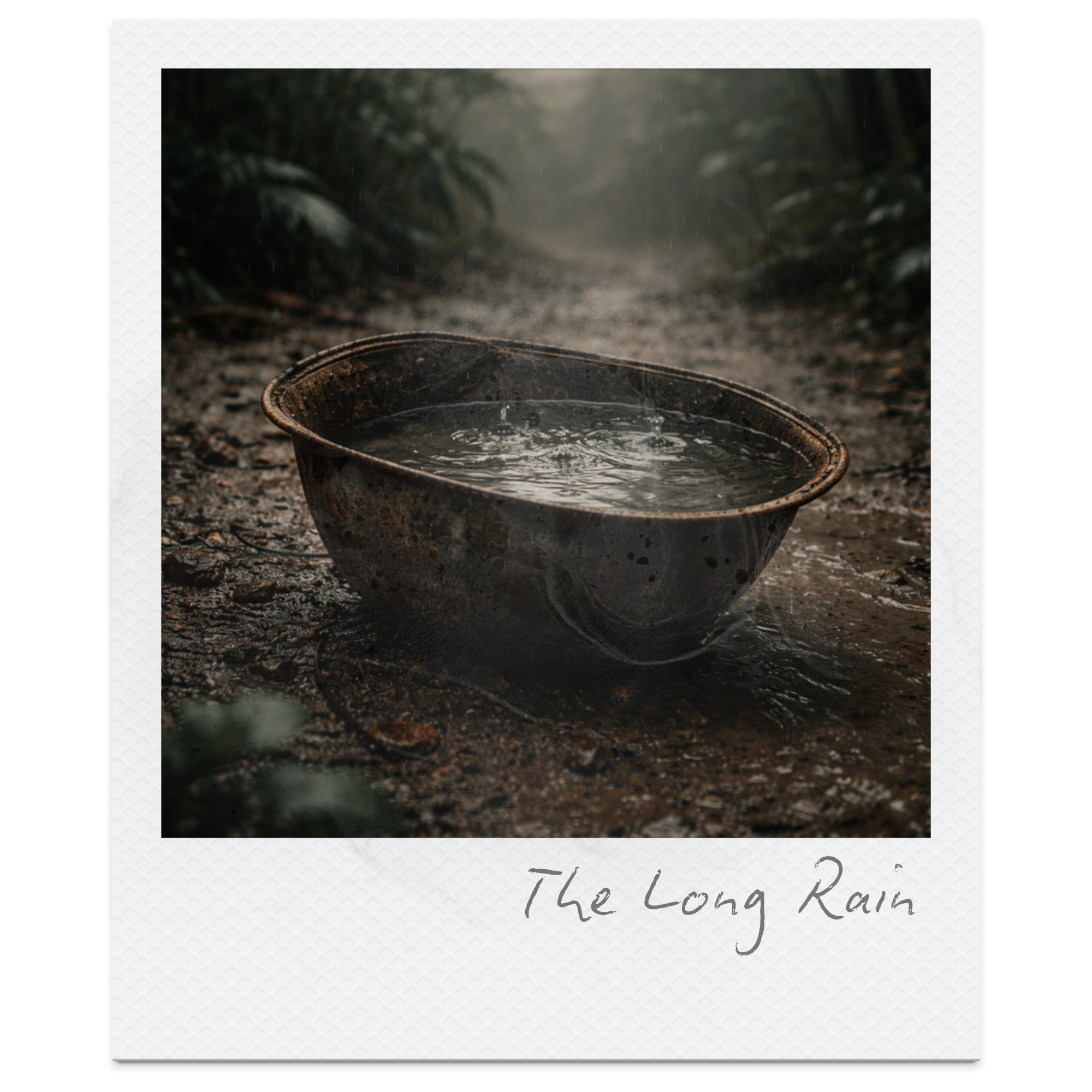
Ray Bradbury’s The Long Rain is a relentless exploration of survival, madness, and environmental hostility, set on a version of Venus where the rain never stops. As a group of men struggle through the jungle in search of a Sun Dome, the story shifts from a physical journey into a psychological one, where exhaustion, isolation, and constant sensory pressure begin to erode their sense of reality. Bradbury transforms the environment into a force that does not simply threaten the body, but steadily dismantles the mind. What makes the story so powerful is its focus on endurance rather than action. There is no single moment of catastrophe—only the slow, crushing weight of continuous exposure. Through this, Bradbury explores the fragile balance between hope and despair, showing how quickly control can slip away when relief is out of reach. The ambiguous ending leaves readers questioning whether survival has truly been achieved, or whether it exists only as a final illusion in a mind pushed beyond its limits.
70 Gothic Imprisoned Heroines Writing Prompts: Locked Rooms, Silent Resistance & Story Starters
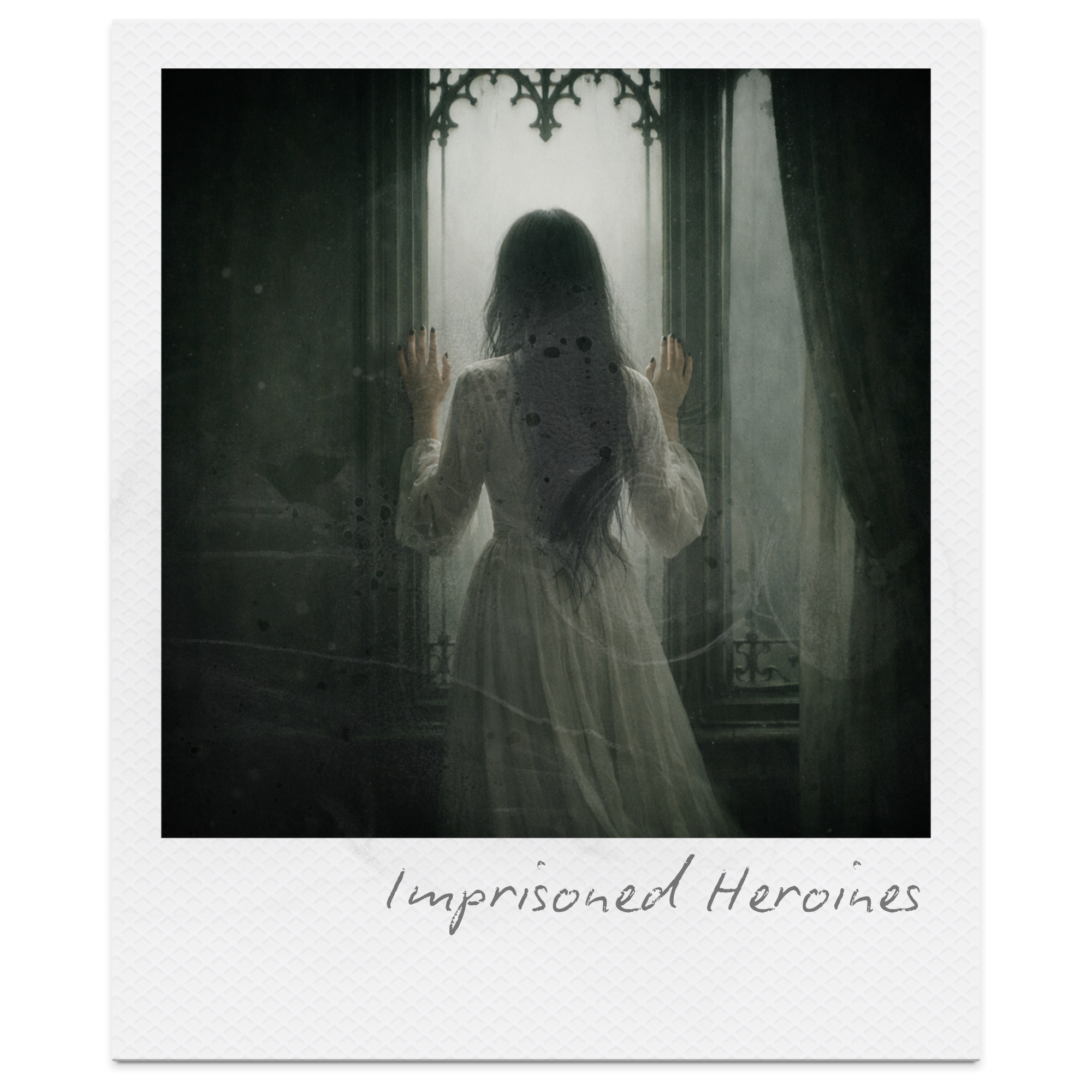
Imprisoned heroines have long defined some of the most haunting narratives in gothic fiction, where confinement is not only physical but deeply psychological. From locked rooms and isolated towers to marriages and expectations that quietly restrict freedom, these stories explore what it means to be watched, controlled, and silenced. Yet gothic heroines are rarely powerless. Within these enclosed spaces, they observe, resist, and begin to question the structures that hold them captive, transforming confinement into a site of tension, defiance, and discovery. This collection of 70 Gothic Imprisoned Heroines Writing Prompts invites writers to explore stories shaped by restriction, secrecy, and subtle rebellion. Through plot hooks, opening lines, character ideas, and atmospheric settings, these prompts encourage narratives where escape is not always straightforward — and where the greatest power may lie in perception, endurance, and reclaiming control. Ideal for classrooms, creative writing, or independent storytelling, this collection offers a structured way to develop gothic fiction that is rich in mood, meaning, and quiet resistance.
70 Creative Writing Prompts Inspired by The Secret Garden: Growth, Healing & Hidden Worlds
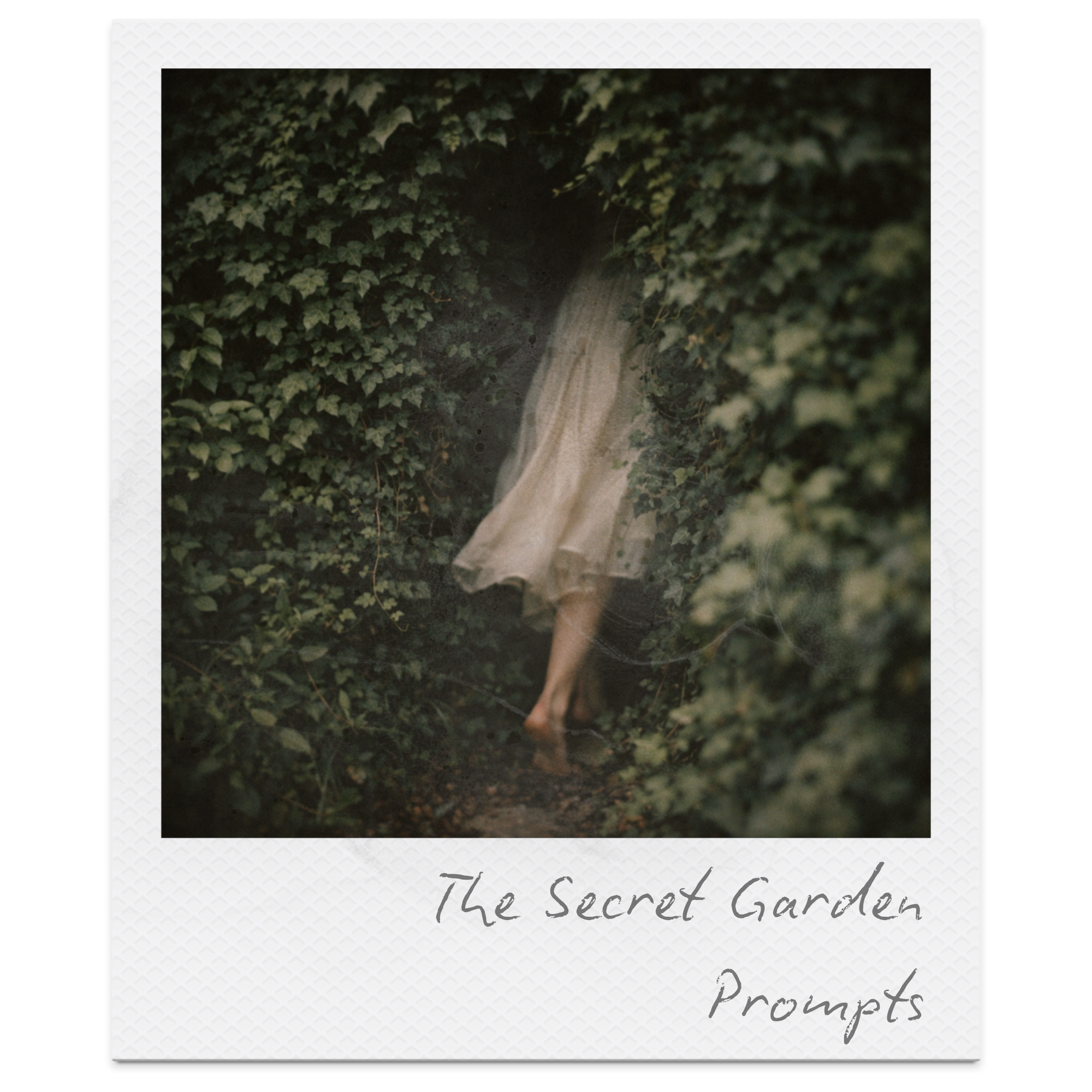
70 Creative Writing Prompts Inspired by The Secret Garden: Growth, Healing & Hidden Worlds offers a rich collection of atmosphere-driven prompts designed to help writers explore themes of transformation, nature, isolation, and emotional renewal. Inspired by Frances Hodgson Burnett’s classic novel, these prompts move beyond retelling the story and instead focus on the quiet, powerful changes that occur when characters connect with place, memory, and themselves. Perfect for classroom use, creative writing clubs, journaling, or independent practice, this collection includes plot hooks, opening lines, character ideas, and visual prompts that encourage symbolic thinking and reflective storytelling. Whether used as quick starters or extended writing tasks, these prompts help writers develop voice, mood, and narrative depth while engaging with one of literature’s most enduring stories of healing and growth.
70 Sublime Landscape Writing Prompts: Awe, Danger & the Power of Nature
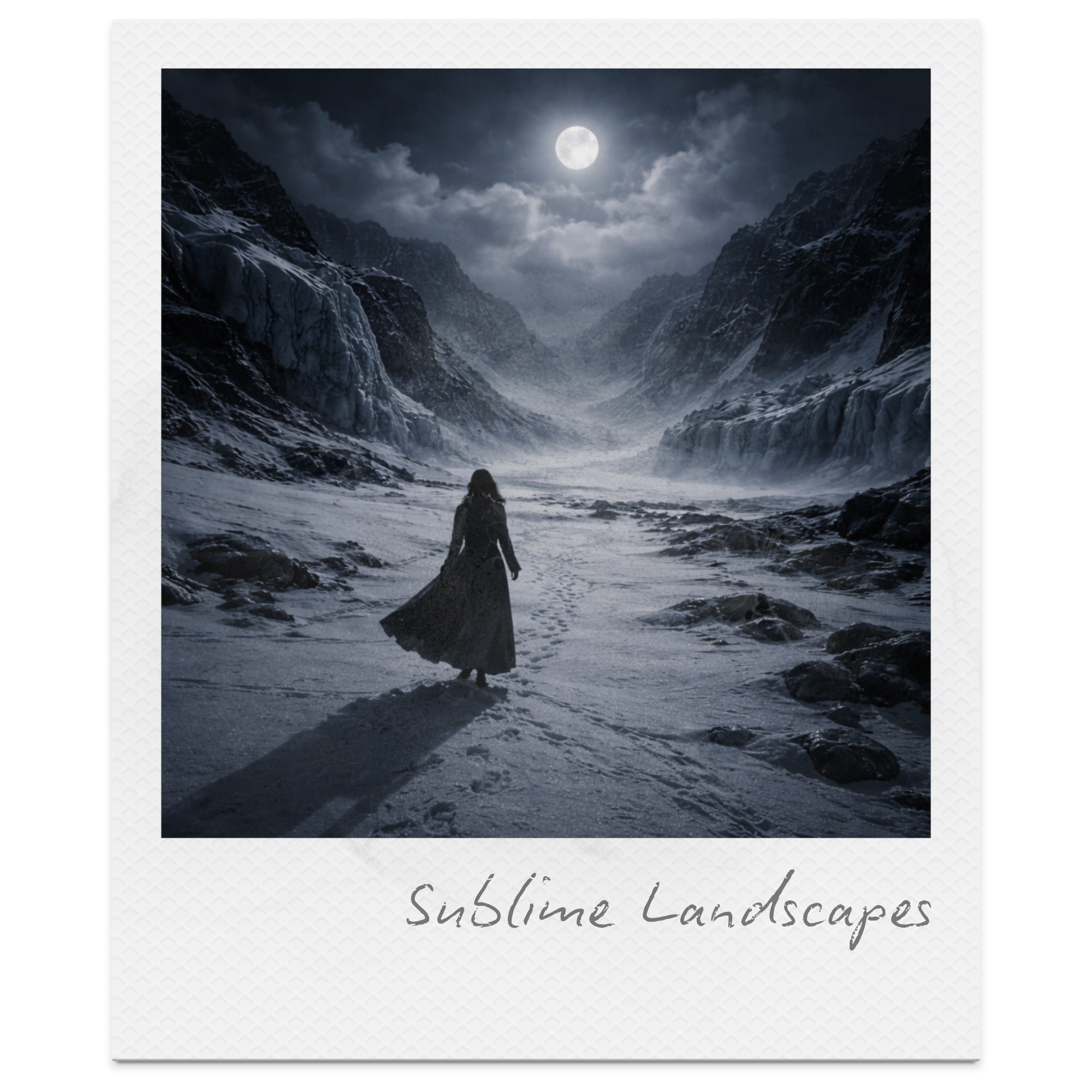
Sublime landscapes have long played a powerful role in gothic and Romantic storytelling. The idea of the sublime refers to environments that inspire both awe and unease — towering mountains, violent storms, endless oceans, or vast wildernesses that remind us how small human beings can feel within the natural world. Rather than offering comfort, these landscapes create an emotional intensity where beauty and danger exist side by side. This collection of 70 Sublime Landscape Writing Prompts explores dramatic environments where nature becomes an active force within the story. From storm-dark seas and deep canyons to silent valleys and windswept cliffs, the prompts invite writers to imagine stories shaped by scale, atmosphere, and the unsettling power of landscapes that feel both magnificent and overwhelming.
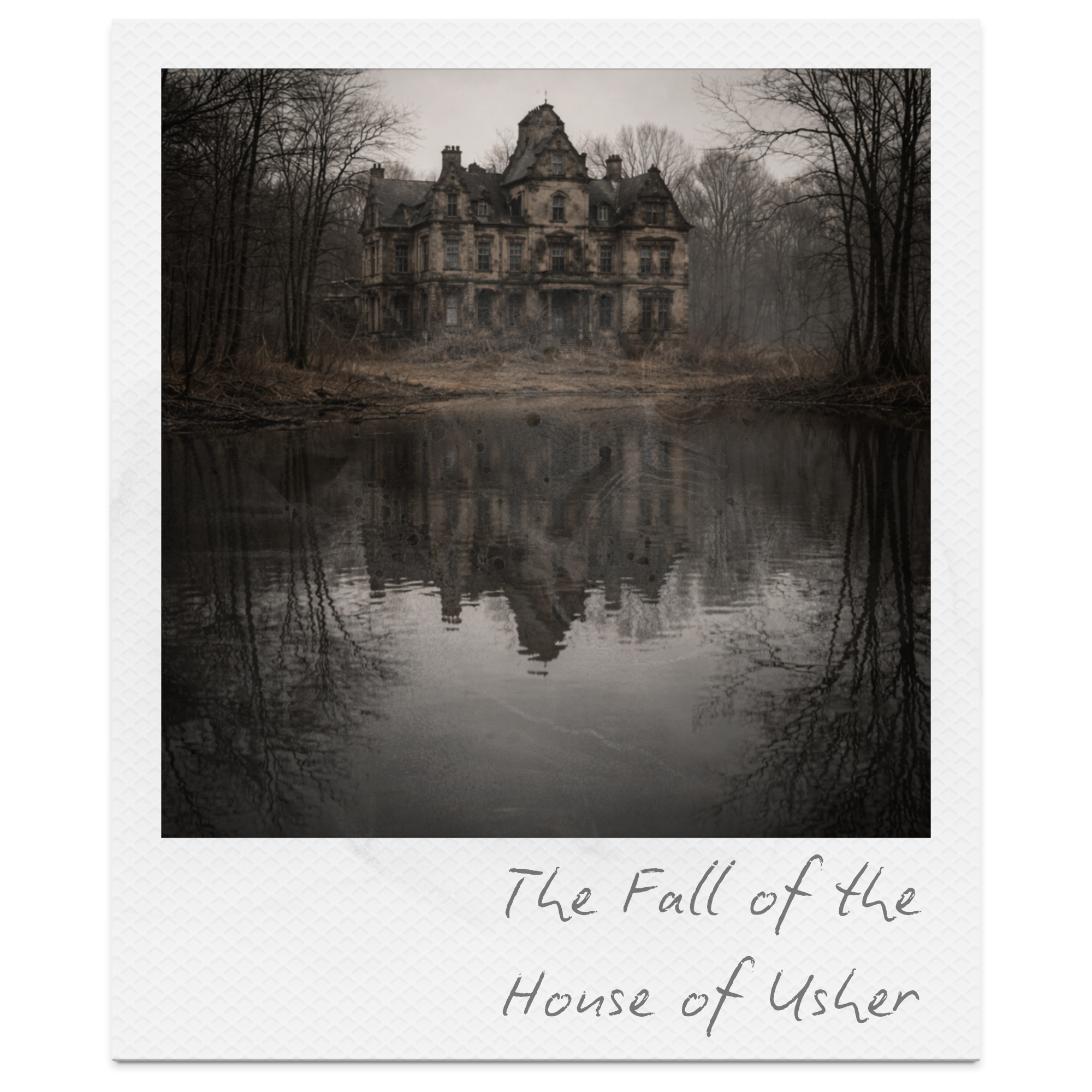
The Fall of the House of Usher by Edgar Allan Poe: Summary, Themes, Symbolism & Analysis
The Fall of the House of Usher is one of Edgar Allan Poe’s most famous Gothic short stories, exploring madness, isolation, fear, and the uneasy link between the human mind and its surroundings. This analysis examines the story’s plot, themes, symbolism, and literary techniques, showing how Poe transforms the decaying Usher mansion into a powerful reflection of psychological collapse and family decline. Ideal for students, teachers, and anyone revising Gothic fiction, this guide explores key ideas such as unreliable narration, family decay, premature burial, and the blurred boundary between reality and the supernatural. It also includes quotes, alternative interpretations, and teaching ideas to support deeper reading and classroom discussion.
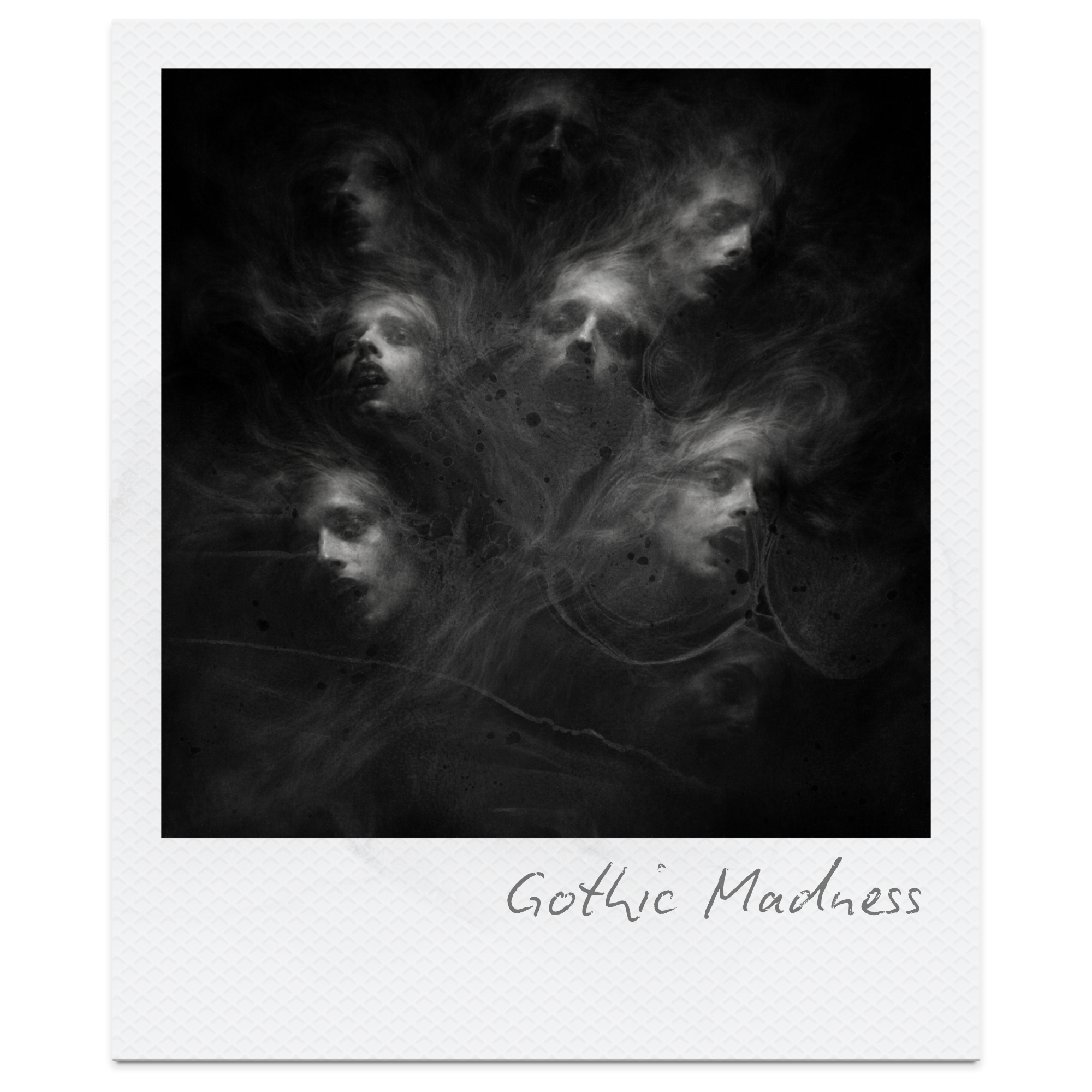
70 Gothic Madness Writing Prompts: Unreliable Minds, Haunted Thoughts & Story Starters
Madness has long been one of the most compelling themes in gothic fiction, where the line between reason and obsession is often disturbingly fragile. Many gothic narratives explore characters who slowly lose trust in their memories, perceptions, or sense of self, creating stories where the greatest danger may come from the mind itself rather than any external monster. These gothic madness writing prompts explore psychological tension, unreliable narrators, and distorted reality through atmosphere-driven storytelling. Drawing on classic psychological gothic elements such as isolation, paranoia, and the slow erosion of certainty, the prompts encourage writers to experiment with ambiguity, perception, and the unsettling possibility that truth may never be fully understood.
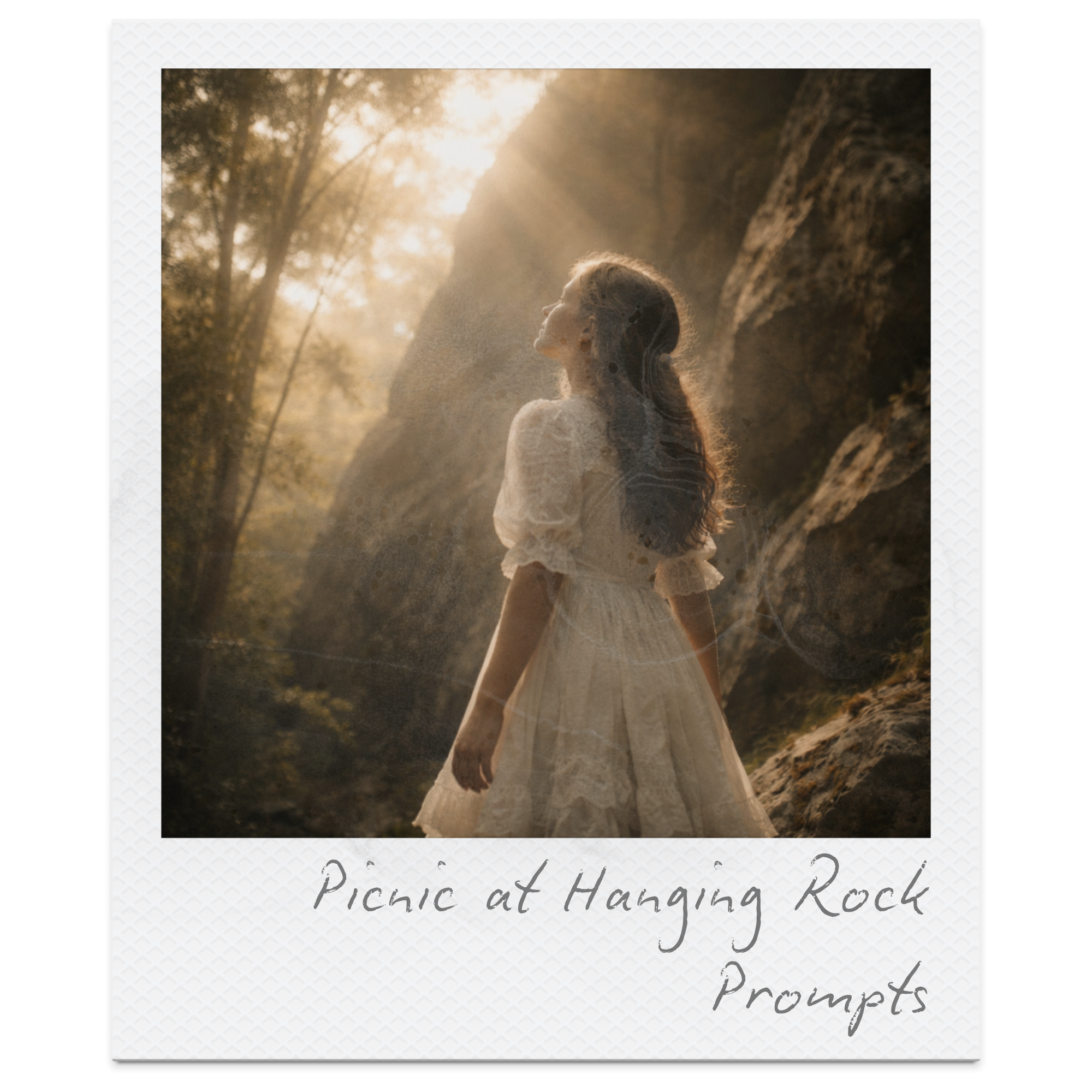
70 Creative Writing Prompts Inspired by Picnic at Hanging Rock: Plot Hooks, Opening Lines, Characters & Visual Ideas
The haunting mystery of Picnic at Hanging Rock has captivated readers and viewers for decades, blending historical fiction, Gothic atmosphere, and psychological intrigue into one of the most unsettling stories of disappearance in literature and film. Set against the strange, ancient landscape of the Australian bush, the story invites questions about memory, nature, and the thin boundary between the rational world and the unknown. This collection of 70 creative writing prompts inspired by Picnic at Hanging Rock explores themes of isolation, unanswered mysteries, hidden landscapes, and unsettling moments where reality seems to shift. Through plot hooks, opening lines, character ideas, setting prompts, and visual inspiration, these prompts are designed to help writers craft eerie historical mysteries, psychological stories, and atmospheric Gothic fiction.