70 Winter Writing Prompts for Teens: Story Starters, Characters, Settings & Visual Ideas
Winter is a season of contrasts — beauty and danger, warmth and isolation, peace and unease. From snowstorms and frozen lakes to firelit cabins and long journeys through the cold, winter stories can take many forms. Whether it’s survival, fantasy, gothic mystery, or even romance, these winter writing prompts are designed to help teen writers explore the many faces of winter without focusing on Christmas itself.
This collection of 70 winter writing prompts includes story starters, titles, opening and closing lines, character sketches, settings, and picture prompts to inspire creative writing in secondary classrooms or independent writing projects.
If you’re looking for more genres, tropes, or seasonal writing prompts, you can browse the full master list of 2000+ creative writing prompts here.
1. Plot Hooks
Winter stories thrive on high stakes, stark settings, and the tension between silence and storm. These plot hooks place characters where the season itself becomes part of the conflict.
Write about a set of footprints leading away from an abandoned cabin — and stopping abruptly at the edge of a frozen ravine.
Write about a remote village cut off from the outside world after an avalanche blocks the only road out.
Write about a frozen lake that begins to crack, revealing something dark and deliberate beneath the ice.
Write about two long-standing rivals forced to share the last remaining shelter on a mountain pass as the temperature drops.
Write about a traveller who follows a series of lanterns glowing in a blizzard — only to realise no one is carrying them.
Write about a stranded group who realise the wolf pack circling their camp is not waiting for them to die.
Write about a train halted by snowdrifts, where passengers begin to suspect the delay is not accidental.
Write about an ancient gate that appears only when the river freezes solid — and demands something in return for passage.
Write about a character who wakes to find their town completely buried overnight, with no signs that anyone else survived.
Write about an explorer who finds a fire still burning inside a deserted cabin, though no footprints lead to or from it.
2. Title Ideas
Titles set the tone for a winter story — some echo isolation, others hint at danger, while a few capture the stark beauty of the season.
The Road That Froze Behind Us
What the Snow Refused to Cover
Beneath a Lake of Glass
Lanterns Without Bearers
The Silence After the Storm
A Promise Made at Midwinter
The Last Place Still Warm
Shadows Beneath the Ice
When the Snow Fell Quietly
The Secret the Frost Kept
3. Opening Lines
The first line of a winter story should plunge the reader into the cold — whether literal or emotional.
By morning, the world had turned white, erasing every road we thought would lead us home.
I didn’t understand silence until the snow arrived and refused to leave.
Her breath rose in pale clouds, but the forest around us remained unnervingly still.
The river froze with a crack so sharp it echoed through the valley like a warning.
When the last lantern went out, the storm closed in as if it had been waiting.
Snow had settled into the letters carved on the gravestone, softening the name but not the loss.
I kept walking because stopping meant the cold would finally notice me.
He said the ice was whispering beneath our feet, and for once, I believed him.
The wind cut deeper than any blade I’d faced before, leaving nothing untouched.
The village bells rang through the storm, their sound dulled, distant, and wrong.
4. Closing Lines
Winter endings often carry weight — survival, revelation, or the quiet of something unresolved.
Spring would come eventually, but what winter took from us would not return with it.
The snow buried the truth, and in the end, I chose not to dig it up.
Our fire finally died as the sky began to lighten, leaving us unsure which mattered more.
By the time we looked back, the trail had already vanished into the storm.
In the silence that followed, I understood what the cold had been asking of us all along.
The ice sealed itself shut, as if nothing had ever moved beneath its surface.
The frost loosened its grip, but the memory refused to thaw.
We left our footprints behind, knowing the snow would erase them before morning.
The last ember faded slowly, and then the dark finished what the cold had started.
Winter ended at last, but we carried its mark with us into every season that followed.
5. Character Ideas
Winter characters are shaped by the cold — survivors, wanderers, rulers of frozen lands, or those simply trying to endure.
A weary traveller who measures time not in years, but in winters survived.
A ruler whose authority strengthens as the land freezes, even as their people begin to fear the cost.
A runaway who discovers that the frozen wilderness offers shelter, but no mercy.
A guide who knows every mountain path by heart — and avoids one route no matter the weather.
A child who refuses to abandon a snow-covered home, long after everyone else has fled.
A stranger who arrives with the first hard frost and claims they were expected.
A hunter tracking something through the snow that never leaves tracks of its own.
A figure seen during every blizzard, standing just beyond the edge of visibility, unchanged by time.
A scholar searching for a manuscript preserved in ice, unaware of why it was hidden there.
A soldier ordered to keep marching through endless snow, even after the war is said to be over.
6. Setting Ideas
Winter settings are more than backdrops — they heighten danger, amplify isolation, and create mystery.
A frozen forest where no birds sing and sound seems to vanish between the trees.
A narrow mountain pass where storms arrive without warning and leaving is more dangerous than staying.
A half-buried village slowly being consumed by the advancing edge of a glacier.
An abandoned ski lodge where the wind carries voices through empty corridors.
The ruins of a castle emerging from snowdrifts, its walls older than the winter itself.
A frozen river marked by lanterns placed for reasons no one remembers anymore.
A network of underground caves kept warm by hidden springs, sheltering those who cannot return above ground.
A remote outpost where winter lasts so long the sun has become a rumour.
A snowbound train stranded far from any settlement, with supplies running dangerously low.
A frozen harbour where ships are locked in ice, waiting for a thaw that may not come.
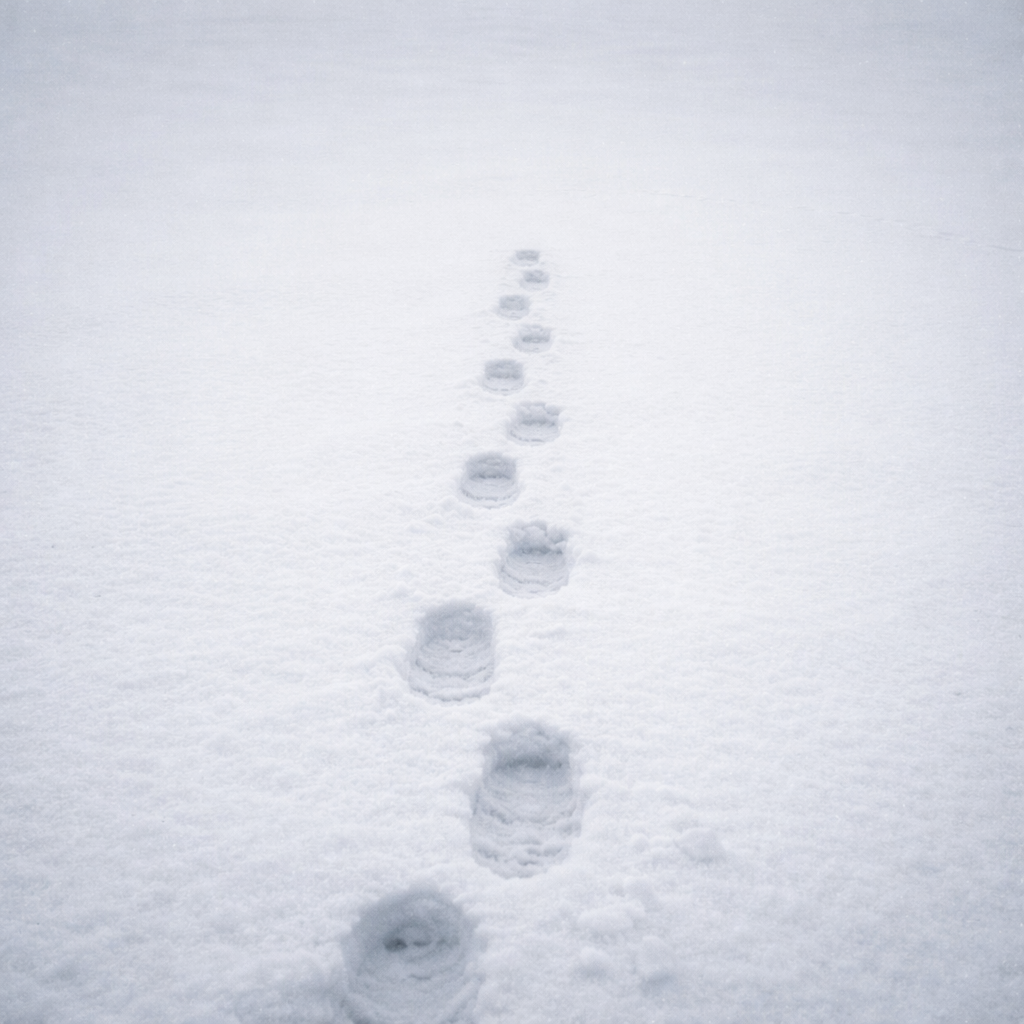
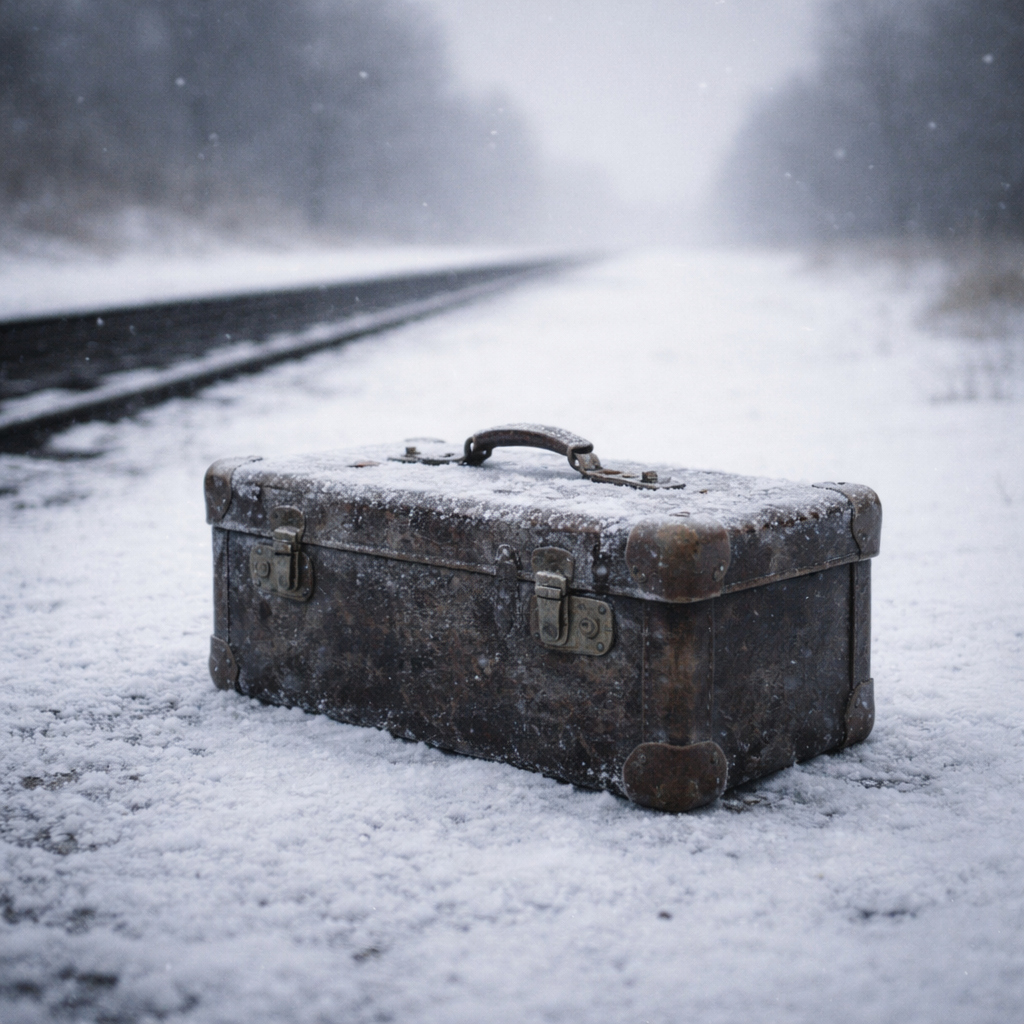
7. Picture Prompts
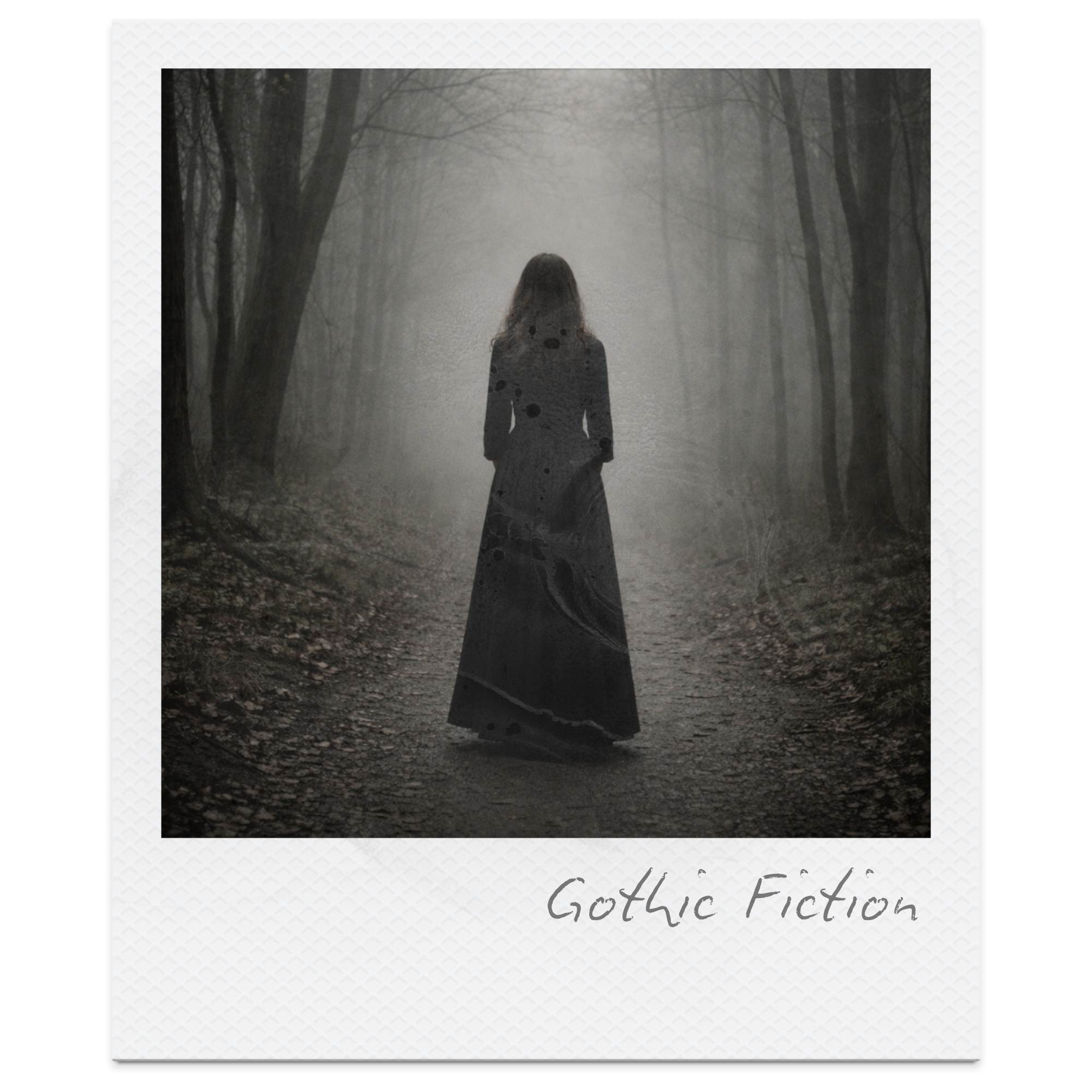
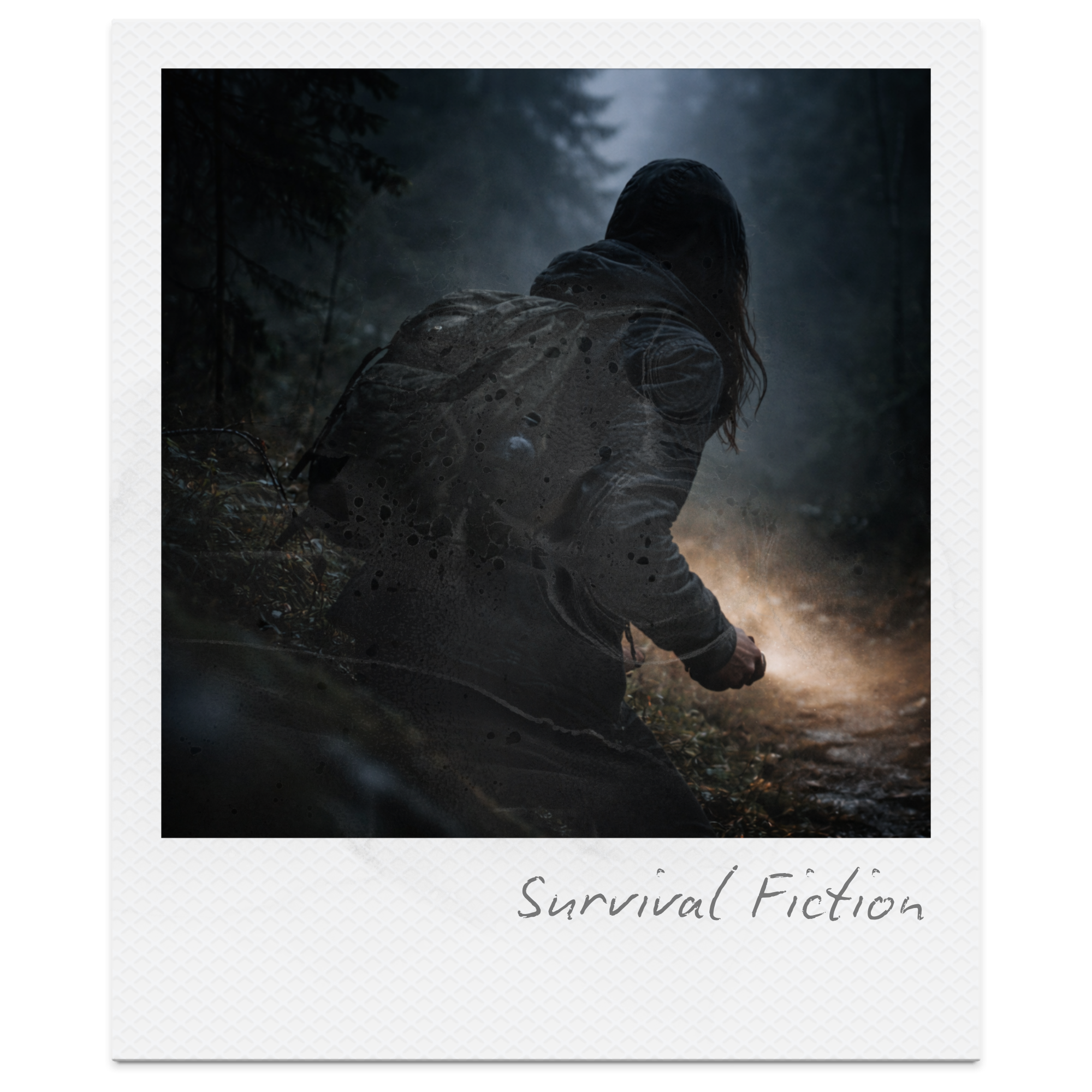
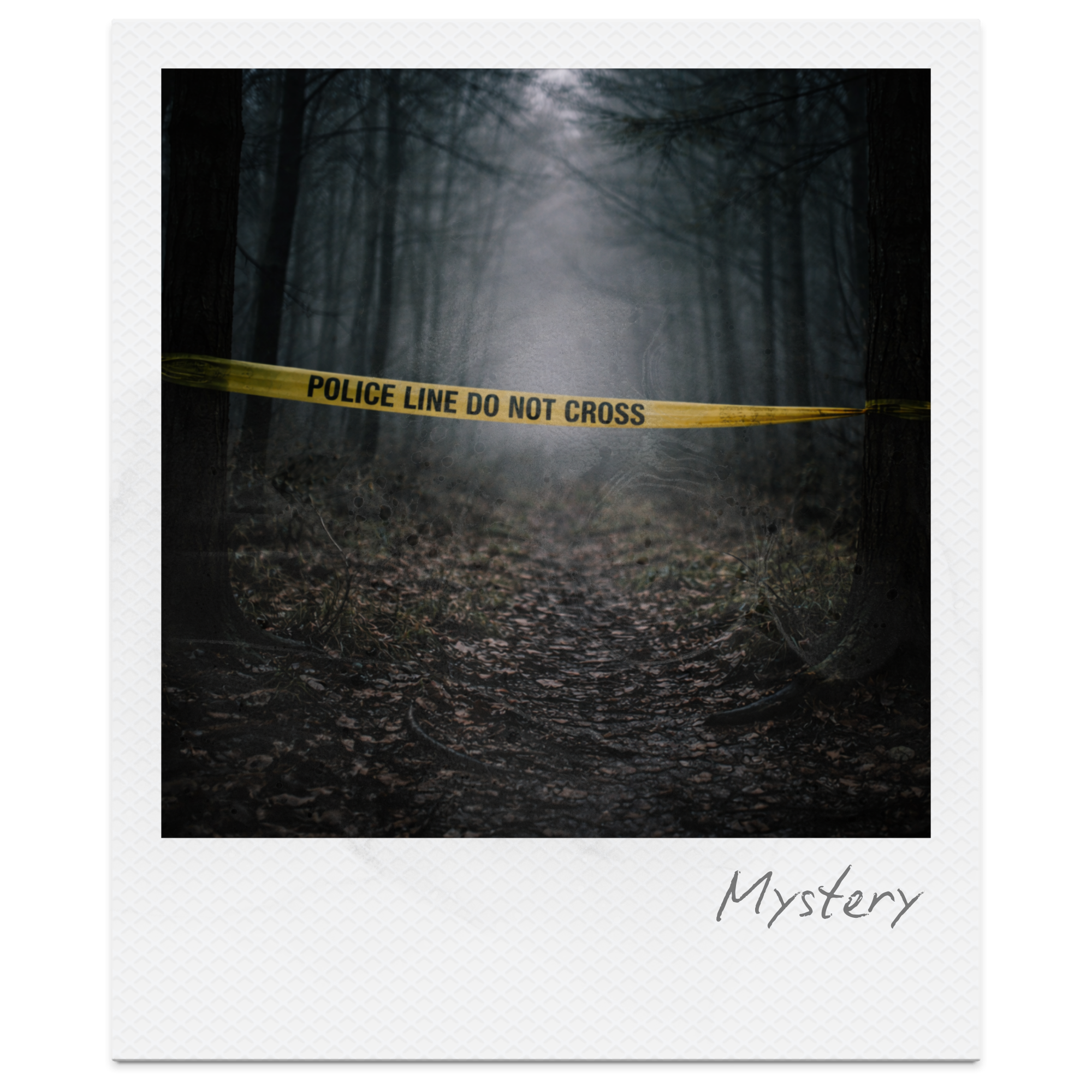
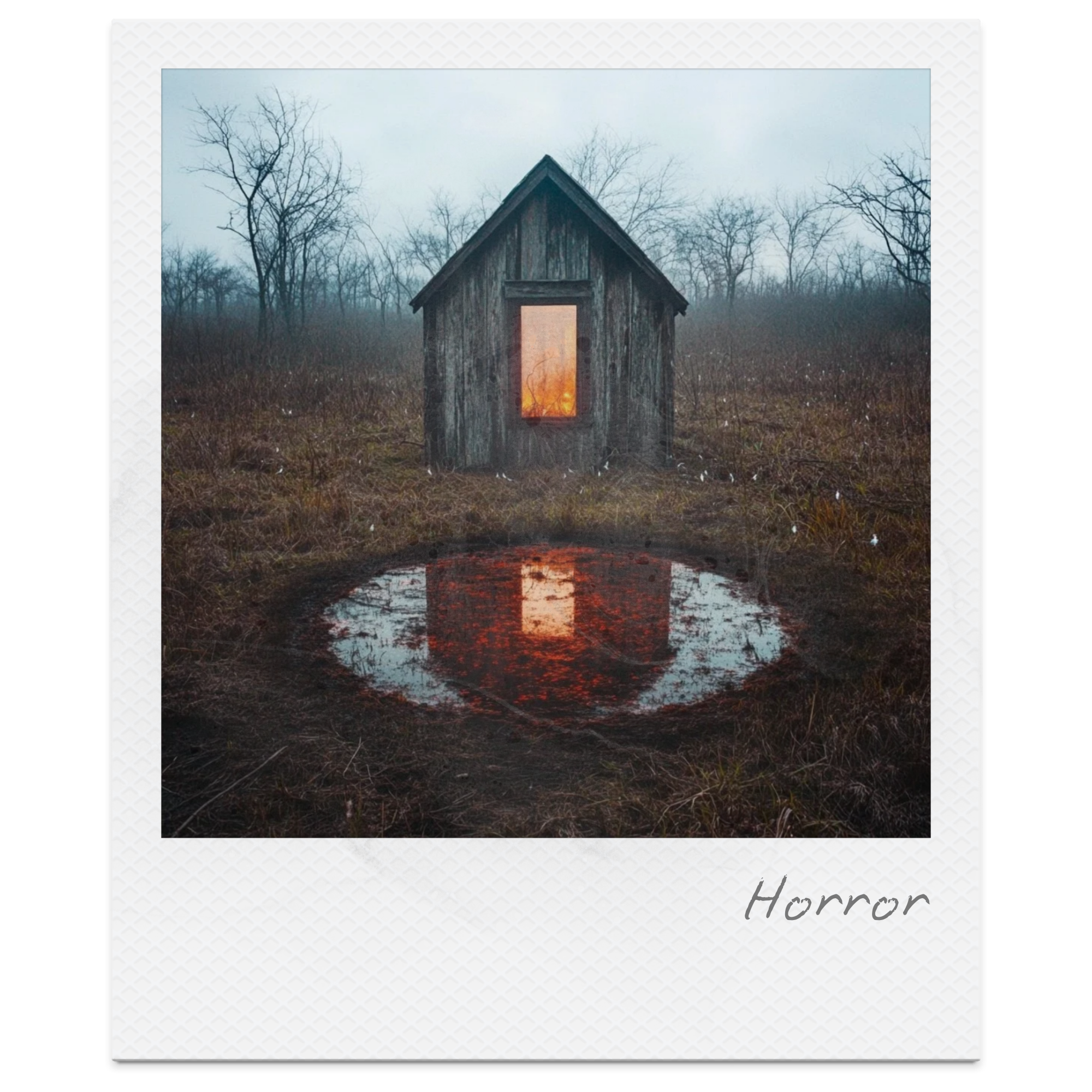
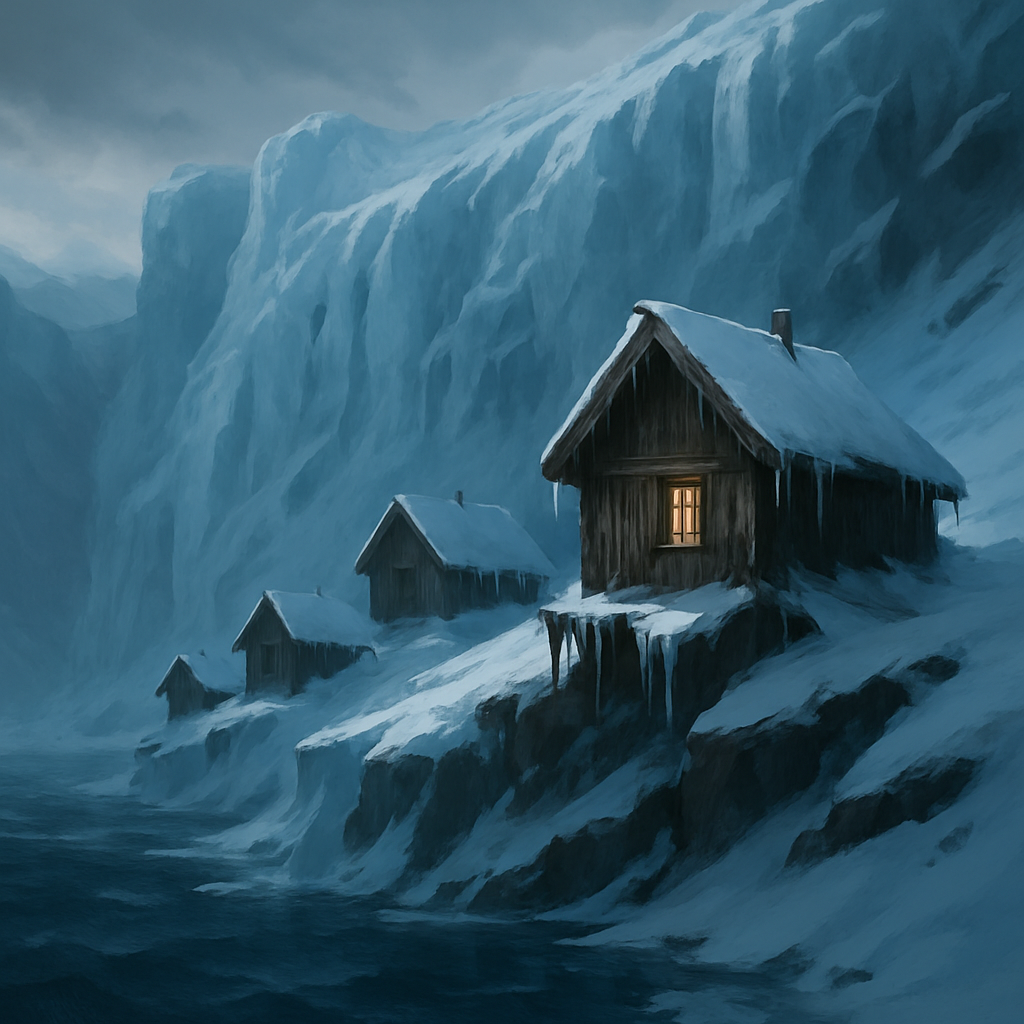
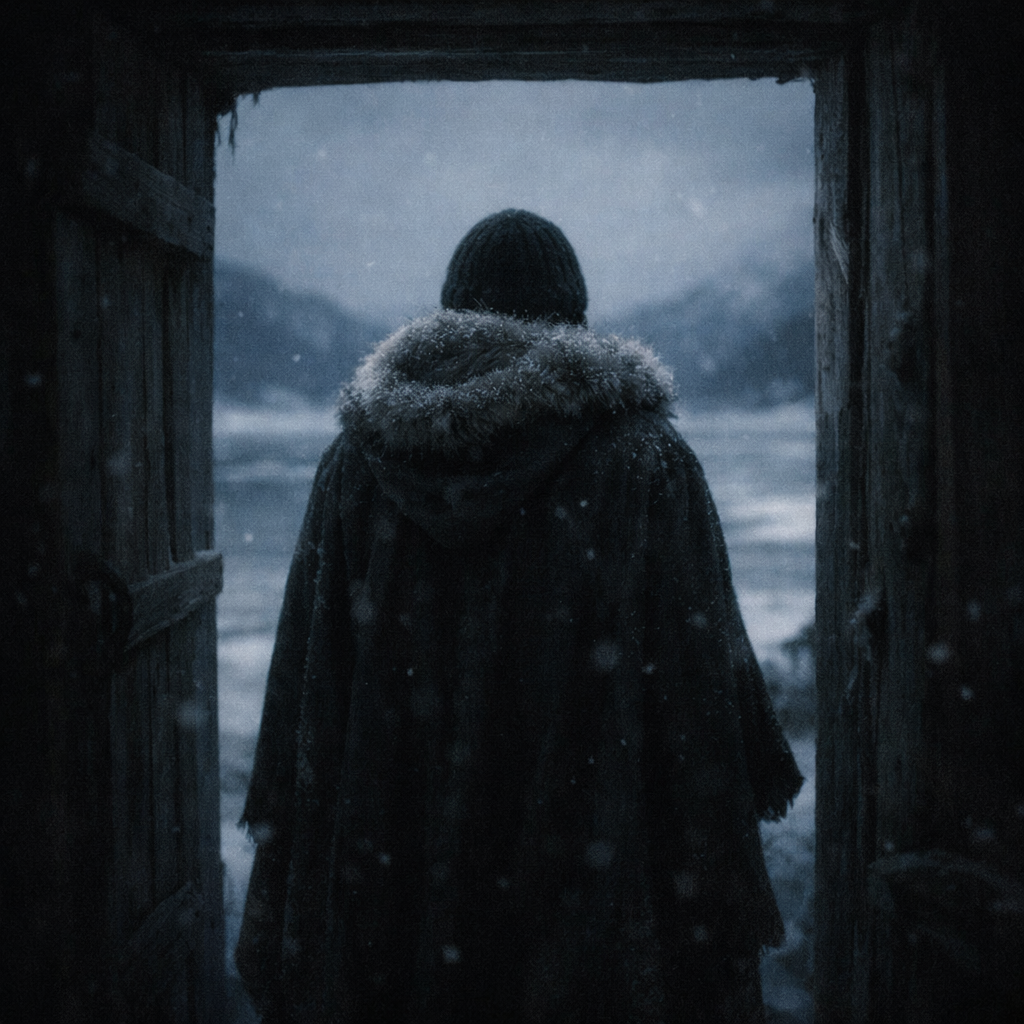
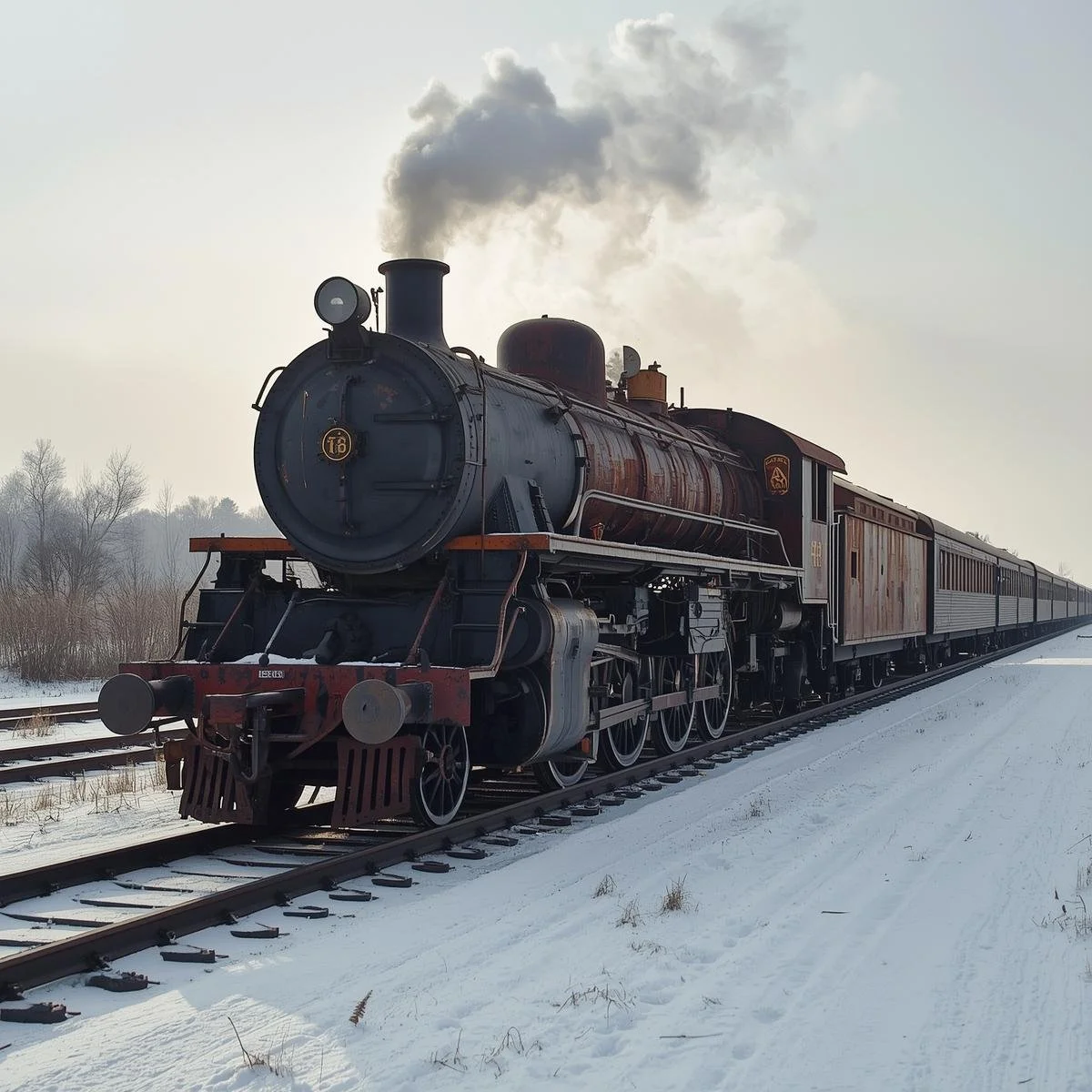
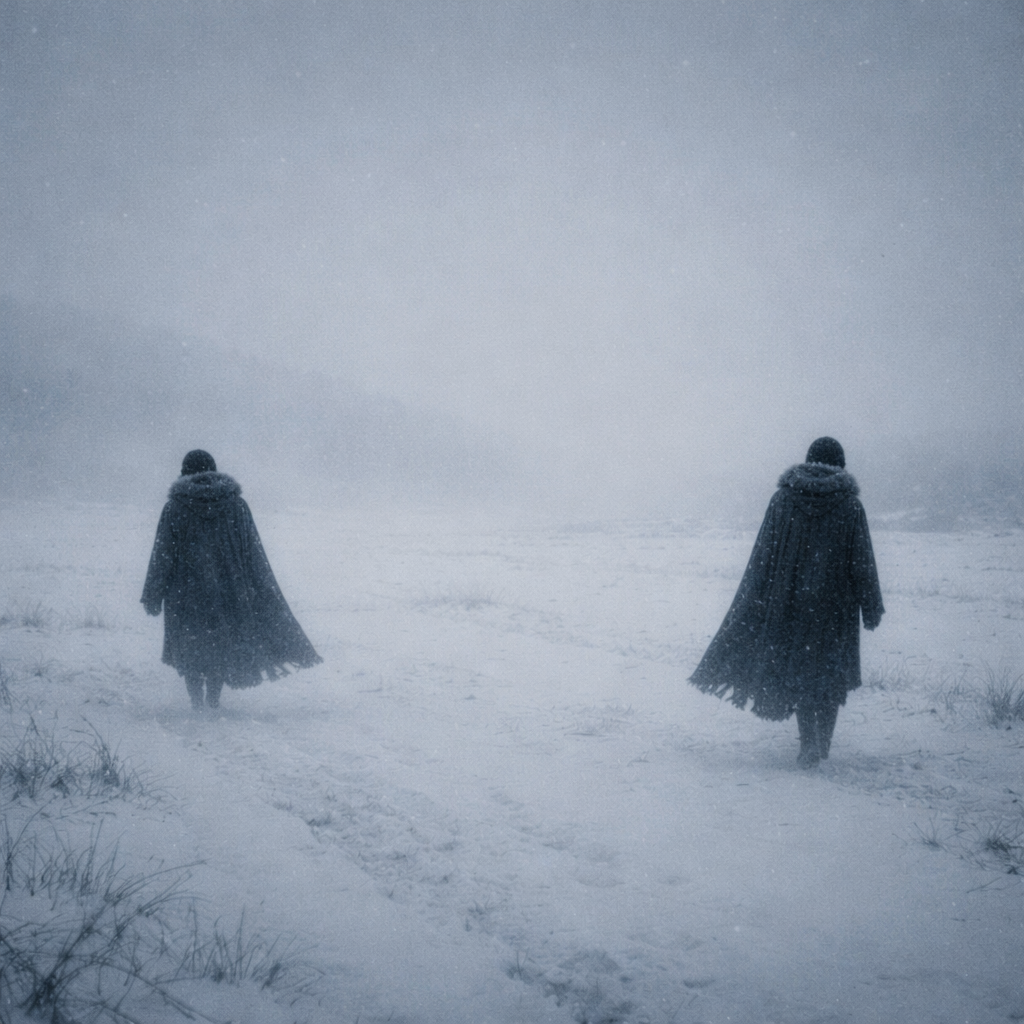
Visual inspiration can anchor a winter story in atmosphere and detail. These picture prompts invite writers to build scenes from light, shadow, and the unspoken tension within the image.




Go Deeper into Winter Writing
If you want to develop these winter writing prompts further, try approaching them in ways that deepen atmosphere, tension, and emotional weight. Winter stories often work best when the season itself becomes an active presence — shaping decisions, limiting options, and revealing what characters are willing to endure.
◆ Rewrite a prompt with the focus shifted from external danger to internal conflict, using the cold as pressure rather than spectacle.
◆ Choose one winter setting and explore how winter alters it over time — what changes after days, weeks, or months of snow and isolation.
◆ Experiment with silence and restraint by cutting dialogue and allowing landscape, weather, and physical sensation to carry meaning.
◆ Rewrite a scene twice: once at the height of the storm or crisis, and once in the stillness that follows, allowing the consequences to linger rather than resolve.
These approaches encourage writers to move beyond surface-level winter imagery and into stories shaped by endurance, loss, survival, and quiet transformation.
Final Thoughts
Winter stories are not only about cold landscapes or dramatic snowstorms — they explore isolation, resilience, memory, and the choices people make when comfort and certainty are stripped away. Whether set in frozen wildernesses, snowbound villages, or quiet interiors cut off from the world, winter narratives often reveal character through pressure rather than action.
These 70 winter writing prompts give teen writers the space to experiment with atmosphere-driven storytelling, symbolic settings, and emotionally grounded conflict. Suitable for short fiction, creative warm-ups, or extended writing projects, the prompts are designed to support confident creative writing without relying on seasonal clichés or festive themes.
If you’d like to explore more genres, tropes, or seasonal writing prompts, you can browse the full master list of 2000+ creative writing prompts for teens and continue your next creative adventure.
Choose Your Next Adventure