Notes from the Inkpot
Writing, teaching, creating - one ink-stained idea at a time.

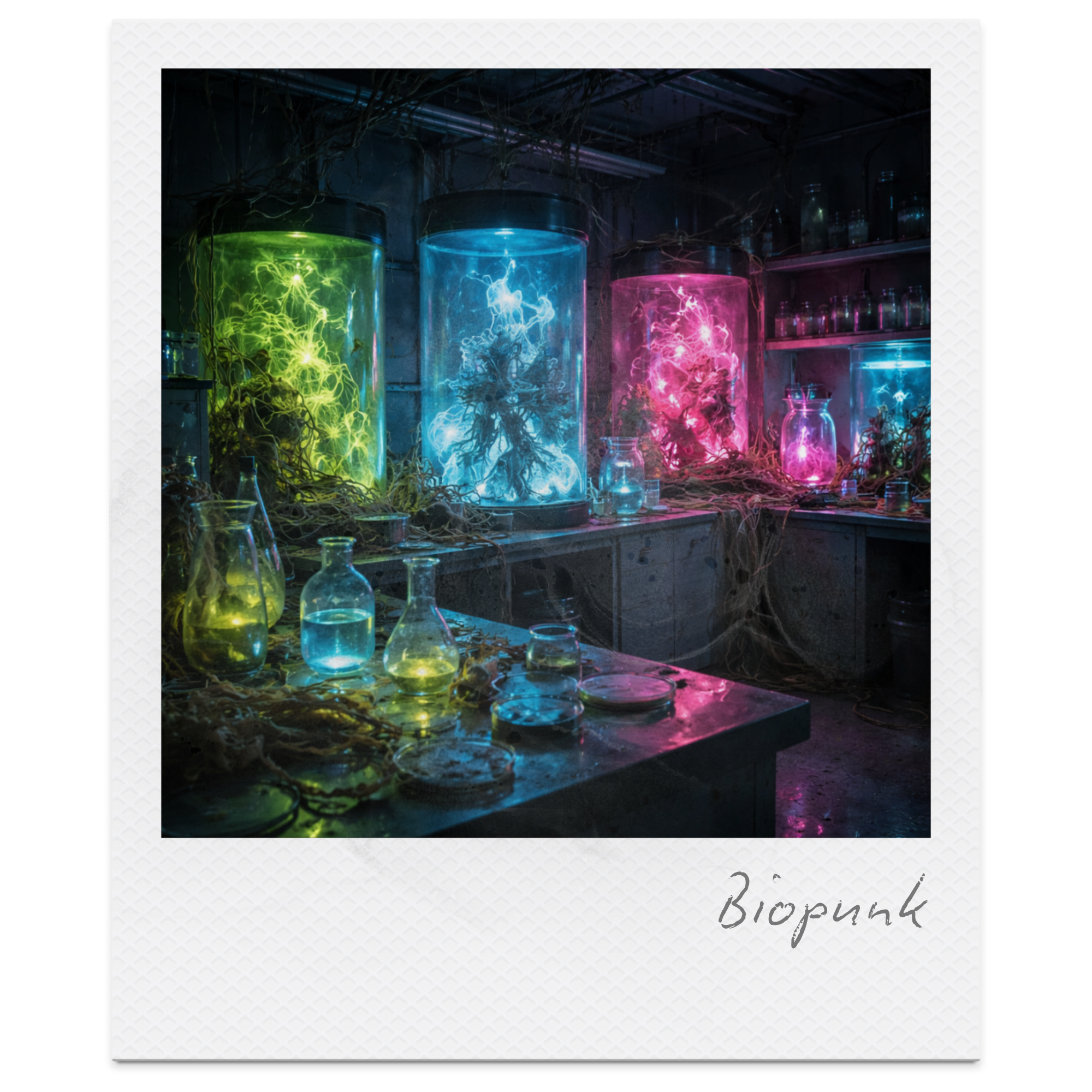
70 Biopunk Writing Prompts: Story Starters, Characters, Settings & Visual Ideas
Biopunk fiction explores futures shaped by biology rather than machines. These stories focus on genetic engineering, biohacking, medical experimentation, and the ethics of altering life itself — often in worlds that feel uncomfortably close to our own. This collection of 70 Biopunk writing prompts invites students to explore identity, consent, power, and progress through imaginative but grounded storytelling. With a focus on science, ethics, and human consequence, Biopunk offers rich opportunities for creative writing, discussion, and cross-curricular learning.
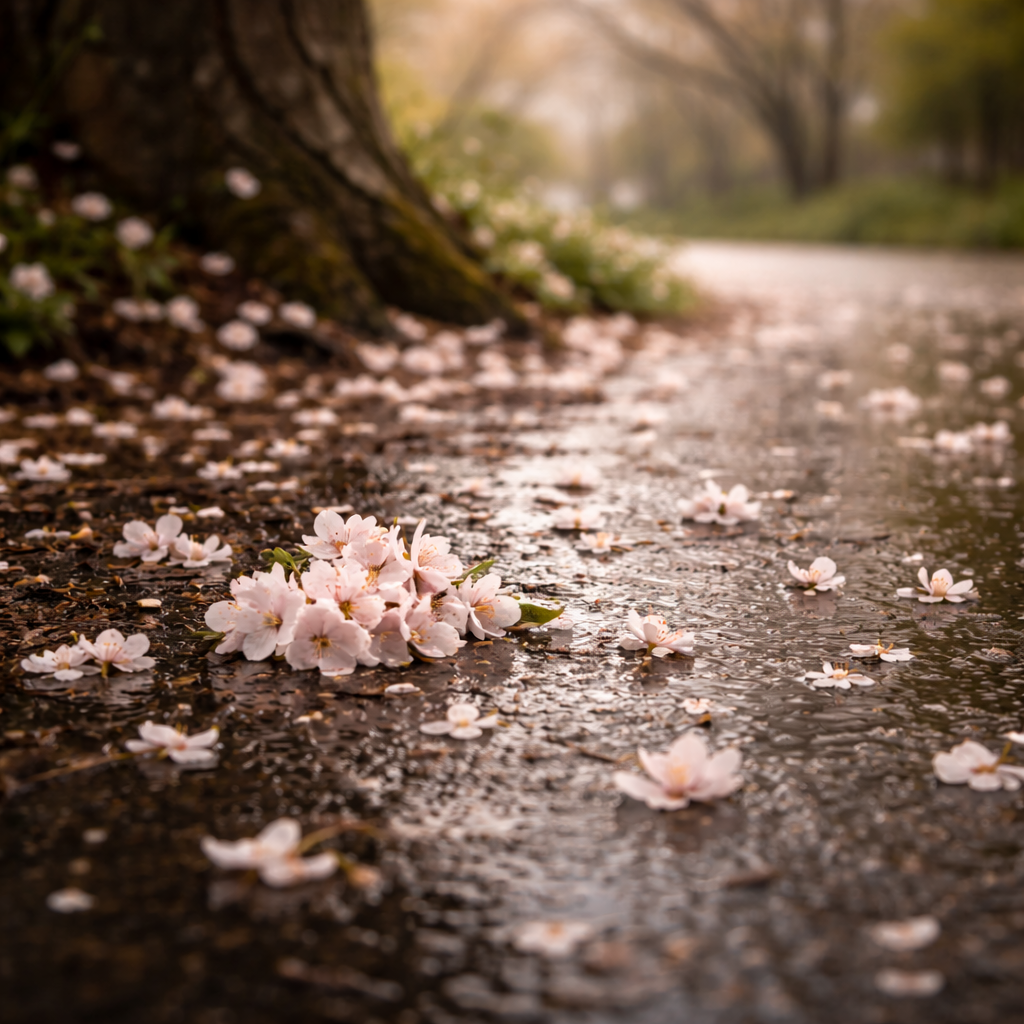
70 April Writing Prompts for Teens: Seasonal Story Starters, Characters, Settings & Visual Ideas
April is a month of transition. The light begins to change, routines start to shift, and there’s a sense of waiting — for answers, for outcomes, for what comes next. It’s a time when pressure and possibility exist side by side. This collection of 70 April writing prompts for teens invites students to explore uncertainty, anticipation, and emotional movement through character, setting, and mood. Designed for English classrooms, these prompts work across genres and abilities, making them ideal for reflective writing, creative units, and seasonal lessons throughout April.
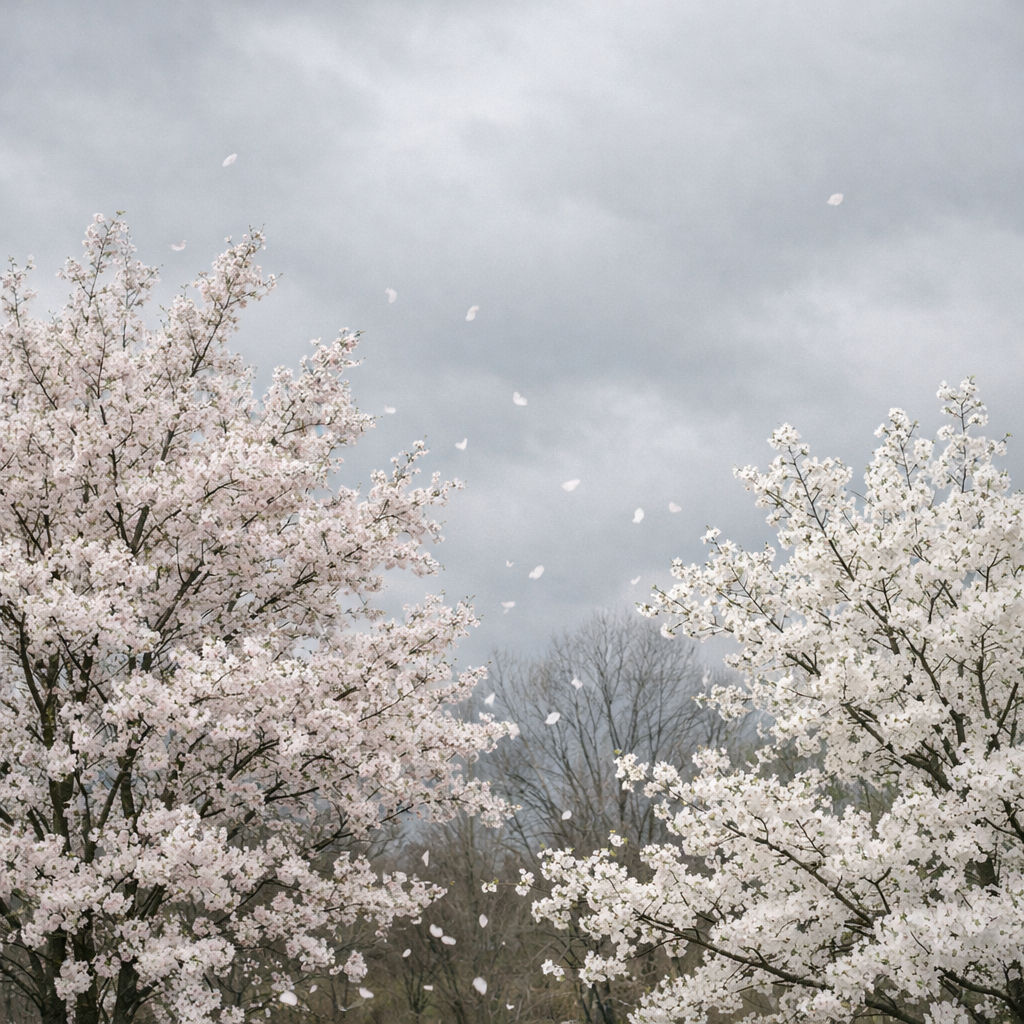
70 Spring Writing Prompts for Teens: Story Starters, Characters, Settings & Visual Ideas
Spring writing invites stories of change, return, and new beginnings — but not all renewal is simple or easy. The season brings shifting light, reopened spaces, and moments where something old gives way to something new. This collection of 70 spring writing prompts for teens encourages students to explore growth, uncertainty, and quiet transformation through character, setting, and mood. With flexible, classroom-ready ideas, these prompts work across genres and abilities, making them ideal for seasonal lessons and reflective writing.
The Resurrection Collection: Writing Into the Dark History of Body Snatching
Edinburgh, 1828. Anatomy lectures are full. Graves are not staying closed. As medical knowledge advances, a quiet trade emerges in the shadows of churchyards and lecture rooms. Bodies are exhumed, sold, recorded, and forgotten — while institutions continue as normal. The Resurrection Collection is a document-led creative writing experience inspired by the real history of body snatching, anatomy, and institutional silence. Through fragmented records, personal writings, ledgers, adverts, and modern historical commentary, writers and students are invited to investigate what happened — and what was deliberately left unrecorded. This isn’t a single story or a guided prompt. It’s an archive. The documents don’t agree, some voices are missing, and the truth depends on what you choose to trust. Every reader uncovers a different version of events — shaped by inference, interpretation, and the uncomfortable spaces between evidence.
The Distance Fragments: A Free Poetry Writing Experience for Blackout & Erasure Poetry
The Distance Fragments is a free poetry writing experience designed for slower, more reflective writing. Built around blackout poetry, erasure, images, and fragment-led prompts, the collection invites writers to work through removal rather than expansion — noticing what remains once language is pared back. This resource acts as a taster for a new series of fragment-led poetry prompt collections, offering open-ended materials that can be used independently, combined, or revisited over time. Ideal for writers, teachers, and classrooms exploring blackout poetry or contemplative creative writing, The Distance Fragments prioritises space, restraint, and return over speed or completion.

My Favourite Texts to Teach in March (Novels, Plays, Short Stories & Poems)
March is a turning point in the school year. Students are no longer settling in, but they’re not quite finished either — and that shift matters. This is the moment when texts about voice, power, and resistance begin to land differently. From novels and plays to short stories and poems, these are the texts I return to every March because they meet students exactly where they are: questioning, restless, and ready to think more deeply.
Poetry Writing Activities for the Classroom
Bring poetry to life with these 10 creative writing activities for middle and high school students. Low-prep, flexible, and classroom-tested — perfect for National Poetry Month or any time of year.
7 Genre Writing Collections to Transform Your Creative Writing Lessons (With 30 Daily Prompts Each!)
Creative writing is exciting for some students and existential for others — especially when faced with a blank page. Genre prompts change that dynamic entirely. In this post, I’m sharing seven complete genre collections (plus a free one!) that make daily writing actually work in real classrooms.
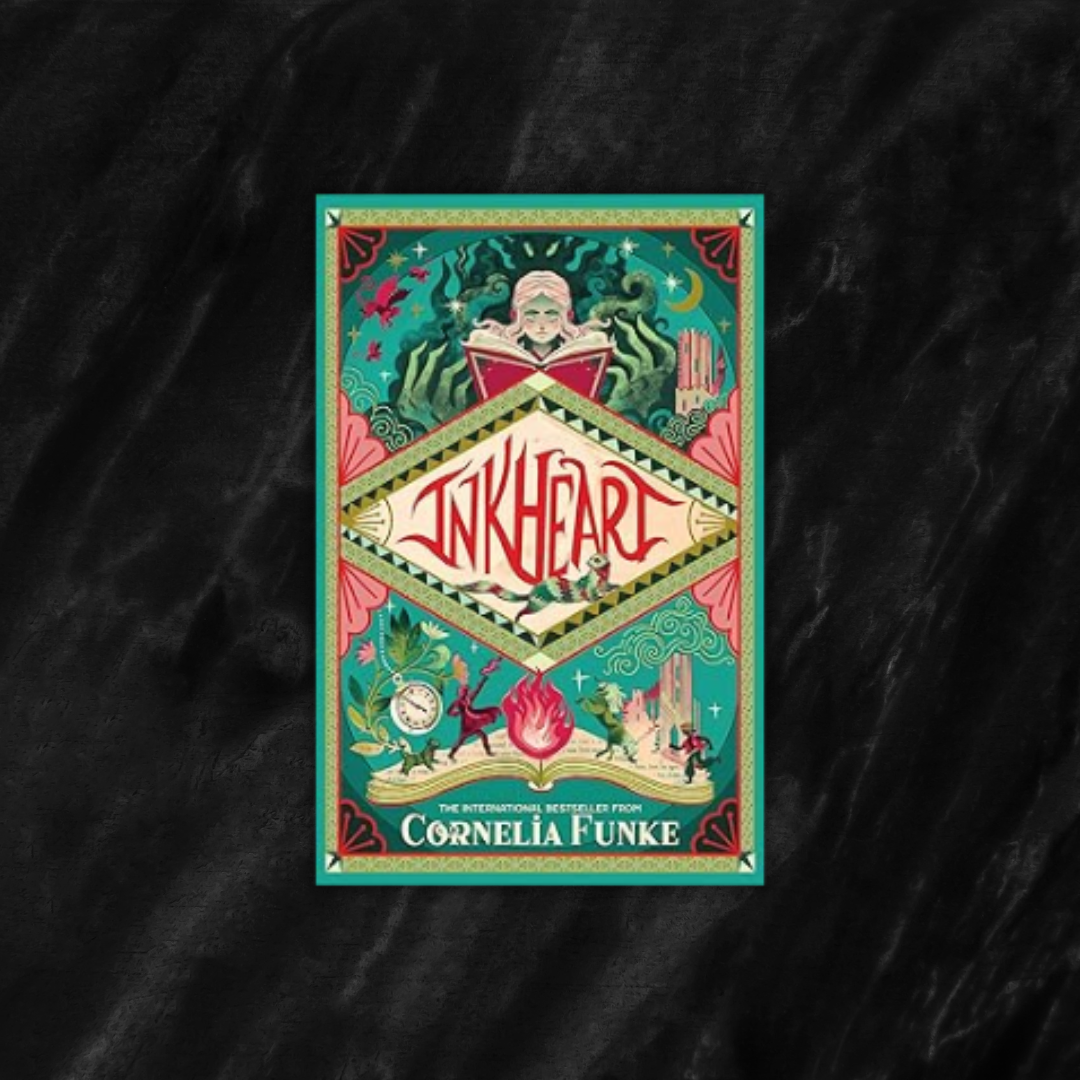
15 Best Fantasy Novels to Teach in the Classroom
Fantasy is one of the most powerful genres to teach — high-interest without being low-rigour. This post explores 15 of the best fantasy novels for the classroom, from classic texts to contemporary favourites, each chosen for their discussion potential, thematic depth, and ability to engage students in meaningful thinking and writing.

70 Christmas Writing Prompts for Teens: Story Starters, Characters, Settings & Visual Ideas
Christmas is a season full of contrasts — cozy fireplaces and glittering lights, but also mystery, magic, and the occasional bit of chaos. These prompts invite teen writers to explore the holiday across genres, from festive romance and fantasy adventures to gothic tales and eerie mysteries. With 70 story starters, titles, characters, settings, and picture prompts, this collection sparks creativity for classrooms or independent writing, offering fresh takes on the season that go far beyond the expected.

10 Best Christmas Poems to Teach (And How to Teach Them)
Christmas in the classroom is always a balancing act. You want something seasonal to capture the spirit of December, but it still needs the depth to justify lesson time. Poetry is the perfect answer. From Christina Rossetti’s wintry devotion to T. S. Eliot’s existential Nativity, these ten poems offer rich imagery, layered themes, and plenty of scope for creative writing.
20 Great Texts to Teach at Christmas (or during Winter)
Looking for meaningful texts to teach in December? These 20 Christmas and winter-themed classics — from short stories and poems to films and podcasts — offer rich discussion, creative writing opportunities, and seasonal engagement without sacrificing academic depth.

10 Dystopian Texts to Teach Beyond 1984 (Classroom Ideas & Creative Writing)
Every time dystopian fiction comes up in the classroom, 1984 takes centre stage. And for good reason — it’s chilling, essential, and one of those texts I’ll always defend teaching. But Orwell isn’t the whole story. Dystopia is also about fear, climate collapse, isolation, memory, love, and the choices people make when systems fall apart. This post shares ten powerful texts that go beyond Orwell, each with themes, classroom ideas, and creative writing extensions you can use straight away.

The Best Netflix Shows and Films to Use in the Secondary Classroom
Streaming doesn’t have to mean “switching off.” Netflix is packed with series and films that open up rich discussions in the secondary English classroom — from dystopian cautionary tales like Black Mirror to tender coming-of-age stories like Heartstopper. Used thoughtfully, these titles can spark debate, connect literature to students’ lives, and bring themes like identity, grief, and power into focus. This guide rounds up some of the best options, with classroom pairings, creative activities, and cross-curricular links to help you use screen time as a powerful teaching tool.
Micro Writing for the TikTok Generation (Why Short Bursts Spark Big Ideas)
Micro writing is about stripping things back — short bursts of creativity that can grow into something bigger. This post explores how daily prompts, complete with titles, images, opening and closing lines, and plot ideas, can be used for quick five-minute writes that fit neatly into any lesson. Think of it as a clean, minimalist approach to writing practice: simple to set up, but powerful in what it sparks.

The Hemlock Collection: A Witch Trial Mystery Across Centuries
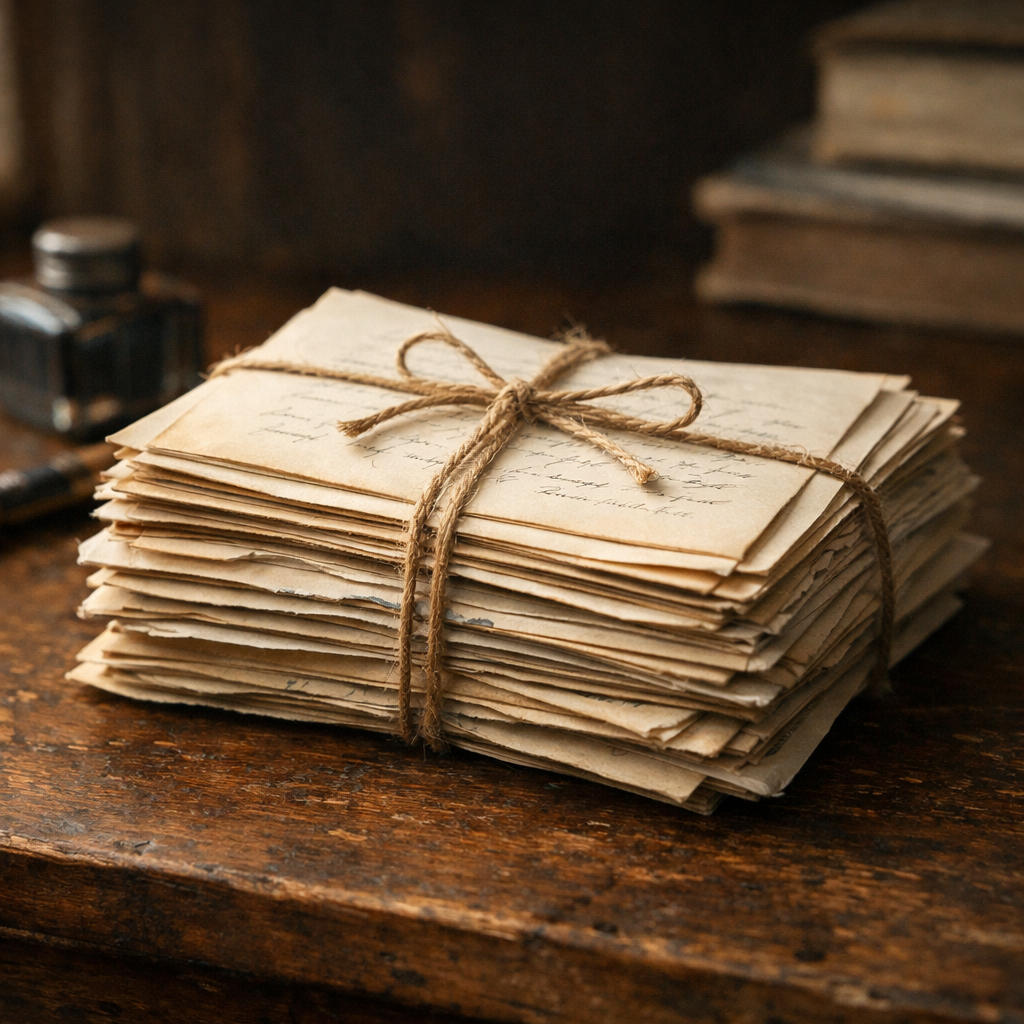
Step into Crowhurst, 1628. A child’s screams in the night, whispered accusations, and a village consumed by fear. The Hemlock Collection is a digital-first creative writing mystery that blends witch trials and folklore with the modern-day disappearance of Beth Crowhurst in 2023. Through letters, grave rubbings, diary entries, and newspaper clippings, students and writers are invited to investigate both timelines and craft their own stories from the shadows left by history.

1000 Creative Writing Prompts: Spark Imagination in Every Classroom and Notebook
Discover a free collection of 1000 Creative Writing Prompts designed to spark imagination in every classroom and notebook. From eerie openings to beautiful settings and clever twists, this downloadable PDF is packed with story ideas for teachers, students, and writers who want to make creativity part of their daily routine.

10 Haunting Poems to Teach This Halloween (That Aren’t Just The Raven)
Halloween isn’t just for spooky short stories — poetry can be just as haunting. From Poe’s The Raven to eerie ballads like The Unquiet Grave, these poems bring atmosphere, symbolism, and Gothic chills into the classroom. Perfect for middle and high school, this list offers ten haunting poems that make October lessons both literary and seasonal.

10 Books by Young Authors That Show Students Their Voices Matter
Many students believe they’re “too young” to write something meaningful. Yet history proves otherwise. From Anne Frank’s diary to Mary Shelley’s Frankenstein and Malala Yousafzai’s memoir, young authors have created works that changed literature, history, and even global movements. This post explores ten powerful books written by teenagers and young writers, showing how their voices can inspire students to write with confidence today.