Gothic Writing Prompts, Tropes and Story Ideas
Gothic fiction thrives in the space between beauty and fear. Haunted houses, crumbling castles, forbidden rooms, isolated landscapes and family secrets create the atmosphere, but the most compelling Gothic stories reach deeper — exploring obsession, desire, madness, identity, isolation, mortality and the unsettling influence of the past.
Emerging as a distinct literary tradition in the late eighteenth century, Gothic fiction has continually reinvented itself. Writers such as Edgar Allan Poe transformed psychological terror, unreliable perception and obsession into some of the genre's most enduring stories. Explore the Edgar Allan Poe Hub for writing prompts, literary analysis and inspiration drawn from Poe's dark imagination.
For writers, Gothic fiction offers an extraordinary range of possibilities. Your story might follow an imprisoned heroine inside an ancestral mansion, a Byronic hero haunted by something he refuses to reveal, a family discovering the truth behind an inherited curse, or an ordinary character entering a place where the past has never entirely disappeared.
This hub brings together Gothic writing prompts, Gothic story ideas, story starters, characters, creatures, settings, tropes and generators to help you create your own dark and atmospheric fiction. Explore everything from Gothic horror, romance, mystery and fantasy to haunted houses, vampires, cursed families, Victorian streets, sublime landscapes, dark academia and literature-inspired prompts.
If you want to begin with a randomly generated idea, explore the Writing Sparks & Generator Hub, or browse the Creative Writing Archive for hundreds of writing prompts, character ideas, settings, names and storytelling resources across different genres.
Whether you're planning a novel, developing a short story or simply looking for your next idea, use the collections below to find a Gothic story prompt, develop your plot and build a world where something is always waiting in the shadows.
Explore Gothic Writing
Explore Gothic writing prompts, story ideas, worldbuilding guides, characters, settings, tropes, generators and immersive Storyworld Archives. Choose a section below to begin exploring.
Gothic Genre Prompts
Gothic fiction reaches far beyond haunted castles and ghost stories. Its atmosphere, themes and conventions can be combined with horror, romance, mystery, fantasy, science fiction, folklore and fairytales, creating stories that range from psychological and unsettling to strange, beautiful and deeply romantic.
Explore the different branches of Gothic storytelling below to discover Gothic writing prompts, story ideas, characters, settings and worldbuilding inspiration for the kind of story you want to create. Follow classic Gothic traditions, experiment with modern subgenres such as Cozy Gothic and Sci-Fi Gothic, or combine elements from several genres to create something entirely your own.
Inside this section:
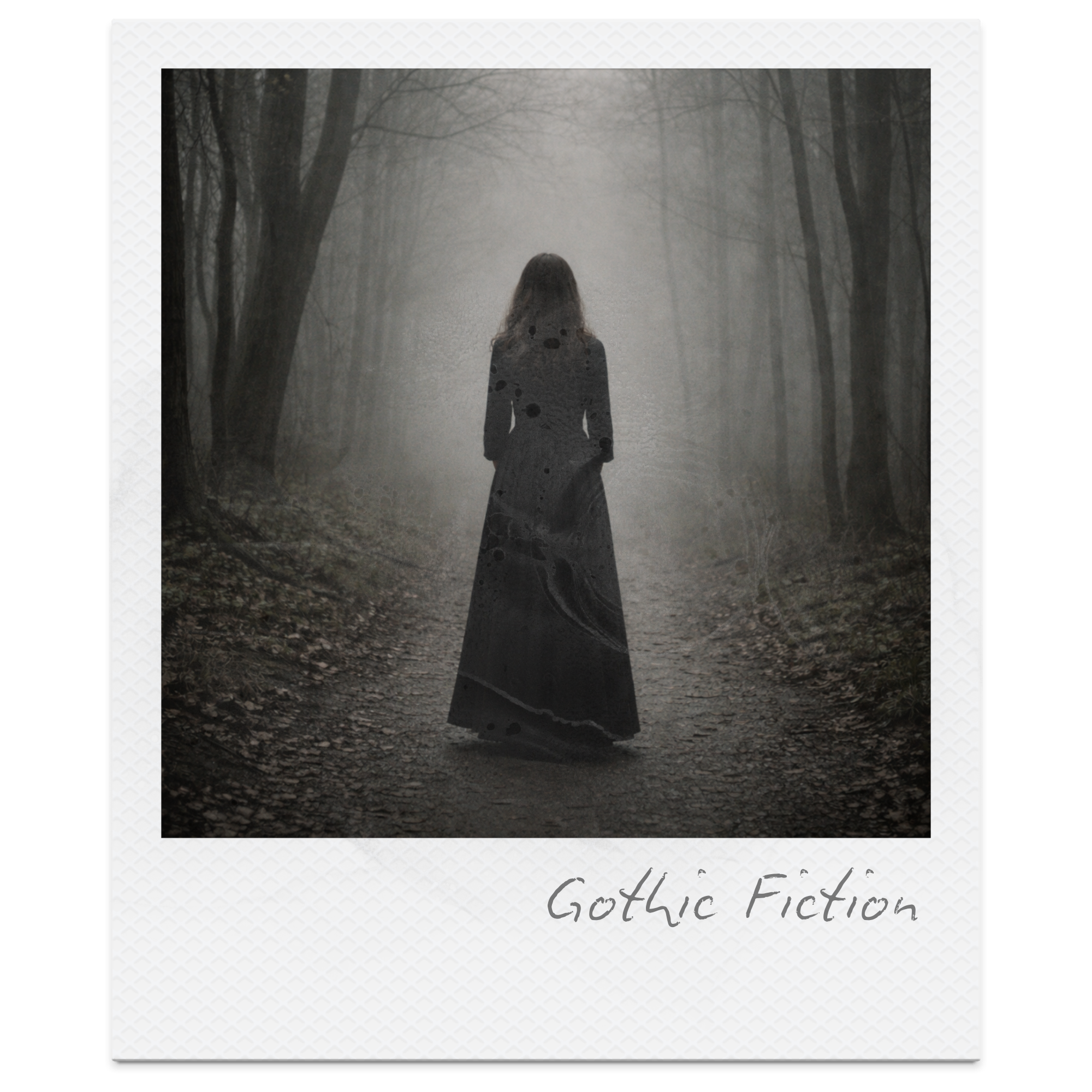
◆ Gothic Writing – discover Gothic writing prompts, story ideas, characters, settings, and worldbuilding inspiration filled with haunted houses, crumbling castles, family secrets, forbidden rooms, tragic romances, mysterious inheritances, supernatural encounters, Victorian atmosphere, and dark tales of obsession, isolation, fear, madness, and the unknown.
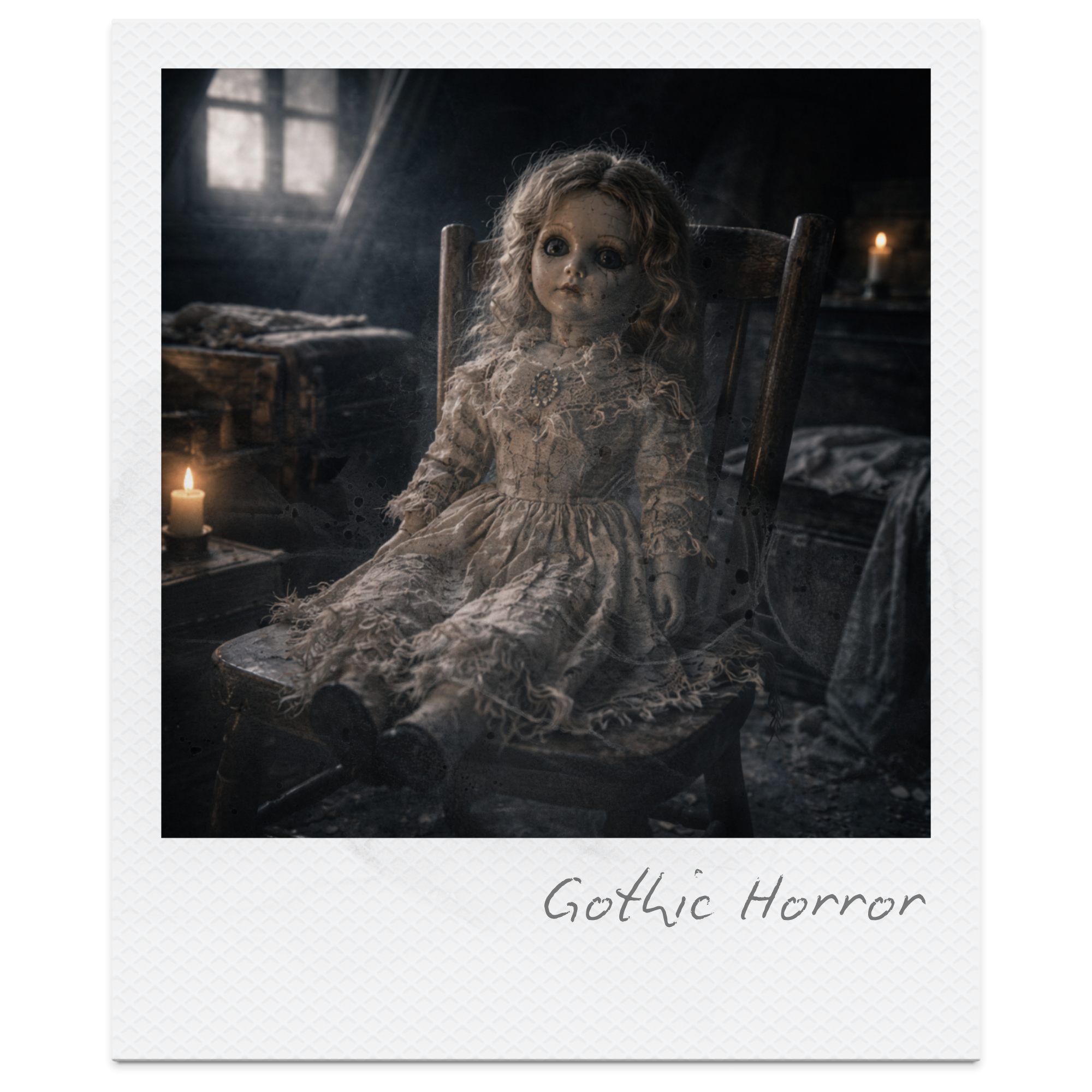
◆ Gothic Horror - explore Gothic horror writing prompts, story ideas, characters, creatures, and sinister settings filled with haunted places, family curses, supernatural forces, psychological terror, monstrous transformations, forbidden secrets, madness, isolation, and the creeping sense that reality itself is beginning to unravel.
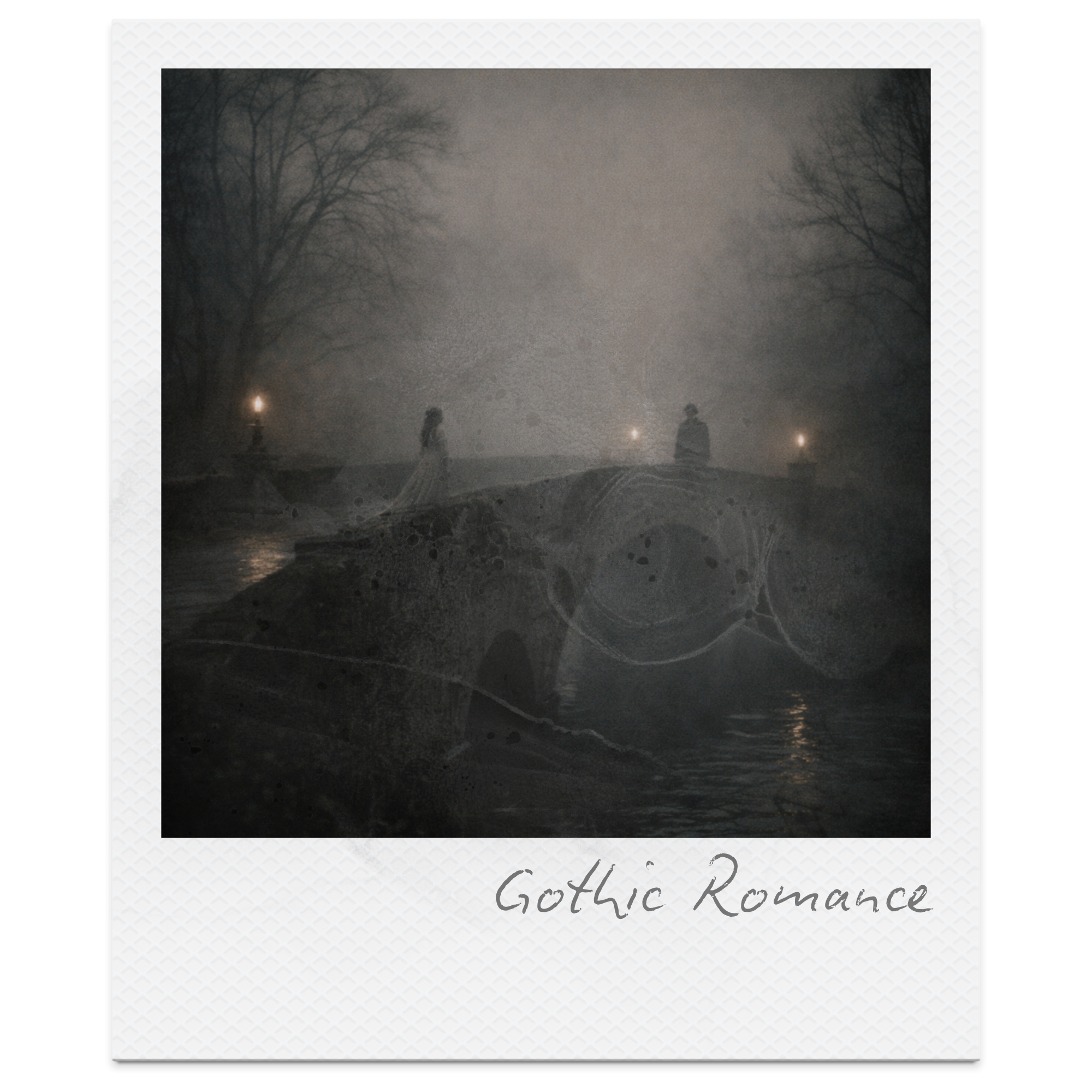
◆ Gothic Romance - discover Gothic romance writing prompts, story ideas, characters, and atmospheric settings filled with forbidden love, dangerous attraction, obsessive devotion, haunted lovers, tragic destinies, mysterious strangers, isolated estates, buried secrets, emotional conflict, and beautiful romances with something darker lurking beneath the surface.
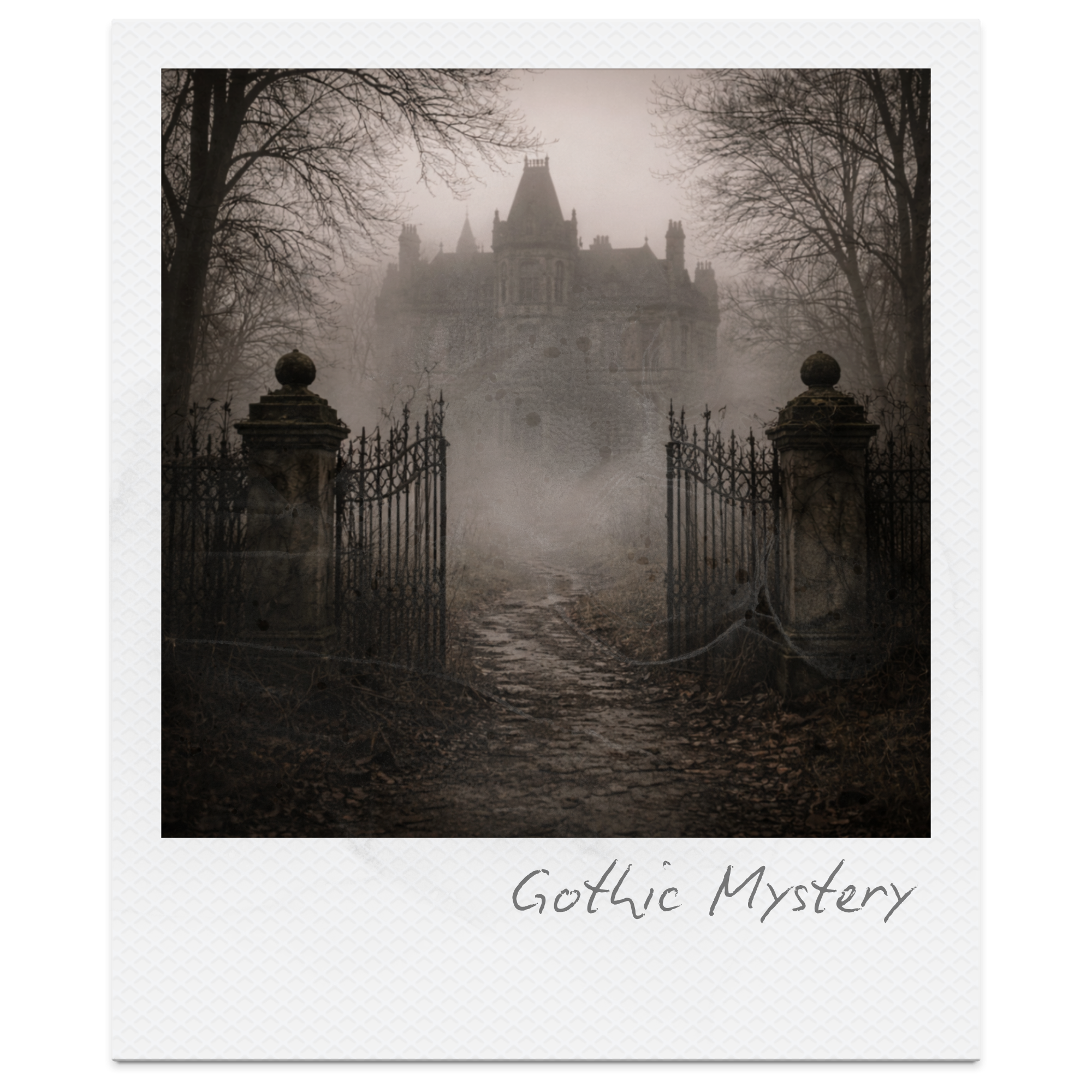
◆ Gothic Mystery - explore Gothic mystery writing prompts, story ideas, characters, and atmospheric settings built around hidden identities, missing heirs, cryptic letters, locked rooms, haunted estates, suspicious deaths, supernatural rumours, forgotten crimes, secret passageways, and family mysteries buried for generations.
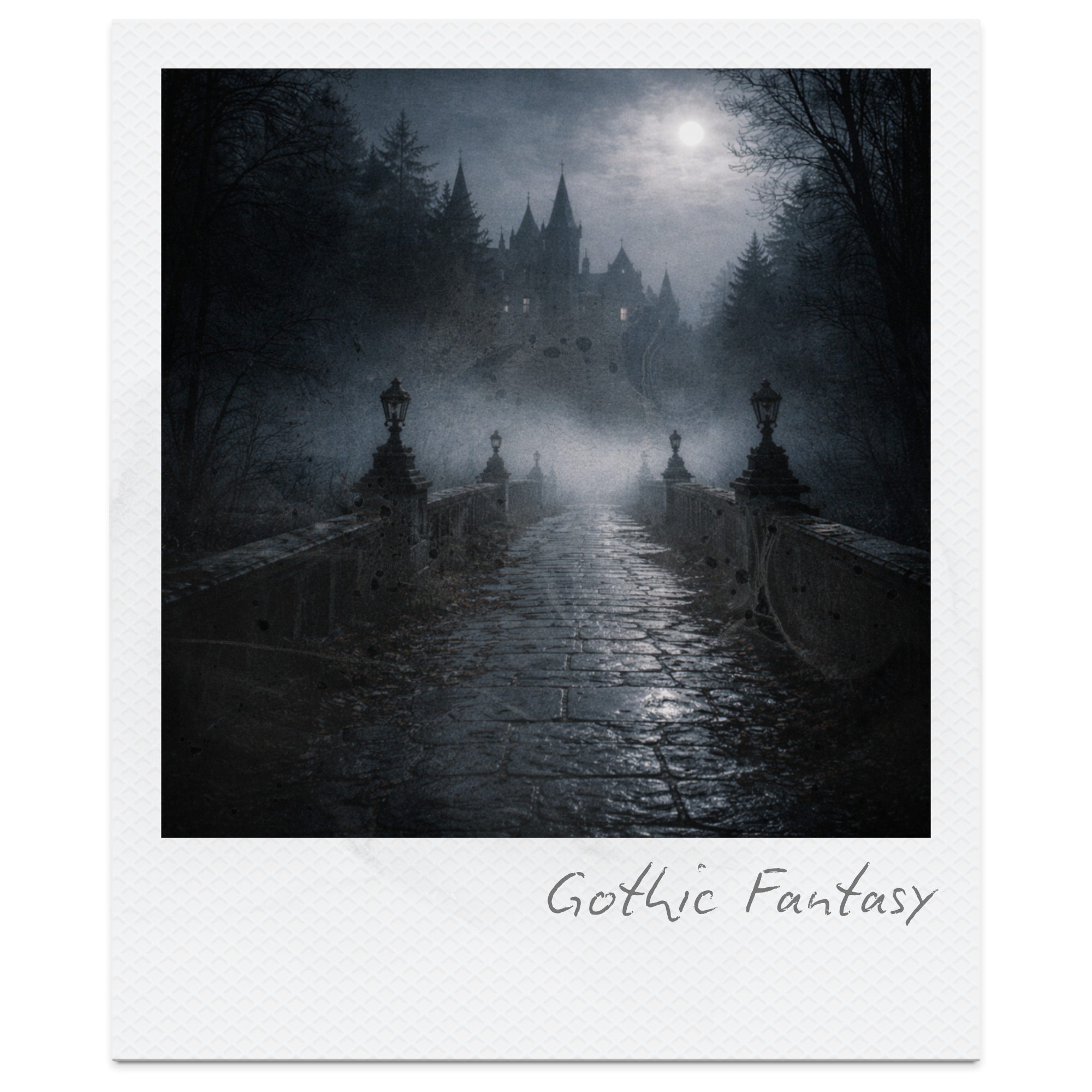
◆ Gothic Fantasy - discover Gothic fantasy writing prompts, story ideas, characters, creatures, and dark worldbuilding inspiration filled with cursed kingdoms, haunted castles, enchanted forests, ancient magic, dangerous bargains, supernatural beings, forgotten gods, folklore, mythology, and beautiful worlds where magic always carries a darker price.
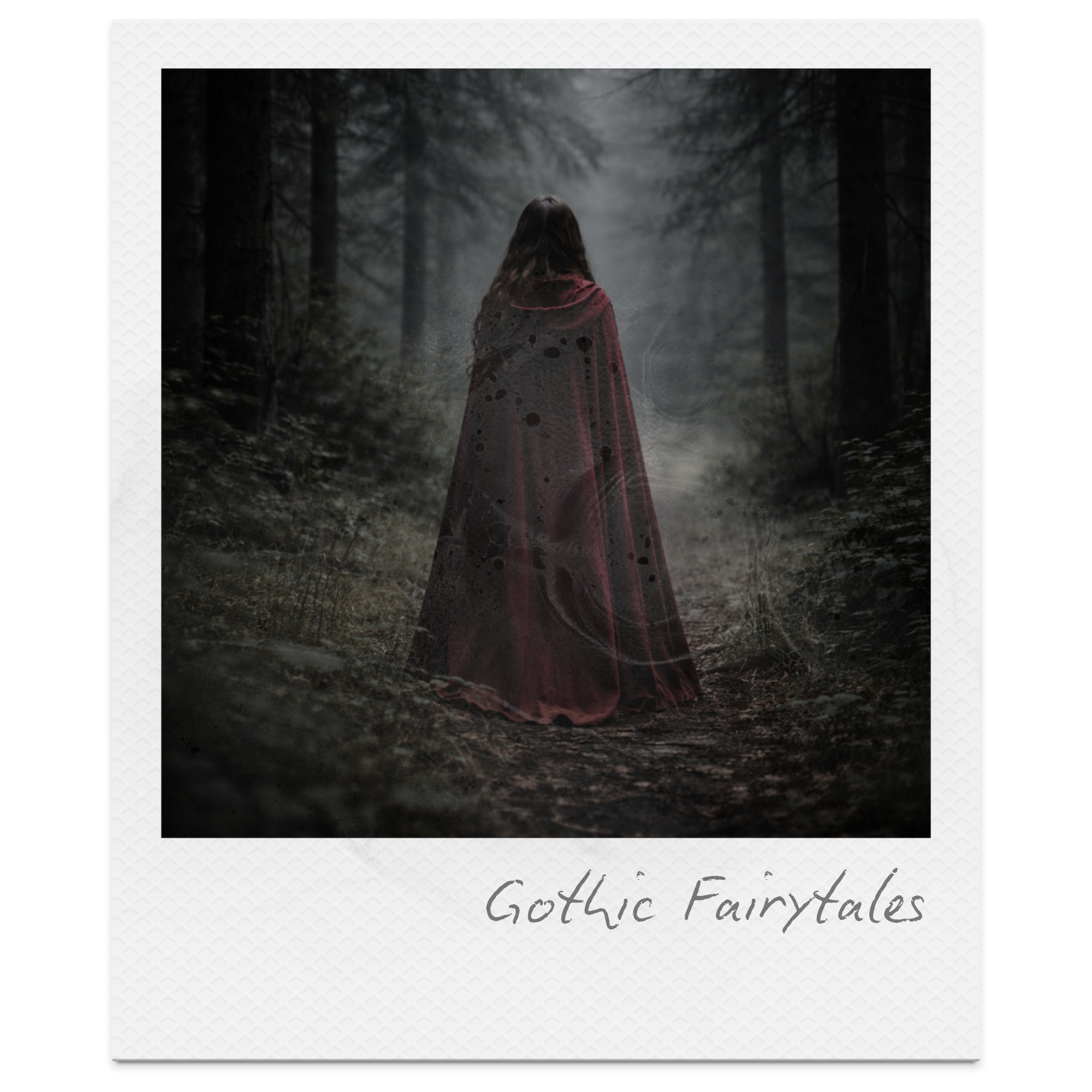
◆ Gothic Fairytales - explore Gothic fairytale writing prompts, story ideas, characters, creatures, and dark retellings filled with cursed magic, enchanted forests, wicked bargains, monstrous royalty, haunted castles, forbidden rooms, tragic heroes and heroines, twisted folklore, magical transformations, and timeless tales where every wish, promise, and choice has a consequence.
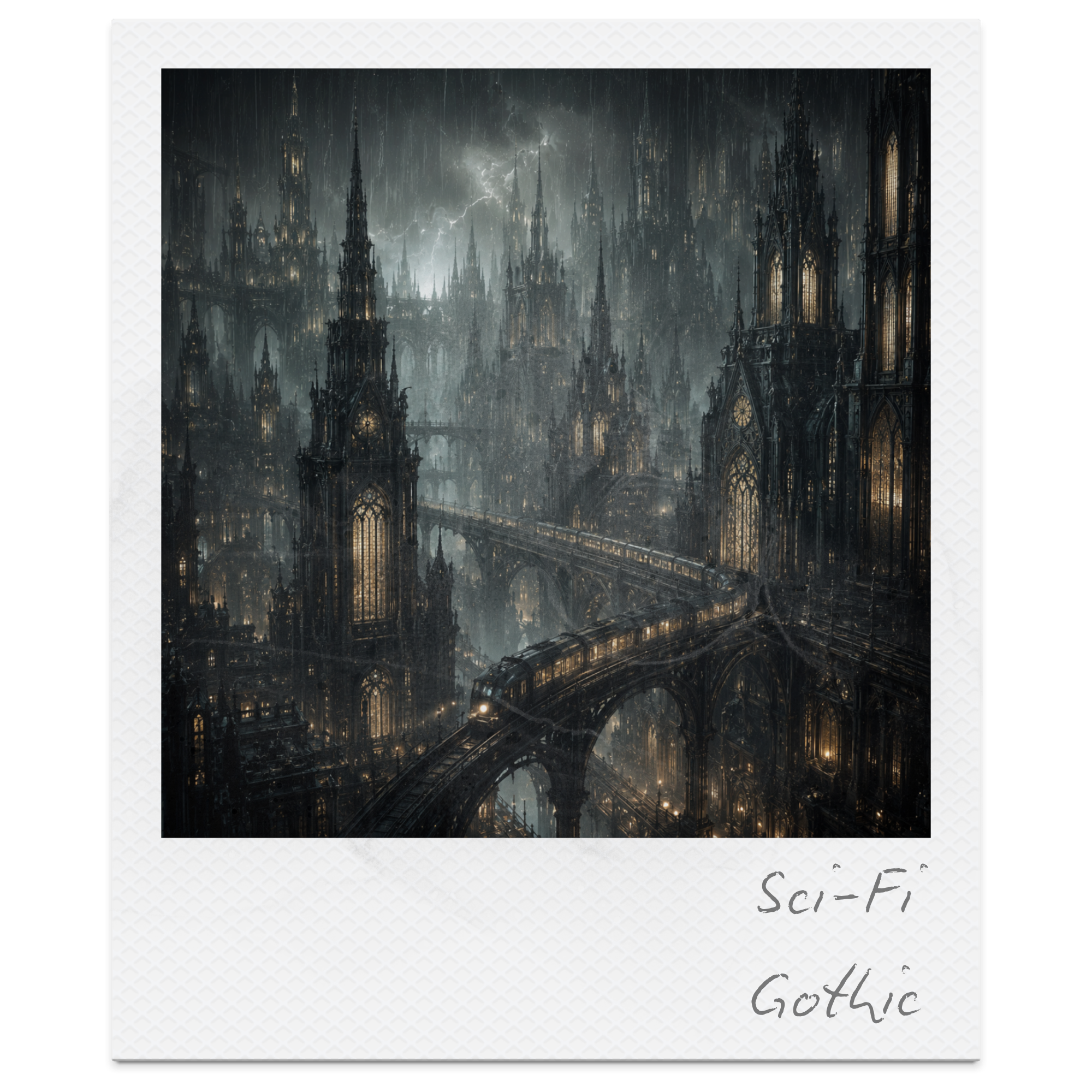
◆ Sci-Fi Gothic – discover sci-fi Gothic writing prompts, story ideas, characters, settings, and worldbuilding inspiration blending cosmic horror, ancient technology, decaying space stations, Gothic architecture, dying empires, forbidden experiments, ritualistic science, artificial intelligence, alien mysteries, and haunting futures shaped by isolation, decay, and existential dread.
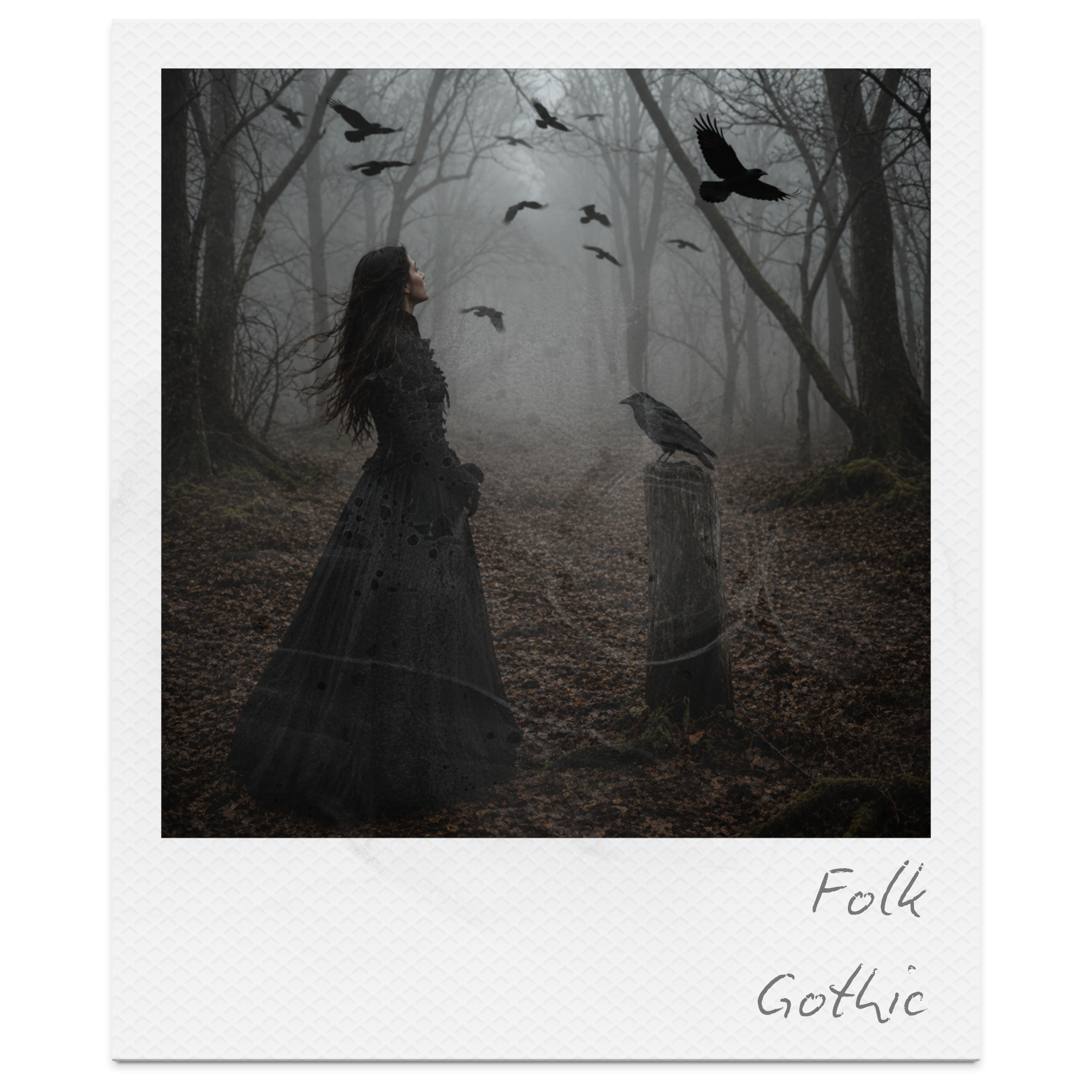
◆ Folk Gothic – atmospheric writing prompts inspired by forgotten villages, ancient woodlands, standing stones, harvest festivals, woodland shrines, rural folklore, mysterious rituals, hidden traditions, isolated communities, and sacred landscapes, helping writers create haunting stories rooted in folklore, slow-burning suspense, supernatural mystery, historical settings, and the quiet unease of the natural world.
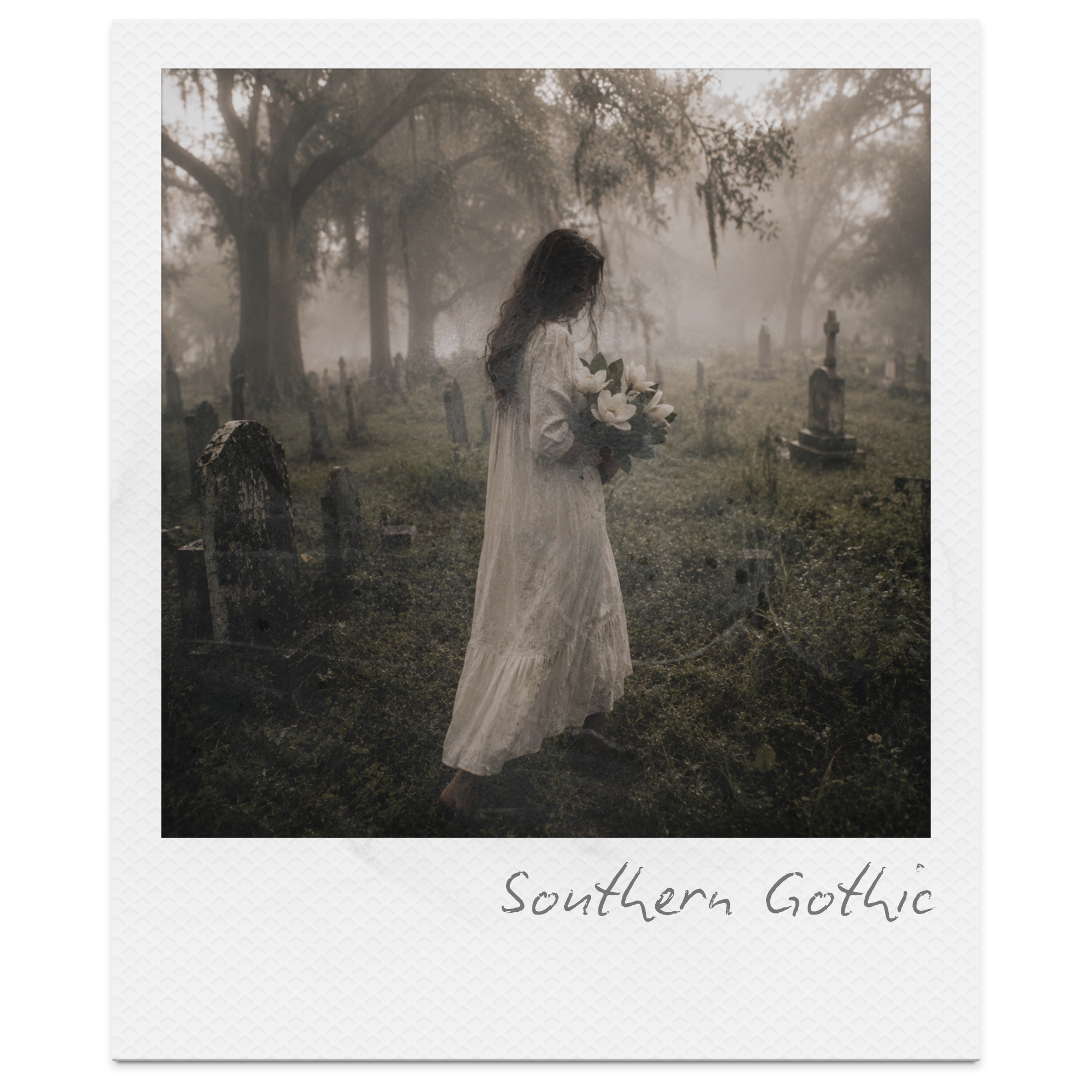
◆ Southern Gothic – atmospheric writing prompts inspired by decaying plantation houses, moss-draped oak trees, forgotten cemeteries, abandoned churches, misty bayous, isolated small towns, family secrets, religious traditions, fading Southern grandeur, and generations of inherited guilt, helping writers create haunting stories filled with psychological tension, supernatural mystery, moral complexity, and the lingering shadows of the past.
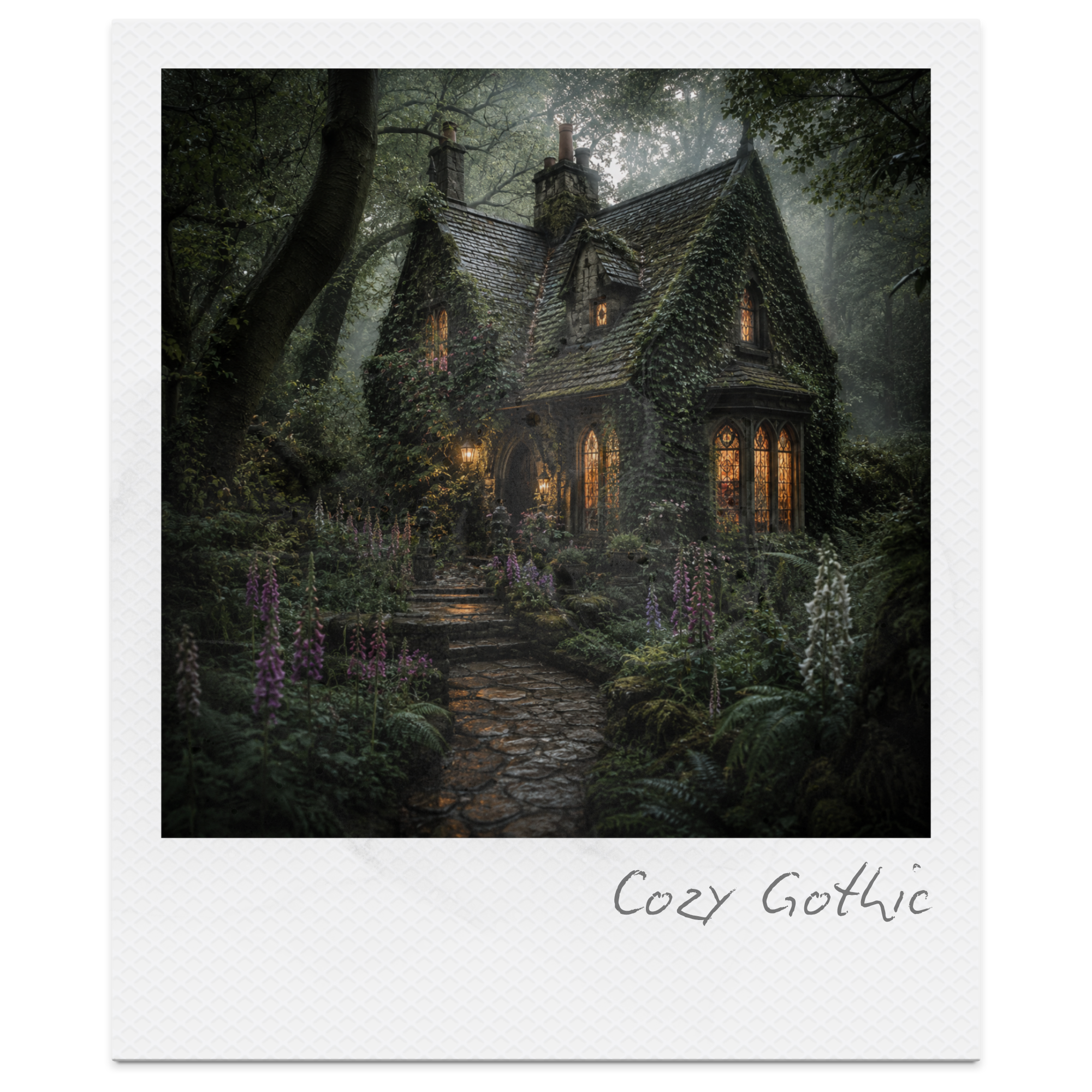
◆ Cozy Gothic – atmospheric writing prompts inspired by candlelit cottages, haunted bookshops, hidden libraries, overgrown gardens, antique shops, forgotten cemeteries, gentle ghost stories, sleepy villages, rain-soaked evenings, and beautifully weathered homes, helping writers create comforting stories filled with quiet mystery, hidden histories, found family, magical realism, nostalgia, and the enduring warmth hidden within the Gothic.
Gothic Worldbuilding & Writing Guides
Creating a compelling Gothic story involves more than choosing a haunted house and waiting for something frightening to happen. The strongest Gothic fiction connects character, setting, atmosphere, history, conflict and theme, creating worlds where the environment itself can feel shaped by memory, secrecy and fear.
This growing collection of Gothic writing and worldbuilding guides will explore how to develop the foundations of your story — from creating atmospheric settings and complicated characters to building Gothic societies, histories, mysteries and supernatural systems.
Whether you're planning a short story, novel, Gothic romance, dark fantasy or horror story, use these guides to move beyond individual prompts and begin building a cohesive Gothic world with its own history, rules, tensions and secrets.
Coming Soon:
◆ Gothic Worldbuilding: The Ultimate Guide – build complete Gothic worlds through setting, architecture, history, society, religion, folklore, supernatural forces, family legacies, secrets, landscapes and the relationship between place and psychological fear.
◆ How to Write Gothic Fiction – explore the foundations of Gothic storytelling, from creating atmosphere and suspense to developing complicated characters, using Gothic conventions with purpose and allowing the past to shape the present.
Gothic Characters & Creatures
Gothic stories are filled with characters who are rarely quite what they seem. Brooding heroes, imprisoned heroines, haunted heirs, unreliable narrators, mysterious strangers and supernatural creatures bring secrets, desires, fears and contradictions into the heart of the story.
Explore Gothic character prompts, names, archetypes and creatures to create characters shaped by obsession, isolation, forbidden desire, madness, transformation, hidden identities and troubled pasts. Whether you are developing a Byronic hero, a spectral bride, an ancient vampire or an entirely original protagonist, use these ideas to give your Gothic characters both darkness and depth.
Inside this section:
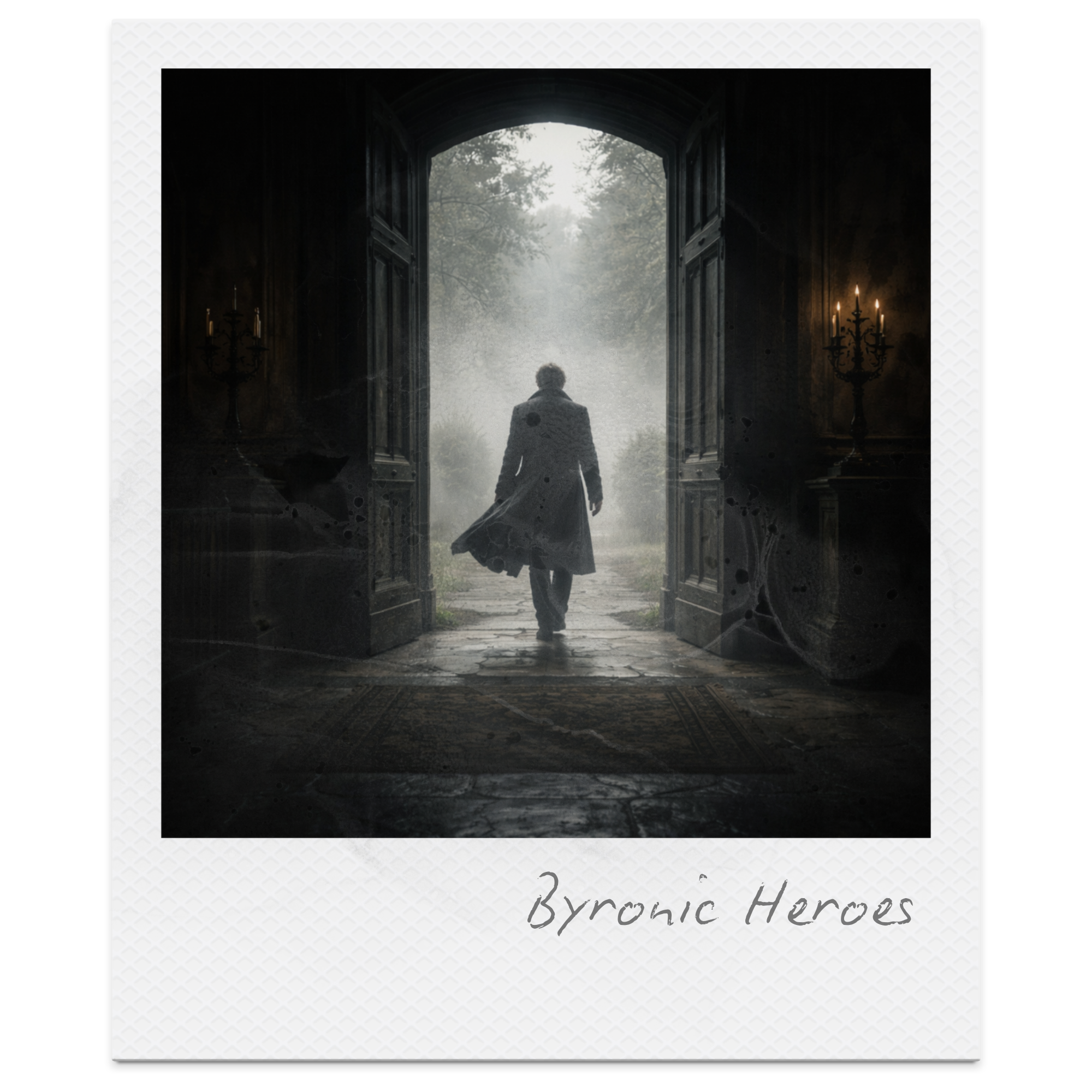
◆ Byronic Hero - explore Byronic hero writing prompts, character ideas, traits, and inspiration for brooding, charismatic, rebellious, and morally complex figures shaped by dark pasts, dangerous secrets, inner conflict, isolation, forbidden desires, self-destructive tendencies, and the irresistible tension between redemption and ruin.
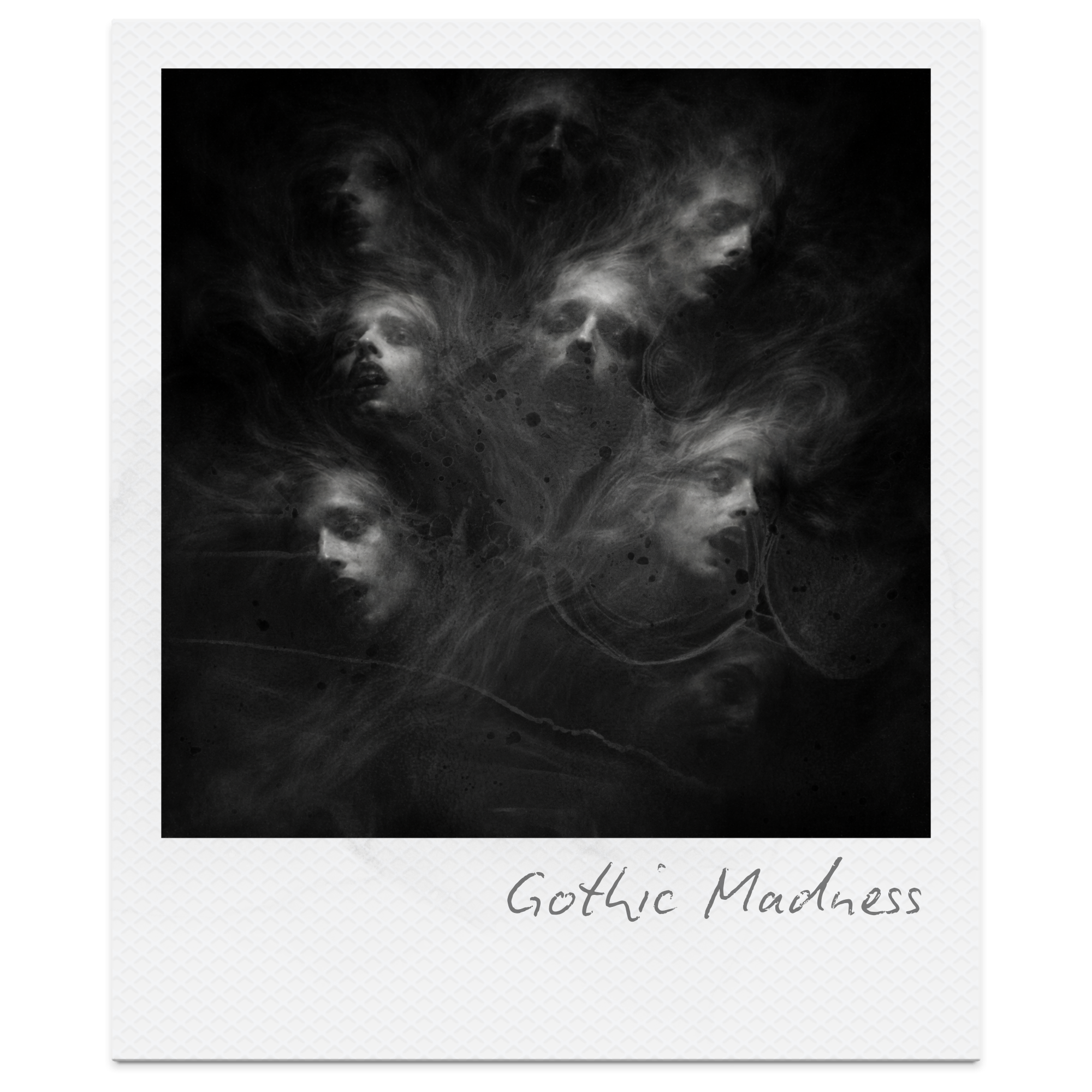
◆ Gothic Madness – explore Gothic madness writing prompts, story ideas, characters, and psychological horror centred on unreliable narrators, fractured memories, paranoia, obsession, hallucinations, isolation, forbidden knowledge, distorted reality, and the unsettling descent into a mind that can no longer be trusted.
◆ Imprisoned Heroines – explore Gothic writing prompts and character ideas centred on confined heroines, forbidden rooms, controlling families, forced marriages, isolated estates, captivity, hidden truths, secret escape plans, quiet rebellion, and women fighting to reclaim their freedom, identity, and power.
◆ Gothic Creatures – discover Gothic creature writing prompts, character ideas, monsters, and supernatural beings shaped by folklore, fear, transformation, death, desire, and the uncanny, from ghosts and vampires to uncanny doubles, cursed beings, grotesque transformations, and creatures that blur the boundaries between human and monster.
◆ Gothic Character Names – atmospheric names for brooding aristocrats, tragic heroines, mysterious strangers, occult practitioners, haunted bloodlines, loyal servants, and Gothic villains inspired by Victorian literature, crumbling manors, family secrets, supernatural mysteries, and classic Gothic fiction.
◆ Gothic Character Prompts – atmospheric character ideas for brooding aristocrats, tragic heroines, mysterious children, haunted heirs, eccentric scholars, grieving widows, loyal servants, and Gothic villains, inspired by Victorian literature, crumbling manors, family secrets, supernatural mysteries, dark obsessions, and classic Gothic fiction.
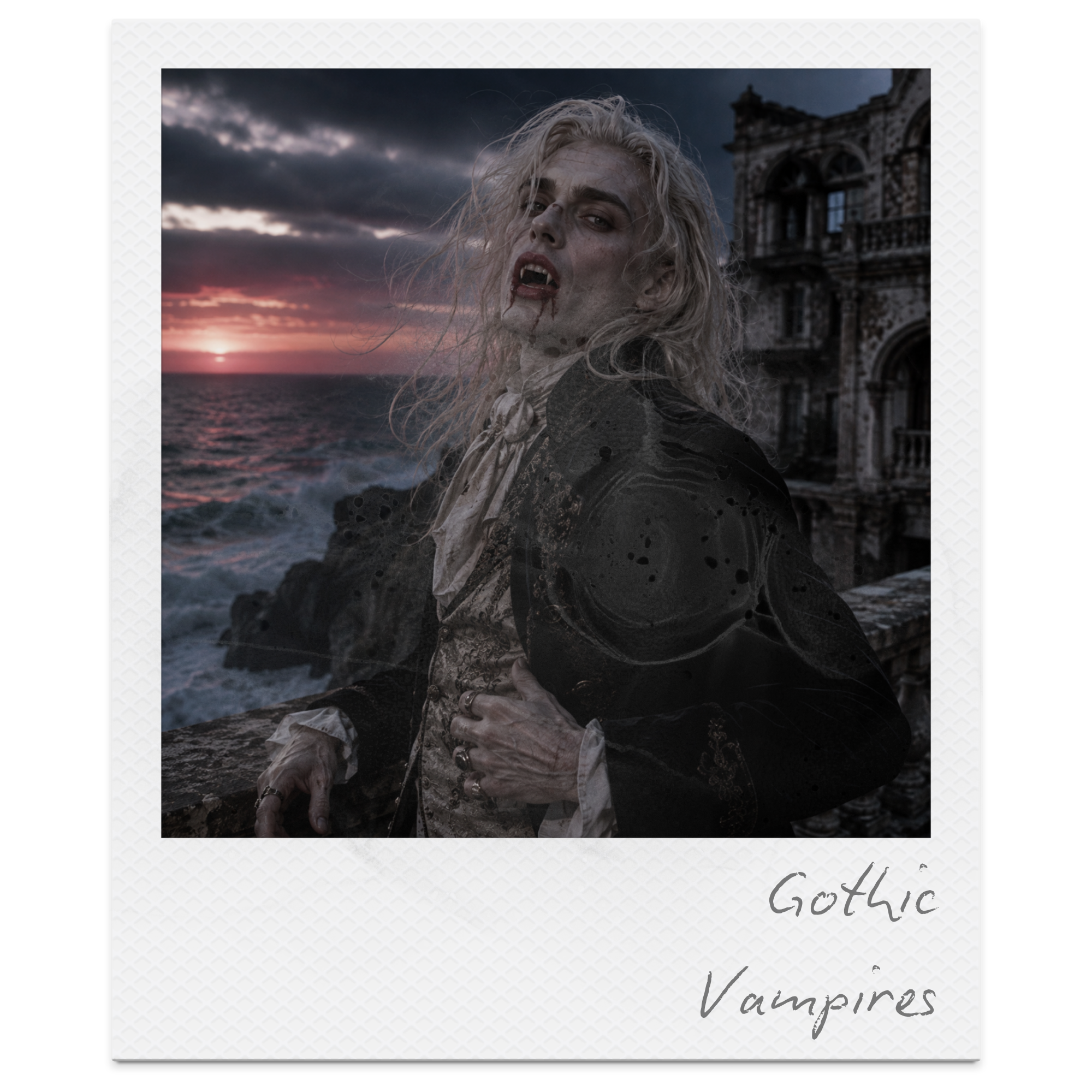
◆ Gothic Vampires – dark and atmospheric writing prompts exploring immortal bloodlines, forbidden desire, ancient curses, decaying estates, dangerous obsession, vampire mythology, Gothic horror, and the haunting consequences of living forever.
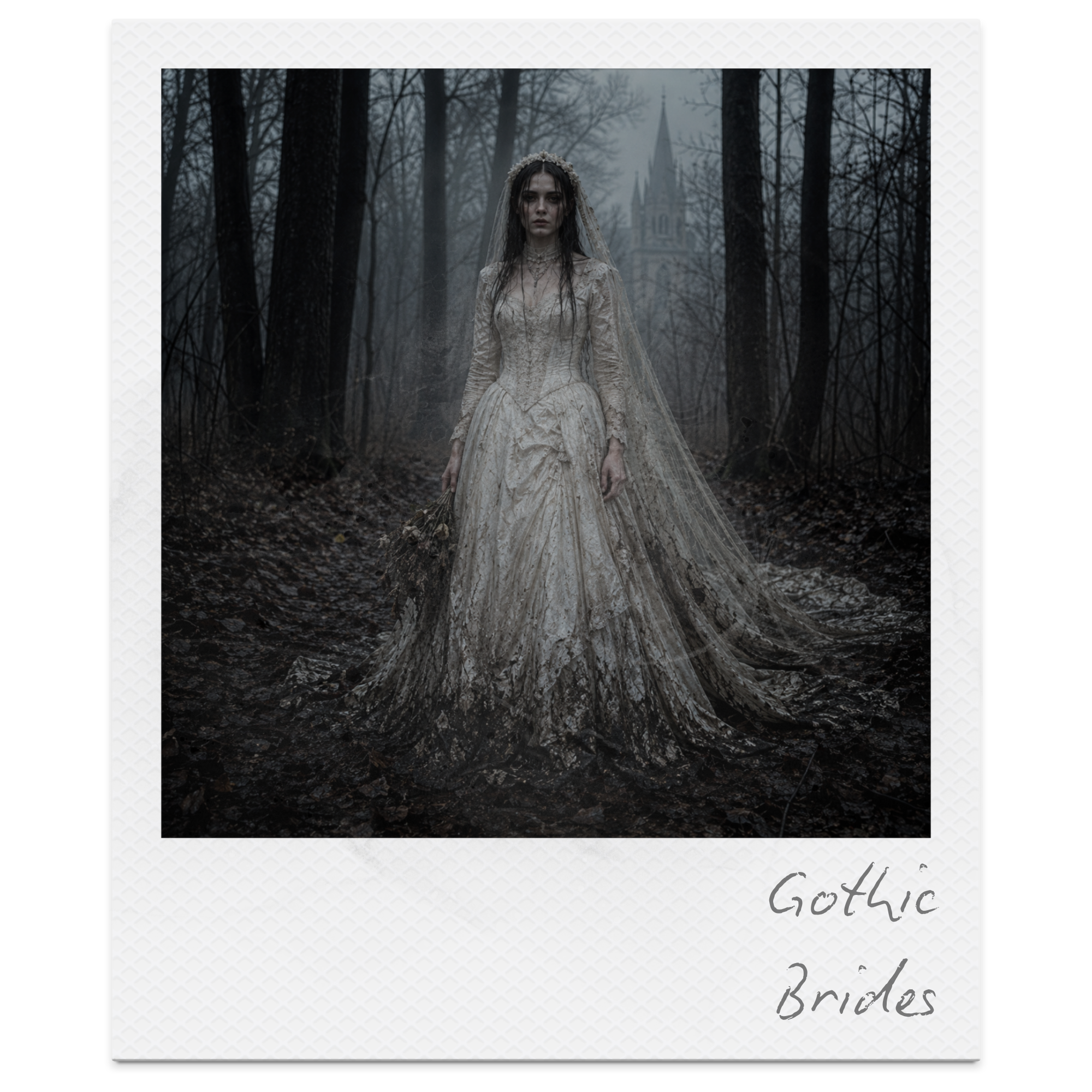
◆ Gothic Brides – 70 dark and atmospheric writing prompts exploring cursed marriages, spectral brides, forbidden romance, ancestral secrets, haunted estates, mysterious disappearances, supernatural bargains, and the unsettling possibilities hidden behind the veil.
Gothic Story Ideas & Generators
Looking for the beginnings of a Gothic story? Start with a mysterious inheritance, buried family secret, haunted setting, forbidden relationship, unsettling discovery or character who has arrived somewhere they should never have entered — then follow the questions that begin to emerge.
Explore Gothic story ideas, writing prompts, story starters and generators designed to help you move from a fragment of inspiration to a complete plot. Generate a random Gothic Story Spark, uncover secrets to hide within your narrative, find ideas for Gothic short stories and novels, or combine several prompts to create an original tale filled with mystery, psychological tension, supernatural possibilities and the lingering influence of the past.
Inside this section:
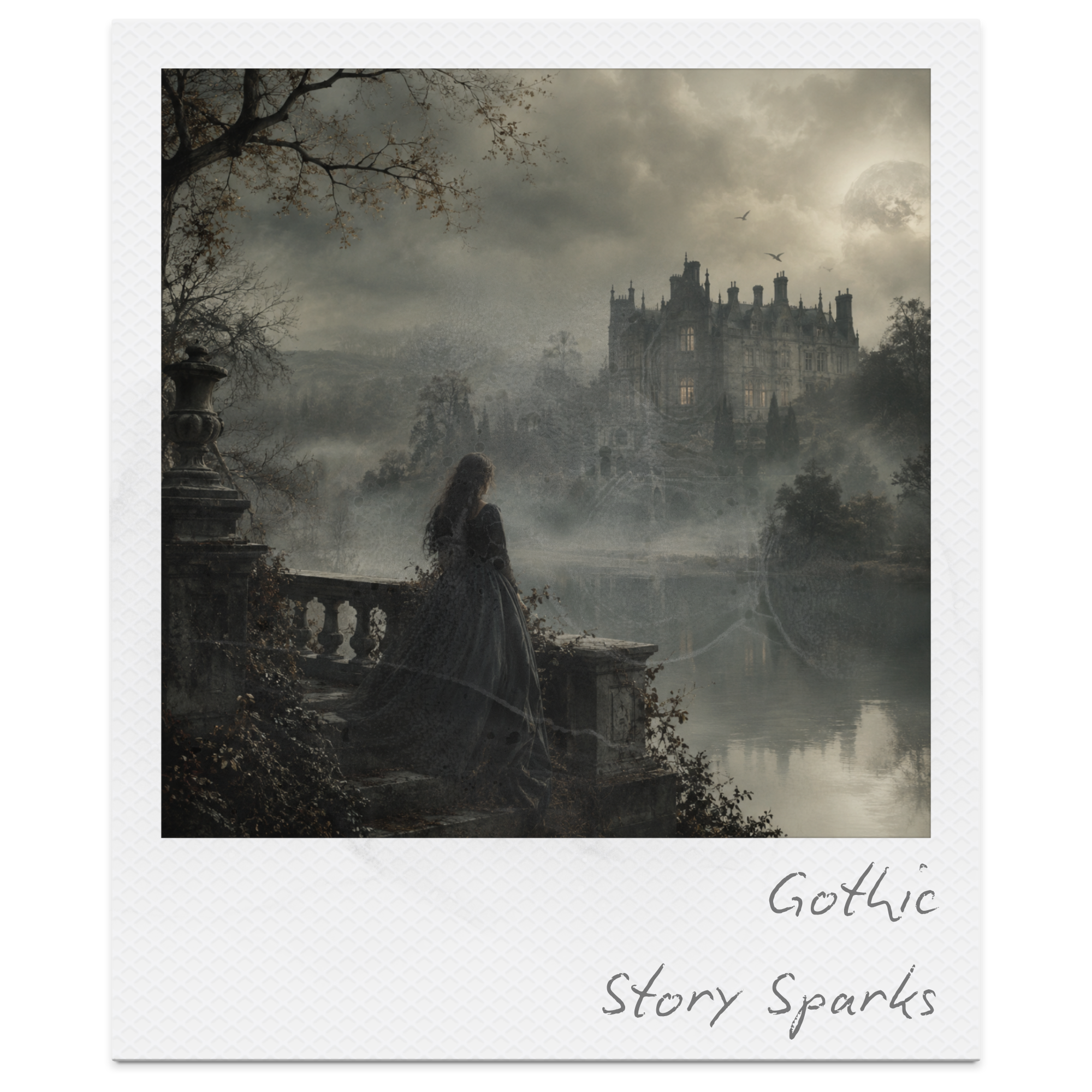
◆ Gothic Story Sparks – a random Gothic writing prompt generator packed with thousands of story sparks, including eerie settings, unsettling characters, opening lines, mysterious objects, conflicts, secrets, plot hooks, twists, strange discoveries, ominous messages and more.
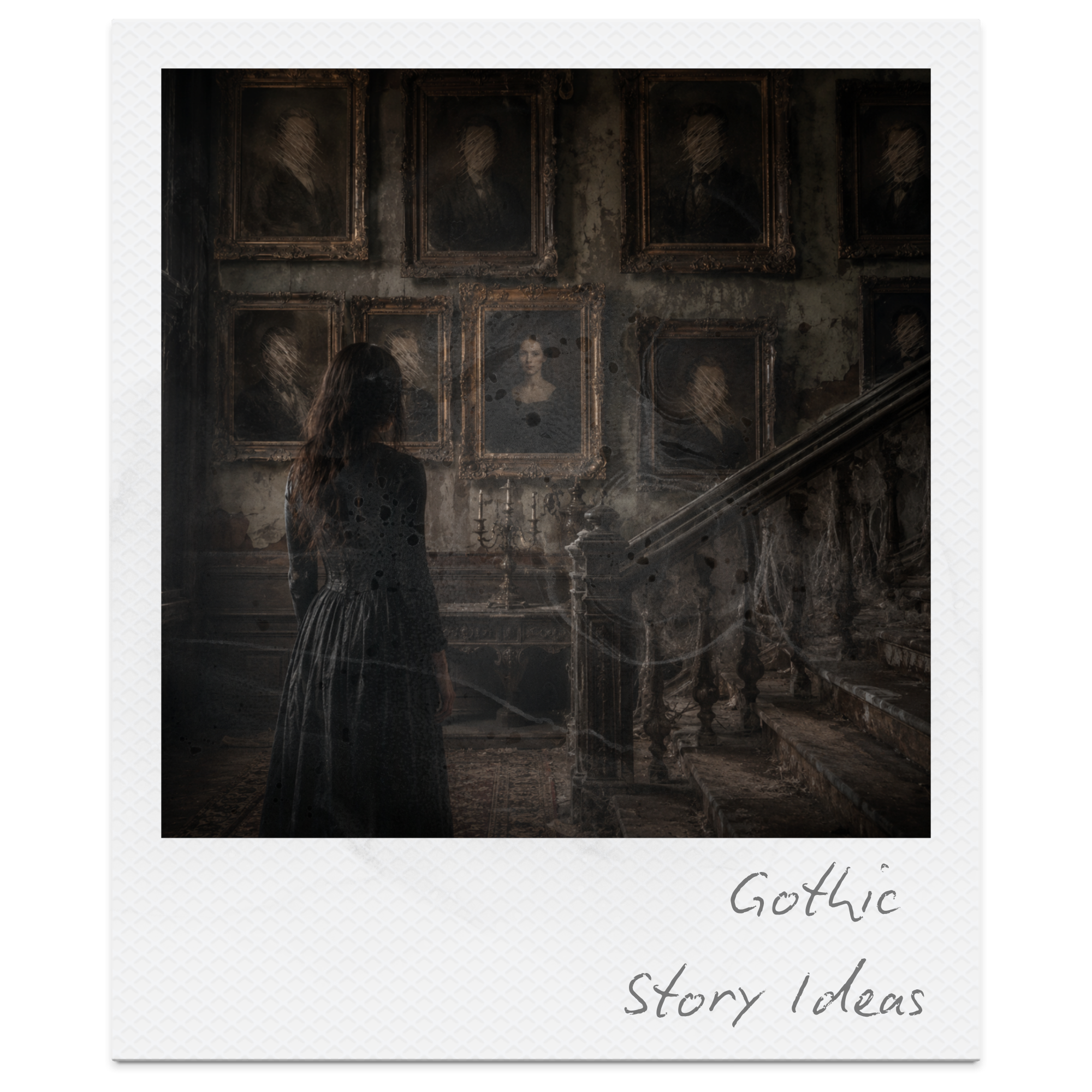
◆ Gothic Story Ideas – atmospheric story ideas inspired by haunted manor houses, cursed bloodlines, ghostly apparitions, forbidden love, forgotten villages, psychological unease, supernatural mysteries, occult secrets, crumbling estates, and dark family legacies, helping writers develop compelling gothic horror, gothic romance, gothic mystery, historical gothic, gothic fantasy, and classic Gothic fiction filled with suspense, atmosphere, and unforgettable characters.
◆ Gothic Secrets – haunting secrets inspired by cursed bloodlines, hidden identities, haunted manor houses, forgotten rooms, occult conspiracies, ghostly apparitions, forbidden love, buried family histories, abandoned villages, and long-lost letters, helping writers create compelling gothic horror, gothic romance, gothic mystery, historical gothic, and dark fantasy stories filled with suspense, atmosphere, and unforgettable revelations.
◆ Ghost Story Titles – atmospheric supernatural story titles paired with original story hooks exploring haunted houses, restless spirits, forgotten histories, paranormal investigations, ghost ships, abandoned institutions, cursed places, psychological hauntings, and gothic mysteries, helping writers develop unforgettable ghost stories, novels, and supernatural fiction.
◆ YA Gothic Story Ideas – young adult Gothic story ideas featuring haunted houses, dark family secrets, eerie schools, restless ghosts, dangerous romances, unsolved disappearances, psychological unease, isolated settings, generational curses, and buried histories that refuse to stay forgotten.
◆ Gothic Story Generator – create eerie Gothic story ideas with atmospheric settings, troubled characters, dark secrets, supernatural threats, unsettling discoveries and haunting plot twists for Gothic fiction and creative writing.
Gothic Tropes & Themes
Gothic fiction returns again and again to certain fears and fascinations: families haunted by the actions of previous generations, houses that conceal disturbing histories, forbidden relationships, inherited guilt, imprisonment, obsession, isolation and secrets that refuse to remain buried.
Explore Gothic tropes and themes as starting points for your own stories. You can embrace familiar conventions, combine several within the same narrative or subvert them completely — turning the haunted house into a place of refuge, the apparent family curse into a carefully maintained lie, or the doomed romance into the beginning of something far more dangerous.
Inside this section:
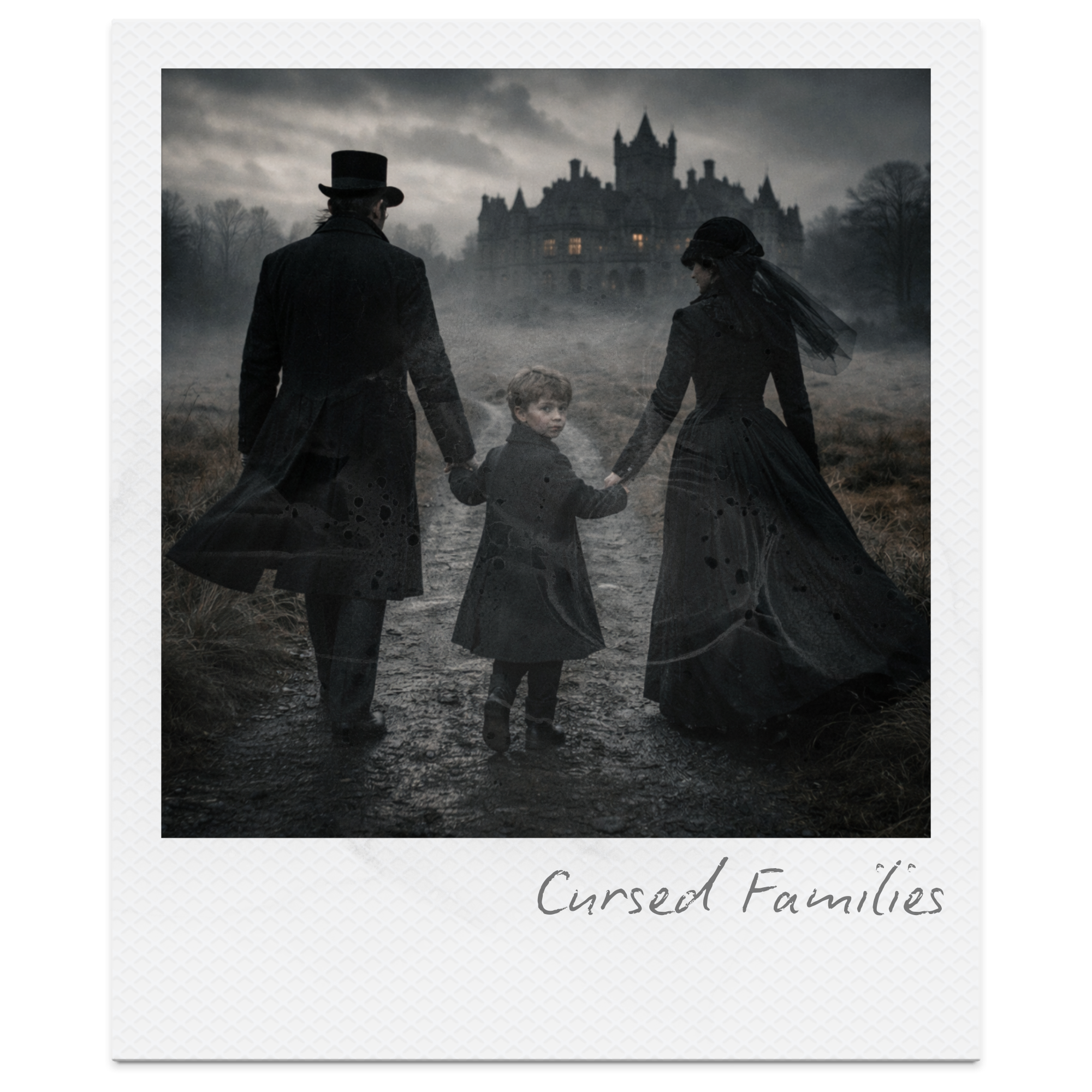
◆ Cursed Families – explore Gothic writing prompts and story ideas centred on ancestral curses, inherited secrets, doomed bloodlines, forbidden histories, family betrayals, generational trauma, mysterious deaths, haunted inheritances, and descendants forced to confront the sins, bargains, and consequences of those who came before them.
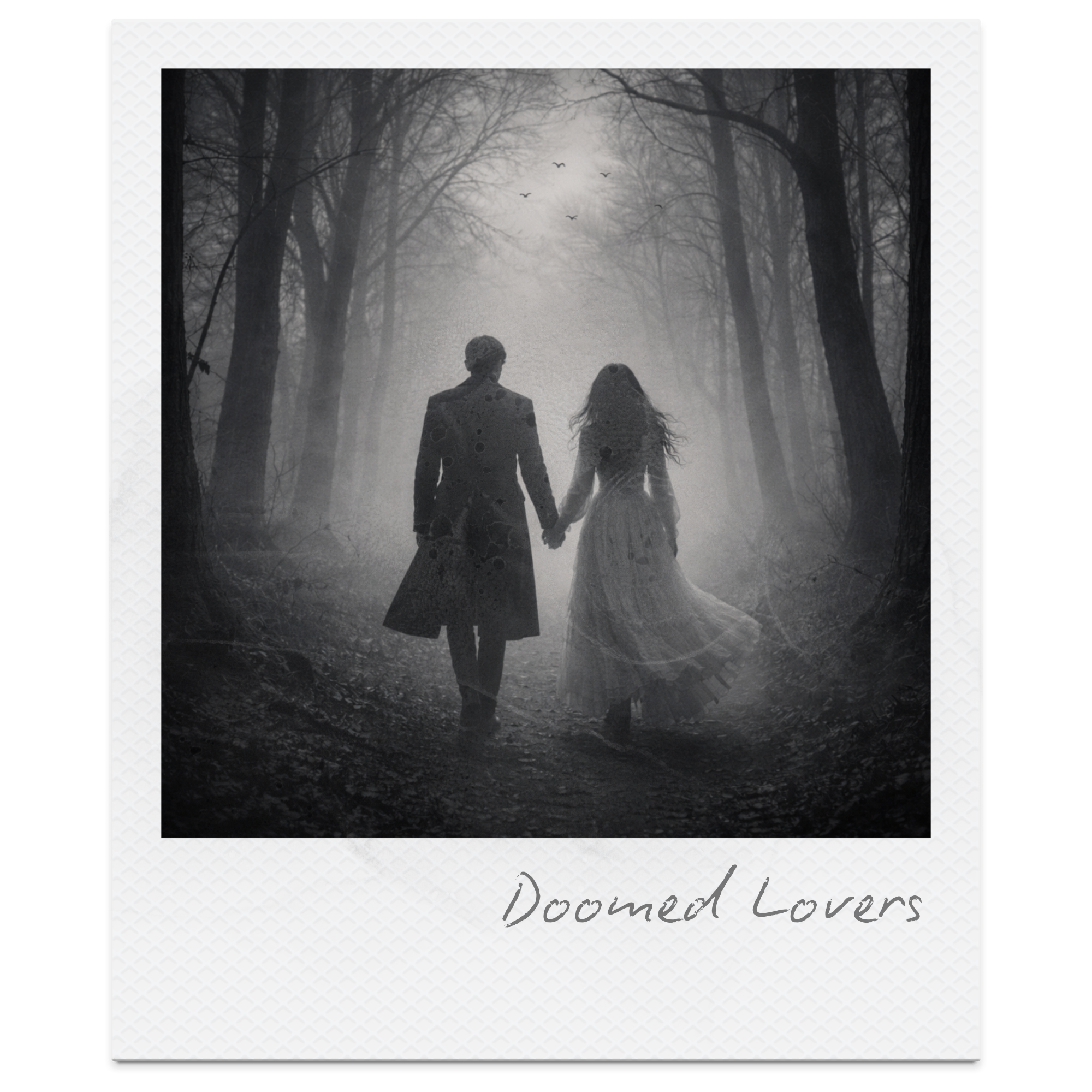
◆ Doomed Lovers – explore Gothic romance writing prompts and story ideas centred on lovers divided by fate, family, duty, death, curses, forbidden desire, impossible choices, and terrible secrets, where devotion deepens beneath the shadow of inevitable loss and love may demand the ultimate sacrifice.
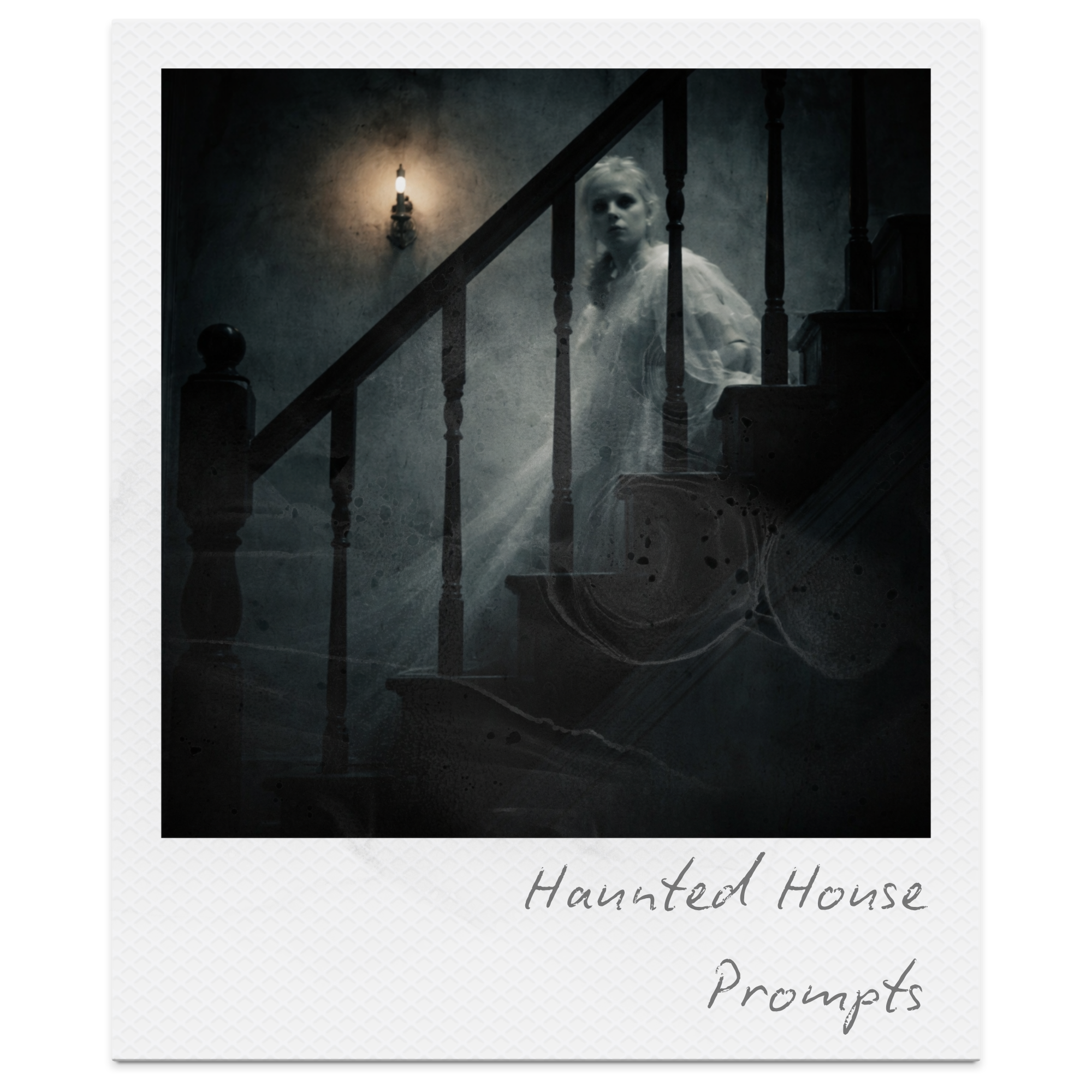
◆ Haunted Houses– explore haunted house writing prompts, story ideas, eerie settings, and Gothic inspiration filled with abandoned mansions, restless spirits, forbidden rooms, hidden passageways, strange noises, buried histories, family secrets, lingering memories, and houses that seem to remember everything that happened within their walls.
Gothic Settings & Aesthetics
In Gothic fiction, setting is rarely just a backdrop. Crumbling houses, isolated coastlines, ancient universities, frozen wildernesses, ruined abbeys and sublime landscapes can shape the characters, conceal the past and become sources of mystery, beauty and fear in their own right.
Explore Gothic settings and aesthetics to find inspiration for the places where your stories unfold. Think about architecture, landscape, weather, history, isolation and atmosphere, but also consider what your setting means to the people trapped within it. A manor might represent inherited power, a coastline might promise both escape and danger, while an apparently beautiful landscape can make a character feel impossibly small.
Use these prompts to build settings that feel as though they existed long before your characters arrived — and may continue keeping their secrets long after they leave.
Inside this section:
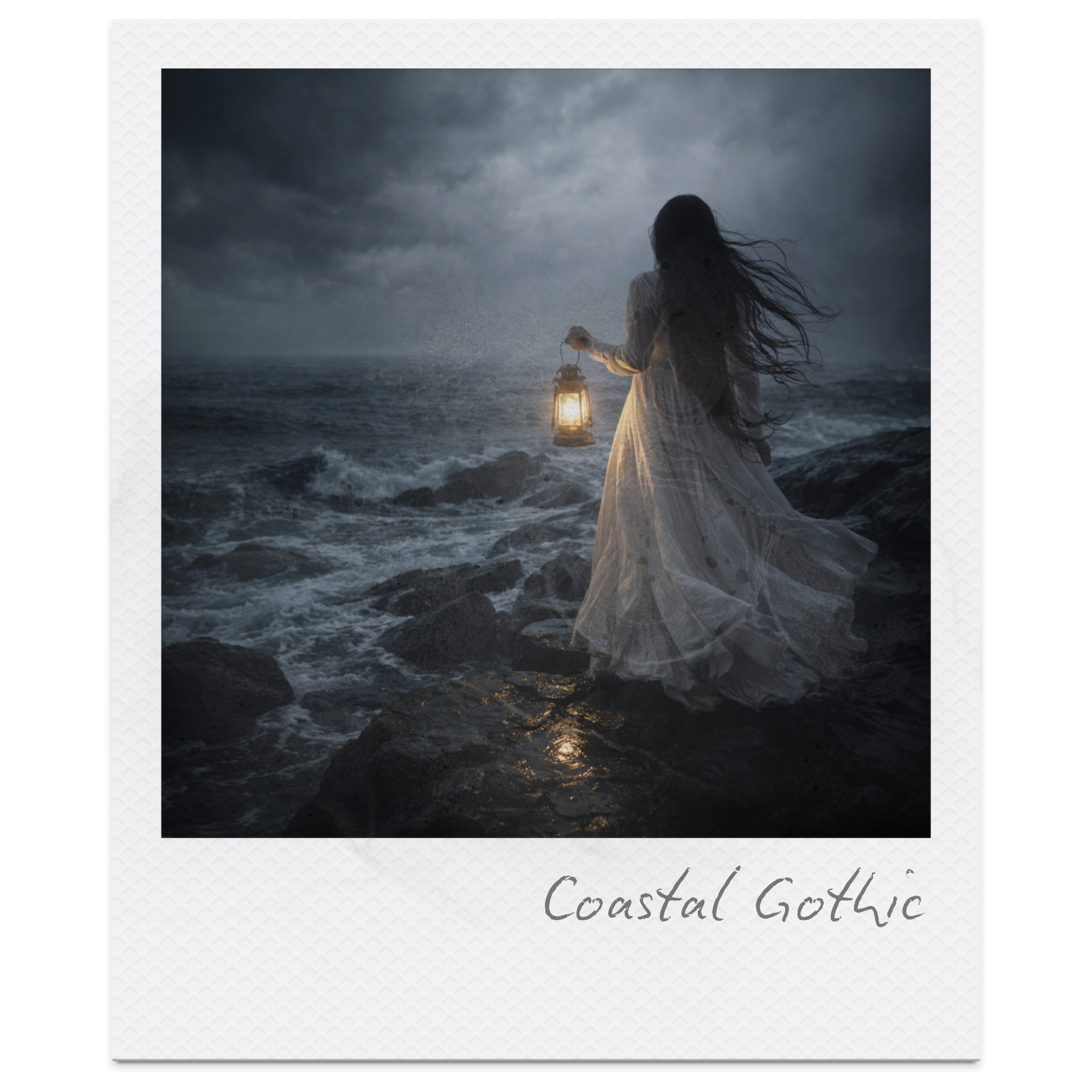
◆ Coastal Gothic- atmospheric writing prompts inspired by windswept cliffs, abandoned lighthouses, storm-lashed coastlines, forgotten fishing villages, sea folklore, shipwrecks, crumbling harbours, tidal caves, haunted beaches, and fogbound shores, helping writers create haunting stories filled with isolation, supernatural mystery, hidden histories, maritime legends, and the quiet terror of the sea.
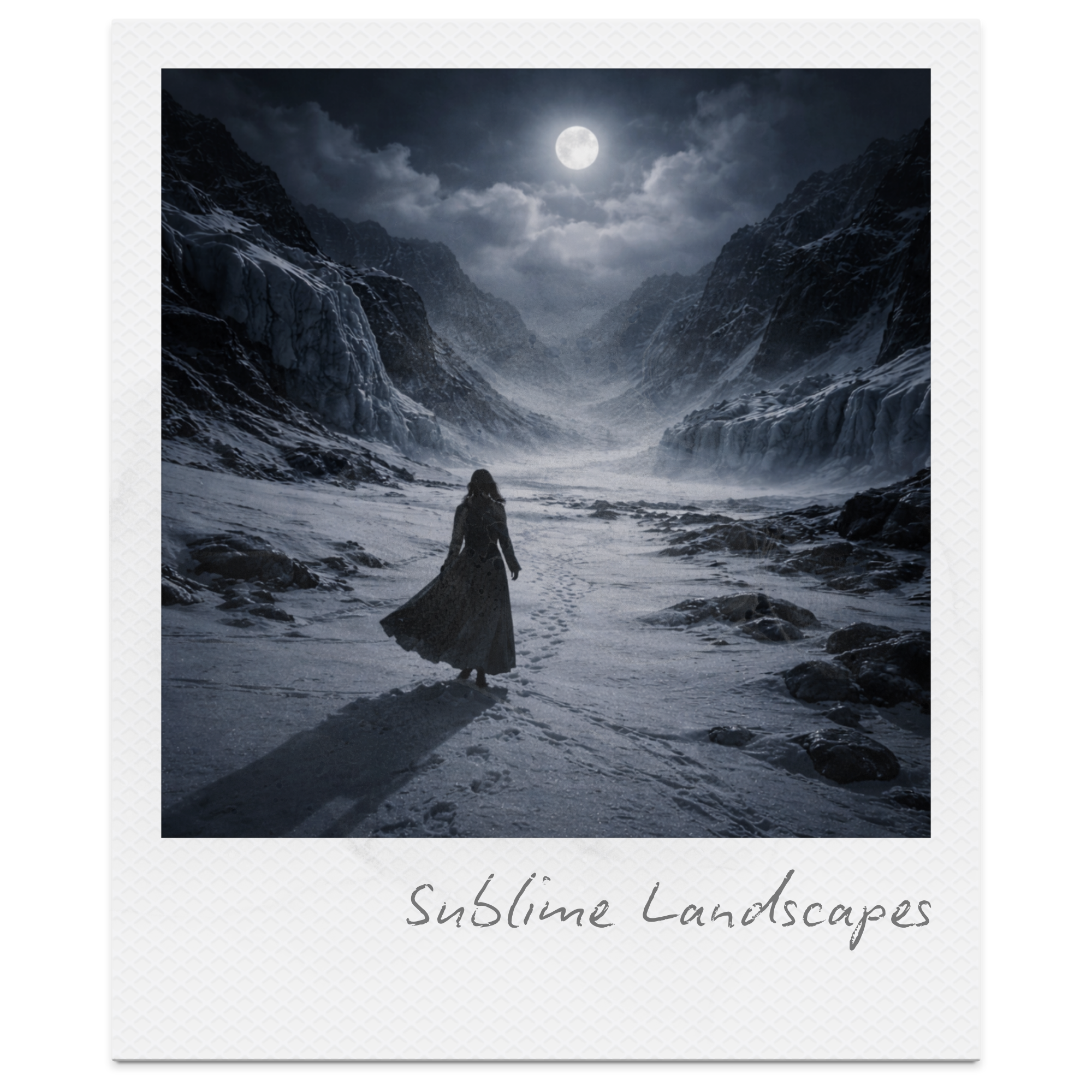
◆ Sublime Landscapes – atmospheric writing prompts inspired by towering mountains, storm-lashed coastlines, ancient forests, windswept moorlands, mist-filled valleys, ruined castles, frozen wilderness, and vast untamed landscapes, helping writers create Gothic stories where nature inspires awe, isolation, beauty, and quiet terror while reflecting the emotional journeys of their characters.
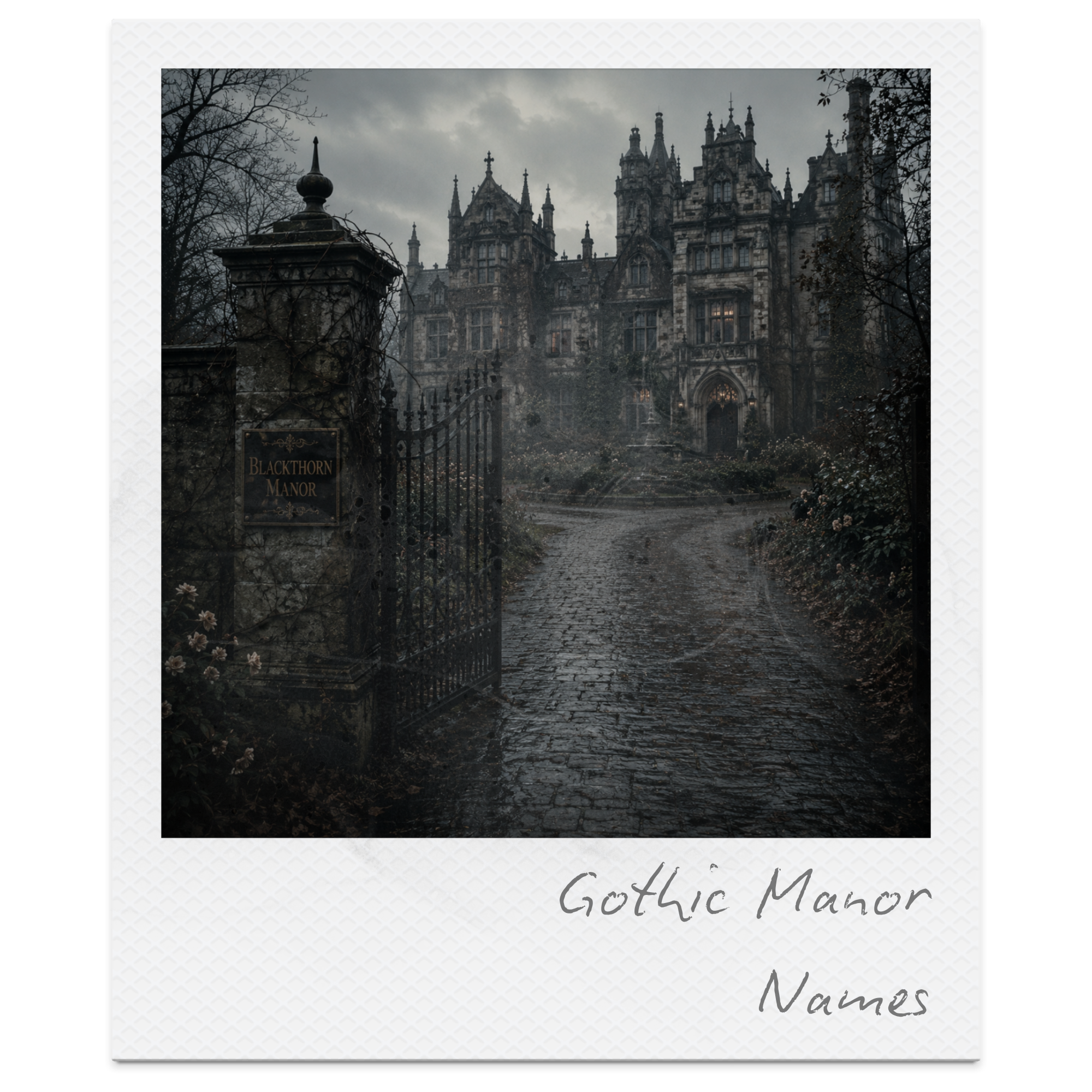
◆ Gothic Manor Names – haunted estates, ancestral halls, ruined abbeys, secluded priories, windswept manors, and decaying family seats shaped by buried secrets, inherited guilt, tragic histories, family curses, forbidden romances, and lingering mysteries, helping writers create atmospheric settings for gothic fiction, gothic romance, horror, historical fiction, dark academia, and gothic mystery stories.
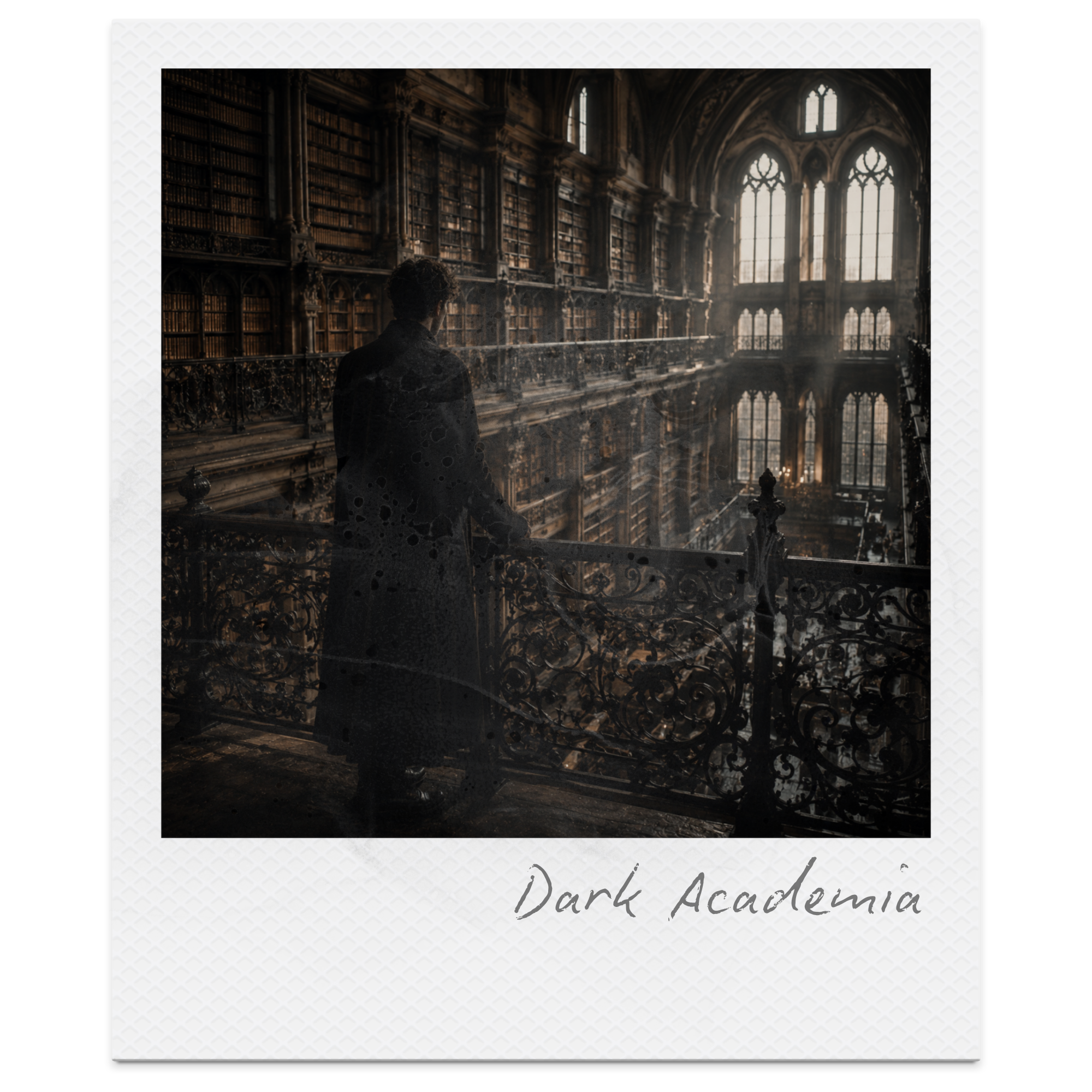
◆ Dark Academia – atmospheric writing prompts inspired by ancient libraries, elite universities, secret societies, forgotten manuscripts, hidden archives, candlelit study halls, ivy-covered colleges, eccentric professors, scholarly rivalries, and the dangerous pursuit of knowledge, helping writers create immersive stories filled with intellectual obsession, academic mystery, moral ambiguity, hidden histories, and beautifully atmospheric settings.
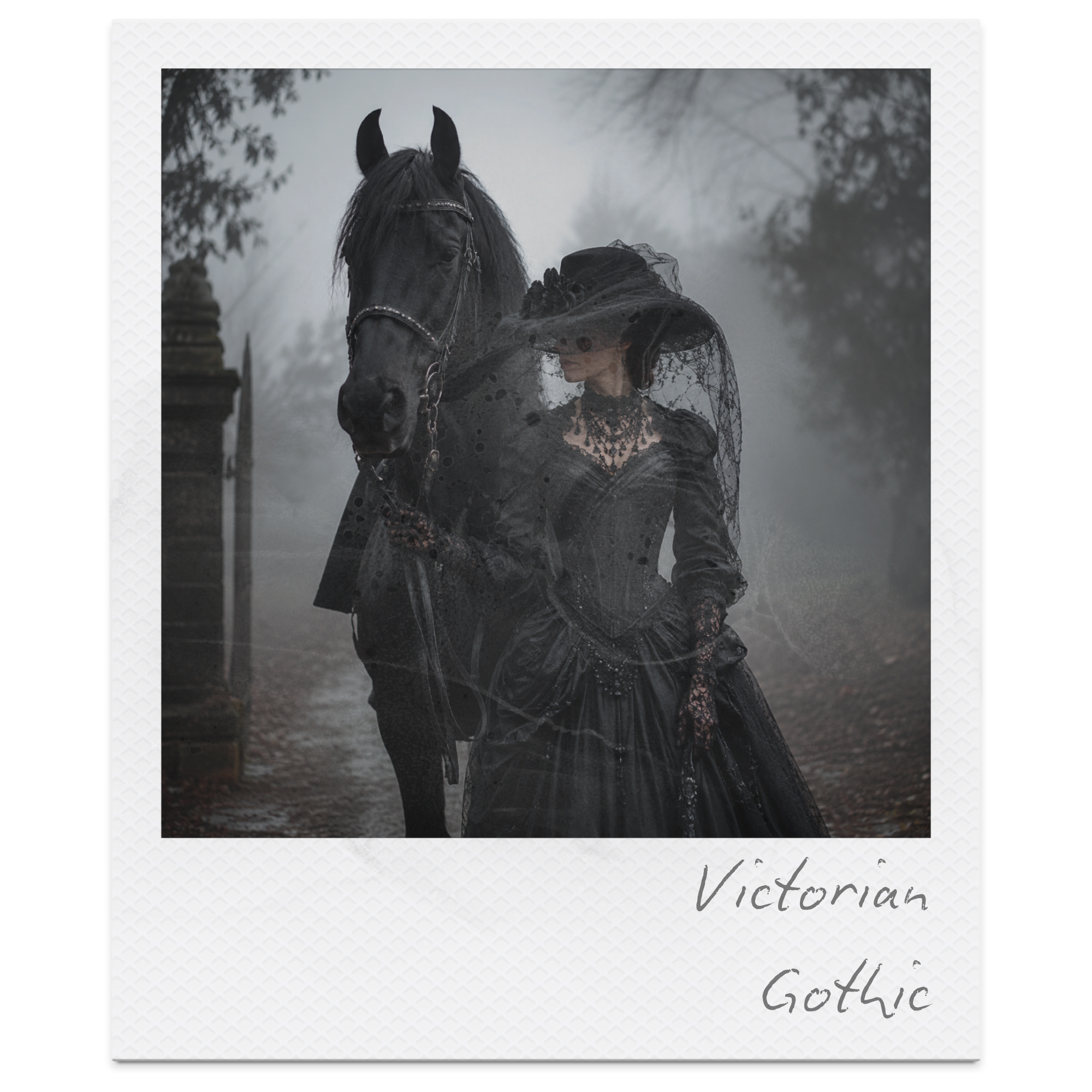
◆ Victorian Gothic – atmospheric writing prompts inspired by haunted manor houses, fog-filled London streets, spiritualist séances, abandoned asylums, forgotten diaries, hidden passages, gaslit streets, grand country estates, family curses, mysterious inheritances, and Victorian society, helping writers create haunting stories filled with psychological suspense, supernatural mystery, hidden histories, moral conflict, and the elegant darkness of nineteenth-century Gothic fiction.
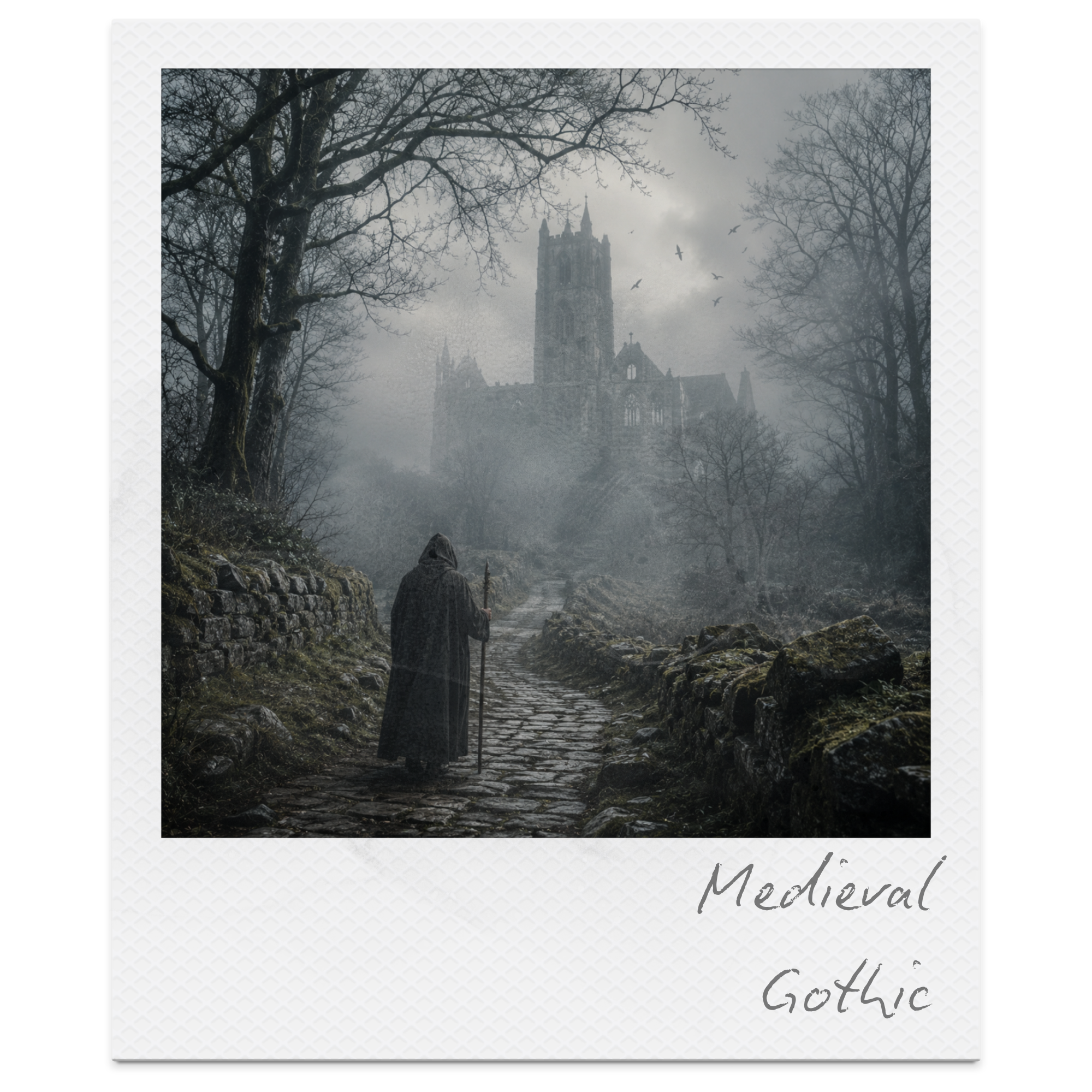
◆ Medieval Gothic – atmospheric writing prompts inspired by haunted castles, ruined abbeys, forgotten monasteries, ancient forests, sacred relics, candlelit scriptoria, plague villages, mysterious pilgrims, cursed bloodlines, and long-lost kingdoms, helping writers create haunting stories filled with historical mystery, supernatural folklore, religious symbolism, ancient legends, hidden histories, and the timeless darkness of the medieval world.
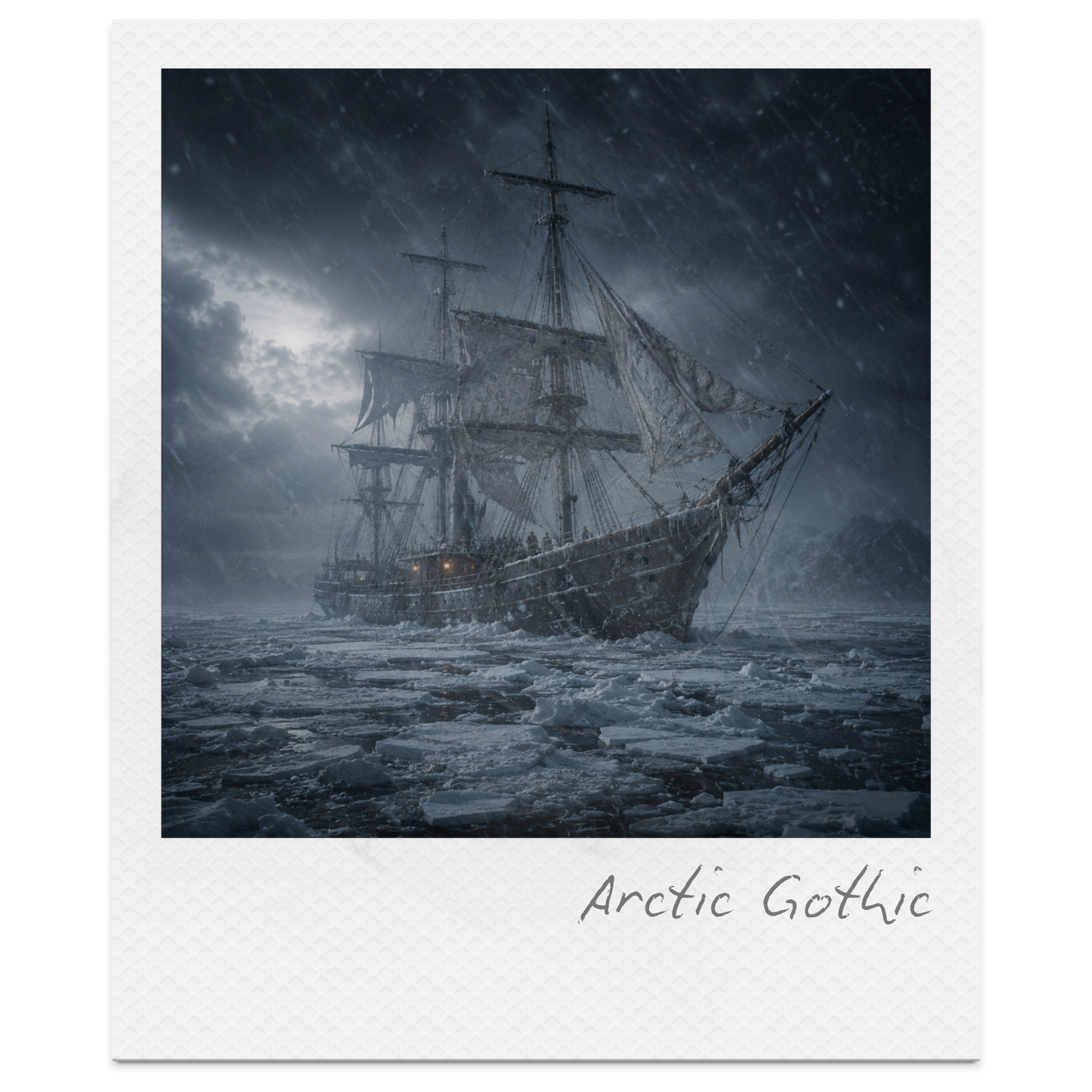
◆ Arctic Gothic – atmospheric writing prompts inspired by frozen monasteries, abandoned expeditions, glacier-carved cathedrals, haunted lighthouses, endless polar nights, ancient ice caves, isolated research stations, forgotten whaling villages, drifting sea ice, and the northern lights, helping writers create haunting stories filled with psychological isolation, supernatural mystery, frozen histories, survival, ancient secrets, and the quiet terror of the Arctic wilderness.
Seasonal & Holiday Gothic
The changing seasons can transform the atmosphere of a Gothic story. Long winter nights, autumn fog, frozen landscapes, dying gardens, candlelit celebrations and ancient seasonal traditions create natural opportunities for isolation, mystery, folklore and supernatural encounters.
Explore seasonal Gothic writing prompts inspired by the darker possibilities hidden within familiar times of year. A celebration can become unsettling when an old tradition returns, a snowbound house can trap its inhabitants with something they fear, and a night associated with ghosts and folklore can blur the boundary between the living and the dead.
Use the season as more than decoration. Think about how weather, darkness, landscape, traditions and symbolism can shape the events of your story and intensify its emotional atmosphere.
Inside this section:
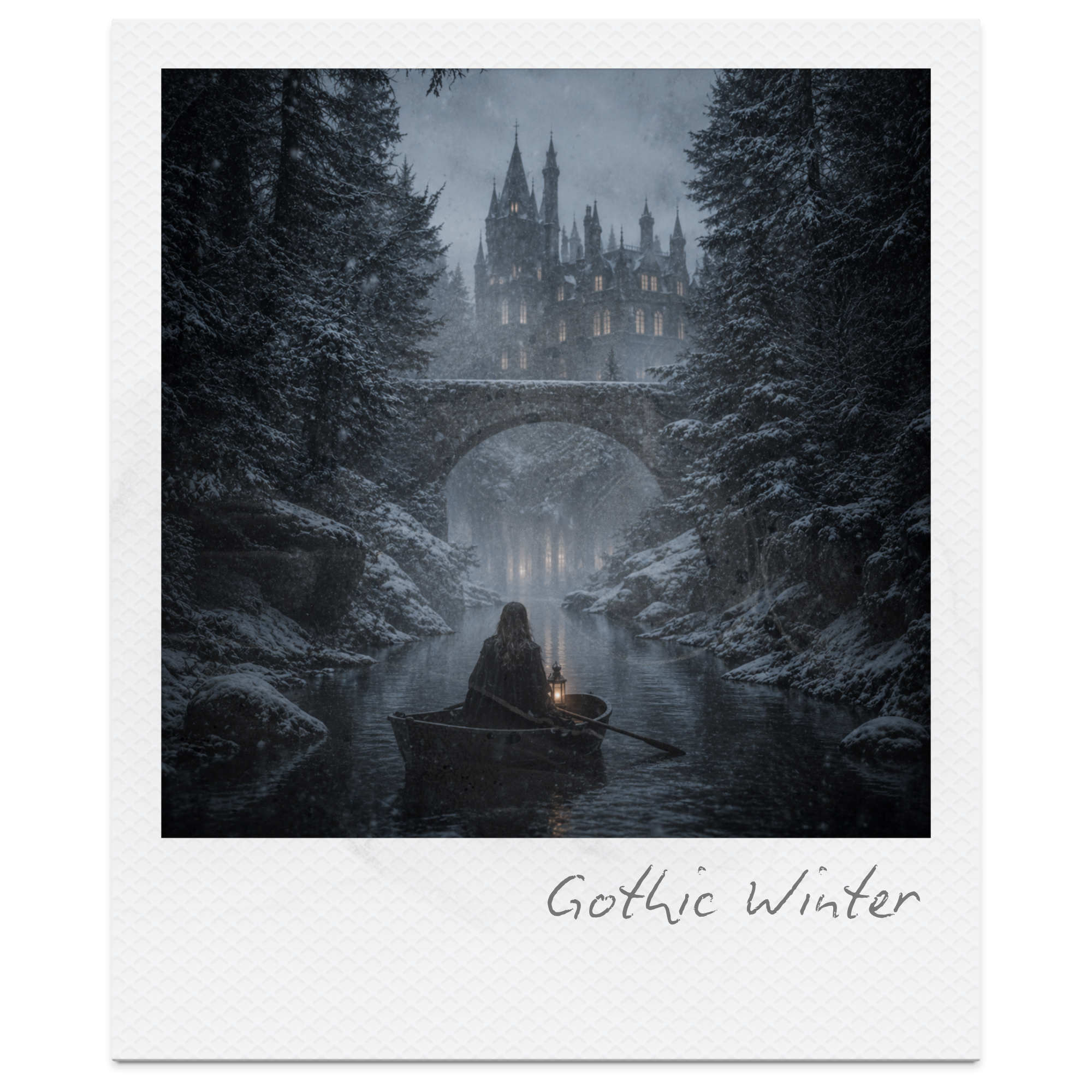
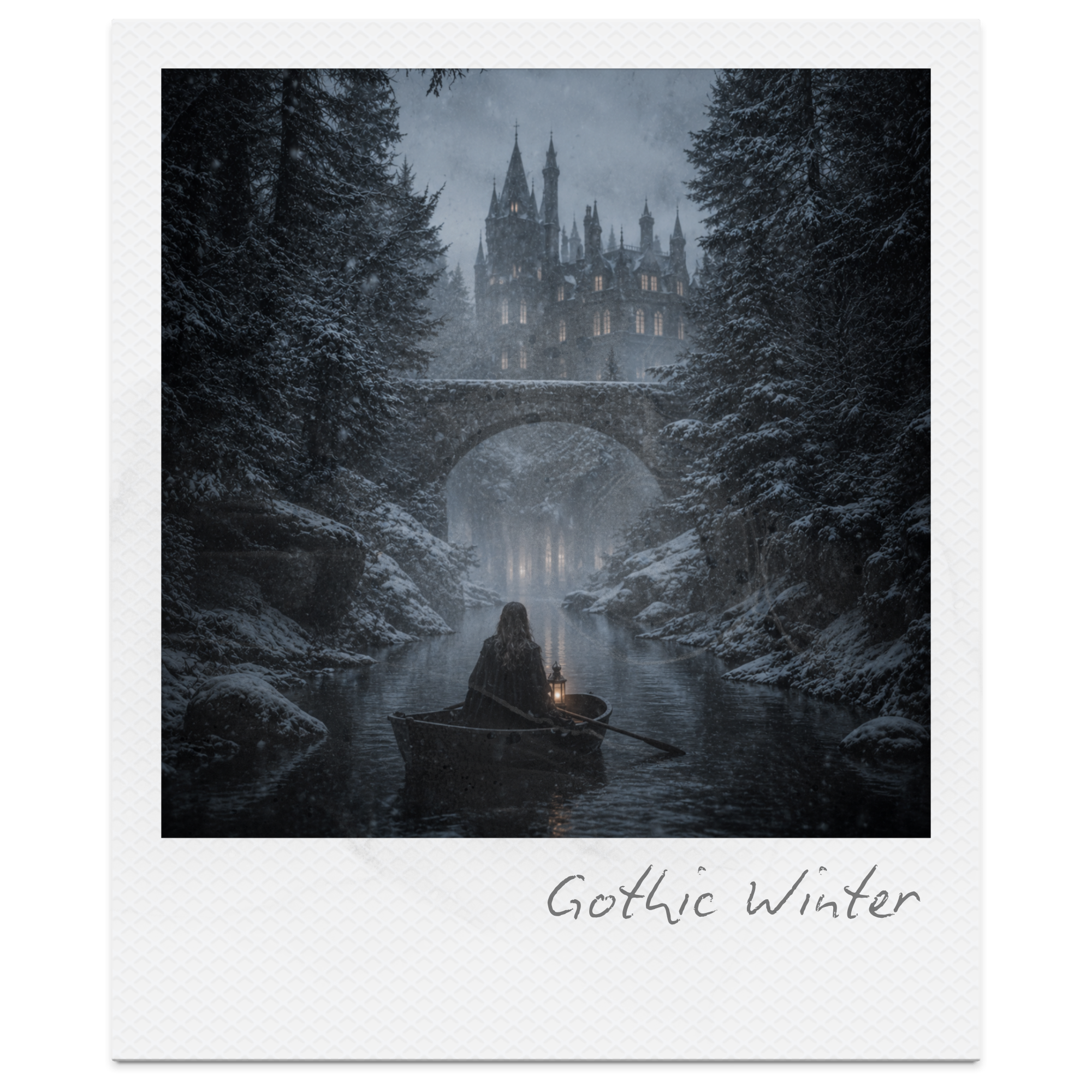
◆ Gothic Winter – atmospheric writing prompts inspired by snowbound manor houses, frozen forests, abandoned villages, ancient monasteries, frost-covered cemeteries, winter folklore, ghostly legends, candlelit halls, frozen lakes, and endless nights, helping writers create haunting stories filled with isolation, hidden histories, supernatural mystery, quiet dread, and the beautiful darkness of winter.
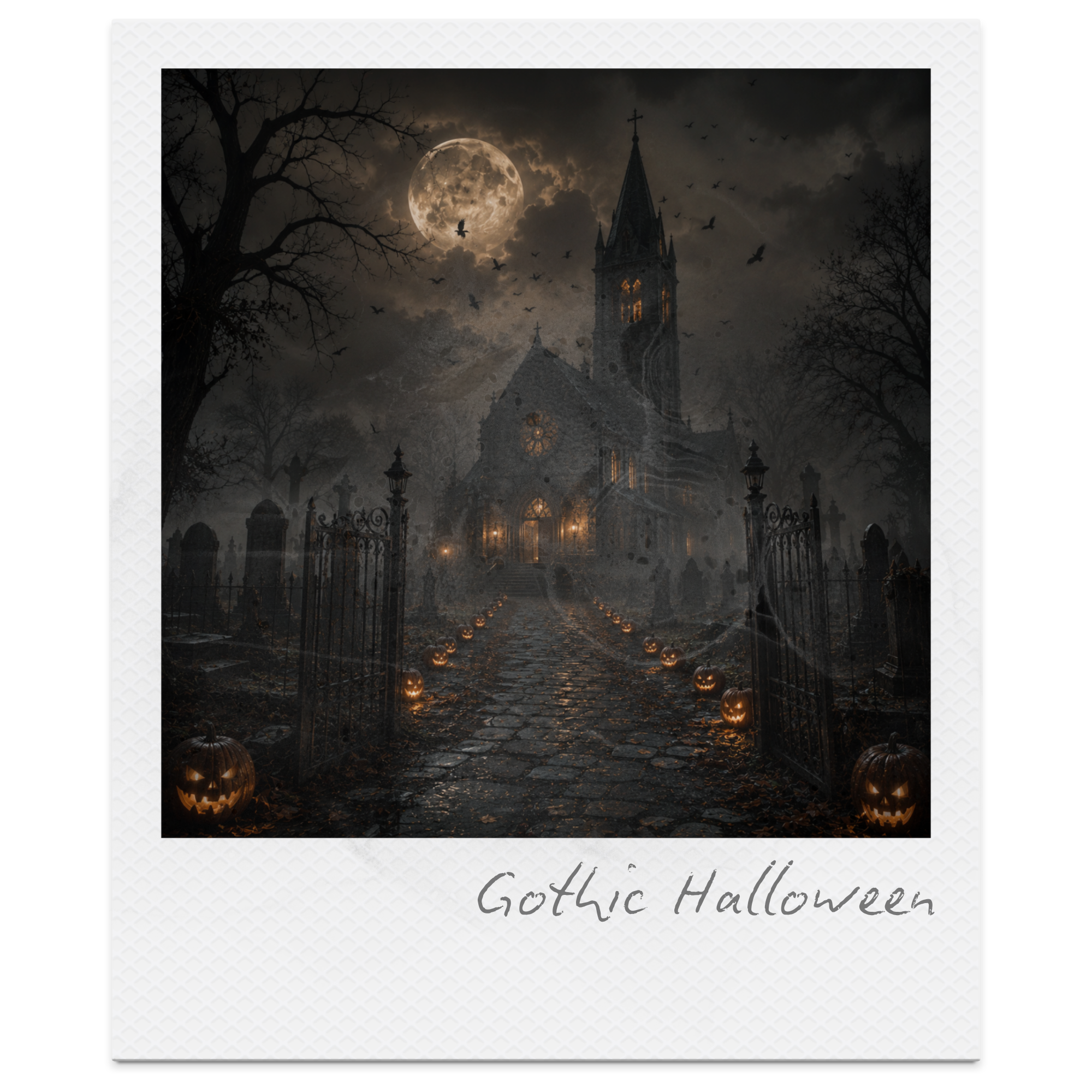
◆ Gothic Halloween – atmospheric writing prompts inspired by haunted manor houses, abandoned churches, cursed harvest festivals, flickering jack-o'-lanterns, forgotten cemeteries, masked balls, ancient rituals, mist-covered forests, restless spirits, and moonlit October nights, helping writers create chilling stories filled with supernatural mystery, Gothic elegance, folklore, family secrets, and the eerie magic of Halloween.
Gothic Literature-Inspired Prompts
Some of the most enduring Gothic stories have given us ideas that writers continue to reinvent: the divided self, dangerous creation, forbidden desire, psychological uncertainty, obsessive love, monstrous transformation and the fear of what cannot be explained.
Explore writing prompts inspired by classic Gothic literature and use familiar texts as a springboard for something entirely your own. Rather than simply retelling the original story, experiment with its themes, conflicts, characters and Gothic conventions. Take the ambiguity of The Turn of the Screw somewhere new, explore identity through Jekyll and Hyde, reimagine the consequences of creation in Frankenstein, or use the haunting love and loss of Poe’s Annabel Lee to inspire a completely different story.
For more inspiration from Poe’s fiction and poetry, explore the Edgar Allan Poe Hub, or choose one of the collections below to begin writing.
Inside this section:
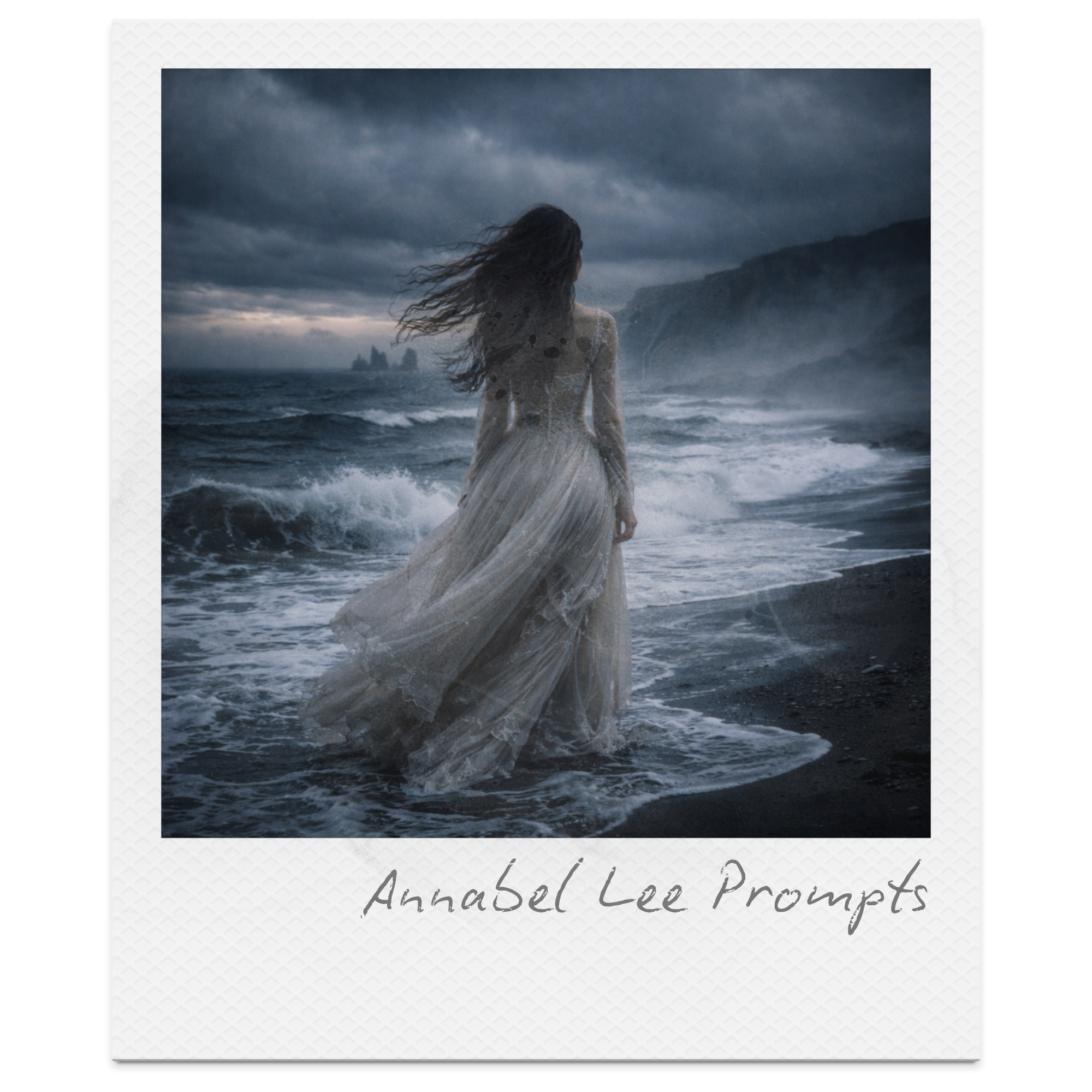
◆ Annabel Lee – love, memory and devotion beyond death
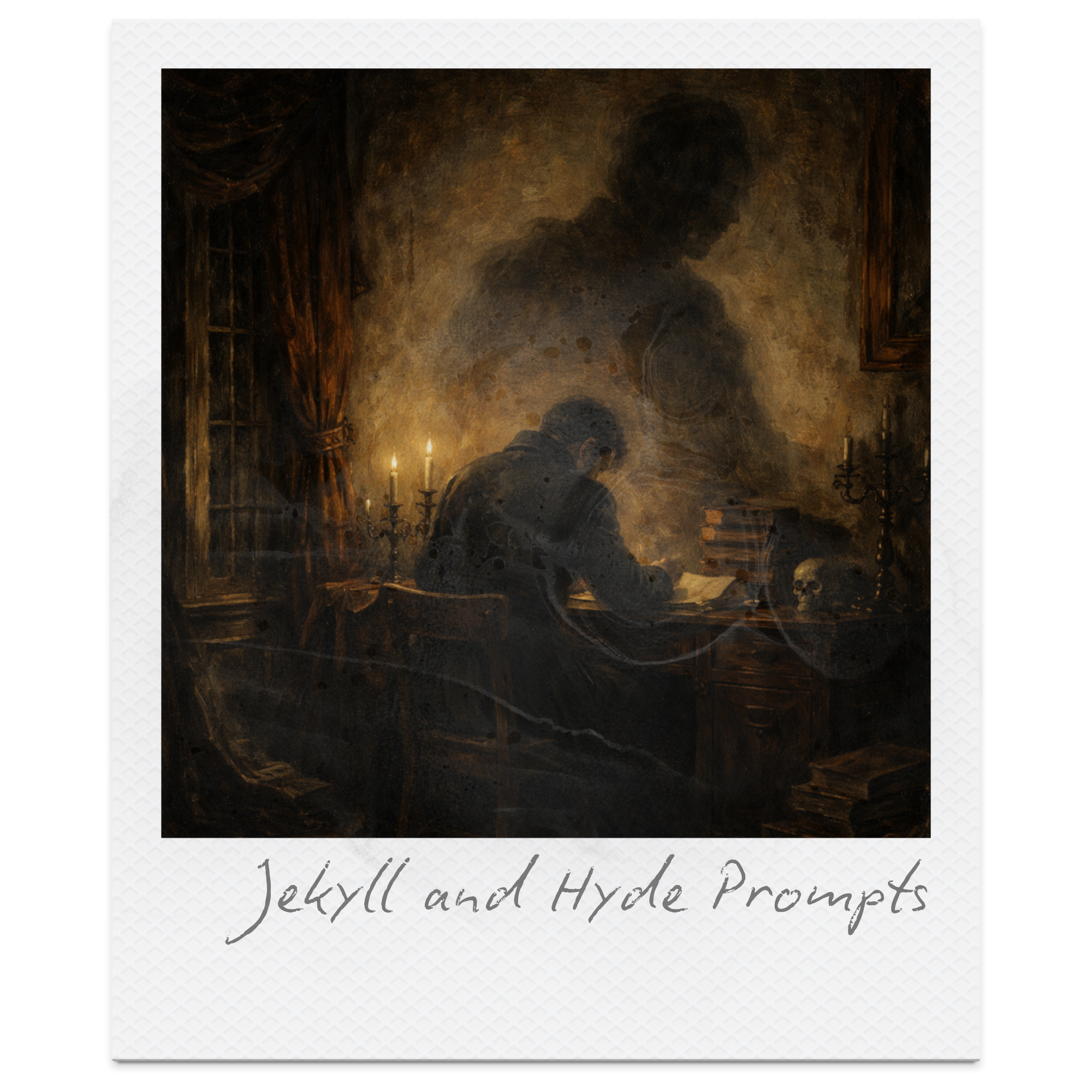
◆ Jekyll and Hyde – duality, identity and hidden selves
◆ Dracula – invasion, secrecy and the fear of the unknown
◆ Frankenstein – creation, responsibility and the danger of unchecked ambition
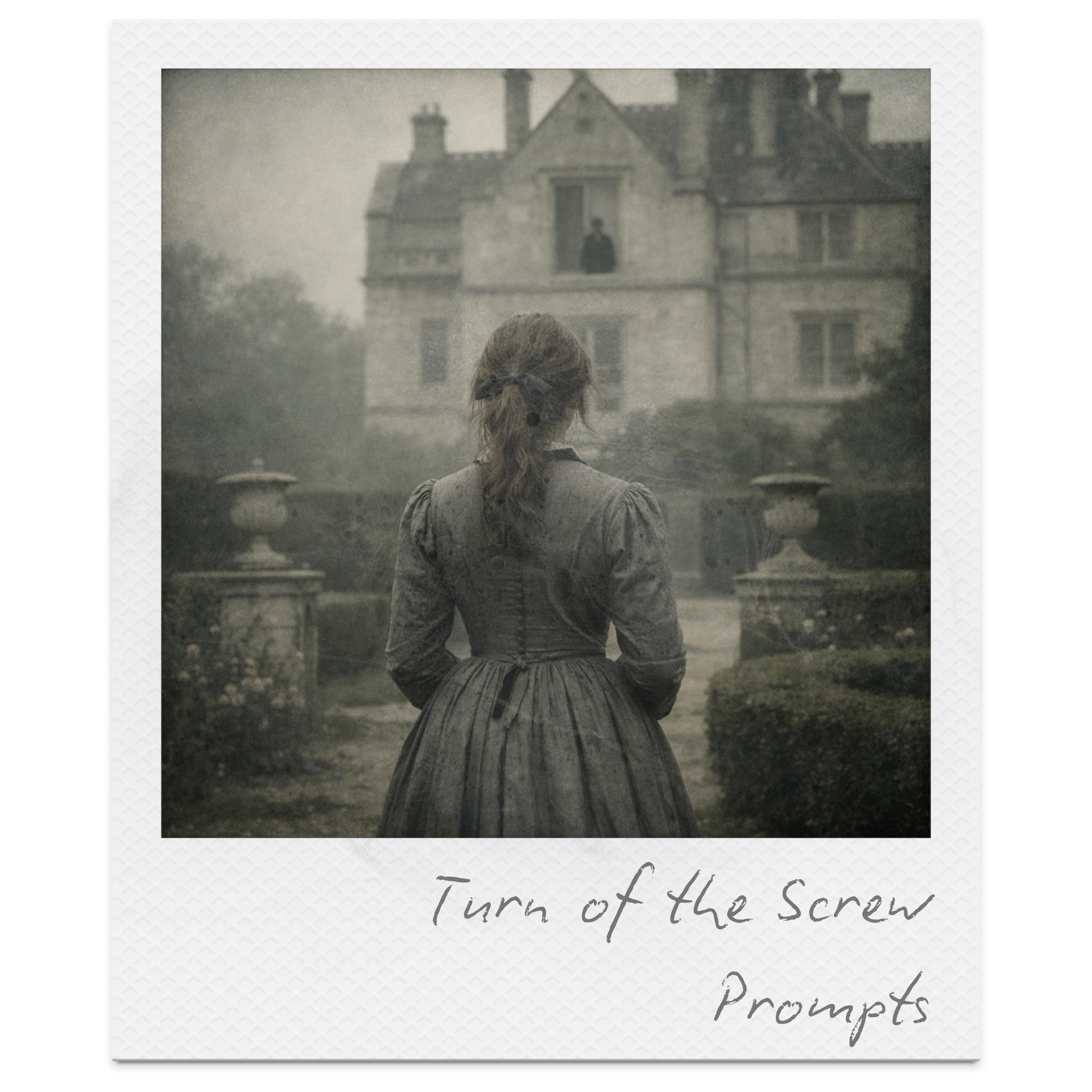
◆ The Turn of the Screw – ambiguity, perception and psychological tension
◆ Gothic Cinderella – dark fairy tale story ideas inspired by haunted ballrooms, midnight magic, cursed glass slippers, imprisoned heroines, sinister fairy godmothers, enchanted castles, forgotten objects, ghostly royalty, decaying manors, and beautifully unsettling happily never afters. Perfect for writers creating gothic fairy tale retellings, dark fantasy, supernatural romance, and atmospheric stories filled with mystery, transformation, ancient magic, and haunting elegance.
Gothic Poetry Prompts
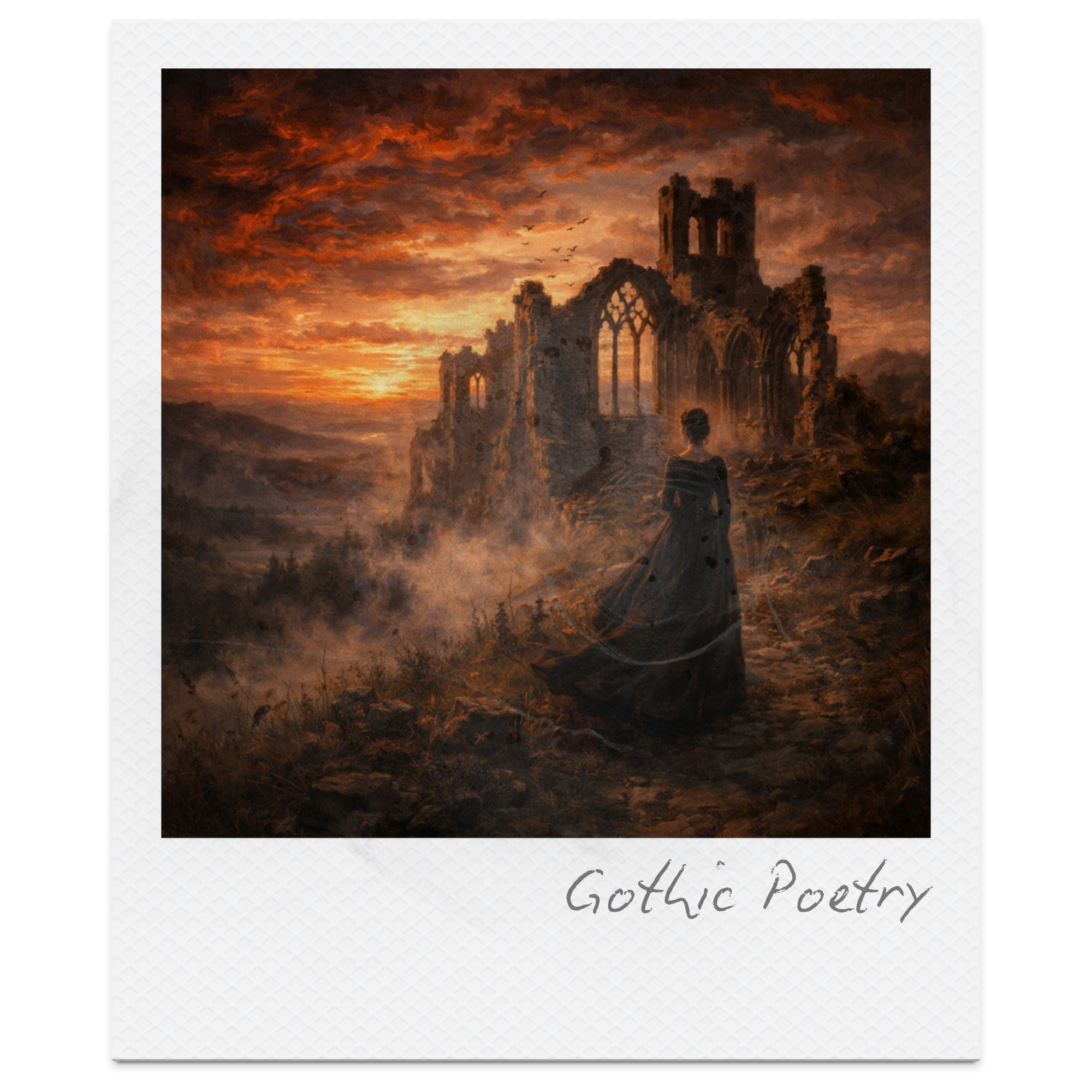
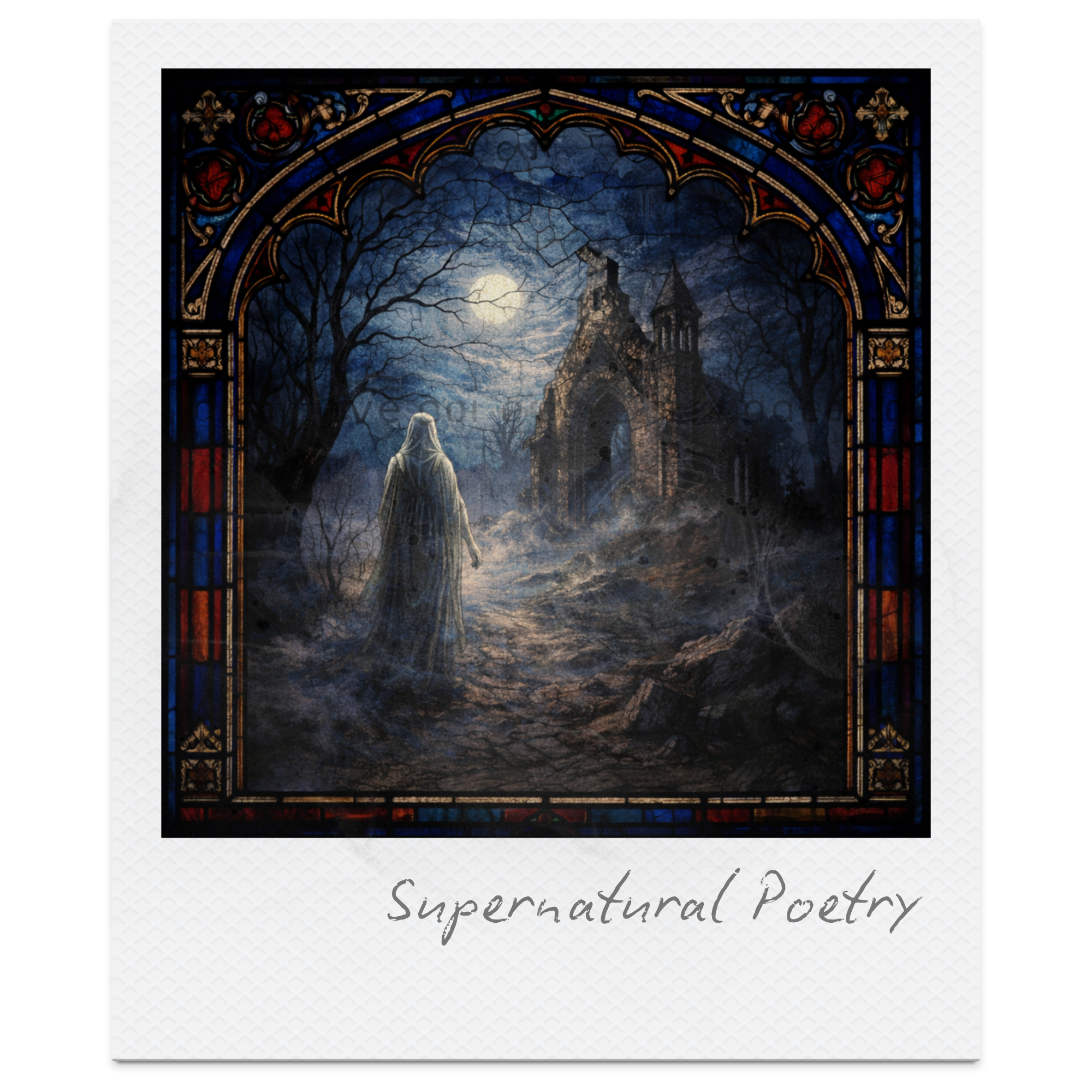
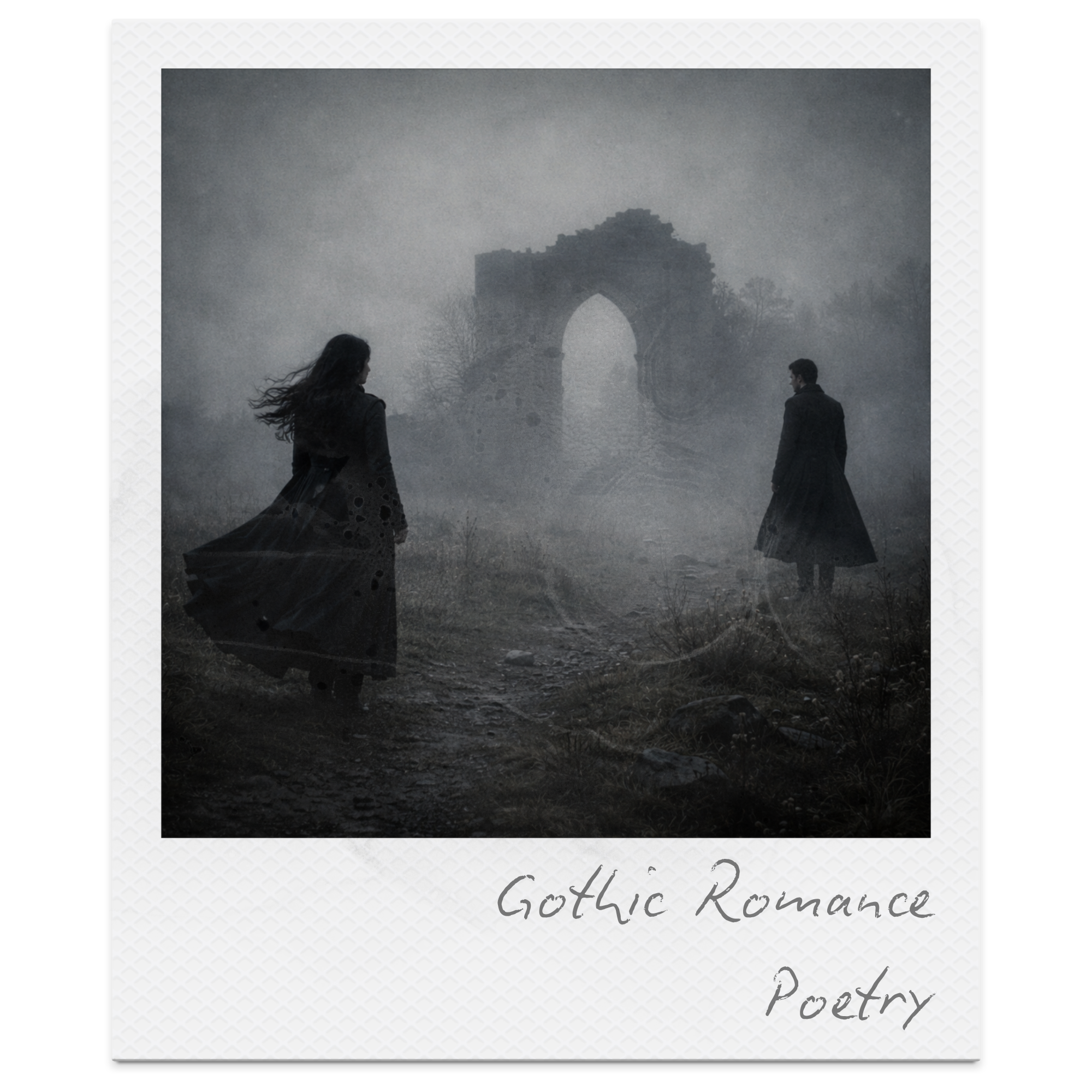
Gothic poetry turns darkness into something lyrical. Through haunting imagery, symbolism, rhythm and voice, a poem can capture grief, obsession, forbidden love, supernatural encounters, psychological unease and the strange beauty found in things that are fading, ruined or lost.
Explore Gothic poetry prompts for inspiration across different moods and themes, from melancholy and inner conflict to ghostly encounters, doomed romance and unsettling supernatural experiences. Use a prompt to begin a complete poem, experiment with a new poetic voice or take a single image — a locked window, dying rose, empty grave, ruined house or figure glimpsed through the fog — and discover where it leads.
Gothic poetry does not have to tell an entire story. Sometimes one image, memory, voice or moment of uncertainty is enough to create something haunting.
Inside this section:
◆ Gothic Poetry – atmosphere, melancholy and emotional intensity
◆ Dark Poetry – grief, fear and inner conflict
◆ Supernatural Gothic Poetry – subtle, unsettling presence beyond reality
◆ Gothic Romance Poetry – love shaped by longing, loss and obsession
Gothic Storyworld Archives
Step beyond individual writing prompts and explore complete fictional worlds through letters, photographs, journals, newspaper clippings, reports and other mysterious artefacts.
The Storyworld Archives are designed to be explored rather than solved. Follow clues, question unreliable accounts, uncover connections between documents and decide for yourself what might have happened. There is no official solution or single correct interpretation — each archive leaves space for you to develop theories, imagine missing pieces and discover stories of your own.
For Gothic writers, they offer a different way to explore character, atmosphere, mystery and worldbuilding. Use an archive as inspiration for a story, write into the gaps between documents, follow a character whose history intrigues you or simply immerse yourself in the world and see what ideas emerge.
Inside This Section
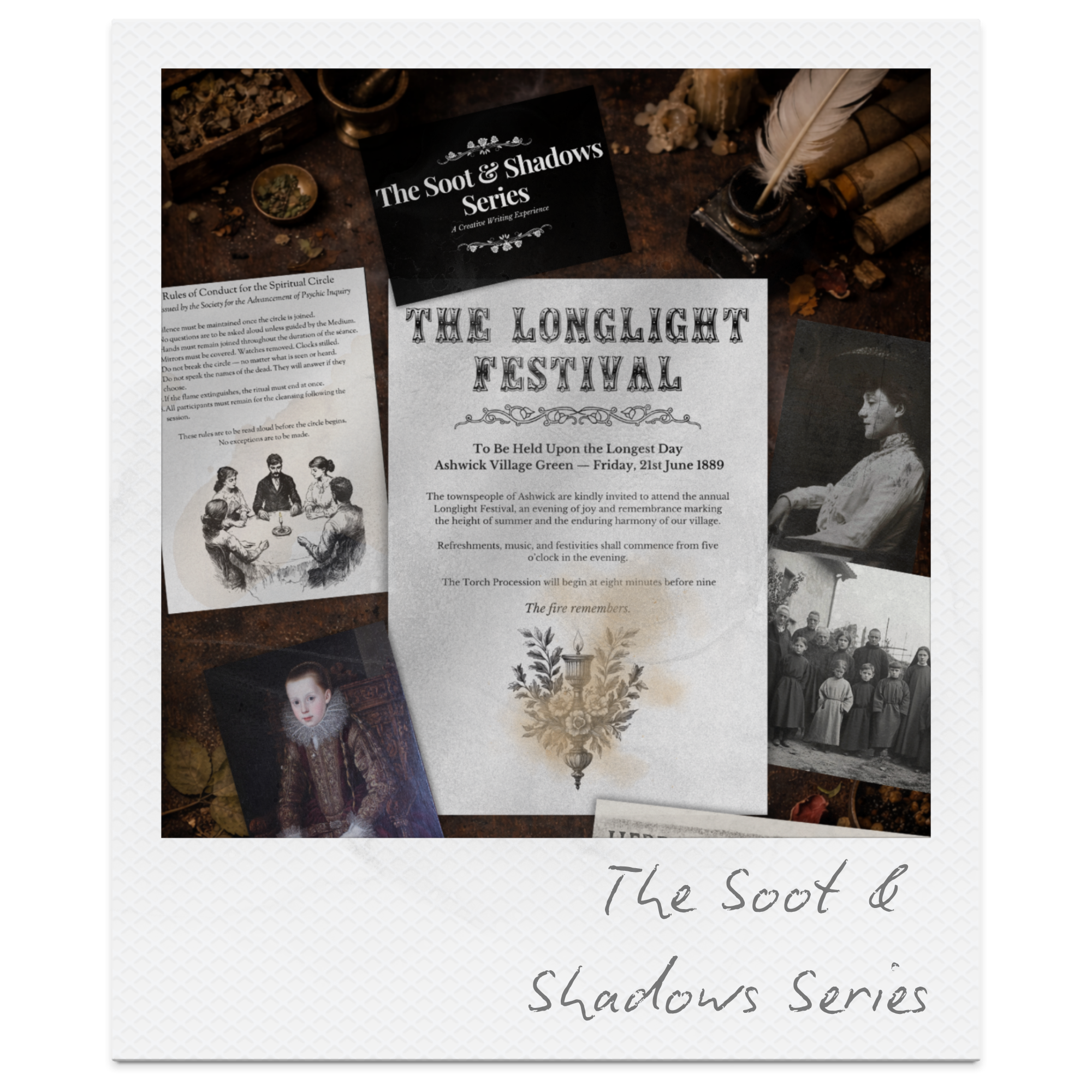
◆ The Soot & Shadows Series – explore a dark, atmospheric storyworld through interconnected documents, photographs and artefacts, uncovering hidden histories, mysterious relationships and fragments of a larger Gothic narrative.
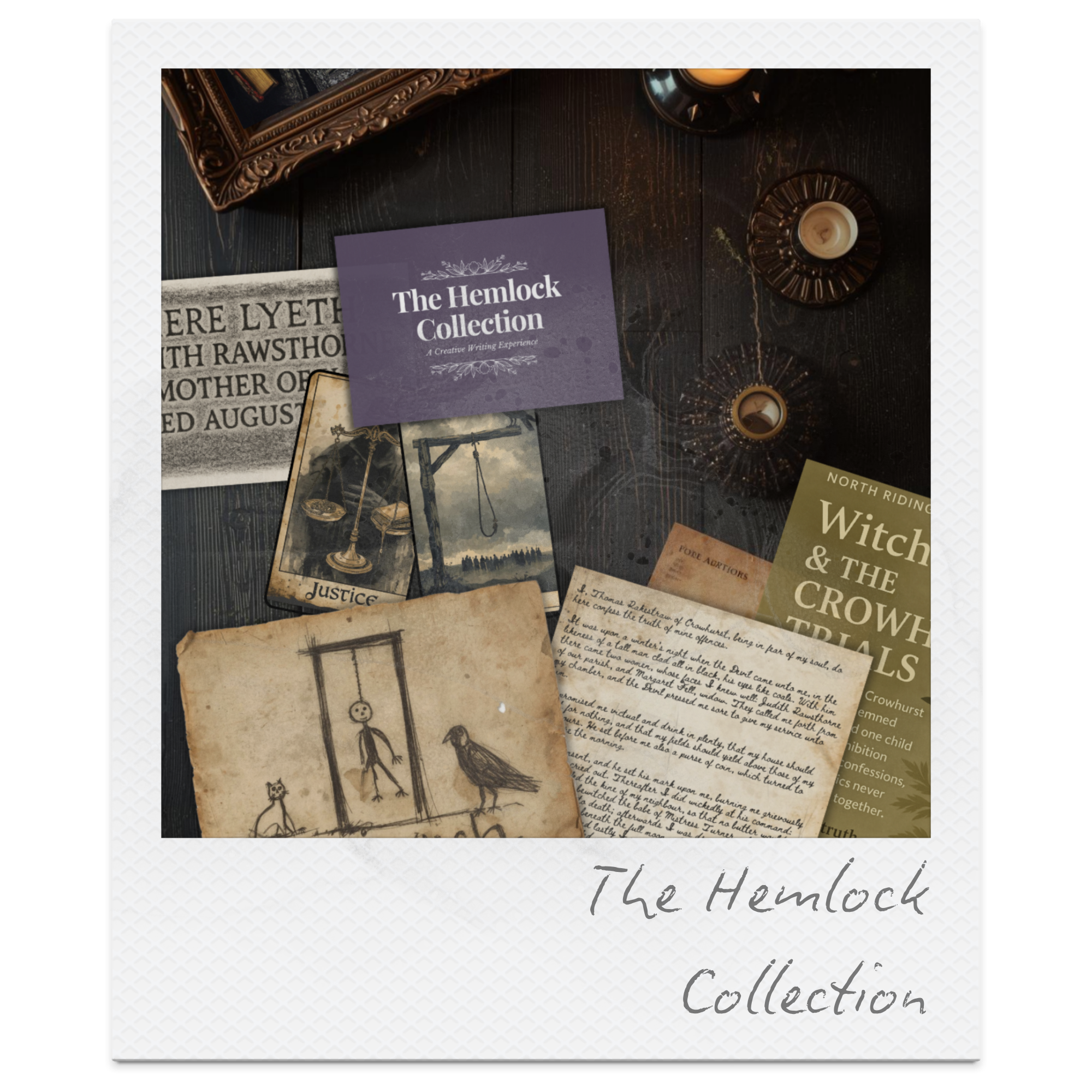
◆ The Hemlock Collection – enter a haunting archive of secrets, documents and forgotten evidence, piecing together the people, places and events behind a mysterious world where not everything can be trusted.
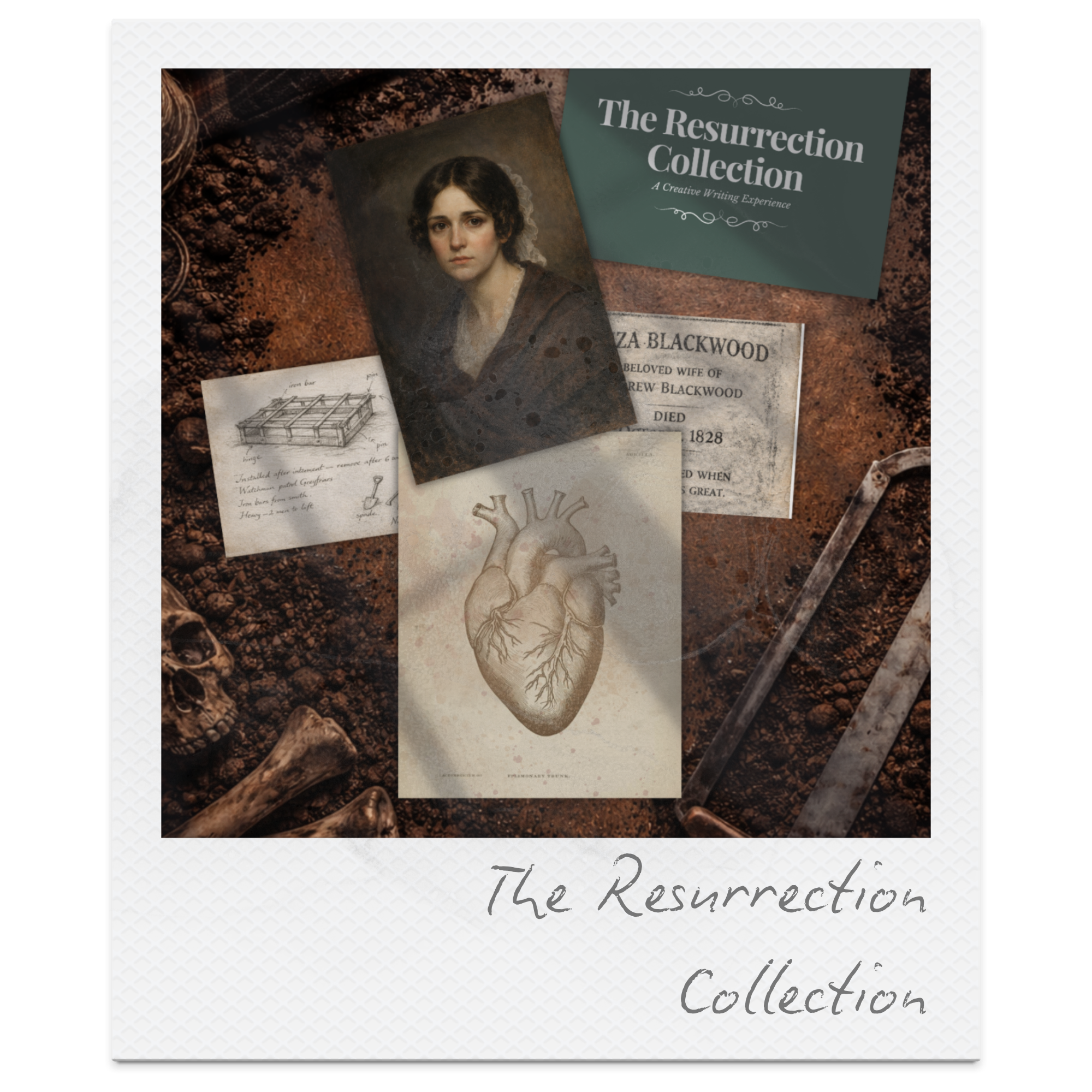
◆ The Resurrection Collection – investigate an unsettling collection of narrative artefacts and fragmented histories, following clues and contradictions to imagine what happened — and what might still be missing.
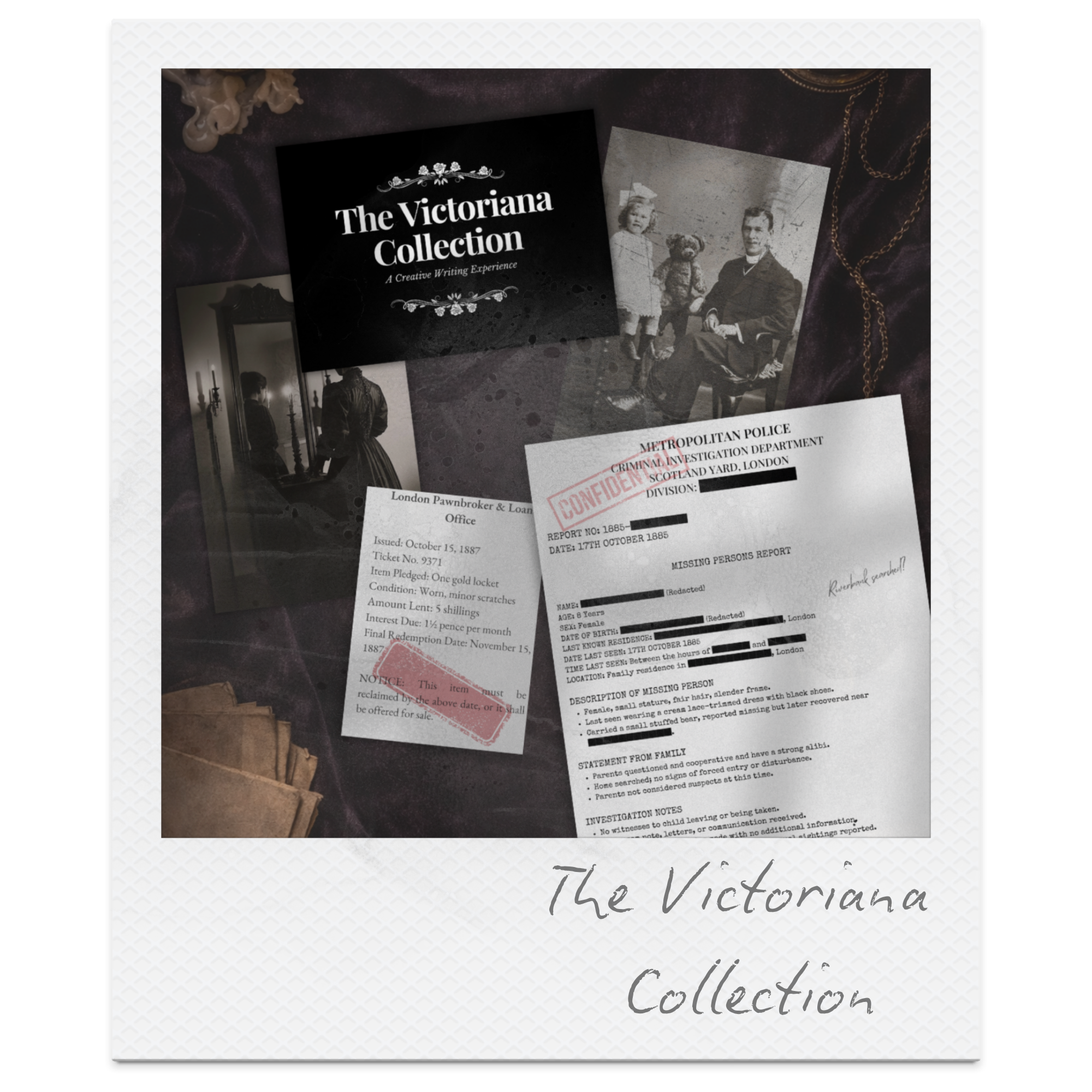
◆ The Victoriana Collection – step into a richly atmospheric Victorian-inspired archive filled with documents, photographs and traces of lives shaped by secrets, mystery and the darker possibilities of the nineteenth century.
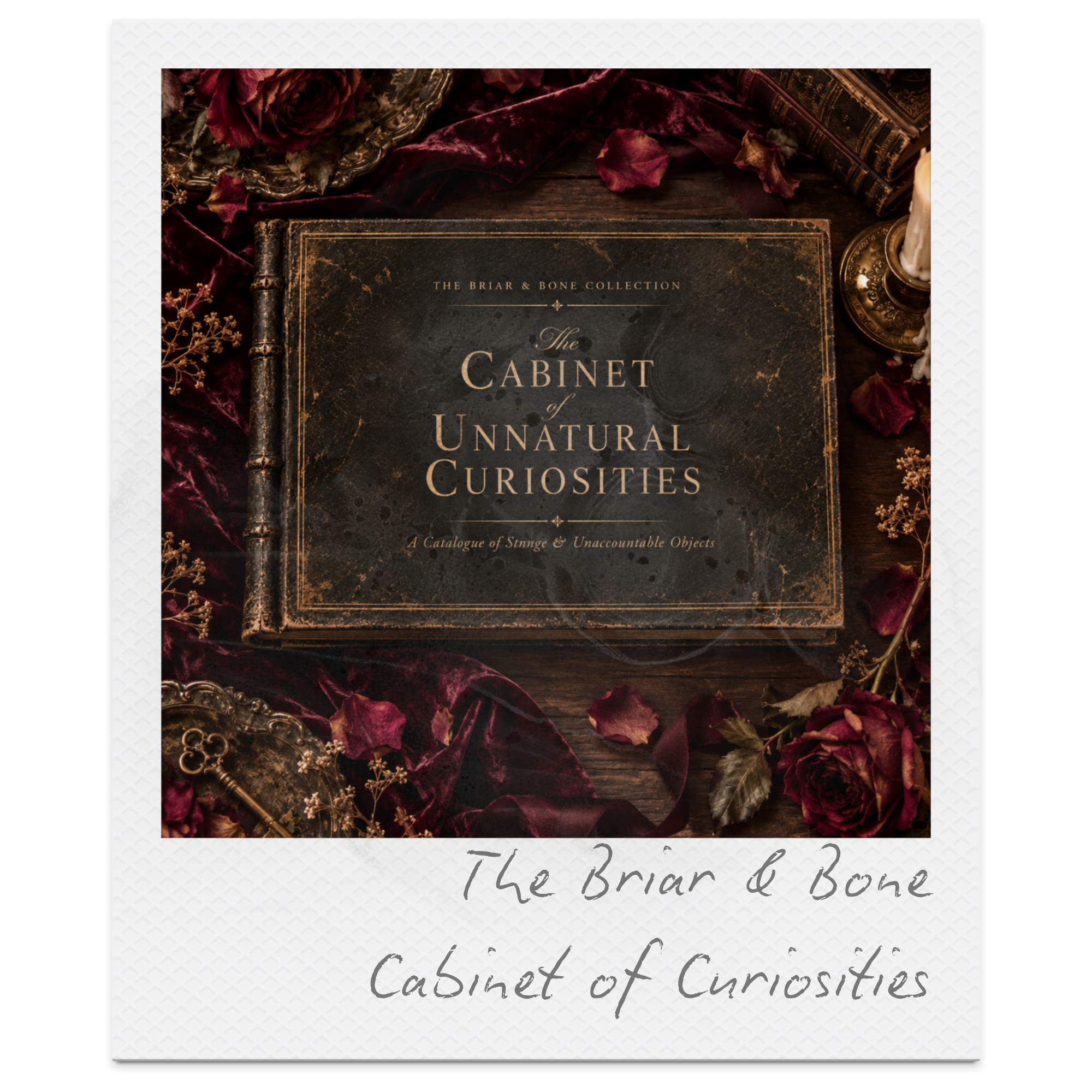
◆ Briar & Bone: The Cabinet of Unnatural Curiosities – explore sinister heirlooms, forgotten photographs, unreliable records and cursed possessions in an illustrated collection designed to inspire Gothic mysteries and atmospheric storytelling.
Choose Your Next Adventure
Finished exploring the darker corners of Gothic fiction? Step into another genre and see where your next idea takes you. Explore the writing hubs below for prompts, story ideas, characters, settings, worldbuilding inspiration and creative tools across fantasy, romance, horror, mystery, folklore and more.
Choose a world that intrigues you, follow the trail of ideas, and start your next story somewhere unexpected.
Gothic Writing FAQs
-
Gothic fiction is a genre that combines mystery, atmosphere, psychological tension and often supernatural or unsettling elements. Gothic stories frequently explore characters affected by secrets, isolation, obsession, forbidden desire, inherited guilt and events from the past that continue to influence the present.
Classic Gothic fiction is associated with settings such as castles, ruined abbeys and isolated manor houses, but Gothic stories can take place almost anywhere. What matters is how setting, character, atmosphere and conflict work together to create unease and uncertainty.
-
Good Gothic story ideas often begin with something that creates an unanswered question.
A character might inherit a house containing a room that does not appear on its plans, discover that every portrait of their family contains the same mysterious stranger, receive letters apparently written decades before they were born, or arrive in an isolated community where nobody will discuss what happened to the previous inhabitants.
Other Gothic story ideas can grow from cursed families, forbidden relationships, haunted places, mysterious disappearances, dangerous knowledge, supernatural encounters, hidden identities and secrets buried in the past.
The important thing is not simply to make the idea dark. Give your protagonist something they desperately want to understand — and a reason they might regret discovering the truth.
-
Common elements of Gothic fiction include atmospheric settings, mystery, isolation, secrets, psychological conflict, decay, imprisonment, obsession, the supernatural and the influence of the past.
You might also encounter haunted houses, unreliable narrators, forbidden rooms, mysterious inheritances, doubles, family curses, doomed relationships and characters whose identities are not quite what they initially appear to be.
A Gothic story does not need every convention. Choosing a handful that reinforce the same central conflict or theme can create a much stronger story than attempting to include every Gothic trope at once.
-
Start with a character who wants, fears or hides something, then place them in a situation that makes avoiding it increasingly difficult.
Build a setting with a history. Decide what happened before your protagonist arrived and what traces of those events remain. Introduce unanswered questions gradually, allowing discoveries, contradictions and unsettling details to build tension.
Most importantly, connect the external Gothic elements to the character's internal conflict. A haunting becomes more meaningful when it represents something a character refuses to confront; a forbidden room matters because of what somebody has sacrificed to keep it closed.
-
A Gothic short story can begin with an arrival, discovery, warning, letter, disappearance, inheritance, unexplained sound or seemingly ordinary detail that feels subtly wrong.
Because a short story has limited space, you do not need to explain the entire history of your Gothic world immediately. Begin close to the moment when something changes.
You might open as your protagonist arrives at an isolated house, discovers an object that should not exist, hears their name spoken in an empty room or realises that everybody in a village is avoiding the same question.
-
A strong Gothic writing prompt creates possibility rather than prescribing an entire story.
It might give you an atmospheric setting, mysterious character, unsettling object, hidden secret or strange event and leave enough unanswered questions for you to decide what happens next.
For example, a woman inherits a haunted house provides a premise. But a woman inherits a house in which every room has been left exactly as she remembers it from a childhood she never spent there immediately creates questions that could develop into a much richer Gothic story.
-
Gothic plots often revolve around discovery, concealment and confrontation.
A protagonist might investigate a family secret, uncover the history of a haunted place, attempt to escape an oppressive household, pursue forbidden knowledge, question their own memories, discover the truth behind a supposed curse or become obsessed with somebody whose identity remains uncertain.
Try building your Gothic plot around one central question. As your protagonist gets closer to answering it, make the consequences of discovering the truth increasingly dangerous.
-
Gothic horror combines fear with atmosphere, mystery and psychological tension. Instead of relying only on frightening events, allow the reader to anticipate what might be hidden behind them.
Use setting and sensory details to create unease, introduce information gradually and decide carefully how much of the threat you want to reveal.
The source of horror might be supernatural, psychological or entirely human. In some Gothic horror stories, the most unsettling possibility is that neither the protagonist nor the reader can ever be completely certain which explanation is true.
-
A strong Gothic setting should influence the story rather than simply decorate it.
Consider its architecture, landscape, weather, history and isolation, but also ask what happened there before the story began. What has been preserved? What has decayed? Which places are forbidden? What do local people refuse to discuss?
Traditional Gothic settings include castles, monasteries, manor houses, forests and remote landscapes, but universities, hotels, hospitals, coastal communities and contemporary homes can work just as effectively.
The setting becomes Gothic when it begins to carry history, secrecy, emotional meaning and the possibility of threat.
-
Gothic atmosphere develops through the combination of setting, sensory description, pacing, uncertainty and emotion.
Think about what your character hears when nobody else is awake, what the building smells like after years of neglect, how the weather changes the landscape or what remains hidden beyond the limits of their vision.
Silence can be as effective as noise. Beauty can be as unsettling as decay. Instead of constantly telling the reader that something is frightening, choose details that allow them to feel that something is wrong before they understand why.
-
Common Gothic characters include Byronic heroes, imprisoned heroines, haunted heirs, mysterious strangers, obsessive scholars, unreliable narrators, doomed lovers, controlling relatives, grieving widows, ghosts, vampires and doubles.
These archetypes become more interesting when they are treated as complete characters rather than costumes.
Give them desires, contradictions, fears and secrets. A brooding Gothic hero needs more than a tragic past; an imprisoned heroine needs desires beyond escape; and a Gothic villain becomes much more compelling when they believe there is a reason for what they are doing.
-
Popular Gothic tropes include haunted houses, cursed families, forbidden rooms, mysterious inheritances, doomed lovers, secret passages, hidden identities, ancestral guilt, doubles, unreliable narrators, madness, dangerous knowledge and supernatural warnings.
You can use these conventions traditionally or subvert them. The supposedly haunted house might be protecting its inhabitants. The family curse might have been invented to conceal a crime. The mysterious stranger may know considerably less than everyone assumes.
A familiar Gothic trope can become the beginning of something original when you ask what the reader expects — and what could be true instead.
-
Gothic fiction and horror frequently overlap, but they are not identical.
Horror generally focuses strongly on creating fear, dread or disturbance, while Gothic fiction characteristically combines darkness with atmosphere, mystery, psychological conflict, history, isolation and the influence of the past.
A Gothic story can certainly be frightening, but it can also be romantic, melancholic, mysterious or fantastical. This overlap is why Gothic horror works so naturally as a genre in its own right.
-
Yes. Romance has been closely connected with Gothic fiction throughout the genre's history.
Gothic romance can explore forbidden attraction, obsession, dangerous relationships, secrets, unequal power, isolation, doomed love and uncertainty about whether another person can be trusted.
The strongest Gothic romances often make the relationship part of the wider mystery. Love does not simply happen alongside the Gothic plot — it complicates it.
-
Yes. Gothic fiction combines particularly well with fantasy because both genres allow writers to explore supernatural forces, strange worlds, ancient histories, folklore, curses and impossible events.
Gothic fantasy might feature a cursed kingdom, haunted castle, dying magical bloodline, forbidden form of magic or supernatural creature whose existence is tied to the history of the world.
The Gothic element usually comes from the atmosphere, psychological tension, secrets and relationship between the present and the past, rather than from magic alone.Yes. Gothic fiction combines particularly well with fantasy because both genres allow writers to explore supernatural forces, strange worlds, ancient histories, folklore, curses and impossible events.
Gothic fantasy might feature a cursed kingdom, haunted castle, dying magical bloodline, forbidden form of magic or supernatural creature whose existence is tied to the history of the world.
The Gothic element usually comes from the atmosphere, psychological tension, secrets and relationship between the present and the past, rather than from magic alone.
-
No. Although Victorian literature produced many famous Gothic works, the Gothic tradition began earlier and continues in contemporary fiction.
A Gothic story could be set in a medieval monastery, Victorian mansion, modern university, remote coastal town, Arctic research station or even a decaying space colony.
The setting does not need to belong to a particular historical period. What matters is how you use place, isolation, history, secrecy and atmosphere to create the Gothic experience.
-
No. Ghosts, vampires, curses and other supernatural forces are common in Gothic fiction, but they are not essential.
Psychological Gothic stories can create uncertainty through unreliable memories, obsession, paranoia, isolation, manipulation or unexplained events without ever confirming that anything supernatural has occurred.
You can also deliberately leave the explanation ambiguous, allowing readers to decide whether the haunting was real, imagined or something stranger.
-
You can explore the collections throughout this Gothic Writing Hub for Gothic writing prompts covering characters, settings, story ideas, tropes, horror, romance, mystery, fantasy, literature, poetry and seasonal Gothic.
If you want an idea generated for you, use Gothic Story Sparks or the Gothic Story Generator to create a starting point, then follow the related resources throughout the hub to develop your character, setting and plot.