70 Coastal Gothic Writing Prompts: Atmospheric Story Starters, Characters, Settings & Visual Ideas
Coastal gothic stories exist at the meeting point between land and sea, where landscapes are shaped by tide, erosion, and memory. Drawing on gothic fiction, maritime folklore, and seaside legends, these narratives explore isolation, decay, grief, and the uneasy sense that the past refuses to remain buried. Windswept cliffs, abandoned harbours, fogbound villages, and restless water create environments where ordinary life feels slightly distorted — and where secrets carried by the tide rarely remain hidden for long.
Coastal gothic writing prompts invite teen writers to explore atmospheric storytelling rooted in place, history, and emotional tension. Rather than focusing on overt horror, these stories rely on subtle unease, fragile communities, and landscapes shaped by loss. They often reflect themes found throughout gothic literature — memory, obsession, haunting, forbidden knowledge, and the slow return of something believed to be gone.
This collection of 70 Coastal Gothic Writing Prompts is designed as a complete creative toolkit, combining plot hooks, story titles, opening and closing lines, character ideas, setting prompts, and cinematic visual prompts inspired by haunted shorelines, forgotten ports, and sea-worn ruins. The prompts work equally well for creative writing lessons, English classrooms, writing clubs, journaling, or longer YA gothic projects, helping young writers practise mood-driven storytelling shaped by atmosphere and restraint.
If you’d like to explore more gothic writing prompts, literature-inspired ideas, or atmospheric storytelling collections, then check out our Gothic Writing Hub, or you can browse the full Creative Writing Archive and discover new ways to shape your next story.
1. Plot Hooks
Coastal gothic stories often unfold in places shaped by erosion — not only of land, but of memory, trust, and truth. These prompts draw on the traditions of gothic fiction and maritime folklore, using isolated coastlines, tidal landscapes, and fragile communities to explore themes of secrecy, haunting, and the quiet persistence of the past.
Write about a coastal village where the tide sometimes reveals objects that disappeared decades ago — including things no one remembers losing.
Write about a teenager who moves into an old lighthouse and discovers the previous keeper left behind journals describing voices carried by the fog.
Write about a town where ships have stopped visiting the harbour entirely, even though the sea itself appears calm.
Write about a storm that uncovers the ruins of an entire settlement long believed to have sunk beneath the cliffs.
Write about a character who begins receiving letters written in handwriting identical to someone who drowned years earlier.
Write about a fisherman who refuses to sail beyond a certain stretch of water, warning that the sea there “remembers too much.”
Write about a coastal festival that secretly commemorates a tragedy the town agreed never to speak about again.
Write about a teenager who discovers a sealed room inside an old seaside hotel containing photographs of people who vanished along the shoreline.
Write about a shipwreck survivor who insists the wreck was not caused by the storm everyone else remembers.
Write about a stretch of coastline where the fog sometimes forms shapes that resemble people standing in the surf.
2. Title Ideas
Coastal gothic titles often rely on suggestion rather than explanation. Drawing on imagery associated with tides, storms, isolation, and memory, these titles hint at stories shaped by atmosphere and loss rather than overt action.
The Tide That Remembers
Fog Over Blackwater Bay
The Lighthouse at Drowned Point
What the Sea Returned
The House Above the Cliffs
The Harbour That Fell Silent
Salt and Shadow
Beneath the Distant Foghorn
Where the Coast Ends
The Last Light on the Shore
3. Opening Lines
Coastal gothic opening lines often establish atmosphere before revealing the story itself. Wind, fog, tide, and silence shape the emotional tone of the narrative, suggesting that the landscape may understand more than the people who live within it.
The sea began changing long before anyone in the village admitted something was wrong.
No one new moved to Blackwater Bay unless they had something to forget.
The lighthouse light had been out for three nights before anyone realised the keeper was gone.
When the fog rolled in from the water, the town always grew quieter than usual.
I first noticed the footprints on the beach the morning after the storm.
The old harbour smelled like salt and rust and something that shouldn’t still have been there.
They told me the cliffs were dangerous, but they never explained why the locals refused to walk there after sunset.
The tide had a habit of returning things that the town believed were safely gone.
Every house along the shoreline had its windows facing the sea, as if waiting for something to come back.
The foghorn sounded again just after midnight, even though the lighthouse had been abandoned for years.
4. Closing Lines
Coastal gothic endings rarely resolve everything. Instead, they leave the sea present — shaping what remains unknown, and suggesting that some stories cannot truly end while the tide continues to return.
When the fog lifted, the shoreline looked unchanged — but I knew the town would never feel the same again.
The sea carried the truth away with it, leaving the rest of us to pretend nothing had happened.
By morning the tide had erased every trace, except the memory of what I had seen.
The lighthouse light returned that night, though no one ever admitted turning it back on.
I left the village before dawn, but the sound of the waves followed me long after the coast disappeared.
The sea kept its silence, even though I knew it had been listening all along.
Whatever the tide had taken, it was clear it had no intention of giving it back again.
The cliffs looked peaceful in daylight, hiding what they had witnessed beneath centuries of wind.
As the fog closed around the harbour once more, I understood why no one here ever truly leaves.
The tide came in slowly that night, as though it had all the time in the world.
5. Character Ideas
Coastal gothic characters often live with the weight of history — both personal and communal. These figures are shaped by isolation, fragile traditions, and the uneasy relationship between coastal communities and the sea itself.
A lighthouse keeper who has begun noticing ships that appear on the horizon but never reach the harbour.
A teenager who discovers their family has quietly maintained the same house overlooking the cliffs for generations.
A harbour master responsible for recording ship arrivals who begins noticing gaps in the official records.
A local historian who suspects the town’s official version of its founding is incomplete.
A fisherman who refuses to speak about the last voyage he took with his brother.
A visitor researching coastal folklore who realises the locals treat certain stories as warnings rather than myths.
A young photographer documenting abandoned seaside buildings who begins noticing recurring faces in their images.
A hotel caretaker who has worked alone for years in an old building overlooking the sea.
A teenager whose family moved away from the coast long ago but has been drawn back by a recurring dream.
A quiet villager who seems to know exactly when the fog will arrive, long before it appears.
6. Setting Ideas
In coastal gothic fiction, place often becomes the most powerful force in the story. These settings draw on isolated coastlines, abandoned maritime structures, and landscapes shaped by wind, tide, and slow decay.
A cliffside village slowly losing ground as the sea erodes the land beneath it.
An abandoned lighthouse still standing on a rocky outcrop far from the modern shoreline.
A forgotten harbour where rusting boats remain tied to empty docks.
A narrow coastal road frequently swallowed by fog and closed without explanation.
A seaside hotel that once welcomed travellers but now stands mostly empty during the winter months.
A tidal island connected to the mainland only during certain hours of the day.
A stretch of beach where fragments of shipwrecks regularly wash ashore.
A weather-beaten chapel built at the edge of the cliffs, overlooking the water below.
A series of sea caves that only become visible during extremely low tides.
A coastal cemetery where the oldest graves face directly toward the sea.
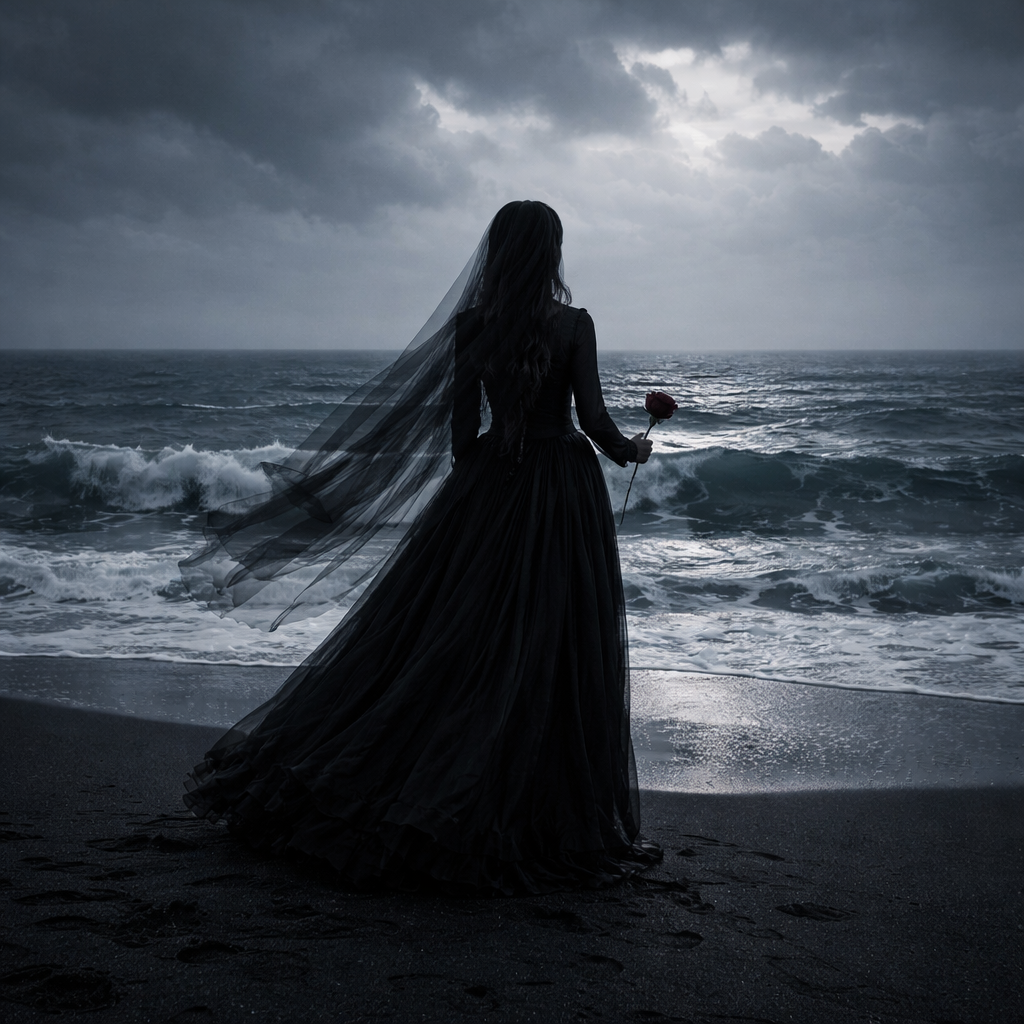
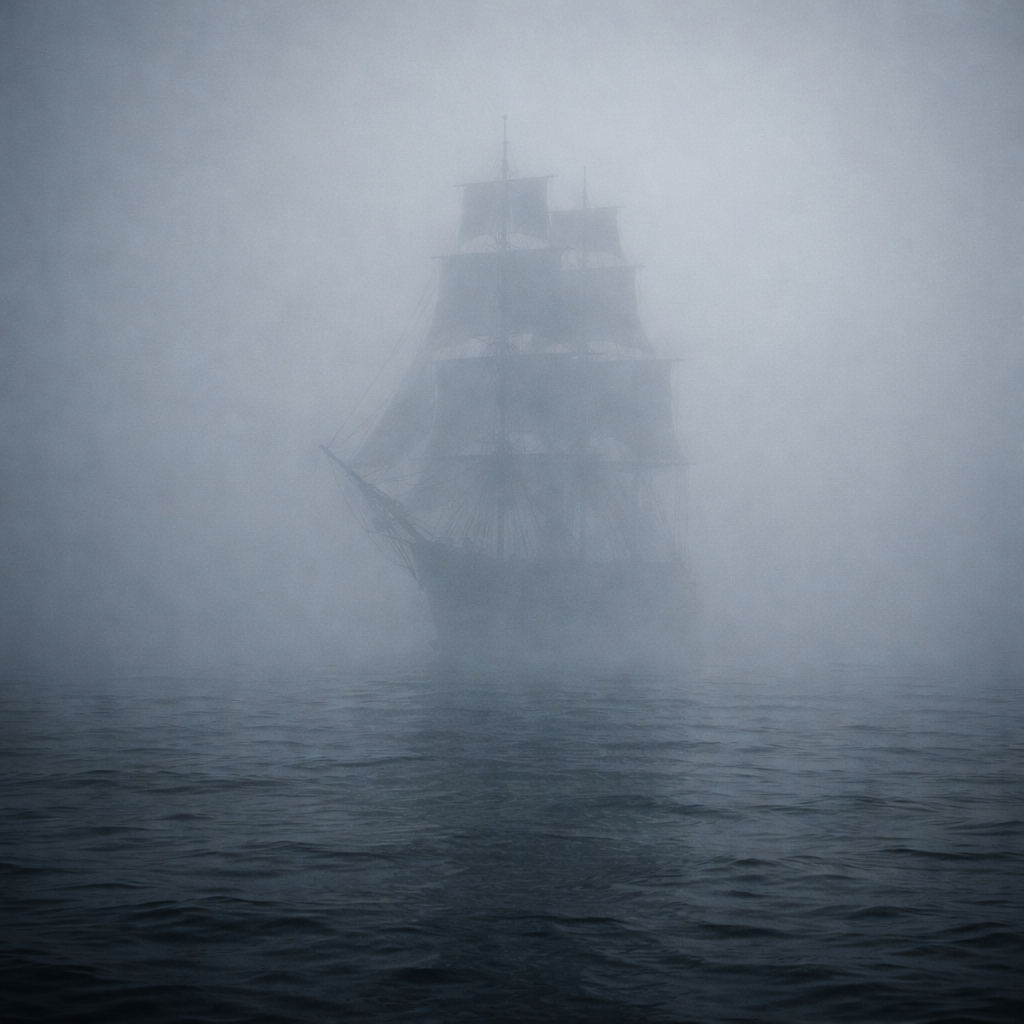
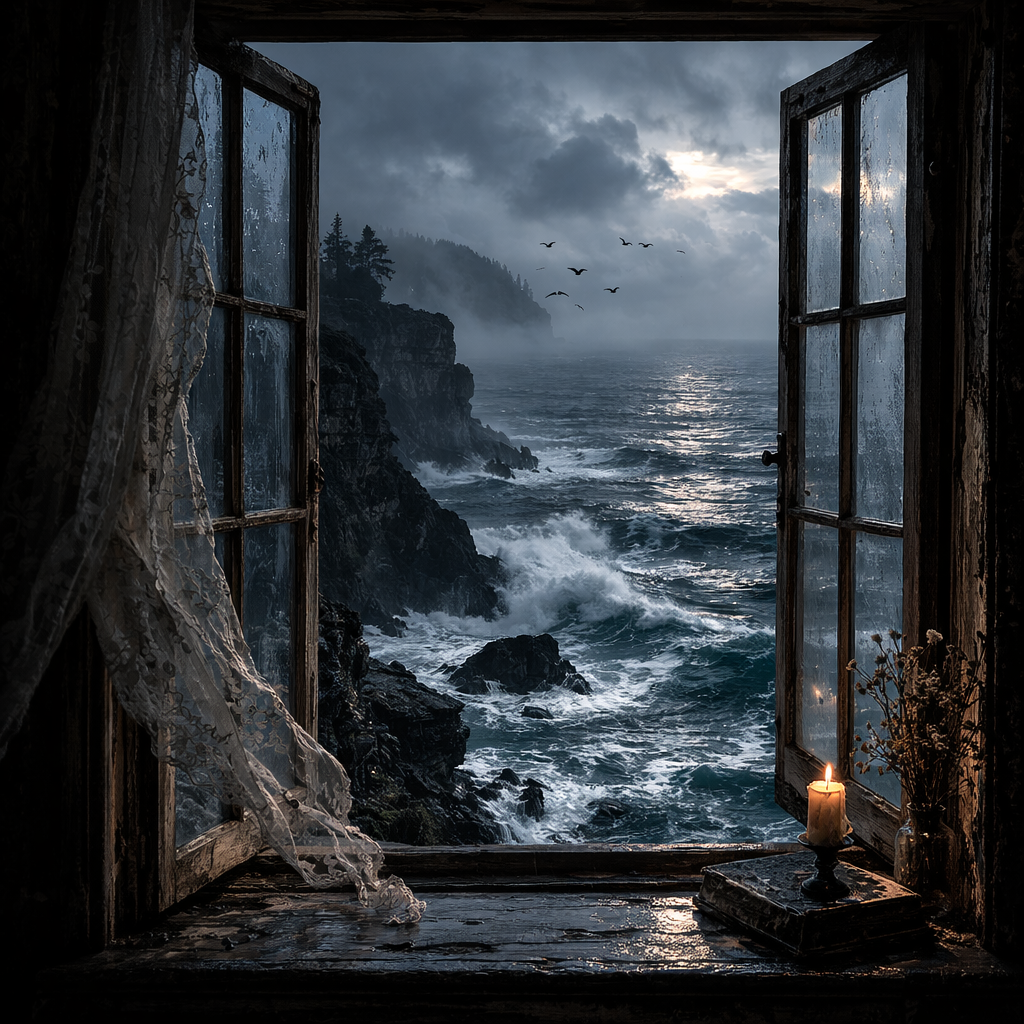
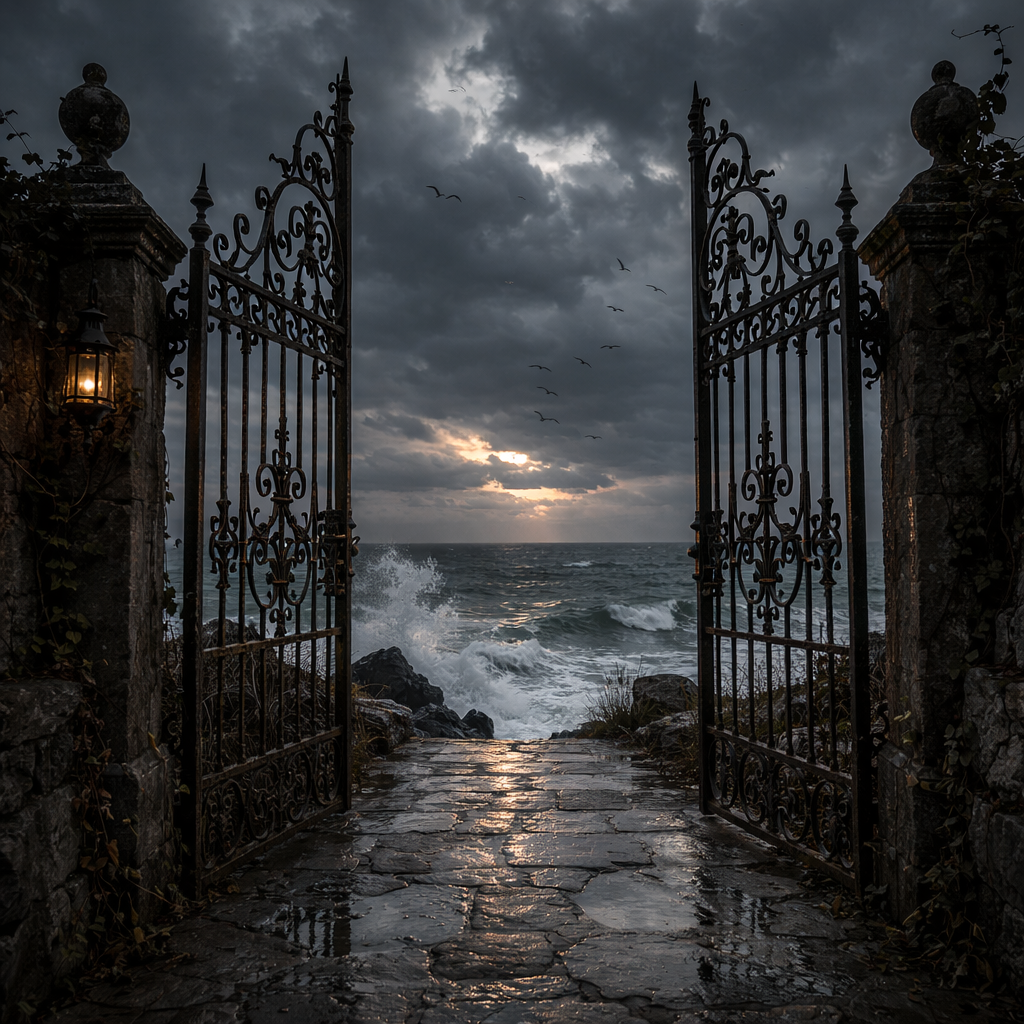
7. Picture Prompts
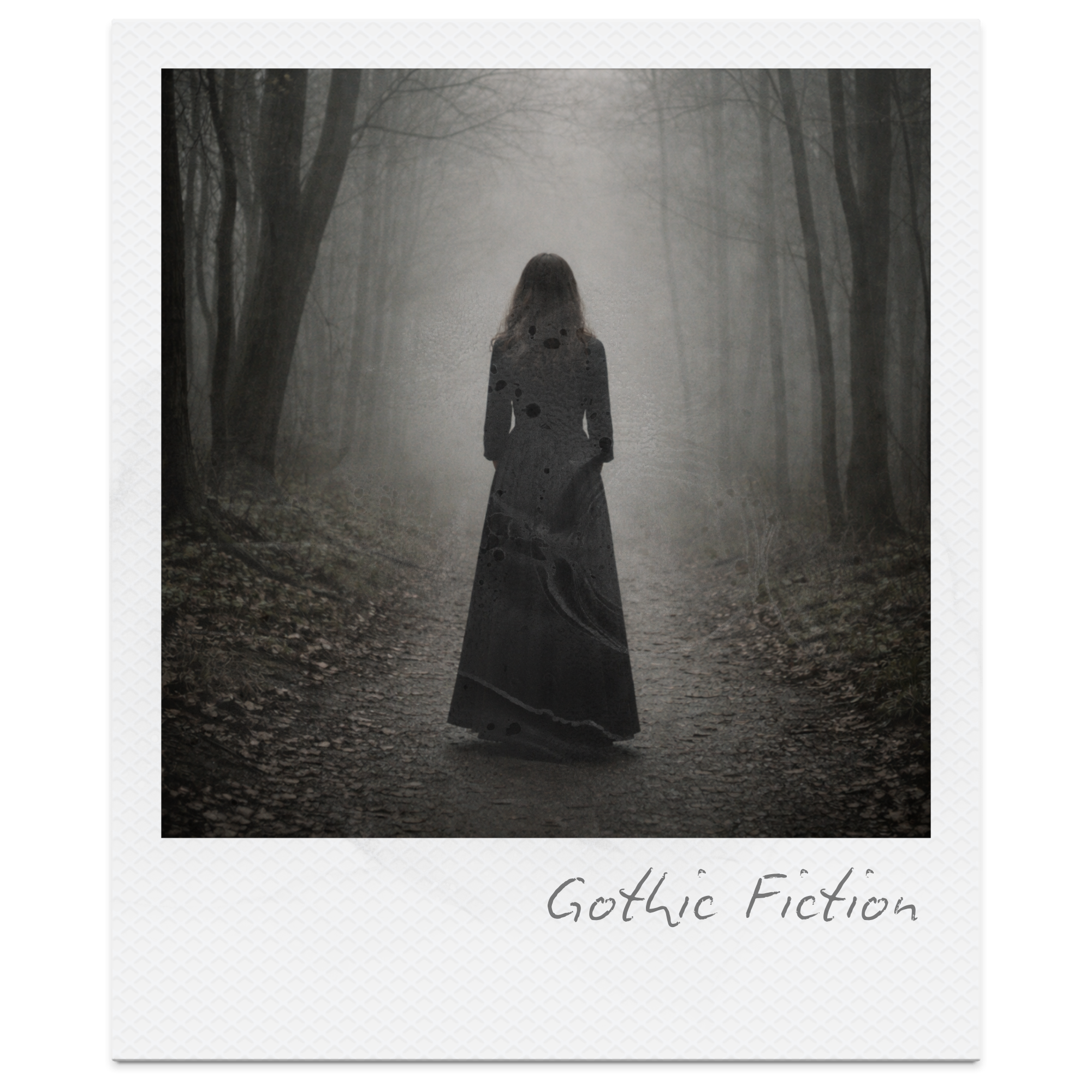
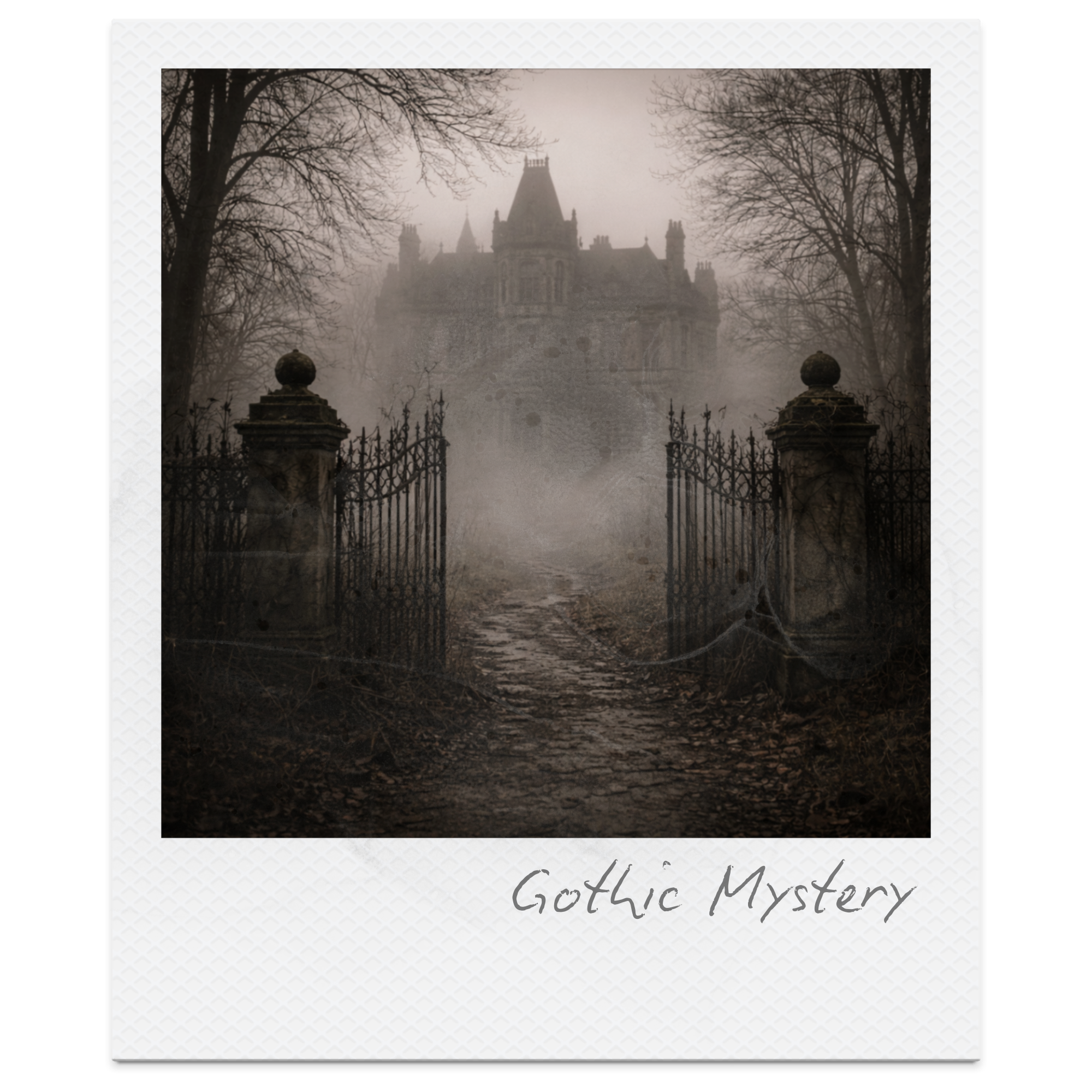
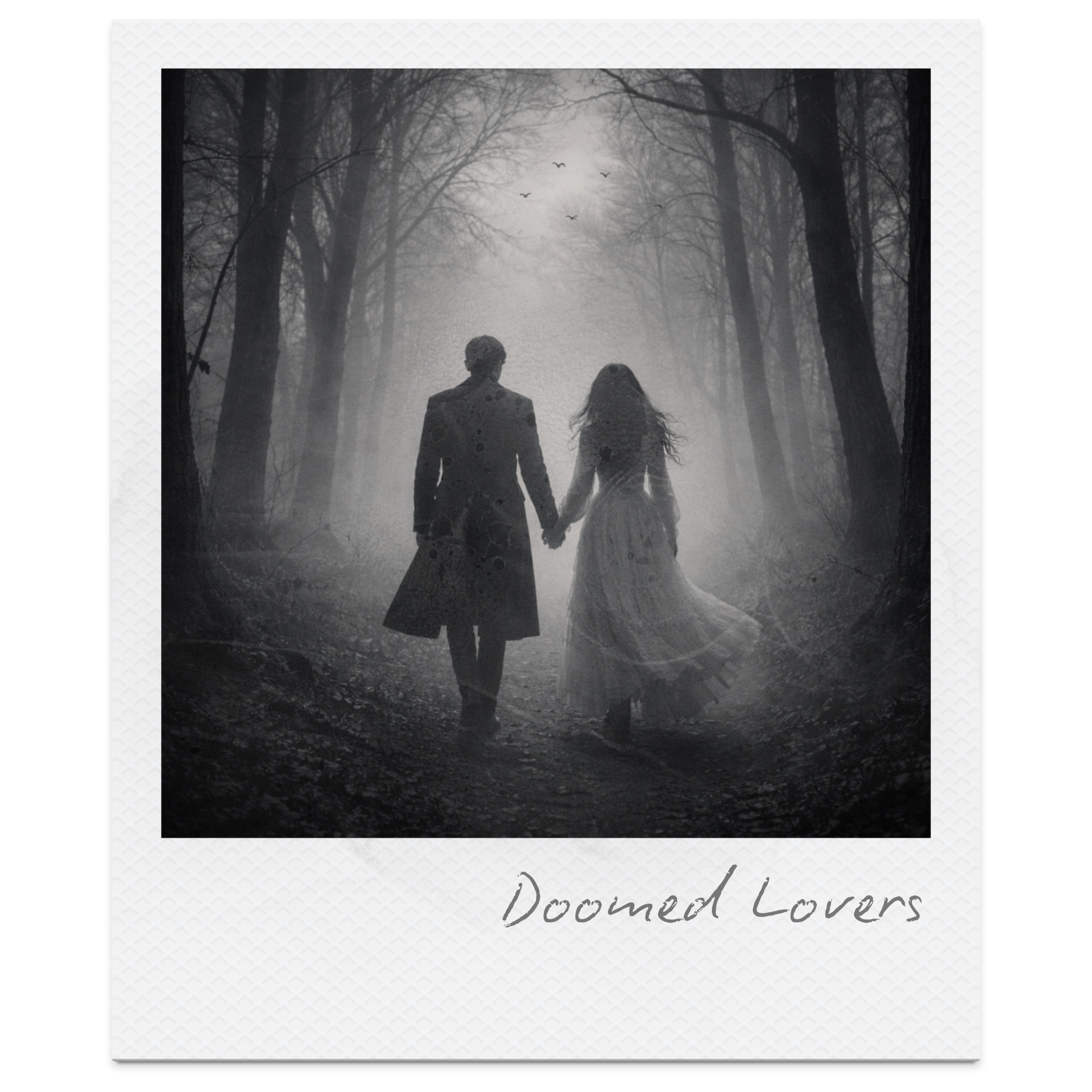
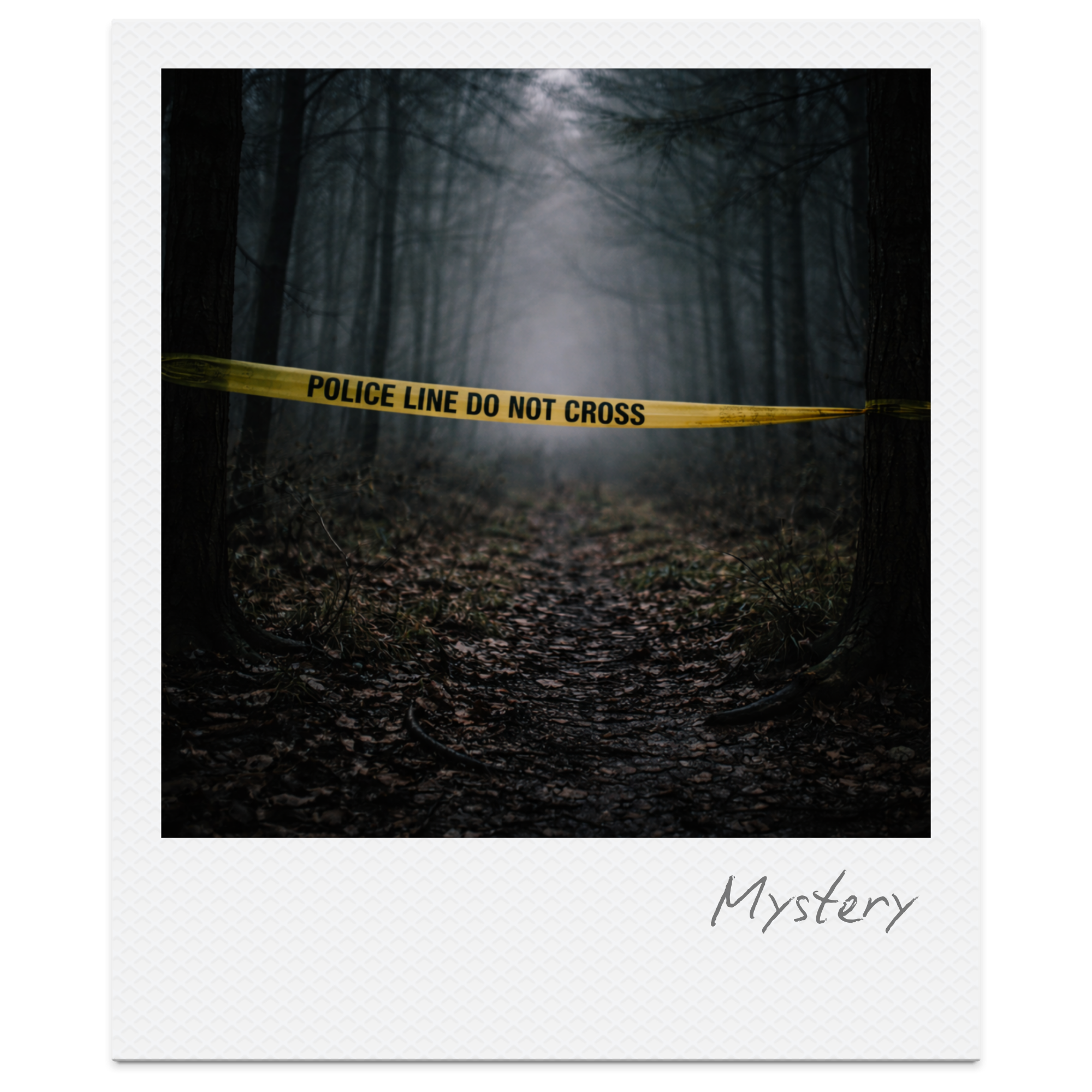
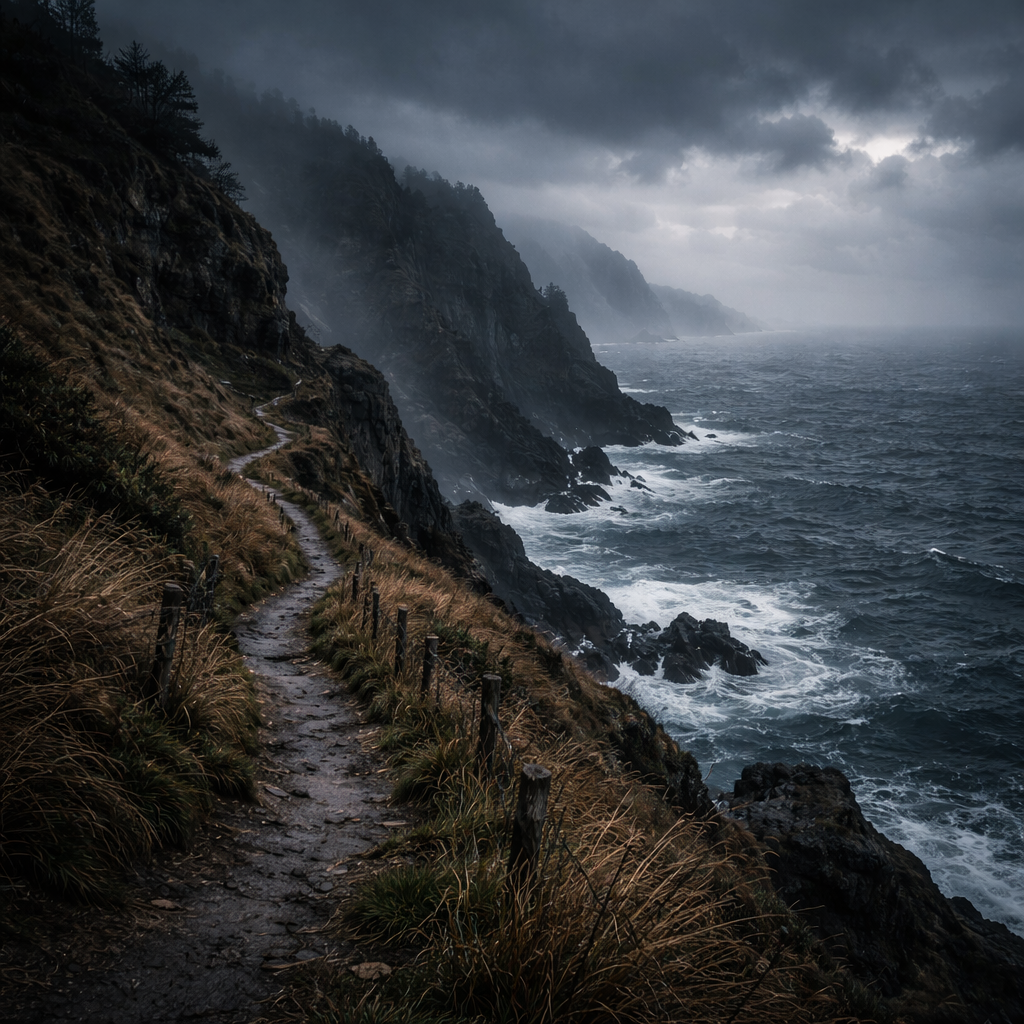
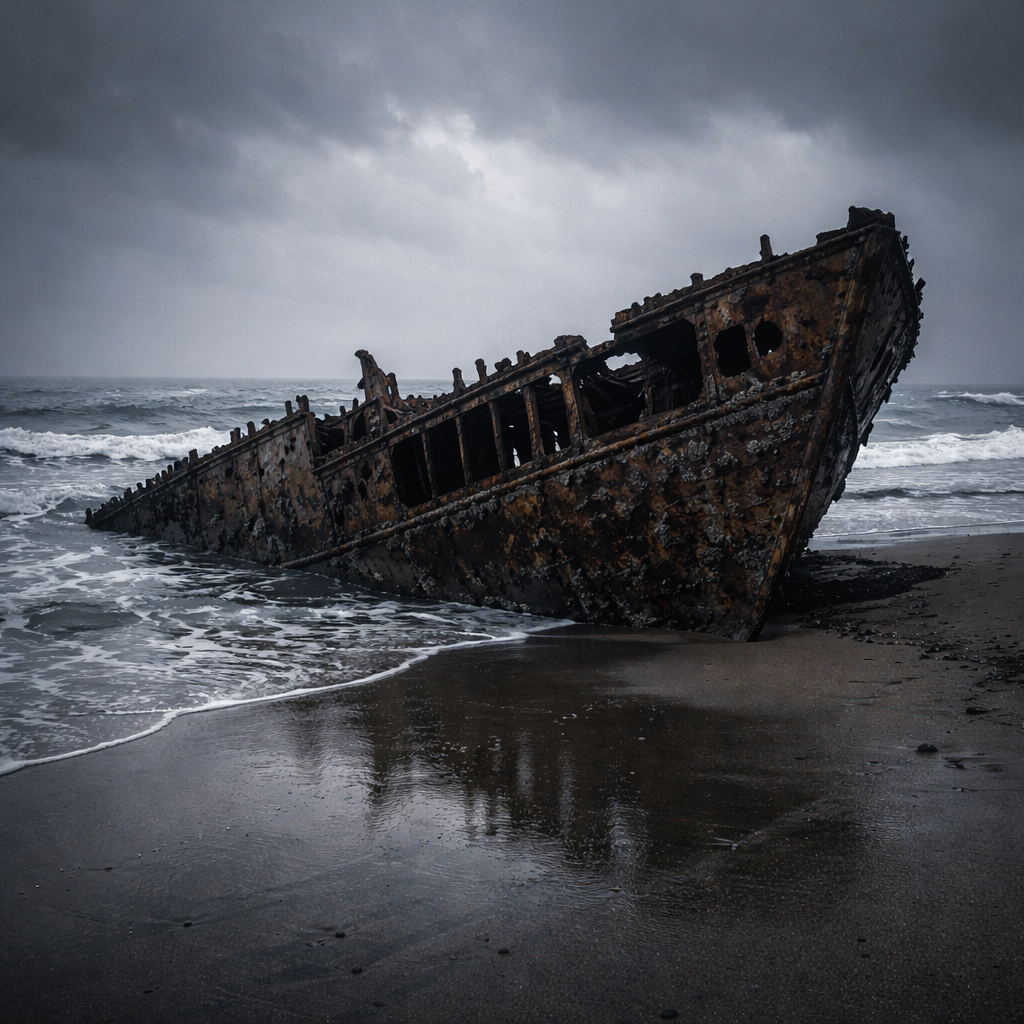
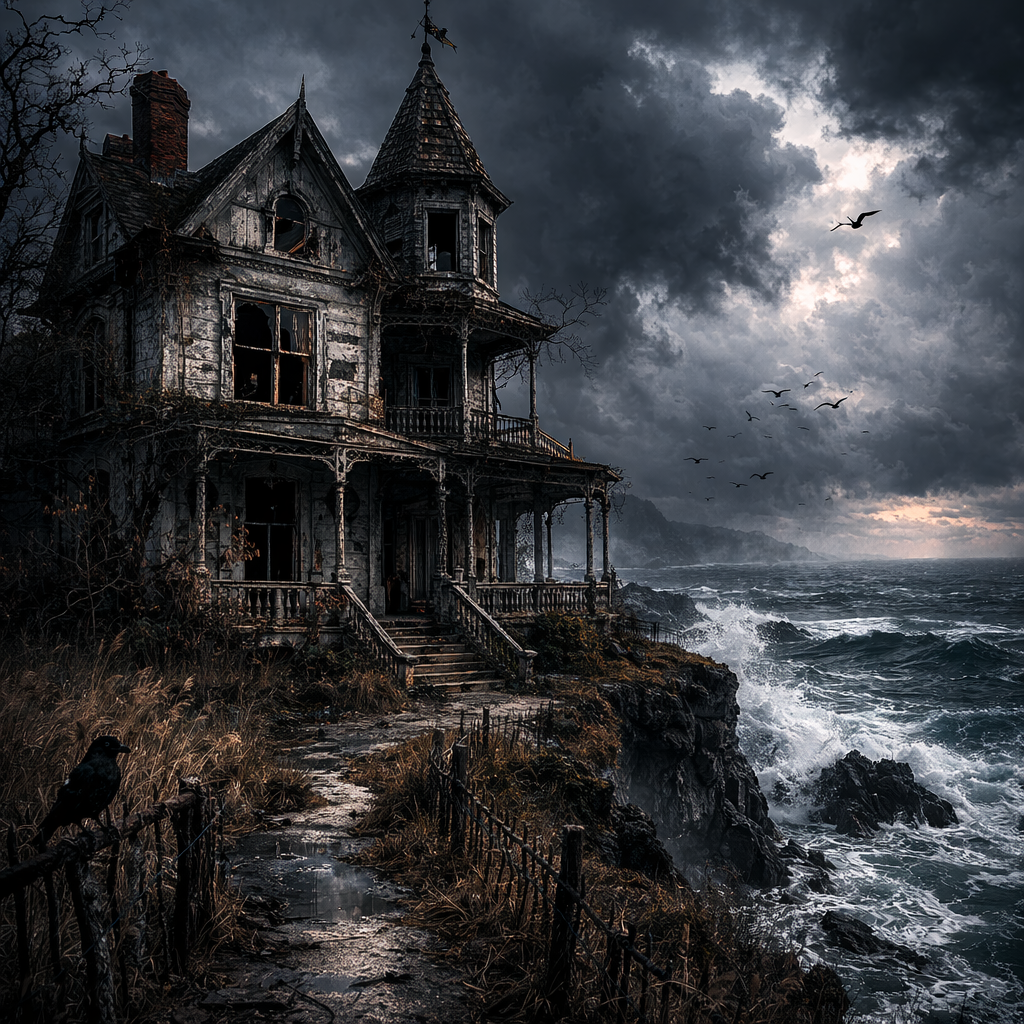
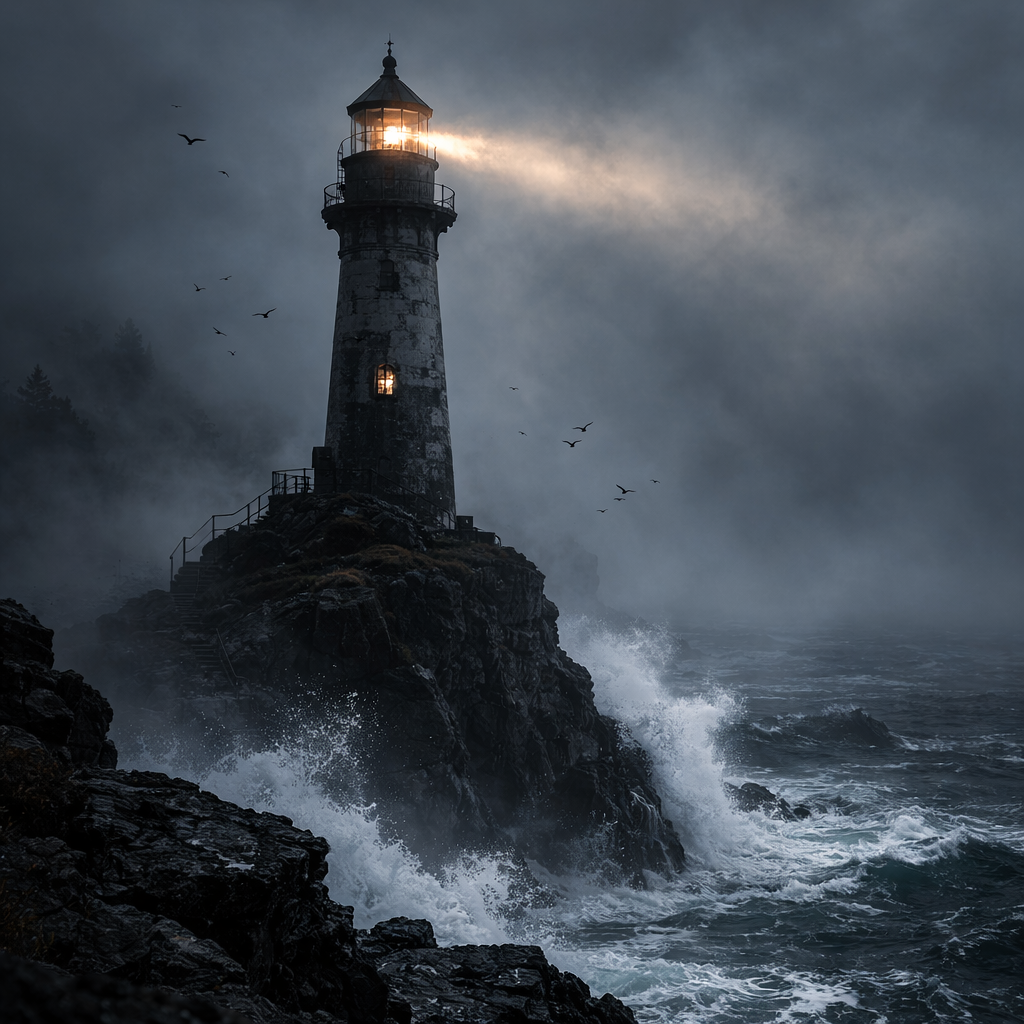
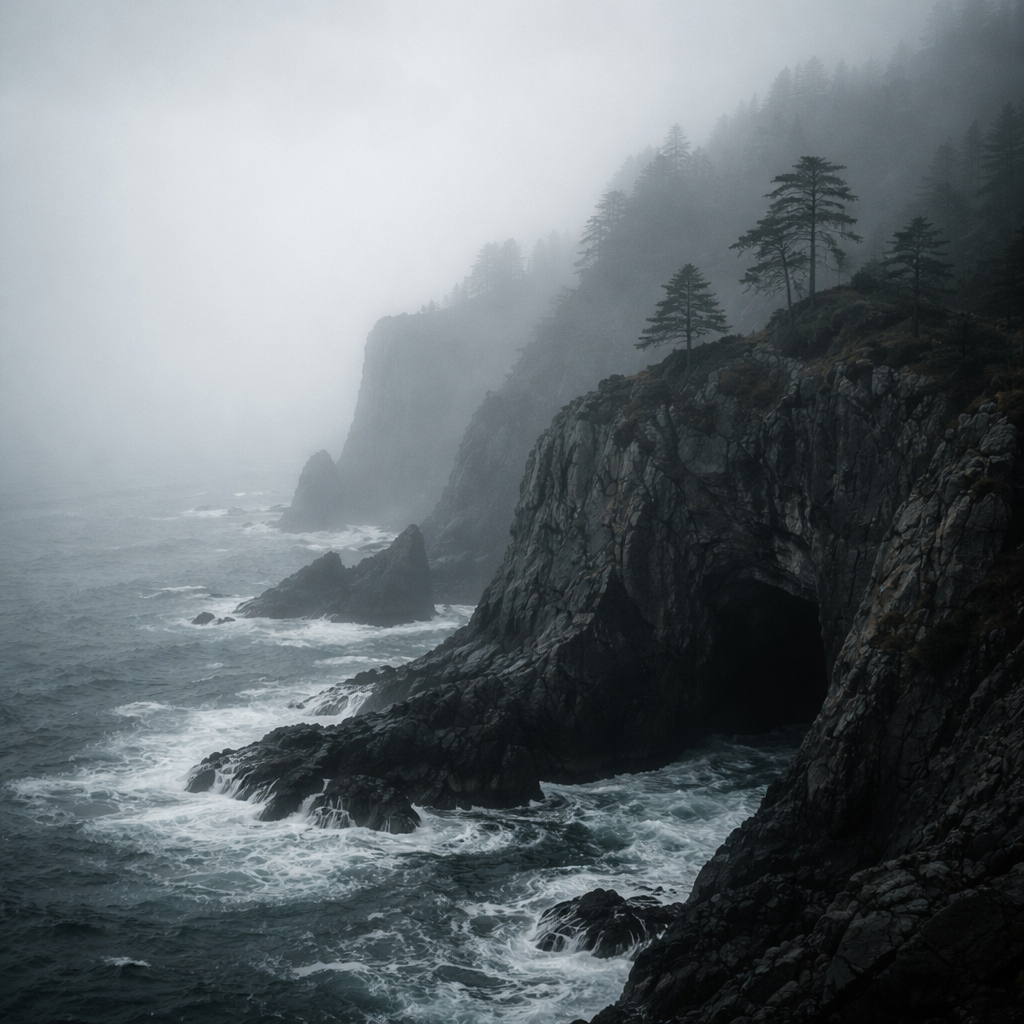
Visual prompts are especially powerful for coastal gothic storytelling because atmosphere is often shaped through landscape, texture, and light rather than explicit explanation. Images of fogbound harbours, abandoned boats, weathered buildings, and restless water invite writers to imagine the stories hidden within the landscape.
These picture prompts are designed to inspire descriptive writing, short stories, or longer Gothic narratives rooted in place and mood. Writers can consider what happened before the moment captured in the image, what might follow, and what the coastline itself might remember.

Go Deeper into Coastal Gothic Writing
To develop coastal gothic stories beyond simple atmosphere, encourage writers to treat the coastline as a force with its own memory and influence. In many gothic traditions, the landscape reflects emotional tension and hidden histories, shaping the choices characters make.
◆ Focus on sensory detail. Write a scene centred entirely on sound — wind through broken structures, distant waves, or the echo of foghorns.
◆ Use silence as tension. Describe a coastal setting where something important has recently happened, but no one will speak about it directly.
◆ Write the same scene during two different tides, showing how the landscape — and its secrets — change with the water.
◆ Allow the setting to reveal the past gradually through objects, ruins, or fragments rather than direct explanation.
Final Thoughts
Coastal gothic stories endure because they capture the uneasy relationship between people and the landscapes they inhabit. Rooted in gothic fiction, maritime folklore, and the quiet power of place, these narratives explore memory, loss, secrecy, and the feeling that the past remains present beneath the surface of everyday life.
These 70 Coastal Gothic Writing Prompts are designed to help young writers practise atmospheric storytelling, experiment with mood-driven narratives, and explore gothic themes through character, setting, and subtle tension. Whether used for classroom activities, writing clubs, journaling, or longer creative projects, the prompts encourage thoughtful storytelling shaped by restraint and imagination.
If you’d like to explore more gothic writing prompts, then visit our Gothic Writing hub, and for more genres, literature-inspired story ideas, or atmospheric creative writing collections, you can browse the Creative Writing Archive to discover new prompts, genres, and ways to shape your next story.
Choose Your Next Adventure