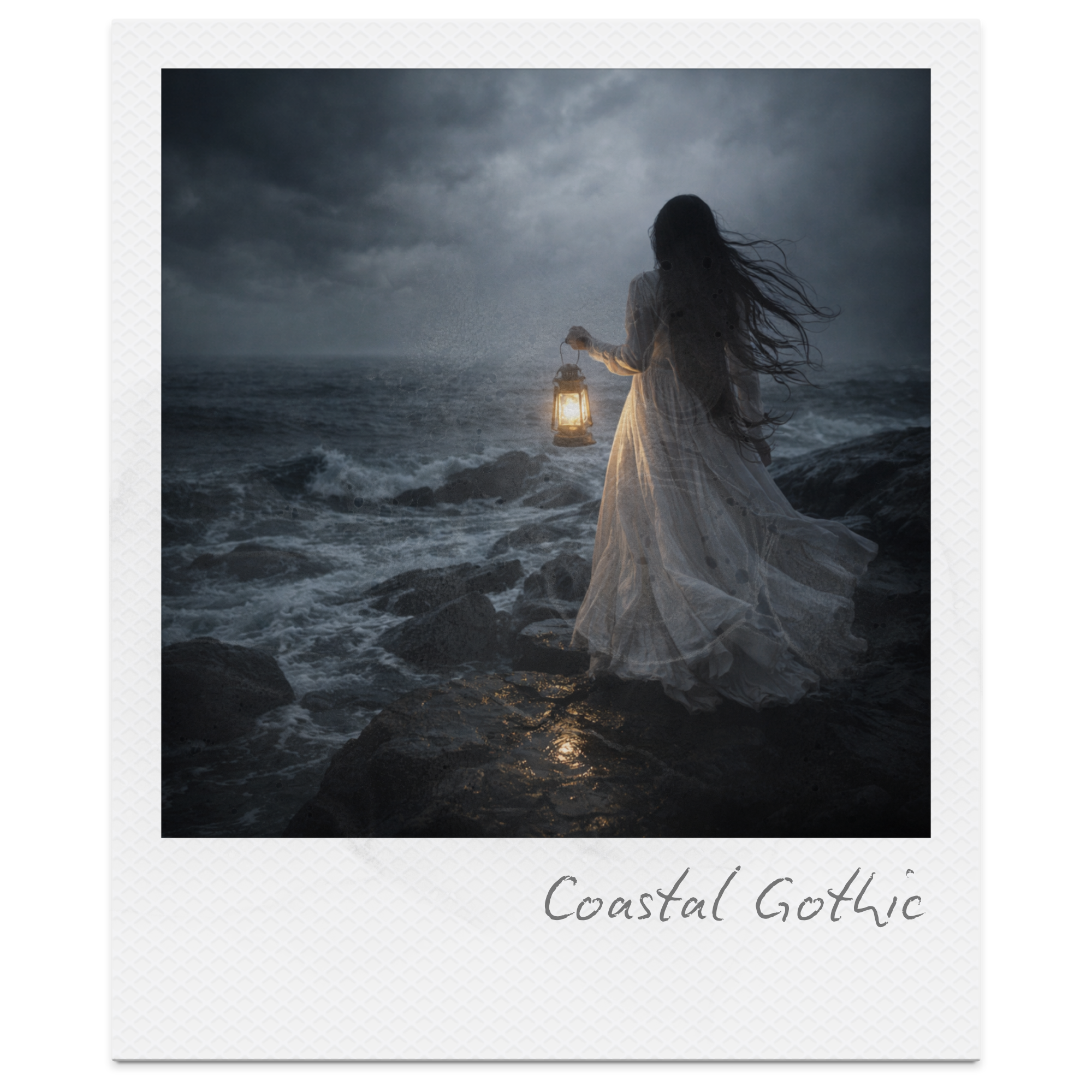
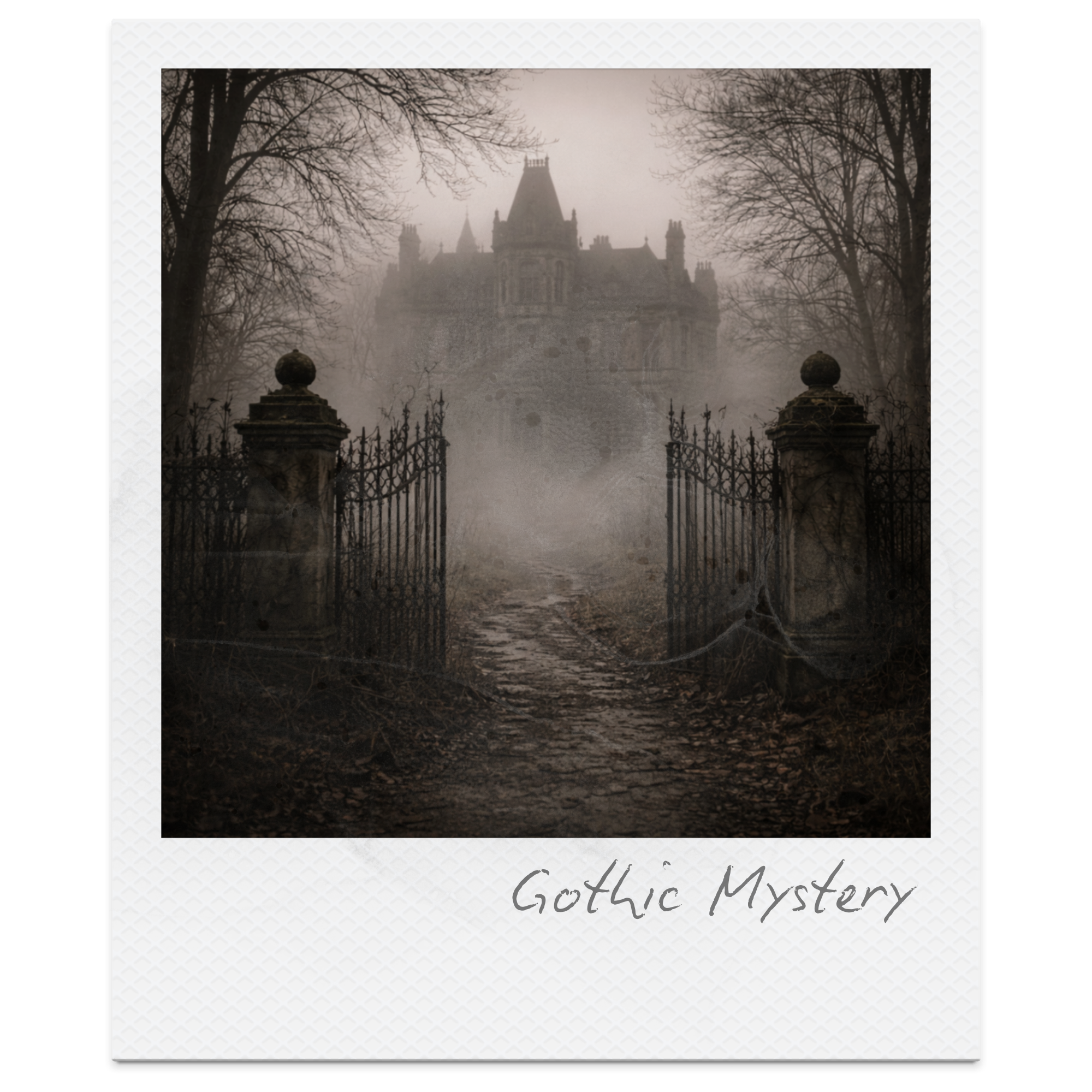
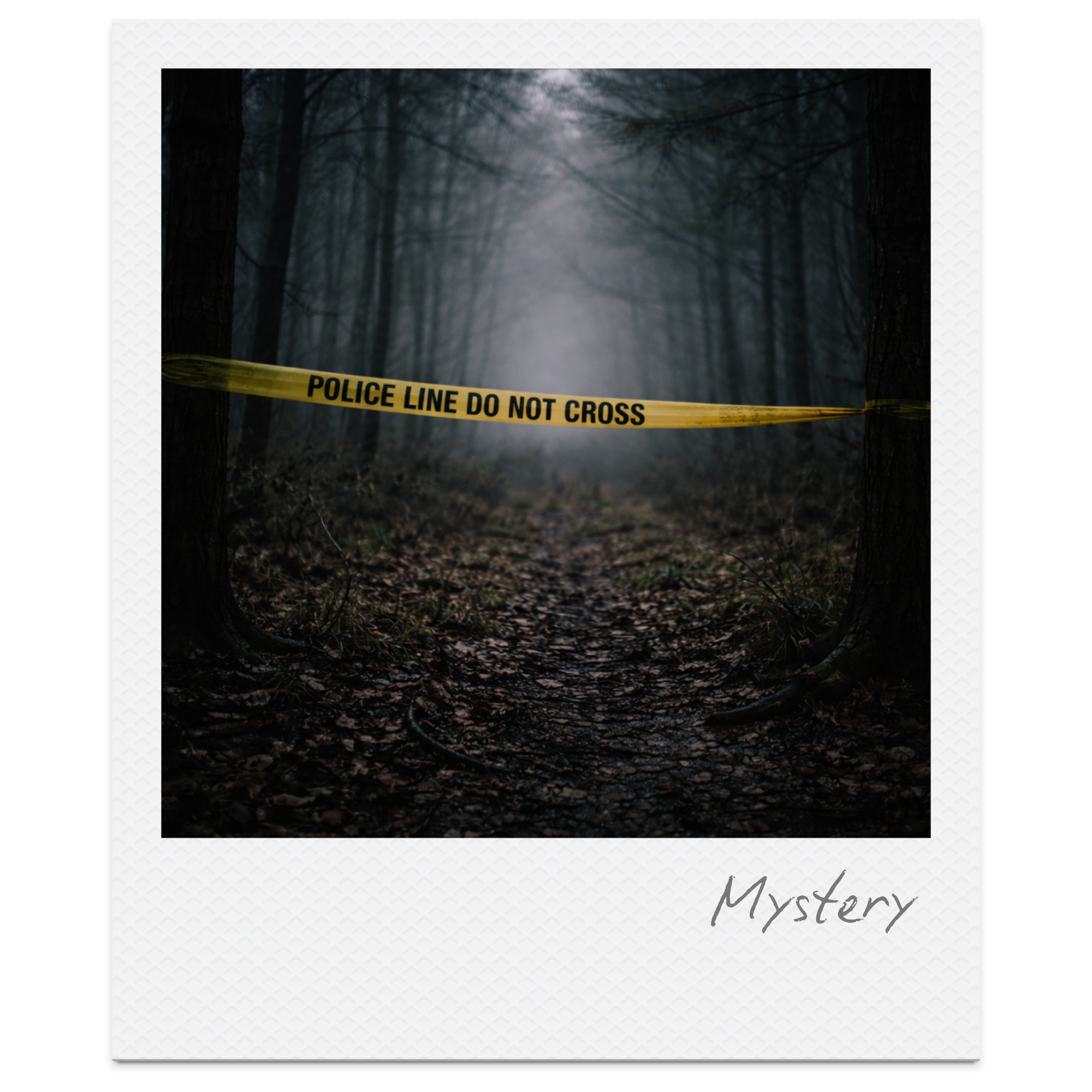
70 Sublime Landscape Writing Prompts: Awe, Danger & the Power of Nature
Few ideas have shaped gothic storytelling as strongly as the concept of the sublime. In literature and art, the sublime describes experiences that inspire both wonder and fear — vast mountains, violent storms, endless oceans, or landscapes so powerful that they overwhelm human understanding. Rather than offering comfort, these environments remind characters how small they are within a world shaped by forces far beyond their control.
In gothic fiction, sublime landscapes often intensify emotional tension. Towering cliffs, storm-dark seas, deep forests, and desolate ruins can mirror the inner turmoil of characters while hinting at mysteries hidden within the natural world. These settings blur the boundary between beauty and danger, allowing nature itself to become part of the story’s atmosphere.
This collection of 70 Sublime Landscape Writing Prompts is designed as a complete creative toolkit, combining plot hooks, title ideas, opening lines, closing lines, character ideas, setting prompts, and cinematic visual inspiration. The prompts explore dramatic natural environments, emotional intensity, and the unsettling power of landscapes that feel both magnificent and threatening.
If you would like to explore more atmospheric storytelling prompts, gothic writing ideas, and landscape-driven fiction, you can also browse the full Creative Writing Archive or explore the wider Gothic Writing Prompts hub, where themes of awe, mystery, and the overwhelming force of nature appear across many forms of storytelling.
1. Plot Hooks
Sublime landscape stories often begin with a moment when a character encounters a place so vast, powerful, or unfamiliar that it changes how they see the world. Towering mountains, endless oceans, deep forests, and violent storms create environments that inspire both awe and unease. In gothic and Romantic traditions, these landscapes often shape the emotional journey of the characters who encounter them.
Write about a traveller who reaches a mountain pass so vast and silent that it feels as though the rest of the world has been left behind.
Write about a character who watches a violent storm rolling across the sea and begins to suspect the storm is moving toward them intentionally.
Write about a village built beneath towering cliffs where occasional rockfalls reveal ancient carvings hidden within the stone.
Write about a group of explorers who discover a glacier so enormous that it appears to control the weather patterns of the surrounding land.
Write about a character who climbs a mountain expecting solitude, only to discover someone else has been waiting at the summit.
Write about a sailor who becomes fascinated with a distant island that appears only during certain storms.
Write about a valley so deep and remote that maps of the region never seem to remain accurate for long.
Write about travellers crossing a desert where the horizon never appears to grow closer no matter how far they walk.
Write about a lighthouse keeper who suspects the sea surrounding the cliffs is responding to something hidden beneath the water.
Write about a character standing at the edge of a vast canyon who begins to feel as though the landscape itself is trying to speak.
2. Title Ideas
Sublime landscape titles often emphasise scale, atmosphere, and emotional intensity rather than revealing the story’s events directly. These titles hint at powerful environments where beauty and danger exist side by side.
Where the Mountains Refuse the Sky
The Storm Beyond the Horizon
A Valley Without End
The Edge of the World
The Sea That Never Sleeps
Beneath the Silent Peaks
The Wind That Watches
The Last Light Over the Cliffs
When the Earth Trembled
The Landscape That Remembered
3. Opening Lines
Stories shaped by sublime landscapes often begin with a moment of quiet recognition — the instant when a character realises they have entered a place far larger and more powerful than themselves. These opening lines introduce landscapes that inspire wonder while hinting at the emotional tension that may follow.
I knew the moment I saw the mountains that the journey had already changed me.
The storm looked beautiful from the distance, but something about it felt wrong.
No one had warned us how silent the valley would be once we arrived.
The ocean stretched so far in every direction that it felt like standing at the edge of the world.
We believed the path through the forest would be simple until the trees began to grow taller and older than anything we had seen before.
Standing on the cliff, I realised the sea below had been shaping this place for centuries.
The desert looked endless under the rising sun, as though the land itself had no interest in human boundaries.
I thought the mountain would feel peaceful from the summit, but instead it felt overwhelming.
The wind carried a sound through the canyon that none of us could explain.
When the clouds finally cleared, the landscape before us looked nothing like the maps we carried.
4. Closing Lines
Stories shaped by sublime landscapes rarely end with complete certainty. Instead, the environment often leaves a lasting impression, reminding characters that the natural world continues long after the story has ended.
Even after we left the mountains behind, I could still feel their presence.
The storm eventually passed, but the silence it left behind felt heavier than the thunder.
The valley remained exactly as we found it, vast and unmoved by our brief arrival.
By morning the desert looked peaceful again, hiding the danger it held the night before.
The sea returned to its quiet rhythm, as though nothing had disturbed it.
Long after we descended from the summit, the view remained fixed in my memory.
The canyon swallowed the sound of our voices as though we had never spoken at all.
The wind continued across the cliffs long after we had gone.
I realised the landscape had never belonged to us, even for a moment.
As we turned away, the horizon stretched endlessly ahead, unchanged by our passing.
5. Character Ideas
Characters drawn into sublime landscapes often confront their own fears, ambitions, or uncertainties while facing environments that seem almost indifferent to human presence.
A mountaineer determined to reach a summit no one in their community believes can be climbed.
A cartographer whose maps become increasingly inaccurate the deeper they travel into a remote wilderness.
A sailor who believes the ocean is trying to guide them somewhere specific.
A scientist studying extreme weather patterns that appear to be growing stronger each year.
A traveller searching for a valley described only in fragments of old journals.
A lighthouse keeper who spends years observing the same stretch of coastline.
An explorer who becomes obsessed with understanding a canyon that appears deeper than any recorded measurement.
A photographer determined to capture the beauty of dangerous landscapes.
A historian researching legends tied to a mountain range no one willingly enters.
A wanderer who feels most at home only in places where nature appears overwhelming.
6. Setting Ideas
Sublime landscapes are environments defined by scale, danger, and beauty. These locations allow writers to explore stories where the natural world feels both magnificent and intimidating.
A remote mountain range where storms appear suddenly and without warning.
A narrow coastal cliff path overlooking a vast and violent ocean.
A canyon so deep that sunlight reaches the ground for only a few hours each day.
A glacier slowly moving through a valley over centuries.
A desert where enormous sandstorms reshape the land overnight.
A dense forest where the oldest trees have stood for hundreds of years.
A windswept plateau where travellers can see for miles in every direction.
A chain of islands rising from the ocean during extremely low tides.
A waterfall so large that its constant mist creates its own weather system.
A hidden valley surrounded by mountains so steep that few people ever reach it.
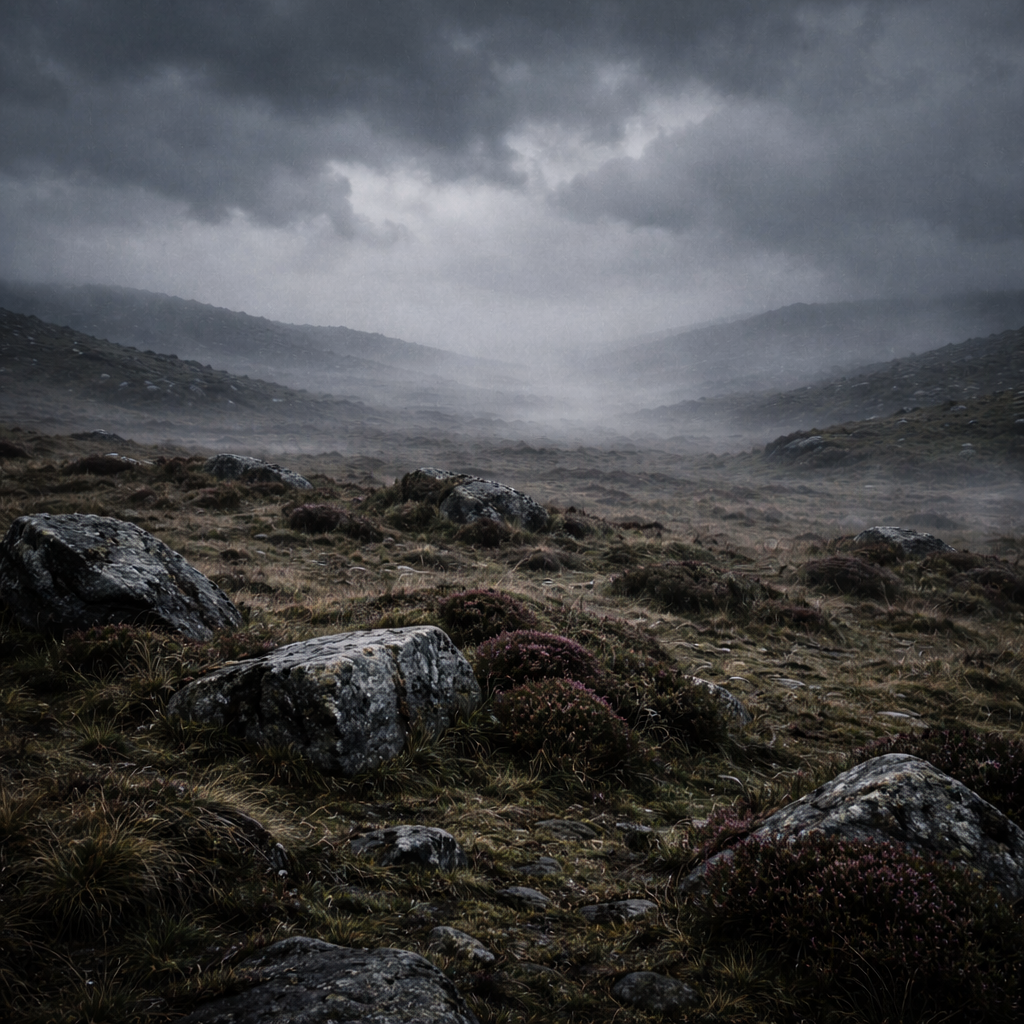
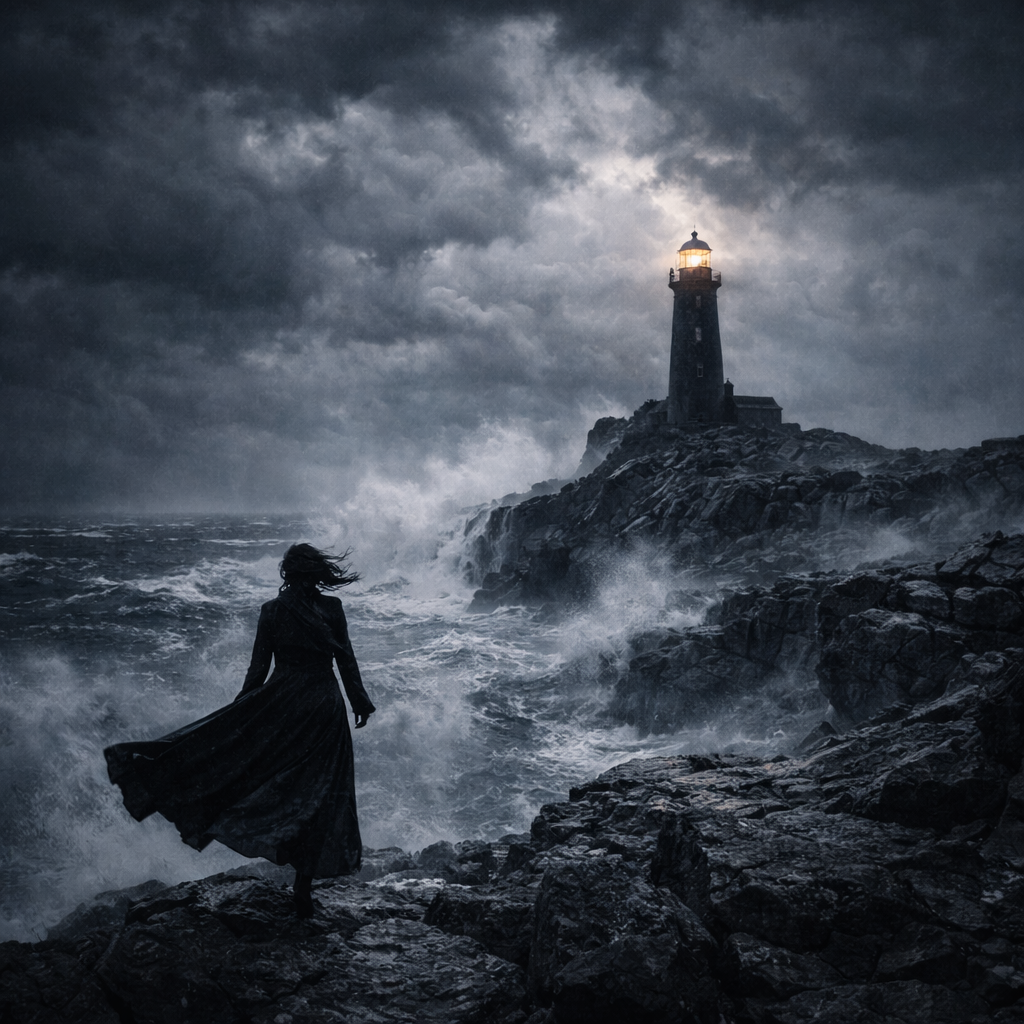
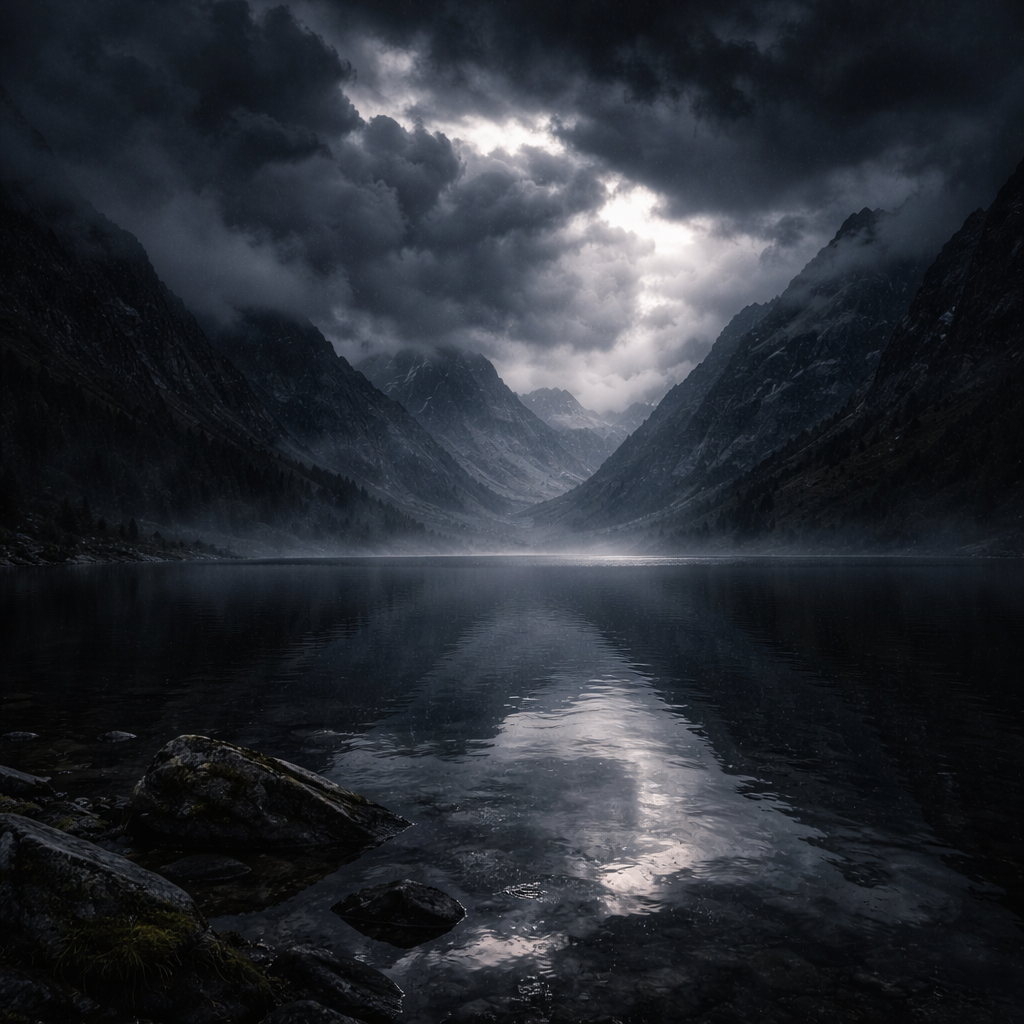
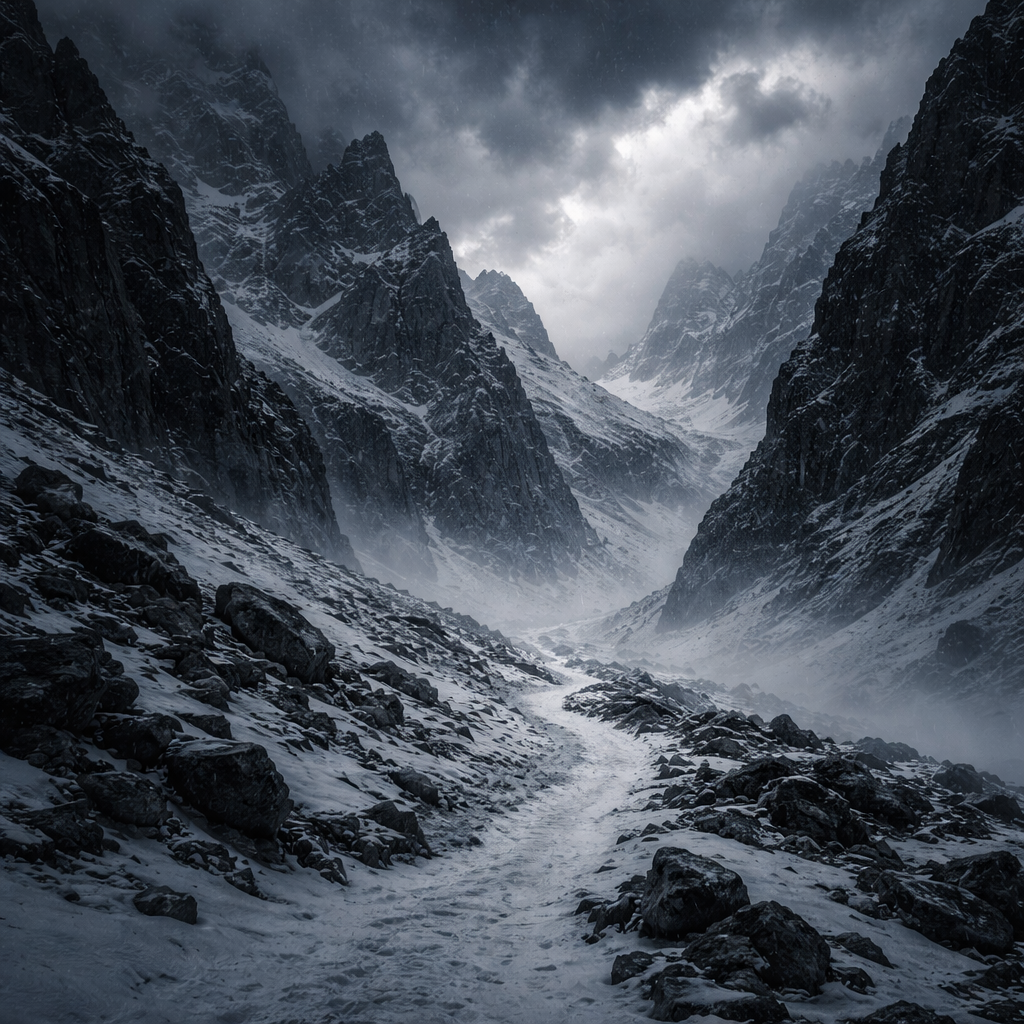
7. Picture Prompts
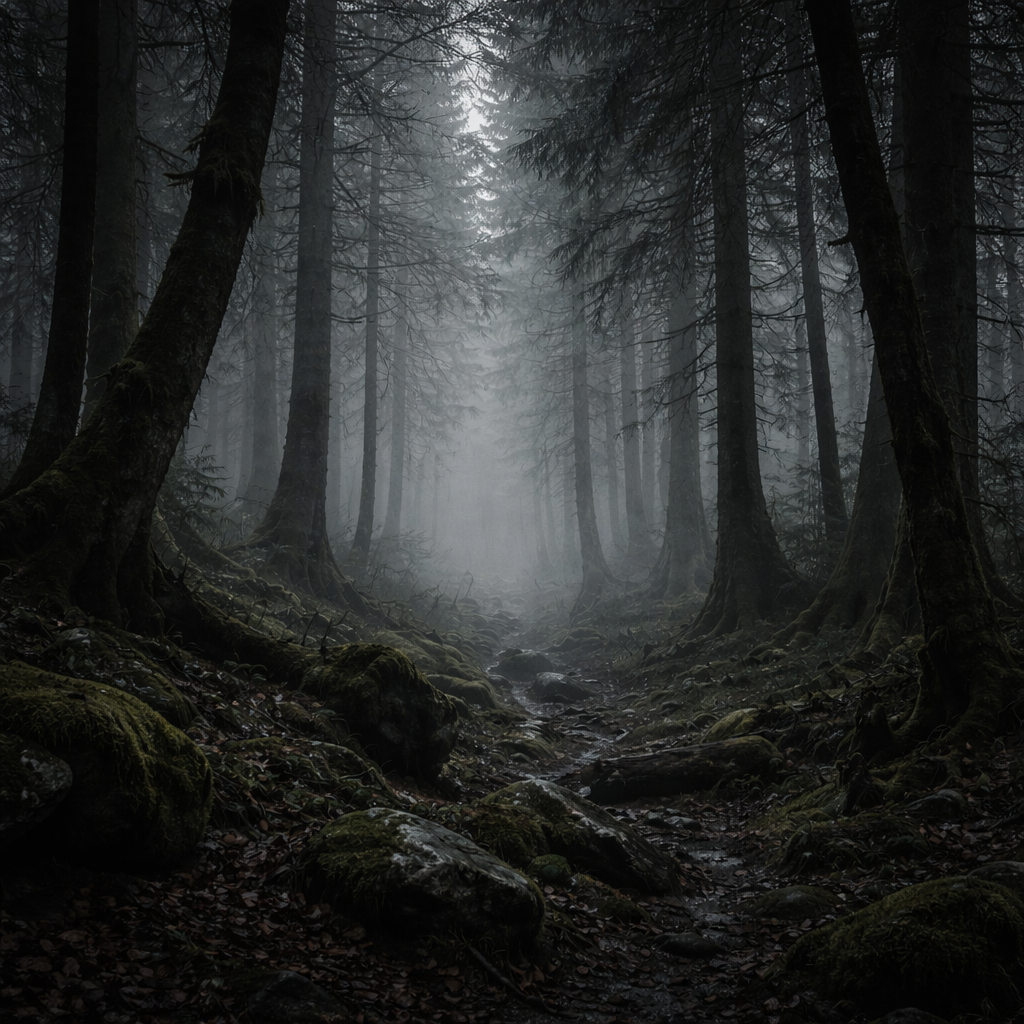
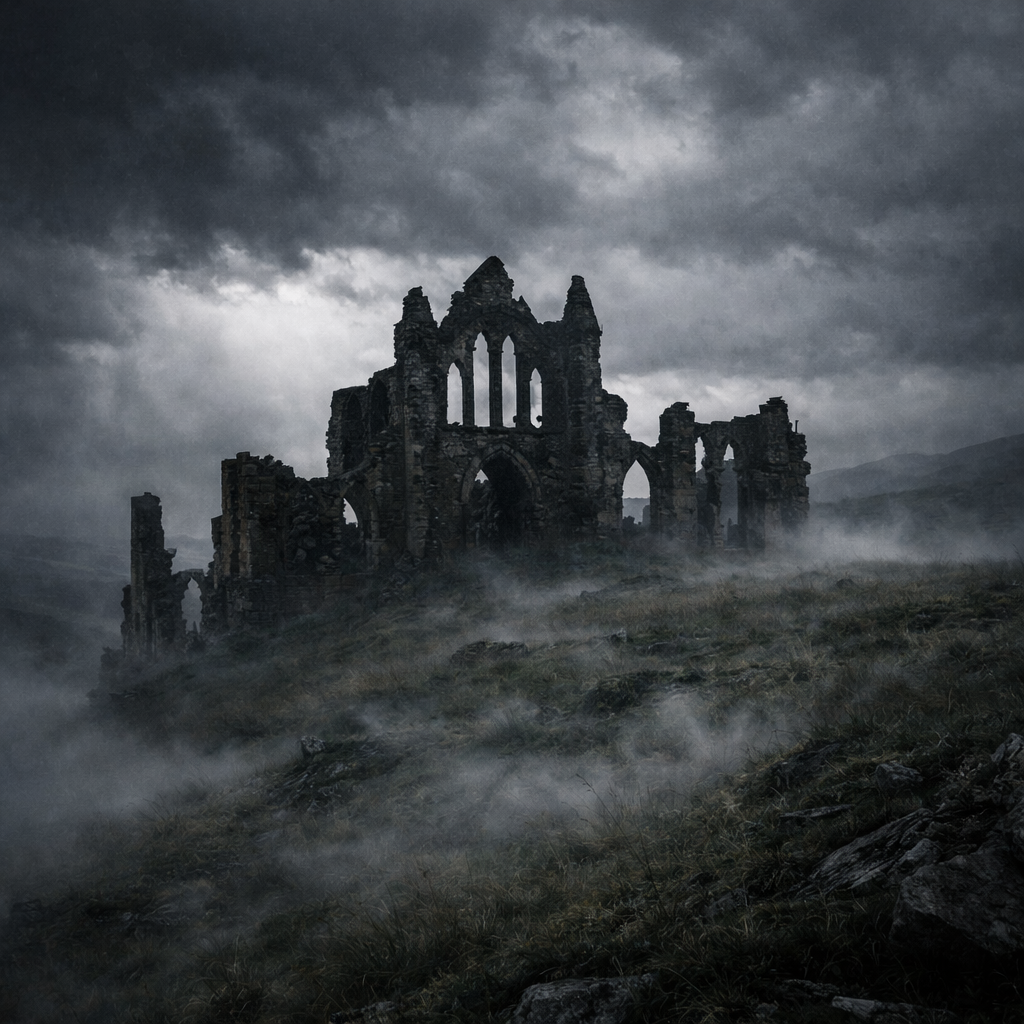
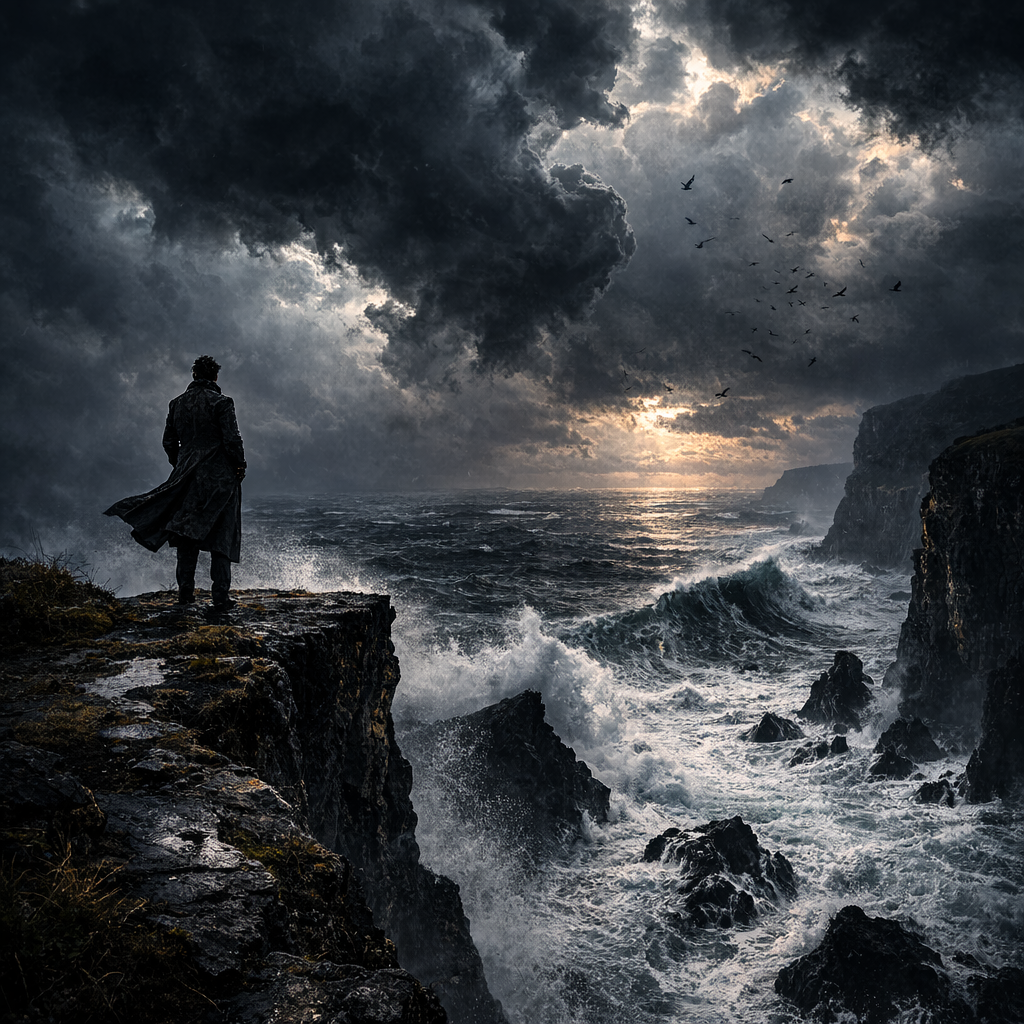
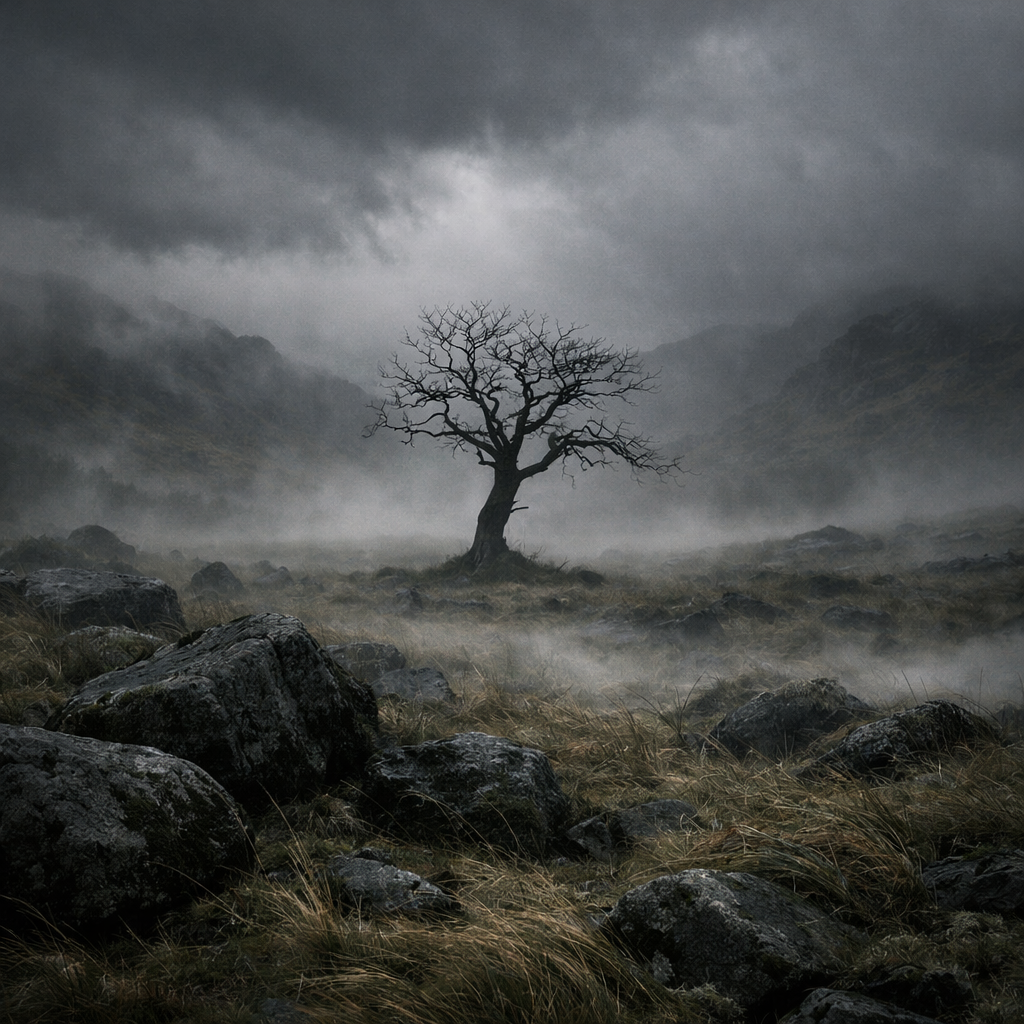
Visual prompts work especially well for sublime landscapes because atmosphere, scale, and perspective can inspire entire stories without explanation. Images of dramatic environments encourage writers to imagine what happened before the moment captured and what might follow.
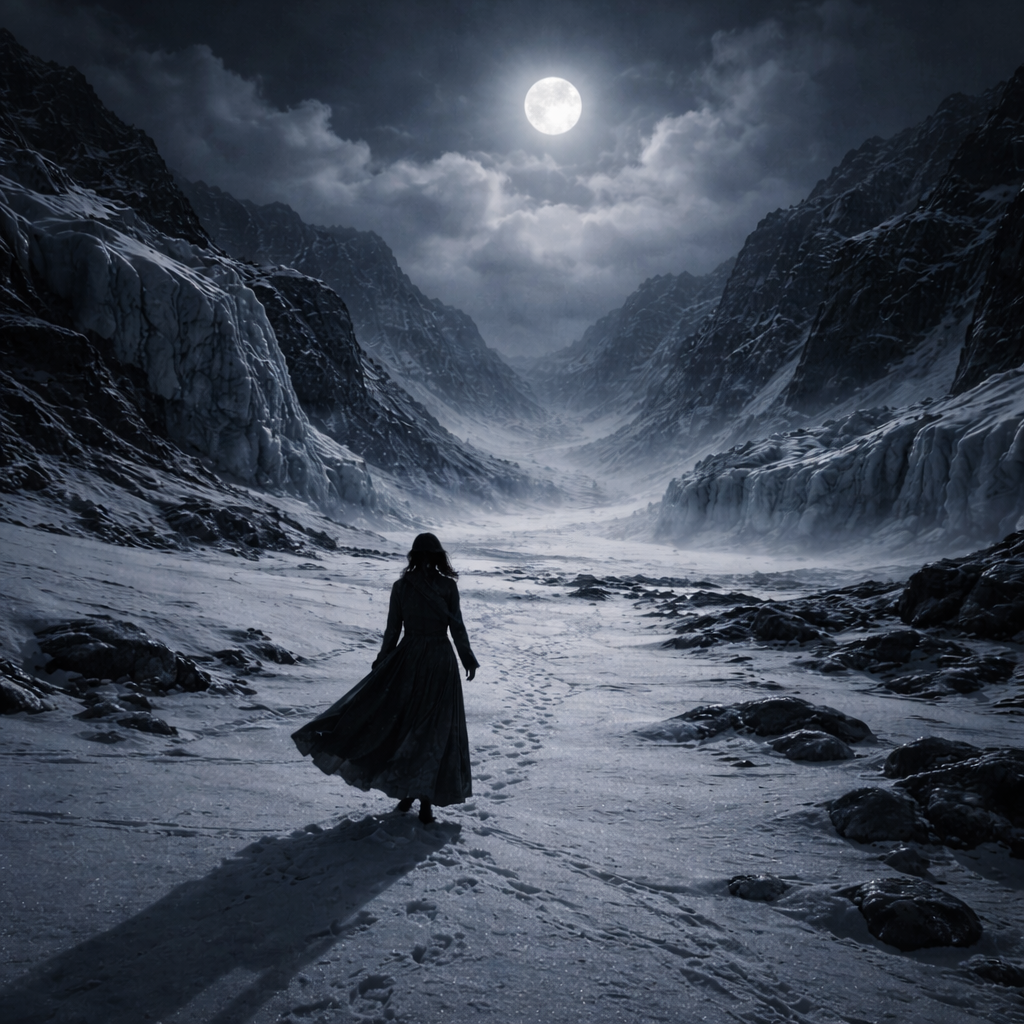
Go Deeper into Sublime Landscape Stories
To develop stories inspired by the sublime, writers can focus on how characters respond emotionally to overwhelming environments. In many powerful narratives, the landscape does not simply provide scenery — it influences decisions, fears, and moments of transformation.
◆ Rewrite a prompt focusing entirely on sensory detail such as wind, temperature, sound, or scale.
◆ Describe a moment when a character realises the landscape around them is far more powerful than they expected.
◆ Write a scene where two characters experience the same landscape very differently.
◆ Explore how a character’s emotions change after witnessing a landscape that inspires both wonder and fear.
Final Thoughts
Sublime landscapes continue to inspire powerful storytelling because they capture the fragile relationship between human experience and the immense forces of nature. Mountains, oceans, deserts, and storms remind characters that the world is far larger than their own ambitions or fears.
These 70 Sublime Landscape Writing Prompts encourage writers to explore atmosphere, scale, and emotional intensity through environments that inspire both awe and unease. Whether used for creative writing exercises, classroom activities, or longer fiction projects, the prompts invite writers to imagine stories shaped by landscapes that feel both magnificent and overwhelming.
If you would like to explore more atmospheric writing ideas, gothic storytelling prompts, and landscape-driven fiction, you can browse the full Creative Writing Archive or visit the Gothic Writing Prompts hub, where themes of mystery, beauty, and emotional intensity appear across many different storytelling traditions.
Choose Your Next Adventure