Stories of Ourselves Volume 2: Study Guides, Analysis and Teaching Resources
Stories of Ourselves Volume 2 is a core prose anthology studied in CIE IGCSE English Literature (0475 & 0922) and IGCSE World Literature (0408). Bringing together a wide range of short stories from different writers, cultures, and time periods, the collection explores themes such as identity, memory, conflict, power, isolation, morality, family, and human experience, while exposing students to varied narrative styles, voices, and perspectives.
At IGCSE level, students are encouraged to analyse how writers use language, structure, symbolism, narrative perspective, and characterization to create meaning and shape readers’ responses. The anthology also develops students’ understanding of how context, setting, and viewpoint influence interpretation, helping them build more confident and detailed analytical responses.
This page brings together study guides, analysis, essay support, and teaching resources for each story in the collection, supporting both classroom teaching and independent revision. For more literature resources, poetry analysis, and exam-focused text guides, explore the Literature Library.
Scroll down to find resources for IGCSE Literature in English (0475 & 0922) and IGCSE World Literature (0408).
IGCSE English Literature (0475 & 0922)
The following short stories from Stories of Ourselves Volume 2 are set for CIE IGCSE English Literature (0475 & 0922) and are covered in the 2027 examinations. These texts form part of the prescribed prose selection for Paper 1, where candidates respond to a passage-based or general essay question on one of the anthology stories.
These stories are studied with a focus on how writers use language, structure, characterization, narrative perspective, setting, and symbolism to shape meaning and create effects. Students are also expected to explore key themes, develop supported interpretations, and analyse how writers influence readers’ responses throughout the text.
Each story below links to a detailed analysis, including summary, themes, context, key quotes, literary techniques, and exam-focused insights, designed to support both classroom teaching and independent revision:
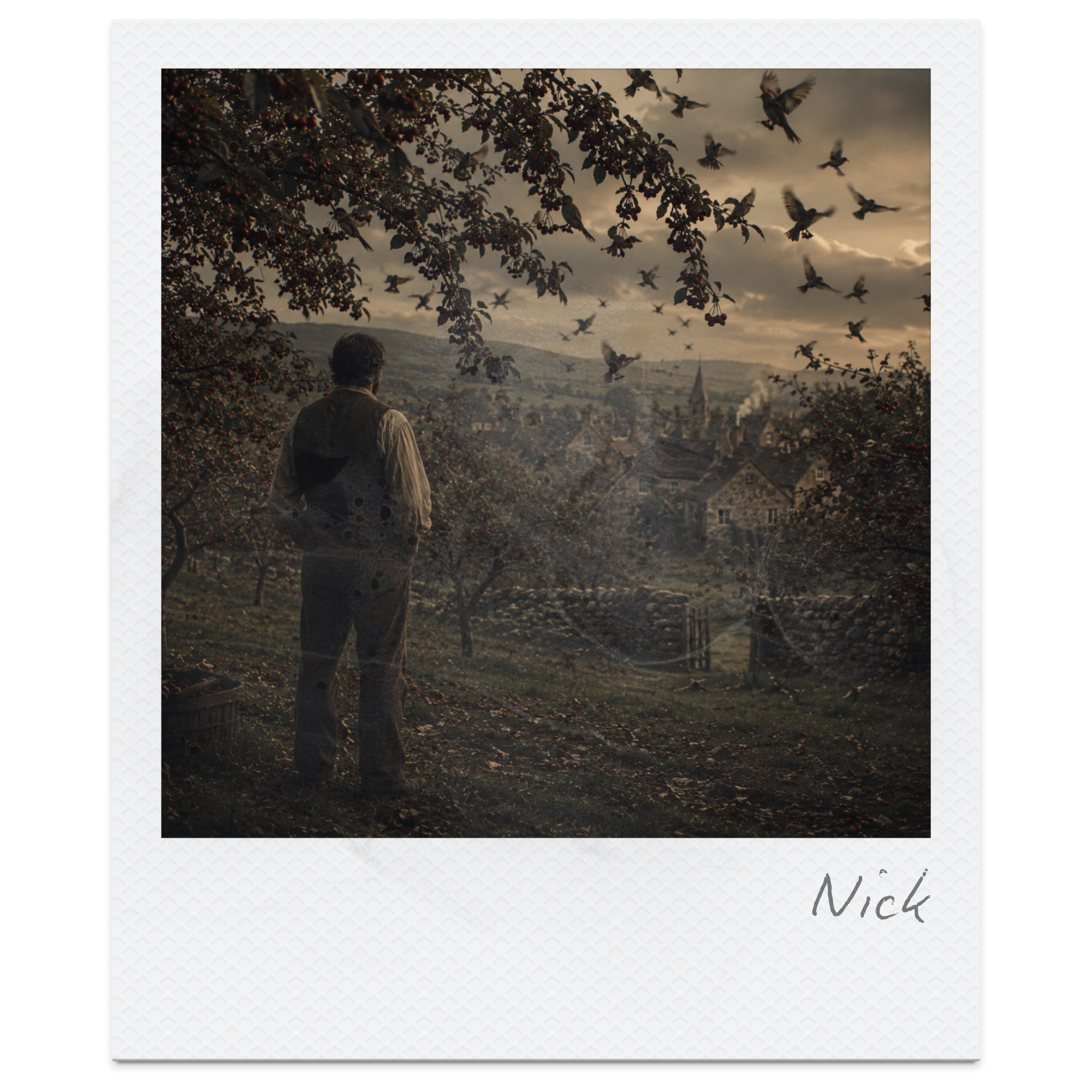

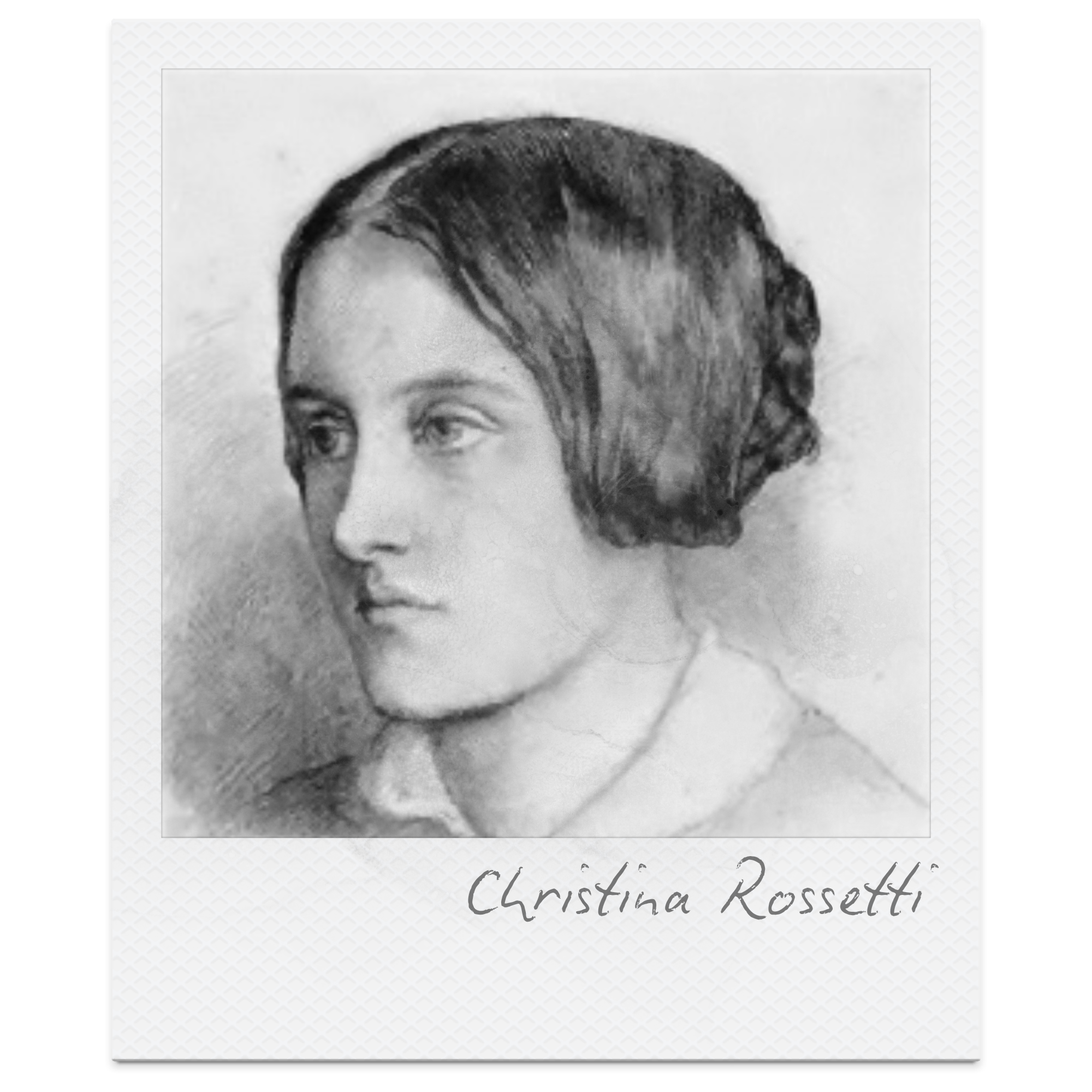
Nick – Christina Rossetti
A darkly comic short story exploring envy, greed, morality, and self-destruction through magical transformations, symbolic punishment, and ironic narrative voice, revealing how bitterness and resentment ultimately harm the individual more than the wider community.
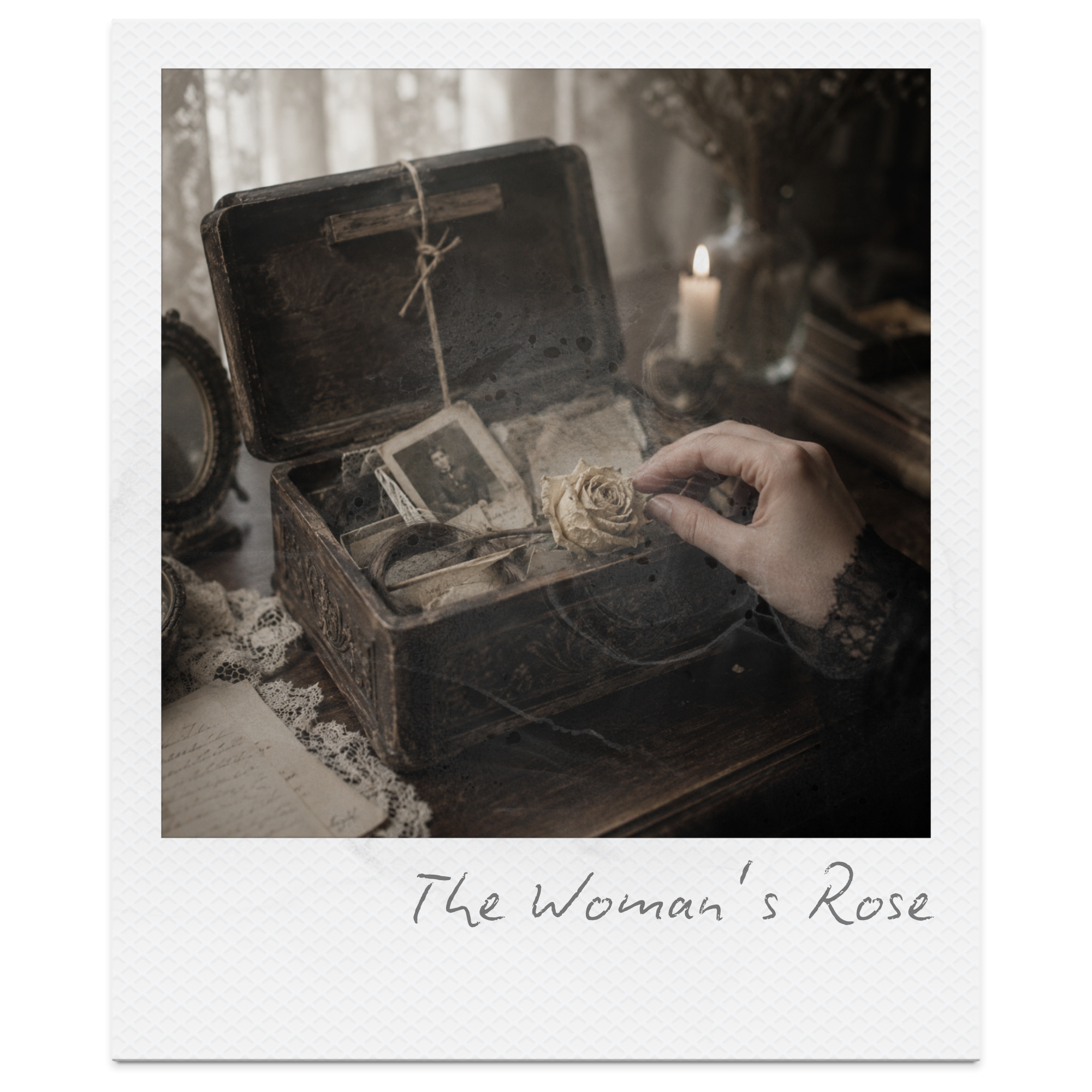
The Woman’s Rose – Olive Schreiner
A reflective and emotionally restrained short story exploring female solidarity, memory, identity, and patriarchal power through symbolic imagery, retrospective narration, and emotional subtlety, revealing how compassion and generosity can survive within social systems built on rivalry and comparison.
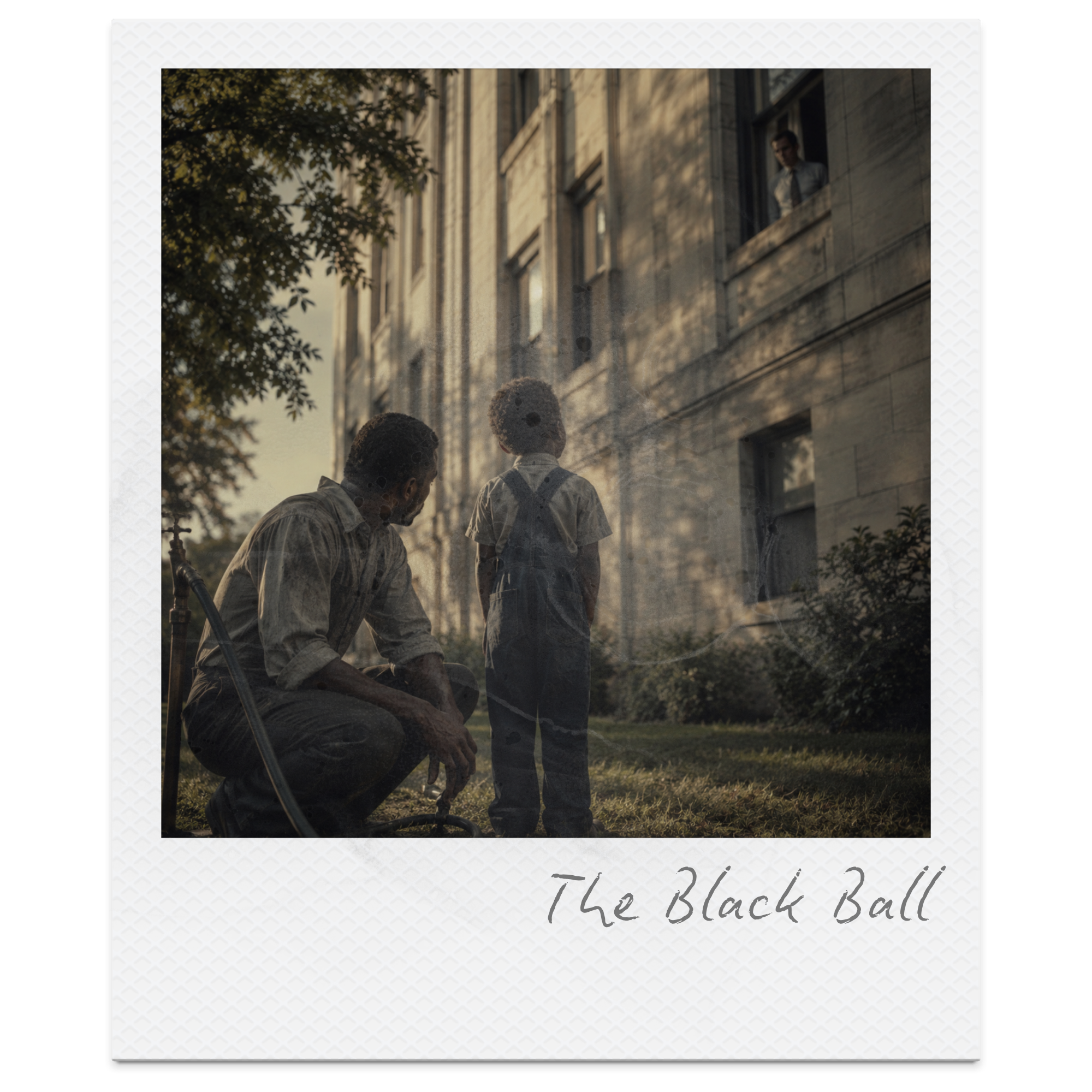
The Black Ball – Ralph Ellison
A powerful and emotionally restrained short story exploring racism, identity, fatherhood, social inequality, and the loss of innocence through symbolism, dramatic irony, reflective narration, and everyday realism, revealing how prejudice quietly shapes ordinary life while exposing the emotional pressure of surviving within unequal systems of power.
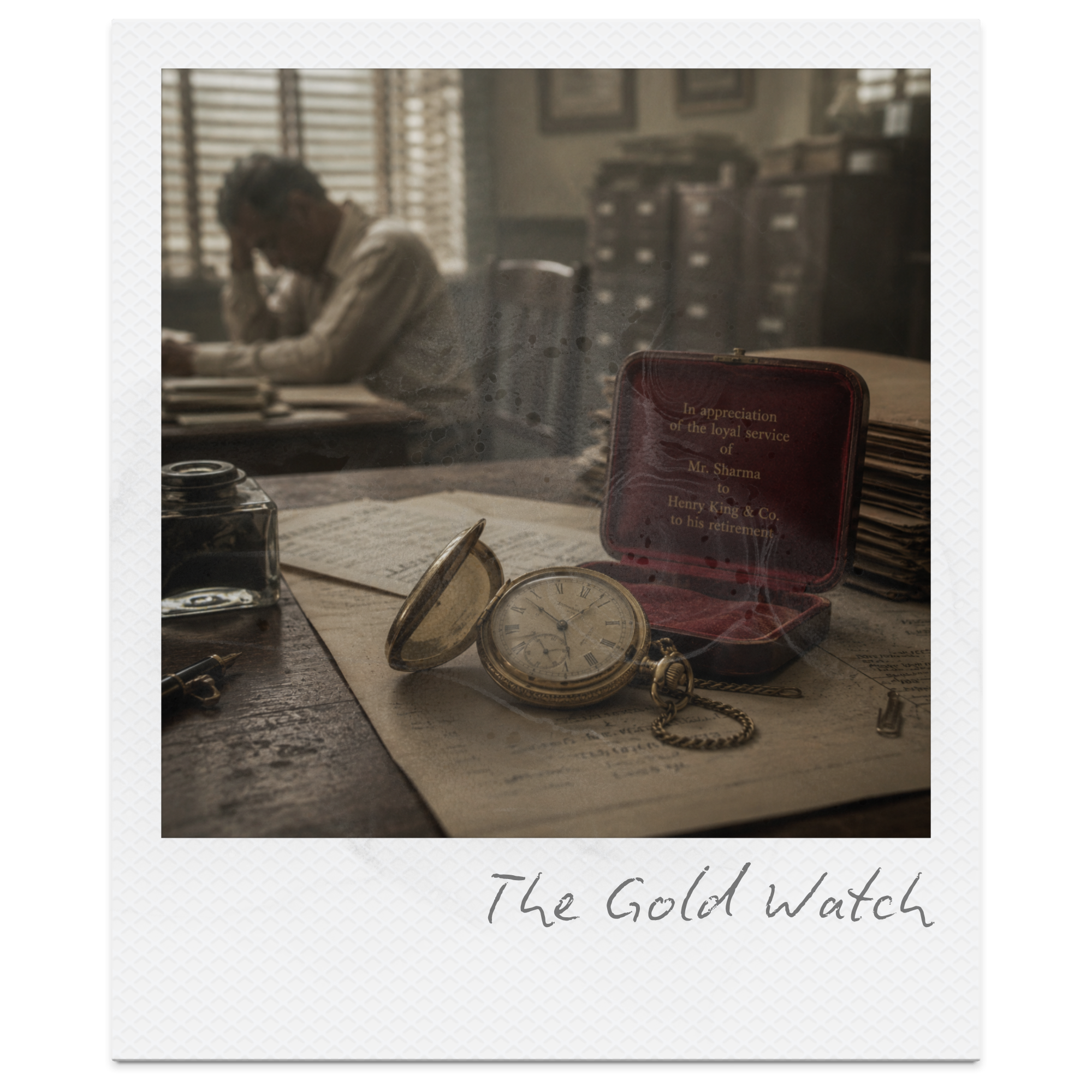
The Gold Watch – Mulk Raj Anand
A psychologically realistic and deeply restrained short story exploring colonial power, workplace hierarchy, economic insecurity, and human dignity through irony, symbolism, and emotional tension, revealing how institutional systems disguise cruelty beneath formality, loyalty, and gestures of appreciation.
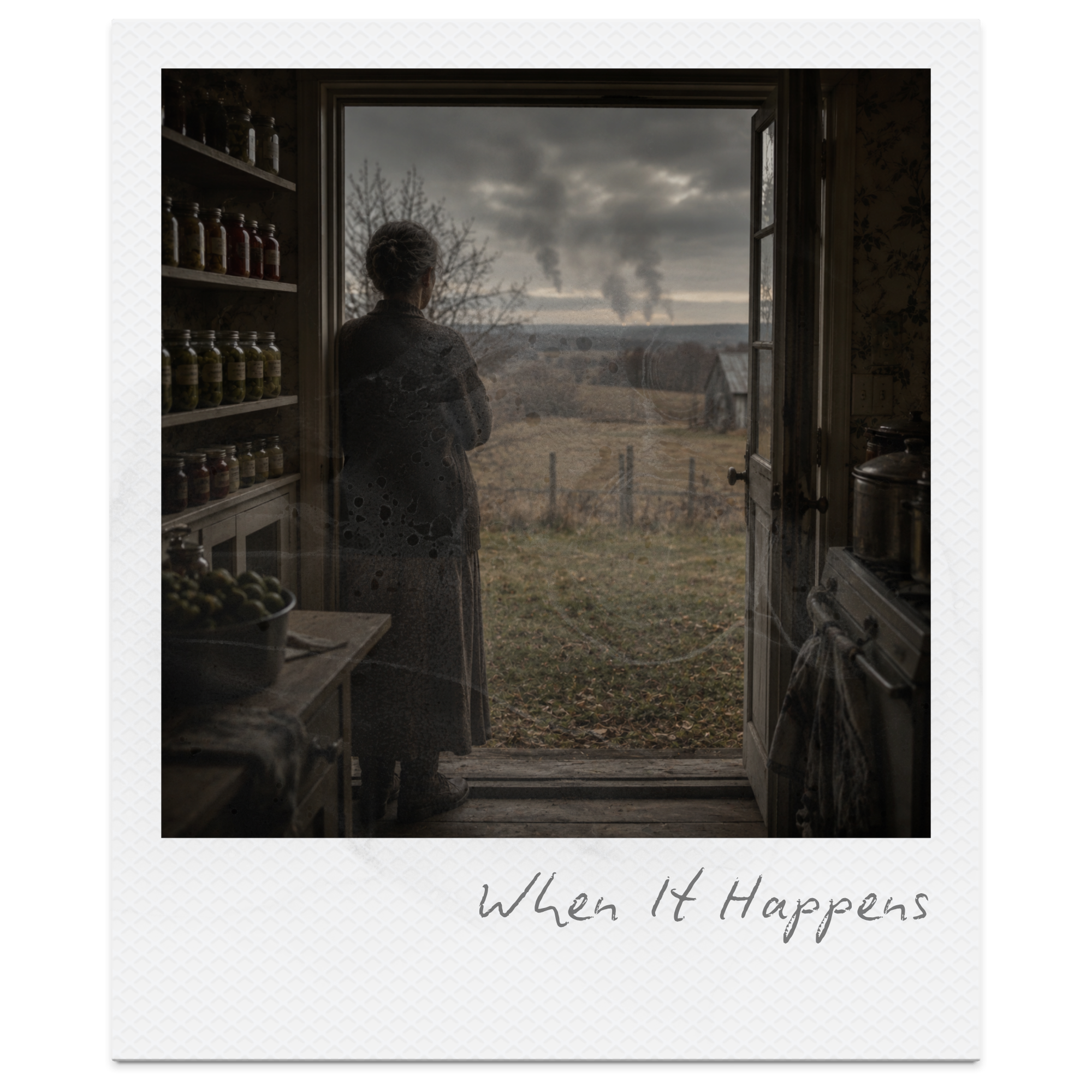
When It Happens – Margaret Atwood
A psychologically tense and quietly unsettling short story exploring fear, survival, aging, social breakdown, and uncertainty through ambiguity, symbolic domestic imagery, reflective narration, and apocalyptic atmosphere, revealing how the anticipation of disaster can gradually transform ordinary life into a state of emotional isolation and constant preparedness.
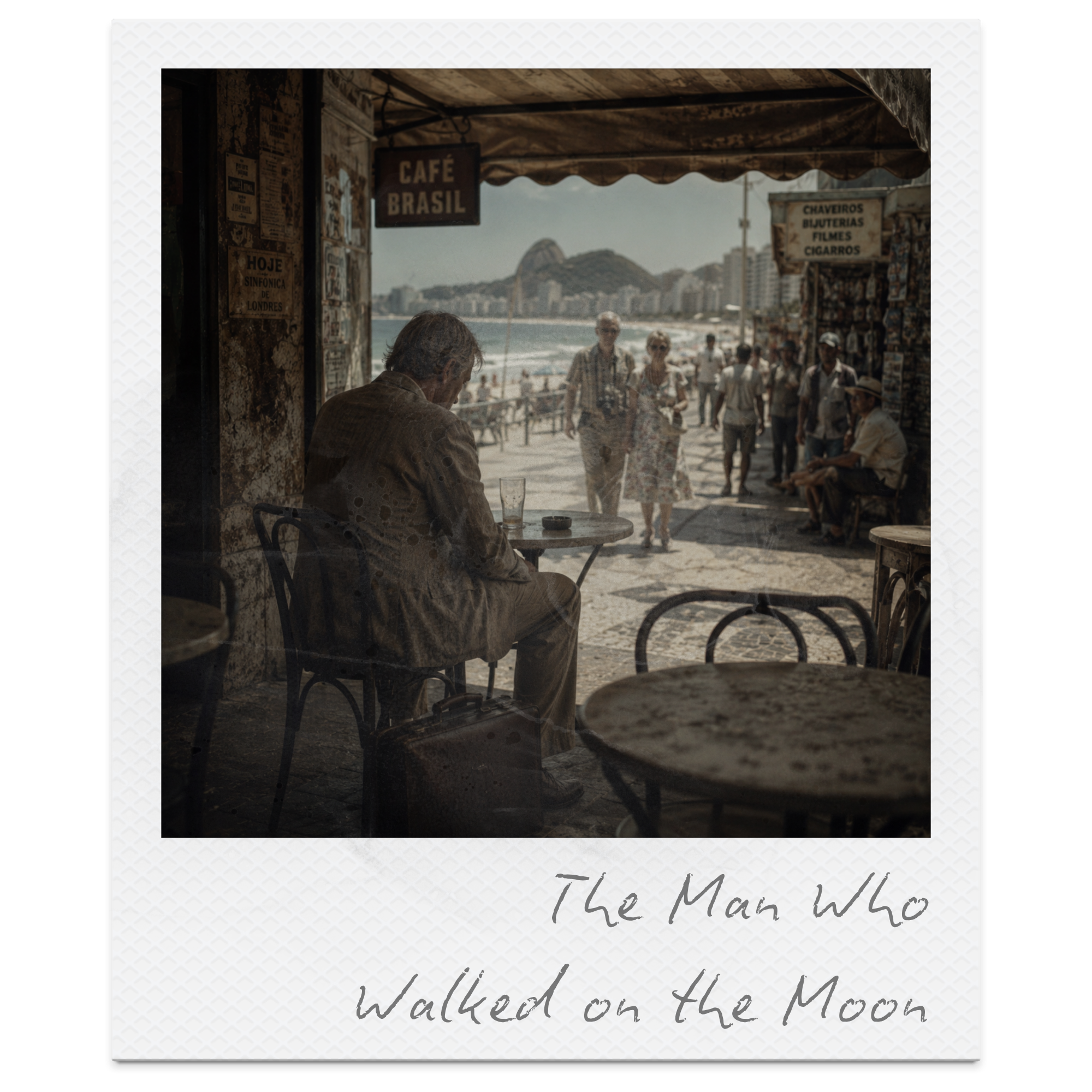
The Man Who Walked on the Moon – J.G. Ballard
A psychologically unsettling and deeply reflective short story exploring alienation, identity, loneliness, illusion, and emotional disconnection through symbolism, first-person narration, cyclical structure, and psychological ambiguity, revealing how isolation and failure can gradually blur the boundary between fantasy and reality within modern society.
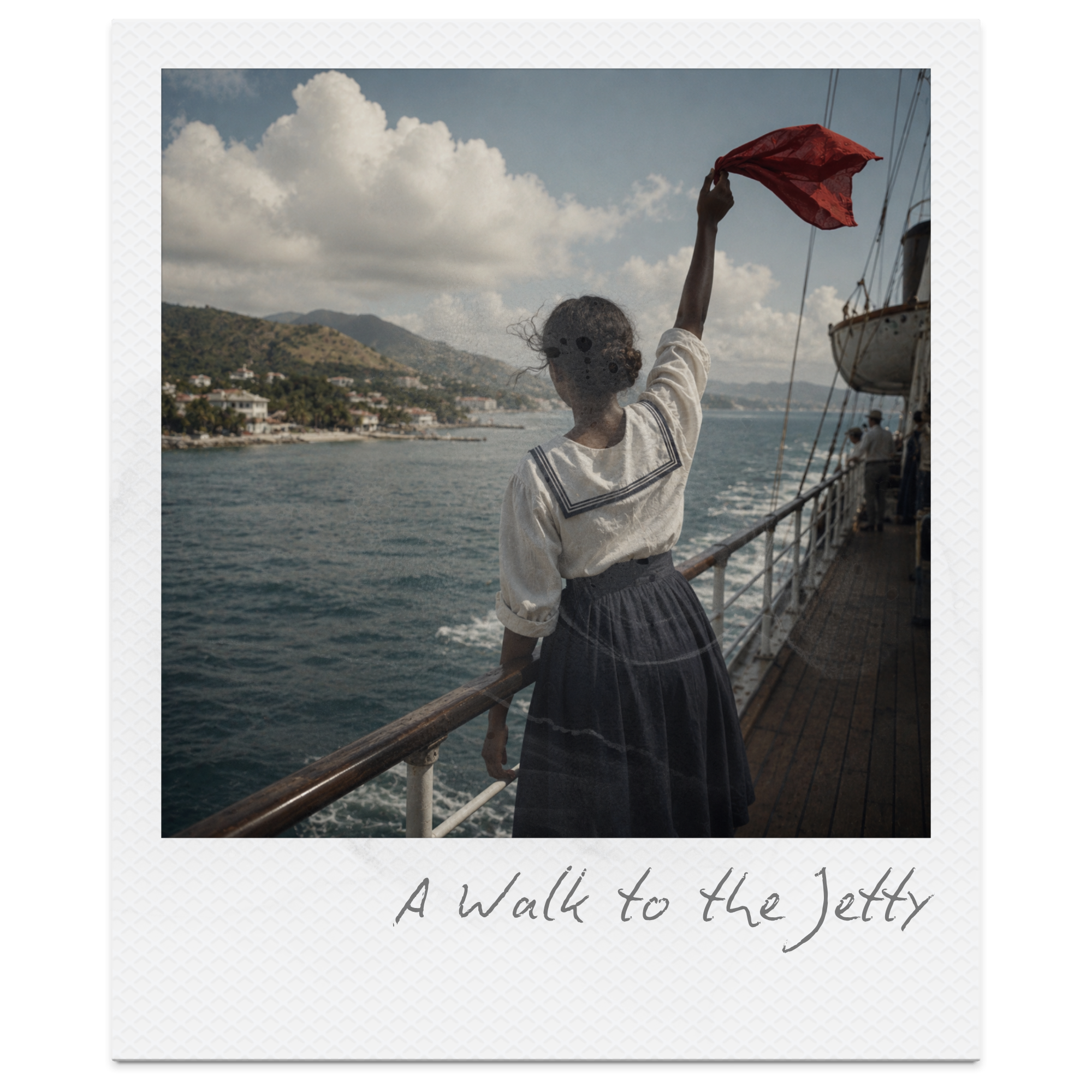
A Walk to the Jetty – Jamaica Kincaid
A deeply reflective and emotionally complex short story exploring identity, separation, motherhood, migration, colonialism, and belonging through first-person narration, symbolism, fragmented memory, and emotional contradiction, revealing how leaving home can become both an act of liberation and a painful emotional rupture shaped by family, place, and self-discovery.
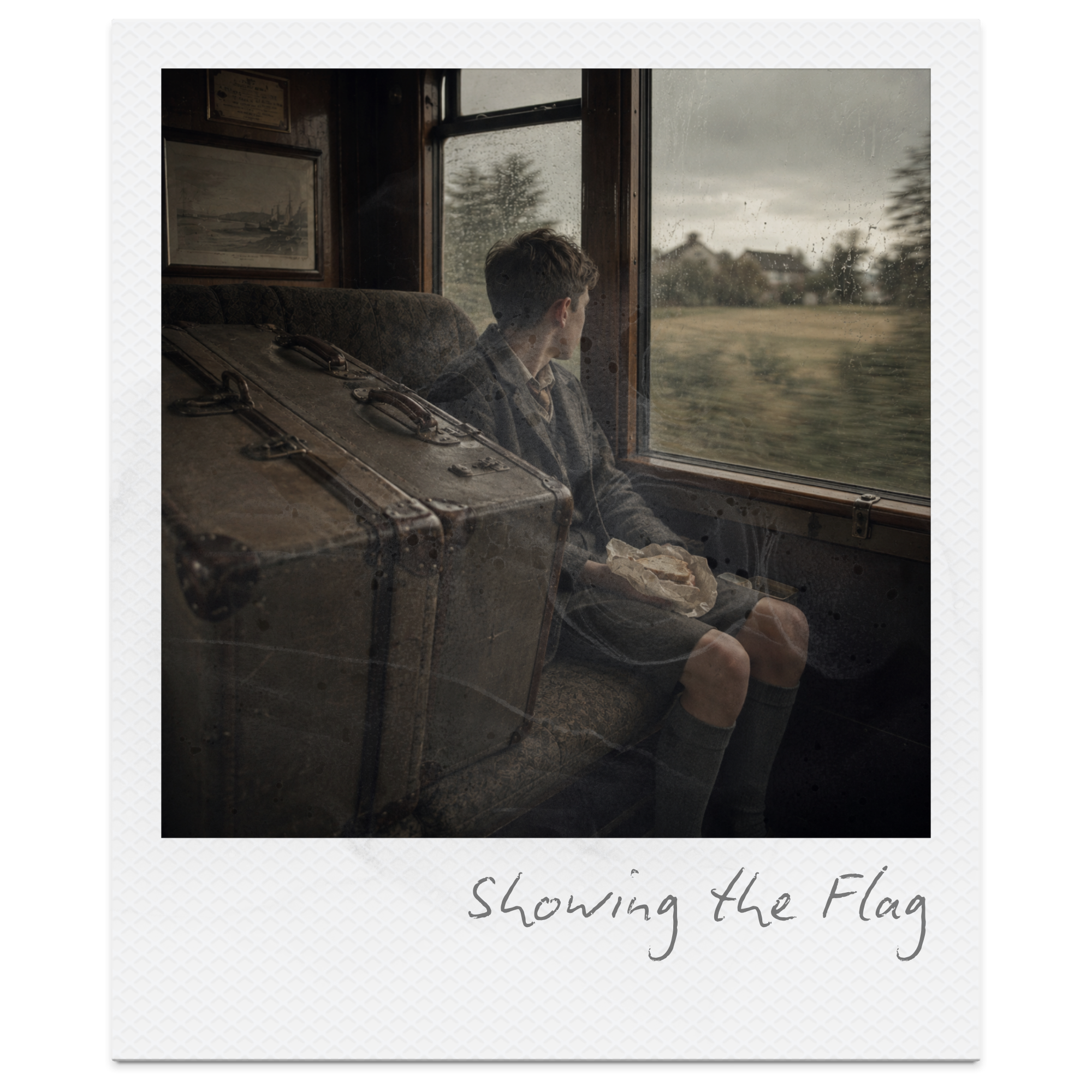
Showing the Flag – Jane Gardam
A psychologically rich and emotionally unsettling short story exploring childhood insecurity, grief, emotional repression, belonging, and parental relationships through close psychological narration, symbolism, irony, and emotional misunderstanding, revealing how loneliness and fear can distort a child’s understanding of love, identity, and emotional care.
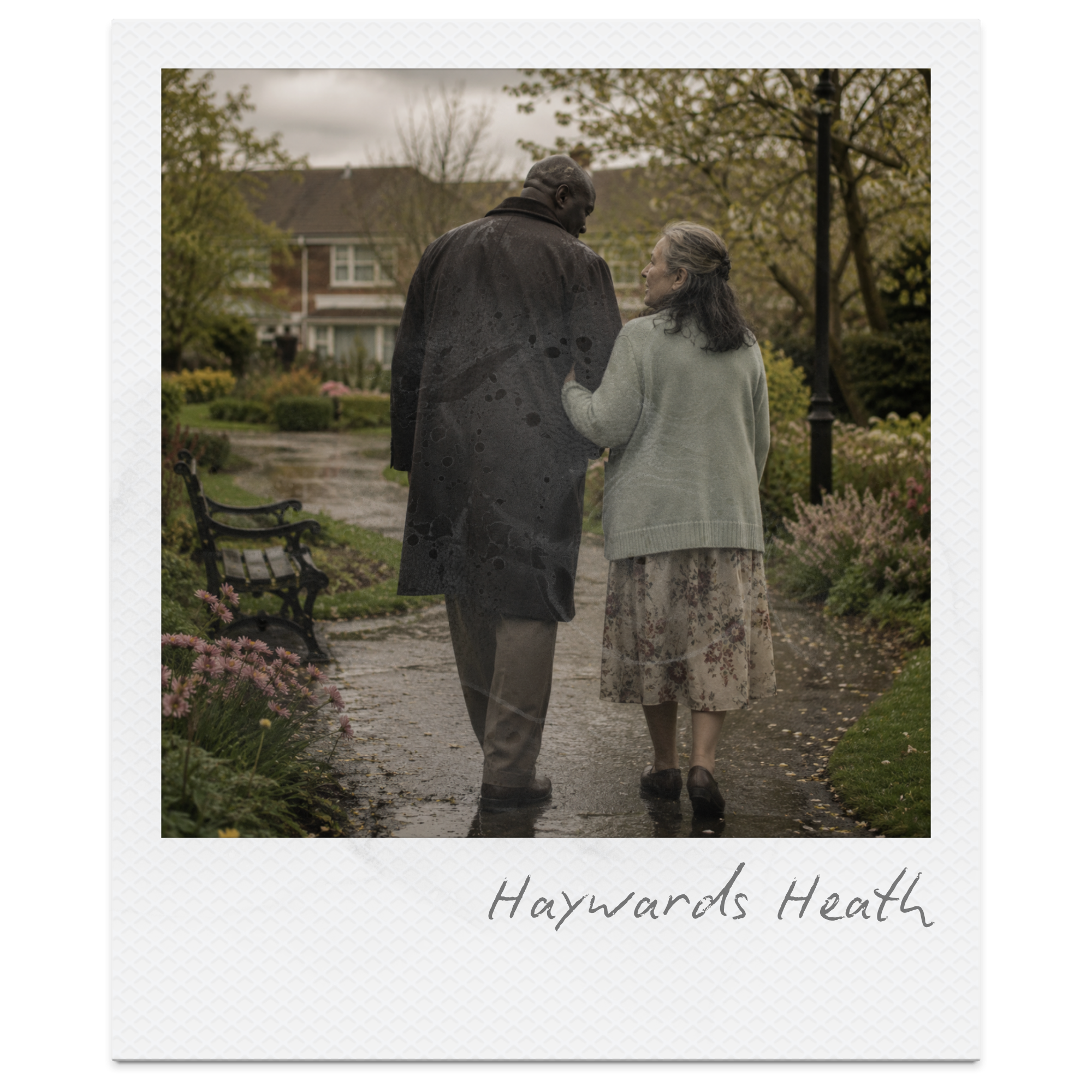
Haywards Heath – Aminatta Forna
A quiet, emotionally restrained short story exploring memory, aging, regret, love, and emotional displacement through fragmented narration, symbolism, repetition, and subtle emotional tension, revealing how human connection can survive even as identity, time, and memory begin to fade.
Fluke – Romesh Gunesekera
A darkly ironic and politically unsettling short story exploring memory, denial, capitalism, post-war identity, and collective amnesia through reflective first-person narration, symbolism, satire, and understated political tension, revealing how societies attempt to bury violence and guilt beneath tourism, commercial progress, and the comforting illusion of forgetting.
IGCSE World Literature (0408)
The following short stories are studied as part of CIE IGCSE World Literature (0408) and are covered in the 2027 and 2028 examinations. These texts form part of the prescribed prose selection, where students respond to questions exploring how writers shape meaning, present ideas, and influence readers through literary methods and narrative craft.
Students studying these stories are expected to analyse how writers use language, structure, characterization, narrative perspective, setting, symbolism, and atmosphere to create meaning and emotional impact. The course also encourages students to develop supported personal interpretations while exploring wider themes such as identity, conflict, memory, tradition, power, loss, morality, and cultural change across a diverse range of international texts.
Each story below links to a detailed analysis, including summary, themes, context, key quotes, literary techniques, and exam-focused insights designed to support both classroom teaching and independent revision for the 2027 and 2028 CIE IGCSE World Literature examinations.
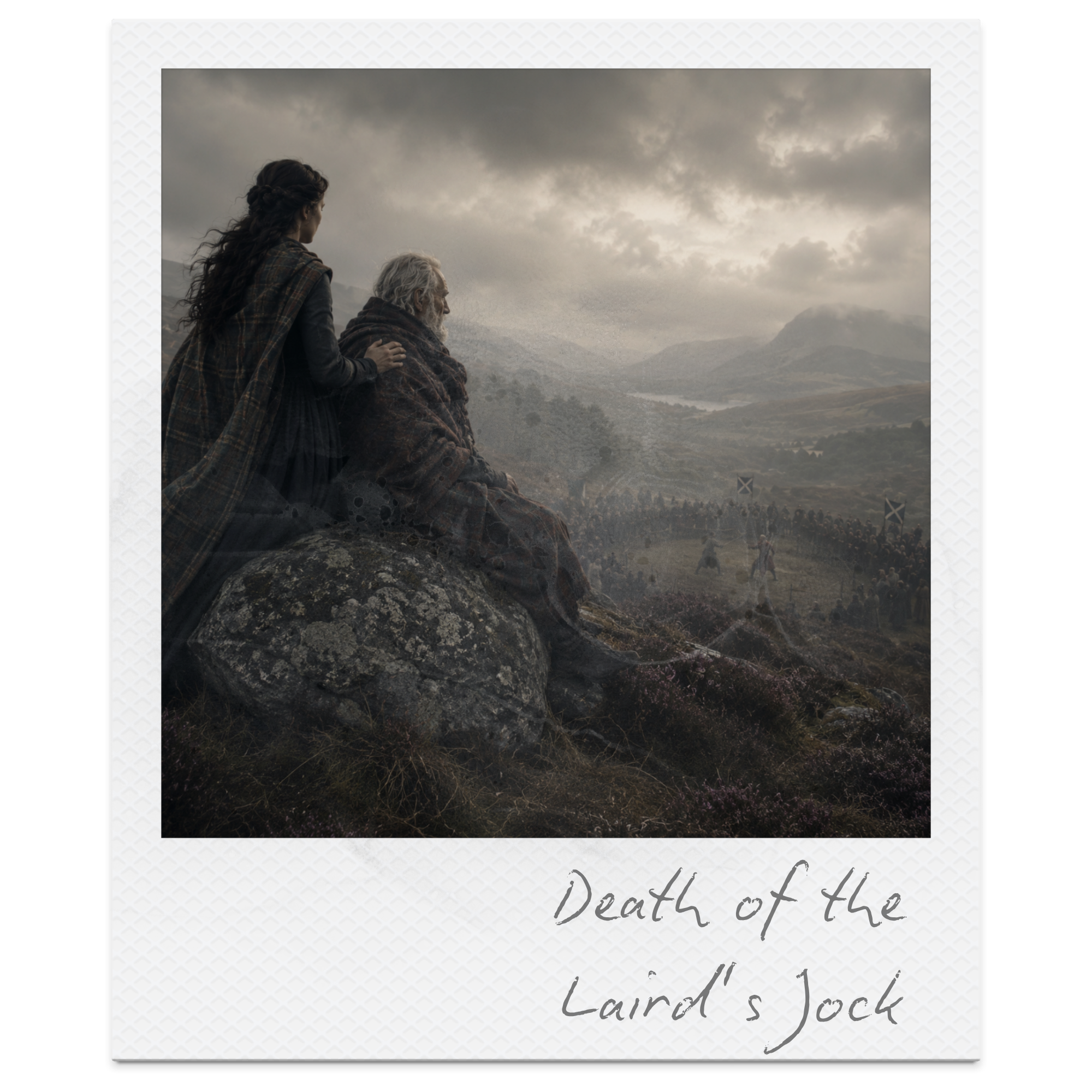
Death of the Laird’s Jock – Walter Scott
A tragic historical short story exploring honour, masculinity, national identity, and pride through symbolic conflict, dramatic imagery, and emotional collapse, revealing the devastating psychological consequences of building identity around violence, reputation, and public honour.
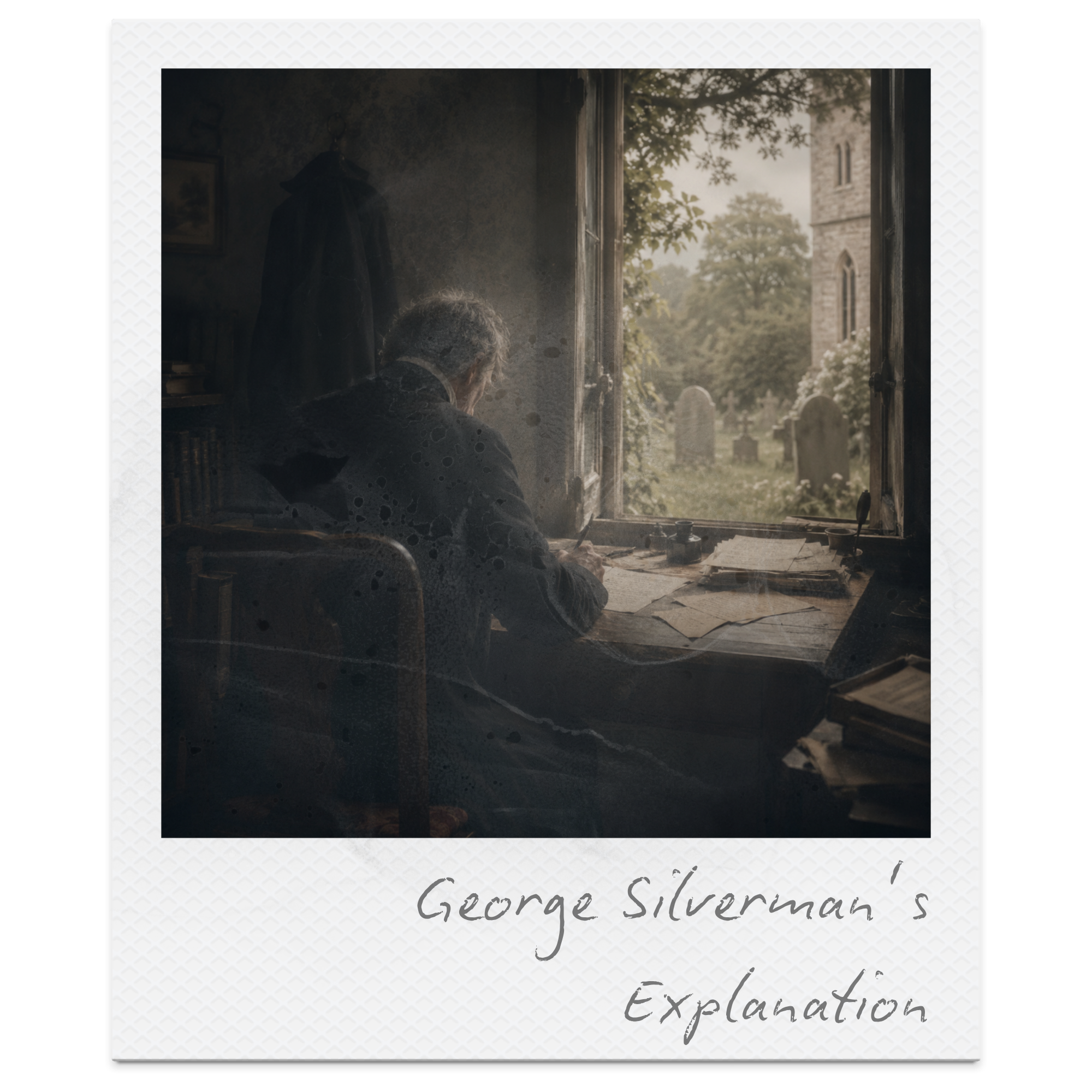
George Silverman’s Explanation – Charles Dickens
A deeply emotional Victorian short story exploring poverty, religious hypocrisy, class prejudice, self-sacrifice, and identity through reflective first-person narration, psychological conflict, and symbolic settings, revealing how shame and misunderstanding can shape an entire life.
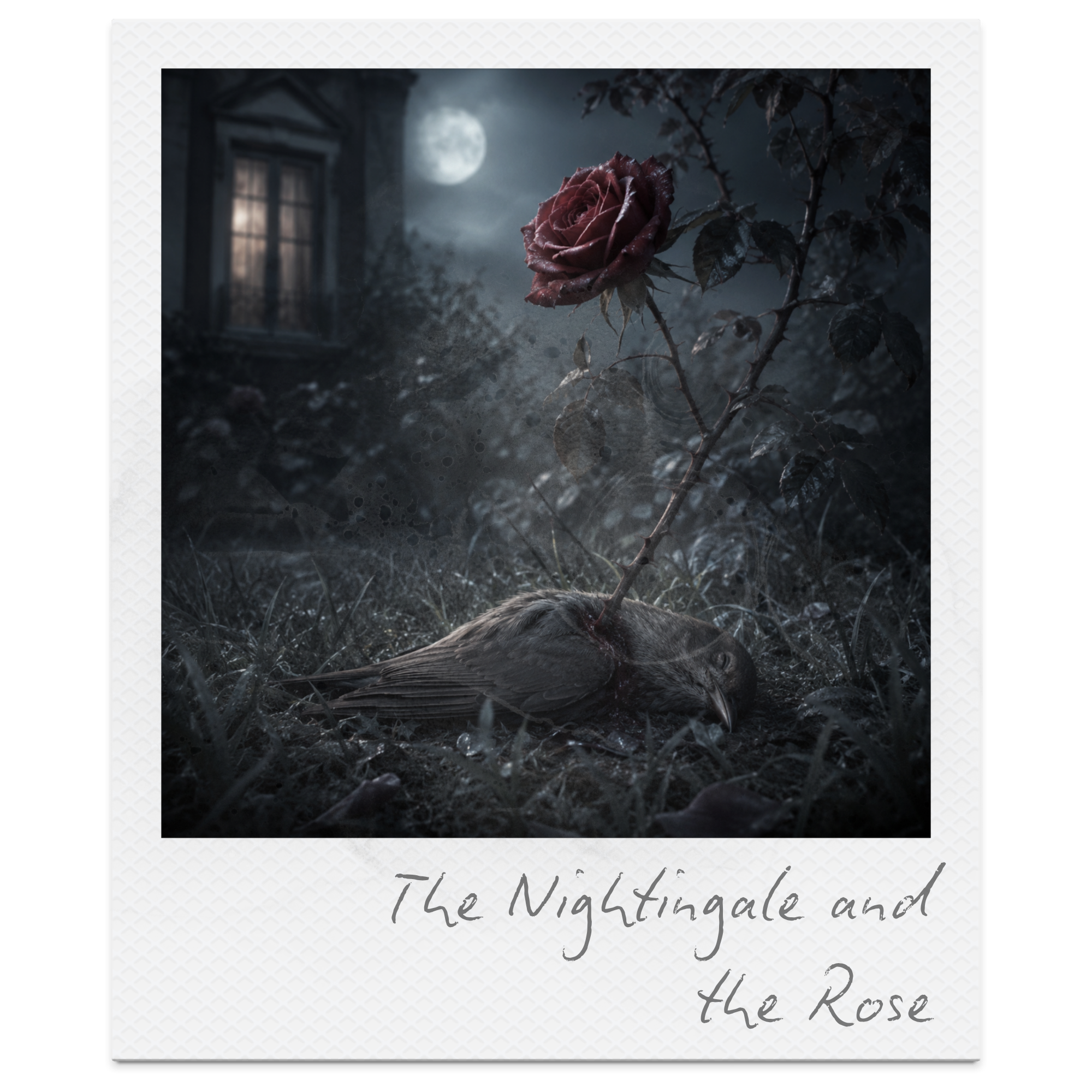
The Nightingale and the Rose – Oscar Wilde
A tragic and deeply symbolic fairy tale exploring love, sacrifice, beauty, materialism, emotional blindness, and artistic idealism through rich symbolism, irony, fairy-tale conventions, and lyrical imagery, revealing how genuine emotional sincerity is often misunderstood or destroyed within a shallow and materialistic society.
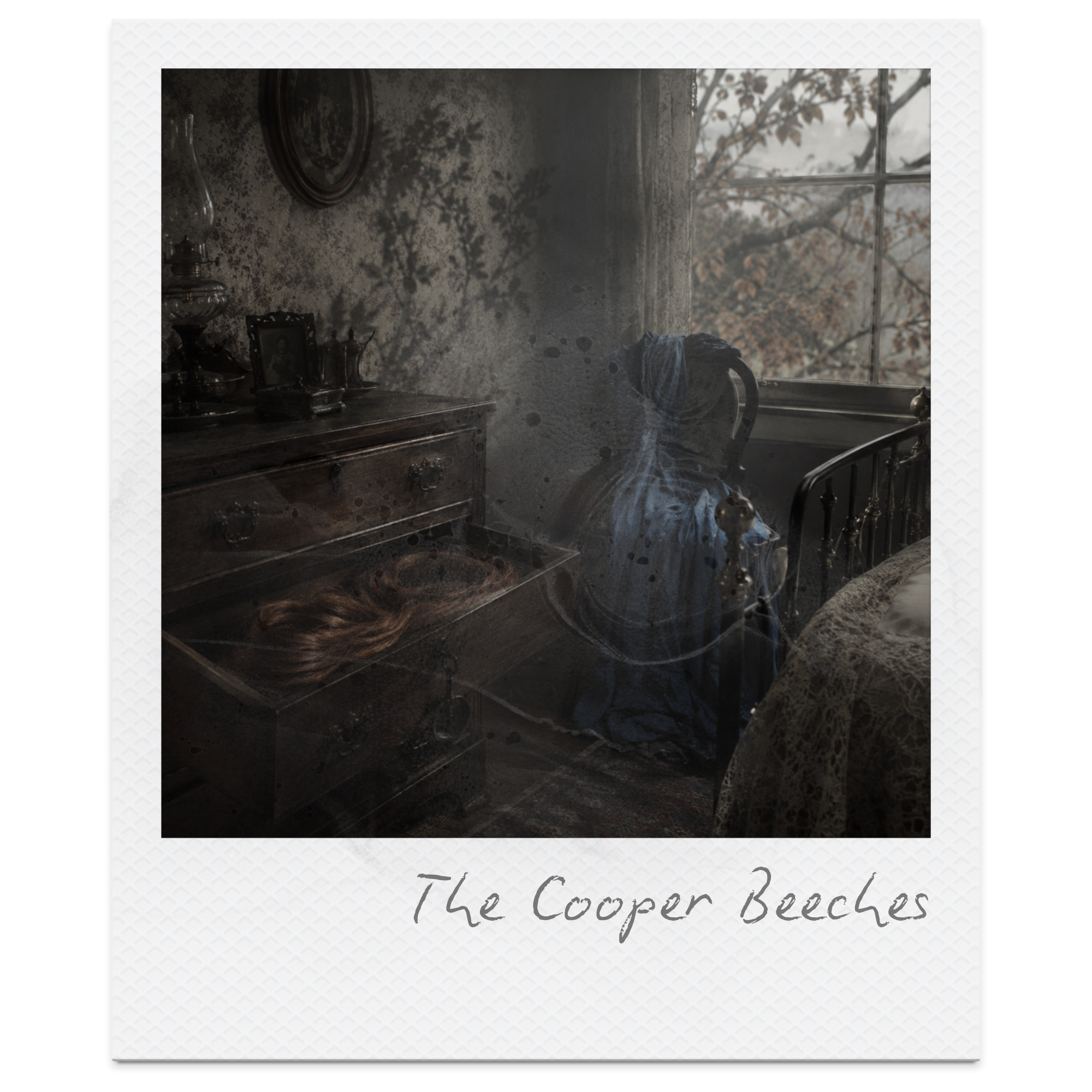
The Copper Beeches – Sir Arthur Conan Doyle
A suspenseful Gothic detective story exploring power, imprisonment, deception, gender control, cruelty, and appearance versus reality through atmospheric setting, symbolism, narrative tension, and investigative deduction, revealing how hidden abuse and manipulation can exist beneath the surface of respectable Victorian domestic life.
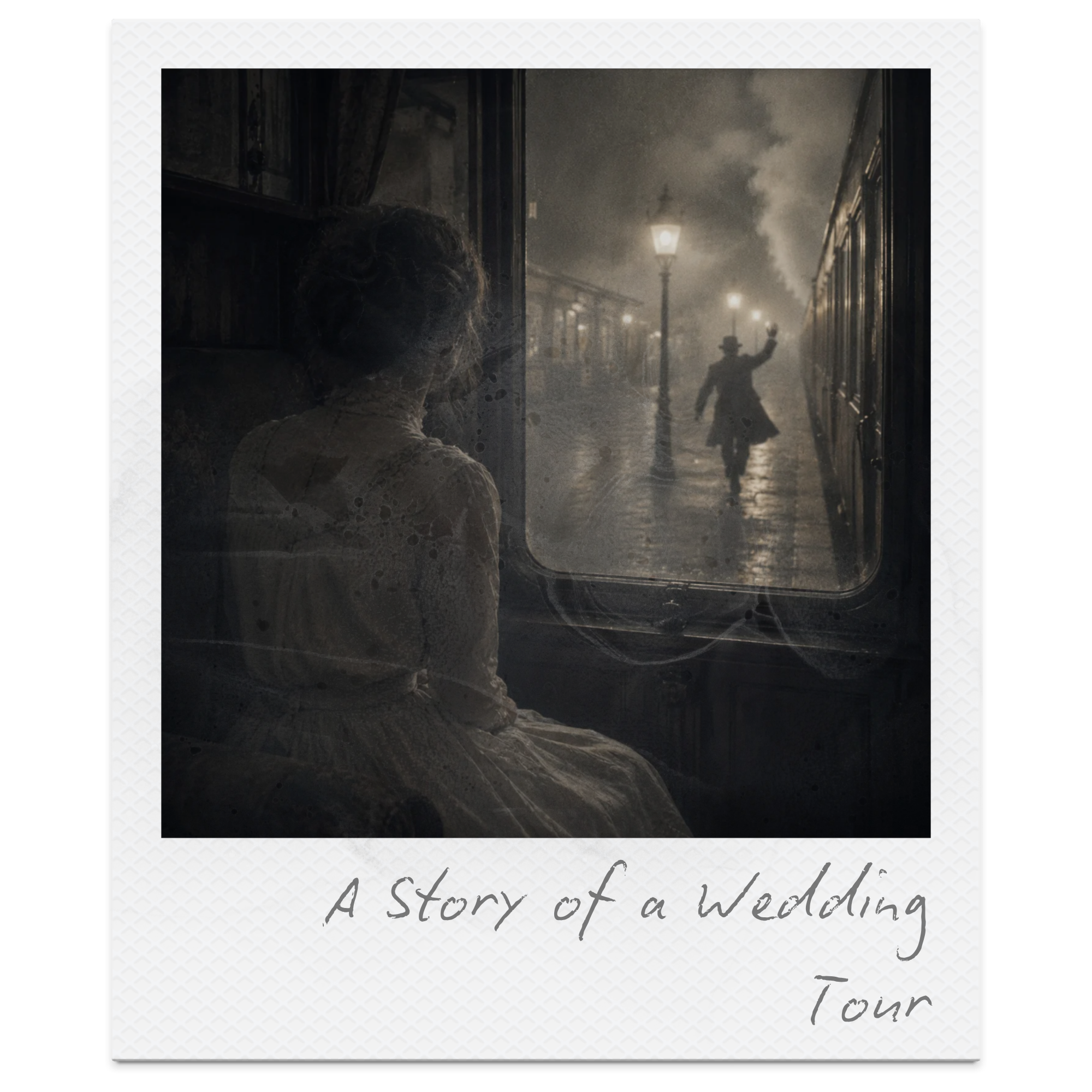
A Story of a Wedding-Tour – Margaret Oliphant
A psychologically complex Victorian short story exploring marriage, female autonomy, emotional confinement, freedom, guilt, and identity through symbolism, railway imagery, narrative perspective, and moral ambiguity, revealing how restrictive social expectations and emotionally unequal relationships can drive individuals toward desperate acts of escape and reinvention.
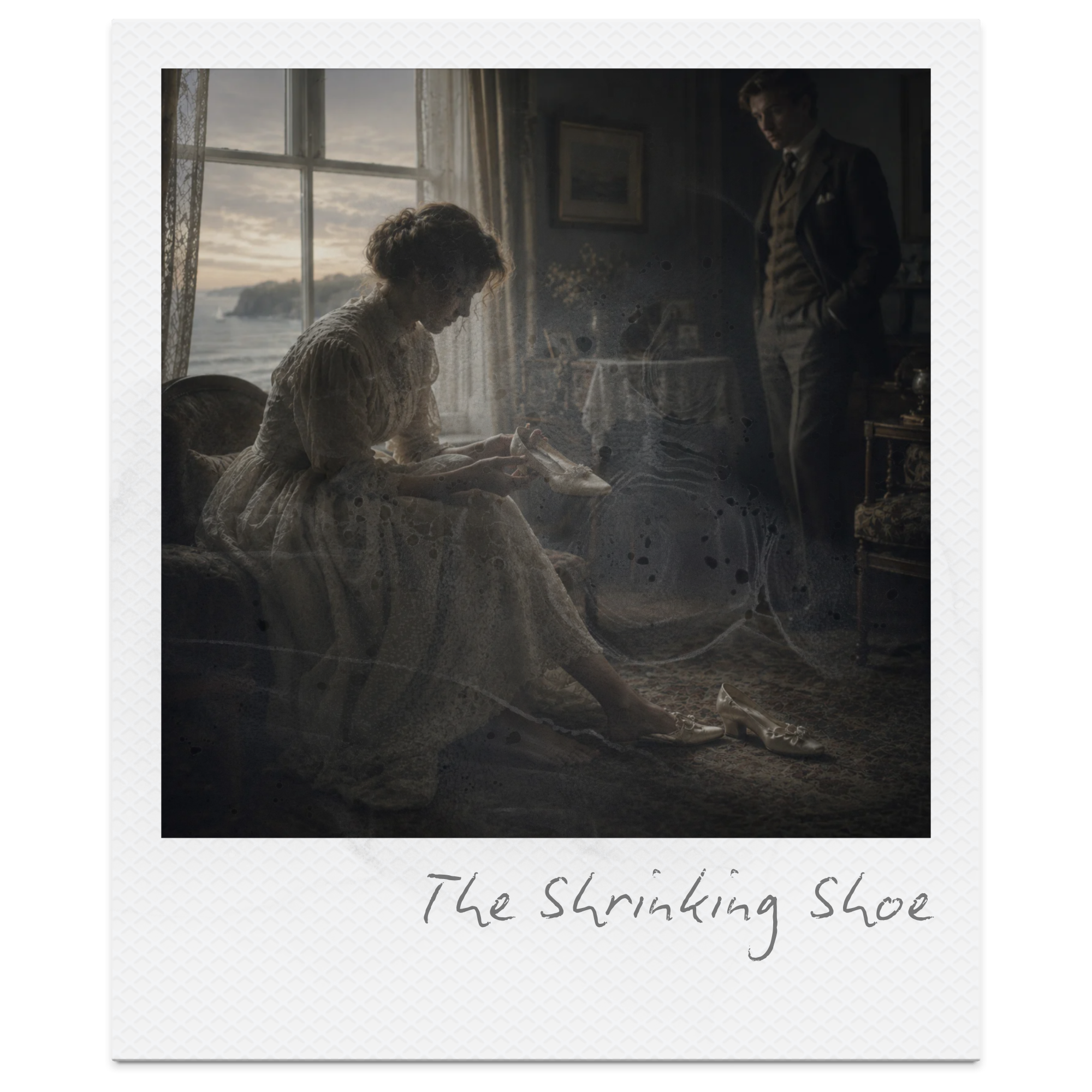
The Shrinking Shoe – Walter Besant
A reflective and bittersweet Victorian short story exploring ambition, idealism, romantic disillusionment, identity, and the tension between illusion and reality through fairy-tale symbolism, irony, and emotional contrast, revealing how wealth, comfort, and idleness can erode youthful dreams while still leaving open the fragile possibility of moral renewal and self-improvement.
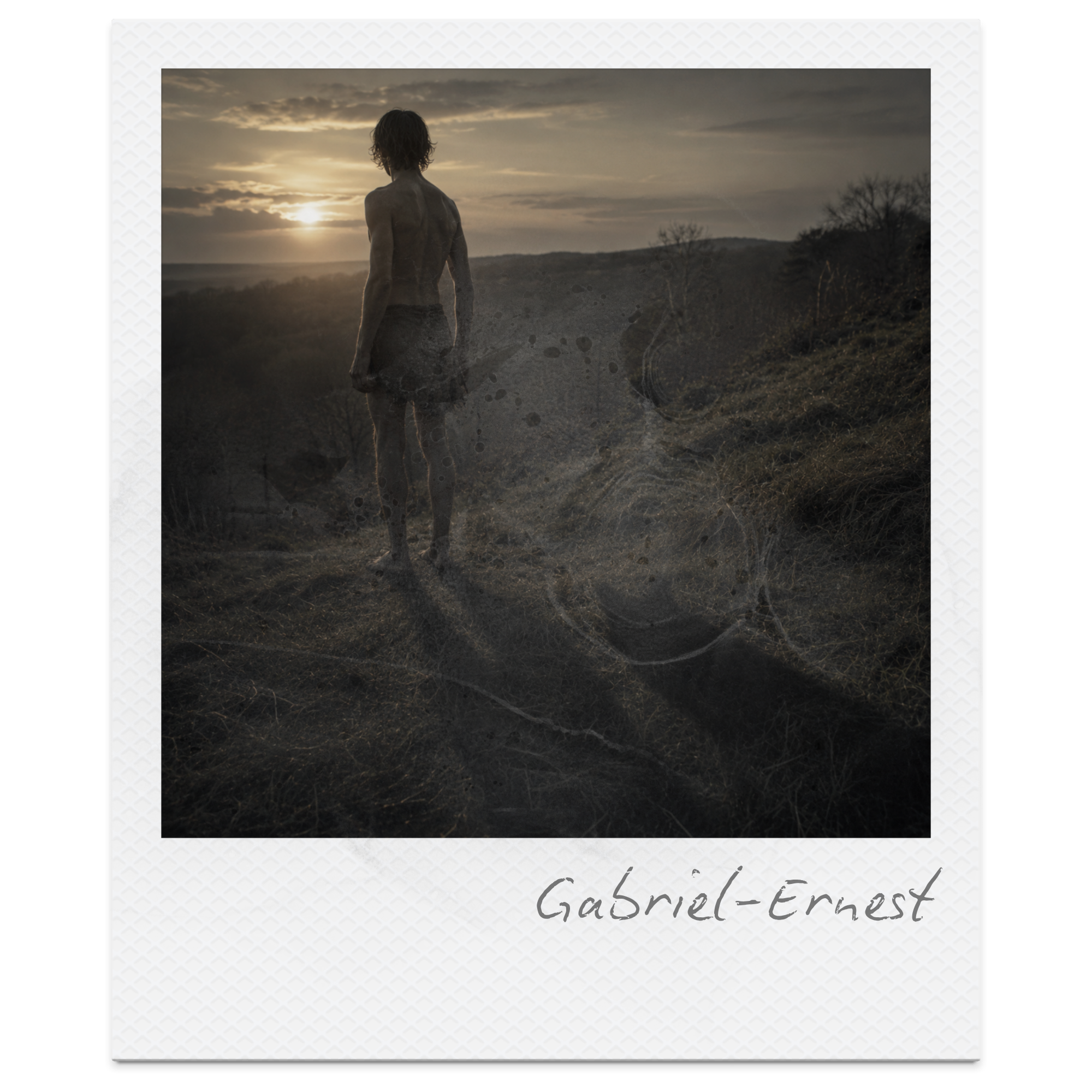
Gabriel-Ernest – Saki
A dark and unsettling Gothic short story exploring civilisation versus savagery, predatory instinct, fear of the unknown, social blindness, and hidden violence through animalistic imagery, supernatural ambiguity, symbolism, irony, and Gothic atmosphere, revealing how fragile respectable society becomes when confronted with the primitive forces lurking beneath its surface.
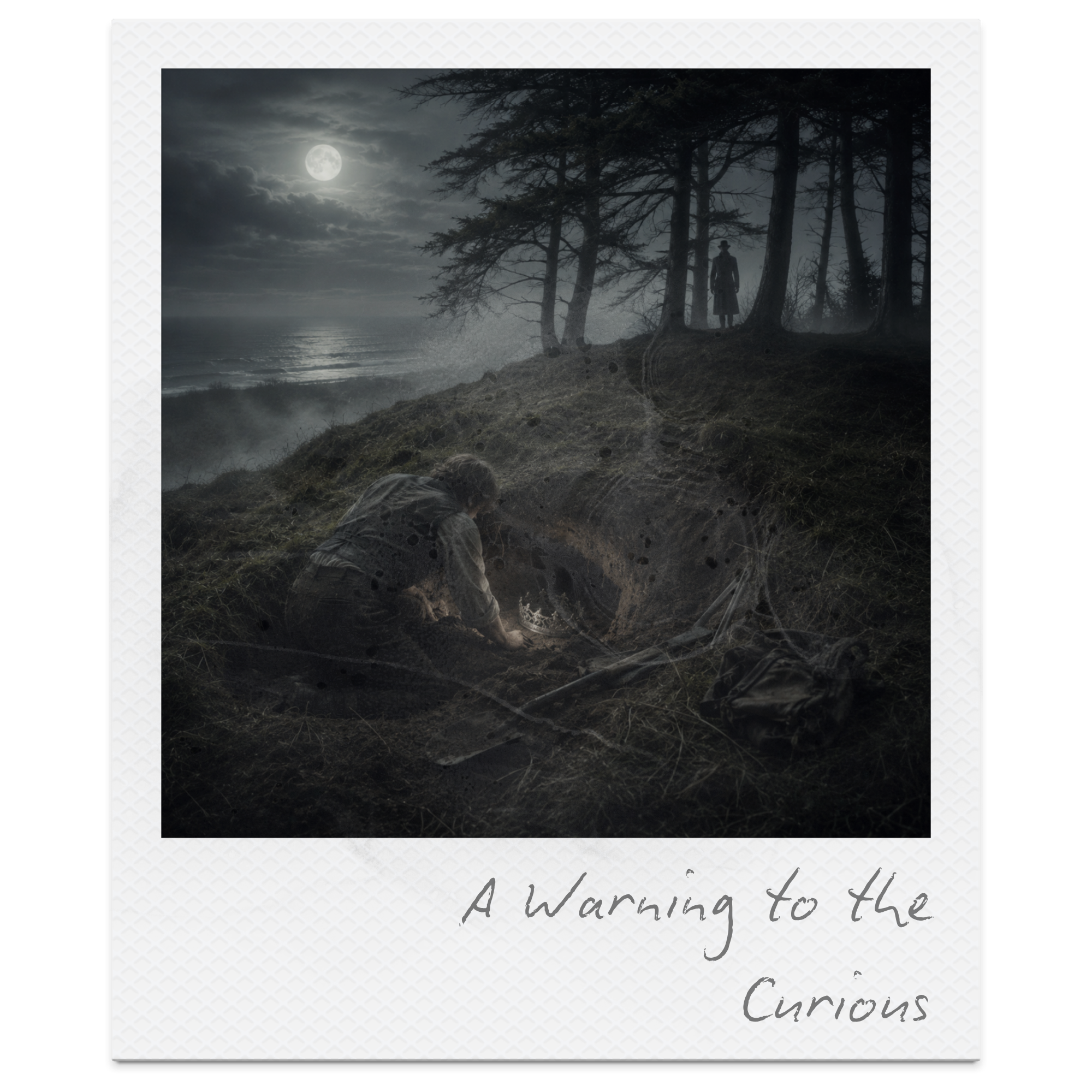
A Warning to the Curious – M.R. James
A haunting Gothic ghost story exploring curiosity, fear, historical intrusion, guilt, and supernatural revenge through Gothic atmosphere, folklore, symbolism, psychological tension, and supernatural ambiguity, revealing how the past can violently resist those who attempt to uncover, possess, or disturb what was meant to remain hidden.
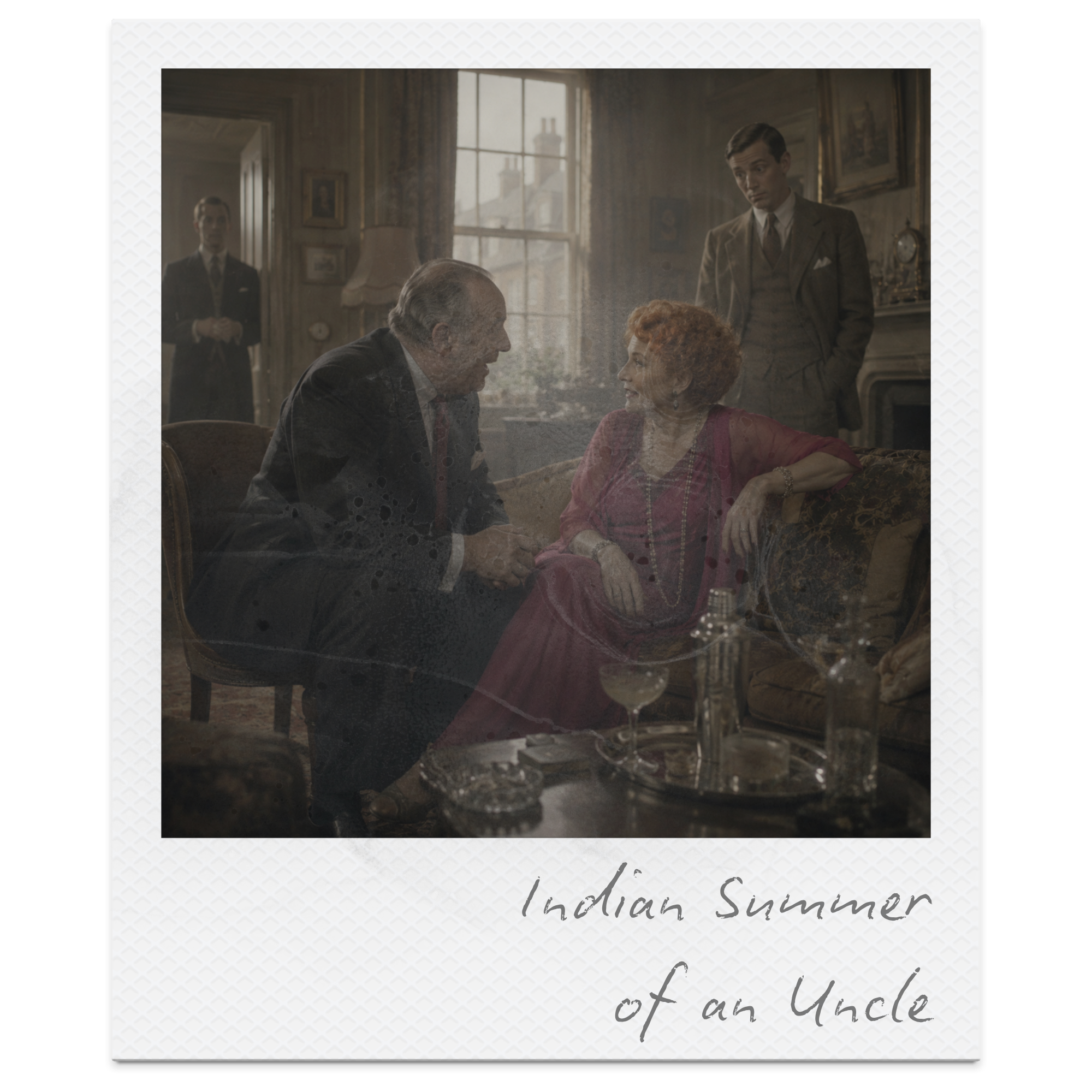
Indian Summer of an Uncle – P.G. Wodehouse
A witty and satirical comic short story exploring class prejudice, marriage, family pressure, romantic misunderstanding, and social performance through dramatic irony, comic narration, exaggerated characterisation, and social satire, revealing how emotional sincerity and companionship ultimately matter more than status, reputation, or upper-class respectability.
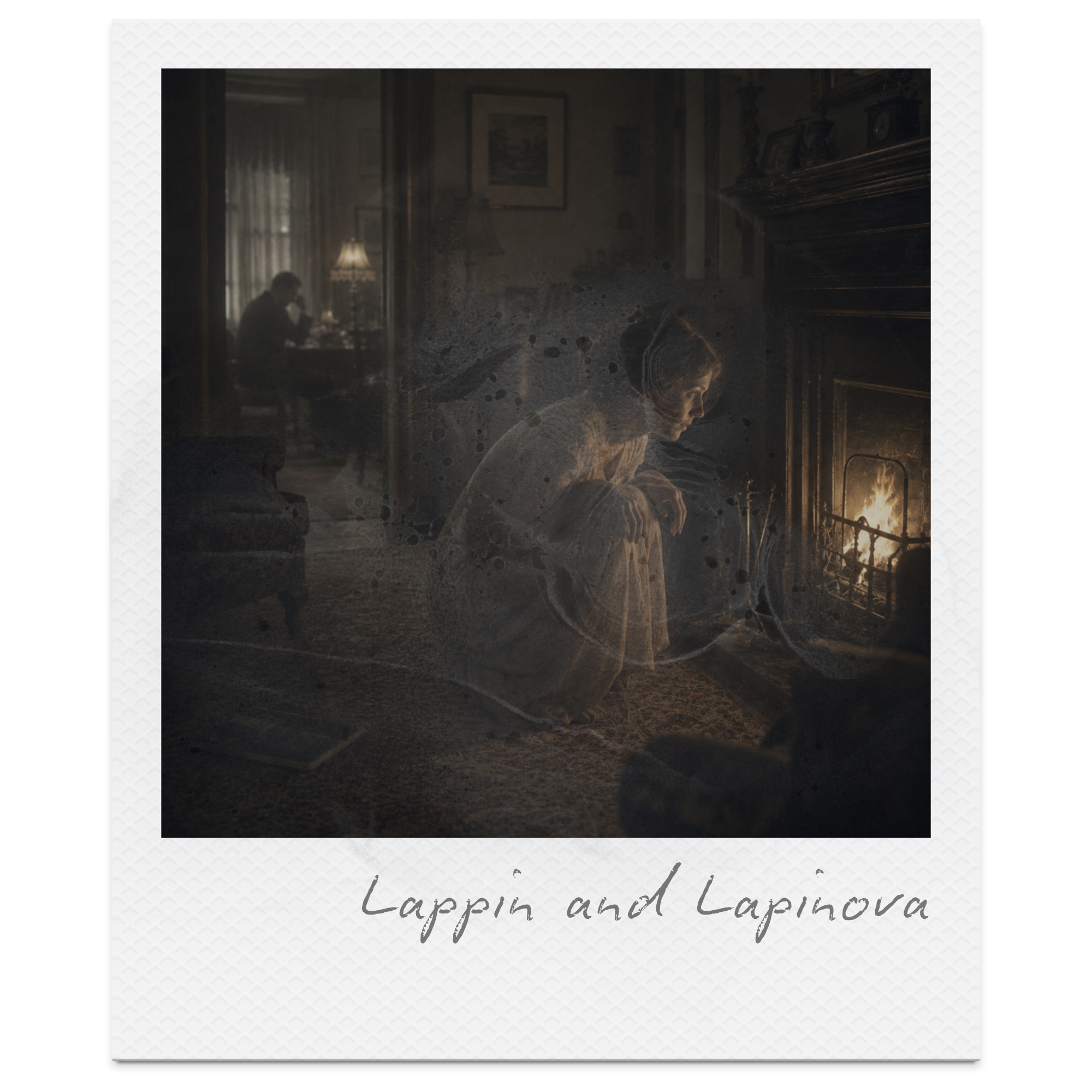
Lappin and Lapinova – Virginia Woolf
A psychologically complex modernist short story exploring marriage, identity, imagination, emotional isolation, and the fragile boundary between fantasy and reality through symbolic rabbit imagery, psychological narration, shifting atmosphere, and emotional ambiguity, revealing how private imaginative worlds can both sustain intimacy and expose the hidden loneliness beneath conventional domestic life.
Choose Your Next Author or Collection
Looking for your next text? Explore other authors and literature collections, with clear analysis, study guides, and teaching resources to support revision and deeper understanding.