Nick by Christina Rossetti: Summary, Themes & Analysis
Christina Rossetti’s Nick is a darkly comic moral fable exploring envy, greed, selfishness, and the destructive consequences of bitterness. Set in a world hovering between ordinary village life and fairytale fantasy, the story follows the deeply dissatisfied Nick, whose malicious wishes repeatedly transform him into different forms. Through these transformations, Rossetti examines how resentment and spite ultimately harm the individual far more than the people around them. The story combines humour with cruelty, creating an unsettling atmosphere in which punishment, irony, and self-discovery constantly overlap.
Beneath its fantastical surface, Nick explores larger ideas about human nature, morality, social responsibility, and the dangers of living through comparison and jealousy. Rossetti uses vivid symbolism, dramatic structural shifts, and sharp narrative irony to show Nick’s gradual movement from destructive envy towards painful self-awareness. If you are studying or teaching Stories of Ourselves Volume 2 for CIE IGCSE English Literature (0475 & 0922, 2027 syllabus), explore the full anthology in the Stories of Ourselves Volume 2 Hub, discover more of Rossetti’s writing in the Christina Rossetti Hub, or browse wider prose and poetry analysis in the Literature Library.

Context of Nick
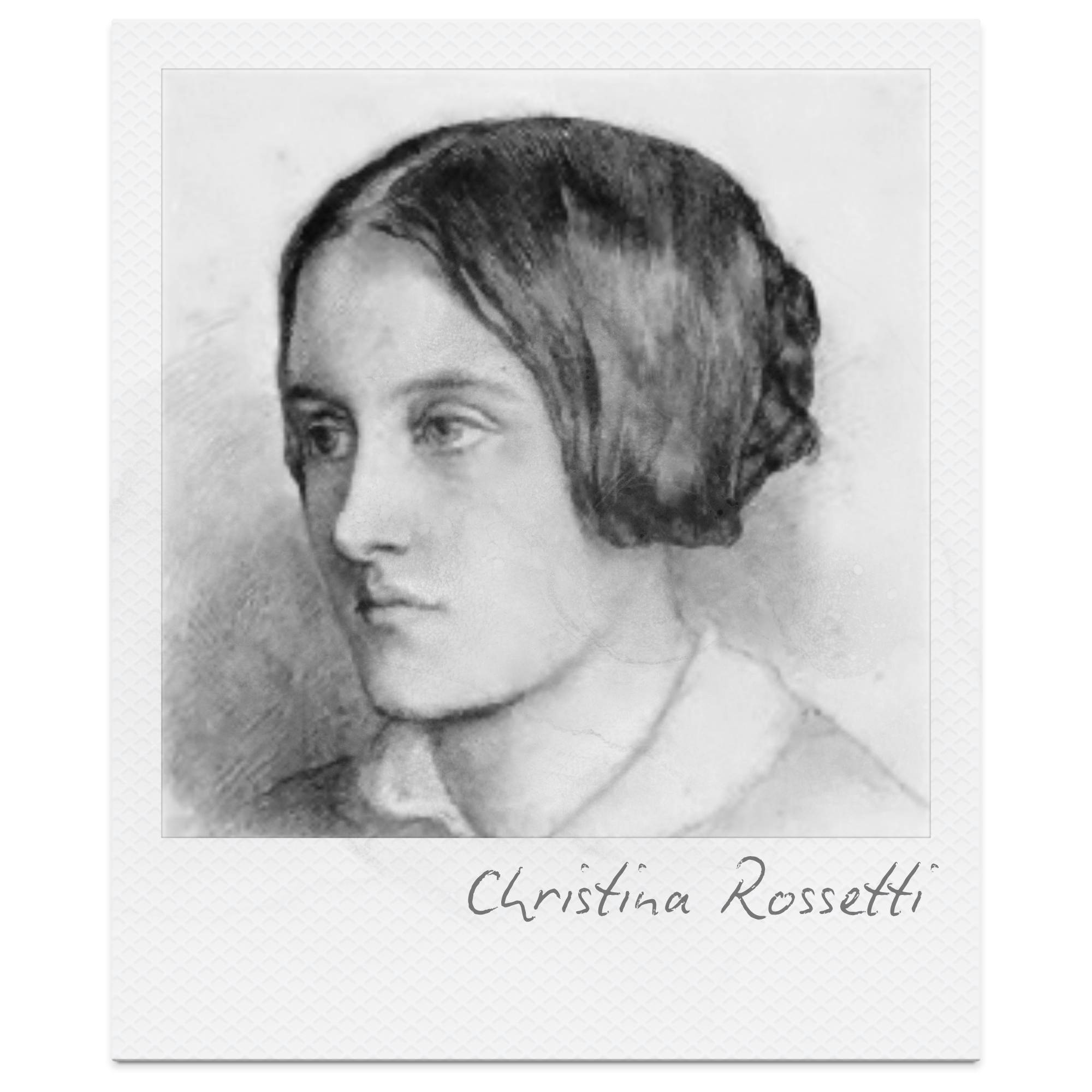
Christina Rossetti was a major Victorian writer associated with the Pre-Raphaelite movement, a group of artists and writers who valued emotional intensity, symbolism, imagination, and detailed imagery. Although Rossetti is best known today for poems such as Goblin Market and Remember, she also wrote a number of short stories, devotional works, and children’s tales that often explored morality, temptation, human weakness, and spiritual reflection. Her writing frequently combines elements of fantasy, fairytale, and religious allegory, allowing her to examine serious moral questions through imaginative and symbolic narratives. For a wider exploration of Rossetti’s life, influences, themes, and literary style, visit the Christina Rossetti Context Post.
Nick was written in 1853 and later published in Rossetti’s collection Commonplace and Other Stories. The story reflects many concerns of the Victorian period, including ideas about personal responsibility, greed, social behaviour, and moral consequence. Victorian readers were often familiar with cautionary tales in which flawed characters suffer punishment before reaching self-knowledge, and Rossetti adapts this tradition through dark humour and supernatural transformation. At the same time, the story’s exaggerated wishes, magical intervention, and ironic punishments connect it to older folk tales and fairytale traditions, helping Rossetti explore how destructive emotions such as envy can gradually isolate and destroy an individual from within.
Nick: At a Glance
Form: Short story / moral fable with fairytale elements
Mood: Darkly comic, ironic, unsettling, and increasingly chaotic
Central conflict: Nick’s destructive envy and selfishness place him in constant conflict with both his neighbours and himself
Core themes: Greed, envy, morality, consequence, transformation, self-awareness, and social responsibility
Narrative perspective: Third-person narration with a strongly ironic and judgemental tone that shapes reader sympathy and interpretation
One-sentence meaning: Rossetti uses Nick’s magical transformations and repeated failures to show how bitterness and envy ultimately destroy the person who clings to them.
Quick Summary of Nick
Nick lives alone in a comfortable village home with plenty of food, land, and possessions, yet he remains deeply discontented and jealous of his neighbours’ success. After wishing harm upon Giles Hodge’s cherry trees, Nick is confronted by a mysterious fairy-like woman who curses him with the power to become whatever he wishes for, forcing him to remain in each form for at least an hour.
Nick repeatedly uses this strange gift to satisfy his envy, anger, and desire for revenge. He transforms into sparrows to destroy cherries, a violent dog to attack others, a destructive fire to burn a cottage, and eventually a wealthy old miser. However, each transformation ends badly, causing suffering not only to others but increasingly to Nick himself. His attempts to harm and control the world around him repeatedly spiral into chaos, humiliation, fear, and danger.
After experiencing pain, destruction, and even apparent death, Nick finally begins to recognise the consequences of his behaviour. Returning to his original form, he quietly repairs some of the damage he has caused by helping his neighbours and replacing what was lost. By the end of the story, Nick appears transformed not physically, but morally, as he is “never again heard to utter a wish.”
Title of Nick
The title Nick appears unusually simple at first, focusing entirely on the protagonist rather than the magical events or moral lessons within the story. This immediately places emphasis on character, suggesting that the story is primarily an exploration of Nick’s personality, choices, and moral development. The bluntness of the single-word title also mirrors Nick himself: sharp, abrupt, and emotionally narrow.
On a literal level, the title simply names the central character. However, as the story develops, Nick becomes associated with far more than an individual man. Rossetti gradually turns him into a symbol of envy, selfishness, greed, and destructive dissatisfaction. Although Nick possesses comfort, health, and prosperity, he is psychologically consumed by comparison and resentment. In this sense, the title reflects how the story becomes a study of a flawed human mindset rather than merely a sequence of magical transformations.
The title also gains increasing irony by the ending of the story. At the beginning, Nick is defined by bitterness, malice, and destructive wishes, but by the conclusion he has undergone painful experiences that force him towards greater self-awareness and compassion. Because the story traces his moral transformation so closely, the title ultimately emphasises that the greatest conflict is not between Nick and his neighbours, but between Nick and his own destructive nature.
Structure of Nick
Rossetti uses the structure of Nick to create a repeated cycle of wish, transformation, punishment, and temporary reflection. The story steadily escalates in danger and chaos, while each episode reveals more about Nick’s destructive personality. Through this episodic structure, Rossetti turns what initially resembles a playful fairytale into a darker exploration of morality, consequence, and self-destruction.
Opening / Exposition
The story opens by establishing Nick’s outward prosperity alongside his inward dissatisfaction. Rossetti carefully contrasts his comfortable home, successful farm, and physical health with his constant envy of others. This exposition is important because it immediately creates the central irony of the story: Nick already possesses abundance, yet psychologically experiences himself as “poor.”
The opening also introduces the fairytale tone through references to a village “not a thousand miles from Fairyland,” foreshadowing the supernatural events that follow. At the same time, the narrator’s judgemental and slightly mocking tone positions readers critically towards Nick from the beginning.
Rising Action
The rising action begins when the mysterious fairy woman grants Nick the power to become whatever he wishes. From this point onwards, the structure becomes increasingly episodic, with each transformation functioning almost like a separate cautionary tale.
Rossetti carefully escalates the consequences of Nick’s actions. His early transformation into sparrows seems mischievous and comic, but later episodes involving the dog, the fire, and the miser become progressively more violent, frightening, and psychologically disturbing. This escalation creates growing tension while reinforcing the idea that Nick’s bitterness continually leads him towards greater suffering.
The repeated cycle of:
◆ envy
◆ malicious wish
◆ transformation
◆ punishment
◆ humiliation
creates a structural pattern that mirrors Nick’s inability to learn from experience. Readers begin to anticipate disaster each time Nick forms another wish, increasing both tension and irony.
Turning Point / Climax
The story’s emotional and structural climax occurs during Nick’s transformation into the wealthy old miser. Unlike earlier transformations, this episode forces Nick to confront genuine fear, helplessness, and apparent death. The atmosphere shifts dramatically from dark comedy towards Gothic horror as the robbers prepare to bury him alive.
This moment is significant because Nick finally experiences the vulnerability he has inflicted upon others throughout the story. Structurally, Rossetti places this transformation last because it represents the complete collapse of Nick’s illusion that power and wealth will bring satisfaction or security.
Ending / Resolution
The ending provides a quieter and more reflective resolution after the chaos of the earlier episodes. Instead of another destructive transformation, Nick begins repairing the harm he caused by helping his neighbours and replacing what was lost. This structural shift away from action towards reflection reinforces the story’s moral focus.
However, Rossetti avoids a completely sentimental ending. Nick’s transformation feels cautious rather than heroic, and the final line — that he was “never again heard to utter a wish” — remains slightly ambiguous. On one level, it suggests genuine moral growth; on another, it implies that suffering and fear have simply taught him silence. This ambiguity gives the conclusion greater complexity and prevents the story from becoming a simplistic moral lesson.
Overall, the structure of Nick allows Rossetti to combine fairytale repetition, comic irony, and increasingly dark consequences to trace the gradual breakdown — and partial rebuilding — of Nick’s moral character.
Setting of Nick
Rossetti uses the setting of Nick to combine the familiarity of ordinary village life with the strange unpredictability of fairytale fantasy. The settings throughout the story help shape its shifting atmosphere, moving from comic and whimsical moments towards darker scenes of fear, violence, and moral consequence. Rather than functioning as simple background detail, the different locations reflect Nick’s emotional state and reinforce the story’s central ideas about envy, greed, self-destruction, and human dissatisfaction.
At the beginning of the story, the village initially appears peaceful, prosperous, and almost idyllic. Rossetti describes Nick’s “stone house, with its green verandah and flower-garden” as “the prettiest and snuggest in all the place,” immediately establishing an atmosphere of comfort, security, and abundance. The detailed description of his farm, orchard, and kitchen-garden emphasises that Nick already possesses more than enough to live happily. However, this pleasant physical setting sharply contrasts with Nick’s inner bitterness and resentment. Even while surrounded by natural beauty and prosperity, he remains psychologically consumed by comparison and jealousy.
The story’s opening also introduces a subtle atmosphere of fantasy through the description of the village as being “not a thousand miles from Fairyland.” This phrase immediately blurs the boundary between the ordinary world and the supernatural. Rossetti creates a setting in which magical events feel strangely believable, allowing the fairy woman and Nick’s transformations to emerge naturally from the world of the story. The fairytale setting also reinforces the story’s role as a moral fable, where supernatural punishment exposes dangerous human flaws.
As the story progresses, settings become increasingly chaotic, hostile, and threatening. The natural world often reflects Nick’s destructive impulses. During his transformation into sparrows, the once peaceful cherry orchard becomes a scene of violence, pursuit, and humiliation, while the rainstorm and attack by the tabby cat create an atmosphere of vulnerability and discomfort. Similarly, the labourer’s cottage shifts rapidly from domestic warmth into danger and destruction when Nick transforms into fire. Before the blaze, the cottage feels cosy and welcoming, with “the kettle singing softly on the fire” and the cat “purring with comfort.” These comforting sensory details make Nick’s later attempt to burn the cottage feel even more malicious and disturbing.
Rossetti also uses setting symbolically during the miser episode, where the atmosphere becomes far darker and more Gothic. The miser’s bedroom contains “faded curtains,” “shabby old articles of furniture,” and dim lamplight, creating a sense of decay, loneliness, and spiritual emptiness despite the hidden wealth. The later graveyard setting intensifies this fear and horror. Nick’s experience of being carried through a “long vaulted passage” before hearing earth thrown onto his body creates a claustrophobic, terrifying atmosphere that marks the emotional climax of the story.
By the ending, the village setting returns to relative calm, but Nick’s relationship with it has changed completely. Earlier, he viewed the village through the lens of envy, selfishness, and resentment; by the conclusion, he quietly reconnects with the community through acts of repair, generosity, and responsibility. In this way, Rossetti uses setting not only to shape atmosphere, but also to reflect Nick’s gradual moral transformation.
Narrative Voice in Nick
Rossetti uses a third-person narrative voice that is highly judgemental, ironic, and emotionally involved in Nick’s behaviour. Rather than remaining completely neutral, the narrator frequently guides the reader’s interpretation of events, encouraging criticism of Nick’s selfishness, envy, and cruelty while also highlighting the absurdity of his repeated failures. This creates a tone that shifts between comic amusement, moral criticism, and darker moments of tension, fear, and psychological discomfort.
From the opening of the story, the narrator carefully shapes readers’ attitudes towards Nick. Although Nick appears materially successful, the narrator immediately exposes his emotional emptiness, explaining that he was “poor because, with all these, he was discontented and envious.” This direct judgement prevents readers from sympathising too strongly with him and establishes the story as a moral tale concerned with inner character rather than outward wealth or status.
The narrative voice also frequently uses irony, sarcasm, and subtle mockery to emphasise Nick’s foolishness. The narrator refers to him sarcastically as “our friend Nick” and “our hero,” despite the fact that his behaviour is cruel, petty, and destructive. This ironic language creates distance between Nick and the reader, encouraging readers to recognise the ridiculousness of his actions even during scenes of violence or danger. Rossetti therefore balances the story’s darker events with moments of dark comedy and humour.
At the same time, the narrative voice becomes more emotionally intense as the story progresses. During the later transformations — particularly the miser episode and attempted burial — the narration creates stronger feelings of fear, panic, helplessness, and vulnerability. Descriptions such as Nick’s “starting, staring eyes and chattering teeth” place readers closer to his emotional experience, allowing the story to move beyond simple comedy into genuine psychological horror. This tonal shift mirrors Nick’s gradual movement towards painful self-awareness.
The narrator also controls meaning by limiting readers largely to Nick’s experiences and reactions. Although the story is told in third person, readers repeatedly witness events through Nick’s perspective, allowing Rossetti to expose his distorted thinking. Nick constantly interprets other people’s success as personal injustice, revealing how deeply his worldview has been shaped by comparison, resentment, and bitterness. Because readers can see both Nick’s thoughts and the disastrous consequences of his wishes, strong dramatic irony develops throughout the story.
By the ending, the narrative voice becomes quieter and less mocking, reflecting the story’s more reflective conclusion. However, Rossetti still leaves some ambiguity in the final line that Nick was “never again heard to utter a wish.” The restrained narration avoids confirming whether Nick has become genuinely moral or simply traumatised by fear and suffering. This subtle ambiguity gives the story greater complexity and prevents its moral message from feeling overly simplistic.
Characters in Nick
Rossetti’s characters are not simply realistic individuals; many of them function as symbolic representations of particular moral attitudes, social behaviours, and human weaknesses. Through contrasts between characters, Rossetti explores ideas about envy, kindness, greed, community, and personal responsibility. The relationships between characters also help expose Nick’s growing isolation and moral failure throughout the story.
Nick
Nick is presented as a deeply envious, bitter, and emotionally dissatisfied character whose greatest flaw is his inability to appreciate his own prosperity. Although he possesses comfort, health, and financial security, he constantly compares himself to others and views their success as a personal insult. Rossetti immediately establishes this mindset when she explains that Nick was “poor because, with all these, he was discontented and envious.” This paradox highlights how Nick’s suffering is primarily psychological rather than material.
Throughout the story, Nick’s wishes reveal his destructive personality. Rather than using the fairy’s gift to improve his own life, he repeatedly uses it to seek revenge, humiliation, or harm against others. His transformation into sparrows to destroy Giles’s cherries, his violence as the bull-dog, and his attempt to burn the labourer’s cottage all demonstrate how completely his thinking is driven by resentment and malice.
However, Rossetti also presents Nick as capable of change. His later experiences of fear, helplessness, and apparent death force him to confront the consequences of his behaviour. By the ending, Nick quietly repairs some of the damage he caused, suggesting a movement towards self-awareness, responsibility, and moral growth. Even so, Rossetti leaves some ambiguity surrounding his transformation, since it remains unclear whether Nick has become genuinely compassionate or simply frightened by suffering.
The Fairy Woman
The fairy woman functions as both a supernatural figure and a symbolic force of moral judgement. Her small physical size contrasts sharply with the enormous power she possesses, reinforcing the unpredictability and authority of the magical world within the story. Rossetti describes her as a “little rosy woman, no bigger than a butterfly,” combining delicate imagery with threatening power.
The fairy immediately recognises Nick’s cruelty and addresses him contemptuously as “you churl, you!” This hostile language positions her almost as a moral examiner or punishing force rather than a benevolent magical helper. Instead of rewarding Nick, she ensures that his own desires become the source of his suffering. In this way, the fairy represents the story’s wider moral principle that destructive emotions eventually punish the person who holds them.
Importantly, the fairy never directly harms Nick after granting the gift. Instead, she allows his own wishes and impulses to create his punishment. This reinforces Rossetti’s idea that envy, greed, and selfishness are inherently self-destructive.
Giles Hodge
Giles Hodge acts as a contrast to Nick’s bitterness and selfishness. While Nick constantly obsesses over other people’s success, Giles appears practical, hardworking, and relatively content. His successful cherry trees become one of the first triggers for Nick’s jealousy, symbolising the ordinary prosperity that Nick cannot emotionally tolerate.
Rossetti also uses Giles to create comic irony. Nick believes he can easily destroy Giles’s cherries as a flock of sparrows, yet Giles quickly and efficiently defeats him with the “marvellous array of barrels” on his revolver. This humiliating failure immediately establishes the pattern of Nick’s wishes backfiring against him.
By the ending, Nick attempts to repair this damaged relationship by giving Giles “a rare tulip-root,” suggesting an important shift away from envy towards generosity and social connection.
The Labourer and His Wife
The labourer and his wife represent ordinary community life, domestic stability, and mutual support. Unlike Nick, who lives emotionally isolated from others, the labourer’s household is presented as warm and communal, even in poverty. Details such as “the kettle singing softly on the fire” and the family preparing tea together create an atmosphere of comfort and security.
Nick’s transformation into fire reveals the contrast between his destructive impulses and the labourer family’s resilience and kindness. Even after the attempted destruction of their cottage, the neighbours work together to help repair the damage. This emphasises one of the story’s wider ideas: that strong communities are built through cooperation rather than envy and selfishness.
The labourer himself also represents poetic justice. Earlier in the story, readers learn that Nick had “done many an ill turn” to him during his human life, which explains why the labourer so eagerly joins the chase against the supposed mad dog. Rossetti therefore suggests that Nick’s suffering is partly the result of his own past actions and behaviour towards others.
The Miser
The wealthy old miser represents the final illusion Nick believes will bring satisfaction: wealth and absolute security. Nick imagines that becoming rich will finally make him content, yet this transformation becomes the darkest and most terrifying episode in the story.
Although the miser possesses hidden treasure and material wealth, his environment is gloomy, isolated, and joyless. The “faded curtains” and “shabby old articles of furniture” create an atmosphere of decay and emptiness. Through this character, Rossetti suggests that wealth without emotional connection or morality ultimately leads to loneliness, fear, and vulnerability.
The miser therefore acts as both a separate character and a symbolic warning about the emptiness of material obsession. Nick’s experience in this role finally forces him to confront the reality that greed and possession cannot provide genuine happiness or security.
Key Themes in Nick
Rossetti uses Nick to explore a range of connected moral, psychological, and social themes. Although the story initially resembles a playful fairytale, it gradually becomes a darker exploration of how destructive emotions shape human behaviour. Through Nick’s repeated transformations and punishments, Rossetti examines how inner flaws such as envy, greed, and selfishness can damage both individuals and communities.
Greed
Although Nick already possesses comfort and prosperity, he constantly desires more. Rossetti immediately establishes this theme by describing his successful home, farm, and orchard before revealing that he still considers himself “poor.” This creates an important contrast between material wealth and emotional dissatisfaction.
Nick’s greed is not simply about money. Instead, he greedily desires superiority over others and cannot tolerate seeing neighbours succeed. His wish to become the rich miser near the ending of the story reveals that he still initially believes greater wealth and control will finally make him secure and happy. However, Rossetti ultimately presents greed as deeply empty and self-destructive. The miser’s gloomy room, hidden treasure, and violent death demonstrate that wealth alone cannot protect people from fear, isolation, or suffering.
Envy
Envy is the central driving force behind nearly all of Nick’s actions. Rossetti repeatedly shows that Nick measures his own happiness through comparison with others. Even though his “apples were the largest for miles around,” he remains unhappy because another neighbour’s vines are “the most productive by a single bunch.”
Rossetti presents envy as psychologically corrosive because it prevents Nick from appreciating anything he already has. Instead of creating joy, his thoughts become consumed by resentment and hostility. This envy also leads directly to violence and destruction, since Nick repeatedly wishes harm upon others simply because they possess something desirable.
Importantly, Rossetti suggests that envy harms the envious person most of all. Every malicious wish ultimately rebounds against Nick himself, reinforcing the idea that bitterness becomes a form of self-punishment.
Morality
The story functions partly as a moral fable, using supernatural events to expose the consequences of selfish behaviour. The fairy woman acts almost as an instrument of moral judgement, forcing Nick to confront the effects of his own impulses and desires.
Rossetti avoids presenting morality in a simplistic way, however. Nick is not transformed instantly into a good person. Instead, he gradually learns through humiliation, pain, fear, and suffering. This suggests that moral understanding often develops through experience rather than instruction alone.
The ending also remains slightly ambiguous. Nick performs acts of generosity and repair, yet Rossetti does not clearly confirm whether he has become genuinely compassionate or simply fearful of further punishment. This ambiguity makes the story’s moral message feel more realistic and psychologically complex.
Consequence
Rossetti repeatedly emphasises the idea that actions inevitably produce consequences. Every transformation Nick chooses results in unintended suffering, danger, or humiliation. His attempts to control or damage the world around him consistently spiral beyond his expectations.
The structure of the story reinforces this theme through repeated cycles of:
◆ desire
◆ transformation
◆ punishment
◆ reflection
This pattern demonstrates that Nick cannot escape the consequences of his own choices. Even when he gains magical power, he remains trapped by his destructive personality and impulsive thinking.
Rossetti therefore suggests that human beings often create their own suffering through selfishness, anger, and poor judgement.
Transformation
Physical transformation dominates the structure of the story, but Rossetti uses these magical changes to explore deeper emotional and moral transformation as well. Each new form reveals different aspects of Nick’s personality and exposes his inability to use power responsibly.
The transformations also become progressively darker. The early sparrow episode contains elements of comedy and humiliation, while later forms such as the fire and the miser involve genuine terror and destruction. This escalation reflects Nick’s growing moral collapse throughout the story.
By the ending, however, Rossetti shifts attention away from physical transformation towards internal change. Nick’s final transformation is psychological rather than magical, as he begins to develop greater awareness of others and the harm he has caused.
Self-Awareness
At the beginning of the story, Nick lacks almost all self-awareness. He views himself as a victim despite his obvious prosperity and refuses to recognise how his bitterness affects others. His constant complaints reveal a deeply distorted understanding of both himself and the world around him.
Through repeated suffering and humiliation, Nick slowly begins to recognise the consequences of his behaviour. A particularly important moment occurs after the fire episode, when he realises that “he had caused more injury to himself than to any of his neighbours.” This marks a turning point in his understanding because he finally acknowledges his own responsibility for his misery.
Rossetti therefore presents self-awareness as painful but necessary. Nick can only begin changing once he recognises the destructive nature of his own thinking.
Social Responsibility
Throughout the story, Rossetti contrasts Nick’s selfish isolation with the supportive behaviour of the wider community. While Nick consistently acts out of personal resentment, the villagers cooperate, help one another, and repair damage together.
The labourer’s cottage especially highlights this contrast. Even after the fire, neighbours work collectively to save the home and comfort the family. These scenes emphasise the importance of community, generosity, and shared responsibility.
By the ending, Nick finally begins participating positively within this social world. He gives gifts, repairs harm, and quietly helps others rather than competing against them. Rossetti therefore suggests that personal happiness depends partly upon recognising obligations towards other people and learning to live within a community rather than against it.
Symbolism in Nick
Rossetti uses symbolism throughout Nick to deepen the story’s moral and psychological meaning. Objects, animals, settings, and transformations often represent larger ideas about envy, greed, destruction, and moral growth. Rather than functioning as random magical details, the story’s symbols help reveal Nick’s emotional state and trace his gradual movement from bitterness towards self-awareness.
The Fairy Woman
The fairy woman symbolises moral judgement, consequence, and the exposure of hidden flaws. Although she appears physically tiny — “no bigger than a butterfly” — she possesses enormous supernatural power, reinforcing the idea that even small moments or choices can completely alter a person’s life.
Importantly, the fairy does not directly punish Nick through violence. Instead, she allows his own wishes to become the source of his suffering. This makes her symbolic of a moral universe in which destructive emotions naturally lead to self-destruction. Her contemptuous description of Nick as “you churl, you!” also establishes her as a figure who sees clearly through his selfishness and bitterness.
The fairy therefore symbolises the story’s wider moral principle that human beings are often trapped and punished by their own desires.
The Transformations
Nick’s repeated transformations symbolise different aspects of his destructive personality and emotional impulses. Each form reflects a particular part of his character while also exposing its dangers and limitations.
The sparrows symbolise petty envy and greed. Nick becomes part of a flock that mindlessly consumes and destroys, reflecting how jealousy reduces him to instinctive selfishness. However, the humiliating shooting of the sparrows also symbolises the weakness and foolishness of his malice.
The bull-dog symbolises uncontrolled anger and violence. In this form, Nick becomes physically powerful but also savage and feared by others. The villagers’ panic over the “mad dog” reflects how destructive emotions isolate people socially and emotionally.
The transformation into fire symbolises uncontrolled destruction. Fire spreads rapidly beyond Nick’s intentions, just as his bitterness repeatedly creates chaos he cannot control. At the same time, the fire ironically provides warmth and comfort before becoming dangerous, suggesting how anger can initially feel satisfying before turning destructive.
Finally, the miser transformation symbolises Nick’s belief that wealth and possession will bring happiness or security. Instead, the dark and lonely atmosphere surrounding the miser reveals the emptiness of greed and material obsession.
The Village
The village symbolises community, cooperation, and social connection. Unlike Nick, most of the villagers work together, support one another, and contribute positively to shared life. The warmth of the labourer’s cottage and the collective effort to repair damage after the fire reinforce this sense of communal responsibility.
Nick’s conflict with the village therefore symbolises his emotional isolation. Although he physically lives among others, his envy and resentment prevent him from participating meaningfully in the community around him. By the ending, his acts of repair and generosity suggest a symbolic reconnection with society.
Fire
Fire becomes one of the story’s most important symbols because it represents both destruction and painful purification. When Nick wishes to become fire, his anger finally transforms into uncontrollable physical devastation. The flames spread beyond his intentions, showing how destructive emotions often grow larger than the person controlling them.
However, the fire episode also contributes to Nick’s later reflection and self-awareness. Symbolically, the fire becomes part of the painful process through which Nick’s selfishness is gradually burned away. Rossetti therefore presents fire as both dangerous and transformative.
The Miser’s Treasure
The hidden money chest and secret cupboard symbolise the emptiness of material wealth without emotional fulfilment or human connection. Although the miser possesses treasure, the room itself is gloomy, silent, and decaying, creating a strong contrast between outward wealth and inward emptiness.
The treasure also symbolises insecurity and fear. Instead of creating comfort, wealth becomes the source of paranoia, violence, and vulnerability. Nick’s terror during the robbery forces him to recognise that possession alone cannot provide safety or happiness.
Through this symbolism, Rossetti critiques the belief that wealth automatically leads to satisfaction or power.
Wishes
Nick’s wishes symbolise the dangers of uncontrolled desire, impulsive thinking, and emotional selfishness. Rather than carefully considering consequences, Nick repeatedly acts upon immediate feelings of jealousy, revenge, or frustration.
The wishes also symbolise how inner thoughts can shape reality. Rossetti suggests that destructive emotions do not remain private; instead, they gradually influence actions, relationships, and identity itself. Nick’s inability to control his wishes reflects his inability to control his bitterness and resentment.
By the ending, Nick’s silence symbolically represents growing restraint and self-control. The final line that he was “never again heard to utter a wish” suggests that true change begins when he stops allowing destructive desire to dominate his thinking.
Key Quotes and Methods in Nick
Rossetti’s key quotations reveal the story’s central concerns about envy, greed, morality, and self-destruction. Through vivid imagery, irony, symbolism, and narrative voice, Rossetti shows how Nick’s bitterness repeatedly harms both himself and the people around him.
“poor because, with all these, he was discontented and envious”
◆ Method — Paradox, direct characterisation, judgemental narrative voice
◆ Meaning — Although Nick possesses material comfort and prosperity, he experiences emotional emptiness because of his constant jealousy of others
◆ Purpose — Rossetti immediately establishes that the story’s conflict is psychological and moral rather than financial
◆ Impact — Readers recognise that Nick’s suffering is self-created, making his later punishments feel inevitable
◆ Link to theme, conflict, or symbolism — Links strongly to envy, greed, self-awareness, and the conflict between outward success and inward dissatisfaction
“not a thousand miles from Fairyland”
◆ Method — Fairytale imagery, ambiguous setting, fantasy allusion
◆ Meaning — The story blends ordinary village life with the supernatural world of magic and moral consequence
◆ Purpose — Rossetti creates a fairytale atmosphere where transformations and symbolic punishments feel believable
◆ Impact — Readers are prepared for a story that operates as both fantasy and moral fable
◆ Link to theme, conflict, or symbolism — Links to transformation, morality, and the symbolic nature of the story’s magical events
“you churl, you!”
◆ Method — Direct address, insulting language, exclamatory tone
◆ Meaning — The fairy woman immediately judges Nick as rude, selfish, and morally unpleasant
◆ Purpose — Rossetti establishes the fairy as a figure of moral authority and exposes Nick’s flaws early in the story
◆ Impact — Readers are encouraged to view Nick critically before the transformations even begin
◆ Link to theme, conflict, or symbolism — Links to morality, judgement, and the symbolic role of the fairy woman
“Pop, bang—pop, bang!”
◆ Method — Onomatopoeia, comic rhythm, abrupt pacing
◆ Meaning — The violent destruction of the sparrows is presented with suddenness and dark humour
◆ Purpose — Rossetti undercuts Nick’s malicious confidence and shows how quickly his plans collapse
◆ Impact — The comic violence humiliates Nick and reinforces the ironic tone of the story
◆ Link to theme, conflict, or symbolism — Links to consequence, failed revenge, and the repeated collapse of Nick’s wishes
“Mad dog! Mad dog!”
◆ Method — Repetition, exclamatory language, panic-driven dialogue
◆ Meaning — Nick becomes feared and hunted by the community after losing control of his violent impulses
◆ Purpose — Rossetti demonstrates how destructive behaviour isolates people socially and emotionally
◆ Impact — The repeated cry creates tension, chaos, and a sense of growing danger
◆ Link to theme, conflict, or symbolism — Links to social responsibility, violence, isolation, and the symbolic meaning of the dog transformation
“he had caused more injury to himself than to any of his neighbours”
◆ Method — Reflective narration, direct moral realisation
◆ Meaning — Nick finally begins to understand that his bitterness has harmed him more than anyone else
◆ Purpose — Rossetti marks an important turning point in Nick’s moral development and self-awareness
◆ Impact — Readers witness the beginning of genuine reflection after repeated punishment and suffering
◆ Link to theme, conflict, or symbolism — Links strongly to self-awareness, consequence, and moral transformation
“never again heard to utter a wish”
◆ Method — Restrained ending, symbolic silence, ambiguity
◆ Meaning — Nick appears to have learned restraint after the disastrous consequences of his desires
◆ Purpose — Rossetti suggests that moral growth may come through suffering and reflection
◆ Impact — The ending feels thoughtful and slightly ambiguous rather than completely sentimental
◆ Link to theme, conflict, or symbolism — Links to transformation, morality, self-control, and the symbolic danger of uncontrolled desire
Key Techniques in Nick
Rossetti combines fairytale conventions, symbolism, irony, and shifting tones to explore the dangers of envy, greed, and selfishness. Her techniques allow the story to operate both as an entertaining supernatural narrative and as a deeper moral exploration of human behaviour.
◆ Irony — Nick already possesses comfort, prosperity, and security, yet considers himself “poor,” highlighting the irony that his greatest suffering comes from his own dissatisfaction rather than genuine hardship
◆ Fairytale conventions — The fairy woman, magical transformations, and moral punishments create the structure of a traditional fairytale or moral fable, allowing Rossetti to explore serious moral ideas through fantasy
◆ Symbolism — Nick’s transformations symbolise different destructive impulses such as greed, anger, violence, and selfish desire, turning physical changes into psychological and moral revelations
◆ Repetition — The repeated cycle of wish, transformation, punishment, and humiliation reinforces the idea that Nick repeatedly fails to learn from experience
◆ Juxtaposition — Rossetti contrasts outward prosperity with inward bitterness, particularly in Nick’s comfortable home and the miser’s hidden wealth, exposing the emptiness of material success without emotional fulfilment
◆ Shifting tone — The story moves from comic and playful moments towards darker scenes of fear, violence, and Gothic horror, reflecting Nick’s moral decline and growing suffering
◆ Judgemental narrative voice — The narrator frequently uses ironic or mocking commentary to guide readers’ interpretation of Nick’s selfishness and foolishness
◆ Sensory imagery — Descriptions of warmth, food, fire, weather, and physical discomfort create vivid atmospheres that help readers experience both comfort and danger alongside Nick
◆ Escalation — Each transformation becomes more dangerous and psychologically disturbing, increasing tension while showing Nick’s growing loss of control
◆ Dialogue — Short bursts of speech, such as “Mad dog! Mad dog!” or “you churl, you!”, intensify panic, judgement, and emotional conflict within key scenes
◆ Foreshadowing — Early references to Nick’s bitterness and malicious wishes foreshadow the destructive consequences that dominate the rest of the story
◆ Contrast between community and isolation — Rossetti repeatedly contrasts the warmth and cooperation of village life with Nick’s emotional isolation and resentment
◆ Ambiguity — The ending avoids fully confirming whether Nick has become genuinely moral or simply frightened by suffering, giving the conclusion greater complexity
◆ Gothic elements — The miser episode introduces darkness, claustrophobia, fear of death, and burial imagery, shifting the story into more psychologically unsettling territory
◆ Moral allegory — Many characters, settings, and events function symbolically to communicate wider ideas about morality, responsibility, envy, and human weakness
How the Writer Creates Meaning and Impact in Nick
Rossetti creates meaning in Nick by combining fairytale fantasy, symbolism, ironic narration, and escalating consequences to explore the destructive effects of envy, greed, and selfishness. Although the story contains comic and magical elements, Rossetti gradually reveals darker truths about human behaviour, showing how bitterness can isolate people emotionally, morally, and socially.
One of the most important ways Rossetti creates meaning is through symbolic transformation. Each form Nick takes reflects a different aspect of his destructive personality. His transformation into sparrows represents petty greed and mindless consumption, while the bull-dog symbolises uncontrolled anger and violence. Later, the transformation into fire reflects how destructive emotions rapidly spread beyond control, harming both the individual and the wider community. By linking physical transformation to psychological flaws, Rossetti turns fantasy into a deeper exploration of human nature.
Rossetti also uses structure to reinforce the idea of moral consequence. The repeated cycle of:
◆ malicious desire
◆ transformation
◆ punishment
◆ temporary reflection
creates a pattern that mirrors Nick’s inability to learn from experience. Readers begin anticipating disaster each time Nick forms another wish, increasing both tension and dramatic irony. As the story progresses, the consequences become increasingly serious, moving from comic humiliation towards genuine fear and psychological horror. This escalation reflects Nick’s moral collapse while also forcing him gradually towards self-awareness.
The narrative voice plays a crucial role in shaping reader interpretation. The narrator frequently uses ironic or judgemental commentary, describing Nick as “poor because, with all these, he was discontented and envious.” This immediately positions readers critically towards his behaviour and establishes the story’s central paradox: Nick suffers not because he lacks comfort, but because he cannot appreciate what he already has. Rossetti therefore uses narration to expose the emotional and psychological roots of his unhappiness.
Rossetti further develops meaning through strong contrasts between community and isolation. The labourer’s cottage, the shared efforts of neighbours, and the warmth of ordinary domestic life all contrast sharply with Nick’s bitterness and loneliness. Even the miser episode reinforces this contrast. Although the miser possesses hidden treasure, his room is gloomy, silent, and spiritually empty. Through these contrasts, Rossetti suggests that genuine fulfilment comes through human connection and social responsibility rather than wealth or superiority over others.
The story’s shifting tone also deepens its impact. Early scenes contain elements of humour and absurdity, particularly during the sparrow transformation, but later episodes become increasingly dark and unsettling. The attempted burial scene introduces strong Gothic elements, including fear, claustrophobia, and apparent death. This tonal shift forces readers to see Nick’s destructive desires as genuinely dangerous rather than merely foolish or comic.
Importantly, Rossetti avoids presenting the ending as entirely simple or sentimental. Although Nick begins repairing the damage he caused, the final line that he was “never again heard to utter a wish” remains ambiguous. On one level, it suggests genuine moral growth and restraint; on another, it implies that fear and suffering have silenced him. This ambiguity creates a more realistic and thought-provoking conclusion, encouraging readers to reflect on whether true transformation comes from compassion, punishment, or fear.
Ultimately, Rossetti creates meaning in Nick by combining symbolism, irony, narrative structure, and escalating consequences to explore how destructive emotions can consume individuals from within. The story’s mixture of fantasy and moral realism allows Rossetti to present serious psychological and social ideas in a memorable, vivid, and emotionally engaging way.
Alternative Interpretations of Nick
Rossetti’s Nick supports multiple interpretations because it combines fairytale fantasy, moral allegory, psychological conflict, and social criticism. Different readers may therefore interpret Nick’s transformations and eventual change in very different ways.
Psychological Interpretation
From a psychological perspective, the story can be interpreted as an exploration of how envy, bitterness, and obsessive comparison distort a person’s understanding of reality. Nick already possesses comfort, prosperity, and security, yet psychologically experiences himself as “poor” because he constantly measures his life against others.
In this interpretation, the transformations symbolise different destructive emotional states rather than purely magical events. The sparrows reflect uncontrolled greed and consumption, the bull-dog represents violent anger, and the fire symbolises rage spreading beyond control. Nick’s experiences therefore externalise his inner emotions, allowing Rossetti to dramatise the psychological consequences of resentment and dissatisfaction.
The ending can also be interpreted psychologically. Rather than becoming morally virtuous, Nick may simply become traumatised by fear, humiliation, and suffering. His silence in the final line suggests emotional exhaustion and caution rather than complete moral redemption.
Social Interpretation
A social interpretation focuses on Rossetti’s presentation of community, cooperation, and social responsibility. Throughout the story, Nick isolates himself emotionally from the people around him because he views relationships through competition and resentment rather than mutual support.
The villagers, by contrast, repeatedly help one another. The labourer’s family, the neighbours repairing the cottage, and even Giles Hodge’s ordinary prosperity all represent forms of stable communal life. Rossetti therefore contrasts healthy social cooperation with Nick’s destructive selfishness.
From this perspective, the story criticises excessive individualism and the belief that happiness comes through superiority or possession. Nick only begins improving when he reconnects with the wider community through acts of generosity and repair.
Moral / Philosophical Interpretation
The story can also be read as a traditional moral allegory about the consequences of human selfishness. The fairy woman functions almost like an agent of moral justice, ensuring that Nick experiences the suffering created by his own desires and impulses.
Rossetti suggests that destructive thoughts naturally create destructive consequences. Importantly, the fairy does not force Nick to make evil choices; instead, she simply gives him the freedom to act upon his own wishes. In this interpretation, the story explores ideas about personal responsibility, moral choice, and self-inflicted suffering.
However, the ending remains philosophically ambiguous. Readers may question whether Nick has become genuinely moral or whether fear alone has changed his behaviour. Rossetti therefore leaves open an important question: does true moral transformation come from inner understanding, or simply from experiencing pain and punishment?
Why Nick Still Matters
Although Nick was written during the Victorian period, many of its ideas remain strikingly relevant to modern readers. Rossetti’s exploration of envy, comparison, and emotional dissatisfaction continues to resonate because these feelings remain deeply connected to human behaviour and social relationships. Nick’s inability to appreciate his own life while obsessing over the success of others reflects pressures that still exist in modern society, particularly in cultures shaped by competition, status, and constant comparison.
The story also remains relevant because of its exploration of how destructive emotions can gradually damage both individuals and communities. Nick’s bitterness isolates him from the people around him and repeatedly leads him towards anger, cruelty, and self-destruction. Rossetti therefore presents an important warning about the dangers of allowing resentment and selfishness to dominate emotional life.
Modern readers may also connect strongly with the story’s ideas about consequence and personal responsibility. Nick constantly blames others for his unhappiness, yet the story repeatedly shows that much of his suffering is self-created. This psychological realism gives the story lasting power because it reflects recognisable patterns of human behaviour that still exist today.
At the same time, Nick remains memorable because it combines serious moral ideas with entertaining fantasy, dark humour, and vivid transformations. The mixture of fairytale elements, Gothic moments, and psychological insight allows Rossetti to explore complex emotional truths in a way that still feels engaging and accessible for modern students and classrooms.
Importantly, the story’s ending also continues to invite debate and interpretation. Rossetti never fully confirms whether Nick becomes genuinely compassionate or simply fearful of suffering. This ambiguity encourages readers to think critically about ideas such as moral growth, punishment, forgiveness, and whether people can truly change.
Exam-Ready Insight for Nick
This section shows how to turn your understanding of Nick into a strong, exam-focused response for CIE IGCSE English Literature (0475 & 0922) by analysing how Rossetti creates meaning through structure, symbolism, narrative voice, and irony.
What strong responses do
◆ stay closely focused on the question
◆ analyse methods rather than simply retelling events
◆ track changes in tone, structure, and atmosphere across the story
◆ explore how Rossetti uses symbolism and transformation to reveal meaning
◆ use short, embedded quotations to support interpretations
◆ explain the effect of narrative choices on the reader
◆ develop clear, conceptual interpretations about envy, morality, and self-awareness
Conceptual argument
A strong thesis for Nick might be:
Rossetti presents envy as a destructive force that gradually isolates and humiliates the individual, using symbolic transformations, ironic narration, and escalating consequences to show how selfish desire ultimately becomes a form of self-destruction.
Model analytical paragraph
Rossetti presents Nick’s envy as psychologically destructive through irony, symbolic transformation, and escalating punishment. Early in the story, the narrator explains that Nick was “poor because, with all these, he was discontented and envious,” creating an immediate paradox between his outward prosperity and inner dissatisfaction. This ironic contrast reveals that Nick’s suffering is emotional rather than material, positioning envy as a form of self-inflicted misery. Rossetti develops this idea further through the transformation into sparrows, where Nick becomes part of a flock “pecking” and “devouring” Giles’s cherries. The aggressive verbs symbolise his obsessive greed and reduce him almost to an instinctive, animal-like state driven entirely by resentment. Structurally, the rapid collapse of this plan — ending with Nick wounded, soaked by rain, and attacked by a cat — establishes the repeated pattern of wish, punishment, and humiliation that dominates the story. This progression encourages readers to recognise that Nick’s destructive desires consistently harm himself more than the people he wishes to punish, reinforcing Rossetti’s wider warning about the corrosive effects of envy and bitterness.
Teaching Ideas for Nick
This story is ideal for exploring how writers use symbolism, narrative voice, structure, and fairytale conventions to present moral ideas and psychological conflict. Its episodic structure and dramatic transformations also make it particularly effective for collaborative discussion, interpretation, and creative extension work.
1. Transformation Tracking Activity
Give students a chart or grid to track each of Nick’s transformations across the story.
Students should explore:
◆ what Nick transforms into
◆ what triggers the transformation
◆ what the form symbolises
◆ how the transformation ends
◆ what Rossetti suggests about Nick’s character
Students can then use their findings to write a paragraph exploring how Rossetti uses symbolic transformation to present envy, greed, or self-destruction.
This activity helps students move beyond plot summary and recognise how fantasy elements function symbolically.
2. Structured Group Close Analysis (Role-Based)
Instead of traditional annotation, assign students specific analytical roles in small groups:
◆ Structure specialist — tracks escalation, repetition, and shifts in tone
◆ Symbolism analyst — explores transformations, fire, wealth, and magical elements
◆ Narrative voice expert — examines irony, judgement, and reader positioning
◆ Theme tracker — explores envy, morality, consequence, and self-awareness
Each group analyses a section of the story before feeding back to the class to build a wider interpretation together.
This encourages collaborative close reading while developing conceptual analytical skills.
3. Silent Debate
Set up a silent debate around a conceptual question such as:
Is Nick punished fairly throughout the story?
Students should:
◆ respond to others’ interpretations in writing
◆ support ideas with embedded quotations
◆ challenge and refine arguments over time
◆ explore multiple interpretations of Nick’s transformation
Possible extension statements:
◆ “Nick changes because of fear, not morality.”
◆ “The fairy woman is cruel rather than just.”
◆ “Envy is more destructive than greed.”
This activity works especially well for encouraging analytical discussion and interpretation. For guidance on structuring this activity, explore our post on silent debates
4. Comparative Interpretation Task
Students compare Nick with another anthology story or moral tale by focusing on:
◆ flawed protagonists
◆ moral consequence
◆ supernatural or symbolic elements
◆ community versus isolation
◆ ambiguous endings
◆ how writers present human weakness
Students can then present:
◆ a comparative paragraph
◆ thematic mind map
◆ debate response
◆ conceptual thesis statement
This helps students develop more flexible anthology thinking and stronger comparative analysis.
5. Creative Writing Extension
Ask students to write their own fairytale-style moral narrative involving a character whose emotions or desires become physically real.
Prompt ideas:
◆ a magical object that grants destructive wishes
◆ a transformation linked to jealousy or anger
◆ a modern story about social comparison and envy
◆ a character trapped in symbolic transformations
◆ a supernatural punishment that teaches self-awareness
Students should aim to:
◆ use symbolism and atmosphere deliberately
◆ create escalating consequences
◆ explore moral ambiguity
◆ develop a strong narrative voice
◆ use transformation to reveal psychological conflict
For more classroom-ready prompts and genre-based activities, explore the Creative Writing Archive and the Fairytale and Folklore Writing Hub.
Go Deeper into Nick
Comparing Nick with other stories can help students develop more conceptual interpretations about envy, morality, transformation, and the consequences of human behaviour.
◆ The Monkey’s Paw by W.W. Jacobs — both stories explore dangerous wishes, unintended consequences, and how desire can lead to suffering
◆ Goblin Market by Christina Rossetti — comparison of temptation, symbolism, moral consequence, and fantastical storytelling
◆ A Christmas Carol by Charles Dickens — both texts focus on selfishness, moral transformation, and the possibility of personal change
◆ The Necklace by Guy de Maupassant — comparison of dissatisfaction, social comparison, greed, and emotional emptiness
These comparisons can help students develop more flexible interpretations of how writers use fantasy, symbolism, and consequence to explore human behaviour.
Final Thoughts
Christina Rossetti’s Nick combines fairytale fantasy, dark humour, and moral reflection to explore the destructive effects of envy, greed, and emotional dissatisfaction. Through Nick’s repeated transformations, Rossetti shows how bitterness gradually isolates him from both the wider community and his own sense of humanity. The story’s blend of symbolic transformation, irony, and escalating consequence creates a narrative that is entertaining on the surface while also carrying deeper psychological and moral significance.
What makes Nick particularly memorable is the way Rossetti avoids presenting its moral message too simply. Although Nick appears changed by the ending, the story leaves open important questions about whether genuine transformation comes through compassion, fear, suffering, or self-awareness. This ambiguity gives the story lasting complexity and helps explain why it remains such an engaging and thought-provoking text within Stories of Ourselves Volume 2. For more anthology analysis, explore the Stories of Ourselves Volume 2 Hub, the Christina Rossetti Hub, and the wider Literature Library.
Choose Your Next Text