Notes from the Inkpot
Writing, teaching, creating - one ink-stained idea at a time.


Nick by Christina Rossetti: Summary, Themes & Analysis
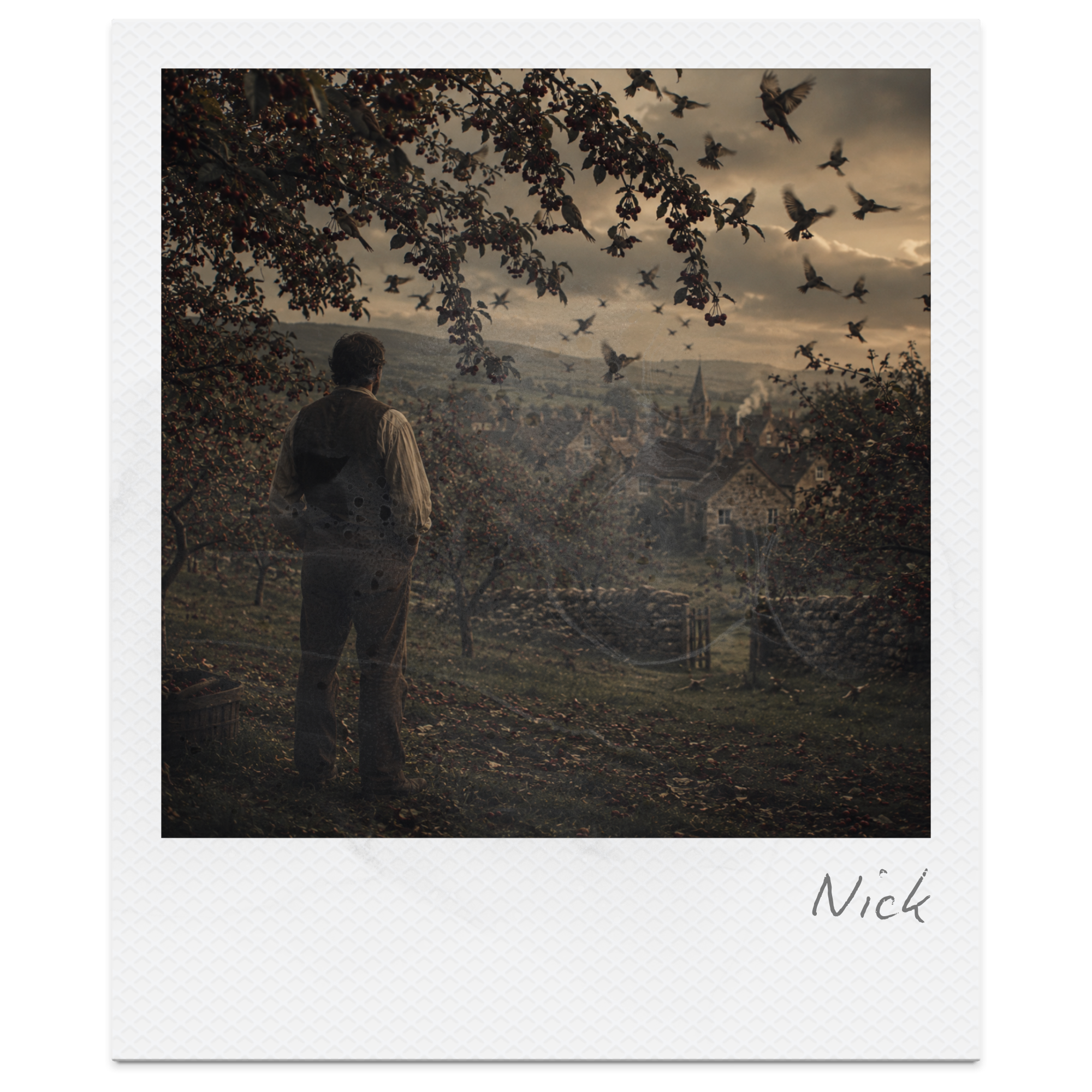
Christina Rossetti’s Nick is a darkly comic moral fable exploring envy, greed, consequence, and self-awareness through a series of strange magical transformations. Although Nick already lives in comfort and prosperity, he becomes consumed by jealousy and bitterness towards his neighbours. After receiving the power to become whatever he wishes, his malicious desires repeatedly spiral into humiliation, fear, and destruction. This analysis of Nick explores Rossetti’s use of symbolism, narrative voice, structure, and fairytale conventions to examine the psychological effects of resentment and selfishness. It also considers key themes including morality, social responsibility, and transformation, while offering exam-focused insights for CIE IGCSE English Literature (0475 & 0922).

Twice by Christina Rossetti: Summary, Themes, Symbolism & Analysis
Christina Rossetti’s Twice explores the emotional journey of a speaker who offers her heart first to a human lover and then to God, revealing the contrast between human rejection and divine understanding. Through powerful symbolism and structural repetition, Rossetti examines themes of unrequited love, judgement, and emotional vulnerability, showing how easily personal worth can be shaped—and damaged—by external evaluation. As the poem progresses, the speaker transforms her experience of rejection into an opportunity for spiritual redemption, turning away from flawed human judgement toward a more meaningful and enduring form of acceptance. This analysis explores how Rossetti uses imagery, tone, and form to chart this shift, making Twice a compelling study of identity, faith, and the search for lasting fulfilment.
In the Bleak Midwinter by Christina Rossetti: Summary, Themes, Symbolism & Analysis
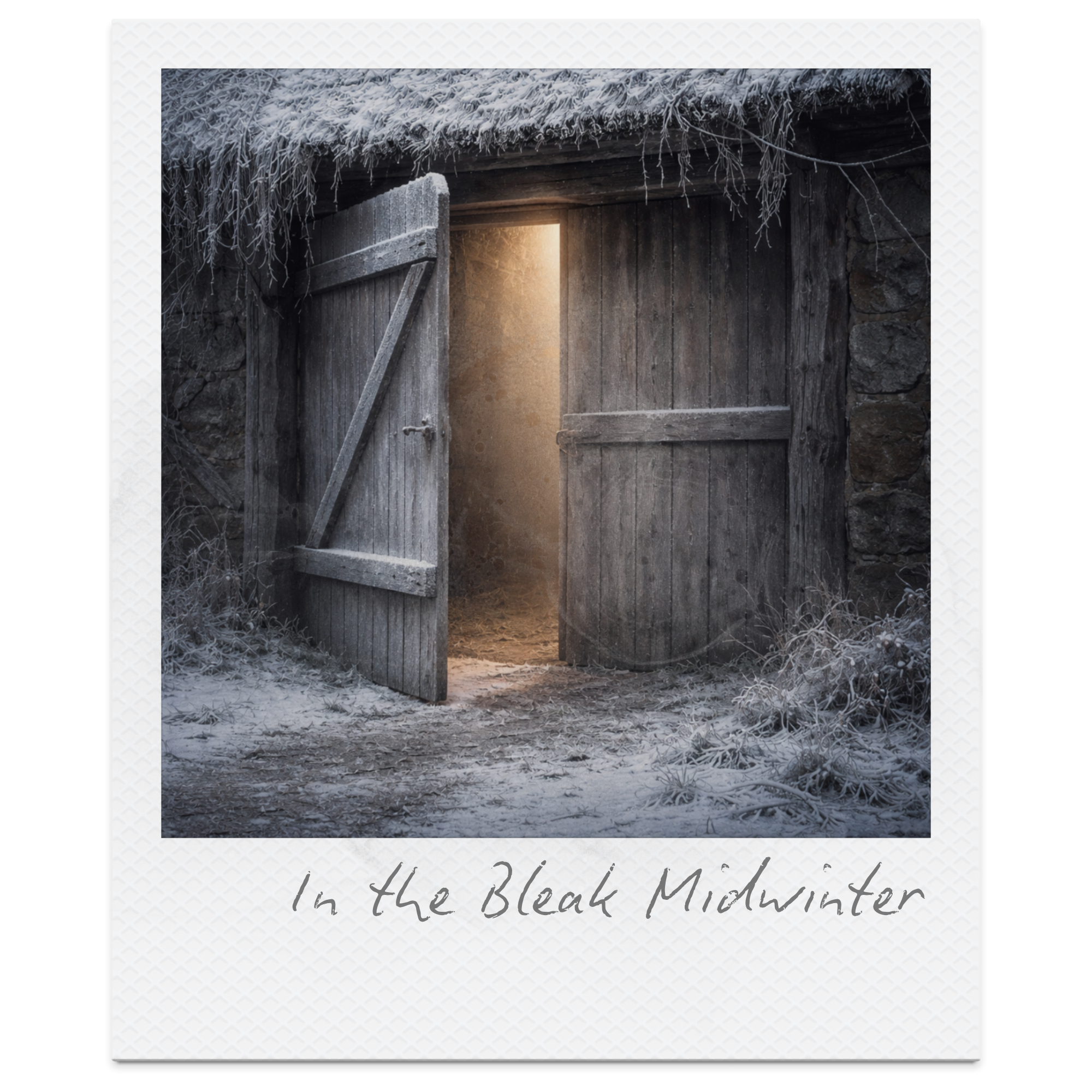
Christina Rossetti’s In the Bleak Midwinter is a devotional lyric that reflects on the Nativity through the stark imagery of a frozen winter landscape. The poem contrasts the vast power of God with the humility of Christ’s birth in a simple stable, using quiet, hymn-like language to explore themes of faith, humility, and divine incarnation. As the poem progresses, Rossetti shifts from describing the sacred scene to asking a deeply personal question: what can an ordinary person offer to the divine? The poem ultimately suggests that material gifts are less important than sincere spiritual devotion, concluding that the most meaningful offering is the gift of the heart.
Who Shall Deliver Me? Poem Analysis: Themes, Symbolism, Structure & Meaning
Christina Rossetti’s Who Shall Deliver Me? explores the experience of inner conflict, self-division, and spiritual struggle. In this intense devotional lyric, the speaker presents the self as both burden and adversary, describing the exhausting task of living with one’s own weaknesses and moral failures. Through imagery of weight, confinement, and betrayal, Rossetti reveals how the greatest obstacles to peace may arise from within the self. This analysis explores the poem’s themes, symbolism, structure, and key techniques, with detailed stanza-by-stanza commentary and multiple interpretations. It examines how Rossetti presents the divided self, the demands of moral discipline, and the possibility of redemption through divine intervention.

A Better Resurrection by Christina Rossetti: Summary, Themes, Symbolism & Analysis
Christina Rossetti’s A Better Resurrection is a powerful Victorian poem exploring spiritual exhaustion, faith, redemption, and inner renewal. Through striking imagery of faded leaves, frozen landscapes, and broken vessels, Rossetti presents a speaker who feels emotionally depleted yet continues to hope for transformation. The poem gradually moves from despair toward the possibility of spiritual rebirth and renewal. This analysis explores the poem’s themes, symbolism, structure, and key techniques, including its hymn-like refrain and extended metaphors. With stanza-by-stanza commentary, multiple interpretations, and teaching ideas, this guide helps readers examine how Rossetti presents the journey from spiritual emptiness to hopeful transformation.
Goblin Market by Christina Rossetti: Summary, Themes, Symbolism & Detailed Analysis
Christina Rossetti’s Goblin Market is one of the most famous and debated Victorian poems, exploring powerful themes of temptation, desire, sisterhood, sacrifice, and redemption. Through the story of Laura and Lizzie and the mysterious goblin fruit merchants, Rossetti creates a richly symbolic narrative filled with sensory imagery, moral tension, and striking symbolism. The poem blends elements of fairy tale, religious allegory, and social commentary, making it one of Rossetti’s most complex works. This guide explores the poem’s summary, key quotations, themes, symbolism, and literary techniques, along with different critical interpretations including feminist, psychological, religious, and existential readings. Whether you are studying Goblin Market for literature courses or exploring Rossetti’s poetry more deeply, this analysis offers a clear and detailed introduction to one of the most enduring poems of the nineteenth century.
The Thread of Life by Christina Rossetti: Summary, Meaning & Analysis
Christina Rossetti’s The Thread of Life is a reflective sonnet sequence exploring identity, solitude, and spiritual purpose. Across three interconnected sonnets, Rossetti traces the speaker’s journey from a sense of emotional distance and inner isolation to a deeper understanding of the self as something both limiting and meaningful. Through imagery of separation, self-possession, and Christian redemption, the poem gradually transforms the idea of the self from a prison into a spiritual offering. This guide provides a clear summary, stanza-by-stanza analysis, key quotes, themes, and teaching ideas to help readers understand how Rossetti uses language, structure, and biblical allusion to develop her meditation on human identity. Whether you are studying Rossetti’s poetry, teaching the poem in the classroom, or exploring Victorian devotional literature, this analysis examines how The Thread of Life moves from psychological introspection toward spiritual resolution.
The Real Point of A Christmas Carol: Meaning, Context, and Why We’re Still Missing It in the Classroom
A Christmas Carol is often taught as a simple story of personal redemption, but Charles Dickens wrote it as a fierce critique of poverty, inequality, and social responsibility. Beneath the familiar ghosts and festive imagery lies a political text that challenges readers to confront the systems that allow suffering to persist. This post explores the real meaning of A Christmas Carol in the classroom, examining Dickens’ purpose, key ideas, and modern relevance. With clear analysis, teaching insights, and discussion extensions, it shows how the novella works not just as a set text, but as a demand for action — making it more powerful, relevant, and challenging for students today.