Who Shall Deliver Me? Poem Analysis: Themes, Symbolism, Structure & Meaning
Christina Rossetti’s poem Who Shall Deliver Me? explores the experience of inner conflict, self-division, and spiritual struggle. The speaker presents the self as a burden that cannot easily be escaped, describing the exhausting task of “bearing” one’s own mind and conscience. Through repeated references to the self as both traitor and enemy, Rossetti develops a powerful meditation on the difficulty of overcoming human weakness.
The poem is often interpreted as a reflection on moral responsibility, psychological conflict, and the desire for spiritual liberation. While the speaker attempts to shut out the distractions of the outside world, the poem reveals that the greatest struggle lies within the self. Rossetti’s imagery of weight, imprisonment, and restraint emphasises how inescapable this inner battle becomes, before the poem ultimately gestures toward the possibility of redemption beyond human effort.
This analysis explores the poem’s themes, symbolism, structure, and key techniques, offering a stanza-by-stanza reading alongside multiple interpretations and teaching ideas.
You can explore more analyses of Rossetti’s poetry in the Christina Rossetti poetry hub, which gathers interpretations of her major poems and recurring themes across her work. You can also browse the wider Literature Library for poetry, prose, and drama resources designed to support literature study and classroom teaching.

Context: Spiritual Conflict and the Burden of the Self in Rossetti’s Poetry
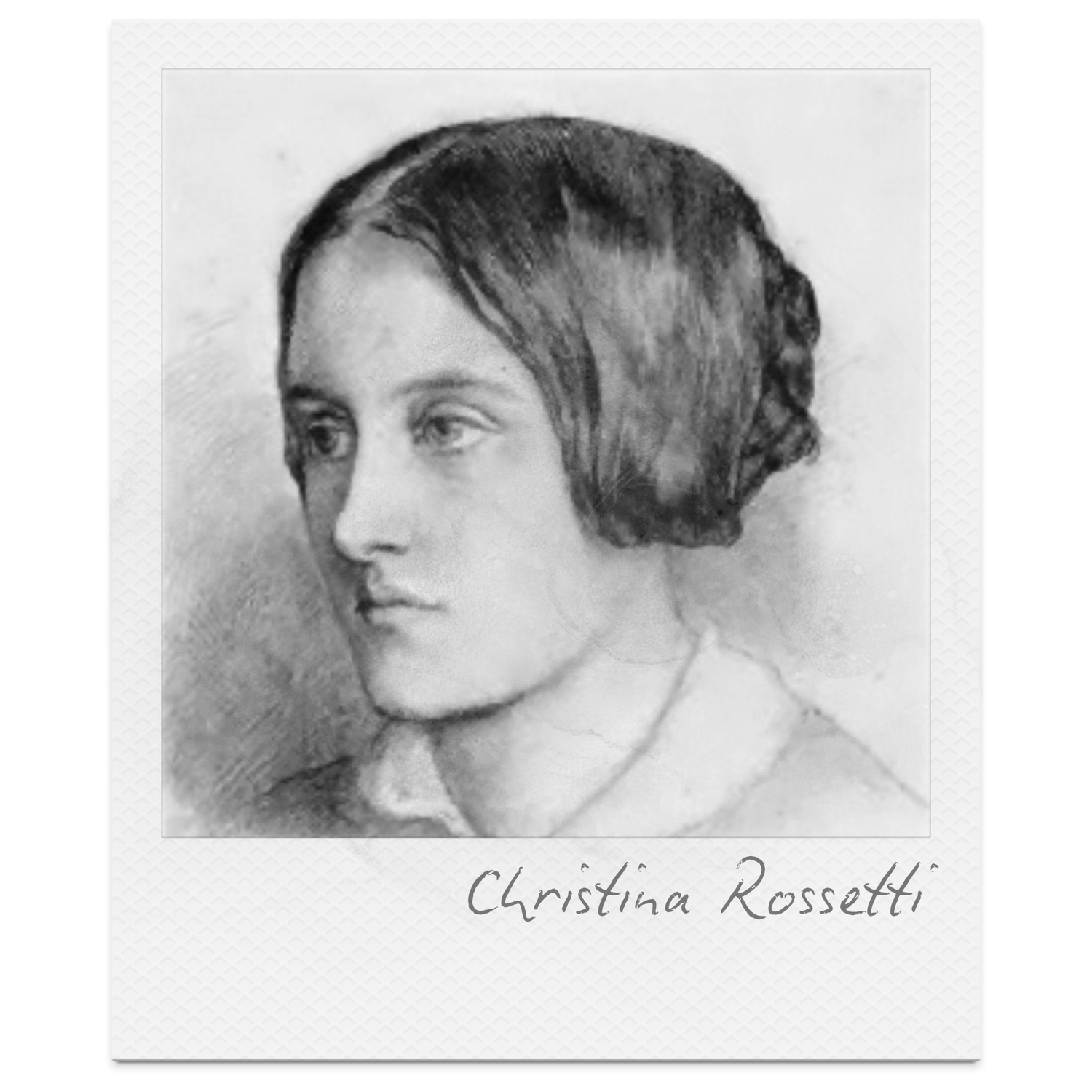
Christina Rossetti’s Who Shall Deliver Me? reflects the intense religious self-examination and moral discipline that shaped much of her writing. Rossetti was deeply influenced by Anglican devotional traditions, particularly those associated with the Oxford Movement, which encouraged believers to practise humility, self-scrutiny, and spiritual vigilance. Within this context, the poem’s focus on the struggle to overcome one’s own weakness reflects a broader Victorian emphasis on moral self-control and spiritual purification.
The title of the poem strongly echoes the biblical verse Romans 7:24: “O wretched man that I am! who shall deliver me from the body of this death?” In this passage, the Apostle Paul describes the internal conflict between the desire to do good and the persistent presence of sin. Rossetti’s poem develops a similar idea, portraying the self as both burden and adversary. The speaker recognises that external troubles can be shut out, yet the deeper struggle lies within the self itself.
This focus on inner conflict and self-division also reflects Rossetti’s wider interest in the relationship between human weakness and divine grace. Many of her poems explore moments when speakers feel spiritually overwhelmed or morally inadequate, yet continue to hope for transformation. In Who Shall Deliver Me?, the repeated references to the self as a “weight,” a “traitor,” and a “foe” emphasise the intensity of this struggle before the poem ultimately gestures toward the possibility of liberation through divine intervention.
For a deeper overview of Rossetti’s life, religious beliefs, and the Victorian literary context that shaped her work, see the Christina Rossetti context guide in the Rossetti hub.
Who Shall Deliver Me? At a Glance
Form: Devotional lyric poem with a reflective, confessional voice
Mood: Intense, self-critical, and psychologically conflicted, moving toward cautious spiritual hope
Central tension: The speaker struggles with the unbearable burden of the self, recognising that the greatest obstacle to peace is the divided and resistant inner self
Core themes: inner conflict, self-division, spiritual struggle, moral discipline, and redemption
One-sentence meaning:
The poem explores the painful experience of being trapped within one’s own flawed nature, suggesting that true liberation may only come through divine intervention rather than human effort alone.
Quick Summary of Who Shall Deliver Me?
The poem presents a speaker struggling with the unbearable task of living with and enduring the self. At the beginning of the poem, the speaker recognises that external disturbances can be shut out of life. By locking the door and barring the outside world, the speaker attempts to exclude the distractions and pressures of society. However, this attempt at control quickly reveals a deeper problem: the most troubling presence cannot be removed, because it lies within the self.
As the poem develops, the speaker becomes increasingly aware that the greatest burden is self-consciousness and moral failure. The self is described as an inescapable weight, something that cannot be avoided or separated from the mind that carries it. The speaker imagines the possibility of laying down this burden and beginning again with a purified identity, yet recognises that such transformation seems impossible through personal effort alone.
In the later part of the poem, the speaker’s language becomes harsher and more self-critical. The self is described as both coward and traitor, suggesting a deep frustration with human weakness and moral inconsistency. Yet the poem does not end in despair. The final lines introduce the possibility that divine power may free the speaker from this internal struggle, suggesting that liberation from the burden of the self must ultimately come from beyond the self itself.
Title, Form, Structure, and Metre
Rossetti’s formal choices in Who Shall Deliver Me? closely reinforce the poem’s exploration of inner conflict, spiritual struggle, and the oppressive burden of the self. The poem’s compact structure, disciplined rhythm, and tightly controlled stanzas mirror the speaker’s attempt to impose moral and psychological control over a divided identity. Structurally, the poem repeatedly returns to the problem of the self, creating a cyclical pattern of reflection that reflects the speaker’s inability to escape their own consciousness.
Title
The title echoes the biblical lament from Romans 7:24, where the Apostle Paul cries: “O wretched man that I am! who shall deliver me from the body of this death?” In this passage Paul describes the conflict between the desire to follow moral law and the persistent weakness of human nature. By invoking this line, Rossetti situates the poem within a Christian tradition of self-examination and spiritual struggle.
The title therefore frames the poem as a question of liberation. The speaker is not seeking escape from external hardship but from the deeper problem of self-division and moral weakness within the self itself.
Form and Structure
The poem is structured as eight tercets (three-line stanzas), creating a tightly controlled 24-line lyric. This compact structure reinforces the poem’s intense inward focus, as each stanza presents a concentrated reflection on the speaker’s struggle with the self.
A key structural feature is the repeated return to the word “myself”, which appears throughout the poem and often anchors the beginning or centre of lines. This repetition functions almost like a structural refrain, continually returning the reader to the central problem of the poem: the self as both burden and adversary.
The poem’s progression also reflects a movement in the speaker’s thinking. Early stanzas focus on excluding the distractions of the outside world, but the poem quickly recognises that the true struggle lies within. As the poem develops, the language of self-criticism intensifies until the self is described as traitor, enemy, and obstruction. Only in the final stanza does the poem shift toward the possibility that liberation might come through divine intervention.
Rhyme Scheme and Poetic Pattern
Rossetti uses tightly patterned rhyming tercets that create a sense of formal control. The rhyme links the stanzas together while maintaining the poem’s measured pace, reinforcing the impression of disciplined reflection.
This structured rhyme pattern contrasts with the emotional intensity of the poem’s content. While the speaker experiences severe internal conflict, the poem’s orderly sound pattern suggests an attempt to impose spiritual and intellectual order upon psychological turmoil.
Metre and Rhythmic Movement
The poem largely follows iambic tetrameter, producing a steady rhythm that gives the lines a measured, contemplative movement.
For example:
God STRENGTH | en ME | to BEAR | my SELF
This regular rhythm reflects the poem’s tone of moral discipline and spiritual meditation. The controlled movement of the metre mirrors the speaker’s attempt to regulate chaotic inner thoughts and impose order upon the divided self.
At the same time, Rossetti occasionally varies the rhythm slightly, allowing moments of tension within the otherwise steady pattern. These subtle disruptions echo the poem’s central theme: the difficulty of maintaining control over the self’s conflicting impulses.
The Speaker of Who Shall Deliver Me?
The speaker in Who Shall Deliver Me? appears as a figure engaged in intense self-examination and spiritual struggle. Rather than addressing another person, the voice of the poem turns inward, confronting the difficult reality of living with one’s own flawed nature. The speaker presents the self as both subject and adversary, describing an exhausting conflict between moral aspiration and personal weakness.
Throughout the poem, the speaker’s tone is deeply self-critical and introspective. The self is described in increasingly harsh terms, becoming a “coward,” a “traitor,” and ultimately the greatest obstacle to peace. This language suggests that the speaker is not simply frustrated with external circumstances but is grappling with a profound sense of moral inadequacy and psychological division.
At the same time, the speaker recognises that escape from the self is impossible through personal effort alone. The poem repeatedly returns to the idea that the self is an inescapable burden, something that cannot simply be removed or shut out like external distractions. This recognition intensifies the speaker’s sense of spiritual conflict.
However, the poem’s final lines introduce the possibility that liberation may come from beyond the self. By turning toward divine intervention, the speaker suggests that the struggle with human weakness may ultimately require spiritual transformation rather than personal control.
Stanza-by-Stanza Analysis of Who Shall Deliver Me?
Rossetti structures Who Shall Deliver Me? as a progressive exploration of inner conflict, self-division, and spiritual struggle. Each stanza deepens the speaker’s awareness that the greatest burden is not external hardship but the inescapable weight of the self. Through imagery of weight, imprisonment, betrayal, and restraint, the poem traces a movement from frustrated self-awareness toward the possibility of spiritual liberation.
A close reading of the poem reveals how Rossetti gradually intensifies the speaker’s language, presenting the self first as a burden, then as an adversary, and finally as something that can only be overcome through divine intervention.
Stanza 1: The Burden of Bearing the Self
The poem opens with a direct appeal to God, immediately framing the speaker’s struggle as both spiritual and psychological. The line “God strengthen me to bear myself” establishes the central idea of the poem: the self is presented not as a stable identity but as a burden that must be endured. Rather than asking for relief from external hardship, the speaker asks for the strength to tolerate the most difficult weight of all — the self itself.
Rossetti reinforces this idea through the repeated word “bear,” which emphasises the exhausting effort involved in carrying this internal burden. The phrase “heaviest weight of all” intensifies the speaker’s claim that inner struggle surpasses any external difficulty. This metaphor of weight suggests that self-awareness, guilt, or moral responsibility can become an oppressive force pressing constantly upon the mind.
The phrase “inalienable weight of care” deepens the sense of inevitability. The burden cannot be removed or transferred; it is permanently attached to the speaker’s identity. By describing the self as something that must be borne, Rossetti introduces the poem’s central paradox: the individual cannot escape the self, yet must somehow endure its demands.
Stanza 2: Attempting to Shut Out the Outside World
In this stanza, the speaker briefly turns away from the inner struggle and considers the possibility of controlling external disturbances. The line “All others are outside myself” establishes a contrast between the self and the outside world, suggesting that other people and their distractions exist beyond the speaker’s inner life and can therefore be excluded.
The speaker imagines shutting out these disturbances through the repeated action of locking and barring the door. This imagery suggests an attempt to impose order and discipline, creating a boundary between the mind and the chaotic pressures of the outside world. The physical act of locking the door symbolises a desire for withdrawal, solitude, and control.
Rossetti’s list of irritations — “turmoil, tedium, gad-about” — reinforces the sense that external life is noisy, distracting, and trivial. These words describe the restless social activity of the world beyond the speaker’s private space. Yet while the stanza suggests that outside disturbances can be excluded, it quietly prepares the reader for the poem’s central realisation: external problems can be barred out, but the self cannot be shut away so easily.
Stanza 3: The Inescapable Self
In this stanza, the speaker recognises the limits of the control imagined in the previous lines. Although external distractions can be excluded, the speaker realises that the self cannot be shut out in the same way. The repeated action of locking and barring the door returns, but this time the speaker acknowledges that these barriers offer no protection against the deeper problem of inner conflict.
The question “who shall wall / Self from myself” introduces the central dilemma of the poem. The metaphor of building a wall suggests the desire to create a separation between different parts of the self, as though the speaker wishes to escape from an internal adversary. Yet the question itself implies that such separation is impossible.
The phrase “most loathed of all” intensifies the poem’s tone of self-condemnation. The speaker does not merely struggle with the self but actively despises it, presenting the self as the most difficult and unwelcome presence in life. Rossetti therefore deepens the poem’s psychological tension, revealing that the true source of conflict lies within the speaker’s own consciousness.
Stanza 4: The Desire to Begin Again
In this stanza, the speaker imagines the possibility of escaping the burden of the self entirely. The phrase “lay down myself” suggests the desire to discard the flawed or burdensome identity that has dominated the poem so far. The speaker longs for a moment of purification that would allow a fresh beginning.
The idea of starting “self-purged upon the race / That all must run” introduces the metaphor of life as a race. Here Rossetti draws on imagery associated with moral and spiritual endurance, suggesting that every person must run the difficult course of life. The speaker wishes to begin this race again with a purified identity, free from the internal weaknesses that currently obstruct progress.
However, the line “Death runs apace” interrupts this hopeful vision. The rapid movement of death suggests that time is already passing too quickly for such a new beginning to occur. The speaker therefore recognises that the imagined possibility of starting again may already be slipping away, intensifying the poem’s sense of urgency and existential pressure.
Stanza 5: Longing to Escape the Weight of the Self
In this stanza, the speaker continues imagining the possibility of separating from the burdensome self. The phrase “set aside myself” echoes the earlier desire to “lay down” the self, reinforcing the idea that the speaker experiences identity as a weight that must be removed before life can properly begin.
The image of starting again with a “lightened heart” suggests relief from the oppressive sense of guilt, care, or internal conflict that has dominated the poem. Rossetti presents this imagined transformation as a moment of emotional freedom, where the speaker might finally participate in life without the constant pressure of self-condemnation.
The final line introduces the image of “the road by all men overgone.” This metaphor presents life as a universal journey shared by all human beings. By emphasising that every person must travel this road, Rossetti situates the speaker’s struggle within the broader human condition. Yet the speaker still imagines beginning that journey anew, free from the internal obstacles that currently make the path so difficult to follow.
Stanza 6: The Self as Coward and Traitor
In this stanza, the speaker’s self-criticism becomes even more intense. The prayer “God harden me against myself” suggests that the speaker now sees the self as something that must be resisted or disciplined rather than simply endured. The tone is harsh and uncompromising, reflecting a deep frustration with personal weakness.
The speaker describes the self as a “coward with pathetic voice”, a part of the personality that longs for comfort, ease, and pleasure instead of moral endurance. Rossetti presents this impulse toward rest and joy as a form of weakness that prevents the speaker from fulfilling a higher spiritual purpose.
The description becomes even more severe in the lines “Myself, arch-traitor to myself; / My hollowest friend, my deadliest foe.” These paradoxical phrases emphasise the idea of self-division. The self should be a companion or ally, yet here it becomes the greatest enemy. By calling the self both friend and traitor, Rossetti captures the painful reality of internal conflict, where the individual feels betrayed by their own desires and impulses.
The final image of the self as a “clog whatever road I go” reinforces the metaphor of life as a journey. The self becomes an obstacle that slows progress and prevents forward movement, suggesting that the speaker cannot advance toward moral or spiritual fulfilment while still burdened by internal weakness.
Stanza 7: The Self as Betrayer and Enemy
In this stanza, the speaker intensifies the language of self-division and betrayal. The phrase “arch-traitor to myself” presents the self as a figure of treachery, suggesting that the speaker feels sabotaged by their own weaknesses and impulses. The self becomes something that actively undermines moral or spiritual progress.
Rossetti reinforces this conflict through the paradoxical description “My hollowest friend, my deadliest foe.” The self should be a companion or ally, yet here it is both empty and hostile. This contradiction captures the painful experience of internal conflict, where the individual feels simultaneously connected to and betrayed by their own desires.
The final line of the stanza returns to the poem’s journey metaphor. By describing the self as “my clog whatever road I go,” the speaker suggests that personal weakness obstructs progress through life. The self becomes a weight that slows every step, reinforcing the poem’s central image of identity as an inescapable burden.
Stanza 8: Liberation Through Divine Intervention
The final stanza introduces a crucial shift in tone, moving from harsh self-condemnation toward the possibility of spiritual liberation. The line “Yet One there is can curb myself” suggests that although the speaker cannot control the self through personal effort, a higher power may be able to restrain it.
Rossetti develops this idea through imagery of release and relief. The phrase “roll the strangling load from me” returns to the poem’s earlier metaphor of weight and burden, suggesting that the oppressive self may finally be lifted away.
The final line “Break off the yoke and set me free” draws on biblical imagery associated with labour and spiritual bondage. The “yoke” symbolises the heavy discipline or struggle that has defined the speaker’s inner life. By imagining it being broken, Rossetti offers a resolution to the poem’s central conflict: true freedom from the burden of the self must come through divine grace rather than human effort.
Key Quotes from Who Shall Deliver Me?
Rossetti’s poem is driven by intense self-examination and moral conflict, expressed through imagery of weight, imprisonment, betrayal, and release. The following quotations reveal how the poem develops its central concern with the unbearable burden of the self and the hope that spiritual liberation may come through divine intervention.
God strengthen me to bear myself
◆ The poem begins as a direct prayer, immediately framing the struggle as both spiritual and psychological rather than purely emotional.
◆ The verb “bear” introduces the poem’s central metaphor of the self as a weight or burden, suggesting that identity itself becomes something oppressive.
◆ Rossetti reverses the expected source of suffering: instead of external hardship, the speaker must endure the inescapable presence of the self.
That heaviest weight of all to bear
◆ The superlative “heaviest” intensifies the metaphor of burden, presenting inner conflict as more difficult than any external adversity.
◆ The repetition of “bear” reinforces the exhausting labour involved in maintaining moral discipline and self-awareness.
◆ The line reflects Victorian religious ideas of self-surveillance and spiritual vigilance, where the self must constantly be examined and restrained.
Inalienable weight of care
◆ The word “inalienable” suggests something that cannot be transferred or removed, emphasising the permanence of the speaker’s burden.
◆ “Care” carries a double meaning, referring both to anxiety and to the moral responsibility of self-governance.
◆ The phrase therefore suggests that the self is not merely inconvenient but inescapably bound to the speaker’s existence.
I lock my door and bar them out
◆ The imagery of locking and barring the door symbolises an attempt to impose control over the outside world.
◆ The action suggests withdrawal from social distraction and worldly noise, reflecting Rossetti’s recurring interest in solitude and introspection.
◆ Structurally, the line prepares the poem’s central paradox: external disturbances can be excluded, but the self remains inescapable.
Who shall wall / Self from myself
◆ The metaphor of building a wall expresses the desperate desire to create separation within the self.
◆ The phrasing emphasises the speaker’s experience of psychological division, as though the self contains opposing identities.
◆ The rhetorical question implies that such separation is impossible, reinforcing the poem’s theme of inescapable inner conflict.
Self from myself, most loathed of all
◆ The language of loathing reveals the depth of the speaker’s self-condemnation.
◆ Rossetti intensifies the internal conflict by presenting the self as something not merely burdensome but actively despised.
◆ The phrase reflects a deeply Augustinian idea of divided human nature, where the self simultaneously desires and resists moral good.
If I could once lay down myself
◆ The phrase suggests the longing to discard identity entirely, imagining the possibility of beginning life anew.
◆ “Lay down” echoes the imagery of setting down a heavy burden, reinforcing the poem’s central metaphor of weight.
◆ The conditional phrasing “If I could” signals that this wish is ultimately unattainable.
Myself, arch-traitor to myself
◆ The phrase “arch-traitor” introduces the language of betrayal, suggesting that the self actively sabotages moral effort.
◆ Rossetti presents identity as internally divided, where one part of the self undermines another.
◆ This reflects a broader Christian understanding of human nature as fallen and internally conflicted.
My hollowest friend, my deadliest foe
◆ The paradox highlights the unstable relationship between the self as companion and enemy.
◆ “Hollowest friend” suggests emotional emptiness and lack of reliability.
◆ The juxtaposition of friend and foe captures the psychological complexity of self-awareness and moral struggle.
Break off the yoke and set me free
◆ The final line introduces imagery of liberation and release, marking a shift from despair toward hope.
◆ The “yoke” draws on biblical symbolism associated with labour, discipline, and spiritual burden.
◆ The promise of being “set free” suggests that liberation from the oppressive self must come through divine intervention rather than human effort.
Key Techniques in Who Shall Deliver Me?
Rossetti develops the poem’s exploration of inner conflict and spiritual struggle through a range of rhetorical and structural techniques. Rather than relying on elaborate imagery, the poem builds intensity through paradox, metaphor, and devotional language, allowing the speaker’s psychological struggle to unfold through increasingly severe self-judgement.
◆ Extended metaphor of weight and burden – Throughout the poem, the self is presented as a physical weight that must be carried. Phrases such as “heaviest weight of all to bear,” “inalienable weight of care,” and “strangling load” create a sustained metaphor in which identity itself becomes an oppressive burden.
◆ Paradox – Rossetti repeatedly expresses the speaker’s inner conflict through contradictory descriptions of the self. The phrase “my hollowest friend, my deadliest foe” presents the self as both companion and enemy, emphasising the painful complexity of internal struggle.
◆ Rhetorical question – The line “who shall wall / Self from myself?” introduces a rhetorical question that highlights the impossibility of escaping the self. The question structure emphasises the speaker’s frustration and deepens the sense of psychological entrapment.
◆ Enjambment – Rossetti frequently carries sentences across line breaks, allowing ideas to spill forward rather than resolve neatly within a single line. This technique mirrors the poem’s theme of unresolved internal conflict, as the speaker’s thoughts continue without clear closure.
◆ Biblical allusion – The title echoes Romans 7:24, where the Apostle Paul laments the struggle between spiritual aspiration and human weakness. This reference situates the poem within a Christian tradition of examining the divided self and the need for divine grace.
◆ Antithesis – Rossetti juxtaposes opposing ideas to emphasise internal division. The self is described simultaneously as friend and enemy, illustrating the tension between moral intention and personal weakness.
◆ Metaphor of confinement – The imagery of locking doors and building walls creates a symbolic attempt to control the boundaries of the self. Yet this imagery ultimately reinforces the poem’s central paradox: external disturbances can be shut out, but the self cannot be excluded.
◆ Devotional lyric voice – The poem adopts the structure of a prayer, addressing God directly and framing the speaker’s internal struggle as part of a spiritual discipline.
◆ Self-division imagery – Rossetti repeatedly splits the self into opposing forces, portraying identity as something fragmented and internally conflicted rather than unified.
Themes in Who Shall Deliver Me?
Rossetti’s poem explores the psychological and spiritual consequences of intense self-examination. Through imagery of weight, burden, betrayal, and liberation, the poem presents the self as both the source of suffering and the object of moral struggle. The themes that emerge reflect Rossetti’s wider interest in spiritual discipline, human weakness, and the possibility of redemption.
Inner Conflict
At the centre of the poem lies a powerful exploration of inner conflict. The speaker experiences the self not as a unified identity but as a site of tension between opposing impulses. On one level, the speaker desires moral strength and spiritual discipline; on another, the self longs for comfort, rest, and ease. This conflict creates a sense of constant psychological strain, as the speaker feels pulled between aspiration and weakness.
Rossetti presents this conflict as deeply personal and inescapable. External disturbances can be shut out, yet the struggle within the self continues, suggesting that the most difficult battles are fought internally rather than in the outside world.
Self-Division
Closely connected to this conflict is the theme of self-division. The poem repeatedly portrays the self as fragmented into opposing forces. Descriptions such as “arch-traitor to myself” and “my hollowest friend, my deadliest foe” suggest that the speaker experiences identity as internally split.
This sense of division reflects a long-standing religious and philosophical idea that human beings are internally conflicted, capable of recognising moral truth while simultaneously resisting it. Rossetti therefore presents the self as a paradoxical entity that both desires and obstructs moral progress.
Spiritual Struggle
The poem also functions as a meditation on spiritual struggle. The speaker addresses God directly, framing the entire poem as a form of prayer. Rather than expressing confident faith, however, the poem reveals the exhausting reality of spiritual self-examination.
Rossetti’s speaker recognises the difficulty of living according to moral and religious ideals. The language of burden and weight suggests that spiritual responsibility can feel overwhelming, particularly when individuals are confronted with their own imperfections.
Moral Discipline
Closely related to spiritual struggle is the theme of moral discipline. The speaker repeatedly asks for strength to resist the weaker aspects of the self. By describing the self as a coward seeking comfort and pleasure, the poem reflects Victorian religious ideas about the need for self-control and moral vigilance.
Rossetti presents the pursuit of virtue as a demanding process that requires constant effort. The self must be monitored, restrained, and corrected in order to remain aligned with spiritual ideals.
Redemption
Despite its intense self-criticism, the poem ultimately gestures toward the possibility of redemption. The final stanza introduces the idea that divine power may lift the burden of the self and release the speaker from internal conflict.
The imagery of the “strangling load” being rolled away and the “yoke” being broken suggests liberation from spiritual oppression. Redemption in the poem does not come through personal effort alone but through the intervention of a higher power capable of transforming the self.
The Burden of Selfhood
Underlying all of these ideas is the theme of identity as burden. Throughout the poem, the self is described through metaphors of weight, obstruction, and restraint. The speaker experiences consciousness and moral awareness as something heavy and difficult to carry.
By presenting the self in this way, Rossetti captures the profound difficulty of self-awareness. The poem suggests that understanding one’s own weaknesses can become a source of suffering, yet this awareness may also be the first step toward transformation.
Alternative Interpretations of Who Shall Deliver Me?
Rossetti’s poem invites a range of interpretations because it blends religious language, psychological intensity, and philosophical reflection. While the poem clearly draws on Christian ideas of sin and redemption, its language of self-division and internal struggle also allows readers to explore broader questions about identity, consciousness, and moral responsibility.
Religious Interpretation: The Struggle Described in Romans 7
One of the most direct interpretations reads the poem through its biblical connection to Romans 7:24, where the Apostle Paul laments: “O wretched man that I am! who shall deliver me from the body of this death?” In this passage, Paul describes the conflict between the desire to follow God’s law and the persistent weakness of human nature.
Rossetti’s poem echoes this idea by portraying the self as both burden and adversary. The speaker recognises that human effort alone cannot overcome this internal struggle. The final lines therefore suggest that liberation must come through divine intervention, reinforcing a traditional Christian belief that redemption is possible only through grace rather than personal willpower.
Psychological Interpretation: The Divided Self
The poem can also be interpreted as an exploration of psychological self-division. The speaker repeatedly separates the self into opposing forces, describing the self as both companion and enemy.
Phrases such as “my hollowest friend, my deadliest foe” suggest that identity is fragmented rather than unified. The speaker experiences their own thoughts and impulses as conflicting forces, reflecting the painful awareness that individuals often undermine their own aspirations. In this interpretation, the poem captures the experience of internal psychological conflict, where the mind becomes its own battlefield.
Existential Interpretation: The Burden of Selfhood
From an existential perspective, the poem reflects the unsettling experience of being trapped within one’s own consciousness. The speaker does not complain about external suffering but about the unavoidable fact of having a self that must constantly be endured.
The metaphor of the self as a weight or load suggests that self-awareness itself becomes oppressive. The poem therefore anticipates later philosophical reflections on the difficulty of human existence, where individuals must confront the responsibilities and limitations of their own identity.
Moral-Philosophical Interpretation: Victorian Ideals of Self-Discipline
The poem can also be read within the context of Victorian moral philosophy, which emphasised self-control, discipline, and the development of character. During this period, religious and cultural values encouraged individuals to examine their own behaviour closely and to struggle against personal weakness.
In this interpretation, the speaker’s harsh criticism of the self reflects a cultural belief that moral strength requires constant self-discipline and vigilance. The poem therefore illustrates the demanding process of striving toward moral improvement within a society that valued restraint and personal responsibility.
Psychological Interpretation: Self as Enemy
Finally, the poem can be interpreted as an early literary exploration of the idea that the self may become its own greatest obstacle. Rossetti repeatedly describes the self as traitor, enemy, and burden, suggesting that the most significant barriers to fulfilment may arise from within the mind itself.
In this reading, the poem reflects a deeply modern insight: that human identity is often divided and unstable. The speaker’s struggle is not simply moral or religious but psychological, revealing how individuals can feel trapped within the contradictions of their own nature.
Teaching Ideas for Who Shall Deliver Me?
Rossetti’s poem offers valuable opportunities for exploring psychological conflict, religious context, and rhetorical structure. The poem is particularly useful for encouraging students to move beyond surface-level technique spotting and toward interpretive argument, especially when examining how Rossetti presents the divided self.
1. Analytical paragraph critique and development
Students examine a model analytical paragraph and evaluate how effectively it explains the poem’s ideas. They can identify where the argument is strong, where it could be developed further, and how the analysis might be expanded into a more sophisticated interpretation.
Example analytical paragraph:
Rossetti presents the self as an oppressive burden in Who Shall Deliver Me?, suggesting that the greatest struggle individuals face lies within their own identity. The opening line, “God strengthen me to bear myself,” introduces the central metaphor of the self as a weight that must be endured. This idea is intensified through phrases such as “heaviest weight of all” and “inalienable weight of care,” which present self-awareness as something inescapable and exhausting. Rossetti develops this conflict further when the speaker describes the self as both “my hollowest friend” and “my deadliest foe,” revealing the deeply divided nature of human identity. The poem therefore suggests that the most difficult enemy a person must confront is not the outside world but the conflicting impulses within the self.
Students can then:
◆ identify the central argument of the paragraph
◆ analyse how effectively the quotation is integrated
◆ extend the paragraph by adding a second paragraph exploring the poem’s religious context or biblical allusion
2. Exploring the metaphor of burden
Ask students to track how Rossetti develops the metaphor of weight and burden across the poem.
Students identify phrases such as:
◆ “heaviest weight of all”
◆ “inalienable weight of care”
◆ “strangling load”
◆ “yoke”
They then discuss how this imagery shapes the poem’s representation of identity and why Rossetti repeatedly frames the self as something heavy, restrictive, and difficult to carry.
3. Interpretive debate: spiritual or psychological struggle?
Students consider two possible interpretations of the poem:
◆ the poem as a religious meditation on sin and redemption
◆ the poem as a psychological exploration of self-conflict
Students gather evidence from the text to support each interpretation before discussing how the poem allows both readings simultaneously.
This activity encourages students to develop interpretive flexibility, recognising that literary texts often support multiple perspectives.
4. Structure and rhetorical development
Students examine how the poem’s structure shapes its meaning.
Possible discussion questions include:
◆ Why does Rossetti repeatedly return to the word “myself” throughout the poem?
◆ How does the poem’s progression intensify the speaker’s self-criticism?
◆ Why does the final stanza introduce the possibility of divine intervention?
This activity helps students analyse how structure reinforces thematic development.
5. Essay questions
Students could explore the poem through essay responses such as:
How does Rossetti present the experience of inner conflict in Who Shall Deliver Me?
Explore the ways Rossetti presents the self as both burden and enemy.
To what extent is the poem concerned with spiritual struggle rather than psychological conflict?
How does Rossetti use imagery and metaphor to present the difficulty of self-discipline?
“The poem suggests that the greatest obstacle to human fulfilment lies within the self.” Discuss.
Go Deeper into Who Shall Deliver Me?
Who Shall Deliver Me? sits within a group of Rossetti poems that explore spiritual struggle, divided identity, and the difficulty of moral endurance. Across her work, Rossetti frequently presents speakers who are painfully aware of their own weaknesses yet continue to search for redemption, discipline, or spiritual peace. Comparing this poem with others in Rossetti’s poetry reveals how she repeatedly returns to questions about self-knowledge, moral responsibility, and the possibility of liberation from inner conflict.
◆ A Better Resurrection – Both poems explore moments of intense spiritual exhaustion and the longing for renewal. While A Better Resurrection focuses on emotional barrenness and the hope of transformation through divine grace, Who Shall Deliver Me? presents a more confrontational struggle with the divided self.
◆ The Thread of Life – This poem reflects on the fragility and uncertainty of human existence. Like Who Shall Deliver Me?, it explores the relationship between human limitation and spiritual meaning, questioning how individuals endure the burdens of life.
◆ Up-Hill – Rossetti’s allegorical poem presents life as a spiritual journey that demands perseverance. Whereas Who Shall Deliver Me? emphasises internal struggle, Up-Hill offers a more reassuring vision in which the traveller ultimately finds rest.
◆ From the Antique – Both poems express a deep sense of weariness with human existence. However, while Who Shall Deliver Me? ultimately gestures toward redemption, From the Antique offers a darker meditation on the exhaustion of life itself.
◆ Shut Out – This poem explores feelings of exclusion and separation, presenting a speaker who feels locked away from a place of beauty and fulfilment. Like Who Shall Deliver Me?, it uses imagery of barriers and separation to express emotional and spiritual distance.
◆ Echo – Rossetti’s poem of longing and memory also explores the persistence of inner desire. Both poems reveal how individuals remain haunted by internal experiences that cannot easily be silenced or forgotten.
Final Thoughts
Rossetti’s Who Shall Deliver Me? offers a powerful meditation on inner conflict, self-division, and spiritual struggle. Through imagery of weight, confinement, and betrayal, the poem presents the self as both burden and adversary. The speaker’s repeated attempts to distance themselves from their own weaknesses reveal the exhausting nature of moral self-examination.
Yet the poem ultimately refuses to end in despair. By introducing the possibility that divine power may “break off the yoke and set me free,” Rossetti suggests that liberation from the divided self cannot be achieved through personal effort alone. Instead, the poem frames redemption as a transformation that must come from beyond the limits of human strength.
You can explore more analyses of Rossetti’s poetry in the Christina Rossetti poetry hub, where you’ll find interpretations of her major poems and recurring themes. You can also browse the wider Literature Library for additional poetry, prose, and drama resources designed to support literature study and teaching.
Choose Your Next Text