Up-Hill by Christina Rossetti: Summary, Meaning, Themes & Analysis
Christina Rossetti’s “Up-Hill” is a deceptively simple poem about life as a spiritual journey, shaped as a brief dialogue between a questioning traveller and a calm, assured guide. On the surface, it reads like a conversation about exhaustion, darkness, and the need for shelter. Underneath, it becomes a meditation on faith, perseverance, and the promise of rest at the end of struggle.
What makes “Up-Hill” so effective is its refusal to dramatise suffering. The traveller asks what most people ask when life feels relentless: does it ever stop, does the darkness hide the destination, will anyone let me in when I arrive? Rossetti answers each question with quiet certainty. The poem’s steady rhythm and repeated reassurance create a sense of inevitability — not because the journey is easy, but because the ending is fixed.
Read as a piece of devotional poetry, “Up-Hill” reflects Rossetti’s Anglican faith and her recurring interest in the tension between human weariness and spiritual hope. The road “up-hill” can be read as the moral and emotional labour of living, while the “inn” suggests death, salvation, and eternal rest — a final shelter that cannot be missed, and where there is room for all who come.
This poem is part of a wider exploration of Rossetti’s work. You can find more analyses and comparisons in the Christina Rossetti Poetry Hub.

Context: Christina Rossetti, Faith, and the Christian Journey
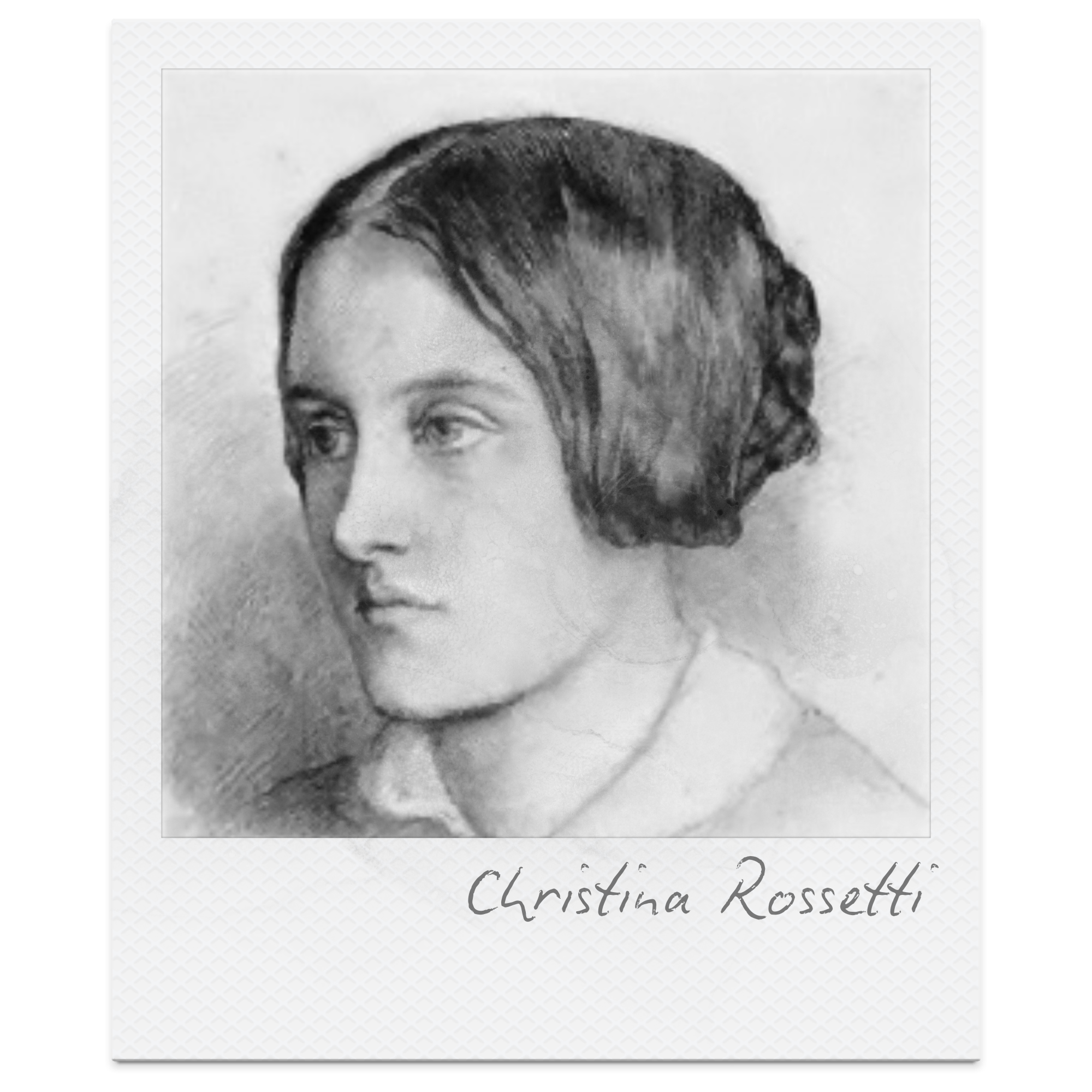
Christina Rossetti’s poetry is often shaped by Christian devotion, moral seriousness, and the belief that ordinary life carries spiritual weight. Writing in the Victorian period, she lived within a culture where religious language and biblical imagery were part of everyday thought — but Rossetti’s work goes further than background piety. Her poems repeatedly return to questions of endurance, self-discipline, salvation, and what it means to keep going when the end feels distant.
These concerns are central to “Up-Hill.” The poem frames life as a difficult ascent: a road that “wind[s] up-hill all the way,” demanding sustained effort “from morn to night.” Rossetti’s traveller speaks in the language of fatigue and uncertainty, while the guide answers with certainty that feels both pastoral and theological. The repeated reassurance — “You cannot miss that inn,” “They will not keep you standing at that door,” “Yea, beds for all who come” — echoes Christian promises of welcome, rest, and final belonging.
Rossetti was associated with the Anglo-Catholic (Tractarian) movement within the Church of England, which emphasised spiritual vigilance, sacrifice, and the redemptive value of suffering. Within that framework, the “up-hill” struggle is not meaningless: perseverance becomes a form of faith. The poem’s refusal to specify the traveller’s identity also helps it operate like a devotional parable — the speaker can be read as any human soul, asking the same questions at different points in life.
Victorian readers would also have recognised the poem’s language as closely aligned with pilgrimage and the Christian idea of life as a journey toward eternity. The “inn” is never explicitly defined, but its symbolism is unmistakable: it suggests death, the end of earthly labour, and the promise of rest beyond suffering. Crucially, Rossetti presents that rest not as exclusive, but as open: there will be “beds for all who come,” making the poem as much about grace and belonging as it is about struggle.
For a broader exploration of how faith, restraint, suffering, and redemption shape Rossetti’s work, see the Christina Rossetti context guide (linked here), which places poems like “Up-Hill” within her wider religious and Victorian framework.
Up-Hill: At a Glance
Form: Dialogue poem (question-and-answer structure), written in four quatrains
Mood: Reassuring, reflective, spiritually hopeful
Central tension: Human exhaustion and uncertainty vs the promise of spiritual rest
Core themes: perseverance, faith, life as a journey, salvation, spiritual reassurance
One-sentence meaning:
Rossetti presents life as a difficult upward journey, reassuring the reader that although the road is long and exhausting, spiritual rest and welcome await at the end for all who persevere.
Summary of Up-Hill
Christina Rossetti’s Up-Hill unfolds as a short dialogue between a traveller and a reassuring guide, structured entirely through questions and answers. The traveller asks a series of practical but anxious questions about a difficult road that climbs uphill, while the guide responds calmly, offering certainty and reassurance about what lies ahead.
In the first stanza, the traveller asks whether the road continues uphill for the entire journey and whether the day’s travel will last from morning until night. The guide confirms that the climb does indeed continue “to the very end” and that the journey will take the whole day. These answers immediately establish the poem’s central metaphor of life as a demanding and exhausting journey.
The second stanza introduces the traveller’s concern about darkness and uncertainty. The speaker asks whether there will be a resting place when night arrives and whether the darkness might hide it from view. The guide reassures the traveller that an “inn” awaits, promising that the destination cannot be missed even when the road becomes difficult to see.
In the third stanza, the traveller’s questions turn toward companionship and belonging. They wonder whether others will be there and whether they must knock or ask for entry. The guide answers that other travellers who have “gone before” will also be present and that the door will open without delay.
The final stanza resolves the traveller’s anxiety. The speaker asks whether comfort will be available for those who arrive exhausted and whether there will be enough space for everyone seeking rest. The guide concludes the dialogue with the most reassuring answer of all: there are beds for all who come, suggesting that the final destination offers welcome, rest, and spiritual peace to every traveller who completes the journey.
Title, Form, and Structure
Christina Rossetti’s Up-Hill appears simple at first glance, yet its carefully controlled form, rhythmic regularity, and dialogue structure play a crucial role in shaping the poem’s meaning. The poem presents life as a difficult journey toward rest, and its structure mirrors this idea through steady progression and repeated reassurance. By examining the title, conversational form, rhyme scheme, and metre, we can see how Rossetti uses poetic structure to reinforce the poem’s themes of perseverance, faith, and spiritual certainty.
The Significance of the Title: Up-Hill
The title Up-Hill immediately introduces the poem’s central metaphor: life as a demanding upward journey. An uphill road suggests effort, fatigue, and persistence, implying that progress requires sustained labour rather than ease. Unlike a flat or downhill path, an ascent demands determination, reinforcing the poem’s emphasis on endurance.
Importantly, the title does not describe a specific location but a condition of movement. The focus is not on where the traveller begins but on the difficulty of the journey itself. This reinforces the poem’s broader spiritual meaning: life is characterised by struggle, effort, and gradual progress rather than comfort.
Within a Christian framework, the uphill road also evokes the traditional idea of life as a pilgrimage toward salvation. Many religious texts and devotional traditions describe spiritual growth as a demanding path that requires perseverance and faith. By choosing such a simple yet evocative title, Rossetti prepares readers for a poem that explores the moral and spiritual effort required to reach ultimate rest.
Dialogue Structure: Questions and Reassurance
One of the most distinctive features of Up-Hill is its dialogue structure. The poem unfolds entirely through a sequence of questions and answers, creating the impression of a conversation between two voices: a worried traveller and a calm guide.
This structure serves several purposes. First, it allows Rossetti to express the traveller’s uncertainty and anxiety through direct questions:
“Does the road wind up-hill all the way?”
“May not the darkness hide it from my face?”
Each question reflects a natural human concern about exhaustion, uncertainty, or belonging. Rather than presenting these fears through description, Rossetti allows them to emerge organically through the traveller’s voice.
The guide’s responses, however, are consistently brief, clear, and reassuring. Every answer affirms certainty:
“You cannot miss that inn.”
“They will not keep you standing at that door.”
“Yea, beds for all who come.”
The contrast between anxious questions and confident answers creates a sense of spiritual guidance. The traveller represents human uncertainty, while the guide represents the voice of reassurance, faith, or divine promise.
Rhyme Scheme and Poetic Pattern
Rossetti employs a regular and highly controlled rhyme scheme, which contributes to the poem’s sense of order and reassurance. Each stanza follows the pattern ABAB, creating a balanced and predictable structure.
For example:
Does the road wind up-hill all the way?
Yes, to the very end.
Will the day’s journey take the whole long day?
From morn to night, my friend.
The consistent rhyme scheme reinforces the poem’s thematic emphasis on certainty and structure. Just as the rhyme pattern remains steady and predictable, the guide’s answers repeatedly reassure the traveller that the journey has a clear and reliable outcome.
This regularity also contributes to the poem’s almost catechistic rhythm, echoing the structure of religious instruction or teaching dialogues in which questions are answered with authoritative clarity.
Metre and Rhythmic Movement
Up-Hill is written primarily in iambic rhythm, although Rossetti varies the line lengths to reflect the conversational tone of the poem. The longer lines of the traveller’s questions often resemble iambic tetrameter, while the shorter lines of the guide’s responses are typically closer to iambic trimeter.
For instance:
Does the ROAD wind UP-hill ALL the WAY?
YES, to the VER-y END.
The longer question line mirrors the traveller’s uncertainty and exploration, while the shorter response delivers reassurance with clarity and finality. This rhythmic contrast subtly reinforces the relationship between the two speakers: the traveller’s voice searches and expands, while the guide’s voice answers with calm authority.
The regular beat of the poem also contributes to the sense of steady movement, mirroring the metaphorical climb described in the title. Like footsteps on a long road, the poem’s rhythm moves forward with deliberate consistency.
Structural Progression Across the Poem
Although the poem consists of only four short stanzas, Rossetti carefully organises the dialogue so that the traveller’s concerns develop in stages.
The first stanza focuses on the difficulty of the journey, confirming that the road climbs continuously and that the effort will last all day.
The second stanza introduces uncertainty about the destination, particularly whether darkness might obscure the resting place.
The third stanza shifts to questions about belonging, asking whether other travellers will be present and whether the traveller must ask for entry.
Finally, the fourth stanza resolves these anxieties with the promise of comfort and universal welcome, assuring the traveller that there will be rest and “beds for all who come.”
Through this progression, Rossetti transforms a short dialogue into a miniature spiritual narrative, moving from doubt and exhaustion toward reassurance and hope. The poem’s form therefore mirrors its meaning: step by step, question by question, the traveller moves closer to certainty about the final destination.
The Speaker of Up-Hill
The voice of Up-Hill is divided between two speakers who participate in a short but meaningful dialogue: a questioning traveller and a calm guiding voice. This structure allows Rossetti to dramatise the tension between human uncertainty and spiritual reassurance, turning what might otherwise be a reflective poem into a brief but powerful exchange about the nature of life’s journey.
At first, the traveller’s voice dominates the poem. The traveller asks a series of direct, practical questions about the road ahead: whether it continues uphill, whether the journey lasts all day, and whether darkness might hide the destination. These questions reflect anxiety about endurance, uncertainty, and belonging. The traveller does not challenge the journey itself, but instead seeks reassurance that the effort will ultimately lead somewhere meaningful.
Importantly, the traveller’s questions resemble the kinds of concerns that arise naturally when people face long or difficult experiences. Asking whether the road “wind[s] up-hill all the way” suggests both physical and emotional fatigue, while the question about darkness hiding the resting place reflects a fear of losing direction or failing to recognise the goal. Through this voice, Rossetti captures a deeply human perspective: the desire to know whether the struggle will be worth it.
In contrast, the responding voice speaks with complete confidence and calm authority. Each answer is short, direct, and reassuring. Rather than offering detailed explanations, the guide provides simple assurances: the road does reach its destination, the resting place cannot be missed, and the traveller will not be left waiting outside.
This second voice can be interpreted in several ways. Some readers understand it as a spiritual guide or mentor, while others see it as representing divine reassurance or the voice of faith itself. Because Rossetti never identifies the speaker explicitly, the voice functions symbolically rather than as a specific character.
The relationship between these two voices is central to the poem’s meaning. The traveller expresses doubt and fatigue, while the guide offers certainty and reassurance. Through this dialogue, Rossetti suggests that human life is shaped by questions, but faith provides the confidence that the journey ultimately leads toward rest and belonging.
By structuring the poem around these two contrasting voices, Rossetti transforms Up-Hill into a conversation about perseverance, allowing readers to recognise their own anxieties in the traveller’s questions while finding reassurance in the guide’s calm responses.
Stanza-by-Stanza Analysis of Up-Hill
Christina Rossetti structures Up-Hill as a progressive dialogue, where each stanza introduces a new concern about the journey of life and then resolves it through reassurance. Rather than presenting a single emotional state, the poem moves step by step through the traveller’s anxieties — beginning with exhaustion, moving through uncertainty and belonging, and finally ending with the promise of rest.
By examining each stanza closely, it becomes clear how Rossetti carefully develops the poem’s central metaphor of life as a spiritual journey, gradually replacing doubt with confidence and reassurance.
Stanza One: The Endless Climb
The opening stanza establishes the poem’s central metaphor of life as a difficult uphill journey. The traveller begins with a direct question: “Does the road wind up-hill all the way?” The image of a road that continues upward suggests sustained effort, persistence, and fatigue. Unlike a journey that alternates between easy and difficult stretches, this road requires continuous endurance.
The guide’s response — “Yes, to the very end” — immediately confirms the difficulty of the journey. Rather than softening the traveller’s concern, the answer acknowledges that the path remains challenging throughout. This honesty reinforces the poem’s moral seriousness: Rossetti does not promise that life will become easy.
The traveller’s second question extends the metaphor further by asking whether the journey lasts the entire day. The answer, “From morn to night, my friend,” reinforces the idea that the climb represents the full span of human life. Morning suggests the beginning of life, while night implies its end. Through this simple exchange, Rossetti establishes the poem’s symbolic framework: the uphill road represents the long and demanding course of human existence.
Stanza Two: Uncertainty and the Promise of Rest
In the second stanza, the traveller’s questions shift from the difficulty of the journey to concerns about the destination. The speaker asks whether there will be a “resting-place” when night arrives and whether darkness might conceal it from view.
These questions introduce a new anxiety: the fear of not recognising the goal even after enduring the struggle. Darkness represents uncertainty, confusion, and the possibility that the traveller might reach the end of the journey without seeing the promised rest.
The guide responds with one of the poem’s most reassuring lines: “You cannot miss that inn.” The word “inn” functions as a symbolic resting place, suggesting shelter, safety, and welcome after a long journey. Within the poem’s spiritual framework, the inn can be read as the final rest promised after life’s struggles, often interpreted as heaven or salvation.
By insisting that the inn cannot be missed, Rossetti removes the traveller’s fear of failure. The reassurance suggests that the destination is certain and that perseverance alone is enough to reach it.
Stanza Three: Companionship and Belonging
The traveller’s concerns deepen in the third stanza, shifting toward questions about companionship and acceptance. The speaker asks whether other travellers will be present at the end of the journey, specifically “those who have gone before.”
This phrase suggests earlier travellers who have already completed the journey, hinting at the idea of previous generations or those who have died. The question reflects a human desire for connection — the reassurance that one will not arrive alone.
The traveller also asks whether they must knock or call when reaching the door. This question implies anxiety about being turned away or left waiting outside. It reflects a deeper fear of not belonging or not being welcomed after enduring the difficult journey.
Once again, the guide answers with calm reassurance: “They will not keep you standing at that door.” The phrase suggests immediate acceptance and hospitality. The traveller will not be excluded or delayed but welcomed without hesitation.
Stanza Four: Final Reassurance and Universal Rest
The final stanza resolves the traveller’s remaining doubts by focusing on comfort and belonging. The speaker asks whether someone who arrives “travel-sore and weak” will find comfort after the long journey.
The guide’s answer acknowledges the reality of labour and exhaustion: “Of labour you shall find the sum.” This response recognises that the journey requires effort and endurance, reinforcing the poem’s earlier emphasis on perseverance.
The traveller’s final question asks whether there will be beds for everyone who seeks rest. This concern moves beyond individual reassurance toward a broader question about inclusion and universal welcome.
The guide concludes the poem with its most expansive reassurance: “Yea, beds for all who come.” This final line emphasises generosity and belonging. The resting place is not limited or exclusive; it offers comfort to every traveller who completes the journey.
Through this final assurance, Rossetti resolves the poem’s dialogue with a powerful message of spiritual hope and universal welcome, reinforcing the idea that perseverance ultimately leads to rest and belonging.
Key Quotes from Up-Hill
Christina Rossetti’s Up-Hill relies on simple but carefully structured language to communicate its deeper spiritual meaning. Through dialogue, repetition, and metaphor, the poem transforms ordinary travel imagery into a meditation on perseverance, faith, and the promise of spiritual rest. The following quotations highlight key moments where Rossetti develops the poem’s central ideas about life’s difficulty, human uncertainty, and ultimate reassurance.
“Does the road wind up-hill all the way?”
◆ The opening question immediately establishes the poem’s central metaphor of life as a difficult journey. An “up-hill” road implies continuous effort, reinforcing the idea that human life requires persistence and endurance.
◆ The verb “wind” suggests a path that is not straightforward but twisting and unpredictable. This introduces the idea that the journey may be confusing or exhausting rather than clearly defined.
◆ Rossetti uses a rhetorical question to introduce the traveller’s anxiety. By beginning with a question rather than a statement, the poem foregrounds human uncertainty and vulnerability.
◆ Structurally, the line opens the poem’s dialogue form, immediately establishing the pattern of question and response that shapes the entire poem.
“Yes, to the very end.”
◆ This short reply contrasts sharply with the longer question, demonstrating Rossetti’s use of balanced dialogue structure. The traveller’s anxious inquiry is met with calm certainty.
◆ The phrase “to the very end” reinforces the poem’s metaphor of life as a journey that continues until death. There is no suggestion that the road becomes easier before the destination.
◆ The brevity of the answer creates a tone of quiet authority, suggesting that the guide speaks from a position of knowledge or spiritual certainty.
◆ The line also reflects Rossetti’s broader religious worldview: difficulty is acknowledged rather than denied, reinforcing the idea that perseverance is central to faith.
“You cannot miss that inn.”
◆ The “inn” functions as an extended metaphor for the final destination of the journey. Within a Christian framework, it can be interpreted as heaven, salvation, or eternal rest.
◆ Inns traditionally provide shelter, warmth, and hospitality, making the image particularly powerful after the exhaustion suggested by the uphill road.
◆ The confident phrase “cannot miss” removes the traveller’s fear of failure. Rossetti suggests that the destination is certain for those who continue the journey.
◆ The line also demonstrates symbolic simplicity, a technique Rossetti frequently uses in devotional poetry: an everyday object becomes a powerful spiritual symbol.
“Those who have gone before.”
◆ This phrase introduces the idea of previous travellers, which can be interpreted as earlier generations or those who have already died.
◆ The wording subtly evokes the Christian concept of the “communion of saints”, suggesting a community that extends beyond earthly life.
◆ Rossetti uses euphemistic language here rather than explicitly mentioning death. The phrase softens the idea of mortality by framing it as part of the same shared journey.
◆ The line reinforces the poem’s message that the traveller will not arrive alone but will join a larger spiritual community.
“They will not keep you standing at that door.”
◆ The door imagery symbolises entry into the final resting place, reinforcing the inn as a metaphor for salvation or eternal belonging.
◆ The phrase emphasises immediate acceptance, suggesting that the traveller will be welcomed rather than judged or rejected.
◆ Rossetti uses domestic imagery associated with hospitality and shelter, making the spiritual message accessible through familiar experiences.
◆ Structurally, the reassurance continues the poem’s pattern of resolving each anxiety raised by the traveller’s questions.
“Of labour you shall find the sum.”
◆ This line acknowledges that the journey has required significant effort and endurance. Rossetti does not present life as effortless or painless.
◆ The word “labour” emphasises physical and emotional struggle, reinforcing the poem’s central metaphor of a demanding climb.
◆ The phrase “the sum” suggests a final reckoning or completion, echoing the idea that life’s work eventually reaches its conclusion.
◆ The line reflects a Christian moral framework, where perseverance through difficulty ultimately leads to spiritual reward.
“Yea, beds for all who come.”
◆ The final line provides the poem’s ultimate reassurance, resolving the traveller’s fears about belonging and acceptance.
◆ The inclusive phrase “for all who come” emphasises universality, suggesting that the promise of rest is available to everyone who completes the journey.
◆ The image of beds reinforces the idea of rest after exhaustion, completing the poem’s extended metaphor of travel.
◆ Rossetti ends the poem with simple, direct language, allowing the spiritual message of comfort and welcome to feel clear and certain rather than abstract.
◆ As the closing line, it provides a sense of resolution and finality, echoing the Christian belief that life’s struggles ultimately lead to eternal rest.
Key Techniques in Up-Hill
Christina Rossetti’s Up-Hill appears simple on the surface, but its meaning is shaped by a range of carefully controlled poetic techniques. Through dialogue, rhythm, repetition, and symbolism, Rossetti transforms an ordinary conversation about a difficult road into a meditation on faith, perseverance, and spiritual reassurance. The poem’s techniques work together to create a tone that is calm, structured, and quietly authoritative, reinforcing the sense that the traveller’s difficult journey ultimately leads toward certainty and rest.
◆ Extended Metaphor
The entire poem functions as an extended metaphor, where the uphill road represents the journey of human life. Rather than describing life directly, Rossetti translates the experience of living into the familiar imagery of travel and physical effort. The road that “wind[s] up-hill all the way” suggests sustained struggle, reinforcing the idea that life requires perseverance and endurance.
The metaphor continues throughout the poem as new elements of the journey are introduced. The “day’s journey” reflects the span of a lifetime, the coming “night” symbolises death, and the “inn” represents the final resting place at the end of life. By maintaining this metaphor consistently across the entire poem, Rossetti allows readers to understand complex spiritual ideas through simple, recognisable imagery.
◆ Dialogue Structure
One of the poem’s most distinctive techniques is its dialogue structure, built entirely from alternating questions and answers. The traveller asks anxious questions while the guide responds with calm reassurance. This conversational format creates a sense of movement and progression, as each question introduces a new concern and each answer resolves it.
The dialogue also mirrors a catechism-style structure, often used in religious instruction where spiritual truths are communicated through question-and-answer exchanges. This reinforces the poem’s devotional tone and suggests that the guide’s responses carry moral or spiritual authority.
At the same time, the dialogue makes the poem feel personal and accessible. The traveller’s questions reflect ordinary human fears about exhaustion, uncertainty, and belonging, allowing readers to recognise their own concerns within the conversation.
◆ Symbolism
Rossetti uses symbolic imagery throughout the poem to communicate deeper spiritual meanings. The “inn” is the most significant symbol. While it literally refers to a place where travellers rest, within the poem it symbolises heaven or eternal rest after life’s struggles.
Similarly, “night” functions as a symbol of death or the end of life’s journey. Rather than presenting death as frightening or final, Rossetti frames it as the moment when the traveller reaches the resting place promised earlier in the poem.
The “door” in the third stanza also carries symbolic significance. Doors often represent thresholds or moments of transition, and here it symbolises the entrance into the final destination. The reassurance that travellers will not be kept “standing at that door” emphasises acceptance and belonging rather than judgement.
◆ Repetition and Structural Pattern
Rossetti relies heavily on repetition to reinforce the poem’s reassuring tone. Each stanza follows the same pattern: a question expressing uncertainty followed by a confident answer. This predictable structure mirrors the guide’s consistent certainty, gradually replacing the traveller’s anxiety with reassurance.
The repetition of question forms also emphasises the poem’s exploration of doubt and curiosity. By structuring the poem around a sequence of questions, Rossetti acknowledges the natural human tendency to seek reassurance when faced with difficulty.
At the same time, the repeated pattern creates a sense of rhythmic stability, reinforcing the poem’s central message that the journey has a clear direction and outcome.
◆ Regular Rhyme Scheme
The poem follows a consistent ABAB rhyme scheme in each stanza, which contributes to its sense of balance and order. This regular pattern creates a feeling of stability, mirroring the guide’s repeated assurances that the traveller’s journey has a reliable destination.
Because the rhyme scheme remains consistent across all four stanzas, it reinforces the idea that the journey itself follows a predictable course. The poem’s sound pattern therefore supports its thematic emphasis on certainty and reassurance.
◆ Iambic Rhythm
Rossetti writes the poem primarily in iambic metre, which produces a steady and measured rhythm. Many of the longer lines follow the pattern of iambic tetrameter, while the shorter lines are closer to iambic trimeter. This variation helps create the conversational tone of the dialogue.
The rhythmic contrast between longer questions and shorter answers subtly reinforces the difference between the two speakers. The traveller’s longer lines feel exploratory and uncertain, while the guide’s shorter responses sound firm and decisive.
This rhythmic movement also echoes the metaphor of walking or travelling, as the steady beat resembles footsteps along the road, reinforcing the poem’s central journey imagery.
◆ Direct, Accessible Language
Rossetti deliberately uses simple and direct language throughout the poem. Unlike highly elaborate Victorian poetry, Up-Hill relies on everyday vocabulary and clear imagery. Words such as “road,” “inn,” “door,” and “beds” belong to ordinary life, making the poem immediately understandable.
This simplicity is part of Rossetti’s technique rather than a lack of complexity. By using familiar language, she allows the poem’s spiritual meaning to emerge naturally through metaphor rather than through abstract theological explanation.
The result is a poem that feels both approachable and profound, capable of communicating complex ideas about faith, perseverance, and salvation through deceptively simple imagery.
◆ Progressive Reassurance
Perhaps the poem’s most important technique is its gradual progression from anxiety to reassurance. Each stanza addresses a deeper concern raised by the traveller: the difficulty of the road, the fear of missing the destination, uncertainty about belonging, and finally the question of whether rest will truly be available.
The guide answers each concern with increasing certainty until the poem ends with its most reassuring line: “Yea, beds for all who come.” This progression transforms the poem into a small narrative of emotional movement, where doubt is steadily replaced by confidence and hope.
Through this careful structure, Rossetti demonstrates how poetic form can mirror spiritual meaning, guiding both the traveller and the reader toward a final sense of calm assurance.
Themes in Up-Hill
Christina Rossetti’s Up-Hill explores several interconnected themes centred on perseverance, spiritual faith, and the human search for reassurance. Although the poem is short, its dialogue structure allows Rossetti to explore some of life’s most fundamental concerns: whether struggle has meaning, whether the destination is certain, and whether rest will ultimately be found. Through the traveller’s anxious questions and the guide’s calm responses, Rossetti gradually transforms uncertainty into confidence, presenting life as a journey whose hardships lead toward spiritual fulfilment.
Life as a Journey
One of the poem’s central ideas is the metaphor of life as a journey. Rossetti presents human existence through the image of a road that “wind[s] up-hill all the way,” suggesting that life involves effort, persistence, and continuous movement forward.
The uphill road symbolises the difficulty of living. Progress requires sustained effort, and there is no suggestion that the path becomes easier along the way. Instead, Rossetti emphasises that struggle is a natural part of the journey.
At the same time, the road implies direction and purpose. A road leads somewhere, and the traveller moves steadily toward a destination. This reinforces the poem’s spiritual meaning: human life may be challenging, but it ultimately progresses toward a final goal.
Perseverance and Endurance
Closely connected to the journey metaphor is the theme of perseverance and endurance. The guide confirms that the road continues uphill “to the very end,” emphasising that the traveller must continue the climb throughout the entire journey.
Rossetti does not attempt to hide the reality of effort or exhaustion. The traveller later describes arriving “travel-sore and weak,” acknowledging the physical and emotional toll of the journey. This recognition reinforces the poem’s realism: life requires patience, effort, and resilience.
However, the poem suggests that perseverance is meaningful because it leads toward rest. The traveller’s labour ultimately has a purpose, reinforcing the idea that endurance is part of a larger spiritual journey rather than pointless suffering.
Faith and Spiritual Reassurance
Another key theme in the poem is faith and spiritual reassurance. Throughout the dialogue, the traveller expresses uncertainty about the journey and its destination, asking whether darkness might hide the resting place.
The guide responds with calm certainty: “You cannot miss that inn.” This statement removes the fear that the traveller might fail to find the destination. The tone of the responses suggests a voice of spiritual authority or guidance, offering reassurance that the journey ultimately leads somewhere meaningful.
Within Rossetti’s Christian worldview, the poem reflects the belief that faith provides certainty despite human doubt. Even when the road is difficult or the traveller feels unsure, the destination remains secure.
Rest After Labour
The poem also explores the theme of rest after hardship. The traveller asks whether comfort will be available after arriving exhausted from the journey, expressing concern about whether the effort will ultimately be rewarded.
The guide confirms that rest will indeed be found at the destination. The “inn” functions as a symbol of final rest, suggesting a place of shelter and recovery after the long climb. Within the poem’s religious symbolism, the inn is often interpreted as representing heaven or eternal rest after life’s struggles.
By presenting the destination as a welcoming place of rest, Rossetti reframes death not as something frightening but as the moment when the traveller finally reaches safety and peace.
Belonging and Community
Another important theme in Up-Hill is belonging and spiritual community. The traveller asks whether other people will be present at the inn, referring to “those who have gone before.” This phrase suggests earlier travellers who have already completed the journey.
The question reflects a deeply human concern about arriving alone or being excluded from the final destination. The traveller also asks whether they must knock or call at the door, suggesting anxiety about acceptance.
The guide’s reassurance — “They will not keep you standing at that door” — removes this fear. The final line, “Yea, beds for all who come,” emphasises inclusion and generosity. The resting place welcomes everyone who completes the journey, reinforcing the idea that spiritual rest is available to all.
Human Doubt and the Need for Certainty
Underlying the entire poem is the theme of human doubt and the search for reassurance. The traveller’s questions reveal natural anxieties about whether the difficult journey of life will ultimately lead to something meaningful.
Each stanza introduces a new concern: the difficulty of the road, the possibility of missing the destination, the fear of exclusion, and the hope for comfort after exhaustion. This progression reflects the way people often seek reassurance when facing uncertainty.
Through the guide’s steady answers, Rossetti suggests that faith provides the certainty that human doubt cannot achieve alone. The poem therefore becomes not only a reflection on life’s difficulties but also a meditation on the reassurance that spiritual belief can offer.
Alternative Interpretations of Up-Hill
Although Up-Hill is often read as a straightforward Christian allegory about life, death, and salvation, Rossetti’s language is deliberately open enough to support multiple interpretations. The poem’s simple dialogue structure allows readers to explore deeper questions about faith, perseverance, human uncertainty, and the meaning of life’s struggles. These alternative readings reveal how Rossetti’s short poem operates on several levels at once: devotional, philosophical, and psychological.
Religious Interpretation: Life as a Christian Pilgrimage
The most widely accepted interpretation reads Up-Hill as a Christian allegory of the spiritual journey. In this reading, the traveller represents the human soul moving through the challenges of earthly life, while the guide represents divine reassurance or spiritual authority.
The uphill road symbolises the difficulty of living a faithful life, requiring perseverance and moral discipline. The traveller’s question about whether the road continues “to the very end” reflects the idea that spiritual struggle continues throughout life.
Within this framework, the “inn” becomes a symbol of heaven, the final resting place where believers find peace after earthly labour. The coming “night” can therefore be interpreted as death, marking the moment when the journey of life reaches its conclusion.
The poem’s final reassurance — “Yea, beds for all who come” — reflects the Christian belief that salvation offers rest, belonging, and spiritual peace for those who complete the journey.
Psychological Interpretation: Human Anxiety About Life’s Difficulties
Another interpretation focuses on the poem as a reflection of human anxiety and the need for reassurance. In this reading, the traveller represents a person confronting the uncertainties of life, asking whether the struggle will ever end and whether the effort will ultimately lead to security.
The questions about darkness hiding the inn reflect a fear that life’s meaning might remain unclear, even after years of effort. The traveller’s concerns about knocking at the door also suggest anxiety about acceptance or belonging.
The guide’s calm responses can therefore be interpreted as a voice of reassurance within the self, rather than a literal spiritual figure. In this sense, the poem explores how people seek certainty when facing long or difficult experiences.
From this perspective, Up-Hill becomes a meditation on the human need for hope and reassurance in the face of uncertainty.
Existential Interpretation: Endurance and the Meaning of Life
A more philosophical interpretation reads the poem as a reflection on the inevitability of struggle and the importance of endurance. The uphill road suggests that life itself requires sustained effort, regardless of the individual traveller’s doubts.
Rather than promising an easy path, the poem openly acknowledges that the road continues upward “to the very end.” This recognition reflects an existential awareness that life contains difficulty, effort, and uncertainty.
Within this reading, the guide’s responses provide a framework for meaning rather than a literal promise of salvation. The reassurance that the traveller will eventually reach rest suggests that the struggle of living is not meaningless, even when the destination remains unseen.
The poem therefore explores how individuals continue forward despite uncertainty, finding purpose through perseverance.
Communal Interpretation: Belonging and Shared Human Experience
Another interpretation emphasises the poem’s focus on community and belonging. The traveller asks whether others will be present at the end of the journey, referring to “those who have gone before.” This phrase introduces the idea that the traveller is part of a much larger human procession.
Rather than travelling alone, the speaker becomes one of many individuals who have followed the same path. This perspective highlights the shared nature of human experience: everyone must walk the same road and face the same questions.
The reassurance that travellers will not be kept “standing at that door” emphasises acceptance and inclusion. The final line — “beds for all who come” — reinforces the idea that the destination welcomes everyone who completes the journey.
From this perspective, Rossetti presents life not simply as an individual struggle but as a shared human pilgrimage, where generations of travellers move along the same road toward rest.
Moral Interpretation: The Value of Perseverance
The poem can also be interpreted as a moral reflection on perseverance and resilience. The traveller repeatedly asks whether the journey will become easier, whether the destination might be missed, and whether acceptance is guaranteed.
Instead of denying the difficulty of the road, the guide acknowledges that labour is unavoidable. However, the responses emphasise that perseverance leads toward rest and fulfilment.
This interpretation focuses less on theological meaning and more on the poem’s ethical message. Rossetti suggests that the effort required by life should not discourage the traveller from continuing forward.
Through this lens, Up-Hill becomes a reflection on the importance of continuing the journey despite exhaustion or uncertainty, trusting that perseverance ultimately leads to comfort and belonging.
Teaching Up-Hill: Ideas and Activities
Christina Rossetti’s Up-Hill works particularly well in the classroom because its dialogue structure, clear symbolism, and layered meaning allow students to explore how a short poem can communicate complex ideas about faith, perseverance, and the meaning of life’s struggles. The poem also lends itself well to discussion because it raises universal questions: Why is life difficult? What happens at the end of the journey? How do people find reassurance when facing uncertainty?
The activities below focus on close reading, interpretation, and analytical writing, helping students move beyond simply identifying techniques toward explaining how Rossetti constructs meaning through form, imagery, and structure.
1. Life as a Journey: Interpreting the Central Metaphor
Begin by asking students to focus on the poem’s key metaphor: life as an uphill journey.
Students could explore this idea through:
◆ paired discussion analysing what the “up-hill road” symbolises about the experience of living
◆ identifying words associated with travel (road, journey, inn, door, beds) and discussing how they build the metaphor
◆ writing a short explanation of how Rossetti turns an ordinary travel scene into a spiritual allegory
This task helps students recognise how extended metaphor and symbolism shape the poem’s deeper meaning.
2. Dialogue and Reassurance
Ask students to examine how Rossetti structures the poem as a conversation between a questioning traveller and a reassuring guide.
Students might explore:
◆ how the traveller’s questions express anxiety and uncertainty
◆ how the guide’s short, confident answers create reassurance
◆ why Rossetti might use dialogue rather than narration to communicate the poem’s message
Students could also highlight the contrast between longer question lines and shorter answer lines, exploring how structure reinforces the difference between doubt and certainty.
3. Symbolism and Spiritual Meaning
Direct students to examine Rossetti’s symbolic imagery, particularly the key symbols in the poem.
Students could analyse:
◆ the “up-hill road” as a symbol of the difficulty of life
◆ the “inn” as a symbol of rest, salvation, or heaven
◆ the “door” as a symbol of entry, acceptance, or belonging
Students might then write a short paragraph explaining how Rossetti uses simple everyday objects to communicate spiritual ideas.
This activity encourages students to practise interpreting symbolism, a key analytical skill in poetry study.
4. Exploring the Poem’s Structure
Rossetti structures the poem so that each stanza introduces a new concern about the journey.
Students could map the poem’s progression:
◆ Stanza One – the difficulty of the journey
◆ Stanza Two – uncertainty about finding the destination
◆ Stanza Three – fear of exclusion or not being welcomed
◆ Stanza Four – reassurance and final rest
Students can then discuss how this structure creates a movement from human doubt to spiritual certainty, helping them recognise how form and structure contribute to meaning.
5. Analytical Writing: Exploring an Essay Question
Students studying poetry are often required to write analytical responses to essay-style questions, combining textual evidence with detailed interpretation. One useful strategy is to practise writing focused analytical paragraphs before attempting a full essay.
The following questions could be used to explore Up-Hill:
◆ How does Rossetti present life as a difficult journey in Up-Hill?
◆ In what ways does Rossetti explore faith and reassurance in the poem?
◆ How does Rossetti use dialogue and structure to develop meaning in Up-Hill?
◆ To what extent does the poem suggest that perseverance leads to reward?
Teachers might ask students to:
◆ write one analytical paragraph responding to one of these questions
◆ identify where the paragraph includes quotation, technique, and interpretation
◆ explain how effectively the paragraph analyses Rossetti’s language and structure
Below is an example of a focused analytical paragraph responding to the question:
“How does Rossetti present life as a journey in Up-Hill?”
Model Analytical Paragraph
Rossetti presents life as a difficult but purposeful journey through the poem’s extended metaphor of an uphill road. The traveller begins by asking whether the road “wind[s] up-hill all the way,” immediately establishing the idea that life requires sustained effort and endurance. The verb “wind” suggests a path that is twisting and unpredictable, reflecting the uncertainty people often experience while navigating life’s challenges. Rossetti reinforces this metaphor when the guide confirms that the journey lasts “from morn to night,” a phrase that symbolically represents the full span of human life from beginning to end. However, the poem does not present this struggle as meaningless. Instead, the guide reassures the traveller that a resting place awaits at the end of the journey, insisting that “You cannot miss that inn.” The image of the inn symbolises the promise of rest and spiritual fulfilment after life’s labour. Through this extended metaphor, Rossetti suggests that although life may be exhausting and uncertain, perseverance ultimately leads toward comfort and belonging.
Classroom Extension
Students could use the model paragraph to:
◆ highlight the argument explaining Rossetti’s central idea
◆ identify where the paragraph analyses language, symbolism, and structure
◆ apply exam mark schemes to evaluate the paragraph’s effectiveness
◆ improve the paragraph by adding another quotation or deeper analysis
This activity helps students understand how effective analytical writing combines clear interpretation, textual evidence, and discussion of literary techniques.
Go Deeper into Up-Hill
Christina Rossetti’s Up-Hill sits within a wider body of poetry that frequently explores faith, endurance, spiritual struggle, and the search for rest beyond life’s difficulties. Although the poem presents these ideas through a simple dialogue between two speakers, many of Rossetti’s other poems examine similar themes through different voices, symbols, and emotional perspectives.
Comparing Up-Hill with other poems from the CIE Rossetti selection can help students develop deeper interpretations and stronger analytical responses. Many of these poems return to questions about faith, mortality, perseverance, and the relationship between earthly experience and spiritual fulfilment.
◆ Compare with The Thread of Life
The Thread of Life explores similar questions about the spiritual meaning of human existence, though it approaches the subject through philosophical reflection rather than dialogue. While Up-Hill presents life as a difficult journey that leads toward rest, The Thread of Life focuses on the nature of the self and spiritual surrender. Comparing the two poems allows students to explore how Rossetti develops religious ideas through different poetic forms.
◆ Compare with A Better Resurrection
Both poems examine the theme of spiritual struggle and the desire for renewal. In Up-Hill, the traveller receives reassurance that perseverance will lead to rest. In contrast, the speaker in A Better Resurrection expresses deep spiritual emptiness and asks for divine transformation. Reading these poems together highlights Rossetti’s interest in faith as both reassurance and recovery from despair.
◆ Compare with Shut Out
Shut Out presents a speaker who feels excluded from a garden that symbolises lost spiritual innocence or belonging. Unlike Up-Hill, where the traveller is promised entry and rest at the inn, the speaker of Shut Out remains outside the space she longs to enter. This contrast allows readers to examine Rossetti’s different portrayals of spiritual exclusion and spiritual acceptance.
◆ Compare with Dream Land
Like Up-Hill, Dream Land explores the idea of rest after struggle. However, while Up-Hill presents rest as the reward at the end of a difficult journey, Dream Land imagines a peaceful withdrawal from the world itself. Comparing the poems highlights Rossetti’s recurring interest in escape, rest, and the longing for relief from earthly labour.
◆ Compare with Echo
Both poems explore the theme of longing and distance, though they approach it from different perspectives. In Up-Hill, the traveller moves steadily toward a promised destination. In Echo, the speaker longs for the return of someone absent or lost. This comparison allows students to explore how Rossetti uses poetry to examine hope, memory, and emotional connection across distance.
◆ Compare with Remember
Remember also reflects on mortality and what lies beyond life, though its tone is more personal and reflective. While Up-Hill focuses on the journey toward spiritual rest, Remember examines how individuals are remembered after death and how grief shapes human relationships. Comparing the poems highlights Rossetti’s varied approaches to death, memory, and emotional legacy.
Extension Activities
Teachers or independent readers might deepen their understanding of Rossetti’s poetry by:
◆ comparing how Rossetti presents faith and spiritual struggle across multiple poems
◆ analysing how journey imagery and symbolic landscapes shape meaning in different works
◆ exploring whether Rossetti presents rest as spiritual fulfilment, escape, or emotional peace
Through these comparisons, readers can see how Up-Hill forms part of Rossetti’s broader exploration of human endurance, faith, and the promise of rest beyond life’s struggles.
Final Thoughts
Christina Rossetti’s Up-Hill demonstrates how a short and deceptively simple poem can explore profound questions about life, perseverance, faith, and the promise of rest after struggle. Through its dialogue between a questioning traveller and a reassuring guide, the poem captures a universal human experience: the uncertainty people feel when facing a long and difficult journey.
Rossetti does not deny the reality of struggle. The road continues “up-hill all the way,” and the traveller arrives “travel-sore and weak.” Yet the poem ultimately offers reassurance rather than despair. The guide’s calm responses emphasise that the journey has meaning and direction, and that the traveller will not miss the final destination.
The symbolic “inn” becomes the poem’s central image of hope. It represents rest, belonging, and spiritual fulfilment after life’s labour. By concluding with the line “Yea, beds for all who come,” Rossetti emphasises the inclusivity of that promise: the destination welcomes every traveller who completes the journey.
More broadly, Up-Hill reflects Rossetti’s enduring interest in spiritual endurance and the relationship between human doubt and religious faith. The poem suggests that although life may be demanding and uncertain, perseverance ultimately leads toward reassurance, rest, and belonging.
Readers interested in exploring more poetry by Rossetti can visit our Christina Rossetti Hub, and for other writers, you can visit the Literature Library, where you’ll find additional analyses, teaching resources, and poetry guides designed to support deeper literary study.
Choose Your Next Text