Notes from the Inkpot
Writing, teaching, creating - one ink-stained idea at a time.



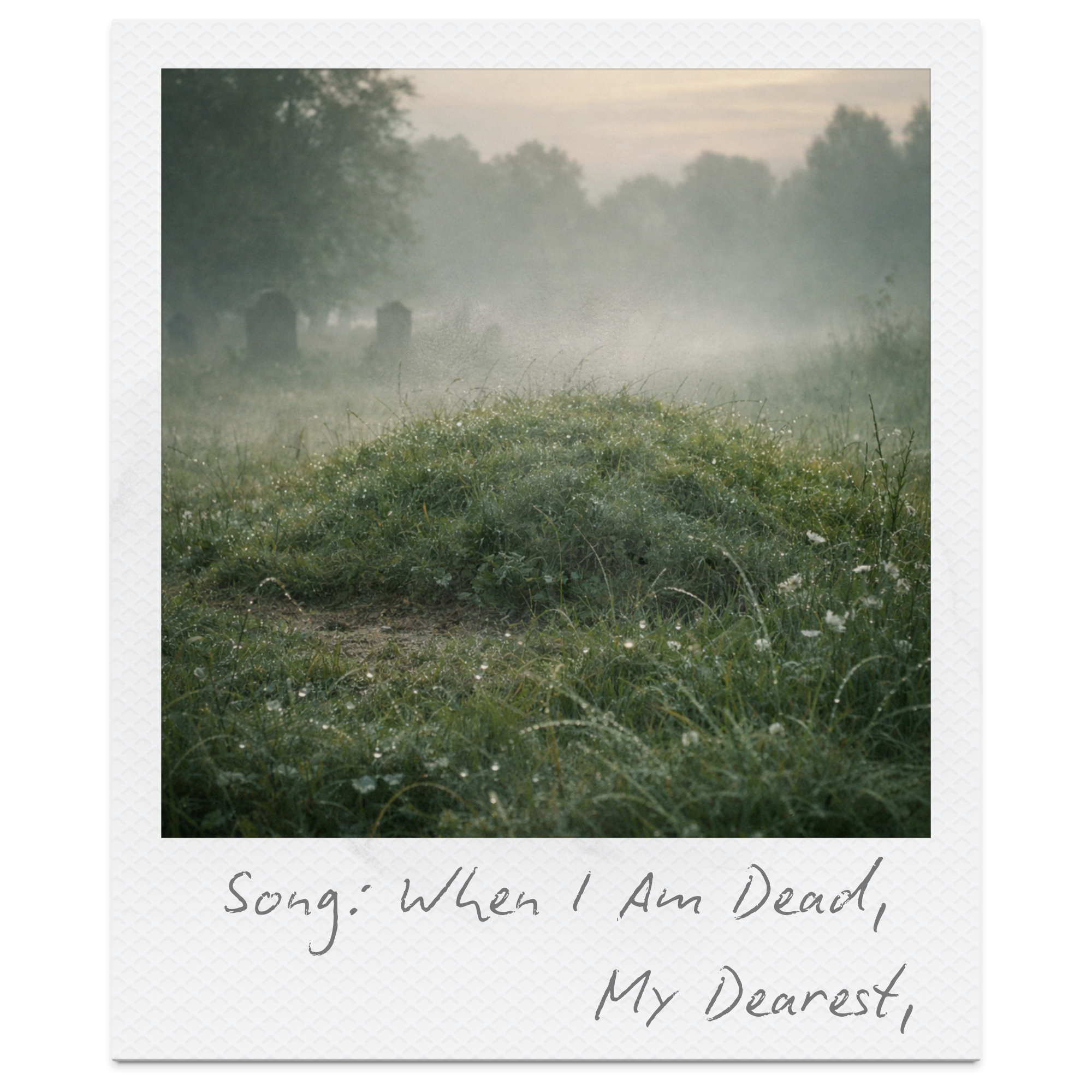
Song: When I Am Dead, My Dearest by Christina Rossetti: Meaning, Themes & Analysis
This guide offers a clear analysis of Song: When I Am Dead, My Dearest by Christina Rossetti, exploring the poem’s themes, structure, imagery, and tone. The article provides a detailed summary alongside stanza-by-stanza analysis, helping readers understand how Rossetti presents death with calm acceptance while questioning the importance of remembrance. You’ll also find explanations of key quotations, literary techniques, and alternative interpretations of the poem, making this guide useful for GCSE and A Level literature study. The analysis explores Rossetti’s ideas about memory, emotional detachment, and the limits of mourning, while linking the poem to wider themes in her poetry.
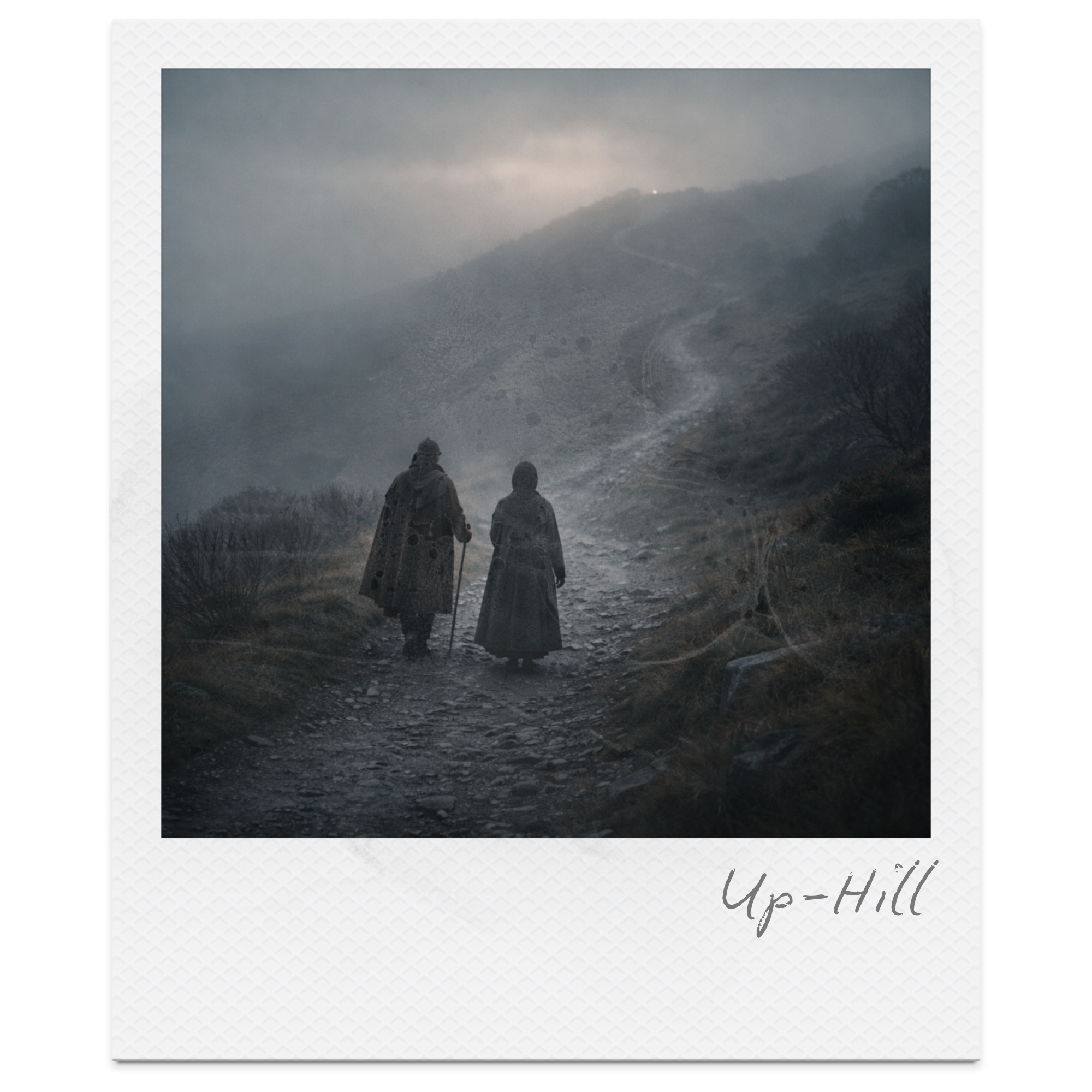
Up-Hill by Christina Rossetti: Summary, Meaning, Themes & Analysis
Christina Rossetti’s “Up-Hill” is a deceptively simple poem that explores life as a difficult journey toward spiritual rest. Structured as a dialogue between a questioning traveller and a reassuring guide, the poem addresses universal concerns about perseverance, faith, uncertainty, and the promise of belonging at the end of life’s struggles. Through its clear symbolism and steady rhythm, Rossetti transforms an ordinary travel scene into a powerful Christian allegory about endurance and salvation. This guide offers a detailed summary, meaning, themes, and analysis of Up-Hill, exploring Rossetti’s use of dialogue, metaphor, rhyme, and symbolism. It also examines how the poem reflects Victorian religious ideas about faith, perseverance, and eternal rest, while providing classroom-ready insights for students studying Rossetti’s poetry.
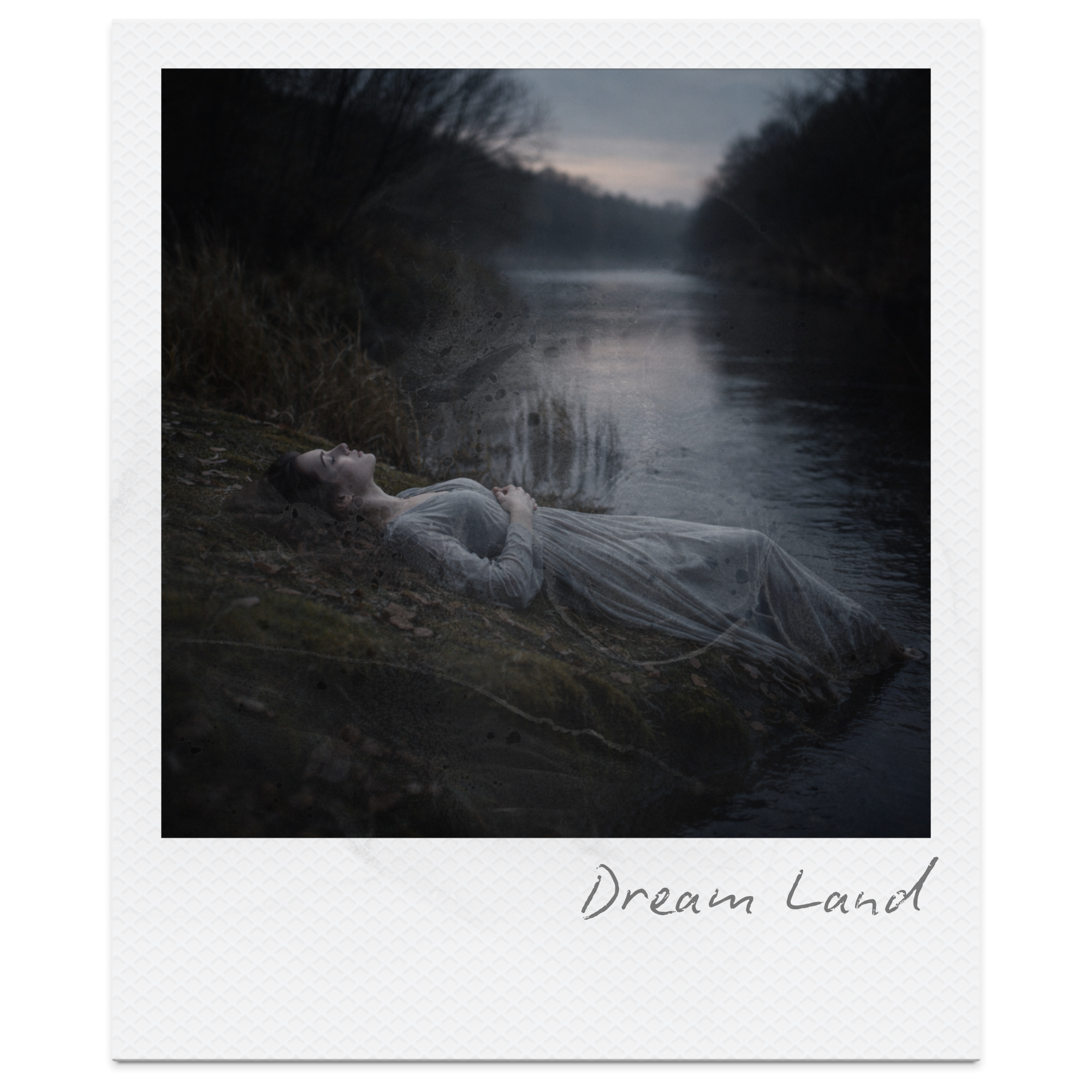
Dream Land by Christina Rossetti: Summary, Meaning & Critical Analysis
Christina Rossetti’s Dream Land is a poem of rest, withdrawal, and emotional stillness, where calm conceals a deeply unsettling vision of peace. Through controlled imagery, repetition, and restrained language, Rossetti presents a female figure who turns away from life, growth, and sensation, entering a state of charmed sleep that resists clear distinction between sleep, death, and chosen retreat. This analysis of Dream Land explores Rossetti’s use of form, imagery, and silence to construct peace as something achieved through absence rather than fulfilment. By examining language, structure, and alternative interpretations, the post invites readers to consider when rest becomes refuge — and when it becomes erasure — situating the poem within Rossetti’s wider preoccupation with restraint, renunciation, and emotional control.