Dream Land by Christina Rossetti: Summary, Meaning & Critical Analysis
Christina Rossetti’s Dream Land is a poem of withdrawal, stillness, and chosen rest, yet its calm surface conceals a deeply unsettling vision of peace. Written in Rossetti’s characteristic lyric restraint, the poem presents a female figure who has turned away from the world of growth, labour, and sensation, entering a state of charmed sleep that is neither fully alive nor explicitly dead. The poem’s atmosphere is quiet, controlled, and deliberately untroubled — and it is precisely this serenity that invites critical unease.
Rather than framing rest as recovery or escape, Dream Land explores finality without drama. Images of sunless rivers, twilight, and westward orientation suggest movement away from life rather than through it, while repeated invocations of rest and sleep emphasise permanence rather than renewal. Rossetti withholds any promise of awakening, transformation, or reward, constructing a vision of peace that depends on absence, erasure, and emotional withdrawal.
This poem rewards close reading not through narrative development, but through what it refuses. There is no struggle, no resistance, and no explicit suffering. Instead, Rossetti presents a figure who has chosen stillness over participation, silence over sensation. In this analysis of Dream Land by Christina Rossetti, we will explore the poem’s meaning, its treatment of sleep and death, and the literary methods through which Rossetti transforms rest into something quietly profound — and quietly disturbing.
This poem is part of a wider exploration of Rossetti’s work. You can find more analyses and comparisons in the Christina Rossetti Poetry Hub.

Christina Rossetti and the World Behind Dream Land
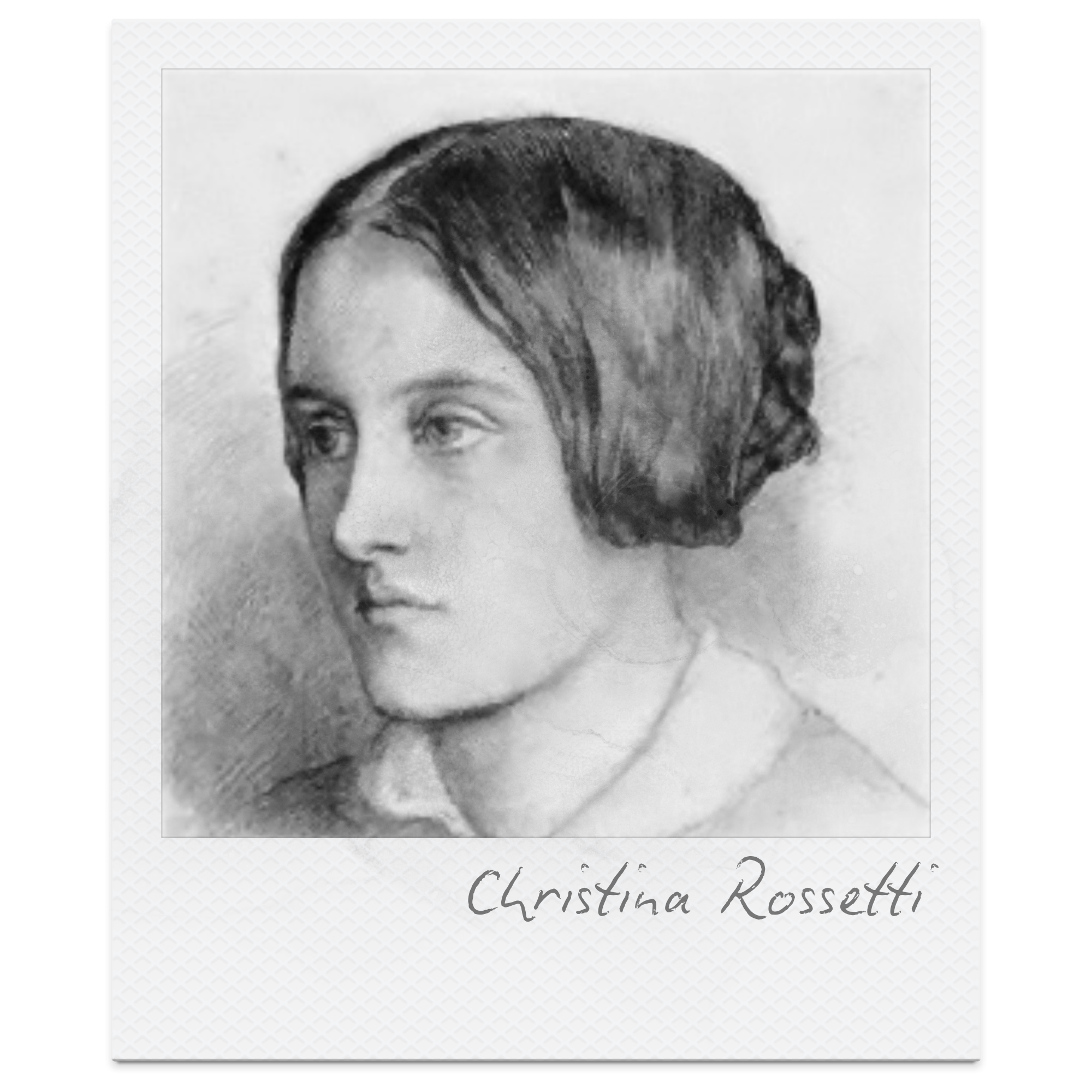
Christina Rossetti’s poetry is shaped by a sustained engagement with restraint, renunciation, and the pressures of interior life. Writing in the Victorian period, Rossetti lived within a culture that placed high value on emotional self-control, religious obedience, and female withdrawal from public ambition. Her work repeatedly returns to moments where desire is curtailed, sensation is muted, and stillness is presented not as failure, but as choice.
It is also widely believed that Rossetti experienced periods of psychological difficulty in which she struggled with bouts of depression and severe anxiety, impacting her physical health too, including prolonged episodes of withdrawal, exhaustion, and low mood. While modern diagnostic labels cannot be applied retrospectively, many critics have noted the consistency with which her poetry explores weariness, emotional fatigue, and the desire for rest or silence. These concerns are not confined to isolated poems, but recur across her body of work, suggesting that Rossetti’s preoccupation with withdrawal is both cultural and deeply personal.
Rossetti’s Anglo-Catholic faith plays a significant role in shaping this outlook. Influenced by devotional traditions that emphasised vigilance, sacrifice, and the testing of the self, she often frames peace as something achieved through withdrawal rather than fulfilment. In her poetry, rest is rarely restorative in a physical sense; instead, it signals moral seriousness, spiritual discipline, or emotional exhaustion. These tensions between belief, desire, and silence recur across her work and shape the emotional landscape of Dream Land.
Victorian culture also maintained a complex relationship with female passivity and illness. Women’s withdrawal from the world — whether through sleep, seclusion, or decline — was often aestheticised or moralised, particularly in poetry. Dream Land draws on this cultural vocabulary, presenting a female figure whose stillness is rendered as beautiful, calm, and complete. Yet Rossetti’s controlled tone resists sentimentalisation. The poem offers no reassurance that this rest is temporary or redemptive.
Importantly, Rossetti frequently explores psychological fatigue rather than dramatic suffering. Her speakers do not rage against loss or injustice; they endure, retreat, and regulate themselves. Dream Land sits within this broader pattern of emotional containment, where peace is achieved not through resolution, but through absence and erasure.
If you would like a fuller exploration of the religious, cultural, and psychological pressures shaping Rossetti’s work as a whole, this discussion connects closely with the wider context outlined in the Christina Rossetti context post, which examines how faith, emotional restraint, and interior conflict operate across her poetry.
Summary of Dream Land by Christina Rossetti
In Dream Land, Christina Rossetti presents a female figure who has withdrawn from the living world and entered a state of charmed sleep. The poem opens in a landscape defined by absence: sunless rivers, deep waters, and shadows replace light, growth, and movement. The speaker describes the woman as having travelled far, guided by a single star, to reach a place where stillness and obscurity are her “pleasant lot.”
As the poem develops, the figure is shown turning away from life’s vitality. She leaves behind the “rosy morn” and the “fields of corn,” symbols of fertility, labour, and renewal, in favour of twilight, coldness, and quiet springs. Although she remains faintly aware of the world — glimpsing the pale sky and hearing the nightingale’s song — this awareness is filtered through sleep, as if through a veil. Sensation is muted rather than erased.
In the final stanzas, the poem settles into repetition and calm. The speaker urges rest again and again, emphasising permanence rather than recovery. The woman no longer sees growth or feels the rain; her face is turned westward, toward the setting sun. The poem closes with the promise of perfect peace, a rest that will endure “till time shall cease.” No awakening is anticipated. Instead, the poem concludes in stillness, leaving the boundary between sleep, death, and chosen withdrawal deliberately unresolved.
What Is the Meaning of Dream Land?
The meaning of Dream Land by Christina Rossetti lies in its presentation of rest as a final choice rather than a temporary state. On the surface, the poem appears to describe peaceful sleep, but its imagery consistently resists the idea of renewal or awakening. Instead, Rossetti constructs a vision of withdrawal from life, where stillness is not a pause before return, but an endpoint.
Throughout the poem, the speaker frames rest as desirable and complete. The woman’s sleep is described as “charmed,” and her destination is presented as her “pleasant lot,” language that suggests acceptance rather than tragedy. Yet this calm is achieved through absence: the absence of light, labour, growth, and physical sensation. By removing all signs of vitality, Rossetti encourages readers to question whether peace requires a relinquishing of the self.
Crucially, Dream Land does not clarify whether the woman is dead, asleep, or symbolically withdrawn. This ambiguity allows the poem to function on multiple levels. It can be read as a meditation on death, a retreat from the demands of living, or an expression of emotional exhaustion so profound that rest becomes preferable to continued participation in the world. Rossetti refuses to resolve this uncertainty, forcing readers to confront the discomfort of a peace that depends on erasure.
The poem also reflects Rossetti’s recurring concern with renunciation. Unlike poems that frame withdrawal as loss or punishment, Dream Land presents it as serene and unquestioned. There is no protest, no struggle, and no grief expressed. This absence of resistance is unsettling. It suggests a form of peace achieved not through reconciliation with life, but through its quiet abandonment.
Ultimately, Dream Land asks whether rest can ever be neutral. By aligning peace with silence, stillness, and finality, Rossetti challenges the assumption that withdrawal is inherently restorative. The poem leaves readers suspended between admiration for its calm and unease at its implications, revealing rest as something both beautiful and troubling.
Title, Form, and Structure
In Dream Land, Christina Rossetti uses title, form, and rhythm to shape reader expectation before meaning fully emerges. The poem’s surface calm is carefully constructed: its language softens difficult ideas, while its structure reinforces stillness and emotional containment. Examining how the title frames interpretation and how form regulates pace and tone reveals that the poem’s sense of peace is not accidental, but deliberately engineered.
The Significance of the Title: Dream Land
The title Dream Land immediately establishes ambiguity. The compound noun suggests a place that is neither fully real nor entirely unreal, positioning the poem within a liminal space between sleep and death, consciousness and absence. The word “dream” implies softness, escape, and altered awareness, while “land” gives the concept permanence and physicality. Together, they prepare the reader for a poem that treats rest not as a passing state, but as a destination.
Crucially, the title avoids any explicit reference to death. By framing the setting as a dream rather than a grave or afterlife, Rossetti creates expectations of gentleness and calm, even as the poem moves steadily toward finality. This euphemistic approach mirrors the poem’s wider method: unsettling ideas are introduced indirectly, allowing withdrawal and erasure to appear peaceful rather than tragic.
The title also signals the poem’s thematic focus on withdrawal. A “dream land” is separate from the waking world, defined by distance rather than connection. Before the poem even begins, the reader is invited to consider rest as separation — a movement away from life, labour, and sensation.
Themes Introduced by the Title
Several of the poem’s central ideas are embedded within the title itself. Most notably, it introduces the theme of rest as permanence. Unlike sleep, which typically implies renewal, “dream land” suggests a settled state, one that is entered and then remained within. This prepares the reader for a poem that resists awakening or return.
The title also introduces the theme of chosen withdrawal. Dreams are not imposed from outside; they are interior experiences. By locating the poem’s setting within a dream-like realm, Rossetti frames the woman’s stillness as something accepted, even desired. This complicates readings of the poem as purely elegiac, opening up interpretations centred on emotional exhaustion and retreat.
Finally, the title establishes the poem’s characteristic ambiguity. By refusing to define whether the dream state represents sleep, death, or symbolic withdrawal, Rossetti ensures that the poem cannot be resolved into a single meaning. This lack of clarity is not a flaw, but a structural choice that sustains unease beneath the poem’s calm tone.
Form, Stanza Pattern, and Rhyme
Dream Land is written in four quatrains, each with a regular and balanced structure. This symmetry reinforces the poem’s atmosphere of order and control. There is no formal disruption, no visual or rhythmic break that might suggest struggle or resistance. Instead, the poem progresses evenly, mirroring the emotional stasis it describes.
The rhyme scheme is consistent and enclosed, contributing to a sense of containment. Rhymes close in on themselves rather than opening outward, reinforcing the impression that the poem is moving inward rather than forward. This formal enclosure reflects the woman’s withdrawal from the external world and her movement toward interior stillness.
The repetition of end sounds also produces a soothing effect, aligning the poem’s sound with its subject matter. The rhyme does not build tension or anticipation; instead, it settles, reinforcing the poem’s preoccupation with rest and finality.
Rhythm and Meter
Rossetti’s use of meter further supports the poem’s controlled tone. The lines follow a largely iambic movement, creating a gentle, rocking rhythm that echoes the motion of sleep. This regularity contributes to the poem’s lullaby-like quality, encouraging calm rather than urgency.
Importantly, the meter avoids dramatic variation. There are no sharp disruptions or stresses that might signal emotional disturbance. Instead, the rhythm maintains consistency across stanzas, reinforcing the sense that the woman’s rest is undisturbed and complete. The steady pulse of the poem mirrors the absence of conflict within the speaker’s description.
This rhythmic calm, however, also intensifies the poem’s unsettling implications. Because the form remains peaceful even as the poem moves toward permanent rest, the reader is denied the cues that typically signal tragedy or loss. Rossetti uses form to normalise withdrawal, making the poem’s vision of final stillness feel natural rather than alarming.
Structure and Emotional Stasis
Structurally, Dream Land resists progression. While the poem moves through different images — rivers, twilight, sleep, and rest — there is no narrative development or emotional shift. Each stanza reinforces the same state of stillness, creating a sense of emotional suspension.
This lack of movement is significant. Unlike poems that trace a journey toward acceptance, Dream Land begins and ends in calm. There is no struggle to overcome, no resolution to reach. The structure itself embodies the poem’s meaning: rest is not earned, questioned, or resisted. It simply is.
Through its title, form, and structure, Dream Land constructs a vision of peace that is carefully controlled and deeply ambiguous. The poem’s formal calm does not reassure; instead, it compels the reader to confront the implications of a rest that depends on withdrawal, silence, and finality.
Stanza-by-Stanza Analysis of Dream Land
Each stanza of Dream Land deepens the poem’s vision of stillness and withdrawal. Rather than tracing narrative progression, Rossetti uses repetition, contrast, and controlled imagery to reinforce emotional stasis. Close attention to language reveals how calm and beauty are constructed alongside absence, silence, and finality.
Stanza One: Charmed Sleep and Withdrawal from Light
The opening stanza establishes a landscape defined by absence and emotional quiet. The phrase “sunless rivers” immediately removes light from the poem’s world, signalling detachment from warmth, growth, and vitality. Rivers typically symbolise life or movement, yet here they “weep,” a personification that transforms motion into sorrowful passivity. Their waves fall “into the deep,” reinforcing downward movement and depth rather than renewal or flow.
The line “She sleeps a charmed sleep” introduces stillness as something protected and intentional. The adjective “charmed” implies enchantment or safeguarding, distancing this sleep from vulnerability. The imperative “Awake her not” is unusually direct. It positions the speaker as a guardian of rest, framing awakening as an intrusion rather than a rescue. From the outset, Rossetti reverses expectations: sleep is valued, consciousness is suspect.
The stanza’s final lines introduce guidance — “Led by a single star” — yet this is not a journey toward illumination. Instead, the woman travels “very far” to seek “where shadows are”, a destination defined by obscurity. The phrase “her pleasant lot” is crucial. “Lot” suggests fate or allotted portion, implying acceptance rather than tragedy. Withdrawal is presented as contentment, establishing the poem’s unsettling calm.
Stanza Two: Renunciation of Life and Sensory Withdrawal
The second stanza develops the theme of chosen renunciation through deliberate contrast. The repetition of “She left” emphasises agency, reinforcing the sense that withdrawal is voluntary rather than imposed. What she abandons carries strong symbolic weight: the “rosy morn” and “fields of corn” evoke fertility, labour, and cyclical growth. These images are traditionally associated with life and nourishment, making their rejection significant.
In contrast, what she chooses is “twilight cold and lorn”. Twilight occupies a liminal space between day and night, reinforcing the poem’s preoccupation with in-betweenness. The adjectives “cold” and “lorn” introduce emotional bleakness, yet they are not resisted. The movement away from warmth and colour toward muted coldness mirrors the poem’s emotional trajectory.
Despite this withdrawal, the woman is not entirely unaware of the world. The simile “Through sleep, as through a veil” suggests partial perception. A veil obscures rather than erases, allowing faint impressions to remain. She can still see the pale sky and hear the nightingale, but these sensations are distant and softened. The nightingale’s song is described as “sadly sings,” a reminder of emotional expression that contrasts with the woman’s stillness. She perceives sorrow without participating in it.
Stanza Three: Stillness, Westward Orientation, and Denial of Growth
The third stanza marks a shift from description to emphasis through repetition. The phrase “Rest, rest, a perfect rest” functions like a lullaby, soothing and insistent. The repetition reinforces the idea of completeness, suggesting that nothing more is required. Rest is no longer a state; it becomes an ideal.
Physical imagery reinforces this calm. Rest is “shed over brow and breast,” covering both thought and feeling. The body is fully enveloped. The line “Her face is toward the west” carries symbolic weight. Westward orientation traditionally signifies endings and decline, aligning the woman physically and symbolically with finality. The “purple land” is rich yet muted, blending beauty with dusk and reinforcing the poem’s aestheticised withdrawal.
The stanza closes by emphasising what the woman no longer experiences. The repeated negatives — “She cannot see”, “She cannot feel” — highlight the loss of sensory connection. Grain continues to ripen, rain continues to fall, but she is untouched by these processes. Life goes on without her. Growth and renewal are explicitly excluded from her state of rest.
Stanza Four: Final Rest and Permanent Peace
The final stanza intensifies repetition to assert permanence. “Rest, rest” is repeated again, now extended into “for evermore”, removing any possibility of return. The setting of a “mossy shore” suggests softness and enclosure, a place where movement slows and nature reclaims space. Shorelines are transitional spaces, yet here the transition does not continue; it settles.
The phrase “Rest, rest at the heart’s core” shifts the focus inward. Rest is no longer physical alone; it becomes emotional and psychological. The clause “Till time shall cease” introduces cosmic finality. Time itself is imagined as ending, reinforcing the absoluteness of this peace.
The final lines seal the poem’s vision. “Sleep that no pain shall wake; / Night that no morn shall break” rejects the cycle of suffering and renewal alike. Morning, traditionally associated with hope, is denied. The closing phrase “Her perfect peace” offers no qualification, explanation, or reward. Peace is complete precisely because nothing follows it.
Rossetti ends the poem not with transcendence or consolation, but with stillness. The calm is total — and irreversible.
Language, Imagery, and Emotional Control
Rossetti’s language in Dream Land is marked by restraint, repetition, and deliberate softness. Rather than relying on dramatic metaphor or heightened emotion, the poem constructs its meaning through controlled diction and carefully managed imagery. This restraint mirrors the emotional state it describes: a withdrawal from intensity, sensation, and conflict.
One of the poem’s most striking features is its use of repetition. Words such as “rest” and “sleep” recur with increasing insistence, functioning almost as incantations. This repetition creates a lulling effect, aligning sound with subject matter. At the same time, it reinforces permanence. Rest is not a pause, but a destination repeatedly affirmed until it becomes unquestionable.
Rossetti’s imagery consistently removes the speaker’s subject from the processes of life. Natural elements associated with growth and renewal — light, grain, rain, and morning — are present only to be denied. The repeated negatives (“she cannot see,” “she cannot feel”) emphasise exclusion rather than loss. The world continues, but the woman exists outside it. This linguistic pattern reinforces the poem’s preoccupation with absence rather than suffering.
The poem also carefully regulates emotional expression. Personification is used sparingly and selectively. Rivers “weep” and the nightingale sings “sadly,” yet the woman herself remains unaffected. Emotion exists in the landscape, not in the central figure. This displacement of feeling allows Rossetti to present calm without numbness, preserving atmosphere while maintaining emotional distance.
Imperatives such as “Awake her not” and the repeated calls for rest suggest authority and control, yet they are gentle rather than forceful. Commands are softened by rhythm and repetition, creating the impression of protection rather than dominance. Language becomes a means of maintaining stillness, guarding the woman’s peace from disruption.
Overall, Rossetti’s linguistic control ensures that Dream Land never tips into sentimentality. The poem’s calm is not achieved through reassurance or explanation, but through withholding. By regulating diction, imagery, and rhythm, Rossetti constructs a vision of peace that is aesthetically beautiful yet emotionally unsettling — a stillness sustained by discipline rather than comfort.
Themes in Dream Land
The themes of Dream Land emerge gradually through Rossetti’s controlled imagery and repetitive structure. Rather than announcing its ideas directly, the poem builds meaning through withdrawal, silence, and emotional containment. Taken together, these themes reveal Rossetti’s sustained interest in rest not as comfort, but as an alternative to continued living.
Rest as Finality Rather Than Recovery
One of the poem’s central themes is rest as permanence. Unlike sleep that precedes waking or renewal, the rest in Dream Land is presented as complete and enduring. Repeated invocations of “rest” emphasise closure rather than pause, culminating in the phrase “for evermore”, which removes any suggestion of return.
This framing challenges conventional associations between rest and restoration. Rossetti presents peace as something achieved only through cessation, not healing. The poem invites readers to consider whether rest can still be desirable when it depends on the end of sensation, growth, and time itself.
Withdrawal from Life and Participation
Throughout the poem, Rossetti emphasises withdrawal from the living world. The woman turns away from images of fertility and labour — the “fields of corn”, ripening grain, and falling rain — distancing herself from cycles of effort and reward. Life continues, but she no longer participates in it.
This withdrawal is presented without resistance or regret. There is no struggle to remain connected, suggesting a form of peace grounded in refusal rather than reconciliation. The poem raises unsettling questions about the cost of participation, particularly when endurance itself becomes exhausting.
Silence, Stillness, and Emotional Containment
Silence plays a crucial role in shaping the poem’s atmosphere. Although the natural world expresses emotion — rivers weep, the nightingale sings sadly — the woman remains still and unaffected. Feeling is displaced outward, allowing the central figure to remain untouched by grief or longing.
This containment reflects Rossetti’s broader preoccupation with emotional self-regulation. Rather than dramatising suffering, Dream Land presents calm achieved through restraint. Stillness becomes an emotional strategy, preserving peace by limiting exposure to pain.
Sleep, Death, and Ambiguity
A defining feature of Dream Land is its refusal to clarify whether the woman is asleep, dead, or symbolically withdrawn. This ambiguity allows the poem to operate across multiple interpretive registers. Sleep suggests gentleness and protection; death suggests finality; withdrawal suggests psychological retreat.
By sustaining this uncertainty, Rossetti prevents the poem from settling into a single meaning. The reader is left suspended between comfort and unease, mirroring the poem’s own tension between beauty and erasure.
Peace as Absence Rather Than Fulfilment
Finally, Dream Land explores peace as something achieved through absence. The woman’s perfect peace depends on what she no longer experiences: no pain, no morning, no time. Fulfilment is replaced by negation.
This conception of peace is quietly radical. Rather than offering reward, transcendence, or consolation, Rossetti presents peace as a state defined by nothing further being required. The poem asks whether such peace is liberating or troubling — and leaves that question deliberately unanswered.
Alternative Interpretations of Dream Land
While Dream Land can be read as a serene meditation on rest and peace, Rossetti’s careful control of language and imagery allows for more unsettling interpretations. The poem’s calm surface may conceal tensions around agency, erasure, and emotional exhaustion, encouraging readers to question whether the woman’s stillness is entirely benign.
One interpretation views the poem as an expression of chosen withdrawal. From this perspective, the woman’s movement away from light, labour, and sensation represents a conscious refusal of the demands placed upon her. The repeated emphasis on rest suggests not defeat, but release — a deliberate opting out of expectation, productivity, and emotional strain. Read this way, Dream Land becomes a quietly radical poem about the right to stop.
However, an alternative reading casts the poem’s peace as a form of self-erasure. The woman’s withdrawal depends on the removal of agency, sensation, and connection. She does not speak, act, or decide within the poem; she is described rather than voiced. The imperatives that protect her sleep — “Awake her not” — are spoken by another, raising questions about whether her stillness is chosen or imposed. Calm may function here as aestheticised passivity.
A further interpretation situates the poem within Victorian ideals of feminine repose and illness. The woman’s beauty, stillness, and detachment align with cultural images of the passive, resting female figure, often idealised in nineteenth-century art and poetry. From this angle, Dream Land reflects how withdrawal could be romanticised, transforming exhaustion into something visually and morally acceptable.
The poem can also be read through a psychological lens, particularly in light of Rossetti’s recurring focus on emotional fatigue and restraint. The desire for rest “till time shall cease” may suggest a longing not for death itself, but for relief from sustained mental effort. Peace, in this reading, is not spiritual transcendence but emotional numbness — a state in which pain can no longer intrude.
Crucially, Rossetti does not resolve these tensions. Dream Land refuses to tell the reader whether its vision of rest is liberating or troubling. Instead, it sustains ambiguity, allowing peace to remain both beautiful and disturbing. The poem’s power lies in this refusal to clarify, compelling readers to confront their own assumptions about rest, withdrawal, and what it means to be at peace.
Key Quotes Explained
The quotations below have been selected to reflect the poem’s movement from withdrawal and sleep toward permanence and final stillness. Each quotation highlights how Rossetti uses language to construct calm while quietly unsettling the reader.
“Where sunless rivers weep / Their waves into the deep,”
This opening image establishes the poem’s emotional and symbolic landscape, removing light and vitality from the outset.
◆ “sunless” immediately signals separation from growth, warmth, and renewal
◆ Rivers, typically symbols of life or continuity, are personified as they “weep,” transforming movement into passive sorrow
◆ The downward motion “into the deep” reinforces enclosure and finality rather than flow or progression
“She sleeps a charmed sleep: / Awake her not.”
This line defines rest as something protected and authoritative rather than vulnerable.
◆ “charmed” suggests enchantment or safeguarding, distancing sleep from danger
◆ The repetition of “sleep” reinforces stillness as a defining state, not a temporary condition
◆ The imperative “Awake her not” positions awakening as intrusion, reversing expectations that consciousness is desirable
“Led by a single star,”
This image introduces guidance, but its function is deliberately subverted.
◆ A star traditionally suggests hope or direction, yet here it leads away from life rather than toward it
◆ “single” implies isolation rather than shared purpose
◆ Guidance exists only to legitimise withdrawal, not return
“She left the rosy morn, / She left the fields of corn,”
Rossetti emphasises agency and choice through repetition and contrast.
◆ The repeated clause “She left” stresses deliberate renunciation rather than accidental loss
◆ “rosy morn” symbolises vitality and beginnings
◆ “fields of corn” evoke fertility, labour, and cyclical renewal — all rejected
“Through sleep, as through a veil,”
This simile qualifies the woman’s withdrawal, suggesting partial awareness rather than unconsciousness.
◆ A “veil” obscures without erasing, reinforcing emotional distance rather than absence
◆ The woman perceives the world indirectly, insulated from its demands
◆ Sleep becomes a filter, not an escape
“Rest, rest, a perfect rest”
This repetition functions as both reassurance and insistence.
◆ The repeated “rest” creates a lullaby-like rhythm
◆ “perfect” suggests completeness, implying nothing further is required
◆ Rest is idealised as an endpoint rather than a process
“Her face is toward the west,”
This quiet directional detail carries symbolic weight.
◆ Westward orientation traditionally signifies endings and decline
◆ The body is physically aligned with finality
◆ Meaning is conveyed subtly, without explicit reference to death
“She cannot see the grain / Ripening on hill and plain;”
This line highlights exclusion rather than loss.
◆ The negative construction “cannot” emphasises separation from ongoing life
◆ “ripening” suggests fulfilment and fruition, which continue without her
◆ Life persists, but she no longer participates
“Rest, rest, for evermore”
Here, rest is given permanence.
◆ “for evermore” removes any suggestion of temporariness
◆ The repetition reinforces finality rather than comfort
◆ Rest becomes a terminal state
“Night that no morn shall break”
Rossetti rejects cyclical time in this striking image.
◆ Morning, often associated with hope or renewal, is explicitly denied
◆ Time is imagined as static rather than progressing
◆ Peace is achieved through the absence of return
“Her perfect peace.”
The poem closes with a phrase that is deliberately unqualified.
◆ “perfect” suggests completeness achieved through stillness
◆ No reward, afterlife, or explanation is offered
◆ The calm is absolute — and irreversible
Teaching Dream Land: Ideas and Activities
Dream Land works particularly well in the classroom because it resists clear categorisation. Its calm surface, emotional restraint, and ambiguity encourage interpretation rather than retrieval. The following activities are designed to support close reading, evaluative discussion, and conceptual thinking, rather than summary.
1. Is Dream Land a Poem About Peace or Erasure?
Begin with a central interpretive question:
Is the rest in Dream Land peaceful, troubling, or both?
Students can explore this through:
◆ paired discussion, where each student argues a different position
◆ a silent debate using quotations from the poem
◆ short written responses that must acknowledge an alternative view
This task encourages students to engage with ambiguity and resist neat conclusions.
2. Tracking Withdrawal Across the Poem
Ask students to track how withdrawal is constructed across the stanzas by focusing on:
◆ what is removed (light, growth, sensation, time)
◆ what remains (rest, silence, stillness)
◆ how repetition reinforces permanence
This activity helps students see how meaning accumulates structurally, rather than appearing in isolated lines.
3. Language Focus: Rest as Control
Provide students with the repeated phrases “rest, rest” and “awake her not” and ask them to explore:
◆ who holds authority in these lines
◆ whether the tone feels protective or restrictive
◆ how imperatives function within a poem that appears calm
This encourages students to examine how control and stillness operate beneath the poem’s gentle surface.
4. Comparative Thinking: Withdrawal in Rossetti
Invite students to compare Dream Land with another Rossetti poem that explores withdrawal or renunciation (such as Remember or Shut Out).
Students might consider:
◆ how rest or silence is framed differently
◆ whether withdrawal is chosen, imposed, or ethically framed
◆ how emotional restraint shapes meaning
This supports broader understanding of Rossetti’s recurring concerns without requiring full comparative essays.
5. Perspective Shift: The Silent Figure
Ask students to write a short analytical paragraph responding to the question:
What does it mean that the central figure in Dream Land never speaks?
Encourage them to:
◆ focus on narrative voice and description
◆ explore agency and passivity
◆ link silence to power or erasure
This task helps students move beyond content into voice, perspective, and representation.
6. Ending Without Consolation
Direct attention to the final stanza and ask students to evaluate:
◆ what the poem refuses to offer (awakening, reward, reassurance)
◆ how this refusal affects the reader
◆ why Rossetti might deliberately deny comfort
This reinforces the idea that withholding can be a deliberate artistic strategy, not a limitation.
Go Deeper into Dream Land
Once readers move beyond the surface calm of Dream Land, the poem opens into wider questions about rest, withdrawal, and emotional survival. Rossetti does not invite admiration of peace without scrutiny. Instead, she constructs a vision of stillness that is beautiful, controlled, and quietly unsettling.
◆ Shift the focus from sleep to choice
Rather than asking whether the woman is asleep or dead, consider why withdrawal is presented as desirable. What pressures are implied but never named? Which aspects of life are rejected — labour, growth, sensation, time — and which are retained? This reframes the poem as a meditation on opting out rather than passing away.
◆ Read calm as an aesthetic strategy
Rossetti’s language is deliberately soothing. Repetition, rhythm, and gentle imagery create ease while masking the poem’s implications. Examine how beauty softens erasure and why Rossetti might choose to make withdrawal appear peaceful rather than painful.
◆ Interrogate the silent figure
The central woman never speaks. All knowledge of her comes through description and command. Explore whether this silence signals peace, passivity, or loss of agency. Does the poem protect her rest, or does it confine her?
◆ Connect withdrawal across Rossetti’s poetry
Read Dream Land alongside other Rossetti poems that explore renunciation, rest, or silence. Patterns emerge: withdrawal is rarely dramatic, and peace is rarely triumphant. This consistency invites questions about whether rest functions as solace or resignation.
◆ Sit with the unease
Resist the urge to resolve the poem. Dream Land offers no reassurance that peace is redemptive or deserved. Allowing ambiguity to remain mirrors Rossetti’s refusal to console. The poem’s quietness is not emptiness, but deliberate withholding.
Dream Land does not tell us whether withdrawal is right or wrong. It asks us to consider when rest becomes refuge — and when it becomes disappearance.
Final Thoughts
Dream Land endures not because it offers comfort, but because it refuses it. Rossetti does not frame rest as recovery or reward; instead, she presents stillness as a state achieved through withdrawal, silence, and finality. The poem’s calm surface conceals a vision of peace that depends on absence, challenging readers to question whether tranquillity can exist without loss.
What makes Dream Land so compelling is its restraint. Rossetti withholds voice, resolution, and explanation, forcing meaning to emerge through form, repetition, and omission rather than declaration. The poem asks readers to sit with unease — to accept that peace may not be redemptive, and that rest may involve disappearance as much as relief.
Reading Dream Land alongside Rossetti’s wider body of work reveals how consistently she returns to these tensions. Withdrawal, renunciation, and emotional containment are not isolated ideas, but recurring strategies through which she explores the pressures of living, loving, and enduring. This poem does not resolve those pressures; it suspends them.
If you’d like to explore more of Rossetti’s poetry, visit the Christina Rossetti Poetry Hub, where you can browse analyses of her poems and discover recurring themes across her work. For other major poets, you can explore the Literature Library, where poems, authors, and literary movements are organised to support deeper interpretation and thoughtful discussion across English literature.
Choose Your Next Text