Notes from the Inkpot
Writing, teaching, creating - one ink-stained idea at a time.



L.E.L. by Christina Rossetti: Summary, Themes, Symbolism & Analysis
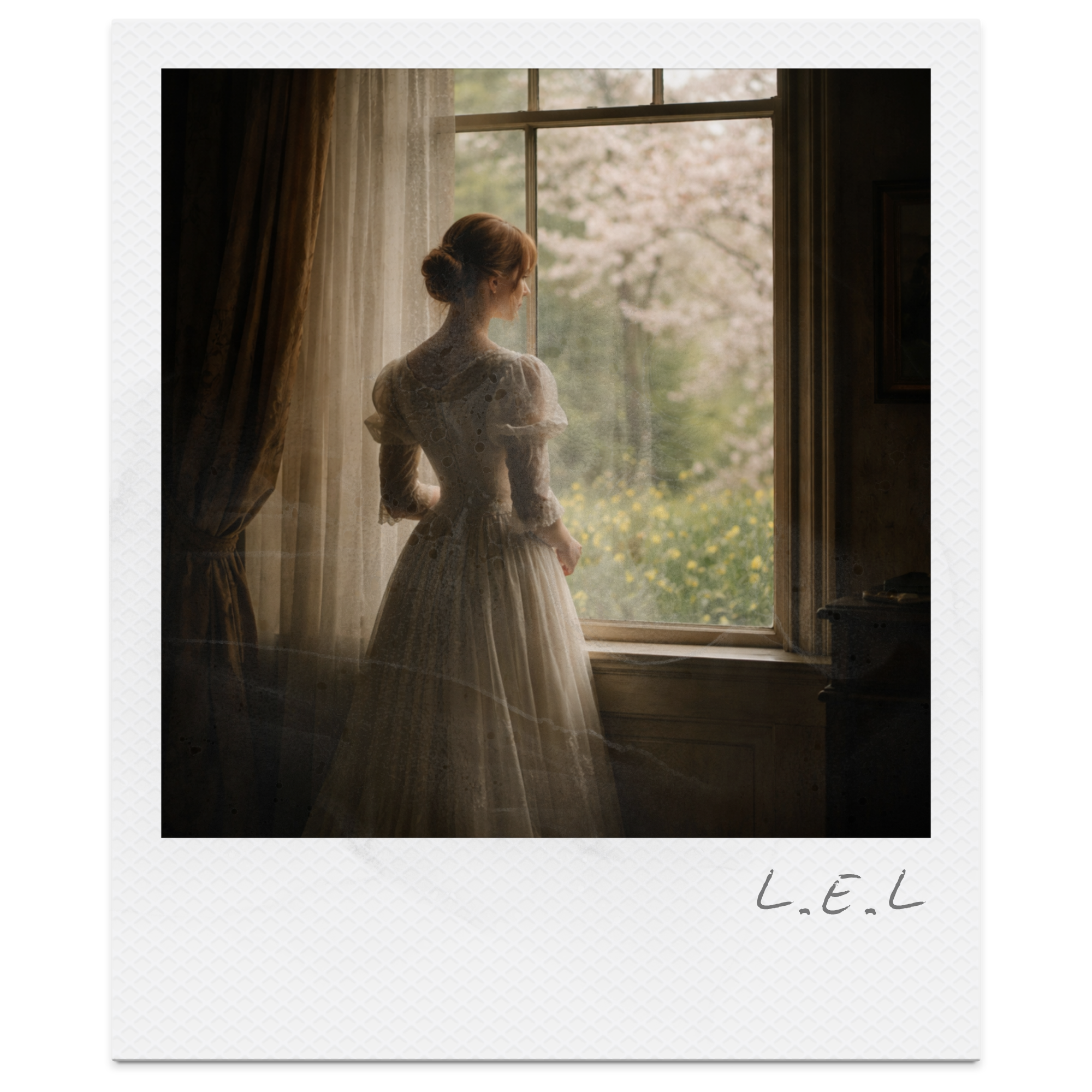
Christina Rossetti’s L.E.L. explores unfulfilled love, emotional isolation, and the tension between public performance and private suffering. Through its repeated refrain and vivid spring imagery, the poem contrasts a lively, outward persona with a deeply lonely inner life, revealing how easily pain can remain hidden beneath social appearances. This analysis examines Rossetti’s use of structure, symbolism, and religious imagery to present longing as both a personal and spiritual experience. It considers how the poem moves from quiet despair toward deferred hope, suggesting that love denied in the present may find fulfilment beyond earthly life.
Song: When I Am Dead, My Dearest by Christina Rossetti: Meaning, Themes & Analysis
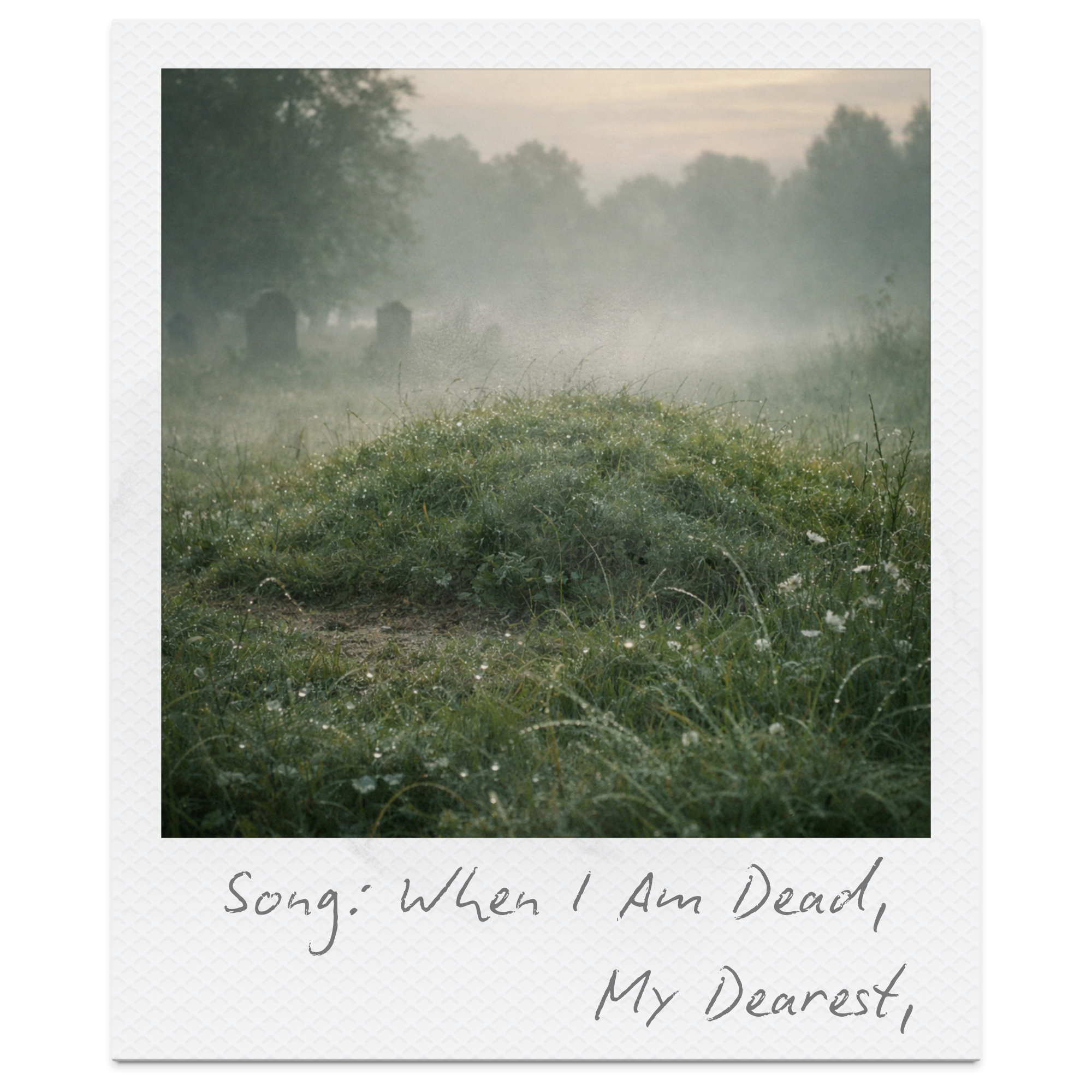
This guide offers a clear analysis of Song: When I Am Dead, My Dearest by Christina Rossetti, exploring the poem’s themes, structure, imagery, and tone. The article provides a detailed summary alongside stanza-by-stanza analysis, helping readers understand how Rossetti presents death with calm acceptance while questioning the importance of remembrance. You’ll also find explanations of key quotations, literary techniques, and alternative interpretations of the poem, making this guide useful for GCSE and A Level literature study. The analysis explores Rossetti’s ideas about memory, emotional detachment, and the limits of mourning, while linking the poem to wider themes in her poetry.

After Death by Christina Rossetti: Summary, Themes, Symbolism & Analysis
Christina Rossetti’s After Death explores the painful irony of love recognised too late. In this haunting sonnet, the speaker observes her own deathbed while the man she loved finally expresses tenderness and regret. Through quiet imagery, dramatic irony, and restrained emotion, the poem examines unreturned love, emotional blindness, and posthumous recognition. This analysis explores the poem’s themes, symbolism, structure, and key quotations, offering a detailed interpretation of Rossetti’s meditation on regret and delayed understanding. It also compares the poem to other Rossetti works to deepen insight into her recurring exploration of love, memory, and mortality.
The Thread of Life by Christina Rossetti: Summary, Meaning & Analysis
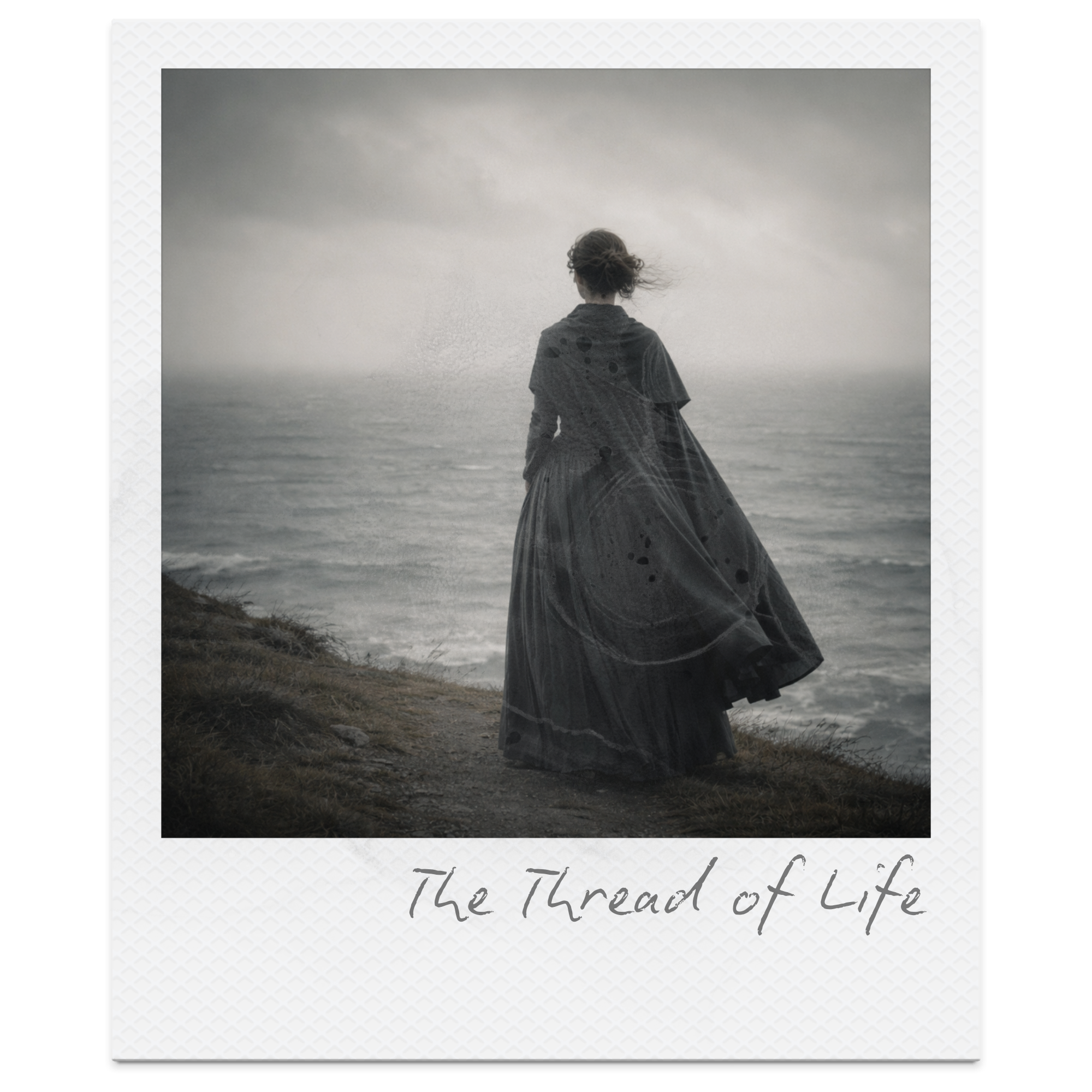
Christina Rossetti’s The Thread of Life is a reflective sonnet sequence exploring identity, solitude, and spiritual purpose. Across three interconnected sonnets, Rossetti traces the speaker’s journey from a sense of emotional distance and inner isolation to a deeper understanding of the self as something both limiting and meaningful. Through imagery of separation, self-possession, and Christian redemption, the poem gradually transforms the idea of the self from a prison into a spiritual offering. This guide provides a clear summary, stanza-by-stanza analysis, key quotes, themes, and teaching ideas to help readers understand how Rossetti uses language, structure, and biblical allusion to develop her meditation on human identity. Whether you are studying Rossetti’s poetry, teaching the poem in the classroom, or exploring Victorian devotional literature, this analysis examines how The Thread of Life moves from psychological introspection toward spiritual resolution.
Themes in Suicide in the Trenches by Siegfried Sassoon
Suicide in the Trenches explores some of the most unsettling ideas in war poetry, from the erasure of individual lives to the moral responsibility of those who remain safely removed from conflict. Through restraint and contrast, Siegfried Sassoon exposes how innocence is worn away and suffering is quietly absorbed. This post examines the key themes in Suicide in the Trenches, including civilian complicity, loss of innocence, the reality of death, and the horrors of war. Designed for classroom use, it supports confident discussion and comparison while encouraging deeper, evidence-based interpretation.
Suicide in the Trenches by Siegfried Sassoon: Line-by-Line Analysis
Suicide in the Trenches is a short poem, but its impact depends on restraint. Reading it line by line reveals how meaning builds through small details, blunt statements, and deliberate silence rather than dramatic language or imagery. This post offers a clear line-by-line analysis of Suicide in the Trenches, exploring how innocence gives way to erasure and moral accusation. It’s designed to support close reading in the classroom, helping students move beyond paraphrase and towards confident, evidence-based interpretation.
10 Personification Poetry Prompts for Teens & Adults: Voice, Agency, and the Living World
Personification poetry gives voice to objects, spaces, and abstract forces, allowing writers to explore emotion, memory, and power with restraint and precision. Rather than relying on confession or overt symbolism, strong personification poems shift agency away from the human speaker, letting rooms remember, time wait, silence observe, and weather decide. This technique creates distance while deepening meaning, making personification a powerful craft choice in both classroom and creative writing contexts. These personification poetry prompts for teens and adults are designed to support craft-focused poetry writing, offering structured starting points that emphasise voice, agency, and sustained metaphor. With model texts, writing techniques, and image-led approaches, this collection helps writers move beyond surface personification into poems that feel controlled, intentional, and emotionally precise.
Dream Land by Christina Rossetti: Summary, Meaning & Critical Analysis
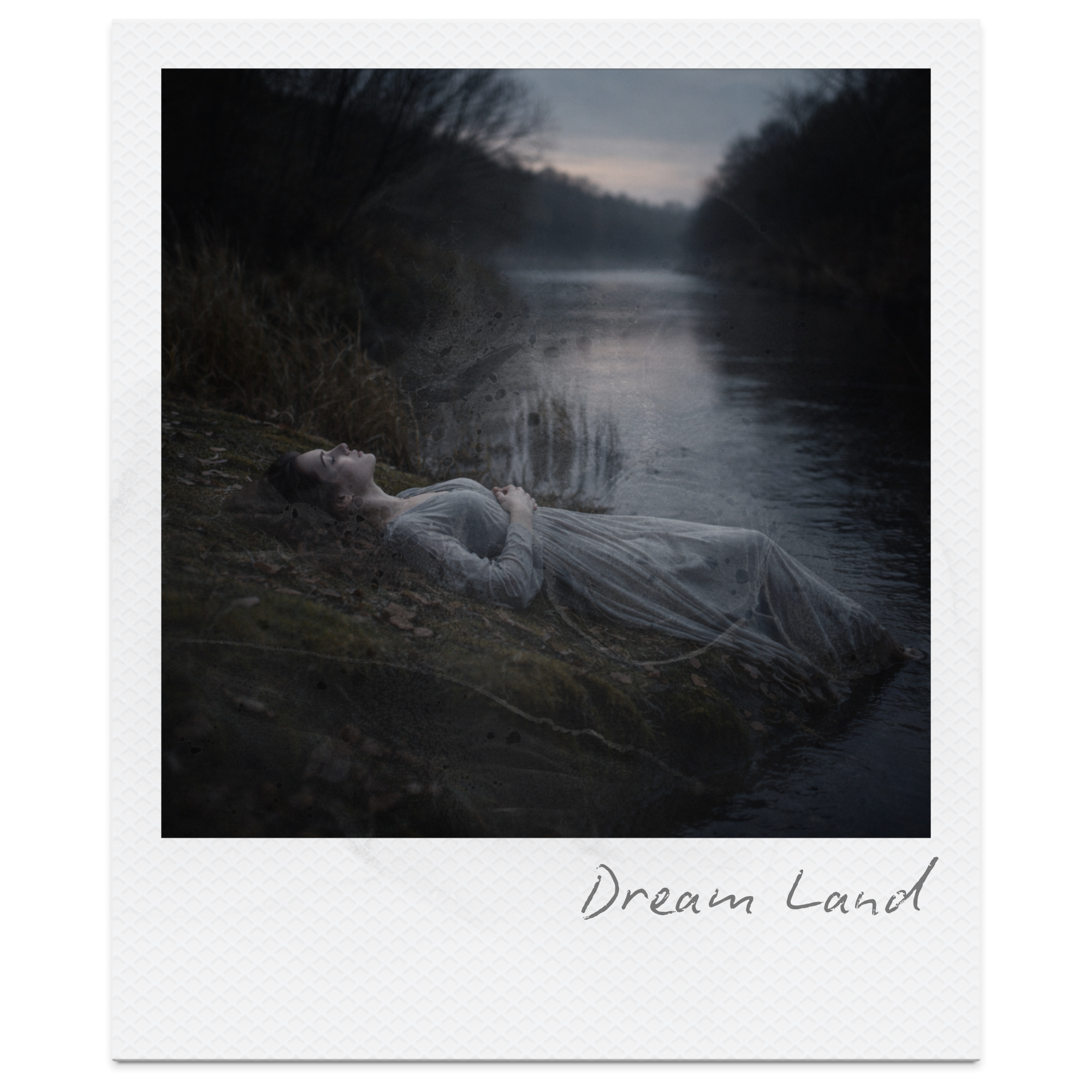
Christina Rossetti’s Dream Land is a poem of rest, withdrawal, and emotional stillness, where calm conceals a deeply unsettling vision of peace. Through controlled imagery, repetition, and restrained language, Rossetti presents a female figure who turns away from life, growth, and sensation, entering a state of charmed sleep that resists clear distinction between sleep, death, and chosen retreat. This analysis of Dream Land explores Rossetti’s use of form, imagery, and silence to construct peace as something achieved through absence rather than fulfilment. By examining language, structure, and alternative interpretations, the post invites readers to consider when rest becomes refuge — and when it becomes erasure — situating the poem within Rossetti’s wider preoccupation with restraint, renunciation, and emotional control.