Song: When I Am Dead, My Dearest by Christina Rossetti: Meaning, Themes & Analysis
Christina Rossetti’s Song: When I Am Dead, My Dearest is a brief but powerful meditation on memory, love, and the quiet finality of death. Rather than presenting death as something tragic or dramatic, Rossetti’s speaker approaches it with calm acceptance, suggesting that remembrance may not matter once life has ended. This emotional restraint gives the poem its distinctive tone and raises an intriguing question about how the living should respond to loss.
A close analysis of When I Am Dead, My Dearest reveals how Rossetti uses simple language, natural imagery, and controlled structure to explore the relationship between memory and forgetting. The speaker gently rejects traditional mourning rituals, suggesting that the living may remember — or may forget — without guilt. Through its quiet voice and reflective tone, the poem invites readers to reconsider what love, grief, and remembrance really mean after death.
This guide provides a clear summary and analysis of When I Am Dead, My Dearest, exploring its themes, imagery, structure, rhyme scheme, and literary techniques. By examining Rossetti’s use of symbolism and tone, we can see how the poem transforms a simple reflection on death into a subtle meditation on memory and emotional release.

When I Am Dead My Dearest Context (Christina Rossetti & Victorian Background)
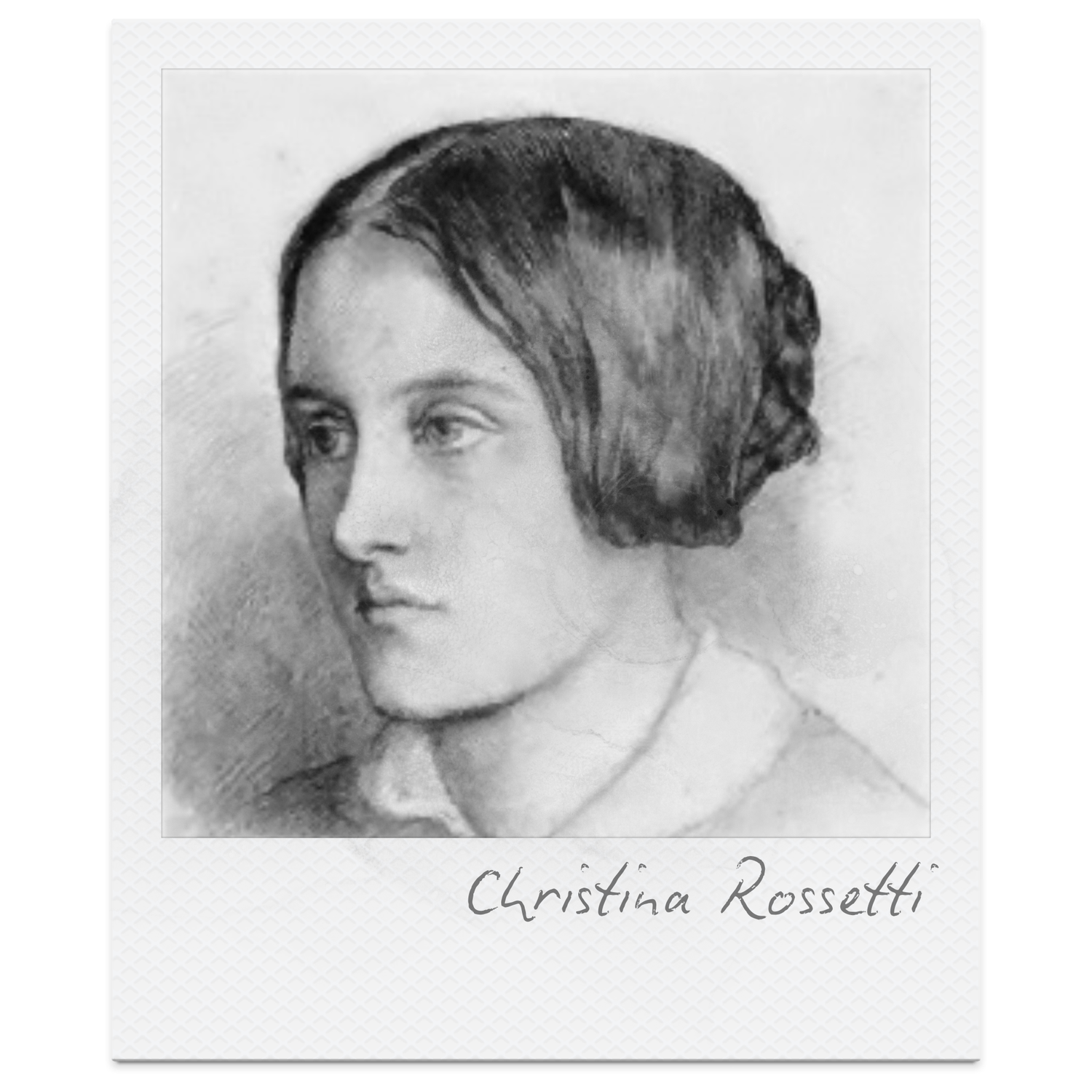
Christina Rossetti wrote Song: When I Am Dead, My Dearest during the Victorian period, a time when attitudes toward death, mourning, and remembrance were shaped by both religious belief and strict social customs. Victorian mourning culture often emphasised elaborate rituals designed to preserve memory. Families wore mourning clothes, maintained graves carefully, and created physical reminders of the dead through jewellery or memorial objects. Rossetti’s poem quietly challenges these expectations. Instead of asking to be remembered, the speaker suggests that remembrance itself may not matter once life has ended.
Rossetti’s poetry frequently explores themes of death, faith, memory, and spiritual acceptance, reflecting both her deeply religious beliefs and her fascination with the emotional limits of human attachment. In many of her poems, death is not presented as something frightening but as a peaceful transition beyond earthly concerns. In When I Am Dead, My Dearest, this perspective shapes the speaker’s calm acceptance of being forgotten.
The poem also reflects Rossetti’s broader interest in detachment and emotional restraint, ideas that appear throughout her work. Rather than demanding devotion from the living, the speaker allows the beloved complete freedom: they may remember, or they may forget. This unusual perspective gives the poem its distinctive tone and raises questions about the relationship between love, grief, and memory.
For a deeper exploration of Rossetti’s life, beliefs, and the Victorian literary context that shaped her work, see the Christina Rossetti Context Post.
When I Am Dead My Dearest: At a Glance
Form: Lyric poem
Mood: Calm, reflective, and quietly accepting
Central tension: Whether love and remembrance truly matter once life has ended
Core themes: memory and forgetting, death and acceptance, emotional detachment, the limits of mourning
One-sentence meaning:
In Song: When I Am Dead, My Dearest, t, Christina Rossetti presents a speaker who calmly accepts death and suggests that the living should feel free either to remember or forget, reflecting the poem’s quiet exploration of love, memory, and emotional release after death.
When I Am Dead My Dearest Summary
In Song: When I Am Dead, My Dearest, Rossetti presents a speaker who reflects quietly on her own death and how she wishes to be remembered. Rather than asking the living to mourn her, she rejects the traditional rituals associated with grief. There should be no sad songs, no roses planted at her grave, and no dark cypress trees. Instead, she imagines a simple resting place beneath green grass, softened by rain and dew. The tone is calm and restrained, suggesting an acceptance of death that avoids the dramatic expressions of sorrow often associated with mourning.
In the second stanza, the speaker turns to what death will mean for her personally. She explains that she will no longer see shadows, feel the rain, or hear the nightingale singing. These images of the natural world emphasise the separation between life and death, highlighting the stillness that follows the end of human experience. Rossetti’s use of natural imagery reinforces the idea that the world will continue unchanged, even though the speaker herself will no longer participate in it.
The poem ends with a gentle uncertainty. The speaker admits that she may remember the living after death, or she may forget them entirely. This ambiguity becomes central to the poem’s exploration of memory, detachment, and mortality. Rather than presenting love as something that must endure forever, Rossetti allows for the possibility that even powerful emotional bonds may fade once life has ended.
Title, Form, Structure, and Metre
Rossetti’s formal choices in Song: When I Am Dead, My Dearest contribute strongly to the poem’s reflective tone. The short lyrical structure, regular rhythm, and restrained rhyme scheme all reinforce the speaker’s calm acceptance of death. Rather than dramatic or elaborate poetic form, Rossetti chooses a simple musical structure that mirrors the speaker’s quiet emotional detachment.
Title
The title Song: When I Am Dead, My Dearest immediately frames the poem as something intimate and personal. By beginning with the word “Song,” Rossetti signals the poem’s lyrical nature and suggests that it should be read as a short, musical reflection rather than a dramatic statement. The phrase “my dearest” also establishes the presence of a listener or beloved figure within the poem. This address creates an emotional context in which the speaker calmly explains how she wishes to be remembered after death.
At the same time, the title introduces the poem’s central idea: the speaker is already imagining a future moment after her death. This perspective shapes the entire poem, allowing Rossetti to explore themes of memory, mourning, and emotional detachment from the viewpoint of someone who has already accepted mortality.
Form and Structure
The poem is structured as a lyric poem consisting of two eight-line stanzas, often described as octaves. This symmetrical structure creates a sense of balance and simplicity that suits the speaker’s reflective tone. Each stanza develops a slightly different aspect of the poem’s central idea.
In the first stanza, the speaker focuses on the actions of the living after her death. She rejects traditional mourning rituals and asks that no elaborate gestures of grief accompany her burial. The stanza therefore establishes the poem’s central argument: remembrance is not something that must be demanded.
The second stanza shifts perspective. Instead of describing what the living should do, the speaker imagines her own state after death. She reflects on the fact that she will no longer experience the sensory world of shadows, rain, or birdsong. This structural shift from the behaviour of the living to the experience of the dead deepens the poem’s meditation on mortality.
Rhyme Scheme and Poetic Pattern
Rossetti uses a repeating rhyme scheme of ABCBDEFE across both stanzas. This pattern creates a subtle musical quality without becoming overly decorative. For example, in the opening stanza the words me and tree form one rhyme pair, while wet and forget create another.
The pattern allows certain ideas to echo across the stanza. In particular, the rhyme linking “wet” and “forget” draws attention to the poem’s final thought about memory. The repetition of the same rhyme scheme in both stanzas reinforces the poem’s balanced and measured structure, helping to sustain its calm, reflective mood.
Metre and Rhythmic Movement
The poem is written primarily in iambic trimeter, meaning that each line usually contains three iambic feet. An iamb consists of an unstressed syllable followed by a stressed syllable, creating a rising rhythm that feels natural and conversational.
For example:
when I AM | dead MY | dear EST
sing NO | sad SONGS | for ME
This rhythm gives the poem a gentle, song-like movement that reflects the emotional restraint of the speaker. Rossetti does not follow the metre with absolute rigidity, however. Occasional variations soften the rhythm and prevent it from sounding mechanical, allowing the poem to retain the fluid quality suggested by its title as a song.
Overall, the combination of short lines, regular rhythm, and controlled rhyme creates a quiet musicality. The form therefore supports the poem’s central idea: death is presented not as something dramatic or terrifying, but as a calm and natural conclusion to life.
Speaker in When I Am Dead My Dearest
The speaker of Song: When I Am Dead, My Dearest appears to be a reflective individual addressing a loved one directly. The phrase “my dearest” immediately establishes intimacy, suggesting that the speaker is speaking to someone who cared deeply for her in life. At the same time, the tone of the poem is notably calm and restrained. Rather than expressing fear, grief, or longing, the speaker discusses her own death with quiet acceptance.
This perspective shapes how the poem is interpreted. Instead of asking to be remembered, the speaker releases the listener from any obligation to mourn her. She rejects traditional rituals of remembrance and allows the beloved complete freedom: they may remember her, but they may also forget. This emotional detachment gives the poem its distinctive voice and reinforces its exploration of memory, mortality, and the limits of human attachment.
The speaker’s calm tone also contributes to the poem’s reflective mood. Death is not presented as frightening or tragic, but as a natural transition beyond the concerns of the living world. By imagining a state in which sensory experience no longer exists, the speaker suggests that earthly emotions — including grief and remembrance — may ultimately lose their significance after death.
Stanza-by-Stanza Analysis of When I Am Dead My Dearest
A close reading of Song: When I Am Dead, My Dearest reveals how Rossetti develops meaning through simple imagery, restrained language, and subtle shifts in perspective. Although the poem is brief, each stanza contributes a distinct stage in the speaker’s reflection on death, remembrance, and emotional detachment. Examining the poem stanza by stanza helps clarify how Rossetti gradually moves from rejecting traditional mourning rituals to considering the uncertain relationship between memory and death.
Stanza 1: Rejecting Traditional Mourning
The opening stanza establishes the speaker’s calm acceptance of death while directly addressing a loved one. From the first line, the phrase “my dearest” creates an intimate tone, suggesting that the poem takes the form of a personal request rather than a dramatic declaration. Instead of asking for remembrance, however, the speaker immediately rejects the usual rituals of mourning associated with death.
The lines “Sing no sad songs for me” and “Plant thou no roses at my head” challenge the traditional gestures of grief that often accompany burial. Funeral songs and grave decorations were common expressions of mourning, particularly in the Victorian period. By refusing these symbols, the speaker distances herself from elaborate displays of sorrow. The mention of the “shady cypress tree” is particularly significant, as cypress trees were historically associated with death and mourning. Rejecting them reinforces the speaker’s desire for a simpler and more natural form of remembrance.
Instead of these conventional symbols, the speaker imagines a quiet resting place beneath green grass, softened by rain and dew. The imagery shifts attention away from human rituals and toward the natural world, suggesting that death is part of a larger natural cycle rather than a moment that demands dramatic memorialisation.
The final lines introduce the stanza’s most striking idea. The speaker tells the listener that they may remember her if they wish, but they are equally free to forget. This suggestion introduces the poem’s central tension between memory and forgetting. Rather than demanding loyalty or emotional devotion after death, the speaker offers complete freedom, reinforcing the poem’s restrained and contemplative tone.
Stanza 2: Imagining Life Beyond Death
In the second stanza, the speaker shifts from instructing the living to imagining her own experience after death. The repeated phrase “I shall not” emphasises the complete separation between the speaker and the sensory world of the living. She will no longer see shadows, feel the rain, or hear the nightingale singing. These references to natural imagery highlight how the physical world continues unchanged, even though the speaker will no longer participate in it.
The mention of the nightingale introduces a subtle emotional layer to the stanza. Traditionally associated with sorrowful or melancholic song in poetry, the bird “sing[ing] on, as if in pain” suggests a world that continues to express emotion and beauty. Yet the speaker emphasises that she will no longer hear it. This reinforces the poem’s exploration of death as emotional and sensory detachment, rather than a dramatic or frightening transition.
The lines describing “dreaming through the twilight / That doth not rise nor set” create a more ambiguous image of the afterlife. The phrase suggests a suspended state between day and night, neither fully active nor entirely absent. This twilight imagery conveys uncertainty, hinting that the speaker’s existence after death may lie beyond ordinary human understanding.
The stanza ends by returning to the poem’s central tension between memory and forgetting. The speaker repeats the earlier idea that she may remember the living, but she may also forget them: “Haply I may remember, / And haply may forget.” The repetition reinforces the poem’s calm acceptance of uncertainty. Rather than insisting on eternal remembrance, Rossetti allows for the possibility that memory itself may fade beyond death, bringing the poem to a quiet and contemplative conclusion.
Key Quotes from When I Am Dead My Dearest
Although the poem is brief, Rossetti carefully chooses language that carries significant emotional and symbolic meaning. These quotations highlight the poem’s key ideas about death, remembrance, and emotional detachment.
“Sing no sad songs for me”
◆ The imperative rejects traditional rituals of mourning, immediately establishing the speaker’s calm refusal of dramatic grief.
◆ The line challenges the assumption that death must be marked through public expressions of sorrow.
◆ The simple language contributes to the poem’s restrained and reflective tone.
“Plant thou no roses at my head”
◆ Roses traditionally symbolise love and remembrance, making their rejection particularly striking.
◆ The speaker refuses gestures that attempt to preserve emotional attachment after death.
◆ The image reinforces the poem’s resistance to sentimental memorialisation.
“Nor shady cypress tree”
◆ Cypress trees are historically associated with cemeteries and mourning.
◆ By rejecting this symbol, the speaker distances herself from conventional representations of death.
◆ The line strengthens the poem’s emphasis on simplicity rather than elaborate remembrance.
“Be the green grass above me”
◆ The image shifts attention away from human rituals toward the natural world.
◆ Grass suggests an ordinary and peaceful burial rather than a carefully decorated grave.
◆ This reinforces the poem’s theme of death as part of the natural cycle.
“With showers and dewdrops wet”
◆ The imagery of rain and dew creates a gentle, almost cleansing atmosphere.
◆ Natural elements replace the artificial symbols of mourning rejected earlier in the stanza.
◆ The line contributes to the poem’s quiet acceptance of mortality.
“I shall not see the shadows”
◆ The repetition of “I shall not” emphasises the speaker’s separation from the living world.
◆ Shadows may symbolise the passing of time or the movement of life that the speaker will no longer experience.
◆ This line introduces the poem’s reflection on the loss of sensory experience after death.
“I shall not hear the nightingale”
◆ The nightingale is traditionally associated with poetic song and emotional expression.
◆ The speaker’s inability to hear it reinforces the idea that death removes her from earthly feeling.
◆ The image highlights the contrast between the living world and the stillness of death.
“And dreaming through the twilight”
◆ Twilight suggests a transitional state between light and darkness.
◆ This imagery introduces ambiguity about the nature of existence after death.
◆ The dreamlike atmosphere reinforces the poem’s contemplative mood.
“Haply I may remember”
◆ The word “haply” suggests uncertainty or possibility rather than certainty.
◆ The speaker acknowledges that memory may persist after death.
◆ This line introduces the poem’s central tension between remembrance and forgetting.
“And haply may forget”
◆ The final line completes the poem’s exploration of emotional detachment.
◆ Forgetting is presented as just as possible as remembering.
◆ The ending reinforces the poem’s calm acceptance of uncertainty and mortality.
Key Techniques in When I Am Dead My Dearest
Rossetti relies on a small number of carefully controlled poetic techniques to create the poem’s reflective tone. Rather than using elaborate imagery or complex language, the poem develops meaning through repetition, symbolism, and natural imagery. These techniques reinforce the speaker’s calm acceptance of death and her rejection of traditional mourning rituals.
◆ Anaphora – The repeated phrase “I shall not” begins several consecutive lines in the second stanza. This use of anaphora emphasises the speaker’s separation from the sensory world of the living, reinforcing the idea that death removes her from physical and emotional experience.
◆ Imperative voice – Commands such as “Sing no sad songs for me” and “Plant thou no roses at my head” give the speaker control over how she is remembered. These imperatives allow her to reject conventional mourning practices.
◆ Natural imagery – Images such as “green grass,” “showers,” and “dewdrops” shift attention away from human rituals toward the natural world. This imagery presents death as part of a quiet and continuous natural cycle.
◆ Symbolism – Certain images carry traditional associations. The rose symbolises love and remembrance, while the cypress tree represents mourning and death. By rejecting these symbols, the speaker distances herself from conventional expressions of grief.
◆ Parallelism – Rossetti structures several lines with similar grammatical patterns, particularly in the second stanza. This syntactic balance contributes to the poem’s calm, measured tone.
◆ Ambiguity – The word “haply” introduces uncertainty about whether the speaker will remember the living after death. This ambiguity reinforces the poem’s exploration of memory and emotional detachment.
Themes in When I Am Dead My Dearest
Although Song: When I Am Dead, My Dearest is a very short poem, Rossetti explores several complex ideas through its restrained language and imagery. The poem reflects on how the living respond to death, the uncertain nature of memory, and the possibility that emotional attachment may lose its meaning once life has ended. Through its calm tone and simple structure, the poem quietly challenges conventional expectations about grief and remembrance.
Memory and Forgetting
One of the poem’s central ideas is the tension between remembering and forgetting. The speaker allows the beloved complete freedom in how they respond after her death: “And if thou wilt, remember, / And if thou wilt, forget.” This balanced phrasing removes any sense of obligation or emotional pressure. Instead of demanding remembrance, the speaker accepts that memory may fade naturally over time.
The final lines repeat this idea with the phrase “Haply I may remember, / And haply may forget.” The uncertainty introduced by the word “haply” suggests that memory itself may become uncertain or meaningless after death. In this way, Rossetti explores the fragile and temporary nature of human attachment.
Death and Acceptance
Unlike many poems about death, Rossetti presents mortality with remarkable calmness. The speaker does not express fear or sorrow about dying. Instead, she describes death as a peaceful separation from the world of sensory experience.
This idea appears clearly in the second stanza, where the speaker explains that she will no longer see shadows, feel the rain, or hear the nightingale singing. These images suggest that death removes the speaker from the physical and emotional experiences that define human life. The tone of the poem therefore reflects a quiet acceptance of mortality rather than resistance to it.
Emotional Detachment
Closely connected to the theme of death is the poem’s exploration of emotional detachment. The speaker deliberately distances herself from the emotional expectations normally associated with death. By rejecting songs, flowers, and mourning symbols, she refuses to encourage prolonged grief.
This detachment does not suggest coldness or indifference. Instead, it reflects a calm understanding that emotional bonds belong to the world of the living. Once death has occurred, those bonds may lose their urgency or importance.
The Limits of Mourning
The poem also questions the purpose and effectiveness of mourning rituals. Victorian culture often emphasised elaborate displays of grief, including memorial songs, flowers, and carefully maintained graves. Rossetti’s speaker quietly challenges these customs.
By refusing traditional symbols such as roses and cypress trees, the speaker suggests that such gestures cannot truly preserve emotional connection. Mourning rituals may comfort the living, but they cannot alter the reality of death itself.
Nature and the Continuity of Life
Rossetti repeatedly turns to images from the natural world, including grass, rain, dew, and birdsong. These natural elements continue to exist regardless of the speaker’s death, emphasising the contrast between the permanence of nature and the temporary nature of human life.
The image of “green grass above me” suggests a quiet return to the natural world. Instead of elaborate memorials, the speaker imagines a simple grave where nature continues its cycles of growth and renewal. This reinforces the poem’s calm perspective on death as part of the broader rhythm of life.
Alternative Interpretations of When I Am Dead My Dearest
Although Song: When I Am Dead, My Dearest appears simple on the surface, the poem can be interpreted in several different ways depending on the critical lens applied. Rossetti’s restrained language leaves space for multiple readings, allowing critics to explore questions about identity, faith, memory, and emotional control.
Feminist Interpretation: Rejecting Emotional Expectations
From a feminist perspective, the poem can be read as a rejection of the emotional expectations placed on women. Victorian culture often associated women with deep emotional attachment and idealised mourning, particularly in literature that celebrated faithful or grieving female figures.
Rossetti’s speaker resists these expectations. Rather than demanding devotion or eternal remembrance, she refuses the rituals that traditionally symbolised love and loyalty. By allowing the beloved the freedom either to remember or forget, the speaker rejects the idea that women must be remembered through romantic or sentimental devotion.
Psychological Interpretation: Preoccupation with Death
A psychological reading may focus on the speaker’s unusual calmness when discussing her own death. Instead of expressing fear or grief, the speaker speaks about death with striking detachment. This attitude could suggest a deep preoccupation with mortality, which appears frequently throughout Rossetti’s poetry.
Rossetti’s life was marked by periods of both physical and mental illness, religious intensity, and emotional withdrawal, and some critics connect her repeated reflections on death to these personal experiences. From this perspective, the poem’s emphasis on forgetting and emotional release may reflect an attempt to imagine a state free from the pressures of earthly relationships and expectations.
Religious Interpretation: Detachment from the Earthly World
Rossetti was deeply influenced by her Anglican faith, and many of her poems reflect Christian ideas about the temporary nature of earthly life. From this perspective, the speaker’s calm acceptance of death reflects a belief that true existence lies beyond the physical world.
The rejection of mourning rituals may therefore suggest that earthly memorials are ultimately unimportant. If the soul moves into a spiritual realm after death, then emotional attachment to the body or grave becomes unnecessary.
Existential Interpretation: The Fragility of Memory
An existential reading focuses on the poem’s uncertainty about memory and identity after death. The repeated phrase “haply I may remember, / And haply may forget” suggests that memory itself may not survive death.
This interpretation highlights the fragile nature of human attachment. The relationships that feel deeply important in life may ultimately disappear, leaving behind only uncertainty. From this perspective, the poem quietly confronts the possibility that memory, love, and identity are temporary aspects of human existence rather than permanent truths.
Teaching Ideas for When I Am Dead My Dearest
Because of its brevity and clarity, Song: When I Am Dead, My Dearest works particularly well for close analysis at A Level or High School level. The poem allows students to explore how structure, imagery, tone, and symbolism combine to develop a complex idea within a very small space. The activities below encourage detailed textual analysis while helping students practise the type of interpretation required for exam essays.
1. Evaluating an Analytical Paragraph
Provide students with a model analytical paragraph and ask them to evaluate it using the A Level literature mark scheme. Students should identify where the paragraph demonstrates close textual analysis, interpretation of language, and exploration of themes. They can then suggest ways the paragraph could be improved or extended.
Model Analytical Paragraph
Rossetti presents death in Song: When I Am Dead, My Dearest as a state of calm emotional detachment rather than tragedy. The speaker rejects traditional rituals of mourning through a series of imperatives, such as “Sing no sad songs for me” and “Plant thou no roses at my head.” These commands allow the speaker to control how she is remembered, but they also undermine the cultural expectation that grief must be expressed through visible gestures. Instead of memorial symbols, Rossetti replaces these images with natural elements such as “green grass,” “showers,” and “dewdrops,” suggesting that death returns the speaker to the ordinary rhythms of the natural world. The poem’s closing lines introduce uncertainty through the repeated phrase “haply I may remember, / And haply may forget,” which implies that even memory may lose its significance after death. In this way, Rossetti transforms a simple reflection on mortality into a subtle meditation on the limits of human attachment.
Students can then:
• identify where the paragraph explores language, structure, and ideas
• highlight evidence of interpretation rather than summary
• suggest additional quotations or deeper analysis
After discussion, students can either rewrite the paragraph to strengthen the argument or use it as the opening analytical paragraph of an essay.
2. Structural Analysis Task
Ask students to examine how Rossetti structures the poem across its two stanzas. Students should identify how the poem moves from the speaker’s instructions to the living in the first stanza to her imagined experience after death in the second stanza.
Students can then answer the question:
How does Rossetti use structure to develop the poem’s exploration of death and memory?
This task encourages students to consider how shifts in perspective, repetition, and stanza structure contribute to meaning.
3. Exploring Victorian Attitudes to Mourning
Students research Victorian mourning customs, including memorial jewellery, mourning clothing, and grave symbolism. They then compare these traditions with the speaker’s rejection of roses, songs, and cypress trees in the poem.
Students should consider:
• why Rossetti might challenge these traditions
• how the poem’s tone differs from conventional mourning poetry
• whether the poem critiques or simply reimagines mourning practices
This activity helps students connect the poem to Victorian cultural context, strengthening their ability to discuss AO3 context in exam essays.
4. Interpretive Debate
Divide the class into groups and ask them to argue one of the following interpretations:
• the poem presents death as peaceful acceptance
• the poem reflects emotional detachment and withdrawal
• the poem challenges social expectations about mourning
Each group must support their interpretation with quotations from the poem and explain how language, imagery, and structure support their argument. This encourages students to practise building a clear critical interpretation supported by textual evidence.
Go Deeper into Song: When I Am Dead, My Dearest
Although Song: When I Am Dead, My Dearest is brief, many of its ideas appear throughout Rossetti’s wider poetry. The poem connects particularly strongly with other works that explore death, memory, emotional restraint, and spiritual reflection. Reading these poems together helps reveal how frequently Rossetti returns to similar themes while approaching them from slightly different perspectives.
◆ Remember – Like Song: When I Am Dead, My Dearest, this sonnet reflects on the relationship between love and memory after death. However, while Remember initially asks the beloved to keep the speaker in their thoughts, the poem ultimately releases them from that obligation, echoing the acceptance of forgetting seen in Song: When I Am Dead, My Dearest.
◆ At Home – This poem also imagines the speaker observing the world after death. Unlike the calm detachment of Song: When I Am Dead, My Dearest, however, At Home presents a more unsettling vision in which the speaker watches the living continue their lives without her.
◆ Sweet Death – Rossetti again explores death as a peaceful and even desirable release from earthly suffering. Both poems present mortality with surprising calmness, suggesting a spiritual perspective in which death represents rest rather than tragedy.
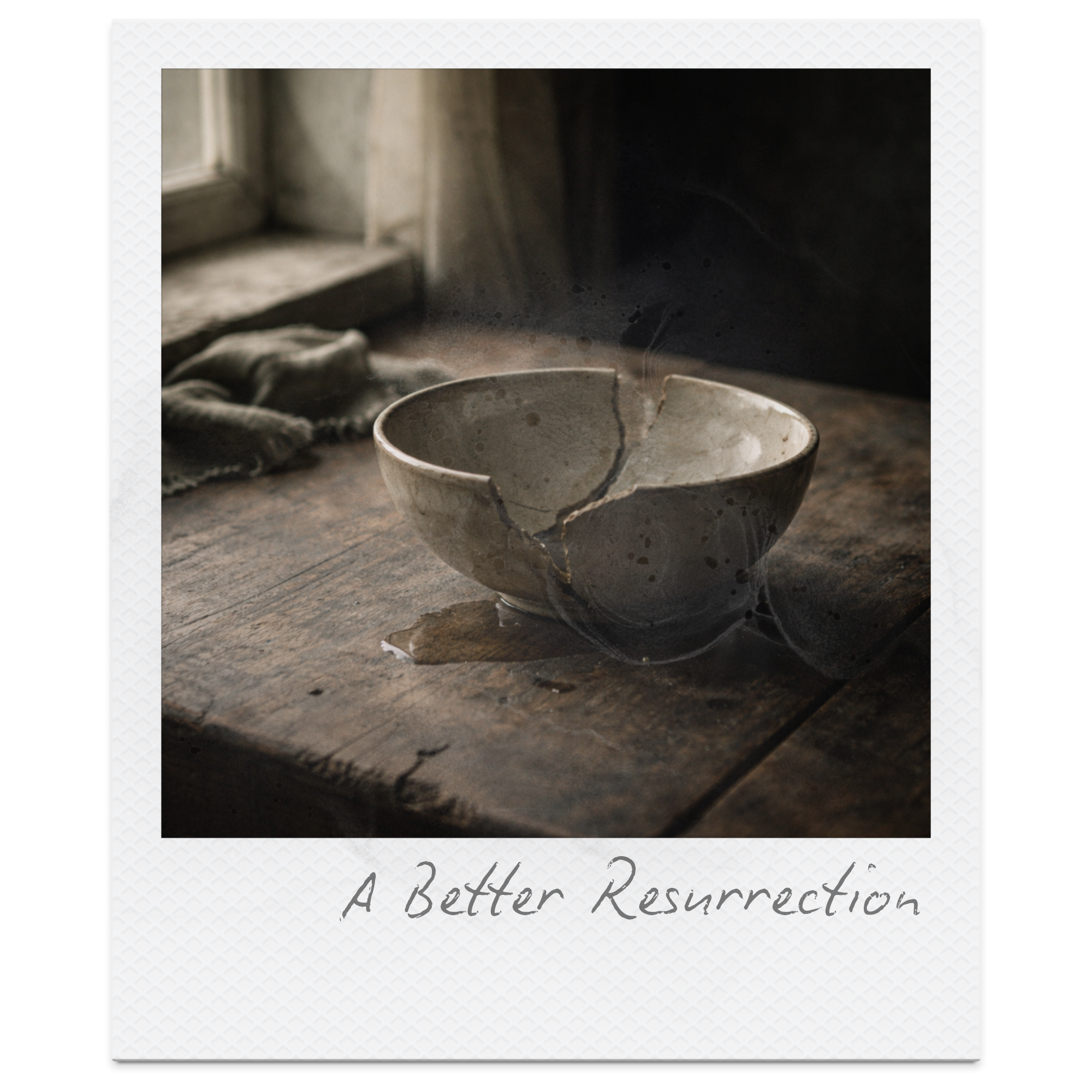
◆ A Better Resurrection – This poem explores spiritual exhaustion and the longing for renewal. While the speaker in A Better Resurrection struggles with faith and emotional emptiness, Song: When I Am Dead, My Dearest reflects a quieter acceptance of the end of earthly attachment.
◆ Echo – Like Song: When I Am Dead, My Dearest, Echo explores memory and the persistence of emotional attachment beyond death. However, the speaker in Echo longs intensely for the return of a lost loved one, creating a stronger emotional yearning than the calm detachment found in this poem.
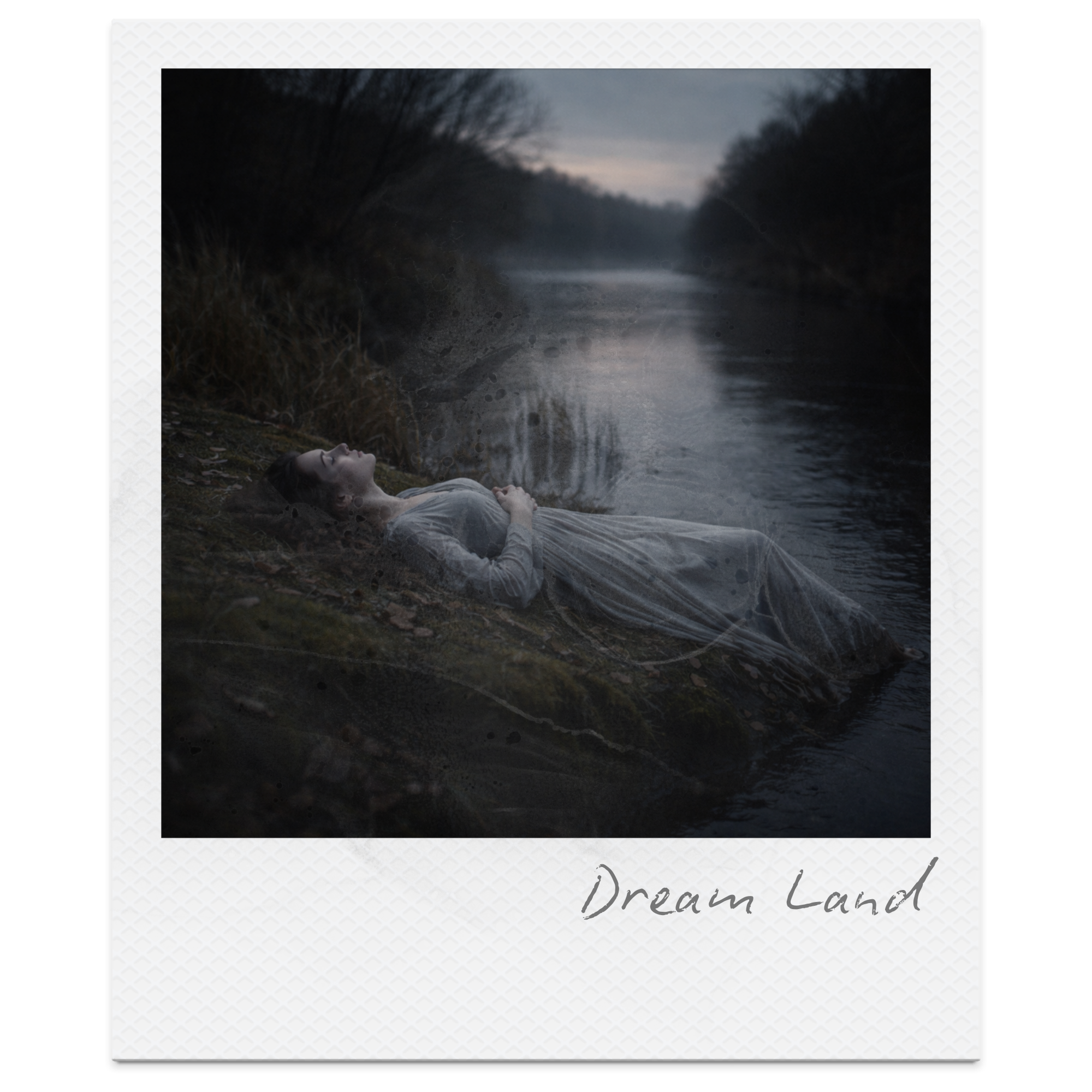
◆ Dream Land – Both poems use dreamlike imagery to imagine a peaceful state beyond ordinary life. In Dream Land, the speaker withdraws into a world of rest and emotional quiet, echoing the reflective tone and sense of release from worldly concerns present in Song: When I Am Dead, My Dearest.
Final Thoughts
Song: When I Am Dead, My Dearest demonstrates Rossetti’s remarkable ability to explore complex ideas through restrained language and simple imagery. In only sixteen lines, the poem reflects on death, memory, and emotional detachment, questioning whether love and remembrance must continue after life has ended. Rather than presenting death as tragic or dramatic, Rossetti offers a calm and reflective perspective that challenges traditional expectations about mourning.
The poem’s power lies in its quiet ambiguity. By allowing the possibility of both remembering and forgetting, Rossetti suggests that emotional bonds belong primarily to the world of the living. Once death arrives, those attachments may lose their urgency, leaving behind a more peaceful acceptance of mortality.
If you would like to explore more of Rossetti’s poetry and the themes that run throughout her work, visit the Christina Rossetti poetry hub. You can also browse the wider Literature Library for additional poem analyses and teaching resources.
Choose Your Next Text