After Death by Christina Rossetti: Summary, Themes, Symbolism & Analysis
Christina Rossetti’s poem “After Death” explores the unsettling emotional space between love, regret, and recognition that comes too late. The poem presents a speaker who appears to observe her own deathbed, watching the man she loved finally acknowledge her worth only after she has died. Through this quiet but devastating perspective, Rossetti explores unreturned love, emotional blindness, and the painful irony of posthumous recognition.
Like many of Rossetti’s poems, After Death reflects her interest in death as a moment of revelation. Rather than portraying death purely as loss, Rossetti uses it as a vantage point from which the speaker can see the truth of a relationship that remained unresolved during life. The poem’s restrained language and calm tone intensify its emotional impact, revealing how distance, silence, and regret shape human relationships.
This analysis explores the poem’s structure, imagery, symbolism, and themes, examining how Rossetti constructs a powerful reflection on love that is understood too late. If you are exploring Rossetti’s poetry more broadly, you can also visit the Christina Rossetti poetry hub for additional poem analyses, or browse the wider Literature Library for resources on Victorian poetry and other classic texts.

Context of the Poem: Victorian Mourning, Unspoken Love, and Posthumous Recognition
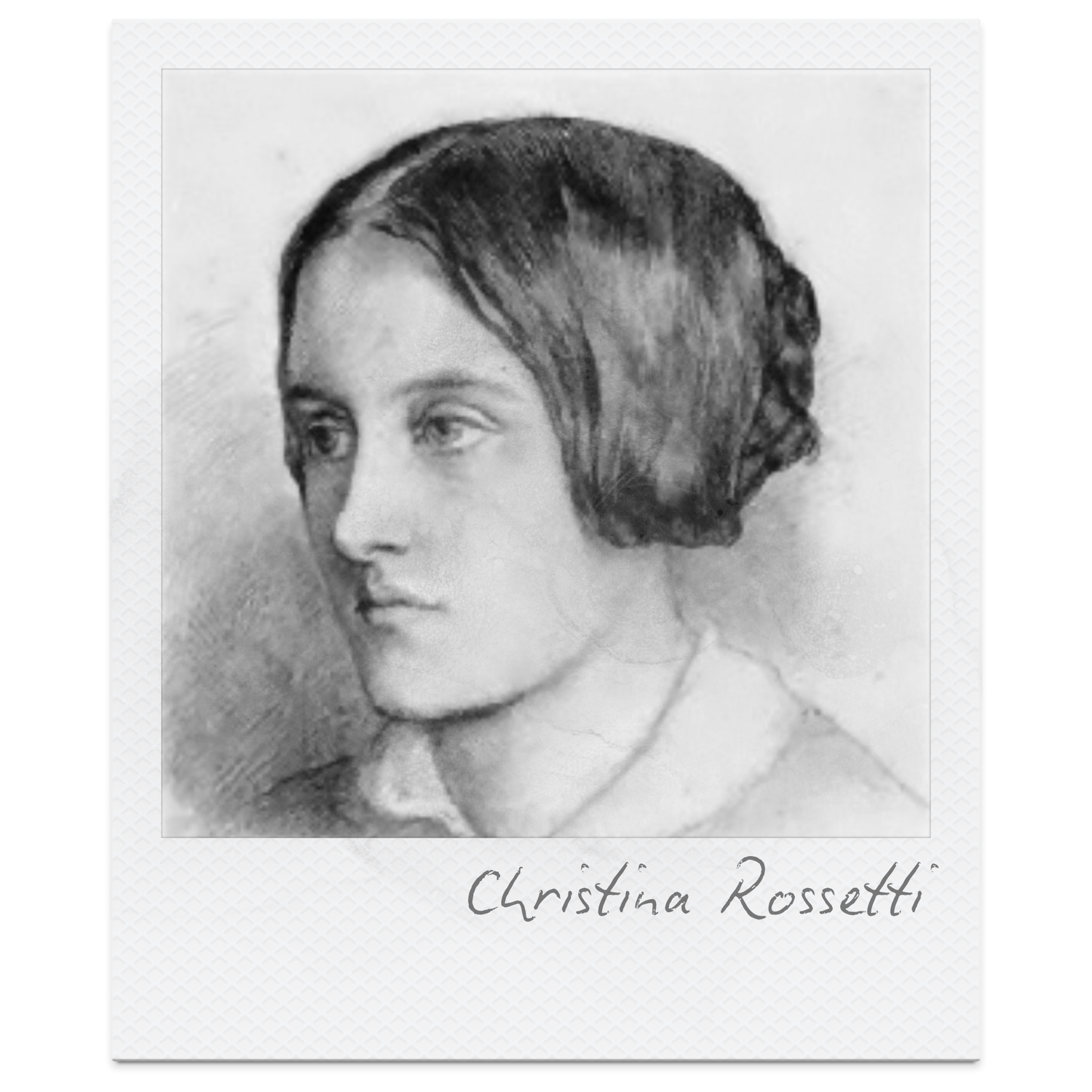
Christina Rossetti’s “After Death” reflects both Victorian attitudes toward mourning and Rossetti’s recurring interest in exploring emotional truth from beyond the boundary of death. The poem imagines a speaker observing her own deathbed while the man she loved finally expresses tenderness and regret. This perspective allows Rossetti to explore a painful irony: love that becomes visible only when it is too late to matter.
The Victorian period was deeply shaped by rituals of mourning and remembrance. High mortality rates meant death was a familiar presence within family life, and grief was often expressed through formal customs such as mourning dress, memorial objects, and prolonged periods of remembrance. Within literature, writers frequently imagined the boundary between life and death as permeable, allowing poems to explore how the dead might observe the living. In After Death, this convention allows Rossetti to dramatise a moment of posthumous recognition, where emotional truth emerges only after the speaker is gone.
The poem also reflects Rossetti’s interest in unspoken or unreturned love, a theme that appears across many of her works. Relationships in Rossetti’s poetry are often marked by distance, restraint, or misunderstanding, with characters unable to articulate their feelings until the moment for connection has passed. In After Death, the speaker’s calm observation of the man’s grief highlights the tragedy of this emotional delay.
If you would like to explore the wider literary and historical background shaping Rossetti’s poetry, you can read the full discussion in the Christina Rossetti Context post.
After Death: At a Glance
Form: Petrarchan-style sonnet (14 lines)
Mood: Quiet, reflective, and haunting
Central tension: The speaker witnesses love and regret expressed only after her death
Core themes: unreturned love, emotional blindness, death and recognition, regret, posthumous understanding
One-sentence meaning:
The poem explores the painful irony that a woman’s love is only acknowledged and valued once she has died, revealing how emotional truth is often recognised too late.
Quick Summary
The poem opens with a description of the quiet room in which the speaker lies dead. The space has been carefully prepared with rushes, rosemary, and may, plants traditionally associated with mourning and remembrance. The calm, orderly setting establishes a solemn atmosphere as the speaker observes the scene from beyond death.
A man enters and leans over her body, believing that she is merely asleep. He speaks softly, calling her “poor child”, unaware that the speaker can still hear him. When he turns away, she realises that he has begun to cry. In this moment, the speaker recognises that he now feels sorrow for her loss.
Yet the poem reveals a painful irony. The man never touches her shrouded body or takes her hand, gestures that might suggest genuine love. Instead, the speaker concludes that he did not love her while she lived, though he now feels pity for her in death. The poem closes with a haunting reflection: although she is now cold and lifeless, there is a bittersweet comfort in knowing that he still lives and feels warmth.
Title, Form, Structure, and Metre
Rossetti carefully shapes After Death using the compact and controlled structure of the sonnet, allowing the poem’s emotional revelation to unfold gradually. The poem’s formal restraint mirrors the speaker’s calm tone, while subtle shifts in structure and rhythm highlight the moment where the speaker recognises the painful truth about the man’s feelings.
Title
The title “After Death” immediately situates the poem in an unusual perspective. Rather than focusing on the process of dying, the title suggests that the poem explores what occurs beyond death itself. This prepares the reader for the poem’s striking narrative position: a speaker who appears able to observe the world even after her own death.
The title also introduces the poem’s central irony. The emotional revelation of the poem does not occur during life but only after death, when the speaker realises how the man truly feels about her.
Form and Structure
The poem is written as a Petrarchan-style sonnet, consisting of fourteen lines that move from description to emotional reflection. The opening eight lines establish the scene, describing the quiet room where the speaker’s body lies and the actions of the man who comes to stand beside her.
This opening section focuses on observation and atmosphere. The speaker calmly describes the details of the room and the man’s quiet expression of sorrow, creating a restrained and reflective tone.
The final six lines shift the poem toward interpretation. Here, the speaker reveals the central truth of the situation: the man did not love her while she lived, but now feels pity and regret. This structural turn allows Rossetti to move from description to emotional realisation, sharpening the poem’s final irony.
Rhyme Scheme and Poetic Pattern
Rossetti follows a traditional sonnet rhyme pattern, which helps create a sense of balance and order. The octave establishes a stable rhythmic pattern, reinforcing the calm tone of the speaker’s observations.
As the poem moves into the closing lines, the rhyme scheme becomes slightly more flexible. This subtle shift mirrors the emotional transition from quiet description to the speaker’s deeper recognition of what the man’s behaviour truly means.
Metre and Rhythmic Movement
The poem is written primarily in iambic pentameter, a rhythm consisting of five metrical feet per line, each built around an unstressed syllable followed by a stressed one.
For example, the rhythm can be heard clearly in lines such as:
The CURtains WERE half DRAWN, the FLOOR was SWEPT
The steady rhythm contributes to the poem’s controlled and reflective tone. Rather than creating dramatic tension, the metre reinforces the sense of stillness surrounding the speaker’s death.
At the same time, Rossetti allows small variations in rhythm to emphasise key emotional moments, particularly when the poem moves toward its final revelation. These subtle shifts help draw attention to the speaker’s recognition that the man’s pity has arrived too late to change the past.
Speaker in After Death: Narrative Perspective and Voice
The poem is narrated by a first-person speaker who appears to be conscious after her own death, creating one of the most striking narrative perspectives in Rossetti’s poetry. From the opening lines, the speaker calmly describes the room in which her body lies, suggesting that although her body is still and lifeless, her mind remains aware of what is happening around her. This unusual viewpoint allows the poem to explore the emotional consequences of death from a position that is both inside and outside the living world.
The speaker observes the man who enters the room and leans over her, believing she is asleep. Because he assumes she cannot hear him, his words are unguarded. The reader therefore witnesses a moment of unexpected emotional honesty, as the man expresses pity for the woman he once overlooked. The speaker’s awareness of this moment creates the poem’s central irony: she finally hears the tenderness she longed for, but only after she is unable to respond to it.
What is most striking about the speaker’s voice is its quiet restraint. She does not express anger, accusation, or bitterness toward the man who failed to love her while she lived. Instead, she records his actions with calm observation, allowing the emotional significance of the moment to emerge naturally. This measured tone intensifies the poem’s pathos, suggesting that death has granted the speaker a kind of detached clarity about the past.
The speaker’s final reflection reveals a complicated emotional response. Although the man never loved her in life, she recognises a strange comfort in knowing that he now feels sorrow and compassion. Her concluding thought — that it is “sweet” to know he is still warm while she is cold — captures the poem’s delicate mixture of regret, tenderness, and quiet acceptance.
Close Analysis of After Death
Rossetti’s sonnet rewards close reading because each part of the poem adds to its quiet emotional force. The speaker’s calm voice, the funeral imagery, and the man’s restrained behaviour all contribute to the poem’s central irony: love is not fully recognised until it is too late.
Lines 1–4: The Death Chamber Setting
The poem opens with a carefully prepared interior: “The curtains were half drawn, the floor was swept / And strewn with rushes, rosemary and may.” These details create an atmosphere of order, ritual, and solemnity. The room has been arranged with tenderness, suggesting respect for the dead, while the mention of rosemary carries associations of remembrance. May introduces a softer, more fragile note, often linked with youth, spring, and transience, which makes the speaker’s death feel especially poignant.
The line “Lay thick upon the bed on which I lay” places the speaker physically among these symbols of mourning. She is not simply describing a room; she is already part of its stillness and ceremony. The repetition of “lay” reinforces the speaker’s passivity, reminding the reader that her body is now motionless and acted upon by others.
In the final line of this opening movement, “Where through the lattice ivy-shadows crept,” Rossetti introduces a gentler, more atmospheric image. The creeping shadows suggest quiet movement within an otherwise still room, and the image of ivy may hint at endurance, clinging memory, or the persistence of feeling. The effect is hushed and intimate, allowing the poem to begin not with dramatic grief but with subdued observation.
Lines 5–8: The Man’s Misreading and Late Grief
The emotional centre of the poem begins to emerge when the man enters: “He leaned above me, thinking that I slept / And could not hear him.” This moment is quietly devastating. He mistakes death for sleep, which softens the scene but also emphasises how close he comes to intimacy without truly understanding it. At the same time, the reader knows something he does not: the speaker can still hear.
Rossetti uses this irony to powerful effect. The speaker hears him say, “Poor child, poor child,” a phrase that conveys tenderness but also suggests pity rather than romantic love. The repeated address sounds gentle and sorrowful, yet it is slightly diminishing too. He does not speak to her as an equal beloved, but as someone fragile, helpless, and lost.
The line “and as he turned away / Came a deep silence, and I knew he wept” is especially restrained. Rossetti avoids melodrama. The silence itself becomes meaningful, marking the emotional weight of the moment. The speaker does not actually see tears described in detail; instead, she infers them. That quiet certainty deepens the pathos of the scene and shows her attentiveness even in death.
Lines 9–12: Distance, Restraint, and Emotional Failure
In the sestet, the poem turns from observation to interpretation. The repeated phrasing — “He did not touch… / He did not love…” — is crucial. Rossetti lists the gestures he withholds: he does not touch the shroud, raise the fold, take my hand, or ruffle the smooth pillows. These are intimate acts of care, and their absence reveals the emotional truth the speaker has come to understand.
This catalogue of what he does not do is more revealing than any overt declaration. His grief remains distant and restrained. Even now, when she is dead, he cannot fully bridge the space between them. That makes the line “He did not love me living” feel stark and final. The adverb “living” matters because it defines the real tragedy of the poem: while life offered the possibility of mutual recognition, that opportunity was never taken.
The next phrase, “but once dead / He pitied me,” sharpens the distinction between love and pity. Pity is not the same as the love the speaker longed for. It arrives too late, and in a diminished form. Rossetti’s choice of verb makes the ending especially painful: he does not adore, mourn passionately, or confess love; he simply pities.
Lines 13–14: The Final Irony of Warmth and Cold
The final couplet-like close condenses the poem’s emotional complexity: “and very sweet it is / To know he still is warm though I am cold.” The phrase “very sweet” is surprising. It suggests that the speaker takes real comfort from this belated tenderness, however incomplete it may be. Her response is not bitter; instead, it is marked by a sad, restrained gratitude.
The contrast between “warm” and “cold” is the poem’s most memorable image. Warmth suggests life, feeling, and human presence, while coldness signals death, separation, and the stillness of the body. Yet the speaker finds sweetness in the contrast rather than only pain. This creates the poem’s final irony: she receives emotional recognition only in death, and even that partial recognition is enough to move her.
Rossetti ends the poem by holding together loss and consolation. The speaker remains excluded from life and love, yet she still values the knowledge that he can feel for her now. That delicate balance between sorrow and satisfaction is what gives After Death its haunting power.
Key Quotes in After Death
Rossetti’s sonnet is built from carefully chosen images and quiet emotional moments. The following quotations highlight the poem’s most important ideas, particularly the tension between love, pity, death, and delayed recognition.
“The curtains were half drawn, the floor was swept”
◆ The orderly room creates a calm, ceremonial atmosphere, suggesting a space prepared for mourning.
◆ The quiet domestic setting emphasises the intimate nature of the death scene rather than public grief.
◆ The controlled environment mirrors the poem’s restrained emotional tone.
“Strewn with rushes, rosemary and may”
◆ Rosemary traditionally symbolises remembrance, reinforcing the poem’s theme of memory after death.
◆ May flowers evoke youth and spring, creating a poignant contrast with the speaker’s death.
◆ The natural imagery softens the scene while emphasising the rituals of Victorian mourning.
“He leaned above me, thinking that I slept”
◆ The man mistakes death for sleep, a common literary metaphor for death that softens the moment.
◆ This misunderstanding creates dramatic irony, since the reader knows the speaker can hear him.
◆ The closeness of the gesture suggests intimacy that was never fully realised during life.
“Poor child, poor child”
◆ The repetition emphasises tenderness mixed with pity rather than romantic love.
◆ The phrase positions the speaker as fragile and helpless, reinforcing the man’s protective but distant attitude.
◆ It reveals the emotional shift that occurs only after her death.
“Came a deep silence, and I knew he wept”
◆ The silence intensifies the emotional weight of the moment.
◆ The speaker infers his grief rather than directly witnessing it, highlighting her detached observational perspective.
◆ Rossetti avoids melodrama, creating a quiet, restrained expression of sorrow.
“He did not touch the shroud, or raise the fold”
◆ The speaker lists gestures that might express affection but are noticeably absent.
◆ The shroud symbolises the barrier between the living and the dead.
◆ His hesitation suggests emotional distance even in a moment of grief.
“He did not love me living; but once dead / He pitied me”
◆ This line expresses the poem’s central emotional truth.
◆ The contrast between love and pity highlights the incomplete nature of his feelings.
◆ The delayed recognition of her worth emphasises the theme of love realised too late.
“To know he still is warm though I am cold”
◆ The contrast between warmth and cold symbolises the divide between life and death.
◆ Warmth suggests life, emotional feeling, and human connection.
◆ The speaker’s acceptance of this contrast creates a haunting mixture of sadness and quiet consolation.
Key Techniques in After Death
Rossetti’s poem achieves its emotional power through restraint rather than dramatic expression. The poem’s imagery, structure, and contrasts all contribute to the quiet revelation that love is recognised only after death. By combining subtle symbolism with controlled language, Rossetti creates a moment of reflection that feels intimate and deeply poignant.
◆ Dramatic irony – The poem’s central tension comes from the fact that the man believes the speaker is asleep, while the reader knows she is dead but still aware of his words. This creates a powerful moment of emotional honesty, since he speaks freely without realising she can hear him.
◆ Symbolism – Rossetti uses symbolic objects such as rosemary and may to deepen the meaning of the scene. Rosemary traditionally represents remembrance, reinforcing the poem’s focus on memory after death, while the spring imagery of may flowers highlights the tragedy of a life cut short.
◆ Contrast – The poem repeatedly uses contrast to emphasise emotional truth. The final line’s opposition between “warm” and “cold” symbolises the divide between life and death, while the contrast between love and pity reveals the incomplete nature of the man’s feelings.
◆ Repetition and parallel phrasing – The repeated structure of “He did not…” in the sestet emphasises the gestures the man withholds. This technique highlights emotional absence and reinforces the speaker’s realisation that love was never fully expressed during her life.
◆ Sensory imagery – Rossetti creates a vivid yet restrained atmosphere through quiet visual details such as ivy shadows, flowers, and the prepared room. These images contribute to the stillness of the death scene while reinforcing the poem’s reflective tone.
◆ First-person perspective – The speaker’s unusual narrative position allows Rossetti to explore emotional truth from beyond death. This perspective creates intimacy with the reader while intensifying the poem’s irony, since the speaker hears the tenderness she longed for only after she can no longer respond.
Themes in After Death
Rossetti’s poem explores a quiet but devastating emotional revelation. Through the speaker’s calm observation of the living world after her own death, the poem examines how love, recognition, and regret often arrive too late to change the past. The restrained tone and intimate setting allow Rossetti to explore these themes with subtlety and emotional depth.
Unreturned Love
At the centre of the poem lies the painful experience of love that was never fully returned. The speaker appears to have loved the man deeply during her life, yet he never expressed the same feelings while she was alive. His sorrow comes only after her death, revealing that the relationship was defined by emotional imbalance.
Rossetti presents this situation without bitterness. Instead, the speaker observes the moment with calm clarity, recognising that the love she desired during life has been replaced by something weaker and belated. This quiet acknowledgement highlights the tragedy of affection that is felt too late to be shared.
Emotional Blindness
The poem also explores emotional blindness, the inability to recognise another person’s feelings until circumstances force a moment of reflection. While the speaker lived, the man failed to understand her emotional significance. Only when confronted with her death does he begin to perceive the loss he has experienced.
Rossetti suggests that this blindness is not necessarily cruel or deliberate. Instead, it reflects the ways people can overlook emotional truths when they are still surrounded by the ordinary routines of life. Death interrupts those routines and forces a sudden recognition of what was previously ignored.
Death and Recognition
Death functions in the poem as a moment of emotional revelation. From her position beyond life, the speaker gains a new perspective on the relationship. The distance created by death allows her to see the man’s behaviour clearly and understand what his gestures mean.
This perspective transforms death into more than a physical ending. Instead, it becomes the moment when hidden feelings are finally exposed. Rossetti therefore uses death as a lens through which truth becomes visible.
Regret
Regret quietly shapes the emotional atmosphere of the poem. The man’s tears suggest that he has realised something important only after it is no longer possible to act upon it. His grief reveals the weight of a missed opportunity for love or understanding.
At the same time, the speaker recognises this regret without anger. Her calm tone suggests that regret belongs primarily to the living, while the dead observe the consequences of past choices with a sense of distance.
Posthumous Understanding
One of the poem’s most haunting ideas is the possibility of posthumous understanding. The speaker only learns how the man feels once she has died. In life, she may have wondered about his feelings or hoped for confirmation of his affection. Death provides that answer, but at the cost of any possibility of responding to it.
This delayed understanding highlights the poem’s central irony: the truth about their relationship becomes clear only after the relationship itself can no longer exist.
Love, Pity, and Emotional Distance
Rossetti also distinguishes between love and pity, showing that these emotions are not the same. The man’s response to the speaker’s death is not passionate love but compassionate sorrow. He pities her, recognising her vulnerability and loss, yet this feeling lacks the warmth and connection that love might have provided during life.
By emphasising this distinction, Rossetti reveals how emotional relationships can remain incomplete even when genuine feeling eventually emerges. The speaker recognises the tenderness in his grief, yet she also understands that pity cannot replace the love she once hoped for.
Alternative Interpretations of After Death
Although the poem appears simple on the surface, it invites several different interpretive approaches. Rossetti’s restrained language allows readers to explore the poem through emotional, cultural, religious, and psychological lenses, each revealing different meanings behind the speaker’s calm observation of her own death.
Feminist Interpretation: Love, Value, and Recognition
From a feminist perspective, the poem can be read as a reflection on how women’s emotional lives were often overlooked or undervalued in Victorian society. The speaker appears to have loved deeply, yet her feelings were never fully recognised while she lived. Only when she becomes silent and absent does the man begin to express tenderness toward her.
This dynamic highlights how women’s voices and desires could be ignored until they were no longer able to express them. The speaker’s death therefore becomes the moment when the man finally acknowledges her vulnerability and worth. In this reading, Rossetti exposes the tragedy of a culture in which female emotional experience is recognised only when it is too late to respond to it.
Psychological Interpretation: Desire for Recognition
A psychological reading focuses on the speaker’s longing to be seen, acknowledged, and valued. The poem suggests that the speaker may have lived with uncertainty about the man’s feelings. After death, she finally receives confirmation that she mattered to him, even if only through pity.
This interpretation emphasises the human need for emotional validation. The speaker’s final line suggests a strange comfort in knowing that the man still feels something for her, revealing how powerful the desire for recognition can be. Even in death, the knowledge that she is remembered provides a small sense of satisfaction.
Religious Interpretation: Death as Perspective
Rossetti’s strong Christian beliefs often shaped her understanding of life and death. From a religious perspective, the speaker’s calm tone may reflect the idea that death brings spiritual clarity. Freed from earthly concerns, she can observe the living world with greater understanding.
In this reading, the speaker’s lack of anger suggests a form of spiritual detachment. Rather than judging the man harshly for his failure to love her during life, she observes his grief with quiet acceptance. Death therefore becomes a space in which truth is revealed and human relationships can be understood more clearly.
Psychological and Biographical Interpretation: Rossetti’s Preoccupation with Death
Rossetti returned repeatedly to the theme of death in poems such as “Remember,” “Song (When I am dead, my dearest),” and “After Death.” This recurring motif has led some readers to connect her work to the emotional intensity of her personal life. Rossetti struggled with her mental health throughout her life and also experienced periods of illness, isolation, and profound spiritual introspection, which may have shaped her fascination with mortality.
Through this lens, the poem can be seen as an imaginative exploration of a deeply human fear: that our feelings will remain unseen until we are gone. By allowing the speaker to witness her own death, Rossetti dramatizes the painful possibility that love may only be recognised once it can no longer be returned.
Existential Interpretation: The Final Irony of Human Relationships
An existential reading focuses on the poem’s central irony: meaning and understanding often arrive after the moment when they could have mattered. The man recognises the speaker’s vulnerability and value only when she is beyond the reach of human connection.
In this interpretation, the poem reflects the fragile nature of relationships. People frequently fail to recognise the emotional significance of others while they are present in their lives. Rossetti’s quiet ending suggests that the deepest truths about love and regret may only become visible when the opportunity for action has already passed.
Teaching Ideas for Exploring After Death
Rossetti’s poem offers rich opportunities for discussion and close analysis. Its dramatic irony, symbolic imagery, and restrained emotional tone make it particularly effective for exploring how poets reveal meaning through subtle details. The following activities encourage students to examine how Rossetti constructs the poem’s emotional impact while developing analytical interpretation.
1. Exploring Dramatic Irony
Ask students to identify the moment when the reader realises something that the man in the poem does not. Students can trace how Rossetti constructs this irony through the line “thinking that I slept / And could not hear him.”
Students may then discuss how this misunderstanding shapes the entire poem. The man’s words are sincere precisely because he believes the speaker cannot hear him, while the speaker’s awareness transforms the scene into a moment of painful emotional clarity.
Follow-up discussion questions:
◆ Why does Rossetti allow the reader to know more than the man in the poem?
◆ How does this dramatic irony shape our sympathy for both characters?
◆ Does the irony make the poem more tragic, or more reflective?
This activity helps students recognise how dramatic irony deepens the poem’s emotional tension.
2. Symbolism and the Death Chamber
Invite students to examine the objects Rossetti places in the room: rushes, rosemary, and may. Students can research traditional meanings associated with these plants and discuss how Rossetti uses them to create atmosphere.
Students might consider:
◆ Why does Rossetti begin the poem with the description of the room rather than the emotional relationship?
◆ How do the flowers shape the tone of the poem?
◆ Do these details suggest tenderness, ritual, or distance?
This discussion can extend into a wider exploration of symbolic imagery in poetry, encouraging students to consider how apparently small details contribute to the poem’s themes of remembrance, youth, and loss.
3. Analysing Emotional Distance
Students can analyse the repeated phrasing in the sestet, particularly the sequence beginning “He did not touch…”. Ask students to identify the gestures the man withholds and consider why Rossetti emphasises these absences.
Students may list the actions that never occur in the poem: he does not touch the shroud, raise the fold, take her hand, or adjust the pillows. Each of these gestures suggests intimacy and care, yet the poem emphasises their absence.
Discussion questions might include:
◆ Why does Rossetti focus on the gestures he does not make?
◆ How does this list shape our understanding of his feelings?
◆ What does the difference between love and pity reveal about their relationship?
This activity helps students recognise how poets sometimes reveal meaning through absence and restraint rather than direct emotional declaration.
4. Perspective and Voice
Students can examine how the poem’s unusual narrative perspective shapes interpretation. The speaker observes the scene from beyond death, allowing her to reflect calmly on a moment that would otherwise be emotionally overwhelming.
Students might consider:
◆ How does the speaker’s calm tone influence the reader’s interpretation of the poem?
◆ Does the speaker seem resentful, forgiving, reflective, or detached?
◆ Why might Rossetti choose a speaker who can observe the living world but cannot intervene in it?
This activity encourages students to explore how narrative voice shapes the emotional meaning of poetry.
5. Developing Analytical Writing from Evidence
Provide students with the model paragraph below and ask them to reverse-engineer the analytical thinking behind it.
First, students should read the paragraph carefully and identify what question the paragraph might be answering. They should consider what central idea or theme the paragraph is addressing. For example, they might decide the paragraph responds to questions such as:
◆ How does Rossetti use contrast to explore death and emotional distance in the poem?
◆ How does the ending of After Death reveal the speaker’s feelings about the man?
◆ How does Rossetti use imagery to emphasise the poem’s central irony?
Once students have identified a possible essay question, they can then develop the paragraph further by adding additional analysis from elsewhere in the poem. Students should locate another quotation that reinforces the same idea and explain how it strengthens the argument.
Encourage students to extend the paragraph by:
◆ linking the final line to earlier imagery in the poem
◆ exploring how the poem’s tone shapes the speaker’s response
◆ analysing how Rossetti uses contrast between love and pity
Students can then combine their ideas into a longer analytical response that builds a clear line of argument supported by textual evidence.
Model analytical paragraph
Rossetti uses contrast in the poem’s final line to emphasise the emotional distance created by death. The speaker concludes that it is “very sweet… / To know he still is warm though I am cold.” The opposing images of warmth and cold symbolise the divide between life and death, but they also reflect the emotional relationship between the two characters. Warmth suggests vitality, feeling, and human connection, while coldness represents the stillness of death and the absence of shared experience. The speaker’s description of this knowledge as “sweet” is unexpectedly gentle, suggesting that even a delayed recognition of feeling brings her some comfort. Through this contrast, Rossetti captures the poem’s central irony: the speaker finally understands the man’s emotional response, yet this understanding arrives only after she is permanently separated from the warmth of life.
Students can now extend this paragraph by linking the final line to the earlier moment where the man calls the speaker “poor child”, exploring how Rossetti distinguishes between pity and love. By developing the paragraph with additional textual evidence, students practise building a sustained analytical argument rather than a single isolated observation.
Go Deeper into After Death
Rossetti frequently explored love, regret, memory, and emotional distance across her poetry. Reading After Death alongside a few of her other poems reveals how often she returned to moments where recognition arrives too late, or where relationships are understood only after separation or loss. These comparisons help illuminate how Rossetti develops recurring themes through different voices and situations.
◆ At Home – Like After Death, this poem imagines a speaker observing the world after her own death. In both poems, the speaker witnesses the living continuing without her, creating a powerful sense of emotional distance and quiet detachment.
◆ Remember – While After Death focuses on love recognised too late, Remember explores the tension between remembrance and letting go. Both poems examine how death reshapes relationships between the living and the dead.
◆ Echo – This poem also centres on longing for connection with someone absent or lost. Like After Death, it explores how memory can sustain emotional attachment even when the relationship itself can no longer continue.
◆ An Apple-Gathering – Both poems examine regret and missed opportunity. In An Apple-Gathering, the speaker realises too late that she has lost the possibility of fulfilment, mirroring the delayed emotional recognition that shapes After Death.
◆ Shut Out – This poem similarly explores the pain of emotional exclusion. Just as the speaker in After Death experiences love that never fully arrives during life, the speaker in Shut Out is barred from a space she longs to enter.
◆ Twice – In this poem, Rossetti explores the vulnerability of offering love and the emotional risk that comes with it. Both poems examine how love can leave the speaker exposed to disappointment or emotional imbalance.
These poems reveal Rossetti’s recurring interest in love that is misunderstood, delayed, or incomplete, showing how relationships can be shaped by silence, distance, and the passage of time.
Final Thoughts
After Death is one of Rossetti’s most quietly devastating poems. Through its restrained tone and intimate setting, the poem reveals the painful irony that love and recognition sometimes arrive only when they can no longer change anything. The speaker observes the moment of the man’s grief with calm clarity, understanding that his feelings have emerged too late to shape the relationship they once shared.
What makes the poem especially powerful is Rossetti’s refusal to dramatise the moment. Instead of anger or accusation, the speaker responds with reflective acceptance. The final contrast between warmth and cold captures the poem’s emotional core: the living continue to feel, while the dead can only observe the consequences of what was left unsaid.
By presenting death as a moment of perspective, Rossetti invites readers to consider how easily people overlook the emotional significance of those around them. After Death ultimately becomes a meditation on missed opportunities, delayed understanding, and the fragile nature of human connection.
If you would like to explore more of Rossetti’s poetry, visit the Christina Rossetti Poetry Hub, where you can find further analyses and comparisons across her work. You can also browse the Literature Library for additional resources on Victorian poetry, classic literature, and teaching materials.
Choose Your Next Text