Notes from the Inkpot
Writing, teaching, creating - one ink-stained idea at a time.



I Dream of You... – Christina Rossetti: Summary, Themes & Analysis
Christina Rossetti's I Dream of You... is a poignant sonnet exploring love, longing, dreams, absence, memory, and mortality. Through the contrast between dream fulfilment and waking reality, Rossetti presents a speaker who finds temporary reunion with a beloved figure only within sleep, creating a powerful meditation on desire, loss, and the limitations of earthly happiness. This analysis explores the poem's themes, symbolism, structure, key quotations, literary techniques, and alternative interpretations while examining how Rossetti transforms a personal expression of longing into a broader reflection on fulfilment, faith, death, and the human search for permanence. Ideal for students studying CIE AS & A Level Literature (9695) Songs of Ourselves Volume 2.

To My Dear and Loving Husband by Anne Bradstreet: Analysis of Love, Devotion and Spiritual Unity
Explore To My Dear and Loving Husband by Anne Bradstreet through this detailed AS Level analysis of love, spiritual unity, mortality, and emotional devotion. This in-depth guide examines Bradstreet’s use of hyperbole, religious symbolism, structure, and imagery to present marital love as emotionally fulfilling and spiritually transcendent. Includes line-by-line analysis, key quotes, techniques, alternative interpretations, anthology comparisons, exam-ready insights, and teaching ideas for CIE Literature in English (9695).

No, Thank You, John by Christina Rossetti: Summary, Themes, Symbolism & Analysis
Christina Rossetti’s No, Thank You, John is a confident and sharply controlled exploration of rejection, emotional honesty, and personal autonomy. Through a direct, conversational voice, the speaker firmly refuses a persistent suitor, challenging the expectation that love must be returned or softened through politeness. The poem redefines rejection as a form of clarity rather than cruelty, exposing the imbalance between romantic persistence and the right to refuse. This analysis of No, Thank You, John explores themes, structure, tone, and key techniques, alongside alternative interpretations and teaching ideas. With close reference to language and form, it reveals how Rossetti constructs a speaker who is both measured and resolute, offering a powerful examination of boundaries, gender expectations, and emotional integrity.
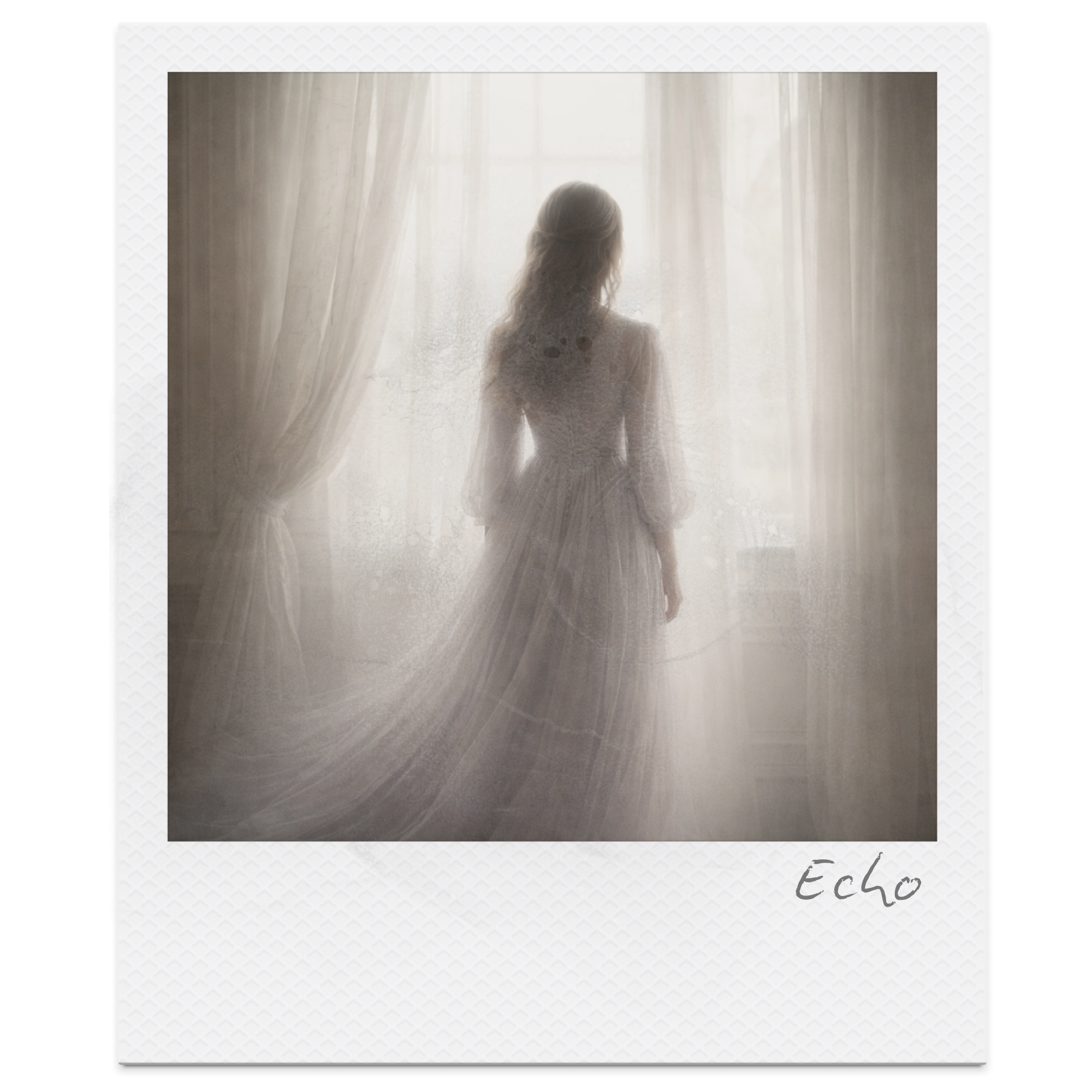
Echo by Christina Rossetti: Summary, Themes, Symbolism & Analysis
Christina Rossetti’s Echo is a haunting exploration of love, memory, and longing beyond death, where dreams become the only space for reunion. Through repetition, paradox, and lyrical imagery, the poem captures the tension between emotional closeness and physical absence, revealing how memory both sustains and intensifies grief. This analysis of Echo explores themes, structure, symbolism, and alternative interpretations, offering clear, in-depth insight into Rossetti’s presentation of desire, loss, and spiritual tension. Ideal for students and teachers, this guide breaks down the poem in a way that is both accessible and analytically rigorous.

Twice by Christina Rossetti: Summary, Themes, Symbolism & Analysis
Christina Rossetti’s Twice explores the emotional journey of a speaker who offers her heart first to a human lover and then to God, revealing the contrast between human rejection and divine understanding. Through powerful symbolism and structural repetition, Rossetti examines themes of unrequited love, judgement, and emotional vulnerability, showing how easily personal worth can be shaped—and damaged—by external evaluation. As the poem progresses, the speaker transforms her experience of rejection into an opportunity for spiritual redemption, turning away from flawed human judgement toward a more meaningful and enduring form of acceptance. This analysis explores how Rossetti uses imagery, tone, and form to chart this shift, making Twice a compelling study of identity, faith, and the search for lasting fulfilment.
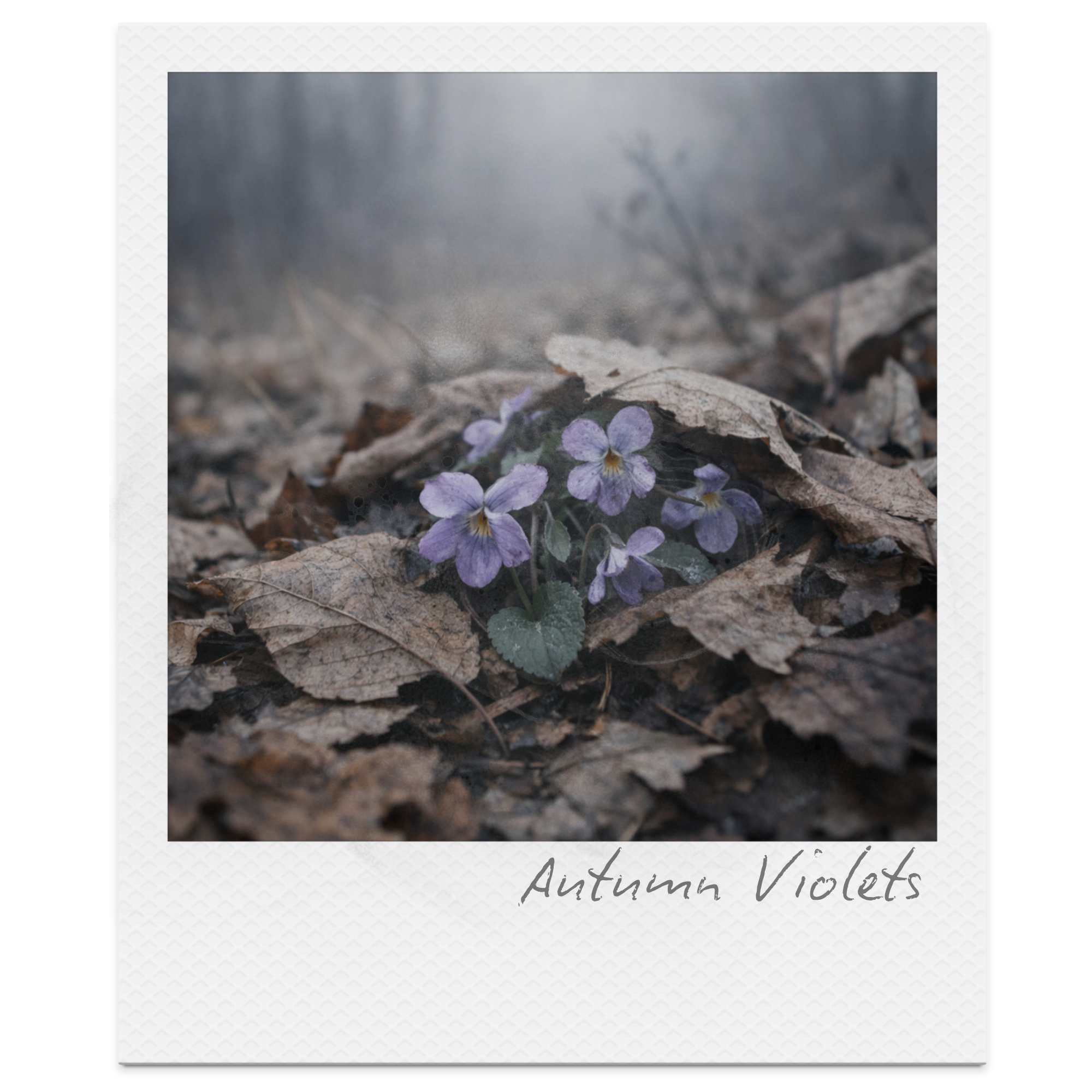
Autumn Violets Christina Rossetti Analysis: Themes, Symbolism, Structure & Key Quotes
Christina Rossetti’s Autumn Violets is a reflective sonnet that explores how love is shaped by time, age, and emotional limitation. Through the delicate image of violets blooming out of season, Rossetti contrasts youthful, idealised love with a quieter, more restrained form of love that emerges later in life. The poem suggests that, like the natural world, emotional experiences follow a pattern, and when they occur outside their “proper” moment, they must be understood differently. In this analysis, we explore Rossetti’s use of seasonal symbolism, structure, and language to examine the relationship between love and timing. With detailed breakdowns of key lines, themes, and techniques, this guide offers a clear and insightful reading of Autumn Violets, revealing how the poem ultimately presents acceptance—not fulfilment—as the defining quality of later love.
Piteous My Rhyme Is by Christina Rossetti: Summary, Themes, Symbolism & Analysis
Christina Rossetti’s Piteous My Rhyme Is explores the paradoxical relationship between love, suffering, and emotional endurance. Through a carefully mirrored structure, the poem contrasts two perspectives on love: one that sees love as wasted, unreturned, and painful, and another that interprets the same experience as evidence of love’s strength and lasting power. In this analysis of Piteous My Rhyme Is, we examine Rossetti’s use of structure, repetition, rhyme, and rhetorical questioning to explore themes such as unreturned love, emotional sacrifice, and the contrast between mortal life and lasting emotion. The poem ultimately suggests that love’s willingness to endure suffering may reveal its deepest significance.
Cousin Kate by Christina Rossetti: Analysis, Themes, Structure & Meaning
Cousin Kate by Christina Rossetti is a dramatic narrative poem that explores female reputation, class power, and sexual double standards in Victorian society. Through the voice of a rural woman seduced and abandoned by a wealthy lord, Rossetti reveals how social judgement falls disproportionately on women while men maintain their status and authority. This analysis explores the poem’s themes, symbolism, and narrative structure, examining how Rossetti critiques Victorian morality while giving the speaker a powerful voice of reflection and resilience. It also considers how the poem’s final twist transforms the speaker’s shame into a form of unexpected power.

Heart’s Chill Between by Christina Rossetti: Analysis, Summary, Themes & Meaning
lost love, revealing how grief, memory, and emotional repression continue to shape the speaker’s inner life long after a relationship has ended. Through restrained language and reflective imagery, the poem shows how outward composure can conceal deeper psychological suffering. This analysis examines the poem’s themes, symbolism, structure, and key quotations, offering a detailed exploration of Rossetti’s portrayal of emotional restraint and unresolved grief. Ideal for GCSE and A Level literature study, the guide also includes teaching ideas and comparisons with other Rossetti poems.

A Birthday by Christina Rossetti: Summary, Themes, Symbolism & Analysis
Christina Rossetti’s A Birthday celebrates the arrival of love through rich imagery, musical language, and powerful symbolism. In this detailed analysis, the poem is explored through its themes of romantic fulfilment, emotional rebirth, abundance, and devotion, showing how Rossetti transforms a moment of love into a joyful declaration that life itself has begun anew. This guide examines the poem’s structure, imagery, key quotations, techniques, and themes, alongside alternative interpretations and classroom teaching ideas. Ideal for GCSE, IGCSE, and A Level literature study, the analysis helps readers understand how Rossetti uses poetic form and symbolism to present love as a moment of profound emotional transformation.

I Loved You First: But Afterwards Your Love by Christina Rossetti: Summary, Themes, Symbolism & Analysis
I Loved You First: But Afterwards Your Love explores the complex balance between two lovers as the speaker reflects on who loved first and whose devotion might be greater. What begins as a quiet claim of emotional precedence quickly becomes a deeper meditation on mutual love, emotional reciprocity, and the difficulty of measuring affection between two people. As the sonnet unfolds, the speaker gradually abandons the language of comparison and calculation. Instead, the poem moves toward a philosophical conclusion: genuine love dissolves the boundaries between individuals, replacing ideas of “mine” and “thine” with a shared emotional identity in which both lovers participate equally.

After Death by Christina Rossetti: Summary, Themes, Symbolism & Analysis
Christina Rossetti’s After Death explores the painful irony of love recognised too late. In this haunting sonnet, the speaker observes her own deathbed while the man she loved finally expresses tenderness and regret. Through quiet imagery, dramatic irony, and restrained emotion, the poem examines unreturned love, emotional blindness, and posthumous recognition. This analysis explores the poem’s themes, symbolism, structure, and key quotations, offering a detailed interpretation of Rossetti’s meditation on regret and delayed understanding. It also compares the poem to other Rossetti works to deepen insight into her recurring exploration of love, memory, and mortality.

Somewhere or Other by Christina Rossetti: Summary, Themes, Symbolism & Analysis
Christina Rossetti’s Somewhere or Other is a reflective Victorian poem exploring longing, imagined love, destiny, and distance. Through repetition, celestial imagery, and shifting perspectives of scale, Rossetti presents a speaker who believes that somewhere in the world there exists a person destined to answer her words. The poem moves from images of vast distance — land, sea, moon, and stars — to the possibility that this connection may be far closer than expected. This analysis explores the summary, themes, symbolism, structure, and key techniques in Somewhere or Other, offering stanza-by-stanza commentary and multiple interpretations. The guide also includes teaching ideas, essay questions, and classroom discussion prompts, making it useful for students and teachers studying Christina Rossetti’s poetry.
An Apple-Gathering by Christina Rossetti: Summary, Themes, and Detailed Analysis
Christina Rossetti’s An Apple-Gathering explores themes of lost opportunities, romantic regret, and emotional maturity through the powerful metaphor of an apple harvest. In this detailed analysis, we examine how Rossetti uses symbolism, structure, rhyme, and imagery to show how acting too quickly in love can prevent deeper fulfilment later in life. This guide includes a clear summary, stanza-by-stanza analysis, key quotations, themes, literary techniques, and teaching ideas, making it ideal for students studying poetry at GCSE or A-Level and teachers planning lessons on Rossetti’s work.