To My Dear and Loving Husband by Anne Bradstreet: Analysis of Love, Devotion and Spiritual Unity
Anne Bradstreet’s To My Dear and Loving Husband explores love, devotion, and spiritual unity through intensely personal declarations of emotional and marital fulfilment. Although the poem initially appears to celebrate idealised romantic harmony, Bradstreet’s repeated use of hyperbole, religious imagery, and material comparisons gradually reveals deeper tensions surrounding value, permanence, mortality, and emotional dependence. Through its balanced structure, intimate voice, and escalating imagery of wealth, devotion, and eternity, the poem presents love as both emotionally sustaining and spiritually transcendent. For more AS Level poetry analysis, explore the Songs of Ourselves Volume 2 Hub and the Literature Library.
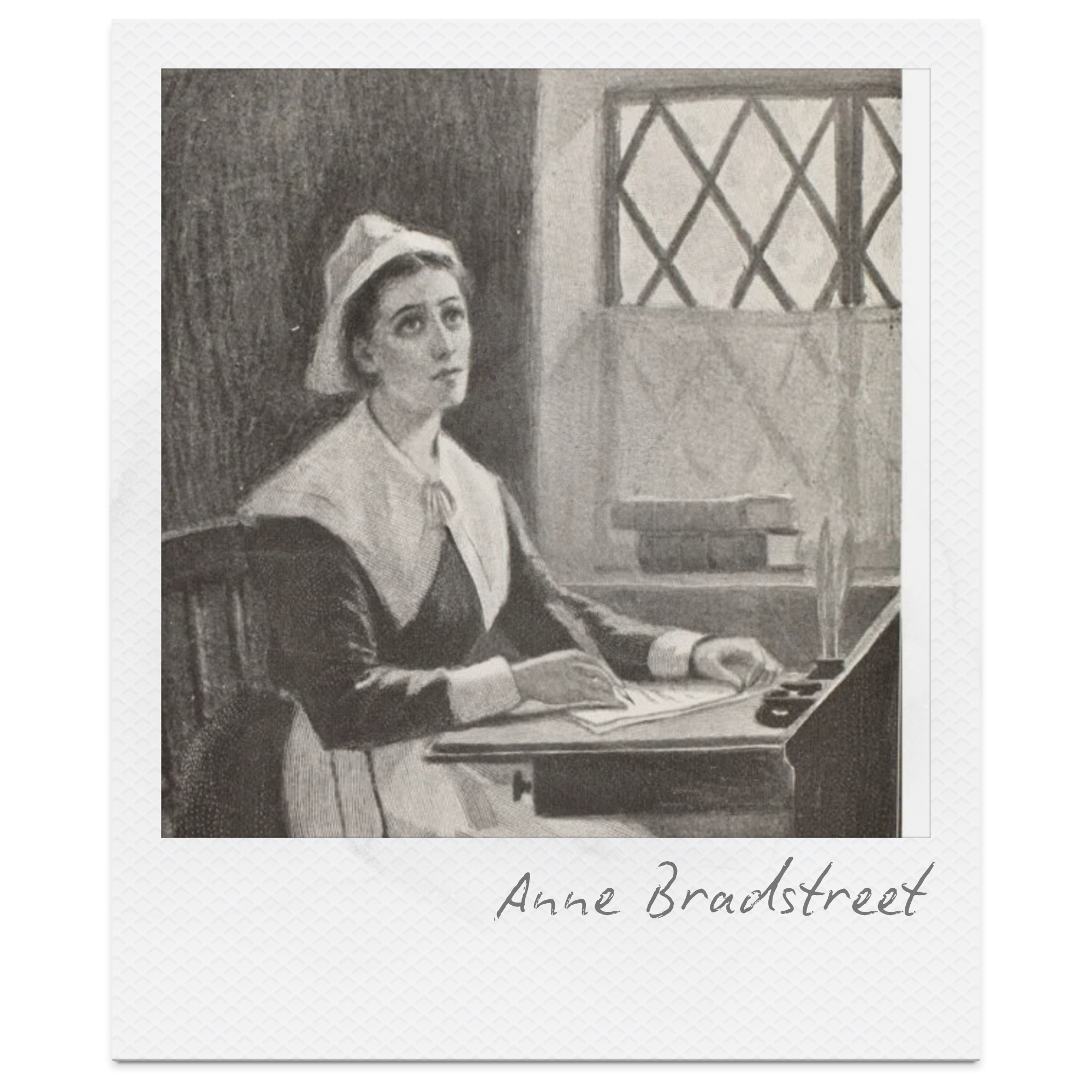
Context of To My Dear and Loving Husband
Anne Bradstreet was one of the earliest published poets in colonial America and one of the few prominent female voices writing within the deeply patriarchal Puritan society of the seventeenth century. Much of her poetry explores the intersections between love, faith, domestic life, emotional devotion, and spiritual reflection. Writing within a culture that often valued female silence and modesty, Bradstreet’s intensely personal expressions of marital affection were both emotionally intimate and quietly radical.
To My Dear and Loving Husband reflects aspects of both Puritan belief and the wider traditions of Renaissance and devotional love poetry. Puritan culture placed strong emphasis on marriage as a spiritual partnership rooted in mutual faith and moral companionship rather than purely physical desire. This religious influence shapes the poem’s repeated connection between romantic love and spiritual transcendence: “The heavens reward thee manifold, I pray.”
Love is therefore presented not simply as emotional fulfilment, but as something spiritually meaningful and potentially eternal.
At the same time, Bradstreet also draws upon conventions of idealised love poetry through her use of hyperbole, elevated comparisons, and extravagant declarations of affection. The speaker compares her husband’s love to:
“whole mines of gold”
“all the riches that the East doth hold”
These images reflect the influence of Renaissance poetic traditions in which love is presented as priceless, immeasurable, and beyond material value.
However, Bradstreet’s voice often feels more emotionally sincere and direct than the highly stylised performances found in many Renaissance love poems written by men. The poem’s intimacy and emotional openness create the impression of genuine personal devotion rather than purely rhetorical display.
The poem also reflects wider seventeenth-century religious anxieties surrounding mortality and the afterlife. The final couplet shifts beyond earthly affection toward spiritual permanence: “That when we live no more, we may live ever.”
This ending transforms marital love into something eternal, suggesting that emotional and spiritual unity may transcend death itself.
Bradstreet, therefore, combines religious devotion, emotional sincerity, and Renaissance poetic tradition to create a poem that explores love as simultaneously personal, spiritual, intimate, and transcendent.
To My Dear and Loving Husband: At a Glance
◆ Form: Rhyming lyric poem influenced by Renaissance love poetry and devotional verse traditions
◆ Tone and emotional movement: Intensely affectionate and admiring before shifting toward spiritual devotion and eternal hope
◆ Central tensions: Earthly love vs spiritual transcendence; emotional fulfilment vs human mortality; material wealth vs emotional value
◆ Core concerns: Marital devotion, emotional sincerity, spiritual unity, permanence, gratitude, and reciprocal love
◆ Dominant imagery: Gold, wealth, rivers, spiritual reward, eternity, emotional abundance
◆ Stylistic features: Hyperbole, repetition, direct address, religious imagery, rhetorical comparison, balanced syntax, elevated declarative voice
◆ Key themes: Love and devotion, spiritual unity, mortality and eternity, emotional fulfilment, gratitude, reciprocal affection, faith and transcendence
◆ One-sentence interpretation: Bradstreet presents marital love as emotionally complete and spiritually transcendent, using hyperbolic imagery, devotional language, and idealised declarations of affection to suggest that genuine love can surpass material wealth and endure beyond death itself.
Quick Summary of To My Dear and Loving Husband
The poem begins with the speaker declaring the exceptional depth of love, unity, and emotional devotion within her marriage, insisting that no relationship could equal the bond she shares with her husband. Bradstreet immediately establishes a tone of certainty and admiration through repeated declarations such as “If ever two were one, then surely we” and “If ever man were loved by wife, then thee.” The speaker compares her husband’s love to immense material wealth, claiming she values it more than “whole mines of gold” or “all the riches that the East doth hold,” emphasising that emotional and spiritual connection surpass worldly riches.
As the poem develops, the speaker increasingly presents love as something immeasurable, spiritually sustaining, and beyond repayment. The imagery shifts from material abundance toward religious and eternal ideas, particularly when the speaker prays that “The heavens reward thee manifold.” In the final couplet, the poem moves beyond earthly affection entirely, expressing the hope that their love will continue after death: “That when we live no more, we may live ever.” The ending transforms marital devotion into a form of spiritual transcendence, suggesting that genuine love can endure beyond mortality itself.
Title, Form, Structure and Metre in To My Dear and Loving Husband
Bradstreet’s formal choices are central to the poem’s presentation of devotion, certainty, and spiritual permanence. The poem’s tightly controlled rhythm, balanced couplets, and confident declarative voice create an impression of emotional stability and unwavering affection. At the same time, subtle variations in rhythm and rhyme introduce moments of emotional intensity and complexity beneath the poem’s apparent harmony.
Title
The title To My Dear and Loving Husband immediately establishes intimacy and direct emotional address. Unlike more abstract or symbolic poem titles, Bradstreet’s title feels deeply personal and emotionally sincere, foregrounding the relationship itself rather than a broader philosophical idea.
The repeated adjectives:
“Dear”
“Loving”
reinforce warmth, affection, and emotional closeness before the poem even begins. The title also frames the poem as both personal declaration and emotional offering, creating the impression that readers are witnessing private marital devotion rather than public literary performance.
At the same time, the title reflects the poem’s emphasis on mutual affection and emotional reciprocity. The husband is not simply admired; he is defined through loving emotional connection.
Form
The poem consists of twelve lines arranged into six rhyming couplets. Although it does not follow the strict structure of a Shakespearean or Petrarchan sonnet, the poem clearly draws upon traditions of Renaissance love poetry and highly controlled lyrical form.
The repeated couplets create a sense of balance and emotional completeness. Each pair of lines often functions as a self-contained declaration or comparison, reinforcing the speaker’s confidence and certainty.
For example:
“I prize thy love more than whole mines of gold,
Or all the riches that the East doth hold.”
The second line expands and intensifies the comparison established in the first, creating cumulative emotional emphasis.
The couplet form also contributes to the poem’s persuasive quality. Bradstreet repeatedly presents emotional declarations as though they are unquestionable truths, giving the poem rhetorical certainty and authority.
At the same time, the accumulation of couplets creates gradual emotional escalation. The poem moves from:
◆ emotional unity
◆ material comparison
◆ emotional fulfilment
◆ spiritual reward
◆ eternal love
This progression allows Bradstreet to transform marital affection into something spiritually transcendent by the ending.
Structure
Structurally, the poem develops through a series of increasingly expansive comparisons. The speaker repeatedly attempts to measure or articulate the depth of her love, only to suggest that it exceeds ordinary human value and language.
The opening lines establish emotional certainty immediately:
“If ever two were one, then surely we.”
This confident declarative structure creates a tone of absolute conviction from the beginning.
The middle section of the poem broadens the emotional scale through imagery of wealth, abundance, and natural force:
“whole mines of gold”
“rivers cannot quench”
The imagery becomes increasingly hyperbolic, suggesting that ordinary earthly comparisons are insufficient to capture the intensity of the speaker’s affection.
The final couplet then shifts the poem toward spiritual eternity:
“That when we live no more, we may live ever.”
This structural movement from earthly love toward eternal transcendence is crucial to the poem’s meaning. Bradstreet ultimately presents marital devotion not simply as emotional fulfilment, but as something spiritually enduring beyond mortality itself.
Rhyme Scheme
The poem follows a sequence of rhyming couplets:
AABBCCDDEEFF
This regular rhyme scheme reinforces the poem’s emotional confidence and structural balance. The paired rhymes mirror the speaker’s presentation of marital unity and reciprocity, creating formal harmony throughout the poem.
Most of the rhymes are strong and direct:
“gold / hold”
“can / can”
“pray / repay”
These firm rhymes contribute to the speaker’s certainty and emotional assurance. The poem rarely sounds hesitant or uncertain; instead, the rhyme scheme creates smoothness and rhetorical control.
However, Bradstreet occasionally introduces softer or less exact sonic pairings, particularly around:
“quench”
“recompense”
This slight disruption subtly complicates the poem’s otherwise seamless confidence. The imperfect rhyme appears in the section where the speaker claims that nothing except her husband’s love can satisfy or “recompense” her emotional devotion.
The slight sonic instability therefore reflects the difficulty of fully expressing or fulfilling such immeasurable affection.
Heroic Couplets and Elevated Subject Matter
The poem’s rhyming iambic pentameter couplets resemble what later became known as heroic couplets, a prestigious poetic form often associated with grand or elevated subjects.
Traditionally, heroic couplets were used for:
◆ philosophical reflection
◆ epic events
◆ political ideas
◆ moral argument
Bradstreet applies this elevated form to private marital love, subtly suggesting that emotional devotion and domestic intimacy possess equal dignity and significance.
This formal choice is particularly important given Bradstreet’s position as a female poet writing within a patriarchal society. By mastering a respected literary form associated largely with male writers, Bradstreet quietly asserts both her literary authority and the seriousness of female emotional experience.
Metre and Rhythm
The poem is primarily written in iambic pentameter, consisting of five metrical feet moving from an unstressed syllable to a stressed syllable:
“If EV | er TWO | were ONE | then SURE | ly WE”
The regular rhythm creates smoothness, stability, and emotional control, reinforcing the speaker’s unwavering confidence in the strength of the marriage.
The poem’s metrical consistency is especially striking because it reflects both emotional certainty and technical skill. Bradstreet demonstrates clear mastery of a prestigious poetic form traditionally dominated by male Renaissance poets such as Shakespeare and Spenser.
However, subtle rhythmic variations occasionally interrupt this smoothness. For example:
“The heavens reward thee manifold, I pray.”
contains a slightly more complex opening rhythm than many earlier lines. The shifting stresses create a brief metrical disturbance that slows the line and draws attention to the speaker’s movement toward spiritual and religious language.
This rhythmic shift becomes emotionally significant because the poem is beginning to transition from earthly affection toward divine reward and eternal transcendence.
The final lines also soften rhythmically through their gentler cadence:
“That when we live no more, we may live ever.”
The flowing rhythm reinforces the poem’s movement toward permanence, continuity, and spiritual endurance beyond death.
End-Stopping and Declarative Voice
The poem is heavily end-stopped, meaning that most lines conclude with punctuation or completed ideas. This creates:
◆ clarity
◆ rhetorical certainty
◆ emotional confidence
◆ controlled pacing
The speaker rarely sounds uncertain or fragmented. Instead, each line feels deliberate and self-assured, reinforcing the poem’s unwavering declarations of affection.
The repeated declarative phrasing:
“If ever…”
“I prize…”
“My love is such…”
also strengthens the speaker’s authority and conviction. Bradstreet presents her emotional experience as absolute and undeniable rather than tentative or uncertain.
At the same time, the poem’s controlled structure contrasts with the intensity of the emotions being expressed. The speaker’s passion is filtered through highly disciplined poetic form, creating tension between emotional abundance and formal restraint.
Formal Harmony and Emotional Idealism
Ultimately, Bradstreet’s tightly controlled form reflects the poem’s vision of emotional and spiritual harmony. The balanced couplets, regular metre, and confident structure all reinforce the speaker’s belief in:
◆ mutual devotion
◆ emotional fulfilment
◆ spiritual unity
◆ enduring love
Yet the poem’s gradual movement toward eternity also suggests awareness of mortality and human limitation beneath its confident declarations.
As a result, Bradstreet transforms a private love poem into something spiritually expansive and emotionally enduring, using formal harmony to reflect the idealised permanence of genuine marital devotion.
Voice, Perspective and Emotional Conflict in To My Dear and Loving Husband
The voice of To My Dear and Loving Husband is intensely intimate, emotionally assured, and spiritually sincere. Bradstreet presents the speaker’s devotion with striking confidence and directness, creating a poem that feels both deeply personal and carefully controlled. However, beneath the poem’s apparent certainty lie subtler tensions surrounding mortality, emotional dependence, spiritual longing, and the difficulty of expressing love that seems immeasurable.
Speaker
The poem is written in the first person, creating an immediate sense of emotional intimacy and personal sincerity. From the opening declaration, the speaker presents her marriage with complete conviction and emotional certainty.
The repeated use of:
◆ “I”
◆ “we”
◆ “thy”
reinforces the closeness and emotional exclusivity of the relationship. The poem continually centres mutual emotional connection rather than public admiration or social performance.
Unlike many Renaissance love poems that rely heavily on stylised seduction or exaggerated theatricality, Bradstreet’s voice feels unusually direct, honest, and emotionally authentic. The speaker does not appear to be performing affection for an audience; instead, the declarations feel deeply internalised and personally meaningful.
Perspective
The poem’s perspective is intensely personal and inward-looking. Bradstreet focuses almost entirely on the emotional and spiritual relationship between the speaker and her husband rather than wider society or external settings.
This narrow emotional focus creates a sense of emotional enclosure and unity. The lovers appear almost isolated within their shared devotion, separated from the material world through the intensity of their affection.
At the same time, the perspective gradually expands beyond earthly intimacy toward ideas of:
◆ eternity
◆ salvation
◆ spiritual permanence
The poem therefore moves from private emotional experience toward broader existential and religious concerns, widening its emotional and philosophical scope by the ending.
Tone
The dominant tone of the poem is one of certainty, admiration, and emotional fulfilment. The speaker repeatedly uses confident declarative phrasing, creating rhetorical authority and emotional assurance throughout.
The tone also becomes increasingly elevated through hyperbolic comparisons involving:
◆ “whole mines of gold”
◆ “all the riches that the East doth hold”
These extravagant images intensify the speaker’s admiration while reinforcing the idea that genuine emotional connection surpasses all material wealth.
However, beneath the confidence lies subtle emotional vulnerability. The speaker repeatedly attempts to quantify or articulate the depth of her love, yet continually implies that ordinary language and earthly comparison are insufficient.
The emotional certainty of the poem may therefore conceal an underlying awareness of:
◆ human limitation
◆ mortality
◆ the impossibility of fully expressing perfect love
Emotional Conflict
Although the poem appears harmonious on the surface, Bradstreet subtly introduces tensions between:
◆ earthly and spiritual love
◆ material wealth and emotional fulfilment
◆ mortality and eternity
◆ emotional abundance and human limitation
The speaker insists repeatedly that her husband’s love exceeds all worldly riches. However, the very need for such exaggerated comparisons suggests difficulty expressing love adequately through language itself.
The emotional conflict becomes especially visible when the speaker admits she can “no way repay” her husband’s devotion. Love therefore creates emotional indebtedness and imbalance despite the poem’s emphasis on reciprocity and unity.
This inability to “repay” affection introduces vulnerability beneath the poem’s confident declarations. The speaker appears overwhelmed by the scale of emotional and spiritual connection she experiences.
Spiritual Perspective and Transcendence
Religious and spiritual language gradually reshape the poem’s emotional perspective. The speaker ultimately places love within a divine framework, praying that:
◆ “The heavens reward thee manifold”
Love becomes spiritually meaningful rather than simply romantic or emotional.
This perspective reflects Puritan beliefs surrounding marriage as both emotional partnership and sacred spiritual union. The relationship is presented not as temporary earthly pleasure, but as something capable of transcending mortality itself.
The final couplet shifts fully toward ideas of:
◆ eternal life
◆ spiritual permanence
◆ transcendence beyond death
The tone here becomes quieter and more reflective, moving beyond material comparison toward spiritual continuity and everlasting unity.
Control and Emotional Restraint
Despite the intensity of the speaker’s affection, the poem remains formally restrained and highly controlled throughout. The regular metre, balanced couplets, and heavily end-stopped lines create composure, stability, and emotional discipline.
This contrast between emotional intensity and formal control is particularly important. Bradstreet’s passion never becomes chaotic or unstable; instead, it is shaped through measured poetic structure and rhetorical precision.
As a result, the poem’s emotional power comes not from dramatic instability, but from the tension between overwhelming devotion and the speaker’s effort to contain that feeling within carefully controlled poetic form.
Line-by-Line Analysis of To My Dear and Loving Husband
A close reading of To My Dear and Loving Husband reveals how Bradstreet transforms a seemingly straightforward declaration of marital devotion into a more layered exploration of love, spiritual unity, value, and emotional permanence. Through hyperbole, balanced structure, religious imagery, and increasingly expansive comparisons, the poem moves from private emotional intimacy toward ideas of transcendence and eternal connection. The poem’s tightly controlled voice and formal harmony reinforce the speaker’s certainty, while subtle tensions surrounding mortality, emotional indebtedness, and the limits of human expression emerge beneath its confident declarations.
Lines 1–2: absolute emotional unity
“If ever two were one, then surely we. / If ever man were loved by wife, then thee.”
Bradstreet opens the poem with emphatic declarative statements that immediately establish emotional certainty, marital unity, and idealised devotion. The repetition of “If ever” creates rhythmic insistence and rhetorical confidence, reinforcing the speaker’s belief that her relationship represents the ultimate example of successful marriage.
The phrase “two were one” symbolises complete emotional and spiritual union. The lovers are presented not as separate individuals, but as emotionally inseparable, reflecting both Puritan beliefs surrounding sacred marriage and wider Renaissance ideals of perfect romantic harmony.
The direct address “then thee” intensifies the poem’s intimacy while also elevating the husband into an almost idealised figure. Bradstreet immediately establishes a tone of emotional certainty and unwavering affection that shapes the rest of the poem.
Lines 3–4: competitive admiration and emotional fulfilment
“If ever wife was happy in a man, / Compare with me, ye women, if you can.”
Bradstreet continues the repeated conditional phrasing, building a sense of cumulative emotional intensity and rhetorical authority. The speaker presents herself as the ultimate example of marital happiness, reinforcing the poem’s atmosphere of complete emotional fulfilment.
The phrase “happy in a man” suggests emotional security, satisfaction, and psychological completeness within marriage. Love is presented not as temporary passion, but as stable and sustaining emotional partnership.
However, the challenge:
“Compare with me, ye women, if you can”
introduces a slightly more performative and competitive tone. The direct address to “ye women” broadens the poem outward briefly, transforming private affection into public declaration.
This moment subtly complicates the poem’s sincerity. The speaker appears so certain of her happiness that she invites comparison, yet the need to proclaim this superiority publicly also suggests an awareness that such emotional perfection may be difficult to communicate or prove fully.
Lines 5–6: love beyond material wealth
“I prize thy love more than whole mines of gold, / Or all the riches that the East doth hold.”
Bradstreet shifts toward expansive material imagery to communicate the immeasurable value of emotional devotion. The semantic field of:
◆ gold
◆ riches
◆ wealth
creates associations with abundance, luxury, and worldly power.
The reference to “the East” would have carried strong associations of exotic wealth and unimaginable riches for seventeenth-century readers. By claiming her husband’s love surpasses these treasures, the speaker elevates emotional and spiritual connection above all material value.
At the same time, the hyperbolic comparison reveals the limitations of language itself. The speaker repeatedly reaches for increasingly vast imagery because ordinary expression cannot adequately capture the scale of her affection.
The balanced structure of the couplet also reinforces emotional certainty and rhetorical control, reflecting the speaker’s unwavering confidence in the depth of her devotion.
Lines 7–8: immeasurable love and emotional exclusivity
“My love is such that rivers cannot quench, / Nor ought but love from thee give recompense.”
The imagery becomes increasingly symbolic and emotionally expansive. The metaphor:
“rivers cannot quench”
suggests that the speaker’s love possesses overwhelming emotional intensity that cannot be extinguished or diminished.
Traditionally, water imagery symbolises:
◆ life
◆ emotion
◆ cleansing
◆ renewal
Yet here even immense natural forces prove incapable of containing or weakening the speaker’s devotion. Bradstreet therefore presents love as something emotionally inexhaustible and spiritually powerful.
The word “recompense” introduces subtle emotional complexity. The speaker claims that nothing except reciprocal love from her husband can satisfy or repay her affection, creating tension between:
◆ emotional fulfilment
◆ dependence
◆ reciprocity
◆ emotional need
Love becomes emotionally exclusive, as no worldly reward or material possession can substitute for mutual affection.
The slight disruption in the rhyme between “quench” and “recompense” also subtly mirrors the impossibility of fully satisfying or measuring such immense love.
Lines 9–10: emotional indebtedness and spiritual reward
“Thy love is such I can no way repay; / The heavens reward thee manifold, I pray.”
These lines introduce one of the poem’s most important emotional tensions: the speaker’s inability to reciprocate fully despite the poem’s emphasis on mutual devotion.
The phrase “no way repay” suggests emotional indebtedness and humility. Although the relationship appears balanced and harmonious, the speaker feels overwhelmed by the scale of affection she receives.
This moment subtly destabilises the earlier certainty and reciprocity. Love becomes spiritually expansive and emotionally immeasurable rather than neatly balanced or transactional.
The appeal to “The heavens” marks a significant tonal and conceptual shift toward religious transcendence. Since earthly repayment is impossible, the speaker turns toward divine reward instead.
The word “manifold” reinforces the poem’s recurring imagery of abundance and overflowing generosity, suggesting limitless spiritual blessing and eternal reward.
Bradstreet therefore transforms marital affection into something spiritually sacred and connected to divine grace rather than merely earthly happiness.
Lines 11–12: eternal love and transcendence beyond mortality
“Then while we live, in love let’s so persever, / That when we live no more, we may live ever.”
The final couplet shifts fully toward ideas of:
◆ mortality
◆ eternity
◆ spiritual permanence
◆ transcendence beyond death
The phrase “while we live” acknowledges human mortality directly for the first time within the poem. Beneath the speaker’s confidence lies awareness that earthly life and physical existence are temporary.
However, Bradstreet immediately counters this limitation through the hope of eternal continuation:
“we may live ever.”
The repetition of “live” creates continuity between earthly existence and spiritual permanence, suggesting that genuine love can transcend death itself.
The word “persever” is especially significant because it implies endurance, commitment, and conscious emotional devotion. Love is presented not simply as feeling, but as something actively sustained through faith and loyalty.
The ending transforms the poem from a private declaration of affection into a meditation on eternal spiritual union. Marital love ultimately becomes symbolic of transcendence, permanence, and continuity beyond mortality itself.
Key Quotes and Literary Methods in To My Dear and Loving Husband
Bradstreet’s To My Dear and Loving Husband uses hyperbole, religious imagery, repetition, and carefully balanced structure to present marital love as emotionally fulfilling, spiritually meaningful, and capable of transcending mortality itself. Beneath the poem’s confident declarations, however, Bradstreet also explores tensions surrounding human limitation, emotional indebtedness, and the difficulty of expressing immeasurable affection fully.
“If ever two were one, then surely we.”
◆ Hyperbole immediately establishes the speaker’s belief that her marriage represents the ideal form of emotional and spiritual unity
◆ The phrase “two were one” symbolises complete emotional merging and inseparable partnership
◆ Bradstreet reflects both Puritan ideals of sacred marriage and wider Renaissance concepts of perfect romantic harmony
◆ The confident declarative tone creates emotional certainty and rhetorical authority
◆ The line establishes the poem’s recurring tension between earthly affection and idealised perfection
“If ever man were loved by wife, then thee.”
◆ The repetition of “If ever” reinforces emotional insistence and unwavering conviction
◆ Direct address creates intimacy and emotional closeness between speaker and husband
◆ Bradstreet elevates private marital devotion into something exceptional and almost universal
◆ The line’s balanced structure reflects the harmony and reciprocity within the relationship
◆ The speaker’s certainty contributes to the poem’s atmosphere of idealised emotional fulfilment
“Compare with me, ye women, if you can.”
◆ The direct address to “ye women” broadens the poem outward from private declaration into public comparison
◆ Bradstreet introduces a more performative and competitive tone beneath the emotional sincerity
◆ The challenge reflects the speaker’s confidence in the uniqueness of her marriage
◆ The line subtly complicates the poem’s intimacy by turning personal happiness into rhetorical display
◆ The phrase reinforces the speaker’s belief that her emotional fulfilment surpasses ordinary human experience
“I prize thy love more than whole mines of gold”
◆ Material imagery creates a semantic field of wealth, abundance, and worldly value
◆ Bradstreet presents emotional devotion as more valuable than material riches
◆ The hyperbolic comparison suggests that genuine affection transcends earthly measurement
◆ The verb “prize” emphasises emotional appreciation and reverence rather than possession
◆ The line reflects tensions between material wealth and spiritual or emotional fulfilment
“Or all the riches that the East doth hold.”
◆ The reference to “the East” evokes ideas of exotic luxury, abundance, and unimaginable wealth
◆ Bradstreet intensifies the scale of the comparison to emphasise the immeasurable value of love
◆ The line reflects Renaissance fascination with distant wealth and global trade
◆ Emotional devotion is presented as spiritually superior to worldly power or material possession
◆ The extravagant imagery reveals the speaker’s struggle to express love adequately through ordinary language
“My love is such that rivers cannot quench”
◆ Water imagery symbolises emotional force, renewal, and overwhelming intensity
◆ The metaphor suggests that the speaker’s love is inexhaustible and spiritually powerful
◆ Bradstreet uses hyperbole to present affection as something beyond natural limitation
◆ The image creates emotional expansiveness and dramatic intensity within the poem
◆ The line reinforces the idea that genuine love cannot be diminished or extinguished by external forces
“Nor ought but love from thee give recompense.”
◆ The word “recompense” introduces ideas of repayment, reciprocity, and emotional exchange
◆ Bradstreet suggests that no worldly reward can satisfy the speaker except mutual affection
◆ The line creates tension between emotional fulfilment and emotional dependence
◆ Love becomes emotionally exclusive, reinforcing the intensity of the marital bond
◆ The slight instability in the rhyme subtly mirrors the difficulty of fully repaying or expressing such immense devotion
“Thy love is such I can no way repay”
◆ The line introduces emotional humility and vulnerability beneath the poem’s earlier certainty
◆ The speaker admits that her husband’s affection exceeds ordinary forms of reciprocity
◆ Bradstreet complicates the poem’s emphasis on balance and mutuality by introducing emotional indebtedness
◆ The phrase suggests that genuine love becomes immeasurable and spiritually expansive
◆ The line deepens the emotional sincerity of the speaker’s devotion
“The heavens reward thee manifold, I pray.”
◆ Religious imagery transforms marital affection into something spiritually sacred
◆ The appeal to “The heavens” reflects Puritan beliefs surrounding divine reward and eternal salvation
◆ The word “manifold” reinforces ideas of abundance and limitless blessing
◆ Bradstreet shifts from earthly affection toward spiritual transcendence and divine grace
◆ The line suggests that human love ultimately exists within a larger spiritual framework
“That when we live no more, we may live ever.”
◆ The final line introduces themes of mortality, eternity, and spiritual permanence
◆ The repetition of “live” creates continuity between earthly existence and eternal life
◆ Bradstreet presents love as capable of transcending physical death itself
◆ The line transforms marital devotion into spiritual union and everlasting connection
◆ The ending elevates the poem from private love lyric into meditation on permanence, faith, and transcendence
Key Techniques in To My Dear and Loving Husband
Bradstreet uses a wide range of rhetorical, structural, and poetic techniques throughout To My Dear and Loving Husband to create an impression of unwavering emotional certainty and spiritual devotion. Beneath the poem’s formal harmony, however, these same techniques also reveal tensions surrounding mortality, emotional indebtedness, and the difficulty of expressing immeasurable love fully. The poem’s carefully controlled language transforms private marital affection into something elevated, idealised, and spiritually transcendent.
Hyperbole
Hyperbole is one of the poem’s most significant techniques. Bradstreet repeatedly uses extravagant comparisons and exaggerated declarations to communicate the intensity of her devotion.
The speaker claims she values her husband’s love more than:
◆ “whole mines of gold”
◆ “all the riches that the East doth hold”
These comparisons elevate emotional connection above material wealth, suggesting that genuine affection possesses limitless value.
Hyperbole was a common feature of Renaissance and Petrarchan love poetry, where poets often idealised love through exaggerated imagery and dramatic emotional declarations. However, Bradstreet subtly transforms this tradition. Rather than describing an unattainable or distant beloved, she applies this elevated language to an actual marriage and domestic relationship.
This gives the poem unusual emotional sincerity. The hyperbole feels both literary and deeply personal, allowing Bradstreet to elevate marital devotion into something spiritually and emotionally monumental.
At the same time, the repeated exaggeration hints at the limitations of ordinary language itself. The speaker continually reaches for increasingly vast imagery because human expression seems insufficient to contain the scale of her affection.
Anaphora and Repetition
The repeated opening phrase:
◆ “If ever”
creates strong anaphora in the opening section of the poem.
This repetition establishes:
◆ rhetorical confidence
◆ emotional insistence
◆ structural balance
◆ cumulative intensity
Each repeated declaration strengthens the speaker’s certainty that her marriage represents the ultimate example of emotional fulfilment.
Repetition also reinforces the poem’s atmosphere of unwavering devotion and emotional conviction. The speaker continually returns to the same ideas:
◆ love
◆ value
◆ unity
◆ reciprocity
◆ permanence
creating rhythmic emotional emphasis throughout the poem.
The repeated use of:
◆ “love”
◆ “live”
in the final couplet is especially important because it links emotional devotion with spiritual continuation and eternal life.
End-Stopped Lines
The poem is heavily end-stopped, meaning most lines conclude with punctuation and completed ideas.
This creates:
◆ composure
◆ clarity
◆ emotional control
◆ rhetorical certainty
The speaker rarely sounds fragmented, uncertain, or emotionally unstable. Instead, each line feels carefully measured and deliberately structured, reinforcing the poem’s atmosphere of emotional confidence.
The end-stopped structure also contributes to the poem’s declarative quality. Bradstreet presents her feelings as absolute truths rather than tentative emotional possibilities.
At the same time, the rigid control of the poem’s structure contrasts with the overwhelming intensity of the emotions being expressed, creating subtle tension between emotional abundance and formal restraint.
Apostrophe and Direct Address
The poem uses direct address throughout, speaking intimately to the husband through repeated references to:
◆ “thy”
◆ “thee”
This creates emotional immediacy and personal intimacy, making the poem feel private and sincere rather than distant or abstract.
The direct address also reinforces the exclusivity of the relationship. The speaker’s emotional focus remains entirely centred upon her husband, intensifying the sense of marital unity and emotional enclosure within the poem.
Unlike many male Renaissance love poems that idealise inaccessible or silent female figures, Bradstreet’s address feels grounded within mutual emotional connection and lived companionship.
Religious Allusion and Spiritual Language
Religious language becomes increasingly important as the poem progresses, particularly in:
◆ “The heavens reward thee manifold”
◆ “we may live ever”
These references reflect Puritan beliefs surrounding:
◆ divine reward
◆ salvation
◆ eternal life
◆ sacred marriage
Bradstreet presents love not merely as emotional fulfilment, but as spiritually meaningful and connected to divine grace.
The final couplet transforms the poem from a private love lyric into something spiritually transcendent, suggesting that genuine devotion may continue beyond physical death.
Material and Economic Imagery
The poem repeatedly uses the semantic field of:
◆ wealth
◆ gold
◆ riches
◆ reward
◆ recompense
This economic imagery frames love through ideas of value, exchange, and abundance.
However, Bradstreet continually emphasises that emotional and spiritual connection surpass material possession. Love becomes something beyond earthly measurement or transactional value.
The tension between:
◆ material wealth
◆ spiritual fulfilment
is central to the poem’s meaning. Although the speaker uses worldly riches as comparison points, she ultimately presents genuine affection as immeasurable and transcendent.
Caesura
Bradstreet occasionally uses caesura to create pauses that emphasise emotional intensity and rhetorical balance.
For example:
“If ever two were one, then surely we.”
The pause created by the comma slows the line and allows the speaker’s certainty to resonate more forcefully.
These internal pauses contribute to the poem’s controlled rhythm and reflective tone, reinforcing the sense that each declaration has been carefully considered and emotionally weighted.
Alliteration, Assonance, and Consonance
Bradstreet subtly uses sound devices throughout the poem to reinforce emotional harmony and lyrical smoothness.
Soft alliteration appears in phrases such as:
◆ “whole mines”
◆ “love let’s”
creating musical flow and emotional warmth.
Patterns of assonance and consonance also contribute to the poem’s controlled rhythm and gentle intimacy. Repeated soft vowel sounds help sustain the poem’s affectionate and meditative tone.
The sound patterns rarely feel aggressive or disruptive. Instead, they reinforce:
◆ emotional harmony
◆ unity
◆ tenderness
◆ spiritual calm
throughout the poem.
Symbolic Natural Imagery
Bradstreet’s natural imagery, particularly:
◆ “rivers cannot quench”
functions symbolically as well as metaphorically.
Water traditionally symbolises:
◆ renewal
◆ life
◆ emotional force
◆ purification
Yet the speaker’s love exceeds even these powerful natural forces. Bradstreet therefore presents affection as spiritually expansive and emotionally inexhaustible.
The imagery also introduces subtle emotional tension because the speaker repeatedly attempts to describe something that ultimately appears beyond human measurement or containment.
Structural Progression Toward Eternity
One of the poem’s most important techniques is its gradual structural escalation from earthly affection toward spiritual transcendence.
The poem moves progressively through:
◆ marital unity
◆ emotional fulfilment
◆ material comparison
◆ spiritual reward
◆ eternal continuation
This progression allows Bradstreet to transform private marital devotion into meditation on:
◆ permanence
◆ salvation
◆ transcendence beyond mortality
By the ending, love is no longer simply an emotional attachment, but a force capable of surviving death itself.
Symbolism in To My Dear and Loving Husband
Symbolism plays a central role in To My Dear and Loving Husband, allowing Bradstreet to elevate private marital affection into something spiritually expansive and emotionally transcendent. Through recurring images of wealth, water, heaven, and eternal life, the poem explores tensions between:
◆ earthly and spiritual fulfilment
◆ material value and emotional value
◆ mortality and permanence
◆ human love and divine reward
The symbols gradually shift the poem away from ordinary domestic affection toward ideas of sacred emotional unity and transcendence beyond death.
Gold and Riches
The repeated references to:
◆ “whole mines of gold”
◆ “riches”
symbolise worldly wealth, material abundance, and earthly value. Gold traditionally represents:
◆ luxury
◆ power
◆ desire
◆ material success
By claiming she values her husband’s love more highly than immense riches, Bradstreet presents emotional and spiritual connection as superior to all worldly possession.
The symbolism also reinforces the poem’s recurring tension between:
◆ material fulfilment
◆ spiritual fulfilment
The speaker repeatedly rejects physical wealth in favour of emotional intimacy and sacred devotion, reflecting wider Puritan ideals that valued spiritual virtue over earthly excess.
At the same time, the extravagant comparisons reveal how difficult the speaker finds it to express love adequately. She continually turns to increasingly vast symbols because ordinary language appears insufficient for the scale of her affection.
The East
The image of:
◆ “the East”
functions symbolically as a place of immense luxury, sensuality, and worldly abundance. For seventeenth-century Puritan readers, the East often represented exotic wealth and material excess rather than a realistic understanding of Eastern cultures themselves.
Within the poem, the East symbolises:
◆ earthly pleasure
◆ material temptation
◆ human luxury
◆ worldly abundance
By claiming her husband’s love surpasses “all the riches that the East doth hold,” the speaker symbolically rejects material desire in favour of emotional and spiritual fulfilment.
The image therefore reinforces the poem’s emphasis on:
◆ piety
◆ devotion
◆ sacred love
◆ spiritual value over materialism
At the same time, the symbol intensifies the scale of the speaker’s devotion because she compares love not merely to ordinary wealth, but to an almost limitless imagined abundance.
Rivers and Water Imagery
The image:
◆ “rivers cannot quench”
introduces powerful water symbolism into the poem.
Water traditionally symbolises:
◆ life
◆ renewal
◆ cleansing
◆ emotional force
◆ spiritual purification
However, Bradstreet transforms this symbolism by suggesting that even overwhelming natural forces cannot extinguish or contain her love. The speaker’s affection becomes emotionally inexhaustible and spiritually expansive.
The image also reinforces the poem’s use of hyperbole, presenting love as something beyond ordinary human limitation or natural control.
At a deeper level, the inability of rivers to “quench” love symbolises emotional permanence and intensity. Genuine devotion cannot be weakened by external forces because it exists on a spiritual rather than merely physical level.
Heavens
The reference to:
◆ “The heavens reward thee manifold”
marks an important symbolic shift toward religious transcendence and divine authority.
The “heavens” symbolise:
◆ God
◆ divine reward
◆ salvation
◆ eternal life
◆ spiritual judgement
Rather than simply thanking her husband emotionally, the speaker places their marriage within a sacred spiritual framework. Since she feels unable to “repay” his devotion herself, she turns toward divine blessing and eternal reward instead.
This symbolism reflects Puritan beliefs surrounding marriage as a spiritually significant relationship connected to morality, faith, and salvation.
The heavens therefore transform love from:
◆ private affection
into:
◆ sacred spiritual union
The image also broadens the poem’s emotional scope, moving beyond earthly intimacy toward eternal transcendence and divine permanence.
Eternal Life
The final image:
◆ “we may live ever”
symbolises spiritual continuity and transcendence beyond mortality.
The repeated references to:
◆ “live”
◆ “live ever”
create symbolic continuity between earthly existence and eternal spiritual life. Love becomes something capable of surviving physical death itself.
This symbolism reflects the poem’s broader movement away from material imagery toward:
◆ eternity
◆ salvation
◆ permanence
◆ spiritual union
The ending, therefore, transforms marital devotion into something almost sacred and immortal. Emotional connection becomes a force capable of transcending human limitation and mortality entirely.
At the same time, the final lines subtly acknowledge the fragility of earthly life. The speaker’s desire for eternal continuation emerges precisely because human existence is temporary.
Love as Spiritual Wealth
Across the poem as a whole, love itself becomes the poem’s most important symbol. Bradstreet repeatedly presents affection as a form of:
◆ spiritual richness
◆ emotional abundance
◆ sacred fulfilment
◆ eternal value
Unlike gold or material wealth, love cannot be measured, purchased, exhausted, or repaid fully. It exists beyond ordinary human systems of value and exchange.
By the end of the poem, love symbolises:
◆ permanence beyond death
◆ divine blessing
◆ spiritual transcendence
◆ complete emotional unity
Bradstreet, therefore, transforms marital affection into something emotionally immeasurable and spiritually eternal.
How Bradstreet Creates Meaning and Impact in To My Dear and Loving Husband
Bradstreet creates meaning and emotional impact in To My Dear and Loving Husband through the combination of hyperbolic imagery, formal harmony, religious symbolism, and unwavering emotional certainty. Although the poem initially appears to be a straightforward declaration of marital devotion, its carefully controlled structure and increasingly expansive imagery gradually transform private affection into something spiritually transcendent and emotionally monumental.
One of the poem’s most important effects comes from its repeated use of hyperbole. Bradstreet continually attempts to measure love through increasingly vast comparisons:
◆ “whole mines of gold”
◆ “all the riches that the East doth hold”
◆ “rivers cannot quench”
These exaggerated images elevate emotional devotion beyond ordinary human experience, suggesting that genuine love exceeds material wealth, natural force, and earthly value itself.
At the same time, the hyperbole also reveals the limitations of language. The speaker repeatedly turns toward larger and more dramatic imagery because ordinary expression seems incapable of fully capturing the depth of her affection. The poem therefore becomes partly about the struggle to articulate immeasurable emotional experience.
Bradstreet also creates impact through the poem’s tightly controlled structure and rhythm. The balanced rhyming couplets and regular iambic pentameter create emotional stability, certainty, and composure throughout the poem. This formal harmony reflects the speaker’s belief in:
◆ marital unity
◆ emotional fulfilment
◆ spiritual balance
The heavily end-stopped lines reinforce this control further. Each declaration feels complete, deliberate, and unwavering, strengthening the impression that the speaker’s devotion is absolute and unquestionable.
However, subtle tensions emerge beneath this formal certainty. The speaker repeatedly insists upon emotional completeness, yet moments such as:
◆ “I can no way repay”
introduce vulnerability and emotional imbalance. Although the marriage appears harmonious, the speaker feels overwhelmed by the magnitude of her husband’s love.
This tension between:
◆ certainty and vulnerability
◆ fulfilment and indebtedness
◆ earthly love and spiritual aspiration
adds emotional complexity beneath the poem’s idealised surface.
Religious imagery also plays a central role in shaping meaning. The reference to:
◆ “The heavens reward thee manifold”
broadens the poem beyond personal affection toward ideas of:
◆ divine grace
◆ salvation
◆ eternal reward
◆ spiritual transcendence
Bradstreet presents marriage not simply as emotional companionship, but as spiritually meaningful and connected to eternal life.
The final couplet becomes especially powerful because it shifts the poem away from earthly love toward permanence beyond death:
◆ “That when we live no more, we may live ever.”
The repetition of “live” creates continuity between mortal existence and eternal spiritual continuation. Love becomes something capable of transcending mortality itself.
Bradstreet also creates meaning through the contrast between material and spiritual value. The poem repeatedly references gold, riches, and worldly wealth only to reject them as inadequate beside emotional and spiritual fulfilment.
This reflects broader Puritan values, where spiritual devotion and moral connection were considered superior to material excess. However, Bradstreet’s emotional sincerity prevents the poem from feeling purely moralistic or doctrinal. The affection feels deeply personal and emotionally genuine rather than abstractly religious.
The poem’s lasting impact comes from this fusion of:
◆ emotional intimacy
◆ spiritual idealism
◆ formal restraint
◆ emotional intensity
Bradstreet transforms private marital devotion into something universal and transcendent, suggesting that genuine love possesses emotional, spiritual, and eternal significance beyond the limits of ordinary human life.
Central Ideas and Themes in To My Dear and Loving Husband
Bradstreet’s To My Dear and Loving Husband explores the emotional and spiritual significance of marriage through its intensely personal declarations of affection, expansive imagery, and religious perspective. Although the poem initially appears to celebrate idealised marital harmony, Bradstreet gradually reveals deeper tensions surrounding mortality, emotional indebtedness, and the human desire for permanence beyond earthly life.
Love and Devotion
At its core, the poem is a celebration of profound romantic devotion and emotional intimacy within marriage. The speaker repeatedly presents her relationship as the ultimate example of loving unity:
◆ “If ever two were one, then surely we.”
The hyperbolic declarations reinforce the depth of affection and emotional certainty that define the relationship.
Bradstreet presents love as:
◆ emotionally sustaining
◆ spiritually meaningful
◆ complete and unwavering
Unlike many Renaissance love poems that idealise distant or unattainable figures, Bradstreet grounds her devotion within an actual marriage, giving the poem emotional sincerity and intimacy.
At the same time, the intensity of the speaker’s declarations subtly suggests anxiety about expressing such immense affection adequately. The repeated exaggeration implies that ordinary language struggles to contain the scale of emotional experience.
Spiritual Unity
The poem repeatedly presents marriage as a form of spiritual union rather than merely emotional companionship. The phrase:
◆ “two were one”
symbolises the merging of separate identities into a shared emotional and spiritual existence.
This reflects both:
◆ Puritan beliefs surrounding sacred marriage
◆ wider Renaissance ideals of idealised romantic harmony
Love becomes something transcendent and morally significant rather than purely physical or worldly.
The final couplet deepens this spiritual dimension further by linking marital affection with eternal continuation beyond death itself:
◆ “we may live ever”
Bradstreet therefore presents love as a force capable of connecting human relationships to divine permanence and salvation.
Mortality and Eternity
Although the poem feels emotionally confident and celebratory, awareness of mortality gradually emerges beneath its idealised declarations.
The phrase:
◆ “when we live no more”
directly acknowledges the temporary nature of earthly existence. Human life is fragile and finite, even within the apparent perfection of marital devotion.
However, Bradstreet immediately counters this fear of impermanence through the hope of spiritual continuation:
◆ “we may live ever”
The poem therefore explores tension between:
◆ temporary human life
◆ eternal spiritual existence
Love becomes significant precisely because it offers the possibility of transcendence beyond death itself.
The final lines transform the poem from private declaration into meditation on permanence, eternity, and spiritual endurance.
Emotional Fulfilment
The speaker repeatedly presents marriage as the ultimate source of emotional happiness and satisfaction. The declaration:
◆ “If ever wife was happy in a man”
suggests complete emotional fulfilment and psychological contentment within the relationship.
The poem’s confident tone reinforces the impression that the speaker experiences profound emotional completeness through mutual devotion.
However, Bradstreet complicates this fulfilment through repeated suggestions that love cannot be fully measured, expressed, or repaid. Emotional abundance therefore exists alongside subtle awareness of human limitation and insufficiency.
The speaker appears fulfilled, yet also overwhelmed by the scale of emotional experience she attempts to articulate.
Gratitude
Gratitude becomes increasingly important as the poem develops. The speaker repeatedly emphasises appreciation for her husband’s affection and devotion.
This becomes especially clear in:
◆ “Thy love is such I can no way repay”
The speaker feels emotionally indebted because ordinary human reciprocity seems inadequate beside the magnitude of the love she receives.
Rather than presenting love as entitlement or possession, Bradstreet frames it as something precious and spiritually generous.
This gratitude deepens the emotional sincerity of the poem while also introducing subtle vulnerability beneath the speaker’s confident declarations.
Reciprocal Affection
The poem repeatedly emphasises mutual love and emotional reciprocity. The balanced structure, rhyming couplets, and symmetrical phrasing reinforce the harmony of the relationship.
Bradstreet presents marriage as:
◆ emotionally balanced
◆ mutually sustaining
◆ spiritually cooperative
However, the poem also complicates this reciprocity slightly. Although the relationship appears harmonious, the speaker repeatedly insists she cannot “repay” her husband’s devotion fully.
This introduces tension between:
◆ equality and emotional indebtedness
◆ mutual affection and emotional imbalance
The poem therefore acknowledges that genuine love may exceed simple systems of reciprocity or exchange.
Faith and Transcendence
Religious belief shapes the poem’s emotional and philosophical perspective throughout. References to:
◆ “The heavens”
◆ eternal life
◆ spiritual reward
frame marriage within a larger divine and moral structure.
Bradstreet presents love not merely as personal emotion, but as spiritually transformative and connected to salvation itself.
The poem ultimately suggests that genuine affection possesses:
◆ spiritual significance
◆ eternal permanence
◆ divine value
This movement toward transcendence is crucial to the poem’s meaning. The speaker’s love becomes larger than earthly existence, transforming marital devotion into something sacred, enduring, and spiritually eternal.
Alternative Interpretations of To My Dear and Loving Husband
Although To My Dear and Loving Husband initially appears to be a straightforward celebration of marital happiness, the poem becomes far more complex when examined through different interpretive lenses. Bradstreet’s use of hyperbole, religious imagery, emotional excess, and formal control allows the poem to explore tensions surrounding identity, mortality, emotional dependence, and the relationship between earthly and spiritual fulfilment.
Psychological Interpretation: emotional certainty masking vulnerability
From a psychological perspective, the poem’s repeated declarations of certainty may conceal underlying emotional vulnerability and insecurity.
The speaker continually insists upon the perfection of her marriage through emphatic statements such as:
◆ “If ever two were one”
◆ “If ever wife was happy in a man”
The repeated conditional phrasing creates rhetorical insistence, almost as though the speaker needs continually to reaffirm the relationship’s perfection.
The poem’s escalating hyperbole may therefore reflect not only emotional confidence, but anxiety about fully expressing or preserving such immense affection. The speaker repeatedly reaches for:
◆ gold
◆ riches
◆ eternal life
because ordinary language seems inadequate for the emotional experience she is attempting to articulate.
The admission:
◆ “I can no way repay”
also introduces emotional imbalance and vulnerability beneath the poem’s harmonious surface. The speaker appears overwhelmed by the scale of devotion she experiences, creating subtle tension between emotional fulfilment and emotional indebtedness.
Religious Interpretation: marriage as sacred spiritual union
A religious interpretation focuses on the poem’s strong Puritan influence and its presentation of marriage as spiritually meaningful rather than merely romantic.
The repeated emphasis on:
◆ unity
◆ devotion
◆ perseverance
◆ eternal life
reflects Puritan beliefs surrounding marriage as sacred partnership connected to divine grace and salvation.
The reference to:
◆ “The heavens reward thee manifold”
places the relationship within a larger spiritual framework governed by divine judgement and eternal reward.
The final couplet becomes especially important within this interpretation because marital love is presented as capable of transcending physical death:
◆ “we may live ever”
Love therefore becomes symbolic of spiritual permanence and salvation rather than simply emotional companionship.
From this perspective, the poem ultimately suggests that genuine marital devotion reflects divine order and sacred moral purpose.
Feminist Interpretation: female authority and emotional expression
A feminist interpretation may focus on Bradstreet’s position as a female poet writing within a deeply patriarchal seventeenth-century society.
At the time Bradstreet was writing, women were often discouraged from public intellectual or artistic expression. However, the poem demonstrates remarkable:
◆ rhetorical confidence
◆ technical control
◆ emotional authority
The speaker openly articulates female desire, admiration, and emotional fulfilment without apology or restraint.
Bradstreet also appropriates conventions associated with male Renaissance love poetry, particularly:
◆ hyperbole
◆ idealised praise
◆ elevated emotional language
Yet rather than describing a distant female muse, Bradstreet applies these techniques to a real marriage and mutual emotional partnership.
The poem therefore quietly challenges assumptions surrounding:
◆ female silence
◆ domestic passivity
◆ male literary authority
by presenting female emotional experience as worthy of elevated poetic treatment.
Existential Interpretation: love confronting mortality
The poem can also be interpreted existentially as an attempt to resist the impermanence of human life.
Although the speaker celebrates emotional fulfilment confidently, awareness of mortality gradually emerges beneath the poem’s idealised surface:
◆ “when we live no more”
This acknowledgement of death creates emotional urgency throughout the final lines. Love becomes meaningful precisely because human life is temporary and fragile.
The desire that:
◆ “we may live ever”
reflects the human longing for permanence beyond mortality and the fear that earthly happiness cannot last indefinitely.
From this perspective, the poem explores how emotional intimacy becomes a way of confronting existential uncertainty and human limitation.
Marxist Interpretation: rejecting material wealth in favour of spiritual value
A Marxist or materialist reading may focus on the poem’s repeated contrast between:
◆ material wealth
◆ emotional and spiritual fulfilment
The speaker references:
◆ “whole mines of gold”
◆ “all the riches that the East doth hold”
only to reject them as insignificant beside genuine affection.
On one level, this reflects Puritan suspicion toward worldly excess and material indulgence. However, the poem also critiques systems that measure value through wealth and possession.
Bradstreet instead presents emotional connection and spiritual devotion as forms of value that cannot be bought, exchanged, or quantified materially.
At the same time, the repeated reliance on wealth imagery suggests that even attempts to reject materialism remain shaped by economic language and systems of value.
Alternative Interpretation: idealised love as rhetorical performance
Another interpretation might suggest that the poem functions partly as rhetorical performance rather than purely spontaneous emotional confession.
The poem’s:
◆ tightly controlled structure
◆ balanced couplets
◆ carefully sustained hyperbole
◆ polished rhetorical style
create the impression of deliberate literary craftsmanship as much as personal sincerity.
The speaker repeatedly constructs an image of idealised marital perfection, possibly shaping emotional experience into a poetic ideal rather than documenting reality directly.
From this perspective, the poem becomes not simply an expression of love, but a construction of an idealised vision of marriage shaped by:
◆ literary tradition
◆ religious expectation
◆ cultural ideals of female devotion
The emotional certainty of the poem may therefore feel both genuine and carefully performed simultaneously.
Compare With Other Songs of Ourselves Volume 2 Poems
To My Dear and Loving Husband connects strongly with several poems in Songs of Ourselves: Volume 2 through its exploration of love, devotion, spiritual connection, identity, and emotional permanence. Comparing Bradstreet’s poem with others in the anthology reveals how different writers present intimacy as emotionally sustaining, psychologically complex, or spiritually transformative.
◆ Last Sonnet by John Keats – Both poems explore intense romantic devotion and the desire for permanence beyond ordinary human experience. Keats focuses more heavily on sensual intimacy and mortality, while Bradstreet frames love through spiritual unity and eternal continuation.
◆ The Bargain by Sir Philip Sidney – Both poems present love as emotionally reciprocal and deeply intimate. However, Sidney introduces stronger tensions surrounding identity, emotional possession, and psychological merging, whereas Bradstreet emphasises spiritual harmony and sacred marital devotion.
◆ Amoretti, Sonnet 86 by Edmund Spenser – Both poems use Renaissance poetic traditions and idealised declarations of affection. Spenser focuses more on poetic admiration and romantic idealism, while Bradstreet grounds emotional devotion within marriage, spirituality, and domestic partnership.
◆ I Dream of You… by Christina Rossetti – Both poems explore emotional longing and spiritual intimacy. Rossetti’s poem feels more melancholic and dreamlike, whereas Bradstreet’s voice remains emotionally confident, fulfilled, and certain.
◆ Heart and Mind by Edith Sitwell – Both poems explore emotional experience and internal feeling, but Sitwell presents conflict between emotion and rationality, while Bradstreet presents emotional devotion as harmonious and spiritually meaningful.
◆ Song by Alun Lewis – Both poems use lyrical intimacy and tenderness to explore emotional connection. Lewis’ poem feels quieter and more fragile, whereas Bradstreet’s declarations are more elevated, absolute, and spiritually expansive.
◆ Late Wisdom by George Crabbe – Both poems reflect on human relationships and emotional understanding. Crabbe presents love with greater realism and emotional distance, while Bradstreet idealises marital devotion and eternal connection.
◆ Homecoming by Lennie Peters – Both poems explore emotional belonging and personal connection. Peters focuses more on return, memory, and place, while Bradstreet centres emotional fulfilment within sacred marital unity.
◆ Sleep by Kenneth Slessor – Both poems explore ideas of transcendence and emotional continuity. Slessor approaches these ideas through dreamlike consciousness and abstraction, while Bradstreet links transcendence directly to spiritual love and eternal life.
Exam-Ready Insight
Strong AS Level responses to To My Dear and Loving Husband move beyond describing the poem as simply a loving tribute and instead explore how Bradstreet combines emotional sincerity, religious belief, and formal control to present marriage as both spiritually meaningful and emotionally transcendent. Perceptive essays analyse how Bradstreet uses hyperbole, material imagery, religious symbolism, and structural harmony to elevate private affection into something eternal and sacred.
Strong responses typically:
◆ Explore how Bradstreet uses hyperbole to communicate love that feels immeasurable and spiritually expansive
◆ Analyse the tension between material wealth and emotional or spiritual fulfilment
◆ Examine how the poem reflects Puritan beliefs surrounding marriage, devotion, and eternal life
◆ Analyse the significance of religious imagery and references to divine reward
◆ Explore how the poem’s balanced structure and controlled rhythm reinforce emotional certainty and harmony
◆ Discuss the importance of reciprocity and mutual affection within the relationship
◆ Analyse how Bradstreet transforms domestic marital love into something elevated and universal
◆ Explore the tension between earthly mortality and the desire for eternal continuation
◆ Track how the poem moves structurally from private emotional declaration toward spiritual transcendence
◆ Analyse how the speaker’s confidence occasionally reveals subtle emotional vulnerability or indebtedness
◆ Use short, embedded quotations naturally to support interpretation
◆ Move beyond feature spotting into analysis of effect, purpose, and emotional complexity
The strongest responses often focus on the poem’s movement from earthly affection toward spiritual permanence. Bradstreet presents love not simply as emotional happiness, but as something capable of transcending material value, human limitation, and even death itself.
Example Thesis Statement
In To My Dear and Loving Husband, Bradstreet presents marital love as emotionally fulfilling and spiritually transcendent, using hyperbolic imagery, balanced structure, and religious symbolism to suggest that genuine devotion surpasses worldly wealth and possesses the power to endure beyond mortality itself.
Model Analytical Paragraph
Bradstreet presents marital love as spiritually and emotionally immeasurable through her use of hyperbolic wealth imagery, balanced structure, and religious symbolism. The speaker declares that she values her husband’s love more than “whole mines of gold” or “all the riches that the East doth hold,” using a semantic field of wealth, luxury, and material abundance to elevate emotional devotion above earthly possession. These exaggerated comparisons emphasise that genuine affection possesses a form of spiritual richness that cannot be measured through ordinary human systems of value. At the same time, the speaker’s repeated reliance on increasingly vast imagery suggests the limitations of language itself, as ordinary expression becomes insufficient for the scale of her emotional experience. Bradstreet’s tightly controlled rhyming couplets and regular iambic pentameter further reinforce the harmony and certainty of the relationship, reflecting the speaker’s belief in perfect marital unity. However, this confidence is subtly complicated when the speaker admits that she can “no way repay” her husband’s devotion, introducing emotional vulnerability and a sense of human insufficiency beneath the poem’s idealised surface. The poem ultimately moves beyond earthly affection altogether in the final couplet, where the hope that “we may live ever” transforms marital love into something spiritually transcendent and capable of enduring beyond mortality itself.
Teaching Ideas for To My Dear and Loving Husband
To My Dear and Loving Husband works particularly well for advanced literary discussion because its apparently simple celebration of marital devotion conceals deeper tensions surrounding mortality, spiritual transcendence, emotional dependence, and the difficulty of expressing immeasurable affection. The poem encourages students to move beyond surface-level interpretations of romantic love and instead explore how Bradstreet combines religious belief, formal control, and emotional intensity to elevate private marriage into something spiritually eternal.
1. Exploring Love Beyond Material Wealth
This activity encourages students to examine how Bradstreet contrasts material richness with emotional and spiritual fulfilment. Students should explore how the poem repeatedly rejects worldly value systems in favour of sacred emotional connection.
◆ Why does Bradstreet compare love to “whole mines of gold” and “all the riches that the East doth hold”?
◆ How does the poem suggest that emotional or spiritual fulfilment is more valuable than material wealth?
◆ Does the repeated use of extravagant comparisons strengthen the sincerity of the poem or make the speaker seem performative?
2. Close Analysis Workshop: hyperbole and emotional sincerity
Students explore how Bradstreet uses hyperbole, repetition, and structure to communicate emotional intensity while maintaining formal restraint and composure.
◆ How does the repetition of “If ever” shape the poem’s tone and emotional certainty?
◆ Why does Bradstreet use such exaggerated imagery throughout the poem?
◆ How does the tightly controlled structure affect the presentation of emotion?
3. Comparative Anthology Discussion: love, devotion, and permanence
This discussion encourages students to compare how different poets within Songs of Ourselves: Volume 2 present romantic intimacy, emotional fulfilment, and spiritual or emotional permanence.
◆ Which poems in the anthology idealise love, and which present it as psychologically or emotionally complex?
◆ Compare Bradstreet’s presentation of love with another poem focused on intimacy or devotion.
◆ How do different poets explore the relationship between earthly affection and mortality?
4. Building Sophisticated Interpretations and Thesis Statements
This activity helps students move beyond descriptive analysis toward more conceptual literary arguments. Students should focus on connecting method, theme, and interpretation throughout their responses.
◆ Write a thesis statement exploring how Bradstreet presents marriage as spiritually transcendent.
◆ Develop a thesis focusing on the relationship between emotional fulfilment and mortality within the poem.
◆ Create a comparative thesis linking Bradstreet’s poem with another anthology poem exploring permanence or devotion.
5. Religious Context and Puritan Beliefs
Students explore how Puritan ideology shapes the poem’s presentation of marriage, emotional devotion, and eternal life.
◆ How does Bradstreet present marriage as spiritually significant rather than simply romantic?
◆ Why is the reference to “The heavens” important within the poem?
◆ How does the final couplet transform the poem from private declaration into spiritual meditation?
6. Unseen Poetry Preparation: intimacy and emotional voice
This activity helps students prepare for unseen poetry analysis by identifying how poets construct emotional sincerity and intimacy through voice and structure.
◆ How does Bradstreet create the impression of emotional authenticity?
◆ What role does formal control play in shaping the poem’s emotional impact?
◆ How does the speaker balance personal intimacy with elevated poetic language?
Go Deeper in To My Dear and Loving Husband
To My Dear and Loving Husband connects strongly with a range of poetry and prose exploring love, devotion, spiritual intimacy, and the desire for permanence beyond mortality. These texts work particularly well for broader literary study beyond the Songs of Ourselves: Volume 2 anthology.
◆ Sonnet 116 by William Shakespeare – Both poems present love as enduring, unwavering, and spiritually powerful. Shakespeare defines love through permanence and constancy, while Bradstreet focuses more heavily on emotional fulfilment, sacred marriage, and eternal continuation beyond death.
◆ A Valediction: Forbidding Mourning by John Donne – Both poems explore spiritual unity and emotional connection that transcends physical limitation. Donne presents love through intellectual metaphysical conceits, whereas Bradstreet uses emotional sincerity, religious devotion, and domestic intimacy.
◆ Remember by Christina Rossetti – Both poems confront mortality and the desire for emotional continuation beyond death. Rossetti’s poem is quieter and more melancholic, whereas Bradstreet remains emotionally confident and spiritually hopeful.
◆ Jane Eyre by Charlotte Brontë – Both texts explore emotional equality, spiritual connection, and love grounded in mutual respect rather than material wealth. Like Bradstreet, Brontë presents a genuine emotional and moral connection as more meaningful than worldly riches or social status.
Final Thoughts
To My Dear and Loving Husband remains a powerful exploration of love, devotion, and spiritual permanence, transforming private marital affection into something emotionally expansive and transcendent. Through its controlled structure, hyperbolic imagery, and religious symbolism, Bradstreet presents marriage not simply as emotional companionship, but as a sacred and enduring union capable of surpassing material wealth, human limitation, and even mortality itself.
Although the poem initially appears entirely harmonious and celebratory, Bradstreet subtly introduces tensions surrounding emotional indebtedness, the difficulty of expressing immeasurable affection, and the fragility of earthly existence. The speaker’s repeated attempts to articulate the depth of her love reveal both emotional certainty and awareness that ordinary language cannot fully contain such overwhelming devotion.
The poem’s lasting impact comes from this fusion of:
◆ emotional sincerity
◆ spiritual transcendence
◆ formal restraint
◆ emotional intensity
By the final couplet, Bradstreet elevates marital love into a form of eternal spiritual connection, suggesting that genuine devotion possesses permanence beyond death itself. The poem therefore becomes not only a celebration of marriage, but a meditation on faith, eternity, and the human desire for lasting emotional unity.
For more poetry analysis and anthology comparisons, explore the Songs of Ourselves Volume 2 Hub and the Literature Library.
Choose Your Next Text