Last Sonnet by John Keats: Themes, Meaning and Analysis
Last Sonnet by John Keats — widely known by its opening line, “Bright star, would I were stedfast as thou art” — explores the tension between human mortality, emotional intimacy, and the desire for permanence. Through celestial imagery, sensual physical detail, and shifting contrasts between isolation and closeness, Keats presents love as something both deeply comforting and painfully fragile. The poem moves between the cold permanence of the natural world and the transient reality of human experience, creating a speaker who longs to remain “stedfast” while also fearing the emotional detachment such permanence might require. For all Songs of Ourselves Volume 2 poems for Paper 1 of CIE AS Level Literature in English (2027 and 2028), explore the Songs of Ourselves Volume 2 Hub and the Literature Library for detailed analysis, revision support, and anthology comparisons.
Context of Last Sonnet
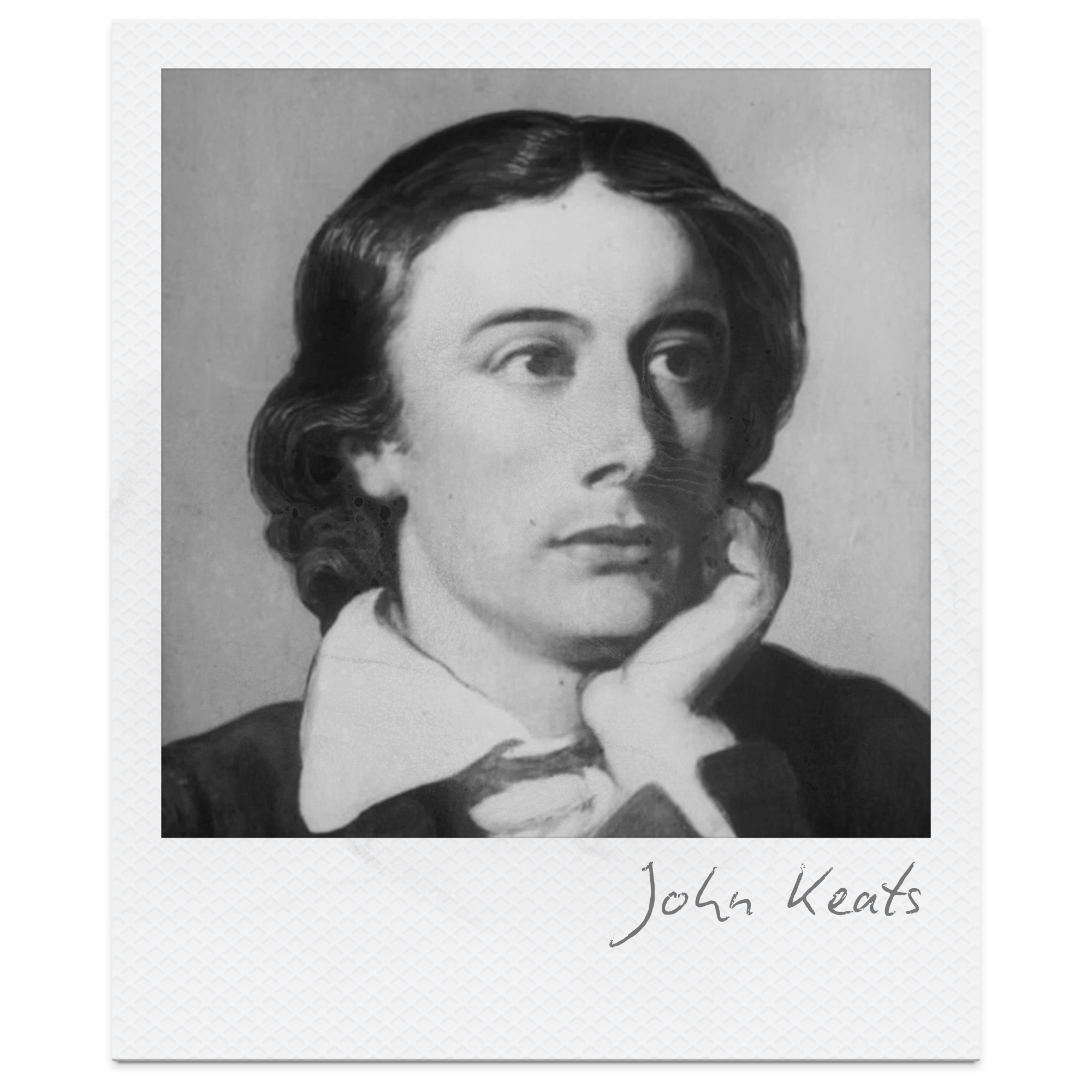
John Keats was one of the major poets of the Romantic movement, a literary period that emphasised emotion, imagination, nature, beauty, and individual experience. Romantic poets often explored the relationship between the human mind and the natural world, but Keats’ poetry is particularly shaped by an awareness of mortality, impermanence, and the fleeting nature of beauty. Unlike poets such as Wordsworth, who often found spiritual certainty in nature, Keats frequently presents beauty as something intense but temporary, creating poetry filled with emotional tension and vulnerability.
Keats’ life deeply influences Last Sonnet. He experienced repeated personal loss from an early age: his father died when he was a child, his mother later died from tuberculosis, and Keats himself would eventually die from the same illness at the age of twenty-five. This awareness of death and transience appears throughout his poetry, where moments of happiness or intimacy are often shadowed by fragility and impermanence. His relationship with Fanny Brawne is also important to the poem’s emotional intensity, as many readers interpret Last Sonnet as expressing both passionate devotion and fear of separation.
The poem itself is widely known by its opening line, “Bright star, would I were stedfast as thou art”, and reflects several important Romantic concerns. Keats combines the elevated imagery of the natural world with deeply personal emotion, moving between the distant permanence of the star and the physical intimacy of human love. The poem was likely written in the final years of Keats’ life, which gives its longing for permanence additional emotional resonance. Rather than presenting eternity as entirely comforting, however, the poem explores the uneasy tension between stillness and change, permanence and human connection, creating a speaker who desires constancy while remaining intensely attached to mortal experience.
Last Sonnet: At a Glance
◆ Form: Shakespearean-inspired sonnet blending Romantic emotional intensity with highly controlled structure
◆ Tone and emotional movement: Moves from distant admiration and contemplative stillness toward sensual intimacy, emotional vulnerability, and an uneasy awareness of mortality
◆ Central tensions: Permanence vs change; eternity vs human experience; emotional intimacy vs isolation; spiritual stillness vs physical desire
◆ Core concerns: Love, mortality, permanence, emotional devotion, the fragility of human life, and the desire to preserve moments of intimacy
◆ Dominant imagery: Celestial imagery, religious imagery, nature imagery, body imagery, breath, movement, sleep, and stillness
◆ Stylistic features: Elevated Romantic language, repetition, contrast, sensual physical detail, flowing enjambment, and shifts between abstract and intimate imagery
◆ Key themes: Love and devotion, mortality, permanence, emotional vulnerability, isolation, intimacy, and the tension between the eternal and the human
◆ One-sentence interpretation: Keats presents love as both transcendent and fragile, creating a speaker who longs for eternal emotional connection while recognising the inevitability of human mortality.
Summary of Last Sonnet
At the beginning of the poem, the speaker addresses a bright star, admiring its apparent steadfastness and permanence. The star is presented as detached from ordinary human life, watching the world from above with almost eternal vigilance. Keats uses images of the sea, snow, and the natural world to create a sense of vastness, purity, and distance, while also suggesting the cold isolation that comes with existing outside human experience.
As the poem develops, however, the speaker rejects the idea of remaining permanently isolated like the star. Instead, he longs to be emotionally constant while remaining physically close to his lover, resting beside her and listening to her breathing “for ever”. The final lines combine intense romantic intimacy with an awareness of mortality, as the speaker imagines either living forever within this moment of emotional closeness or “swoon[ing] to death”. The ending therefore leaves the poem suspended between eternal love, human fragility, and the fear that such perfect intimacy cannot truly last.
Title, Form, Structure and Metre in Last Sonnet
The formal structure of Last Sonnet reflects the speaker’s desire for permanence, stability, and emotional constancy, while also revealing moments of tension and instability beneath this longing. Keats combines the controlled traditions of the sonnet form with subtle disruptions in rhythm, structure, and sound, creating a poem that feels both carefully balanced and emotionally vulnerable.
Title
The title Last Sonnet immediately creates a sense of emotional finality. The word “Last” suggests endings, permanence, and mortality, all of which become central concerns throughout the poem. However, the poem is more widely known by its opening line, “Bright star, would I were stedfast as thou art”, which foregrounds the speaker’s longing for constancy from the very beginning.
The image of the star carries important symbolic associations. Stars traditionally suggest permanence, guidance, distance, and eternity, qualities the speaker admires and initially wishes to possess himself. Yet Keats quickly complicates this desire. While the star appears emotionally detached and eternally watchful, the speaker ultimately rejects complete isolation in favour of human intimacy and physical closeness. The title therefore introduces one of the poem’s key tensions: the conflict between eternal permanence and human emotional experience.
Form and Structure
The poem is a sonnet, a form traditionally associated with love, devotion, and emotional reflection. Keats draws heavily on the conventions of the Shakespearean sonnet, particularly through the poem’s fourteen-line structure and tightly controlled rhyme scheme. However, he also incorporates features associated with the Petrarchan sonnet, creating a hybrid form that mirrors the poem’s emotional complexity.
The poem follows the rhyme scheme:
ABABCDCDEFEFGG
The alternating rhymes of the opening twelve lines create a sense of balance and controlled progression, while the final rhyming couplet provides dramatic emotional emphasis. The couplet compresses the speaker’s emotional conflict into a striking final statement:
“Still, still to hear her tender-taken breath,
And so live ever—or else swoon to death.”
Here, Keats juxtaposes eternal life with death, suggesting that the intensity of human love exists dangerously close to emotional destruction. The sudden movement from permanence to collapse reflects the instability hidden beneath the speaker’s longing for constancy.
The poem’s volta, or turning point, occurs at line 9:
“No—yet still stedfast, still unchangeable,”
This shift is significant because the speaker moves away from describing the distant, isolated existence of the star and begins instead to imagine a form of permanence rooted in physical intimacy and emotional closeness. Unlike a traditional Shakespearean sonnet, where the turn often arrives near the closing couplet, Keats positions the volta earlier, more in line with the Petrarchan tradition. This gives the poem greater space to explore emotional reflection and longing after the shift in perspective.
Structurally, the poem also moves from the vast scale of the cosmos toward intensely intimate physical detail. The opening imagery focuses on stars, oceans, mountains, and snow, while the second half narrows inward toward the lover’s “breast” and “tender-taken breath”. This movement from the universal to the personal mirrors the speaker’s rejection of detached immortality in favour of emotional and physical connection.
Metre
The poem is written predominantly in iambic pentameter, the traditional metre of Shakespearean sonnets. Iambic pentameter consists of five metrical feet per line, with each foot usually containing an unstressed syllable followed by a stressed syllable:
da-DUM / da-DUM / da-DUM / da-DUM / da-DUM
For example:
“And watch | ing, with | eter | nal lids | apart”
The regular rhythm creates a sense of control, steadiness, and emotional restraint, qualities that reflect the speaker’s longing to become “stedfast”. The flowing movement of the metre also contributes to the poem’s reflective and meditative tone.
However, Keats repeatedly disrupts this regularity at moments of emotional intensity. The opening line begins with a spondaic substitution, where two stressed syllables appear together:
“Bright star”
This creates an abrupt and emphatic opening rather than the smoother movement expected from a regular iamb. The stress placed on both words immediately foregrounds the speaker’s emotional fixation on permanence and stability.
The line also contains further rhythmic irregularities:
“Bright star | would I | were sted | fast as | thou art”
While parts of the line return to iambic movement, the rhythm never feels entirely settled. This subtle instability mirrors the speaker’s emotional uncertainty. Although he desires constancy, the metre itself suggests underlying tension and vulnerability.
A similar disruption appears in line 9:
“No—yet | still sted | fast, still | unchange | able”
The repeated stresses in “still stedfast” interrupt the regular rhythm again, creating a heavier, more forceful sound. Keats therefore uses metrical variation not simply for technical effect, but to expose moments where emotional desire overwhelms formal control.
Rhyme Scheme and Sound
The poem’s tightly controlled rhyme scheme contributes to its sense of emotional intensity and formal precision. Most of the rhymes are perfect rhymes, such as:
“shores” / “moors”
“night” / “bright”
These full rhymes reinforce the poem’s atmosphere of balance and harmony, reflecting the speaker’s idealised vision of permanence and emotional unity.
However, Keats also introduces subtle imperfections. The relationship between “unchangeable” and “swell” functions as a weaker or partial rhyme, disrupting the otherwise smooth pattern of sound. This slight instability may reflect the tension between the speaker’s desire for permanence and the reality of physical movement and human change.
Sound patterns throughout the poem further reinforce its emotional atmosphere. Keats frequently uses soft sibilance and flowing consonants:
“Still, still to hear her tender-taken breath”
The repeated s sounds create a hushed, intimate tone, mirroring the quiet physical closeness the speaker longs to preserve forever. Elsewhere, Keats uses long vowel sounds and flowing enjambment to slow the rhythm and create a dreamlike sense of suspended time.
At the same time, moments of heavier stress and interruption prevent the poem from becoming entirely calm or harmonious. Beneath the smooth musicality lies an awareness that the permanence the speaker desires may ultimately be impossible within human life.
Voice, Perspective and Emotional Conflict in Last Sonnet
Keats creates a speaker whose voice shifts between admiration, longing, vulnerability, and emotional uncertainty. Although the poem initially appears calm and controlled, the speaker’s language gradually reveals deeper tensions surrounding permanence, intimacy, and mortality. The poem therefore becomes not simply a declaration of love, but an exploration of the emotional contradictions involved in desiring permanence within a transient human world.
Speaker
The speaker presents himself as intensely reflective and emotionally vulnerable. From the opening line, the direct address to the “Bright star” immediately establishes a deeply personal voice, as though the speaker is confiding in an eternal presence. The use of the first-person phrase:
“would I were stedfast as thou art”
reveals both admiration and longing, suggesting that the speaker feels emotionally unsettled or vulnerable within human experience.
At the same time, the speaker’s voice remains highly controlled and articulate. The poem’s elevated diction and carefully structured syntax suggest intellectual self-awareness rather than uncontrolled emotional outpouring. This combination of emotional intensity and formal restraint reflects a key feature of Keats’ poetry: powerful feeling shaped through careful artistic control.
The speaker also appears deeply conscious of time and mortality. His longing to remain forever beside his lover suggests an awareness that such moments cannot truly last. As a result, the voice often carries an undercurrent of anxiety beneath its apparent tenderness.
Perspective
The poem moves between two contrasting perspectives: the distant, eternal perspective of the star and the intimate, physical perspective of human love. In the opening octave, the speaker imagines the star as detached from ordinary human existence, “hung aloft the night” and endlessly observing the world below. This elevated perspective creates a sense of permanence, stillness, and emotional isolation.
However, the speaker ultimately rejects this detached existence. The volta at line 9 marks a significant shift in perspective:
“No—yet still stedfast, still unchangeable,”
The abrupt “No” interrupts the earlier idealisation of the star and redirects the poem toward physical intimacy and human connection. Rather than desiring complete emotional detachment, the speaker wants permanence within human experience itself.
The imagery consequently becomes far more intimate and bodily:
“Pillow’d upon my fair love’s ripening breast”
The movement from cosmic imagery toward physical closeness narrows the poem’s perspective dramatically. The speaker shifts from contemplating eternity on a universal scale to focusing entirely on the rise and fall of a lover’s breathing. This transition reflects the Romantic belief that profound meaning can be found within intensely personal emotional experience.
Emotional Conflict
One of the poem’s most important features is its emotional contradiction. The speaker longs for permanence, but he does not truly want the cold isolation associated with eternity. The star initially appears admirable because of its constancy, yet Keats also presents it as emotionally detached and separated from human warmth.
This creates a central emotional conflict within the poem. The speaker wants to remain:
“still stedfast, still unchangeable”
yet he also wants to experience movement, intimacy, and physical closeness. The lover’s body is described through images of motion and life:
“its soft fall and swell”
This contrast becomes especially important because the speaker’s desired permanence depends upon something inherently temporary and changing: the human body.
The phrase “sweet unrest” further captures this contradiction. The oxymoron combines comfort and disturbance, suggesting that emotional fulfilment itself contains instability. Love brings pleasure and intimacy, but it also intensifies awareness of vulnerability, loss, and mortality.
The final line leaves this emotional conflict unresolved:
“And so live ever—or else swoon to death.”
The speaker presents only two extreme possibilities: eternal existence within perfect intimacy or emotional collapse through death. The dramatic contrast suggests that the intensity of the speaker’s desire cannot comfortably exist within ordinary human limitations. Rather than resolving the tension between permanence and mortality, Keats leaves the poem suspended between longing and inevitable loss.
Line-by-Line Analysis of Last Sonnet
A close analysis of Last Sonnet reveals how carefully Keats layers imagery, sound, structure, and emotional contradiction throughout the poem. Although the sonnet appears highly controlled on the surface, its shifting rhythms, changing perspectives, and contrasting images of permanence and intimacy create increasing emotional tension beneath the speaker’s desire for constancy. The poem moves gradually from the distant stillness of the eternal star toward intensely physical human closeness, allowing Keats to explore the uneasy relationship between love, mortality, and the longing to preserve fleeting emotional experience.
Lines 1–2: longing for permanence and rejecting isolation
“Bright star, would I were stedfast as thou art—
Not in lone splendour hung aloft the night”
The poem opens with a direct apostrophe to the “Bright star”, immediately creating a tone of admiration, longing, and emotional intensity. The adjective “Bright” carries associations of beauty, guidance, purity, and permanence, establishing the star as something idealised and seemingly untouched by human instability. At the same time, stars are distant and unreachable, introducing a subtle tension between admiration and separation from the very beginning.
The phrase “would I were stedfast as thou art” reveals the speaker’s longing for emotional permanence and stability. The archaic diction gives the line a formal, elevated quality, reinforcing the seriousness and intensity of the desire being expressed. The word “stedfast” becomes one of the poem’s key ideas because it suggests constancy, endurance, and resistance to change — qualities the speaker feels human life and love cannot fully achieve.
However, the second line immediately complicates this desire. The speaker does not want to remain:
“in lone splendour hung aloft the night”
The phrase “lone splendour” creates a striking paradox. Although the star appears magnificent and eternal, it is also isolated and emotionally detached. Keats therefore presents permanence as something potentially cold and solitary rather than entirely desirable.
The verb “hung” contributes to the sense of suspension and stillness, as though the star exists outside ordinary human movement and time. Meanwhile, the elevated positioning “aloft the night” reinforces the emotional and physical distance between the star and human experience below.
Structurally, these opening lines establish one of the poem’s central conflicts: the speaker desires the star’s permanence but rejects the emotional isolation required to achieve it. The poem therefore begins not with certainty, but with contradiction and emotional tension.
Lines 3–4: eternal vigilance and spiritual isolation
“And watching, with eternal lids apart,
Like nature’s patient, sleepless Eremite,”
Keats continues to develop the image of the star as permanently observant and detached from ordinary human life. The participle “watching” creates a sense of continuous, unending action, reinforcing the idea that the star exists outside human time and change. The phrase “eternal lids apart” personifies the star as a figure incapable of sleep or rest, suggesting endless vigilance and awareness.
At the same time, this image introduces emotional discomfort beneath the apparent perfection of permanence. Sleep is usually associated with peace, vulnerability, and human intimacy, so the inability to close one’s eyes suggests isolation rather than fulfilment. The star’s permanence therefore begins to feel unnatural and emotionally detached.
The simile:
“Like nature’s patient, sleepless Eremite,”
deepens this sense of solitude. An “Eremite”, or hermit, traditionally withdraws from society for spiritual contemplation and isolation. Keats therefore transforms the star into a figure of lonely devotion, separated from ordinary human connection.
The adjective “patient” is especially important because it suggests endurance, stillness, and self-control, qualities the speaker admires but may also fear. The combined phrase “patient, sleepless Eremite” creates an image that is simultaneously noble and unsettling, reinforcing the poem’s growing tension between permanence and emotional isolation.
Sound also contributes to the reflective atmosphere of the lines. The soft sibilance in:
“sleepless Eremite”
creates a hushed, almost reverential tone, while the flowing syntax allows the sentence to continue without pause, mirroring the endless, uninterrupted watching of the star itself.
Lines 5–6: purification and the distance from humanity
“The moving waters at their priestlike task
Of pure ablution round earth’s human shores,”
Keats shifts toward religious imagery as the star watches the natural world below. The phrase “priestlike task” personifies the waters as performing a sacred ritual, transforming ordinary natural movement into something spiritual and ceremonial.
The noun “ablution” refers to ritual cleansing, often associated with purification before religious worship. This imagery elevates the natural world into something sacred, suggesting that nature itself possesses spiritual significance and order. The sea appears engaged in an eternal act of cleansing “earth’s human shores”, reinforcing the contrast between permanent natural cycles and fragile human existence.
However, there is also emotional distance within these lines. The star does not participate in the world below; it merely watches. The speaker increasingly recognises that eternal permanence requires separation from direct human experience.
The contrast between “moving waters” and the stillness of the star is also significant. Water imagery traditionally suggests movement, change, and the passage of time, while the star symbolises permanence and fixity. Keats therefore places fluidity and stillness side by side, reinforcing the poem’s central tension between change and constancy.
The long vowel sounds and flowing rhythm of:
“moving waters at their priestlike task”
slow the pace of the line and create a calm, meditative atmosphere. Yet beneath this serenity lies an awareness that the eternal perspective of the star remains emotionally detached from the warmth and immediacy of human life.
Lines 7–8: purity, stillness, and emotional coldness
“Or gazing on the new soft-fallen mask
Of snow upon the mountains and the moors—”
Keats continues the image of the star silently observing the world below, but the natural imagery becomes increasingly associated with stillness, distance, and emotional detachment. The verb “gazing” reinforces the passive role of the star, which remains permanently separated from direct human experience.
The phrase “soft-fallen mask” is especially significant because it introduces ambiguity into the imagery of snow. On one level, snow appears beautiful, peaceful, and pure, covering the landscape in silence and whiteness. However, the word “mask” also suggests concealment, artificiality, or emotional hiding. Rather than simply beautifying the landscape, the snow obscures and covers what lies beneath.
This creates a subtle tension between surface beauty and emotional emptiness. The snow transforms the landscape into something visually perfect but potentially lifeless and cold, reflecting the speaker’s growing awareness that eternal stillness may come at the cost of warmth, movement, and intimacy.
The imagery of “mountains and the moors” expands the scale of the natural world again, creating a vast and isolated landscape. Both settings traditionally suggest solitude and emotional distance in Romantic poetry. Keats therefore surrounds the star with images of grandeur and permanence while simultaneously deepening the sense of separation from ordinary human life.
The soft alliteration and flowing consonants in:
“soft-fallen mask”
create a gentle, hushed atmosphere that mirrors the quiet settling of snow itself. Yet beneath this calm musicality lies a growing emotional unease, as the speaker increasingly recognises the loneliness hidden within permanence and stillness.
Lines 9–10: the volta and the turn toward human intimacy
“No—yet still stedfast, still unchangeable,
Pillow’d upon my fair love’s ripening breast,”
The abrupt “No” marks the poem’s decisive volta, or turning point. The dash creates a sudden interruption, breaking the reflective flow of the earlier lines and signalling the speaker’s rejection of the star’s complete emotional isolation.
However, the speaker does not abandon the desire for permanence entirely. The repetition:
“still stedfast, still unchangeable”
shows that he continues to long for constancy and permanence, but now within human intimacy rather than detached eternity.
The repetition of “still” creates emphasis and emotional intensity, while the heavy stresses disrupt the regular rhythm of the line. These metrical irregularities subtly reveal emotional instability beneath the speaker’s apparent certainty. The longing for permanence becomes increasingly desperate rather than calm or controlled.
The imagery then shifts dramatically from the vast natural world to intimate physical closeness:
“Pillow’d upon my fair love’s ripening breast,”
The verb “Pillow’d” suggests softness, comfort, and emotional surrender, contrasting sharply with the cold remoteness of the star. Keats replaces cosmic distance with bodily intimacy.
The phrase “ripening breast” introduces sensual and physical imagery that emphasises warmth, life, and human change. The word “ripening” is particularly important because it implies growth, development, and eventual decline. Unlike the eternal star, the human body exists within time and mortality.
This creates one of the poem’s central contradictions: the speaker longs for permanence while physically embracing something inherently temporary and changing.
Lines 11–12: intimacy, movement, and emotional contradiction
“To feel for ever its soft fall and swell,
Awake for ever in a sweet unrest,”
These lines intensify the poem’s sensual physical imagery. The phrase:
“soft fall and swell”
captures the natural rhythm of breathing, emphasising movement, tenderness, and physical life. Unlike the frozen stillness associated with the star earlier in the poem, the lover’s body is defined by continuous motion and change.
The soft alliteration and long vowel sounds slow the rhythm of the line, creating a soothing and intimate atmosphere. Keats’ language becomes almost hypnotic, mirroring the repetitive rise and fall of breath itself.
At the same time, the repetition of “for ever” reveals the speaker’s desperate desire to preserve this moment permanently. The poem increasingly presents intimacy as something the speaker wishes to suspend outside ordinary time.
However, Keats immediately complicates this fantasy through the oxymoron:
“sweet unrest”
The phrase combines comfort and disturbance, pleasure and anxiety. Although the speaker experiences emotional fulfilment, he also remains unable to find complete peace. Love becomes both sustaining and destabilising.
The phrase “Awake for ever” further reinforces this tension. Eternal wakefulness resembles the sleeplessness of the star earlier in the poem, suggesting that the speaker cannot entirely escape the emotional cost of permanence. Even within intimacy, there remains an undercurrent of unease and vulnerability.
Lines 13–14: eternity, mortality, and emotional extremity
“Still, still to hear her tender-taken breath,
And so live ever—or else swoon to death.”
The repetition of “Still, still” creates a sense of emotional fixation and longing, as though the speaker wishes to freeze this moment permanently. The soft consonants and breath-like rhythm of the line mirror the quiet intimacy being described.
The phrase “tender-taken breath” emphasises fragility and vulnerability. Breath becomes symbolic of life itself, but also of its temporary nature. The speaker’s desire to remain forever listening to this breathing therefore reflects both love and fear of inevitable loss.
The final line introduces the poem’s most dramatic emotional contrast:
“live ever—or else swoon to death”
Keats juxtaposes eternal existence with collapse and death, allowing no ordinary middle ground between them. The speaker imagines either permanent emotional fulfilment or complete destruction, revealing the overwhelming intensity of his desire.
The verb “swoon” is particularly important because it suggests both ecstatic pleasure and physical collapse. This ambiguity reflects the poem’s continual blending of love, vulnerability, and mortality.
Structurally, the final rhyming couplet gives the ending a sense of compression and emotional finality. However, the poem does not fully resolve its tensions. Instead, Keats leaves the speaker suspended between permanence and impermanence, intimacy and loss, creating an ending that feels emotionally unresolved despite its formal closure.
Key Quotes and Literary Methods in Last Sonnet
Keats’ language in Last Sonnet combines Romantic imagery, emotional vulnerability, and tightly controlled poetic form to explore permanence, intimacy, and mortality. The poem’s key quotations reveal how imagery, sound, rhythm, and structural contrasts work together to create layered emotional meaning.
“Bright star, would I were stedfast as thou art—”
◆ Method or literary feature: Apostrophe, celestial imagery, archaic diction, symbolism
◆ Interpretation and implied meaning: The speaker directly addresses the “Bright star”, immediately establishing admiration for its permanence and constancy. The word “stedfast” reflects the speaker’s longing for emotional stability and permanence.
◆ Why Keats uses it: Keats introduces the central tension of the poem immediately, presenting permanence as both desirable and emotionally distant.
◆ Emotional/intellectual effect: The line creates a reflective and yearning tone while also suggesting emotional vulnerability beneath the speaker’s idealisation of constancy.
◆ Broader conceptual significance: The quotation introduces the conflict between eternal permanence and fragile human experience that shapes the entire sonnet.
“Not in lone splendour hung aloft the night”
◆ Method or literary feature: Contrasting imagery, metaphor, isolation imagery
◆ Interpretation and implied meaning: Although the star appears magnificent, the phrase “lone splendour” emphasises emotional isolation and separation from human intimacy.
◆ Why Keats uses it: Keats complicates the speaker’s admiration of permanence by associating eternity with loneliness and emotional detachment.
◆ Emotional/intellectual effect: The line creates tension between admiration and discomfort, preventing the star from appearing entirely ideal.
◆ Broader conceptual significance: Permanence in the poem becomes inseparable from emotional isolation, making the speaker’s desire increasingly conflicted.
“Like nature’s patient, sleepless Eremite,”
◆ Method or literary feature: Simile, religious imagery, personification
◆ Interpretation and implied meaning: The star is compared to a hermit-like religious figure permanently withdrawn from ordinary human life.
◆ Why Keats uses it: The comparison transforms the star into a symbol of spiritual isolation and eternal observation.
◆ Emotional/intellectual effect: The phrase creates both reverence and unease, suggesting that permanence requires emotional sacrifice.
◆ Broader conceptual significance: Keats presents eternity as detached from human warmth, intimacy, and vulnerability.
“The moving waters at their priestlike task”
◆ Method or literary feature: Religious imagery, personification, flowing rhythm
◆ Interpretation and implied meaning: Nature is presented as performing a sacred ritual, elevating the sea into something spiritual and eternal.
◆ Why Keats uses it: The religious imagery reinforces the grandeur and permanence of the natural world.
◆ Emotional/intellectual effect: The line creates a calm, meditative atmosphere while emphasising the distance between eternal cycles and temporary human life.
◆ Broader conceptual significance: Nature appears vast, ordered, and enduring in contrast to human mortality.
“Of pure ablution round earth’s human shores,”
◆ Method or literary feature: Religious symbolism, purification imagery
◆ Interpretation and implied meaning: The sea symbolically cleanses the world through endless ritualistic movement.
◆ Why Keats uses it: Keats uses purification imagery to present nature as timeless and spiritually significant.
◆ Emotional/intellectual effect: The elevated diction creates reverence and solemnity.
◆ Broader conceptual significance: Human life appears fragile and temporary beside the eternal rhythms of nature.
“the new soft-fallen mask / Of snow”
◆ Method or literary feature: Symbolism, visual imagery, ambiguity
◆ Interpretation and implied meaning: The snow appears beautiful and pure, yet the word “mask” implies concealment, artificiality, or emotional suppression.
◆ Why Keats uses it: The imagery complicates the apparent perfection of stillness and permanence.
◆ Emotional/intellectual effect: The quotation creates subtle emotional unease beneath the calm imagery.
◆ Broader conceptual significance: Surface beauty in the poem often hides emotional emptiness or detachment.
“No—yet still stedfast, still unchangeable,”
◆ Method or literary feature: Volta, repetition, metrical disruption
◆ Interpretation and implied meaning: The speaker rejects the star’s emotional isolation while still longing for permanence and constancy.
◆ Why Keats uses it: The abrupt “No” marks the poem’s turning point, redirecting the focus from distant eternity toward human intimacy.
◆ Emotional/intellectual effect: The repeated stresses create urgency and emotional intensity beneath the speaker’s apparent certainty.
◆ Broader conceptual significance: The poem attempts to reconcile permanence with emotional closeness, even though the two remain difficult to combine.
“Pillow’d upon my fair love’s ripening breast,”
◆ Method or literary feature: Sensual imagery, body imagery, contrast
◆ Interpretation and implied meaning: The speaker replaces cosmic distance with physical intimacy and emotional closeness.
◆ Why Keats uses it: Keats shifts the poem inward from the vast natural world toward human bodily experience.
◆ Emotional/intellectual effect: The line creates tenderness, warmth, and emotional vulnerability.
◆ Broader conceptual significance: Human intimacy becomes more meaningful to the speaker than detached eternity.
“Awake for ever in a sweet unrest,”
◆ Method or literary feature: Oxymoron, paradox
◆ Interpretation and implied meaning: The speaker experiences emotional fulfilment and anxiety simultaneously.
◆ Why Keats uses it: Keats captures the instability hidden within intense love and desire.
◆ Emotional/intellectual effect: The oxymoron creates emotional tension and complexity rather than peaceful certainty.
◆ Broader conceptual significance: Love in the poem becomes both comforting and destabilising, revealing the contradictions within human emotional experience.
“And so live ever—or else swoon to death.”
◆ Method or literary feature: Juxtaposition, dramatic contrast, final couplet
◆ Interpretation and implied meaning: The speaker imagines only two extreme possibilities: eternal emotional fulfilment or death.
◆ Why Keats uses it: Keats intensifies the emotional extremity of the speaker’s desire in the poem’s closing line.
◆ Emotional/intellectual effect: The abrupt contrast creates dramatic tension and unresolved emotional intensity.
◆ Broader conceptual significance: The ending leaves the speaker suspended between permanence and mortality, refusing complete emotional resolution.
Key Techniques in Last Sonnet
Keats combines highly controlled poetic form with emotionally intense imagery and subtle structural disruption throughout Last Sonnet. The poem moves beyond simple Romantic admiration of beauty or love, instead using layered literary techniques to explore permanence, emotional vulnerability, intimacy, and mortality. Many of the poem’s techniques work through tension and contradiction, allowing Keats to present love as both transcendent and fragile.
Apostrophe
The poem opens with a direct address to the “Bright star”, making the entire sonnet an example of apostrophe. The speaker speaks to something distant, unreachable, and incapable of replying.
This technique immediately creates emotional distance within the poem. Although the speaker expresses intense longing and emotional vulnerability, he directs these feelings toward an inanimate object rather than directly toward his lover. The apostrophe therefore introduces a subtle tension between emotional openness and emotional isolation.
The star also becomes a symbolic figure onto which the speaker projects his own desires for permanence and constancy. By addressing the star directly, Keats allows the speaker to explore fears and longings that may feel too overwhelming or vulnerable to express openly within ordinary human interaction.
Personification
Keats repeatedly gives the natural world human or spiritual qualities. The star possesses:
“eternal lids apart”
as though it were a living being capable of endless observation. This personification transforms the star into a conscious presence permanently watching the world below.
Similarly, the waters perform a:
“priestlike task”
suggesting ritual, devotion, and spiritual purpose within nature itself. Personification elevates the natural world into something sacred and eternal, reinforcing the contrast between the permanence of nature and the temporary nature of human life.
At the same time, these personified elements often feel emotionally detached rather than comforting. The star watches endlessly but never participates in human intimacy, reinforcing the poem’s tension between permanence and emotional connection.
Simile
The speaker compares the star to:
“nature’s patient, sleepless Eremite”
through an explicit simile. The comparison to a hermit-like religious figure emphasises isolation, solitude, and emotional withdrawal from ordinary human life.
The simile complicates the idealisation of permanence. While the star initially appears admirable, the comparison suggests that eternal constancy may require separation from intimacy and emotional vulnerability.
The adjective “sleepless” also introduces discomfort beneath the image’s apparent calmness. Eternal wakefulness becomes unsettling rather than peaceful, reinforcing the idea that permanence may carry emotional cost.
Metaphor
The poem uses several layered metaphors to explore emotional and philosophical ideas. The star itself functions as an extended metaphor for permanence, constancy, and emotional stability. However, Keats gradually reveals the limitations of this ideal.
The image of the:
“soft-fallen mask / Of snow”
also operates metaphorically. The snow appears beautiful and pure on the surface, yet the word “mask” suggests concealment and artificial stillness. Keats therefore uses metaphor to reveal how surface beauty may hide emotional emptiness or suppression.
Similarly, the lover’s breathing:
“soft fall and swell”
becomes a metaphor for life itself — rhythmic, fragile, temporary, and constantly changing.
Extended Metaphor
The entire poem develops the star as an extended metaphor for permanence and emotional constancy. Across the opening octave, the speaker imagines the star as eternally detached from ordinary human life, observing nature with perfect stillness.
However, Keats gradually destabilises this metaphor. Although the speaker admires the star’s permanence, he ultimately rejects its emotional isolation. The poem’s volta shifts the speaker’s desire away from detached eternity and toward physical intimacy:
“Pillow’d upon my fair love’s ripening breast,”
The extended metaphor therefore becomes increasingly conflicted. Permanence appears desirable, but only if it can coexist with warmth, intimacy, and human closeness.
Repetition
Keats repeatedly uses repetition to emphasise emotional fixation and longing. The repeated phrase:
“still stedfast, still unchangeable”
intensifies the speaker’s desperate desire for permanence and constancy.
The repetition of “for ever” throughout the final sestet also reinforces the speaker’s obsession with preserving a single intimate moment outside ordinary time.
Meanwhile, the repeated:
“Still, still”
near the ending creates a breath-like rhythm that mirrors the quiet physical intimacy the speaker longs to maintain eternally.
Rather than creating calm certainty, however, the repetition often feels emotionally urgent, suggesting underlying anxiety beneath the speaker’s idealised vision of permanence.
Enjambment
Keats frequently uses enjambment, allowing sentences to flow across line endings without pause. For example:
“The moving waters at their priestlike task
Of pure ablution round earth’s human shores,”
The flowing movement mirrors the endless motion of the sea itself, creating a smooth and meditative rhythm.
Enjambment also contributes to the poem’s reflective quality, allowing thoughts and images to unfold gradually rather than feeling sharply contained. This fluid movement contrasts with the speaker’s desire for stillness and permanence, subtly reinforcing the tension between motion and fixity.
End-Stopped Lines
Alongside enjambment, Keats also uses end-stopped lines to create moments of pause, reflection, and emphasis. The opening line:
“Bright star, would I were stedfast as thou art—”
ends with a strong pause created by the dash, immediately foregrounding the speaker’s emotional longing.
End-stopping often slows the pace of the poem, encouraging readers to linger on emotionally significant ideas such as permanence, isolation, or intimacy.
The contrast between flowing enjambment and controlled end-stopping mirrors the speaker’s unstable balance between emotional surrender and the desire for restraint or constancy.
Caesura
Keats uses caesura throughout the poem to create interruption and emotional tension. The most striking example occurs at the volta:
“No—yet still stedfast, still unchangeable,”
The dash abruptly disrupts the poem’s reflective movement, signalling a dramatic shift in the speaker’s thinking.
This interruption reflects emotional conflict beneath the poem’s carefully controlled structure. The speaker suddenly rejects the star’s complete isolation while continuing to desire permanence itself.
Caesura therefore becomes a structural representation of hesitation, contradiction, and emotional instability.
Alliteration
Keats frequently uses alliteration to create softness, musicality, and emotional intimacy. Phrases such as:
“soft-fallen”
“still stedfast”
“sweet unrest”
use repeated consonant sounds to create flowing rhythm and gentle emphasis.
The softness of these sounds mirrors the tenderness of the speaker’s imagined intimacy with his lover. At the same time, the repeated sounds slow the poem’s pace, contributing to the dreamlike atmosphere of suspended time.
Assonance
The poem’s repeated long vowel sounds create emotional softness and musical fluidity. For example:
“soft fall and swell”
contains extended vowel sounds that slow the rhythm and mirror the gradual movement of breathing itself.
Assonance contributes to the poem’s sensual atmosphere, reinforcing physical closeness and emotional intimacy. The lingering sounds also create a sense of temporal suspension, as though the speaker wishes to prolong the moment indefinitely.
Consonance
Keats uses repeated consonant sounds to reinforce rhythm and emotional atmosphere. The repeated s sounds throughout the poem create softness and hushed intimacy:
“Still, still to hear her tender-taken breath”
The flowing consonants mimic whispered speech and breathing, strengthening the sensual and intimate tone of the closing lines.
At the same time, heavier consonant sounds occasionally interrupt this softness, particularly during moments of emotional intensity or metrical disruption. These subtle shifts in sound help expose the instability beneath the poem’s apparent calmness and formal control.
Oxymoron and Paradox
Keats repeatedly uses oxymoron and paradox to reveal the emotional contradictions at the centre of the poem. The phrase:
“sweet unrest”
combines comfort and disturbance, suggesting that love brings both emotional fulfilment and anxiety simultaneously.
Similarly, the speaker longs to become permanently “stedfast” while also remaining physically connected to something inherently temporary and changing. This creates a paradox at the heart of the sonnet: the speaker wants eternal permanence without sacrificing human intimacy and movement.
The final line intensifies this contradiction further:
“live ever—or else swoon to death”
Here, Keats presents only two emotional extremes — eternal fulfilment or collapse — reinforcing the overwhelming intensity of the speaker’s desire.
Semantic Fields
Keats organises the poem through several interconnected semantic fields that reinforce its emotional tensions and conceptual contrasts.
The opening octave is dominated by a celestial and spiritual semantic field, including words such as:
“Bright star”
“priestlike”
“ablution”
“Eremite”
These words create an atmosphere of permanence, distance, ritual, and spiritual detachment.
In contrast, the sestet increasingly shifts into a semantic field of bodily intimacy and physical closeness:
“breast”
“soft fall and swell”
“tender-taken breath”
This movement from spiritual distance toward physical intimacy mirrors the speaker’s emotional shift away from isolated eternity and toward human connection.
The poem also repeatedly contrasts semantic fields associated with stillness and movement. The star remains fixed and “unchangeable”, while water, breathing, and the lover’s body are associated with rhythm, motion, and life. This reinforces the central tension between permanence and human transience.
Juxtaposition and Contrast
Much of the poem’s emotional complexity is created through juxtaposition and contrast. Keats repeatedly places opposing ideas beside one another:
◆ eternity vs mortality
◆ stillness vs movement
◆ isolation vs intimacy
◆ spiritual distance vs physical closeness
◆ cosmic scale vs private human experience
The opening octave focuses on vast natural imagery such as stars, oceans, mountains, and snow, creating emotional distance and grandeur. However, the sestet abruptly narrows inward toward the intimate physical details of breathing and bodily closeness.
This structural contrast mirrors the speaker’s changing desires. The poem gradually moves away from abstract permanence and toward emotional immediacy, suggesting that human intimacy ultimately matters more to the speaker than detached eternity.
Symbolism
Several recurring images operate symbolically throughout the poem.
The star symbolises permanence, constancy, and emotional detachment. Initially, it appears idealised, but Keats gradually reveals the loneliness and isolation attached to such eternal stillness.
The snow symbolises both purity and concealment. Its “soft-fallen mask” suggests beauty layered over emotional coldness or hidden reality.
The waters symbolise movement, ritual, and the endless cycles of nature, contrasting with the fixity of the star.
Meanwhile, the lover’s breath becomes symbolic of fragile human life itself. The speaker’s desire to hear this breathing “for ever” reflects his attempt to preserve something inherently temporary.
Volta and Structural Shift
The poem’s volta, or turning point, occurs at line 9:
“No—yet still stedfast, still unchangeable,”
The abrupt opening “No” dramatically interrupts the reflective movement of the octave, signalling a major emotional and structural shift.
In traditional Shakespearean sonnets, the volta often appears closer to the final couplet. However, Keats places the turn earlier, more in line with Petrarchan sonnet conventions. This gives the speaker more space to explore emotional intimacy after rejecting the star’s complete isolation.
The volta also marks the poem’s movement from distant cosmic imagery toward tactile bodily imagery. The shift fundamentally changes the emotional atmosphere of the sonnet, transforming it from philosophical contemplation into intensely personal longing.
Sibilance
Keats frequently uses sibilance to create softness, intimacy, and musical fluidity. Repeated s sounds appear throughout the poem:
“still stedfast”
“soft fall and swell”
“sweet unrest”
“Still, still”
These sounds create a hushed, almost whispered atmosphere that mirrors the quiet intimacy of the speaker’s imagined closeness with his lover.
The breath-like quality of the sibilance becomes especially important in the closing lines, where sound itself mirrors the rhythm of breathing and emotional tenderness.
Sensory and Tactile Imagery
The poem increasingly relies on sensory imagery, particularly tactile imagery, as it progresses. The opening octave is dominated by distant visual imagery of stars, oceans, mountains, and snow. However, after the volta, the poem becomes intensely physical and sensory.
Words such as:
“Pillow’d”
“soft fall and swell”
“tender-taken breath”
emphasise touch, movement, warmth, and bodily closeness.
This shift from visual distance to tactile intimacy reflects the speaker’s emotional movement away from detached eternity and toward human physical experience. The sensual imagery also reinforces the fragility of the moment, since breathing and bodily movement constantly remind the reader of human mortality.
Romantic Conventions and Subversion
The poem reflects many key features of Romantic poetry, including emotional intensity, idealised nature imagery, introspection, and fascination with beauty and transcendence.
The natural world initially appears sublime and spiritually significant, while the speaker’s emotional experience is presented as deeply personal and meaningful. Keats also uses elevated language and intense feeling in ways typical of Romantic poetry.
However, the poem also subtly subverts Romantic ideals. Nature’s permanence ultimately appears emotionally detached and isolating rather than entirely comforting. The speaker rejects the cold stillness of eternity in favour of imperfect human intimacy.
Keats therefore complicates the Romantic desire for transcendence by suggesting that emotional fulfilment depends upon vulnerability, physical closeness, and temporary human experience rather than detached permanence.
Symbolism in Last Sonnet
Symbolism is central to Last Sonnet, allowing Keats to move beyond simple romantic expression into deeper explorations of permanence, intimacy, isolation, and mortality. Many of the poem’s images operate on both literal and symbolic levels, creating layered meanings that shift throughout the sonnet.
The Bright Star
The bright star is the poem’s most important symbol. At the beginning of the sonnet, it represents permanence, constancy, and emotional steadiness. The speaker admires the star because it appears eternal and unchanging, untouched by human instability or mortality.
Stars also traditionally symbolise beauty, guidance, and transcendence. Their distant light often appears pure and permanent, which reinforces the speaker’s longing to become:
“stedfast as thou art”
However, Keats gradually complicates this symbolism. The star’s permanence is inseparable from emotional isolation. It exists in:
“lone splendour”
separated from ordinary human intimacy and experience. The star therefore symbolises both the appeal and the emotional cost of permanence.
The symbol may also carry associations with the speaker’s lover. The star’s beauty and apparent perfection reflect the speaker’s idealisation of romantic love, transforming the beloved into something almost transcendent or unreachable. Yet the poem ultimately rejects complete emotional detachment, suggesting that genuine fulfilment depends upon vulnerability and closeness rather than cold perfection.
The star therefore becomes a symbol of impossible human desire: the longing to preserve love permanently without losing intimacy, warmth, or emotional connection.
Snow
The image of snow in:
“the new soft-fallen mask
Of snow upon the mountains and the moors”
operates symbolically on several levels. Snow traditionally symbolises purity, stillness, innocence, and beauty, creating a peaceful and visually harmonious image.
However, the word “mask” complicates this symbolism significantly. A mask conceals or hides what lies beneath, suggesting that the snow may represent emotional suppression or artificial stillness rather than genuine peace.
The snow therefore symbolises the tension between surface beauty and hidden emotional reality. Like the star itself, the snowy landscape appears calm and perfect from a distance, yet this perfection depends upon silence, stillness, and emotional detachment.
The image also reinforces the poem’s growing association between permanence and coldness. Snow preserves and covers the landscape, but it also removes movement, warmth, and vitality.
Water
The:
“moving waters”
symbolise motion, continuity, and the eternal cycles of the natural world. Unlike the fixed stillness of the star, the sea is constantly shifting and moving.
At the same time, the waters perform a:
“priestlike task
Of pure ablution”
which gives them spiritual and ritual significance. Water therefore becomes symbolic of purification and renewal, suggesting that nature itself follows sacred and eternal patterns.
However, the waters also emphasise the contrast between permanence and change. Although the sea is always moving, its cycles continue endlessly across time. Keats therefore presents water as both changing and eternal simultaneously, complicating the speaker’s understanding of permanence.
The image subtly suggests that true permanence may not require complete stillness after all.
Breath
Breath becomes one of the poem’s most intimate and emotionally significant symbols. The speaker longs to hear his lover’s:
“tender-taken breath”
and to feel the:
“soft fall and swell”
of her body forever.
Breath symbolises life itself — fragile, rhythmic, and temporary. Unlike the star’s cold permanence, breathing is delicate and constantly changing, reminding the reader of human vulnerability and mortality.
At the same time, the repeated focus on breathing creates intense physical intimacy. The speaker does not long for abstract or spiritual transcendence alone; he longs to preserve a fleeting human moment permanently.
This creates one of the poem’s central symbolic tensions. The speaker wishes to make something temporary — breath, intimacy, bodily closeness — last forever, even though its beauty depends upon its fragility and movement.
Sleep and Wakefulness
The poem repeatedly contrasts images of sleep and wakefulness. The star possesses:
“eternal lids apart”
and the speaker imagines remaining:
“Awake for ever”
Both images symbolise endless consciousness and permanence. However, this eternal wakefulness gradually becomes unsettling rather than comforting.
Sleep traditionally symbolises rest, peace, and emotional vulnerability, while sleeplessness suggests isolation, anxiety, or unnatural endurance. The inability to sleep therefore reinforces the emotional cost of permanence throughout the poem.
Keats suggests that eternity may involve endless awareness without the comfort of change, rest, or release. Even within intimacy, the speaker remains trapped in a state of “sweet unrest”, unable to achieve complete peace.
The Lover’s Body
The lover’s body symbolises warmth, intimacy, physical life, and human temporality. The phrase:
“ripening breast”
is especially important because the word “ripening” implies growth, maturity, and eventual decline.
Unlike the eternal star, the human body exists within time and mortality. The speaker therefore shifts his emotional focus away from abstract permanence and toward something living, changing, and fragile.
The lover’s body symbolises everything the star lacks: warmth, movement, emotional closeness, and physical vulnerability. Keats ultimately suggests that these temporary human qualities may hold greater emotional value than detached eternity itself.
How Keats Creates Meaning and Impact in Last Sonnet
Keats creates meaning and emotional impact in Last Sonnet through the tension between permanence and human fragility. Throughout the poem, he combines elevated natural imagery with intensely physical and intimate detail, allowing the sonnet to move gradually from distant cosmic observation toward vulnerable human closeness. This movement creates a poem that feels emotionally conflicted, suspended between the desire for eternal constancy and the reality of mortal experience.
One of the poem’s most important effects comes from its shifting imagery. The opening octave is dominated by images of the vast natural world:
“Bright star”
“moving waters”
“mountains and the moors”
These images create grandeur, distance, and permanence. The star appears detached from ordinary human existence, watching the world with endless stillness and control. Keats initially presents this permanence as admirable, but the imagery gradually becomes emotionally cold and isolated. The star exists in:
“lone splendour”
which suggests that eternal constancy may require emotional separation and solitude.
The poem’s volta dramatically changes this perspective. After the abrupt interruption:
“No—yet still stedfast”
the imagery narrows inward toward the human body and physical intimacy. Keats replaces the vastness of the cosmos with tactile details such as:
“ripening breast”
“soft fall and swell”
“tender-taken breath”
This shift creates a far more intimate emotional atmosphere. Rather than longing for detached eternity, the speaker now desires permanence within human closeness itself.
Keats also creates meaning through contrast and juxtaposition. The poem repeatedly places opposing ideas beside one another:
◆ permanence vs change
◆ stillness vs movement
◆ isolation vs intimacy
◆ spiritual transcendence vs physical experience
◆ eternity vs mortality
These contrasts prevent the poem from offering a simple or idealised view of love. The speaker admires permanence, yet repeatedly associates it with emotional detachment. Meanwhile, human intimacy appears fragile and temporary, but also emotionally meaningful in ways the star’s eternal isolation cannot provide.
The poem’s sound patterns contribute significantly to its emotional effect. Keats uses soft sibilance, flowing vowel sounds, and gentle alliteration throughout the sestet:
“soft fall and swell”
“sweet unrest”
“Still, still”
These sounds create musical softness and tenderness, mirroring the speaker’s imagined physical closeness with his lover. The breath-like rhythm of the language reinforces the intimacy of the moment while also reminding the reader of human vulnerability and mortality.
Structurally, the sonnet’s controlled form intensifies the emotional conflict beneath the surface. The poem largely maintains the disciplined structure of a Shakespearean sonnet, yet moments of metrical disruption and caesura reveal emotional instability beneath this apparent control. The repeated stresses in:
“still stedfast, still unchangeable”
create heaviness and urgency, exposing the desperation hidden within the speaker’s longing for permanence.
The ending creates particularly powerful emotional impact because it refuses complete resolution. The final line:
“And so live ever—or else swoon to death.”
presents only two extreme possibilities: eternal fulfilment or emotional collapse. The dramatic contrast reveals the overwhelming intensity of the speaker’s desire while also acknowledging the impossibility of preserving human intimacy forever.
Ultimately, Keats creates meaning in Last Sonnet by presenting love as both transcendent and fragile. The poem suggests that human beings long for permanence, yet true emotional fulfilment depends upon temporary, vulnerable, and constantly changing experience. Rather than resolving this contradiction, Keats leaves the sonnet suspended between eternity and mortality, intimacy and loss, creating an ending that remains emotionally unresolved and deeply human.
Central Ideas and Themes in Last Sonnet
Keats explores a range of interconnected themes throughout Last Sonnet, using the sonnet form to examine emotional longing, human fragility, and the desire to preserve fleeting moments of intimacy. Rather than presenting simple romantic idealism, the poem repeatedly exposes tensions and contradictions beneath the speaker’s desire for permanence.
Love and Devotion
At its core, the poem is an intense expression of romantic devotion. The speaker longs not simply for abstract love, but for continuous emotional and physical closeness:
“Pillow’d upon my fair love’s ripening breast,”
Keats presents love as deeply intimate and sensory, focusing on touch, breathing, and bodily closeness rather than grand declarations alone. The repeated desire to remain with the lover “for ever” reflects the speaker’s overwhelming emotional attachment and longing to preserve a perfect moment of intimacy permanently.
However, the poem avoids presenting love as entirely peaceful or stable. The intensity of the speaker’s devotion creates emotional vulnerability and anxiety alongside tenderness, suggesting that deep love inevitably exposes human fragility.
Mortality
Awareness of mortality shapes the entire sonnet. Even while imagining permanence and eternal closeness, the speaker remains conscious of death and transience. Human intimacy becomes precious precisely because it cannot truly last forever.
The final line:
“And so live ever—or else swoon to death.”
reveals how closely love and mortality are connected within the poem. The speaker imagines either eternal emotional fulfilment or complete collapse, suggesting that the intensity of human love exists in constant tension with the inevitability of death.
The repeated focus on breathing also reinforces human vulnerability. Breath symbolises life itself — fragile, temporary, and always at risk of ending.
Permanence
The desire for permanence drives the poem from its opening line. The speaker admires the star because it appears:
“stedfast”
“unchangeable”
These words reflect a longing for emotional constancy and stability beyond the instability of ordinary human experience.
However, Keats complicates the idea of permanence throughout the sonnet. The star’s eternal stillness gradually becomes associated with emotional distance, isolation, and detachment. By contrast, human intimacy is meaningful precisely because it involves movement, vulnerability, and change.
The poem therefore questions whether true permanence is emotionally desirable if it requires separation from warmth and human connection.
Emotional Vulnerability
Although the poem appears formally controlled, it is emotionally vulnerable beneath the surface. The speaker openly expresses longing, uncertainty, and fear of loss, creating a voice that feels deeply exposed.
The repeated desire to preserve intimacy forever suggests anxiety about time, change, and mortality. Even the poem’s softer imagery carries emotional instability beneath it. The oxymoron:
“sweet unrest”
captures this tension particularly clearly, showing how love creates both comfort and emotional disturbance simultaneously.
Keats therefore presents vulnerability not as weakness, but as an unavoidable part of intense emotional experience.
Isolation
Isolation is presented as both admirable and emotionally troubling throughout the poem. The star initially appears powerful and perfect because of its permanence, yet it also exists in:
“lone splendour”
completely separated from ordinary human intimacy.
The comparison to:
“nature’s patient, sleepless Eremite”
reinforces this sense of solitary existence. The star becomes symbolic of emotional detachment and spiritual isolation.
The speaker ultimately rejects this loneliness, suggesting that permanence without intimacy would feel emotionally empty. The poem therefore challenges the idea that complete self-sufficiency or emotional distance can bring fulfilment.
Intimacy
In contrast to the isolation of the star, the sestet becomes intensely focused on physical and emotional intimacy. The imagery narrows inward toward breathing, bodily closeness, warmth, and touch:
“soft fall and swell”
“tender-taken breath”
These tactile details create tenderness and emotional immediacy, making intimacy feel more meaningful than detached eternity.
Keats presents intimacy as something deeply human and fragile. The speaker does not merely desire abstract love; he longs to preserve a single fleeting physical moment forever. This focus on bodily closeness also reinforces the vulnerability of human life, since breathing and touch constantly remind the reader of mortality and change.
The Tension Between the Eternal and the Human
Perhaps the poem’s most important theme is the tension between eternity and human experience. The speaker longs for the permanence of the star while simultaneously rejecting its emotional detachment.
This creates an unresolved contradiction at the centre of the sonnet. Eternity appears stable and unchanging, but emotionally cold. Human life, by contrast, is temporary and fragile, yet filled with intimacy, warmth, and movement.
Keats never fully resolves this conflict. Instead, the poem remains suspended between two impossible desires: permanence without isolation, and intimacy without mortality.
The ending therefore feels emotionally unresolved and profoundly human. Rather than offering certainty or comfort, the poem acknowledges that love’s beauty may depend precisely upon its vulnerability and impermanence.
Alternative Interpretations of Last Sonnet
One of the reasons Last Sonnet remains such a powerful poem is its openness to multiple interpretations. Keats creates emotional and symbolic ambiguity throughout the sonnet, allowing readers to approach the speaker’s longing for permanence through psychological, philosophical, Romantic, sensual, and even unsettling perspectives. The poem never fully resolves its tensions, which makes its meaning continually open to debate.
Psychological Interpretation: longing for emotional permanence
From a psychological perspective, the poem can be read as expressing deep anxiety about instability, loss, and emotional change. The speaker’s repeated desire to remain:
“stedfast”
“unchangeable”
suggests fear of impermanence and emotional uncertainty.
The longing to preserve a single intimate moment forever may reflect an attempt to resist the reality of human change and mortality. The speaker appears unable to accept the temporary nature of love, creating a voice driven by emotional fixation and vulnerability.
Even the poem’s softer imagery contains signs of instability. The oxymoron:
“sweet unrest”
suggests that emotional fulfilment itself becomes psychologically unsettling because the speaker fears losing it.
The final line intensifies this emotional extremity:
“live ever—or else swoon to death”
The speaker imagines only total permanence or complete collapse, suggesting an almost obsessive emotional intensity beneath the poem’s controlled surface.
Existential Interpretation: fear of mortality and transience
The poem can also be interpreted existentially as an exploration of human mortality and the impossibility of escaping time.
The star initially appears attractive because it exists outside human change and decay. It remains eternally watchful while human life remains fragile and temporary. However, the speaker gradually realises that such permanence requires emotional isolation and detachment from lived experience.
This creates a fundamentally existential tension. Human beings long for permanence and meaning, yet existence itself is temporary and unstable. The speaker’s desire to preserve intimacy forever ultimately becomes impossible because the human body exists within time.
The repeated focus on breathing reinforces this awareness of mortality:
“soft fall and swell”
“tender-taken breath”
Breath symbolises life itself — temporary, rhythmic, and vulnerable to ending at any moment.
From this perspective, the poem becomes less about romantic idealism and more about the human struggle to find meaning within impermanence.
Romantic Interpretation: transcendence through nature and love
As a Romantic poem, Last Sonnet can be interpreted as exploring transcendence through both nature and emotional experience.
The opening octave reflects key Romantic interests in the sublime power of nature, celestial imagery, and spiritual contemplation. The star appears elevated above ordinary existence, associated with purity, beauty, and eternal order.
At the same time, the poem presents emotional experience itself as transcendent. The speaker ultimately rejects detached eternity in favour of intense human intimacy, suggesting that profound emotional connection may provide a form of spiritual fulfilment greater than abstract permanence.
The movement from cosmic imagery toward bodily closeness reflects a Romantic belief that individual feeling and sensory experience possess deep emotional and philosophical significance.
However, Keats also complicates Romantic idealism. Nature’s permanence appears emotionally cold rather than wholly comforting, and transcendence remains incomplete or unstable throughout the poem.
Sensual Interpretation: physical intimacy as emotional truth
The poem can also be read through a sensual or physical lens, where intimacy becomes more important than abstract spirituality or eternity.
After the volta, the imagery becomes intensely bodily:
“ripening breast”
“soft fall and swell”
“tender-taken breath”
The speaker’s longing centres not on spiritual abstraction alone, but on touch, breathing, warmth, and physical closeness.
This interpretation suggests that the poem values embodied human experience over detached perfection. The speaker ultimately rejects the isolated permanence of the star because it lacks sensual immediacy and emotional warmth.
The repeated focus on breathing also creates an atmosphere of physical closeness that feels intensely private and intimate. Rather than glorifying distant transcendence, the poem may suggest that meaning exists most powerfully within temporary bodily experience itself.
Alternative Interpretation: permanence as emotional isolation
Although the speaker initially longs for permanence, the poem can also be interpreted as a warning about the emotional cost of eternal stillness.
The star’s permanence appears increasingly unsettling throughout the sonnet. It exists in:
“lone splendour”
and is compared to a:
“sleepless Eremite”
Both images suggest emotional separation, solitude, and endless isolation rather than fulfilment.
Even the idea of eternal wakefulness becomes uncomfortable. The inability to sleep or rest suggests that permanence may trap the speaker in endless emotional consciousness without relief or change.
From this perspective, the poem ultimately rejects the fantasy of complete permanence. Human intimacy gains meaning precisely because it is temporary, fragile, and vulnerable to loss.
Rather than presenting eternity as ideal, Keats may be suggesting that emotional life depends upon movement, change, and impermanence — qualities the star itself can never experience.
Compare With Other Songs of Ourselves Volume 2 Poems
Last Sonnet connects closely with several other poems in Songs of Ourselves: Volume 2 through its exploration of love, emotional vulnerability, mortality, isolation, and the tension between permanence and human experience. Comparing poems across the anthology helps reveal how different writers approach similar emotional and philosophical concerns through contrasting forms, imagery, and perspectives.
◆ To My Dear and Loving Husband by Anne Bradstreet – Both poems explore intense romantic devotion and the desire for enduring emotional connection. However, Bradstreet’s poem presents love with greater certainty and spiritual confidence, while Keats’ sonnet remains emotionally conflicted and shadowed by mortality.
◆ Amoretti, Sonnet 86 by Edmund Spenser – Both poems use the sonnet form to explore permanence and romantic devotion. Spenser presents poetry itself as capable of preserving love eternally, whereas Keats questions whether permanence can truly exist within human intimacy.
◆ I Dream of You… by Christina Rossetti – Both poems blur the boundary between emotional longing and absence. Rossetti’s poem focuses more heavily on emotional distance and yearning, while Keats intensifies physical intimacy and sensual closeness.
◆ Sleep by Kenneth Slessor – Both poems explore states between consciousness and unconsciousness, stillness and movement. Keats associates eternal wakefulness with emotional unrest, while Slessor presents sleep as both peaceful and unsettling.
◆ The Dead Knight by John Masefield – Both poems explore mortality and the tension between physical existence and emotional permanence. Masefield’s poem focuses more directly on death and decay, whereas Keats concentrates on preserving intimacy in the face of mortality.
◆ I Have a Rendezvous with Death by Alan Seeger – Both poems personify and emotionally engage with mortality. Seeger’s speaker approaches death with acceptance and inevitability, while Keats presents mortality as something resisted through intimacy and emotional attachment.
◆ Heart and Mind by Edith Sitwell – Both poems explore emotional contradiction and internal conflict. Sitwell emphasises division between emotion and reason, while Keats focuses on the tension between permanence and vulnerable human desire.
◆ The Migrant by A L Hendriks – Both poems examine emotional isolation and the search for belonging. Hendriks explores displacement and alienation socially and culturally, while Keats presents isolation through the detached permanence of the star.
◆ Homecoming by Lennie Peters – Both poems explore longing for emotional closeness and human connection. However, Homecoming focuses more on reunion and return, while Last Sonnet remains suspended between fulfilment and fear of loss.
◆ The White House by Claude McKay – Both poems involve tensions between attraction and exclusion. McKay’s poem examines social and racial barriers, while Keats explores emotional distance and the impossibility of fully attaining permanence.
◆ Late Wisdom by George Crabbe – Both poems reflect on time, human limitation, and emotional understanding. Crabbe’s poem adopts a more reflective and regretful perspective on ageing, whereas Keats’ speaker remains emotionally immediate and intensely idealistic.
◆ The Bargain by Sir Philip Sidney – Both poems examine the emotional complexities of love and devotion through highly controlled poetic form. Sidney’s poem focuses more on emotional exchange and sacrifice, while Keats centres on permanence and intimacy.
◆ Song by Alun Lewis – Both poems use musical softness and lyrical intimacy to explore emotional attachment. Lewis’ poem is quieter and more reflective, while Keats intensifies emotional longing through heightened Romantic imagery and sensual detail.
◆ London Snow by Robert Bridges – Both poems use snow imagery to create stillness and altered atmosphere. Bridges presents snow as transformative and communal, whereas Keats uses snow symbolically to suggest emotional distance, concealment, and cold permanence.
Exam-Ready Insight
Strong AS Level responses to Last Sonnet move beyond identifying isolated techniques and instead develop a clear, conceptual argument about how Keats presents permanence, intimacy, and mortality. Perceptive essays closely analyse how imagery, structure, sound, and emotional contradiction interact throughout the poem, while also exploring the tensions and ambiguities beneath the speaker’s desire for constancy.
Strong responses typically:
◆ Develop a clear conceptual argument rather than simply listing techniques
◆ Analyse how language, structure, and form work together to shape meaning
◆ Explore the tension between eternity and human vulnerability
◆ Track the poem’s movement from cosmic imagery toward physical intimacy
◆ Analyse the significance of the volta and changing emotional perspective
◆ Explore how Keats presents love as both emotionally fulfilling and psychologically unsettling
◆ Discuss the contrast between stillness and movement
◆ Analyse the significance of recurring images such as the star, breath, snow, and water
◆ Explore how sound patterns and rhythm contribute to emotional atmosphere
◆ Acknowledge the poem’s ambiguities and unresolved emotional tensions
◆ Use short, embedded quotations naturally within analysis
◆ Move beyond feature spotting into interpretation of effect, purpose, and conceptual significance
The strongest responses often focus on how Keats complicates idealised Romantic ideas. Although the speaker initially admires the eternal permanence of the star, the poem gradually reveals that emotional fulfilment depends upon vulnerable human intimacy rather than detached immortality. Essays that explore this contradiction in a sustained and analytical way are likely to achieve higher marks.
Example Thesis Statement
Keats’ Last Sonnet presents permanence as both deeply desirable and emotionally isolating, using contrasting imagery, sensual physical detail, and structural shifts to suggest that genuine human fulfilment depends upon fragile, temporary intimacy rather than detached eternity.
Model Analytical Paragraph
Keats presents permanence as emotionally conflicted rather than wholly desirable, particularly through the contrast between the isolated star and intimate human closeness. In the opening octave, the star appears elevated and eternal, existing in “lone splendour” and watching the world with “eternal lids apart”. The celestial imagery initially creates admiration for constancy and permanence, yet the adjective “lone” simultaneously introduces emotional isolation beneath the star’s apparent perfection. This tension becomes increasingly important as the poem progresses because the speaker ultimately rejects detached eternity through the abrupt volta: “No—yet still stedfast”. The caesura created by the dash interrupts the reflective movement of the octave and marks a decisive emotional shift away from abstract permanence and toward physical intimacy. Keats reinforces this transition through tactile imagery such as “soft fall and swell” and “tender-taken breath”, which emphasise warmth, vulnerability, and bodily closeness. Unlike the cold stillness of the star, the lover’s body is defined by movement and change, suggesting that meaningful emotional experience depends upon human fragility rather than eternal fixity. As a result, the poem ultimately presents permanence as emotionally empty without intimacy, leaving the speaker suspended between the desire for constancy and the unavoidable reality of mortality.
Teaching Ideas
Last Sonnet works particularly well for advanced literary discussion because of its emotional ambiguity, philosophical tension, and layered symbolism. The poem encourages students to move beyond simple Romantic idealism and instead explore how Keats presents permanence, intimacy, and mortality as emotionally interconnected and often contradictory.
1. Exploring Permanence and Human Fragility
This activity encourages students to debate the poem’s central tension between eternal constancy and vulnerable human intimacy. Students should support ideas closely with textual evidence while considering how Keats complicates the speaker’s longing for permanence throughout the sonnet.
◆ Is the speaker truly longing for permanence, or does he ultimately reject it?
◆ How does Keats present the emotional cost of becoming “stedfast” and “unchangeable”?
◆ Does the poem suggest that human fragility gives love its emotional value?
2. Close Analysis Workshop: from cosmic imagery to intimacy
Students explore how Keats structurally moves the poem from distant celestial observation toward physical closeness and bodily imagery. This activity works particularly well for developing detailed close-reading skills and analytical paragraph writing.
◆ How does the imagery change before and after the volta?
◆ Why does Keats move from stars, mountains, and oceans toward breathing and bodily closeness?
◆ How do sound patterns and rhythm contribute to the changing emotional atmosphere of the poem?
3. Comparative Anthology Discussion: love, mortality, and emotional conflict
This discussion encourages students to place Last Sonnet within the wider concerns of Songs of Ourselves: Volume 2. Students should compare both thematic ideas and literary methods rather than focusing only on surface similarities.
◆ Compare how Keats and another poet present the tension between love and mortality.
◆ Which poems in the anthology present intimacy as emotionally fulfilling, and which present it as destabilising or painful?
◆ How do different poets use natural imagery to explore emotional experience or philosophical ideas?
4. Building Strong Interpretations and Thesis Statements
This activity helps students move beyond feature spotting and toward more developed and thoughtful literary arguments. Students should focus on linking theme, method, and interpretation throughout their responses.
◆ Write a thesis statement exploring how Keats presents permanence as both desirable and isolating.
◆ Develop a thesis focusing on the relationship between physical intimacy and mortality in the poem.
◆ Create a comparative thesis linking Last Sonnet with another poem exploring emotional vulnerability or transience.
5. Unseen Poetry Connections: Romanticism and emotional contradiction
This activity prepares students for unseen poetry analysis by encouraging them to identify recurring Romantic concerns and literary techniques across unfamiliar texts.
◆ How does Keats combine elevated natural imagery with personal emotional experience?
◆ In what ways does the poem both reflect and challenge Romantic ideals?
◆ How does Keats use contradiction and ambiguity to complicate the speaker’s emotions?
Go Deeper in Last Sonnet
Last Sonnet connects powerfully with a range of poetry and prose exploring love, mortality, emotional vulnerability, and the human desire to preserve fleeting moments of intimacy or beauty. These texts work particularly well for wider literary study beyond the Songs of Ourselves: Volume 2 anthology.
◆ Sonnet 18 by William Shakespeare – Both sonnets explore the desire to preserve beauty and love against the passing of time. However, Shakespeare presents poetry itself as capable of granting permanence, while Keats leaves permanence emotionally unresolved and fragile.
◆ When I Have Fears That I May Cease to Be by John Keats – Both poems are shaped by anxiety surrounding mortality and lost possibility. When I Have Fears focuses more directly on creative ambition and death, while Last Sonnet centres emotional intimacy and romantic devotion.
◆ Porphyria’s Lover by Robert Browning – Both poems involve the desire to preserve a perfect moment of intimacy permanently. However, Browning presents this desire in a psychologically disturbing and possessive way, while Keats presents it through tenderness and Romantic longing.
◆ A Valediction: Forbidding Mourning by John Donne – Both poems explore enduring love and emotional connection beyond physical separation. Donne emphasises spiritual and intellectual unity, while Keats focuses more heavily on sensual closeness and bodily intimacy.
◆ The Great Gatsby by The Great Gatsby by F. Scott Fitzgerald – Both texts explore the desire to preserve an idealised emotional moment against the passage of time. Gatsby’s obsession with recreating the past mirrors the speaker’s longing to freeze intimacy permanently.
Final Thoughts
Last Sonnet remains one of Keats’ most emotionally powerful explorations of love, mortality, and the human longing for permanence. Through its shifting movement from distant celestial imagery toward intimate physical closeness, the poem captures the tension between the desire for eternal constancy and the fragile reality of human experience. Keats presents intimacy as deeply beautiful precisely because it is temporary, vulnerable, and impossible to preserve completely.
The sonnet’s enduring impact comes from its emotional ambiguity. The speaker longs for permanence, yet repeatedly discovers that true human connection depends upon movement, change, and emotional vulnerability rather than cold stillness or detached eternity. As a result, the poem never fully resolves its central tensions, leaving readers suspended between fulfilment and loss, transcendence and mortality.
For more poetry analysis and anthology comparisons, explore the Songs of Ourselves Volume 2 Hub and the Literature Library.
Choose Your Next Text