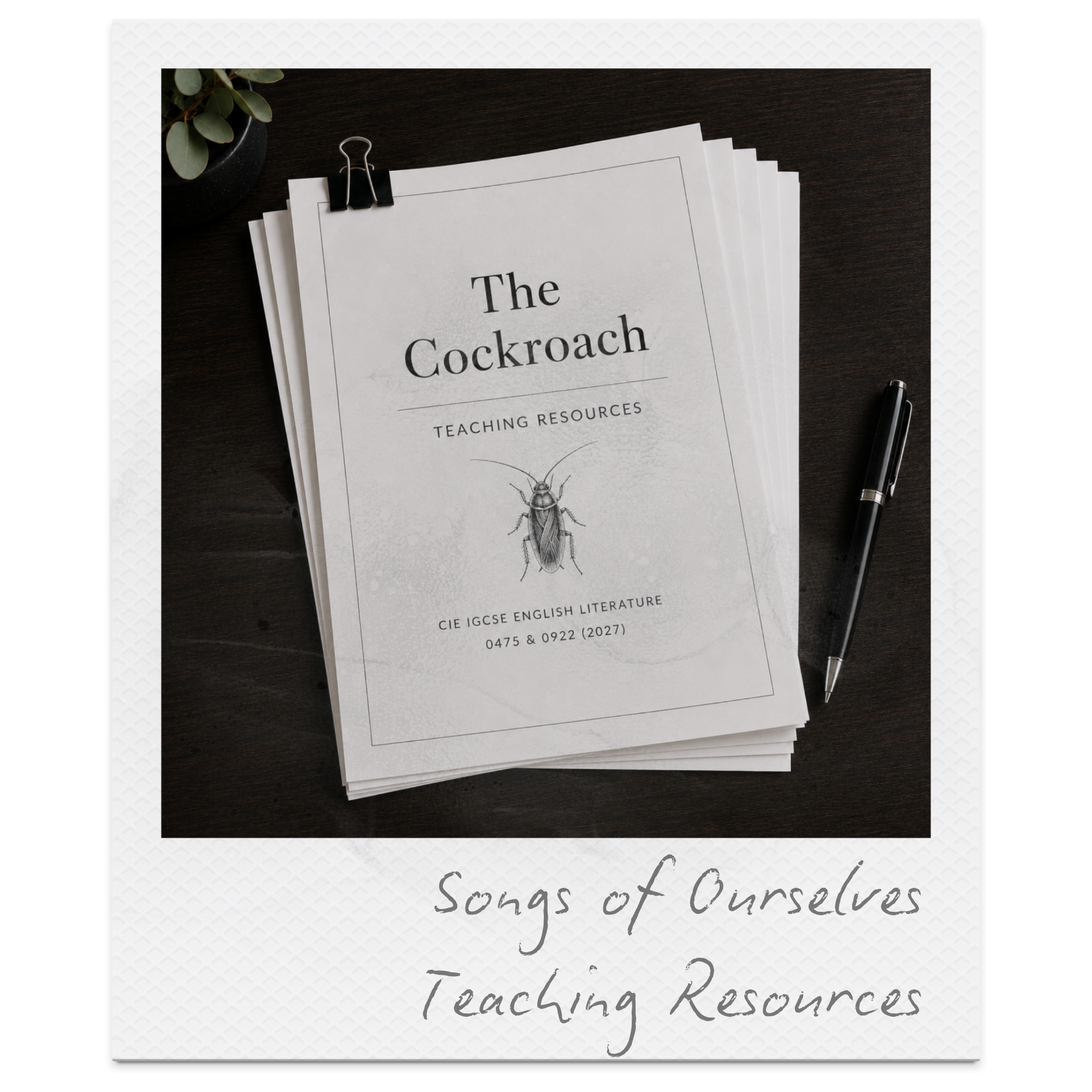
Songs of Ourselves Volume 1: Study Guides, Analysis and Teaching Resources
Songs of Ourselves Volume 1 is a core poetry anthology studied in CIE IGCSE English Literature (0475), IGCSE World Literature (0408) and Cambridge International AS & A Level English Literature (9695). Bringing together a diverse selection of poets, the anthology explores themes such as identity, conflict, power, nature, memory, and human experience, offering students a broad and challenging introduction to poetry.
At IGCSE level, students focus on analysing how writers use language, structure, and form to create meaning and effects. At AS & A Level, this develops into more conceptual and comparative analysis, requiring students to explore multiple interpretations, connect poems across the anthology, and construct more developed critical arguments.
This page brings together analysis, study guides, and teaching resources for each poem in the collection, supporting both classroom teaching and independent revision. For more literature resources and text guides, explore the Literature Library.
Scroll down to find resources for IGCSE Literature in English (0475), IGCSE World Literature (0408), and A Level English Literature (9695)
IGCSE English Literature (0475)
The following poems from Songs of Ourselves Volume 1 are set for CIE IGCSE English Literature (0475) and are covered in the 2026 and 2027 examinations. This is the prescribed selection for Paper 1 (Section A: Poetry), where candidates answer on one poem from the anthology.
These poems are studied with a focus on how writers use language, structure, and form to shape meaning and create effects. Students are also expected to explore key ideas and develop clear, supported interpretations in response to the question.
Each poem below links to a detailed analysis, including summary, themes, key quotes, and exam-focused insights, designed to support both classroom teaching and independent revision:
Song: Love Armed – Aphra Behn
A sharp exploration of love as power, emotional imbalance, and constructed desire, revealing how vulnerability and control combine to create a force that harms one lover while leaving the other dominant and free.
A Different History – Sujata Bhatt
A powerful exploration of language as power, cultural identity, and colonial legacy, revealing how language can be both respected and used for control, shaping identity through history, memory, and influence.
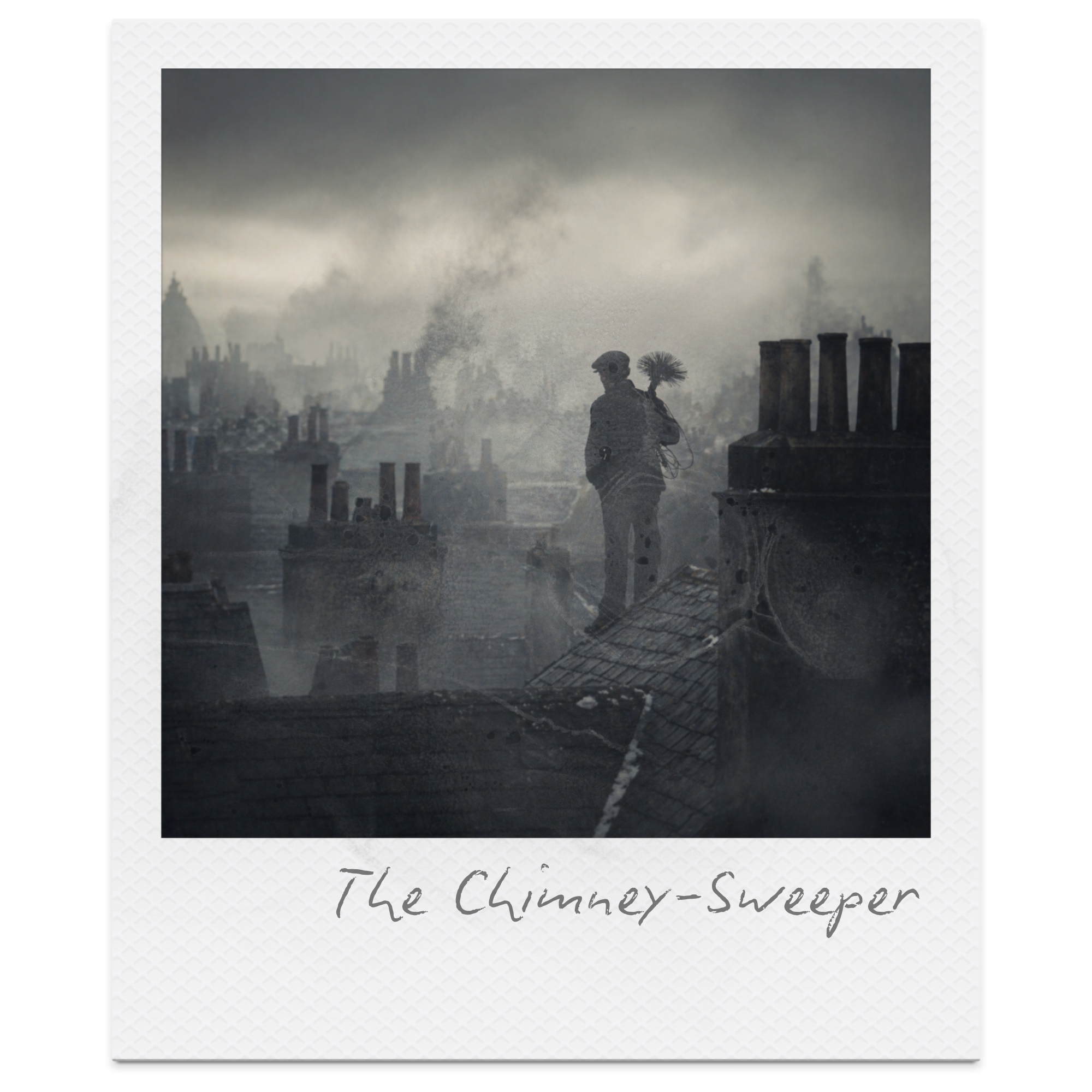
The Chimney Sweeper - William Blake
A powerful critique of child labour, innocence, and religious hypocrisy, exposing the suffering hidden beneath comforting beliefs about duty and salvation.
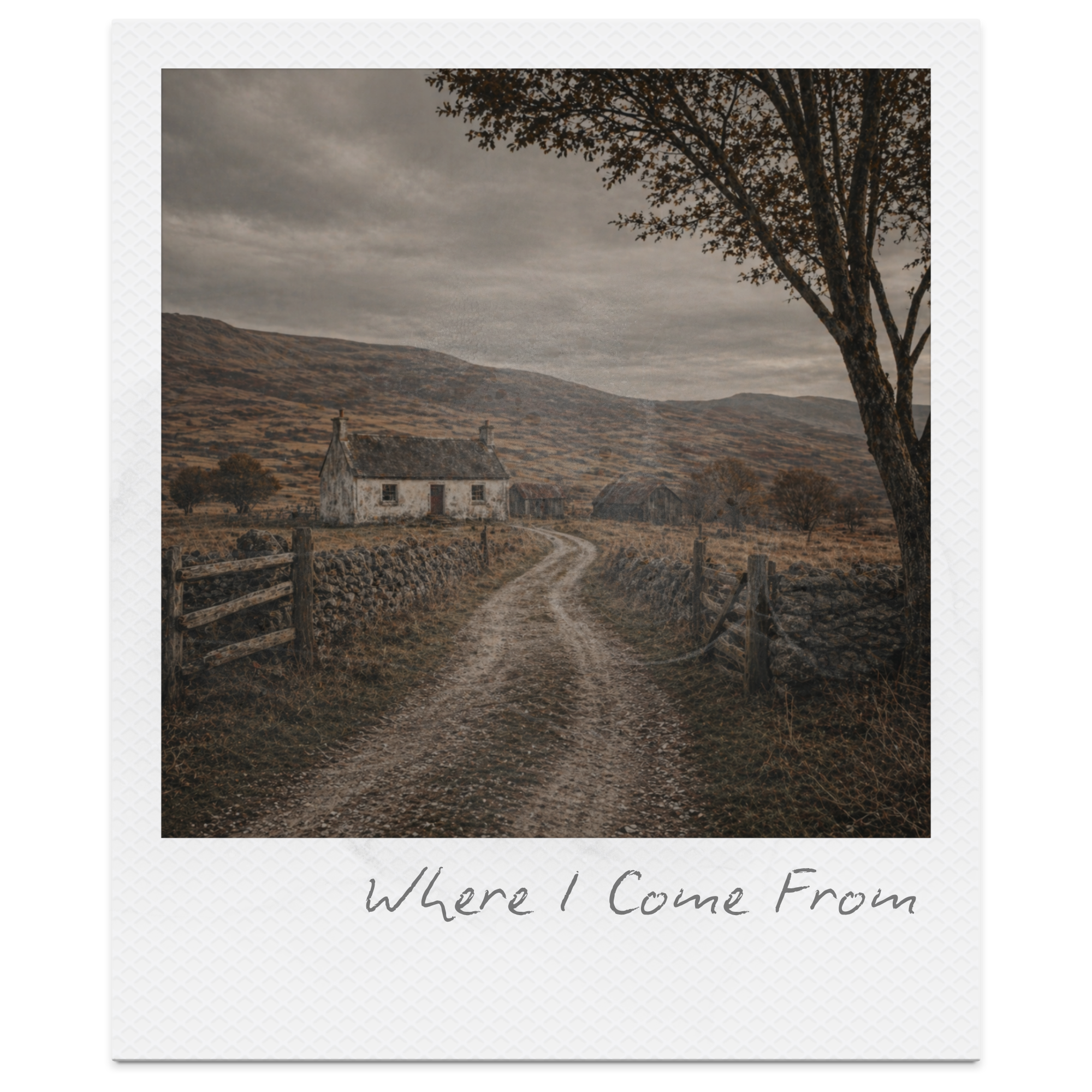
Where I Come From – Elizabeth Brewster
A reflective exploration of identity, memory, and place, showing how environments shape the self and continue to influence thought, feeling, and perspective over time.
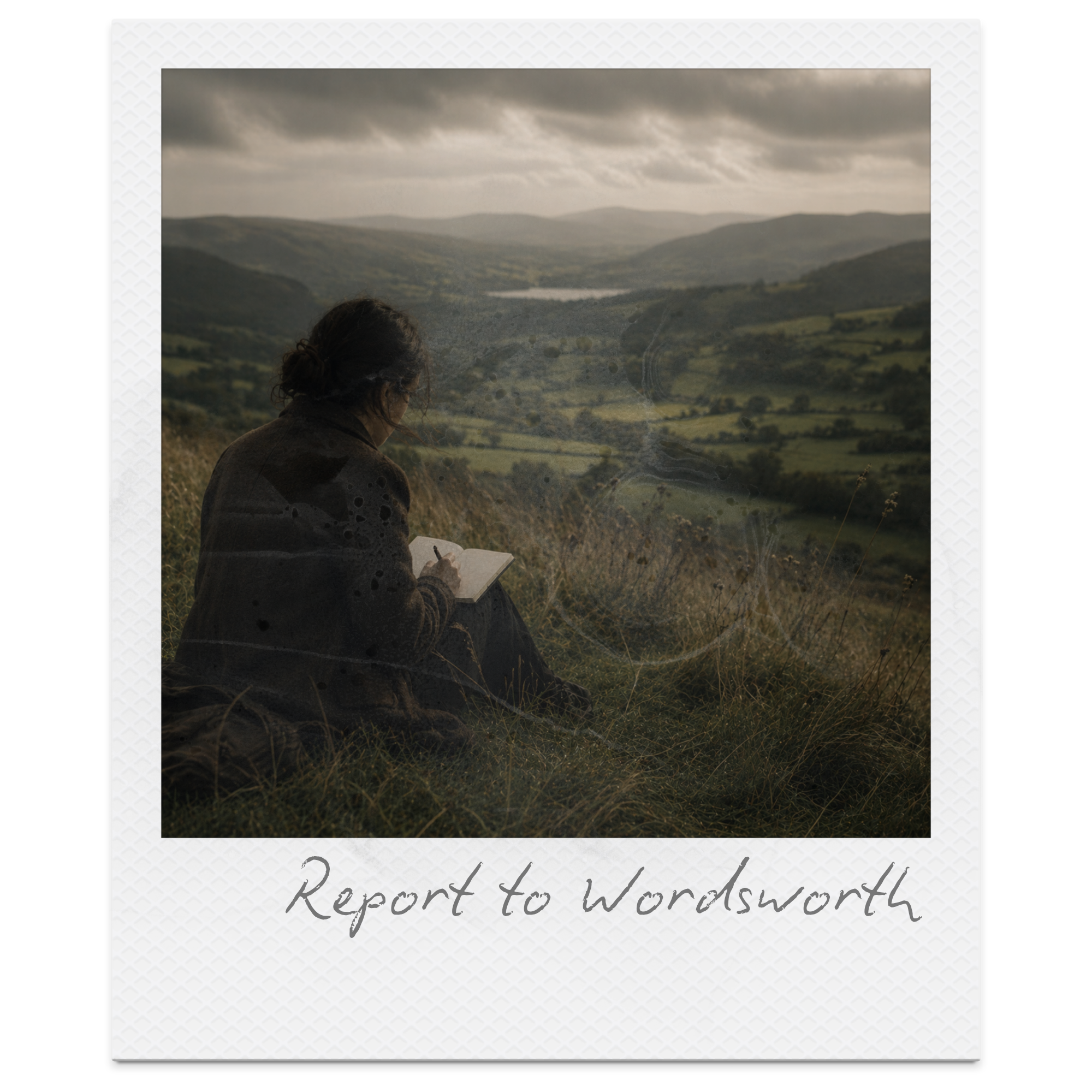
Report to Wordsworth – Boey Kim Cheng
A powerful exploration of environmental destruction, Romantic ideals, and moral responsibility, revealing how modern human actions disrupt natural harmony and silence both nature and the poetic voices that once gave it meaning.
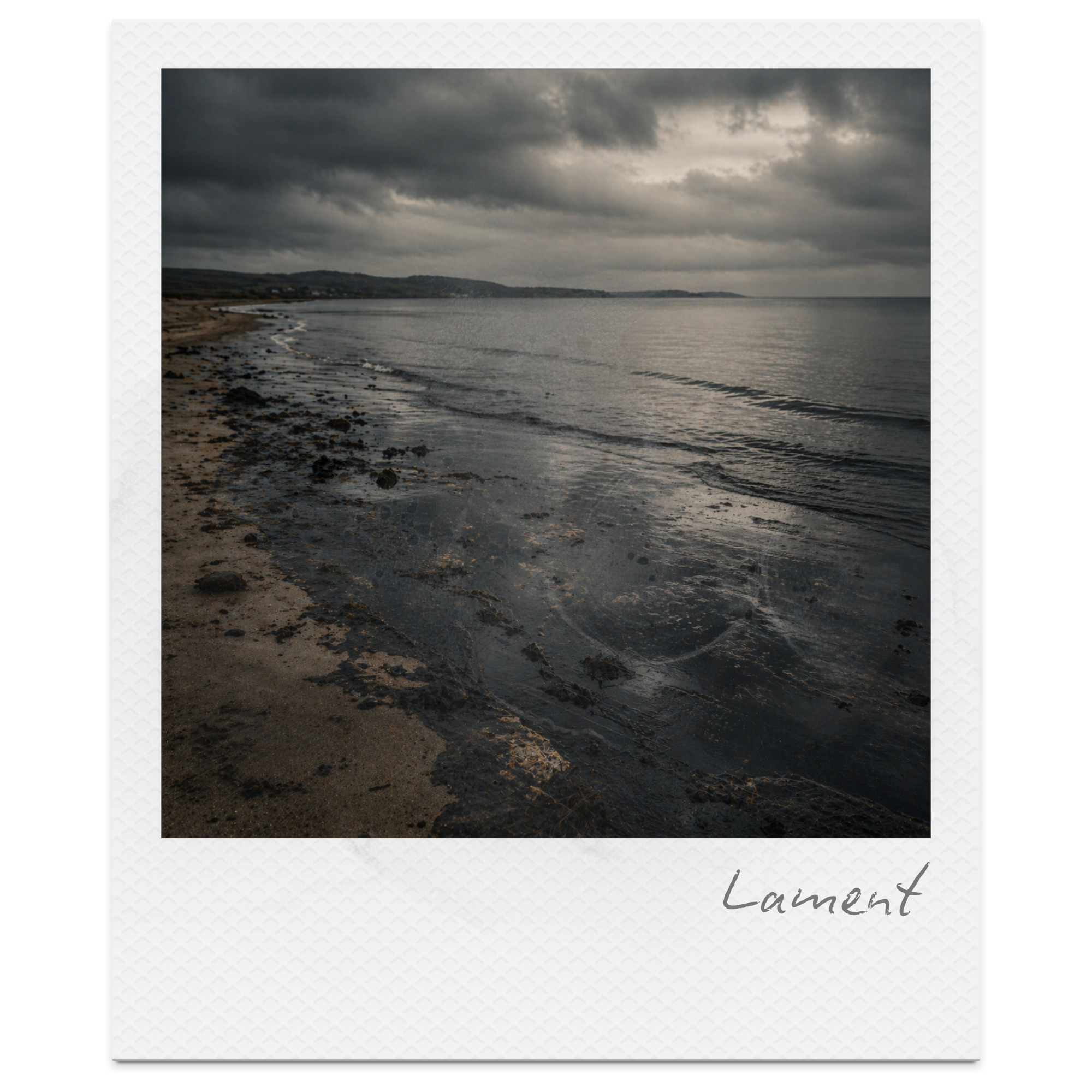
Lament – Gillian Clarke
A powerful exploration of war, environmental destruction, and human responsibility, revealing how violence and pollution create interconnected suffering, transforming individual loss into a collective lament for a damaged world.
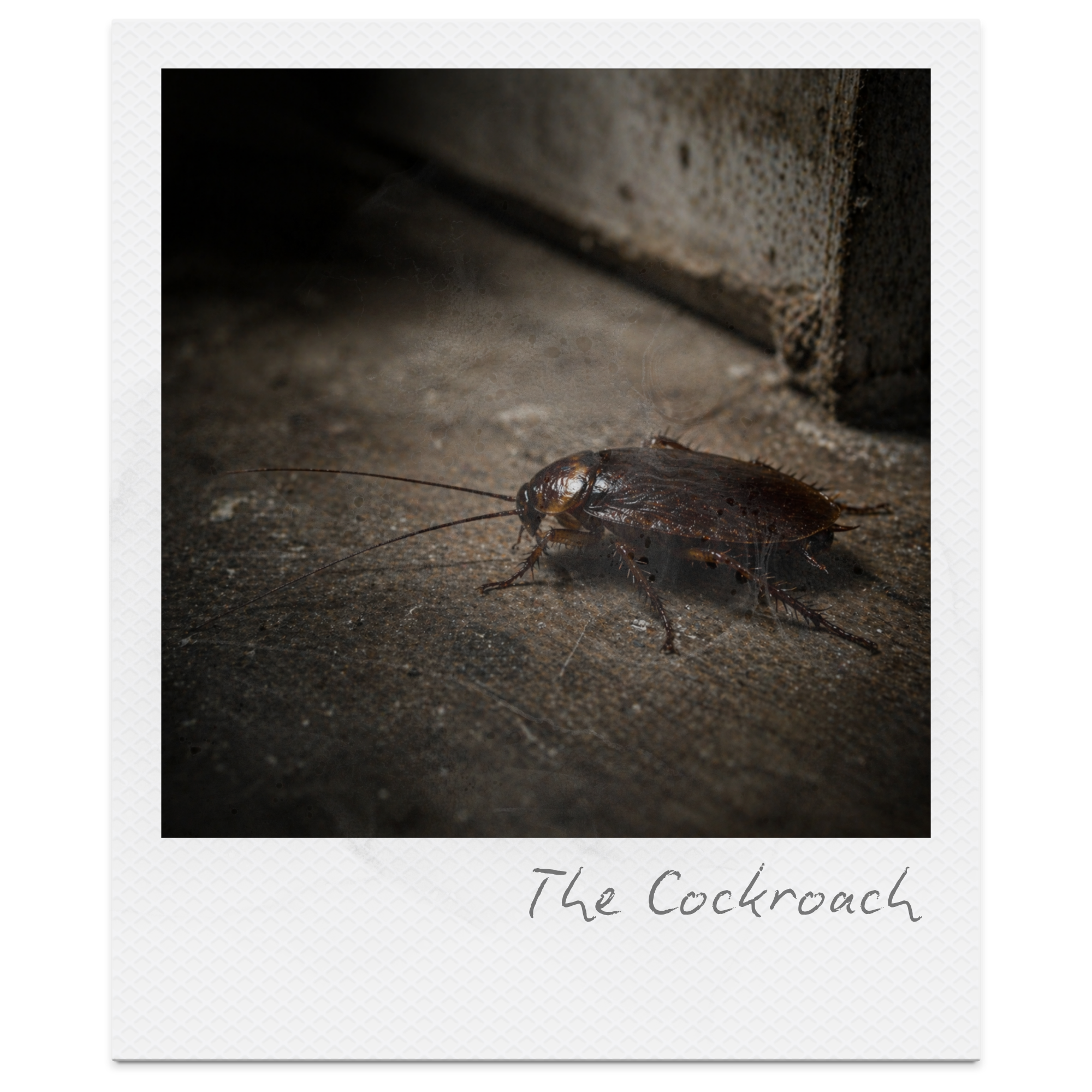
The Cockroach - Kevin Halligan
A seemingly simple encounter becomes a reflection on control, uncertainty, and the human tendency to impose meaning, as the speaker watches the insect’s unpredictable movement.
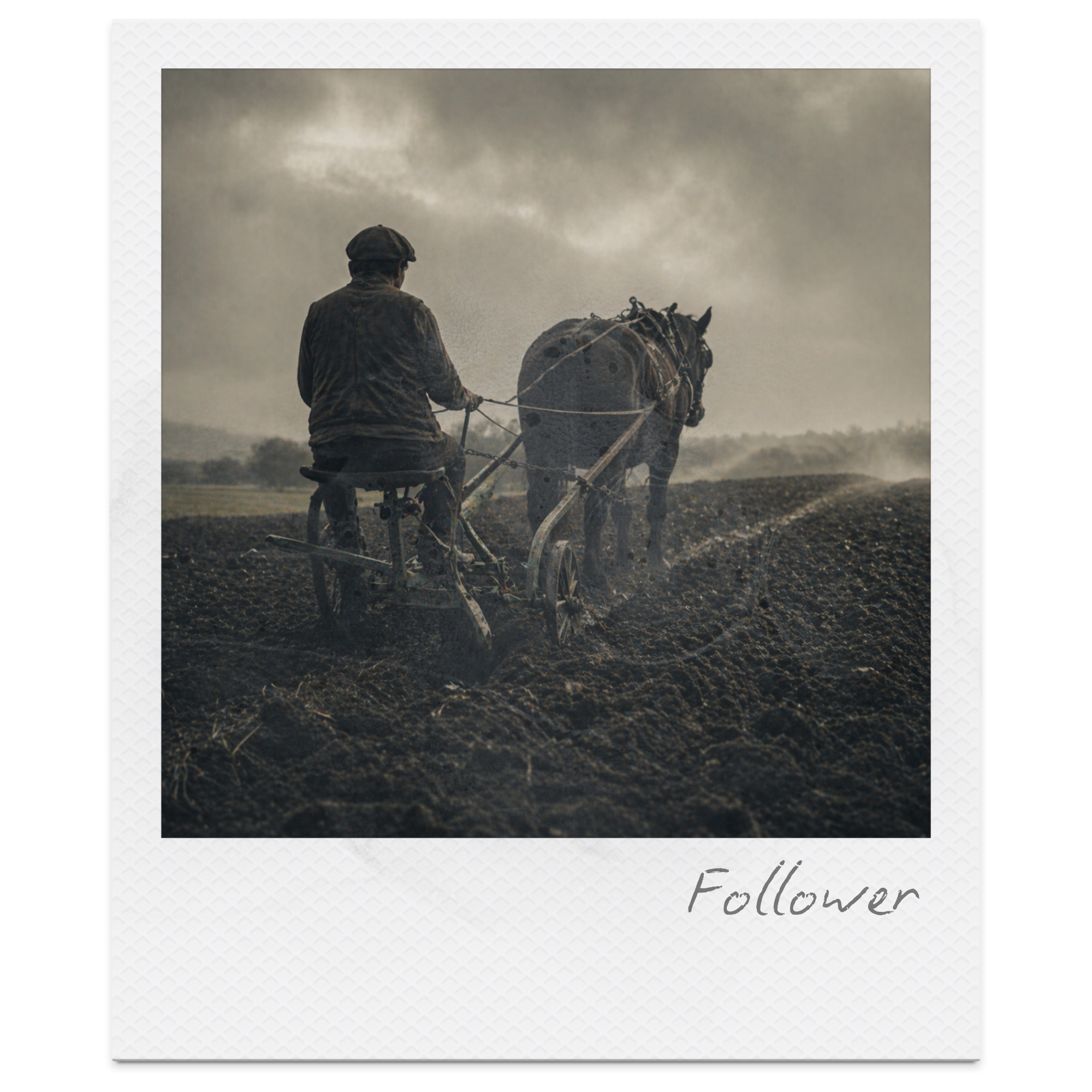
Follower - Seamus Heaney
A personal exploration of family, admiration, and role reversal, tracing the shift from childhood pride to adult responsibility.
Storyteller – Liz Lochhead
A powerful exploration of oral storytelling, memory, and community, capturing how stories are shaped through voice and shared experience, revealing their role in preserving identity while moving between disappearance and renewal across generations.
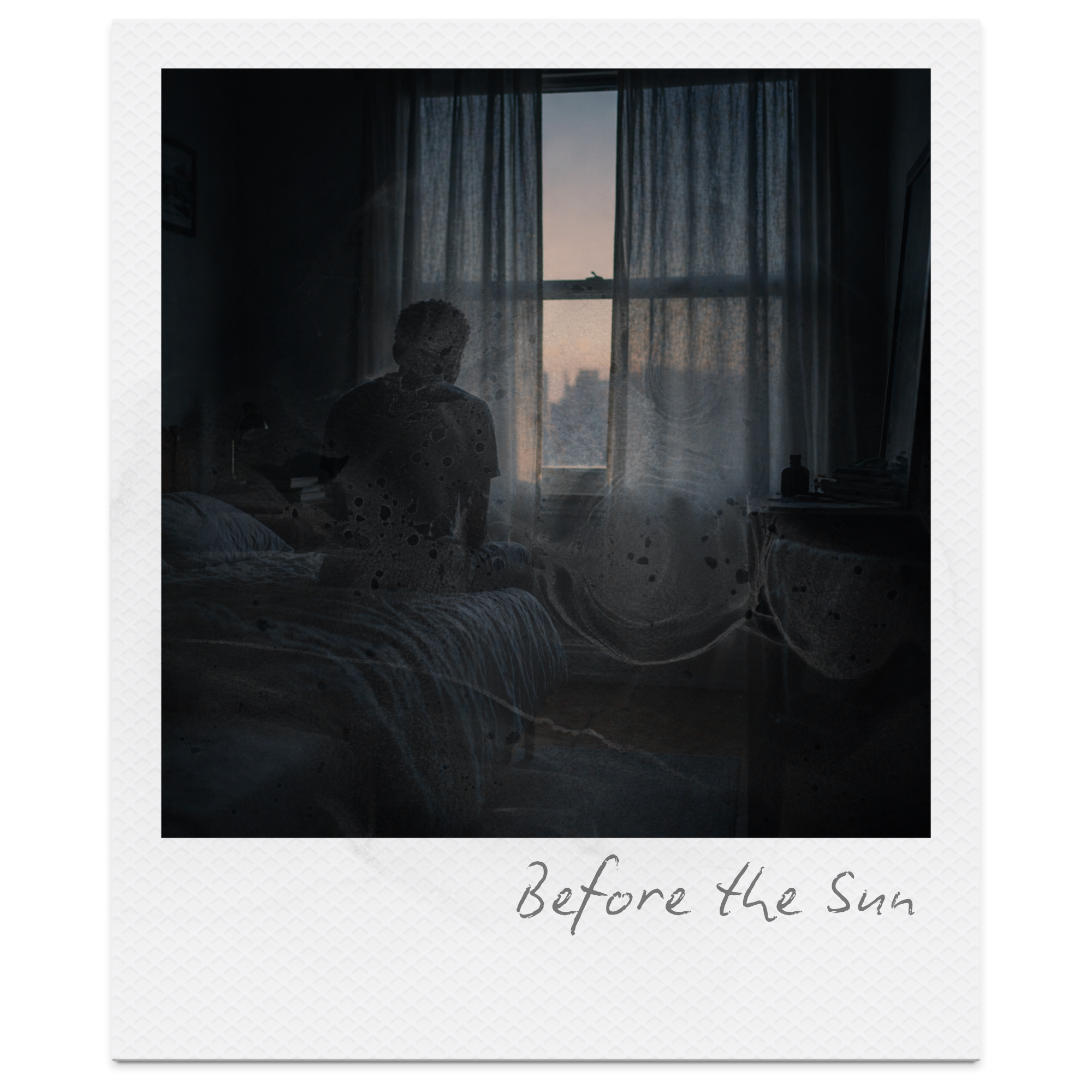
Before the Sun – Charles Mungoshi
A vivid exploration of labour, youth, and connection to nature, capturing a morning of physical work transformed into something reflective and symbolic, revealing how simple actions can create a sense of fulfilment, identity, and harmony with the natural world.
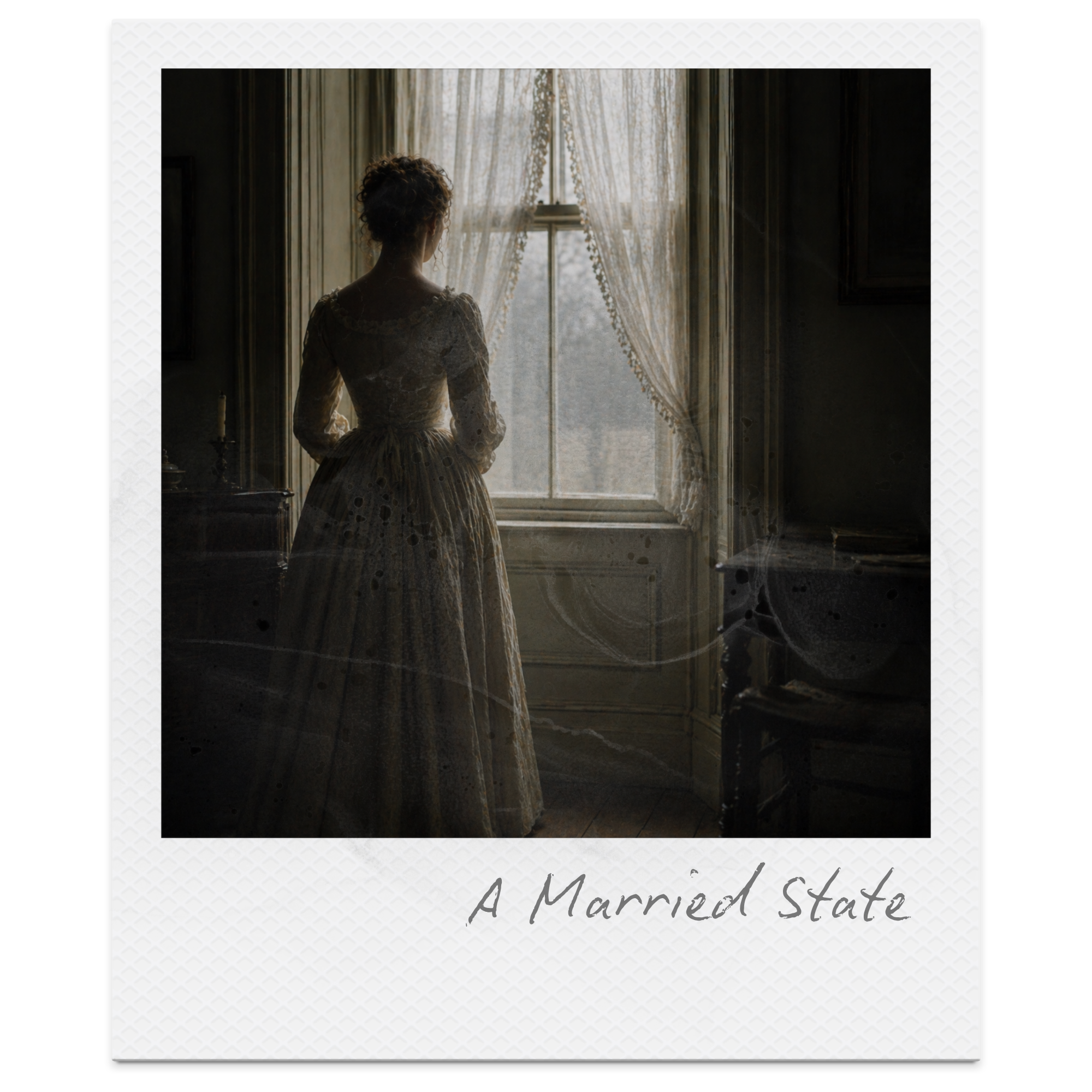
A Married State – Katherine Philips
A sharp critique of marriage, gender roles, and female autonomy, exposing the emotional pressure, physical burden, and social performance expected of women, while contrasting these constraints with the freedom and control of remaining unmarried.
From an Essay on Man – Alexander Pope
A concise exploration of human limitation, self-knowledge, and the contradictions of existence, presenting humanity as a “middle state” caught between reason and weakness, using balance and paradox to reveal the limits of understanding and the complexity of human identity.
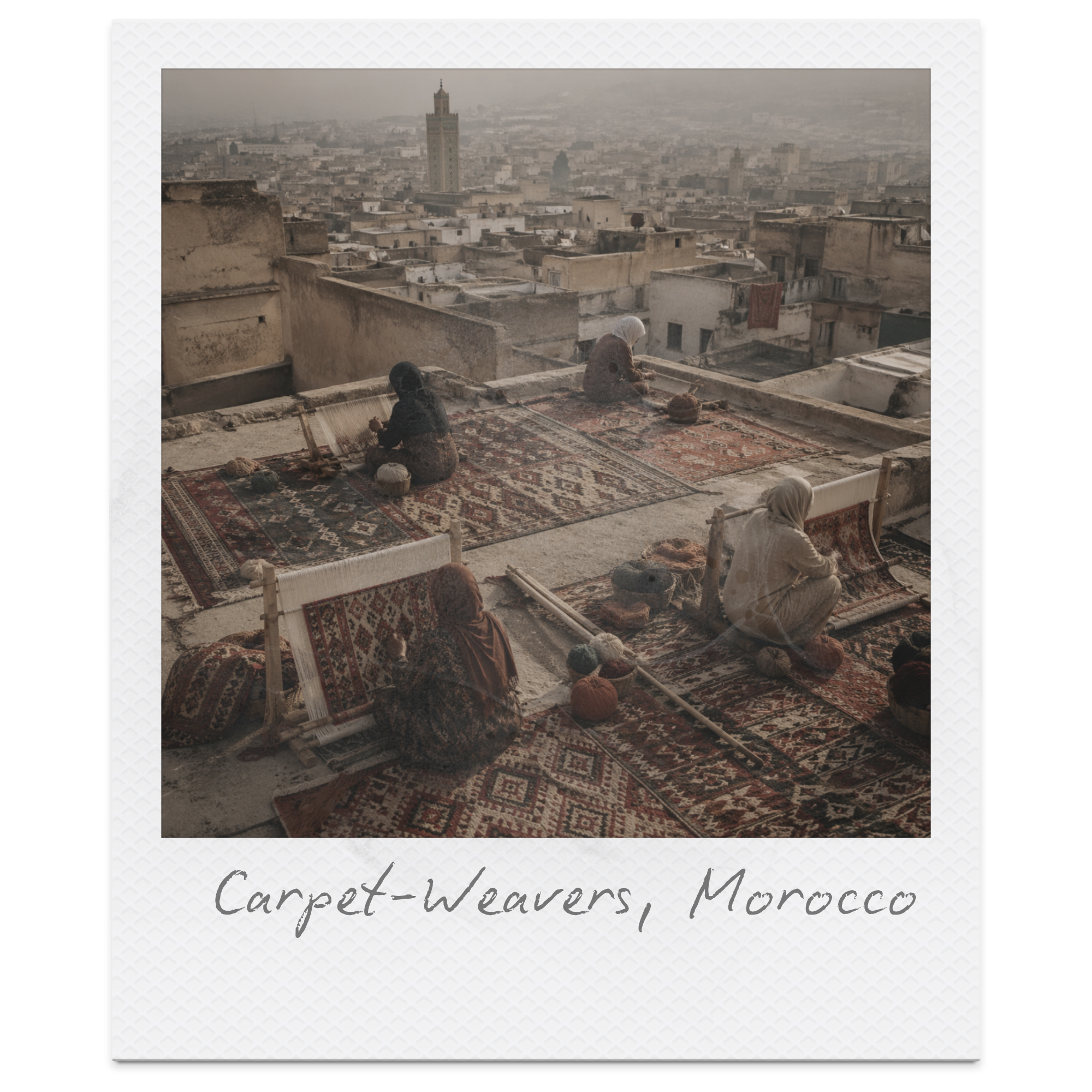
Carpet-Weavers, Morocco – Carol Rumens
A reflective exploration of child labour, beauty, and cultural tradition, revealing how intricate craftsmanship and spiritual value are shaped by repetition, control, and hidden inequality.
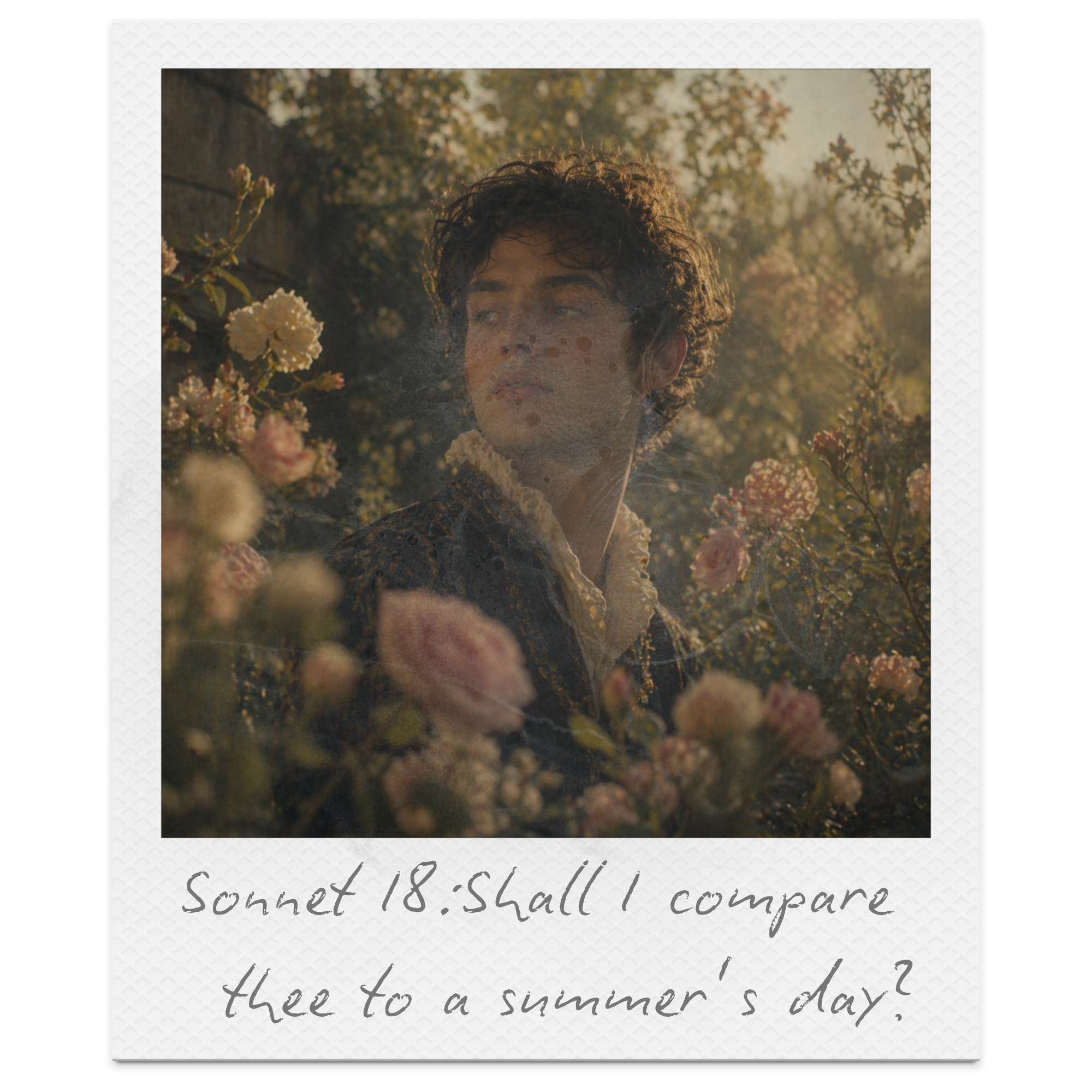
Sonnet 18 - William Shakespeare
A well-known meditation on beauty, time, and immortality, suggesting that poetry has the power to preserve what would otherwise fade.
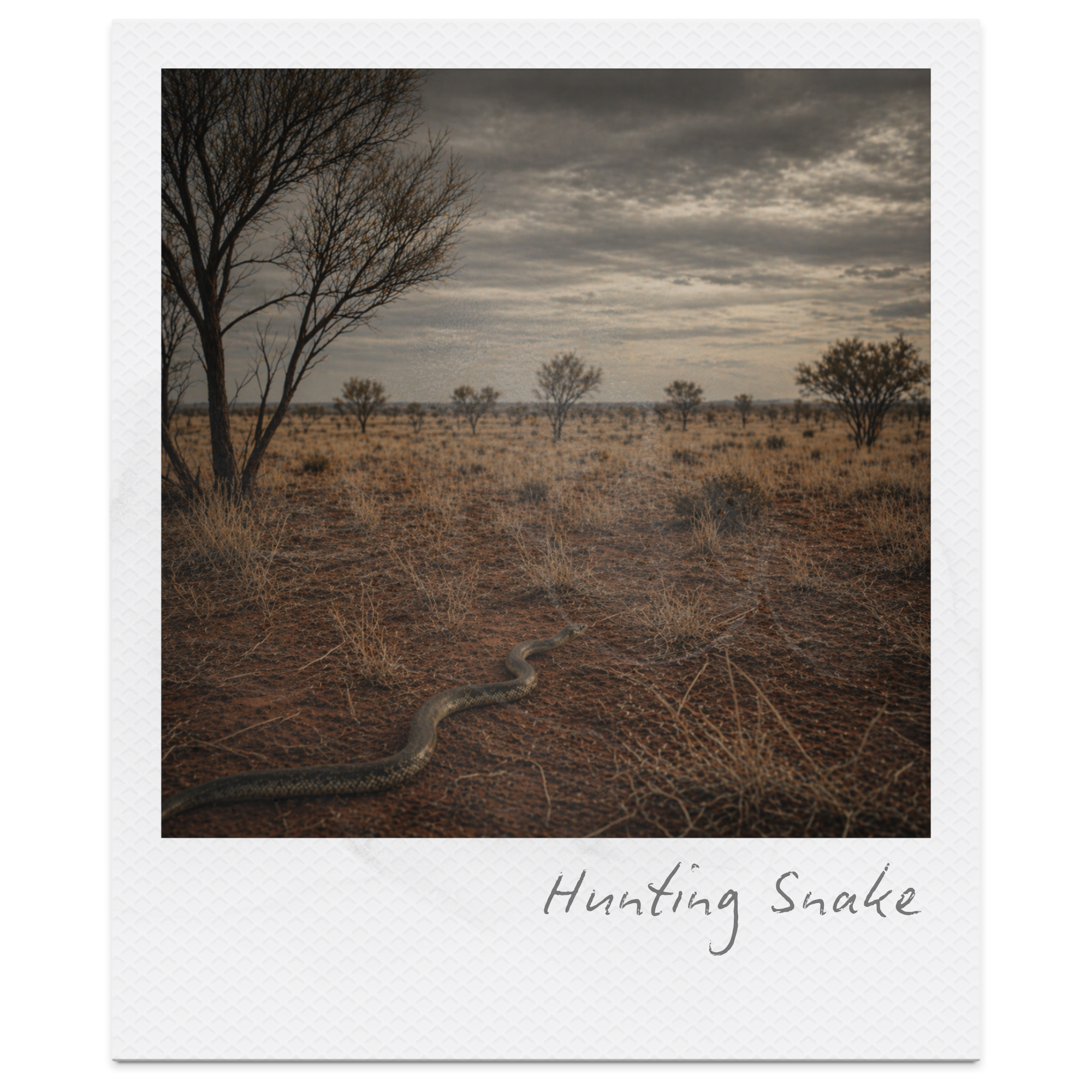
Hunting Snake – Judith Wright
A vivid exploration of nature, instinct, and human perception, capturing a fleeting encounter that shifts from fear to awe, revealing the fragile boundary between control and the untamed power of the natural world.
IGCSE World Literature (0408)
The following poems from Songs of Ourselves Volume 1 are studied as part of CIE IGCSE World Literature (0408) and may be used for examination in the 2027 series. These poems form part of the set text component, where candidates respond to a specific poem, exploring both its meaning and the ways in which it is crafted.
These poems are studied with a focus on how writers use language, structure, and form to shape meaning and create effects, alongside the development of a personal, informed response to the text. Students are encouraged to move beyond surface understanding, exploring ideas, attitudes, and interpretations in a clear and supported way.
Each poem below links to a detailed analysis, including summary, themes, key quotes, and exam-focused insights, designed to support both classroom teaching and independent revision.
Childhood – Frances Cornford
A reflective exploration of innocence, ageing, and human vulnerability, capturing the moment a child’s assumptions about adulthood are disrupted by reality, revealing the shared helplessness at both the beginning and end of life.
Because I Could Not Stop for Death – Emily Dickinson
A reflective exploration of death, time, and eternity, presenting mortality as a calm, inevitable journey while revealing the deeper uncertainty and loss of control that lie beyond human understanding.
One Art – Elizabeth Bishop
A controlled yet deeply emotional exploration of loss, repetition, and self-deception, tracing how the speaker attempts to master absence through structure and language, while subtle shifts reveal the limits of control and the persistence of grief.
Tears, Idle Tears – Alfred, Lord Tennyson
A lyrical and introspective exploration of memory, loss, and emotional longing, tracing how the speaker is overwhelmed by nostalgia for “the days that are no more,” where shifting imagery and repetition reveal the paradox of the past as both vividly present and permanently unreachable, capturing the quiet persistence of grief and the fragility of human understanding.
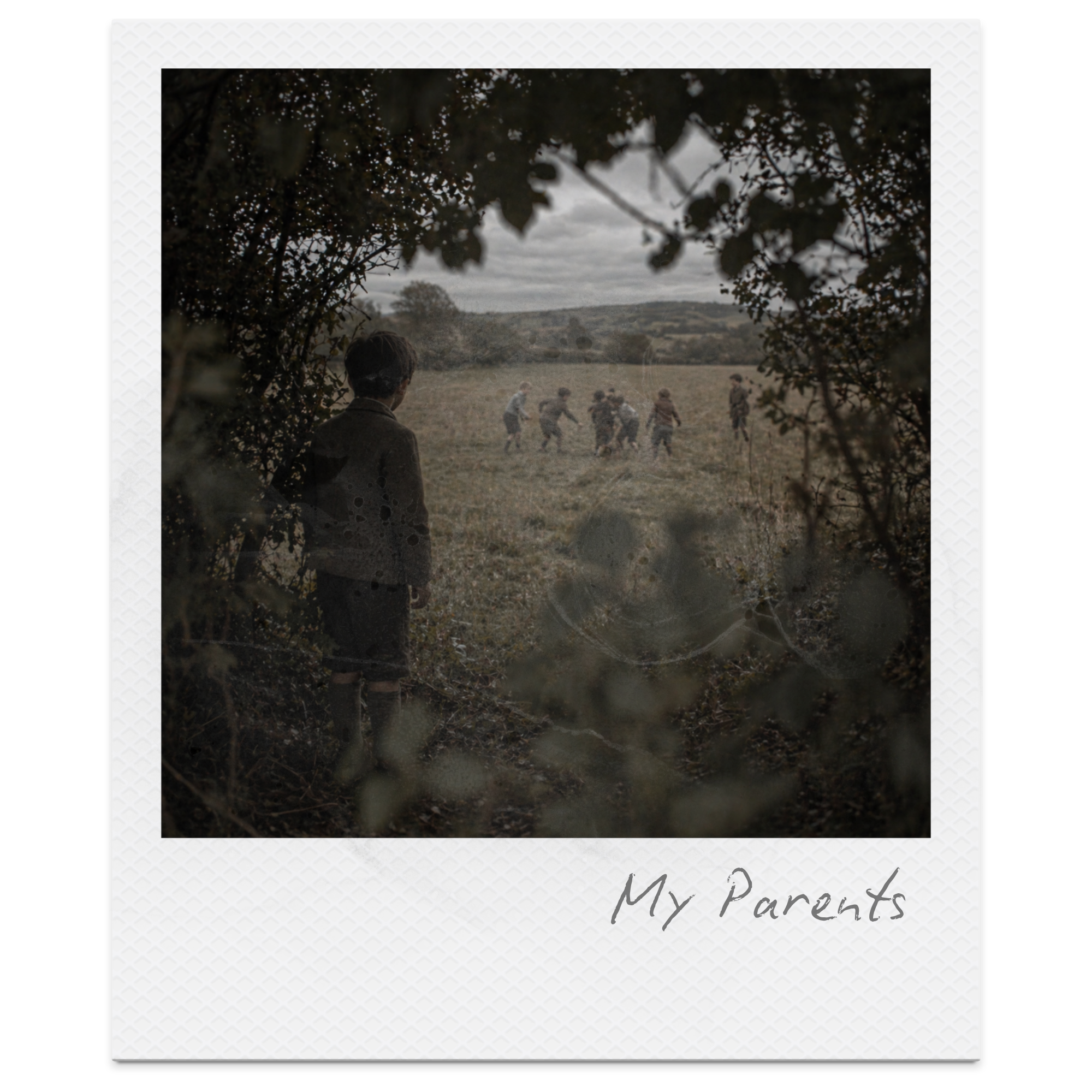
My Parents – Stephen Spender
A reflective exploration of childhood fear, class division, and social conditioning, showing how parental influence shapes perception and creates distance between individuals, while a later shift in perspective reveals regret, missed empathy, and the lasting impact of memory and upbringing.
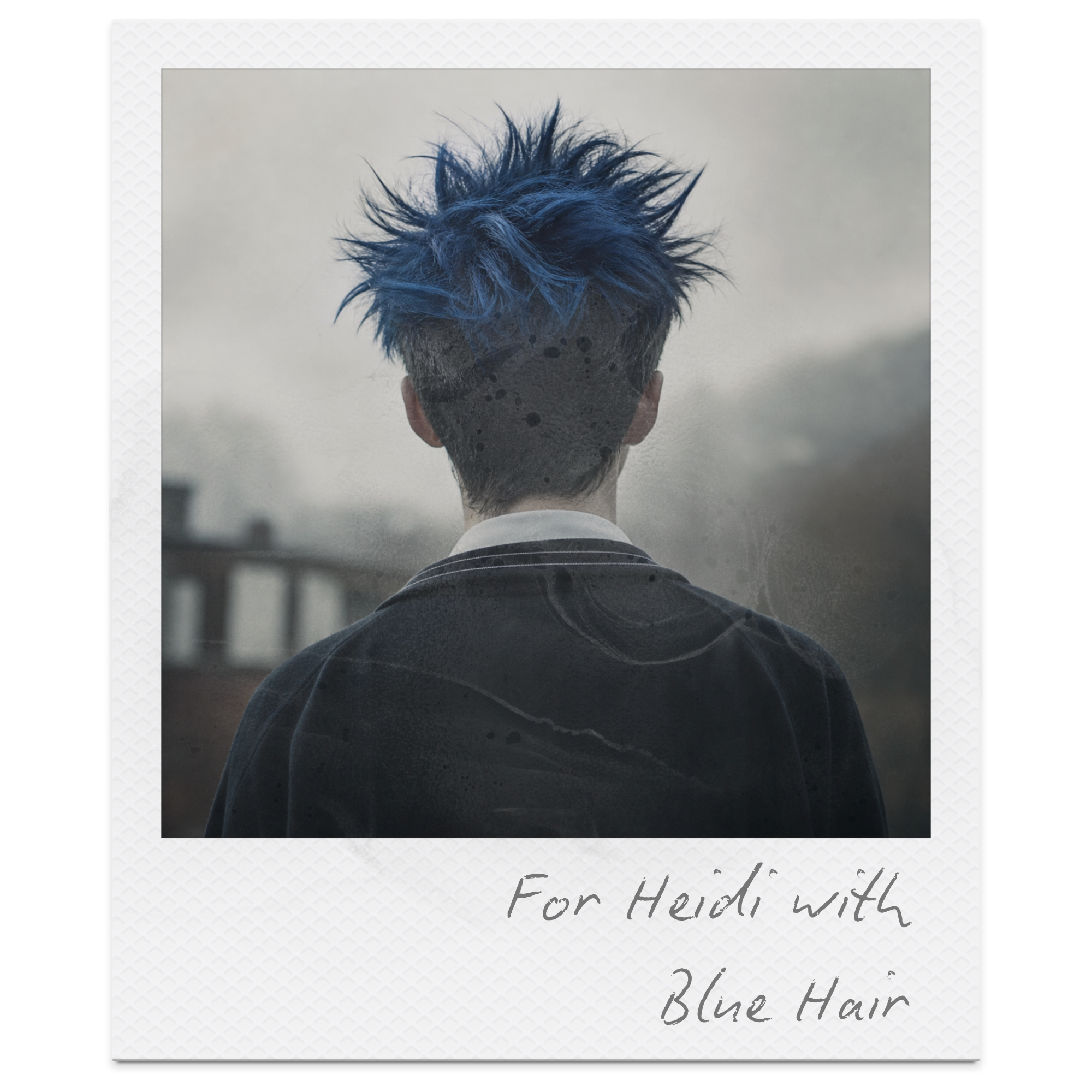
For Heidi With Blue Hair – Fleur Adcock
A subtle exploration of individuality, authority, and conformity, showing how institutional control shapes identity while a restrained reference to grief adds emotional depth, revealing the tension between public rules and private experience.
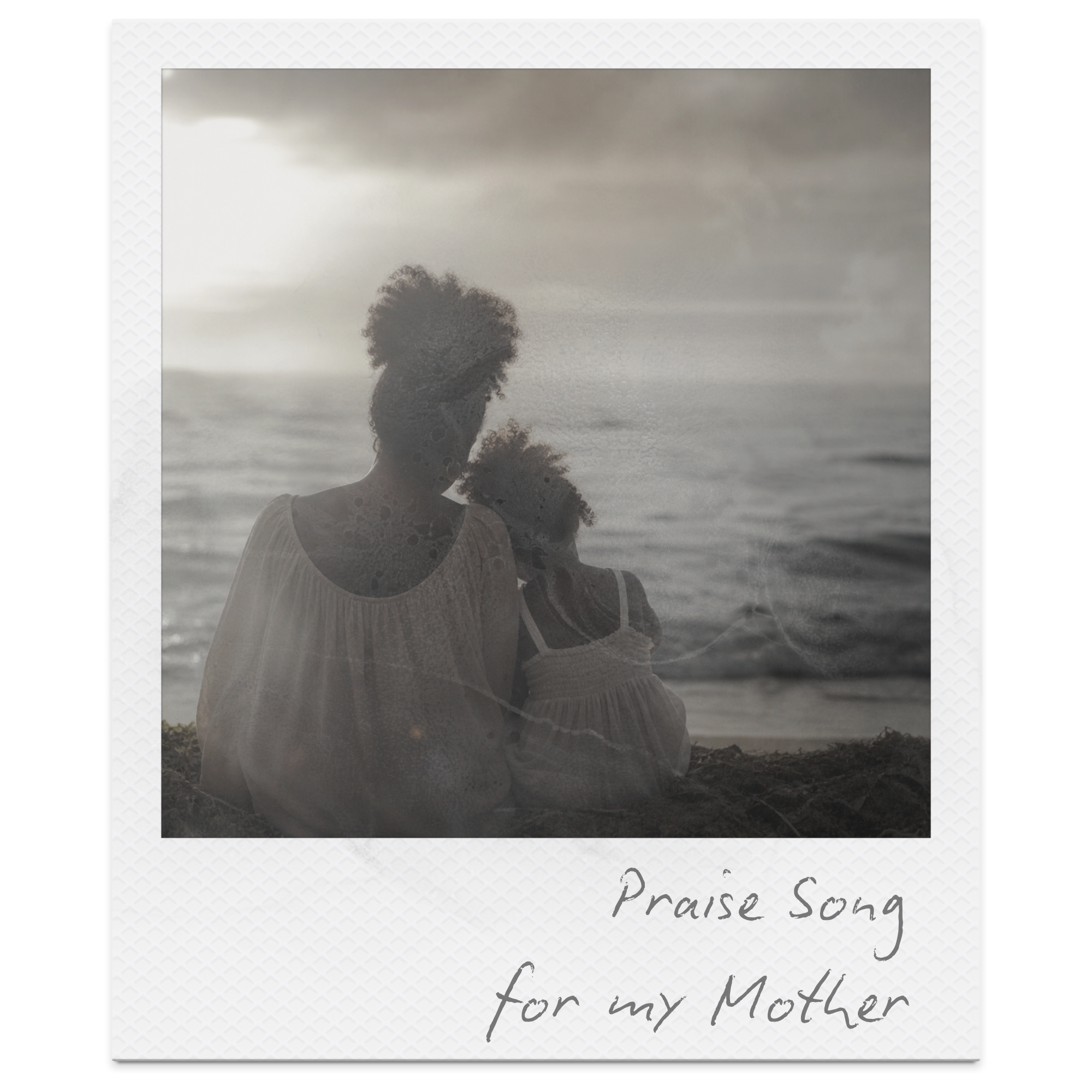
Praise Song for My Mother – Grace Nichols
A rich and rhythmic exploration of motherhood, identity, and enduring influence, using extended metaphor, repetition, and sensory imagery to present nurture as a continuous, life-giving force, where memory and voice work together to show how personal and cultural identity are shaped over time.
Follower - Seamus Heaney
A personal exploration of family, admiration, and role reversal, tracing the shift from childhood pride to adult responsibility.
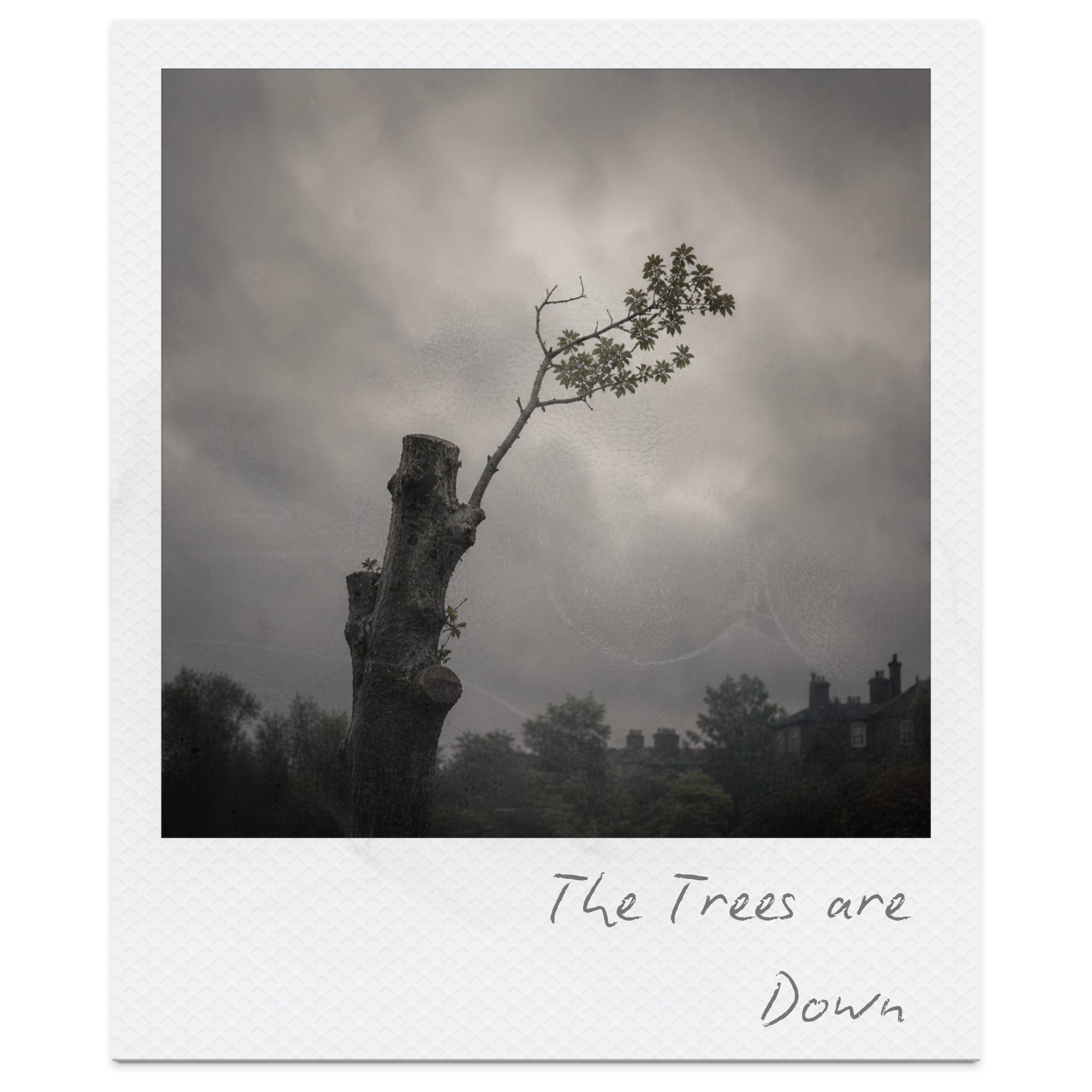
The Trees Are Down – Charlotte Mew
A powerful exploration of loss, destruction of nature, and emotional connection to place, tracing how a seemingly ordinary act becomes a profound personal and moral rupture through sound, structure, and shifting voice.
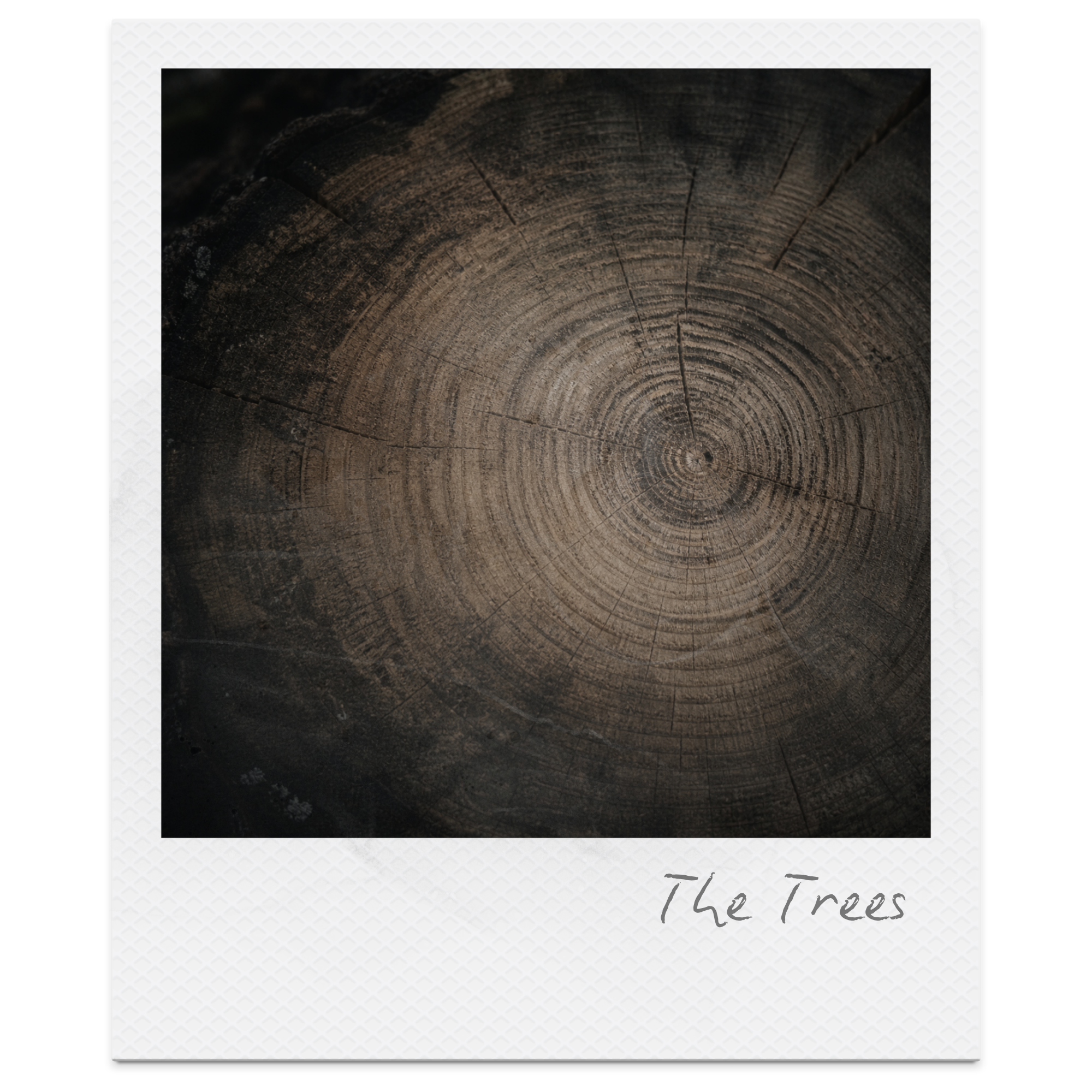
The Trees – Philip Larkin
A reflective exploration of renewal, time, and mortality, revealing how the apparent freshness of nature conceals an ongoing process of ageing, using controlled structure and subtle tonal shifts to question the idea of true beginnings.
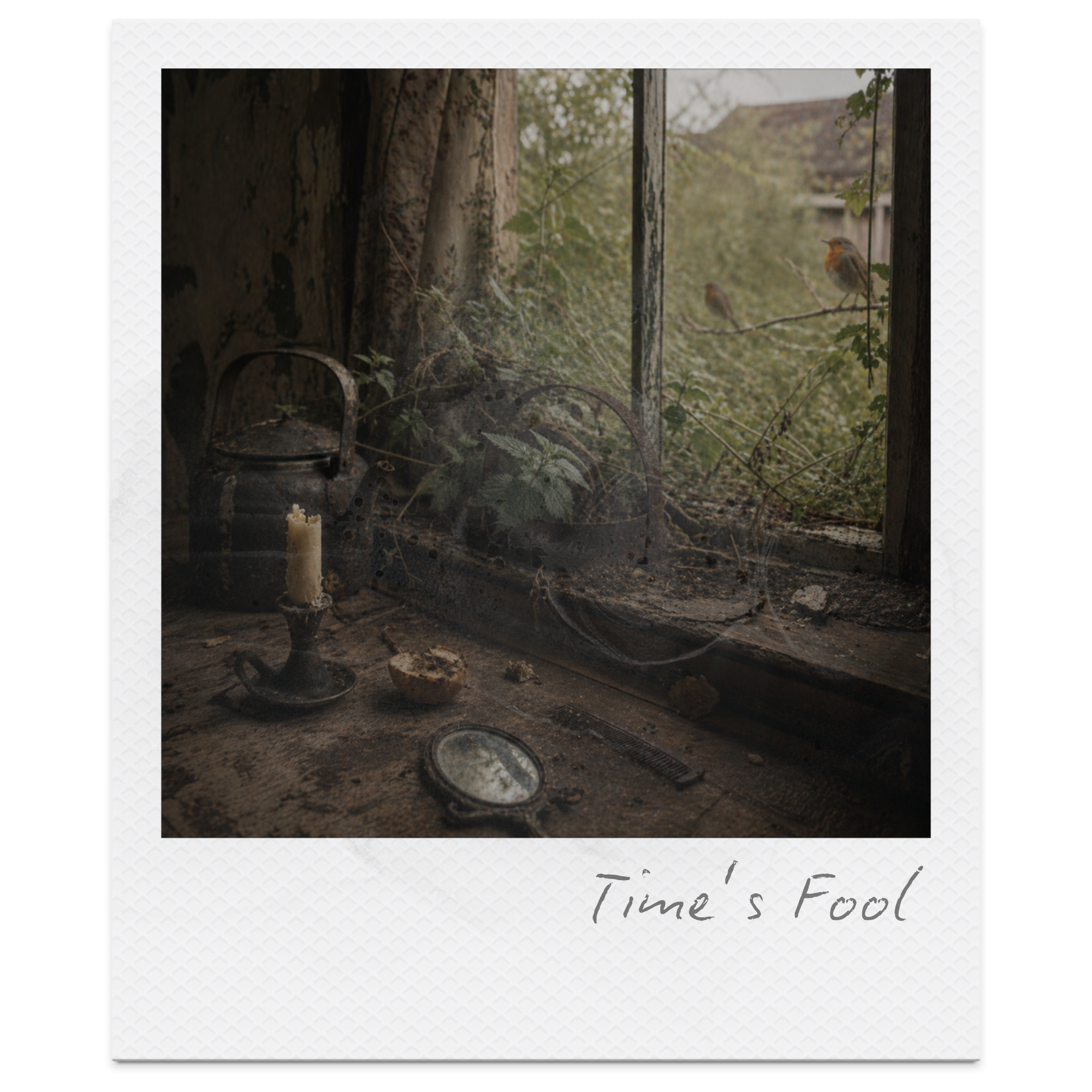
Time’s Fool – Ruth Pitter
A reflective exploration of memory, time, and contentment, revealing how ordinary experiences gain emotional value through reflection, using rich imagery and contrast to transform poverty into lasting fulfilment.
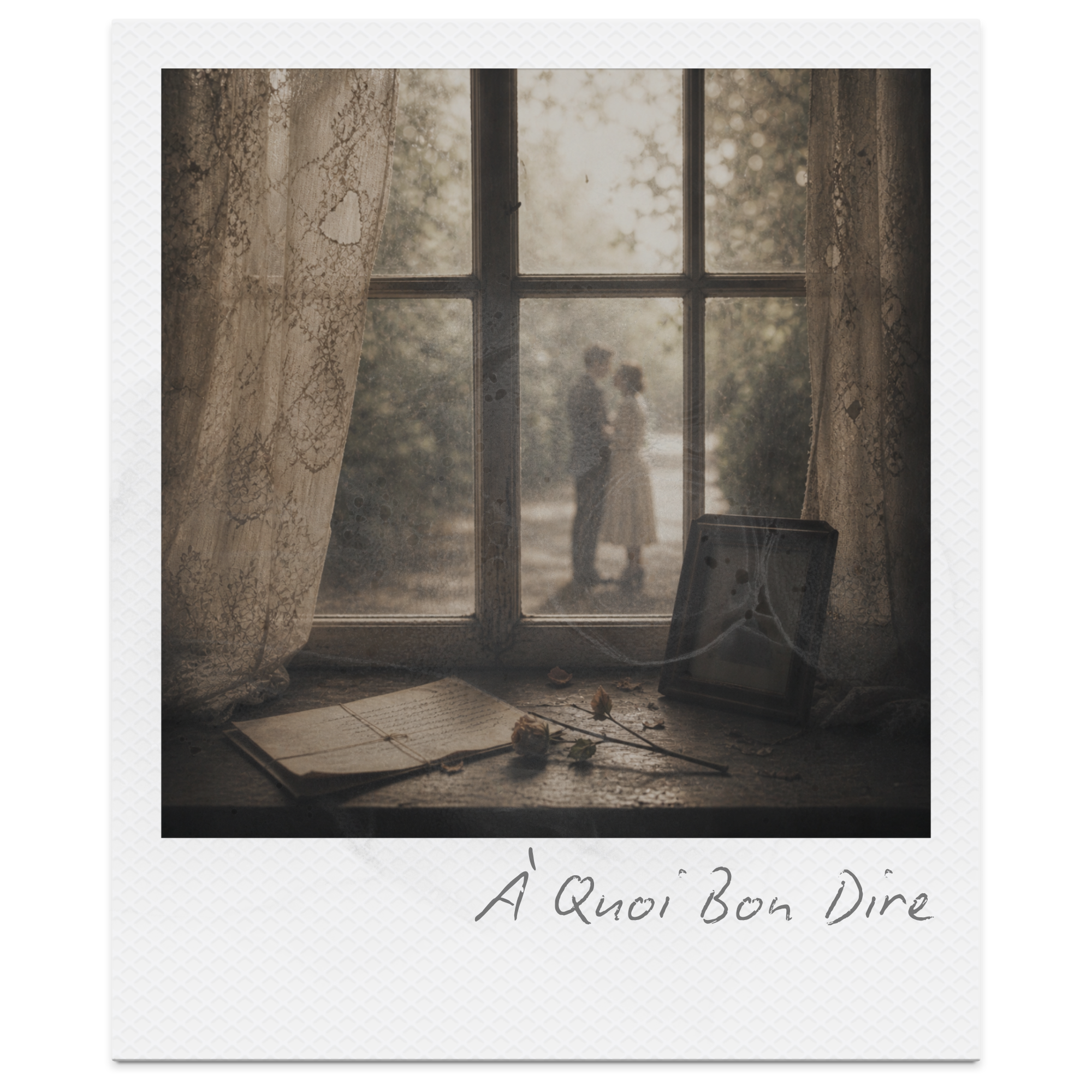
À Quoi Bon Dire – Charlotte Mew
A subtle exploration of enduring love, memory, and private truth, showing how emotional connection persists beyond absence through structural contrast, parallelism, and quiet resistance to public perception.
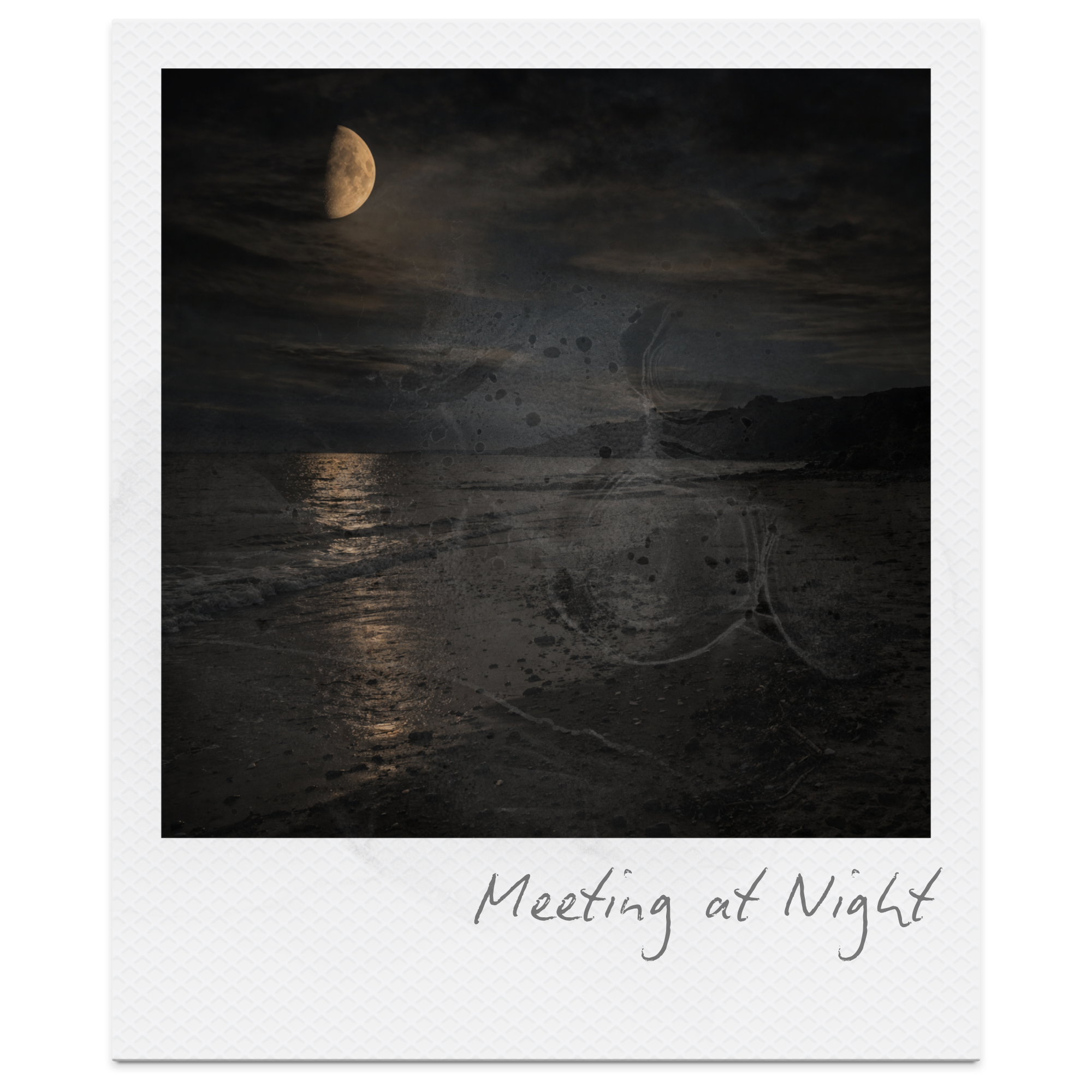
Meeting at Night – Robert Browning
A vivid exploration of romantic desire, secrecy, and anticipation, using sensory imagery, rhythmic movement, and structural progression to transform a physical journey into an intense moment of private connection.
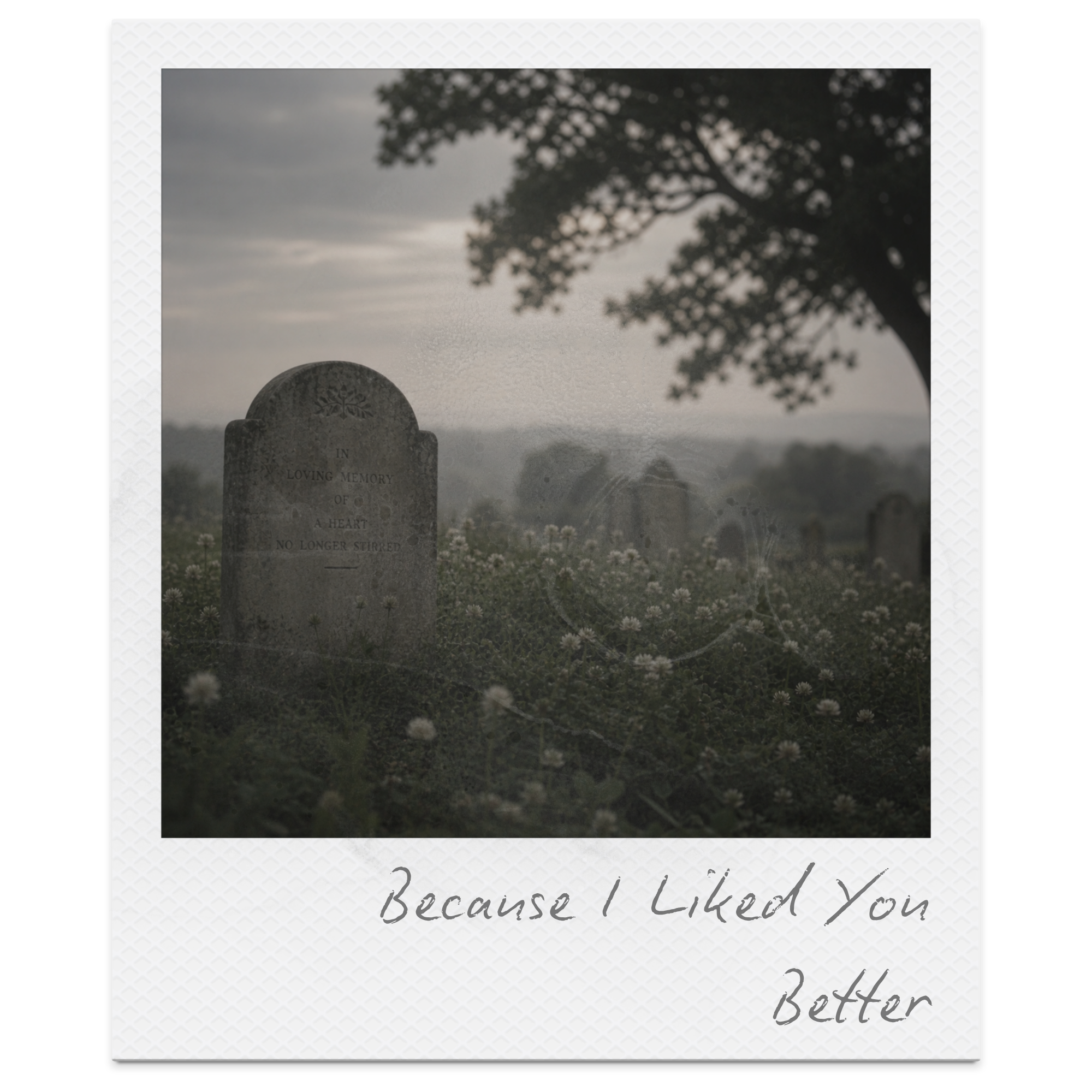
Because I Liked You Better – A. E. Housman
A restrained exploration of unspoken love, emotional repression, and honour, using understated language, regular structure, and symbolic imagery to reveal the quiet cost of choosing dignity over emotional expression.
Choose Your Next Author or Collection
Looking for your next text? Explore other authors and literature collections, with clear analysis, study guides, and teaching resources to support revision and deeper understanding.