Praise Song for My Mother by Grace Nichols: Summary, Themes & Analysis
Praise Song for My Mother by Grace Nichols explores motherhood, nurture, and identity through a sequence of extended metaphors, repetition, and sensory imagery, presenting the mother as a sustaining, life-giving force. The poem traces how the speaker’s sense of self is shaped through these elemental and natural images, creating a tone of gratitude and reverence. By using rhythmic structure and accumulating imagery, Nichols shows how maternal influence is not singular but layered and continuous, emphasising both emotional and physical nourishment. If you are studying or teaching Songs of Ourselves Volume 1 for CIE English World Literature (0408), explore all the poems in depth in our Songs of Ourselves Volume 1 Hub, or a wider range of texts in the Literature Library.
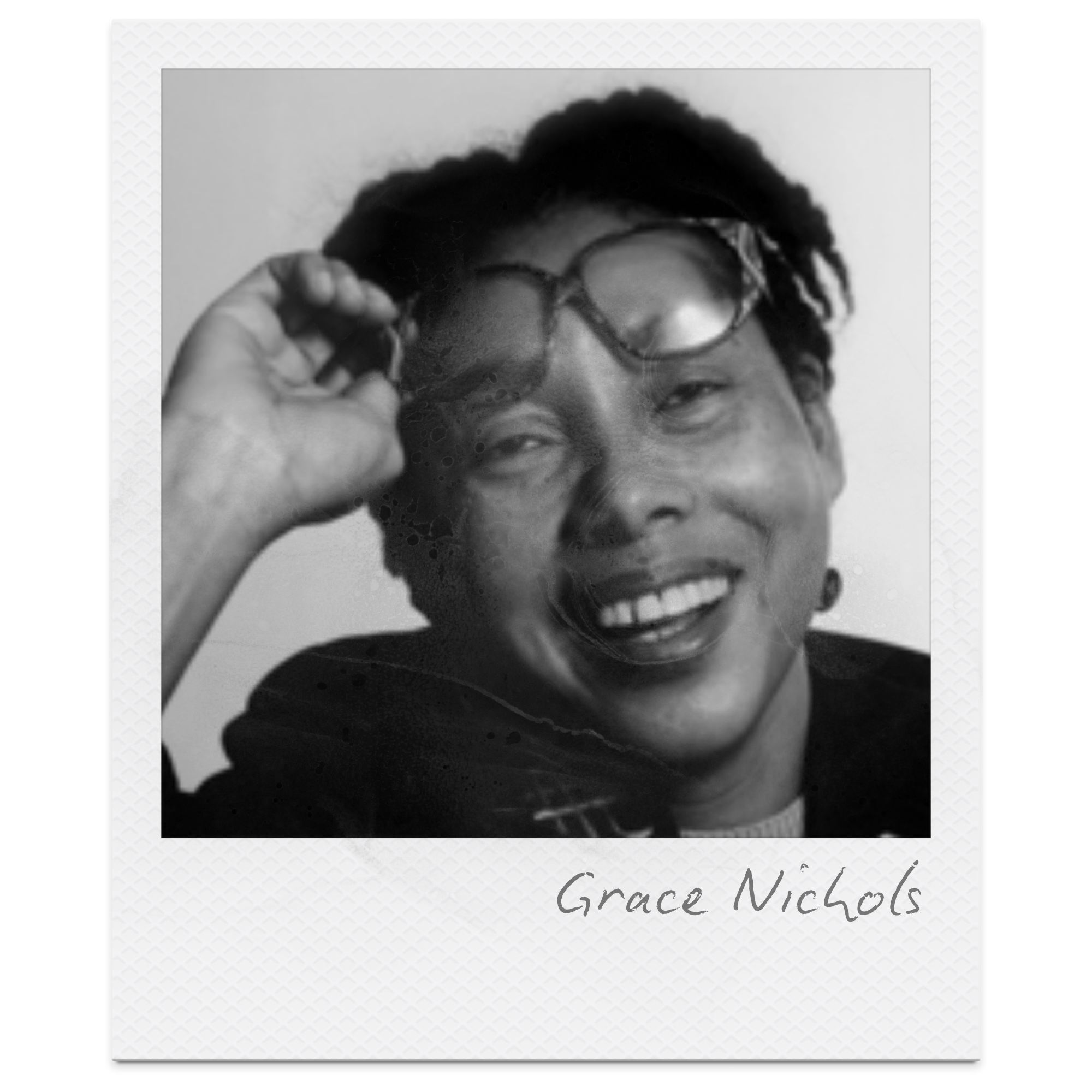
Context of Praise Song for My Mother
Praise Song for My Mother reflects Grace Nichols’s Caribbean background, drawing on oral tradition, rhythmic repetition, and natural imagery often found in Caribbean poetry. The title itself suggests a connection to the praise song form, a traditional style used to honour individuals through repeated, celebratory language.
Written in a modern postcolonial context, the poem emphasises cultural identity and the importance of family and heritage, presenting the mother as a central, sustaining force. The use of elemental imagery—water, moon, sunrise—links motherhood to nature and continuity, suggesting that identity is shaped through both personal relationships and wider cultural roots.
Praise Song for My Mother: At a Glance
Form: Free verse with repeated stanza structure and refrain-like openings
Mood: Warm, reverent, celebratory
Central tension: The speaker attempts to fully express the depth of maternal influence through language and imagery
Core themes: Motherhood and nurture, identity and formation, nature as sustenance, cultural memory
One-sentence meaning: The poem presents the mother as a life-giving force whose emotional and physical nourishment shapes the speaker’s identity through layered, sensory imagery.
Quick Summary of Praise Song for My Mother
The poem begins by describing the mother through a series of natural and elemental images, with each stanza starting “You were,” creating a pattern of repetition that builds meaning. The mother is compared to water, the moon, and sunrise, each image highlighting a different form of nurture—depth, guidance, warmth, and growth. Through this sequence, the speaker presents the mother as a constant, sustaining presence who shapes both emotional and physical experience.
In the final stanza, the imagery becomes more sensory and specific, shifting to vivid details such as “the crab’s leg” and “the fried plantain smell,” emphasising cultural identity and everyday nourishment. The repetition of “replenishing” reinforces the idea of continuous care, suggesting that the mother’s influence is not only foundational but ongoing. This shift from broad natural imagery to intimate detail deepens the poem’s meaning, showing how identity is formed through both elemental connection and lived experience.
Title, Form, Structure, and Metre in Praise Song for My Mother
The poem’s formal choices shape its meaning by creating a rhythmic, cumulative structure that mirrors memory, while its flexible form allows the speaker to build a layered tribute through repetition and imagery.
Title
The title Praise Song for My Mother immediately signals celebration and tribute, drawing on the tradition of a praise song, where repeated phrases and imagery are used to honour a person’s qualities. However, the use of past tense throughout the poem (“You were”) suggests a reflective or elegiac tone, meaning the title also carries an undercurrent of loss and remembrance, not just celebration.
Form and Structure
The poem is written in free verse, organised into a sequence of short, patterned stanzas. Each of the first stanzas begins with the repeated phrase “You were,” creating a refrain-like structure that reinforces the mother’s importance while establishing a steady rhythm. This repetition allows each stanza to build on the last, presenting the mother through a series of extended metaphors.
The structure progresses from broad, elemental imagery (water, moon, sunrise) to more specific, sensory detail in the final stanza. This shift moves the poem from universal forms of nurture to personal and cultural experience, deepening its emotional impact. The final repetition of “replenishing” acts as a form of closure, suggesting continuity rather than finality, as the mother’s influence remains present.
Rhyme Scheme and Poetic Pattern
The poem does not follow a fixed rhyme scheme, but it creates pattern through repetition and sound echoes. The recurring -ing endings (“fathoming,” “mantling,” “streaming,” “replenishing”) provide a subtle sense of cohesion, linking each stanza while maintaining the poem’s fluid, natural tone. This loose pattern reflects the organic, ongoing nature of the mother’s influence.
Metre and Rhythmic Movement
There is no strict metrical pattern, but the poem’s rhythm is shaped by parallel structure and repetition, which give it a musical, almost chant-like quality. The opening phrase “You were” acts as a rhythmic anchor, creating a steady beat that supports the poem’s reflective tone.
The longer descriptive lines often stretch rhythmically, for example:
you were WA-ter to ME
DEEP and BOLD and FA-thom-ING
The shifting stress patterns and flowing rhythm mirror the natural imagery being described, reinforcing ideas of movement, continuity, and nourishment. Rather than controlled metre, the poem uses rhythm to create a sense of fluidity and emotional resonance, aligning form with meaning.
The Speaker in Praise Song for My Mother
The speaker in Praise Song for My Mother is a reflective, first-person voice who appears to be recalling and honouring her mother from a position of distance, suggested by the repeated past tense “You were.” While the poem can be read as autobiographical, the speaker is presented less as an individual character and more as a voice shaped by memory, gratitude, and cultural tradition, allowing the tribute to feel both personal and universal.
The tone is consistently reverent and celebratory, but also quietly elegiac, as the speaker builds meaning through a series of extended metaphors rather than direct statement. By focusing almost entirely on what the mother “was,” the speaker reveals how deeply her identity has been formed through nurture and guidance, even though she says little explicitly about herself. This controlled, patterned voice shapes interpretation by emphasising continuity and influence, suggesting that the mother’s presence endures through memory, language, and lived experience.
Stanza-by-Stanza Analysis of Praise Song for My Mother
This section offers a close reading of each stanza, tracking how Nichols builds meaning through repetition, extended metaphor, and sensory imagery. As the poem progresses, the speaker moves from elemental descriptions of nurture to more personal and cultural detail, showing how identity is shaped through both universal and lived experience. Each stanza develops the central idea through method → purpose → impact, revealing how the mother’s influence is layered, continuous, and sustaining.
Stanza 1: Establishing Nurture Through Elemental Imagery
The opening stanza presents the mother as “water,” using an extended metaphor to establish her as a source of life, depth, and emotional support. Water suggests something essential and sustaining, immediately framing the mother as foundational to the speaker’s existence. The adjectives “deep and bold and fathoming” build through listing and repetition of structure, emphasising not only strength but also complexity, suggesting that the mother’s care is both powerful and difficult to fully understand.
The use of the past tense “You were” introduces a reflective tone, hinting at absence or memory, while the simplicity of the short lines creates a sense of clarity and focus. Through this combination of imagery and structure, Nichols establishes the central idea that the mother’s influence is elemental and enduring, shaping the speaker at the most fundamental level.
Stanza 2: Suggesting Guidance and Subtle Influence
In this stanza, the mother is reimagined through the metaphor of the “moon’s eye,” shifting from physical sustenance to a more subtle form of guidance and influence. The moon suggests quiet control, particularly through its gravitational “pull,” implying that the mother shapes the speaker’s life in ways that are not always visible but deeply felt. This expands the idea of nurture from something immediate to something cyclical and constant, reinforcing the mother’s ongoing presence.
The phrase “pull and grained and mantling” uses layered, textured language to suggest both movement and covering, as if the mother’s influence surrounds and shapes the speaker. The continued use of repetition and parallel structure links this stanza to the first, creating a cumulative effect, while also deepening the portrayal of the mother as a force that provides not just care, but direction and stability.
Stanza 3: Representing Growth and Renewal Through Light
In this stanza, the mother is associated with “sunrise,” extending the pattern of elemental imagery to emphasise growth, warmth, and renewal. Unlike the depth of water or the quiet influence of the moon, sunrise introduces energy and movement, suggesting that the mother actively enables the speaker’s development. The image implies beginnings and possibility, positioning the mother as a source of encouragement and forward motion.
The phrase “rise and warm and streaming” uses parallel structure and accumulation to reinforce this sense of expansion, with each verb contributing to an image of continuous, life-giving energy. The flowing rhythm mirrors the movement of light, while the repetition maintains structural cohesion with earlier stanzas. Through this, Nichols develops the idea that the mother’s influence is not only sustaining, but also transformative, helping the speaker to grow and move into the world.
Stanza 4: Culminating in Sensory Nourishment and Cultural Identity
In the final stanza, the imagery shifts from broad natural elements to more specific, sensory detail, grounding the mother’s influence in lived and cultural experience. The references to “the fishes red gill,” “the flame tree’s spread,” and “the crab’s leg/the fried plantain smell” use vivid imagery and listing to evoke touch, sight, and smell, creating a rich sense of physical nourishment. This movement from abstract to concrete deepens the portrayal of the mother, showing her not only as a symbolic force, but as a provider within everyday life.
The inclusion of culturally specific imagery reinforces identity and heritage, suggesting that the mother’s influence is tied to place and tradition. The repetition of “replenishing” at the end creates a sense of continuity and abundance, emphasising that this nourishment is ongoing rather than complete. Structurally, this final accumulation brings the poem to a natural conclusion, reinforcing the idea that the mother’s presence is both sustaining and enduring, shaping the speaker through constant renewal.
Key Quotes and Methods in Praise Song for My Mother
This section highlights how Nichols uses imagery, repetition, and structure to present the mother as a sustaining force, focusing on how meaning is shaped through method → purpose → impact.
You were water to me
◆ Technique: Extended metaphor
◆ Meaning: The mother is presented as essential and life-giving
◆ Purpose: To establish her as a foundational source of nurture
◆ Impact: Encourages the reader to see her influence as necessary and sustaining
deep and bold and fathoming
◆ Technique: Listing and accumulation
◆ Meaning: Emphasises depth, strength, and complexity
◆ Purpose: To show that the mother’s care is powerful and not easily understood
◆ Impact: Creates a sense of awe and reinforces emotional depth
You were moon’s eye to me
◆ Technique: Metaphor
◆ Meaning: Suggests guidance and quiet influence
◆ Purpose: To expand the idea of nurture beyond the physical
◆ Impact: Highlights the mother’s constant but subtle presence
pull and grained and mantling
◆ Technique: Parallel structure and abstract imagery
◆ Meaning: Implies shaping, covering, and influence
◆ Purpose: To convey how the mother surrounds and directs the speaker
◆ Impact: Reinforces the idea of continuous, protective guidance
You were sunrise to me
◆ Technique: Symbolic imagery
◆ Meaning: Represents growth, warmth, and new beginnings
◆ Purpose: To show the mother as a source of development and energy
◆ Impact: Creates a sense of optimism and forward movement
rise and warm and streaming
◆ Technique: Repetition and rhythmic patterning
◆ Meaning: Suggests ongoing movement and life-giving energy
◆ Purpose: To mirror the natural flow of sunrise
◆ Impact: Enhances the poem’s musical quality and reinforces continuity
the crab’s leg/the fried plantain smell
◆ Technique: Sensory imagery
◆ Meaning: Evokes taste and smell linked to cultural experience
◆ Purpose: To ground the poem in lived reality and heritage
◆ Impact: Creates vivid imagery and deepens emotional connection
replenishing replenishing
◆ Technique: Repetition
◆ Meaning: Emphasises continuous nourishment
◆ Purpose: To show that the mother’s influence is ongoing
◆ Impact: Leaves the reader with a sense of abundance and lasting care
Key Techniques in Praise Song for My Mother
Nichols creates meaning through a blend of sound, structure, and imagery, using a controlled but flowing style to present the mother as a source of continuous nourishment and identity formation.
◆ Extended metaphor – The poem is built around a sequence of metaphors (“water,” “moon’s eye,” “sunrise”), presenting the mother as an elemental force. This elevates her role from personal figure to something universal, emphasising her importance in shaping the speaker’s life.
◆ Repetition – The recurring phrase “You were” acts as a refrain, creating rhythm and reinforcing the focus on the mother. The repeated “replenishing” at the end emphasises continuity, suggesting that the mother’s influence does not end, but persists.
◆ Parallel structure – Each stanza follows a similar grammatical pattern, allowing meaning to build cumulatively. This structured repetition mirrors the idea of consistent nurture, showing how the mother’s influence is layered over time.
◆ Polysyndeton – The repeated use of “and” (“deep and bold and fathoming,” “rise and warm and streaming”) creates a sense of abundance and accumulation. This technique reflects the richness of the mother’s care, suggesting that her influence is multiple and ongoing rather than singular.
◆ Sensory imagery – The poem engages multiple senses, especially in the final stanza (“fried plantain smell”), grounding the mother’s influence in physical and cultural experience. This shift from abstract to sensory detail deepens emotional impact and connects identity to lived reality.
◆ Consonance and sound patterning – Repeated consonant sounds, particularly the soft /m/, /l/, and /n/ sounds, create a gentle, musical quality. The recurring “-ing” endings (“fathoming,” “mantling,” “streaming,” “replenishing”) reinforce the idea of ongoing action, suggesting continuity and flow.
◆ Alliteration – Subtle sound repetition (“moon's,” “me,” “mantling”; “fishes,” “flame,” “fried”) adds texture and cohesion, enhancing the poem’s lyrical quality without becoming overly structured.
◆ Enjambment – The poem often flows across line breaks, creating a smooth, continuous movement that reflects the natural processes being described. This reinforces the idea of fluidity and connection, particularly in the imagery of water and growth.
◆ Listing – The accumulation of images, especially in the final stanza, builds a sense of richness and variety, showing that the mother’s influence operates across multiple aspects of life.
◆ Free verse – The absence of strict metre or rhyme allows the poem to feel natural and unforced, aligning with its themes of organic growth and emotional authenticity. The rhythm instead emerges through repetition and phrasing.
◆ Cultural imagery – References such as “fried plantain” root the poem in Caribbean identity, showing how the mother’s influence is tied not only to emotional nurture but also to heritage and environment.
◆ Gradual structural shift – The movement from broad, elemental imagery to specific, sensory detail reflects a shift from universal to personal, reinforcing how identity is shaped through both larger forces and everyday experience.
How the Writer Creates Meaning and Impact in Praise Song for My Mother
Nichols creates meaning through the interaction of imagery, structure, and sound, using a cumulative pattern to show how the mother’s influence is layered, continuous, and sustaining.
◆ Language (imagery and symbolism) – The poem relies on extended natural imagery (“water,” “moon’s eye,” “sunrise”) to present the mother as an elemental force, suggesting that her role is essential rather than optional. The shift to sensory, culturally specific imagery (“fried plantain smell”) grounds this symbolism in lived experience, linking identity to both nature and heritage.
◆ Structure (repetition and progression) – The repeated opening “You were” creates a refrain-like pattern, giving the poem a rhythmic, almost ceremonial quality. This repetition builds meaning cumulatively, while the structural shift from abstract to concrete imagery deepens the poem’s impact, moving from universal ideas of nurture to personal memory and cultural identity.
◆ Voice and tone – The speaker’s controlled, reverent voice shapes the poem as an act of tribute, while the use of past tense introduces a subtle sense of distance and reflection. This combination creates an emotional tone that is both celebratory and quietly elegiac, allowing meaning to emerge through restraint rather than overt expression.
◆ Sound and rhythm – The poem’s free verse form is balanced by strong internal rhythm created through repetition, polysyndeton, and -ing endings (“fathoming,” “mantling,” “streaming,” “replenishing”). These patterns produce a flowing, musical quality that mirrors the idea of continuity and nourishment, reinforcing the sense that the mother’s influence is ongoing.
◆ Accumulation and emphasis – Techniques such as listing and polysyndeton create a sense of abundance, suggesting that the mother’s care is not singular but made up of many forms of support. The final repetition of “replenishing” acts as a structural emphasis, leaving the reader with a clear sense of endurance and renewal, reinforcing the poem’s central meaning.
Themes in Praise Song for My Mother
The poem explores how maternal influence, identity, and cultural experience are shaped through sustained acts of nurture, presenting the mother as a force that is both personal and elemental.
Motherhood and Nurture
At the centre of the poem is the theme of motherhood as sustenance, presented through a series of extended metaphors. The mother is associated with water, light, and nourishment, suggesting that her role is essential to the speaker’s emotional and physical development. Through accumulation and repetition, Nichols presents nurture as continuous rather than momentary, reinforcing the idea that the mother’s care is foundational.
Identity and Formation
The poem shows how identity is shaped through maternal influence, with the speaker’s sense of self emerging from the mother’s presence. Rather than describing herself directly, the speaker defines her experience through what the mother “was,” suggesting that identity is formed relationally. This reflects how language and structure can be used to construct meaning indirectly, reinforcing the depth of influence.
Nature as Sustaining Force
The use of natural imagery positions the mother as part of a wider system of life and growth. By linking her to water, the moon, and sunrise, the poem suggests that nurture is not only human but universal, aligning maternal care with natural cycles. This elevates the mother’s role, presenting her as a force that enables both survival and development.
Cultural Identity and Heritage
In the final stanza, the shift to sensory, culturally specific imagery introduces the importance of heritage and lived experience. References to food and environment ground the poem in Caribbean culture, showing that identity is shaped not only by emotional relationships but also by place and tradition. The mother becomes a link between the speaker and her cultural roots.
Continuity and Renewal
The repetition of “replenishing” emphasises the idea of ongoing nourishment, suggesting that the mother’s influence does not end, even if she is no longer present. This theme of continuity is reinforced through sound patterns and structure, creating a sense that the mother’s presence continues through memory, identity, and experience.
Alternative Interpretations of Praise Song for My Mother
While the poem clearly celebrates maternal nurture and influence, it also invites deeper readings that explore how meaning is shaped through memory, cultural context, and voice.
Psychological Interpretation: Memory and Emotional Reconstruction
From a psychological perspective, the poem can be read as an act of memory reconstruction, where the speaker shapes her understanding of the mother through carefully chosen images. The repeated “You were” suggests that the mother is no longer present, and the speaker uses metaphor and repetition to preserve and organise her emotional experience. The idealised imagery may reflect not just remembrance, but a process of emotional shaping, where the mother’s influence is reconstructed to provide stability and meaning.
Cultural Interpretation: Heritage and Identity Formation
A cultural reading emphasises the poem’s connection to Caribbean identity, particularly through its use of oral tradition and sensory imagery. The structure resembles a praise song, linking the poem to traditions of spoken tribute and communal memory. The final stanza’s focus on food and environment suggests that the mother is not only a personal figure, but a carrier of cultural knowledge, positioning identity as something inherited through both family and tradition.
Philosophical Interpretation: The Nature of Nurture and Continuity
From a philosophical perspective, the poem explores the idea that identity is shaped through ongoing influence rather than fixed experience. The use of continuous verbs (“fathoming,” “mantling,” “streaming,” “replenishing”) suggests that the mother’s presence is not confined to the past, but persists in the present. This raises questions about whether nurture ever truly ends, presenting identity as something formed through enduring relationships rather than isolated moments.
Exam-Ready Insight for Praise Song for My Mother
This section shows how to turn your understanding of Praise Song for My Mother into a strong, exam-focused response for IGCSE Literature, with a clear focus on how meaning is created through methods.
What strong responses do
◆ focus closely on the question
◆ analyse methods (language, structure, and voice), not just ideas
◆ explain how effects are created, not just what happens
◆ track how meaning builds through repetition and imagery
◆ use short, precise quotations to support points
Conceptual argument
A strong thesis for Praise Song for My Mother might be:
Nichols presents the mother as a sustaining, life-giving force through extended natural imagery, repetition, and rhythmic structure, showing how identity is shaped through continuous nurture, while the controlled, reflective voice suggests both reverence and the lasting impact of memory.
Model analytical paragraph
Nichols presents the mother as a source of continuous nurture through extended metaphor and repetition to show how identity is formed. In the image “You were water to me,” the metaphor positions the mother as essential to life, suggesting emotional and physical dependence. This is developed through the cumulative listing “deep and bold and fathoming,” where the repetition of “and” creates a sense of abundance, reinforcing the depth and complexity of maternal care. The repeated structure “You were” establishes a rhythmic pattern that mirrors the ongoing nature of this influence, while the shift to sensory detail in “the fried plantain smell” grounds the imagery in lived and cultural experience. Through these methods, Nichols shows that the mother’s influence is not a single moment of care, but a continuous force shaping identity.
Teaching Ideas for Praise Song for My Mother
This poem is ideal for exploring how writers use language, structure, and voice to present ideas, while also building collaborative and discussion-based classroom approaches.
1. Collaborative Analytical Paragraph (Paired Writing)
Give students a focused question, for example:
How does Nichols present the role of the mother in Praise Song for My Mother?
Students work together to produce a single paragraph, combining their ideas and interpretations. They should:
◆ select and embed quotations
◆ identify methods (language, structure, voice)
◆ explain meaning → purpose → impact
Because both students contribute, they can challenge and refine each other’s ideas, leading to a stronger, more developed response. This approach helps students understand that effective analytical writing is built through discussion, comparison, and improvement, not just individual effort.
2. Structured Group Close Analysis (Role-Based)
Instead of traditional annotation, assign students specific roles in small groups for a stanza-by-stanza reading of the poem:
◆ Structure specialist – tracks repetition and progression
◆ Language analyst – explores imagery and symbolism
◆ Methods expert – identifies techniques
◆ Tone tracker – comments on emotional development
Each group analyses a stanza, then feeds back to the class. As responses are shared, build a full analysis together.
This approach makes close reading more active and collaborative, while still developing detailed analytical skills.
3. Silent Debate
Set up a silent debate around the question:
Is Praise Song for My Mother more about memory or identity?
Students respond to prompts in writing, building on and challenging each other’s ideas. They should:
◆ use quotations as evidence
◆ respond directly to others’ interpretations
◆ develop and refine arguments over time
This encourages deeper thinking, ensures all students participate, and allows ideas to develop more thoughtfully than in fast-paced discussion. For guidance on structuring this activity, see this post on how to run an effective silent debate in your classroom.
4. Creative Writing: Extended Metaphor
Ask students to write a short piece describing a person who has influenced them using extended metaphor.
Prompt:
Write a piece where you describe someone important in your life using a sequence of metaphors drawn from nature or everyday experience.
Students should aim to:
◆ use extended metaphor
◆ build meaning through repetition
◆ include sensory detail
◆ create a clear, consistent voice
This activity helps students apply techniques such as imagery, structure, and voice in their own writing. Many Literature texts provide strong models for creative work, giving students practice with the skills needed for their Language paper. For more ideas and structured prompts, explore the Creative Writing Archive.
Go Deeper into Praise Song for My Mother
To build comparative insight and strengthen top-band responses, connect Praise Song for My Mother to texts that explore family influence, identity, and memory.
◆ Follower by Seamus Heaney – A strong comparison for parental influence shaping identity, where Heaney reflects on admiration and role reversal, while Nichols presents nurture as sustaining and continuous rather than shifting over time.
◆ Remember by Christina Rossetti – Explores memory and emotional restraint, similar to Nichols’ controlled voice and subtle suggestion of absence, showing how loss can be expressed through structure and tone.
◆ Because I could not stop for Death by Emily Dickinson – Both use controlled, patterned language to explore significant emotional ideas, with Dickinson focusing on mortality and Nichols on enduring influence and continuity.
◆ Where I Come From by Elizabeth Brewster – A useful comparison for identity shaped through environment and experience, linking personal development to place and memory.
◆ My Parents by Stephen Spender – Explores how family and social forces shape identity, offering a contrast where influence creates fear and division, rather than nurture and support.
Final Thoughts
Praise Song for My Mother presents a powerful exploration of motherhood, identity, and continuity, showing how the speaker’s sense of self is shaped through sustained acts of nurture and care. Through extended metaphor, repetition, and rhythmic structure, Nichols creates a layered tribute that moves from elemental imagery to personal, sensory experience, reinforcing the idea that maternal influence is both universal and deeply individual.
What makes the poem particularly effective is its controlled, reverent voice, which allows emotion to emerge through structure and imagery rather than direct statement. The final emphasis on “replenishing” leaves the reader with a sense of ongoing presence, suggesting that the mother’s influence continues beyond absence, shaping identity through memory and experience. For further exploration, revisit the Songs of Ourselves Volume 1 Hub and continue building comparative understanding through the Literature Library.
Choose Your Next Text