The Trees Are Down by Charlotte Mew: Summary, Themes & Analysis
The Trees Are Down by Charlotte Mew explores loss, destruction of nature, and emotional connection to place through vivid sensory imagery, juxtaposition, and a deeply personal, reflective voice, presenting the felling of trees as both a physical act and a symbolic unmaking of identity and memory. The poem moves between past and present to show how meaning is constructed through contrast and repetition, culminating in a moral and almost spiritual protest against human intervention. If you are studying or teaching Songs of Ourselves Volume 1 for CIE English World Literature (0408), explore all the poems in depth in the Songs of Ourselves Volume 1 Hub, or a wider range of texts in the Literature Library.
Context of The Trees Are Down by Charlotte Mew
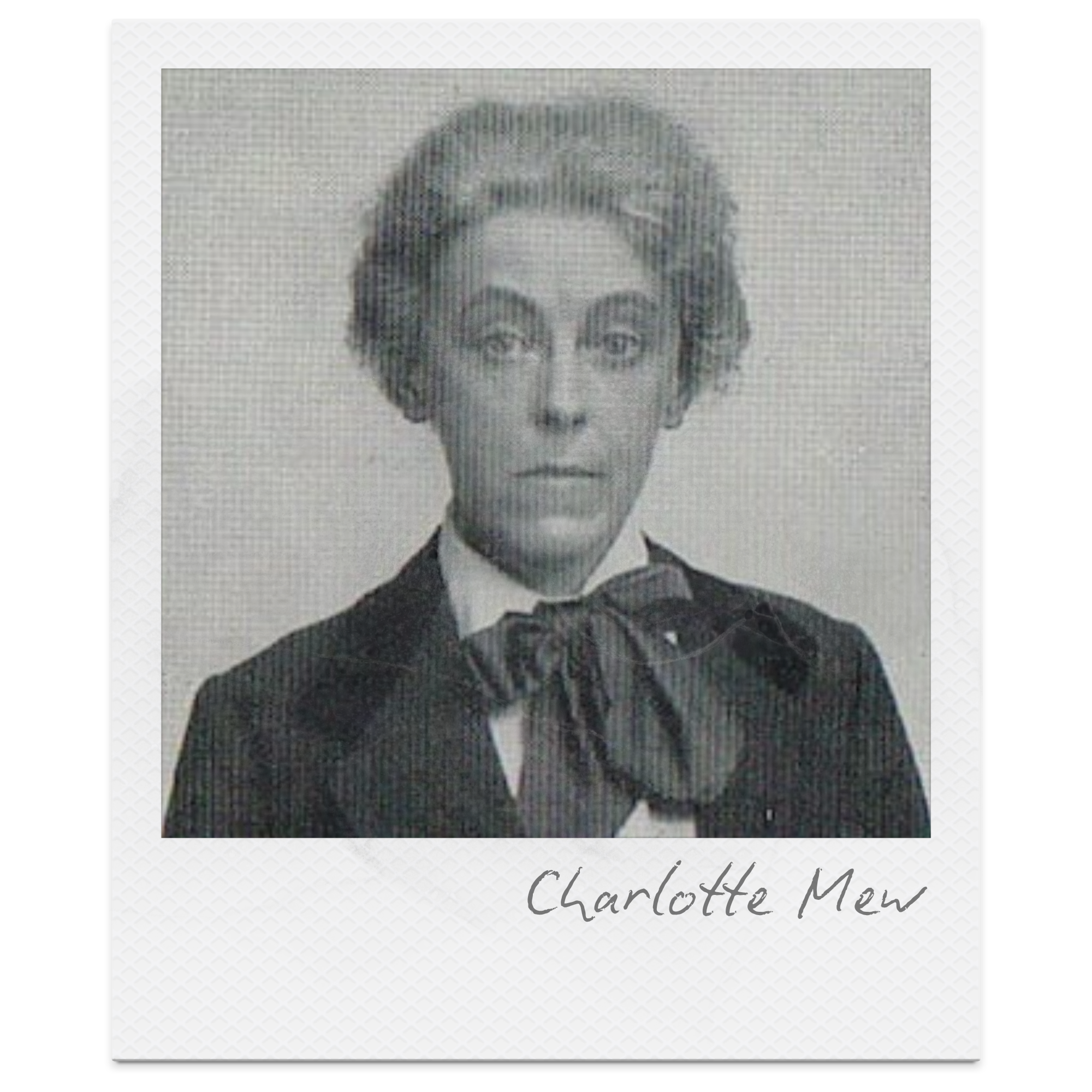
Written in the early twentieth century, The Trees Are Down reflects growing anxieties about urban development, industrial change, and the loss of natural spaces in modern life. Mew often explores isolation, psychological intensity, and a deep sensitivity to suffering, which here extends beyond people to the natural world itself.
The biblical epigraph from Book of Revelation (“Hurt not the earth…”) introduces a moral and spiritual dimension, framing the destruction of the trees as more than practical labour—it becomes an act of ethical violation. This context shapes the poem’s meaning by presenting environmental loss as both personal grief and a broader commentary on human disregard for nature.
The Trees Are Down by Charlotte Mew: At a Glance
Form: Free verse with irregular stanza lengths, combining narrative reflection with lyrical intensity
Mood: Disturbed, elegiac, increasingly anguished
Central tension: The clash between human action (cutting the trees) and emotional/spiritual connection to nature
Core themes: destruction of nature, memory and place, loss, human indifference, spiritual protest
One-sentence meaning: The poem presents the cutting down of trees as a profound emotional and moral rupture, where personal identity and the natural world are intertwined, and their destruction results in lasting loss.
Quick Summary of The Trees Are Down by Charlotte Mew
The poem begins with a vivid description of men cutting down the plane trees, using harsh, sensory imagery to capture the sounds and physical impact of the destruction. The speaker observes the process in detail, contrasting the violence of the work with the casual, almost indifferent behaviour of the men. This external scene triggers a memory of finding a dead rat in spring, introducing an earlier moment where death briefly disrupted the sense of renewal.
As the poem develops, the focus shifts from observation to emotional response, as the speaker realises that the loss of the trees is not temporary but permanent. The destruction becomes symbolic, representing the loss of beauty, continuity, and personal connection to place. By the end, the speaker’s grief intensifies into a moral and almost spiritual protest, reinforced by the repeated idea that the trees should not be harmed, suggesting that this act has violated something deeply significant.
Title, Form, Structure, and Metre of The Trees Are Down by Charlotte Mew
The formal choices in The Trees Are Down reinforce its central tension between order and disruption, using irregular structure and shifting rhythm to mirror the emotional and physical violence of the trees’ destruction.
Title
The title initially appears simple and descriptive, presenting the act of the trees being cut as a completed fact. However, its bluntness carries a sense of finality and loss, immediately foregrounding the idea of irreversible change. As the poem develops, the title takes on greater weight, representing not just physical felling but the collapse of memory, identity, and emotional continuity.
Form and Structure
The poem is written in free verse, with uneven stanza lengths and irregular lineation. This lack of formal constraint reflects the uncontrolled, disruptive nature of the act being described. Early stanzas are longer and more descriptive, filled with layered sound imagery, while later sections become more fragmented, visually mirroring the breaking apart of the natural world.
Mew also uses shifts in perspective, moving from external observation (“They are cutting down…”) to personal memory (“I remember…”) and finally to emotional and moral response. This progression creates a clear structural movement from detachment → reflection → protest, allowing meaning to build cumulatively. The insertion of short, indented lines such as “(Down now!—)” disrupts the flow, echoing the sudden, violent interruption of nature.
The ending draws together these strands, returning to the idea of loss but elevating it into a spiritual dimension, suggesting that what has been destroyed cannot be restored.
Rhyme Scheme and Poetic Pattern
The poem does not follow a regular rhyme scheme, reinforcing its natural, conversational voice. However, Mew uses occasional, subtle echoes to create cohesion. For example, internal sound patterning appears in phrases like:
“rain” / “again” (near echo)
“trees” / “seas” (full rhyme across lines)
These moments of rhyme are not dominant but help to create a sense of underlying connection, particularly between the trees and the wider natural world. The relative absence of consistent rhyme prevents the poem from feeling controlled or harmonious, reflecting instead the disruption and imbalance caused by the destruction.
Metre and Rhythmic Movement
The poem does not use a fixed metre, but its rhythm is carefully shaped to reflect meaning. Many lines move with a natural speech rhythm, reinforcing the speaker’s reflective voice. However, there are moments where stress patterns intensify emotional impact.
For example:
“They are CUTting DOWN the GREAT plane-TREES”
The heavier stresses on “CUT,” “DOWN,” and “GREAT” create a forceful, almost percussive rhythm, mirroring the physical act of cutting.
Similarly, shorter lines such as:
“Green and HIGH
And LONEly aGAINST the SKY”
use stress to emphasise isolation and height, slowing the rhythm and drawing attention to the final remaining branch.
Throughout the poem, Mew varies line length and stress patterns to create a rhythm that shifts between flowing reflection and abrupt interruption, mirroring the movement between memory, observation, and emotional response. This instability in rhythm reinforces the poem’s central idea: that something once continuous and balanced has been violently broken.
The Speaker in The Trees Are Down by Charlotte Mew
The speaker in The Trees Are Down is an observant, reflective individual who moves from detached witness to emotionally involved participant, revealing a deep personal and psychological connection to the natural world. Initially, the voice appears to report events objectively, describing the men cutting the trees, but this quickly shifts as memory and emotion surface, showing that the speaker is not neutral but profoundly affected. The use of first-person reflection (“I remember…”, “my heart…”) establishes an intimate perspective, while the gradual intensification of tone suggests a growing sense of grief, disturbance, and moral outrage. By the end, the speaker’s voice takes on an almost spiritual urgency, aligning personal feeling with a wider ethical protest, so that the destruction of the trees becomes both an external event and an internal rupture.
Stanza-by-Stanza Analysis of The Trees Are Down by Charlotte Mew
This close reading explores how meaning develops across the poem, tracing the movement from external observation to personal memory and finally to emotional and moral protest. Each stanza builds on the last, using imagery, structure, and shifts in tone to show how the destruction of the trees becomes symbolic of a deeper loss of connection, identity, and continuity.
Epigraph: Moral Warning and Spiritual Framing
The poem opens with a biblical epigraph: “Hurt not the earth, neither the sea, nor the trees,” immediately establishing a moral and spiritual framework for the events that follow. The elevated, declarative tone contrasts sharply with the ordinary, physical labour of tree-cutting, positioning the act as not just practical but ethically charged. The imperative “Hurt not” functions as a prohibition, suggesting that the destruction of the trees is a violation of a higher order.
This framing transforms the reader’s understanding from the outset: the cutting of the trees is not neutral or inevitable, but an act that carries moral consequence. By placing this warning before the poem begins, Mew creates a sense of foreboding, so that everything that follows is read against this idea of transgression. The epigraph therefore shapes the entire poem, aligning the speaker’s later emotional response with a broader sense of spiritual protest and injustice.
Stanza 1: Violent Soundscape and Human Indifference
The opening stanza establishes a vivid auditory landscape, where the destruction of the trees is rendered through harsh, layered sound imagery. The listing of noises—“grate,” “swish,” “crash,” “rustle”—creates an accumulating rhythm that mimics the ongoing process of cutting, while also overwhelming the reader with the scale and intensity of the action. These verbs are forceful and physical, emphasising the violence inflicted on the natural world.
This is reinforced through asyndetic listing, which compresses the sounds together without pause, mirroring the relentless continuation of the work. In contrast, the men are characterised through their “loud common talk” and “loud common laughs,” where repetition of “loud” and “common” conveys a sense of coarseness and indifference. Structurally, placing their voices “above it all” suggests that human noise dominates and overrides the quieter, more fragile sounds of nature.
Through this contrast between natural destruction and human casualness, the stanza establishes the central tension of the poem: the profound significance of what is being lost versus the apparent lack of awareness from those causing it.
Stanza 2: Memory, Death, and Disturbed Renewal
The second stanza introduces a clear shift in perspective, moving from present observation to personal memory through the repeated phrase “I remember,” which signals a more reflective and subjective voice. This transition slows the pace and deepens the poem’s emotional register, suggesting that the destruction of the trees has triggered a deeper process of association and recollection.
The image of the “large dead rat” is deliberately unsettling, functioning as a form of symbolic intrusion into what should be a season of renewal. Spring is conventionally associated with life and growth, yet here it is disrupted by death, creating a strong juxtaposition between expectation and reality. The description “god-forsaken” intensifies this, suggesting not only physical decay but a sense of moral or spiritual abandonment.
However, the final line complicates this reaction: “even a rat should be alive.” Despite the speaker’s initial disgust, there is an underlying recognition of the natural order—that life, however insignificant it may seem, belongs within its proper season. This moment establishes an important idea that carries forward into the poem: that death becomes troubling not in itself, but when it disrupts the natural balance, foreshadowing the larger emotional impact of the trees’ destruction.
Stanza 3: Isolation, Interruption, and the Moment of Unmaking
This stanza shifts into a more fragmented and visually disrupted structure, mirroring the near-completion of the destruction while isolating the final remaining branch. The line “just one bough” immediately introduces a sense of fragility and last resistance, and this is reinforced through the indented, shortened lines “Green and high / And lonely against the sky,” where spacing slows the reading and emphasises the branch’s height, exposure, and vulnerability.
The parenthetical command “(Down now!—)” violently interrupts this stillness, functioning as a direct intrusion of human action into the natural scene. Structurally, this abrupt insertion mirrors the physical act of cutting, breaking the rhythm just as the tree is about to be broken. The contrast between the quiet, suspended imagery and the sudden imperative highlights the imbalance between nature and human control.
The stanza then returns to the earlier image of the “dead rat,” explicitly linking memory and present experience. The conditional phrasing—“If an old dead rat / Did once… unmake the Spring”—suggests that past disruption was temporary and forgettable. However, this reflection now serves to emphasise a key shift: unlike that earlier moment, the destruction of the trees cannot be dismissed. Through this comparison, the stanza deepens the idea that what is happening now is not a brief disturbance, but a lasting rupture in the natural and emotional order.
Stanza 4: Irreversible Loss and Personalised Rupture
This stanza marks a decisive shift from reflection to assertion, as the speaker directly rejects the idea of temporary disturbance: “It is not for a moment the Spring is unmade to-day.” The emphatic phrasing establishes finality, contrasting sharply with the earlier, fleeting disruption caused by the dead rat. Here, the unmaking of spring is enduring, signalling a permanent break in the natural cycle.
The phrase “from root to stem” emphasises the trees’ wholeness and completeness, suggesting that their destruction is total rather than partial. This reinforces the scale of loss, while the description “whispering loveliness” introduces a softer, almost intimate quality, presenting the trees as something alive, communicative, and delicate. This contrasts with the coarse energy of the men, whose repeated “Whoops” and “Whoas” reappear, reminding the reader of their ongoing indifference and dominance.
The final line personalises the impact: “Half the Spring, for me, will have gone with them.” The inclusion of “for me” is crucial, shifting the loss from objective description to subjective experience. Spring is no longer a universal season but something individually felt and partially destroyed, showing how the natural world is intertwined with the speaker’s emotional and psychological life.
Stanza 5: Emotional Fusion, Personification, and Spiritual Protest
The final stanza intensifies the speaker’s response into a powerful fusion of personal identity and the natural world, beginning with the striking metaphor “my heart has been struck with the hearts of the planes.” This suggests a deep emotional and almost physical connection, where the trees are not separate from the speaker but part of her own being. The repetition of “Half my life it has beat with these” extends this idea, emphasising duration and continuity, showing that the relationship has developed over time and is integral to her sense of self.
The listing of natural conditions—“the sun… the rains… the March wind, the May breeze… the great gales”—creates a sweeping sense of shared experience across seasons, reinforcing the idea that the speaker and the trees have existed together within a continuous natural cycle. Structurally, the flowing syntax contrasts with the earlier interruptions, suggesting a memory of harmony and balance now being broken.
This harmony is sharply contrasted with the quietness of the trees’ death: “There was only a quiet rain when they were dying.” The subdued tone here replaces earlier violence with a kind of dignified, almost unnoticed suffering, which heightens the sense of injustice. The use of personification—“They must have heard the sparrows flying”—imagines the trees as sentient, aware beings, reinforcing their vulnerability and the cruelty of their destruction.
The final lines shift into a spiritual register, with “an angel crying” echoing the biblical epigraph and elevating the speaker’s grief into a form of moral protest. The repetition of “Hurt not the trees” transforms the poem’s conclusion into a direct ethical appeal, suggesting that the destruction is not only personal loss but a violation of a larger, almost sacred order.
Key Quotes and Methods in The Trees Are Down by Charlotte Mew
This section focuses on how key quotations reveal meaning through method → purpose → impact, supporting precise, exam-focused analysis.
“They are cutting down the great plane-trees…”
◆ Technique: Present tense / declarative opening
◆ Meaning: Establishes immediacy and ongoing action
◆ Purpose: Positions the reader as a witness to destruction
◆ Impact: Creates urgency and draws attention to the scale of loss
“the grate of the saw… the crash of the trunks”
◆ Technique: Auditory imagery / semantic field of violence
◆ Meaning: Emphasises harsh, mechanical destruction
◆ Purpose: Reinforces the brutality of human intervention
◆ Impact: Overwhelms the reader with sensory intensity, creating discomfort
“the loud common talk, the loud common laughs”
◆ Technique: Repetition / diction
◆ Meaning: Suggests coarseness and ordinariness
◆ Purpose: Contrasts human indifference with natural beauty
◆ Impact: Highlights moral disconnection between humans and nature
“a large dead rat in the mud”
◆ Technique: Symbolism / contrast
◆ Meaning: Represents disruption within a season of renewal
◆ Purpose: Introduces the idea of death unsettling natural order
◆ Impact: Prepares the reader for the larger disruption caused by the trees’ destruction
“even a rat should be alive”
◆ Technique: Shift in tone / understated reflection
◆ Meaning: Acknowledges the natural right to life
◆ Purpose: Establishes the importance of seasonal balance
◆ Impact: Makes the later destruction feel more unjust and significant
“Green and high / And lonely against the sky”
◆ Technique: Imagery / isolated lineation
◆ Meaning: Emphasises the last remaining branch
◆ Purpose: Highlights fragility and exposure
◆ Impact: Creates a moment of stillness before destruction, heightening tension
“(Down now!—)”
◆ Technique: Caesura / parenthetical interruption
◆ Meaning: Represents the moment of cutting
◆ Purpose: Breaks the poem’s rhythm to mirror physical violence
◆ Impact: Shocks the reader, reinforcing the suddenness of loss
“the whole of the whispering loveliness”
◆ Technique: Alliteration / personification
◆ Meaning: Suggests the trees as living, expressive beings
◆ Purpose: Elevates their value beyond physical objects
◆ Impact: Intensifies emotional response to their removal
“Half the Spring, for me, will have gone with them”
◆ Technique: Personal pronoun / symbolism
◆ Meaning: Links nature directly to the speaker’s identity
◆ Purpose: Shifts from objective loss to subjective experience
◆ Impact: Makes the destruction feel intimate and deeply personal
“my heart has been struck with the hearts of the planes”
◆ Technique: Metaphor
◆ Meaning: Fuses the speaker’s identity with the trees
◆ Purpose: Shows emotional and psychological connection
◆ Impact: Reinforces the idea that their destruction is internal as well as external
“There was only a quiet rain when they were dying”
◆ Technique: Juxtaposition / tone shift
◆ Meaning: Contrasts earlier noise with quiet death
◆ Purpose: Highlights the unnoticed suffering of the trees
◆ Impact: Creates a sense of injustice and subdued tragedy
“I heard an angel crying”
◆ Technique: Religious imagery / symbolism
◆ Meaning: Elevates the event to a moral and spiritual level
◆ Purpose: Connects personal grief to a wider ethical framework
◆ Impact: Intensifies the poem’s sense of protest and significance
“Hurt not the trees”
◆ Technique: Imperative / repetition
◆ Meaning: Acts as a moral command
◆ Purpose: Reinforces the poem’s central message
◆ Impact: Leaves the reader with a lasting sense of ethical responsibility
Key Techniques in The Trees Are Down by Charlotte Mew
Mew uses a range of sound, structural, and figurative techniques to transform a simple act of tree-felling into a powerful exploration of loss, memory, and moral protest.
◆ Anaphora and Repetition – Repeated phrases such as “the grate of the… the swish of the… the crash of the…” create a cumulative, overwhelming rhythm that mirrors the ongoing destruction, while “I remember” marks a clear shift into memory and reflection. Later, “in the…” builds a sense of continuity across time, reinforcing the speaker’s long-standing connection to the trees.
◆ Sound Imagery and Onomatopoeia – Words like “grate,” “swish,” and “crash” imitate real sounds, immersing the reader in the physical violence of the scene. This creates a harsh auditory environment that contrasts with the natural quiet the trees would normally inhabit.
◆ Asyndeton – The omission of conjunctions in lists of sounds and experiences accelerates the pace, making the destruction feel relentless and unstoppable, while also reflecting the overwhelming sensory impact on the speaker.
◆ Caesura and Parenthesis – Interruptions such as “(Down now!—)” break the flow of the poem, mimicking the sudden, forceful act of cutting. These disruptions create moments of shock, reinforcing the violence inflicted on the trees.
◆ Juxtaposition – The poem contrasts noise vs silence, life vs death, and human activity vs natural stillness. For example, the loud voices of the men are set against the quiet dignity of the trees’ death, highlighting human insensitivity.
◆ Personification – The trees are given human qualities (“hearts,” the ability to “hear”), presenting them as living beings rather than objects. This deepens the emotional impact and encourages the reader to view their destruction as a form of harm.
◆ Metaphor – The speaker’s heart being “struck with the hearts of the planes” fuses human and nature, suggesting that identity and environment are inseparable. This elevates the loss from physical to deeply psychological.
◆ Biblical Allusion – The reference to Book of Revelation introduces a moral framework, framing the destruction as a violation of a higher ethical order. This transforms the poem into a form of spiritual protest.
◆ Alliteration and Consonance – Repeated sounds such as “whispering loveliness” soften the tone and evoke the gentle presence of the trees, contrasting with harsher sounds linked to destruction. This reinforces the emotional divide between nature and human action.
◆ Imagery – Vivid sensory details (sound, sight, texture) create a layered representation of both destruction and memory, allowing the reader to experience the scene as both immediate and reflective.
◆ Structural Shifts – The movement from long descriptive lines to shorter, fragmented ones mirrors the transition from observation to emotional fragmentation, reinforcing the idea of something being broken apart.
Together, these techniques work to move the poem beyond description, showing how meaning is constructed through sound, structure, and symbolic association, ultimately shaping a powerful response to the destruction of the natural world.
How the Writer Creates Meaning and Impact in The Trees Are Down by Charlotte Mew
Mew constructs meaning through a careful interplay of sound, structure, imagery, and voice, transforming a localised act of tree-felling into a profound exploration of loss, identity, and moral responsibility.
At the level of language and imagery, the poem opens with harsh auditory imagery (“grate,” “swish,” “crash”), creating a violent soundscape that immerses the reader in the physical reality of destruction. This is contrasted with softer, more lyrical phrases such as “whispering loveliness,” which reframe the trees as something delicate and alive. This contrast shapes the reader’s response, moving from sensory shock to emotional recognition of what is being lost.
Structurally, Mew uses shifts in perspective to deepen meaning. The movement from detached observation (“They are cutting down…”) to personal memory (“I remember…”) and finally to emotional and spiritual protest mirrors the speaker’s internal journey. This progression allows the poem to build from a specific event into a broader reflection on memory and connection to place, showing how external actions trigger internal consequences.
The poem’s irregular form and rhythm further reinforce this disruption. The lack of a fixed metre or rhyme scheme reflects the breakdown of natural order, while interruptions such as “(Down now!—)” create moments of abrupt shock that mirror the act of cutting. In contrast, flowing, extended lines describing shared experiences with the trees create a sense of continuity and harmony, emphasising what has been destroyed.
Mew also develops meaning through voice and tone, which shift from observational to increasingly personal and impassioned. The inclusion of first-person reflection (“my heart…”) transforms the destruction into an emotional and psychological rupture, while the final image of “an angel crying” elevates the poem into a moral and spiritual dimension. The repeated imperative “Hurt not the trees” reinforces this, presenting the destruction as not just unfortunate, but ethically wrong.
Ultimately, meaning is created through the consistent linking of method → purpose → impact: sound establishes violence, structure mirrors disruption, and imagery and voice transform physical loss into a deeply felt human and moral crisis, leaving the reader with a lasting sense of unease and responsibility.
Themes in The Trees Are Down by Charlotte Mew
The poem develops its central ideas through a close interaction between language, structure, and voice, presenting the destruction of the trees as both a physical act and a deeper emotional and moral rupture.
Destruction of Nature
The most immediate theme is the destruction of the natural world, presented through harsh sound imagery and forceful verbs (“grate,” “crash”). The trees are not passive objects but are described with personification and lyrical language (“whispering loveliness”), which elevates their significance. This contrast between violence and beauty emphasises the scale of loss, suggesting that human intervention is not neutral but deeply damaging.
Memory and Place
The speaker’s use of personal memory (“I remember…”) reveals how place is tied to identity. The trees are not just part of the landscape but part of the speaker’s lived experience, reinforced through imagery of shared time across seasons. Structurally, the shift from present observation to past reflection shows how memory deepens the meaning of the event, turning it into a loss that is both external and internal.
Loss and Irreversibility
Unlike the earlier image of the dead rat, which represents a temporary disturbance, the cutting of the trees is presented as permanent and irreversible. The assertion that “Half the Spring… will have gone” uses symbolism to show that the loss extends beyond the physical trees to something more abstract and enduring. This theme is reinforced by the poem’s progression towards fragmentation and emotional intensity.
Human Indifference and Responsibility
The men’s “loud common talk” and laughter contrast sharply with the speaker’s emotional response, highlighting human indifference. Through repetition and diction, their behaviour is presented as coarse and disconnected from the significance of their actions. This contrast encourages the reader to question human attitudes towards nature, suggesting a failure of awareness and responsibility.
Spiritual and Moral Protest
The biblical epigraph and the final image of “an angel crying” introduce a spiritual dimension, framing the destruction as a moral issue rather than a practical one. The repeated imperative “Hurt not the trees” functions as a form of ethical protest, suggesting that the act violates a broader, almost sacred order. This elevates the poem from personal grief to a wider commentary on human behaviour and moral accountability.
Identity and Emotional Connection
The metaphor linking the speaker’s heart with the trees’ hearts reveals a deep fusion between self and environment. This suggests that identity is shaped by place, and that its destruction results in a form of emotional fragmentation. The poem therefore presents the loss of the trees as not just environmental damage, but a disruption of the speaker’s sense of self.
Alternative Interpretations of The Trees Are Down by Charlotte Mew
While the poem can be read as a direct response to environmental destruction, its imagery, structure, and shifting tone allow for multiple layers of interpretation.
Psychological Interpretation: Inner Fragmentation and Emotional Projection
From a psychological perspective, the trees can be read as an extension of the speaker’s inner world. The gradual movement from observation to emotional intensity suggests that the external event triggers a deeper process of internal disturbance. The metaphor “my heart has been struck with the hearts of the planes” implies a merging of self and environment, so that the destruction of the trees reflects a form of emotional fragmentation or grief. In this reading, the poem becomes less about the trees themselves and more about how individuals project meaning onto the world around them.
Social Interpretation: Modernity and Disconnection
The poem can also be interpreted as a critique of modern industrial society, where practical concerns override emotional and ethical considerations. The men’s “loud common talk” and laughter suggest a culture that values efficiency over reflection, highlighting a growing disconnection between humans and nature. The destruction of the trees becomes symbolic of broader social change, where natural spaces are sacrificed for progress, and where sensitivity to loss is increasingly marginalised.
Philosophical / Existential Interpretation: Meaning, Value, and Loss
From a philosophical perspective, the poem raises questions about how meaning is created and sustained. The earlier memory of the dead rat suggests that death is a natural part of life, but the destruction of the trees disrupts this balance, making loss feel unnatural and unjustified. This distinction highlights the idea that meaning is not inherent but constructed through continuity, memory, and personal connection. The poem therefore explores the tension between the inevitability of change and the human need to find stability and significance in the world.
Moral / Spiritual Interpretation: Ethical Responsibility
The biblical epigraph and the final image of the angel crying invite a moral reading, where the destruction of the trees is framed as a violation of a higher ethical order. The repeated imperative “Hurt not the trees” suggests that human actions are subject to moral judgement, and that the loss described in the poem carries consequences beyond the physical. In this interpretation, the poem functions as a form of protest, urging the reader to reconsider their relationship with the natural world and their responsibility towards it.
Exam-Ready Insight for The Trees Are Down by Charlotte Mew
This section shows how to turn your understanding of The Trees Are Down into a strong, exam-focused response for IGCSE Literature (0408), with a clear focus on how meaning is created through methods.
What strong responses do
◆ focus closely on the question
◆ analyse methods (language, structure, and sound), not just ideas
◆ explain how effects are created, not just what happens
◆ track shifts in voice and tone across the poem
◆ use short, precise quotations to support points
Conceptual argument
A strong thesis for The Trees Are Down might be:
Mew presents the destruction of the trees as a profound emotional and moral rupture, using violent sound imagery, contrast, and a shift from detached observation to personal and spiritual protest to show how human indifference disrupts both the natural world and the speaker’s sense of identity.
Model analytical paragraph
Mew presents the destruction of the trees as violent and unsettling through sound imagery and contrast. In the phrase “the grate of the saw,” the harsh consonant sounds create an abrasive effect, mirroring the physical cutting and emphasising the brutality of the act. This is reinforced by the accumulation of sounds in “the crash of the trunks, the rustle of trodden leaves,” where the listing builds intensity and overwhelms the reader. In contrast, the men’s “loud common talk” and “loud common laughs” suggest indifference, with the repetition of “loud” and “common” implying a lack of sensitivity. This juxtaposition highlights the gap between the significance of the destruction and the casual attitude of those responsible, encouraging the reader to view the act as morally troubling rather than ordinary.
Teaching Ideas for The Trees Are Down by Charlotte Mew
This poem is ideal for exploring how writers use language, structure, and voice to present ideas, while also building collaborative and discussion-based classroom approaches.
1. Collaborative Analytical Paragraph (Paired Writing)
Give students a focused question, for example:
How does Mew present the destruction of the trees as significant?
Students work together to produce a single paragraph, combining their ideas and interpretations. They should:
◆ select and embed quotations
◆ identify methods (language, structure, sound)
◆ explain meaning → purpose → impact
Because both students contribute, they can challenge and refine each other’s ideas, leading to a stronger, more developed response. This approach reinforces that strong analysis is built through discussion and refinement, not just individual effort.
2. Structured Group Close Analysis (Role-Based)
Instead of traditional annotation, assign students specific roles in small groups for a stanza-by-stanza reading:
◆ Structure specialist – tracks shifts, voice, and progression
◆ Language analyst – explores word choices and imagery
◆ Methods expert – identifies poetic devices and techniques
◆ Tone tracker – comments on voice and emotional shifts
Each group analyses a stanza, then feeds back to the class, building a full interpretation together.
This makes close reading more active and collaborative, while still developing detailed analytical skills.
3. Silent Debate
Set up a silent debate around the question:
Is The Trees Are Down more about environmental loss or personal grief?
Students respond to prompts in writing, building on and challenging each other’s ideas. They should:
◆ use quotations as evidence
◆ respond directly to others’ interpretations
◆ develop and refine arguments over time
This encourages deeper thinking and ensures all students participate. For guidance on structuring this activity, see this post on silent debate activities.
4. Creative Writing: Voice and Perspective
Ask students to write a short piece from the perspective of something being destroyed or overlooked.
Prompt:
Write in the voice of a place, object, or natural element that is being changed or removed.
Students should aim to:
◆ use sensory imagery (sound, sight, texture)
◆ develop a clear voice and emotional perspective
◆ include contrast between past and present
◆ show how meaning is shaped through language choices
This helps students apply literary techniques in their own writing, reinforcing their understanding of how texts create meaning. For more structured prompts, explore the Creative Writing Archive.
Go Deeper into The Trees are Down
To develop stronger comparisons and more conceptual responses, you can connect The Trees Are Down to other texts that explore nature, memory, identity, and loss through different methods:
◆ Follower by Seamus Heaney – explores connection to place and identity, showing how relationships shape the self, allowing comparison with Mew’s portrayal of emotional attachment to the natural world
◆ Because I could not stop for Death by Emily Dickinson – presents death as part of a natural, continuous process, offering contrast with Mew’s portrayal of disruption and unnatural loss
◆ Remember by Christina Rossetti – explores memory, loss, and emotional connection, allowing comparison with how Mew links personal identity to what is lost
◆ My Parents by Stephen Spender – examines emotional distance and perspective, useful for comparing how speakers interpret and respond to their environments
◆ Where I Come From by Elizabeth Brewster – explores place and identity, reinforcing the idea that environments shape personal experience and meaning
These connections help build comparison skills and support more developed, top-band responses by linking method, theme, and interpretation across texts.
Final Thoughts
The Trees Are Down is memorable for the way it transforms a seemingly ordinary event into a powerful exploration of loss, identity, and moral responsibility. Through sound imagery, structural disruption, and a shifting personal voice, Mew shows how the destruction of the natural world is not simply physical but deeply emotional and symbolic.
The poem’s strength lies in its progression: what begins as observation becomes reflection, and finally a form of spiritual protest, reinforced by the final imperative “Hurt not the trees.” This movement ensures that the reader does not remain detached, but is drawn into the speaker’s sense of unease and responsibility.
Ultimately, the poem suggests that places and natural environments are not passive backdrops but active parts of human identity. Their loss, therefore, is not just environmental damage, but a disruption of memory, continuity, and self. For further exploration, revisit the Songs of Ourselves Volume 1 hub or expand your reading through the Literature Library.
Choose Your Next Text