Notes from the Inkpot
Writing, teaching, creating - one ink-stained idea at a time.





Frost and Fire by Ray Bradbury: Summary, Themes, Meaning & Analysis
Discover our comprehensive Frost and Fire analysis, featuring a clear summary, in-depth exploration of themes, characters, symbolism, structure, setting, important quotes, and literary techniques. Learn how Ray Bradbury transforms an imaginative science fiction premise into a powerful exploration of mortality, time, scientific progress, hope, and the resilience of the human spirit. Whether you're studying for an exam, teaching the story, or simply exploring Bradbury's work, this guide offers detailed insights, alternative interpretations, and practical classroom ideas to deepen your understanding of one of his most thought-provoking short stories.

Here There Be Tygers by Ray Bradbury: Summary, Themes, Meaning & Analysis
Explore our comprehensive analysis of Here There Be Tygers by Ray Bradbury, including a clear summary, major themes, symbolism, important quotes, literary techniques, alternative interpretations, and detailed character analysis. Discover how Bradbury uses a living planet to explore colonialism, environmentalism, human greed, and respect for nature, while offering teaching ideas, essay guidance, and exam-focused insights for students and teachers.
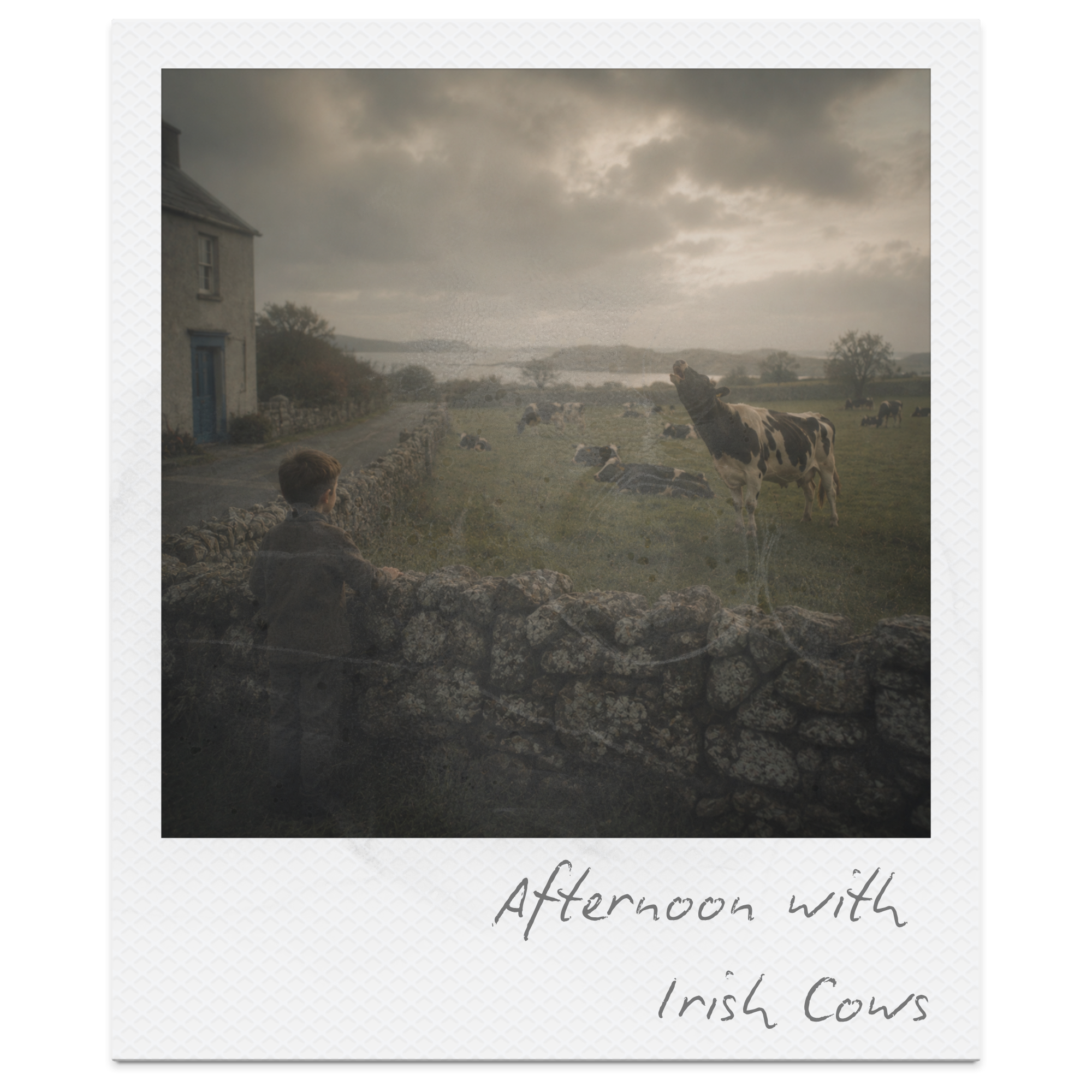
Afternoon with Irish Cows by Billy Collins: Analysis of Identity, Wonder and the Extraordinary Ordinary
Billy Collins' Afternoon with Irish Cows is a thoughtful exploration of identity, selfhood, perception, and the hidden significance of everyday life. What begins as a seemingly simple observation of cattle grazing in a field gradually develops into a meditation on authenticity, consciousness, and humanity's relationship with the natural world. Through conversational language, humour, vivid imagery, and symbolic moments of revelation, Collins challenges readers to look beyond first impressions and recognise the complexity that exists within even the most ordinary experiences. This detailed analysis explores the poem's themes, literary techniques, symbolism, key quotations, alternative interpretations, anthology comparisons, and exam insights for Cambridge International AS & A Level Literature in English (9695).
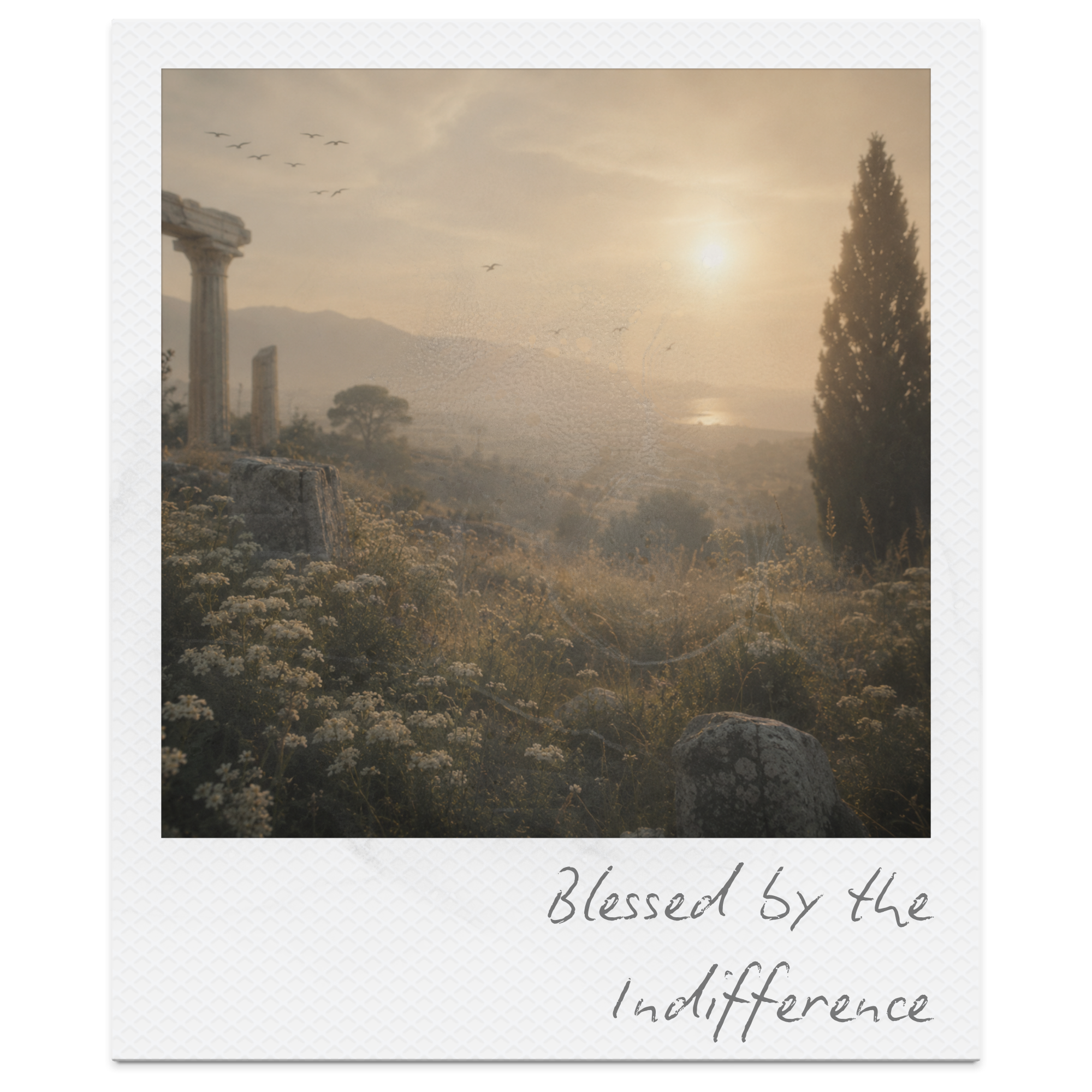
Blessed by the Indifference by Christopher Reid: Analysis of Nature, Time and Human Insignificance
Christopher Reid's Blessed by the Indifference is a thoughtful and quietly philosophical poem that explores human insignificance, nature's indifference, mortality, and the passage of time. Through vivid descriptions of insects, birds, sunlight, and landscape, Reid presents a natural world that exists independently of human concerns, encouraging readers to reconsider assumptions about importance, ownership, and permanence. The poem's central paradox suggests that there may be something unexpectedly liberating about recognising that the world does not revolve around humanity. This detailed analysis explores the poem's themes, symbolism, structure, key quotations, literary techniques, alternative interpretations, and anthology comparisons. Examining ideas such as perspective, environmental awareness, transience, and finding meaning within an indifferent universe, the article reveals how Reid transforms an ordinary breakfast scene into a profound reflection on humanity's place within the larger natural world.
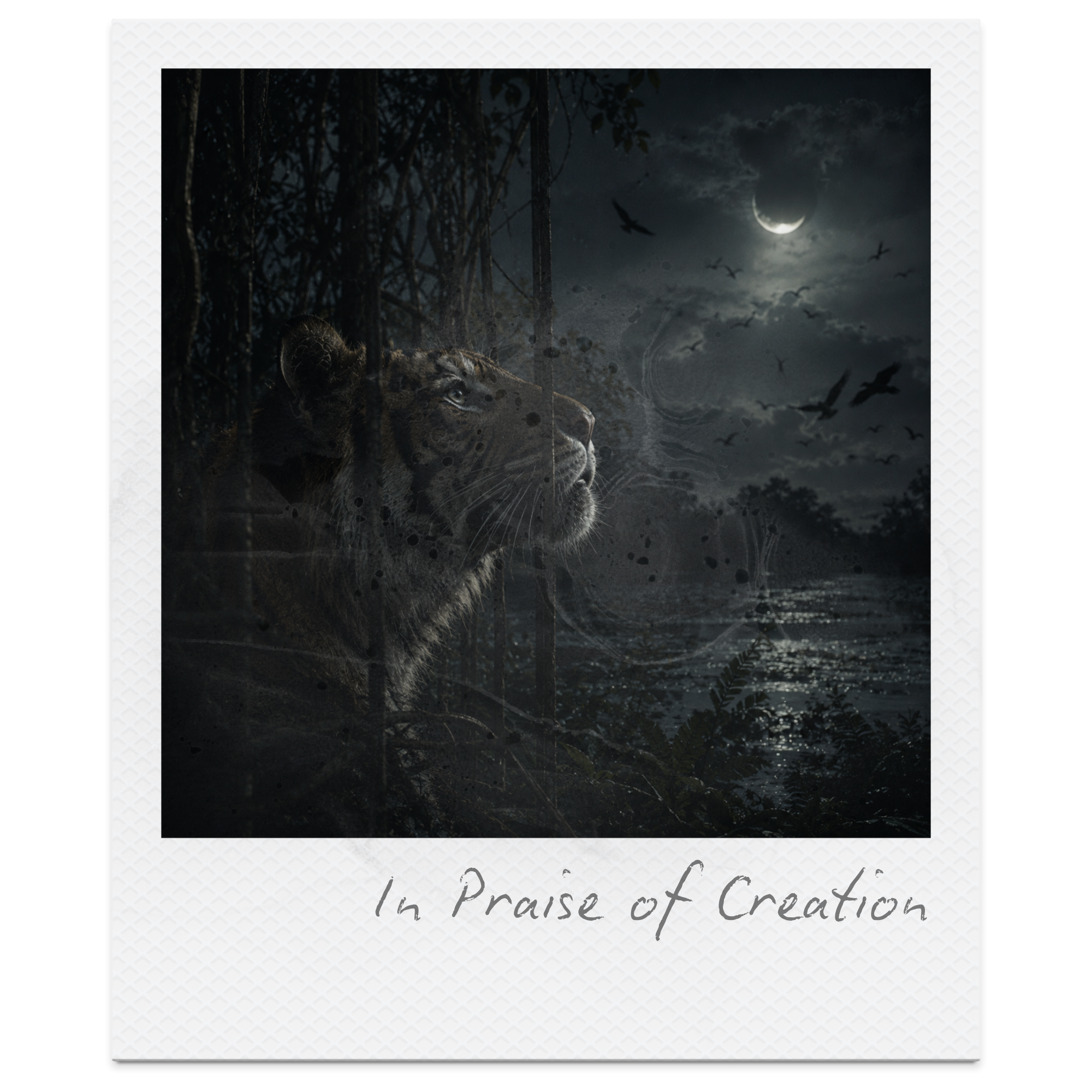
In Praise of Creation by Elizabeth Jennings: Analysis of Nature, Instinct and the Order of Creation
Elizabeth Jennings' In Praise of Creation is a contemplative exploration of nature, instinct, order, and humanity's place within the wider world. Through vivid images of birds, stars, the moon, and a tiger responding to the rhythms of desire and renewal, Jennings presents creation as a system governed by recurring patterns and interconnected cycles. Yet beneath its celebration of the natural world lies a deeper philosophical question: what can human beings learn from a creation that appears so instinctively certain of its purpose? This detailed analysis explores the poem's themes of nature and instinct, order and design, creation and renewal, desire, consciousness, and wonder. Through stanza-by-stanza commentary, key quotations, symbolism, literary techniques, alternative interpretations, anthology comparisons, and exam-focused insights, the article examines how Jennings transforms careful observation into a meditation on meaning, curiosity, and the enduring mysteries of existence.
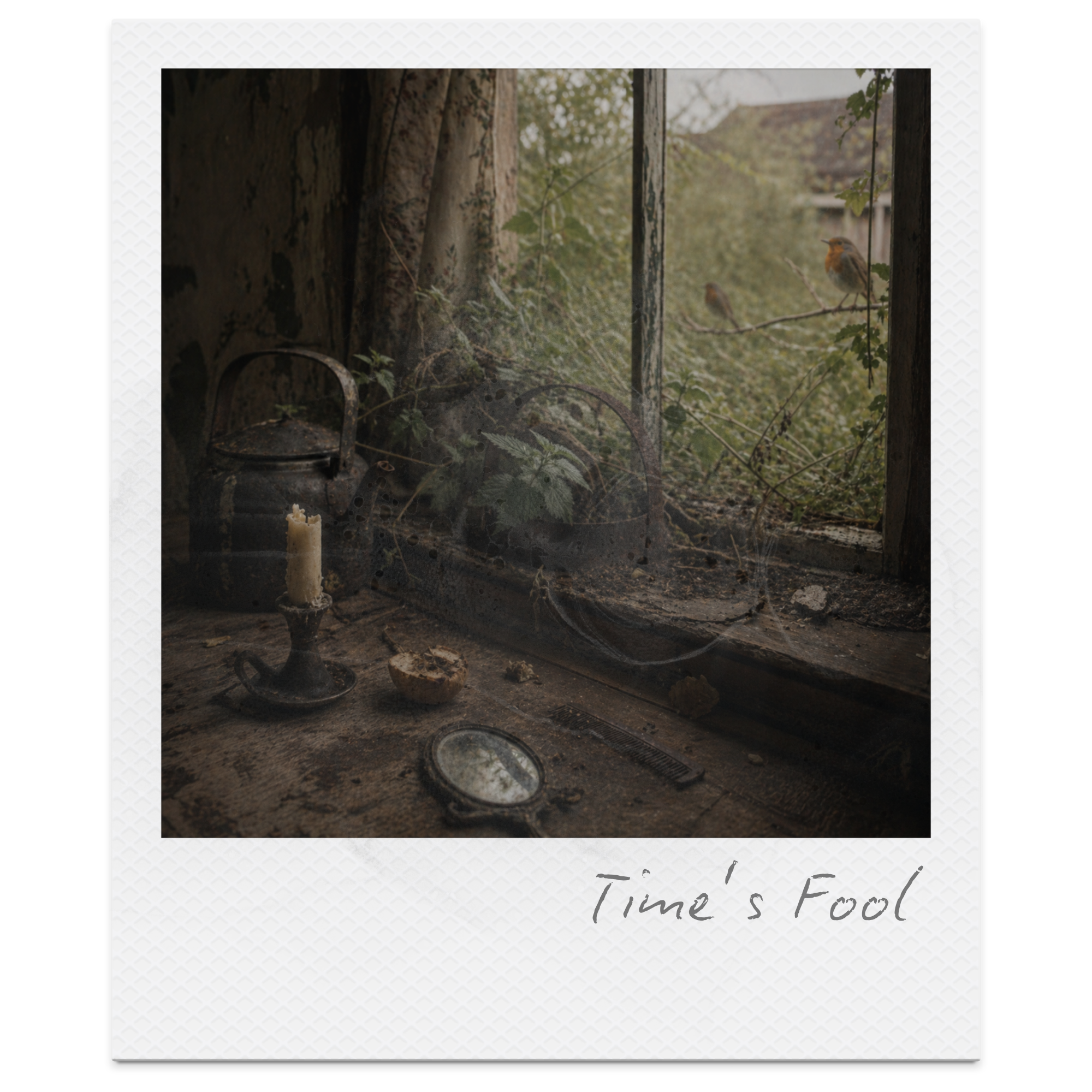
Time’s Fool by Ruth Pitter: Summary, Themes & Analysis
Ruth Pitter’s Time’s Fool reflects on how time reshapes our understanding of the past, transforming experiences that once seemed ordinary or insignificant into sources of deep emotional value. Through nostalgic imagery, paradox, and a reflective tone, the poem explores the contrast between material poverty and inner richness, revealing how memory redefines what truly matters. As the speaker revisits a life of simple comforts and natural surroundings, the poem shifts from a sense of loss to quiet acceptance, suggesting that fulfilment lies not in possessions but in experience, connection, and perspective. In doing so, Pitter presents a nuanced view of time—not just as a force of change, but as something that gives meaning to what has been left behind.
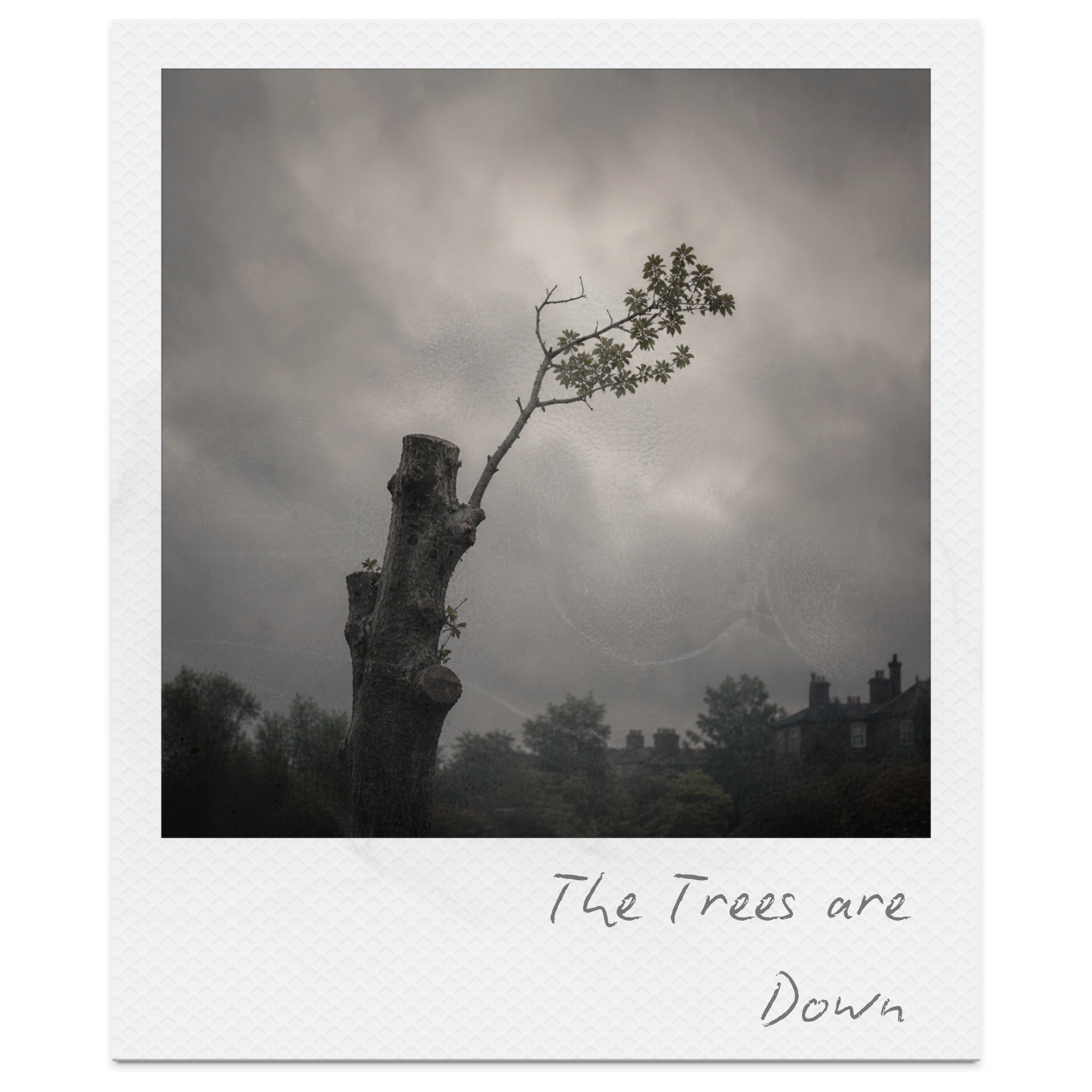
The Trees Are Down by Charlotte Mew: Summary, Themes & Analysis
The Trees Are Down by Charlotte Mew explores loss, destruction of nature, and emotional connection to place, transforming the cutting of trees into a powerful reflection on identity and memory. Through harsh sound imagery, contrast, and a shifting personal voice, Mew presents the act as more than physical labour, revealing it as a deeply unsettling and morally charged event. As the poem develops, the speaker moves from observation to personal reflection and protest, showing how the loss of the trees disrupts both the natural world and her own sense of self. The final image of an “angel crying” elevates this response into a form of spiritual warning, leaving the reader with a lasting sense that what has been destroyed cannot be restored, and that such loss carries profound emotional and ethical consequences.

One Art by Elizabeth Bishop: Summary, Themes & Analysis
Elizabeth Bishop’s One Art explores loss and emotional control through a tightly structured villanelle, presenting the idea that losing can be learned and mastered. Through repetition and an authoritative, instructional voice, the poem initially suggests that loss is manageable, using everyday examples to create a sense of calm and control. However, as the poem progresses, the scale of loss becomes more personal and emotionally significant, revealing cracks in this composure. Subtle shifts in tone and structure expose the tension between the speaker’s claims and her true feelings, ultimately suggesting that loss cannot be fully mastered, no matter how carefully it is framed.

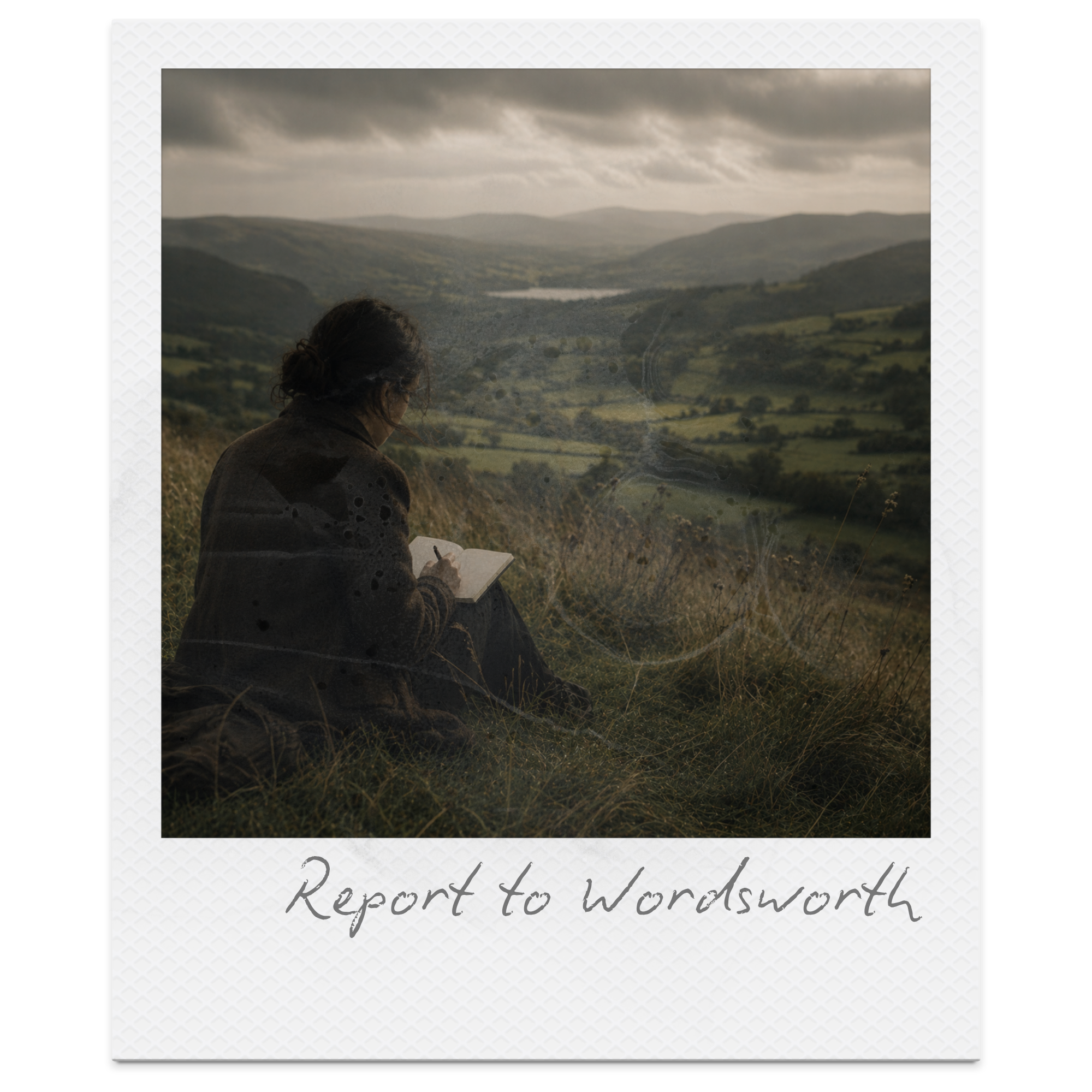
Report to Wordsworth by Boey Kim Cheng: Summary, Themes & Analysis
Report to Wordsworth by Boey Kim Cheng explores the devastating impact of human activity on the natural world, using vivid imagery, mythological allusion, and a disrupted sonnet form to contrast Romantic ideals with modern environmental decline. Through its urgent tone and escalating imagery, the poem presents nature as weakened, silenced, and in need of restoration. This analysis examines how Cheng uses language, structure, and voice to create meaning, focusing on environmental destruction, the failure of poetry and spirituality, and the loss of harmony between humanity and nature. Designed for IGCSE Literature (0475), it supports students in developing clear, method-focused responses.

Lament by Gillian Clarke: Summary, Themes & Analysis
Lament by Gillian Clarke presents a powerful, cumulative expression of grief, exploring the impact of war, environmental destruction, and human responsibility. Through repetition, vivid imagery, and structured listing, Clarke connects the suffering of animals, people, and landscapes, showing how these losses are deeply interconnected. By building a sequence of images that move from individual creatures to global devastation, the poem creates a sense of scale and inevitability, while its restrained tone allows the destruction to speak for itself. The result is a poem that not only mourns what has been lost, but also challenges the reader to recognise the ongoing consequences of human actions.
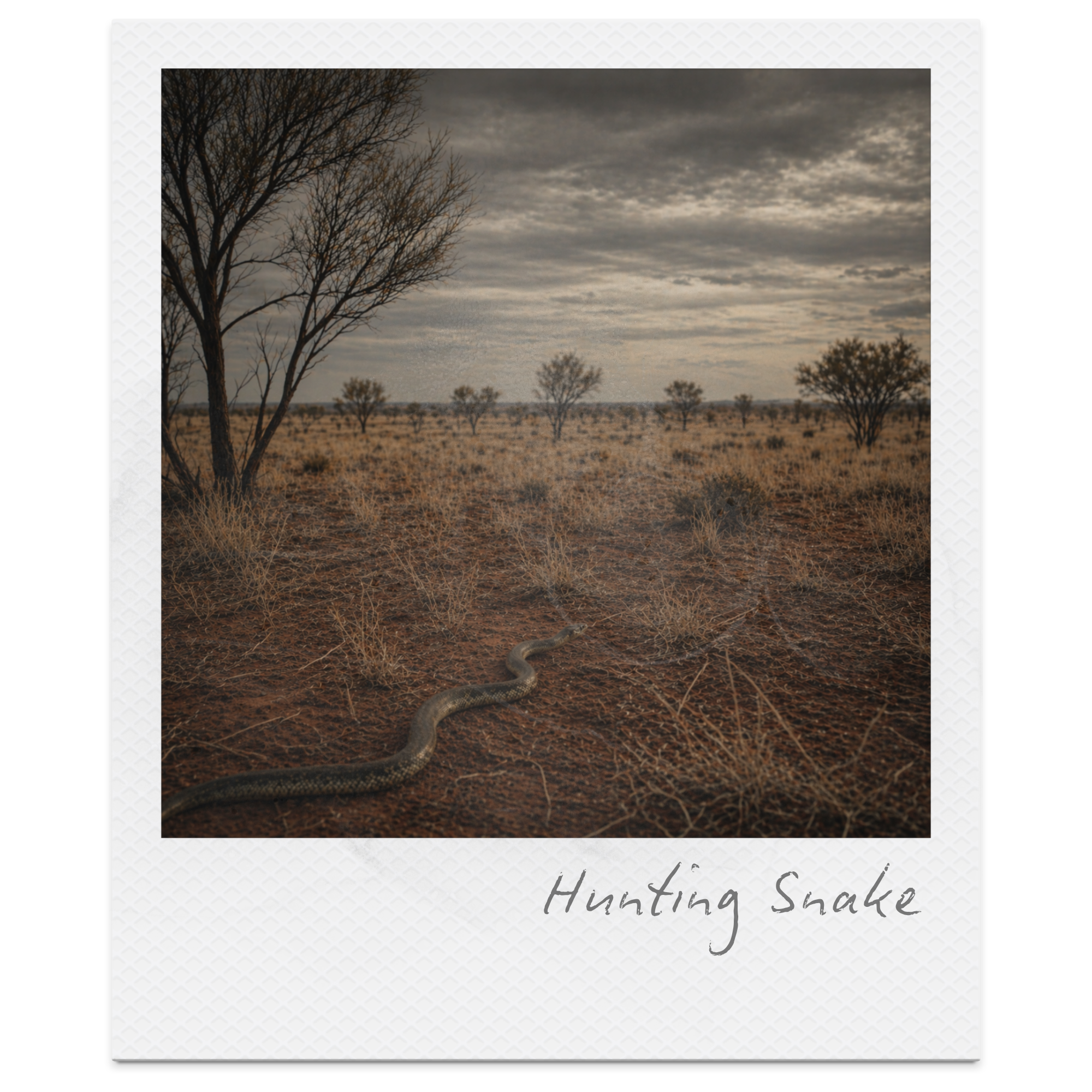
Hunting Snake by Judith Wright: Summary, Themes & Analysis
Judith Wright’s Hunting Snake captures a sudden encounter with nature, using imagery, contrast, and structure to explore the tension between fear and fascination. The poem shows how a moment of interruption can shift human perception, moving from instinctive reaction to reflective awareness. This analysis explores how Wright presents the snake as both threatening and awe-inspiring, focusing on how methods create meaning and impact. It supports students in developing clear, method-driven responses for IGCSE Literature (0475).