Horror Writing Prompts, Tropes and Story Ideas
Horror begins with fear, but the best horror stories rarely depend on fear alone. They take something familiar — a home, a family, a body, a community, a piece of technology, even a character’s own mind — and introduce something that makes it impossible to feel completely safe again.
The genre can take countless forms. A horror story might follow a character trapped inside a haunted house, a village protecting an ancient ritual, an experiment that begins changing the human body or someone slowly realising that their memories cannot be trusted. Other stories look beyond the everyday towards cosmic forces, supernatural entities, dangerous folklore, monstrous creatures or technologies that have developed in ways their creators never intended.
This Horror Writing Hub brings together horror writing prompts, story ideas, generators, characters, settings, tropes, themes and worldbuilding resources to help you create your own unsettling fiction. Explore psychological horror, supernatural horror, folk horror, body horror, sci-fi horror, Gothic horror and other subgenres, or start with a single frightening idea and gradually build the characters, setting, atmosphere, rules and threats surrounding it.
You’ll also find resources for developing the craft behind horror: creating suspense, building atmosphere, designing disturbing settings, constructing believable supernatural rules and deciding what your characters fear, what threatens them and what might happen when the safety of their world begins to break down.
If you are not sure where to begin, try the Horror Story Sparks generator for instant characters, settings, conflicts, secrets, threats, twists and other pieces of story inspiration. You can also explore the Creative Writing Generators Hub for more interactive story, character and worldbuilding tools.
For even more inspiration, visit the Creative Writing Archive, where you can browse writing prompts, story ideas, characters, settings and creative resources across horror, Gothic, paranormal, fantasy, mystery and dozens of other genres and themes.
Whether you want to write something quietly unsettling, psychologically disturbing, brutally frightening or completely impossible to forget, explore the sections below and begin building your next horror story.
Horror Genres & Subgenres
Horror is an extraordinarily varied genre. Some stories frighten us with ghosts, monsters and supernatural forces, while others find horror in the human mind, the body, technology, isolation or the disturbing possibilities hidden within ordinary life. Exploring different horror subgenres can help you decide where the fear in your story comes from and what kind of experience you want to create for the reader.
Browse the horror genres and subgenres below to find writing prompts, story ideas and inspiration for your next unsettling tale.
Inside this section:
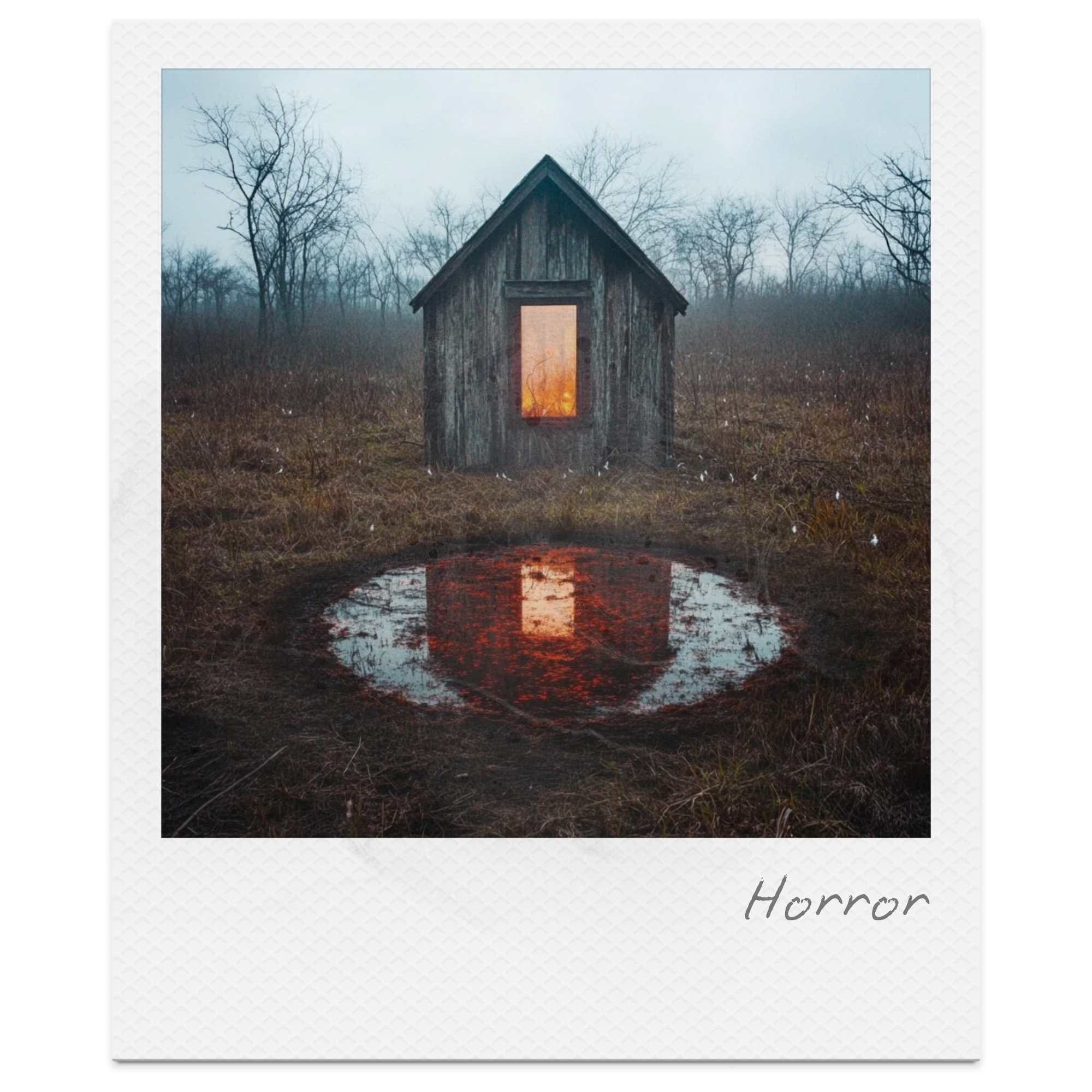
◆ Horror – stories driven by fear, tension and the disruption of safety, often blending psychological and physical threat
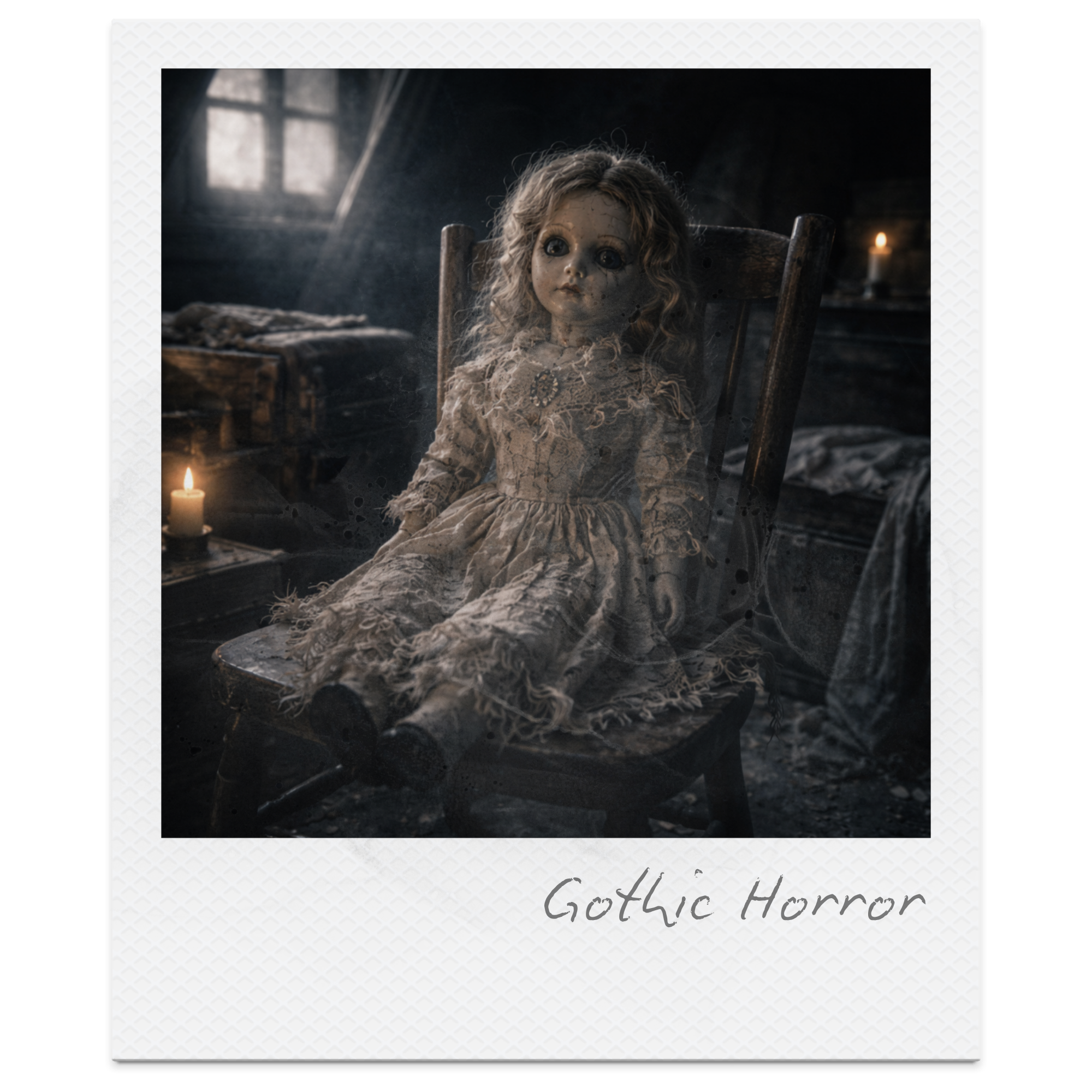
◆ Gothic Horror – dark, atmospheric narratives rooted in decay, isolation and the supernatural, often set in haunting or oppressive environments
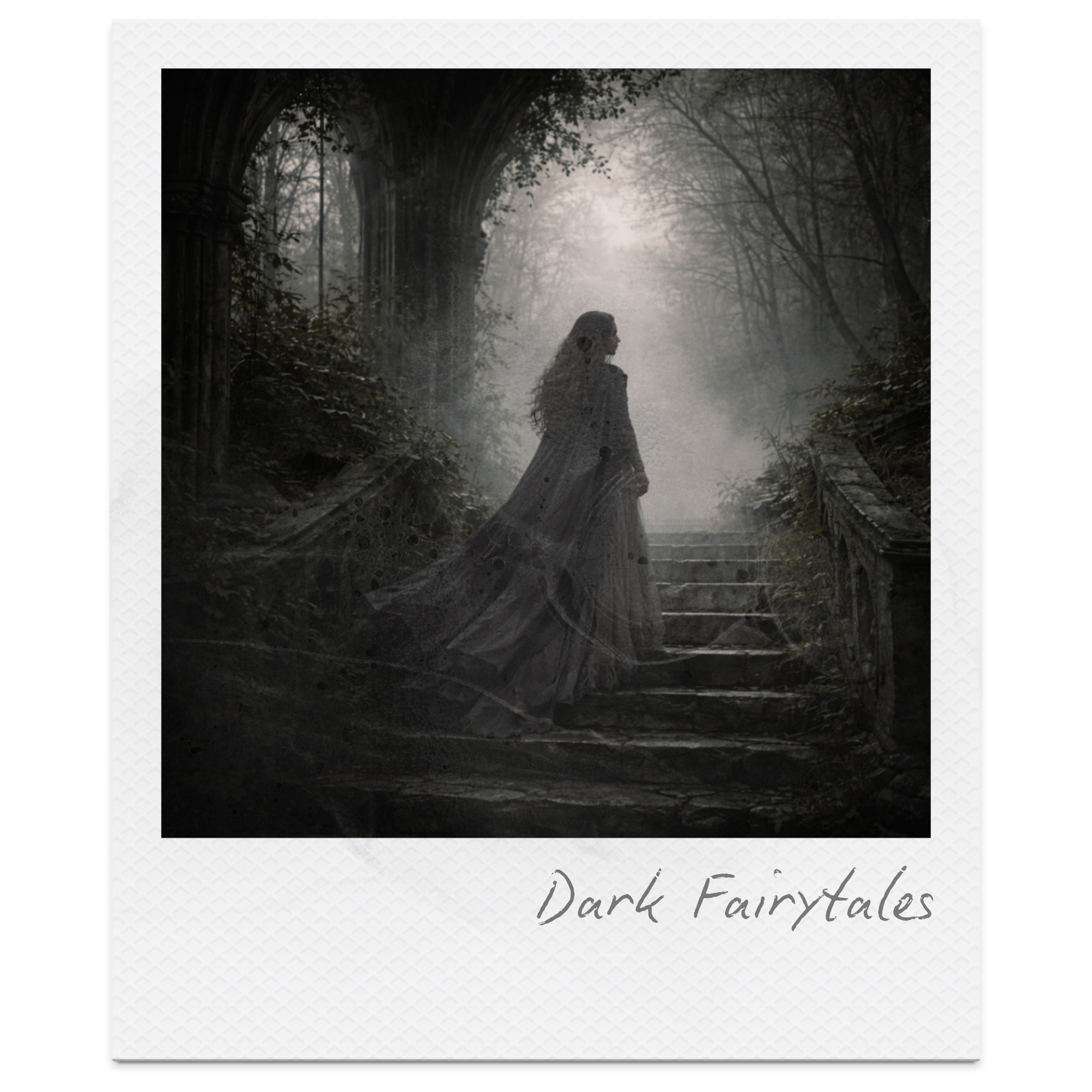
◆ Dark Fairytales – twisted retellings where familiar stories become unsettling, violent or psychologically disturbing
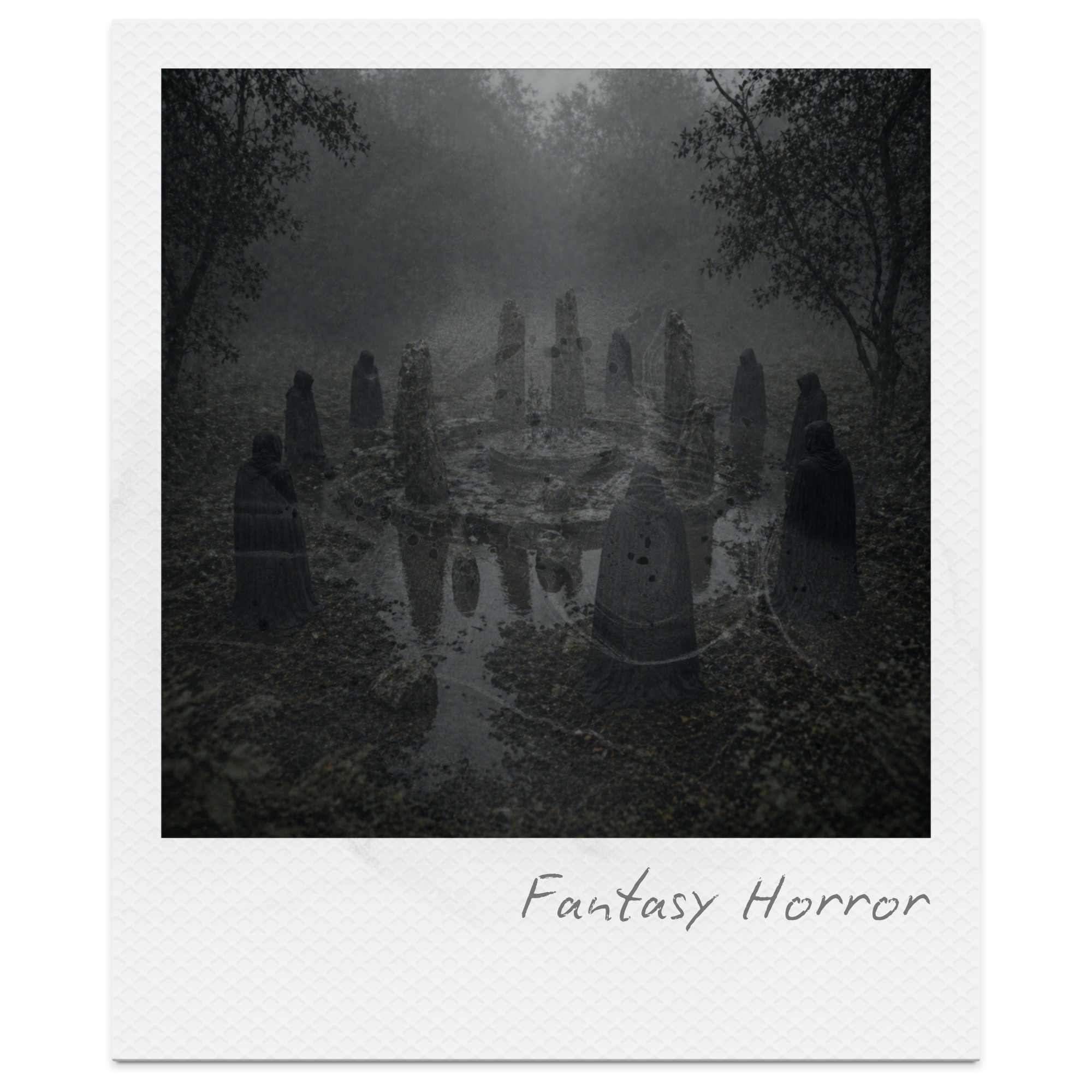
◆ Fantasy Horror – stories driven by dark magic, fear, and the corruption of power, where the boundaries between reality and the unknown begin to break down
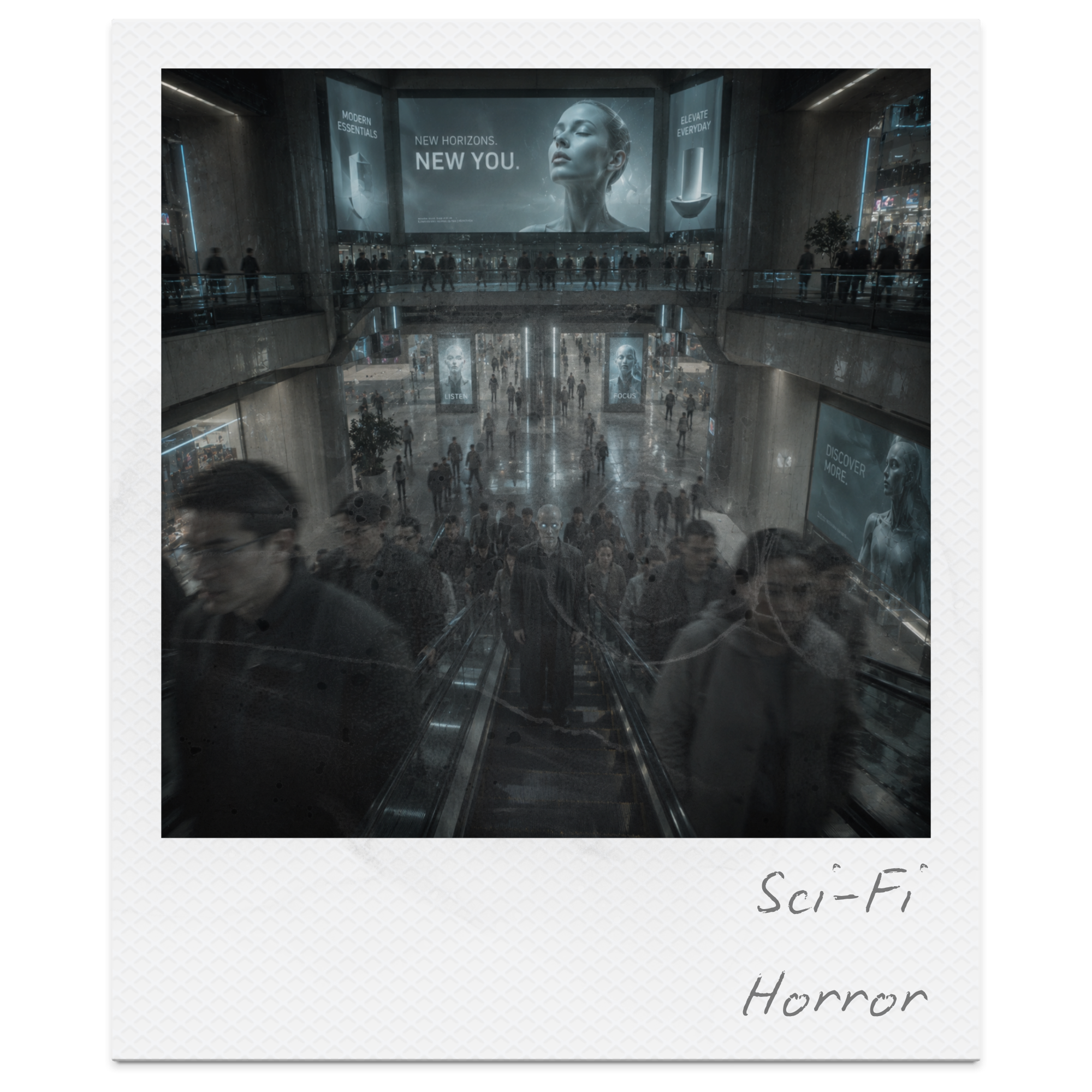
◆ Sci-Fi Horror– dark speculative fiction exploring artificial intelligence, deep-space isolation, biotechnology, cosmic dread, futuristic collapse, and the terrifying consequences of technology beyond human control
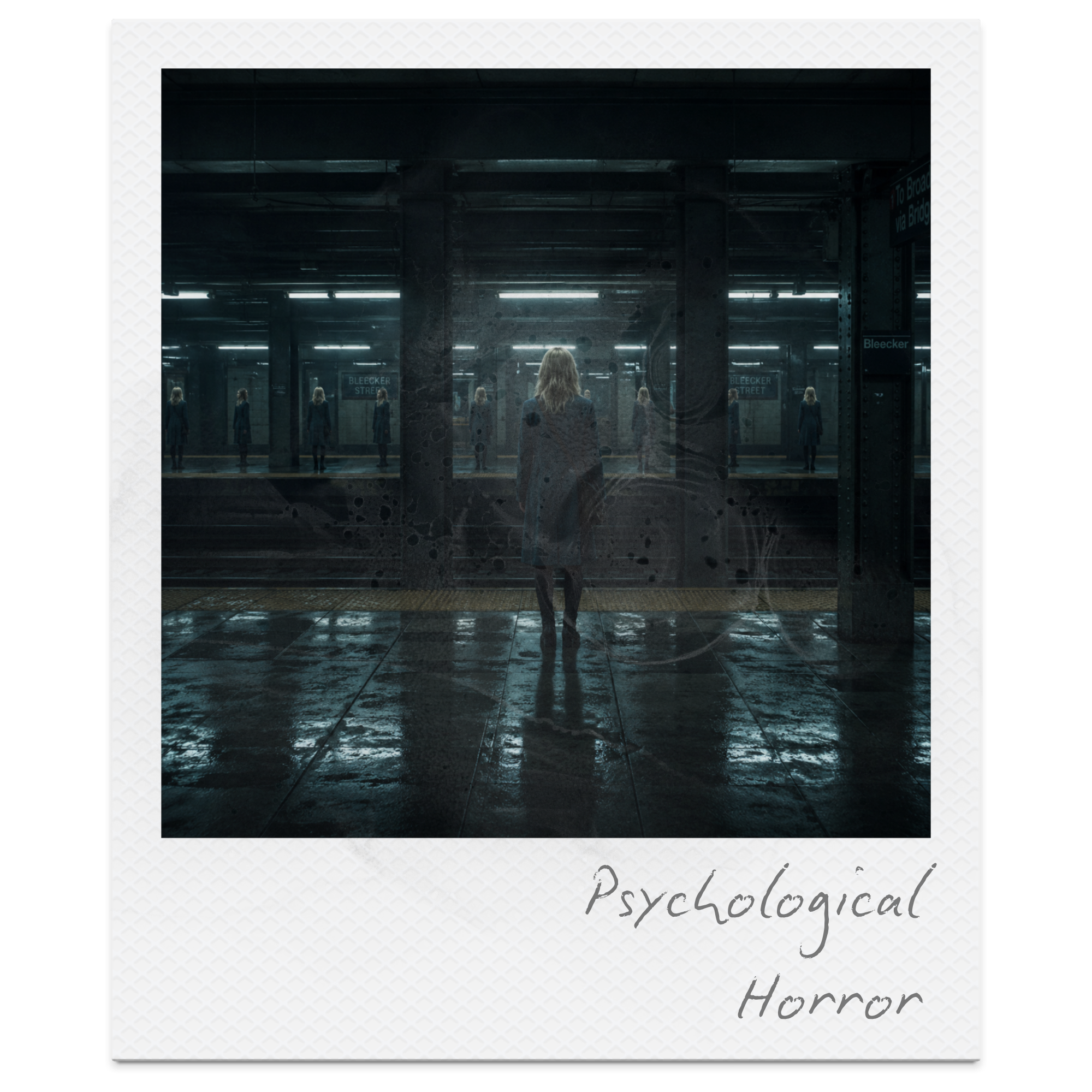
◆ Psychological Horror – dark atmospheric fiction exploring paranoia, distorted memory, emotional dread, unreliable perception, fractured identity, uncanny repetition, hidden surveillance, quiet terror, and the terrifying instability of the human mind
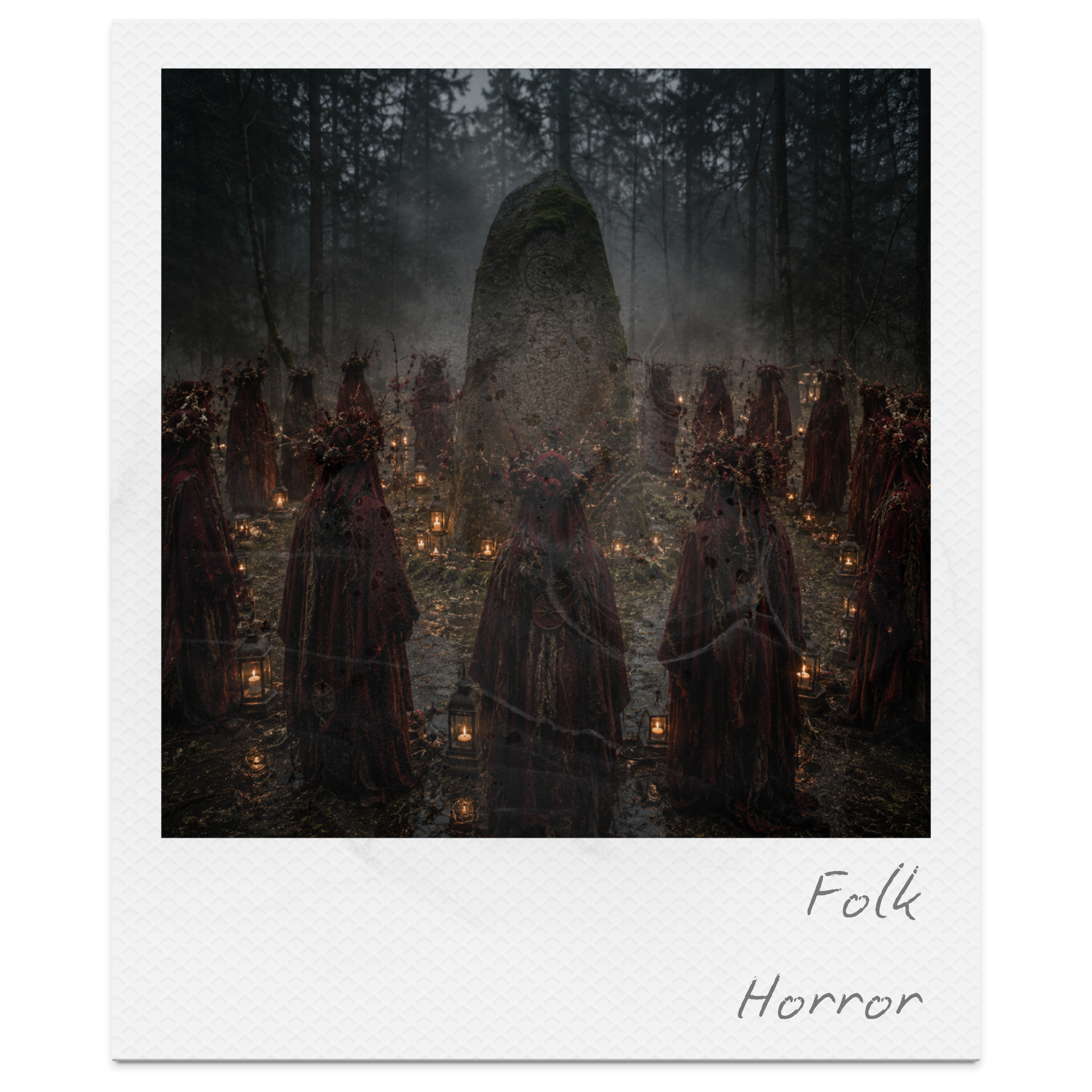
◆ Folk Horror – dark atmospheric fiction exploring isolated villages, pagan ritual, ancient superstition, cult behaviour, inherited traditions, ritual sacrifice, rural isolation, folklore symbolism, hidden gods, and the terrifying persistence of ancient belief systems within the landscape
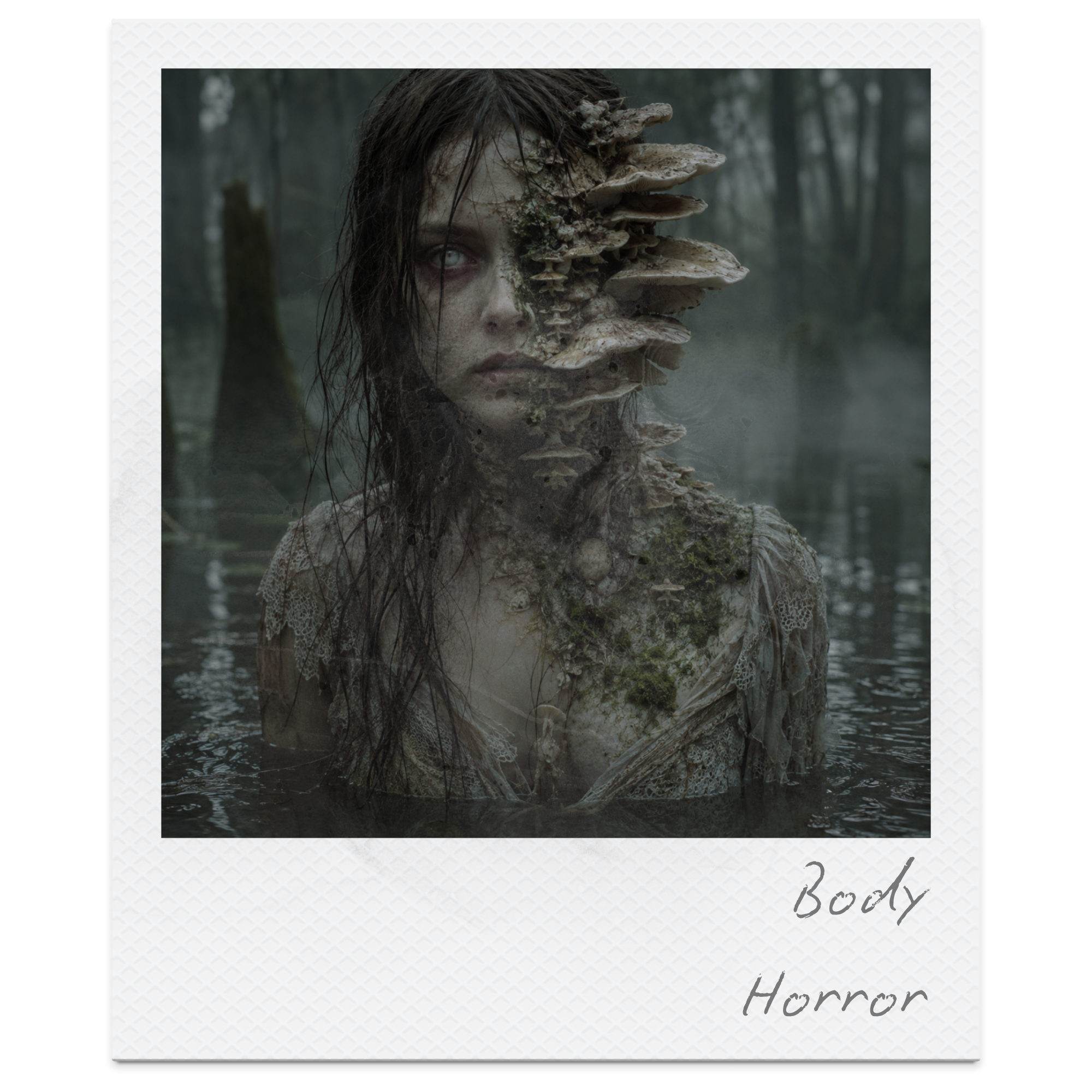
◆ Body Horror – disturbing speculative horror exploring mutation, infection, bodily transformation, parasitic organisms, surgical terror, biological corruption, invasive experimentation, flesh distortion, loss of bodily autonomy, psychological unease, and the terrifying breakdown of the human body itself
◆ Analog Horror – corrupted broadcasts, cursed VHS tapes, emergency alerts, surveillance footage, forgotten archives, and distorted reality, where familiar technology quietly reveals impossible truths and every transmission suggests something is watching from the other side of the screen.
Horror Story Ideas, Prompts & Generators
A horror story can begin with almost anything: a disturbing discovery, an unexplained event, a character in danger, an unsettling setting or one small detail that suggests something is terribly wrong. You do not need to know exactly what the monster is, why the house is haunted or what will happen at the end before you begin.
Story prompts and generators can help you find that first unsettling idea and begin asking questions around it. Who is in danger? What do they believe is happening? What are they afraid of? What information are they missing? And what might they discover when they finally understand the true nature of the threat?
Explore horror story ideas, writing prompts and generators below to find opening lines, characters, settings, plot hooks, twists, titles and complete concepts you can develop into short stories, novels or something entirely unexpected.
Inside this section:
◆ Horror Story Sparks – a free random horror writing prompt generator packed with disturbing characters, eerie settings, opening and closing lines, sinister objects, conflicts, plot hooks, twists, secrets, discoveries, threats, messages, rules and events spanning psychological, supernatural, folk, creature, body, survival, domestic and cosmic horror.
◆ Horror Opening Lines – unsettling, atmospheric, and fear-driven story beginnings shaped by psychological dread, supernatural tension, eerie settings, and immediate narrative hooks
◆ Body Horror Novel Ideas – original horror concepts exploring disturbing diseases, parasitic organisms, experimental science, grotesque mutations, psychological transformation, medical nightmares, cosmic corruption, biological catastrophes, and terrifying losses of bodily autonomy, helping writers develop unforgettable body horror novels and dark speculative fiction.
◆ Ghost Story Titles – atmospheric supernatural story titles paired with original story hooks exploring haunted houses, restless spirits, forgotten histories, paranormal investigations, ghost ships, abandoned institutions, cursed places, psychological hauntings, and gothic mysteries, helping writers develop unforgettable ghost stories, novels, and supernatural fiction.
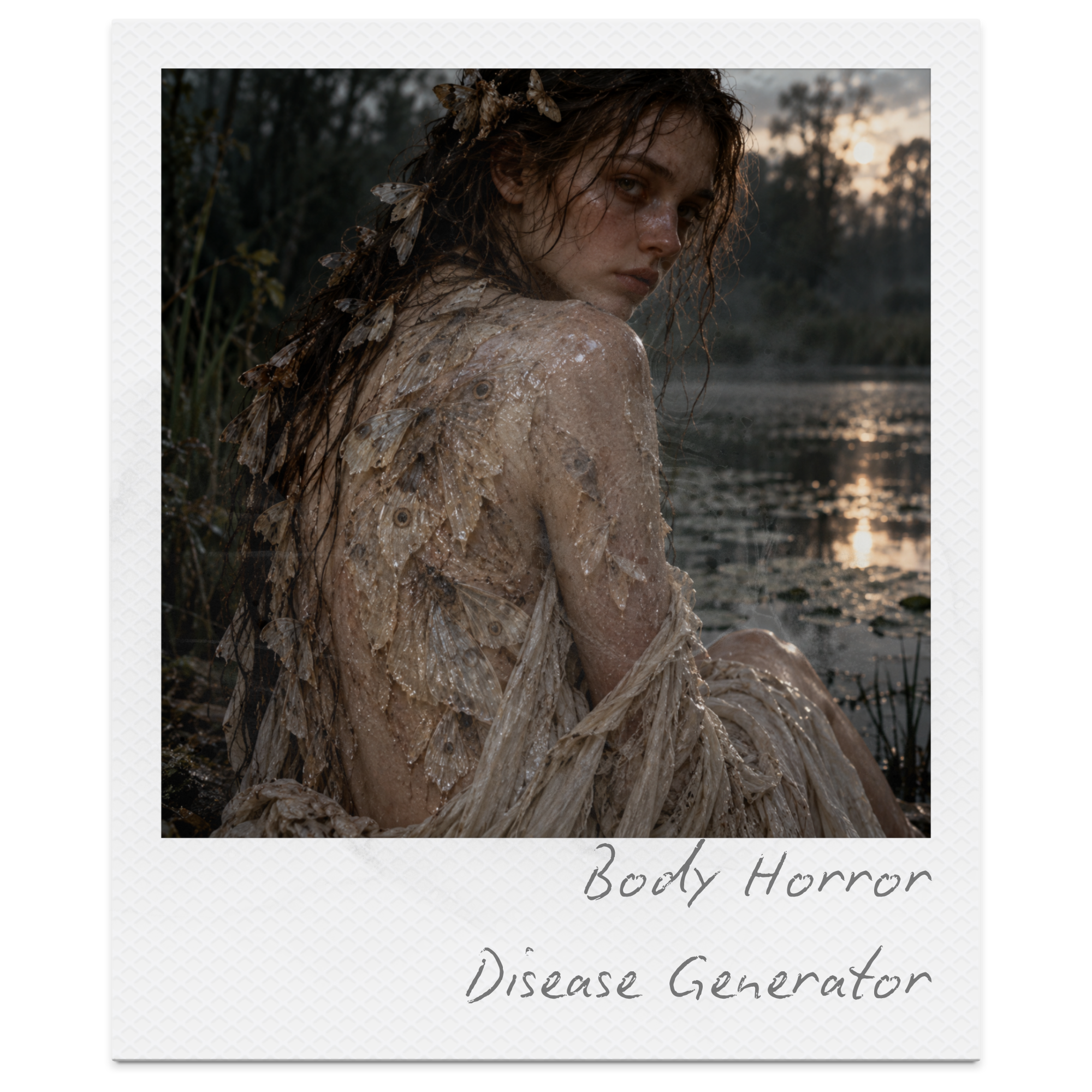
◆ Body Horror Generator – a free interactive writing tool for creating disturbing fictional diseases, strange infections, grotesque mutations, parasitic transformations, unsettling symptoms, horrifying final stages, possible cures, and disturbing biological details, helping writers generate original body horror concepts and dark speculative fiction.
How to Write & Worldbuild Horror
Writing horror is about more than creating something frightening. The strongest horror stories build a world in which fear has rules, consequences and meaning. Whether your threat is a ghost, monster, cult, disease, supernatural force, dangerous technology or something entirely psychological, the reader needs to understand enough about the story world to believe in its danger — while never feeling completely certain that they are safe.
Horror worldbuilding can begin with a few simple questions. What is dangerous here? Who understands the danger? What rules govern it? What happens when those rules are broken? A haunted house might only become active after sunset. A village may follow a ritual nobody is permitted to question. A creature might hunt according to a recognisable pattern, while a supernatural force could demand a particular sacrifice or punishment.
Setting also shapes the kind of fear a story can create. Isolation, architecture, weather, landscape, technology, local history, social structures and community beliefs can all determine what characters know, where they can escape and who they can trust. Even realistic horror benefits from careful worldbuilding when the environment itself contributes to vulnerability, uncertainty or confinement.
As this section grows, you’ll find guides and resources exploring horror worldbuilding, supernatural rules, haunted places, monsters and threats, atmosphere, suspense, fear, cults and communities, secrets, conflict, plot twists and horror endings, helping you develop the structure beneath your story as well as the frightening moments on the surface.
Horror writing and worldbuilding guides are coming soon.
Horror Characters, Monsters & Creatures
Horror characters often exist somewhere between victim, survivor, threat and mystery. They might be ordinary people confronted by something impossible, figures whose own fears or obsessions place them in danger, or beings whose presence immediately changes the rules of the story.
Monsters and supernatural creatures can serve a similar purpose. Some are unmistakable threats, while others are more ambiguous: beautiful, persuasive, tragic or governed by rules that make encounters with them unpredictable. The most memorable horror creatures often represent something beyond physical danger, embodying fears surrounding death, transformation, isolation, desire, identity or the unknown.
Explore character and creature inspiration for creating unsettling figures who can inhabit your horror stories.
Inside this section:
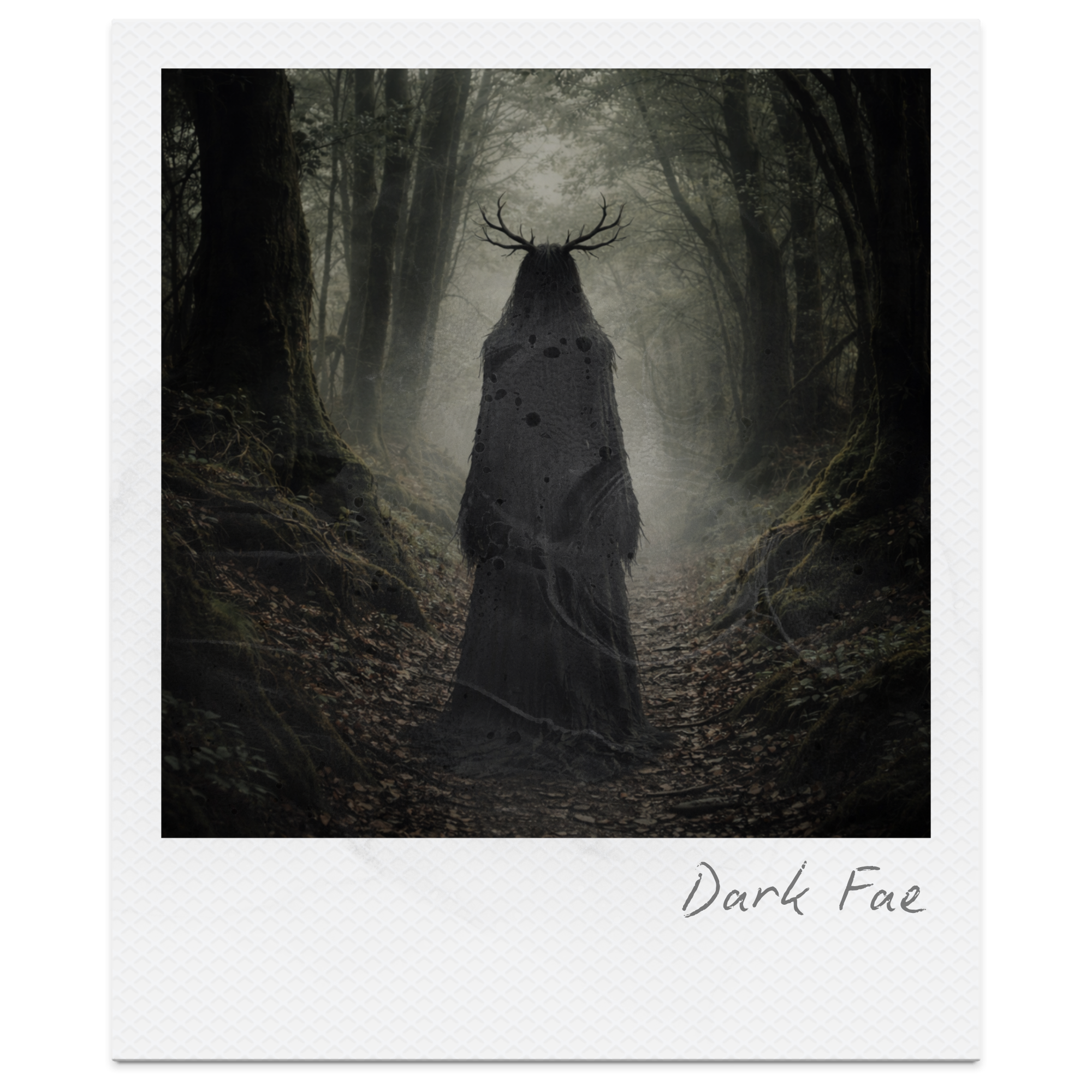
◆ Dark Fae – beautiful but dangerous beings governed by strict, often unforgiving rules, where every interaction carries hidden risk
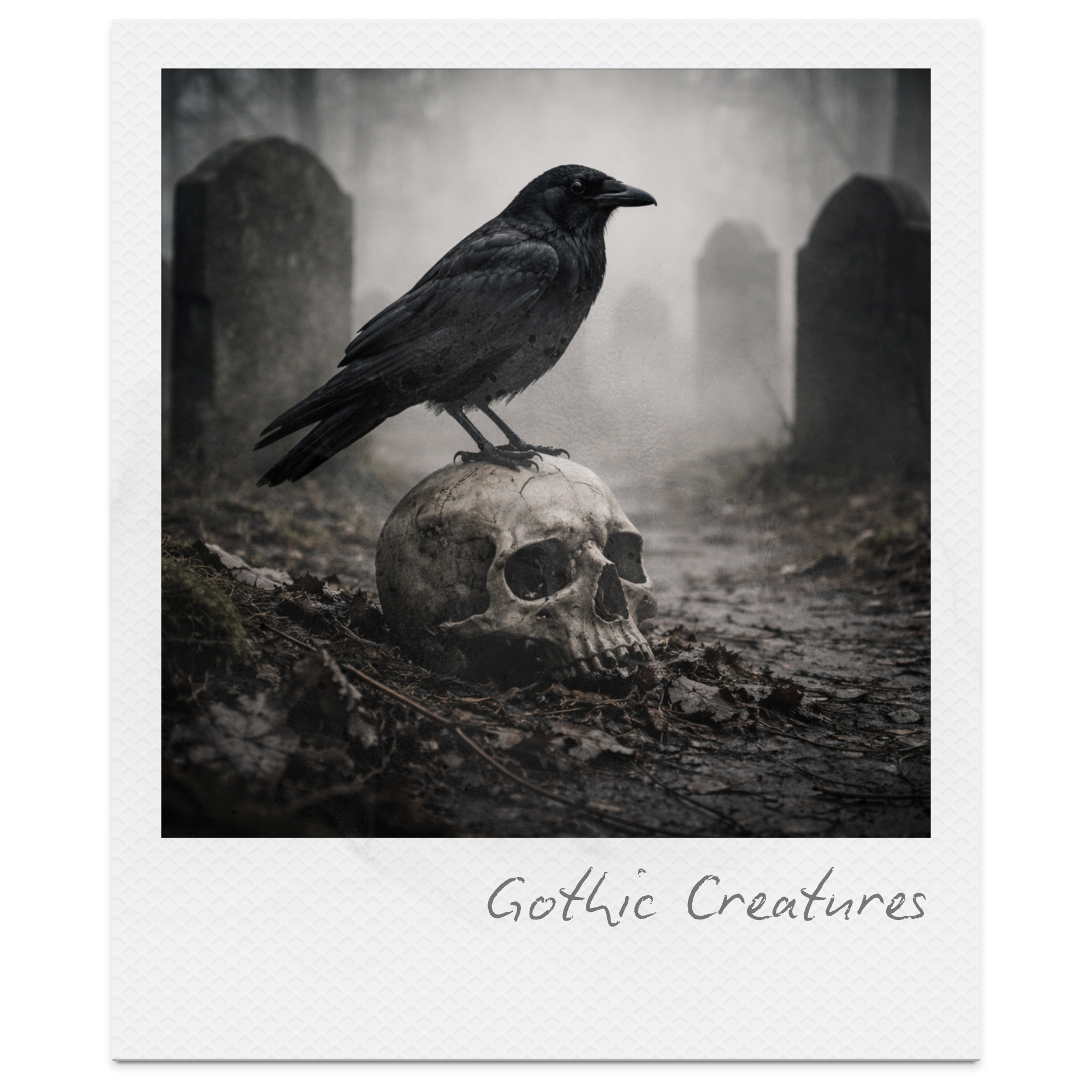
◆ Gothic Creatures – eerie, often symbolic beings rooted in gothic tradition, from vampires and spectres to more ambiguous, unsettling figures
Horror Tropes, Fears & Themes
Horror repeatedly returns to the things that make people feel vulnerable, trapped or uncertain. Isolation, loss of control, forbidden knowledge, surveillance, transformation and the fear of what might be hiding just beyond our understanding can all become the foundations of a frightening story.
Tropes provide recognisable ways to explore those fears. An abandoned building removes the reassurance of other people and raises questions about what happened there before. A recovered recording allows characters — and readers — to witness something they were never supposed to see. Familiar horror conventions become most effective when they do more than create scares, revealing something about the characters, their world or the threat gradually closing around them.
Explore horror tropes and themes below to find new ways of creating tension, uncertainty and fear.
Inside this section:
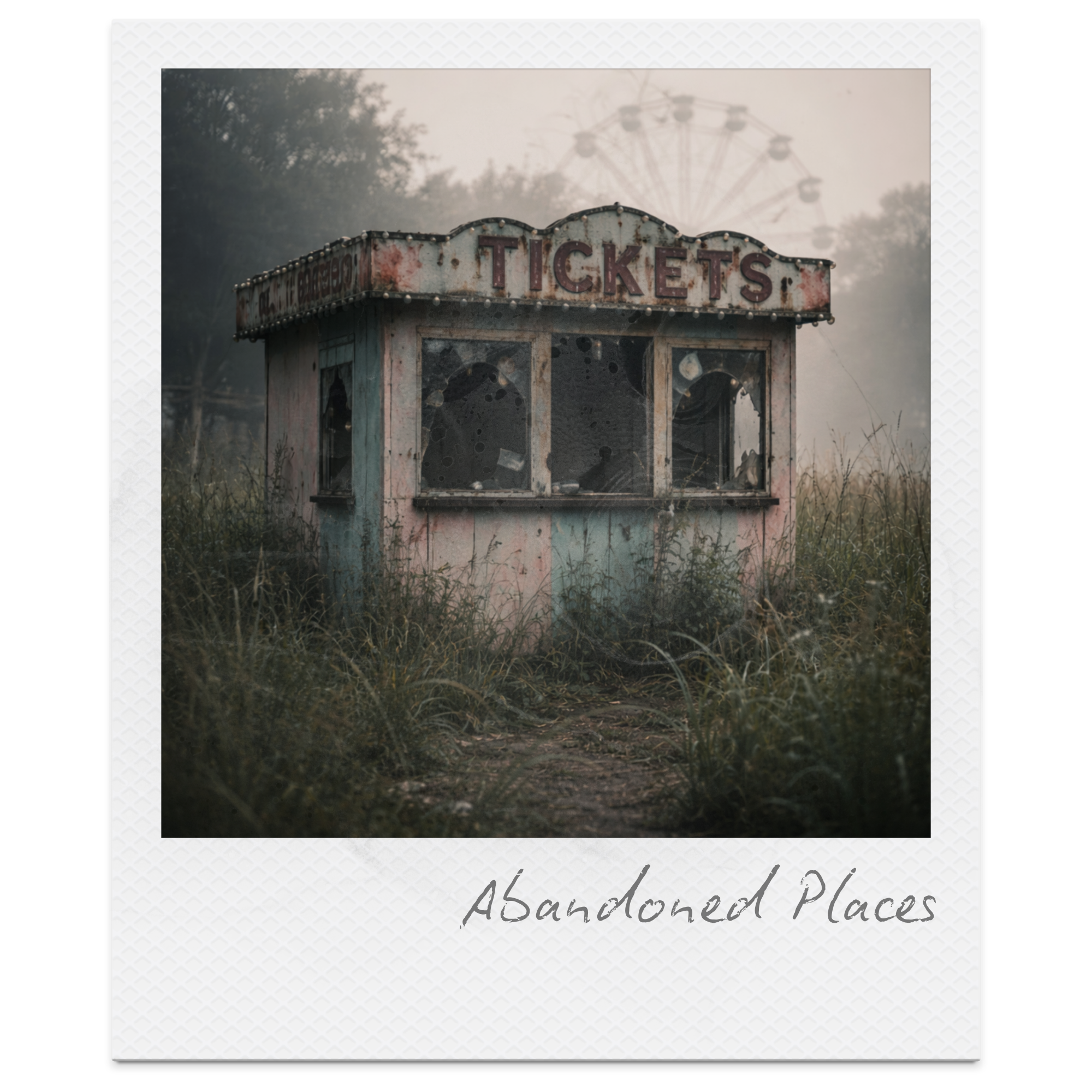
◆ Abandoned Places – stories shaped by empty spaces, decay and lingering presence, where forgotten locations hold secrets, memory and the unsettling sense that something was never truly left behind
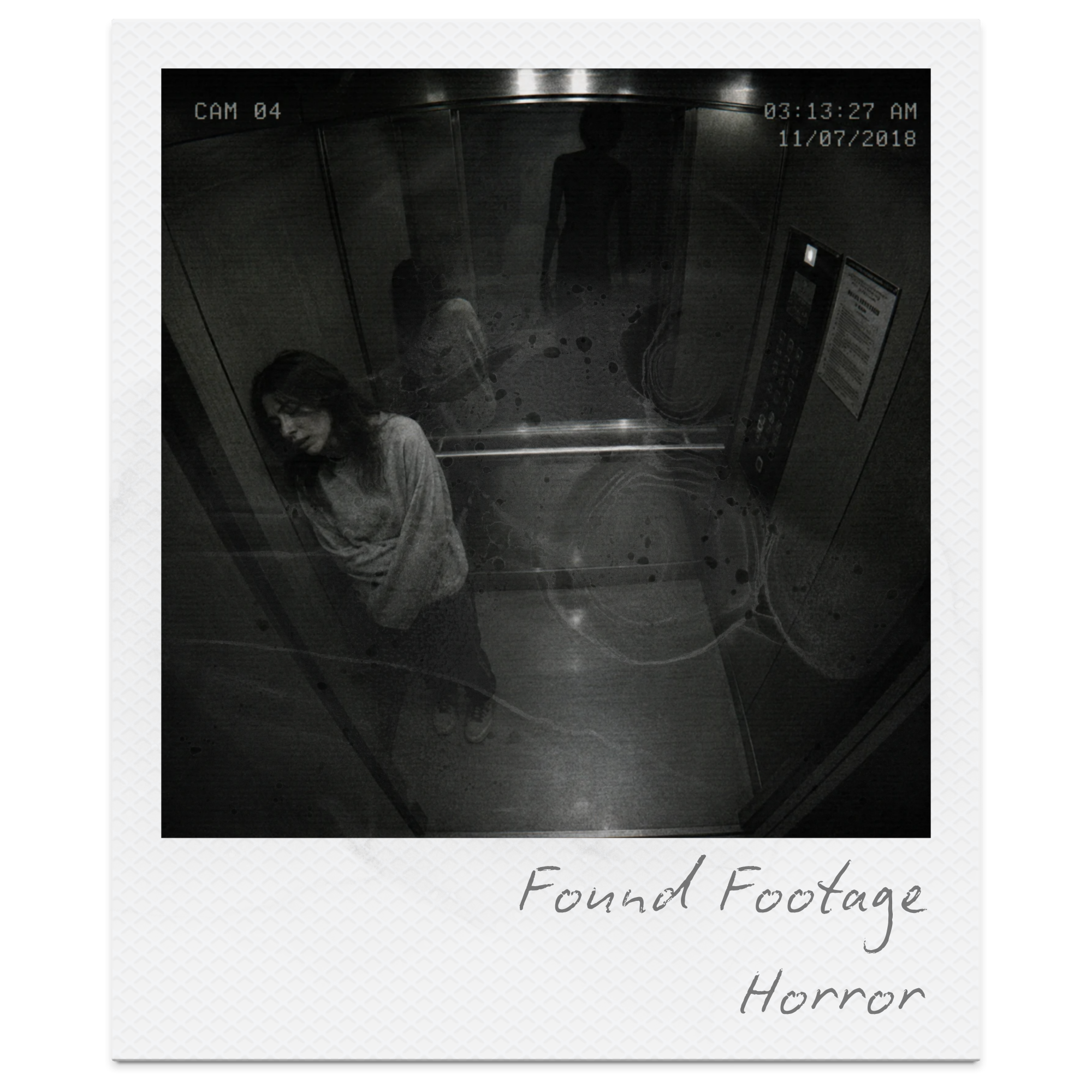
◆ Found Footage Horror – atmospheric horror storytelling exploring lost recordings, corrupted media, surveillance terror, missing footage, abandoned investigations, paranormal evidence, livestream horror, fragmented storytelling, unreliable recordings, hidden figures, emergency broadcasts, and the terrifying realism of recovered evidence
Horror Settings & Places
In horror, setting can become almost as important as the characters themselves. A house can trap its inhabitants within the history of everyone who lived there before them. An isolated town can protect secrets outsiders were never meant to discover. A coastline can make escape impossible, while somewhere built for entertainment can become frightening once the crowds disappear.
The strongest horror settings do more than provide a backdrop. Isolation, history, architecture, landscape, weather and community can all shape what characters fear, what they know and where they can go when something begins to threaten them. A familiar place can become frightening simply by changing its rules, while an unfamiliar environment can leave characters unsure which dangers are real.
Explore horror settings and places below to create atmospheric locations filled with history, mystery and the possibility that something is waiting just out of sight.
Inside this section:
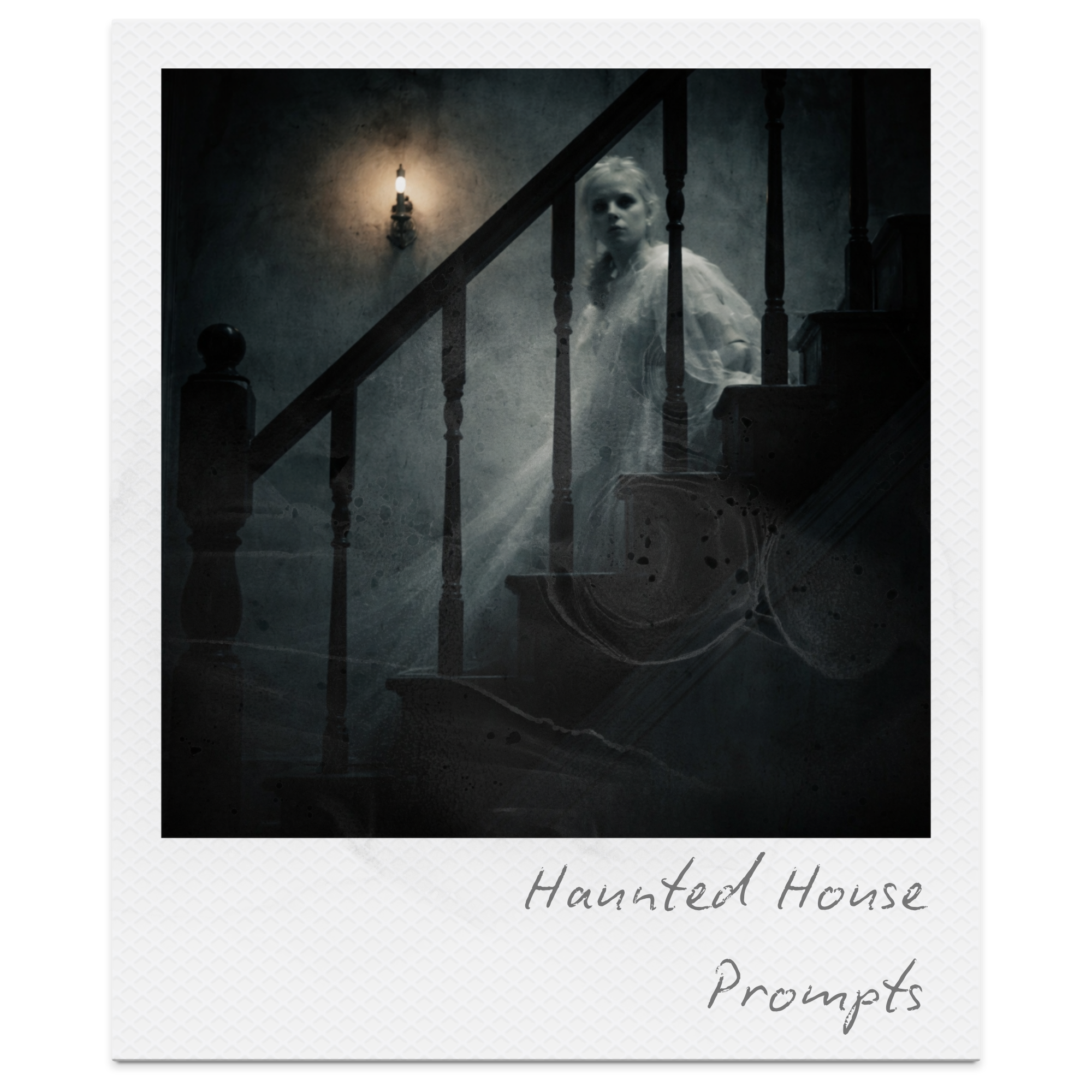
◆ Haunted Houses – enclosed spaces marked by history, presence and unease, where the past lingers and the boundary between safety and threat begins to break down
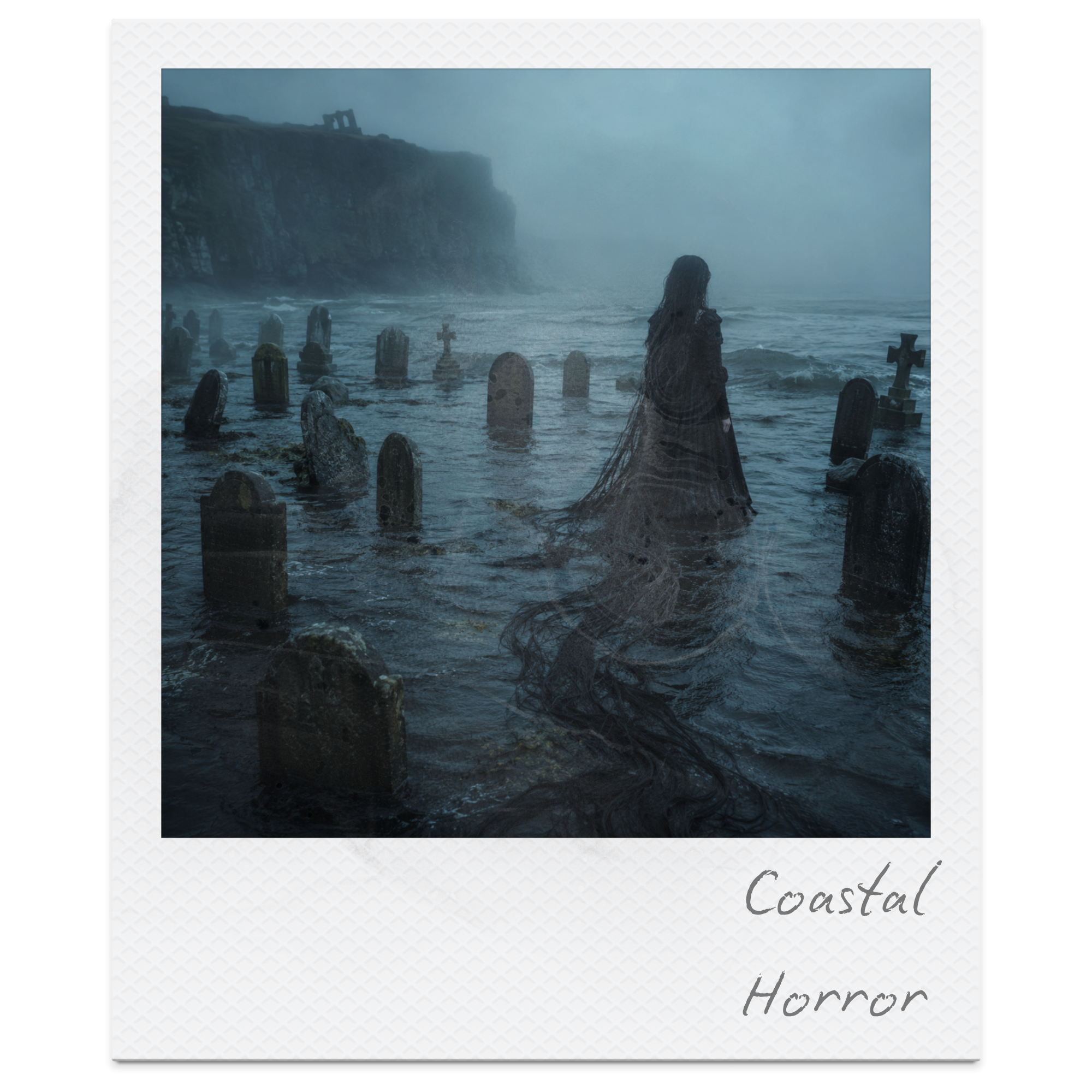
◆ Coastal Horror – storm-battered coastlines, drowned villages, black tides, abandoned harbours and ancient maritime dread, where the sea becomes an unknowable force that erases boundaries between the living, the dead, and whatever waits beneath the waves
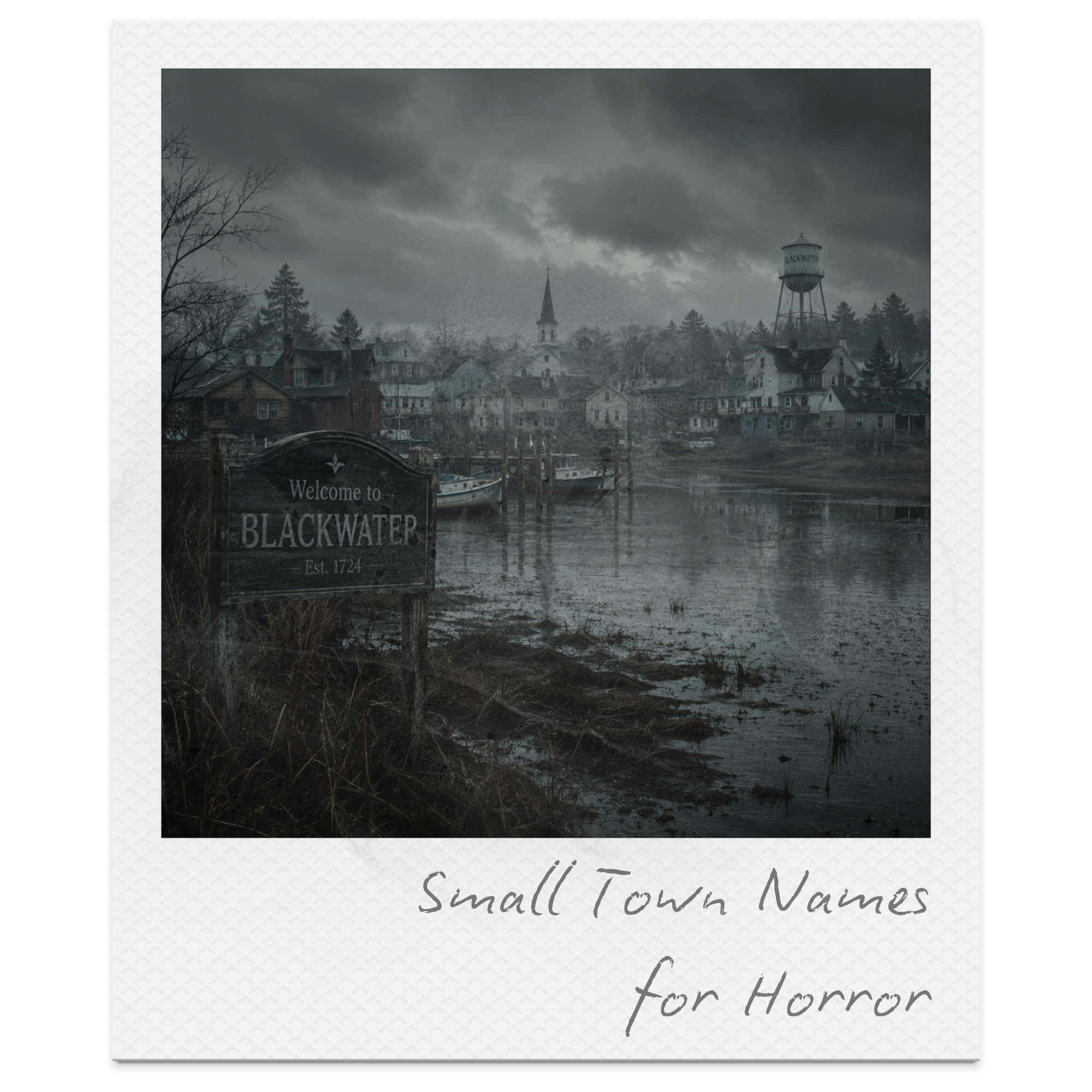
◆ Horror Town Names – eerie settlements, isolated villages, abandoned communities, coastal towns, mining settlements, and unsettling locations shaped by folklore, local legends, buried secrets, strange traditions, and dark histories, helping writers create atmospheric horror settings filled with mystery, tension, and story potential across psychological horror, folk horror, supernatural fiction, gothic horror, and small-town mysteries.
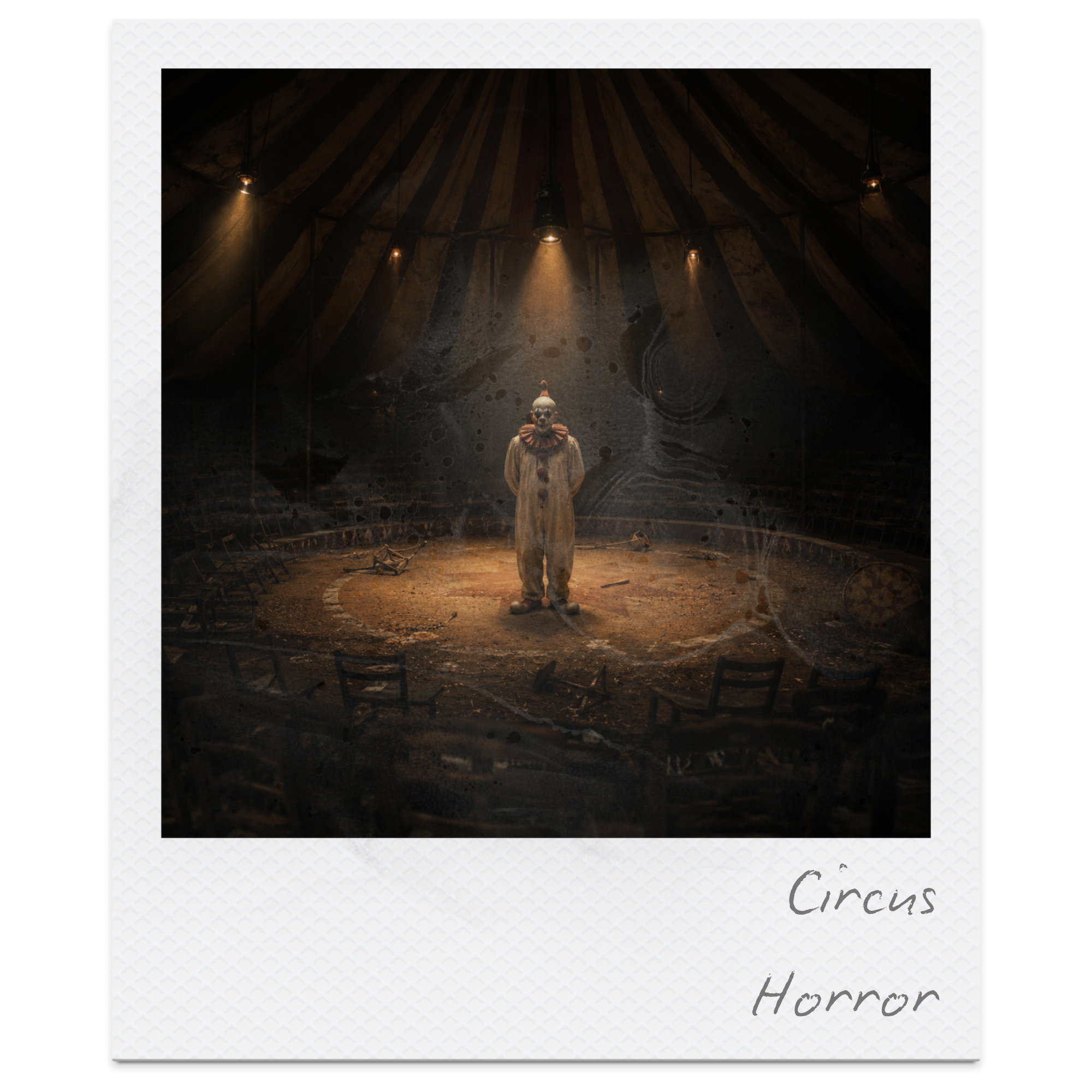
◆ Circus Horror – sinister big tops, smiling clowns, abandoned fairgrounds, broken carousel horses, fortune tellers, twisted performers, and faded carnival lights where every attraction hides something far more terrifying than entertainment.
Horror Atmospheres & Aesthetics
Horror often begins before anything frightening actually happens. Light, weather, sound, colour, architecture, landscape and sensory detail can create unease long before a character understands that something is wrong.
Different horror aesthetics create very different kinds of fear. A rain-darkened city can feel oppressive and claustrophobic, an immaculate suburban home can become unnervingly perfect, while fog, candlelight, abandoned industrial spaces, decaying interiors or vast empty landscapes can completely change the emotional texture of a story.
This section will explore horror atmosphere, aesthetics, sensory writing and visual inspiration, helping you create settings that feel unsettling before the true source of danger is revealed.
Horror atmosphere and aesthetic writing resources are coming soon.
Seasonal & Holiday Horror
Some of horror’s most memorable stories are tied to seasons, celebrations and traditions. Familiar rituals can become unsettling when their meanings begin to change, while festivals, holidays and seasonal landscapes provide natural opportunities for isolation, superstition, folklore and encounters with the supernatural.
Seasonal horror can draw on the atmosphere of the natural world as much as the celebration itself. Darkening evenings, dying vegetation, harvest traditions, changing weather and increasingly empty landscapes can transform otherwise familiar places, while community customs and annual rituals create the unsettling possibility that everyone except the protagonist already understands what is about to happen.
Explore seasonal and holiday horror below for stories shaped by ancient traditions, atmospheric landscapes and celebrations that become far darker than expected.
Inside this section:
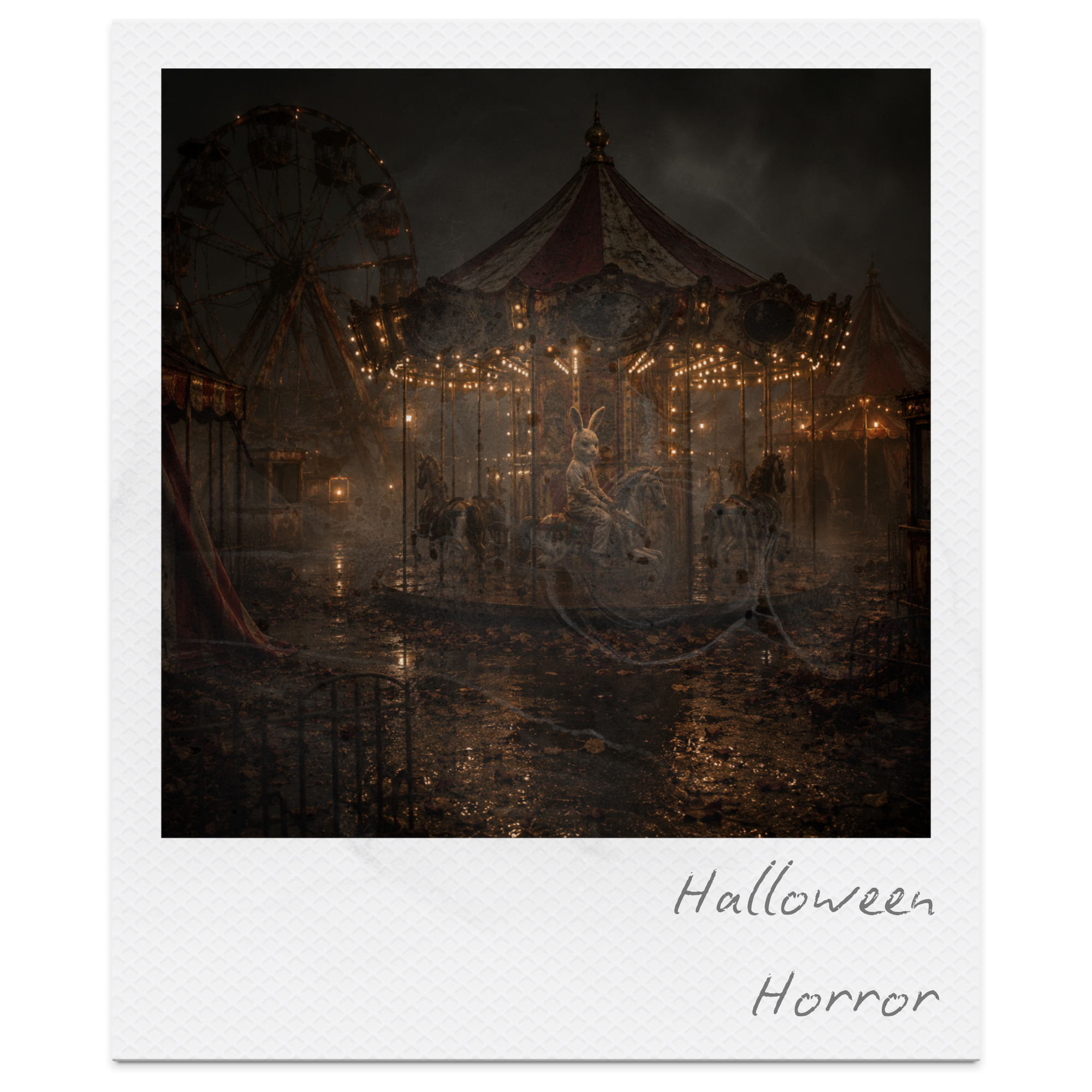
◆ Halloween Horror – haunted houses, cursed jack-o'-lanterns, trick-or-treating gone wrong, abandoned corn mazes, witches, ghosts, scarecrows, haunted carnivals, black cats, harvest folklore, forgotten cemeteries, and eerie autumn nights, helping writers create chilling horror stories filled with supernatural terror, small-town legends, ancient curses, and unforgettable Halloween atmosphere.
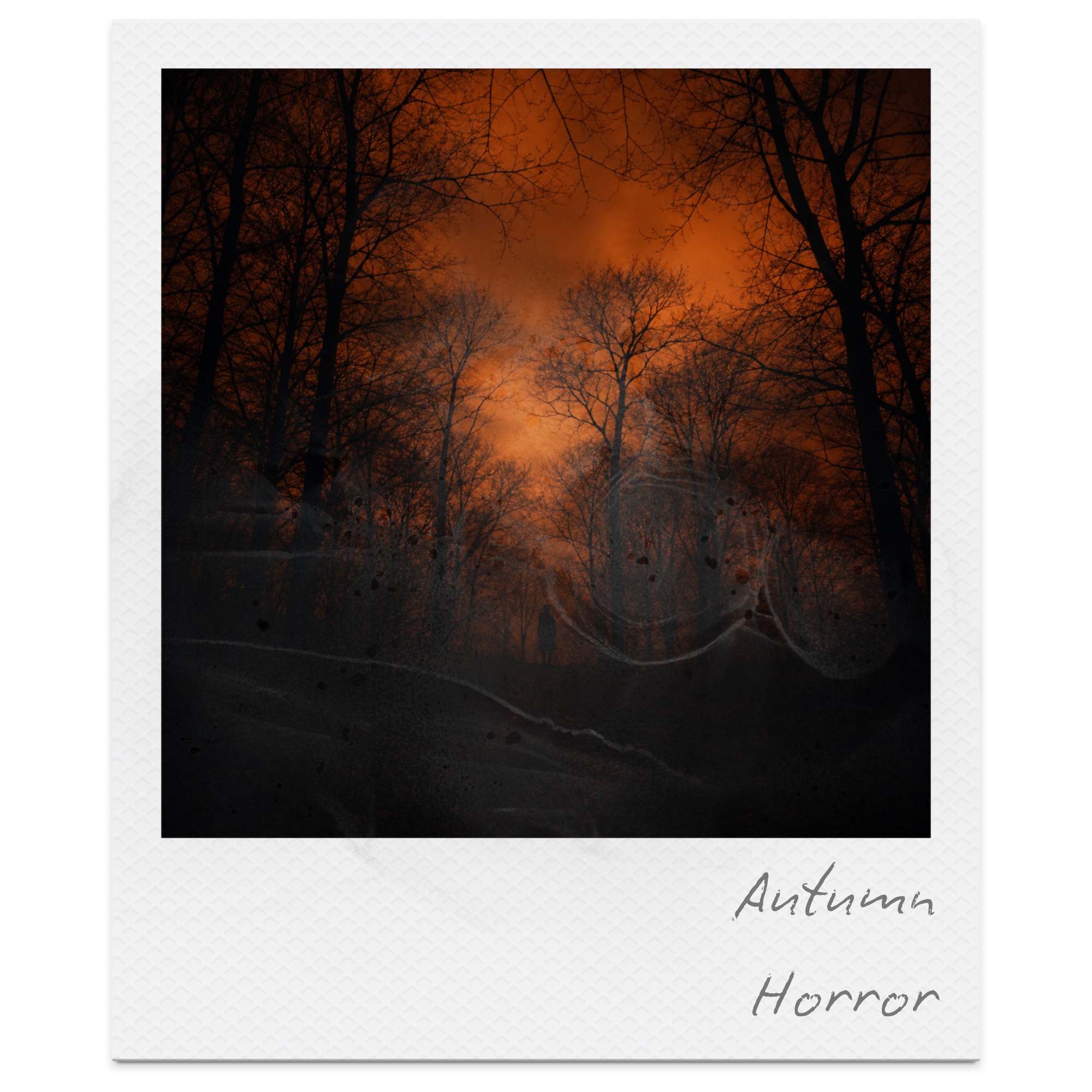
◆ Autumn Horror – haunted forests, harvest curses, forgotten villages, abandoned orchards, lonely farmhouses, ruined churches, black lakes, weathered scarecrows, creeping mist, ancient standing stones, rural folklore, and isolated woodland paths, helping writers create atmospheric horror stories filled with folk legends, supernatural dread, psychological suspense, Gothic mystery, and the quiet terror of the changing season.
Horror Literature-Inspired Prompts
Horror has a long literary tradition of exploring fear, isolation, forbidden knowledge, supernatural threat and the darker possibilities of human nature. Classic texts continue to influence modern horror not simply through their monsters and frightening events, but through the questions they ask about identity, morality, perception and what happens when familiar boundaries begin to collapse.
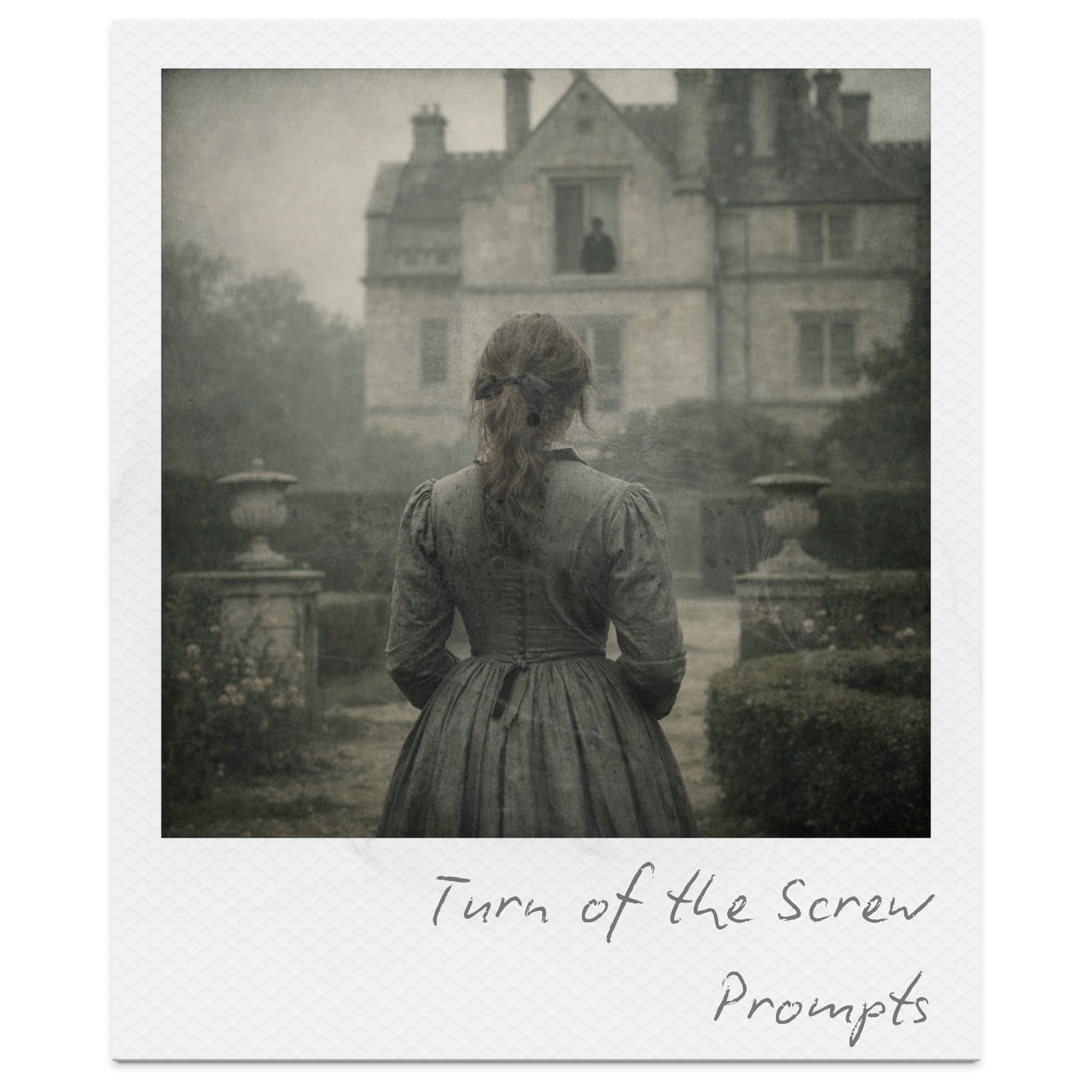
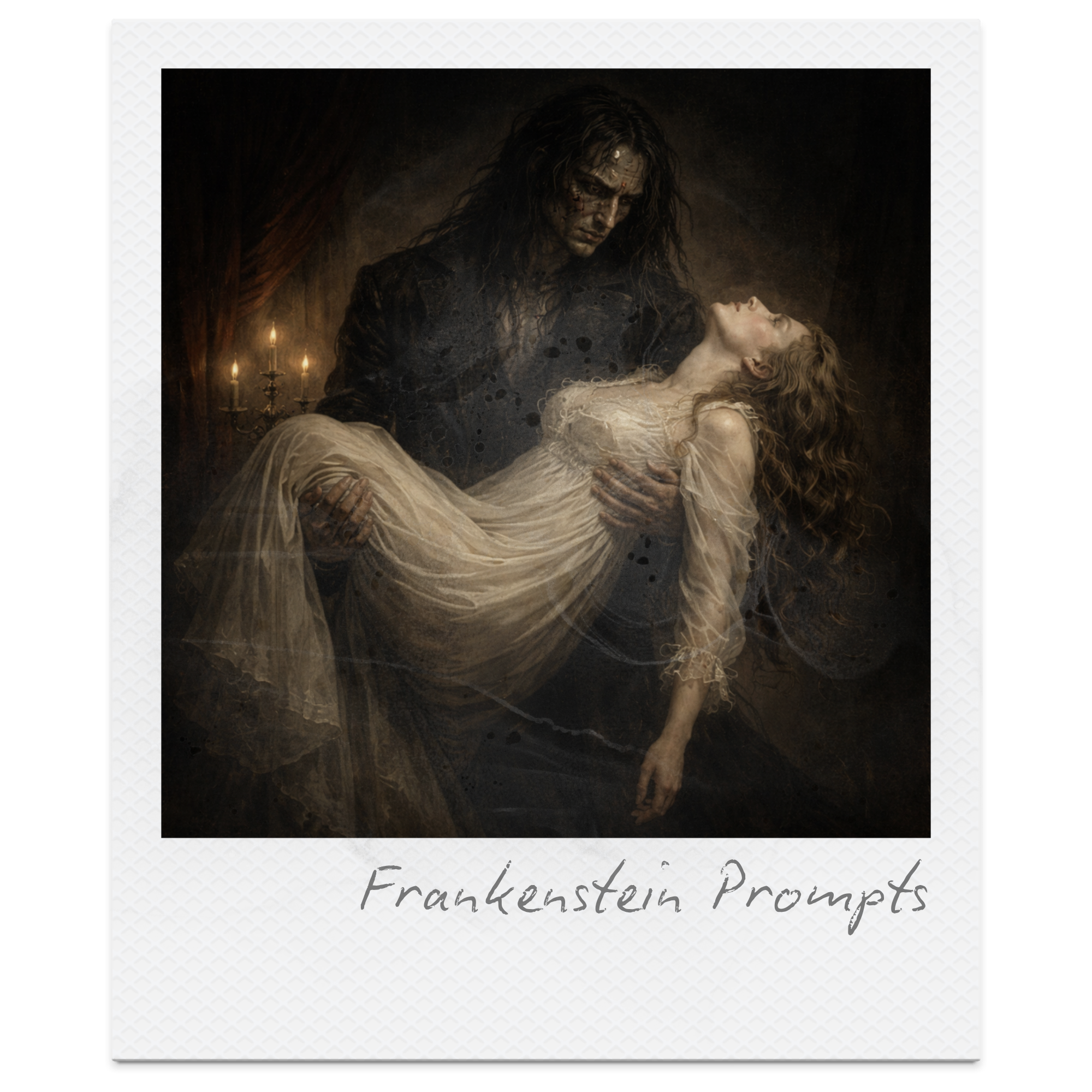
Literature-inspired prompts allow you to take the themes, atmosphere and narrative ideas behind influential horror texts and transform them into something original. You might reinterpret the isolation of Frankenstein, experiment with the uncertainty and unreliable perception of The Turn of the Screw, or use the physical and psychological decay of The Fall of the House of Usher as inspiration for an entirely new setting.
Explore the prompts below, or discover a wider collection of text-based creative writing resources in the Literature-Inspired Writing Prompts Hub.
Inside this section:
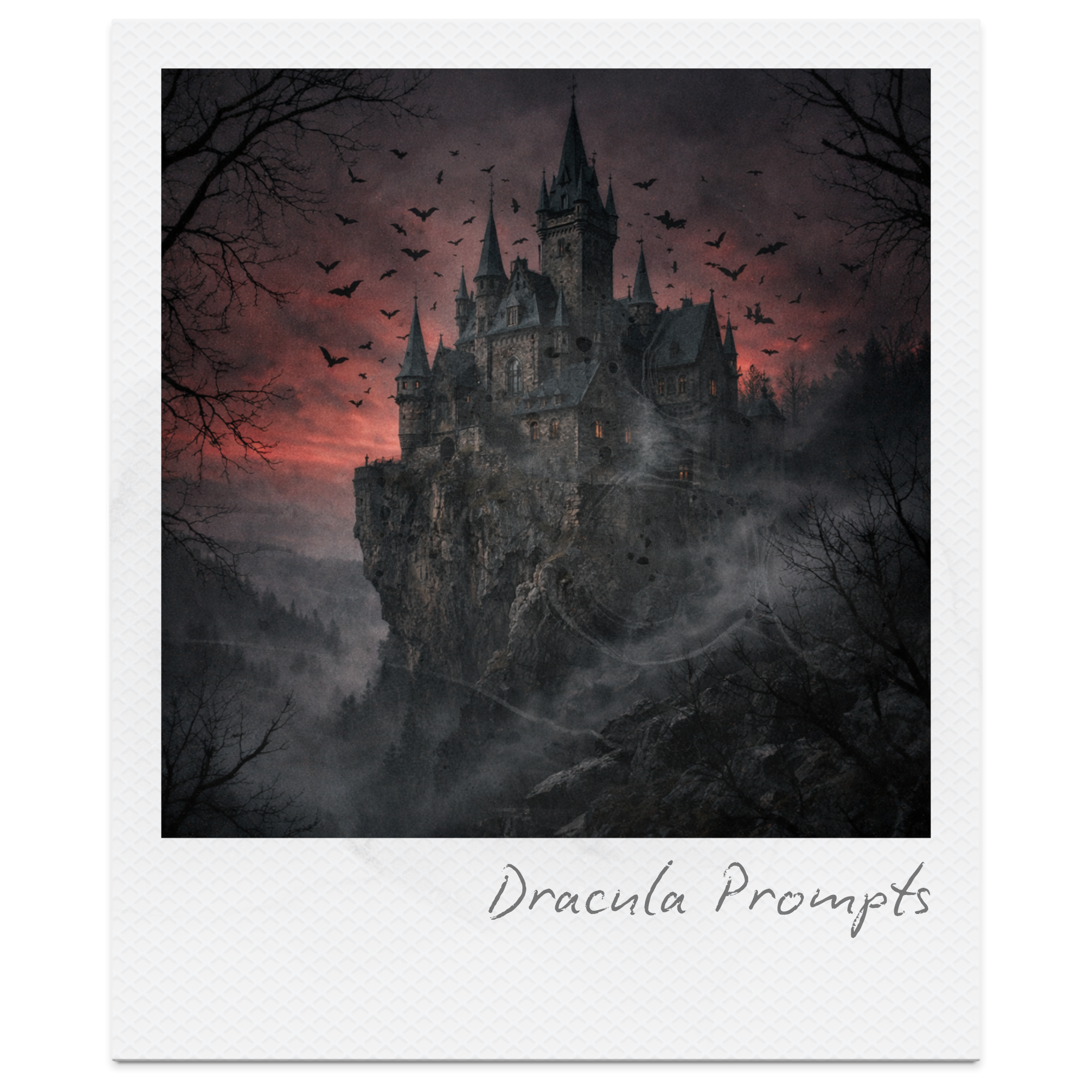
◆ Dracula – gothic horror, fear of the unknown and the presence of an unseen threat
◆ Frankenstein – creation, isolation and the consequences of crossing natural boundaries
◆ The Turn of the Screw – psychological tension, ambiguity and the instability of perception
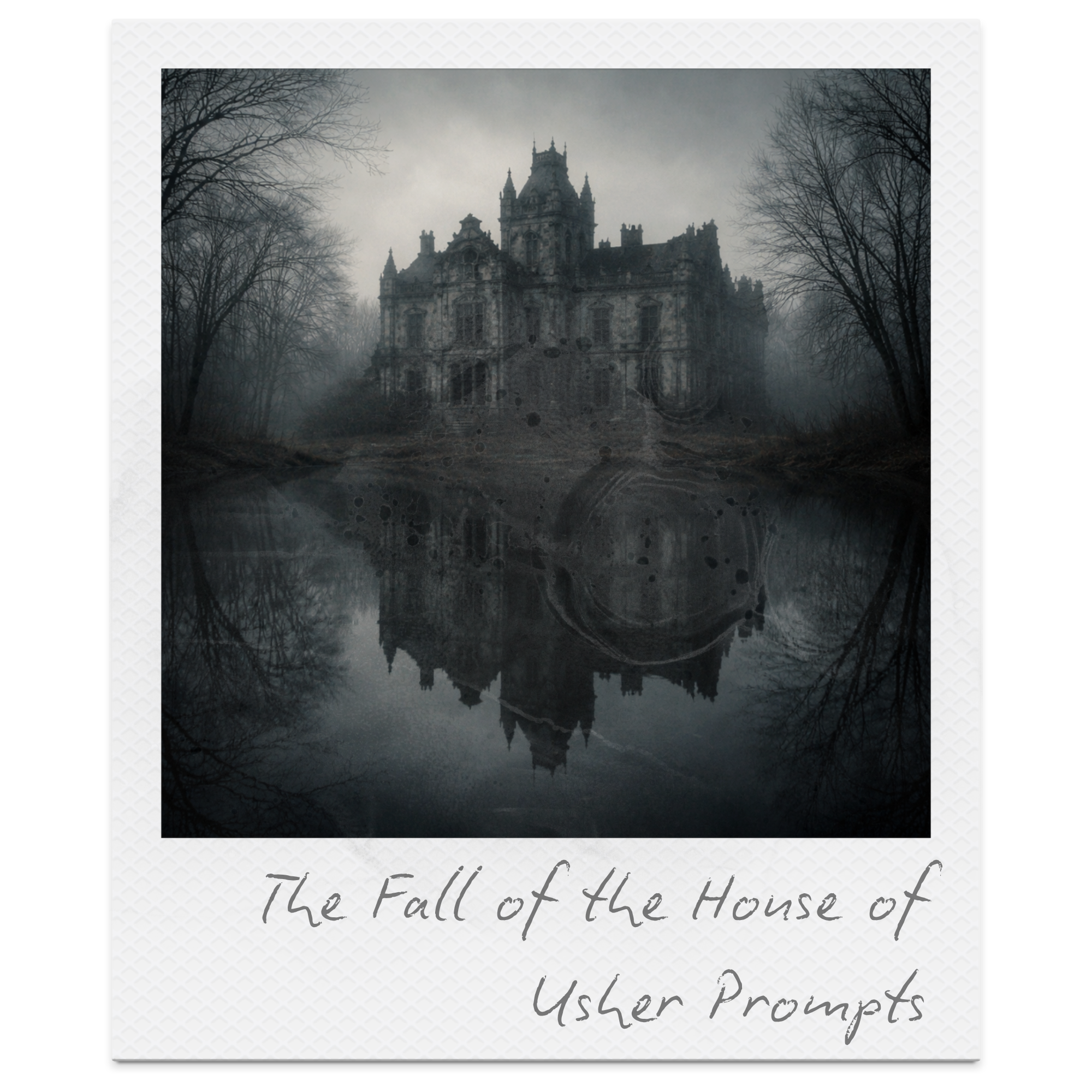
◆ The Fall of the House of Usher – decay, atmosphere and the relationship between mind and environment
Horror Poetry Prompts
Horror poetry can create fear in remarkably little space. Through imagery, rhythm, repetition, symbolism and voice, a poem can suggest that something is wrong without ever fully revealing the source of the threat, allowing uncertainty and atmosphere to do much of the frightening work.
Poetry also offers a different way to explore horror. A supernatural encounter can become fragmented and dreamlike, an ordinary object can acquire disturbing symbolic meaning, or a speaker's voice can gradually reveal something the reader did not initially understand. Fear can emerge through what is missing, repeated or left deliberately unexplained.
Explore horror poetry prompts below for inspiration shaped by darkness, supernatural presence, emotional intensity and the unsettling moment when the familiar begins to become strange.
Inside this section:
◆ Dark Poetry – poems centred on shadow, unease and emotional intensity, often exploring themes of fear, loss and the unknown
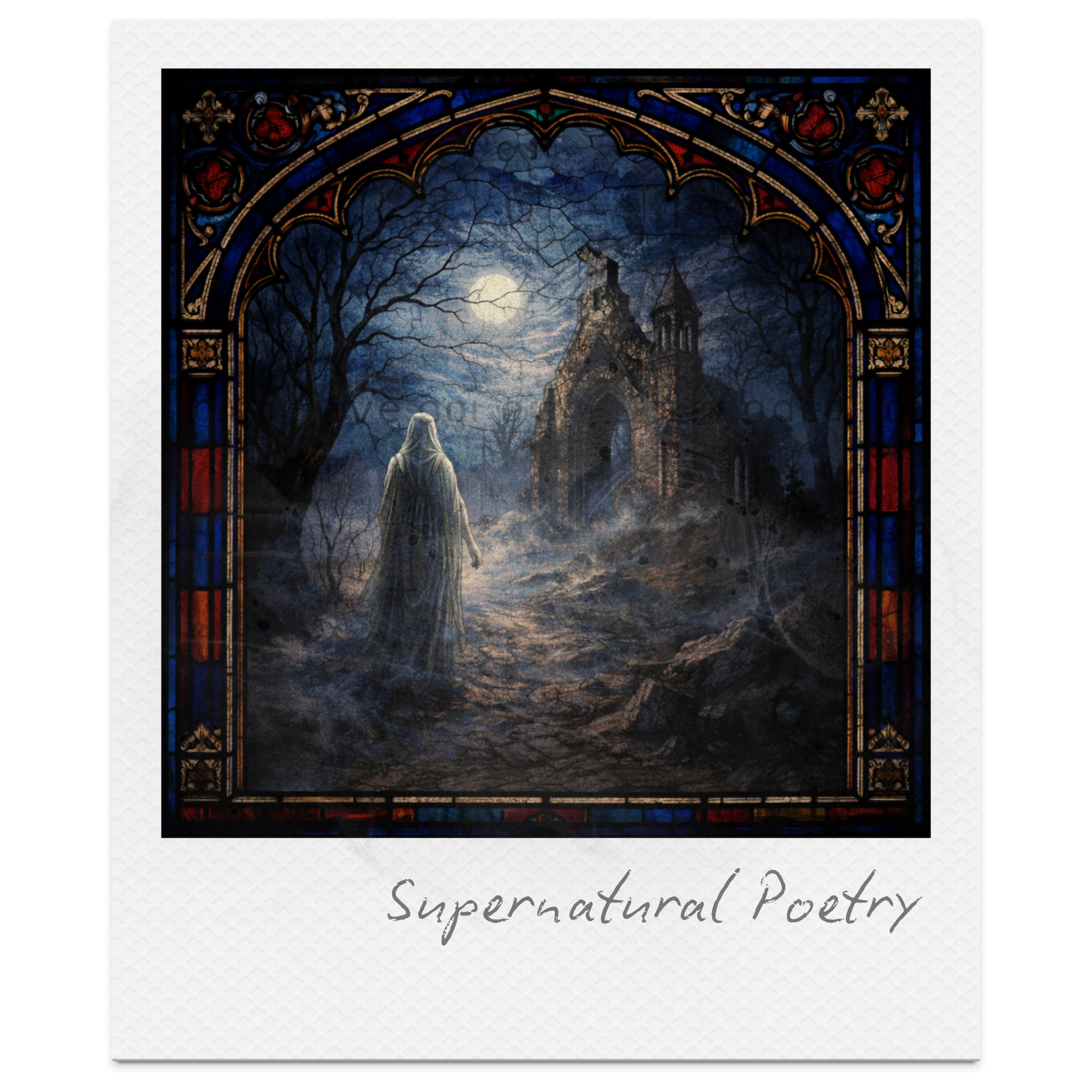
◆ Supernatural Poetry – poetry drawing on gothic atmosphere and supernatural elements, using setting, symbolism and presence to create a sense of dread
Horror Storyworld Archives
Step beyond individual writing prompts and enter a complete storyworld. The Storyworld Archives are immersive creative writing collections built around distinctive settings, mysteries and narrative worlds, giving you fragments of a larger story to investigate, interpret and transform into fiction of your own.
Each archive combines story fragments, documents, visual inspiration and guided writing prompts to create the sense that you are uncovering something that already exists. Rather than telling you exactly what happened, the collections leave gaps, contradictions and unanswered questions for you to explore through characters, scenes and stories.
From Gothic mysteries and historical darkness to folk horror, surveillance and supernatural unease, choose an archive below and see where the evidence takes you.
Inside this section:
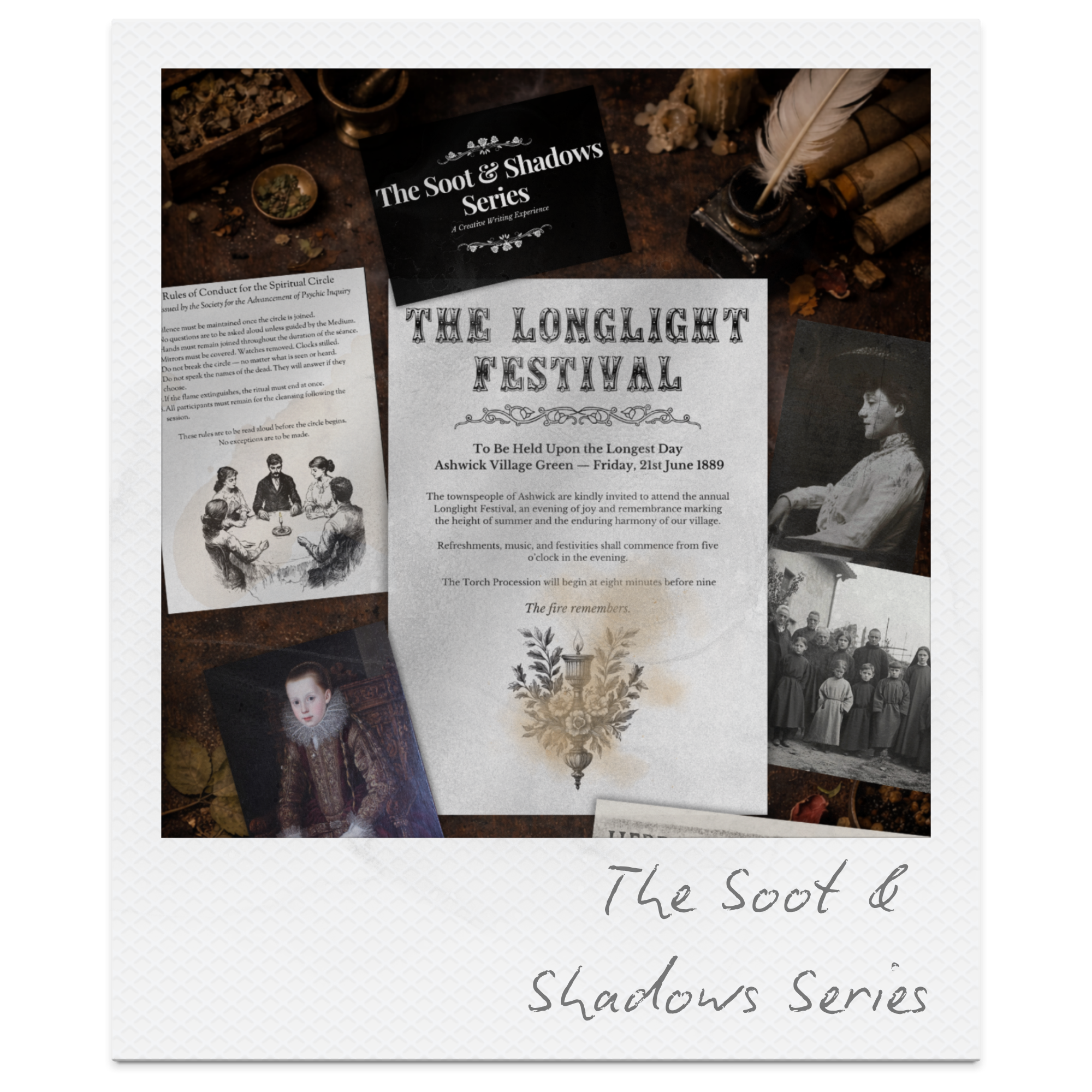
◆ The Soot & Shadows Series – a bundled collection of interconnected writing boxes combining gothic mystery, ritual folklore and historical horror, offering a layered and immersive storytelling experience
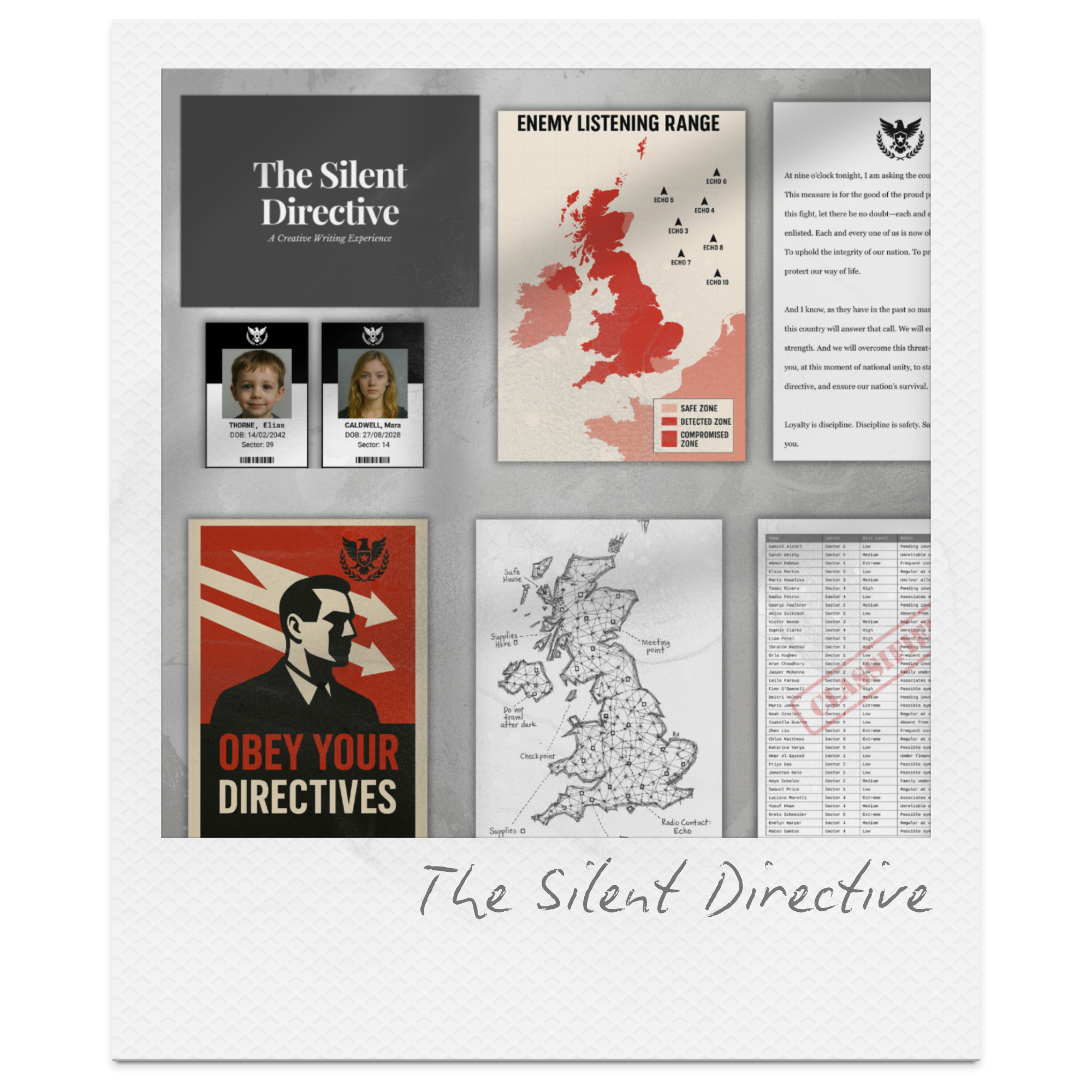
◆ The Silent Directive – a controlled dystopian world shaped by surveillance, silence and hidden resistance, where fragmented documents reveal a story beneath the surface
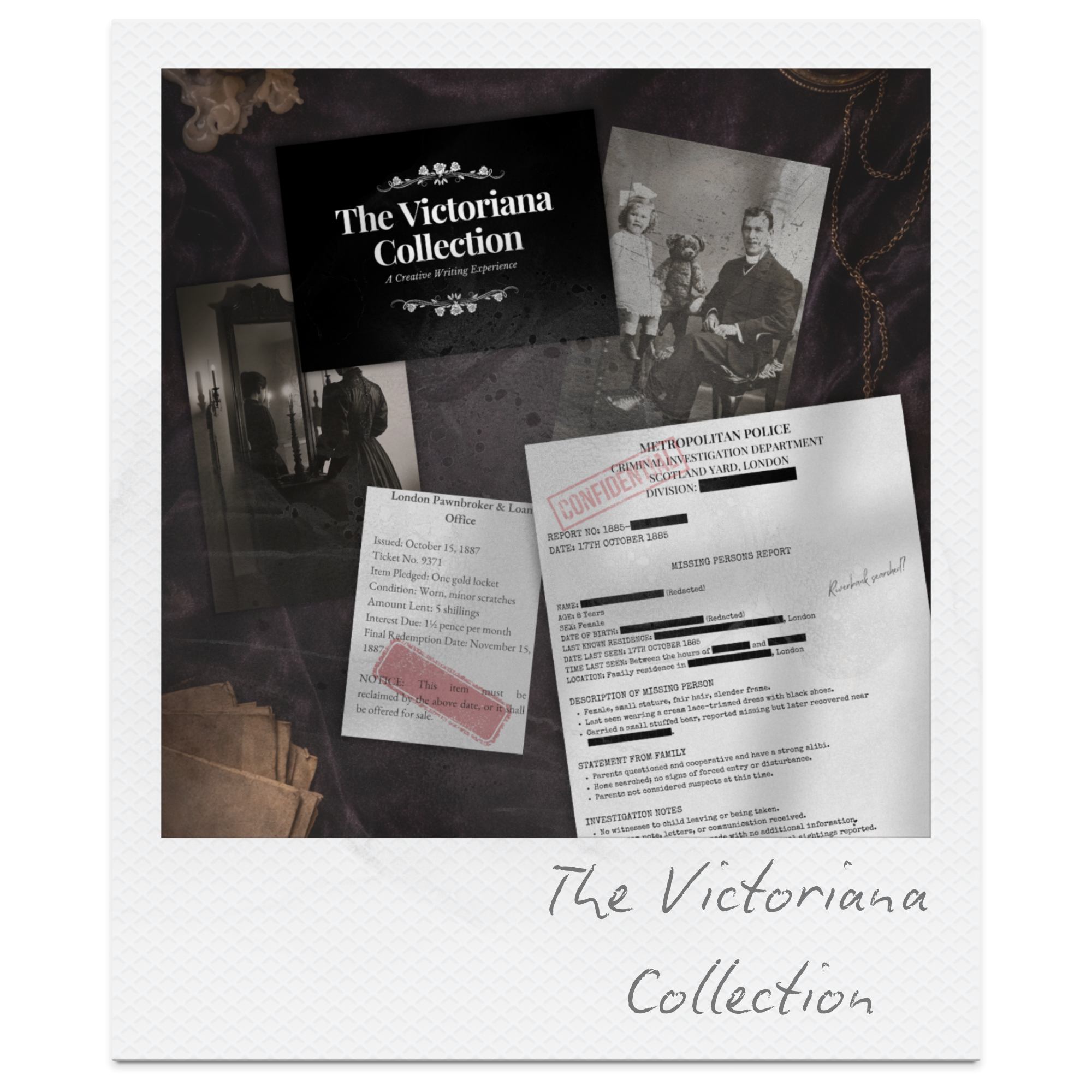
◆ The Victoriana Collection – gothic mystery and atmospheric storytelling rooted in hidden lives, missing persons and the uneasy boundary between the living and the dead
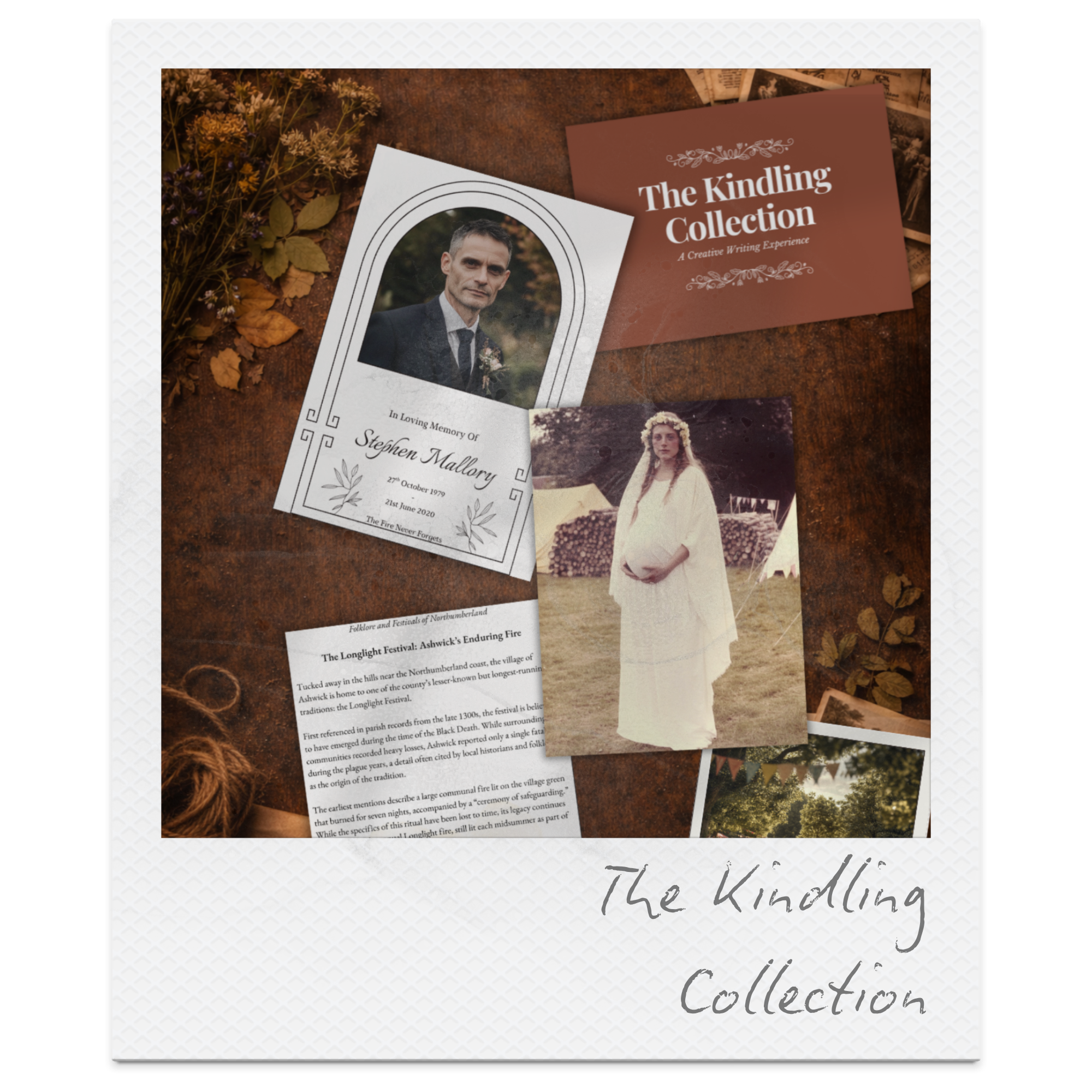
◆ The Kindling Collection – ritual, folklore and a quiet village shaped by tradition, unease and the growing sense that something is not as it should be
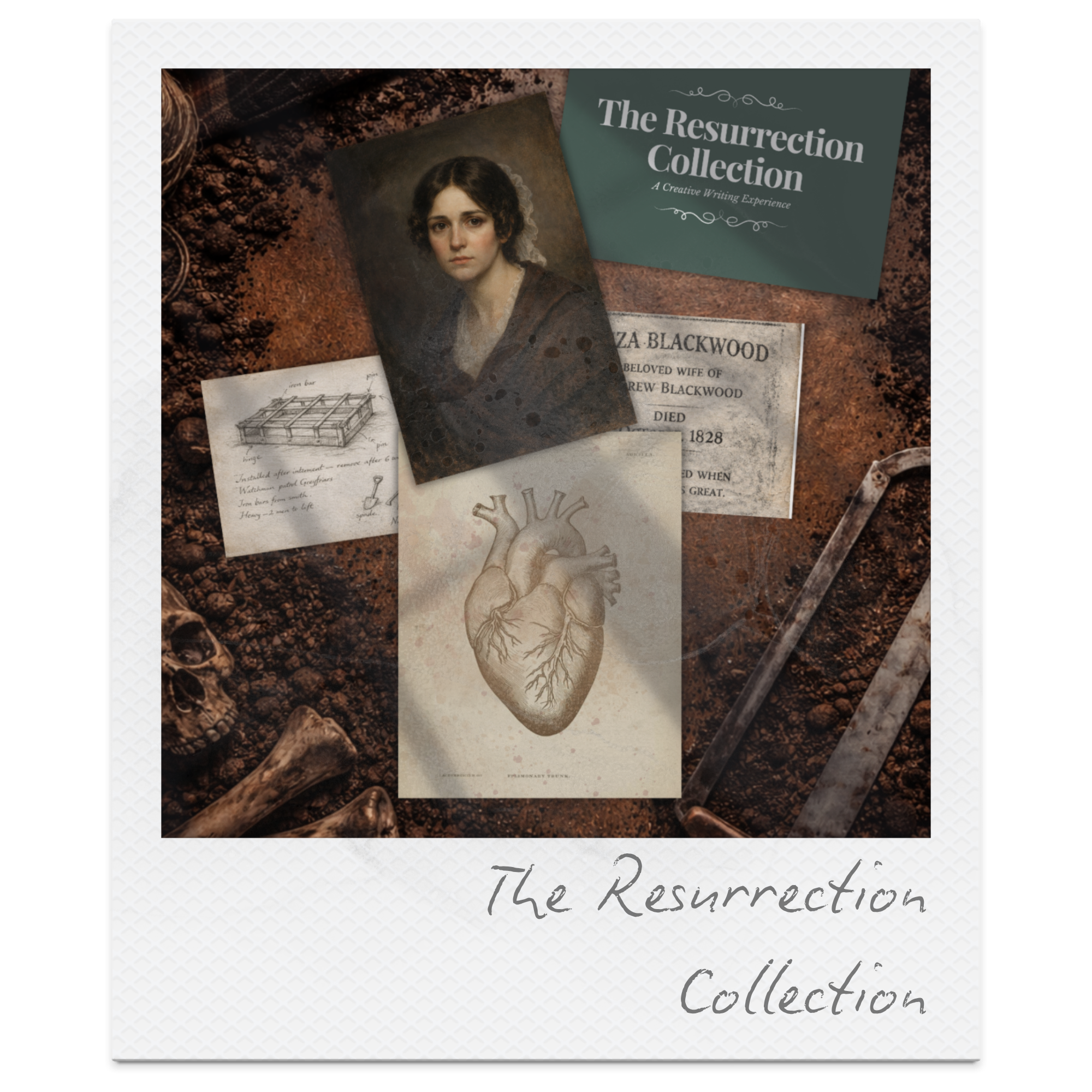
◆ The Resurrection Collection – inspired by Burke and Hare’s Edinburgh, a dark exploration of body snatching, morality and the disturbing realities hidden beneath the surface of society
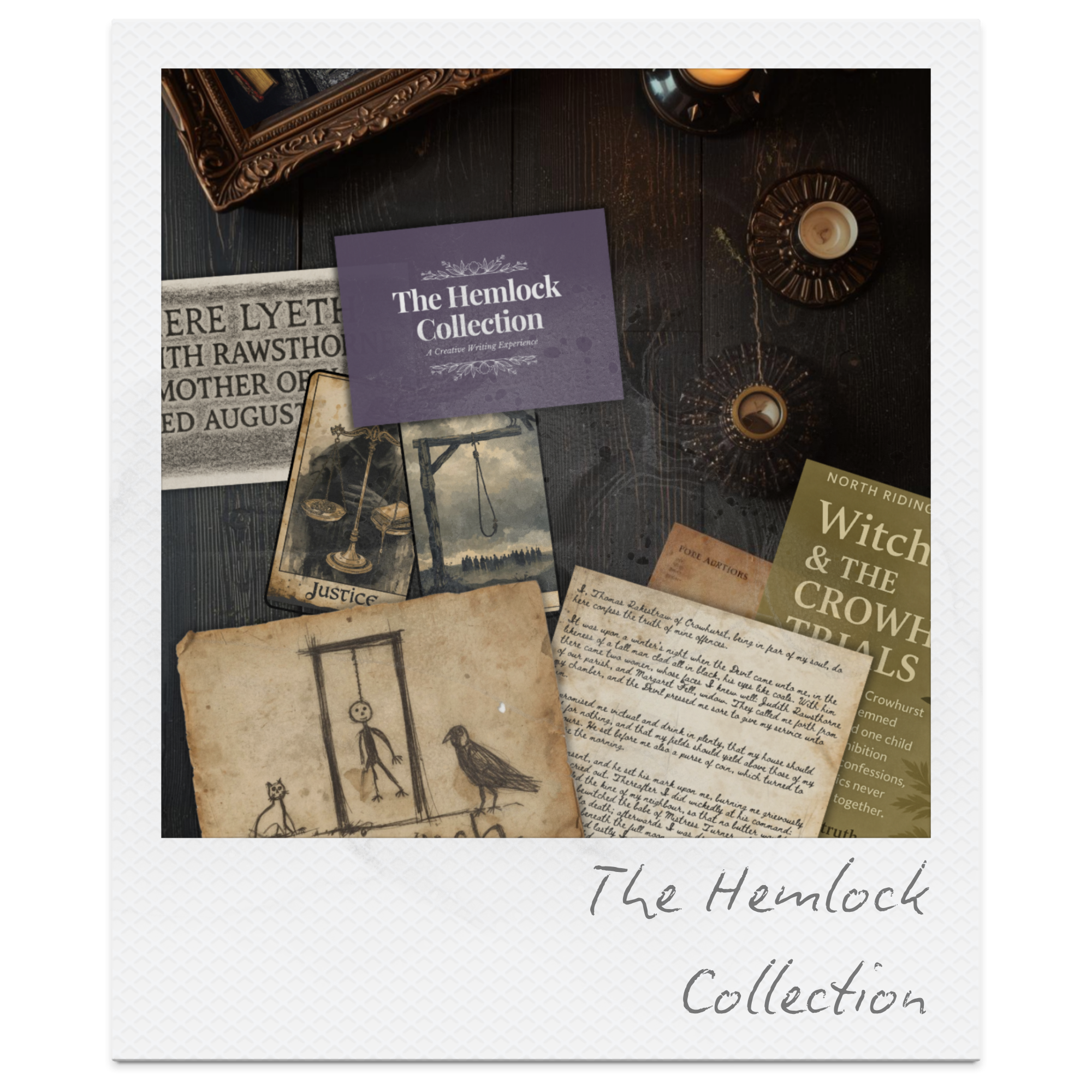
◆ The Hemlock Collection – a witch trial mystery spanning past and present, where fear, accusation and disappearance intertwine across time
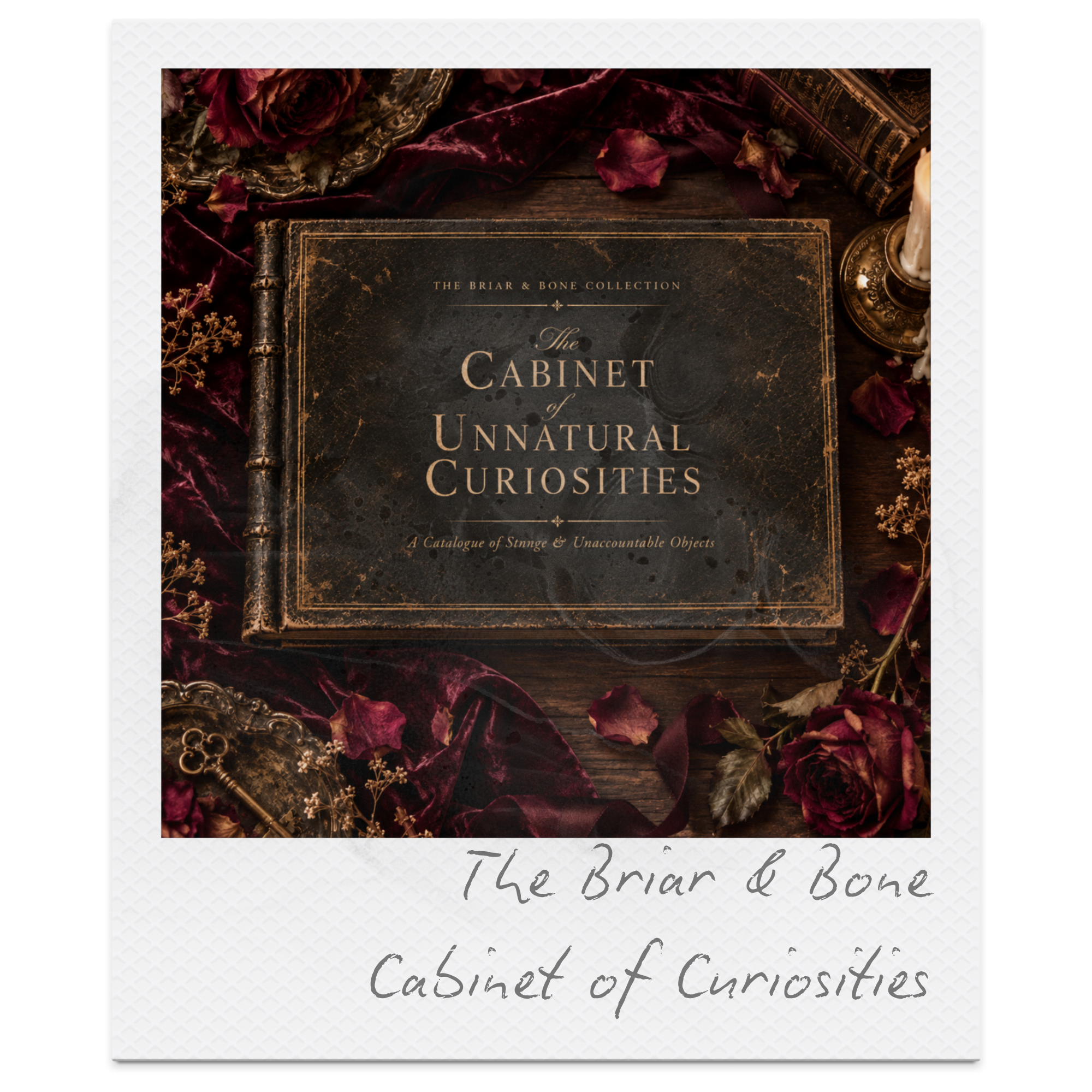
◆ Briar & Bone: The Cabinet of Unnatural Curiosities – a disturbing collection of cursed possessions, sinister household objects and unsettling evidence, perfect for inspiring supernatural horror, creeping dread and stories where ordinary things conceal terrible secrets.
Choose Your Next Adventure
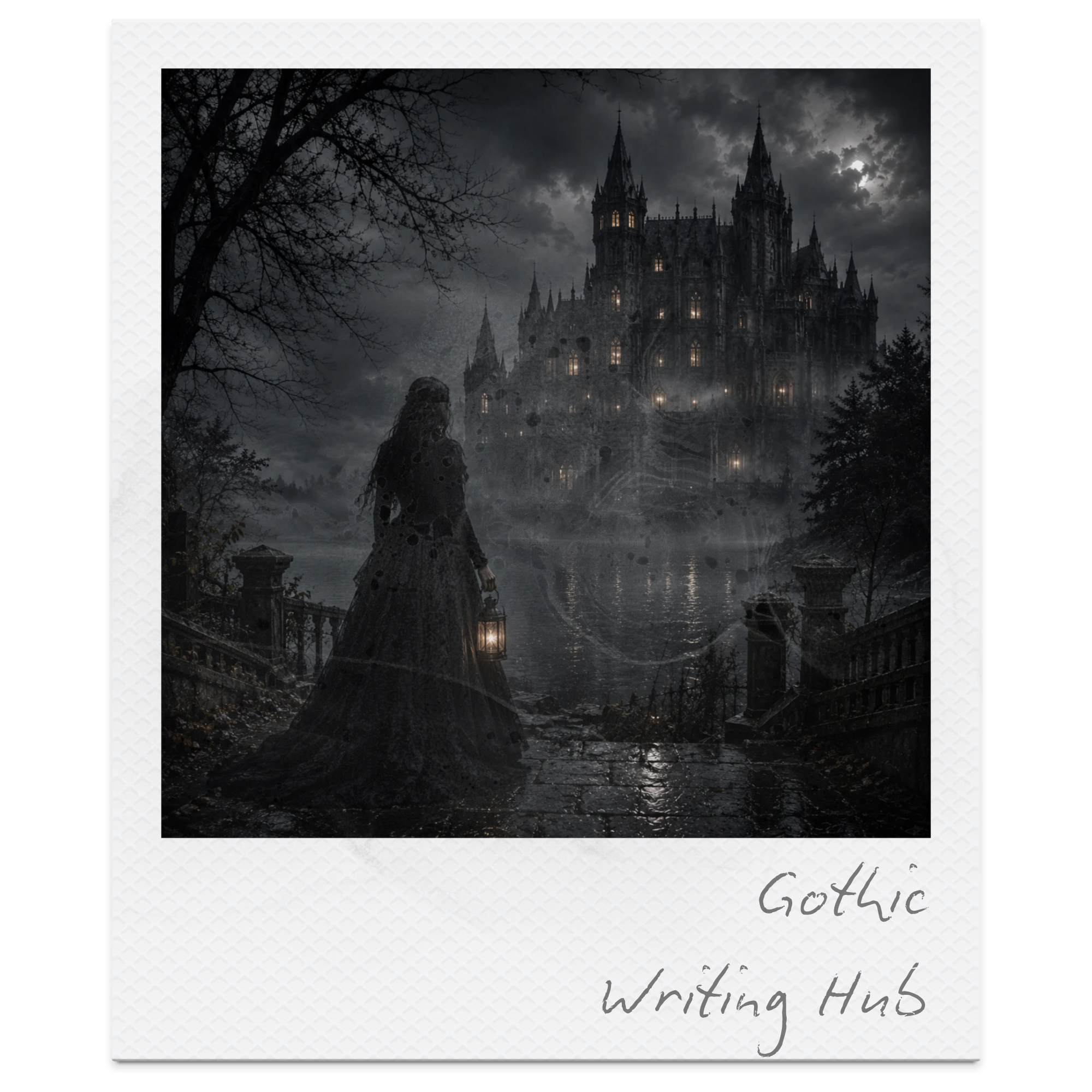
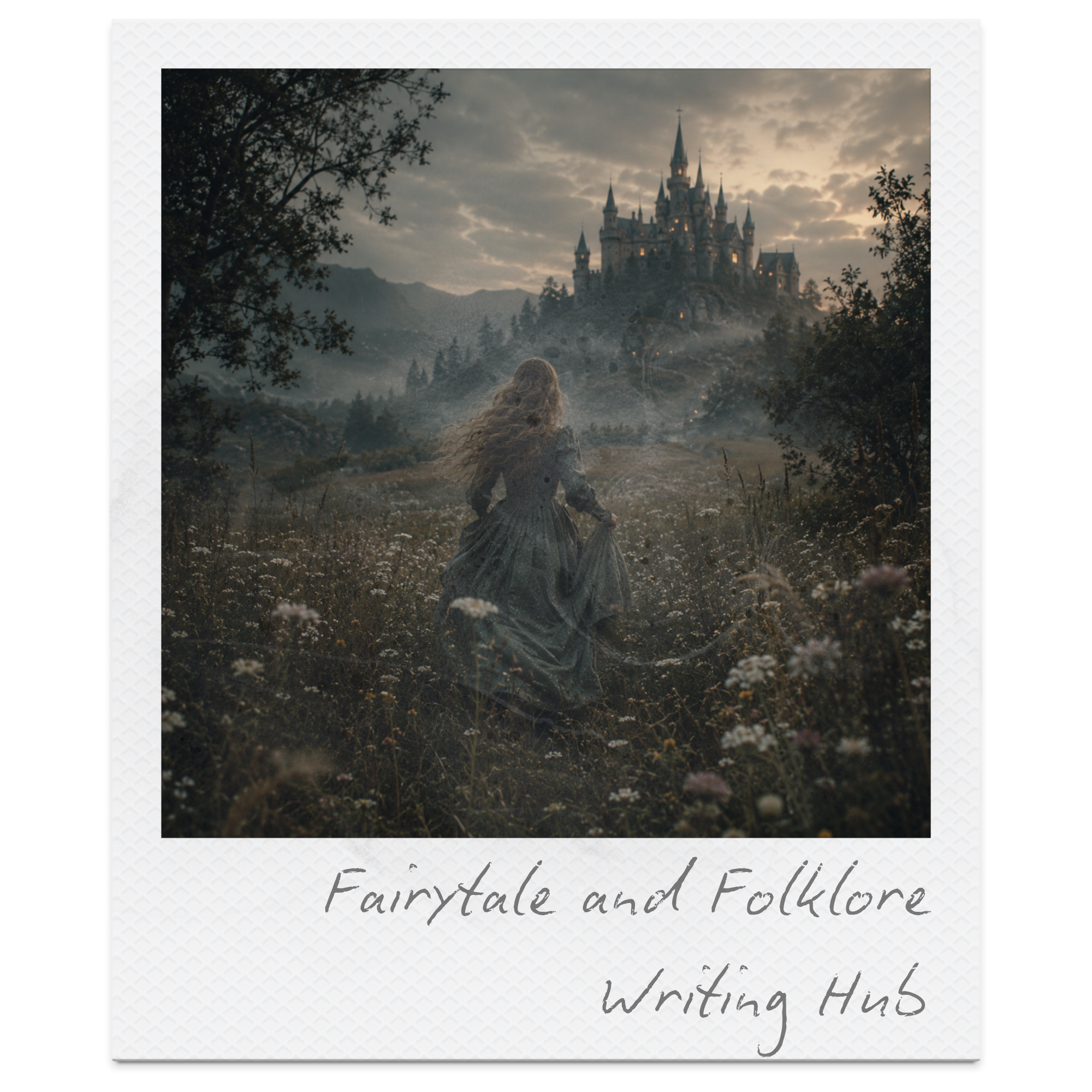
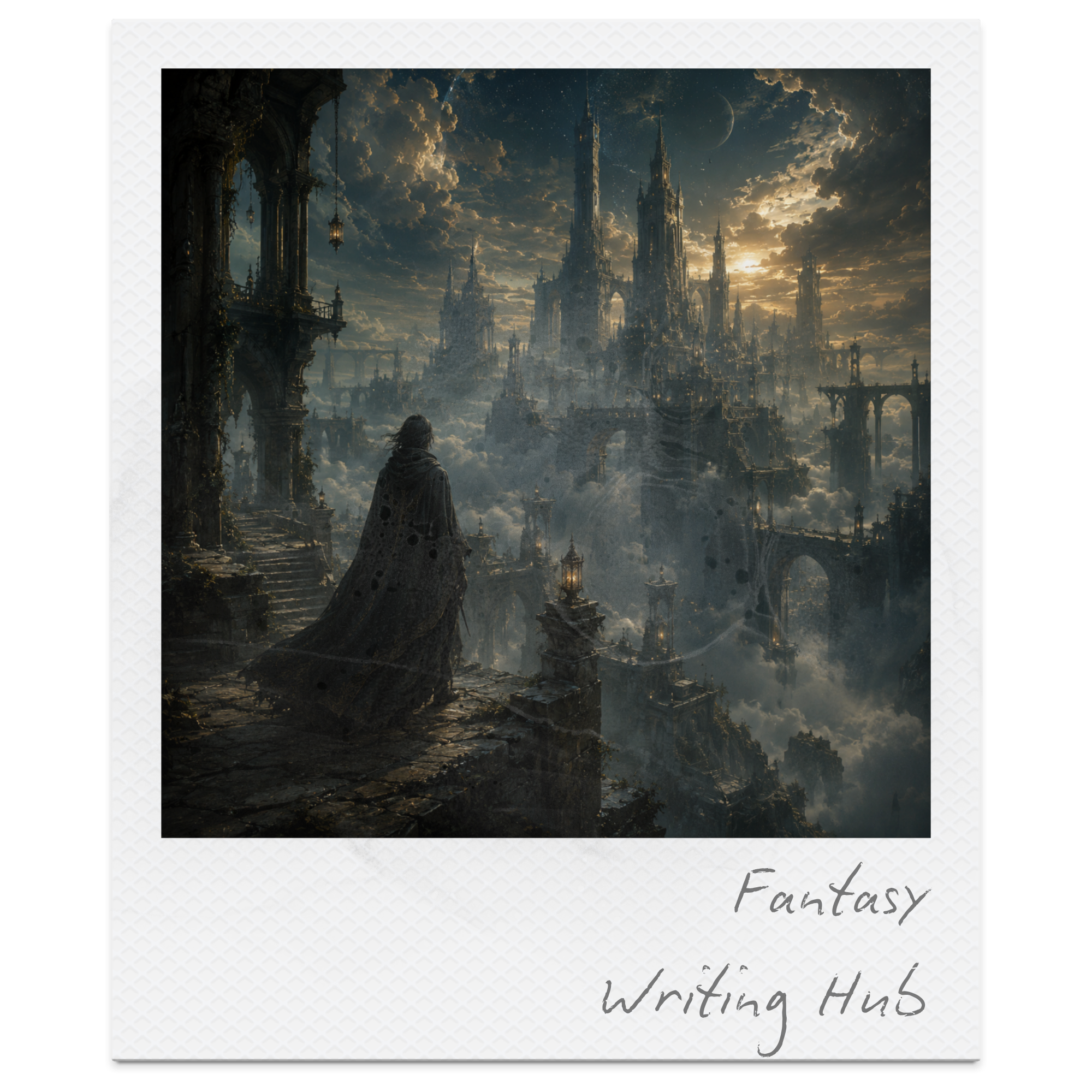
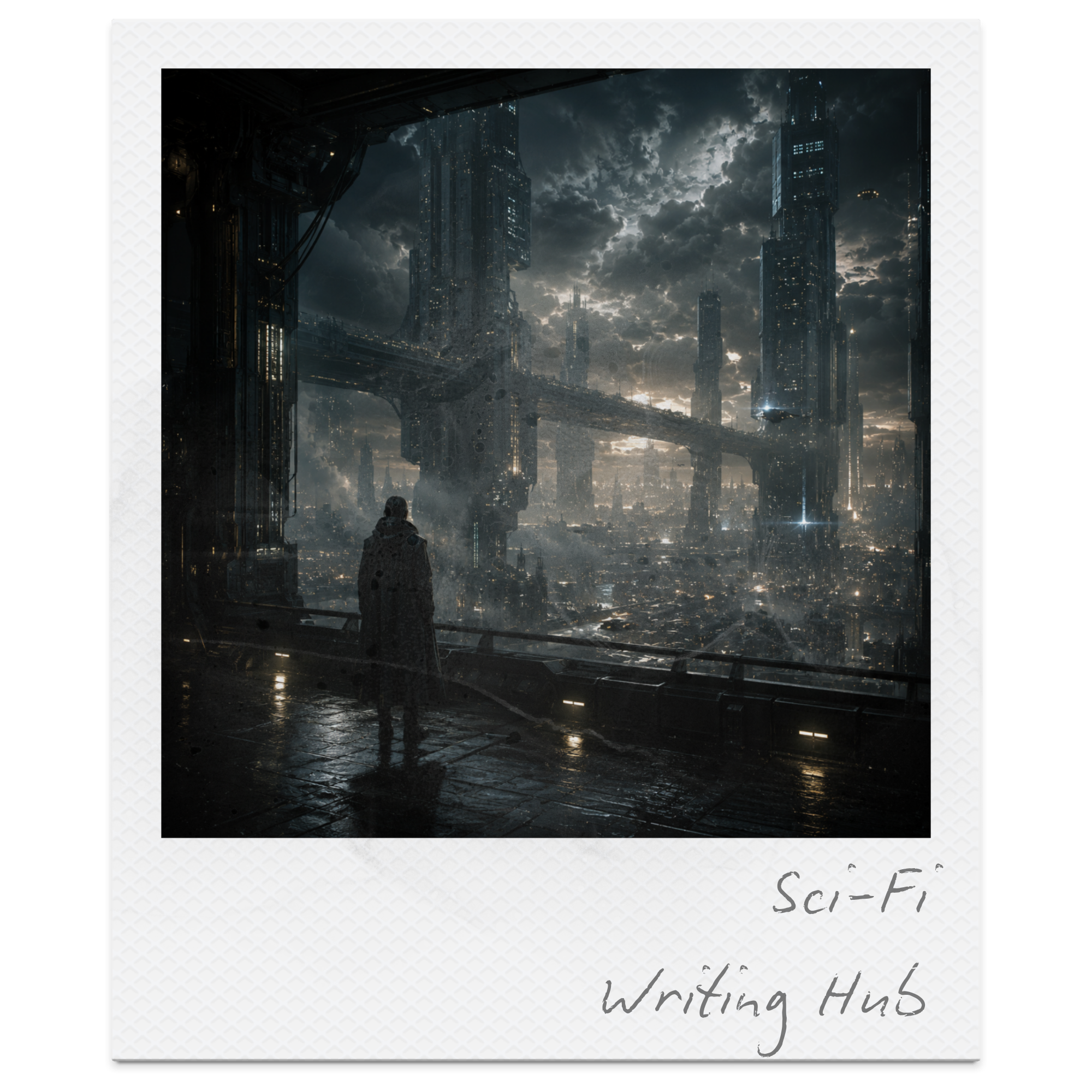
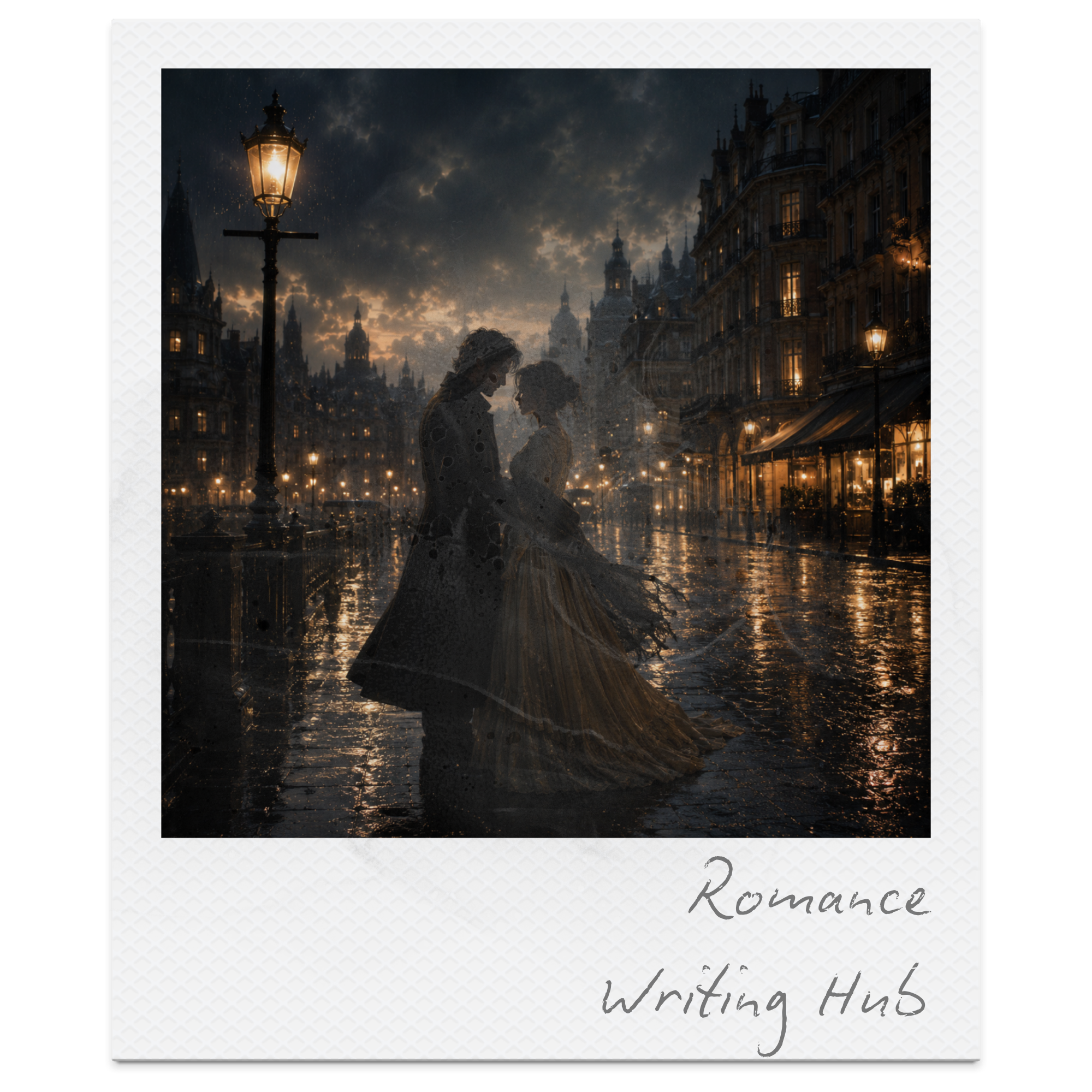
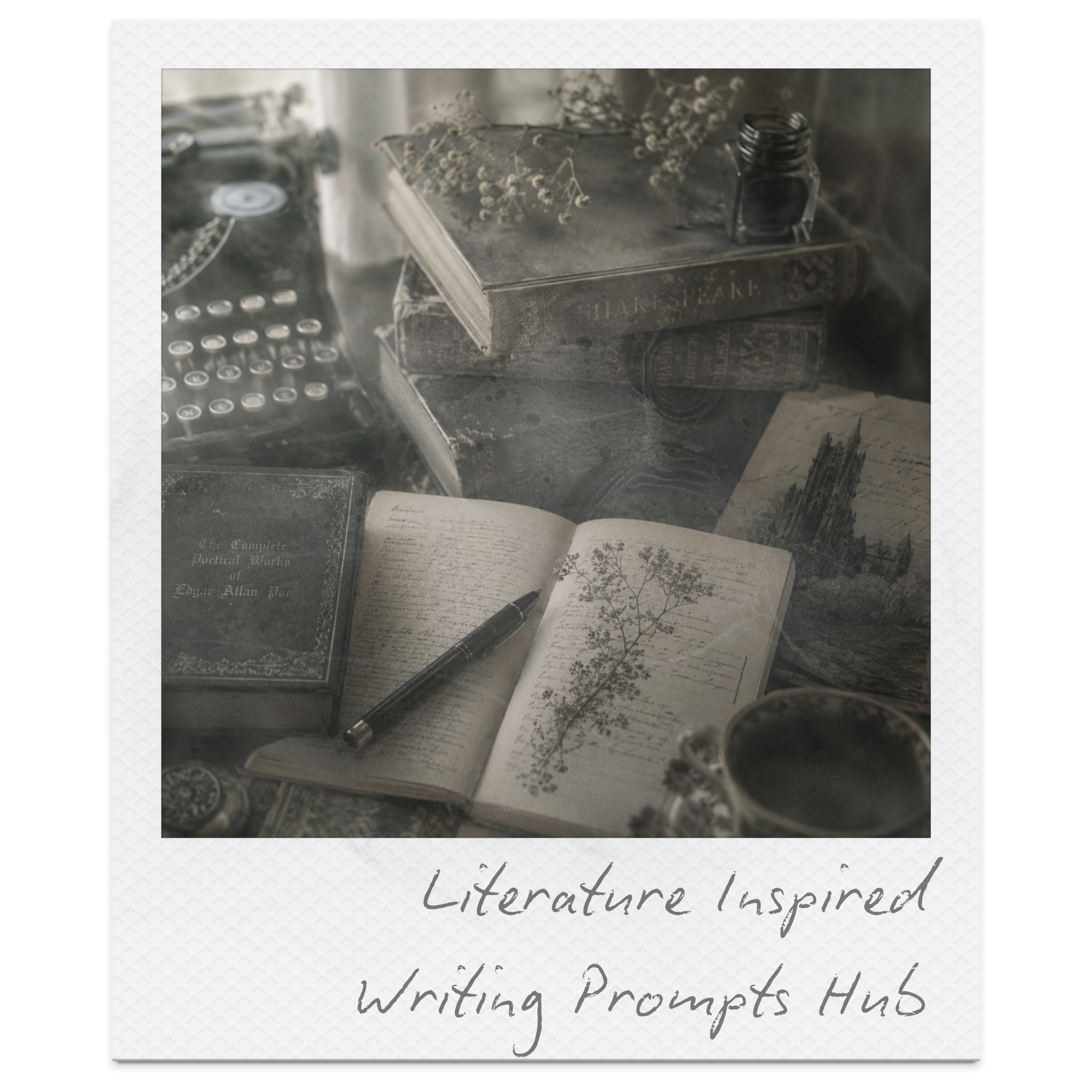
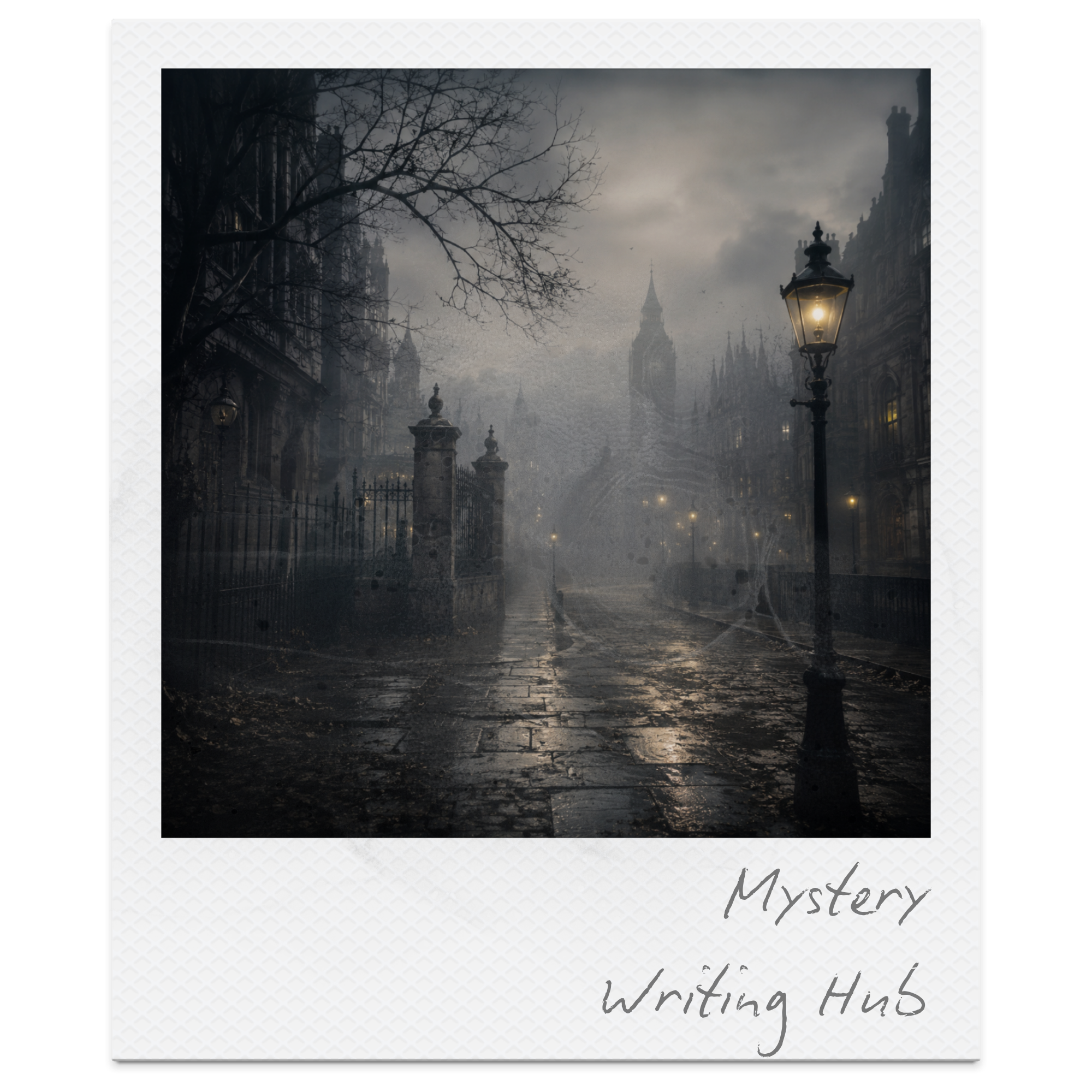
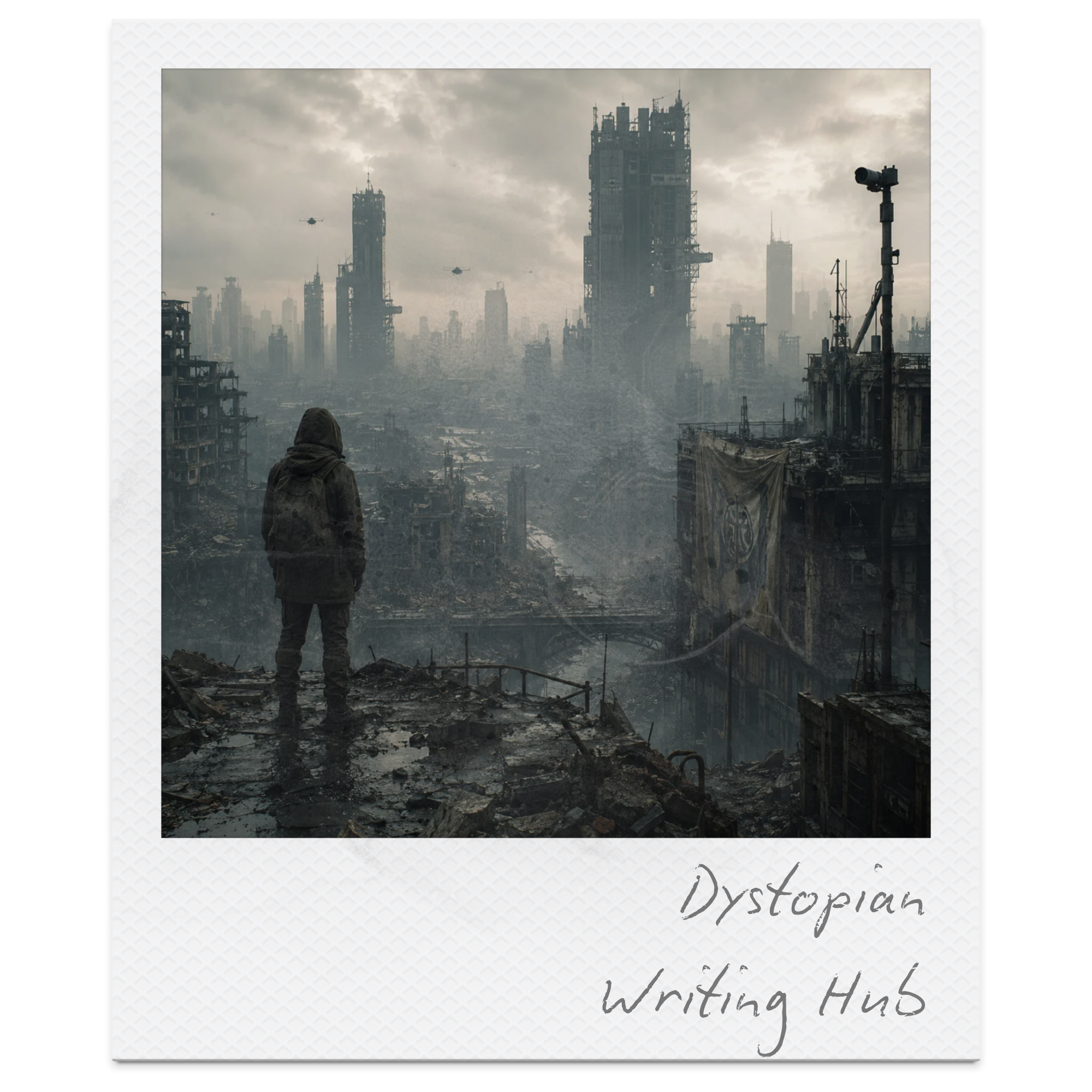
Finished exploring the darker side of storytelling? Step into another genre and discover new prompts, story ideas, characters, settings, generators and worldbuilding inspiration across the Ink & Insights creative writing hubs.
Choose a world below and see where your next story takes you.
Horror Writing FAQs
-
Good horror story ideas often begin with something familiar becoming unsafe or behaving in a way it should not. A family might move into a house where every previous owner disappeared, a village could observe a ritual nobody will explain, a character might discover something changing inside their body, or an apparently harmless piece of technology could begin revealing information it should not know. Start with one disturbing possibility and ask what would happen if your character could not simply walk away from it.
-
Begin with a fear, setting, character or ordinary situation and introduce something that disrupts its normal rules. Ask what your character feels safest around, then consider what could make that person, place or object threatening. You can also combine unrelated ideas — such as a location, secret, object and threat — until an unexpected story begins to emerge.
-
Strong horror writing prompts create questions rather than explaining the entire story. Try a town where nobody goes outside after the first frost, a character who receives photographs of places they have not visited yet, an abandoned building where one room is still being used, or a family tradition that suddenly makes much more sense when somebody refuses to participate.
-
You do not need to begin with violence or an immediate scare. Horror can start with an ordinary scene containing one detail that feels wrong: a door that should not be open, an unfamiliar person in a family photograph, footsteps from an empty floor or a character noticing that everyone in town stops talking when they enter the room. Let curiosity draw the reader towards the danger.
-
A good horror story usually combines a compelling source of fear with characters who have something meaningful to lose. Atmosphere, uncertainty, escalating danger and carefully controlled information can make the threat feel increasingly difficult to escape. The frightening element becomes more powerful when it affects the characters emotionally as well as physically.
-
Horror contains many overlapping genres and subgenres. These include psychological horror, supernatural horror, Gothic horror, folk horror, body horror, sci-fi horror, fantasy horror and analog horror, alongside darker forms of fairytale and speculative fiction. Each creates fear differently, from unreliable perception and bodily transformation to supernatural forces, ancient traditions and dangerous technology.
-
Give the reader enough information to anticipate danger without revealing everything at once. Establish patterns, introduce uncertainty and allow the threat to escalate. What characters hear, suspect or almost see can sometimes create more tension than showing the source of fear immediately. Most importantly, make the danger matter to the character rather than relying entirely on shocking imagery.
-
Suspense comes from the gap between knowing something might happen and discovering whether it will. Give characters incomplete information, restrict their options and gradually increase the consequences of failure. Repetition can also be effective: establish a disturbing pattern, allow the reader to recognise it and then change the pattern when they think they understand the rules.
-
Think about how the environment can restrict, deceive or expose your characters. Consider its history, architecture, landscape, weather, inhabitants and possible escape routes. A horror setting becomes particularly effective when its characteristics influence the plot: an isolated coastline cuts characters off during a storm, an old house conceals evidence of its past or a small community makes keeping secrets dangerously easy.
-
Start by deciding what is possible in your story and what rules govern the threat. If something supernatural exists, determine what it can and cannot do. If the horror comes from a community, institution or imagined society, consider what beliefs and systems allow the danger to continue. Good horror worldbuilding creates enough consistency for readers to understand the stakes without removing every mystery.
-
Horror frequently explores death, isolation, loss of control, identity, transformation, forbidden knowledge, guilt, grief, repression, survival and fear of the unknown. Different subgenres approach these themes in different ways: body horror might explore loss of bodily autonomy, while folk horror can examine tradition, community and the persistence of old beliefs.
-
Treat the prompt as a starting point rather than a complete plot. Change the characters, setting, motivations and consequences until the idea becomes your own. Ask why the frightening event is happening, why it affects these particular characters and what choices they will be forced to make. Combining several unrelated prompts or Story Sparks can also lead to story ideas you would be unlikely to reach from a single prompt alone.