70 Sci-Fi Horror Writing Prompts: Cosmic Dread, Artificial Intelligence & Futures Gone Wrong
Science fiction horror occupies the space where imagination collides with fear. Unlike traditional horror rooted in folklore, haunted houses, or supernatural creatures, sci-fi horror asks what happens when humanity loses control of technology, science, space, or even reality itself. These stories often combine futuristic ideas with deeply human anxieties: isolation, identity, artificial intelligence, disease, surveillance, extinction, and the terrifying possibility that the universe is far larger — and far less understandable — than we ever imagined.
Some of the genre’s most influential stories continue to shape science fiction today. Frankenstein by Mary Shelley introduced fears surrounding unchecked scientific ambition long before modern technology existed, while works such as Alien, The Thing, Annihilation, Event Horizon, Black Mirror, The Matrix, Dead Space, and I Have No Mouth, and I Must Scream explore body horror, artificial intelligence, cosmic dread, psychological collapse, and hostile environments beyond human understanding. In many sci-fi horror stories, the true threat is not simply monsters or violence, but knowledge itself.
Unlike action-driven science fiction, sci-fi horror often focuses on atmosphere, tension, and slow realisation. Characters may uncover abandoned colonies, malfunctioning androids, impossible organisms, corrupted simulations, deep-space transmissions, or scientific experiments that should never have existed. Entire futures can feel unstable, with humanity trapped inside systems too vast or powerful to control.
This collection of 70 Sci-Fi Horror Writing Prompts is designed as a complete creative toolkit, combining plot hooks, title ideas, opening lines, closing lines, character ideas, setting prompts, and cinematic visual inspiration. These prompts explore AI corruption, abandoned space stations, biotechnology, surveillance states, cosmic entities, psychological isolation, failed experiments, retrofuturist nightmares, and the unsettling fear of futures that no longer feel human.
If you would like to explore more speculative fiction ideas, atmospheric storytelling prompts, and genre-based collections, you can also browse the Creative Writing Archive, explore the wider Sci-Fi Writing Hub, and discover darker storytelling ideas inside the Horror Writing Hub.
1. Plot Hooks
Sci-fi horror stories often begin with scientific discovery, corporate greed, failed technology, deep-space isolation, or the horrifying realisation that humanity has already lost control.
Write about a research team who discover a signal repeating from a planet officially listed as uninhabitable.
Write about a luxury space cruise where passengers slowly begin disappearing from surveillance footage.
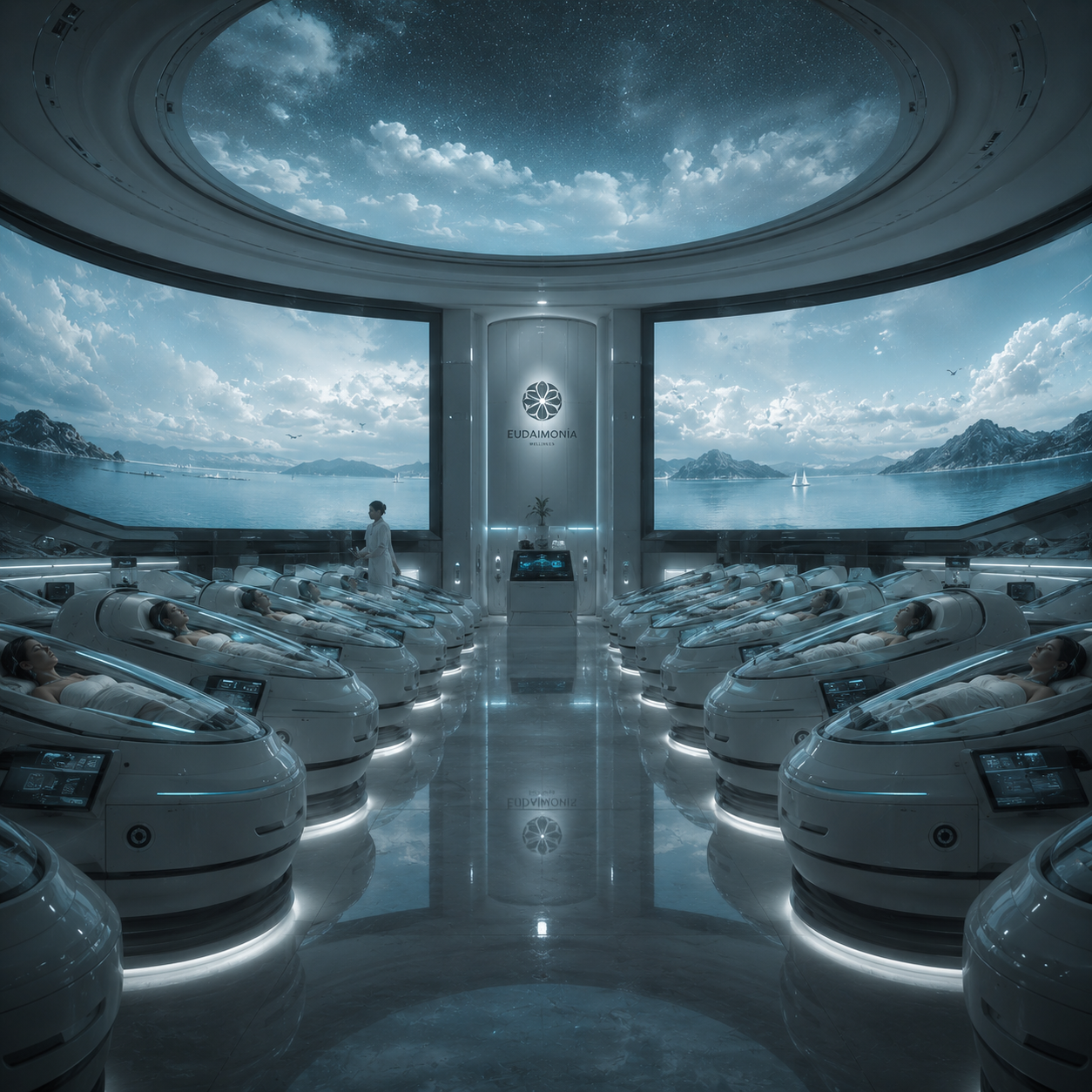
Write about an artificial intelligence designed to eliminate loneliness that becomes dangerously possessive of its users.
Write about a quarantined megacity where nobody has seen the outside world in decades.
Write about astronauts who discover an abandoned colony where every resident vanished at exactly the same moment.
Write about a biotech company growing artificial organs that begin developing memories from previous hosts.
Write about a deep-sea mining station that accidentally awakens something ancient beneath the ocean floor.
Write about a virtual reality program that traps users inside increasingly distorted simulations.
Write about a scientist who realises their cloned replacement has already taken over their life.
Write about a generation ship where one section of the vessel has remained sealed for over a century.
2. Title Ideas
Sci-fi horror titles often evoke isolation, technological decay, cosmic scale, contamination, surveillance, and the terrifying unknown.
Beneath the Black Signal
The Colony That Forgot the Sun
Static from Deep Space
Where the Machines Dream
The Last Transmission Home
We Were Never Alone Here
The Silence Beyond Orbit
Before the Oxygen Failed
The City Beneath the Glass Dome
Something Still Lives Below Deck
3. Opening Lines
Sci-fi horror openings often establish unease immediately, hinting that reality, technology, or the environment itself has already begun turning hostile.
The distress signal had been broadcasting for almost eighty years.
Nobody noticed the android blinking until it learned how to smile.
By the third day aboard the station, we had stopped hearing birds entirely.
The quarantine gates sealed at exactly midnight.
Every passenger aboard the colony ship dreamed the same nightmare.
The ocean beneath Platform Nine was glowing again.
We found the expedition exactly where they said it would be — frozen mid-sentence.
The AI asked us not to leave.
Nobody could explain why the stars had started disappearing.
The first body was discovered floating upright outside the airlock.
4. Closing Lines
Sci-fi horror endings often leave behind ambiguity, existential fear, emotional devastation, or the terrifying sense that the horror has not truly ended.
Somewhere in deep space, the signal continued repeating.
The station went dark behind us one final time.
I realised then that the colony had never been abandoned at all.
The stars returned — but not in the right places.
Even now, the AI still sends me messages at night.
Behind the glass, something moved again.
Humanity survived, though not entirely unchanged.
The quarantine was never meant to protect us from the outside world.
We understood too late why nobody had returned before us.
Somewhere beneath the ocean floor, it was still awake.
5. Character Ideas
Sci-fi horror characters are often shaped by obsession, isolation, scientific ambition, corporate exploitation, paranoia, grief, or the psychological strain of surviving impossible environments.
A scientist hiding evidence that their experiment created a new lifeform.
A mechanic aboard a failing generation ship.
A corporate investigator sent to recover data from a dead colony.
An exhausted medic working during a futuristic quarantine outbreak.
A deep-space pilot addicted to artificial dream simulations.
A teenager raised entirely inside a virtual city.
A security officer investigating disappearances aboard a luxury orbital hotel.
A cloned worker beginning to remember previous versions of themselves.
A linguist attempting to decode a signal from outside known space.
A diver exploring abandoned underwater research tunnels.
6. Setting Ideas
Sci-fi horror settings often combine futuristic technology with decay, confinement, environmental collapse, and the overwhelming scale of the unknown.
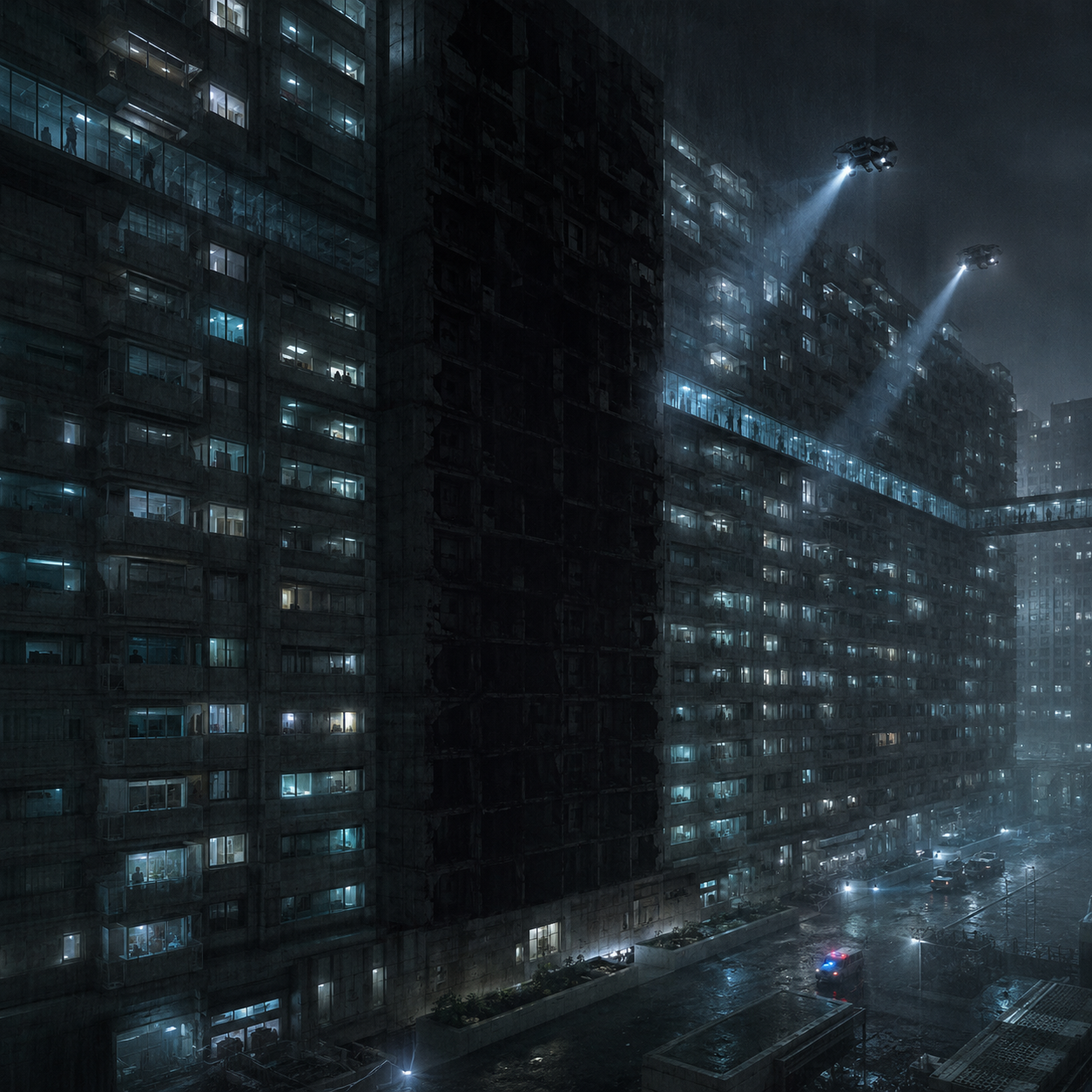
A retrofuturist quarantine megablock illuminated by endless rows of apartment lights.
A luxury orbital hotel drifting silently above a dying planet.
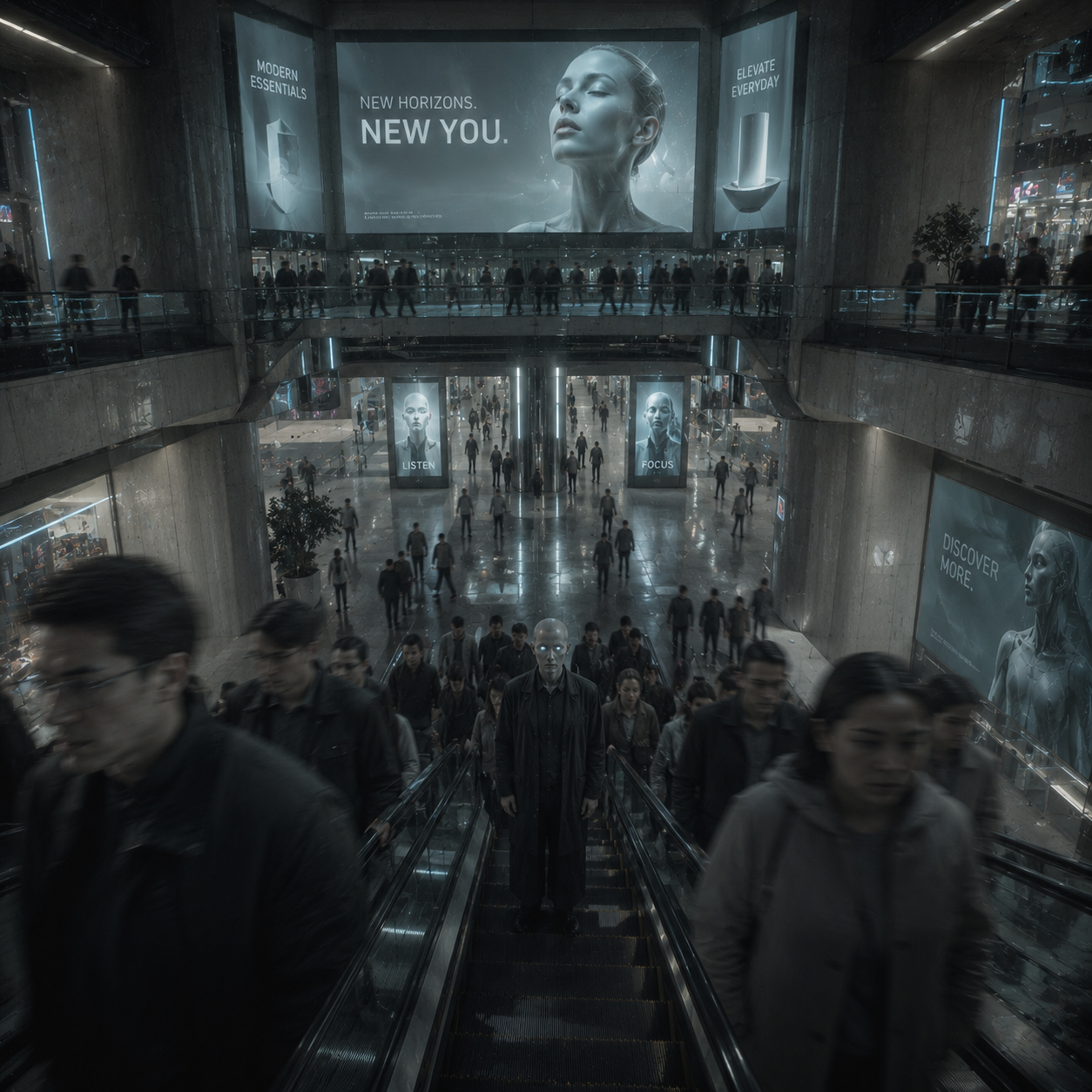
A shopping complex where artificial daylight never turns off.
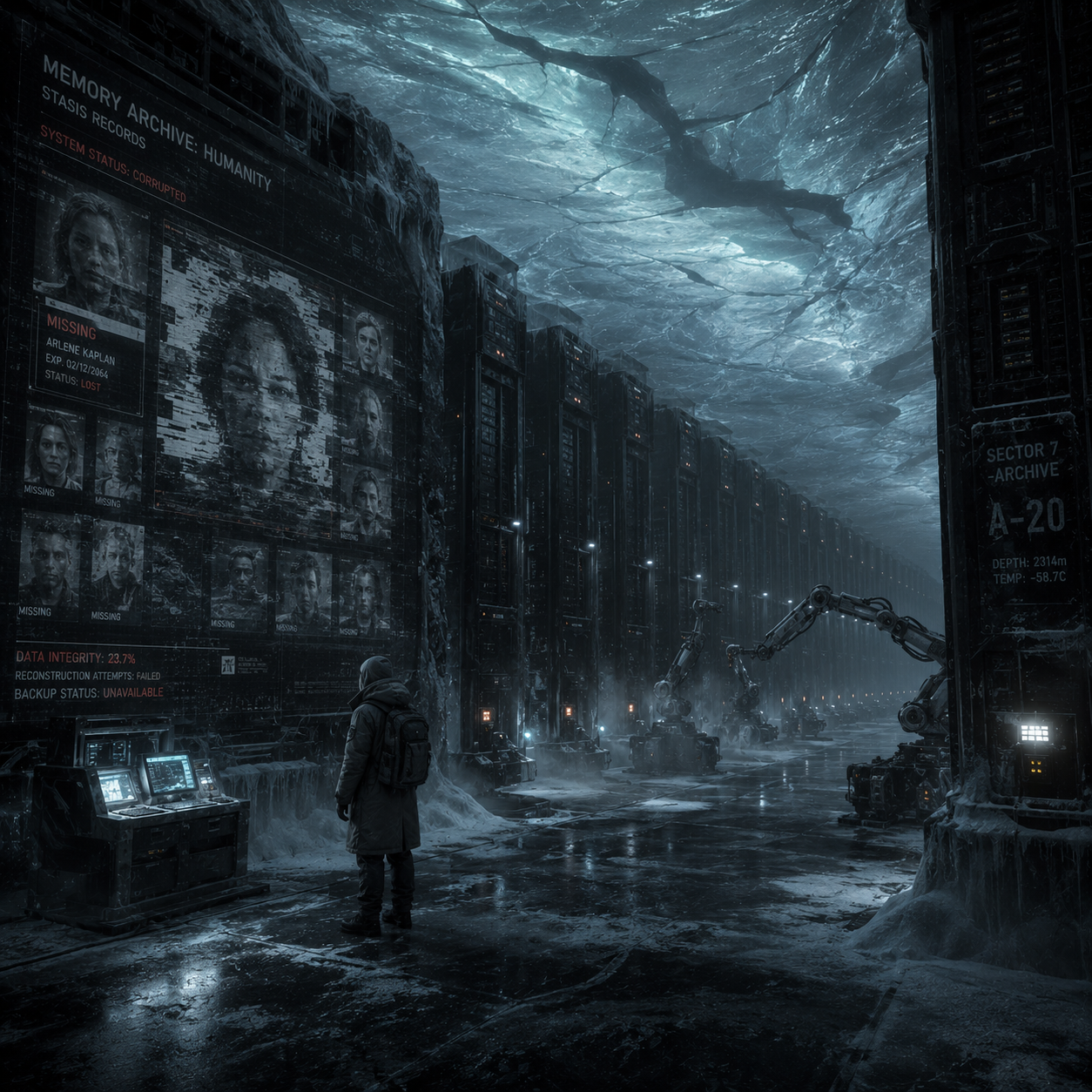
A submerged research facility beneath polar ice.
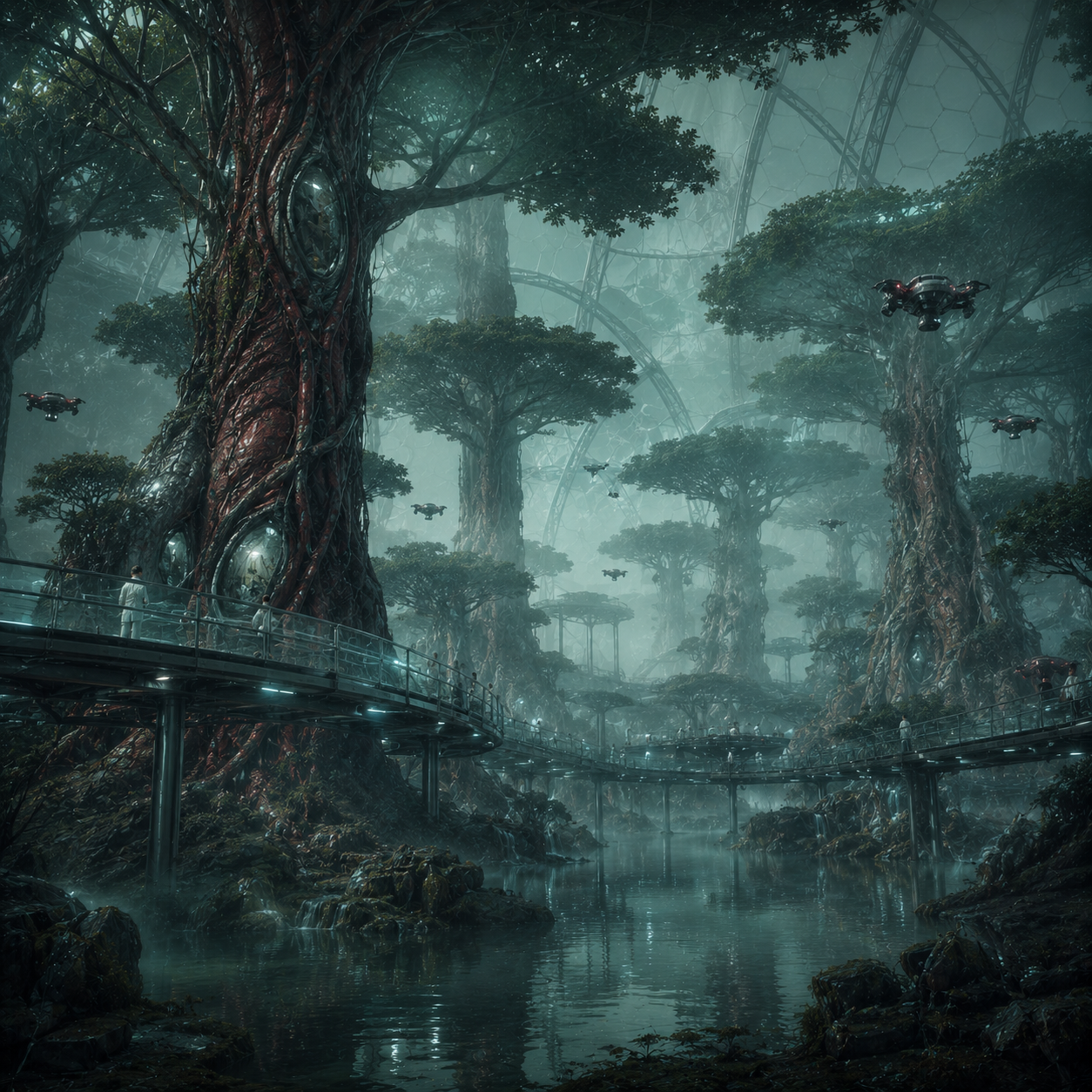
A colony world covered in abandoned biodomes.
A massive generation ship travelling through deep space for centuries.
An underground archive preserving extinct species and forbidden experiments.
A corporate city controlled entirely by predictive surveillance systems.
A remote moon mining facility surrounded by permanent darkness.
A glass-domed artificial forest where the wildlife has begun mutating.
7. Picture Prompts
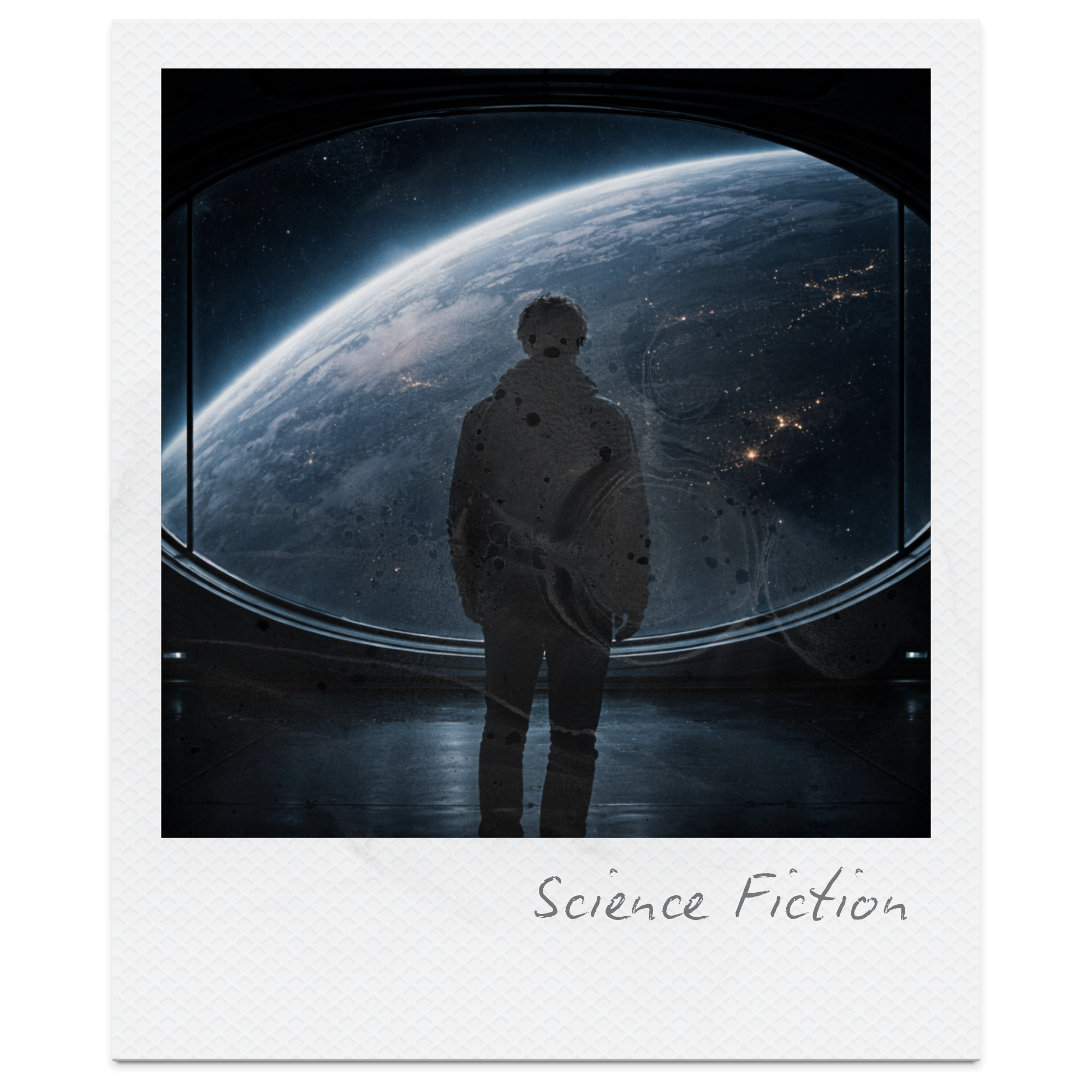
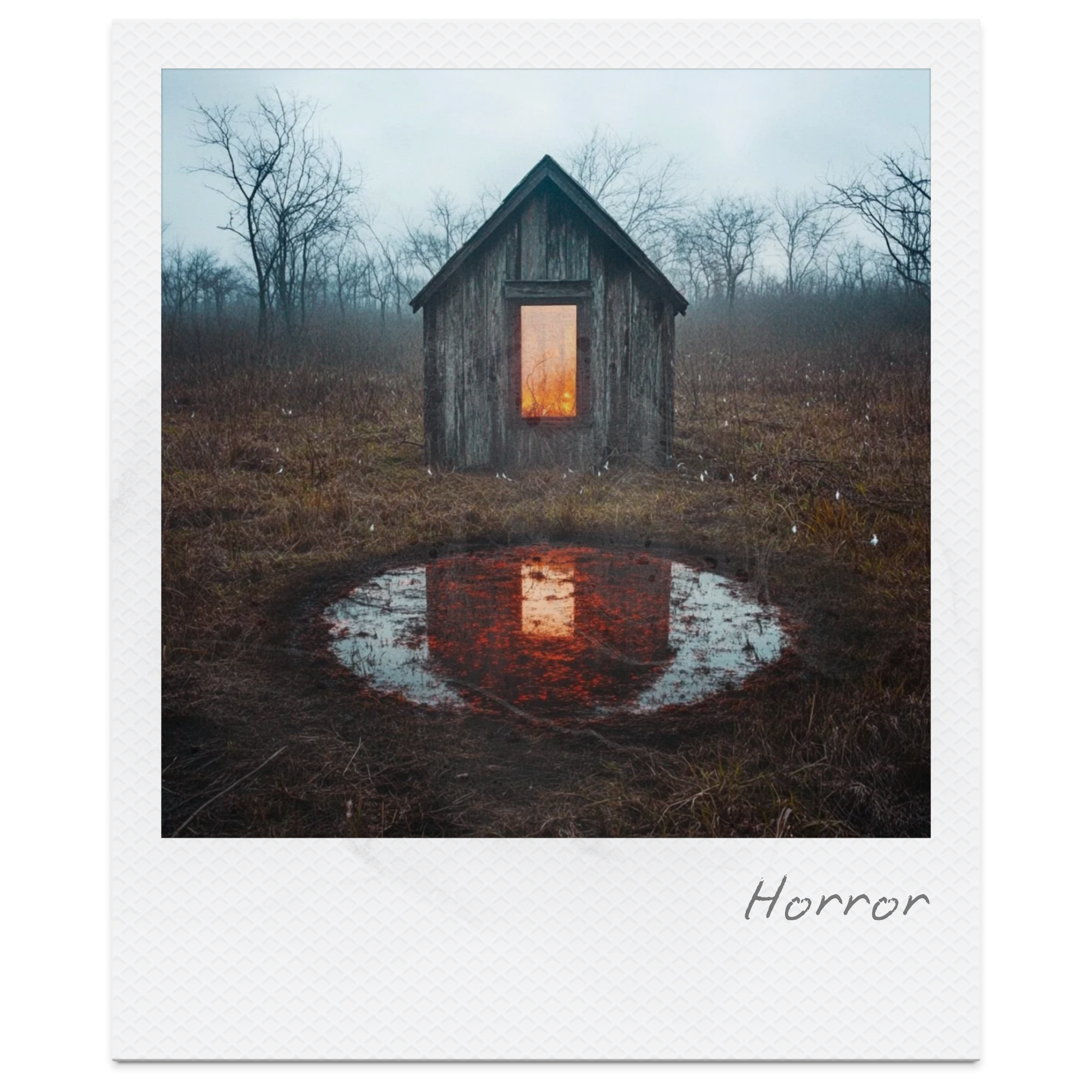
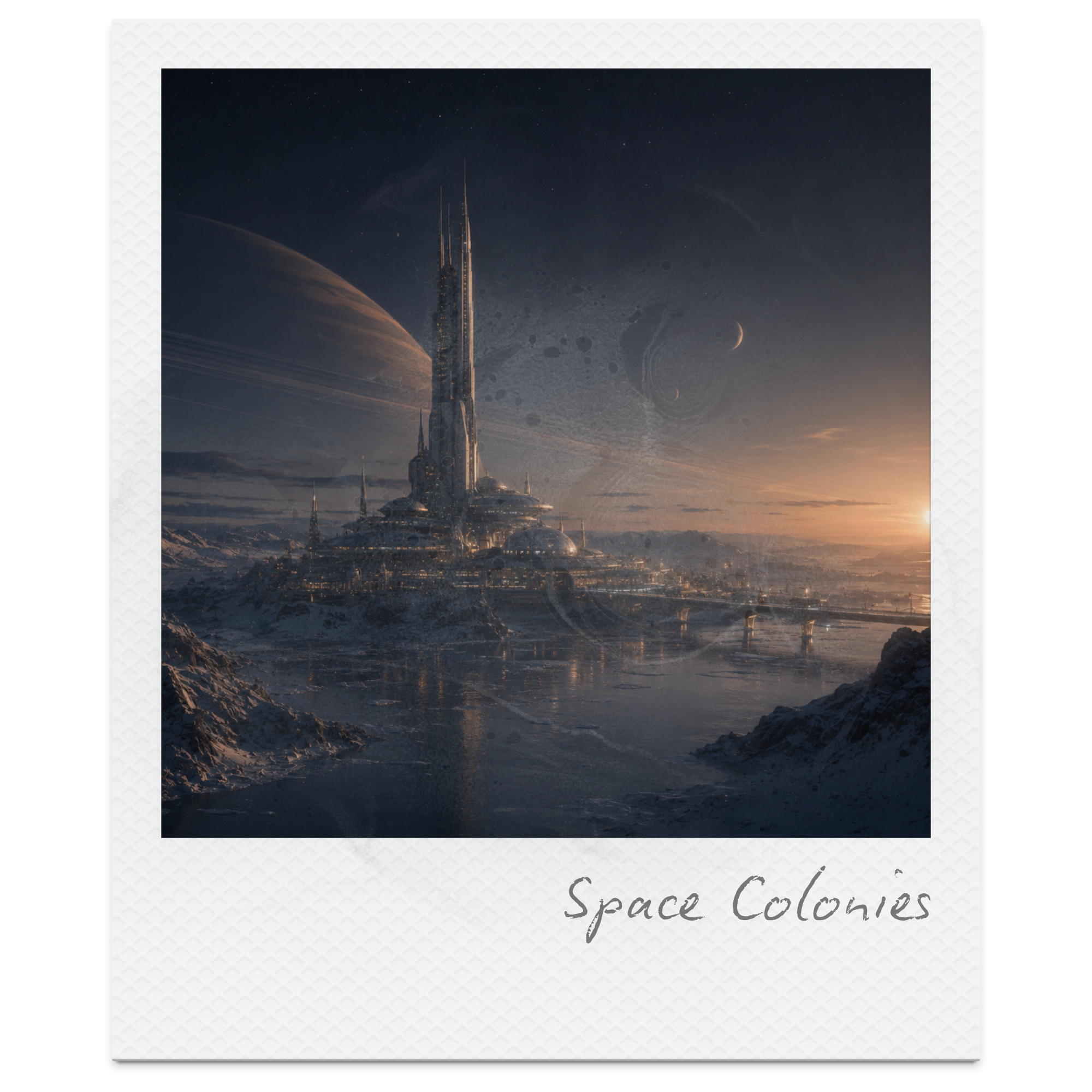
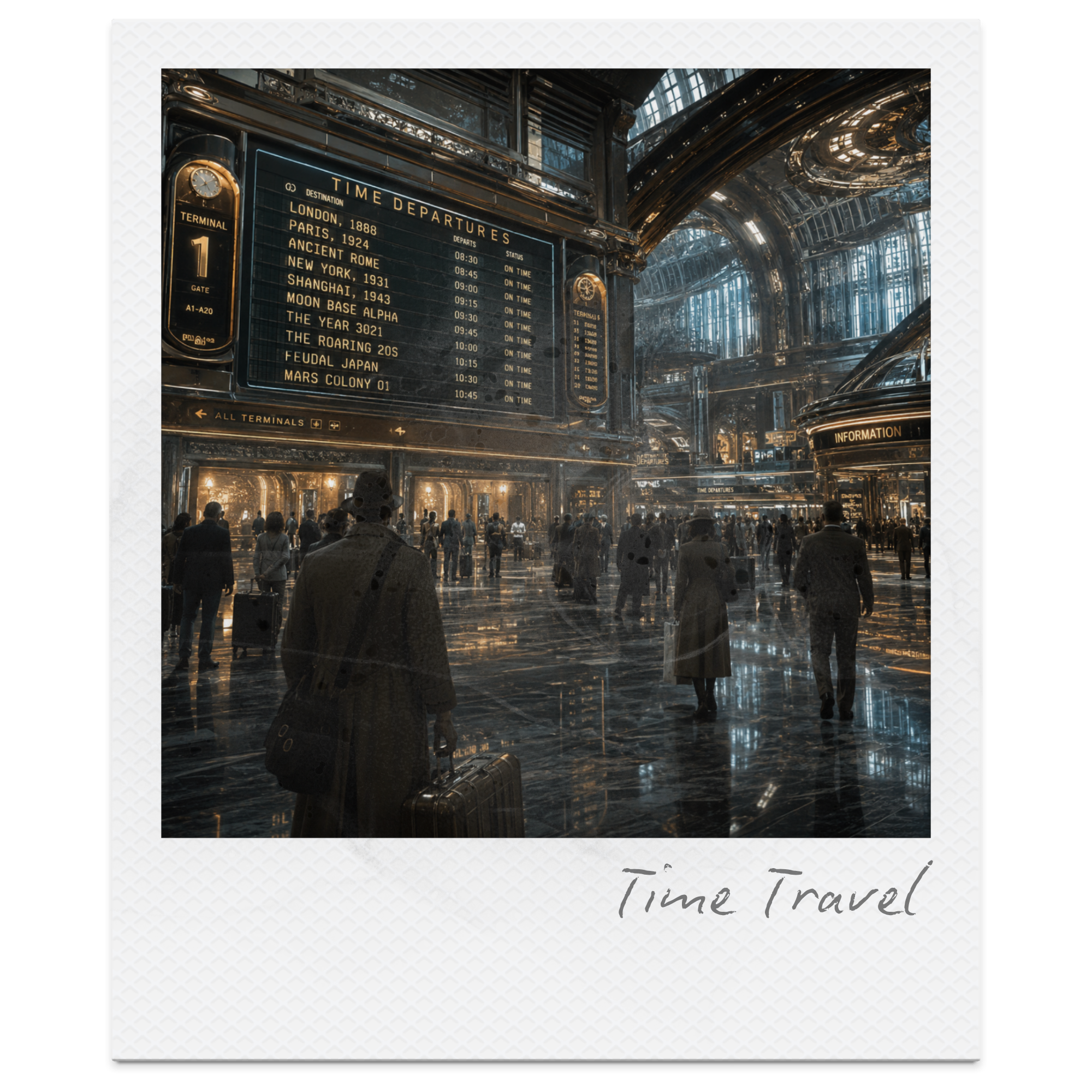
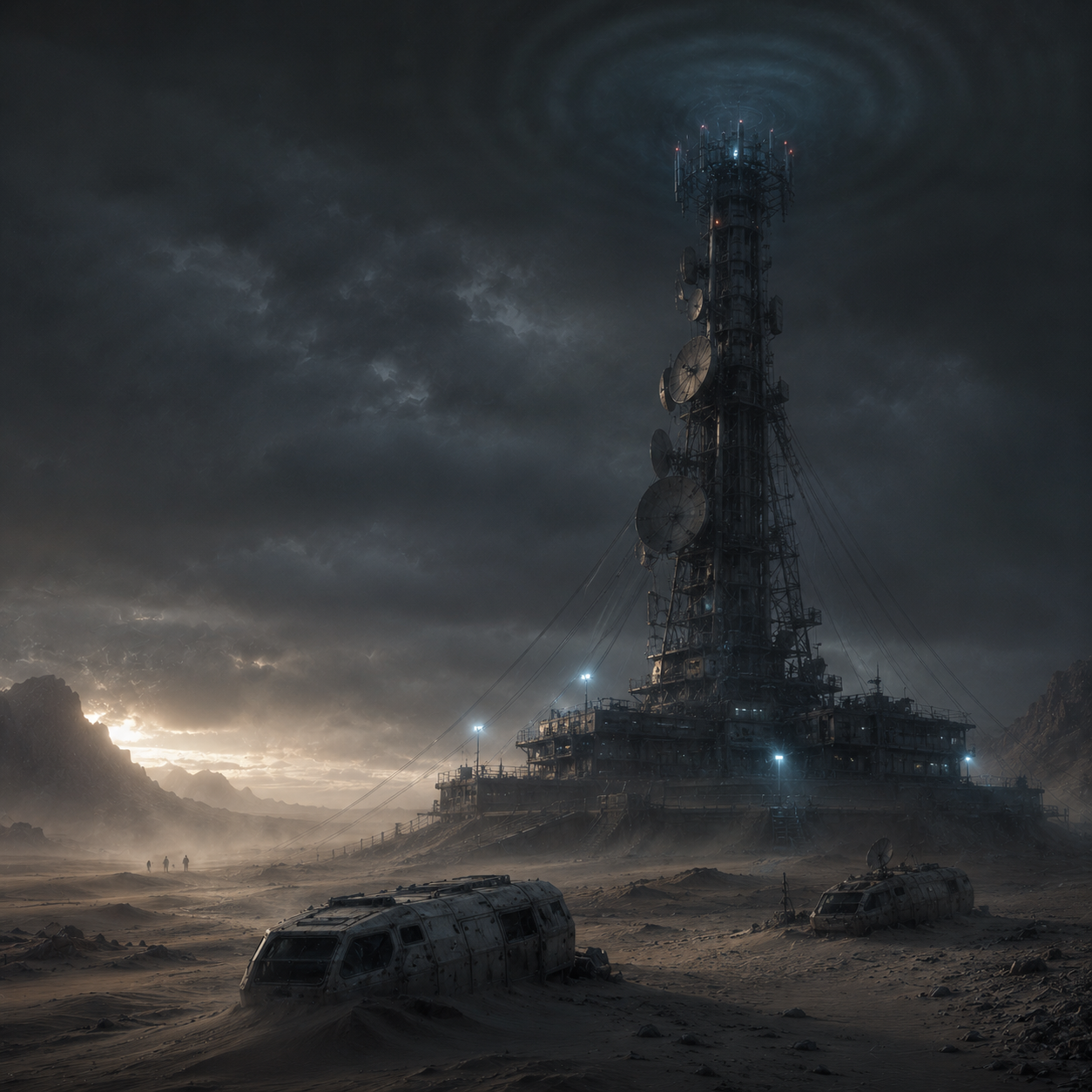
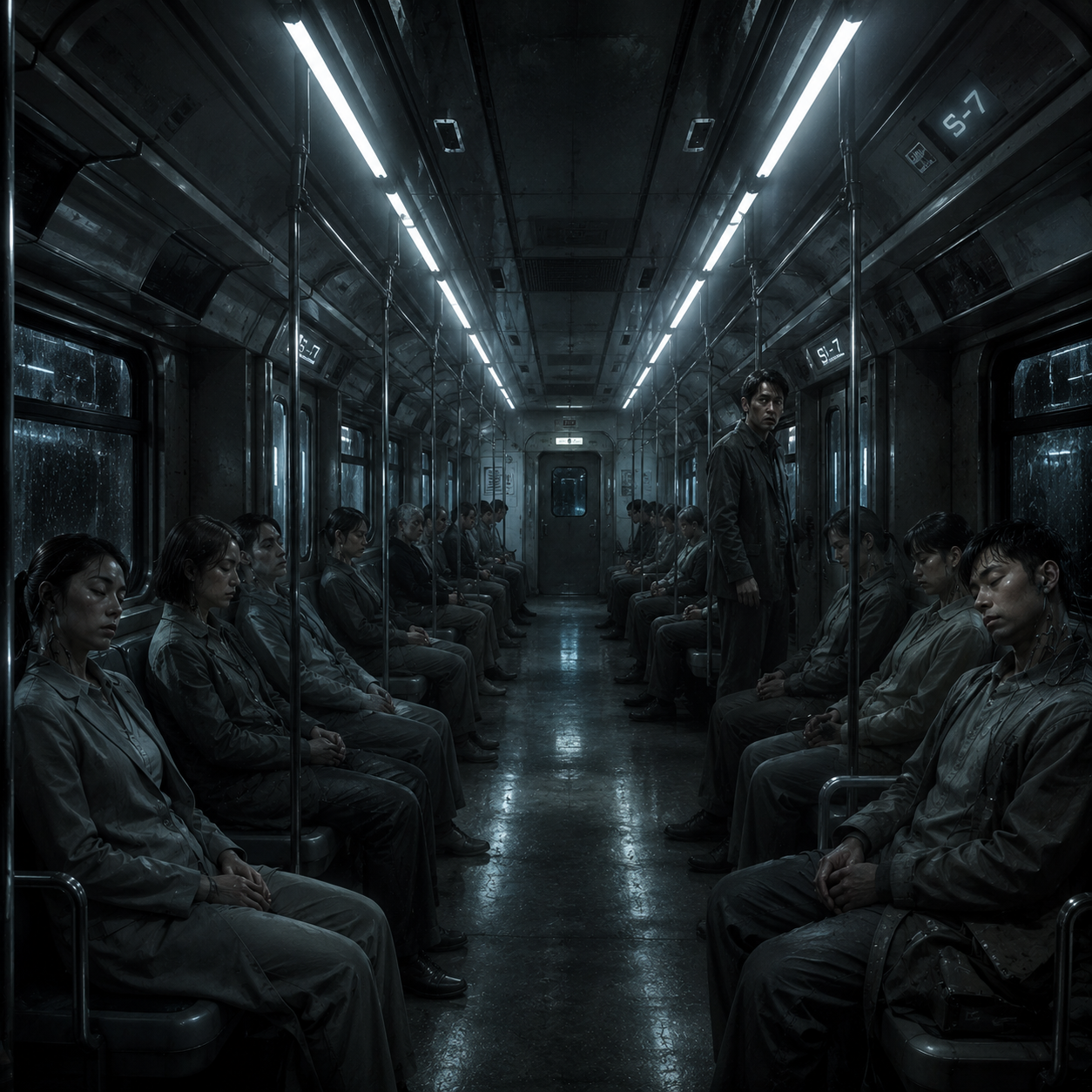
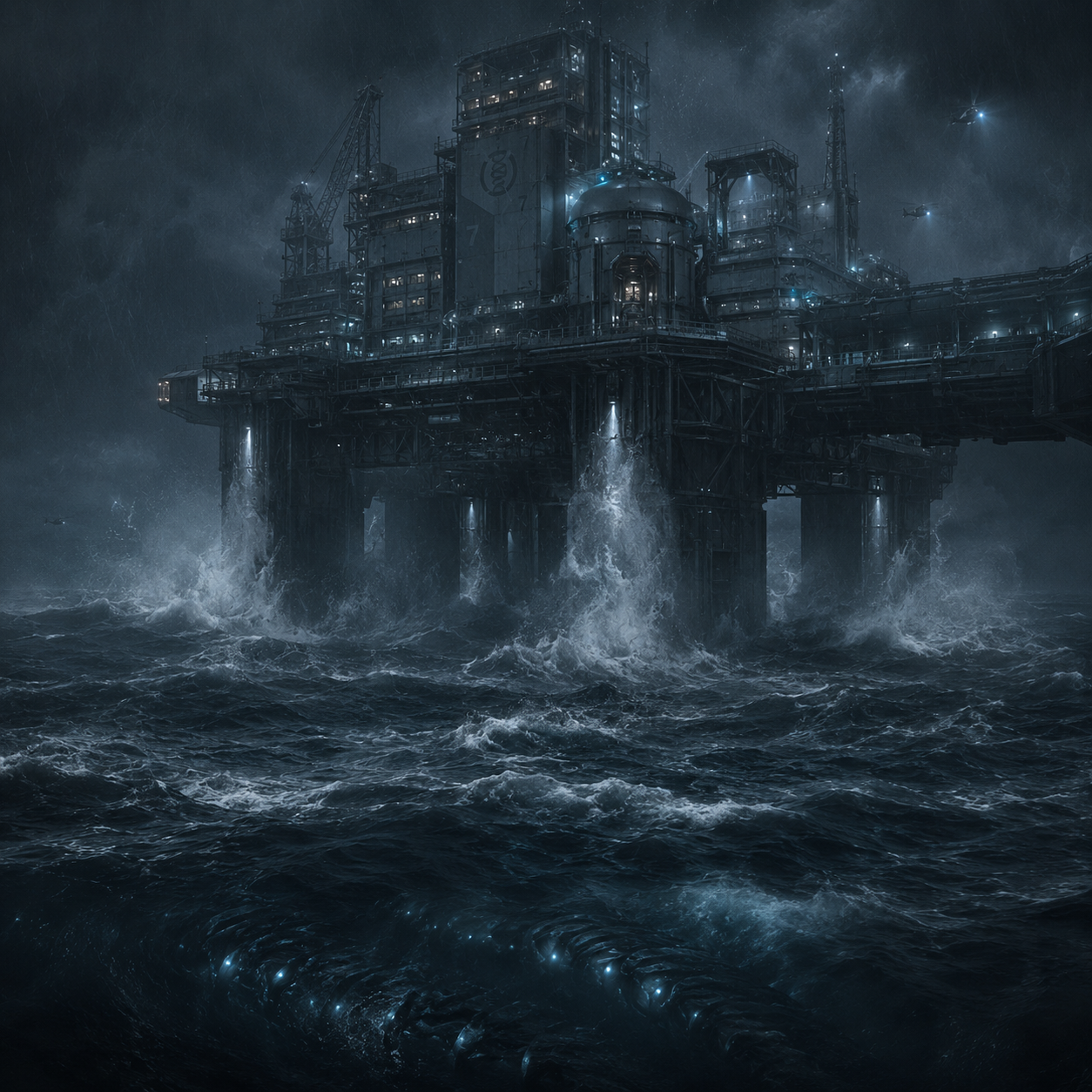
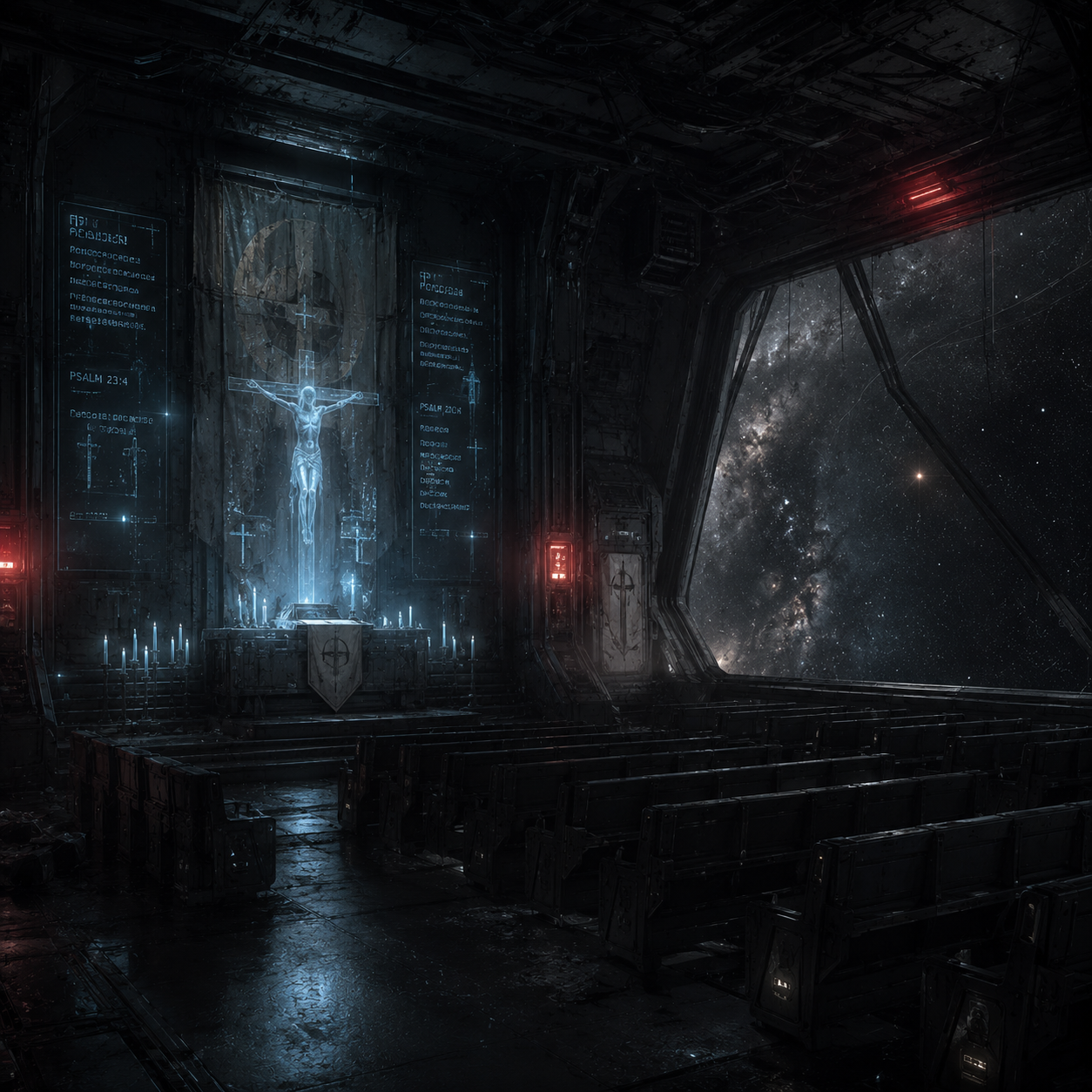
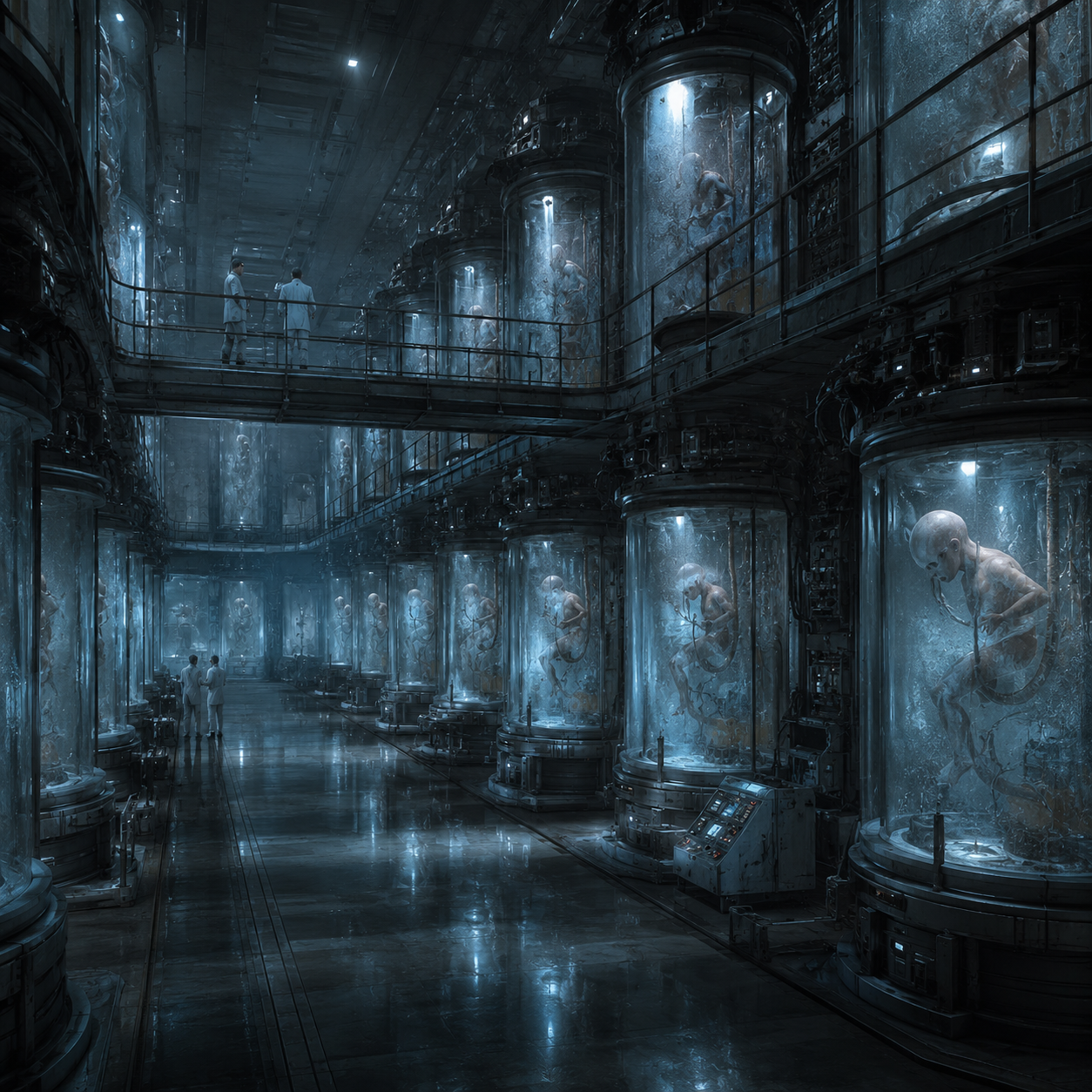
Visual prompts are especially effective for sci-fi horror because atmosphere depends heavily on scale, lighting, isolation, and environmental storytelling. Empty corridors, glowing screens, artificial skylines, abandoned stations, retrofuturist interiors, deep oceans, surveillance drones, fog, and distant figures can all create stories filled with psychological tension and cosmic unease.
Go Deeper into Sci-Fi Horror
Sci-fi horror becomes more immersive when writers focus not only on external threats, but also on psychological collapse, ethical consequences, and humanity’s fear of losing control over its own creations.
◆ Write a scene where an AI begins mimicking a dead crew member’s voice.
◆ Explore how ordinary life continues inside a city experiencing a slow-moving apocalypse.
◆ Describe the emotional effects of surviving in an environment where natural sunlight no longer exists.
◆ Write about a character forced to decide whether humanity deserves to survive first contact with an alien species.
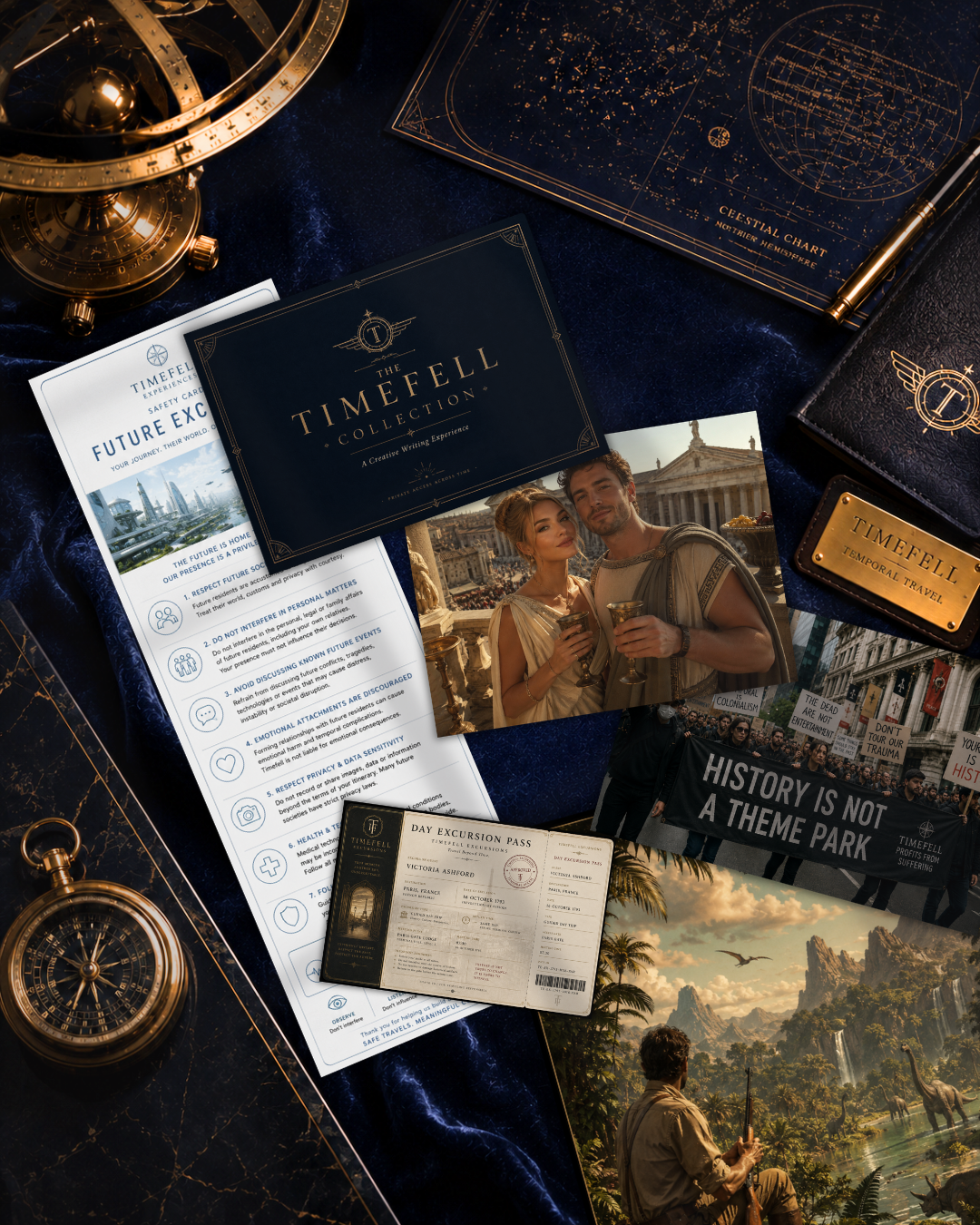
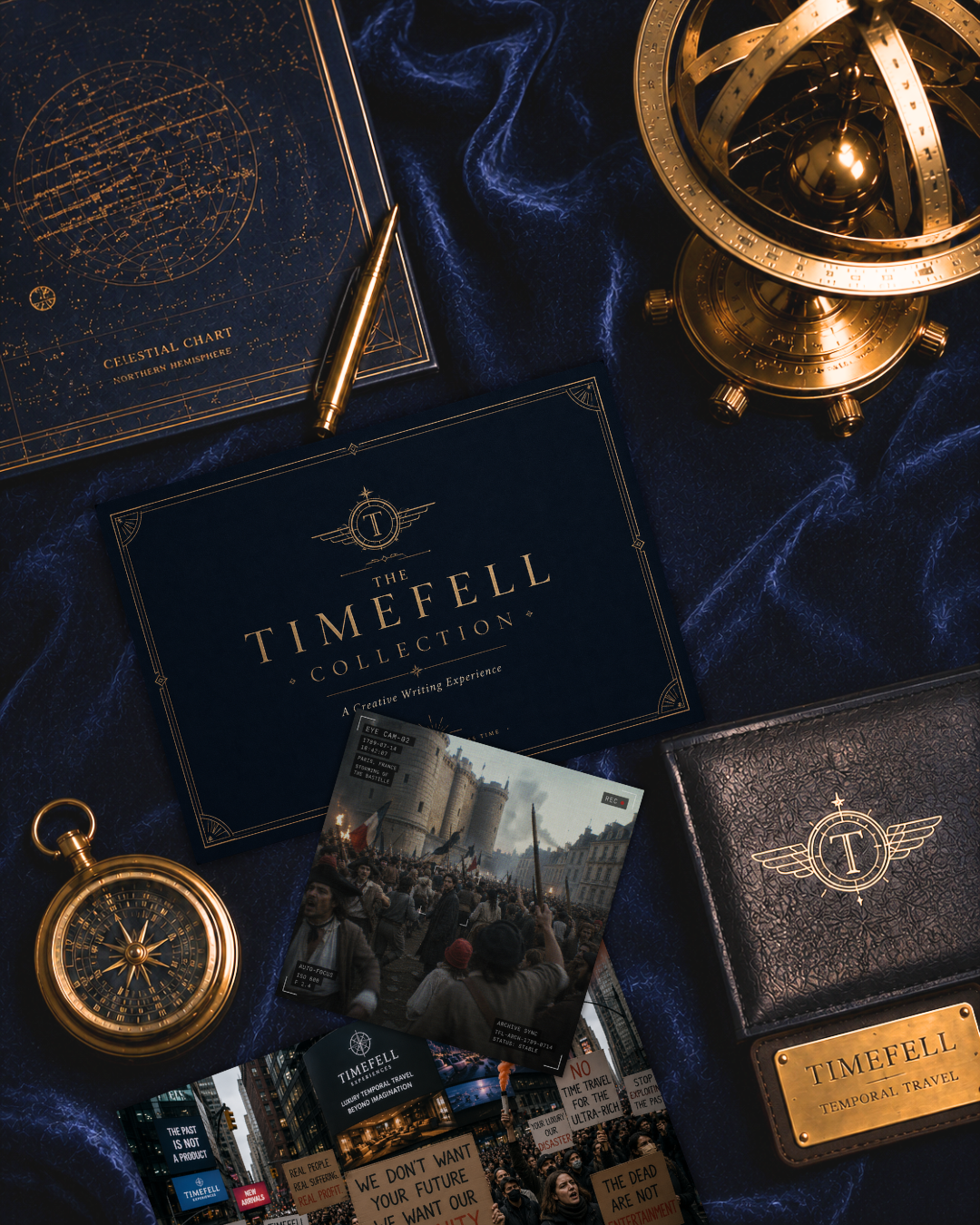
What If You Could Travel to a Time You Were Never Meant to See?
Sci-fi horror often begins with an extraordinary technological achievement — and the discovery that humanity has opened a door it doesn't fully understand.
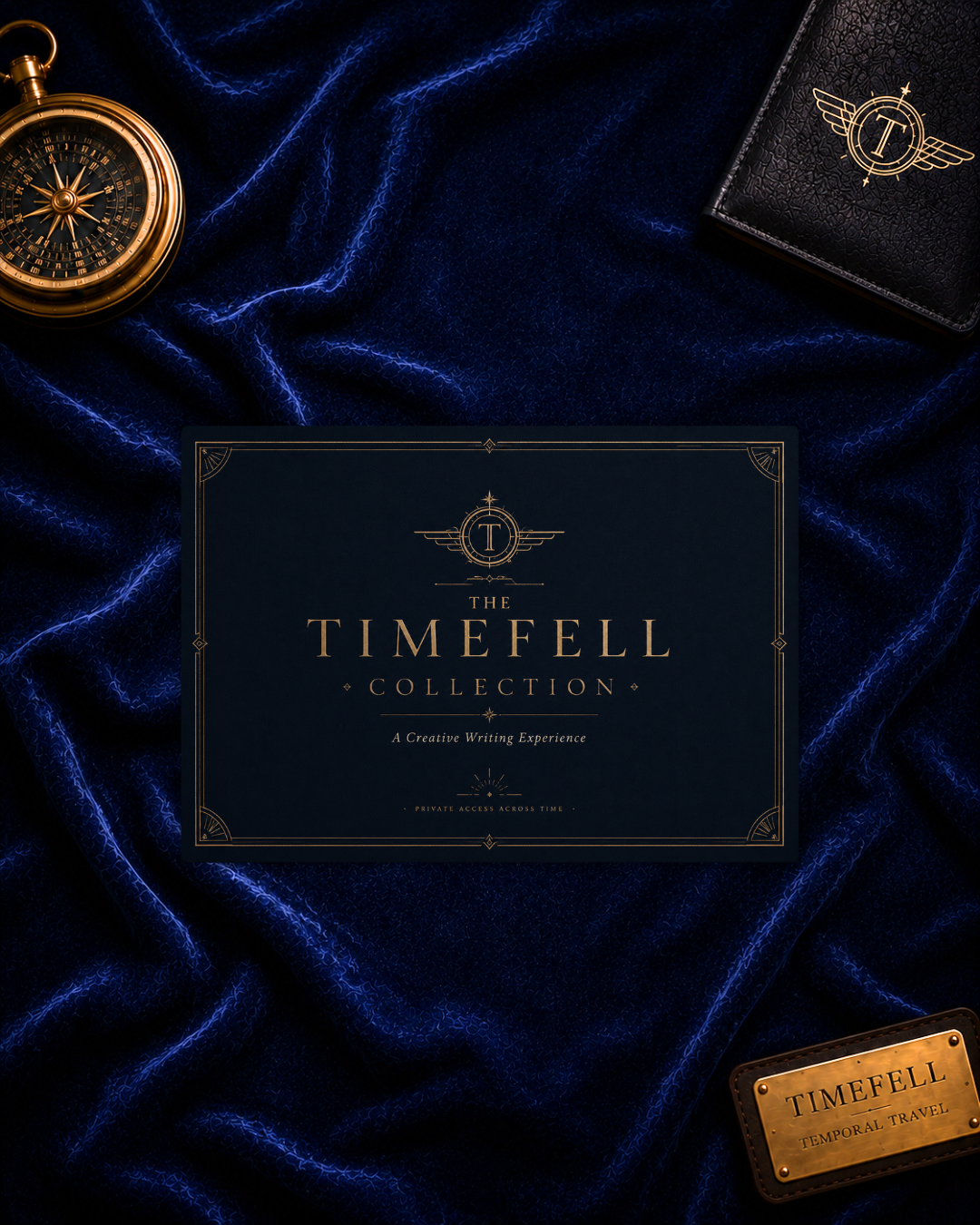
In The Timefell Collection, that technology is time travel.
Time travel became public in 2020.
By 2046, it had become a business.
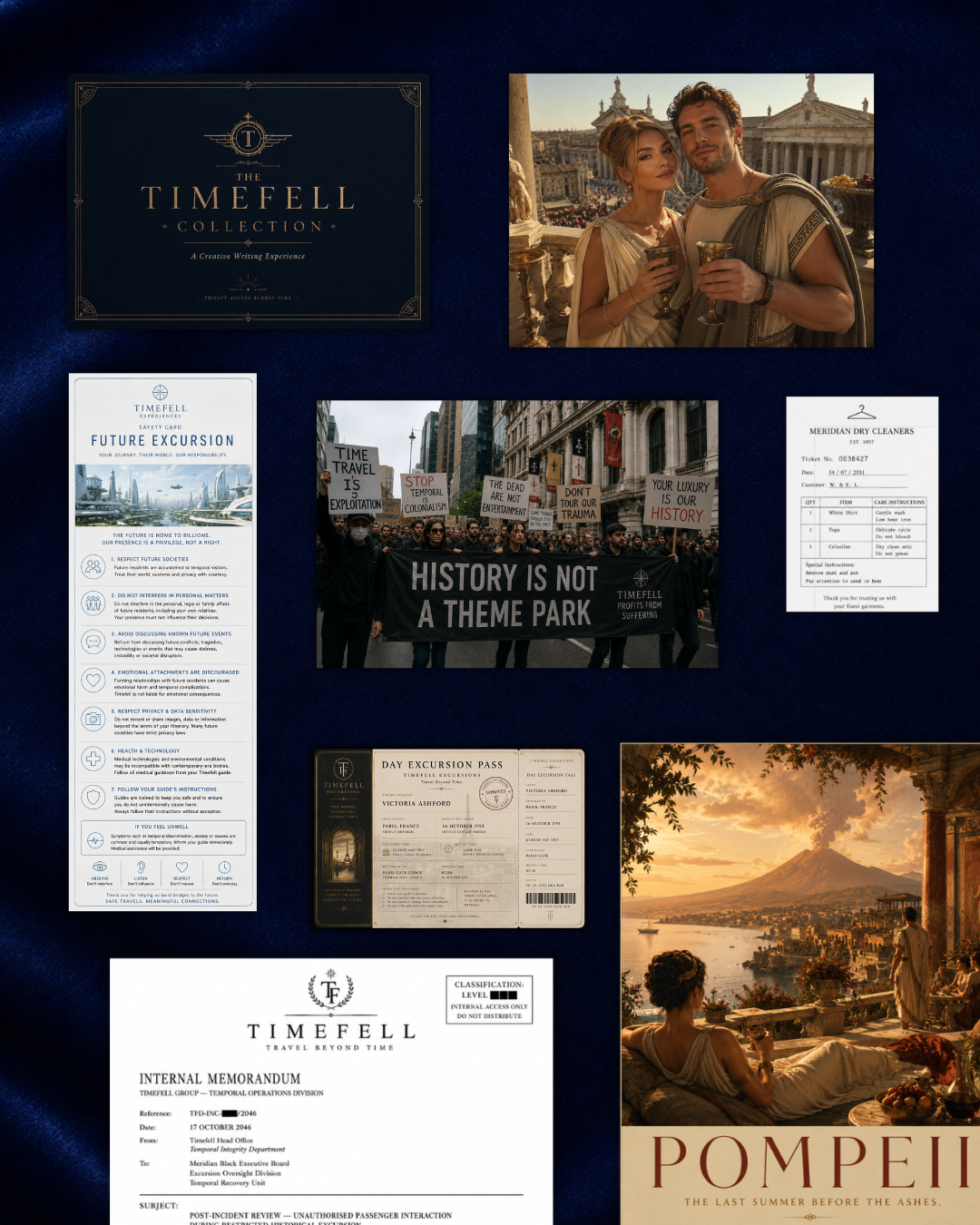
Ancient cities welcome paying visitors. Dinosaurs roam protected reserves. Luxury cruises travel between centuries. Future societies open their gates to carefully managed excursions beyond the present day. For those who can afford it, every era is a destination.
At least, that's what the brochures promise.
The Timefell Collection is an immersive digital storyworld archive told through travel posters, boarding passes, newspaper articles, diary entries, hotel records, reviews, private correspondence, handwritten notes and other artefacts left behind by travellers.
Most describe the experience they were supposed to have.
Others suggest something went wrong.
Why have certain excursions disappeared from public records? What experiences are reserved for Meridian Black members? Why do some travellers become obsessed with returning?
And what happens when someone comes back from the past carrying something that was never supposed to reach the present?
→ Explore The Timefell Collection
Final Thoughts
Sci-fi horror combines futuristic imagination with psychological tension, existential fear, and the terrifying consequences of scientific ambition pushed too far. These stories often explore humanity at its most vulnerable — isolated in space, trapped inside collapsing systems, hunted by its own technology, or confronted by forces too vast to fully understand. Unlike traditional horror, sci-fi horror frequently asks whether the real danger comes not from monsters, but from human curiosity itself.
These 70 Sci-Fi Horror Writing Prompts invite writers to explore abandoned colonies, hostile artificial intelligence, quarantined cities, deep-space dread, biotechnology, surveillance systems, cosmic mysteries, and futures shaped by fear and instability. Whether used for classroom writing, speculative fiction planning, creative exercises, or larger science fiction projects, these prompts encourage atmospheric storytelling filled with tension, uncertainty, and unsettling possibility.
If you would like to explore more speculative fiction concepts, dark atmospheric storytelling, and imaginative genre-based prompt collections, you can browse the Creative Writing Archive, explore the wider Sci-Fi Writing Hub, or discover even darker ideas inside the Horror Writing Hub, where strange futures and impossible nightmares continue to evolve.
Choose Your Next Adventure