George Silverman’s Explanation by Charles Dickens: Summary, Themes & Analysis
Charles Dickens’s George Silverman’s Explanation is a psychologically intense short story about poverty, guilt, self-denial, and the lifelong damage caused by being misunderstood. Told through George’s own hesitant first-person narration, the story traces his movement from childhood neglect and religious shame to adult sacrifice and public accusation, creating a deeply emotional study of identity, reputation, class, and moral anxiety.
The story is especially powerful because George spends his life trying not to be “worldly”, only to be repeatedly judged as selfish, calculating, or mercenary by others. Dickens uses fragmented confession, symbolic settings, and ironic misunderstanding to explore how early trauma can shape a person’s sense of self long into adulthood. If you are studying or teaching Stories of Ourselves Volume 2 for CIE IGCSE World Literature (0408), explore the full anthology in the Stories of Ourselves Volume 2 Hub, or discover more prose and poetry analysis in the Literature Library.

Context of George Silverman’s Explanation
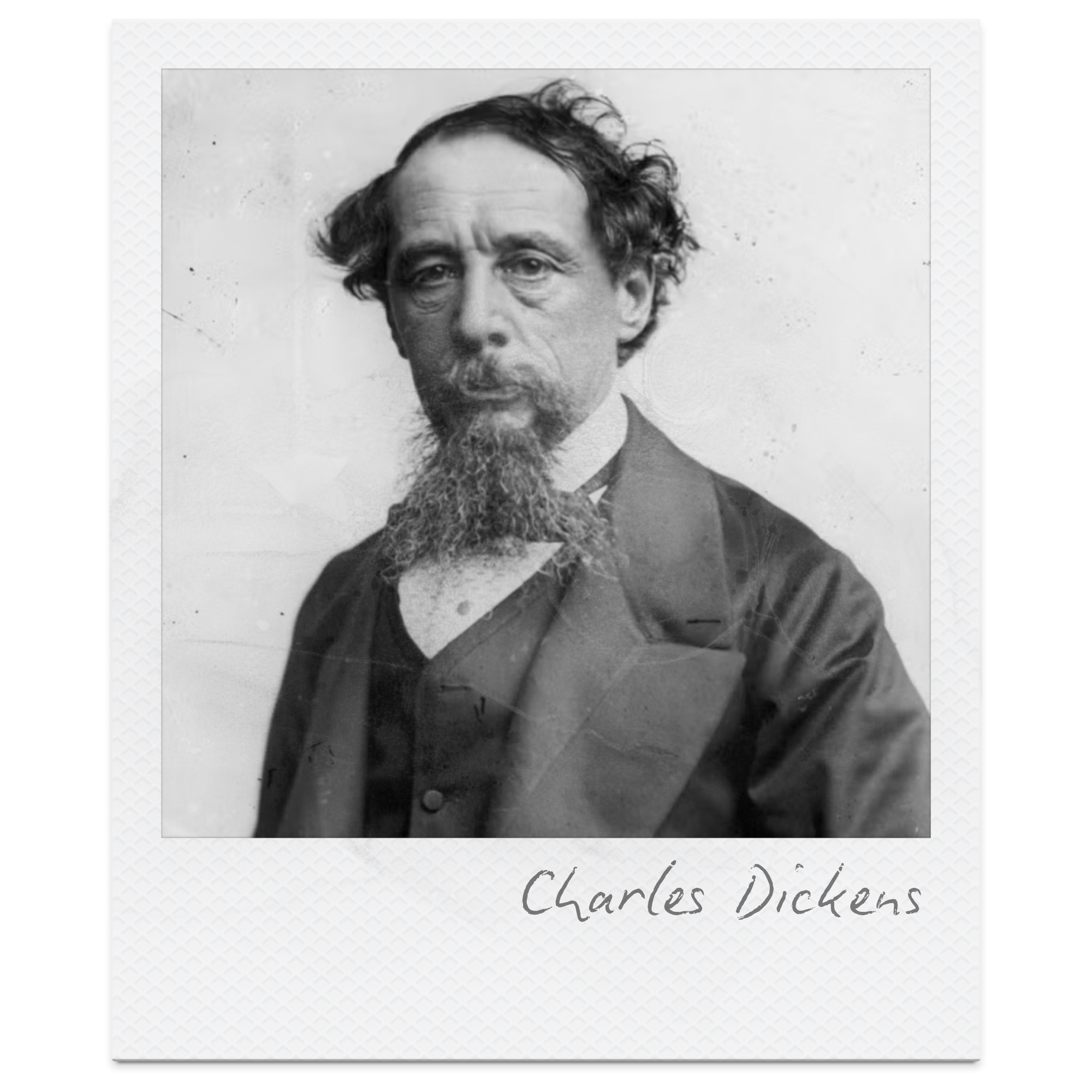
Charles Dickens wrote George Silverman’s Explanation in the nineteenth century, during the Victorian period, when industrialisation, urban poverty, religious movements, and strict social expectations shaped everyday life in Britain. Dickens frequently explored the experiences of neglected children, social injustice, emotional suffering, and the damaging effects of class inequality. George’s childhood in a damp Preston cellar reflects Dickens’s wider concern with the realities of poverty, hunger, and emotional deprivation in rapidly industrialising Victorian society.
The story also reflects Victorian anxieties surrounding religion, morality, and public reputation. Through characters such as Brother Hawkyard and Brother Gimblet, Dickens criticises forms of religious hypocrisy that disguise greed, pride, and manipulation beneath claims of spiritual authority. At the same time, the story experiments with the form of a personal confession, using George’s hesitant and self-questioning narration to explore how trauma and shame shape identity. The result is a deeply psychological story that combines social criticism, emotional realism, and moral complexity.
George Silverman’s Explanation: At a Glance
Form: Victorian short story / confessional narrative
Mood: Melancholic, reflective, emotionally restrained
Central conflict: George struggles between genuine selflessness and the fear that he is secretly “worldly” or selfish
Core themes: Poverty, religious hypocrisy, self-sacrifice, misunderstanding, class, love, identity, guilt, reputation
Narrative perspective: First-person retrospective narration
One-sentence meaning: Dickens explores how trauma, shame, and social judgement can distort a person’s identity, even when they act with compassion and sincerity.
Quick Summary of George Silverman’s Explanation
George Silverman grows up in extreme poverty in a Preston cellar with abusive and neglectful parents. After both parents die from fever, he is taken in by the deeply self-righteous Brother Hawkyard, who sends him to a farm-house near the ruined Hoghton Towers to recover. During this period, George begins to develop emotional awareness, compassion, and a growing horror of becoming “worldly” or selfish.
As George grows older, he becomes an intelligent and successful scholar, eventually entering the Church. However, his experiences with religious hypocrisy and public misunderstanding continue to shape his personality. He falls deeply in love with Adelina Fareway, a gifted young woman he tutors, but believes it would be selfish and “worldly” to marry her himself.
Instead, George deliberately brings Adelina together with his pupil, Granville Wharton, believing their happiness matters more than his own. After secretly marrying them, however, George is falsely accused by Lady Fareway of manipulating the marriage for financial gain. Although his reputation suffers badly for years, George eventually finds some peace, writing his “explanation” later in life as a final attempt to reveal the truth of his experiences and motives.
Title of George Silverman’s Explanation
The title immediately presents the story as a personal confession or defence. The word “Explanation” suggests that George feels misunderstood and believes he must justify his actions, while also creating curiosity about what exactly needs to be explained. Dickens therefore establishes an atmosphere of uncertainty, emotional tension, and self-examination before the narrative even begins.
Literally, the title refers to George’s written attempt to explain the events of his life and defend himself against accusations of selfishness and manipulation. Symbolically, however, the title reflects George’s lifelong struggle to make both himself and others understand his true motives. Throughout the story, he repeatedly fears being seen as “worldly,” greedy, or morally corrupt, even when acting selflessly.
The title also carries strong irony. George believes his explanation will finally clarify his innocence, yet the fragmented and hesitant nature of his narration often reveals how deeply damaged and uncertain he remains. By the ending, the title feels less like a confident defence and more like a lonely emotional testimony from a man still haunted by misunderstanding, guilt, and the fear of being judged incorrectly
Structure of George Silverman’s Explanation
Dickens uses a highly unusual and fragmented structure to shape the reader’s understanding of George’s psychology. The story is divided into short “chapters” that often feel hesitant, interrupted, or emotionally uncertain, reflecting George’s difficulty in telling his own story clearly. This structure creates the sense that the narrative is not simply recounting events, but struggling to process pain, guilt, memory, and self-judgement.
Opening / Framed Confession
The story begins with repeated failed attempts to start the explanation: “It happened in this wise—”. Dickens immediately establishes George as a hesitant and deeply self-conscious narrator. The fragmented openings create a confessional tone while also suggesting emotional instability and anxiety. Structurally, this delayed beginning mirrors George’s lifelong fear of saying the wrong thing or being misunderstood.
The division into chapters also reflects George’s fragmented identity and emotional development. Each section feels like a separate stage in his moral and psychological journey, moving gradually from childhood deprivation towards adult sacrifice and suffering. The chapter structure therefore mirrors the process of memory and reflection rather than a smooth chronological narrative.
Exposition
The exposition presents George’s childhood in the Preston cellar, immediately immersing readers in an atmosphere of poverty, neglect, fear, and emotional deprivation. Dickens establishes key psychological foundations early: George’s terror of becoming “worldly,” his hunger, his isolation, and his confusion surrounding morality and survival.
This section also introduces recurring tensions that shape the rest of the narrative:
◆ physical survival vs moral purity
◆ selflessness vs selfishness
◆ religion vs hypocrisy
◆ love vs sacrifice
◆ public judgement vs private truth
Rising Action
The rising action follows George’s emotional and intellectual development after leaving the cellar. His time at Hoghton Towers becomes a major turning point because the ruined setting introduces him to beauty, reflection, and compassion for the first time. Dickens slows the pacing here, allowing George’s internal transformation to become more important than external plot.
The narrative then expands through George’s schooling, encounters with Brother Hawkyard’s religious community, and eventual success as a scholar and clergyman. Structurally, Dickens gradually increases emotional tension by repeatedly placing George in situations where his motives are misunderstood or questioned.
The introduction of Adelina Fareway shifts the story into a quieter but more emotionally painful phase. Dickens carefully builds dramatic irony because readers increasingly recognise George’s self-sacrifice long before other characters do.
Climax
The emotional climax occurs when George secretly marries Adelina and Granville Wharton, sacrificing his own happiness because he believes genuine love must remain free from “worldliness.” The calmness of the wedding scene contrasts sharply with the emotional violence that follows.
Lady Fareway’s accusation that George manipulated the marriage for money creates the story’s most devastating structural reversal. Dickens uses this moment to expose the central irony of the narrative: George spends his life fearing selfishness, yet is ultimately condemned as selfish by others.
Falling Action
After the accusation, the story enters a quieter and more reflective phase. George loses his reputation and suffers public suspicion, but the pacing slows as Dickens focuses increasingly on emotional endurance rather than dramatic conflict.
This section reinforces the story’s recurring pattern of misinterpretation. Even George’s most selfless actions fail to protect him from judgement, suggesting that human motives are often invisible or misunderstood by society.
Ending / Resolution
The story ends with George writing his explanation from a peaceful church living later in life. Structurally, the narrative circles back to the confessional framing established at the opening, creating a subtle cyclical structure.
However, the ending remains emotionally ambiguous. George survives and gains some measure of peace, yet there is no full emotional resolution. Dickens leaves readers questioning whether George’s extreme self-denial was truly noble or psychologically damaging. The final image of George writing beside the churchyard emphasises mortality, reflection, and the lasting emotional weight of memory..
Setting of George Silverman’s Explanation
Dickens uses setting not simply as background, but as a powerful reflection of George’s emotional state, psychological development, and moral anxieties. The movement between spaces in the story mirrors George’s journey from deprivation and fear towards emotional awareness, while also revealing the continuing influence of class, religion, and social judgement.
The Preston Cellar
The Preston cellar creates an atmosphere of misery, confinement, and emotional brutality from the beginning of the story. George remembers “the cellar-steps” as “steep” and the doorway as “very low”, immediately establishing a cramped and oppressive environment. Dickens fills the setting with sensory detail: the “damp cellar-floor,” the “empty grate,” and the sounds of “Lancashire clogs” above create a world associated with hunger, darkness, and survival.
The cellar also symbolises George’s early psychological condition. He compares himself to a “young vampire” and later describes himself as a “worldly little devil,” showing how poverty has taught him to think only about food, warmth, and physical need. Dickens therefore links the setting directly to George’s guilt and damaged self-image.
Hoghton Towers
The ruined Hoghton Towers marks a major emotional and symbolic shift in the story. Unlike the cellar, the ruin contains beauty, openness, and traces of history. George describes “birds passed, and the ivy rustled,” while “green leaves trembled, butterflies fluttered, and bees hummed,” creating an atmosphere filled with life and renewal.
At the same time, the ruin remains fragmented and broken, reflecting George himself. The “floors and ceilings falling,” “dark pits of staircase,” and “mouldering statue” create a Gothic atmosphere of decay and isolation. Dickens uses the contrast between ruin and natural growth to suggest the possibility of emotional transformation emerging from suffering.
Importantly, Hoghton Towers is where George first develops empathy and selflessness. Watching Sylvia from hiding and protecting her from infection changes his understanding of human connection. The setting therefore becomes symbolic of emotional awakening and moral growth.
The Religious Meeting House
The chapel and religious gatherings create a setting associated with hypocrisy, performance, and public judgement. Dickens presents the congregation as loud, theatrical, and emotionally manipulative, filled with “bellowing,” “roaring,” and exaggerated displays of spiritual authority.
The small platform “in lieu of a pulpit” reflects the group’s attempt to imitate religious authority while lacking genuine moral wisdom. Brother Hawkyard and Brother Gimblet dominate the setting through noise and performance, turning religion into a spectacle rather than a source of compassion. Dickens therefore uses the setting to criticise forms of organised religion built on pride, social control, and self-righteousness.
Cambridge and George’s College Rooms
George’s college rooms are repeatedly associated with “peaceful shade” and quiet separation from the world. He imagines others “in the sunlight” while he remains “always in the shadow looking on.” This contrast symbolises George’s emotional isolation and passive role within life.
Although Cambridge represents intellectual success and social advancement, Dickens still presents George as detached and lonely within the setting. The calm atmosphere reflects his thoughtful nature, but also his inability to participate fully in ordinary happiness or human connection.
The Sea and Church Living
Near the ending, the sea and natural landscape create a calmer and more reflective atmosphere. Watching the sunrise before marrying Adelina and Granville, George describes the “tranquillity upon the deep” and the “ineffable splendour” of the morning light. The setting briefly suggests spiritual peace and acceptance.
The final churchyard setting reinforces this reflective tone. George writes his explanation beside an “equal resting-place for sound hearts, wounded hearts, and broken hearts.” Dickens uses this quiet setting to emphasise mortality, emotional suffering, and the universal human desire to be understood.
Narrative Voice in George Silverman’s Explanation
Dickens uses a deeply personal first-person narrative voice to shape the reader’s understanding of George’s experiences, emotions, and insecurities. Because the story is presented as George’s own written “explanation,” readers experience events through his hesitant, reflective, and often self-critical perspective. This creates strong emotional intimacy while also raising questions about how accurately George judges himself.
George’s narration is marked by extreme self-consciousness and emotional restraint. He constantly questions his own motives, repeatedly fearing that he is “worldly” or selfish even when acting compassionately. His repeated self-criticism creates dramatic irony because readers often recognise his kindness and sincerity more clearly than he does himself.
The narrative voice also reflects the effects of childhood trauma and social humiliation. George frequently interrupts himself, qualifies statements, or hesitates before explaining events, as seen in the repeated openings: “It happened in this wise—”. These fragmented beginnings reveal a narrator struggling not only to explain events, but also to understand his own life and identity.
At the same time, George’s voice is thoughtful, intelligent, and emotionally observant. Dickens allows him to describe settings with striking sensitivity, particularly at Hoghton Towers, where nature and ruin become emotionally symbolic. This contrast between George’s intellectual insight and his damaged self-worth makes the narration especially tragic.
Importantly, the retrospective narration creates tension between the older George writing the explanation and the younger George experiencing events. The older narrator often reflects sadly on his earlier fears and misunderstandings, allowing Dickens to explore themes of memory, guilt, identity, and emotional repression through a deeply reflective voice.
Characters in George Silverman’s Explanation
Dickens uses his characters not simply as individuals, but as embodiments of competing moral ideas, emotional influences, and social forces. Many of the characters shape George’s understanding of self-worth, worldliness, love, and human kindness, while also exposing the hypocrisies and inequalities of Victorian society.
George Silverman
George is presented as intelligent, sensitive, and deeply self-critical. His childhood in the Preston cellar leaves him emotionally damaged and terrified of becoming “worldly” or selfish. Dickens repeatedly shows how poverty shapes George’s psychology long after his physical circumstances improve.
George’s narration reveals a constant fear of moral corruption. Even natural desires for food, warmth, love, and security make him feel guilty. His repeated description of himself as a “worldly little devil” becomes psychologically destructive because he internalises the cruelty of his childhood environment.
At the same time, George possesses genuine compassion and emotional depth. His decision to isolate himself at Hoghton Towers in order to protect Sylvia marks the beginning of his moral transformation. Later, his sacrifice of his own happiness for Adelina and Granville demonstrates both his selflessness and his tragic inability to value himself.
Dickens therefore presents George as both admirable and tragic. His kindness and moral seriousness make him sympathetic, yet his extreme self-denial ultimately prevents him from achieving personal happiness.
Brother Hawkyard
Brother Hawkyard represents religious hypocrisy, self-importance, and moral manipulation. Although he helps George materially by funding his education, Dickens repeatedly exposes the vanity and pride hidden beneath his religious language.
Hawkyard constantly reminds others that he has been “the best servant the Lord has had in his service for this five-and-thirty year,” turning faith into a performance centred on his own self-image. Dickens uses repetitive dialogue and exaggerated speech patterns to make him appear both absurd and unsettling.
Importantly, Hawkyard shapes George’s lifelong fear of “worldliness.” By repeatedly framing ordinary human desires as sinful, he contributes directly to George’s emotional repression and guilt. Although Hawkyard appears charitable outwardly, Dickens suggests his charity is tied closely to pride, control, and public reputation.
Brother Gimblet
Brother Gimblet functions as a darker and more openly malicious counterpart to Hawkyard. Dickens describes him with animalistic and unpleasant imagery, including his “crabbed face” and “delighted snarl,” creating an atmosphere of hostility and corruption.
Gimblet’s sermons and prayers are filled with theatrical aggression rather than genuine spirituality. He enjoys condemning others and appears especially pleased by emotional intimidation and humiliation. Dickens therefore uses Gimblet to criticise forms of religion based on judgement, fear, and self-righteous superiority.
His attacks on George during the chapel scenes reinforce one of the story’s central themes: innocent people are often publicly misunderstood and unfairly judged.
Sylvia
Although Sylvia appears only briefly, she plays an important symbolic role in George’s emotional development. She represents innocence, kindness, and human connection during his time at Hoghton Towers.
George’s decision to avoid Sylvia in order to protect her from illness marks the first truly selfless action of his life. Dickens uses Sylvia to show George beginning to think beyond survival and physical need. Through caring about another person, he starts to develop empathy and emotional awareness.
Sylvia therefore becomes associated with George’s moral awakening and movement away from the emotional darkness of the cellar.
Adelina Fareway
Adelina represents beauty, intelligence, generosity, and emotional openness. George admires not only her appearance, but also her intellect and warmth. Dickens presents her as unusually gifted and compassionate, making her a source of emotional light within George’s life.
Importantly, Adelina genuinely loves George, creating the story’s central emotional conflict. George believes accepting her love would be selfish or “worldly,” even though readers recognise their relationship could have brought him happiness.
Adelina’s trust in George also highlights the tragedy of Lady Fareway’s accusations later in the story. Through Adelina, Dickens explores themes of love, sacrifice, and the painful consequences of emotional repression.
Granville Wharton
Granville is presented as energetic, intelligent, and socially confident. Dickens deliberately contrasts him with George’s shyness and emotional reserve. He is described as “bold” and “a thorough young Anglo-Saxon,” emphasising strength, confidence, and social ease.
Although George initially feels jealousy towards him, he gradually shapes Granville into a suitable companion for Adelina. Granville therefore becomes part of George’s self-sacrifice, representing the life and happiness George believes belong to others rather than himself.
Importantly, Granville later remains loyal to George when his reputation is attacked, showing that Dickens does not present him as selfish or manipulative despite George’s suffering.
Lady Fareway
Lady Fareway embodies class pride, social control, and materialistic thinking. Her “steady glare” and commanding presence create an atmosphere of intimidation throughout her scenes.
She views relationships largely through the lens of status, wealth, and social advantage. As a result, she cannot understand George’s selflessness and immediately interprets his actions as financially motivated. Her accusation that George is a “worldly wretch” becomes deeply ironic because readers know George has spent his entire life trying not to be worldly.
Dickens uses Lady Fareway to criticise aristocratic pride and the tendency of society to misjudge people based on class assumptions and cynical interpretations of human behaviour.
Key Themes in George Silverman’s Explanation
Dickens explores a wide range of emotional, moral, and social concerns throughout the story. Many of the themes are closely connected, particularly through George’s lifelong struggle to separate genuine selflessness from the fear of becoming “worldly.”
Poverty
Poverty shapes George’s entire psychological development. The Preston cellar is not simply a setting of material deprivation, but an environment that teaches George shame, fear, and emotional insecurity. Dickens repeatedly links physical hunger with moral anxiety, as George feels guilty even for wanting warmth, food, or comfort.
The description of the “damp cellar-floor,” the “empty grate,” and George’s desperate focus on survival creates an atmosphere where basic human needs become associated with selfishness. As a result, poverty continues to affect George long after he escapes it physically. Dickens suggests that extreme deprivation leaves lasting emotional and psychological scars.
Religious Hypocrisy
Dickens strongly criticises forms of religion built on pride, performance, and self-importance rather than compassion. Brother Hawkyard constantly presents himself as “the best servant the Lord has had,” while Brother Gimblet uses sermons to humiliate and attack others publicly.
The chapel scenes are filled with exaggerated emotional displays, “bellowing,” and theatrical judgement. Dickens exposes the contradiction between the brothers’ supposed spirituality and their cruelty, greed, and vanity. Religion becomes a tool for power and public performance rather than moral goodness.
Importantly, George’s fear of “worldliness” develops partly because of this toxic religious environment. Dickens therefore suggests that distorted religious teaching can damage rather than guide vulnerable individuals.
Self-Sacrifice
George’s life is shaped by repeated acts of self-sacrifice. At Hoghton Towers, he isolates himself to protect Sylvia from illness, despite suffering loneliness and misunderstanding as a result. Later, he sacrifices his own happiness by bringing Adelina and Granville together instead of pursuing a relationship with Adelina himself.
Dickens presents these sacrifices as emotionally noble but also deeply tragic. George’s inability to value his own desires leads him to deny himself love, companionship, and fulfilment. The story therefore explores the fine line between genuine selflessness and unhealthy emotional repression.
Misunderstanding
One of the story’s most painful themes is the repeated misunderstanding of George’s motives and personality. As a child, his fear and isolation make others see him as strange or “morose.” Later, his kindness and sacrifice are repeatedly misinterpreted as selfishness, manipulation, or ambition.
The greatest example occurs when Lady Fareway accuses him of arranging Adelina’s marriage for financial gain. Dickens creates intense irony because readers know George’s actions were motivated by self-denial rather than greed.
This theme reinforces the emotional tragedy of the story: George longs to act morally and selflessly, yet society repeatedly judges him incorrectly.
Class
Class divisions shape many of the relationships and tensions within the narrative. George’s childhood poverty leaves him permanently insecure about his own worth, even after becoming educated and respected.
Lady Fareway’s horror at the possibility of George marrying Adelina reveals Victorian assumptions about status and social hierarchy. Despite George’s intelligence and moral seriousness, he still sees himself — and is seen by others — as socially inferior.
Dickens also contrasts George’s humble background with the wealth and privilege surrounding Adelina and Granville. Through these tensions, the story critiques a society that measures value through class and reputation rather than genuine character.
Love
Love in the story is presented as transformative, painful, and deeply connected to sacrifice. George’s growing affection for Sylvia helps awaken his empathy and emotional awareness during childhood. Later, his love for Adelina becomes the central emotional conflict of the narrative.
Importantly, George experiences love as something connected to duty and self-denial rather than personal fulfilment. He believes truly loving Adelina means sacrificing his own happiness for hers. Dickens therefore presents love as emotionally powerful but also capable of producing suffering when shaped by guilt and insecurity.
Identity
George struggles throughout the story to understand his own identity. The phrase “worldly little devil” becomes psychologically damaging because he internalises it from childhood onwards. Even as an adult scholar and clergyman, he fears hidden selfishness within himself.
The fragmented structure and hesitant narration reflect this unstable self-image. George constantly questions his motives, emotions, and moral worth. Dickens suggests that identity is shaped not only by personal choices, but also by childhood experiences, social judgement, and the language others use to define us.
Guilt
George experiences overwhelming guilt throughout the narrative, often for completely natural human feelings. Hunger, love, ambition, and even happiness become sources of anxiety because he fears they may reveal selfishness or moral weakness.
Dickens shows how this guilt becomes self-destructive. George’s moral standards are so extreme that he cannot accept his own emotional needs without shame. Even when acting generously, he continues to suspect himself of hidden corruption.
This theme makes the story psychologically complex because George’s suffering often comes not from actual wrongdoing, but from his fear that he may be capable of it.
Reputation
Public reputation repeatedly conflicts with private truth in the story. George is kind, intelligent, and self-sacrificing, yet he becomes publicly associated with greed, manipulation, and worldliness.
The false accusations surrounding Adelina’s marriage destroy his standing for years, showing how fragile reputation can be. Dickens suggests that society often judges people through appearances, gossip, and class prejudice rather than genuine understanding.
At the same time, George’s written “explanation” reflects a deep human desire to be understood truthfully. The story therefore explores the painful gap between how people see themselves and how they are perceived by others.
Symbolism in George Silverman’s Explanation
Dickens uses recurring objects, settings, and images to reflect George’s emotional development and the story’s wider concerns with poverty, identity, guilt, and moral misunderstanding. Many of the symbols evolve throughout the narrative, gaining deeper emotional significance as George grows older.
The Cellar
The Preston cellar symbolises emotional deprivation, moral confusion, and psychological imprisonment. Its darkness, dampness, and confinement reflect the harsh conditions of George’s childhood, while also representing the emotional environment that shapes his identity.
The “damp cellar-floor,” “empty grate,” and low doorway create a world focused entirely on survival. Because George grows up associating hunger and comfort with shame, the cellar becomes symbolic of the guilt and fear that continue to control him throughout adulthood.
The cellar also represents social invisibility. Hidden below street level, George’s early life exists outside ordinary society, reinforcing themes of class, exclusion, and neglect.
Hoghton Towers
The ruined Hoghton Towers symbolises both decay and emotional awakening. On one level, the crumbling building reflects George’s damaged inner life, filled with loneliness, fear, and insecurity. Dickens repeatedly emphasises “falling” ceilings, broken staircases, and ruined rooms to create a Gothic atmosphere of fragmentation and instability.
At the same time, the ruin is surrounded by life and natural beauty. “Butterflies fluttered,” “bees hummed,” and ivy continued to grow through the broken structure. This contrast symbolises the possibility of renewal and emotional transformation emerging from suffering.
Importantly, Hoghton Towers is where George first begins to feel empathy and love for others. The setting therefore symbolises the beginning of his humanity and moral growth.
Light and Shadow
Dickens repeatedly uses light and shadow symbolically throughout the story. George often imagines himself standing “in the shadow” while others exist “in the sunlight,” symbolising his emotional isolation and sense of inferiority.
Light frequently becomes associated with beauty, hope, or emotional connection. The sunrise before Adelina’s marriage creates a moment of spiritual calm and acceptance, while the bright natural imagery at Hoghton Towers contrasts sharply with the darkness of the cellar.
However, George rarely fully enters these brighter spaces himself. Dickens therefore uses shadow symbolically to reflect George’s continued self-denial and emotional distance from happiness.
The Ruined Staircases and Gaps
The “dark pits of staircase” and broken architectural spaces at Hoghton Towers symbolise instability, uncertainty, and emotional danger. George constantly moves through fragmented spaces where structures have collapsed or become unsafe.
These ruined spaces mirror George’s fractured sense of identity and his difficulty finding emotional security. The repeated imagery of gaps, cracks, and broken pathways also reflects the wider theme of misunderstanding and incomplete human connection.
Sylvia
Sylvia functions symbolically as innocence, compassion, and emotional awakening. George’s desire to protect her from infection marks the first moment he acts primarily for another person’s wellbeing rather than survival.
Because George watches Sylvia from hidden places within the ruin, she becomes associated with hope and emotional warmth existing beyond his isolation. Dickens uses her symbolically to represent George’s first movement away from selfish fear towards genuine human love.
The Sea and Sunrise
Near the ending, the sea and sunrise symbolise peace, continuity, and spiritual perspective. Watching the “tranquillity upon the deep” before marrying Adelina and Granville allows George to briefly feel connected to something larger than his own suffering.
The rising sun suggests renewal and acceptance, while the calm natural imagery contrasts with the emotional turmoil that has shaped much of George’s life. Dickens uses this moment symbolically to show George attempting to find meaning beyond personal desire and pain.
The Churchyard
The final churchyard symbolises equality, mortality, and emotional truth. George describes it as an “equal resting-place for sound hearts, wounded hearts, and broken hearts,” suggesting that social status, reputation, and misunderstanding lose importance in death.
The churchyard also reflects the reflective purpose of the explanation itself. Surrounded by death and memory, George attempts to leave behind a truthful account of his life before his own suffering disappears into silence.
Key Quotes and Methods in George Silverman’s Explanation
Important quotations in the story reveal George’s psychological damage, Dickens’s criticism of hypocrisy, and the emotional conflict between selflessness and worldliness.
“worldly little devil”
◆ Method — Repetition; loaded religious language; direct insult
◆ Meaning — George internalises this phrase from childhood and begins to see ordinary human needs as morally shameful
◆ Purpose — Dickens shows how emotional abuse and poverty distort George’s self-image
◆ Impact — Readers sympathise with George’s psychological suffering and understand the origins of his lifelong guilt
◆ Link to theme, conflict, or symbolism — Links to identity, guilt, poverty, and the fear of selfishness
“the sky stared sorrowfully at me”
◆ Method — Personification; pathetic fallacy
◆ Meaning — George projects emotional judgement onto the natural world, believing even nature pities or condemns him
◆ Purpose — Dickens reveals George’s deep emotional insecurity and loneliness
◆ Impact — Creates a melancholic atmosphere while encouraging sympathy for George’s damaged mindset
◆ Link to theme, conflict, or symbolism — Links to identity, isolation, and the symbolism of Hoghton Towers
“like a young vampire”
◆ Method — Simile; Gothic imagery
◆ Meaning — George associates himself with something unnatural, parasitic, and morally corrupted
◆ Purpose — Dickens emphasises how poverty and neglect have damaged George’s understanding of himself
◆ Impact — Creates discomfort and tragedy because readers recognise George’s innocence despite his self-hatred
◆ Link to theme, conflict, or symbolism — Links to poverty, guilt, and Gothic symbolism
“The Lord has had a good servant in me”
◆ Method — Repetition; self-important dialogue; irony
◆ Meaning — Brother Hawkyard presents himself as spiritually superior and obsessed with his own righteousness
◆ Purpose — Dickens satirises religious hypocrisy and performative morality
◆ Impact — Readers distrust Hawkyard and recognise the selfish pride hidden beneath his religious language
◆ Link to theme, conflict, or symbolism — Links to religious hypocrisy, power, and moral corruption
“I was always in the shadow looking on”
◆ Method — Symbolism; visual imagery
◆ Meaning — George sees himself as emotionally separated from ordinary happiness and social life
◆ Purpose — Dickens highlights George’s isolation and passive role within his own life
◆ Impact — Creates emotional sadness while reinforcing George’s inability to fully participate in human connection
◆ Link to theme, conflict, or symbolism — Links to identity, love, and the symbolism of light and shadow
“That discovery was that she loved me.”
◆ Method — Short sentence; delayed revelation; emotional restraint
◆ Meaning — George finally admits Adelina’s love in a quiet but emotionally devastating moment
◆ Purpose — Dickens intensifies the tragedy by showing that happiness was genuinely possible for George
◆ Impact — Readers feel both hope and sadness because George immediately views this love as something he must sacrifice
◆ Link to theme, conflict, or symbolism — Links to love, self-sacrifice, and emotional repression
“You worldly wretch!”
◆ Method — Exclamatory accusation; irony
◆ Meaning — Lady Fareway falsely accuses George of greed and manipulation
◆ Purpose — Dickens exposes how society misjudges sincere people through class prejudice and cynical assumptions
◆ Impact — The accusation feels cruel and tragic because readers know George has spent his entire life trying not to be worldly
◆ Link to theme, conflict, or symbolism — Links to misunderstanding, class, reputation, and guilt
“I think my heart is broken.”
◆ Method — Emotional declaration; metaphor
◆ Meaning — George expresses the devastating emotional impact of being falsely accused and morally misrepresented
◆ Purpose — Dickens shows that emotional suffering can be as destructive as physical hardship
◆ Impact — Creates deep sympathy for George and reinforces the emotional tragedy of the story
◆ Link to theme, conflict, or symbolism — Links to love, reputation, misunderstanding, and emotional suffering
“equal resting-place for sound hearts, wounded hearts, and broken hearts”
◆ Method — Tricolon; metaphor; reflective tone
◆ Meaning — Death becomes a place where social judgement and emotional suffering lose importance
◆ Purpose — Dickens ends the story with a meditation on mortality, compassion, and shared human experience
◆ Impact — Creates a calm but melancholy ending that encourages reflection rather than complete resolution
◆ Link to theme, conflict, or symbolism — Links to identity, suffering, mortality, and emotional truth
Key Techniques in George Silverman’s Explanation
Dickens combines psychological narration, symbolism, and social criticism to create a deeply emotional and reflective story about guilt, misunderstanding, and self-sacrifice.
◆ First-person confessional narration — George’s reflective voice creates intimacy while also revealing his insecurity, self-doubt, and emotional repression
◆ Fragmented structure — The interrupted openings and chapter divisions reflect George’s damaged psychology and difficulty explaining his life clearly
◆ Repetition — Phrases such as “worldly little devil” reinforce the lasting psychological damage caused by childhood shame and emotional abuse
◆ Symbolism — Settings such as the Preston cellar and Hoghton Towers symbolise George’s emotional state, moral development, and isolation
◆ Light and shadow imagery — George repeatedly places himself “in the shadow” while others exist “in the sunlight,” symbolising emotional distance and self-exclusion
◆ Gothic imagery — Descriptions of ruins, darkness, decay, and the “young vampire” create a Gothic atmosphere that reflects George’s damaged inner life
◆ Pathetic fallacy — Nature often mirrors George’s emotions, particularly when the “sky stared sorrowfully” at him, reinforcing loneliness and guilt
◆ Irony — George spends his life trying not to be selfish, yet is repeatedly accused of greed, manipulation, and worldliness
◆ Dialogue and speech patterns — Brother Hawkyard and Brother Gimblet’s exaggerated religious language exposes hypocrisy, vanity, and moral performance
◆ Juxtaposition — Dickens contrasts beauty and ruin, innocence and corruption, or love and suffering to deepen emotional and thematic complexity
◆ Religious imagery — References to sin, salvation, devils, sacrifice, and morality shape George’s understanding of himself and intensify his guilt
◆ Emotional restraint — Dickens often avoids melodramatic language during important emotional moments, making George’s suffering feel more believable and powerful
◆ Retrospective narration — Older George reflects sadly on his younger self, allowing Dickens to explore memory, identity, and emotional growth simultaneously
◆ Social realism — Detailed descriptions of poverty, hunger, class prejudice, and public reputation ground the story in Victorian social concerns
◆ Contrast between public and private identity — Dickens repeatedly shows the difference between George’s true motives and how society perceives him, reinforcing themes of misunderstanding and reputation
How the Writer Creates Meaning and Impact in George Silverman’s Explanation
Dickens combines narrative voice, symbolism, structure, and social criticism to create a deeply emotional story about poverty, self-sacrifice, misunderstanding, and the psychological effects of shame. Throughout the story, Dickens carefully links method → purpose → impact, allowing readers to sympathise with George while also questioning the social and religious systems that shape his life.
From the opening chapters, Dickens uses the fragmented, hesitant structure of George’s “explanation” to reveal a narrator who struggles with confidence and self-worth. George repeatedly revises his own beginnings — “It happened in this wise” — before fully entering the narrative. This structural hesitation reflects the emotional damage caused by his upbringing and immediately establishes his anxious, self-questioning personality. Dickens uses this uncertain opening to create sympathy while also showing how deeply George fears being misunderstood.
Dickens also creates meaning through the powerful contrast between darkness and light. George’s childhood cellar is associated with hunger, fear, disease, and emotional neglect, while Hoghton Towers introduces him to beauty, nature, and emotional awakening. However, Dickens complicates this contrast by making Hoghton Towers both beautiful and ruined. The decaying mansion reflects George himself: emotionally damaged, isolated, and shaped by suffering. Through this symbolism, Dickens suggests that emotional growth often emerges from pain and loneliness rather than comfort.
The first-person narration is central to the story’s emotional impact. Because readers experience events directly through George’s reflective voice, they see how his extreme fear of becoming “worldly” controls his entire identity. Dickens repeatedly allows George to misjudge himself harshly, even when readers can clearly recognise his kindness and morality. This creates tragic irony because the audience understands George’s goodness more fully than George himself does. Dickens uses this gap between self-perception and reality to explore the long-term effects of shame and emotional manipulation.
Dickens further develops meaning through his portrayal of religious hypocrisy. Brother Hawkyard and Brother Gimblet use exaggerated religious language while behaving selfishly, greedily, and cruelly. Their public performances of morality contrast sharply with George’s quiet acts of sacrifice and compassion. Dickens uses satire, repetition, and grotesque dialogue to expose how religion can become performative rather than genuinely humane. The loudness of the brothers’ preaching contrasts with George’s silence and restraint, reinforcing the idea that true morality is shown through actions rather than public displays of virtue.
The story’s emotional centre develops through George’s relationship with Adelina. Dickens presents George’s love as deeply sincere but shaped by self-denial and class insecurity. George repeatedly places himself “in the shadow” while imagining others deserving happiness instead. His decision to unite Adelina with Granville becomes both noble and tragic because it reflects genuine selflessness while also revealing how little value George places on his own happiness. Dickens uses this emotional conflict to explore the destructive side of excessive self-sacrifice.
Finally, Dickens creates lasting impact through ambiguity and emotional restraint. George survives public humiliation, false accusations, and emotional suffering, yet the story never offers complete emotional resolution. Although his reputation partially recovers, George remains permanently shaped by loneliness and misunderstanding. This restrained ending feels realistic and emotionally powerful because Dickens avoids easy comfort. Instead, he leaves readers reflecting on how poverty, shame, class prejudice, and emotional isolation can shape an entire life.
Alternative Interpretations of George Silverman’s Explanation
Strong literary analysis recognises that stories often support multiple valid interpretations. Dickens presents George’s life through a highly personal narrative voice, meaning readers may interpret his suffering, morality, and self-sacrifice in very different ways.
Psychological Interpretation: George’s identity is shaped by internalised shame
From a psychological perspective, the story explores how childhood poverty, neglect, and emotional abuse permanently shape George’s self-image. Being repeatedly called a “worldly little devil” causes George to associate normal human desires — food, warmth, comfort, love — with guilt and moral failure. Even as an adult, he constantly mistrusts his own emotions and motives.
This interpretation suggests that George’s extreme self-sacrifice is not entirely noble, but partly the result of deep emotional damage. His belief that he is unworthy of happiness explains why he pushes Adelina towards Granville despite loving her himself. Dickens may therefore be exploring the long-term psychological consequences of shame, isolation, and emotional deprivation.
Social Interpretation: Dickens criticises class prejudice and social systems
The story can also be read as a critique of Victorian class structures and social inequality. George’s poverty shapes the way others view him throughout his life. Even after becoming educated and respected, he remains vulnerable to accusations of greed and manipulation because of his social background.
Lady Fareway’s attack exposes the rigid assumptions of class society. She cannot imagine that George would help Adelina selflessly because she believes a poor man must secretly desire money or advancement. Dickens uses this conflict to criticise a society where wealth and status are treated as signs of moral superiority.
This interpretation also highlights Dickens’s concern with how poverty damages identity. George spends much of his life trying to escape the fear of becoming “worldly,” yet society continually forces him back into that role.
Religious Interpretation: Dickens condemns performative religion
Another interpretation focuses on Dickens’s presentation of religious hypocrisy. Brother Hawkyard and Brother Gimblet constantly present themselves as morally superior while behaving selfishly and manipulatively. Their exaggerated preaching contrasts sharply with George’s quiet compassion and humility.
Through satire and irony, Dickens suggests that true morality is shown through kindness and sacrifice rather than public displays of religious authority. George, who doubts himself constantly, often behaves far more ethically than the supposedly “holy” figures around him.
This interpretation positions the story as a criticism of religious institutions that value performance, status, and control more than genuine humanity.
Moral Interpretation: George’s self-sacrifice is both admirable and tragic
Readers may also debate whether George’s actions are ultimately heroic or destructive. On one hand, his decision to prioritise Adelina’s happiness above his own appears deeply generous and morally admirable. He refuses to exploit her love or social position for personal gain.
However, Dickens also shows the emotional cost of this extreme self-denial. George repeatedly suppresses his own needs, emotions, and desires until he becomes isolated and emotionally exhausted. The story therefore raises difficult questions about whether complete self-sacrifice is truly virtuous, or whether George’s inability to value himself becomes another form of tragedy.
Why George Silverman’s Explanation Still Matters
Although George Silverman’s Explanation was written in the nineteenth century, its exploration of poverty, shame, identity, and misunderstanding still feels emotionally powerful today. Dickens focuses not only on material hardship, but also on the lasting psychological effects of being made to feel unworthy, selfish, or inferior. Modern readers still connect with George’s fear of being judged and his struggle to believe in his own value.
The story also remains relevant because of its criticism of social class and public morality. George is repeatedly misjudged because of his background, while characters who present themselves as respectable or religious often behave selfishly and cruelly. Dickens exposes the danger of judging people through wealth, reputation, or outward appearances rather than genuine compassion and integrity.
The story’s treatment of religious hypocrisy also continues to resonate. Brother Hawkyard and Brother Gimblet use religion as a performance of authority and superiority, while George quietly demonstrates kindness and sacrifice through his actions. Dickens encourages readers to question systems that claim moral authority while failing to show humanity.
Modern readers may also recognise the story’s exploration of mental health, self-worth, and emotional isolation. George’s constant self-doubt, his fear of becoming “worldly,” and his inability to believe he deserves happiness reflect struggles that still feel familiar today. His narration shows how damaging shame and emotional manipulation can become when internalised over many years.
Finally, George Silverman’s Explanation remains memorable because it refuses to offer a simple or comforting ending. George survives, but he carries emotional scars throughout his life. Dickens presents human goodness as complicated, painful, and often misunderstood, making the story feel emotionally honest rather than sentimental.
Exam-Ready Insight for George Silverman’s Explanation
Strong responses to George Silverman’s Explanation move beyond simple plot summary and explore how Dickens uses narrative voice, structure, symbolism, and social criticism to shape meaning. The strongest essays focus on the relationship between George’s self-perception and the way readers are encouraged to view him sympathetically.
What Strong Responses Do
◆ analyse how Dickens uses first-person narration to create sympathy and emotional intimacy
◆ track the development of George’s fear of becoming “worldly”
◆ explore how poverty shapes George’s identity and worldview
◆ examine the contrast between genuine morality and religious hypocrisy
◆ analyse how settings such as the cellar and Hoghton Towers reflect emotional states
◆ use short embedded quotations to support conceptual arguments
◆ explore how misunderstanding and class prejudice shape George’s suffering
◆ explain how Dickens creates emotional impact through restraint, irony, and self-sacrifice
Conceptual Thesis
A strong thesis for the story could argue:
Dickens presents George Silverman as a deeply compassionate but emotionally damaged narrator whose fear of “worldliness” shapes every aspect of his identity, using first-person narration, symbolism, and social criticism to expose the lasting effects of poverty, shame, and misunderstanding.
Model Analytical Paragraph
Dickens uses the repeated phrase “worldly little devil” to show how deeply shame shapes George’s identity. As a child, George is condemned simply for wanting food, warmth, and comfort, causing him to associate ordinary human needs with moral failure. The repetition of the phrase throughout the narrative reveals how completely this judgement becomes internalised. Even as an adult, George constantly mistrusts his own motives and sacrifices his happiness because he fears becoming selfish or greedy. Dickens uses this psychological conflict to criticise both the cruelty of poverty and the damaging effects of emotional manipulation, while also creating sympathy for George’s loneliness and self-denial.
Teaching Ideas for George Silverman’s Explanation
This story works particularly well for close analysis, symbolism, unreliable self-perception, and discussion-based exploration because much of its meaning develops through George’s reflective narration and emotional restraint.
1. Structured Close Analysis
Students track:
◆ recurring references to “worldliness”
◆ shifts in George’s self-perception
◆ symbolism connected to the cellar, light, and ruins
◆ contrasts between public religion and private morality
◆ moments of emotional restraint and repression
◆ how Dickens builds sympathy through narrative voice
Students can then use these observations to develop analytical responses focused on method → meaning → impact.
2. Silent Debate
Students respond to conceptual statements such as:
◆ “George Silverman’s greatest enemy is himself.”
◆ “Dickens presents religion as deeply corrupt.”
◆ “George’s self-sacrifice is ultimately tragic rather than noble.”
◆ “Class prejudice shapes every stage of George’s life.”
This story works especially well with discussion-led lessons focused on identity, morality, and social judgement. For tips on how to effectively run a silent debate in your classroom, check out this post.
3. Model Paragraph Development
Provide students with a model paragraph focused on:
◆ the symbolism of the cellar
◆ the phrase “worldly little devil”
◆ George’s narrative voice
◆ religious hypocrisy
◆ self-sacrifice and emotional repression
Students then:
◆ identify where the paragraph analyses methods effectively
◆ highlight embedded quotations
◆ track where the response explains impact on the reader
◆ improve one section by making the analysis more conceptual
◆ add an alternative interpretation using additional evidence
◆ rewrite one sentence to strengthen the connection between method and meaning
This helps students move beyond plot summary towards more developed literary analysis.
4. Comparative Thinking Task
Students compare:
◆ poverty and social inequality
◆ religious hypocrisy
◆ emotional isolation
◆ symbolism and setting
◆ misunderstood protagonists
◆ class and reputation
◆ self-sacrifice and morality
with another anthology story or wider prose text.
Useful comparisons may include Haywards Heath, The Fly, The Signal-Man, or Dickens’s own presentations of poverty and social judgement elsewhere.
5. Creative Writing Extension
Students write:
◆ an internal monologue from George’s perspective after leaving Lady Fareway’s house
◆ a diary entry from Adelina after her marriage
◆ a modern retelling focused on class prejudice and emotional shame
◆ a story centred around a misunderstood narrator
◆ a symbolic description of a decaying building reflecting emotional conflict
◆ an alternative ending where George chooses differently
If you’re looking for creative writing prompts and classroom-ready activities across a wide range of genres, tropes, and themes, explore the Creative Writing Archive.
Go Deeper into George Silverman’s Explanation
Comparing stories helps students develop more flexible and conceptual interpretations. George Silverman’s Explanation connects particularly well to stories exploring identity, social judgement, psychological conflict, and the emotional effects of isolation.
◆ The Fly – Katherine Mansfield — both examine suppressed grief, emotional control, and the psychological effects of suffering
◆ The Signal-Man – Charles Dickens — both use isolated settings and introspective narration to create anxiety, emotional tension, and psychological unease
◆ The Yellow Wallpaper – Charlotte Perkins Gilman — both explore damaging social systems, internalised fear, and narrators shaped by psychological pressure
◆ Great Expectations – Charles Dickens — both examine class anxiety, shame, self-worth, and the emotional consequences of social ambition
◆ Jane Eyre – Charlotte Brontë — both present isolated protagonists whose difficult childhoods shape their adult emotional lives
◆ The Black Cat – Edgar Allan Poe — both use first-person narration to reveal distorted self-perception and psychological conflict, though Dickens creates sympathy where Poe creates horror
◆ Oliver Twist – Charles Dickens — both critique Victorian poverty and the way society judges vulnerable children through assumptions about morality and class
These comparisons help students think more deeply about how writers use narrative voice, setting, symbolism, and social criticism to shape emotional and thematic meaning.
Final Thoughts on George Silverman’s Explanation
George Silverman’s Explanation is both a deeply personal narrative and a powerful social critique. Through George’s reflective voice, Dickens explores the long-term effects of poverty, shame, class prejudice, and emotional isolation, creating a protagonist whose kindness and self-sacrifice are repeatedly misunderstood by the world around him. The story’s emotional power comes not from dramatic action, but from Dickens’s careful portrayal of quiet suffering and internal conflict.
The story remains memorable because Dickens refuses to present morality in simple terms. George’s generosity is admirable, yet his extreme self-denial also feels tragic. By combining symbolism, first-person narration, religious satire, and emotionally restrained storytelling, Dickens creates a complex exploration of identity, reputation, and human dignity. If you are studying Stories of Ourselves Volume 2, explore more anthology analysis in the Stories of Ourselves Volume 2 Hub, or discover additional prose and poetry resources in the Literature Library.
Choose Your Next Text