Notes from the Inkpot
Writing, teaching, creating - one ink-stained idea at a time.


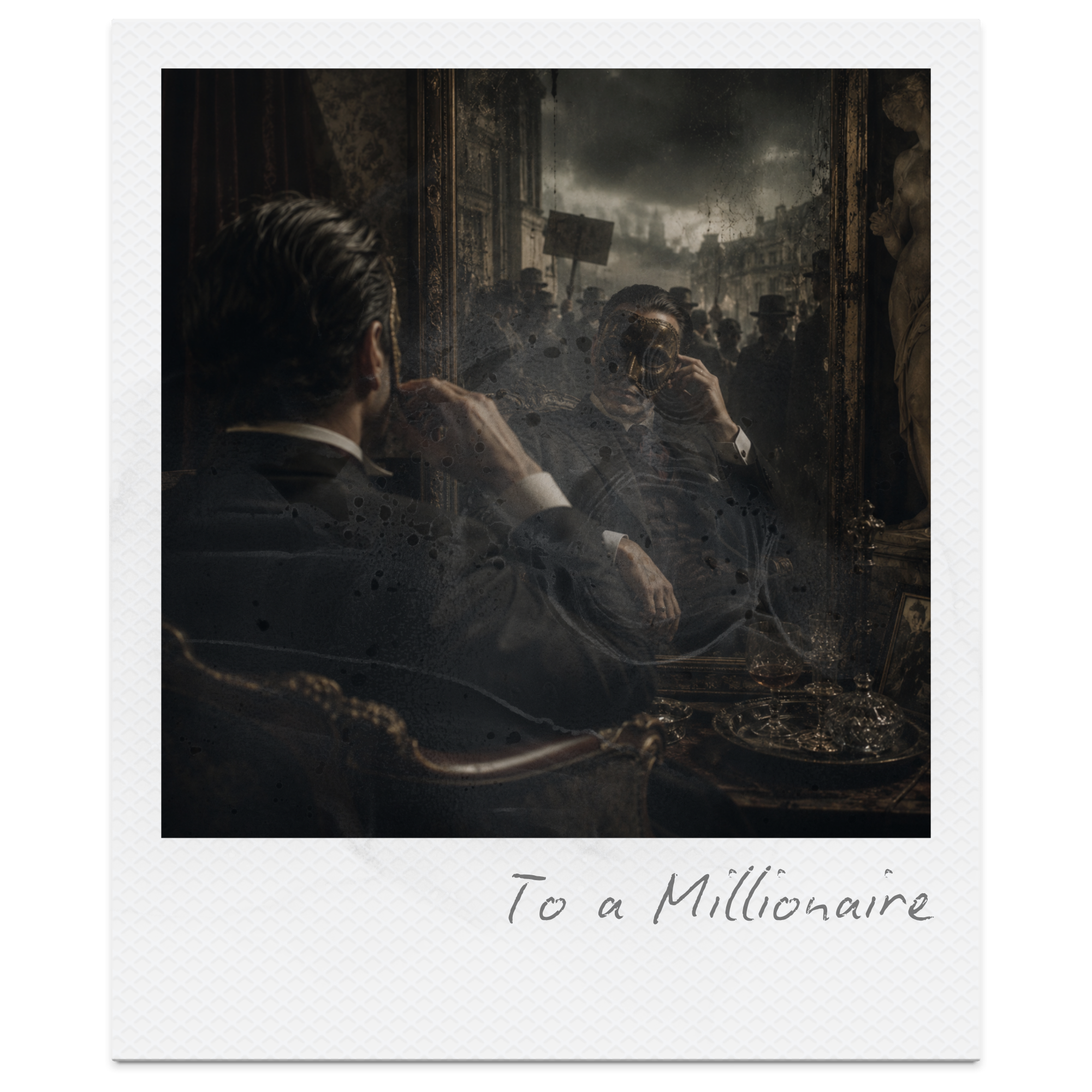
To a Millionaire by A. R. D. Fairburn: Power, Wealth and Corruption
A detailed analysis of To a Millionaire by A. R. D. Fairburn, exploring themes of wealth, corruption, class inequality, exploitation, social injustice, moral responsibility, mortality, power, and decline. Includes context, summary, stanza-by-stanza analysis, key quotations, symbolism, literary techniques, alternative interpretations, anthology comparisons, exam insights, and teaching ideas for CIE AS Level English Literature.
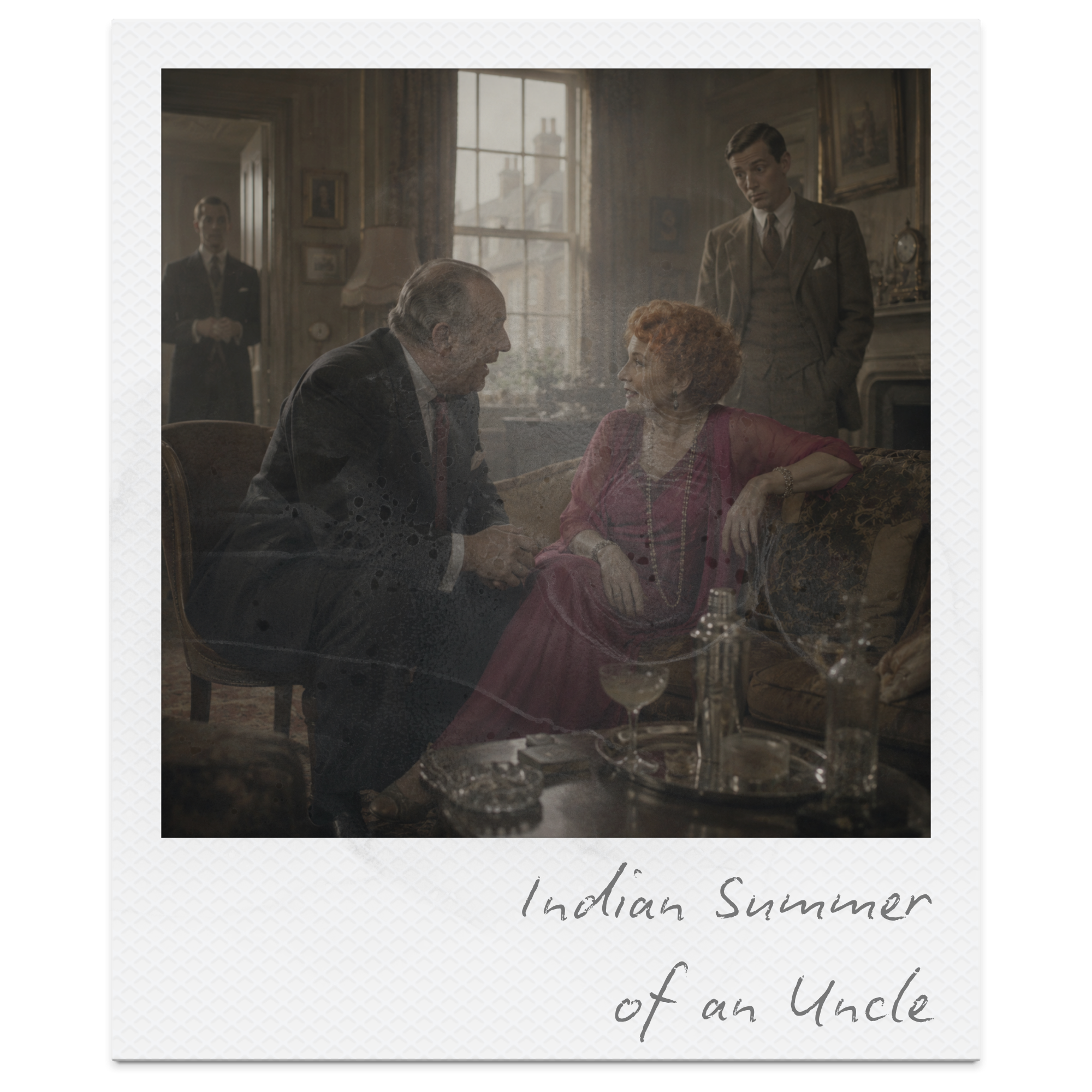
Indian Summer of an Uncle by P.G. Wodehouse: Summary, Themes & Analysis
P.G. Wodehouse’s Indian Summer of an Uncle is a comic short story exploring class, marriage, family pressure, romantic misunderstanding, and the absurdities of upper-class society through dramatic irony, exaggerated narration, and sharp social satire. Told through Bertie Wooster’s humorous first-person perspective, the story follows the chaos that erupts when the elderly Uncle George suddenly decides to marry a young waitress, horrifying his aristocratic family and forcing Bertie into a series of increasingly awkward situations. This detailed analysis for CIE IGCSE World Literature (0408) explores the story’s themes, symbolism, structure, narrative voice, and key quotations, while examining how Wodehouse creates humour through comic contrast, misunderstanding, and the gap between appearance and emotional reality. The guide also includes alternative interpretations, exam-ready insights, and classroom-focused teaching ideas designed to support deeper literary analysis and discussion.
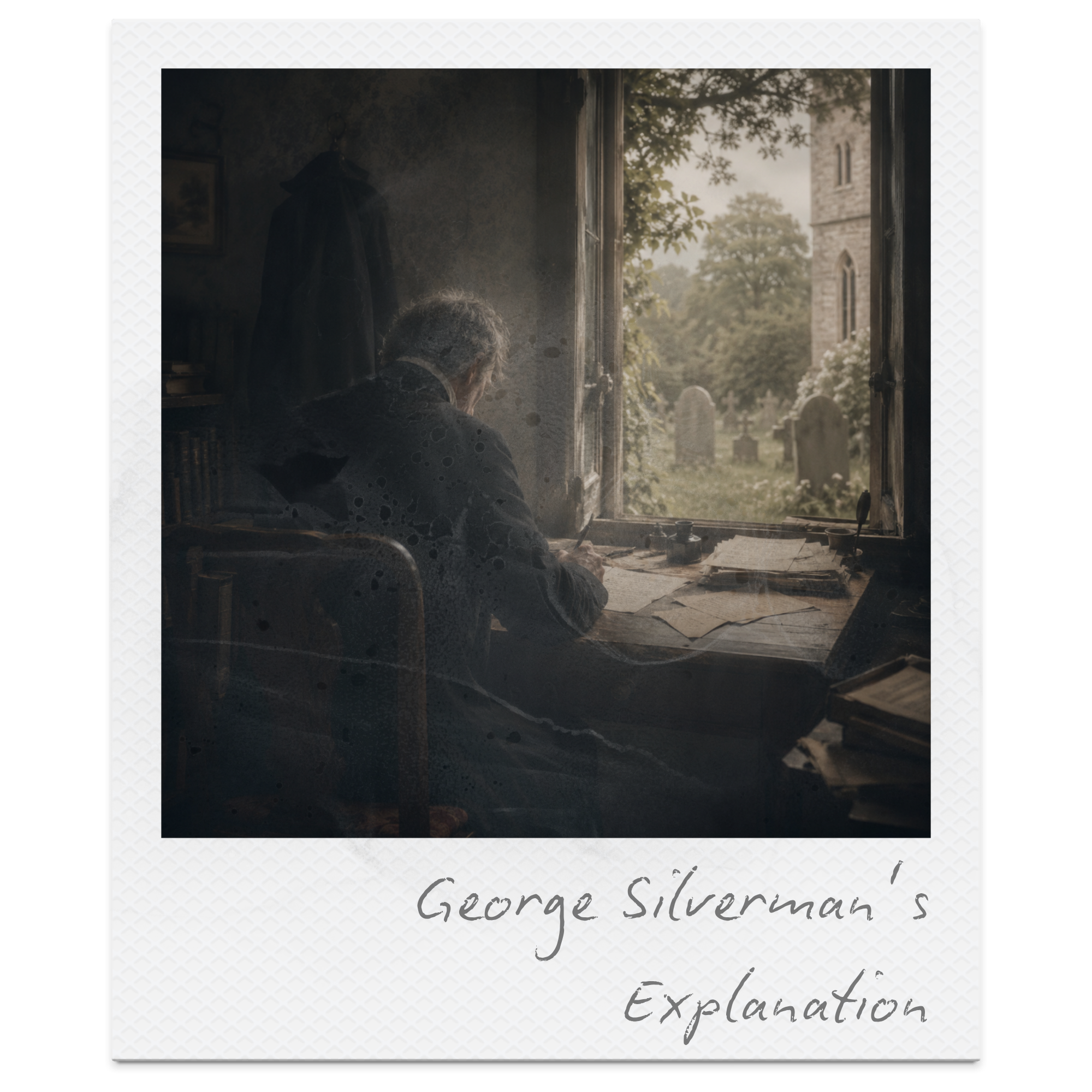
George Silverman’s Explanation by Charles Dickens: Summary, Themes & Analysis
George Silverman’s Explanation by Charles Dickens is a powerful Victorian short story exploring poverty, religious hypocrisy, class prejudice, self-sacrifice, and identity through the reflective narration of George Silverman, a deeply lonely and emotionally damaged protagonist. Written as a first-person “explanation,” the story traces George’s journey from a traumatic childhood in poverty to adulthood shaped by shame, misunderstanding, and quiet moral conflict. This analysis explores how Dickens uses narrative voice, structure, symbolism, and social criticism to create emotional impact and expose the psychological effects of neglect, guilt, and social judgement. Ideal for students studying Stories of Ourselves Volume 2 for CIE IGCSE World Literature (0408), this guide includes key themes, quotes, techniques, symbolism, alternative interpretations, and exam-focused insight.

The Gold Watch by Mulk Raj Anand: Summary, Themes & Analysis
Mulk Raj Anand’s The Gold Watch is a quietly devastating short story exploring colonial power, workplace hierarchy, economic insecurity, and human dignity. Through the experiences of the ageing dispatch clerk Sharma, Anand exposes how institutional systems disguise emotional cruelty beneath politeness, routine, and formal gestures of appreciation. This analysis explores the story’s themes, symbolism, narrative voice, and psychological tension, examining how Anand uses irony, restraint, and symbolism to critique systems that value workers only while they remain useful. Ideal for students studying CIE IGCSE English Literature (0475 & 0922) and anyone exploring postcolonial short fiction.
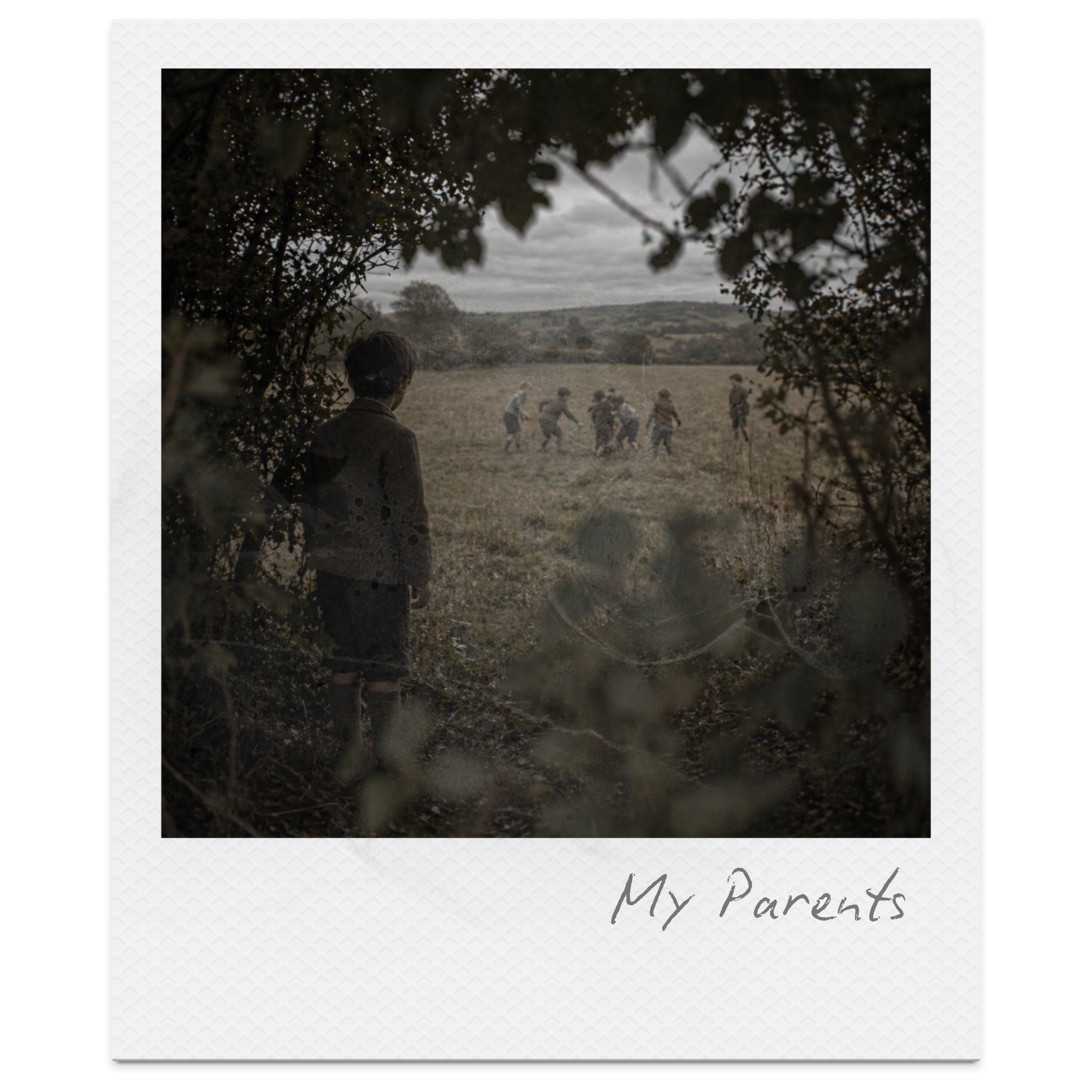
My Parents by Stephen Spender: Summary, Themes & Analysis
Stephen Spender’s My Parents explores childhood fear, class division, and social conditioning through a speaker who is both protected and isolated, shaped by the boundaries imposed on him. Through simile, animalistic imagery, and a reflective narrative voice, the poem presents the “rough” children as threatening and unpredictable, revealing how perception is constructed through upbringing rather than objective reality. The speaker’s fear is intensified by both physical imagery and social humiliation, particularly in moments where language becomes a form of attack. As the poem develops, a shift toward self-awareness and regret reframes the speaker’s experience, revealing that his fear was shaped as much by parental influence as by direct interaction. The final lines introduce a sense of missed empathy, suggesting that the speaker now recognises the limitations of his earlier perspective. This movement from fear to reflection transforms the poem into a powerful exploration of how memory, class division, and upbringing shape both experience and understanding.