Indian Summer of an Uncle by P.G. Wodehouse: Summary, Themes & Analysis
P.G. Wodehouse’s Indian Summer of an Uncle is a comic short story exploring love, class, marriage, social expectation, and the absurdities of upper-class society through sharp dialogue, exaggerated characterisation, and ironic misunderstandings. Told through the voice of Bertie Wooster, the story follows the chaos that erupts when the elderly Uncle George suddenly announces his intention to marry a young waitress, provoking horror within the Wooster family and forcing Bertie into a series of increasingly awkward situations. Beneath the humour, Wodehouse satirises snobbery, social pretension, and the idea that class boundaries should determine romantic relationships.
The story remains memorable because Wodehouse combines farcical comedy with surprisingly sharp observations about human behaviour and emotional desire. Uncle George’s “Indian summer” becomes both comic and oddly sympathetic, while Jeeves quietly manipulates events behind the scenes with his usual intelligence and precision. If you are studying or teaching Stories of Ourselves Volume 2 for CIE IGCSE World Literature (0408), explore the full anthology in the Stories of Ourselves Volume 2 Hub, or discover more prose and poetry analysis in the Literature Library.

Context of Indian Summer of an Uncle
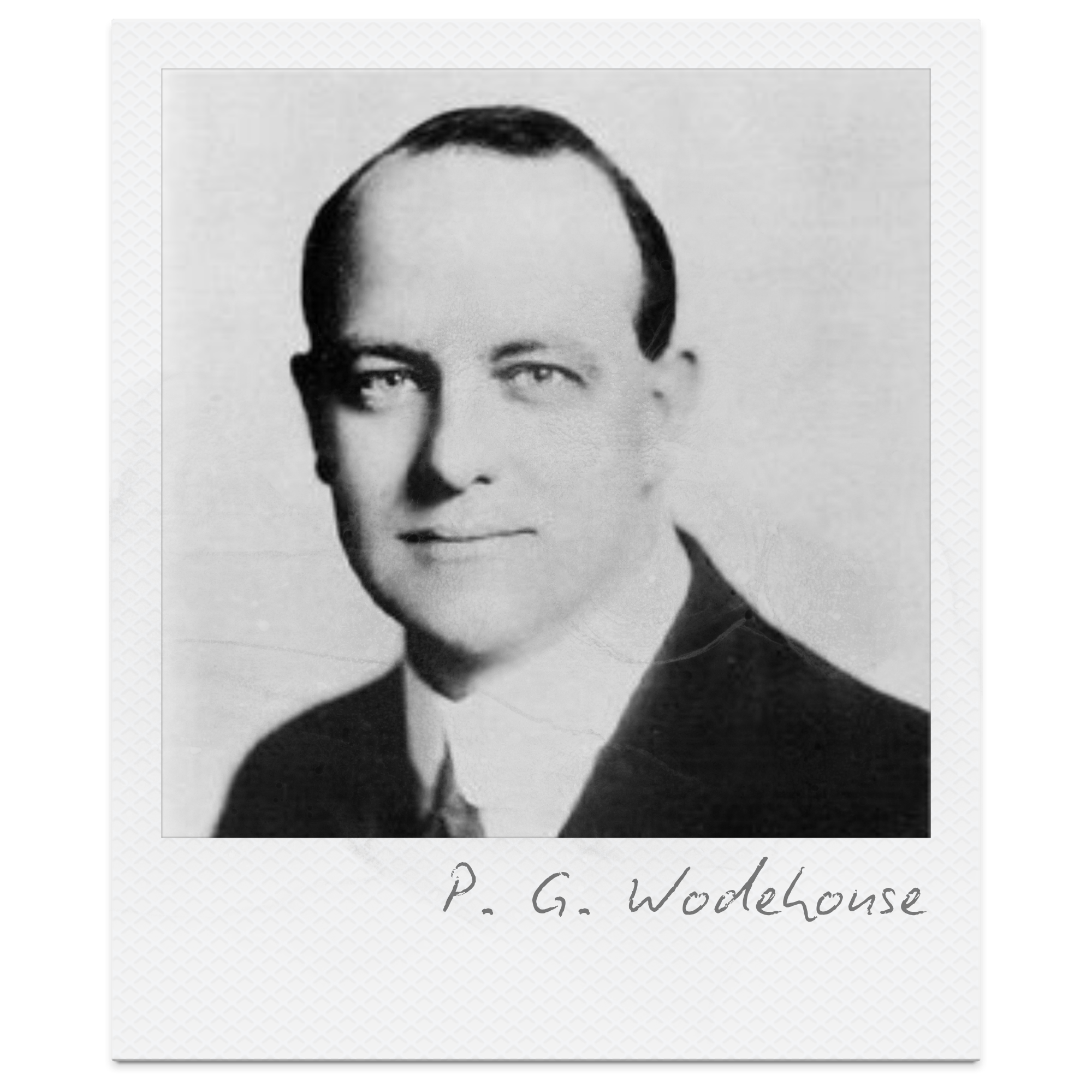
P.G. Wodehouse wrote during the early twentieth century, a period marked by significant changes in British class structure, social behaviour, and attitudes toward marriage and status. Although Wodehouse’s stories largely avoid serious political commentary, his comic fiction frequently satirises the rituals and anxieties of the British upper classes, particularly their obsession with respectability, lineage, and social appearance. In Indian Summer of an Uncle, the panic surrounding Uncle George’s desire to marry a waitress reflects these class tensions, especially the fear of social embarrassment and the perceived threat of crossing rigid social boundaries.
The story also belongs to Wodehouse’s famous Jeeves and Wooster series, which relies heavily on comic misunderstandings, exaggerated personalities, witty dialogue, and the contrast between Bertie’s confusion and Jeeves’s intelligence. The phrase “Indian summer” traditionally refers to a brief period of warmth late in the year, and Wodehouse uses it humorously to describe Uncle George’s late burst of romantic passion. Beneath the comedy, however, the story quietly questions ideas surrounding class prejudice, emotional sincerity, and whether happiness should be sacrificed for social respectability.
Indian Summer of an Uncle: At a Glance
Form: Comic short story / social satire
Mood: Humorous, ironic, chaotic, light-hearted
Central conflict: Bertie attempts to prevent Uncle George’s socially disastrous marriage plans while Jeeves quietly manipulates events toward a completely different outcome.
Core themes: Class and social status, marriage, love, family pressure, social expectation, manipulation, appearance versus reality, generational conflict
Narrative perspective: First-person narration through Bertie Wooster’s limited and comic perspective
One-sentence meaning: Wodehouse satirises upper-class snobbery and social anxiety by showing how romance, class prejudice, and family interference create comic chaos that only Jeeves can successfully navigate.
Quick Summary of Indian Summer of an Uncle
The story begins when Bertie Wooster notices strange behaviour from his elderly Uncle George and quickly discovers that he intends to marry a young waitress named Rhoda Platt. Aunt Agatha is horrified by the news because she sees the relationship as socially disastrous, and she immediately pressures Bertie into stopping the engagement before Uncle George embarrasses the family.
Bertie reluctantly travels to East Dulwich to offer Rhoda money to abandon the romance, but the plan quickly collapses after a series of comic misunderstandings involving Rhoda’s aunt, Mrs. Wilberforce. Meanwhile, Jeeves quietly develops his own solution to the problem, arranging for Uncle George to meet Mrs. Wilberforce at lunch in the hope that her overwhelming personality will discourage the marriage.
Instead, the situation develops in the opposite direction. Uncle George recognises Mrs. Wilberforce as “Maudie,” the former barmaid he loved many years earlier, and the two immediately rekindle their old romance. By the end of the story, Uncle George abandons his plans to marry Rhoda and instead becomes engaged to Mrs. Wilberforce, while Jeeves calmly reveals that he secretly engineered the entire outcome to help Rhoda reunite with her original sweetheart.
Title of Indian Summer of an Uncle
The title immediately establishes the story’s comic tone while also hinting at its deeper themes surrounding age, romance, and emotional renewal. The phrase “Indian summer” traditionally refers to a brief period of unexpected warmth late in the year, and Wodehouse uses it metaphorically to describe Uncle George’s sudden late-life romantic passion. The title therefore frames his desire to marry Rhoda Platt as a temporary revival of youthfulness and emotional excitement.
At first, the phrase seems humorous because Uncle George is repeatedly described as elderly, overweight, and deeply set in his comfortable routines as a wealthy London clubman. Bertie clearly sees the romance as absurd, which makes the title ironic from the beginning. The contrast between the poetic phrase “Indian summer” and Uncle George’s comic appearance creates immediate humour.
However, the title also carries a slightly more sympathetic meaning as the story develops. Although the romance initially appears ridiculous, Wodehouse suggests that Uncle George’s emotions are genuine. His renewed enthusiasm for life reflects a longing for affection, companionship, and emotional connection rather than mere foolishness.
By the ending, the meaning of the title shifts again. Uncle George does not marry the young waitress after all, but instead reconnects with Mrs. Wilberforce — the former barmaid he loved years earlier. This gives the title an unexpectedly emotional dimension because the “Indian summer” becomes not simply comic infatuation, but a second chance at lost love and happiness.
The title therefore works on several levels at once:
◆ comic and ironic
◆ emotionally nostalgic
◆ symbolic of temporary renewal
◆ reflective of late-life romance
◆ satirical toward upper-class anxieties about marriage and class
Wodehouse uses the title to balance humour with a quieter suggestion that emotional desire and companionship do not disappear with age.
Structure of Indian Summer of an Uncle
Wodehouse structures the story around escalating comic misunderstanding, social embarrassment, and ironic reversals. The narrative moves quickly from apparent crisis to farcical chaos, with each failed attempt to solve the “problem” only creating a more absurd situation. The structure is carefully controlled so that readers gradually realise Jeeves understands far more than Bertie does from the very beginning.
Opening / Exposition
The story opens with Bertie confidently presenting himself as highly observant and impossible to deceive, immediately creating comic irony because readers quickly recognise the gap between Bertie’s self-image and reality. This humorous opening establishes Bertie’s narrative voice while also introducing Uncle George’s sudden romantic transformation.
The exposition focuses heavily on contrast. Uncle George is described as an elderly, overweight London clubman obsessed with meals, digestion, and routine, making his desire to marry a young waitress seem ridiculous to Bertie. Wodehouse therefore creates humour immediately through the clash between romantic language and Uncle George’s deeply unromantic appearance.
The opening also introduces the story’s central tensions:
◆ class anxiety
◆ family interference
◆ romantic foolishness
◆ social embarrassment
◆ Bertie’s dependence on Jeeves
Importantly, Jeeves already understands the situation before Bertie fully explains it, foreshadowing his later control over events.
Rising Action
The rising action develops through a sequence of increasingly awkward and comic situations. Aunt Agatha pressures Bertie into stopping the engagement, forcing him into a task he feels deeply uncomfortable carrying out.
Wodehouse structures this section around repeated failure and misunderstanding:
◆ Bertie’s dread before visiting East Dulwich
◆ the uncomfortable suburban setting
◆ the mistaken identity involving Mrs. Wilberforce
◆ Bertie’s inability to offer the money
◆ Aunt Agatha’s growing frustration
The pacing becomes increasingly comic because Bertie repeatedly loses confidence whenever confrontation becomes necessary. His narration constantly delays direct action through exaggerated description, nervous observations, and comic digressions.
At the same time, Jeeves quietly begins shaping events in the background. Readers gradually sense that Jeeves has knowledge Bertie lacks, creating dramatic irony because the audience begins to trust Jeeves’s intelligence far more than Bertie’s judgement.
Turning Point / Climax
The turning point occurs during the lunch arranged by Jeeves. Bertie and Aunt Agatha expect the meeting between Uncle George and Mrs. Wilberforce to destroy the romance with Rhoda. Instead, the opposite happens.
The climax depends on sudden recognition and reversal. Uncle George immediately realises that Mrs. Wilberforce is “Maudie,” the former barmaid he loved years earlier, and the two quickly reconnect through shared memories and similar personalities.
Structurally, this moment resolves several plot strands simultaneously:
◆ Uncle George abandons Rhoda
◆ the family avoids social scandal
◆ Rhoda is freed from the engagement
◆ Jeeves’s hidden plan succeeds
The rapid emotional shift creates comic surprise because the supposedly disastrous lunch becomes the solution to every problem.
Ending / Resolution
The ending restores social and emotional stability, which is typical of comic structure. Aunt Agatha believes events have been resolved respectably, although Bertie recognises the ironic truth that Uncle George is still marrying someone “definitely of the people.”
The final conversation between Bertie and Jeeves reveals that Jeeves intentionally engineered the outcome to help Rhoda reunite with her original sweetheart, Smethurst. This revelation repositions Jeeves as the true architect of the story’s resolution.
The ending also reinforces the recurring Jeeves and Wooster pattern:
◆ Bertie becomes overwhelmed by chaos
◆ social disaster appears unavoidable
◆ Jeeves quietly manipulates events behind the scenes
◆ order is restored through intelligence rather than authority
The story closes with Bertie and Jeeves preparing to escape Aunt Agatha’s reaction, ending the narrative on a final comic image of avoidance and retreat rather than direct confrontation.
Setting of Indian Summer of an Uncle
The setting plays an important role in shaping the story’s comedy, social satire, and class tensions. Wodehouse contrasts the comfortable world of wealthy upper-class London society with the cramped suburban environment of East Dulwich, using these settings to expose snobbery, social performance, and the absurdity of class prejudice. The settings also reflect Bertie’s emotional discomfort, particularly whenever he is forced outside his familiar routines.
The story begins in Bertie’s fashionable London flat and among the gentlemen’s clubs of St. James’s Street and Pall Mall. These locations immediately establish the privileged social world the characters inhabit. Uncle George is described as one of the “recognized eyesores of London,” endlessly moving between clubs, lunches, and smoking rooms. The club setting symbolises routine, comfort, and upper-class masculinity, while also emphasising how absurd his sudden romantic passion appears within this environment.
Wodehouse also uses setting to create comic contrast. Uncle George belongs to a world of “tight morning coats and gray toppers,” making the idea of him romantically pursuing a young waitress seem socially ridiculous to Bertie and Aunt Agatha. The luxurious, highly controlled upper-class spaces therefore become symbols of social expectation and class identity.
East Dulwich functions very differently. Bertie views the suburban setting with immediate horror and discomfort, revealing his own class prejudices. Wistaria Lodge, with its “pink paper on the walls,” “stuffed birds in glass cases,” and “aspidistra,” becomes a comic symbol of lower-middle-class domestic life. Bertie’s exaggerated reaction creates humour, but it also exposes how deeply he judges spaces and people through social assumptions.
The parlour itself reflects emotional claustrophobia and awkwardness. Bertie describes the room as resembling “a dentist’s waiting room,” showing how trapped and uncomfortable he feels while attempting to bribe Rhoda. The stuffed birds particularly intensify the comic discomfort, especially “little Master Bullfinch,” whose “expression... was definitely that of a thug.” Wodehouse turns harmless decorative objects into exaggerated symbols of Bertie’s growing panic and social unease.
The setting also shapes the story’s social satire. Aunt Agatha views East Dulwich as socially inferior and threatening, while Bertie repeatedly refers to the “proletariat” and “lower middle classes” in comic exaggeration. However, Wodehouse undermines these prejudices by presenting Mrs. Wilberforce as warm, energetic, and emotionally genuine compared with the rigid snobbery of the aristocratic family.
By the ending, the London flat becomes the setting for comic collapse and revelation. What was supposed to be a carefully controlled lunch turns into romantic reunion and complete social reversal. Wodehouse therefore uses setting not simply as background, but as a way of exposing class anxiety, social performance, and the gap between appearance and emotional reality.
Narrative Voice in Indian Summer of an Uncle
The story is told through Bertie Wooster’s distinctive first-person narrative voice, which shapes both the humour and the reader’s interpretation of events. Bertie narrates with confidence, exaggeration, and conversational energy, yet his understanding of situations is often limited or misguided. This gap between Bertie’s self-assurance and reality creates much of the story’s comedy.
From the opening, Bertie presents himself as highly intelligent and observant, claiming he is “dashed difficult to deceive” and able to “observe and deduce.” However, readers quickly recognise the irony because Jeeves consistently understands situations more clearly than Bertie does. Wodehouse therefore uses Bertie’s narration to create dramatic irony, where readers often realise the truth before the narrator himself fully understands it.
The narrative voice is also highly informal and conversational. Bertie constantly addresses the reader directly with phrases such as “if you know what I mean” and “I mean to say,” making the narration feel spontaneous and personal. This relaxed tone keeps the story light-hearted even during moments of social embarrassment or emotional conflict.
Exaggeration is another key feature of Bertie’s voice. Characters and settings are described in absurdly comic ways:
◆ Uncle George is an “eyesore of London”
◆ Aunt Agatha becomes “the Family Curse”
◆ the suburban parlour resembles “a dentist’s waiting room”
◆ stuffed birds appear psychologically threatening
These exaggerated descriptions reveal Bertie’s emotional reactions more than objective reality, making the narration subjective and comic rather than reliable.
The narrative perspective also shapes readers’ sympathy. Although Bertie can be snobbish and foolish, his self-awareness and nervous honesty make him likeable. Readers experience the chaos of the story alongside him, particularly his dread of confrontation and fear of Aunt Agatha.
Importantly, Jeeves’s calm and formal speech contrasts sharply with Bertie’s slang-filled narration. This contrast strengthens the comic dynamic between them:
◆ Bertie speaks impulsively and emotionally
◆ Jeeves speaks carefully and logically
◆ Bertie reacts to problems
◆ Jeeves quietly solves them
The narrative voice therefore becomes central to the story’s humour, satire, and pacing. Wodehouse uses Bertie’s limited perspective not only to create comic misunderstanding, but also to expose the absurdity of social conventions and upper-class anxieties.
Characters in Indian Summer of an Uncle
Wodehouse uses his characters as exaggerated comic figures who embody ideas surrounding class, social expectation, romantic desire, and the absurdity of upper-class behaviour. Although the characters are humorous and often exaggerated, they also reveal genuine emotional desires and insecurities beneath the comedy.
Bertie Wooster
Bertie functions as both narrator and comic protagonist, guiding readers through the increasingly chaotic situation with nervous humour and exaggerated commentary. Although he presents himself as intelligent and observant, his judgement is frequently unreliable, creating dramatic irony throughout the story.
Bertie is fundamentally kind-hearted but deeply uncomfortable with confrontation. He repeatedly attempts to avoid responsibility, particularly when Aunt Agatha orders him to bribe Rhoda Platt into abandoning Uncle George. His dread surrounding the visit to East Dulwich reveals his fear of awkward social situations more than any real moral courage.
At the same time, Bertie’s narration exposes the class prejudices of his social world. He reacts with comic horror to the “pink paper on the walls,” the stuffed birds, and the suburban atmosphere of Wistaria Lodge. However, Wodehouse presents these reactions humorously rather than approvingly, gently mocking Bertie’s snobbery.
Despite his foolishness, Bertie remains sympathetic because he is self-aware enough to recognise his own weakness. His dependence on Jeeves also reinforces the comic structure of the story, where Bertie repeatedly creates or worsens problems while Jeeves quietly restores order.
Jeeves
Jeeves acts as the calm intellectual centre of the story. While Bertie reacts emotionally and impulsively, Jeeves observes situations strategically and manipulates events with quiet precision.
His speech is formal, controlled, and analytical, sharply contrasting Bertie’s slang-filled narration. Jeeves immediately understands the emotional and social complexities of Uncle George’s romance long before Bertie does, positioning him as the true architect of the story’s resolution.
Importantly, Jeeves’s motivations are more compassionate than they initially appear. By the ending, readers discover that he deliberately engineered events to help Rhoda reunite with her original sweetheart, Smethurst. This reveals that Jeeves values emotional sincerity over wealth or social advancement.
Jeeves also quietly undermines upper-class snobbery throughout the story. Although he remains respectful outwardly, he repeatedly exposes the foolishness of aristocratic assumptions and demonstrates far greater intelligence than the wealthy family he serves.
Uncle George (Lord Yaxley)
Uncle George initially appears comic and absurd. Bertie describes him as overweight, elderly, and obsessed with food, digestion, and club life, making his sudden romantic passion seem ridiculous.
However, Wodehouse gradually gives him surprising emotional depth. His “Indian summer” reflects a genuine longing for affection and companionship rather than simple foolishness. Although Bertie and Aunt Agatha treat the romance as embarrassing, Uncle George’s feelings are presented as sincere.
The revelation that Mrs. Wilberforce is the former barmaid he loved years earlier adds emotional complexity to his character. Beneath the comic exterior, Uncle George becomes a figure connected to nostalgia, lost opportunity, and second chances.
His relationship with Mrs. Wilberforce also exposes the hypocrisy of social prejudice. The aristocratic family objects strongly to his romance with a waitress, yet the story ultimately rewards him with happiness outside upper-class expectations.
Aunt Agatha
Aunt Agatha represents authority, social control, and upper-class respectability. Bertie consistently fears her, describing her with exaggerated comic dread, and she functions as one of the story’s main forces of pressure and conflict.
She is deeply concerned with appearances, family prestige, and class boundaries. Her horror at Uncle George marrying a waitress reflects her obsession with maintaining social respectability. She treats romance largely as a social and reputational issue rather than an emotional one.
Wodehouse uses Aunt Agatha satirically to mock rigid class attitudes and controlling family expectations. Her attempts to manipulate events repeatedly fail because she misunderstands the emotional realities beneath the situation.
Despite her intimidating presence, she also becomes comic because of her dramatic reactions, explosive anger, and complete inability to control the chaos surrounding her.
Mrs. Wilberforce (Maudie)
Mrs. Wilberforce initially appears overwhelming and socially embarrassing through Bertie’s exaggerated perspective. Her “orange hair,” “magenta dress,” and loud personality make her seem completely incompatible with aristocratic expectations.
However, she quickly becomes one of the story’s warmest and most emotionally genuine characters. Unlike Aunt Agatha, she speaks openly, honestly, and affectionately. Her conversations about health and digestion also amusingly mirror Uncle George’s own obsessions, revealing how naturally suited they are to one another.
The revelation that she is “Maudie,” Uncle George’s former love, transforms her role within the narrative. What first appeared comic and socially awkward becomes unexpectedly romantic and nostalgic.
Mrs. Wilberforce therefore symbolises emotional authenticity triumphing over social snobbery and class prejudice.
Rhoda Platt
Although Rhoda appears less frequently than other characters, she remains central to the story’s conflict. She represents the younger romantic relationship threatened by social ambition and class pressure.
Importantly, Wodehouse suggests that Rhoda’s feelings toward Uncle George are uncertain from the beginning. Her hesitation about the marriage implies that wealth and title may partly influence the engagement, even if she feels flattered by his attention.
By the ending, however, Rhoda is freed to reunite with Smethurst, suggesting that genuine emotional compatibility matters more than social advancement. In this sense, she becomes part of the story’s wider critique of marriage based on status rather than affection.
Key Themes in Indian Summer of an Uncle
Wodehouse uses comedy, irony, and exaggerated characterisation to explore themes surrounding class, marriage, social expectation, family control, and emotional sincerity. Although the story remains light-hearted in tone, its humour repeatedly exposes the absurdity of rigid social attitudes and the tension between genuine feeling and public respectability.
Class and Social Status
One of the story’s most important themes is the obsession with class distinction and social respectability. Aunt Agatha is horrified by Uncle George’s desire to marry a waitress because she sees the relationship as socially humiliating for the family. Bertie also reacts with comic alarm when he learns Rhoda belongs to “the lower middle classes.”
Wodehouse satirises these attitudes by showing how artificial and ridiculous they are. Bertie judges Wistaria Lodge largely through its decorations, stuffed birds, and suburban atmosphere, exposing how upper-class prejudice often depends on superficial appearances.
At the same time, the supposedly socially inferior characters are often warmer and emotionally more genuine than the aristocratic family. Mrs. Wilberforce’s kindness and sincerity contrast sharply with Aunt Agatha’s cold obsession with status and reputation.
The ending further undermines class prejudice because Uncle George ultimately marries the former barmaid the family once rejected, suggesting emotional compatibility matters more than social hierarchy.
Marriage and Romance
The story explores marriage as both emotional desire and social negotiation. Uncle George’s “Indian summer” reflects a late burst of romantic passion that others initially dismiss as ridiculous because of his age and appearance.
However, Wodehouse treats romantic longing with surprising sympathy beneath the humour. Uncle George’s reunion with Maudie becomes unexpectedly touching because it reconnects him with a lost emotional past rather than simply a comic infatuation.
The story also contrasts different motivations for marriage:
◆ social advancement
◆ financial security
◆ emotional companionship
◆ family expectation
◆ genuine affection
Rhoda’s uncertainty about marrying Uncle George suggests tension between ambition and emotional sincerity, while her reunion with Smethurst reinforces the value of authentic emotional connection.
Family Interference and Control
Aunt Agatha’s attempts to control Uncle George’s relationship highlight the theme of family interference. She treats marriage as a matter of social management rather than personal happiness, immediately trying to “solve” the problem through bribery and manipulation.
Bertie himself becomes trapped by family obligation, forced into humiliating situations because Aunt Agatha insists he “do something for the family.” The story therefore mocks the pressure wealthy families place on maintaining reputation and controlling personal relationships.
Ironically, all of Aunt Agatha’s plans fail completely. Her attempts to preserve social respectability ultimately lead directly to the very type of marriage she wanted to prevent.
Appearance Versus Reality
Wodehouse repeatedly contrasts external appearance with emotional reality. Uncle George initially appears absurd:
◆ elderly
◆ overweight
◆ obsessed with digestion
◆ socially respectable but dull
Yet beneath this comic image lies genuine emotional vulnerability and longing.
Similarly, Mrs. Wilberforce initially appears overwhelming and socially embarrassing through Bertie’s exaggerated descriptions, but she later becomes one of the story’s warmest and most emotionally sincere characters.
Jeeves also manipulates appearances constantly throughout the story. While Bertie believes he understands events, Jeeves quietly controls the situation from the background, revealing how limited Bertie’s understanding actually is.
Manipulation and Intelligence
The story explores how intelligence often operates invisibly beneath social performance. Bertie believes he is observant and clever, yet Jeeves consistently understands situations more deeply than anyone else.
Jeeves carefully manipulates events:
◆ arranging the lunch
◆ anticipating emotional reactions
◆ protecting Rhoda’s original relationship
◆ guiding Uncle George toward Maudie
Importantly, Jeeves uses intelligence not selfishly, but to produce emotional harmony and practical resolution. His quiet manipulation contrasts with Aunt Agatha’s forceful attempts at control, suggesting subtle understanding is more effective than authority or social pressure.
Generational Conflict
The story also explores tensions between generations and expectations surrounding age. Bertie and Aunt Agatha both treat Uncle George’s romance as absurd because they believe elderly men should behave with dignity and restraint rather than emotional impulsiveness.
The phrase “Indian summer” itself reflects this conflict, implying temporary emotional renewal late in life. Wodehouse humorously challenges the assumption that older people no longer desire romance, affection, or companionship.
By the ending, Uncle George’s reunion with Maudie suggests emotional connection can survive across decades, giving the story a surprisingly optimistic view of later-life happiness.
Social Performance and Respectability
Many characters constantly perform social roles throughout the story:
◆ Bertie performs upper-class confidence
◆ Aunt Agatha performs aristocratic authority
◆ Uncle George performs respectable clubman masculinity
◆ Jeeves performs ideal servant professionalism
Wodehouse exposes how artificial these performances often are. Beneath social etiquette and class expectations, characters remain driven by ordinary emotional desires and insecurities.
The comedy therefore comes partly from watching carefully maintained social appearances collapse under emotional reality and unexpected coincidence.
Symbolism in Indian Summer of an Uncle
Wodehouse uses comic symbols throughout the story to reinforce themes surrounding class, romance, social performance, and emotional sincerity. Many of the symbols appear humorous on the surface, yet they also reveal deeper tensions involving age, status, family control, and the contrast between appearance and genuine feeling.
The “Indian Summer”
The phrase “Indian summer” itself functions as the story’s central symbol. Traditionally referring to a brief period of unexpected warmth late in the year, it symbolises Uncle George’s sudden emotional and romantic renewal in old age.
At first, the phrase is comic because Bertie sees Uncle George as physically unromantic and firmly settled into elderly routines involving clubs, meals, and digestive complaints. However, the symbol gradually becomes more sympathetic as the story develops. Uncle George’s emotional “Indian summer” reflects a genuine longing for affection, companionship, and renewed happiness rather than mere foolishness.
By the ending, the symbol also becomes connected to second chances and recovered love through Uncle George’s reunion with Maudie.
The Clubs and St. James’s Street
The gentlemen’s clubs and wealthy London streets symbolise upper-class routine, privilege, and social respectability. Uncle George belongs completely to this world of “tight morning coats and gray toppers,” where identity is shaped by habit, status, and tradition.
These settings symbolise social order and conformity, which makes Uncle George’s romantic behaviour appear especially disruptive. His desire to marry a waitress threatens the carefully controlled world represented by the clubs and aristocratic society.
The clubs also symbolise emotional emptiness beneath social comfort. Uncle George spends his life eating, drinking, and discussing “the lining of his stomach,” suggesting routine without deeper emotional fulfilment.
Wistaria Lodge
Wistaria Lodge symbolises lower-middle-class domesticity through Bertie’s exaggerated and deeply snobbish perspective. The suburban house represents everything Bertie associates with social discomfort and class inferiority.
However, Wodehouse uses this symbolism satirically. Bertie reacts to the “pink paper on the walls,” “aspidistra,” and stuffed birds with near-horror, exposing how upper-class prejudice often depends on trivial aesthetic judgement rather than genuine moral superiority.
The setting therefore symbolises the gap between social appearance and emotional reality. Although Bertie treats the house as embarrassing, it becomes the place connected to genuine affection, warmth, and emotional honesty.
The Stuffed Birds
The stuffed birds in glass cases symbolise Bertie’s growing emotional discomfort and sense of entrapment. He imagines them as threatening and judgemental, particularly “little Master Bullfinch,” who appears “definitely that of a thug.”
These absurd descriptions create comedy while also reflecting Bertie’s panic surrounding the task Aunt Agatha has forced upon him. The birds symbolise the oppressive awkwardness of the situation and Bertie’s inability to feel socially comfortable outside his usual environment.
At a deeper level, the stuffed birds may also symbolise artificiality and social performance. Like the preserved birds, upper-class society often values appearance and display over emotional authenticity.
Food and Digestion
Food, meals, and digestion repeatedly symbolise comfort, routine, and emotional compatibility throughout the story. Uncle George constantly discusses “the lining of his stomach,” which initially appears comic and grotesque.
However, Wodehouse later transforms this running joke into a symbol of emotional connection when Mrs. Wilberforce shares exactly the same obsession with digestion and stomach troubles. Their mutual concern with health and meals reveals that they are genuinely suited to one another.
Food therefore becomes symbolic of companionship and compatibility rather than mere comic excess. Shared habits and conversational rhythms matter more than class boundaries or social expectations.
Aunt Agatha
Although a character, Aunt Agatha also functions symbolically as a representation of aristocratic authority, family pressure, and social control. She constantly attempts to manage relationships according to ideas of respectability and class.
Her horror at the possibility of Uncle George marrying a waitress symbolises the fear wealthy families feel toward social disruption and loss of status. Wodehouse repeatedly undermines her authority through comic failure, suggesting rigid social control cannot successfully govern emotional life.
Jeeves
Jeeves symbolises intelligence, hidden control, and quiet competence. Although technically a servant, he consistently understands situations more clearly than the aristocratic family around him.
He operates almost invisibly throughout the story, manipulating events from the background while Bertie remains confused. This symbolic role reverses expected class hierarchies:
◆ the wealthy characters panic and misjudge situations
◆ Jeeves calmly restores order through intelligence and emotional insight
Jeeves therefore symbolises practical wisdom triumphing over social status and inherited privilege.
Mrs. Wilberforce’s Appearance
Mrs. Wilberforce’s “orange hair” and “magenta dress” symbolise social excess and lower-middle-class flamboyance from Bertie’s perspective. Bertie sees her appearance as deeply embarrassing because it clashes so dramatically with upper-class restraint and elegance.
However, the exaggerated descriptions also expose Bertie’s superficial judgement. Beneath the comic appearance, Mrs. Wilberforce is emotionally warm, sincere, and genuinely compatible with Uncle George.
Her appearance therefore symbolises the difference between social appearance and emotional value, reinforcing the story’s wider criticism of class prejudice.
Key Quotes and Methods in Indian Summer of an Uncle
Wodehouse uses comic dialogue, exaggerated narration, and ironic description to reveal themes surrounding class, romance, family pressure, and the absurdity of social expectations. The quotations below demonstrate how humour is created through Bertie’s narrative voice, dramatic irony, and the contrast between emotional sincerity and upper-class snobbery.
“Old Lynx-Eye is about what it amounts to.”
◆ Method: Comic self-characterisation and irony
◆ Meaning: Bertie proudly presents himself as observant and intelligent.
◆ Purpose: Wodehouse immediately establishes Bertie’s overconfidence and limited self-awareness.
◆ Impact: Readers quickly recognise the comic gap between Bertie’s self-image and reality.
◆ Link to theme, conflict, or symbolism: Connects to appearance versus reality and the contrast between Bertie’s confusion and Jeeves’s intelligence.
“I observe and deduce.”
◆ Method: Allusion to detective fiction and comic exaggeration
◆ Meaning: Bertie compares himself to a brilliant investigator.
◆ Purpose: Wodehouse humorously mocks Bertie’s belief in his own intellectual ability.
◆ Impact: Creates dramatic irony because Jeeves consistently understands situations more clearly.
◆ Link to theme, conflict, or symbolism: Links to manipulation, intelligence, and social performance.
“The last bloke in the world... who you would think would ever fall a victim to the divine pash.”
◆ Method: Colloquial language and comic contrast
◆ Meaning: Bertie sees Uncle George as deeply unsuited to romance.
◆ Purpose: Wodehouse creates humour by contrasting romantic passion with Uncle George’s physical appearance and habits.
◆ Impact: Readers immediately understand why the situation appears absurd to Bertie.
◆ Link to theme, conflict, or symbolism: Connects to age, romance, and the idea of the “Indian summer.”
“Properly considered, I’m in my prime.”
◆ Method: Irony and self-delusion
◆ Meaning: Uncle George insists he remains youthful and attractive despite Bertie’s descriptions of him.
◆ Purpose: Wodehouse satirises late-life vanity while also making Uncle George oddly sympathetic.
◆ Impact: The line is comic but also reveals Uncle George’s emotional longing for renewed youth and affection.
◆ Link to theme, conflict, or symbolism: Links to romance, ageing, and emotional renewal.
“Marriage is an honourable state.”
◆ Method: Formal language and comic seriousness
◆ Meaning: Uncle George attempts to justify his romantic plans morally and socially.
◆ Purpose: Wodehouse parodies solemn discussions of marriage by placing them within an absurd situation.
◆ Impact: Creates humour through the contrast between dignity and farce.
◆ Link to theme, conflict, or symbolism: Connects to marriage, respectability, and social expectation.
“They appear to experience what I may term a sort of ‘Indian summer.’”
◆ Method: Metaphor and formal diction
◆ Meaning: Jeeves describes late-life romantic passion as temporary emotional renewal.
◆ Purpose: Wodehouse introduces the story’s central symbolic phrase through Jeeves’s analytical voice.
◆ Impact: The phrase sounds both comic and unexpectedly thoughtful.
◆ Link to theme, conflict, or symbolism: Links to age, emotional revival, and second chances.
“If Uncle George wants to marry waitresses, let him.”
◆ Method: Comic understatement and irony
◆ Meaning: Bertie pretends to adopt a broad-minded attitude toward the romance.
◆ Purpose: Wodehouse humorously exposes Bertie’s attempt to sound tolerant and philosophical.
◆ Impact: Readers recognise that Bertie remains deeply uncomfortable with the situation despite his claims.
◆ Link to theme, conflict, or symbolism: Connects to class, social prejudice, and family pressure.
“The lower middle classes, sir.”
◆ Method: Social classification and dry humour
◆ Meaning: Jeeves calmly corrects Bertie’s exaggerated horror at Rhoda’s social position.
◆ Purpose: Wodehouse satirises upper-class obsession with social hierarchy.
◆ Impact: Jeeves’s calm precision makes Bertie’s reaction appear foolish and snobbish.
◆ Link to theme, conflict, or symbolism: Links to class divisions and social anxiety.
“There isn’t anything that quells the spirit much more than one of these suburban parlours.”
◆ Method: Hyperbole and comic narration
◆ Meaning: Bertie reacts dramatically to the suburban environment of Wistaria Lodge.
◆ Purpose: Wodehouse mocks Bertie’s upper-class discomfort and exaggerated snobbery.
◆ Impact: The overreaction creates comedy while revealing Bertie’s limited worldview.
◆ Link to theme, conflict, or symbolism: Connects to class prejudice and social performance.
“She looked like a photograph of an opera singer of the ’eighties.”
◆ Method: Visual imagery and caricature
◆ Meaning: Bertie exaggerates Mrs. Wilberforce’s appearance in comic detail.
◆ Purpose: Wodehouse creates humour through Bertie’s dramatic and judgmental descriptions.
◆ Impact: Readers understand Bertie’s immediate social discomfort and panic.
◆ Link to theme, conflict, or symbolism: Links to appearance versus reality and upper-class judgement.
“Piggy!”
◆ Method: Sudden recognition and comic dialogue
◆ Meaning: Mrs. Wilberforce immediately reconnects emotionally with Uncle George.
◆ Purpose: Wodehouse transforms the comic lunch into an unexpectedly emotional reunion.
◆ Impact: The sudden intimacy surprises both Bertie and readers, creating comic reversal.
◆ Link to theme, conflict, or symbolism: Connects to lost love, nostalgia, and emotional sincerity.
“Deep calling to deep, sir?”
◆ Method: Literary allusion and understated humour
◆ Meaning: Jeeves recognises the emotional compatibility between Uncle George and Mrs. Wilberforce.
◆ Purpose: Wodehouse humorously elevates digestive complaints into profound emotional connection.
◆ Impact: The contrast between serious phrasing and trivial subject matter creates comedy.
◆ Link to theme, conflict, or symbolism: Links to companionship, compatibility, and emotional understanding.
“Kind hearts are more than coronets.”
◆ Method: Literary allusion and moral statement
◆ Meaning: Jeeves suggests emotional goodness matters more than aristocratic status.
◆ Purpose: Wodehouse quietly critiques class snobbery beneath the humour.
◆ Impact: The line provides a surprisingly sincere moral conclusion to the story.
◆ Link to theme, conflict, or symbolism: Connects to class, emotional sincerity, and social prejudice.
Key Techniques in Indian Summer of an Uncle
Wodehouse combines comic narration, social satire, dramatic irony, and exaggerated characterisation to create humour while also exploring themes surrounding class, romance, and family interference.
◆ First-person narration — Bertie’s limited and exaggerated perspective shapes the humour because readers often understand situations more clearly than he does.
◆ Dramatic irony — Jeeves consistently knows more than Bertie, creating comedy through the gap between Bertie’s confidence and reality.
◆ Exaggeration and hyperbole — Characters and settings are described in absurdly dramatic ways, such as Uncle George being an “eyesore of London” or suburban parlours “quelling the spirit.”
◆ Comic contrast — Wodehouse repeatedly contrasts upper-class dignity with ridiculous behaviour, particularly through Uncle George’s romantic obsession.
◆ Satire — The story mocks upper-class snobbery, social pretension, and anxieties surrounding class and marriage.
◆ Dialogue — Fast-paced comic dialogue drives much of the humour and reveals differences in intelligence, personality, and social attitudes.
◆ Repetition — Repeated references to digestion, the “lining of the stomach,” and social embarrassment create running jokes throughout the narrative.
◆ Understatement — Jeeves’s calm, formal speech contrasts with the absurdity of situations, strengthening the comedy.
◆ Caricature — Characters such as Aunt Agatha and Mrs. Wilberforce are exaggerated into almost theatrical comic figures.
◆ Symbolism — The “Indian summer” symbolises temporary emotional renewal and late-life romance.
◆ Social observation — Wodehouse uses Bertie’s reactions to East Dulwich and Wistaria Lodge to expose class prejudice humorously.
◆ Foreshadowing — Early references to Uncle George’s earlier romance quietly prepare readers for the later reunion with Maudie.
◆ Comic pacing — The story escalates through misunderstandings, failed plans, and sudden reversals, maintaining energetic momentum.
◆ Reversal and irony — Jeeves’s plan produces the exact opposite of what Bertie and Aunt Agatha expect, creating comic surprise.
◆ Literary allusions — References to Burns, Shakespeare, and Tennyson create humour through the contrast between elevated literary language and absurd situations.
◆ Contrast between speech styles — Bertie’s slang-filled narration contrasts sharply with Jeeves’s formal precision, reinforcing their comic dynamic.
◆ Coincidence — The revelation that Mrs. Wilberforce is Uncle George’s former love creates a farcical but emotionally satisfying resolution.
◆ Light comic tone — Even moments of conflict remain playful and entertaining, preventing the story from becoming emotionally heavy.
How the Writer Creates Meaning and Impact in Indian Summer of an Uncle
P.G. Wodehouse creates meaning and impact through a combination of comic narration, dramatic irony, social satire, exaggerated characterisation, and carefully controlled pacing. Although the story appears light-hearted and absurd on the surface, Wodehouse uses humour to expose deeper tensions surrounding class prejudice, family control, emotional sincerity, and the difference between social appearance and genuine human connection.
One of the most important ways Wodehouse creates meaning is through Bertie Wooster’s first-person narrative voice. Bertie narrates with complete confidence, claiming he can “observe and deduce,” yet readers quickly recognise that his understanding of events is limited and often inaccurate. This creates dramatic irony because Jeeves consistently understands situations more clearly than Bertie does. Wodehouse therefore allows humour to emerge through the gap between Bertie’s self-image and reality.
The conversational narration also shapes reader response. Bertie constantly exaggerates situations, describing Uncle George as an “eyesore of London” and reacting to suburban East Dulwich with near-horror. These exaggerated descriptions reveal Bertie’s class prejudice and emotional panic more than objective reality. Wodehouse uses Bertie’s comic perspective to satirise upper-class snobbery without becoming openly moralistic.
Wodehouse also creates meaning through comic contrast. Uncle George belongs to a world of clubs, digestion complaints, and wealthy routine, making his sudden romantic passion appear absurd. The contrast between romantic language and Uncle George’s physical description generates comedy while also making his emotional longing strangely sympathetic. Beneath Bertie’s mockery, the story suggests that affection, loneliness, and the desire for companionship continue regardless of age.
Dialogue is another important technique shaping the story’s humour and meaning. Jeeves’s calm, formal speech contrasts sharply with Bertie’s slang-filled narration and emotional reactions. This difference reinforces the comic structure of the story:
◆ Bertie reacts impulsively
◆ Jeeves analyses strategically
◆ Bertie creates confusion
◆ Jeeves quietly restores order
The contrast also reverses traditional class expectations because the servant consistently appears more intelligent and emotionally perceptive than the aristocratic family.
Wodehouse further develops meaning through satire of social class. Bertie and Aunt Agatha repeatedly react with horror to the idea of Uncle George marrying a waitress, exposing the absurd rigidity of upper-class social values. However, the supposedly socially inferior characters are often more emotionally genuine and warm than the aristocrats judging them. Mrs. Wilberforce, despite Bertie’s exaggerated descriptions of her “orange hair” and “magenta dress,” ultimately becomes one of the story’s most sincere and affectionate figures.
The structure of the story also shapes its impact. Wodehouse carefully escalates embarrassment and misunderstanding through a series of comic failures:
◆ Bertie’s disastrous visit to East Dulwich
◆ the mistaken identity involving the doctor
◆ Aunt Agatha’s increasingly desperate plans
◆ the chaotic lunch arrangement
This rising comic tension makes the eventual reunion between Uncle George and Maudie feel surprising but emotionally satisfying.
Importantly, Wodehouse repeatedly uses irony and reversal to undermine social expectations. Aunt Agatha’s attempts to preserve family respectability ultimately lead Uncle George directly back toward the socially unsuitable romance she wished to prevent. The ending therefore exposes the foolishness of trying to control emotional life through class prejudice and manipulation.
Finally, Wodehouse creates lasting impact by balancing comedy with emotional sincerity. Although the story remains humorous throughout, Uncle George’s reunion with Maudie gives the ending unexpected warmth and tenderness. The “Indian summer” becomes not merely comic foolishness, but a second chance at lost happiness and companionship. This emotional undercurrent prevents the story from becoming empty farce and gives the comedy greater depth and humanity.
Alternative Interpretations of Indian Summer of an Uncle
Although Wodehouse presents the story as light comic entertainment, Indian Summer of an Uncle supports several deeper interpretations surrounding class, emotional fulfilment, social performance, and the limitations of aristocratic respectability.
Social Interpretation: Satire of upper-class snobbery
From a social perspective, the story satirises the British upper classes and their obsession with status, appearance, and social respectability. Aunt Agatha treats Uncle George’s romance not as a personal matter, but as a social disaster threatening family prestige.
Bertie’s reactions to East Dulwich, Wistaria Lodge, and Mrs. Wilberforce also expose class prejudice:
◆ horror at suburban domesticity
◆ exaggerated disgust toward “the lower middle classes”
◆ judgement based on appearance and decoration
◆ fear of social embarrassment
However, Wodehouse repeatedly undermines these attitudes by presenting the supposedly “respectable” aristocrats as foolish and emotionally limited, while the socially inferior characters are warmer and more genuine.
Under this interpretation, the story becomes a comic critique of rigid class systems and the superficial values of upper-class society.
Romantic Interpretation: A story about second chances
Although the story appears farcical, it can also be interpreted as surprisingly romantic. Uncle George’s reunion with Maudie transforms the narrative from comic social crisis into a story about lost love and emotional renewal.
The “Indian summer” symbolises:
◆ revived emotional energy
◆ renewed affection
◆ nostalgia for the past
◆ second chances later in life
The revelation that Mrs. Wilberforce is the former barmaid Uncle George once loved gives the ending emotional warmth beneath the humour. Under this interpretation, the story suggests genuine emotional connection matters more than class, age, or social expectation.
Psychological Interpretation: Bertie’s fear of responsibility and adulthood
A psychological reading would focus on Bertie himself rather than Uncle George. Throughout the story, Bertie consistently avoids confrontation, responsibility, and emotional seriousness.
His exaggerated horror at:
◆ marriage
◆ family obligation
◆ awkward conversations
◆ suburban domesticity
◆ emotional conflict
reveals his desire to remain protected within his carefree social world.
Under this interpretation, the story becomes partly about Bertie’s fear of maturity and change. Marriage repeatedly appears as something threatening and destabilising within the Jeeves and Wooster stories, while Jeeves functions almost like a stabilising parental figure quietly restoring order whenever Bertie becomes overwhelmed.
Moral Interpretation: Emotional sincerity over social status
The story can also be interpreted morally as an argument that emotional sincerity matters more than wealth, title, or class hierarchy.
At first, Rhoda appears tempted by “gold and the glamour” of Lord Yaxley’s position, while Aunt Agatha values respectability above personal happiness. However, the ending restores relationships based on genuine compatibility:
◆ Rhoda returns to Smethurst
◆ Uncle George reunites with Maudie
◆ emotional honesty triumphs over social ambition
Jeeves’s role becomes especially important under this interpretation because he quietly manipulates events toward emotionally truthful outcomes rather than socially respectable ones.
The story therefore suggests that marriages based purely on status or prestige are less meaningful than those based on companionship and understanding.
Comic Interpretation: Chaos controlled through farce
A comic interpretation would focus on Wodehouse’s use of escalating misunderstanding and coincidence to create controlled chaos. Nearly every major problem develops because characters misunderstand one another:
◆ Bertie being mistaken for a doctor
◆ Aunt Agatha misjudging the situation
◆ Bertie failing to carry out the bribery plan
◆ Uncle George unexpectedly recognising Maudie
Under this interpretation, meaning comes less from moral depth and more from comic structure itself. Jeeves functions almost like the hidden director of a theatrical farce, quietly arranging situations so that chaos eventually produces harmony.
The story therefore becomes a celebration of comic disorder, coincidence, and the absurd unpredictability of human relationships.
Gender Interpretation: Women controlling social power
Although Bertie initially narrates women as overwhelming or intimidating, female characters actually control much of the story’s movement and tension.
Aunt Agatha dominates family authority through fear and social pressure, while Mrs. Wilberforce’s strong personality completely reshapes Uncle George’s future. Even Rhoda quietly controls the engagement by hesitating and “thinking it over.”
Under this interpretation, Wodehouse humorously reverses traditional assumptions about male social control. The supposedly powerful aristocratic men are emotionally weak, indecisive, or confused, while women repeatedly shape the emotional and social outcomes of the narrative.
Why Indian Summer of an Uncle Still Matters
Although Indian Summer of an Uncle was written in 1930, its humour and themes still resonate strongly with modern readers because it explores timeless anxieties surrounding love, family pressure, social judgement, and the gap between appearance and genuine emotional connection. The story remains entertaining not only because of Wodehouse’s comic style, but because the emotional and social tensions beneath the farce still feel recognisable today.
One reason the story continues to matter is its satire of class prejudice and social snobbery. Aunt Agatha’s horror at Uncle George marrying a waitress reflects rigid ideas about status and respectability, yet Wodehouse repeatedly exposes these attitudes as shallow and absurd. Modern readers still recognise similar social anxieties surrounding wealth, status, reputation, and the pressure to conform to social expectations.
The story also remains relevant because of its exploration of emotional sincerity versus social performance. Many characters attempt to manage appearances or control relationships according to ideas of respectability, yet genuine emotional compatibility ultimately proves more important than class or social approval. The ending quietly suggests that affection, companionship, and kindness matter more than inherited status or public image.
Bertie’s narration also continues to appeal to readers because of its humour, exaggeration, and self-awareness. His awkwardness, avoidance of responsibility, and fear of uncomfortable situations remain highly relatable, while Jeeves’s calm intelligence continues to provide one of literature’s most memorable comic partnerships.
The story’s treatment of ageing and romance also gives it surprising emotional depth. Uncle George’s “Indian summer” initially appears ridiculous, yet Wodehouse gradually presents his desire for affection with sympathy and warmth. Modern readers still connect with stories showing that emotional longing, nostalgia, and the hope for companionship do not disappear with age.
Finally, Indian Summer of an Uncle still matters because it demonstrates how comedy can reveal deeper truths about human behaviour. Beneath the farce, misunderstandings, and exaggerated dialogue, Wodehouse explores loneliness, social pressure, emotional vulnerability, and the unpredictable nature of love in ways that continue to feel both funny and human.
Exam-Ready Insight and Teaching Ideas for Indian Summer of an Uncle
Strong responses to Indian Summer of an Uncle move beyond simply identifying the story as comic and instead explore how Wodehouse uses narrative voice, dramatic irony, satire, and exaggerated characterisation to expose social anxieties surrounding class, romance, and family control. The strongest essays focus closely on how humour is constructed through Bertie’s narration and how Jeeves quietly manipulates events beneath the surface of the farce.
What Strong Responses Do
◆ analyse how Bertie’s narration shapes humour and dramatic irony
◆ explore how Wodehouse satirises upper-class snobbery
◆ examine the contrast between Bertie and Jeeves
◆ analyse how exaggeration creates comedy
◆ track the role of misunderstanding and reversal in the structure
◆ explore how appearances differ from emotional reality
◆ use short embedded quotations naturally
◆ focus on method → meaning → impact rather than plot summary
Conceptual Thesis
A strong conceptual argument for the story would be:
Wodehouse uses comic narration, dramatic irony, and social satire to expose the absurdity of class prejudice and family control, while suggesting that emotional sincerity matters more than status or social respectability.
Model Analytical Paragraph
Wodehouse creates humour largely through Bertie’s exaggerated first-person narration, which exposes both his social prejudice and limited understanding. Bertie dramatically describes suburban East Dulwich as spiritually crushing, claiming that “there isn’t anything that quells the spirit much more than one of these suburban parlours.” The hyperbolic language makes his reaction seem absurd, particularly because the setting itself is harmless. Wodehouse uses Bertie’s exaggerated horror to satirise upper-class snobbery and superficial judgement. At the same time, Bertie’s narration repeatedly reveals more about his own discomfort than about the people he judges. This creates dramatic irony because readers recognise that Bertie’s perspective is comic and unreliable rather than objective.
Teaching Ideas for Indian Summer of an Uncle
This story works especially well for analysing comic narration, dramatic irony, social satire, and character contrast because Wodehouse combines humour with surprisingly sharp observations about class and emotional behaviour.
1. Structured Close Analysis
Students track:
◆ examples of Bertie’s exaggerated narration
◆ moments of dramatic irony
◆ class-based language and assumptions
◆ contrasts between Bertie and Jeeves
◆ comic misunderstandings
◆ examples of satire
◆ how dialogue creates humour
Students can then use these observations to write analytical paragraphs focused on method → meaning → impact.
2. Silent Debate
Students respond to a statement such as:
◆ “Jeeves controls the entire story from the beginning.”
This story works especially well for discussion-based lessons exploring class, family control, social performance, and romantic sincerity. To explore ways of structuring analytical classroom discussion, explore our silent debate post
3. Model Paragraph Development
Provide students with a strong analytical paragraph focused on Bertie’s narration, the suburban setting, or Jeeves’s manipulation of events.
Students then:
◆ identify where embedded quotations are used effectively
◆ track how the paragraph follows method → meaning → impact
◆ improve the paragraph using the mark scheme
◆ add an alternative interpretation
◆ rewrite the paragraph from a social or comic perspective
◆ strengthen links between humour and theme
This helps students move beyond simple identification of techniques into deeper literary analysis.
4. Comparative Thinking Task
Students compare:
◆ comic narration
◆ social satire
◆ class conflict
◆ romantic misunderstanding
◆ family pressure
◆ dramatic irony
◆ manipulative characters
with another anthology story or comic text from the Literature Library.
5. Creative Writing Extension
Students write:
◆ a modern comic misunderstanding story
◆ a first-person narrator who completely misjudges situations
◆ a satirical scene focused on social embarrassment
If you’re looking for comic writing prompts, satire ideas, dialogue-focused activities, and classroom-ready creative tasks, explore the Creative Writing Archive.
Go Deeper into Indian Summer of an Uncle
Comparing Indian Summer of an Uncle with other comic and socially satirical texts can help students explore wider ideas surrounding class, family control, romantic misunderstanding, and the contrast between appearance and emotional reality.
◆ The Custody of the Pumpkin by P.G. Wodehouse — both stories use comic misunderstanding, social anxiety, and Jeeves’s hidden manipulation to create farcical chaos and eventual romantic resolution.
◆ Jeeves Takes Charge by P.G. Wodehouse — useful for comparing Bertie’s unreliable narration and Jeeves’s quiet intelligence, particularly the reversal of expected class authority.
◆ The Importance of Being Earnest by Oscar Wilde — both texts satirise upper-class society through witty dialogue, mistaken identity, and absurd social expectations surrounding marriage and respectability.
◆ The Luncheon by W. Somerset Maugham — linked through comic narration, social discomfort, and the gap between polite behaviour and private emotional reaction.
◆ The Necklace by Guy de Maupassant — useful for comparing how social ambition and class anxiety shape behaviour and personal relationships.
◆ A Cup of Tea by Katherine Mansfield — both stories explore class performance, social appearance, and the uneasy relationship between wealth and emotional sincerity.
◆ The Code of the Woosters by P.G. Wodehouse — similarly explores family pressure, romantic complications, and the comic contrast between Bertie’s panic and Jeeves’s strategic calm.
These comparisons help students move beyond seeing the story simply as light comedy and instead explore how humour can reveal deeper truths about social behaviour, emotional insecurity, and class performance.
Final Thoughts
P.G. Wodehouse’s Indian Summer of an Uncle remains one of the most entertaining stories in Stories of Ourselves because it combines comic narration, social satire, and emotional warmth with sharp observations about class, romance, and family control. Through Bertie’s exaggerated perspective and Jeeves’s quiet manipulation of events, Wodehouse transforms a potentially scandalous social situation into a farcical but surprisingly thoughtful exploration of emotional sincerity and social performance.
What makes the story especially effective is the contrast between appearance and reality. Bertie repeatedly judges people and places according to superficial social assumptions, yet the story consistently undermines his perspective. The supposedly respectable aristocrats often appear foolish and emotionally limited, while the socially “unsuitable” characters prove warmer, kinder, and more genuine.
The story also balances humour with unexpected emotional depth. Uncle George’s “Indian summer” initially appears absurd, but his reunion with Maudie gradually transforms the comedy into something more sympathetic and nostalgic. Beneath the farce, Wodehouse suggests that companionship, affection, and second chances matter far more than status or social approval.
For students studying Stories of Ourselves Volume 2 for CIE IGCSE World Literature (0408), the story offers rich opportunities to explore dramatic irony, narrative voice, social satire, and comic structure. If you would like to explore more anthology analysis, visit the Stories of Ourselves Volume 2 Hub, or discover additional prose and poetry resources in the Literature Library.
Choose Your Next Text