Notes from the Inkpot
Writing, teaching, creating - one ink-stained idea at a time.

Indian Summer of an Uncle by P.G. Wodehouse: Summary, Themes & Analysis
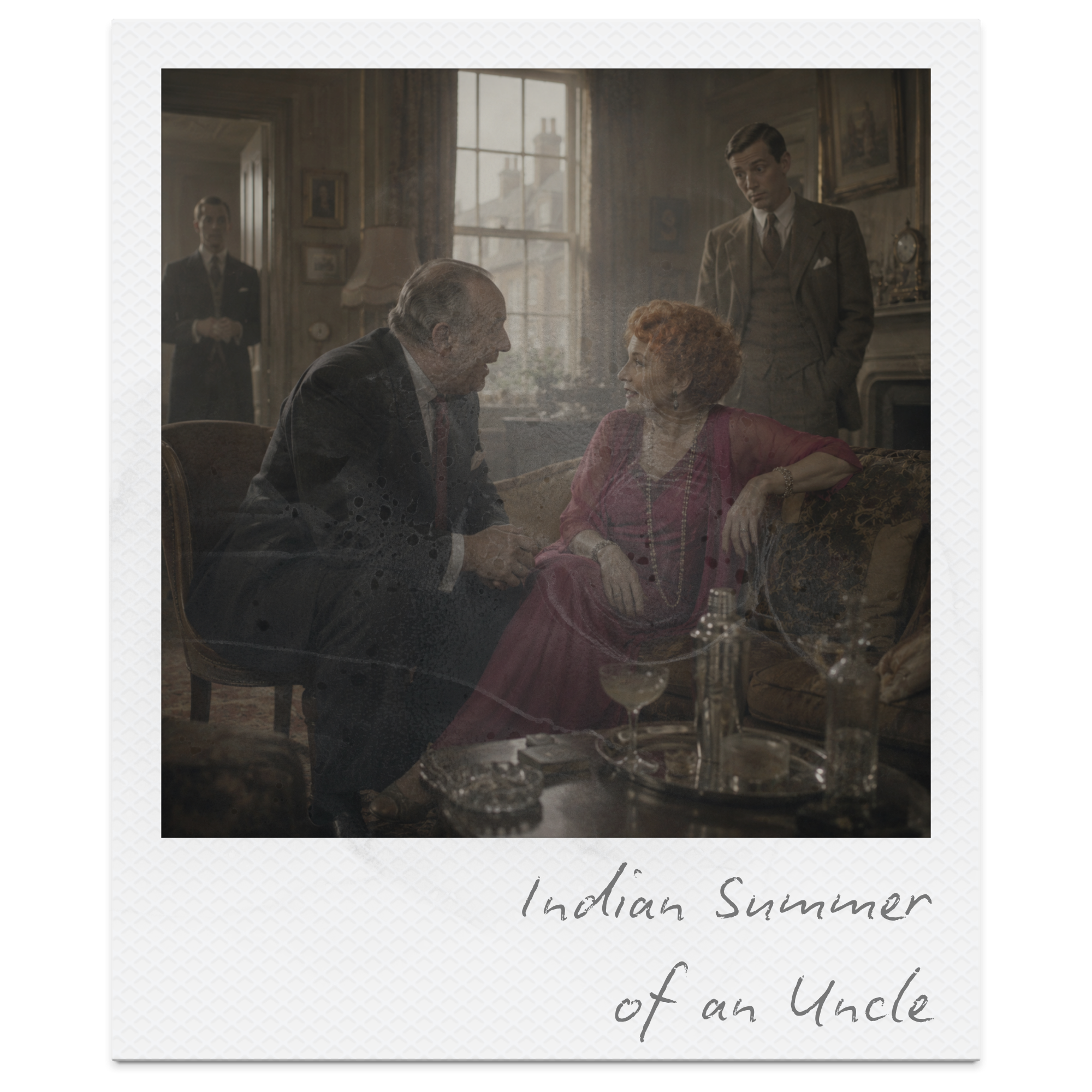
P.G. Wodehouse’s Indian Summer of an Uncle is a comic short story exploring class, marriage, family pressure, romantic misunderstanding, and the absurdities of upper-class society through dramatic irony, exaggerated narration, and sharp social satire. Told through Bertie Wooster’s humorous first-person perspective, the story follows the chaos that erupts when the elderly Uncle George suddenly decides to marry a young waitress, horrifying his aristocratic family and forcing Bertie into a series of increasingly awkward situations. This detailed analysis for CIE IGCSE World Literature (0408) explores the story’s themes, symbolism, structure, narrative voice, and key quotations, while examining how Wodehouse creates humour through comic contrast, misunderstanding, and the gap between appearance and emotional reality. The guide also includes alternative interpretations, exam-ready insights, and classroom-focused teaching ideas designed to support deeper literary analysis and discussion.
George Silverman’s Explanation by Charles Dickens: Summary, Themes & Analysis
George Silverman’s Explanation by Charles Dickens is a powerful Victorian short story exploring poverty, religious hypocrisy, class prejudice, self-sacrifice, and identity through the reflective narration of George Silverman, a deeply lonely and emotionally damaged protagonist. Written as a first-person “explanation,” the story traces George’s journey from a traumatic childhood in poverty to adulthood shaped by shame, misunderstanding, and quiet moral conflict. This analysis explores how Dickens uses narrative voice, structure, symbolism, and social criticism to create emotional impact and expose the psychological effects of neglect, guilt, and social judgement. Ideal for students studying Stories of Ourselves Volume 2 for CIE IGCSE World Literature (0408), this guide includes key themes, quotes, techniques, symbolism, alternative interpretations, and exam-focused insight.
In an Artist’s Studio by Christina Rossetti: Summary, Themes, Symbolism & Analysis
Christina Rossetti’s In an Artist’s Studio explores how artistic representation can transform a real woman into an idealised figure shaped by imagination and desire. This detailed analysis examines how Rossetti uses Petrarchan sonnet form, repetition, symbolism, and imagery to reveal themes of objectification, identity, and the tension between reality and artistic fantasy. The guide includes a clear summary, close analysis of the octave and sestet, key quotes, literary techniques, themes, alternative interpretations, and teaching ideas, making it useful for students, teachers, and readers interested in Victorian poetry and literary analysis.
70 Regency-Era Writing Prompts: Society, Secrets & Scandal
Regency-era stories are shaped by rules rather than spectacle — by who is allowed to speak, what must remain hidden, and how reputation quietly determines fate. Set in ballrooms, drawing rooms, gardens, and carriages, these narratives explore society as a performance, where a single rumour can alter an entire future and silence can carry more weight than truth. This collection of 70 Regency-Era Writing Prompts for Teens invites writers to explore historical storytelling through atmosphere, implication, and consequence. Combining plot hooks, opening and closing lines, character ideas, settings, and visual prompts, the collection offers a structured way to write stories of courtship, secrecy, and scandal — where every glance is observed and every choice is remembered.