70 Regency-Era Writing Prompts: Society, Secrets & Scandal
Regency-era stories are shaped less by battles or magic than by rules — who may speak, who must remain silent, and what happens when reputation becomes a form of power. Set in drawing rooms, ballrooms, gardens, and carriages, these narratives unfold in public spaces where every glance is noticed and every mistake remembered. Beneath the elegance of society lies a world of quiet tension, where love, ambition, and defiance must be carefully disguised.
Regency writing invites teen writers to explore historical storytelling through restraint rather than spectacle. Instead of dramatic confrontations, these stories hinge on implication: a letter intercepted, a dance refused, a rumour whispered too loudly. Drawing on the social structures of the early nineteenth century — class divisions, marriage expectations, inheritance, and gendered power — Regency-era narratives explore identity, choice, and consequence within a tightly controlled world.
This collection of 70 Regency-Era Writing Prompts for Teens is designed as a complete creative toolkit, combining plot hooks, title ideas, opening and closing lines, character concepts, setting prompts, and visual inspiration. The prompts work equally well for creative writing lessons, English classrooms, writing clubs, journaling, or longer historical fiction projects, offering young writers a structured way to explore society, secrets, and scandal with depth, atmosphere, and historical awareness.
If you’d like to explore more historical writing prompts check out the Historical Fiction Writing Hub, or for aesthetic-led collections, or genre-based story ideas, you can browse the full Creative Writing Archive to discover new ways to shape your next piece of writing.
1. Plot Hooks
Regency-era plot hooks often centre on social thresholds — between respectability and disgrace, obedience and defiance, appearance and truth. These prompts draw on the tensions of polite society, using reputation, secrecy, and restraint as narrative engines. Each idea is designed to establish atmosphere quickly while leaving space for interpretation and character development.
Write about a debutante who realises her future depends not on her behaviour, but on a rumour she cannot trace to its source.
Write about a young person whose private correspondence is published anonymously, revealing truths meant to remain hidden.
Write about a character who overhears a conversation at a ball that alters the course of an entire social season.
Write about a household where everyone knows a scandal occurred years ago, but no one agrees on what truly happened.
Write about a secret engagement threatened by a single careless remark made in public.
Write about a character tasked with escorting someone they are not supposed to be seen alone with.
Write about a family whose social standing relies on a carefully maintained lie.
Write about a dance that becomes a test of loyalty rather than romance.
Write about a character who must choose between protecting another’s reputation and saving their own.
Write about a letter intended to ruin someone — and the person who must decide whether to deliver it.
2. Title Ideas
Regency-era story titles often rely on suggestion rather than explanation, hinting at secrecy, reputation, and emotional restraint. These titles draw on the language of society, correspondence, and consequence, making them especially effective for historical fiction and YA writing.
Whispers at the Ball
The Season That Changed Everything
Letters Never Meant to Be Read
A Matter of Reputation
The Cost of Being Seen
Scandal at Dawn
What Was Said Behind Closed Doors
The Dance She Refused
Promises Made in Ink
Society Remembered Everything
3. Opening Lines
Strong Regency-era opening lines establish social tension before plot, allowing atmosphere and voice to guide the reader into the story. These examples model how to begin historical fiction with implication, unease, and emotional restraint rather than exposition.
Everyone smiled at me that evening, which was how I knew something had gone wrong.
I learned the rules of society the night I broke one without realising it.
The letter arrived sealed, unsigned, and already too late.
Nothing about the ballroom felt dangerous until I noticed who was watching.
I was warned not to dance with him, but no one explained why.
Reputation, I discovered, could be lost in a single sentence.
The season had only just begun, and already my name felt different when spoken aloud.
I agreed to the arrangement before I understood what it would cost.
They called it kindness, but it felt far too carefully planned.
The silence that followed my refusal was louder than any scandal.
4. Closing Lines
Regency-era stories rarely end with complete resolution. Instead, they linger on consequence — what society remembers, forgives, or quietly erases. These closing lines model how to end historical fiction with emotional weight and ambiguity rather than neat conclusions.
By morning, society had moved on, though I had not.
The letter was burned, but its truth remained.
Nothing was said aloud, which meant everything had been decided.
I returned home unchanged in appearance, but altered beyond repair.
The season ended, though the consequences did not.
What was lost could not be reclaimed, only endured.
They forgave me publicly, which was not the same as forgiveness.
I understood then that silence was its own kind of punishment.
The dance was forgotten by everyone except me.
Society closed its doors, and I learned what freedom truly meant.
5. Character Ideas
Regency-era characters are shaped by contradiction — between desire and duty, honesty and survival, individuality and expectation. These character ideas encourage writers to explore power, class, and identity within a rigid social framework.
A young woman whose reputation protects others while quietly limiting her own future.
A character responsible for managing a family’s public image, regardless of the truth beneath it.
Someone newly arrived in society who does not yet understand which rules are unforgivable to break.
A social observer who records scandals not for malice, but for protection.
A character engaged for advantage rather than affection, struggling with the consequences of that choice.
A relative whose past disgrace continues to shape the family’s present.
A person known for politeness who uses restraint as a form of power.
A character whose silence is repeatedly mistaken for obedience.
Someone forced into the role of chaperone while harbouring their own secret.
A figure whose absence at social events speaks louder than presence ever could.
6. Setting Ideas
Regency-era settings are defined by visibility — places where behaviour is observed, judged, and remembered. These locations are designed to function as active forces within the story rather than passive backdrops.
A ballroom where social alliances shift with each dance.
A country estate hosting guests whose presence threatens long-held secrets.
A public garden used for private conversations disguised as chance encounters.
A carriage journey that becomes the only safe space for honesty.
An assembly room where one person’s absence changes the mood entirely.
A family home where visitors are carefully managed to preserve appearances.
A theatre box that offers both concealment and exposure.
A country walk used to negotiate terms that cannot be spoken indoors.
A breakfast table where yesterday’s scandal is politely ignored.
A seaside resort where society’s rules loosen — but never disappear.
7. Picture Prompts
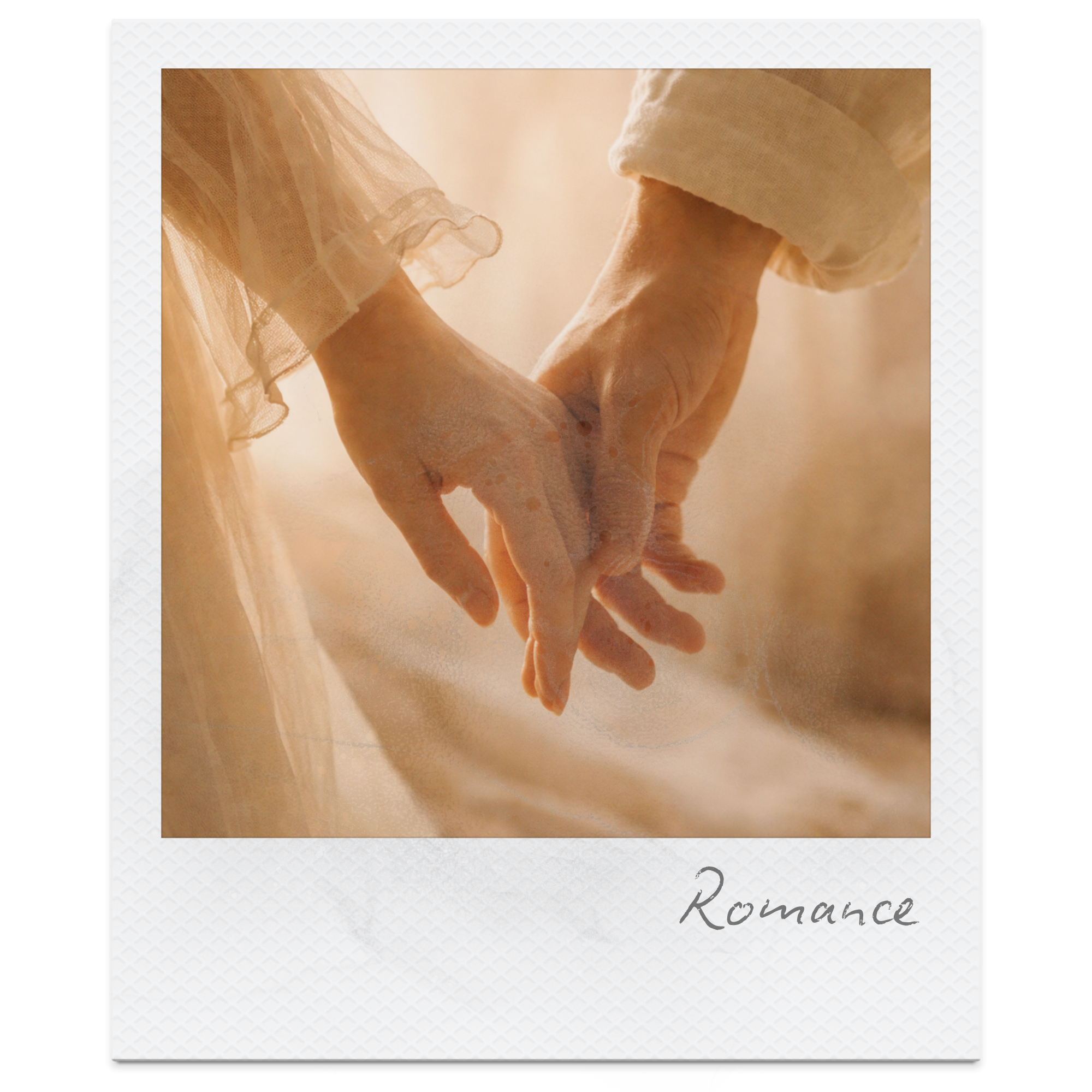
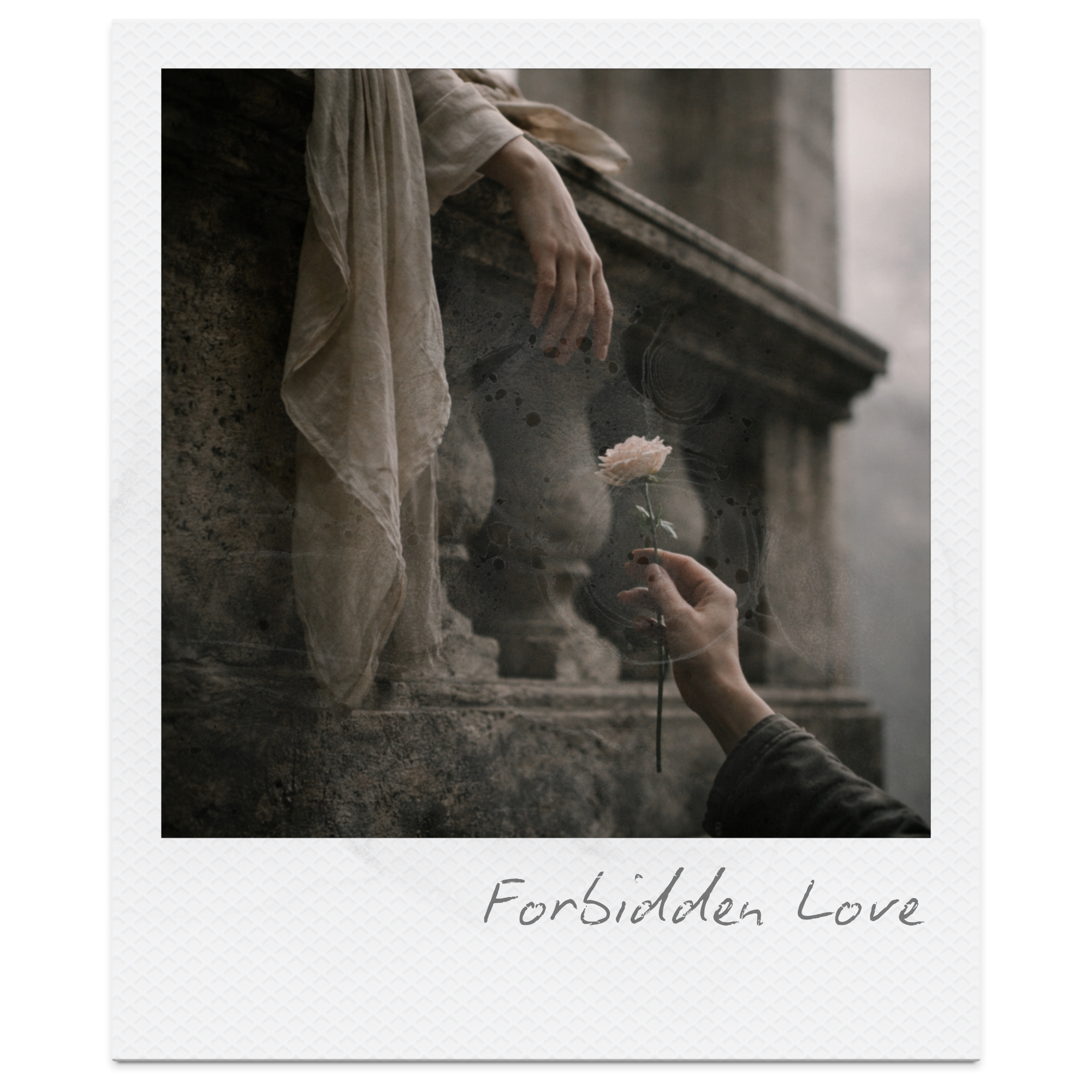
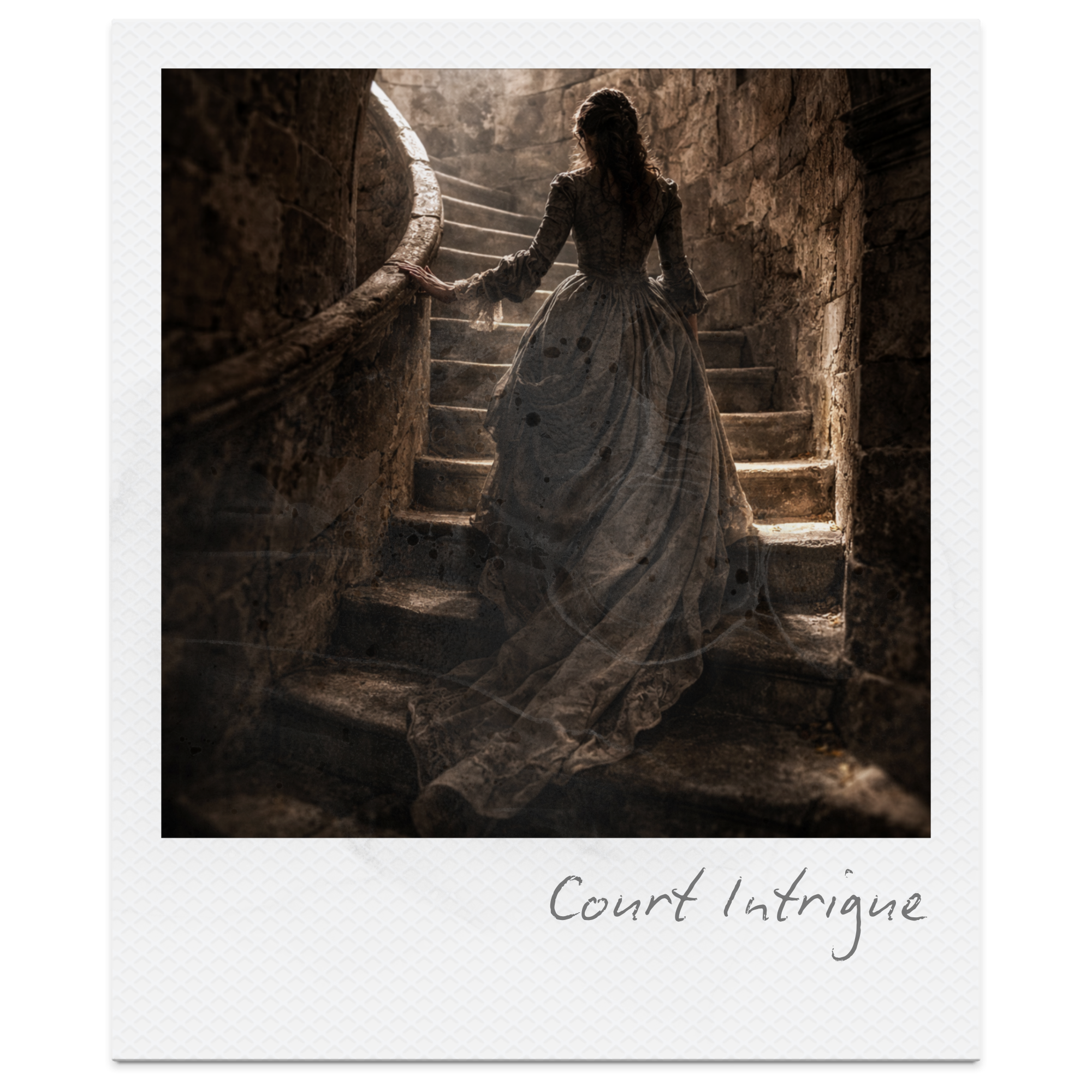
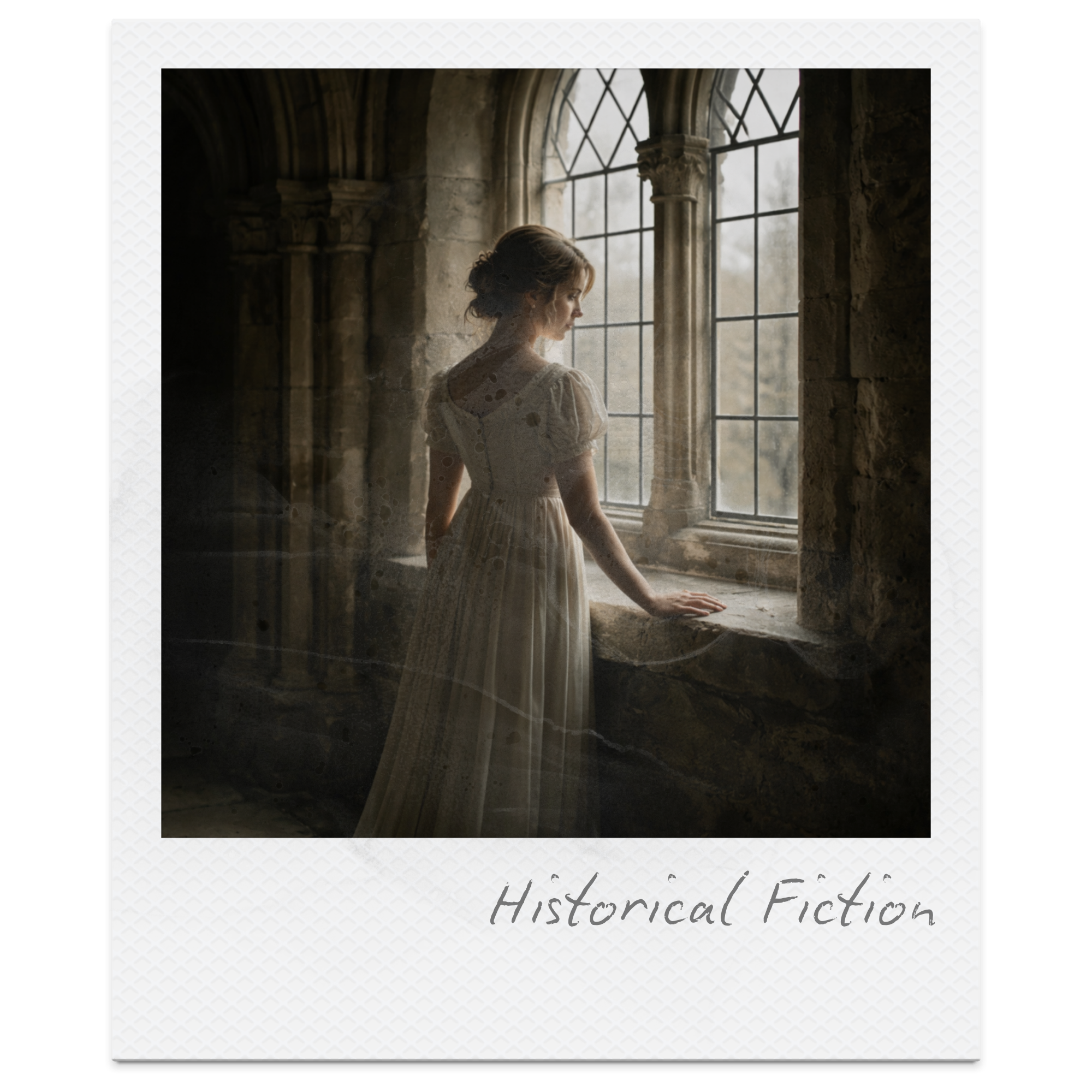
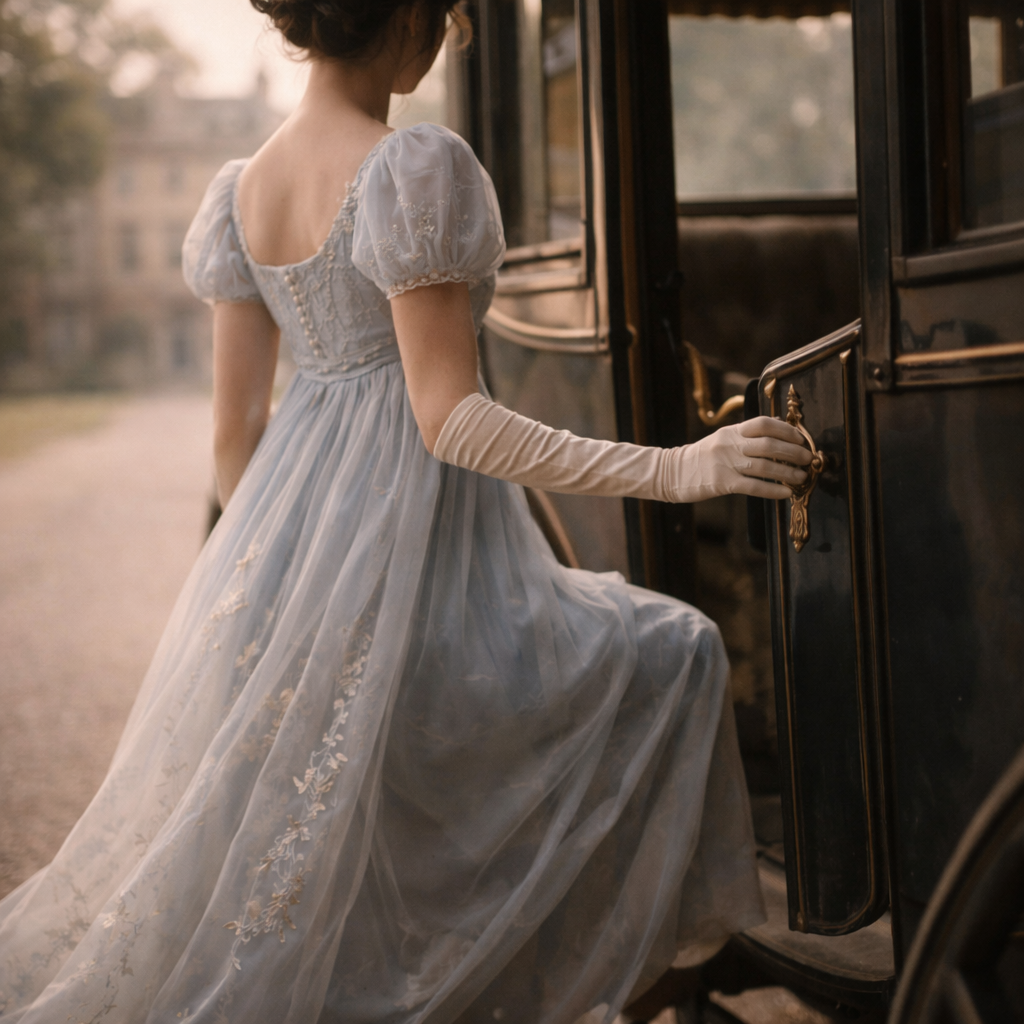
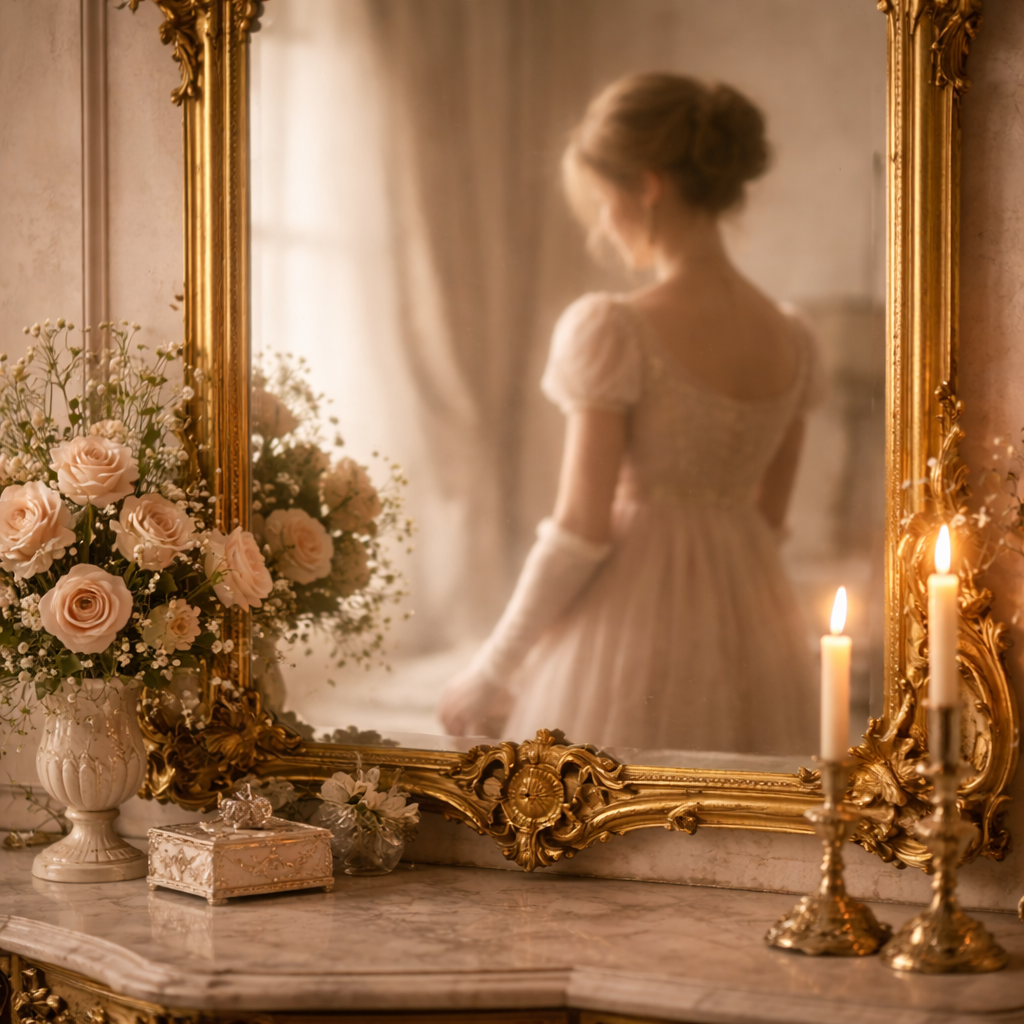
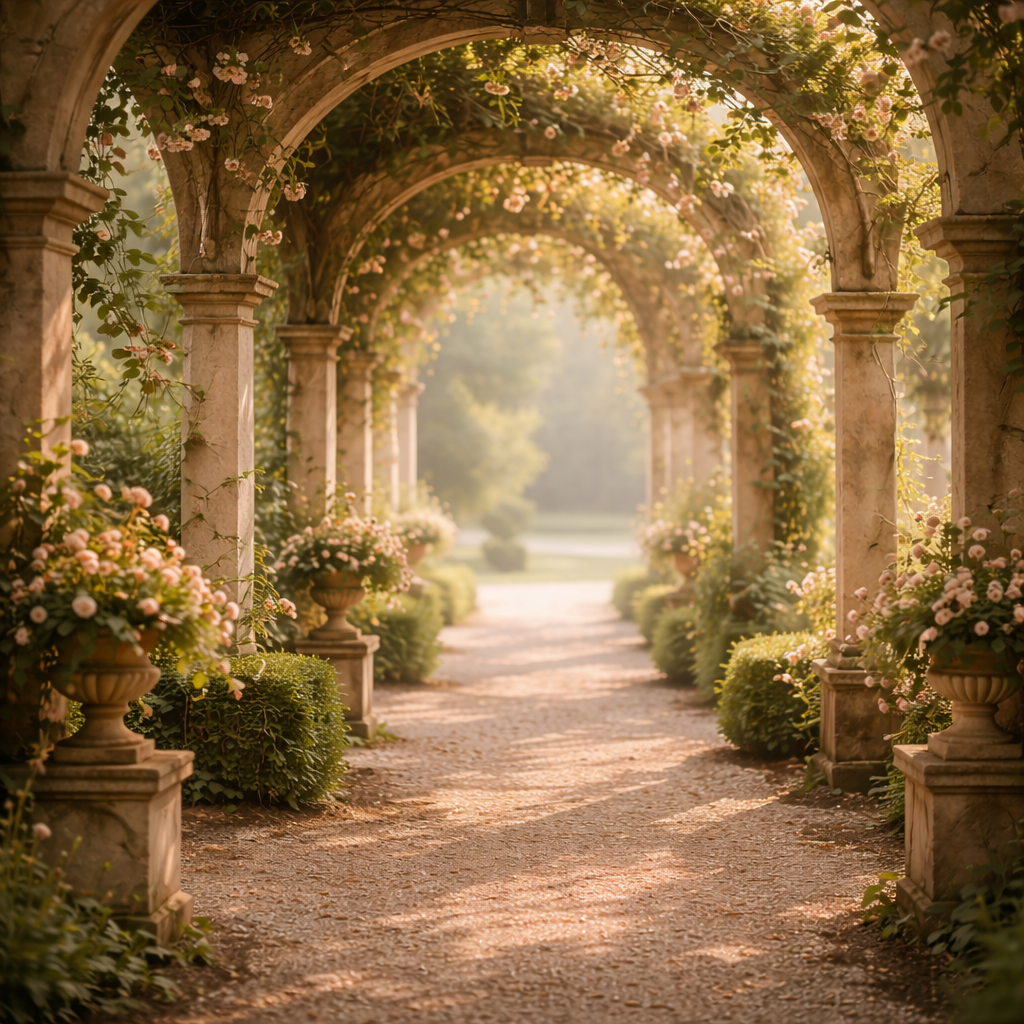
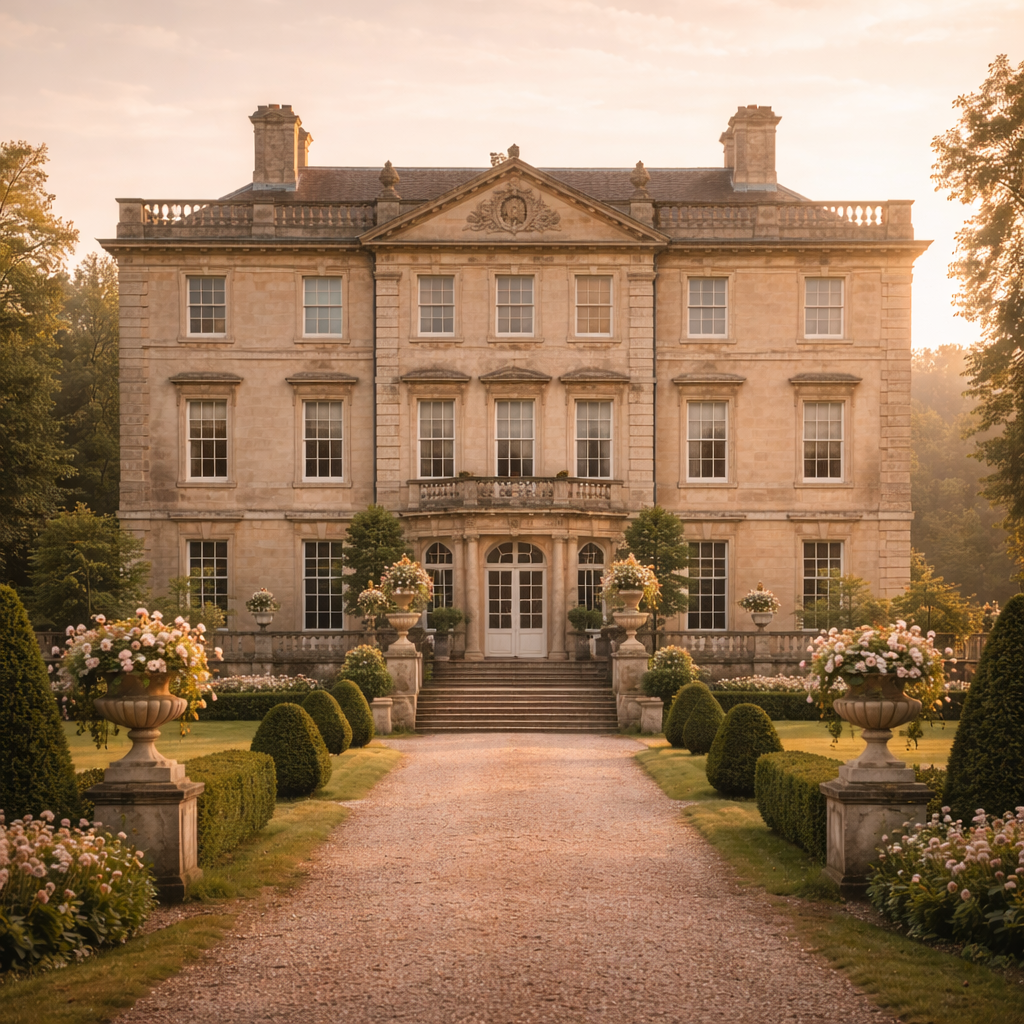
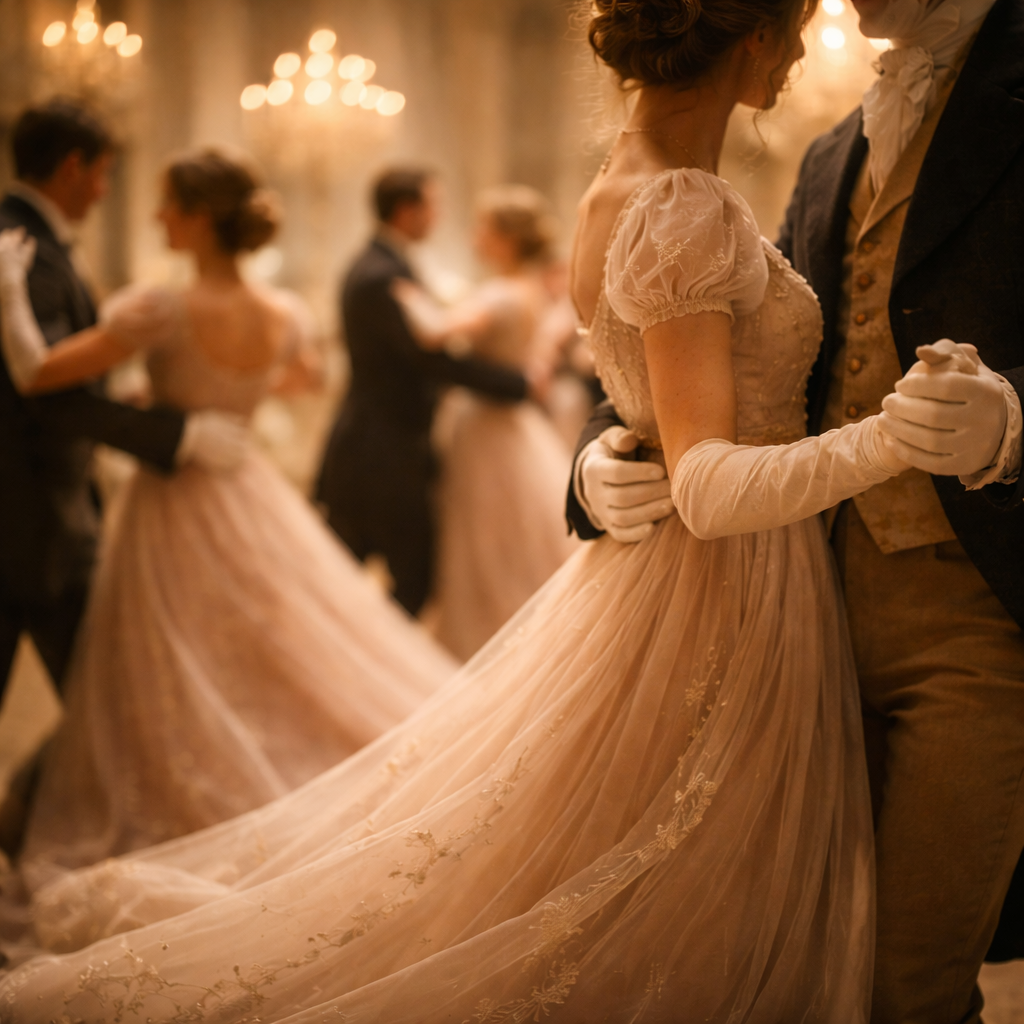
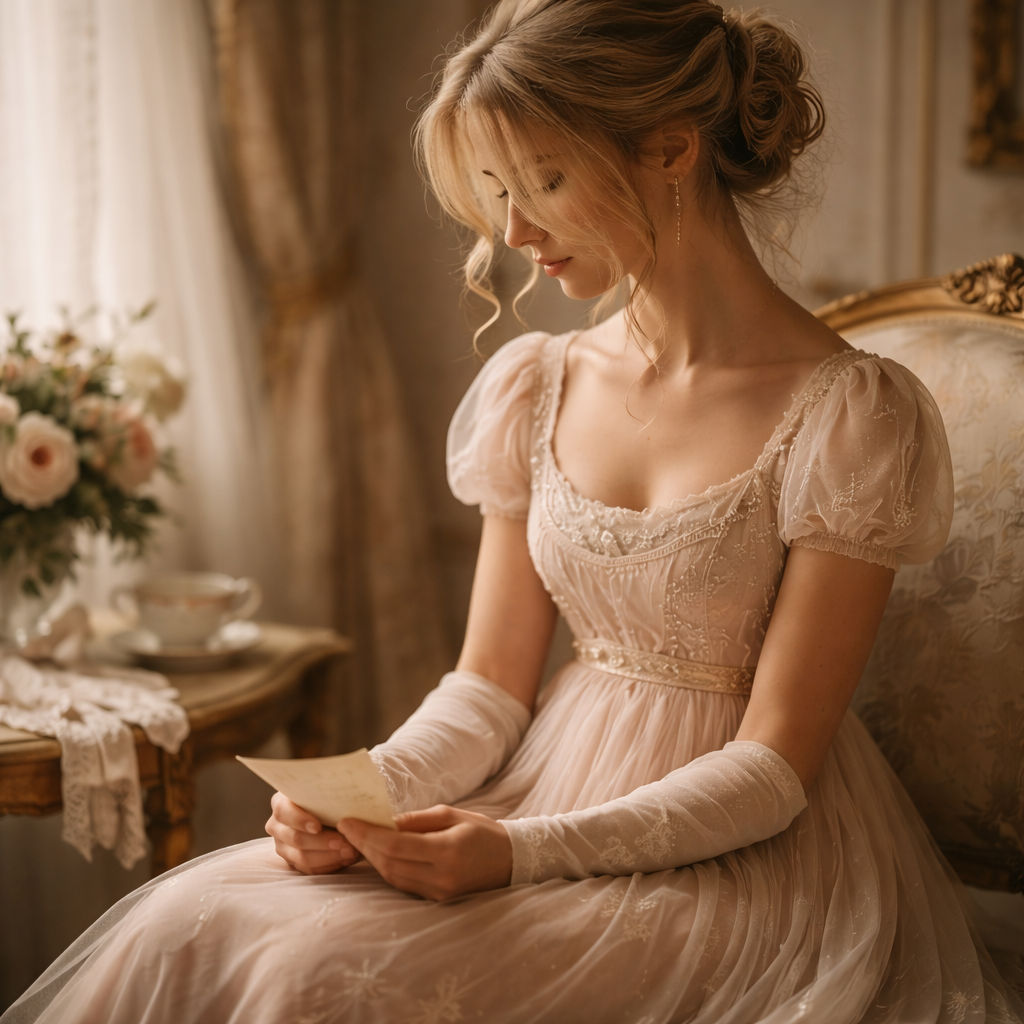
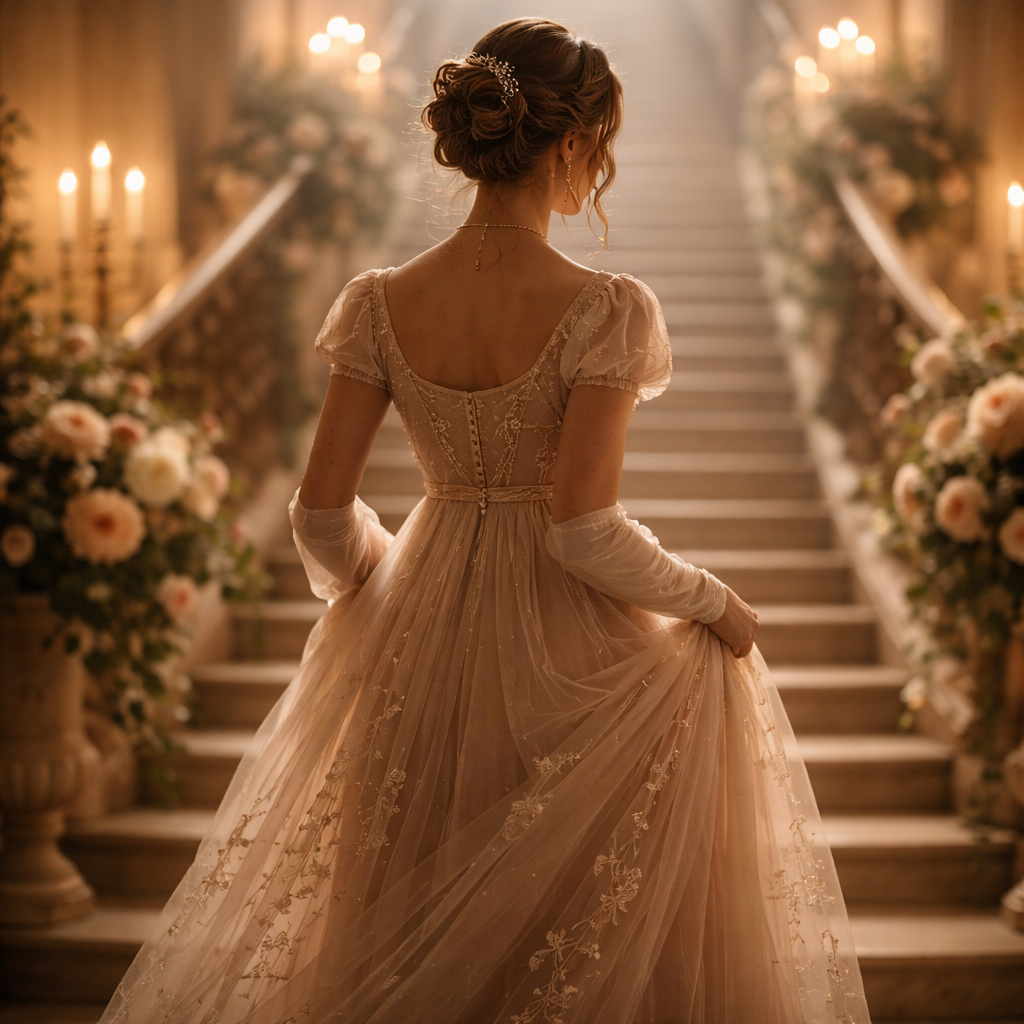
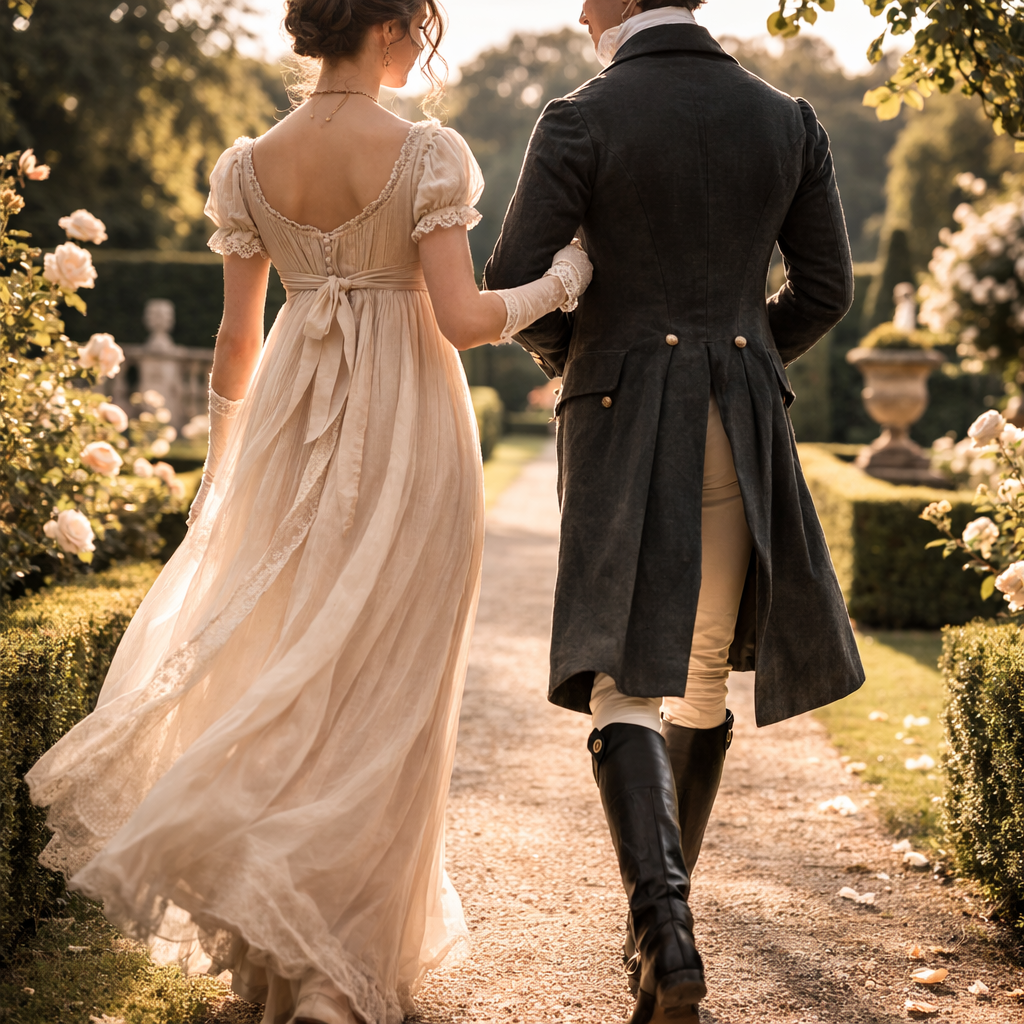
Visual prompts are especially effective for Regency-era writing, where gesture, space, and implication often carry more meaning than dialogue. These images are designed to suggest narrative rather than define it, allowing writers to interpret emotion, power, and consequence through setting and detail.
Each picture prompt reflects the aesthetics of the Regency period — candlelight, letters, gloves, mirrors, ballrooms, and gardens — encouraging writers to consider what is being concealed as much as what is visible. The visuals work well as story starters, mood anchors, or setting inspiration for short fiction and longer historical projects.
Writers might ask what has just occurred beyond the frame, whose reputation is at stake, or what choice must follow the moment captured.


Go Deeper into Regency-Era Writing
To move beyond surface-level historical detail, encourage writers to focus on implication, restraint, and consequence rather than dramatic action.
◆ Rewrite a prompt by removing direct dialogue and allowing meaning to emerge through gesture, setting, or silence.
◆ Experiment with reputation as an invisible force. Write a scene where nothing overtly wrong occurs, yet everything changes.
◆ Lower the stakes of physical action and raise the emotional stakes by focusing on what cannot be said publicly.
◆ Write the same scene twice: once as it appears to society, and once as it is experienced privately by the character.
Final Thoughts
Regency-era stories endure because they explore power within limitation. Shaped by social rules, expectation, and observation, these narratives reveal how identity is negotiated quietly — through choice, silence, and consequence rather than spectacle.
These 70 Regency-Era Writing Prompts for Teens are designed to help young writers practise atmosphere-driven historical storytelling, develop character through restraint, and explore how society shapes behaviour and belief. Whether used for creative warm-ups, classroom writing, or longer historical fiction projects, the prompts encourage thoughtful storytelling grounded in implication, emotion, and historical awareness.
If you’d like to continue exploring historical writing prompts for teens, genre-based collections, or aesthetic-led story ideas, you can browse the Creative Writing Archive to discover new prompts and creative pathways.
Choose Your Next Adventure