Notes from the Inkpot
Writing, teaching, creating - one ink-stained idea at a time.

70 Creative Writing Prompts Inspired by Romeo and Juliet: Plot Hooks, Opening Lines, Characters & Visual Ideas
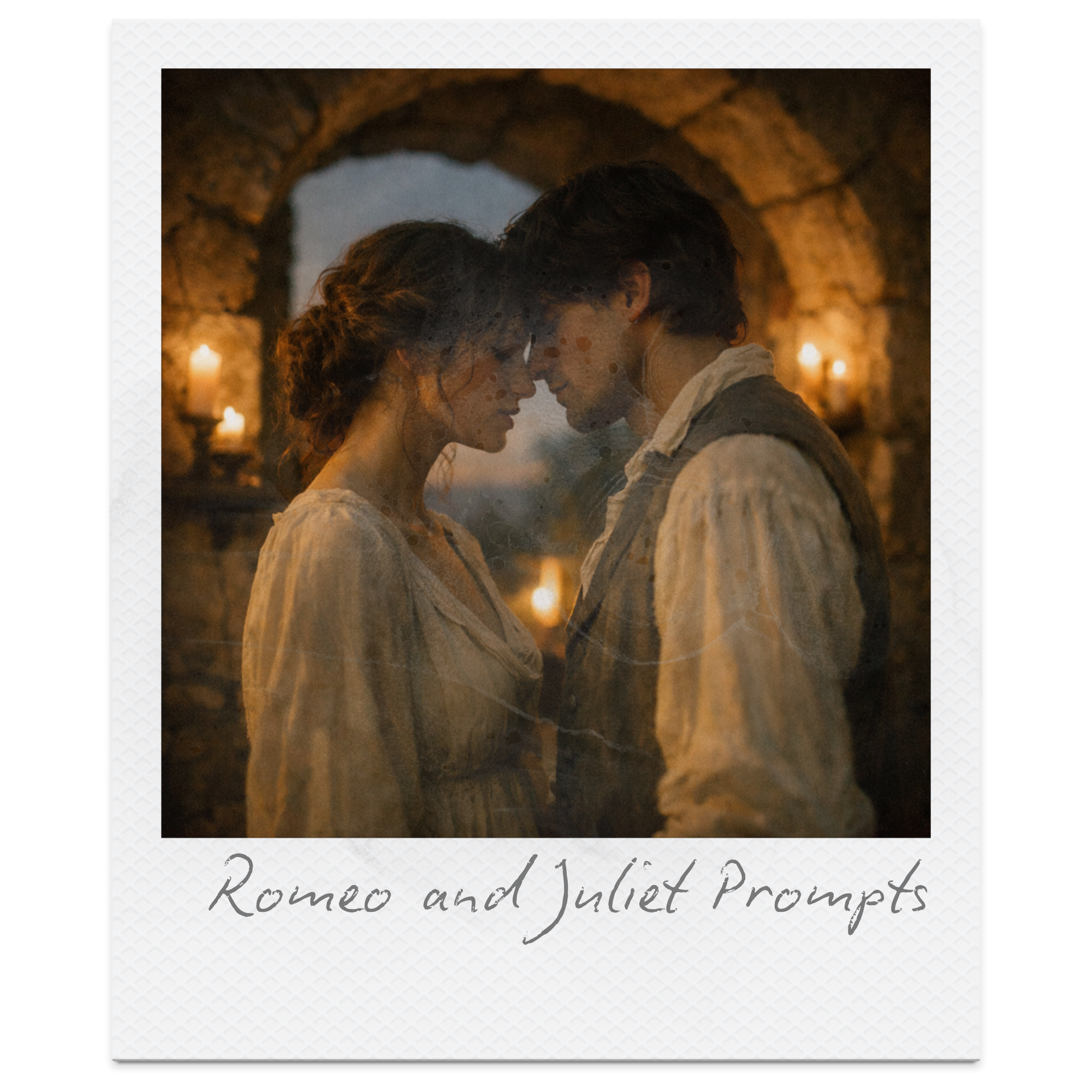
William Shakespeare’s Romeo and Juliet is more than a tragic love story — it is a play shaped by forbidden love, secrecy, and the dangerous speed of youthful decision-making. This collection of creative writing prompts inspired by Romeo and Juliet invites teen writers to explore impulsiveness, family conflict, and choice under pressure through original fiction and poetry, rather than retelling the plot. Designed for classroom use, writing clubs, and independent practice, these Romeo and Juliet–inspired writing prompts focus on atmosphere, voice, and moral tension. By working with character-driven ideas rooted in secrecy, loyalty, and consequence, students can engage with Shakespeare’s themes in a way that feels creative, accessible, and deeply connected to the play.
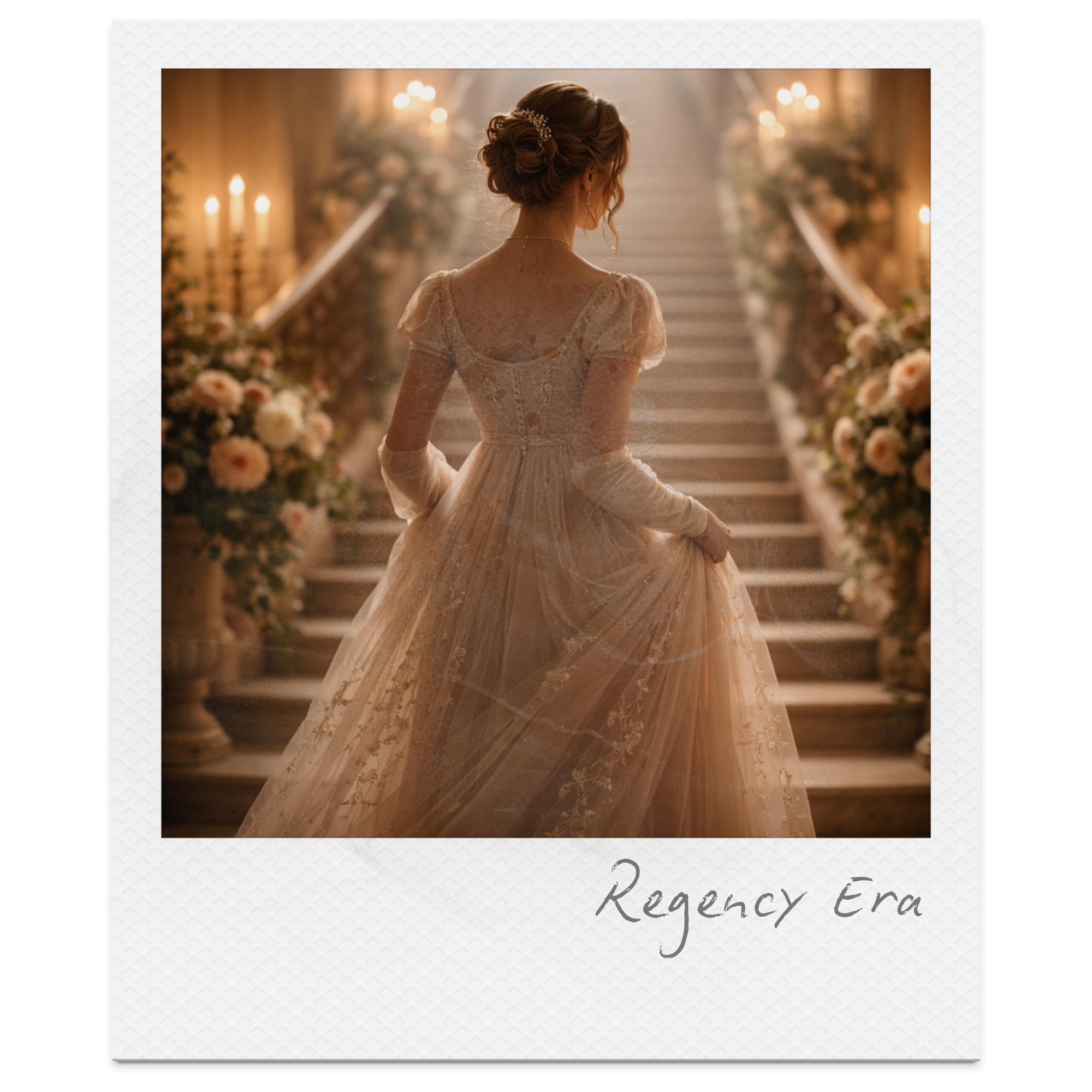
70 Regency-Era Writing Prompts: Society, Secrets & Scandal
Regency-era stories are shaped by rules rather than spectacle — by who is allowed to speak, what must remain hidden, and how reputation quietly determines fate. Set in ballrooms, drawing rooms, gardens, and carriages, these narratives explore society as a performance, where a single rumour can alter an entire future and silence can carry more weight than truth. This collection of 70 Regency-Era Writing Prompts for Teens invites writers to explore historical storytelling through atmosphere, implication, and consequence. Combining plot hooks, opening and closing lines, character ideas, settings, and visual prompts, the collection offers a structured way to write stories of courtship, secrecy, and scandal — where every glance is observed and every choice is remembered.
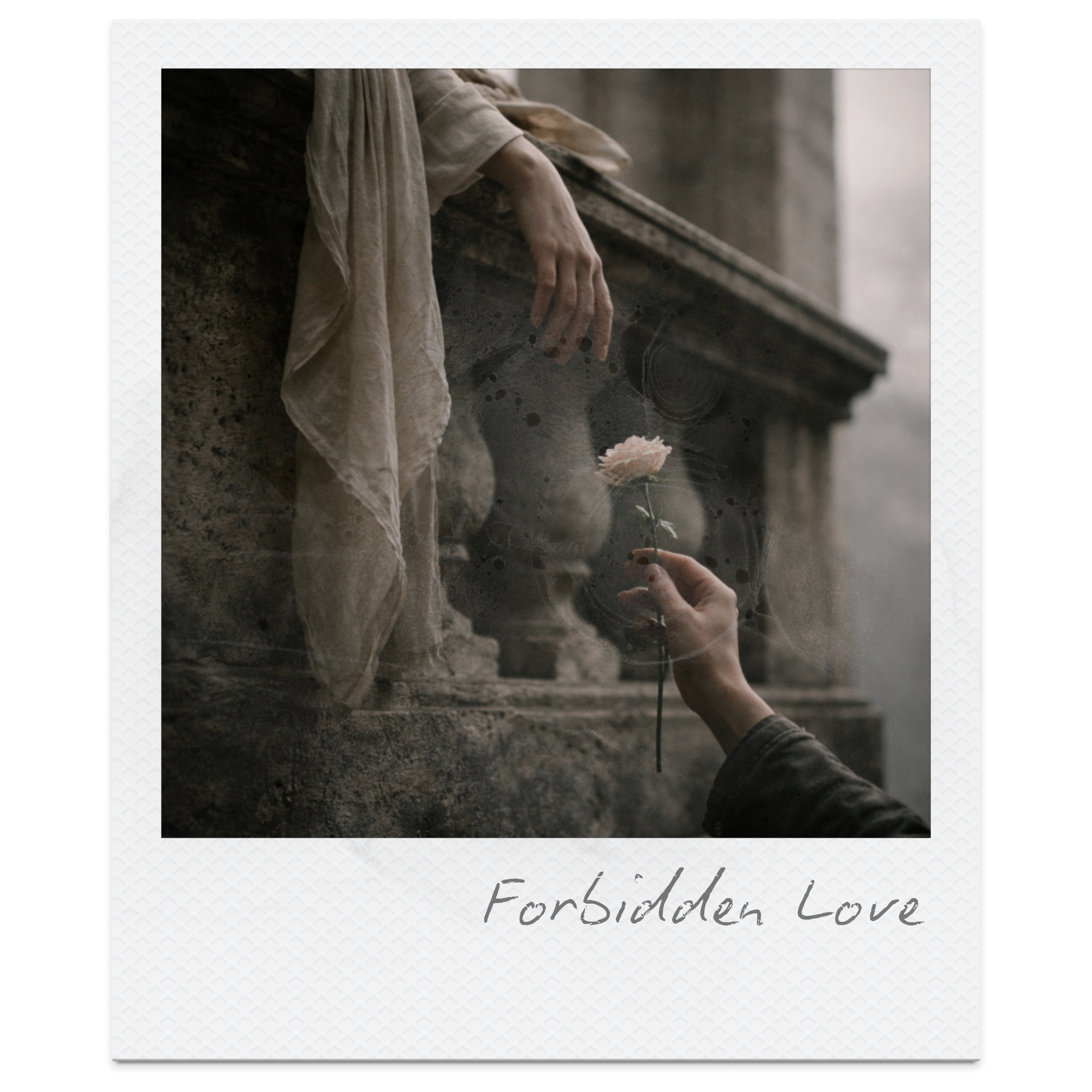
70 Forbidden Love Writing Prompts for Teens: Secret Relationships, Impossible Choices & Hidden Desire
Forbidden love stories explore what happens when desire collides with rules, expectations, or loyalty. Found throughout myth, folklore, and classic literature, this trope focuses less on romance itself and more on tension, secrecy, and consequence. Whether love is forbidden by family, duty, social boundaries, or unspoken rules, these narratives are shaped by restraint — what cannot be said, shown, or chosen without cost. This collection of 70 Forbidden Love Writing Prompts for Teens offers a structured set of story starters designed for classroom use, creative writing lessons, and independent writing. Combining plot hooks, opening and closing lines, character ideas, settings, and visual prompts, the collection encourages students to explore emotionally complex storytelling while remaining appropriate, thoughtful, and grounded in literary tradition.
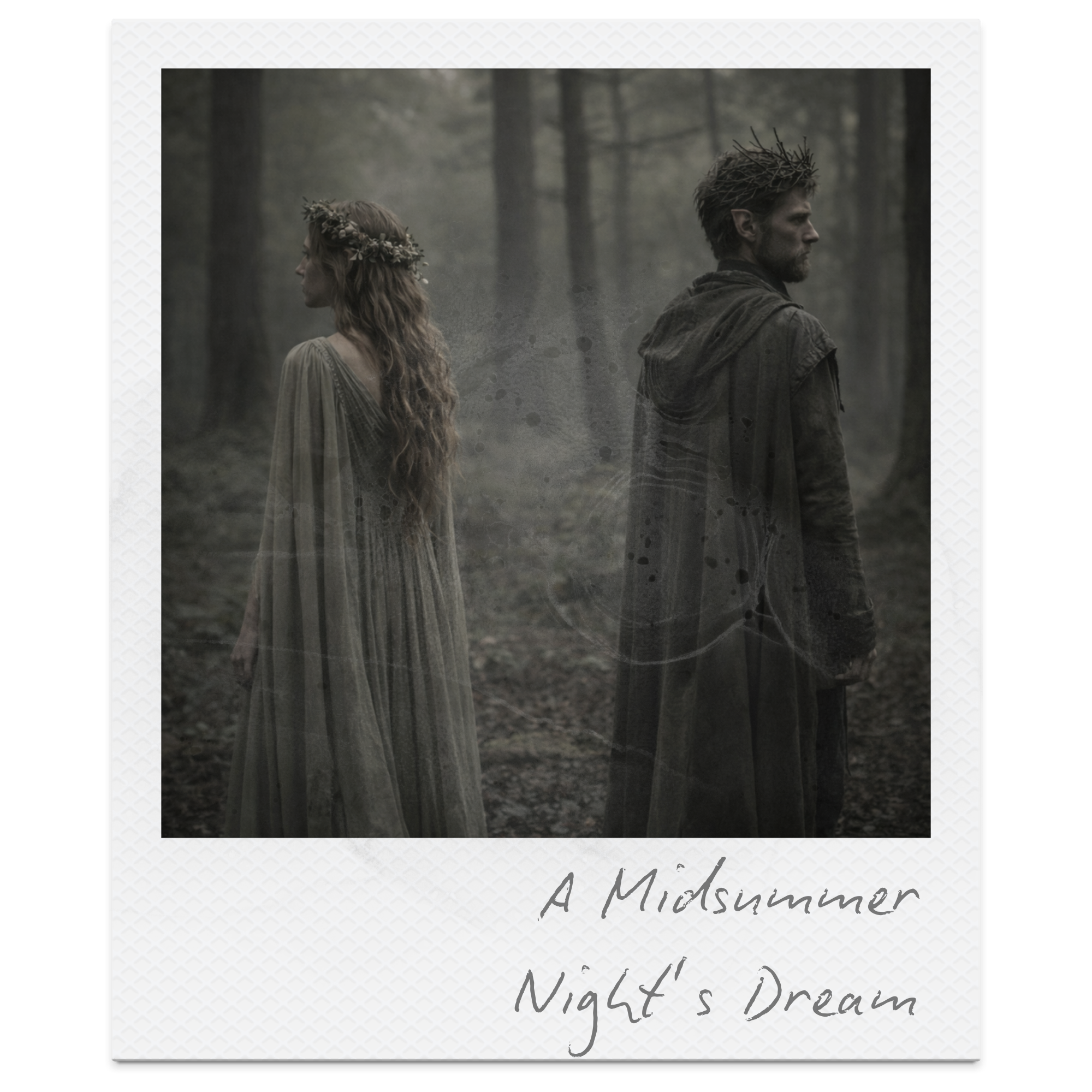
A Midsummer Night’s Dream: Overview, Context, Key Ideas & Teaching Approaches
A Midsummer Night’s Dream is often taught as one of William Shakespeare’s lightest comedies, yet beneath its enchantment and humour lies a complex exploration of power, desire, authority, and social control. Set between the rigid law of Athens and the destabilising freedom of the forest, the play uses comedy, magic, and mistaken identity to expose how easily order can fracture — and how carefully it must be restored. This context-led overview explores A Midsummer Night’s Dream through historical background, genre, and key ideas, before considering effective ways to teach the play through discussion, performance, and creative writing. Rather than offering close analysis of individual scenes, it provides a framework for understanding how the play operates as a whole, and why it continues to reward reinterpretation, classroom debate, and creative response.