70 Forbidden Love Writing Prompts for Teens: Secret Relationships, Impossible Choices & Hidden Desire
Forbidden love stories have existed for as long as stories themselves. Found in myth, folklore, classical tragedy, and literature across cultures, these narratives explore relationships that defy rules, expectations, or power structures. Whether restricted by family, law, social class, loyalty, or circumstance, forbidden love stories are shaped by tension — not simply between two people, but between desire and consequence.
Forbidden love writing prompts invite teen writers to explore emotion under pressure. Rather than focusing solely on romance, these stories examine secrecy, risk, restraint, and moral conflict. Love becomes dangerous not because it is dramatic, but because it is not allowed — forcing characters to weigh truth against safety, loyalty against longing, and silence against loss.
This collection of 70 Forbidden Love Writing Prompts for Teens is designed as a complete creative toolkit, combining plot hooks, title ideas, opening and closing lines, character concepts, setting prompts, and cinematic visual ideas. The prompts work well for creative writing lessons, English classrooms, writing clubs, journaling, or longer YA projects, offering young writers a structured way to explore one of literature’s most enduring tropes with emotional depth and restraint.
If you’re looking for more inspiration, you can explore the Fairytale and Folklore Writing Prompts Hub or the Romance Writing Hub, or browse the Creative Writing Archive for a wider range of atmospheric and genre-based ideas.
1. Plot Hooks
Forbidden love plot hooks often centre on boundaries — rules that exist for a reason, and the quiet damage caused when those rules are crossed. These stories focus less on rebellion and more on tension, secrecy, and consequence. Each prompt below is designed to establish emotional stakes while leaving space for interpretation, making them ideal for classroom-appropriate writing prompts that prioritise depth over drama.
Write about two characters whose relationship must remain secret because of a promise made long before they met.
Write about a love that is forbidden not by law, but by loyalty.
Write about a character who realises too late that protecting someone means letting them go.
Write about a relationship that can only exist in one place — and what happens when that place is taken away.
Write about two people on opposite sides of a long-standing feud who are expected to despise each other.
Write about a love kept hidden through letters that are never meant to be sent.
Write about a relationship that is allowed publicly, but forbidden privately.
Write about a character forced to choose between love and responsibility.
Write about a secret that is safe only as long as no one speaks it aloud.
Write about a love that survives through silence rather than confession.
2. Title Ideas
Forbidden love story titles often suggest absence, distance, or secrecy rather than openly naming romance. These titles draw on implication and restraint, making them particularly effective for YA fiction, short stories, and literary-leaning narratives.
What Could Not Be Said
The Space Between Us
A Love Kept Quiet
Promises We Couldn’t Keep
What We Hid
Between Duty and Desire
The Cost of Staying Silent
Love Without Witness
Where We Were Never Meant to Meet
The Truth We Never Claimed
3. Opening Lines
Strong forbidden love opening lines establish emotional tension immediately, often placing the reader after a choice has already been made. Rather than explaining the situation outright, these openings rely on voice, restraint, and implication — modelling how to begin emotionally complex stories without exposition.
We learned early which rooms we were not meant to stand in together.
Loving them was easy; hiding it was not.
No one ever said we weren’t allowed — they simply made it impossible.
The first rule was silence.
I knew the moment I saw them that wanting would be dangerous.
We never touched in public, but everything else betrayed us.
It wasn’t the love that frightened me — it was what it would cost.
Some feelings are forbidden because they change too much.
We became careful before we became honest.
There are rules you follow without ever being told.
4. Closing Lines
Forbidden love stories rarely end with neat resolution. Drawing on loss, restraint, and consequence, these closing lines suggest aftermath rather than certainty. For teen writers, they model how to conclude emotionally driven narratives with subtlety rather than spectacle.
We did not end, but we could not continue.
Nothing had changed — except everything.
I kept the secret, even after it no longer mattered.
What we lost could never be measured.
Loving them taught me the shape of restraint.
We survived, but not together.
The silence remained, long after the choice was made.
Some endings are made of absence.
I learned that love does not always mean staying.
What we were was never allowed to exist for long.
5. Character Ideas
Forbidden love characters are often defined by internal conflict — between desire and duty, honesty and protection. These character prompts encourage emotionally driven storytelling rooted in choice rather than melodrama.
A character bound by a promise that makes love dangerous.
Someone expected to enforce the rule they are breaking.
A person whose role makes intimacy inappropriate.
A character who hides their feelings behind obedience.
Someone taught that love is a weakness.
A character whose loyalty is constantly tested.
A person who believes love must be earned through sacrifice.
Someone who chooses silence over confession.
A character caught between expectation and identity.
A person who realises too late that love requires courage.
6. Setting Ideas
Forbidden love settings often function as constraints, shaping what characters can and cannot do. These locations create tension through proximity, surveillance, and limited privacy, making setting an active force in the story.
A household divided by unspoken rules.
A place where everyone knows everyone else’s business.
A setting where privacy is impossible.
A space only safe at certain times.
A location tied to duty rather than choice.
A shared place that becomes dangerous once discovered.
A setting built around tradition.
A place where love must be hidden in plain sight.
A location that once offered safety and no longer does.
A space defined by separation rather than connection.
7. Picture Prompts
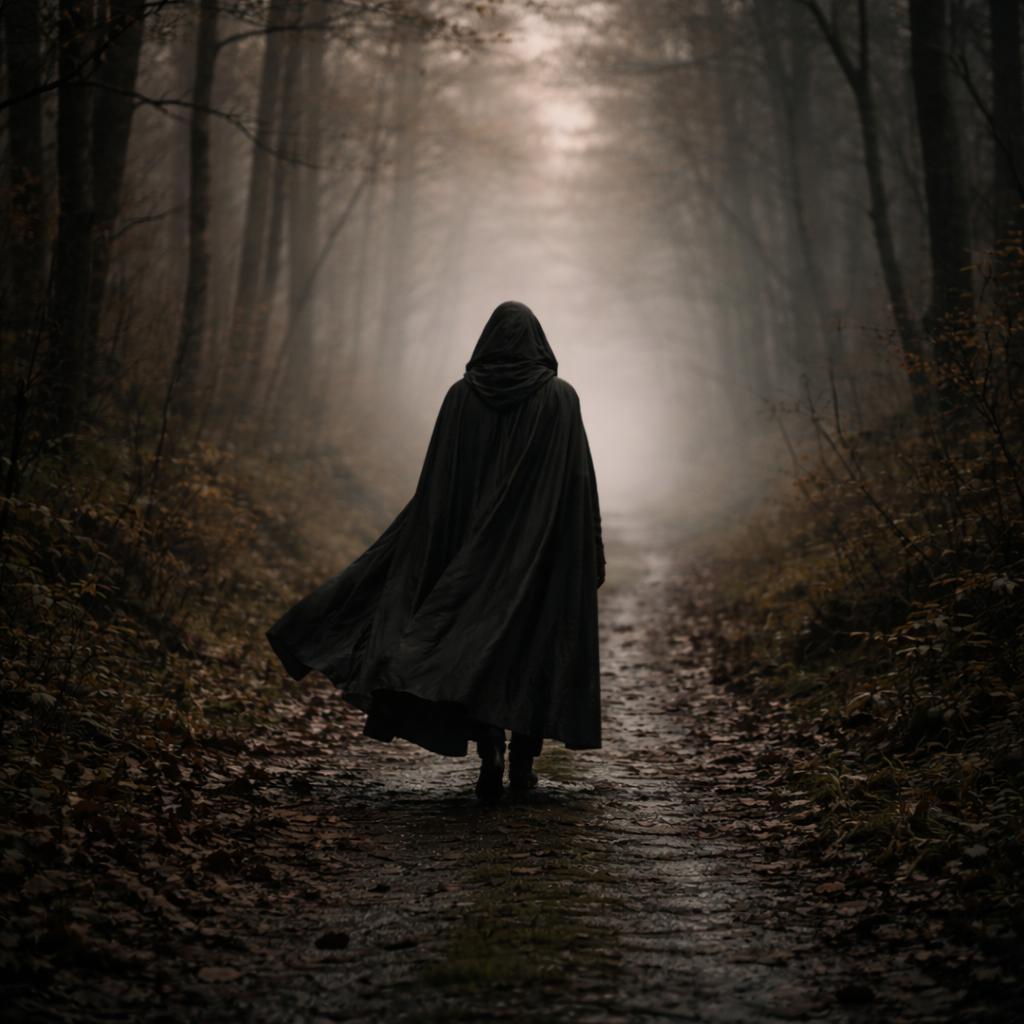
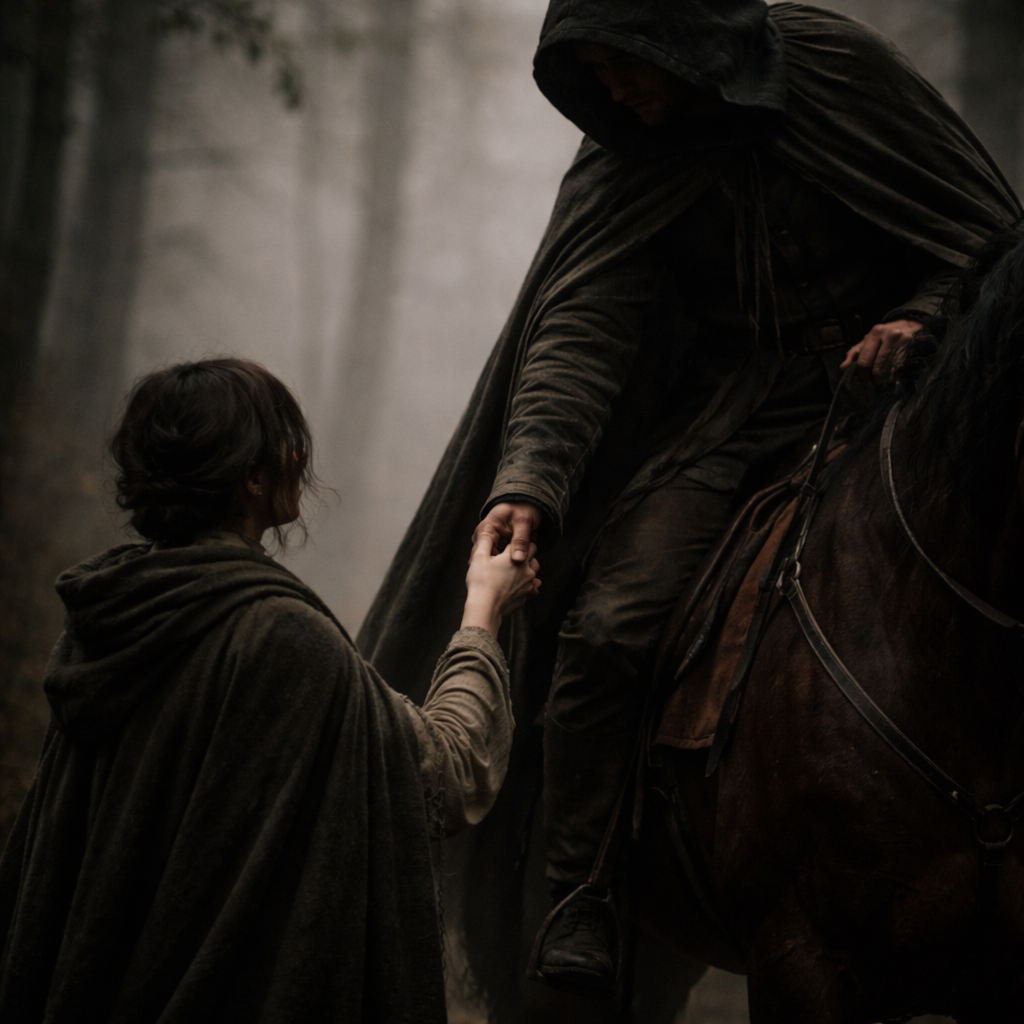
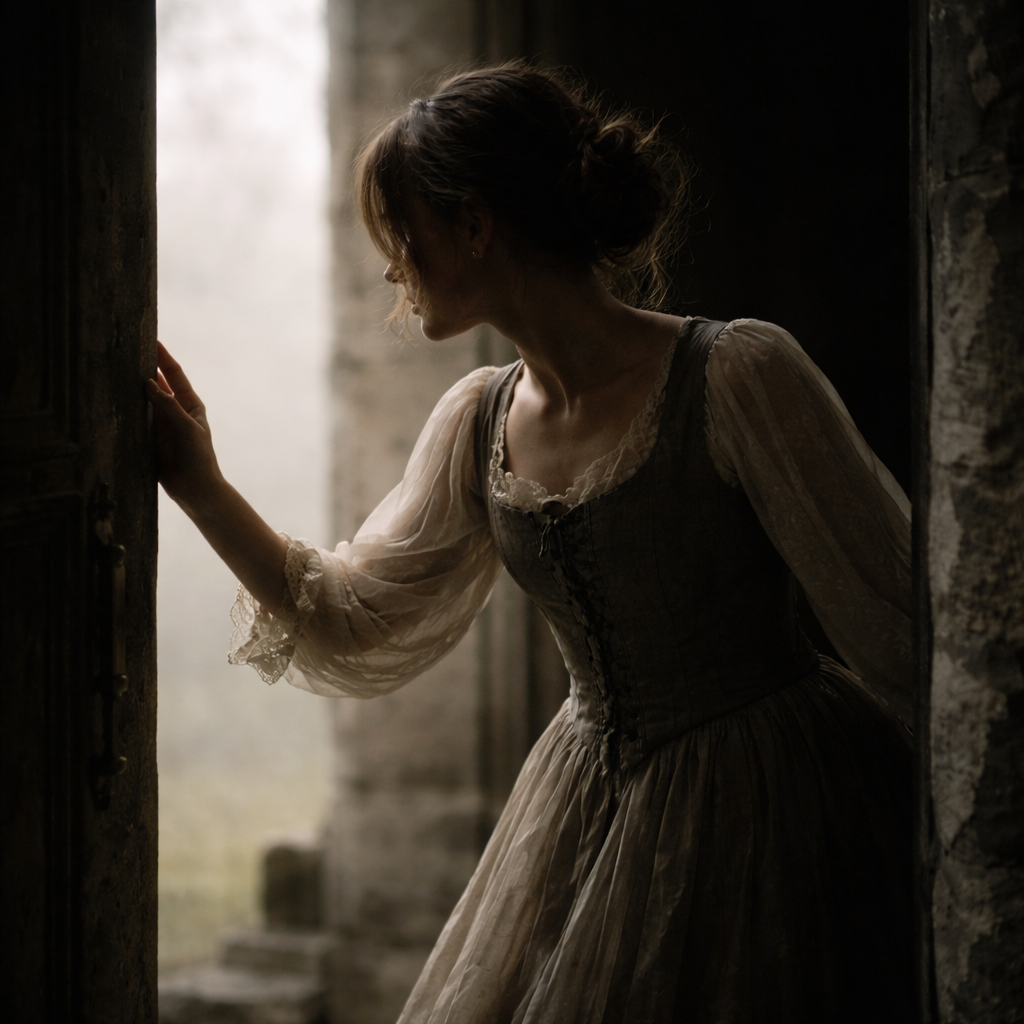
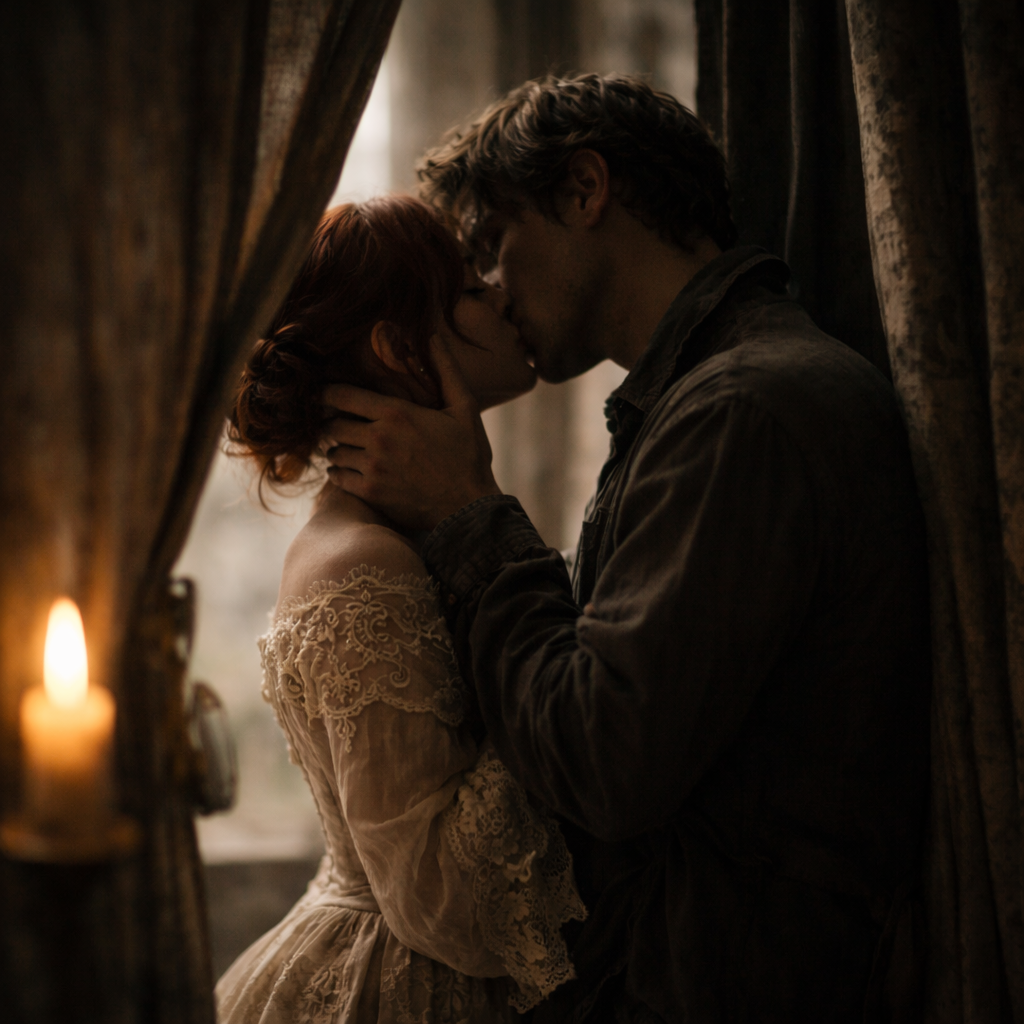
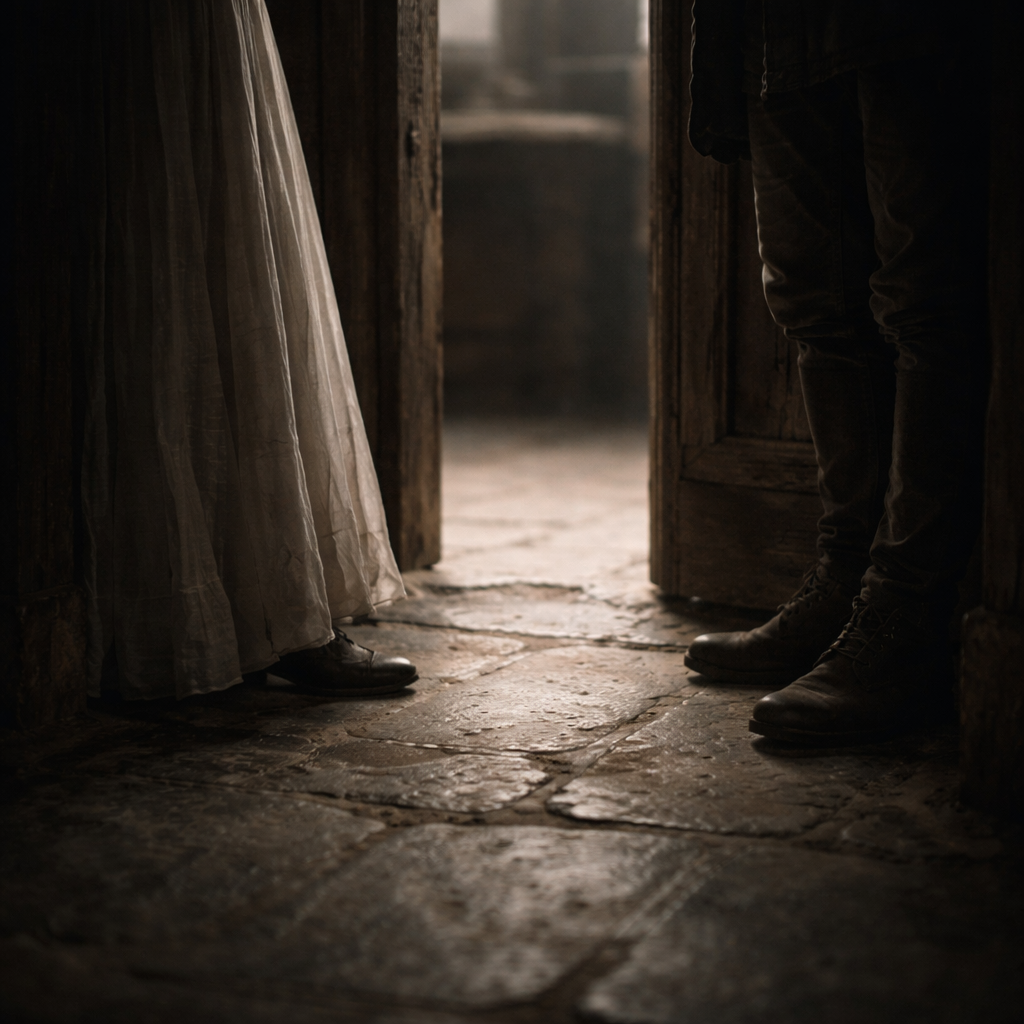
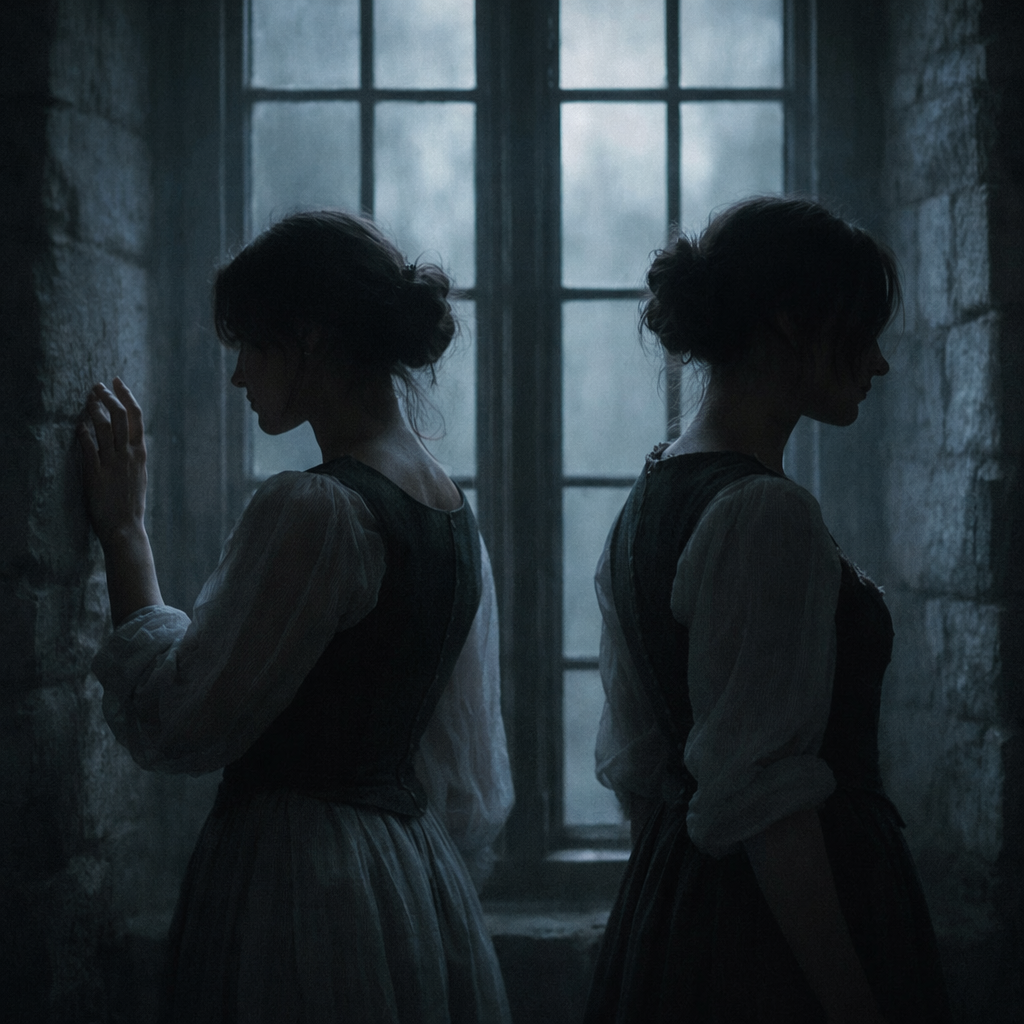
Visual prompts are especially powerful for forbidden love stories, where gesture, distance, and atmosphere often carry more meaning than dialogue. These images are designed to suggest emotional tension without defining the relationship, allowing writers to interpret connection, restraint, and risk.
Each image should focus on implication rather than action — hands that almost touch, doors left closed, figures separated by light or shadow. Rather than illustrating romance directly, the visuals encourage writers to explore what cannot be shown, said, or acknowledged.
Used alongside the prompts above, these picture ideas support classroom-appropriate forbidden love writing prompts that prioritise emotion, restraint, and interpretive thinking.




Go Deeper into Forbidden Love Writing
To develop forbidden love stories beyond surface-level romance, encourage writers to focus on choice and consequence rather than attraction.
◆ Rewrite a prompt by removing physical contact entirely and letting tension build through silence or distance.
◆ Focus on a single rule that cannot be broken, and explore how characters navigate around it.
◆ Lower the external stakes and raise the emotional ones. Instead of discovery or punishment, focus on what the characters lose internally.
◆ Write the same scene twice: once before the love is acknowledged, and once after it is denied.
Final Thoughts
Forbidden love endures as a literary trope because it reflects the tension between personal desire and social expectation. These stories are not about rebellion alone, but about restraint, loyalty, and the quiet costs of choosing one path over another.
These 70 Forbidden Love Writing Prompts for Teens are designed to help young writers practise emotionally driven storytelling, develop complex character relationships, and explore one of literature’s most powerful themes in a way that is appropriate for classrooms and independent writing alike. Whether used for short writing tasks, creative lessons, or longer YA projects, the prompts encourage thoughtful exploration of love shaped by limits rather than freedom.
If you’re looking for more inspiration, you can explore the Fairytale and Folklore Writing Prompts Hub, the Romance Writing Hub, or browse the Creative Writing Archive for a wider range of atmospheric and genre-based ideas.
Choose Your Next Adventure