70 Court Intrigue Writing Prompts for Teens: Political Secrets, Power Struggles, Betrayal & Royal Schemes
Court intrigue stories have existed for centuries, long before they became fantasy tropes or historical drama conventions. Rooted in royal courts, noble houses, imperial councils, and ceremonial power structures, these stories explore ambition, secrecy, loyalty, and moral compromise. They unfold in spaces where reputation is currency, silence is strategy, and survival depends on being seen — but never too clearly.
Court intrigue writing prompts invite teen writers to explore political storytelling driven by psychology rather than spectacle. Rather than focusing on open warfare or dramatic rebellion, these narratives centre on whispered alliances, coded language, strategic marriages, quiet betrayals, and the long consequences of a single misjudged word. Many court intrigue stories blur the boundaries between historical fiction, fantasy, and dystopia, using hierarchical power systems to examine control, manipulation, and ethical restraint.
This collection of 70 Court Intrigue Writing Prompts for Teens is designed as a complete creative toolkit, combining plot hooks, title ideas, opening and closing lines, character concepts, setting prompts, and cinematic visual ideas inspired by palaces, councils, and corridors of power. The prompts work equally well for creative writing lessons, English classrooms, writing clubs, journaling, or longer YA fantasy and historical projects, offering young writers a structured way to explore political tension with depth and subtlety.
If you’re looking for more inspiration, you can explore the Fairytale and Folklore Writing Prompts Hub or browse the Creative Writing Archive for a wider range of atmospheric and genre-based ideas.
1. Plot Hooks
Court intrigue plot hooks often revolve around unspoken rules and fragile balances of power. These stories draw on hierarchy, ceremony, and surveillance, using private decisions to trigger public consequences. Each prompt below is designed to establish immediate political tension while leaving room for interpretation, making them ideal for writing prompts for teens that prioritise restraint, implication, and moral consequence over action-heavy plots.
Write about a court where every promotion is announced publicly, but decided privately weeks earlier.
Write about a ruler whose health is failing, and the quiet race among courtiers to prepare for what comes next.
Write about a servant who realises the messages they deliver are deliberately contradictory.
Write about a noble family restored to favour too quickly for comfort.
Write about a ceremonial role that appears meaningless, until it becomes central to a political collapse.
Write about a foreign envoy who understands the court better than those born into it.
Write about a public accusation designed to distract from a far greater betrayal.
Write about a ruler who rewards honesty publicly and punishes it privately.
Write about a court where silence is treated as allegiance.
Write about a character who discovers neutrality is no longer survivable.
2. Title Ideas
Court intrigue story titles often use formal language, symbolic imagery, and restrained phrasing to suggest power, secrecy, and consequence rather than revealing plot. These titles draw on political history and fantasy courts, where meaning is shaped by implication and tone rather than action. They work particularly well for YA fantasy, historical fiction, and dystopian short stories.
The Quiet Council
What Was Decided in Silence
The Weight of Ceremony
A Favour Owed
The Long Hall of Names
Inheritance of Ash
The Court Never Slept
Promises Made Behind Doors
The Shape of Loyalty
Where Power Learned to Whisper
3. Opening Lines
Strong court intrigue opening lines establish atmosphere and hierarchy before explanation. Rather than introducing conflict directly, these openings rely on voice, tension, and social awareness, allowing political danger to surface gradually. For teen writers, these lines model how to begin stories where threat is implied through behaviour, setting, and restraint rather than violence.
No one at court ever said what they meant, but today the silence felt deliberate.
The announcement was met with applause, which was how I knew it was dangerous.
Power did not sit on the throne — it moved quietly through the room.
I learned early that honesty was a liability.
Every smile in the chamber carried a calculation.
By the time the decision was spoken aloud, it had already been made.
At court, survival depended on noticing what others ignored.
The invitation arrived unsigned and impossible to refuse.
Nothing about the ceremony felt accidental.
I understood too late that silence could be a declaration.
5. Character Ideas
Court intrigue characters are shaped by contradiction — loyalty and ambition, visibility and anonymity, truth and survival. These character ideas focus on psychological tension rather than archetypal heroes or villains, supporting character-driven political storytelling for teens.
A royal advisor whose loyalty depends entirely on who appears to be winning.
A servant trained to observe but never react.
A disgraced noble allowed back into court under strict conditions.
A ruler who fears honesty more than rebellion.
A court historian who edits records to preserve stability.
A diplomat whose allegiance lies elsewhere.
A noble heir trained to charm rather than rule.
A court official obsessed with procedure over justice.
A minor courtier whose position grants unexpected influence.
A figure everyone underestimates — for reasons no one can explain.
6. Setting Ideas
Court intrigue settings are often designed to control behaviour as much as movement. These locations shape political tension through architecture, ceremony, and surveillance, allowing place to become an active force in the story rather than a backdrop.
A palace designed to confuse visitors and control access.
A council chamber where seating changes daily.
A court that relocates seasonally, forcing alliances to shift.
A private garden reserved for negotiations never recorded.
A palace wing sealed after a political scandal decades earlier.
A court where written communication is forbidden.
A ceremonial hall built over the ruins of a rebellion.
A residence where servants are rotated to prevent loyalty.
A court divided into visible and invisible ranks.
A capital city where power is present but never centred.
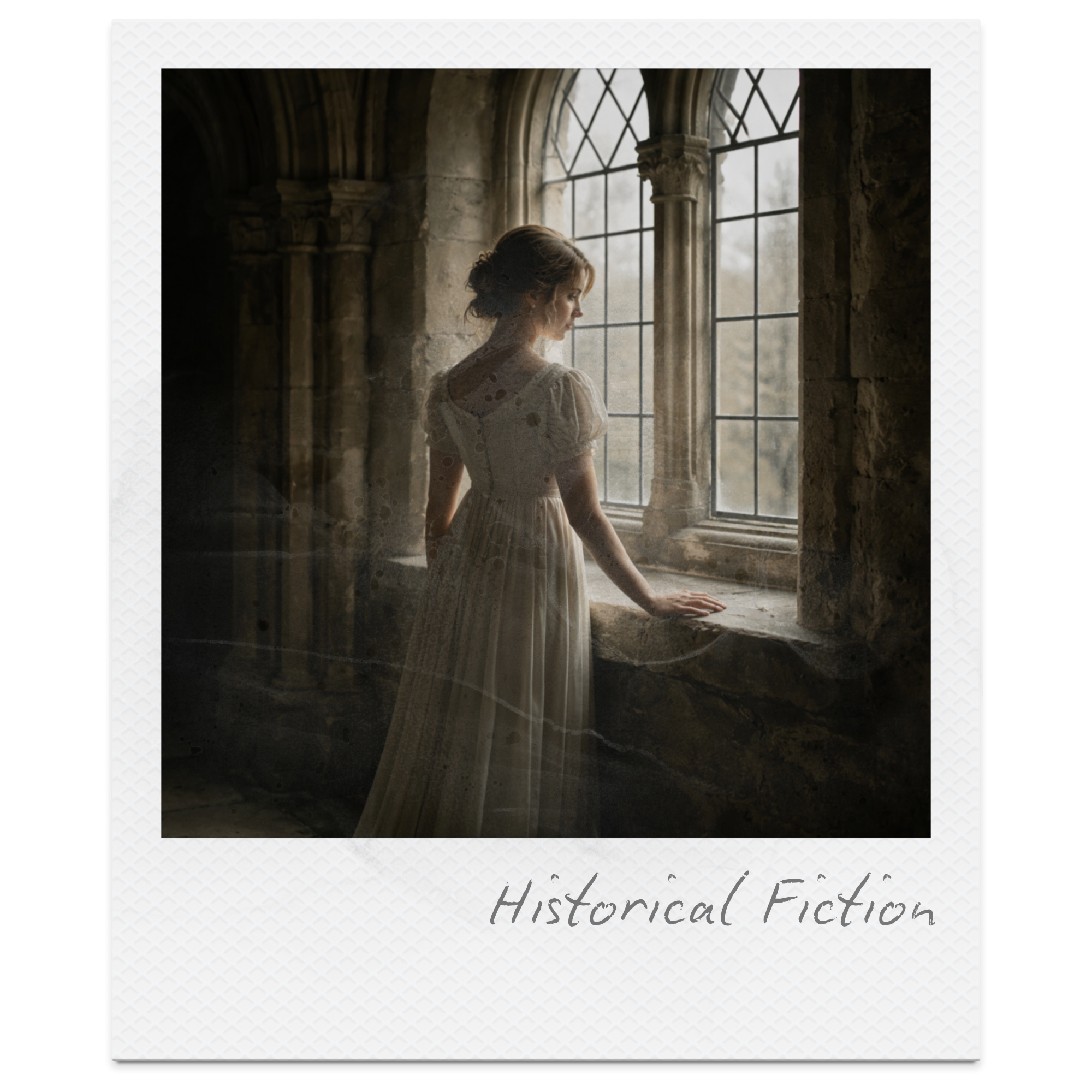
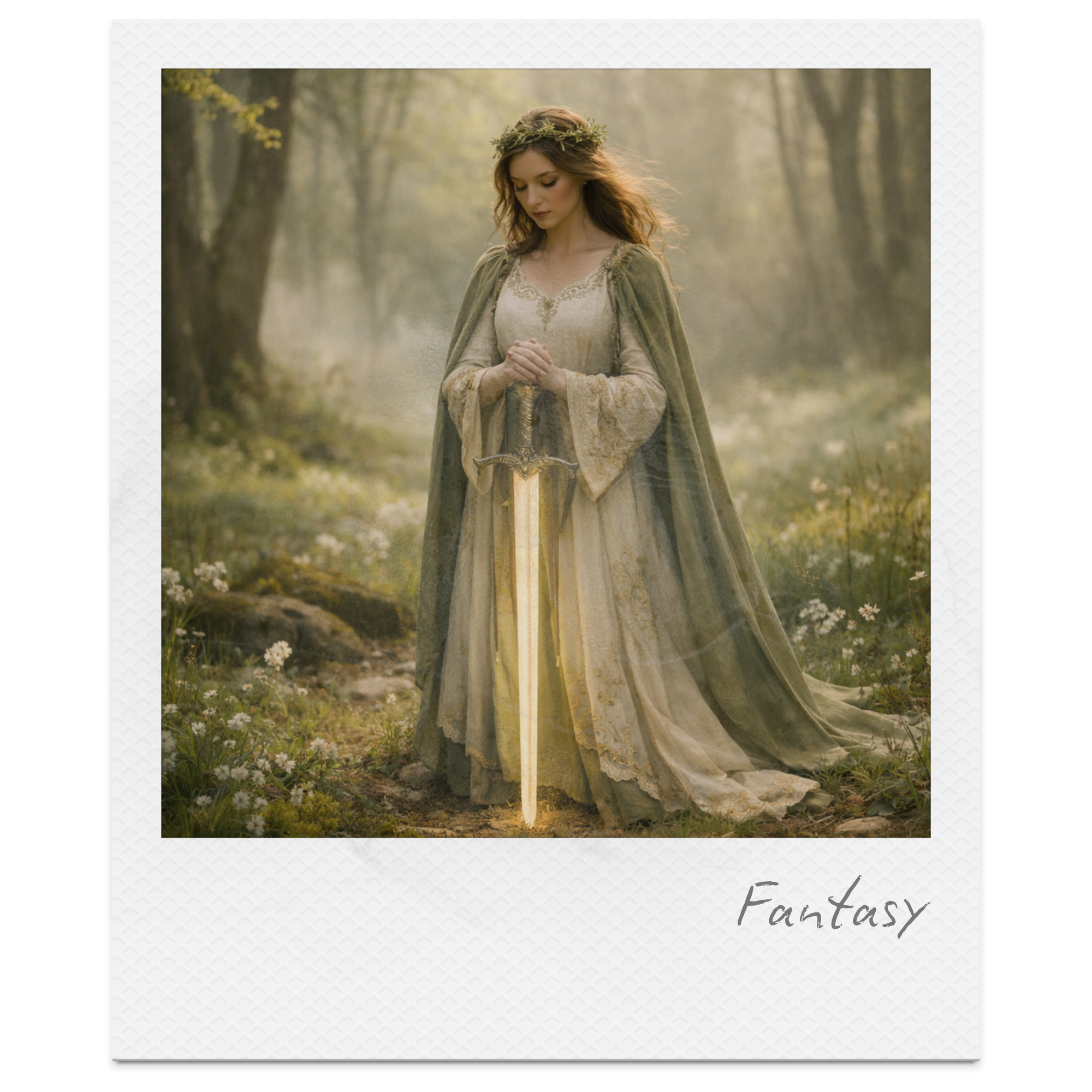
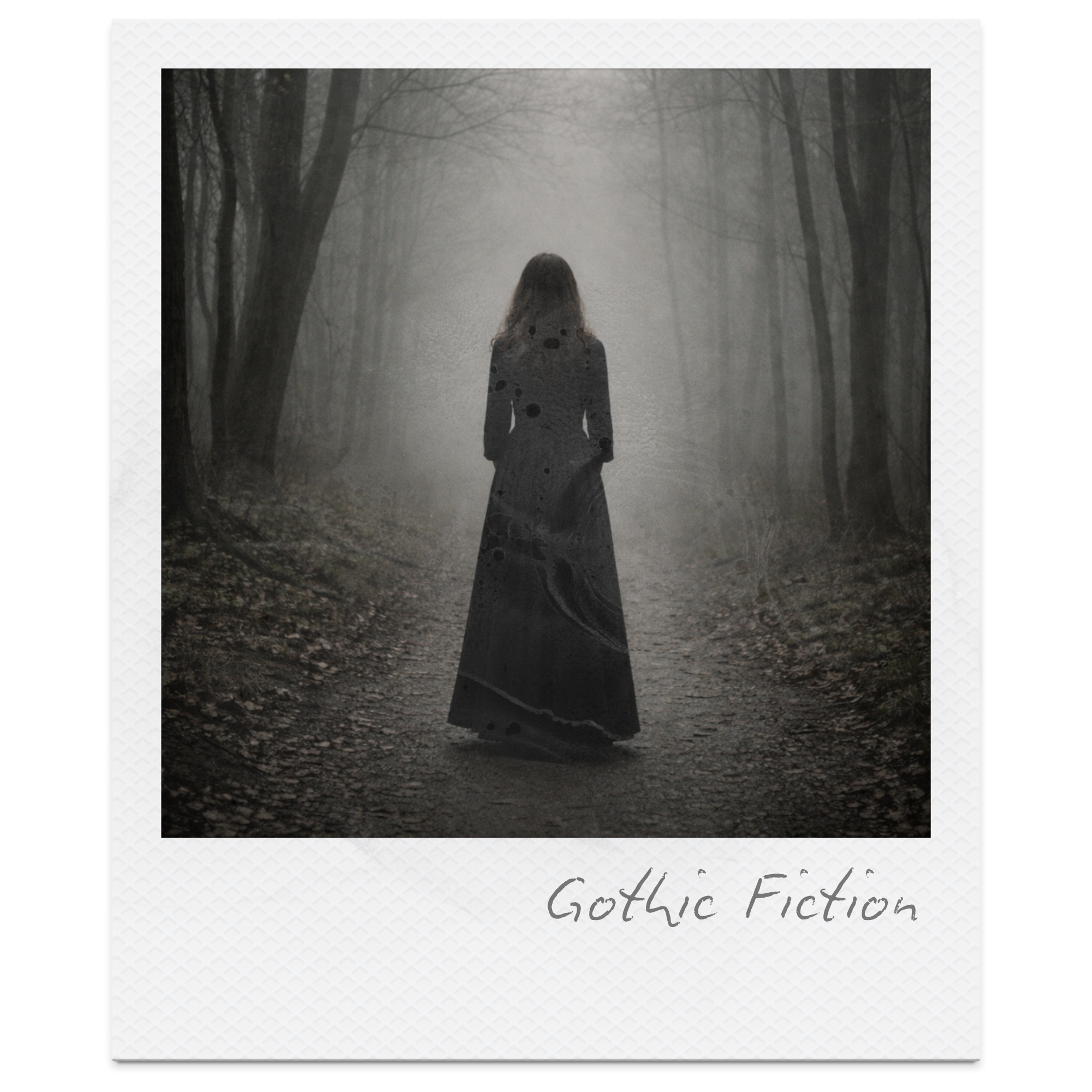
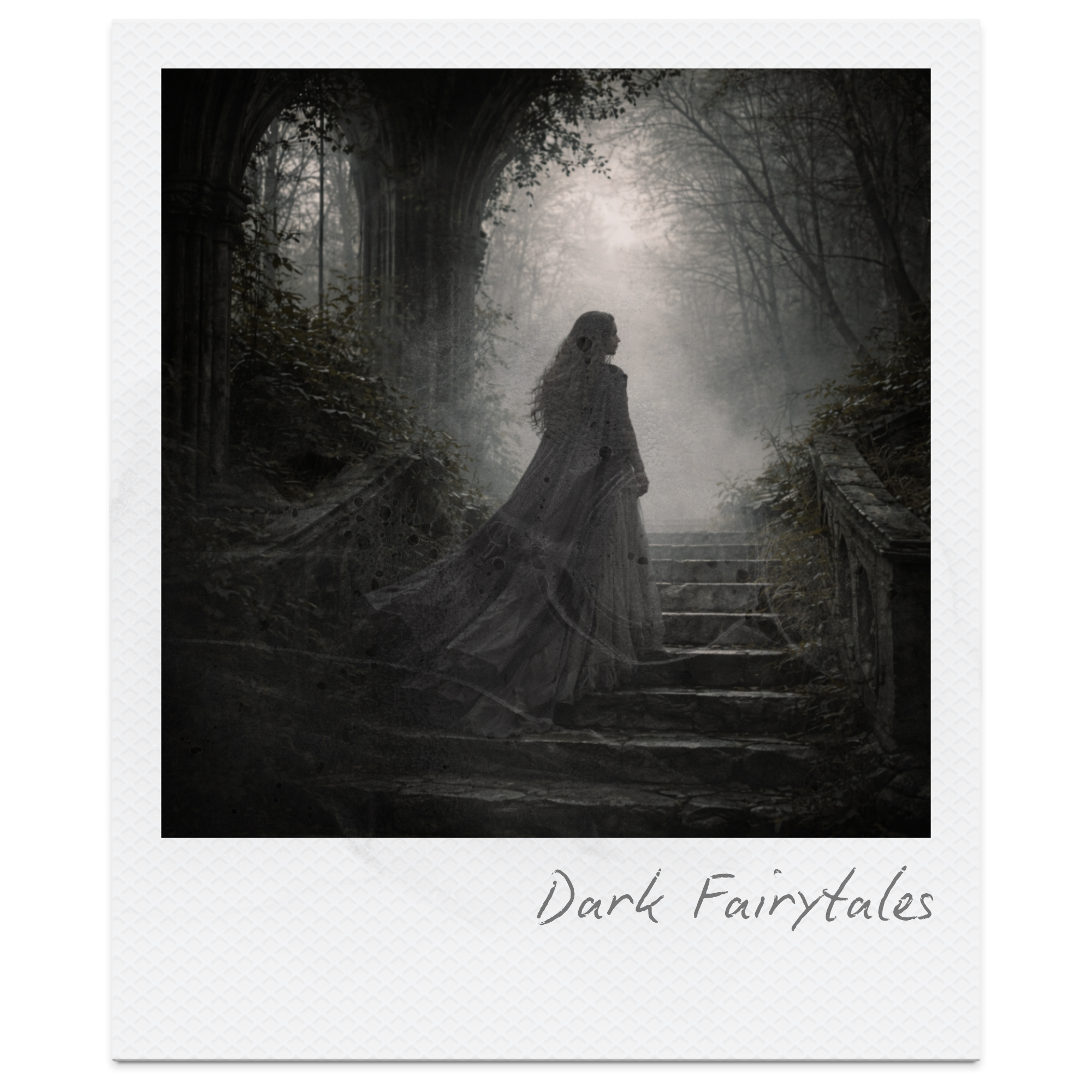
7. Picture Prompts
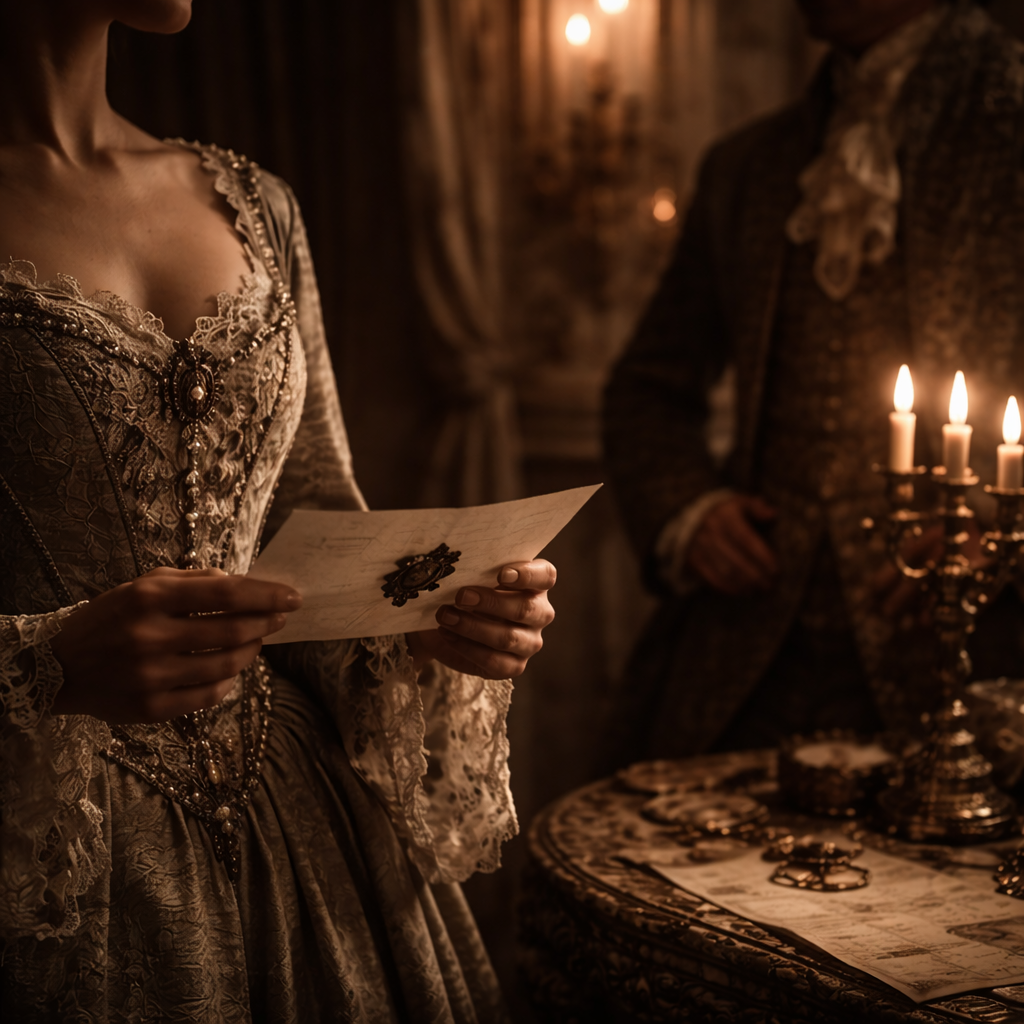
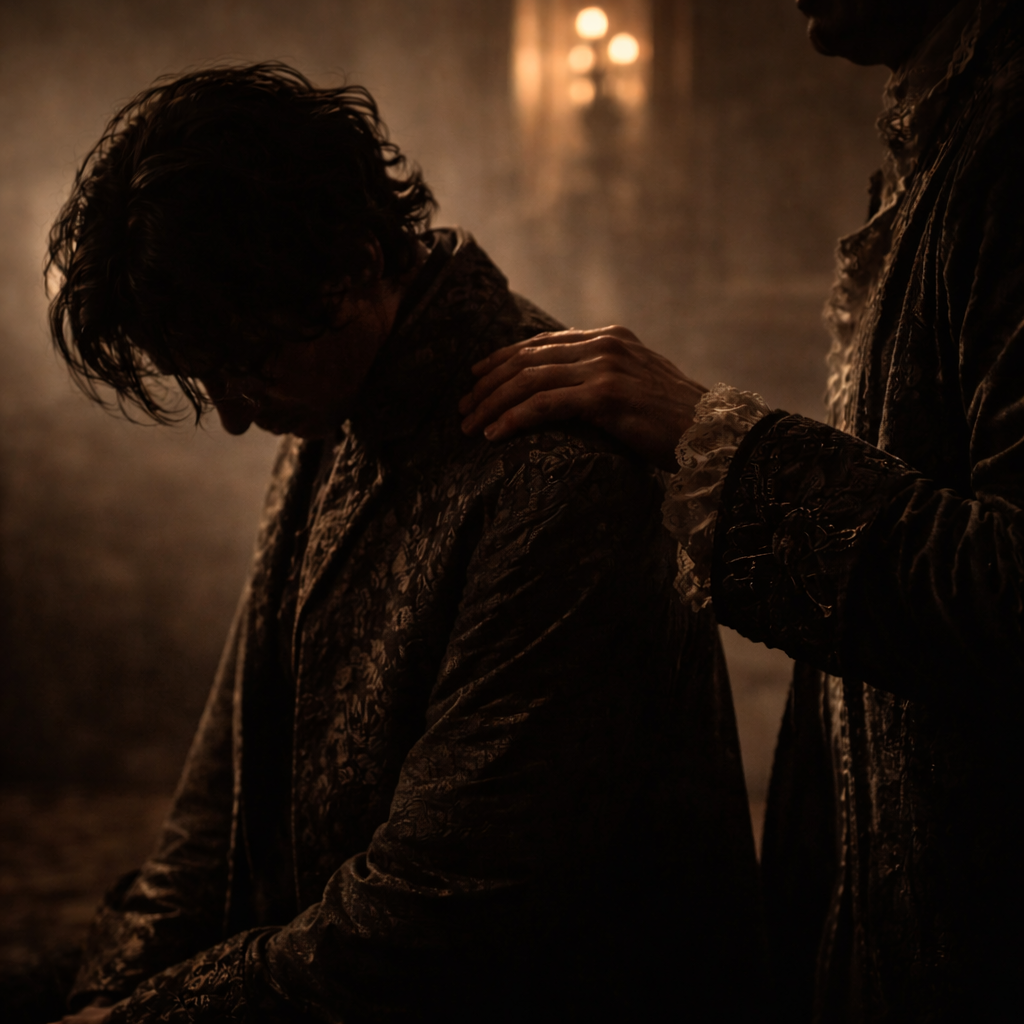
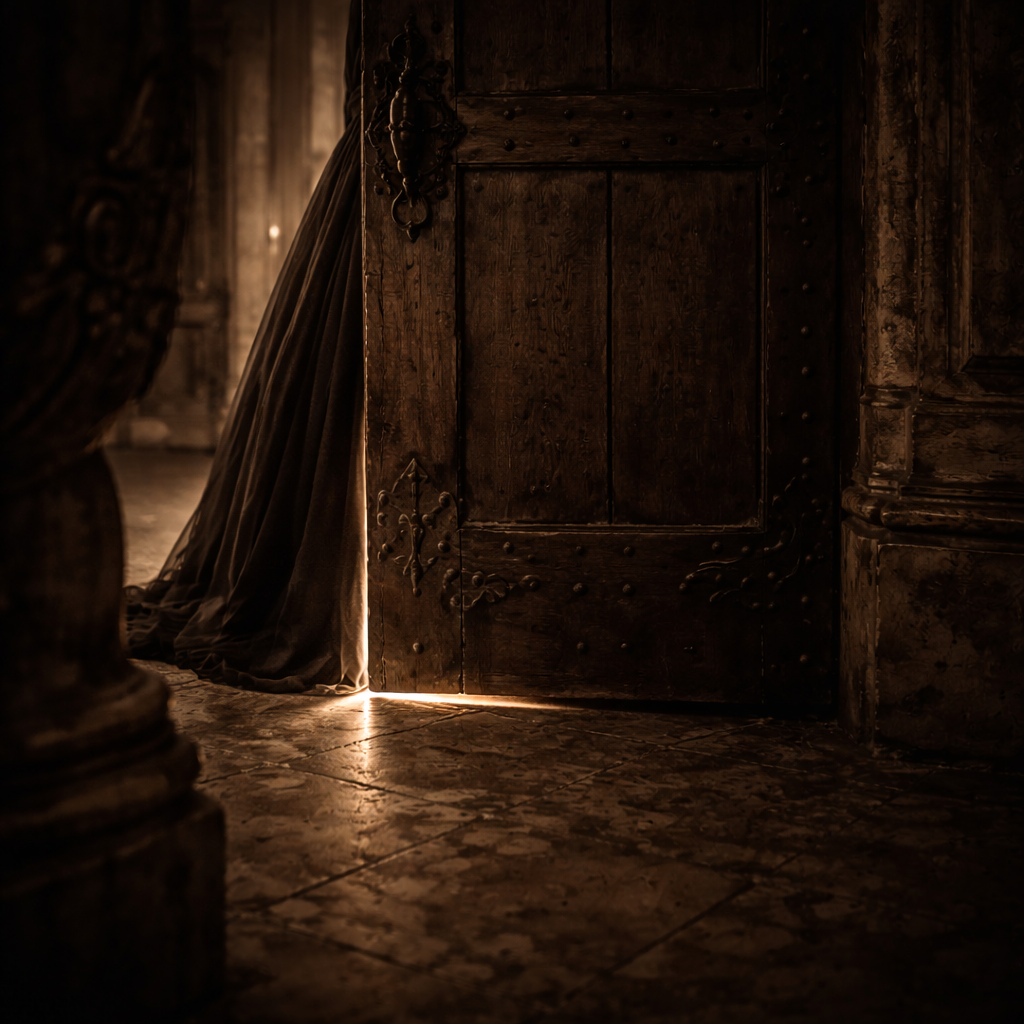
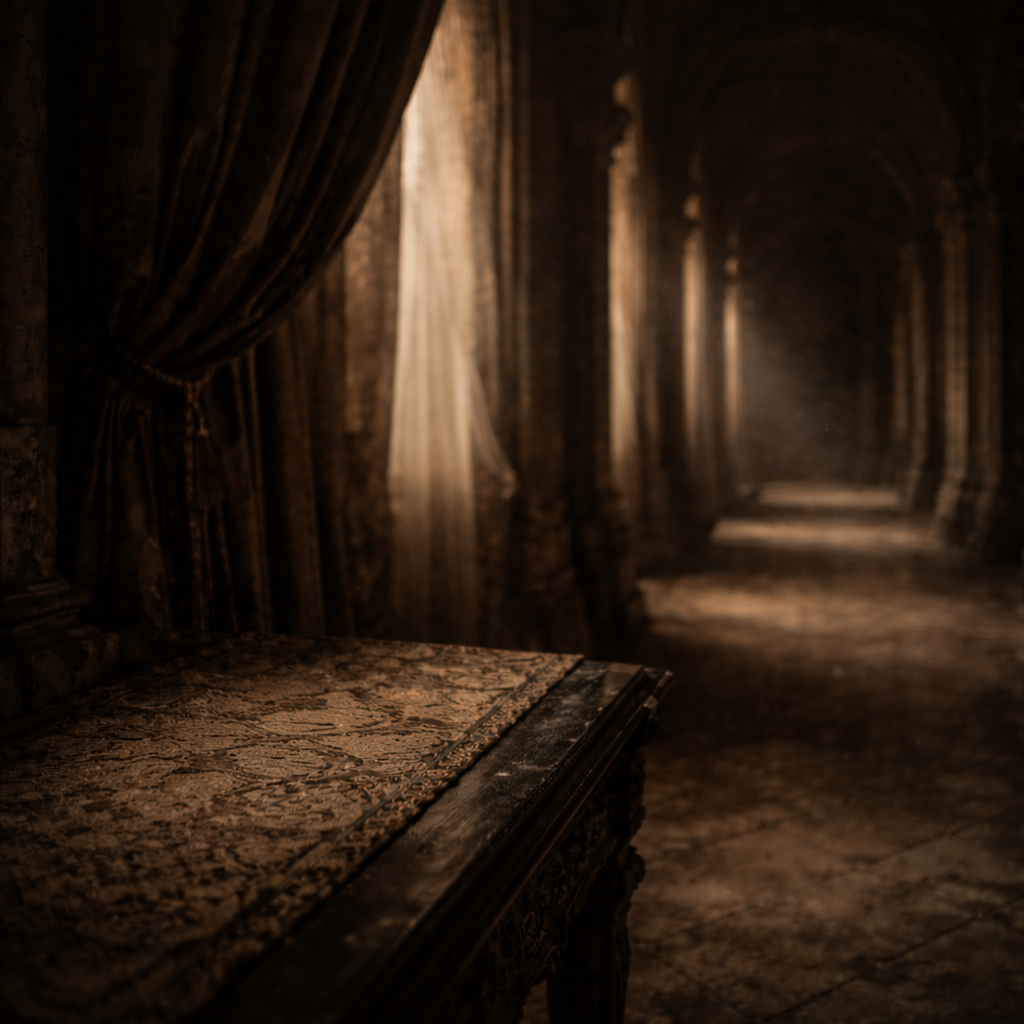
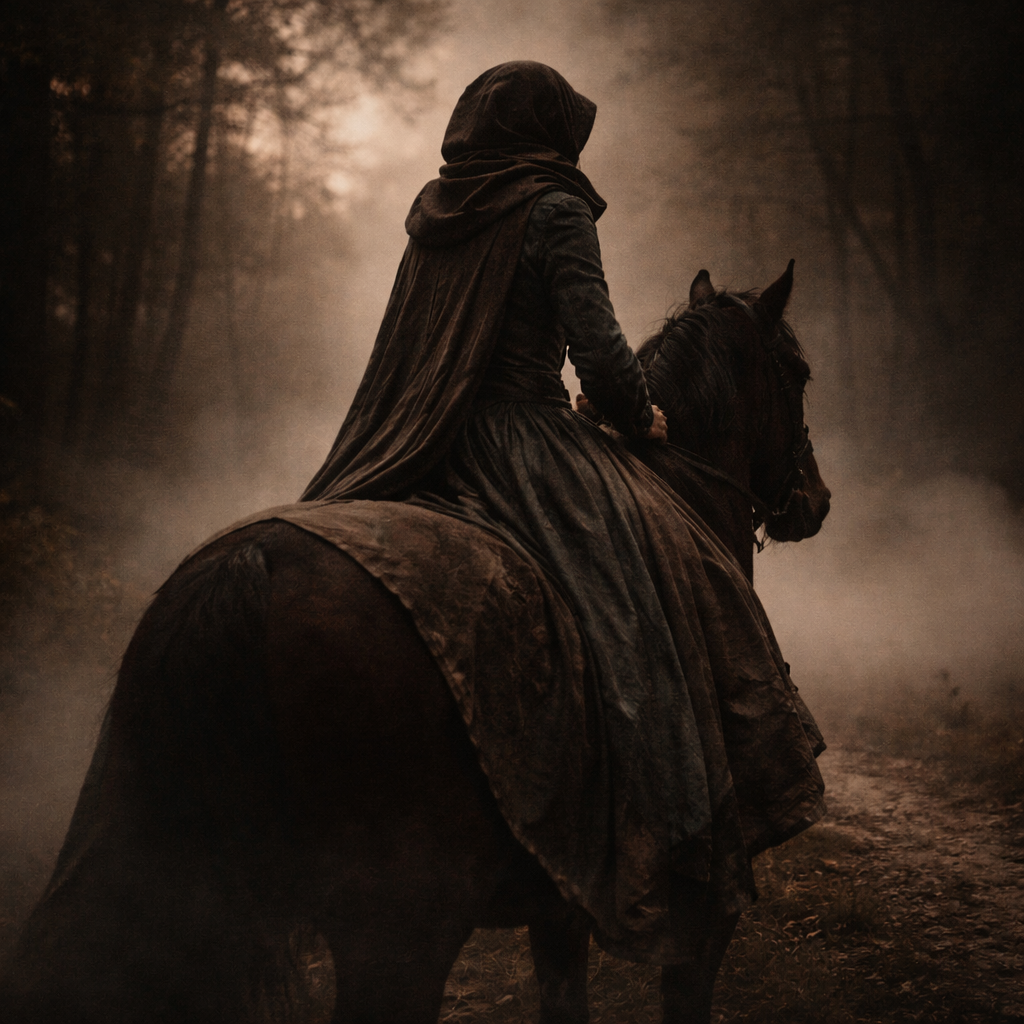
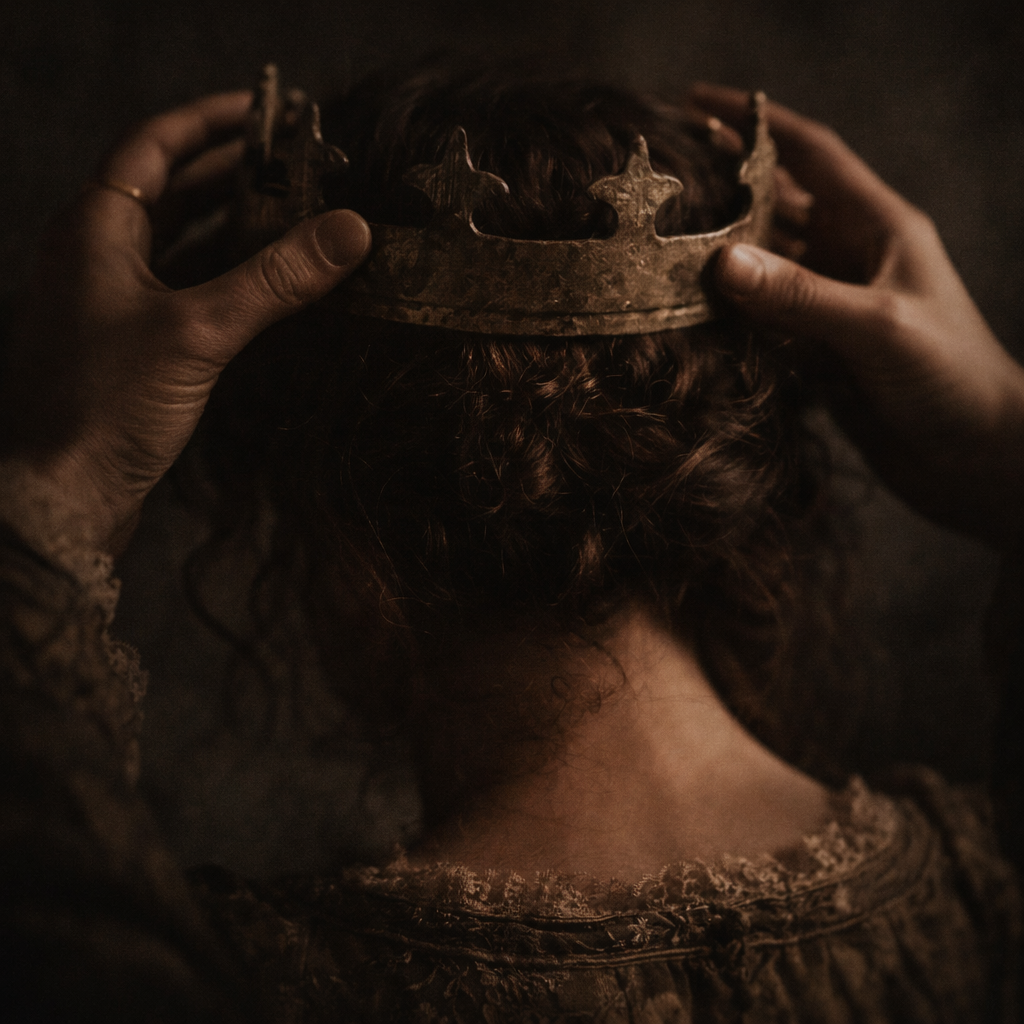
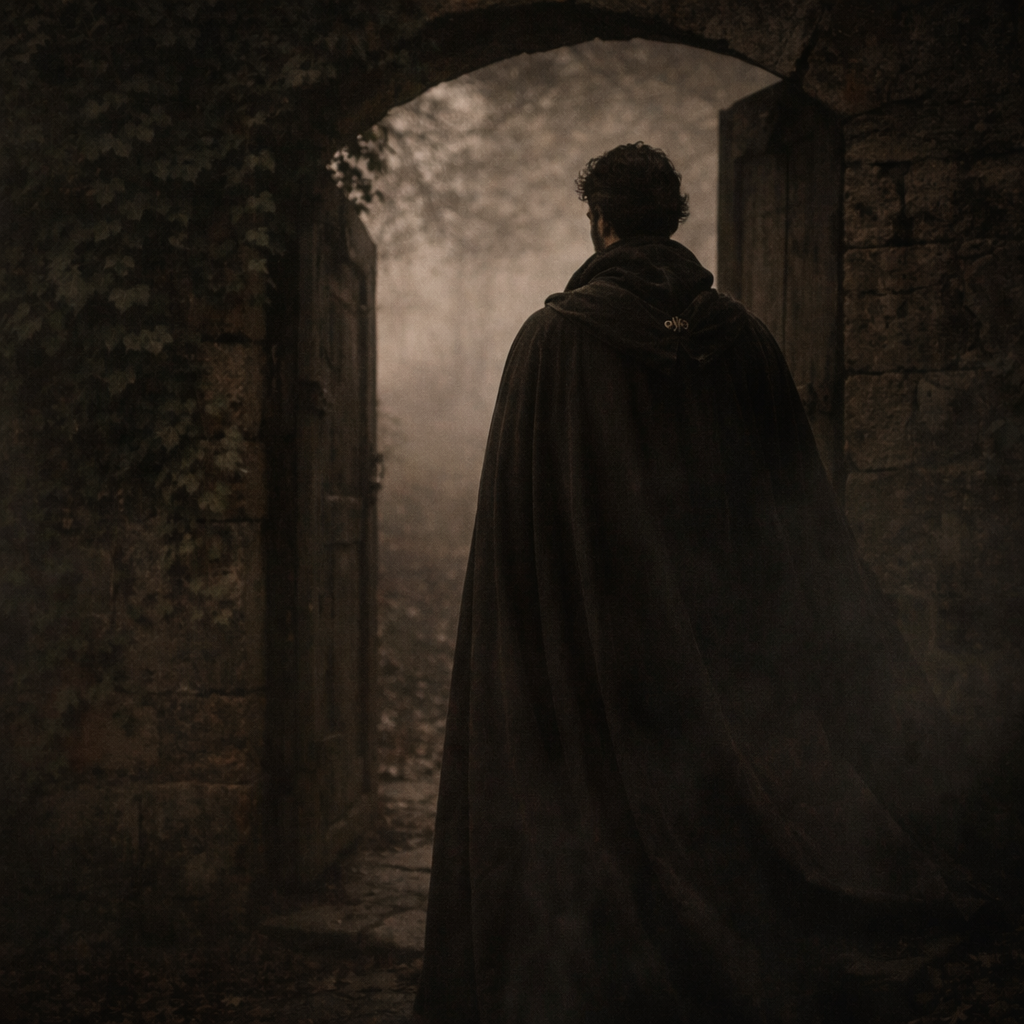
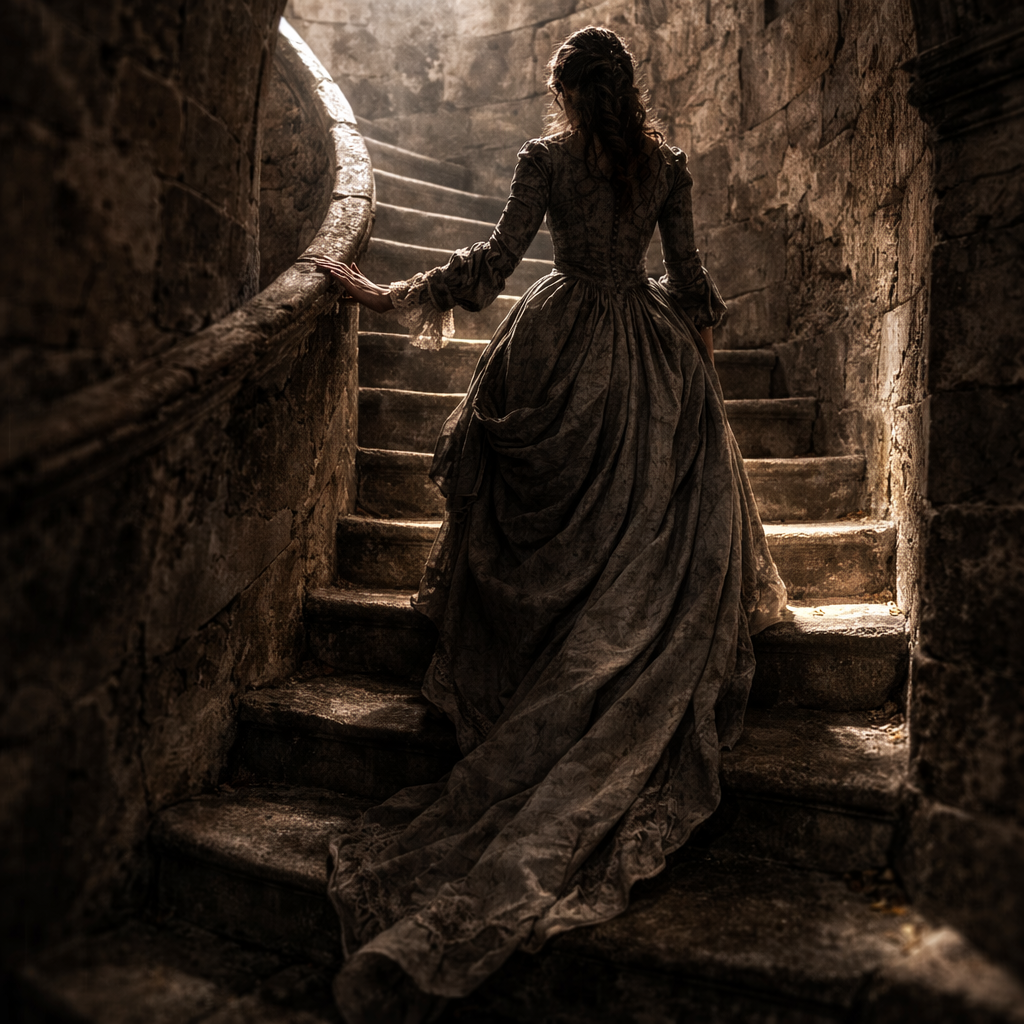
Visual prompts are especially effective for court intrigue storytelling, where mood, space, and symbolism often carry more meaning than action. Inspired by palaces, corridors, councils, and ceremonial spaces, these images are designed to suggest narrative tension rather than define it.
Each picture prompt reflects the restrained aesthetics of political power — long corridors, empty thrones, shadowed halls, sealed doors, and watchful spaces. Rather than illustrating a single plot, the visuals encourage writers to ask what decisions have already been made, who is being excluded, and what consequences linger beyond the frame.
Writers can use these images as story starters, setting anchors, or atmosphere cues — asking what happened just before the moment captured, what will follow, and whose voice is missing. Used alongside the prompts above, these visual ideas support writing prompts for teens that prioritise implication, restraint, and interpretive thinking.


Go Deeper into Court Intrigue Writing
To develop court intrigue stories beyond surface-level politics, encourage writers to focus on power as behaviour rather than force.
◆ Rewrite a prompt focusing on a single gesture — a pause, a glance, a refusal to speak — and let that moment drive the scene.
◆ Experiment with silence as authority. Write a scene where nothing is said, but everything is understood.
◆ Lower external stakes and raise moral stakes. Focus on a decision that appears small but reshapes trust or loyalty.
◆ Write the same scene twice: once from a position of power, and once from the margins of the court.
Final Thoughts
Court intrigue stories endure because they reflect how power often operates — quietly, indirectly, and through human weakness rather than spectacle. Rooted in political hierarchy and social performance, these narratives explore ambition, compromise, and the cost of survival within rigid systems.
These 70 Court Intrigue Writing Prompts for Teens are designed to help young writers practise atmosphere-driven storytelling, develop political awareness in fiction, and build confidence in narratives shaped by implication rather than action. Whether used for short writing tasks, classroom lessons, writing clubs, or longer YA projects, the prompts encourage thoughtful restraint and interpretive depth.
If you’re looking for more inspiration, you can explore the Fairytale and Folklore Writing Prompts Hub or browse the Creative Writing Archive for a wider range of atmospheric and genre-based ideas.
Choose Your Next Adventure