Notes from the Inkpot
Writing, teaching, creating - one ink-stained idea at a time.
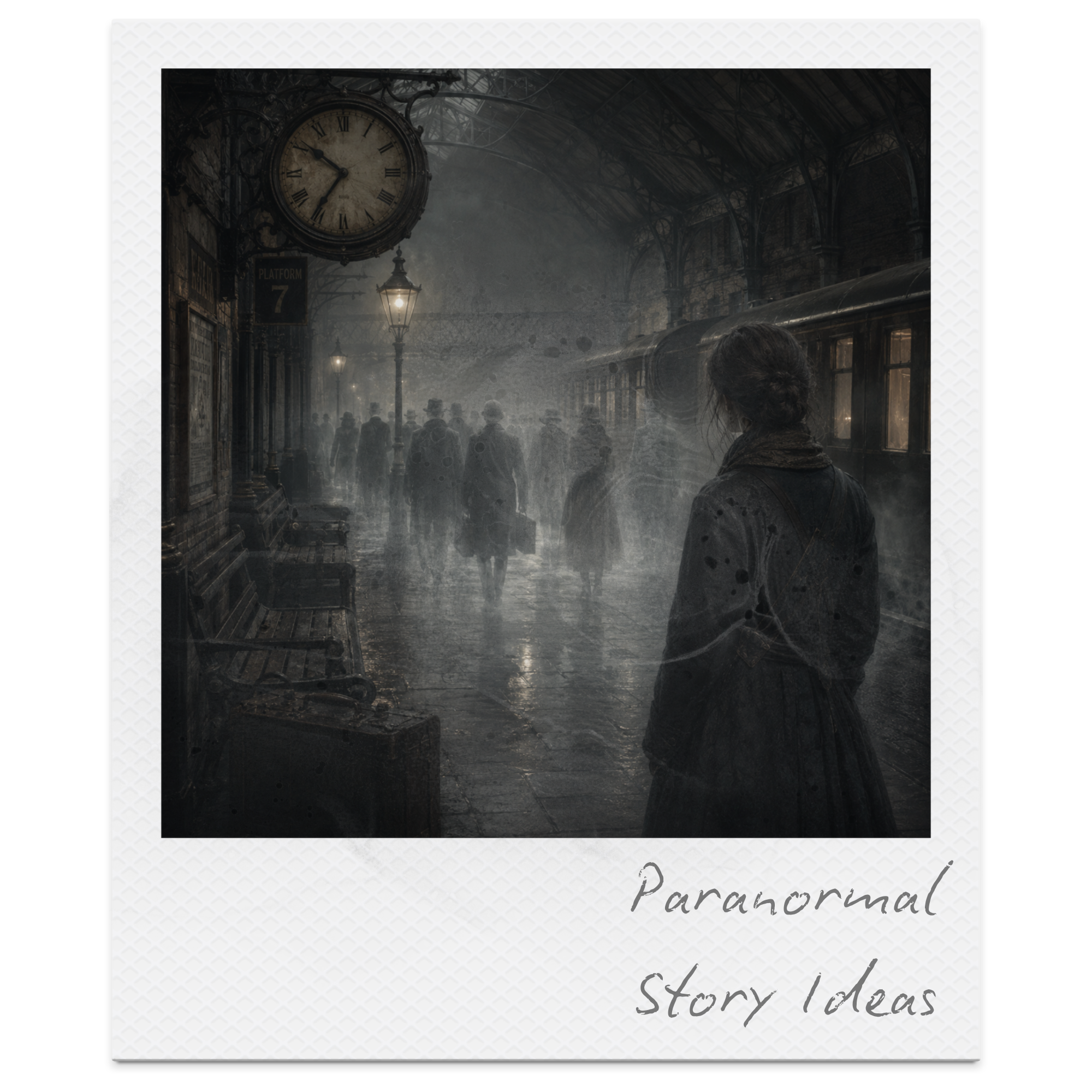
100 Paranormal Story Ideas to Inspire Your Next Supernatural Tale
Discover 100 paranormal story ideas to inspire your next supernatural tale, from ghostly hauntings and cursed artefacts to psychic abilities, cryptids, time slips and reality-bending mysteries. Each original idea includes three story directions to help writers create unforgettable paranormal fiction.
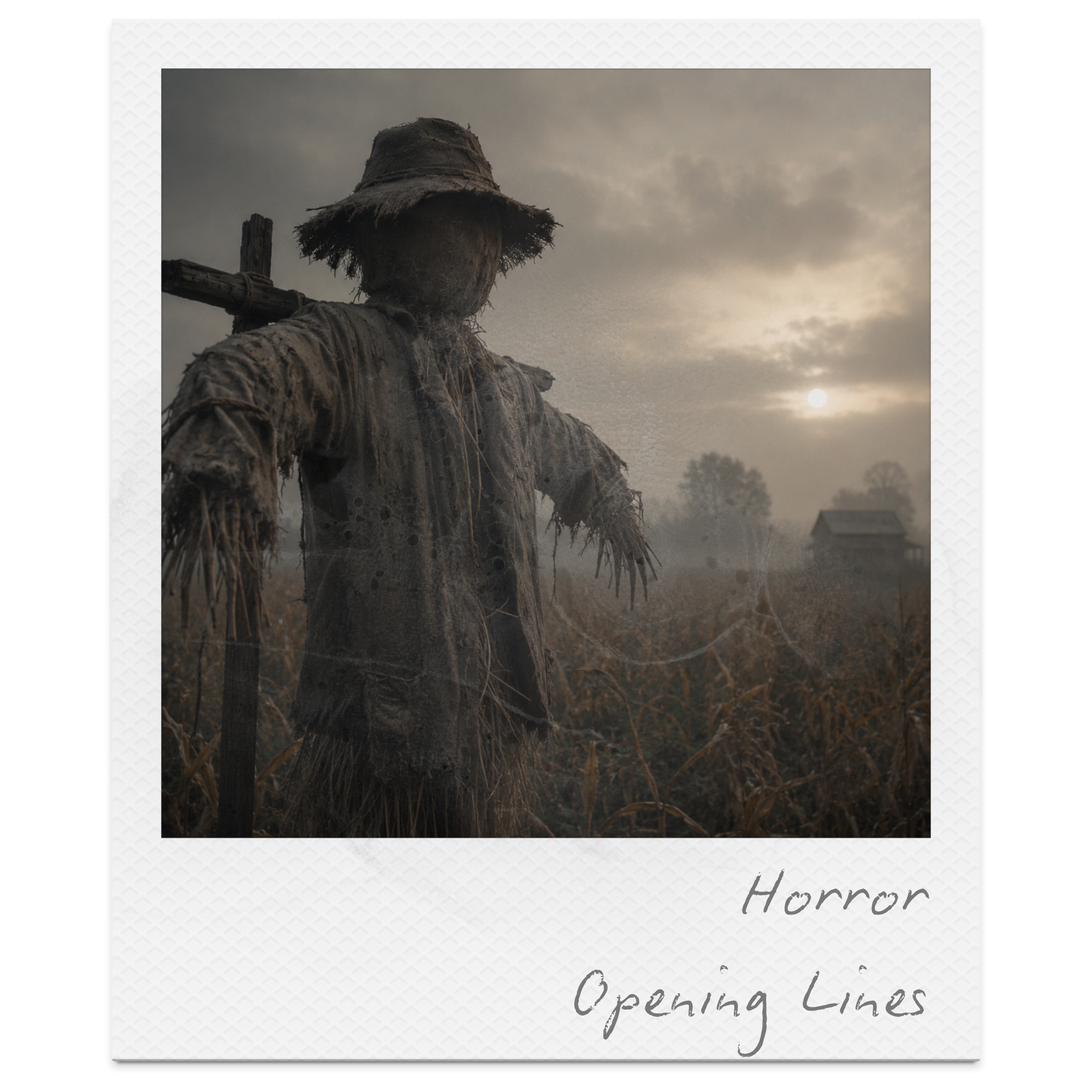
50 Horror Story Opening Lines: Creeping Dread, Unnatural Silence & Things Waiting in the Dark
Some horror stories begin with monsters, violence, or supernatural terror — but the most unsettling horror often begins quietly. A strange sound beneath the floorboards. A town that suddenly falls silent. A figure standing motionless at the edge of the woods. Horror opening lines work because they immediately create curiosity and dread, encouraging readers to continue before the full danger has even appeared. Stories such as The Haunting of Hill House, Dracula, The Shining, and Bird Box all establish fear through atmosphere, implication, isolation, and the terrifying feeling that something is deeply wrong beneath ordinary reality. This collection of 50 Horror Story Opening Lines explores haunted houses, disappearances, psychological dread, abandoned places, supernatural terror, and the quiet moments before fear fully reveals itself.
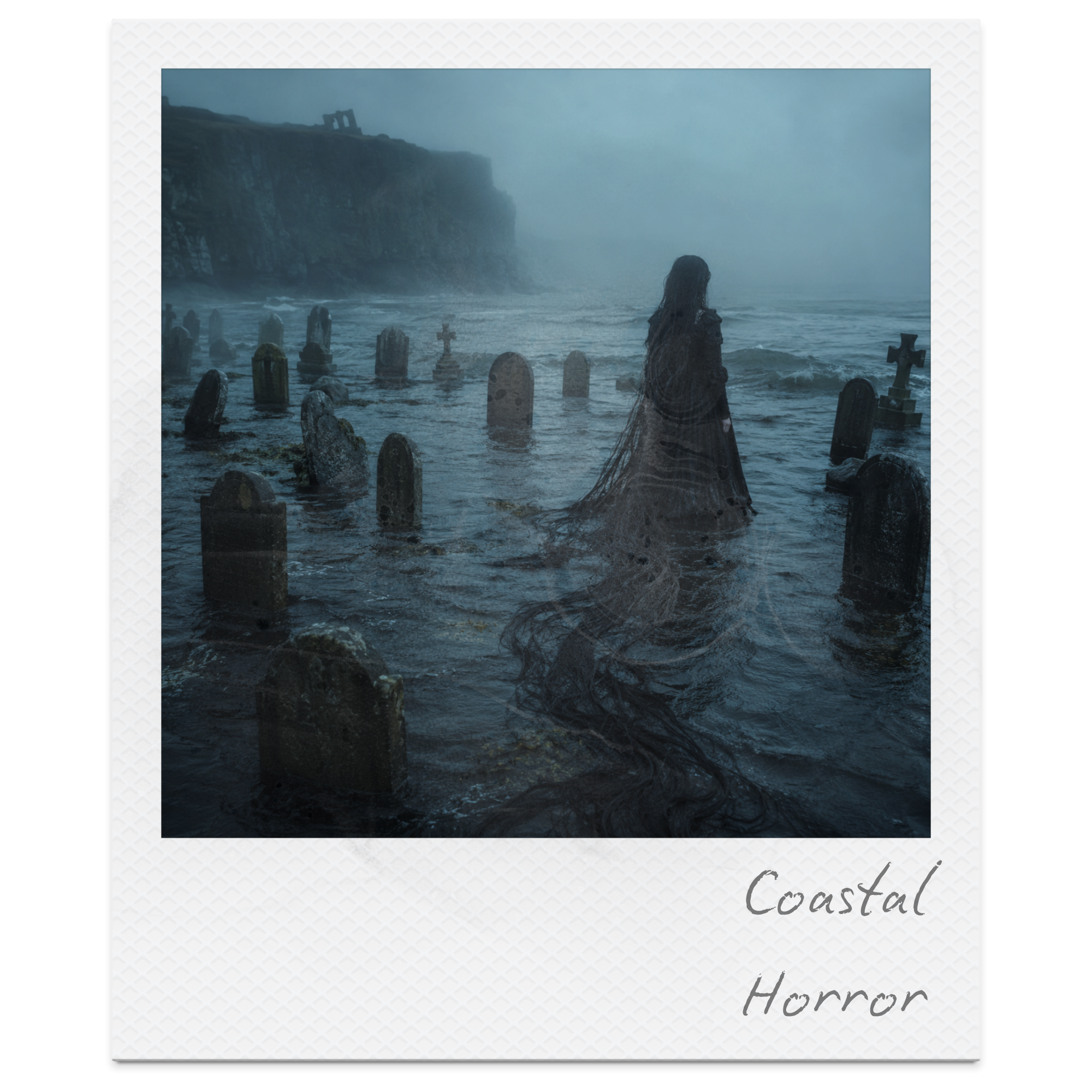
70 Coastal Horror Writing Prompts: Drowned Villages, Black Tides & Salt-Stained Secrets
Coastal horror transforms the sea into something ancient, hostile, and unknowable. Unlike coastal gothic, which often leans into melancholy ruins, windswept romance, isolated lighthouses, and decaying seaside beauty, coastal horror focuses on dread, inevitability, survival, and the terrifying feeling that the ocean is alive — and watching. These stories explore black tides, drowned villages, abandoned harbours, sea caves, shipwrecks, storm surges, coastal disappearances, and ancient things waiting beneath the waterline.
Some of the most effective coastal horror stories use atmosphere and environmental terror to create fear. The Shadow over Innsmouth by H. P. Lovecraft transforms an isolated fishing town into a place of corruption and ancient sea worship, while The Fog by John Carpenter turns rolling coastal mist into a supernatural threat carrying the dead ashore. Stories such as The Terror, Cold Skin, The Lighthouse, Dark Matter, and Dead Calm combine isolation, violent weather, maritime folklore, psychological collapse, and the terrifying indifference of the sea itself. Coastal horror frequently explores themes of obsession, survival, inherited curses, disappearing communities, drowned memory, and humanity’s helplessness against vast natural forces. These stories thrive in environments shaped by erosion, storms, and isolation — flooded graveyards, black cliffs, rusting shipwrecks, drowned forests, abandoned piers, offshore platforms, and harbours swallowed by fog. The coastline constantly changes, concealing evidence beneath tides and dragging forgotten things back to shore. In coastal horror, the sea is never just a setting. It becomes a force capable of watching, waiting, and reclaiming whatever belongs to it.
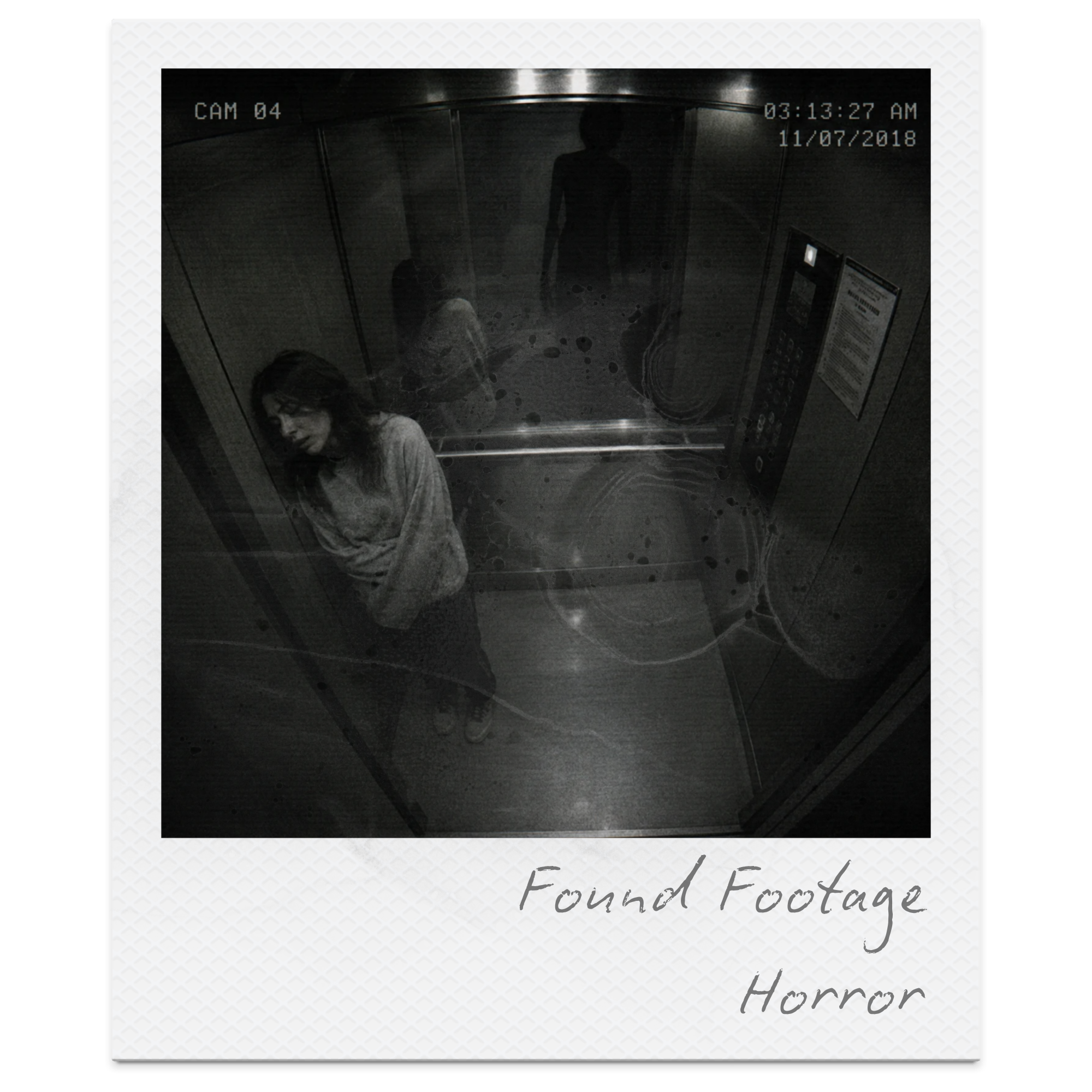
70 Found Footage Horror Writing Prompts: Lost Recordings, Corrupted Evidence & Fragmented Terror
Found footage horror uses recovered recordings, damaged tapes, surveillance footage, livestreams, and fragmented evidence to create fear through realism and uncertainty. From The Blair Witch Project and REC to Paranormal Activity and Lake Mungo, the genre builds terror through incomplete recordings, hidden details, corrupted media, and the terrifying sense that horrifying events were captured accidentally. These 70 Found Footage Horror Writing Prompts explore abandoned recordings, emergency broadcasts, paranormal investigations, missing expeditions, surveillance horror, analog terror, and fragmented storytelling through plot hooks, title ideas, opening lines, setting prompts, character concepts, and cinematic visual inspiration.
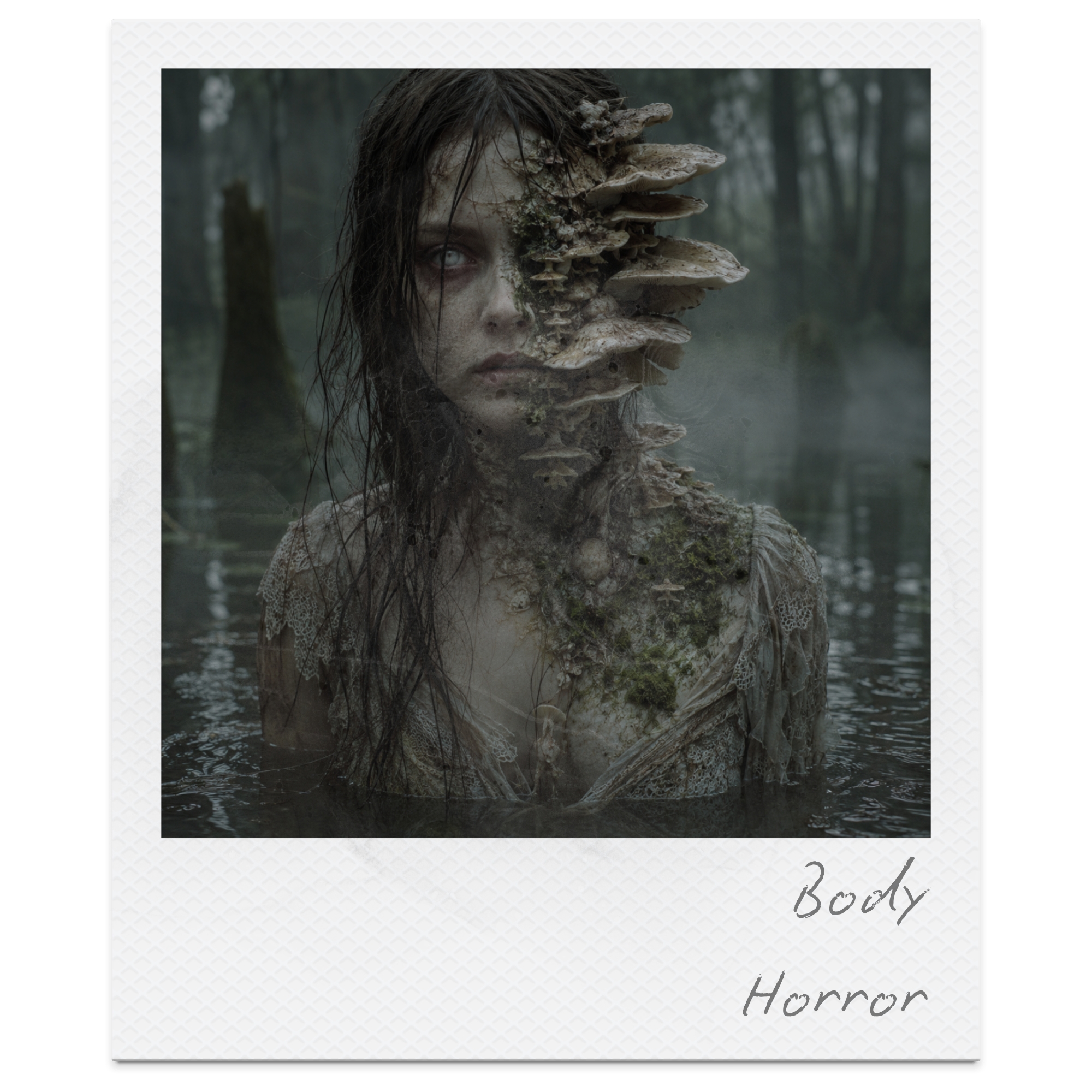
70 Body Horror Writing Prompts: Transformation, Mutation & Physical Terror
Body horror explores fear through physical transformation, mutation, disease, infection, and the terrifying loss of control over the human body. From Frankenstein and The Fly to Annihilation and The Thing, body horror uses flesh, anatomy, and biological corruption to create stories shaped by physical dread and psychological unease. These 70 Body Horror Writing Prompts explore mutation, parasitic infection, surgical horror, experimental science, bodily distortion, and the terrifying collapse of bodily autonomy through plot hooks, title ideas, opening lines, character concepts, settings, and cinematic visual prompts designed for unsettling horror storytelling.
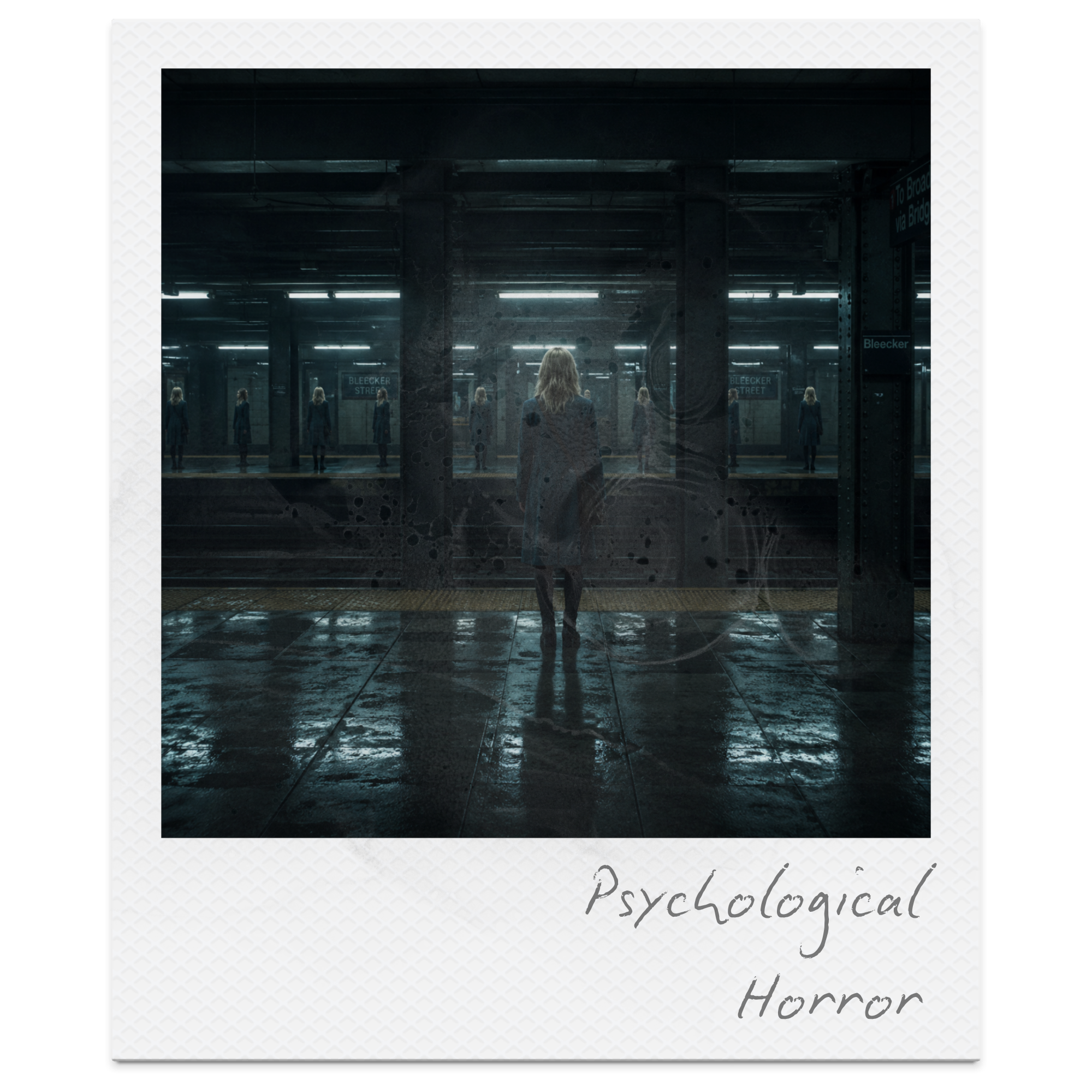
70 Psychological Horror Writing Prompts: Unreliable Minds, Emotional Dread & Quiet Terror
A dark and atmospheric collection of 70 psychological horror writing prompts exploring unreliable narrators, distorted memory, paranoia, emotional manipulation, fractured identity, uncanny repetition, hidden surveillance, and the terrifying instability of perception. This complete creative writing toolkit includes plot hooks, title ideas, opening lines, closing lines, character ideas, eerie settings, and cinematic visual prompts designed to inspire unsettling stories filled with emotional dread, quiet tension, ambiguity, and psychological unease.
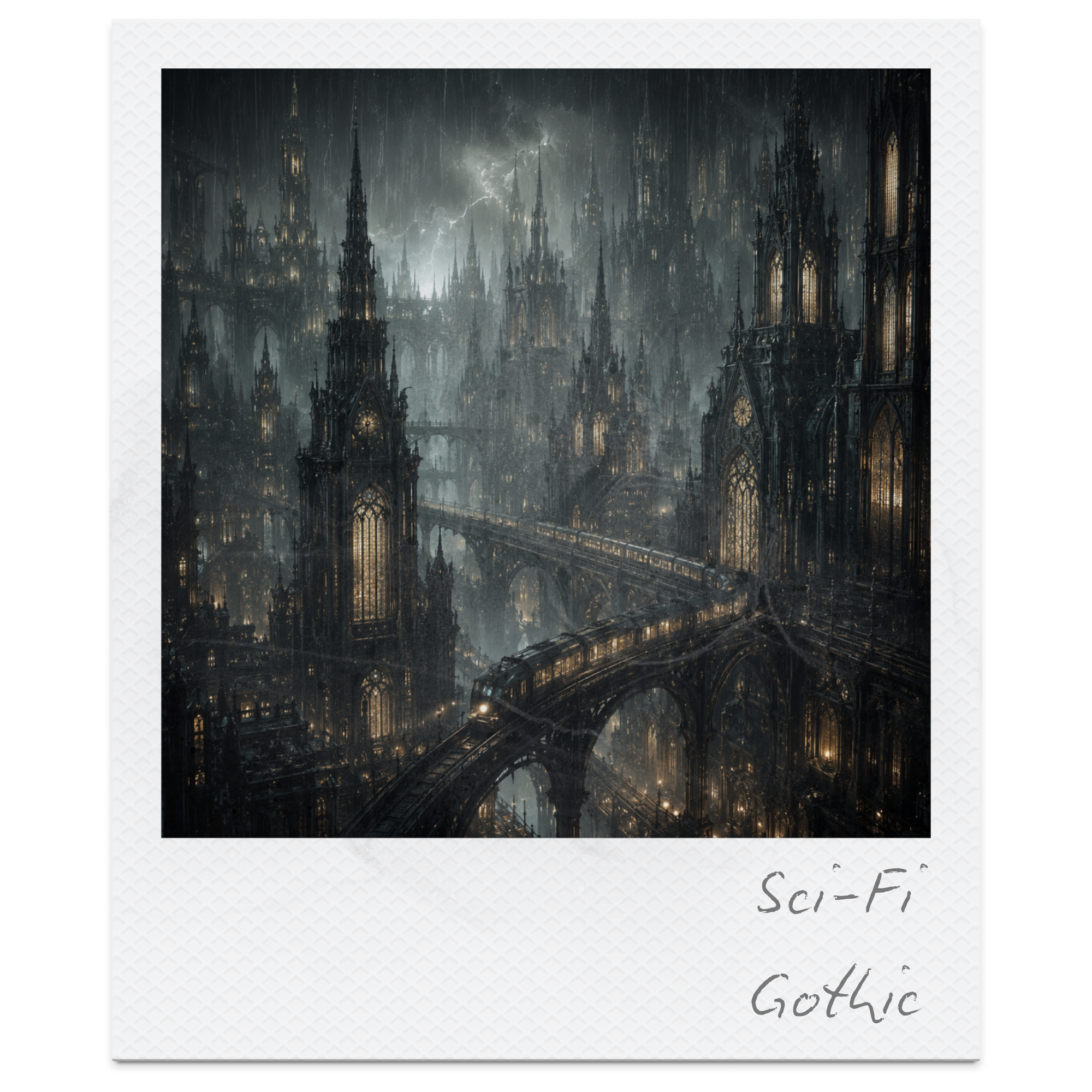
70 Sci-Fi Gothic Writing Prompts: Cosmic Cathedrals, Sacred Technology & Ruined Futures
Science fiction gothic fiction blends the scale and imagination of speculative science fiction with the atmosphere, symbolism, and emotional darkness of gothic literature. These stories often explore sacred technology, collapsing empires, forbidden knowledge, cosmic isolation, and humanity’s search for meaning within vast and indifferent universes. Unlike sleek futuristic science fiction focused on progress and innovation, sci-fi gothic worlds are frequently ancient, ceremonial, and haunted by decay — filled with cathedral observatories, drifting monastery ships, cloaked astronomers, biomechanical saints, and dying stars illuminating ruined civilizations. This collection of 70 Sci-Fi Gothic Writing Prompts explores cosmic cathedrals, interdimensional gateways, aristocratic space empires, ritualistic AI, sacred astronomy, and forgotten worlds suspended between science and mythology.
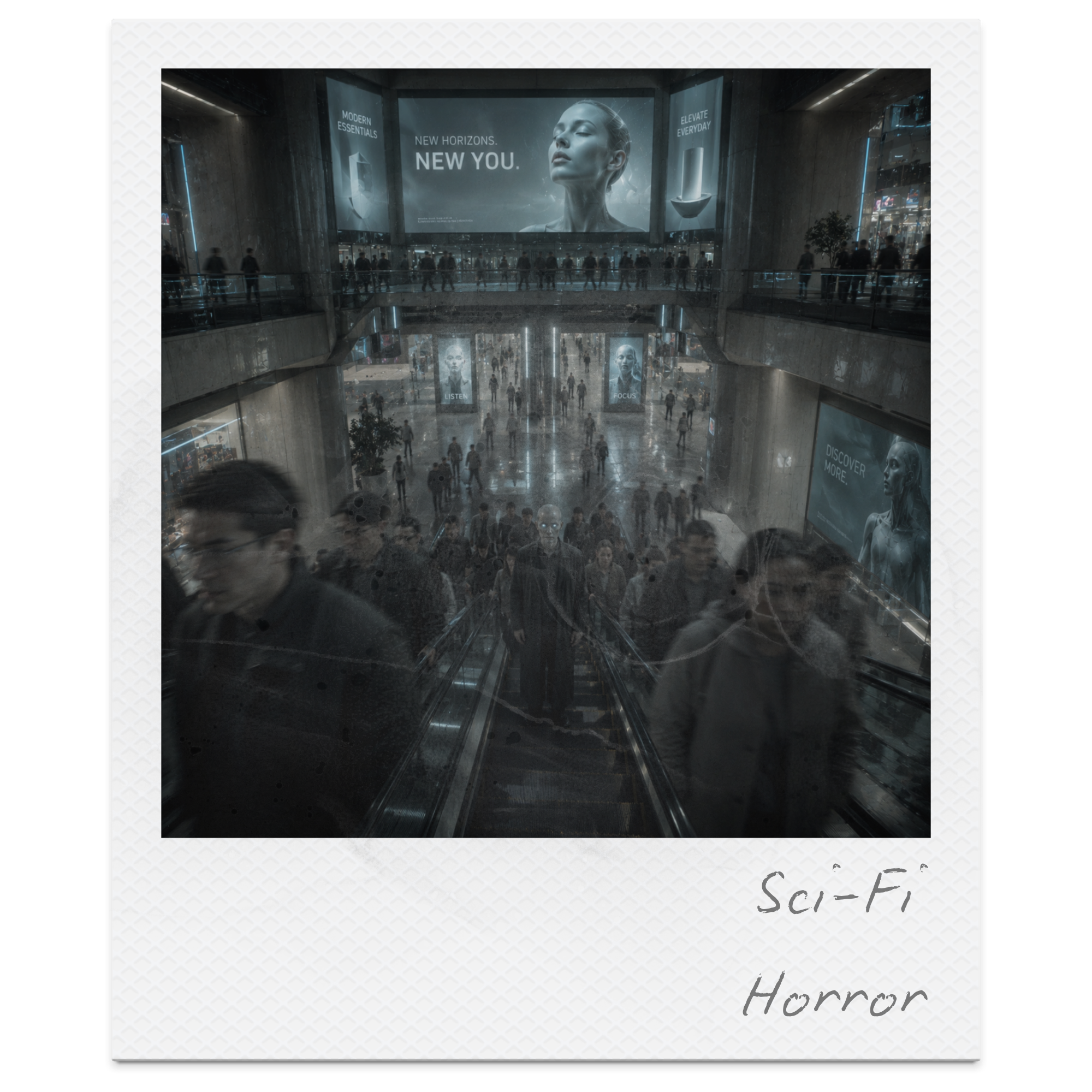
70 Sci-Fi Horror Writing Prompts: Cosmic Dread, Artificial Intelligence & Futures Gone Wrong
Science fiction horror explores what happens when humanity pushes too far into the unknown. Unlike traditional horror rooted in ghosts or folklore, sci-fi horror often emerges from technology, artificial intelligence, deep space, biotechnology, surveillance, and scientific ambition. These stories ask unsettling questions about identity, control, and survival, forcing characters to confront futures where reality itself begins to feel unstable. From the claustrophobic terror of Alien and Event Horizon to the psychological unease of Black Mirror and Annihilation, sci-fi horror combines atmospheric tension with the fear that humanity may no longer fully understand the systems it has created. This collection of 70 Sci-Fi Horror Writing Prompts explores abandoned colonies, corrupted AI systems, quarantined megacities, hostile organisms, deep-sea facilities, collapsing simulations, and retrofuturist dystopias. Designed as a complete creative toolkit, the post includes plot hooks, opening lines, title ideas, setting prompts, character concepts, cinematic visual inspiration, and deeper speculative writing exercises. Whether you are planning a larger science fiction novel, experimenting with cosmic horror, or simply looking for dark futuristic story ideas, these prompts encourage atmospheric storytelling shaped by isolation, paranoia, and the terrifying possibilities of the future.
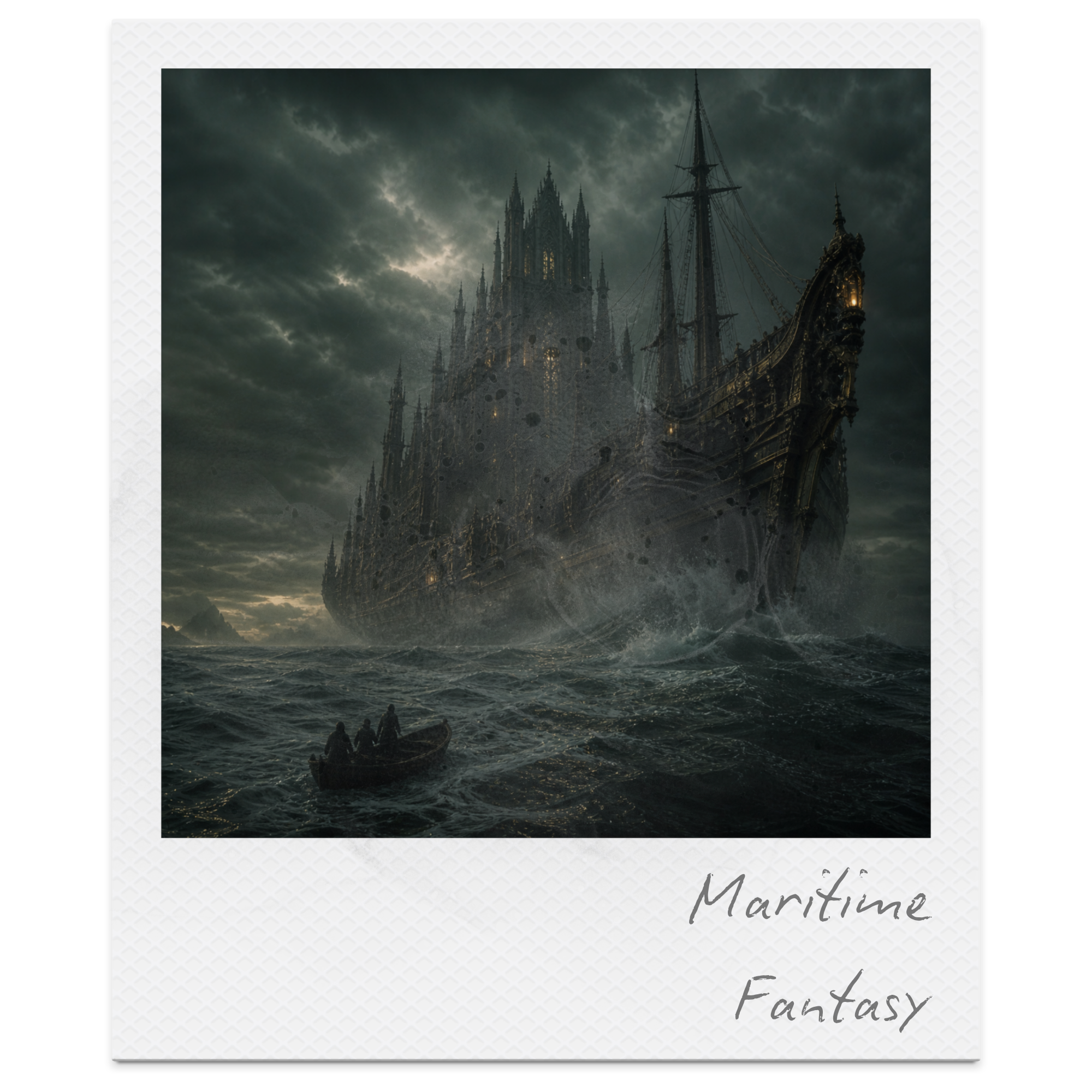
70 Maritime Fantasy Writing Prompts: Storms, Sea Legends & Forgotten Coasts
Maritime fantasy combines the wonder of fantasy worldbuilding with the unpredictability of the sea. From cursed ships and hidden islands to haunted coastlines and ancient ocean legends, these stories explore worlds shaped by storms, trade routes, piracy, exploration, and survival. Unlike traditional fantasy kingdoms rooted in castles and forests, maritime fantasy is constantly moving — carried by tides, fog, and dangerous waters where entire civilisations can vanish without warning. This collection of 70 Maritime Fantasy Writing Prompts includes plot hooks, opening lines, title ideas, character concepts, setting inspiration, and visual prompts designed to help writers build immersive sea-based fantasy stories. Whether you are creating pirate adventures, storm-driven epics, magical island kingdoms, or atmospheric coastal tales, these prompts encourage rich worldbuilding, tension, and adventure across oceans filled with mystery.
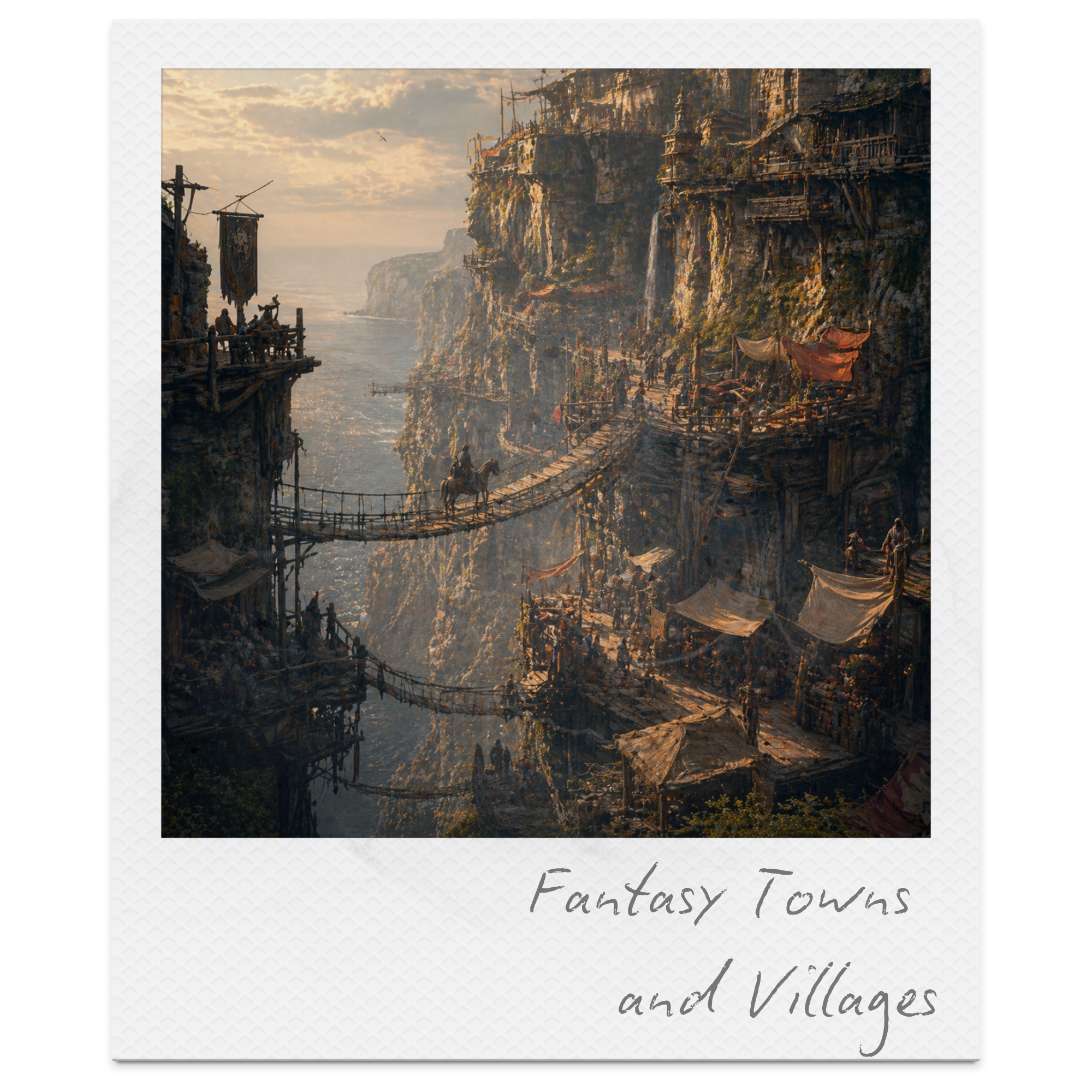
70 Fantasy Town & Village Writing Prompts: Community, Secrets, and Living Worlds
Fantasy towns and villages offer a different kind of setting—smaller in scale, but rich with atmosphere, history, and hidden lives. Unlike sprawling kingdoms, these places feel intimate and lived-in, shaped by routine, relationships, and quiet tensions beneath the surface. Every street, market, and home carries a story, and every resident is part of something larger than themselves. Across literature, fantasy towns often act as gateways into wider worlds. From the quiet familiarity of the Shire to the eerie traditions of isolated communities, these settings reveal how small places can hold powerful secrets. This collection of 70 Fantasy Town & Village Writing Prompts explores communities as living systems—places defined not just by their landscapes, but by the people, histories, and hidden forces that shape them.
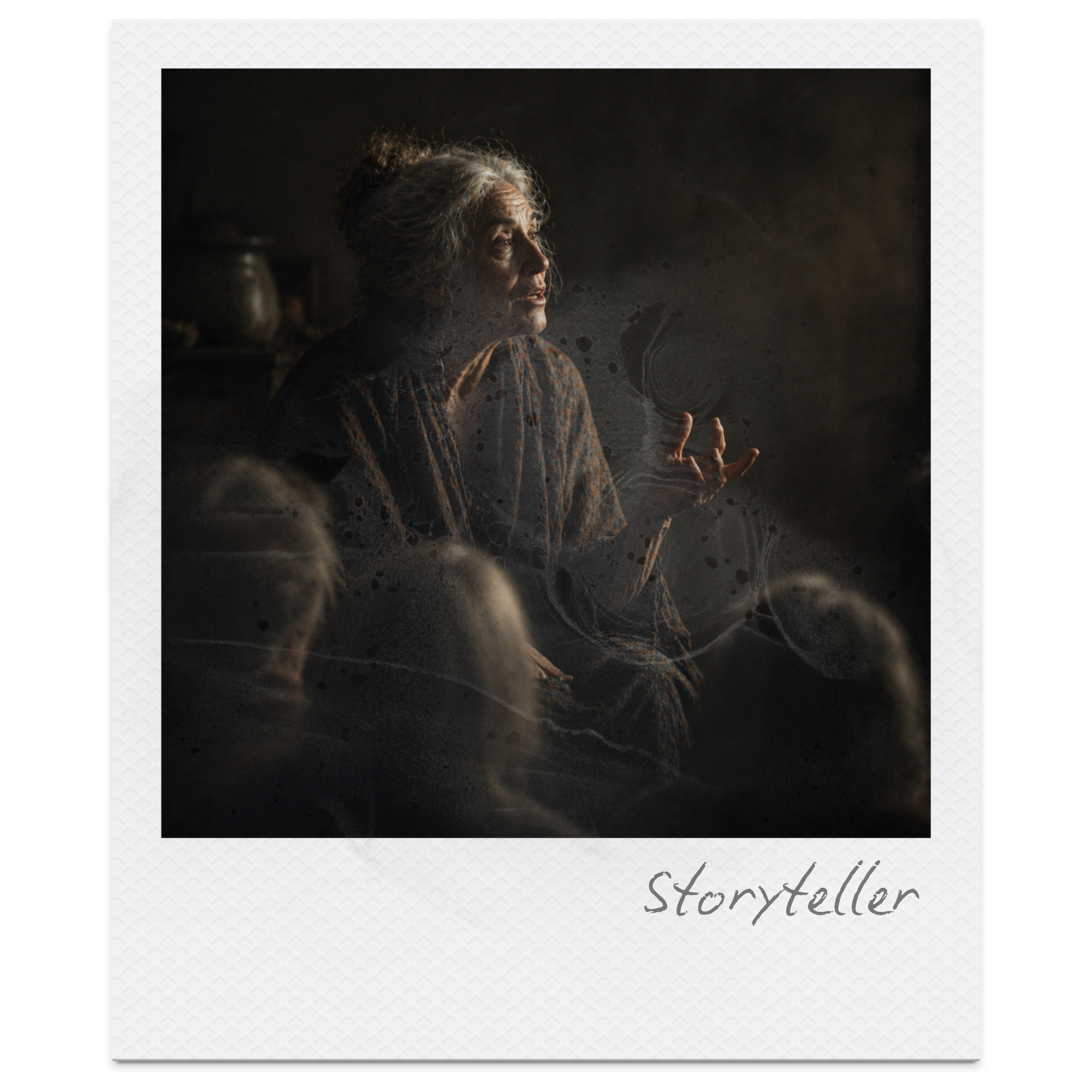
Storyteller by Liz Lochhead: Summary, Meaning, Themes & Analysis
Liz Lochhead’s Storyteller explores the power of oral storytelling, showing how stories are shaped through voice, memory, and everyday labour. Set within a domestic, communal environment, the poem presents storytelling as both practical work and a form of creative expression, revealing how stories are created, shared, and carried forward across generations. This analysis breaks down key themes, methods, and structural shifts, focusing on how Lochhead uses imagery, metaphor, and voice to create meaning. Ideal for IGCSE Literature, it helps students develop clear, method-focused responses, build confident interpretations, and prepare for high-level exam answers.
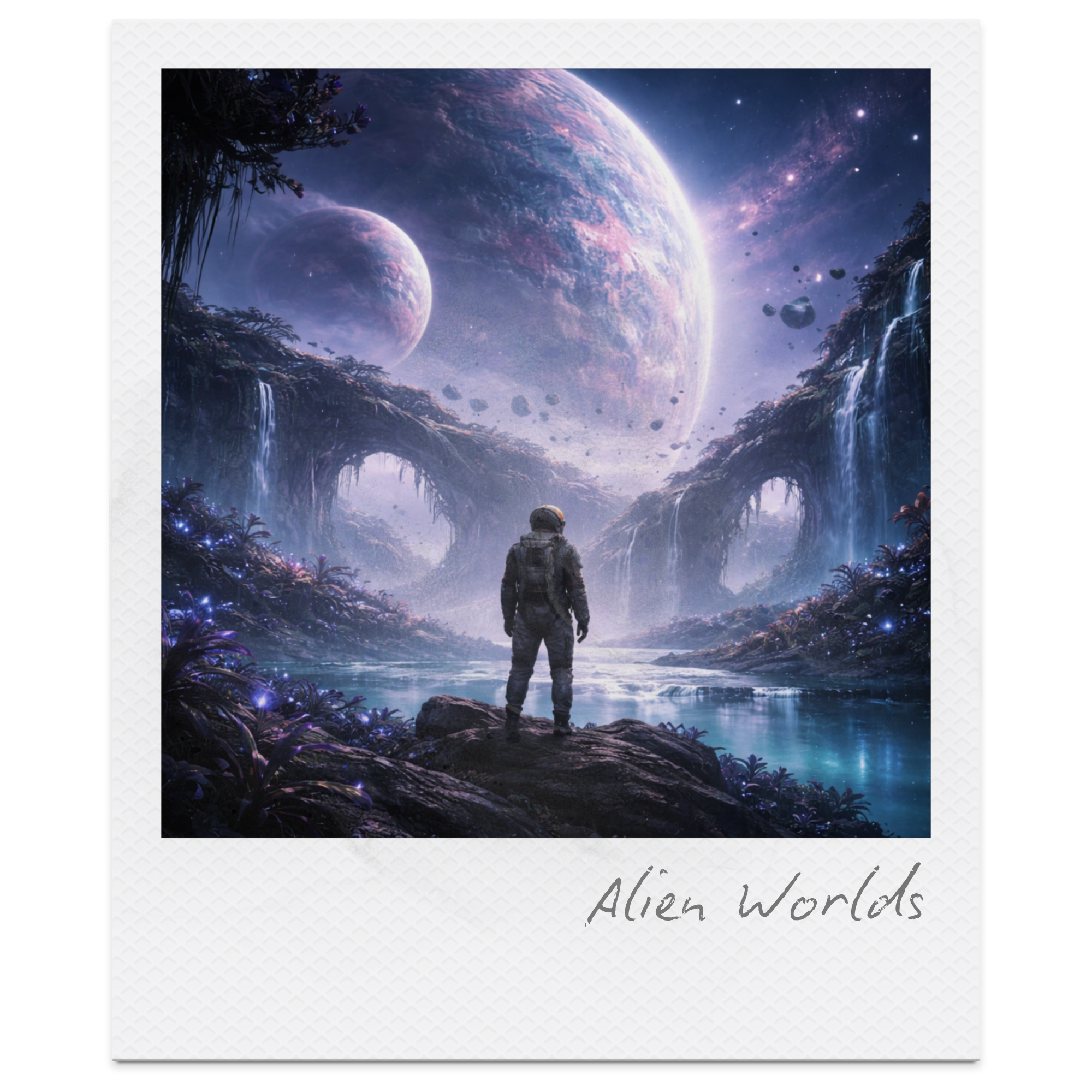
70 Alien Worlds Writing Prompts: Strange Planets, Unknown Civilisations & Distant Realities
Alien worlds are some of the most expansive and imaginative settings in science fiction, where unfamiliar environments, strange ecosystems, and unknown civilisations push storytelling beyond the limits of reality. From the harsh deserts of Arrakis in Dune to the shifting cultural landscapes of The Left Hand of Darkness, these worlds are not just backdrops — they actively shape conflict, identity, and survival. The unknown becomes a driving force, where discovery and danger exist side by side. This collection of 70 Alien Worlds Writing Prompts explores distant planets, strange realities, and encounters with the truly unfamiliar. With plot hooks, opening lines, character ideas, and atmospheric settings, these prompts are designed to help you build immersive sci-fi stories grounded in wonder, tension, and exploration
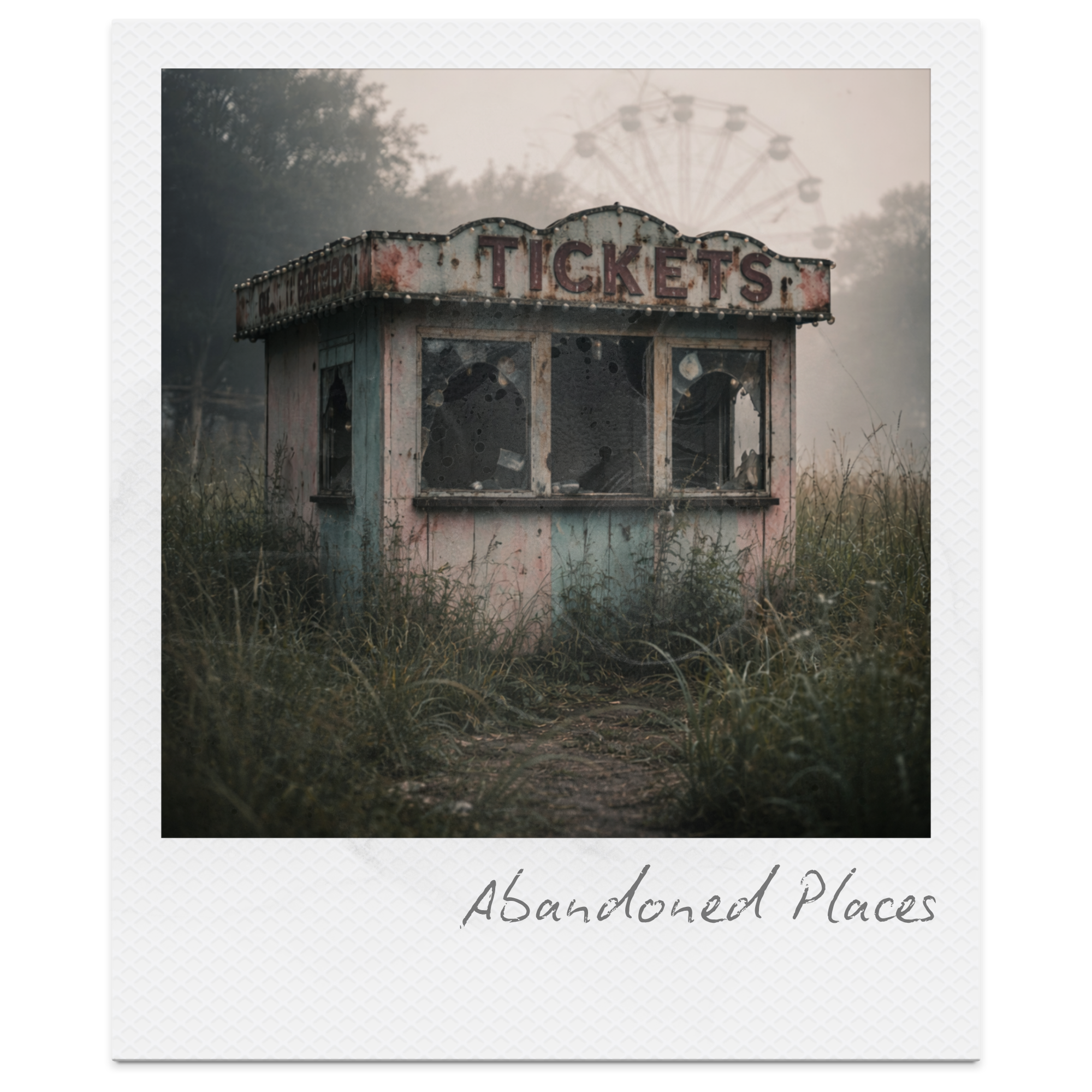
70 Abandoned Places Writing Prompts: Ruins, Empty Spaces & Forgotten Worlds
Abandoned places are some of the most powerful settings in horror, where absence becomes presence and silence carries its own kind of threat. These spaces are defined not just by what remains, but by what is missing — people, purpose, and the sense of safety that once existed there. In stories set in empty towns, derelict buildings, and forgotten landscapes, the past lingers in unsettling ways, creating tension through atmosphere alone. Nothing is ever entirely gone; it simply waits to be discovered. This collection of 70 Abandoned Places Writing Prompts explores ruins, empty spaces, and forgotten worlds through plot hooks, opening lines, character ideas, and cinematic inspiration. From decaying hospitals and deserted streets to isolated houses that feel anything but empty, these prompts are designed to help you build tension, atmosphere, and unease — where every space holds a story, and every silence suggests something more.
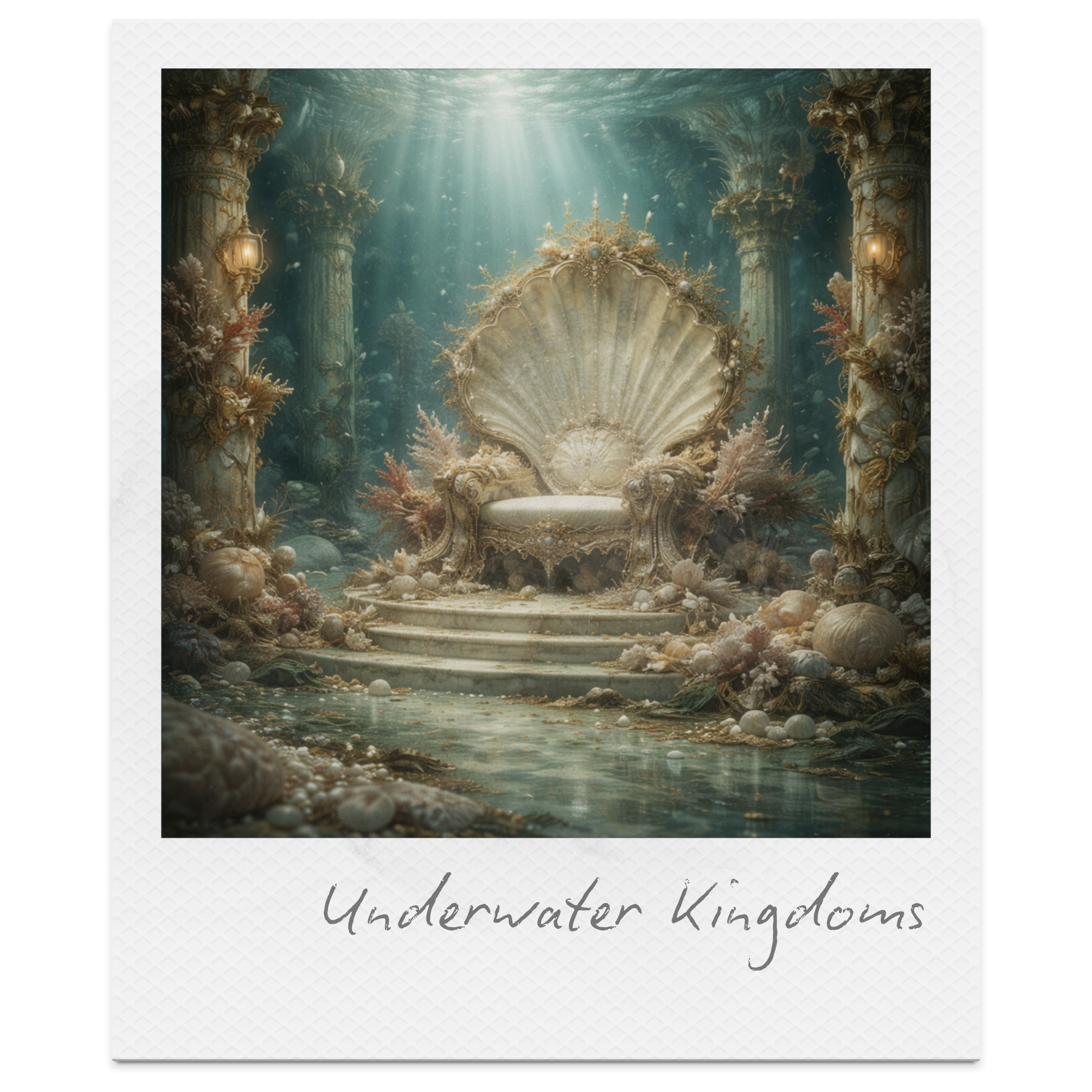
70 Underwater Fantasy World Writing Prompts: Sunken Kingdoms, Lost Worlds & Ocean Magic
Underwater fantasy worlds offer some of the most immersive and visually striking settings in the genre, where entire civilisations exist beneath the surface, shaped by pressure, silence, and the unknown. From the legendary city of Atlantis to the transformative journey in The Little Mermaid, these stories explore the tension between two worlds — land and sea — and the cost of crossing between them. In this collection, writers are invited to imagine sunken kingdoms, hidden societies, and the powerful forces that govern life beneath the waves. This set of 70 Underwater Fantasy Writing Prompts provides a complete creative toolkit, including plot hooks, title ideas, opening and closing lines, character concepts, and atmospheric setting prompts. Exploring themes of transformation, isolation, and survival, these prompts are designed to help writers build immersive worlds and develop stories shaped by the beauty and danger of the ocean.
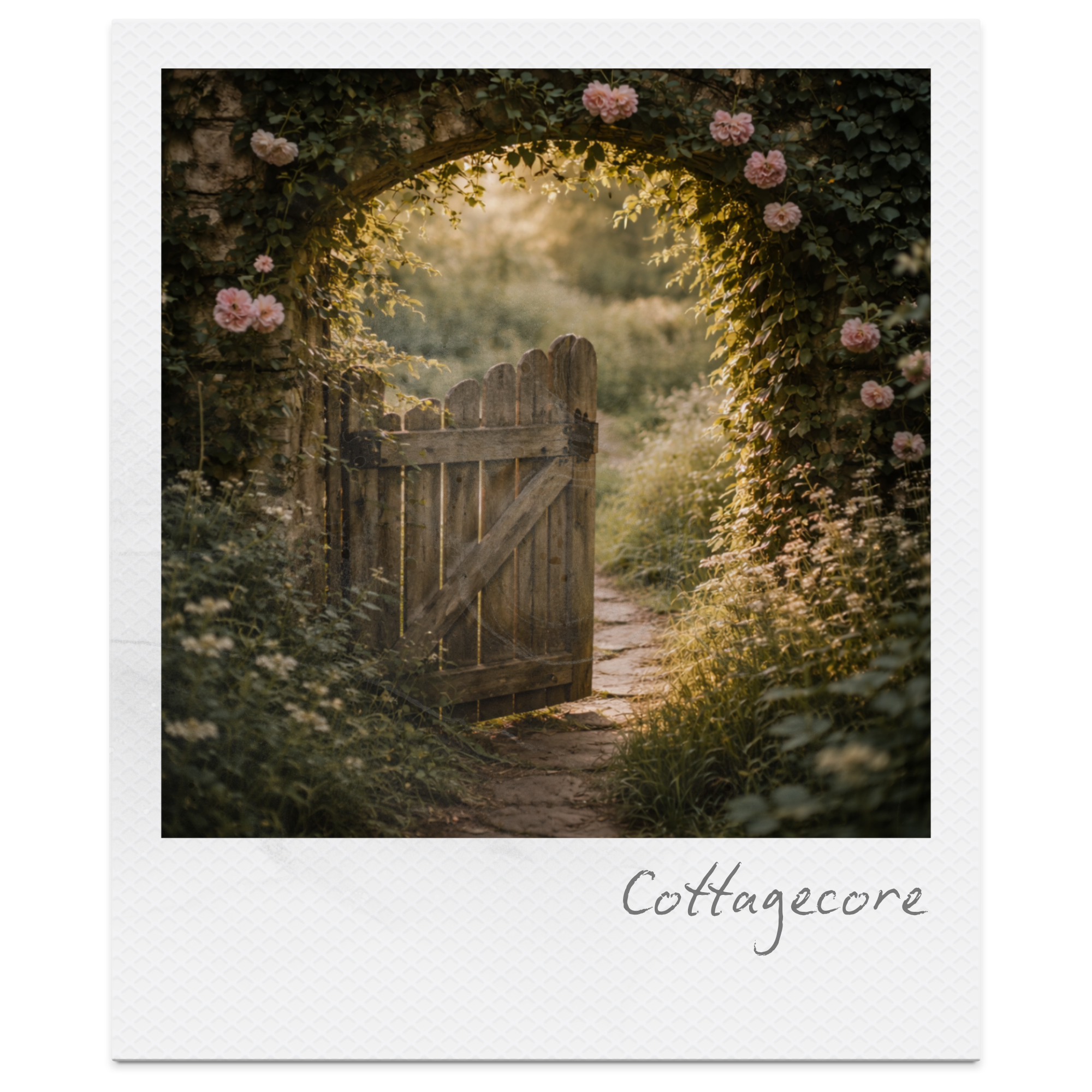
70 Cottagecore Writing Prompts: Simplicity, Nature & Quiet Magic
Cottagecore storytelling captures a quiet, enduring longing for simplicity, connection, and life lived close to the land. Rooted in pastoral traditions and fairytale sensibilities, these narratives focus on small, meaningful moments — tending a garden, baking bread, walking familiar paths — while hinting at something deeper beneath the surface. Often, the magic in cottagecore stories is not dramatic or overt, but subtle, woven into seasonal rhythms, memory, and the quiet transformation of place. These 70 Cottagecore Writing Prompts are designed to help writers explore that gentle, atmospheric world through plot ideas, openings, characters, and visual inspiration. Whether you are writing in the classroom or developing your own creative practice, these prompts offer a starting point for stories shaped by nature, routine, and the soft tension between stillness and change.
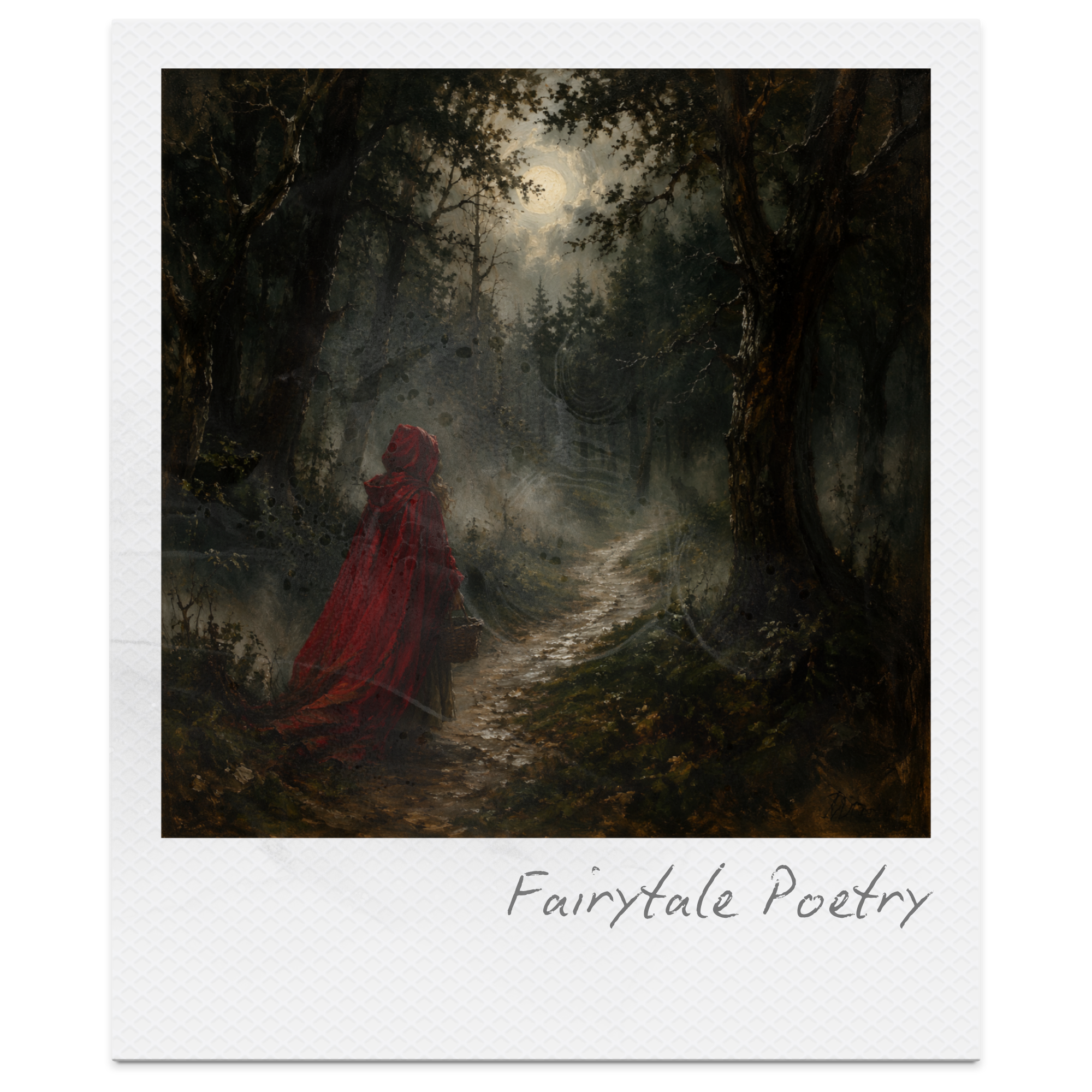
10 Fairytale Poetry Prompts for Teens & Adults: Transformation, Desire, and the Uncanny
Fairytales are often remembered as simple, moral stories — but beneath their surface lie themes of desire, transformation, and quiet unease. These fairytale poetry prompts invite writers to move beyond retelling and instead focus on atmosphere, voice, and symbolic detail, exploring the moments that traditional narratives leave unresolved. From objects that refuse to behave as they should to characters lingering after the story has ended, each prompt encourages a more reflective, craft-focused approach to poetic writing. Designed for teens, adults, and classroom use, these prompts emphasise restraint, imagery, and structure over plot. With suggested opening lines and clear craft techniques — including enjambment, repetition, and white space — writers are guided to experiment with form while maintaining emotional precision. Whether used for teaching, independent writing, or creative exploration, this collection offers a thoughtful way into fairytale-inspired poetry that feels controlled, atmospheric, and open to interpretation.
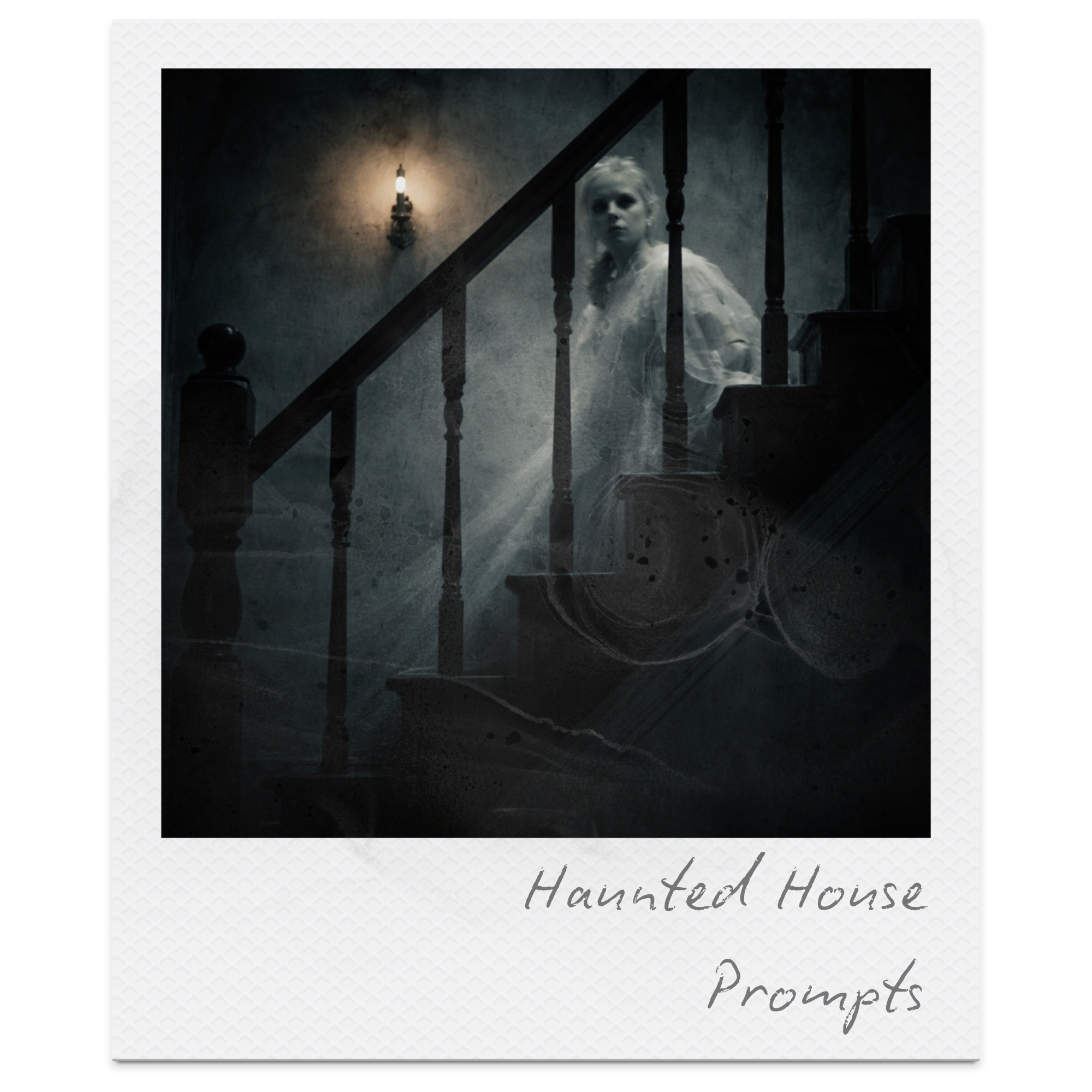
70 Haunted House Writing Prompts: Ideas for Atmospheric and Unsettling Stories
Haunted houses have long been central to gothic storytelling, creating spaces where memory, fear and the unknown begin to overlap. More than simple settings, these houses feel shaped by the lives once lived within them, holding traces of grief, secrecy and unfinished stories. From decaying mansions to quiet family homes, they create an atmosphere where something feels slightly wrong, even before anything is seen or heard. This collection of haunted house writing prompts explores eerie settings, psychological tension and the lingering presence of the past. With plot ideas, opening lines, character prompts and atmospheric images, these ideas are designed to help you craft unsettling stories where the house itself becomes a powerful and unsettling force within the narrative.
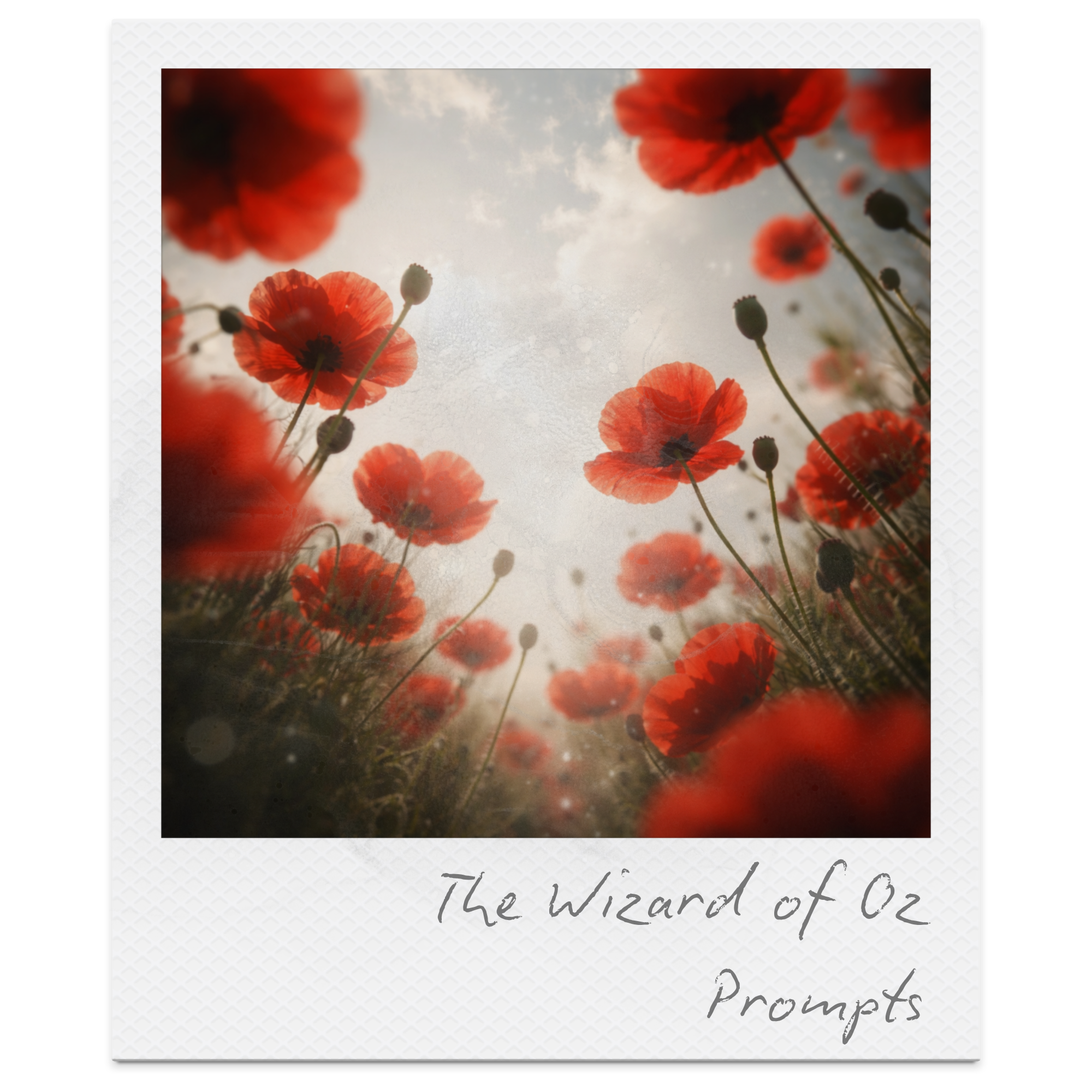
70 The Wizard of Oz Inspired Writing Prompts: Journey, Identity & The Search for Home
Step into a world of colour, illusion, and transformation with these 70 Wizard of Oz writing prompts, designed to spark imagination and support creative storytelling. Inspired by one of the most iconic journeys in literature, this collection explores themes of identity, courage, friendship, and the search for home, inviting writers to reimagine magical worlds where nothing is quite as it seems. From mysterious roads and deceptive rulers to unexpected companions and shifting landscapes, each prompt encourages rich, character-driven storytelling. This collection provides a complete creative toolkit, including plot hooks, title ideas, opening and closing lines, character concepts, and vivid setting inspiration. Whether used for short stories or longer narratives, these prompts help writers explore illusion vs reality, personal growth, and the idea that what we seek may already be within us, making it a powerful resource for both independent writing and structured activities.
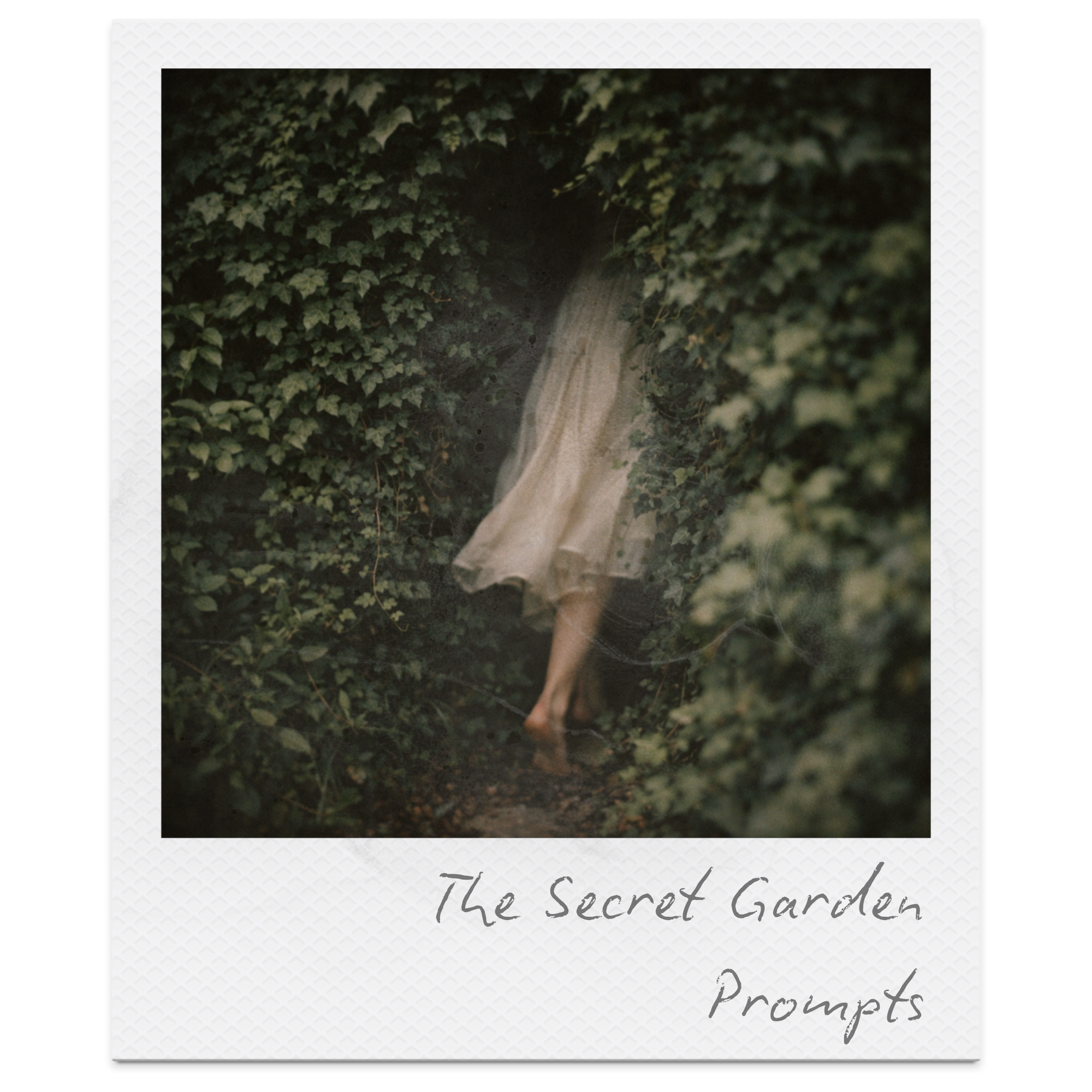
70 Creative Writing Prompts Inspired by The Secret Garden: Growth, Healing & Hidden Worlds
70 Creative Writing Prompts Inspired by The Secret Garden: Growth, Healing & Hidden Worlds offers a rich collection of atmosphere-driven prompts designed to help writers explore themes of transformation, nature, isolation, and emotional renewal. Inspired by Frances Hodgson Burnett’s classic novel, these prompts move beyond retelling the story and instead focus on the quiet, powerful changes that occur when characters connect with place, memory, and themselves. Perfect for classroom use, creative writing clubs, journaling, or independent practice, this collection includes plot hooks, opening lines, character ideas, and visual prompts that encourage symbolic thinking and reflective storytelling. Whether used as quick starters or extended writing tasks, these prompts help writers develop voice, mood, and narrative depth while engaging with one of literature’s most enduring stories of healing and growth.
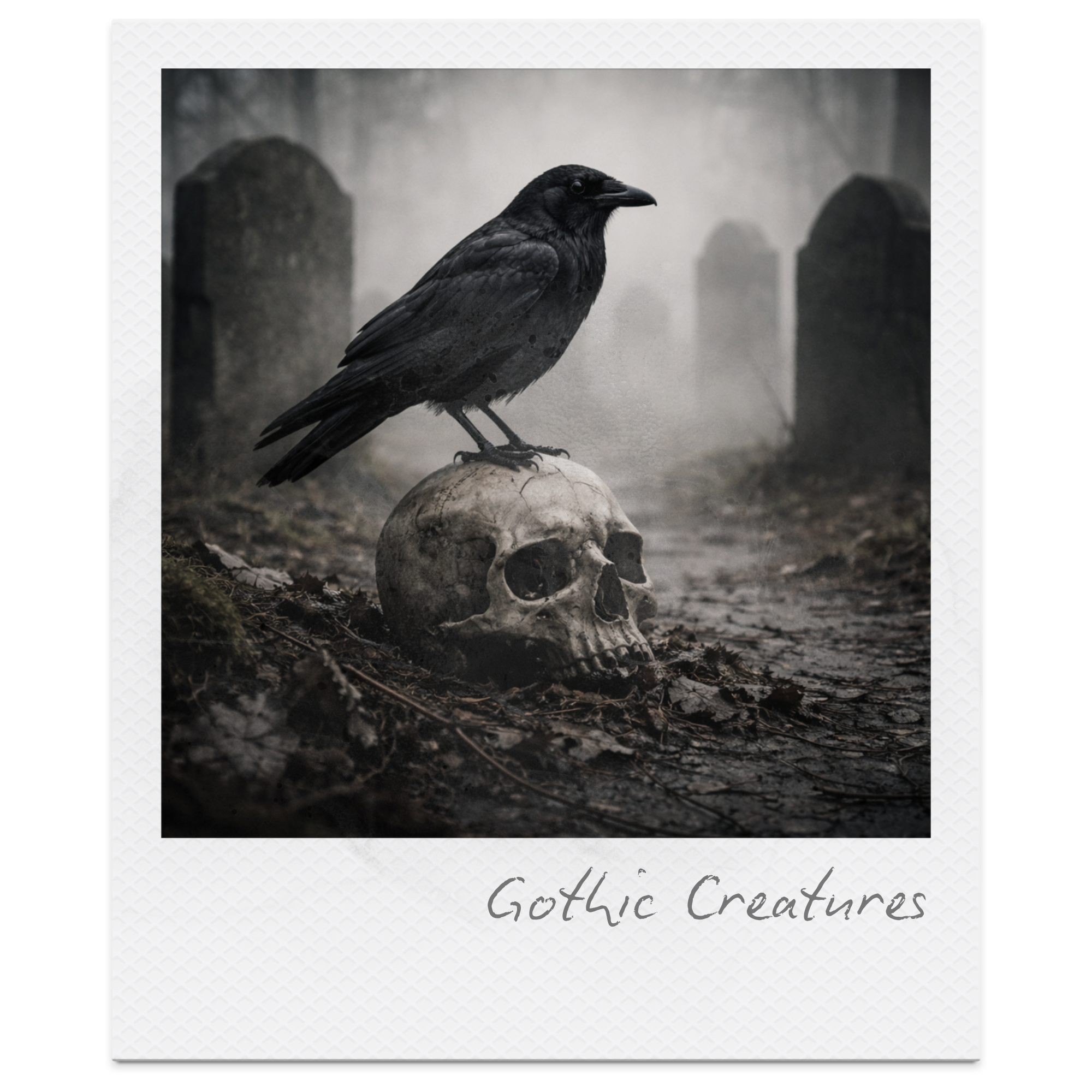
70 Gothic Creature Writing Prompts: Monsters, Myths & Unnatural Beings
Gothic creature writing prompts explore the darker edges of storytelling, where the line between human and inhuman begins to blur. Drawing on Gothic literature, supernatural folklore, and psychological horror, these prompts focus on creatures shaped by grief, obsession, decay, and memory rather than spectacle. From vampires and revenants to doppelgängers and unnamed presences, each idea invites writers to create stories where the unsettling feels intimate and the familiar becomes distorted. This collection of 70 Gothic Creature Writing Prompts offers a complete creative toolkit, including plot hooks, title ideas, opening and closing lines, character concepts, and setting prompts. Designed for atmosphere-driven storytelling, these prompts support short exercises, classroom writing, or longer Gothic and horror projects, helping writers build narratives rooted in tension, symbolism, and quiet unease.