Favourite Short Stories for the Classroom: Powerful Texts That Spark Discussion and Debate
Short stories hold a unique place in the classroom. They are compact enough to teach closely, yet rich enough to support meaningful discussion around power, choice, conformity, identity, and consequence. The best short stories do more than deliver a tidy plot; they unsettle assumptions, invite disagreement, and linger long after the lesson ends. In this post, I’ve gathered favourite short stories for the classroom — texts that consistently spark discussion, reward close reading, and work across age groups. Organised by theme rather than chronology, these stories offer flexible entry points for teaching literature in a way that prioritises thinking, conversation, and interpretation over coverage.
Just a quick note, you’ll find more teaching strategies, prompts, and resources for other set texts in the Literature Library.
Why Short Stories Work So Well in the Classroom
Short stories offer a level of flexibility that novels often cannot. They allow teachers to focus on ideas, language, and interpretation without the pressure of sustained coverage, making them ideal for discussion-led lessons, close reading, and comparative work. Because students encounter the entire narrative in a shorter time frame, short stories also make it easier to examine structure, symbolism, and consequence, while leaving space for debate and creative response. In classrooms where time, access, or engagement can be a challenge, short fiction provides a powerful way to teach literature without sacrificing depth.
Short Stories Exploring Power, Conformity, and Social Control
Many of the most effective short stories for the classroom explore what happens when individual judgement is overridden by group behaviour. In these texts, control is rarely enforced through overt violence; instead, it is maintained through tradition, social pressure, and the quiet expectation to conform. Stories such as The Lottery, Harrison Bergeron, and The Veldt work particularly well in discussion-led lessons because they encourage students to question authority, examine collective responsibility, and consider how easily harmful systems can be normalised.

The Lottery - Shirley Jackson (1948)
The Lottery depicts a seemingly ordinary village gathering for an annual tradition known simply as “the lottery.” Told in a calm, detached tone, the story slowly reveals that this long-standing ritual ends in an act of collective violence, carried out not by a villain, but by the community itself.
Why this text works in the classroom
The Lottery is one of the most effective short stories for exploring power, conformity, and collective responsibility. Students are often struck by how ordinary the setting feels, which makes the final revelation more unsettling. Jackson’s restrained narration encourages close attention to detail, allowing students to analyse how tradition, silence, and social pressure sustain harmful systems. The story is accessible across age groups, yet complex enough to support discussion of moral responsibility, bystander behaviour, and the dangers of unexamined customs.
Classroom activity ideas
◆ Track how Jackson establishes normality in the opening paragraphs and discuss why this makes the ending more disturbing.
◆ Examine moments where characters hesitate or express discomfort and consider why these moments do not lead to resistance.
◆ Explore how language and tone minimise the violence of the ritual and what effect this has on the reader.
◆ Discuss how responsibility is distributed across the community rather than resting with a single individual.
I’ve written a more detailed classroom deep dive on The Lottery, and I also have a complete teaching bundle available on TpT with discussion activities, creative tasks, and assessment-ready resources.

Harrison Bergeron - Kurt Vonnegut (1961)
Harrison Bergeron is set in a future society where equality is enforced through extreme government control. Citizens with above-average intelligence, strength, or beauty are burdened with physical and mental handicaps to ensure no one stands out. When Harrison rebels publicly against these restrictions, the story exposes the brutal cost of enforced sameness.
Why this text works in the classroom
This story is highly effective for exploring authority, control, and the misuse of power. Vonnegut’s exaggerated dystopian setting allows students to interrogate ideas of fairness, freedom, and individuality without needing extensive contextual knowledge. The story’s brevity and clear premise make it accessible, while its satirical tone supports discussion around how language, media, and policy can be used to normalise oppression.
Classroom activity ideas
◆ Examine how the concept of “equality” is distorted within the story and how language is used to justify control.
◆ Explore the role of media and televised spectacle in maintaining authority.
◆ Analyse Harrison’s rebellion and discuss whether it represents resistance, performance, or inevitability.
◆ Discuss how the story encourages readers to question who defines fairness and who benefits from enforced systems.
I have a complete teaching bundle available on TpT for Harrison Bergeron, including discussion activities, creative tasks, and assessment-ready resources.

The Veldt - Ray Bradbury (1950)
The Veldt follows a family living in a fully automated home, where a virtual reality nursery allows the children to project their thoughts and emotions into immersive environments. When the nursery repeatedly generates a violent African savannah, the parents begin to realise that the technology designed to provide comfort and care may be shaping something far more dangerous.
Why this text works in the classroom
The Veldt is particularly effective for exploring technology, authority, and emotional detachment. Students engage quickly with the story’s premise, which opens discussion around parenting, dependence on technology, and the consequences of convenience replacing responsibility. Bradbury’s restrained style allows students to analyse how tension is built gradually, while the symbolic use of setting supports deeper conversations about control, boundaries, and accountability.
Classroom activity ideas
◆ Explore how the nursery functions as both a setting and a reflection of the children’s inner lives.
◆ Analyse the parents’ use of language around “comfort” and “safety” and how this contrasts with their actions.
◆ Discuss where responsibility lies in the story and how authority is repeatedly deferred.
◆ Examine how Bradbury uses implication rather than explicit violence to create unease.
I’ve written a more detailed classroom deep dive on The Veldt, and I also have a complete teaching bundle available on TpT with discussion activities, creative tasks, and assessment-ready resources.
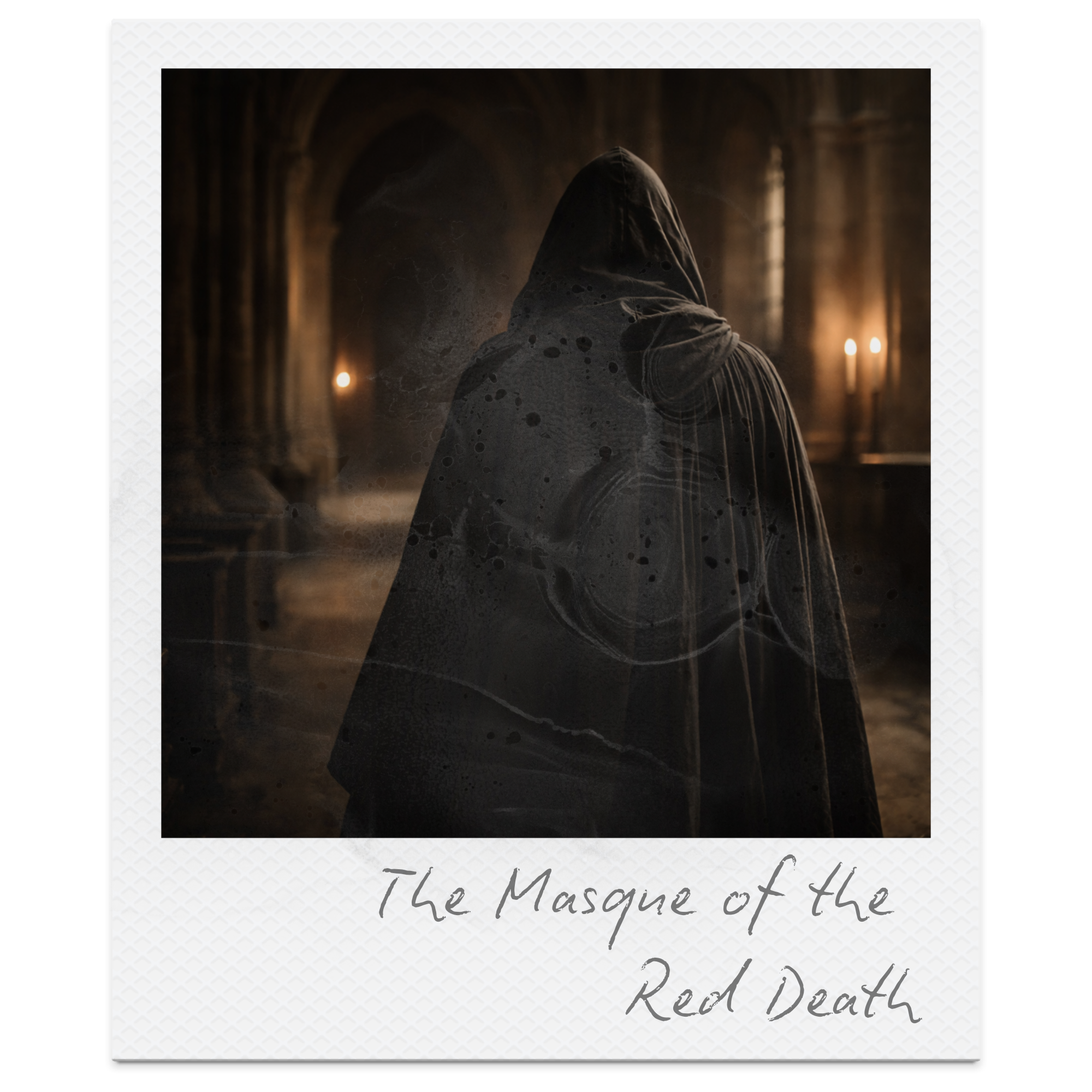
The Masque of the Red Death - Edgar Allan Poe (1842)
The Masque of the Red Death follows Prince Prospero, who attempts to escape a deadly plague by sealing himself and his elite guests inside a fortified abbey. As they indulge in excess and distraction, an uninvited figure appears at a masquerade ball, forcing the characters to confront the inescapability of death.
Why this text works in the classroom
This story is highly effective for exploring power, denial, and the illusion of control. Students are quick to recognise Prospero’s belief that wealth and authority can insulate him from consequence, making the text ideal for discussion of privilege, responsibility, and moral blindness. Poe’s symbolic use of setting, colour, and space also supports close analysis, allowing students to explore how atmosphere and structure reinforce theme.
Classroom activity ideas
◆ Analyse how the abbey functions as a symbol of false security rather than safety.
◆ Explore Prince Prospero as a representation of authority and entitlement.
◆ Track the use of colour and space in the rooms and discuss how they shape meaning.
◆ Discuss why the guests’ isolation ultimately intensifies, rather than prevents, danger.
I have a complete teaching bundle available on TpT for The Masque of the Red Death, including discussion activities, creative tasks, and assessment-ready resources.
Short Stories Exploring Choice, Consequence, and Moral Ambiguity
Some of the most enduring short stories for the classroom centre on moments of choice — decisions that seem small, impulsive, or even justified at the time, but carry lasting consequences. In these texts, meaning often lies not in what happens next, but in what is left unresolved. Stories such as The Necklace, The Lady or the Tiger, and Dr Heidegger’s Experiment work particularly well in discussion-led lessons because they resist moral certainty, encouraging students to weigh responsibility, intention, and outcome rather than search for a single “correct” interpretation.

The Necklace - Guy de Maupassant (1884)
The Necklace follows Mathilde Loisel, a woman consumed by dissatisfaction with her modest life. When she borrows a diamond necklace to attend a high-society event and later loses it, a single decision sets off years of hardship — all driven by appearance, pride, and assumption.
Why this text works in the classroom
This story is particularly effective for exploring choice, consequence, and moral ambiguity. Students are often divided in their responses to Mathilde, which makes the text ideal for discussion-led lessons focused on responsibility, fairness, and self-perception. Maupassant’s controlled narration and tightly structured plot also support close analysis of irony, character motivation, and the gap between appearance and reality.
Classroom activity ideas
◆ Track Mathilde’s decisions and discuss where responsibility lies at each stage of the story.
◆ Explore how ideas of wealth, status, and happiness influence Mathilde’s behaviour.
◆ Analyse the role of dramatic irony in shaping the story’s ending.
◆ Discuss whether the story invites sympathy, judgement, or a more complex response to Mathilde’s character.
I have a complete teaching bundle available on TpT for The Necklace, including discussion activities, creative tasks, and assessment-ready resources.

The Lady, or the Tiger? - Frank R. Stockton (1882)
The Lady, or the Tiger? centres on a public trial in which a young man must choose between two doors: behind one waits a fierce tiger, behind the other a woman he must marry. The choice is overseen by a princess who knows what lies behind each door, and the story ends without revealing which fate she has chosen for him.
Why this text works in the classroom
This story is exceptionally effective for exploring choice, power, and moral ambiguity. Students are often immediately invested in the unresolved ending, which encourages sustained discussion rather than closure. Stockton’s deliberately incomplete conclusion allows students to examine motivation, jealousy, love, and authority, while also questioning whether certainty is always possible — or even desirable — in literature.
Classroom activity ideas
◆ Analyse the princess’s position of power and how it shapes the moral stakes of the story.
◆ Explore how jealousy and love are presented as competing motivations.
◆ Discuss why Stockton refuses to resolve the ending and what this demands of the reader.
◆ Encourage students to justify their interpretation using evidence from the text rather than personal preference.
I have a complete teaching bundle available on TpT for The Lady, or the Tiger?, including discussion activities, creative tasks, and assessment-ready resources.

Dr Heidegger’s Experiment - Nathaniel Hawthorne (1837)
Dr Heidegger’s Experiment follows four elderly friends who are invited to take part in an unusual experiment involving water from the legendary Fountain of Youth. As they briefly regain their youth, old habits and rivalries quickly resurface, raising questions about whether age or character is truly responsible for human folly.
Why this text works in the classroom
This story works particularly well for exploring temptation, consequence, and self-knowledge. Students are often quick to assume that youth will bring wisdom or renewal, which makes the story’s outcome both ironic and instructive. Hawthorne’s use of allegory encourages discussion around human nature, repetition of mistakes, and the limits of second chances, while the controlled setting supports focused close reading.
Classroom activity ideas
◆ Explore the symbolism of the rose and the water and how each represents illusion versus reality.
◆ Analyse the characters’ behaviour once they regain youth and what this suggests about change.
◆ Discuss whether the experiment reveals new truths or simply confirms existing flaws.
◆ Consider Hawthorne’s message about wisdom, experience, and the desire to escape consequence.
I have a complete teaching bundle available on TpT for Dr Heidegger’s Experiment, including discussion activities, creative tasks, and assessment-ready resources.
Short Stories Exploring Psychological Breakdown and Inner Worlds
Some short stories are most powerful not because of what happens outwardly, but because of what unfolds internally. These texts explore isolation, repression, and psychological tension, often blurring the line between perception and reality. Stories such as The Yellow Wallpaper, The Paper Menagerie, and The Monkey’s Paw work particularly well in the classroom because they centre emotional and psychological pressure, encouraging students to examine voice, perspective, and the unseen forces shaping each character’s experience.
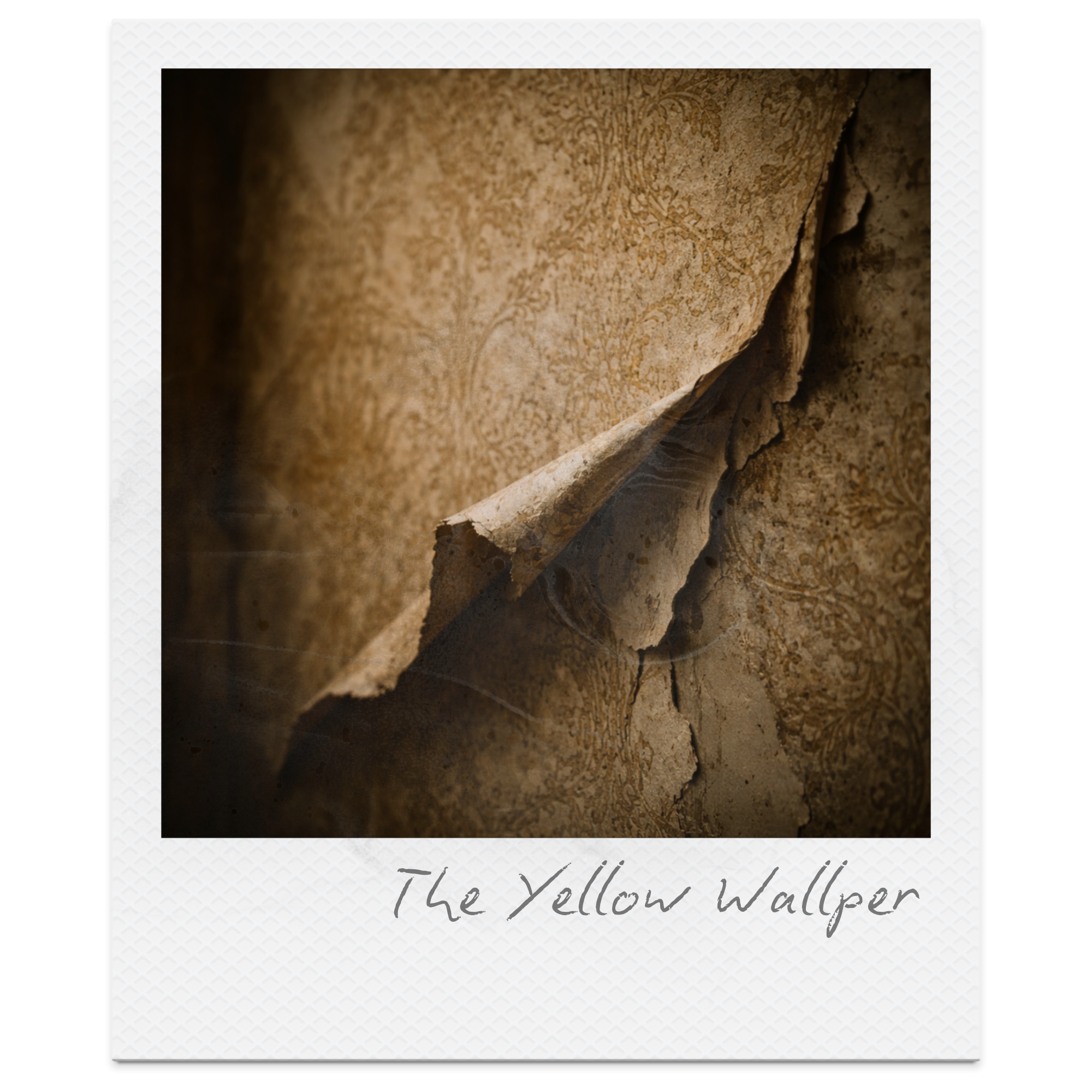
The Yellow Wallpaper - Charlotte Perkins Gilman (1892)
The Yellow Wallpaper is presented as a series of journal entries written by a woman undergoing a “rest cure” for her mental health. Confined to an upstairs room and discouraged from writing or social interaction, she becomes increasingly fixated on the room’s wallpaper, gradually losing her grip on reality as isolation and repression take their toll.
Why this text works in the classroom
This story is particularly effective for exploring psychological breakdown, repression, and control. Students are often struck by how the narrator’s decline is framed as treatment rather than harm, which opens up discussion around authority, gender, and voice. Gilman’s use of first-person narration encourages close analysis of language, reliability, and perspective, while the confined setting supports deeper conversations about how environment and power shape mental health.
Classroom activity ideas
◆ Track shifts in the narrator’s language and tone to chart her psychological decline.
◆ Explore the role of the “rest cure” and how authority is used to silence rather than support.
◆ Analyse the symbolism of the wallpaper and what it comes to represent for the narrator.
◆ Discuss the reliability of the narrator and how reader sympathy is shaped throughout the story.
I have a complete teaching bundle available on TpT for The Yellow Wallpaper, including discussion activities, creative tasks, and assessment-ready resources.
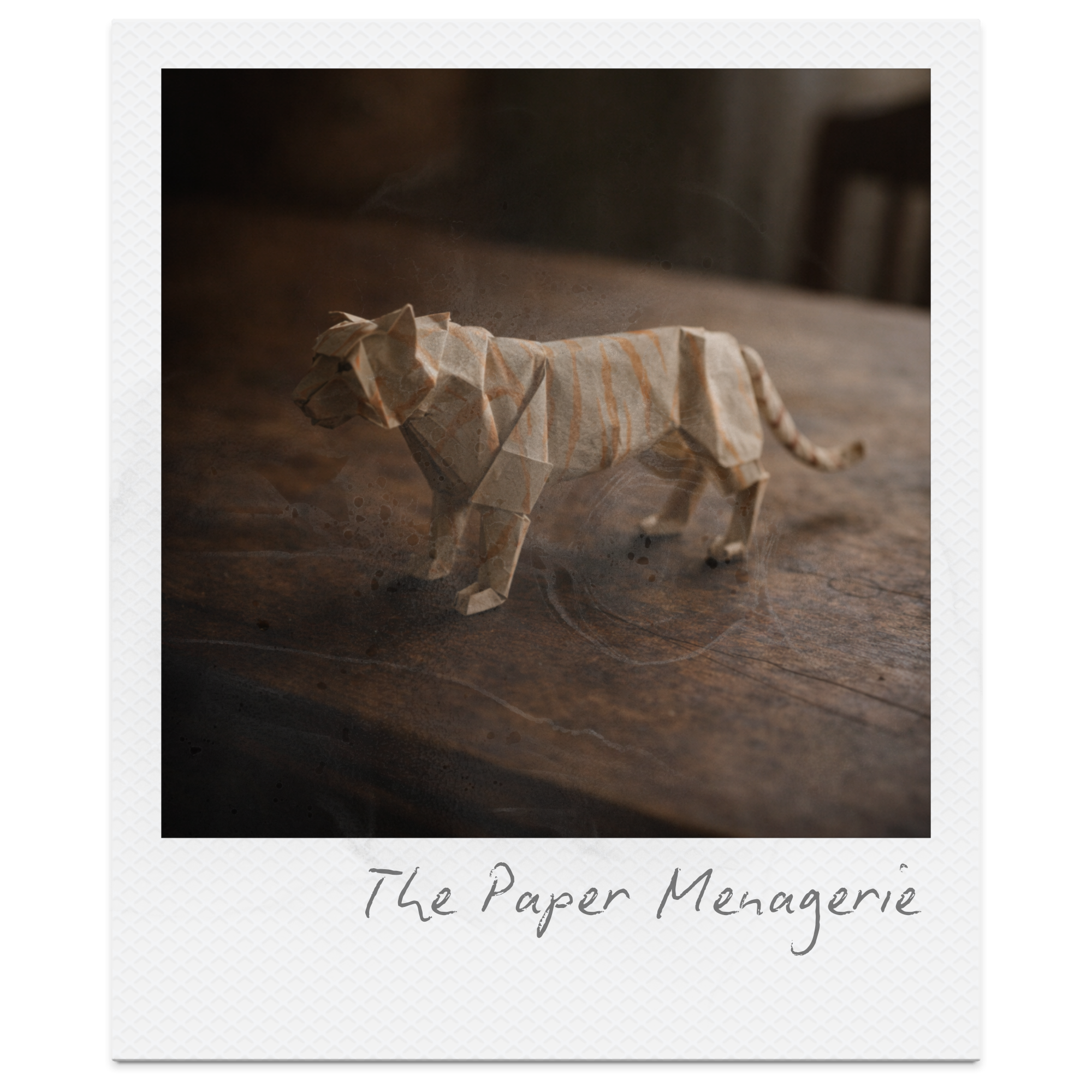
The Paper Menagerie - Ken Liu (2011)
The Paper Menagerie follows Jack, a young boy whose mother brings origami animals to life through storytelling and cultural tradition. As Jack grows older, he distances himself from his heritage and from his mother, only to confront the emotional cost of that rejection later in life.
Why this text works in the classroom
This story is particularly effective for exploring identity, belonging, and emotional repression. Students often connect strongly with the tension between assimilation and heritage, making the text ideal for discussion around voice, memory, and cultural expectation. Liu’s blend of realism and subtle magical elements supports close analysis of symbolism and perspective, while the emotional arc encourages empathy-driven interpretation without sentimentality.
Classroom activity ideas
◆ Explore how the origami animals function as symbols of memory and connection.
◆ Analyse Jack’s narrative voice and how it shifts across different stages of his life.
◆ Discuss how cultural identity and language influence belonging within the story.
◆ Examine how regret and hindsight shape the story’s emotional impact.
I have a complete teaching bundle available on TpT for The Paper Menagerie, including discussion activities, creative tasks, and assessment-ready resources.
The Monkey’s Paw - W. W. Jacobs (1902)
The Monkey’s Paw follows the White family, who come into possession of a talisman said to grant three wishes. Although warned of its dangers, the family uses it in the hope of improving their lives, only to discover that each wish carries devastating and irreversible consequences.
Why this text works in the classroom
This story is particularly effective for exploring desire, guilt, and psychological tension. Students are often quick to focus on the supernatural element, which provides a strong hook, but the real impact lies in the emotional and moral fallout of the family’s choices. Jacobs’ careful pacing and use of implication allow students to analyse how fear is generated through suggestion rather than spectacle, making the story ideal for close reading and discussion.
Classroom activity ideas
◆ Explore how the concept of “wishes” exposes the characters’ underlying fears and desires.
◆ Analyse how suspense is created through pacing, silence, and withheld information.
◆ Discuss the emotional consequences of the wishes rather than their supernatural mechanics.
◆ Examine the ending and consider why ambiguity is more disturbing than explicit resolution.
I have a complete teaching bundle available on TpT for The Monkey’s Paw, including discussion activities, creative tasks, and assessment-ready resources.
Short Stories Exploring Atmosphere, Fear, and the Gothic
Some short stories rely less on plot and more on atmosphere, symbolism, and unease to shape meaning. In these texts, fear is rarely sudden or spectacular; instead, it builds through setting, suggestion, and the slow accumulation of dread. Stories such as The Fall of the House of Usher, The Signal-Man, and The Legend of Sleepy Hollow work particularly well in the classroom because they invite close attention to setting, tone, and mood, encouraging students to analyse how environment itself becomes a source of tension and meaning.
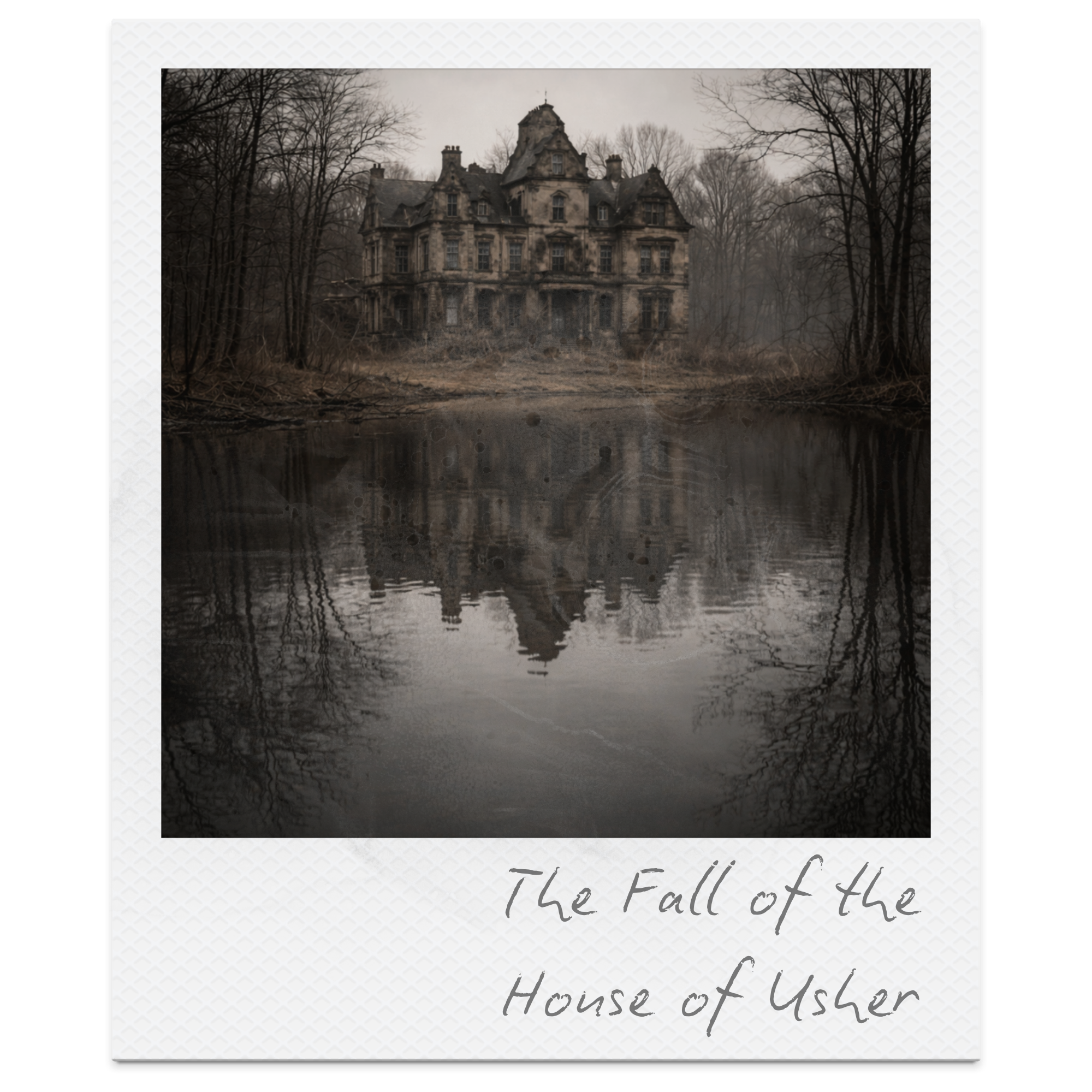
The Fall of the House of Usher - Edgar Allan Poe (1839)
The Fall of the House of Usher follows an unnamed narrator who visits his childhood friend Roderick Usher at a decaying ancestral mansion. As Roderick’s mental and physical health deteriorate, the boundaries between the house, the family, and the mind begin to collapse, culminating in both psychological and physical destruction.
Why this text works in the classroom
This story is particularly effective for exploring atmosphere, symbolism, and psychological fear. Students are often struck by how closely the house mirrors Roderick’s mental state, making the text ideal for analysing how setting functions as more than backdrop. Poe’s dense descriptive language supports close reading, while the slow pace allows discussion to focus on mood, decay, and the relationship between environment and identity.
Classroom activity ideas
◆ Analyse how the house itself operates as a symbol throughout the story.
◆ Explore the connection between Roderick’s mental state and the physical setting.
◆ Examine Poe’s use of sensory language to build unease rather than overt horror.
◆ Discuss whether the narrator can be trusted and how his perspective shapes the reader’s experience.
I have a complete teaching bundle available on TpT for The Fall of the House of Usher, including discussion activities, creative tasks, and assessment-ready resources.
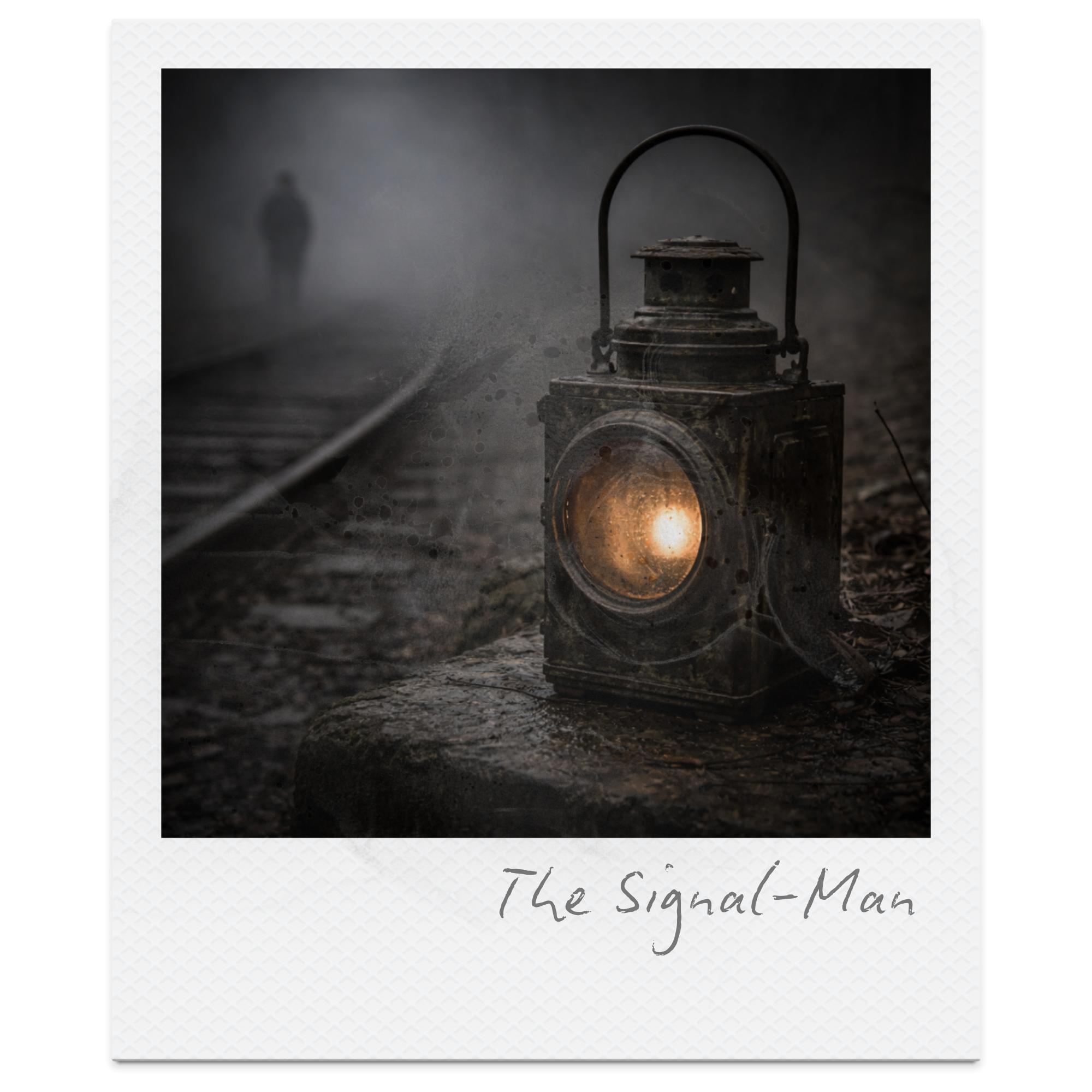
The Signal-Man - Charles Dickens (1866)
The Signal-Man follows a railway worker who confides in a visitor about a series of eerie visions that appear to warn of impending disasters. As the story unfolds, these premonitions take on a chilling significance, blurring the line between supernatural intervention and psychological unease.
Why this text works in the classroom
This story is particularly effective for exploring atmosphere, anticipation, and fatalism. Students are often drawn in by the repetitive structure of the warnings, which builds tension through expectation rather than shock. Dickens’ use of setting, sound, and silence supports close analysis of how fear can be generated through suggestion, while the ambiguity surrounding the visions encourages discussion around interpretation and inevitability.
Classroom activity ideas
◆ Track the repeated warnings and discuss how repetition shapes tension.
◆ Analyse how the railway setting contributes to isolation and unease.
◆ Explore whether the visions function as supernatural events or psychological projections.
◆ Discuss the role of inevitability and whether the tragedy could have been avoided.
I have a complete teaching bundle available on TpT for The Signal-Man, including discussion activities, creative tasks, and assessment-ready resources.
The Legend of Sleepy Hollow - Washington Irving (1820)
The Legend of Sleepy Hollow follows Ichabod Crane, a superstitious schoolteacher whose rivalry with Brom Bones and fascination with folklore culminate in a terrifying encounter on a mist-filled autumn night. The story leaves readers uncertain whether Ichabod’s fate is the result of supernatural forces or human mischief.
Why this text works in the classroom
This story is particularly effective for exploring atmosphere, ambiguity, and the power of storytelling. Students are often captivated by the setting and folklore elements, which provide a strong hook for discussion. Irving’s playful narrative voice and unresolved ending encourage analysis of reliability, fear, and how belief shapes perception, making the text ideal for examining how stories create meaning through suggestion rather than certainty.
Classroom activity ideas
◆ Analyse how setting and seasonal imagery contribute to mood and tension.
◆ Explore Ichabod Crane as both comic and vulnerable and how this shapes reader response.
◆ Discuss the role of folklore and oral storytelling within the narrative.
◆ Examine the ending and debate whether ambiguity enhances or undermines the story’s impact.
I have a complete teaching bundle available on TpT for The Legend of Sleepy Hollow, including discussion activities, creative tasks, and assessment-ready resources.
Go Deeper into Short Stories in the Classroom
Once students are comfortable navigating short fiction, the real value comes from how these texts are used. Short stories offer flexibility, but they are most effective when lessons move beyond plot and towards interpretation, uncertainty, and discussion. The strategies below work particularly well across the stories in this collection, regardless of age group or curriculum focus.
◆ Slow the reading down.
Short stories are often rushed because of their length. Taking time to linger on opening paragraphs, shifts in tone, or unresolved endings allows students to notice patterns, symbolism, and structural choices they might otherwise miss.
◆ Treat ambiguity as the goal, not a problem.
Many of these stories resist clear moral conclusions. Encouraging students to sit with uncertainty — rather than resolve it — leads to more thoughtful discussion and more confident literary analysis.
◆ Shift focus from “what happens” to “why it matters.”
Moving discussion away from plot summary and towards motivation, consequence, and implication helps students engage with literature as a set of ideas rather than a sequence of events.
◆ Use discussion before written responses.
Verbal exploration often unlocks understanding more effectively than immediate writing. Structured discussion, debate, or paired talk allows students to test interpretations before committing to them on the page.
◆ Return to language and setting.
Across these stories, meaning is often carried through atmosphere, description, and silence. Revisiting key phrases or settings helps students see how writers shape mood and guide reader response without explicit explanation.
If you teach short stories regularly, approaching them as a connected body of texts rather than isolated lessons can be especially powerful. Patterns around power, choice, identity, and fear begin to emerge, helping students make links across genres, periods, and voices.
For teachers looking for structured support, I have complete classroom teaching bundles on TpT for every story featured in this post. These include discussion activities, creative tasks, and assessment-ready resources designed to support flexible, discussion-led teaching without over-scaffolding interpretation.
Approached thoughtfully, short stories offer some of the richest opportunities for literary thinking — not because they are brief, but because they leave space for students to question, disagree, and reflect.
Final Thoughts
Short stories remain some of the most powerful texts we can bring into the classroom, not because they are quick to teach, but because they demand attention, interpretation, and discussion. Across the stories in this collection, meaning emerges through choice, silence, atmosphere, and consequence, inviting students to think carefully rather than rush towards answers.
Approaching short fiction this way allows space for uncertainty, disagreement, and reflection — all essential parts of literary study. Whether a story unsettles, frustrates, or lingers, that response is often where the most valuable learning takes place. When students are encouraged to question motives, examine language, and sit with ambiguity, short stories become a training ground for deeper reading across all forms of literature.
Used thoughtfully, these texts offer far more than self-contained lessons. They create opportunities for sustained discussion, comparative thinking, and genuine engagement with ideas that extend beyond the page — which is exactly why they continue to earn their place in the classroom.
Choose Your Next Collection