Notes from the Inkpot
Writing, teaching, creating - one ink-stained idea at a time.



Insects by John Clare: Summary, Themes & Analysis
Discover Insects by John Clare through a clear summary, exploration of its key themes, important quotations, literary techniques, and alternative interpretations. Learn how Clare uses vivid imagery, personification, and symbolism to transform ordinary insects into powerful symbols of beauty, freedom, imagination, and the wonder of the natural world.
My Favourite Shakespeare Plays for the Classroom (And How I Teach Them)
Shakespeare’s plays remain some of the most rewarding — and most challenging — texts to teach in the classroom. Rather than treating his work as a checklist of required plays, this post explores the Shakespeare plays that genuinely work in the classroom, focusing on discussion, interpretation, and moral complexity rather than memorisation. From tragedy and comedy to romance and sonnets, these are the texts that consistently engage students and reward close reading. Drawing on classroom experience, this guide groups Shakespeare plays for teaching around key themes such as power, identity, justice, love, and consequence. Each section explains why the play works, how it sparks discussion, and what students gain from studying it. Whether you’re choosing your next Shakespeare text or rethinking how you teach a familiar one, this post offers a thoughtful, practical starting point.
The Ultimate Guide to Teaching Shakespeare in the Secondary English Classroom
Teaching Shakespeare in the secondary English classroom can feel intimidating, but his plays remain some of the most powerful texts for developing close reading, discussion, interpretation, and creative writing. From tragedy and political drama to explorations of power, identity, and moral choice, Shakespeare’s work offers unmatched opportunities for student engagement across secondary and further education. This comprehensive guide brings together key Shakespeare plays, effective teaching approaches, and flexible classroom resources, showing how Shakespeare can be taught through language, performance, and interpretation rather than memorisation or reverence. Whether you’re introducing Shakespeare for the first time or refining your practice, this pillar provides a clear, confident framework for teaching Shakespeare with depth and purpose.
My Favourite Ray Bradbury Texts (And How I Use Them in the Classroom)
Ray Bradbury remains one of the most powerful and teachable voices in dystopian and speculative fiction. His texts explore technology, control, conformity, responsibility, and human behaviour in ways that feel unsettlingly familiar to modern students. From short stories like The Veldt and A Sound of Thunder to novels such as Fahrenheit 451 and Something Wicked This Way Comes, Bradbury’s writing invites discussion without overwhelming students with complexity or historical distance. This post brings together my favourite Ray Bradbury texts for the classroom, organised by theme and paired with practical teaching ideas. Rather than treating each story in isolation, it explores how Bradbury’s work functions as a connected body of warnings — about comfort, power, environment, and choice. If you’re looking for engaging ways to teach Ray Bradbury, build discussion-led lessons, or introduce dystopian fiction in a way that feels relevant and accessible, this is a strong place to start.

The Veldt by Ray Bradbury: Summary, Themes, Meaning & Analysis
Ray Bradbury’s The Veldt is often taught as a warning about technology gone too far — but that reading only scratches the surface. Beneath the virtual nursery and its unsettling imagery, the story is really about parenting, power, and what happens when moral responsibility is repeatedly deferred in favour of comfort. In this in-depth analysis for English teachers, I explore how The Veldt exposes emotional outsourcing, delayed authority, and the quiet consequences of avoidance. The post examines Bradbury’s post-war context, the nursery as a site of control rather than care, and why the story’s ending feels inevitable rather than shocking. With clear classroom insight, teaching guidance, and extension ideas, this post helps teachers move beyond surface-level symbolism and into richer discussion about technology, control, and responsibility — showing why The Veldt remains one of Bradbury’s most disturbing and relevant stories to teach.

Favourite Short Stories for the Classroom: Powerful Texts That Spark Discussion and Debate
Short stories offer some of the richest opportunities for discussion in the classroom. Their compact form allows students to engage deeply with power, choice, identity, and consequence, while leaving space for interpretation rather than easy answers. The best short stories do not rush towards resolution; they invite debate, uncertainty, and close attention to language. This post brings together favourite short stories for the classroom — texts that consistently spark discussion and reward close reading. Organised by theme, it explores stories such as The Lottery, The Yellow Wallpaper, The Necklace, and The Monkey’s Paw, alongside practical classroom ideas designed to support thoughtful, discussion-led teaching.
Pre-Reading Poetry Activities for Secondary English (Before Analysis Begins)
Poetry often becomes difficult in classrooms not because the poems themselves are inaccessible, but because students are asked to analyse them before they have had time to encounter them as readers. When lessons begin with context, terminology, and line-by-line breakdowns, many students assume there is a correct interpretation they are meant to find — and that poetry is something to decode rather than experience. Pre-reading and pre-analysis poetry activities slow that process down. They give students space to hear a poem, react to it, and form instincts before analysis begins. By focusing on first impressions, emotional response, and pattern-spotting, these approaches help students build confidence and curiosity — making later close reading more meaningful, purposeful, and far less mechanical.

The Fly by Katherine Mansfield: Post-War Grief, Masculinity, and Trauma (For English Teachers)
The Fly by Katherine Mansfield is often taught as a short, symbolic story — but its real power lies in what it reveals about post-war grief, masculinity, and emotional repression. Written in the aftermath of the First World War, The Fly explores what happens when loss is expected to be over, yet trauma quietly persists beneath ordinary life. This post is designed for English teachers looking to bridge WW1 poetry and post-war prose, showing how lived experience shapes literature long after conflict has ended. It explores Mansfield’s personal connection to war, the symbolism of the fly as repeated trauma, and the story’s unsettling portrayal of power, control, and suppressed emotion. With classroom-ready activity ideas and links to wider conflict poetry, this deep dive helps teachers position The Fly as more than a standalone short story — but as part of a broader conversation about aftermath, memory, and the long shadow of war.

How to Teach The Crucible: Context, Chaos, and Classroom Activities That Actually Work
Teaching The Crucible works best when you keep context manageable, lean into fear and reputation, and give students structured ways to talk before they write. In this post I’m sharing practical classroom strategies, discussion ideas, revision activities, and two resource bundles — plus a free set of Act 1 discussion cards to get you started.
20 Conflict Poems to Teach: A Timeline from WW1 to Modern Warfare
Looking for conflict poems to teach? This teacher-friendly guide brings together 20 powerful poems about war and conflict, spanning World War One, Vietnam, modern warfare, and media-driven violence. Each poem includes a brief overview and practical classroom ideas, making it easy to dip in and out when planning lessons on ethics, trauma, protest, responsibility, and witnessing conflict from afar.

Teaching The Lottery by Shirley Jackson Without Context (And Why It Works)
When teaching The Lottery by Shirley Jackson, I deliberately avoid giving students historical context before the first reading. Instead, I let them experience the story as it was designed to be read: ordinary, unsettling, and deeply uncomfortable. In this post, I explain why teaching The Lottery without context leads to stronger discussion, deeper understanding, and more meaningful student responses — and how delaying explanation allows the text itself to do the work.
How and Why to Teach Dulce et Decorum Est: Context, Meaning, and Classroom Approach
Dulce et Decorum Est is one of the most widely taught and frequently misunderstood poems of the First World War. This in-depth guide explores how and why to teach Wilfred Owen’s war poem through historical context, changing attitudes to war, and thoughtful classroom practice. From first encounters with the poem to assessment and common teaching pitfalls, this post offers a clear, purposeful approach to teaching Dulce et Decorum Est as more than an exam text — but as a powerful challenge to the language used to glorify war.
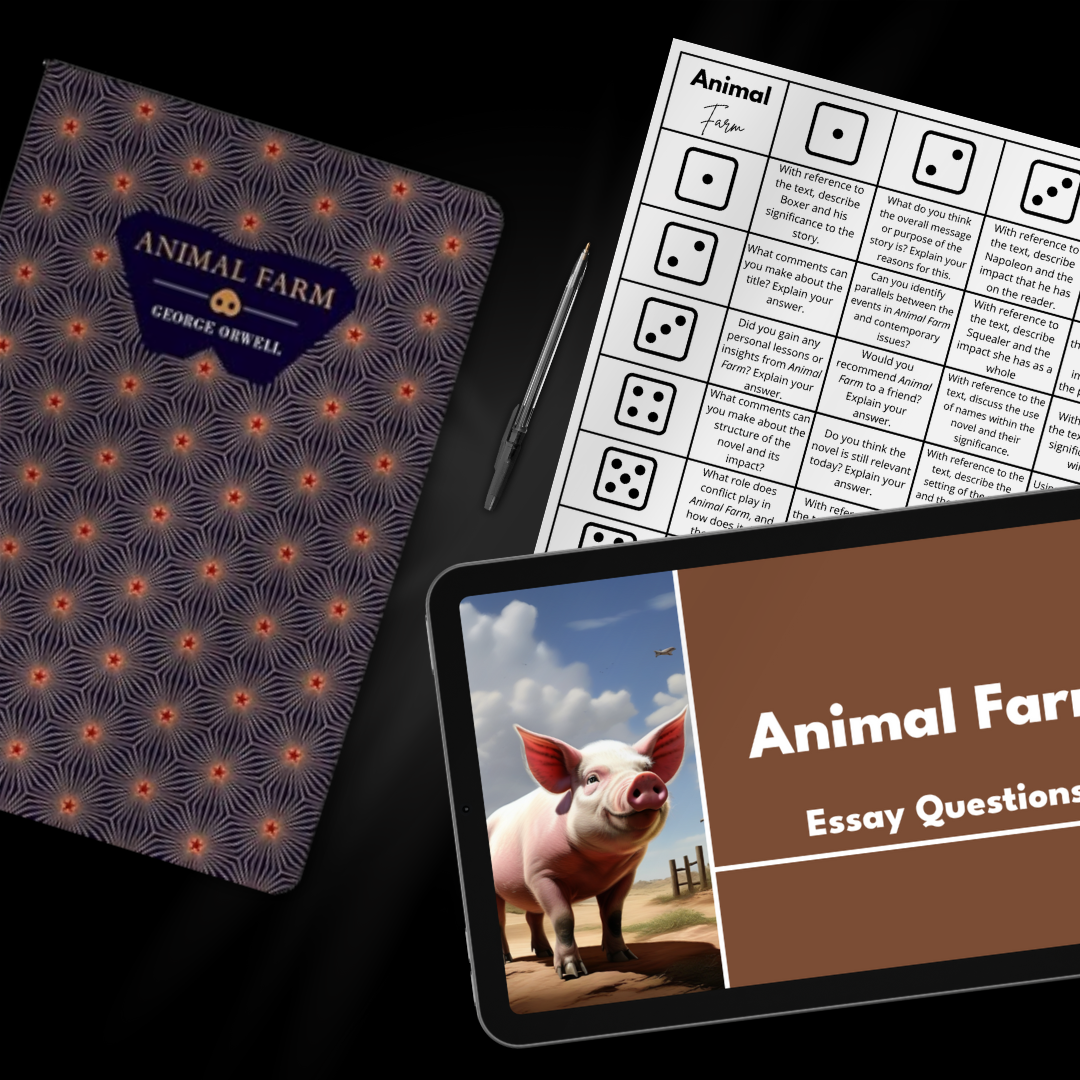
How to Teach Animal Farm: Practical Strategies, Discussion Ideas, and Activities That Actually Work
Teaching Animal Farm works best when you slow students down and focus on how Orwell builds power through language, propaganda, and responsibility. In this post, I break down how to teach it without drowning students in context, share activities that actually work in the classroom, and include a free set of Chapter 1 creative writing prompts you can use straight away.

My Favourite Texts to Teach in March (Novels, Plays, Short Stories & Poems)
March is a turning point in the school year. Students are no longer settling in, but they’re not quite finished either — and that shift matters. This is the moment when texts about voice, power, and resistance begin to land differently. From novels and plays to short stories and poems, these are the texts I return to every March because they meet students exactly where they are: questioning, restless, and ready to think more deeply.
Lord of the Flies: Why Students Engage, and Why Teachers Need More Than a Summary Sheet
Lord of the Flies is a novel that consistently engages students, but teaching it well requires more than summary sheets and surface-level analysis. This post explores why Lord of the Flies works so powerfully in the classroom, how students instinctively respond to its themes of power, fear, and responsibility, and where lessons often begin to break down once discussion deepens. Written for teachers working across different classrooms and curricula, this guide focuses on how to teach Lord of the Flies effectively — from structuring discussion and securing recall to using creative writing as a way into deeper analysis. It also shares practical classroom strategies and introduces a comprehensive Lord of the Flies resource bundle designed to support discussion, analysis, and assessment without increasing planning workload.

20 Best Texts to Teach in January: Fresh Starts, New Beginnings, and Smart Classroom Momentum
January is one of the most important — and underestimated — teaching months of the year. After the break, students don’t need noise or novelty; they need texts that rebuild focus, invite reflection, and spark meaningful discussion. This curated list of 20 novels, short stories, poems, films, and podcasts offers flexible, high-impact texts that work across ages and formats, helping you reset classroom momentum without overloading your planning.
The Real Point of A Christmas Carol: Meaning, Context, and Why We’re Still Missing It in the Classroom
A Christmas Carol is often taught as a simple story of personal redemption, but Charles Dickens wrote it as a fierce critique of poverty, inequality, and social responsibility. Beneath the familiar ghosts and festive imagery lies a political text that challenges readers to confront the systems that allow suffering to persist. This post explores the real meaning of A Christmas Carol in the classroom, examining Dickens’ purpose, key ideas, and modern relevance. With clear analysis, teaching insights, and discussion extensions, it shows how the novella works not just as a set text, but as a demand for action — making it more powerful, relevant, and challenging for students today.
Why Silent Debates Might Be the Best Thing I Ever Did in an English Classroom
Silent debates are one of the most effective classroom discussion strategies for engaging every student — especially quieter learners who struggle with traditional whole-class discussion. By shifting debate into writing, silent debates create space for students to explore ideas, challenge interpretations, and respond to others without the pressure of speaking, leading to deeper and more thoughtful engagement with texts. This ultimate guide to silent debates in the English classroom explains what they are, why they work, and how to run them effectively before, during, and after reading. With practical steps, extension ideas, and clear links to essay writing and revision, it shows how silent debates build independent thinking, support strong analysis, and help students move beyond memorised responses.

Why Of Mice and Men Still Matters: Context, Controversy, and the Classroom
Of Mice and Men remains one of the most powerful and challenging texts taught in the secondary English classroom. Despite ongoing debate around challenged books, controversial language, and classroom suitability, Steinbeck’s novella continues to resonate with students because it tackles enduring questions of power, loneliness, prejudice, and moral responsibility. Short, accessible, and deceptively complex, it invites discussion rather than delivering easy answers. This post explores why teachers still teach Of Mice and Men in 2026, examining its historical context, its place within modern classrooms, and the strategies that keep students engaged through creative writing, discussion-led learning, and reflective tasks. It also offers ideas for taking learning deeper once the final chapter is reached — supporting thoughtful, nuanced teaching of a text that refuses to be forgotten.
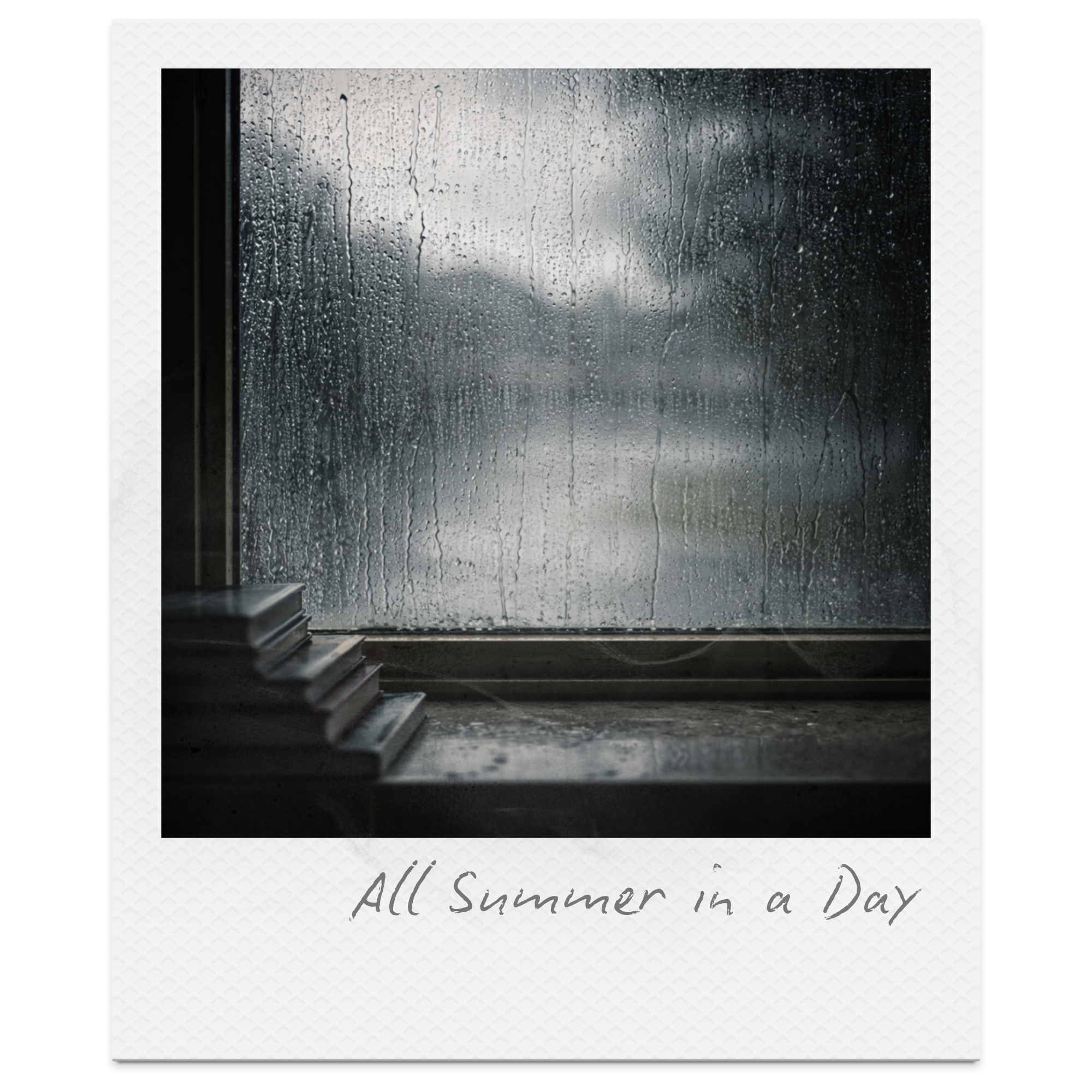
How to Teach All Summer in a Day (Including Discussion Ideas & Creative Writing Activities)
All Summer in a Day by Ray Bradbury is a powerful KS3 short story that explores conformity, bullying, empathy, and collective cruelty through a deceptively simple science-fiction setting. This classroom-focused guide shares practical teaching strategies, discussion ideas, and creative writing approaches to help students engage deeply with the text while encouraging thoughtful analysis and reflection. Drawing on literary context, lesson flow, and meaningful creative responses, this post shows how All Summer in a Day can be taught as more than a plot-driven story — and how it opens into wider conversations about responsibility, silence, and moral choice in both literature and the classroom.