20 Conflict Poems to Teach: A Timeline from WW1 to Modern Warfare
Conflict poetry has long been one of the most powerful ways to explore how war, violence, and moral responsibility shape human experience. From the trenches of World War One to the realities of modern warfare, poets have responded to conflict by questioning patriotism, exposing trauma, and giving voice to those caught in its aftermath.
This timeline of 20 conflict poems to teach traces how war poetry evolves alongside changes in combat, technology, and perspective. Early poems often reflect idealised attitudes to war, while later works confront disillusionment, psychological damage, civilian suffering, and ethical unease. As conflicts become more remote, mediated, and complex, poetry shifts from direct testimony to reflection, witness, and moral interrogation.
Designed for secondary and post-secondary classrooms, this curated timeline supports teachers exploring war poetry, ethical conflict, and modern conflict poetry through a clear historical progression. Poems can be taught chronologically, paired for comparison, or selected as standalone texts to support discussions around power, violence, responsibility, and the human cost of war.
To understand how conflict poetry develops, it helps to begin before the violence itself. Early war poems reveal the values, expectations, and cultural myths that shaped how conflict was understood — ideas about honour, duty, masculinity, and sacrifice that later poets would challenge or dismantle. Placing these poems at the start of a conflict poetry timeline makes the shift in tone, language, and purpose unmistakable once war becomes lived experience rather than abstract ideal.
Early Attitudes to War: Patriotism, Honour, and Idealism
These poems reflect how war was often framed before first-hand experience disrupted idealised narratives, offering a useful starting point for examining how cultural attitudes shape conflict writing.
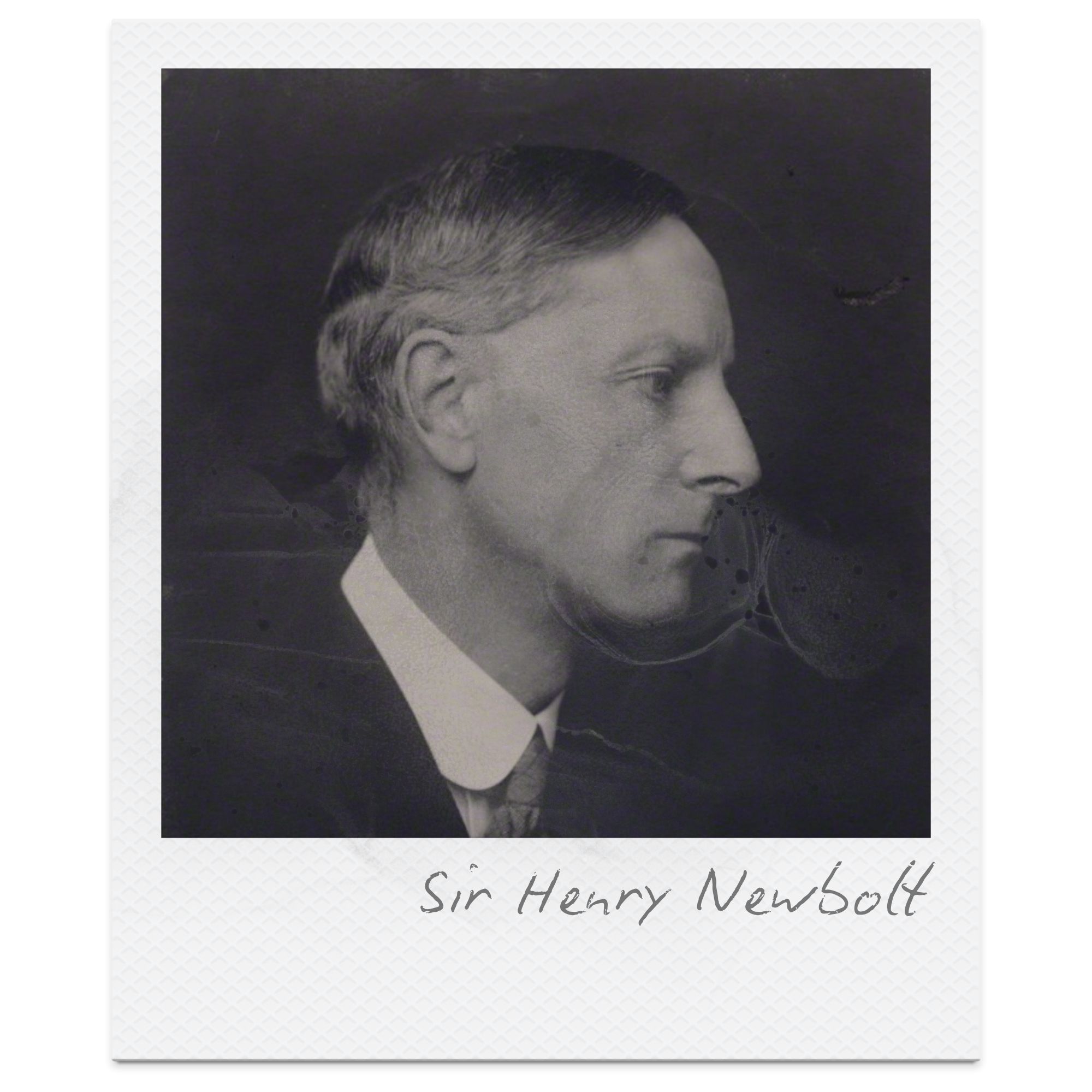
Vitai Lampada – Henry Newbolt
Vitai Lampada reflects late-Victorian attitudes to war shaped by empire, public school values, and idealised masculinity. Conflict is framed through sporting imagery, presenting endurance, obedience, and loyalty as moral virtues that prepare young men for battle.
Why this poem works in the classroom
This poem works exceptionally well as a contrast text. Its confident, patriotic tone allows students to explore how cultural narratives around honour and duty were constructed before the realities of modern warfare challenged them. It also opens discussion around education, masculinity, and national identity.
Classroom activity ideas
◆ Identify sporting metaphors and discuss how they shape attitudes towards violence and sacrifice.
◆ Compare its tone and message with a later war poem to track shifting perspectives on conflict.
◆ Rewrite a stanza using a modern setting to explore how ideas of honour and duty have changed.
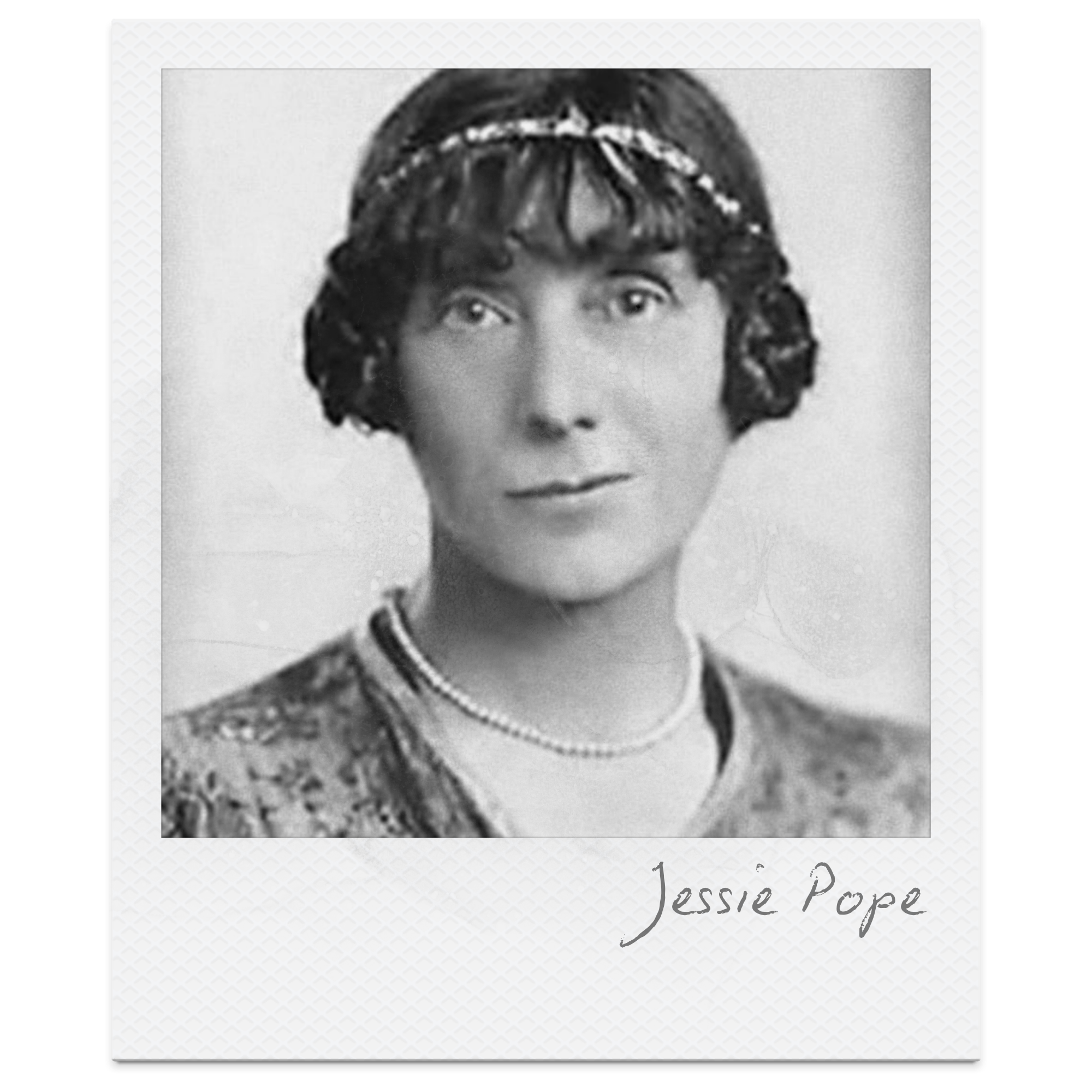
Who’s for the Game? – Jessie Pope
Published in 1915, during the early stages of World War One, Who’s for the Game? adopts a light, conversational tone to encourage enlistment. War is presented as a sporting event testing courage and masculinity, deliberately downplaying its dangers.
Why this poem works in the classroom
This poem is invaluable for examining propaganda and persuasion. Its rhetorical questions and playful language make it ideal for analysing how poetry can influence public opinion, particularly when written for a civilian audience rather than from direct combat experience.
Classroom activity ideas
◆ Analyse the poem’s use of questions and second-person address to identify persuasive techniques.
◆ Debate whether the poem should be read as naïve, manipulative, or culturally reflective.
◆ Pair with a trench poem to explore how tone and purpose shift once war is directly experienced.
World War One Poetry: First-Hand Experience and Disillusionment
World War One marks a decisive shift in conflict poetry. For the first time, poets were writing from inside the war itself, documenting trench warfare, industrialised violence, and the psychological toll of prolonged combat. Idealised language gives way to bitterness, irony, and anger as poets challenge the narratives that sent them to fight.
These poems form the backbone of many war poetry units because they expose the gap between expectation and reality with unsettling clarity.
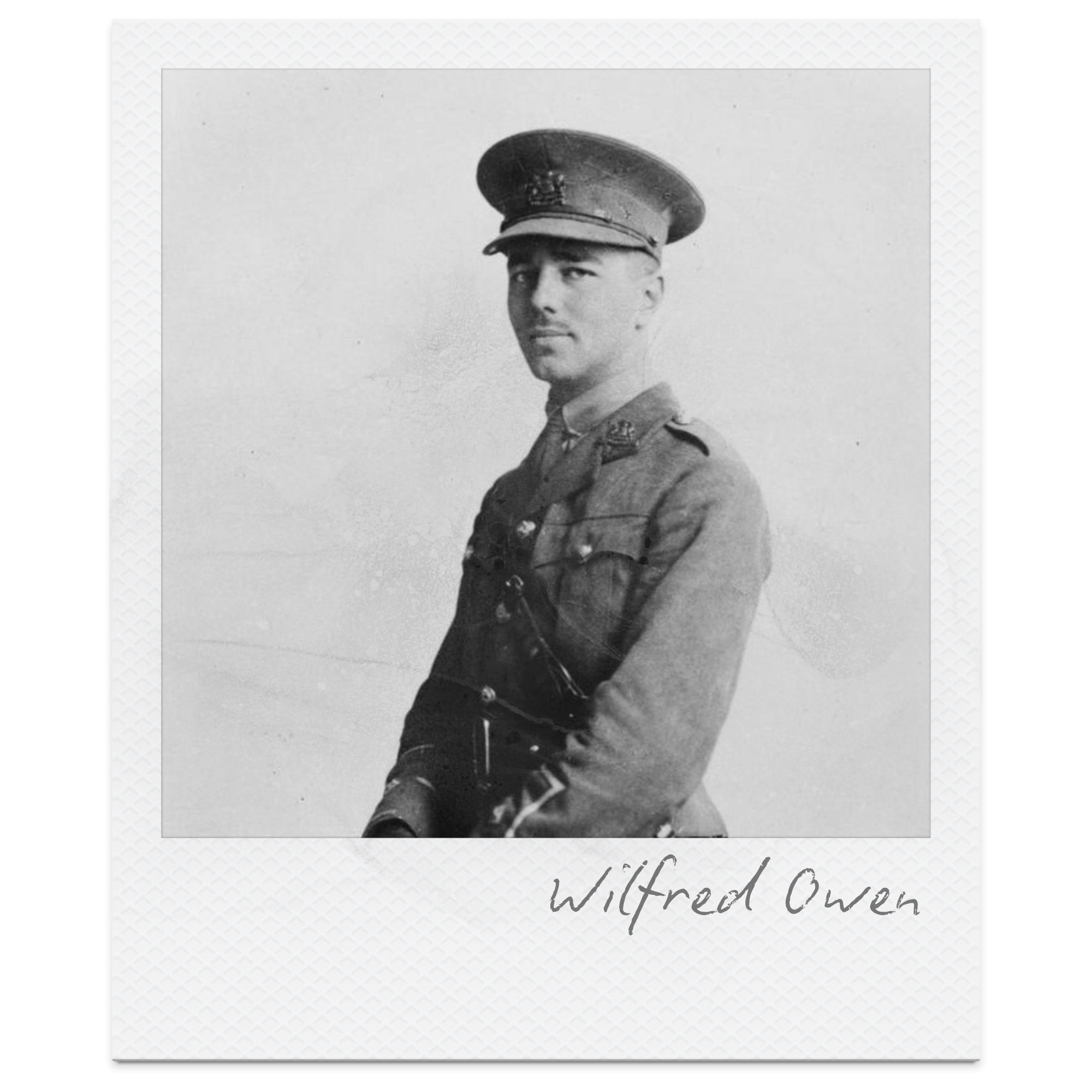
Dulce et Decorum Est – Wilfred Owen
Written in 1917 and published posthumously in 1920, Dulce et Decorum Est recounts a gas attack in graphic, unflinching detail. Owen directly challenges the idea that it is noble to die for one’s country, exposing patriotic slogans as dangerous lies.
Why this poem works in the classroom
This poem is central to understanding disillusionment in war poetry. Its visceral imagery and direct address allow students to examine how language can be used to confront propaganda, authority, and moral hypocrisy.
Classroom activity ideas
◆ Track the shift in tone from exhaustion to horror and discuss how Owen controls pace and impact.
◆ Analyse Owen’s use of sensory imagery to explore the physical realities of trench warfare.
◆ Compare the poem’s message with a pre-war poem to examine how attitudes to conflict collapse under lived experience.
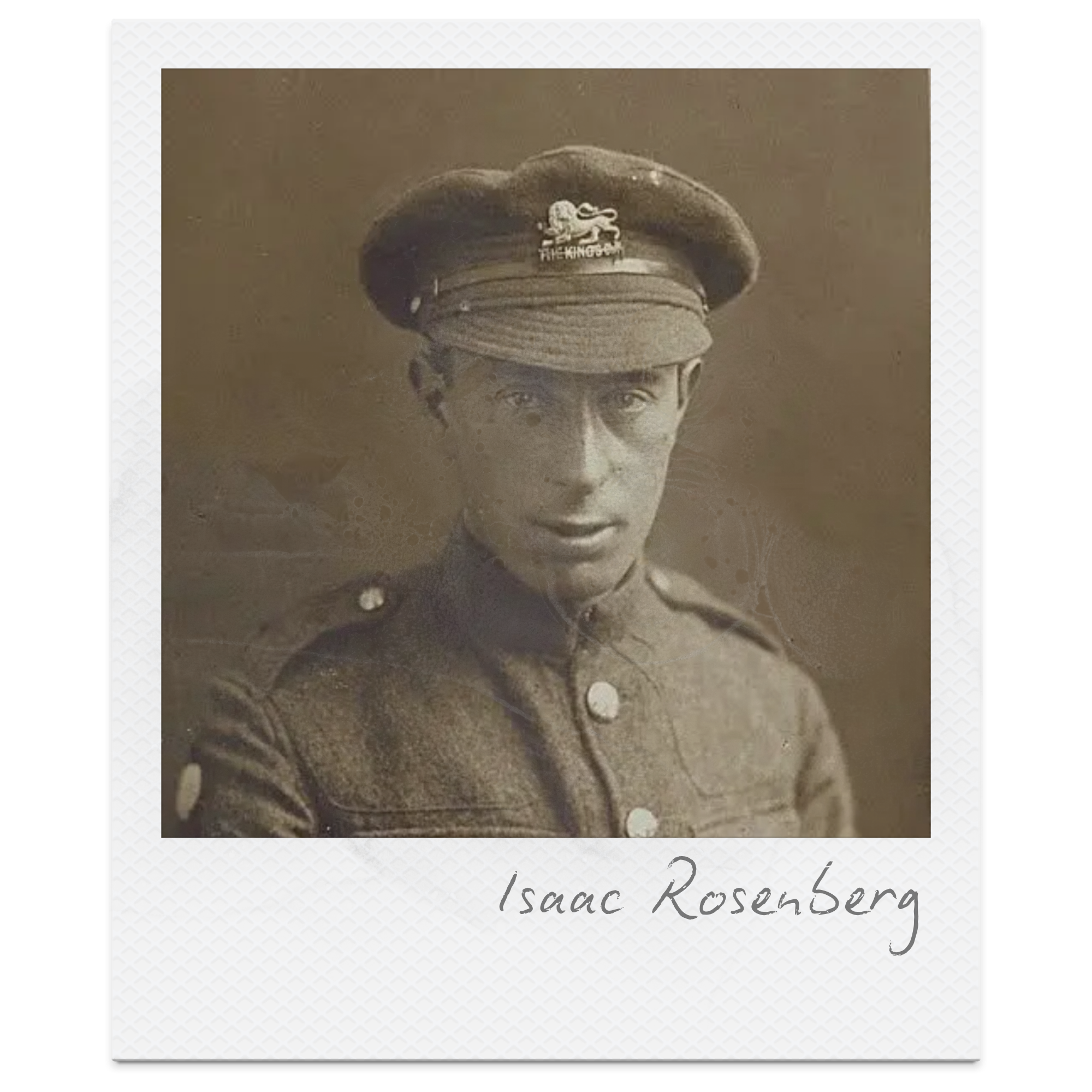
Break of Day in the Trenches – Isaac Rosenberg
Published in 1916, Break of Day in the Trenches offers a quieter, more reflective perspective on life at the front. Rosenberg uses the image of a rat moving freely between enemy lines to question ideas of national division and human significance.
Why this poem works in the classroom
Rosenberg’s poem introduces philosophical distance into WW1 poetry. Its understated tone and symbolic imagery encourage students to think beyond heroism, focusing instead on perspective, irony, and the randomness of survival.
Classroom activity ideas
◆ Explore how the rat functions as a symbol and why Rosenberg chooses such an ordinary image.
◆ Discuss how the poem challenges ideas of enemy and ally.
◆ Compare Rosenberg’s tone with Owen’s to examine different emotional responses to the same conflict.
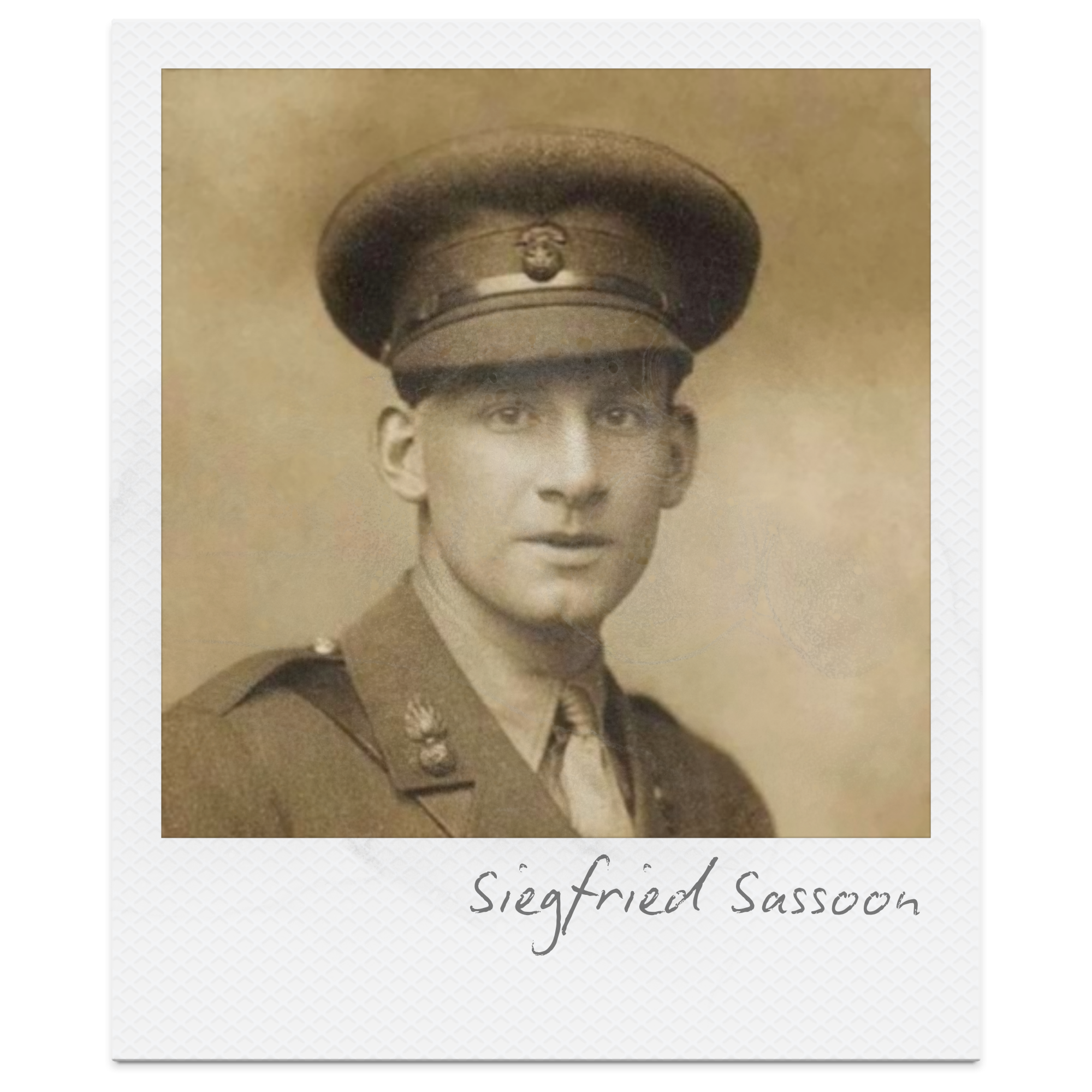
Suicide in the Trenches – Siegfried Sassoon
Written in 1917 and published in 1918, Suicide in the Trenches tells the story of a young soldier whose optimism is destroyed by trench life. The poem ends with a bitter address to civilians who support the war without understanding its cost.
Why this poem works in the classroom
This poem foregrounds mental health and public responsibility. Sassoon’s blunt language and shifting tone allow students to explore how war poetry can assign blame beyond the battlefield.
Classroom activity ideas
◆ Examine how Sassoon uses contrast between the soldier’s past and present.
◆ Discuss the significance of the final address to civilians.
◆ Use the poem to open conversations about trauma, responsibility, and remembrance.
World War Two: Reflection, Memory, and Moral Distance
While World War One poetry is marked by immediacy and protest, World War Two conflict poetry is often quieter and more reflective. Many poets write with a greater sense of distance — temporal, emotional, or moral — shaped by the scale of the conflict, the targeting of civilians, and a growing awareness of war’s long-term consequences.
Rather than direct outrage, these poems often explore memory, ambiguity, and shared humanity, complicating ideas of enemy and victory.
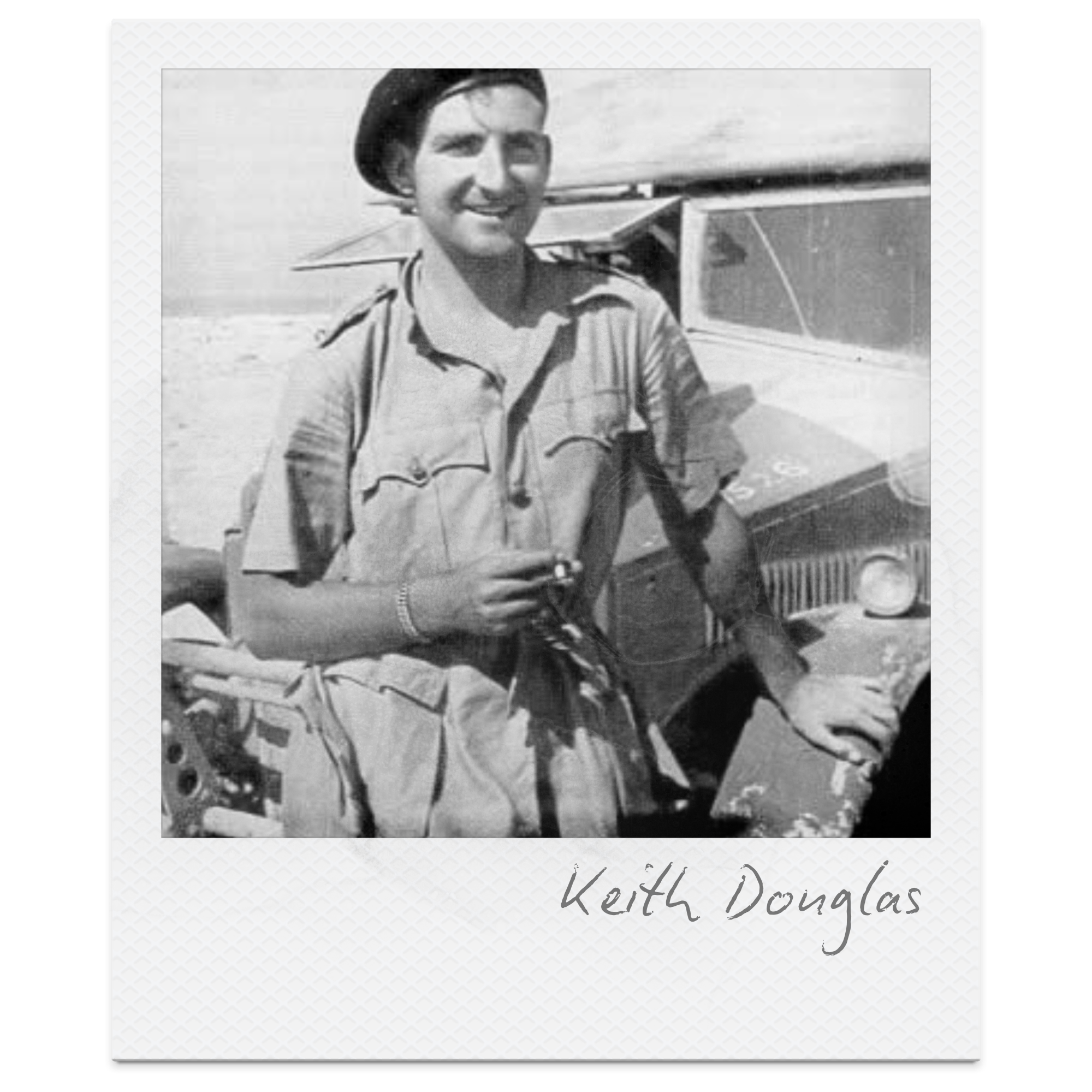
Vergissmeinnicht – Keith Douglas
Published in 1943, Vergissmeinnicht recounts a British soldier’s encounter with the body of a dead German soldier during the North African campaign. The poem’s title, meaning “forget-me-not,” frames the encounter as an act of remembrance rather than triumph.
Why this poem works in the classroom
Douglas’s poem is powerful for examining moral ambiguity in conflict. By focusing on a shared human moment between enemies, it encourages students to question simplistic ideas of good and evil in war.
Classroom activity ideas
◆ Explore how Douglas presents the enemy soldier and why the tone remains restrained rather than emotional.
◆ Discuss the significance of the poem’s title and its relationship to memory and identity.
◆ Compare with a WW1 poem to examine how attitudes to the enemy change across conflicts.
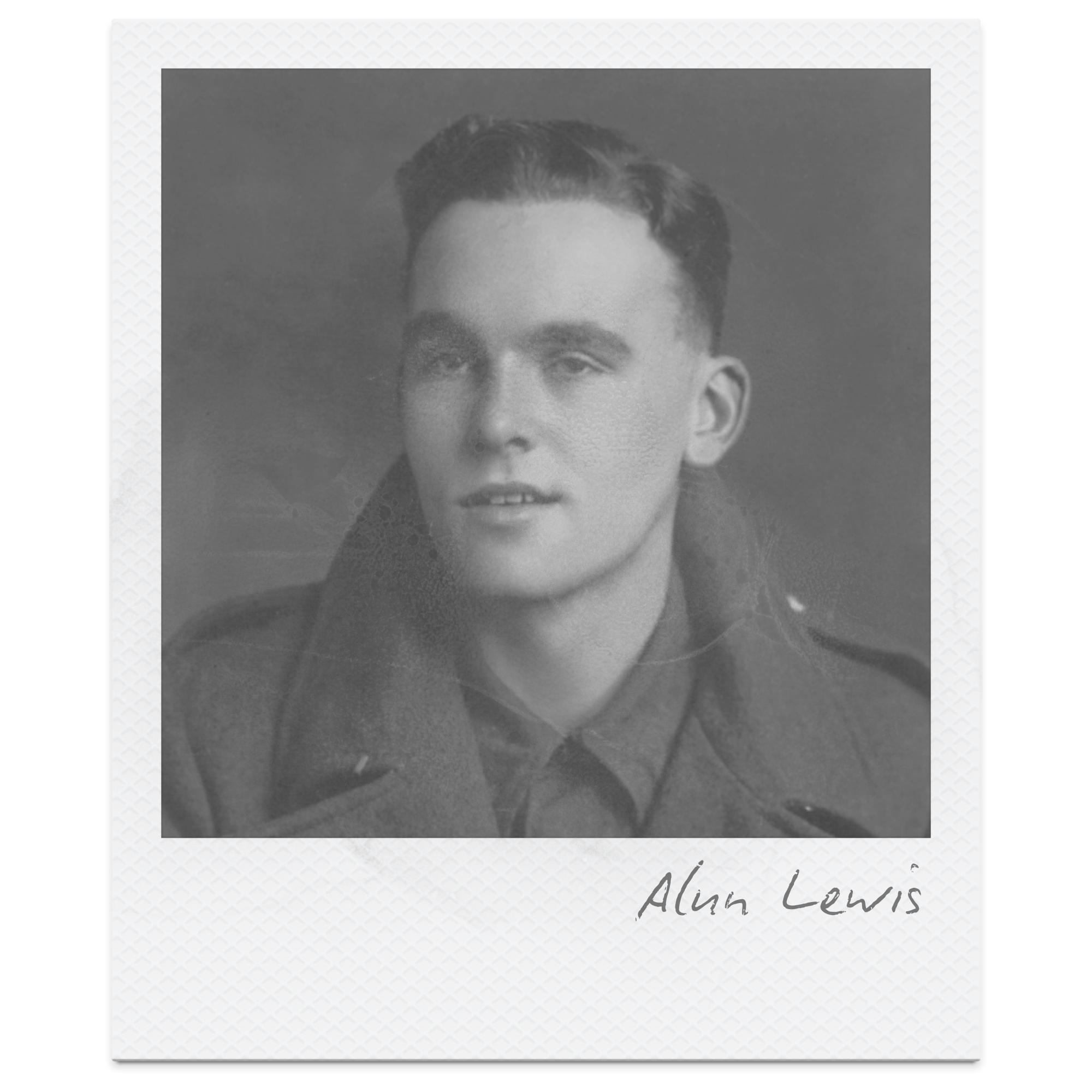
All Day It Has Rained – Alun Lewis
Published in 1945, shortly before Lewis’s death, All Day It Has Rained reflects on boredom, isolation, and emotional fatigue during wartime service. The poem focuses on waiting rather than action, capturing a subdued sense of disconnection.
Why this poem works in the classroom
This poem is effective for exploring emotional distance and internal conflict. Its understated language and repetitive imagery allow students to consider how war impacts those who are removed from direct combat yet still deeply affected by it.
Classroom activity ideas
◆ Analyse the poem’s use of repetition and weather imagery to convey mood.
◆ Discuss how boredom and waiting function as forms of conflict.
◆ Pair with a WW1 trench poem to compare physical danger with emotional exhaustion.
A Turning Point in Conflict: Technology, Annihilation, and Moral Fear
After 1945, conflict enters a fundamentally different phase. Advances in warfare mean that violence no longer needs to be constant or visible to exert power. Violence is no longer limited to soldiers or battlefields; civilians, cities, and entire populations become central to the idea of conflict itself. War becomes defined by technology, anticipation, and moral uncertainty, shaped by the knowledge that destruction can be instant, remote, and overwhelming.
Poetry from this period reflects a shift away from mass combat towards systems of violence, where fear, waiting, and dehumanisation dominate human experience. These poems capture a world learning to live with the possibility of annihilation — even when no battle is actively being fought.
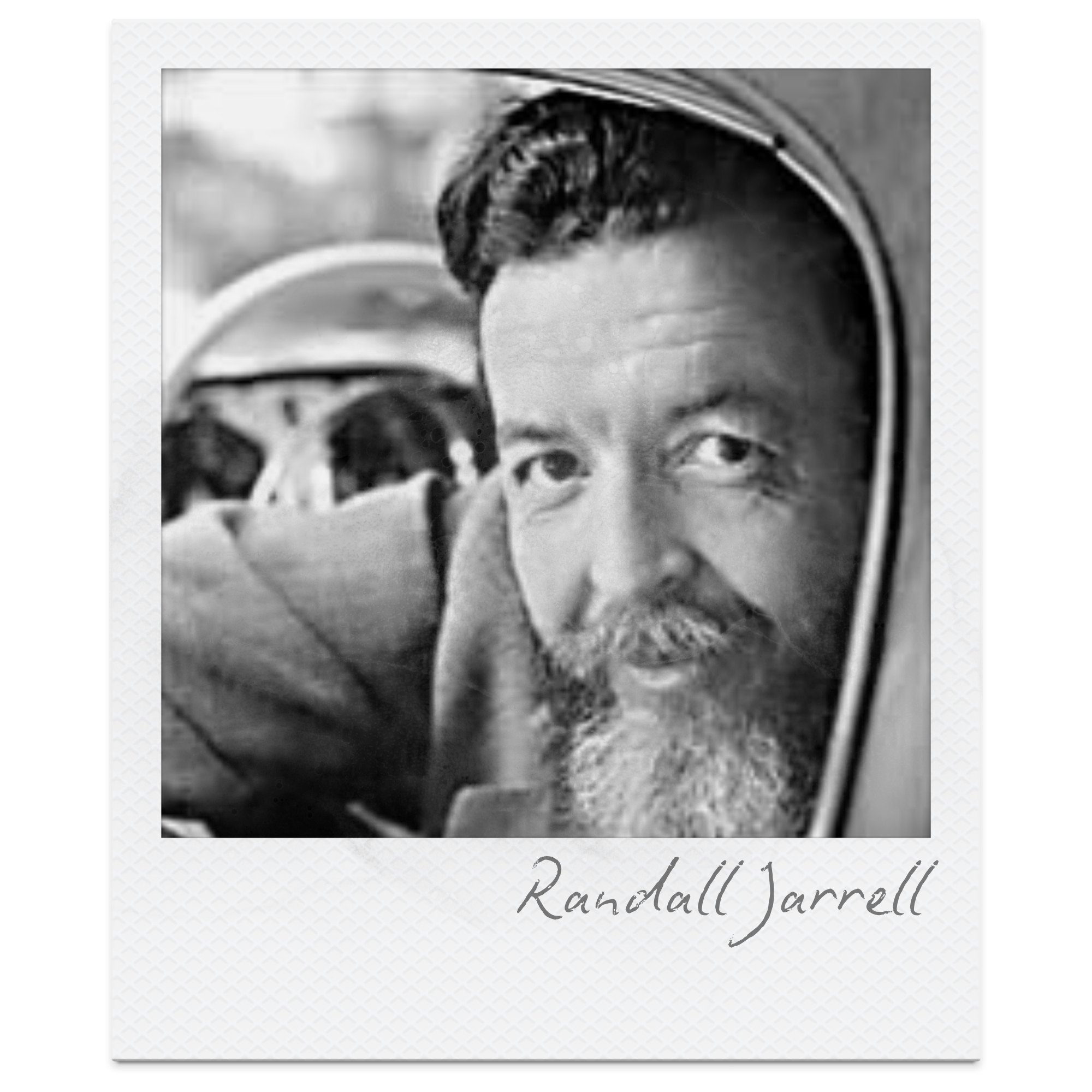
The Death of the Ball Turret Gunner – Randall Jarrell
Published in 1945, this poem presents the life and death of a soldier operating inside a bomber aircraft. The speaker is reduced to function rather than identity, illustrating how modern warfare absorbs individuals into machines.
Why this poem works in the classroom
This poem is central to discussions of technological warfare and dehumanisation. Its compressed form and clinical language allow students to examine how modern conflict distances humans from violence and responsibility.
Classroom activity ideas
◆ Analyse how mechanical imagery replaces personal identity.
◆ Discuss the emotional impact of the final line and its refusal of sentimentality.
◆ Use the poem as a bridge between battlefield combat and later remote warfare.
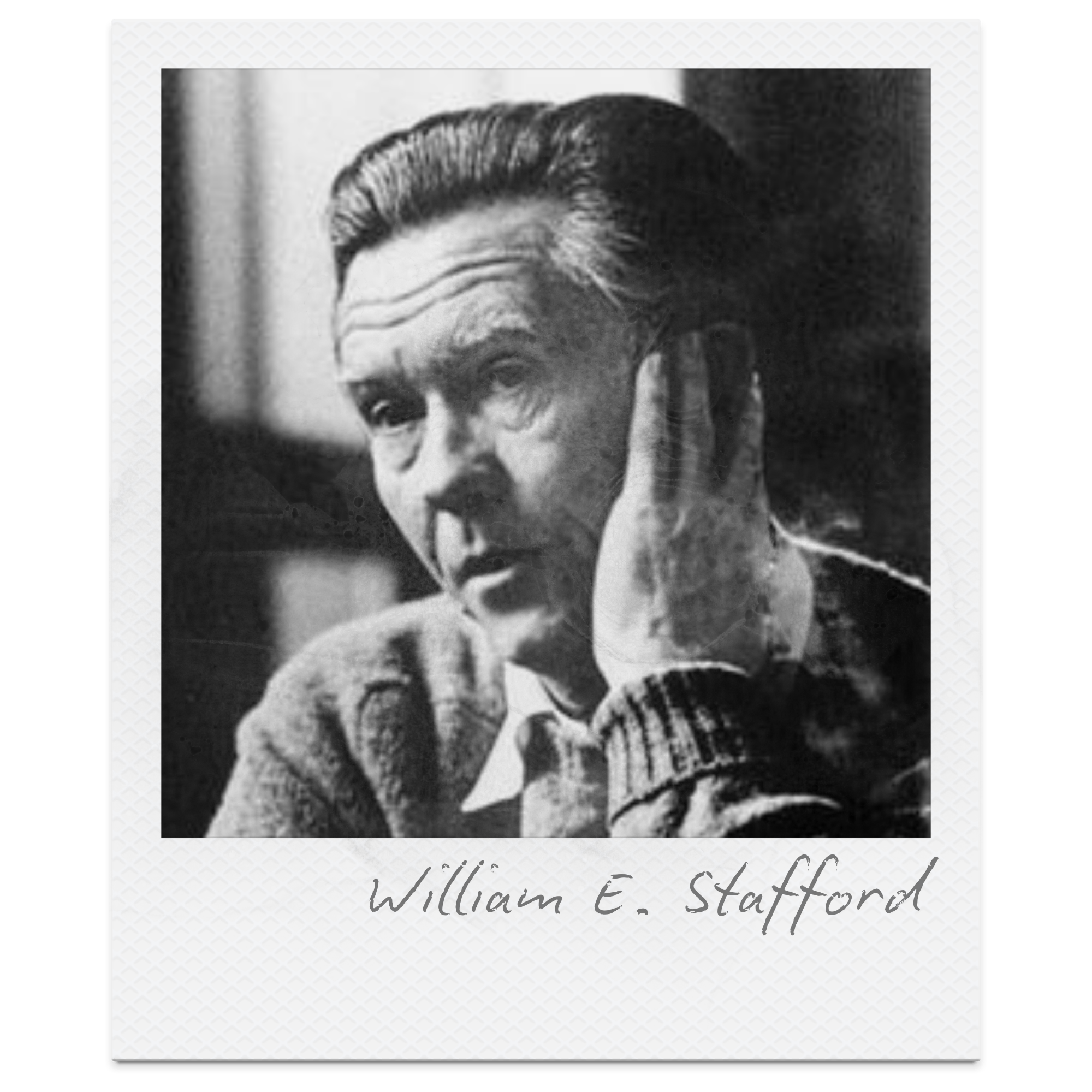
At the Bomb Testing Site – William Stafford
Published in 1960, At the Bomb Testing Site reflects on nuclear weapons testing in the American desert. The poem focuses on landscape, silence, and the unsettling normalisation of destructive power rather than on combat itself.
Why this poem works in the classroom
This poem is powerful for exploring civilian-centred conflict and moral responsibility. Its calm tone and restrained imagery encourage discussion around how technological violence becomes abstracted, distanced, and ethically unsettling.
Classroom activity ideas
◆ Explore how Stafford uses understatement to convey fear and unease.
◆ Discuss the significance of setting and the absence of human conflict.
◆ Compare with earlier war poems to examine how violence shifts from action to implication.
Vietnam and Protest Poetry: Conflict as Political Failure
By the late 1960s, poetry about conflict becomes openly political. Rather than responding to fear or technological escalation alone, Vietnam War poetry challenges the moral and ideological foundations of war itself. Poets interrogate power, expose civilian suffering, and question the language used to justify violence.
This is the point in the timeline where poetry shifts from observation to protest, confronting conflict as a political choice with lasting cultural consequences.
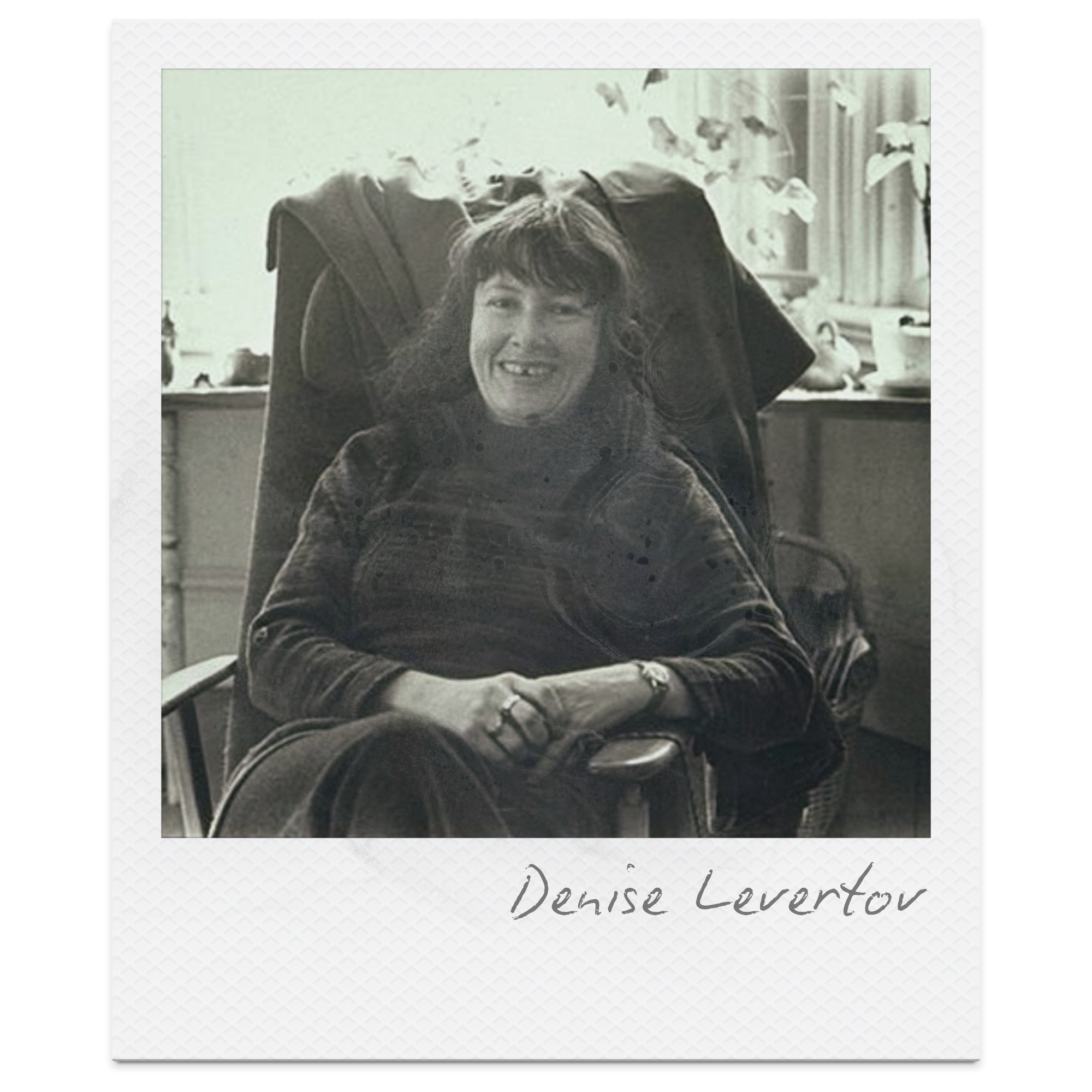
What Were They Like? – Denise Levertov
Published in 1967, during the Vietnam War, What Were They Like? is structured as a series of questions and answers about a Vietnamese culture destroyed by conflict. The poem focuses on absence and erasure, presenting loss as something that cannot be fully recovered or explained. It remains a powerful poem — one that I still vividly remember studying when I was at school — and its restraint and clarity still resonate decades later.
Why this poem works in the classroom
This poem is highly effective for exploring civilian suffering and cultural destruction. Its fragmented structure encourages discussion around memory, representation, and whose voices are preserved after conflict.
Classroom activity ideas
◆ Analyse how the question-and-answer format shapes meaning and tone.
◆ Discuss why Levertov avoids graphic imagery.
◆ Use the poem to explore war as a force that erases history as well as lives.
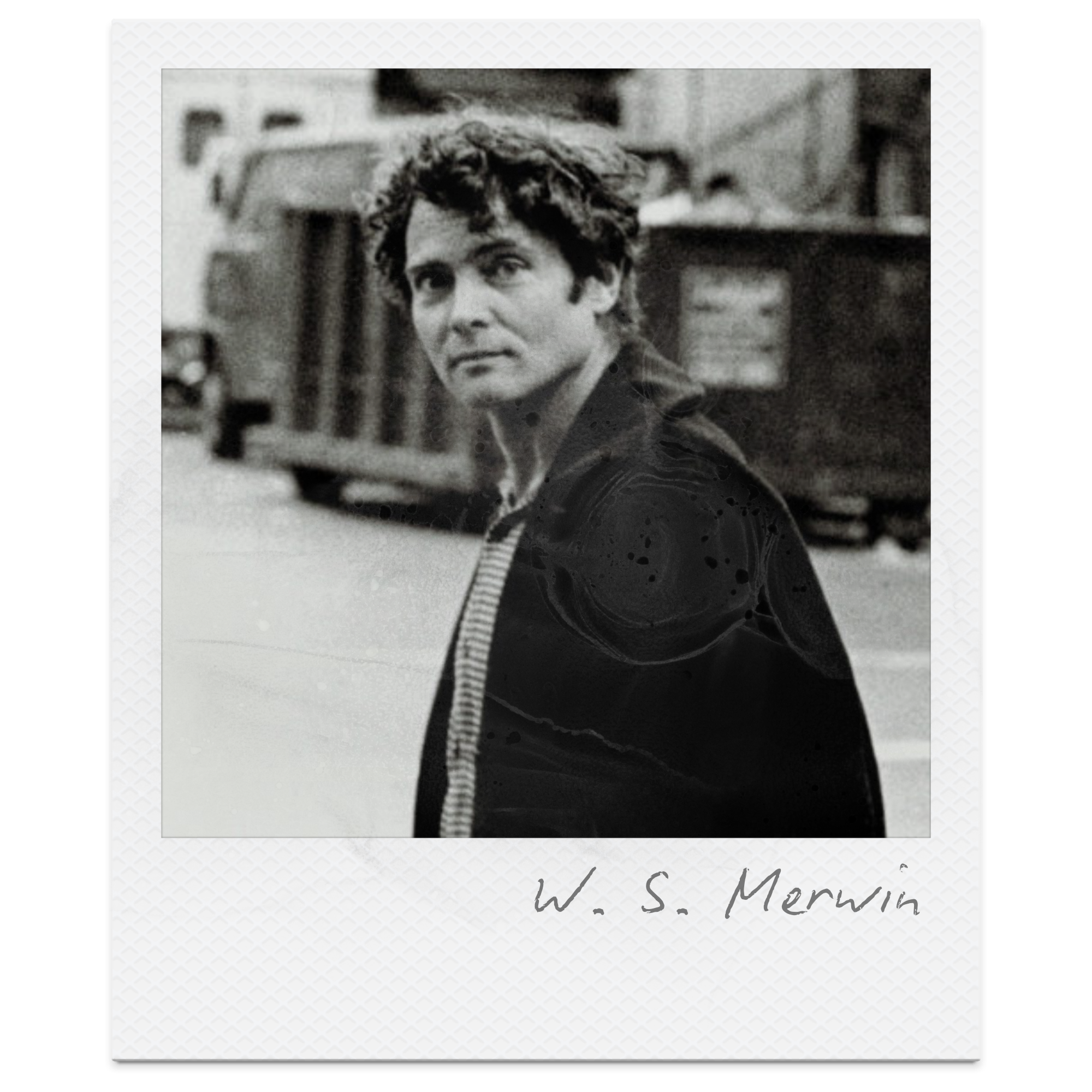
The Asians Dying – W. S. Merwin
Published in 1966, The Asians Dying confronts the violence of the Vietnam War directly. Merwin’s fragmented imagery and accusatory tone force the reader to confront both the scale of destruction and their own position as observer.
Why this poem works in the classroom
This poem is powerful for examining moral responsibility and complicity. Its refusal to offer comfort or resolution challenges students to think critically about how violence is represented — and who bears responsibility for it.
Classroom activity ideas
◆ Explore how fragmentation mirrors the chaos of conflict.
◆ Discuss how the poem positions the reader ethically.
◆ Compare Merwin’s approach to Levertov’s use of restraint.
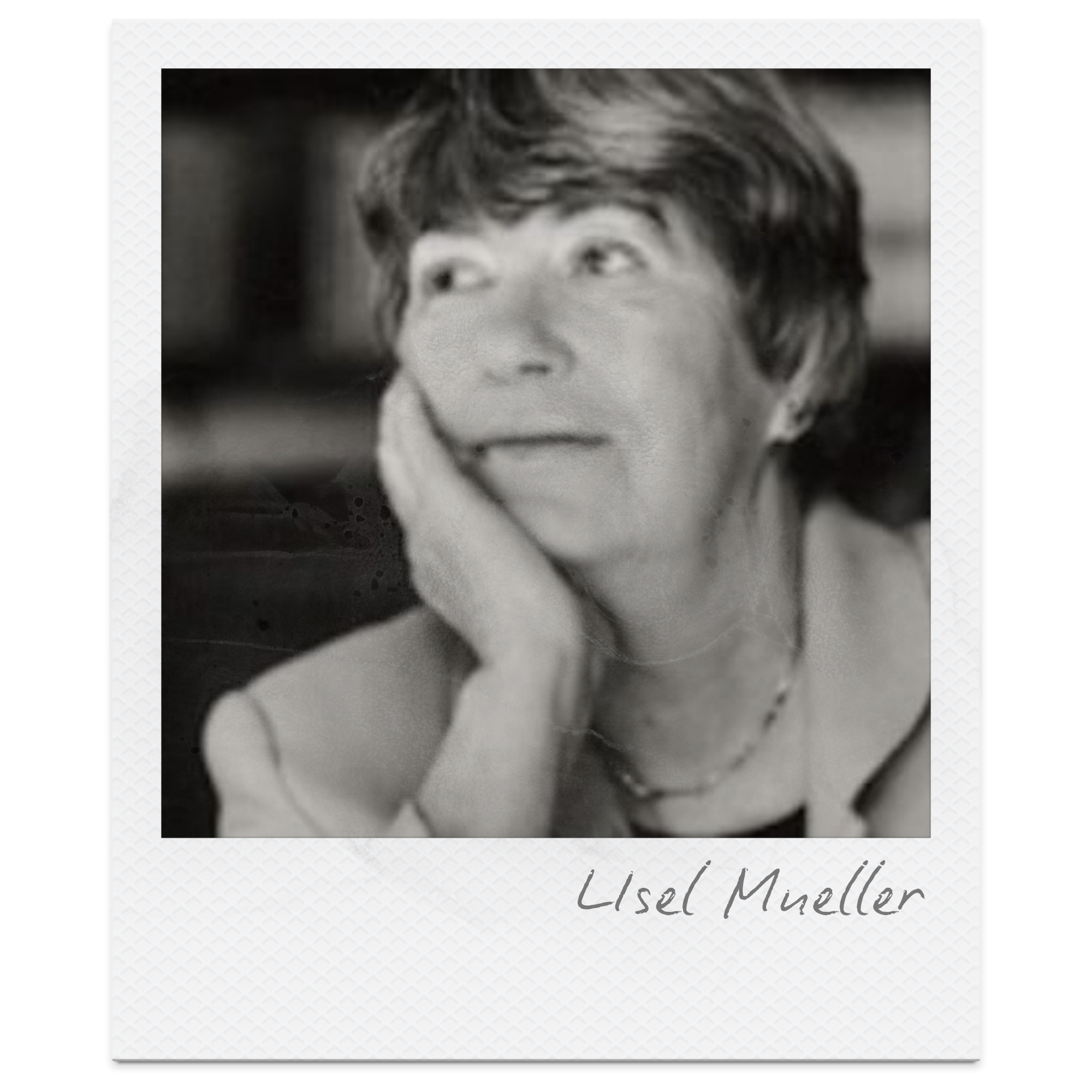
Names – Lisel Mueller
Published in 1968, Names reflects on how certain historical events resist easy articulation. Mueller links Vietnam to earlier sites of mass violence, showing how language itself becomes burdened by trauma.
Why this poem works in the classroom
This poem is especially effective for exploring language, memory, and inherited conflict. It invites students to consider how names carry emotional weight, and why some histories are difficult — or painful — to speak aloud.
Classroom activity ideas
◆ Analyse the physical imagery associated with speaking and silence.
◆ Discuss why Mueller links Vietnam to other historical events.
◆ Use the poem to explore how conflict shapes language across generations.
Late 20th-Century Combat and Psychological Trauma
As the twentieth century progresses, conflict poetry turns inward. Rather than focusing on ideology or protest, poets explore what war does to the mind and body, often long after the fighting has ended. These poems emphasise panic, memory, and moral injury, showing that conflict does not conclude with ceasefires or homecoming.
This stage of the timeline centres on psychological trauma, examining how modern warfare fractures identity, instinct, and perception.
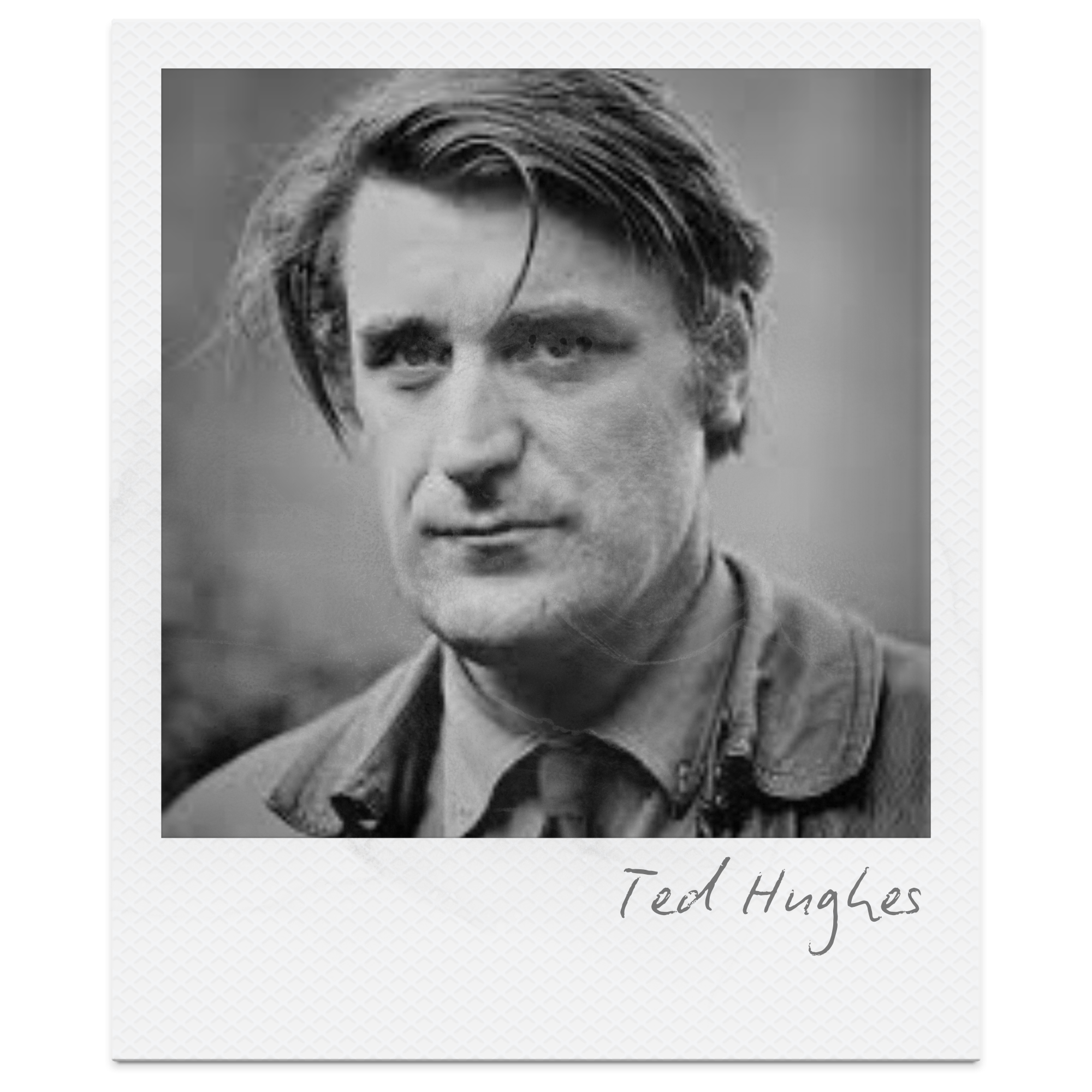
Bayonet Charge – Ted Hughes
Published in 1957, Bayonet Charge captures a single moment of intense panic as a soldier charges across a battlefield. The poem strips away patriotism and purpose, presenting combat as instinctive, chaotic, and disorienting.
Why this poem works in the classroom
This poem is powerful for exploring fear, instinct, and loss of control in modern warfare. Hughes’s visceral imagery and fractured movement allow students to examine how quickly ideals collapse when survival becomes the only priority.
Classroom activity ideas
◆ Track how the poem’s pace and imagery mirror panic.
◆ Discuss how Hughes challenges traditional ideas of heroism.
◆ Compare with earlier war poems to explore continuity and change in combat experience.
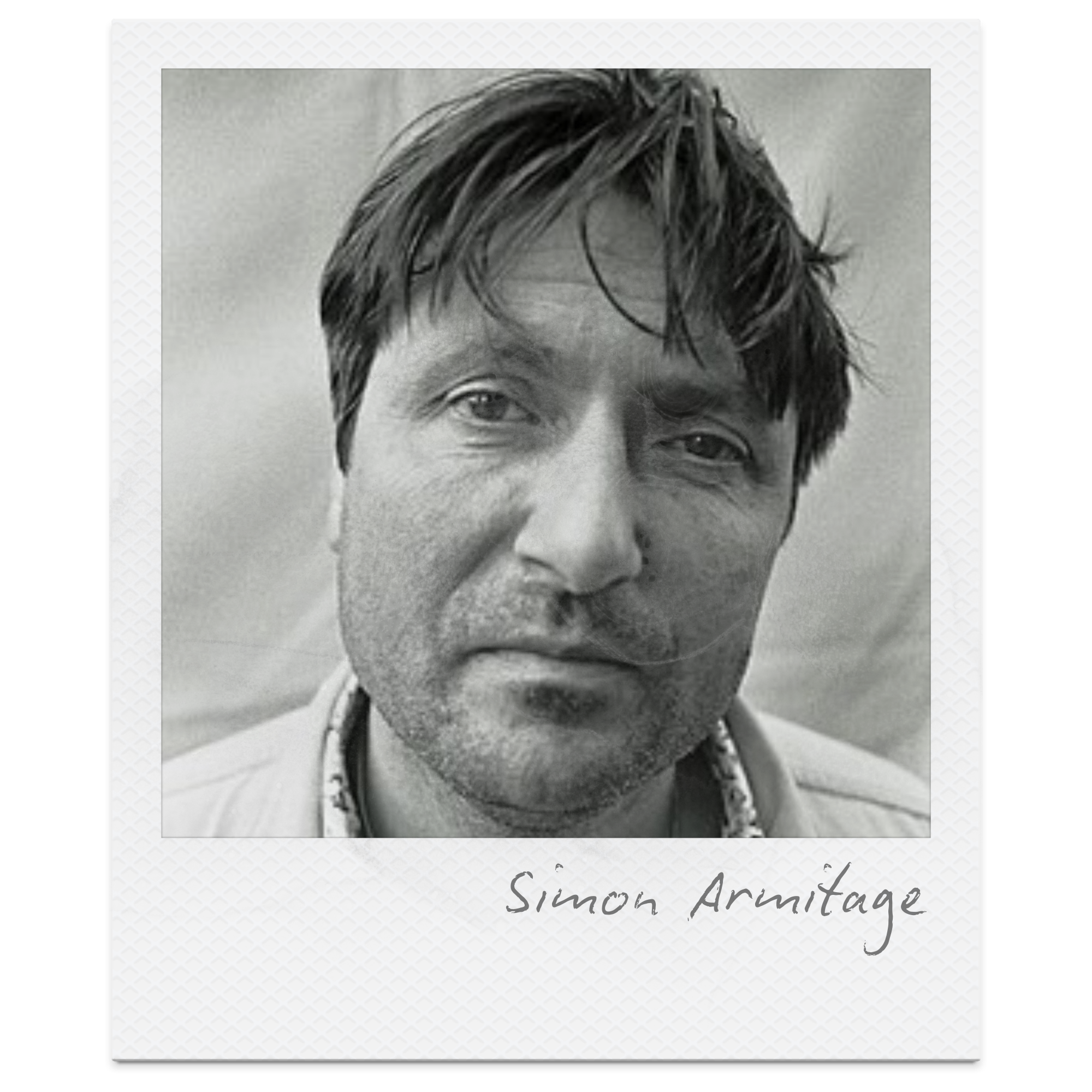
Remains – Simon Armitage
Published in 2008, Remains reflects on a soldier’s experience in a modern conflict zone and the psychological aftermath that follows him home. The poem moves between past and present, showing how memory becomes intrusive and uncontrollable.
Why this poem works in the classroom
This poem is particularly effective for exploring post-traumatic stress and moral injury. Armitage’s conversational tone and fractured structure help students understand how violence lingers beyond the battlefield.
Classroom activity ideas
◆ Examine how repetition reflects memory and trauma.
◆ Discuss the poem’s shifting time frames and their effect.
◆ Explore the idea that war continues psychologically after combat ends.
21st-Century Warfare: Iraq, Afghanistan, and Modern Conflict
In the twenty-first century, conflict poetry becomes more fragmented and unstable. Poets respond to wars in Iraq and Afghanistan by capturing uncertainty, moral ambiguity, and linguistic distortion, reflecting conflicts without clear front lines or resolutions.
Rather than grand narratives, these poems focus on proximity, implication, and unease — showing how modern warfare resists clarity, even in language.
Here, Bullet – Brian Turner
Published in 2005, during the Iraq War, Here, Bullet addresses the bullet directly, treating it as an ever-present force moving through the modern battlefield. Turner’s restrained language reflects the constant proximity of death in contemporary combat zones.
Why this poem works in the classroom
This poem is effective for exploring modern combat and fatalism. By personifying the bullet, Turner removes heroism and focuses instead on inevitability, vulnerability, and the intimacy of violence.
Classroom activity ideas
◆ Analyse how direct address shapes tone and perspective.
◆ Discuss why Turner avoids graphic imagery.
◆ Compare with earlier combat poems to examine how voice changes in modern warfare.
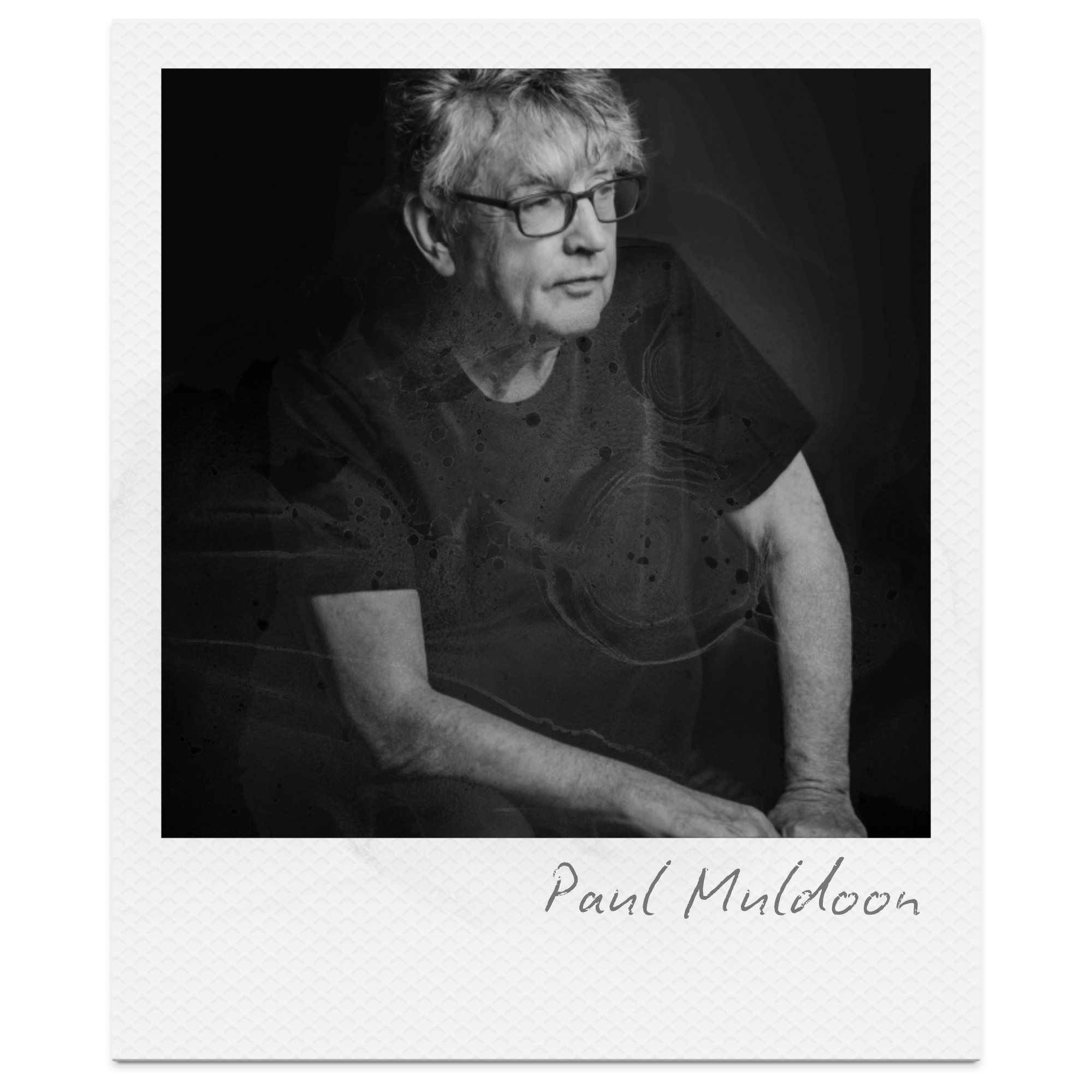
Afghanistan – Paul Muldoon
Published in 2010, Afghanistan is a brief, sharply ironic poem that plays on political and military language. Muldoon compresses the conflict into a single, unsettling image, highlighting the gap between rhetoric and reality.
Why this poem works in the classroom
This poem is powerful for examining language, power, and political ambiguity in modern conflict. Its brevity encourages close reading and discussion about how war is framed, justified, and obscured through words.
Classroom activity ideas
◆ Analyse Muldoon’s use of wordplay and double meaning.
◆ Discuss how the poem critiques military and political rhetoric.
◆ Compare its compressed form with longer war poems to explore how modern conflict resists explanation.
Remote Warfare and Technology: Distance, Power, and Ethical Discomfort
As conflict moves further into the twenty-first century, warfare becomes increasingly remote and technologically mediated. Drones, surveillance systems, and automated decision-making create physical and emotional distance between those who act and those who are harmed. Violence is executed through screens, data, and coded language, raising urgent ethical questions about responsibility and accountability.
Poetry responding to remote warfare often focuses on abstraction and absence. These poems explore what it means to kill without proximity, to reduce human lives to coordinates or terminology, and to witness destruction without immediate consequence.

Ode to a Drone – Amit Majmudar
Published in 2016, Ode to a Drone addresses the drone directly, using dense metaphor and technological language to expose the mechanics of remote killing. The poem links warfare to gaming, surveillance, and proxy systems, emphasising distance between action and consequence.
Why this poem works in the classroom
This poem is powerful for exploring remote power and ethical detachment. Majmudar’s compressed imagery and wordplay encourage close reading, helping students interrogate how modern warfare disguises violence through technology and language.
Classroom activity ideas
◆ Analyse the poem’s use of metaphor to represent distance and control.
◆ Discuss how references to gaming and proxies affect our understanding of responsibility.
◆ Compare with earlier combat poems to examine how proximity changes moral response.
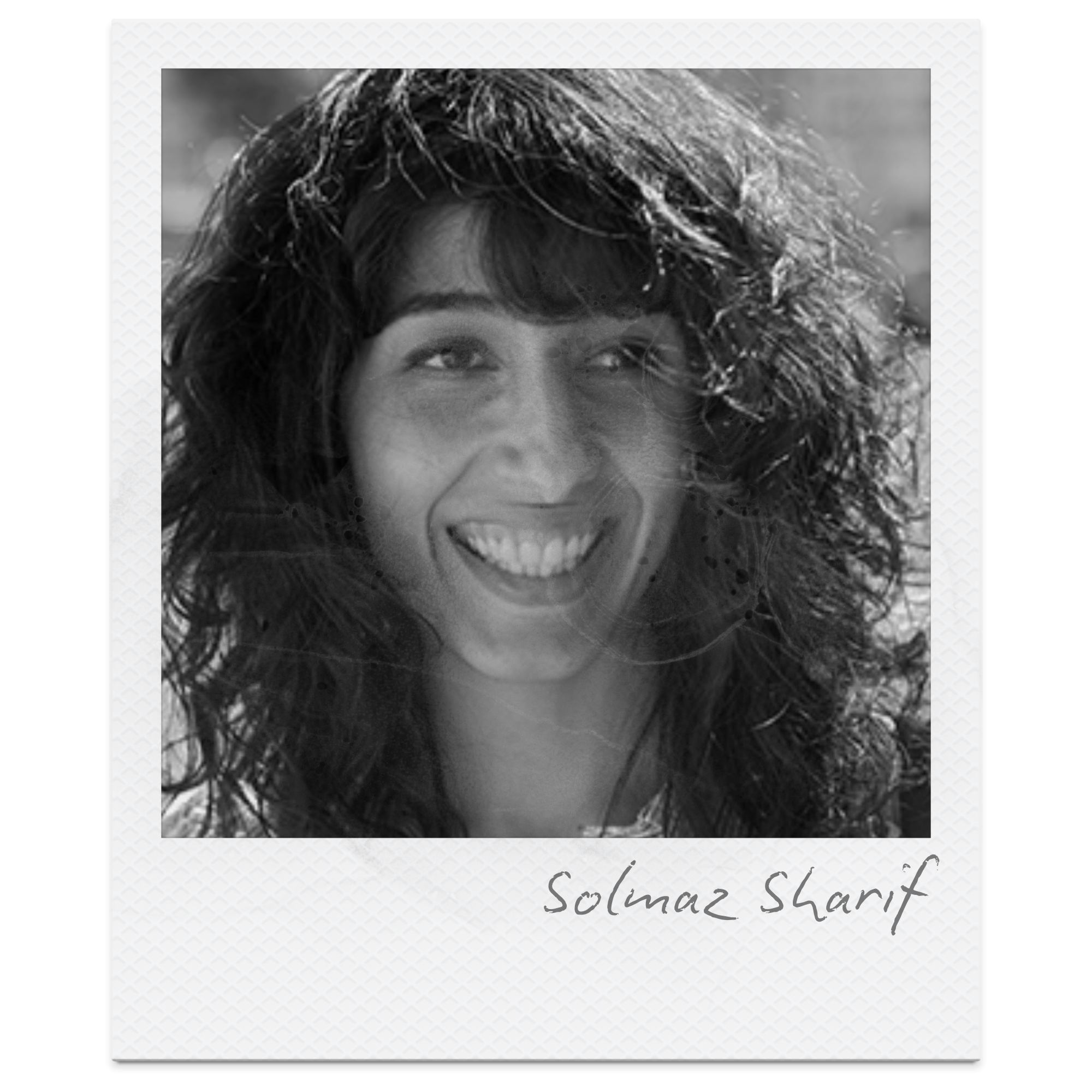
Look – Solmaz Sharif
Published in 2016, Look weaves together personal experience, legal language, military terminology, and intimate address to expose how modern warfare is filtered through naming, classification, and distance. Sharif repeatedly returns to the act of looking — who looks, who is looked at, and who is reduced to data on a screen.
Why this poem works in the classroom
This poem is especially powerful for examining language as a tool of power and erasure. By juxtaposing love, surveillance, and military procedure, Sharif shows how abstraction makes violence permissible — and how naming can either humanise or destroy.
Classroom activity ideas
◆ Identify the repeated use of “Whereas” and discuss how legal language shapes tone and authority.
◆ Explore how Sharif contrasts intimacy with technological distance (heat sensors, thermal shadows, missiles).
◆ Discuss the ethical implications of looking versus seeing in modern conflict.
Witnessing Conflict from Afar: Media, Ethics, and Responsibility
As conflict becomes increasingly distant — fought in other countries, mediated through screens, and reported in fragments — poetry turns its attention to the act of witnessing. These poems explore what it means to observe suffering rather than experience it directly, and whether looking alone is ever enough.
At this stage, the poet is no longer a soldier, protester, or even participant, but an intermediary. Responsibility shifts from the battlefield to the audience.
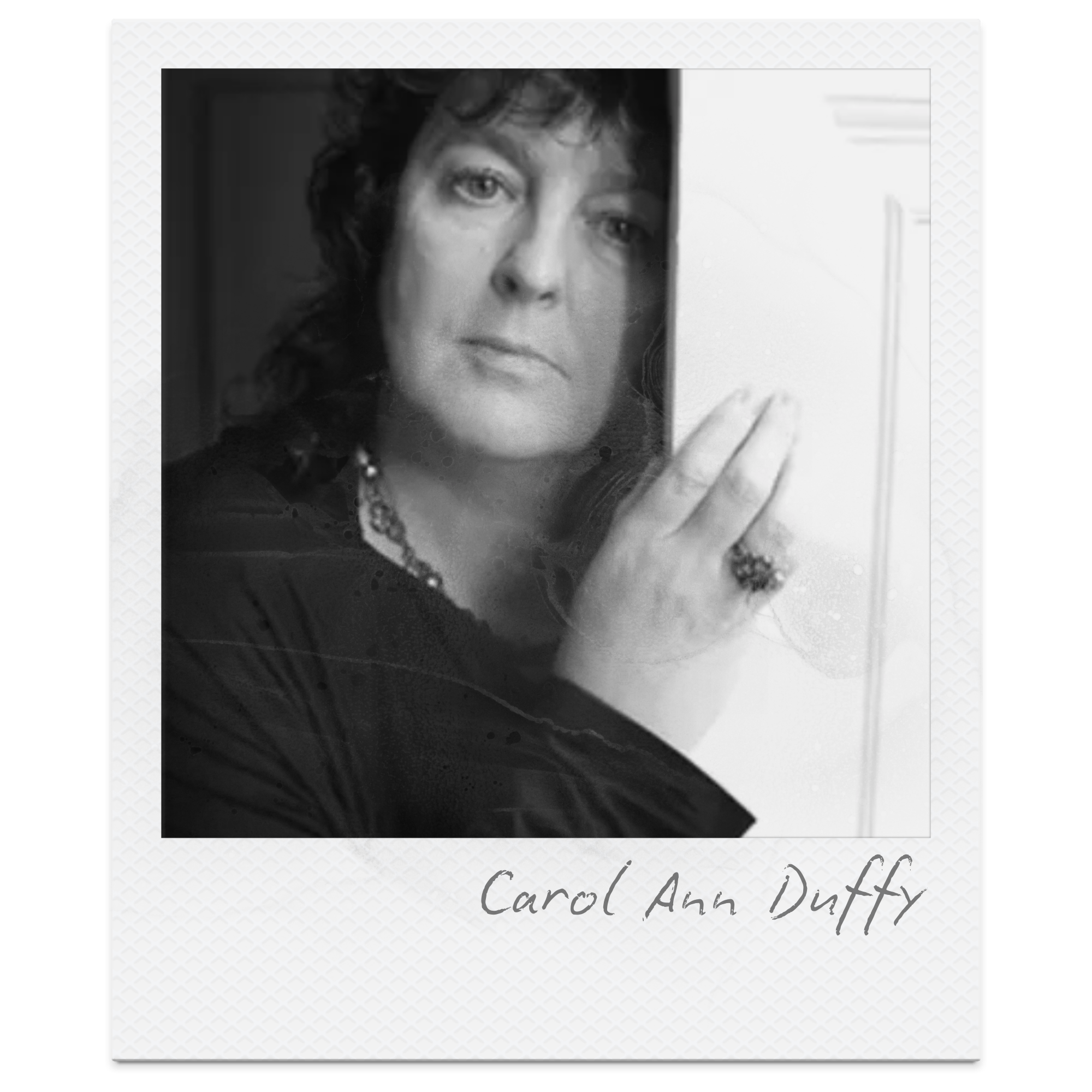
War Photographer – Carol Ann Duffy
Published in 1985, War Photographer follows a photographer developing images from conflict zones while back in the safety of home. The poem contrasts moments of extreme suffering with domestic routine, exposing the emotional and ethical distance between those who record war and those who live it.
Why this poem works in the classroom
This poem is highly effective for exploring media, responsibility, and ethical distance. Duffy challenges the assumption that seeing images of conflict leads to understanding or action, encouraging readers to question their own role as consumers of war imagery.
Classroom activity ideas
◆ Analyse how Duffy uses contrast between safety and suffering.
◆ Discuss whether witnessing creates responsibility or passive empathy.
◆ Explore how repetition suggests the ongoing nature of conflict.
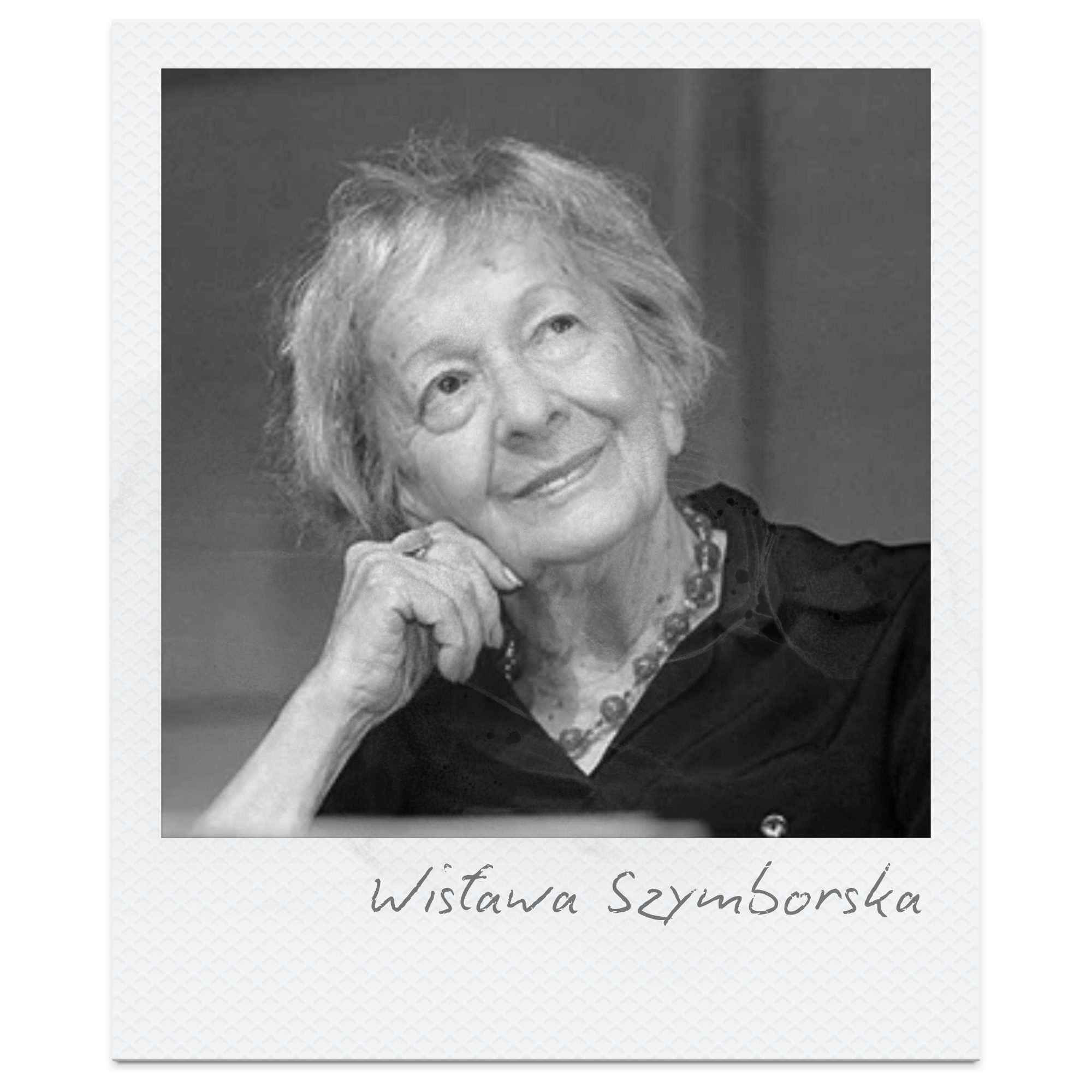
Photograph from September 11 – Wisława Szymborska
Published in 2002, Photograph from September 11 reflects on an image of people falling from the World Trade Center during the attacks of 11 September 2001. The poem freezes time at the moment before impact, refusing spectacle and focusing instead on suspension, silence, and human vulnerability.
Why this poem works in the classroom
This poem is powerful for exploring ethical spectatorship and the limits of looking. Szymborska draws attention to what photographs show — and what they deliberately withhold — encouraging readers to consider their responsibility as witnesses to distant catastrophe.
Classroom activity ideas
◆ Discuss why the poem refuses to describe impact or aftermath.
◆ Analyse how time is suspended within the photograph.
◆ Compare with War Photographer to explore different forms of mediated witnessing.
Go Deeper into Teaching Conflict Poetry
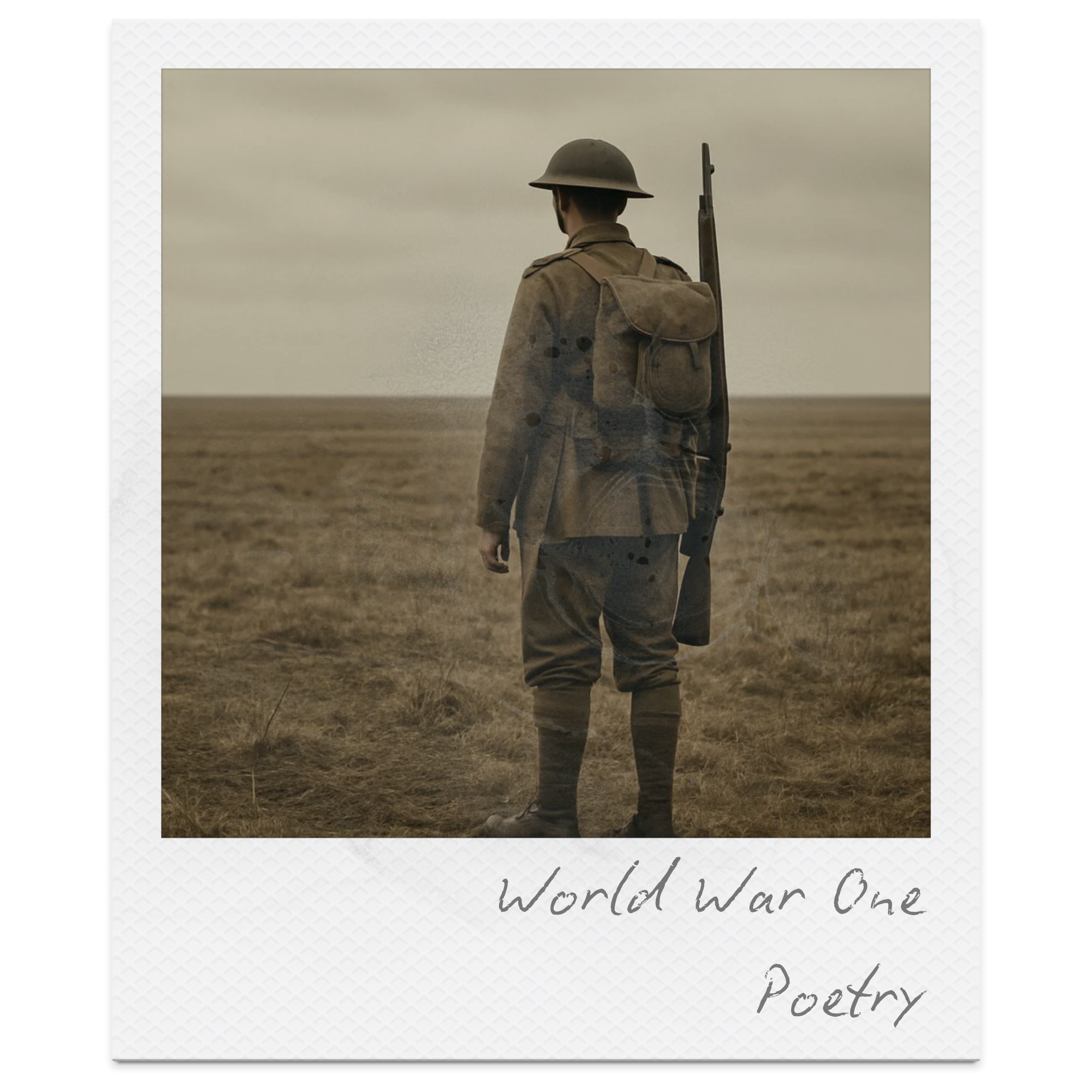
Teaching conflict poetry works best when students are encouraged to see poems as responses to power, violence, and consequence rather than isolated historical artefacts. Whether taught as part of a wider unit or explored through individual texts, conflict poetry offers rich opportunities to examine language, perspective, and ethical responsibility.
Rather than approaching conflict poetry as a fixed canon, teachers can use it to open broader conversations about how war is experienced, remembered, and represented — and who gets to speak.
To deepen students’ understanding of conflict poetry, it can be useful to:
◆ Focus on perspective, comparing poems written by soldiers, civilians, and observers
◆ Explore how language is used to justify, sanitise, or resist violence
◆ Encourage students to identify moments of distance and proximity, considering how close the speaker is to the conflict
◆ Use thematic pairings (honour vs disillusionment, action vs aftermath, protest vs witness) rather than chronological study
◆ Invite students to question responsibility — who acts, who suffers, and who watches
Conflict poetry also lends itself well to group exploration, where different texts or conflicts are examined in parallel and then brought together for discussion. This approach reinforces the idea that war is not experienced in a single way, and that meaning emerges through comparison rather than consensus.
If you’re beginning with World War One poetry, you may find it helpful to explore 10 Best WWI Poems to Teach (And How to Teach Them), which introduces key poems from the period alongside practical classroom approaches. WW1 poetry often provides a clear foundation for understanding how conflict poetry develops — while still standing powerfully on its own.
Final Thoughts
Conflict poetry continues to matter because it resists easy narratives. Across different wars and contexts, poets return to conflict not to explain it away, but to question its language, expose its consequences, and challenge inherited assumptions.
When taught with care, conflict poetry becomes more than a set of texts about war. It becomes a way for students to explore power, empathy, memory, and moral choice — and to recognise how literature shapes the stories societies tell about violence.
Approached flexibly, conflict poetry encourages critical reading, thoughtful comparison, and ethical awareness. It asks students not only to understand what happened, but to consider what it means to witness suffering, and how language can both reveal and conceal truth.
That is why conflict poetry endures — and why it remains such a vital part of the classroom.
Choose Your Next Collection