Notes from the Inkpot
Writing, teaching, creating - one ink-stained idea at a time.


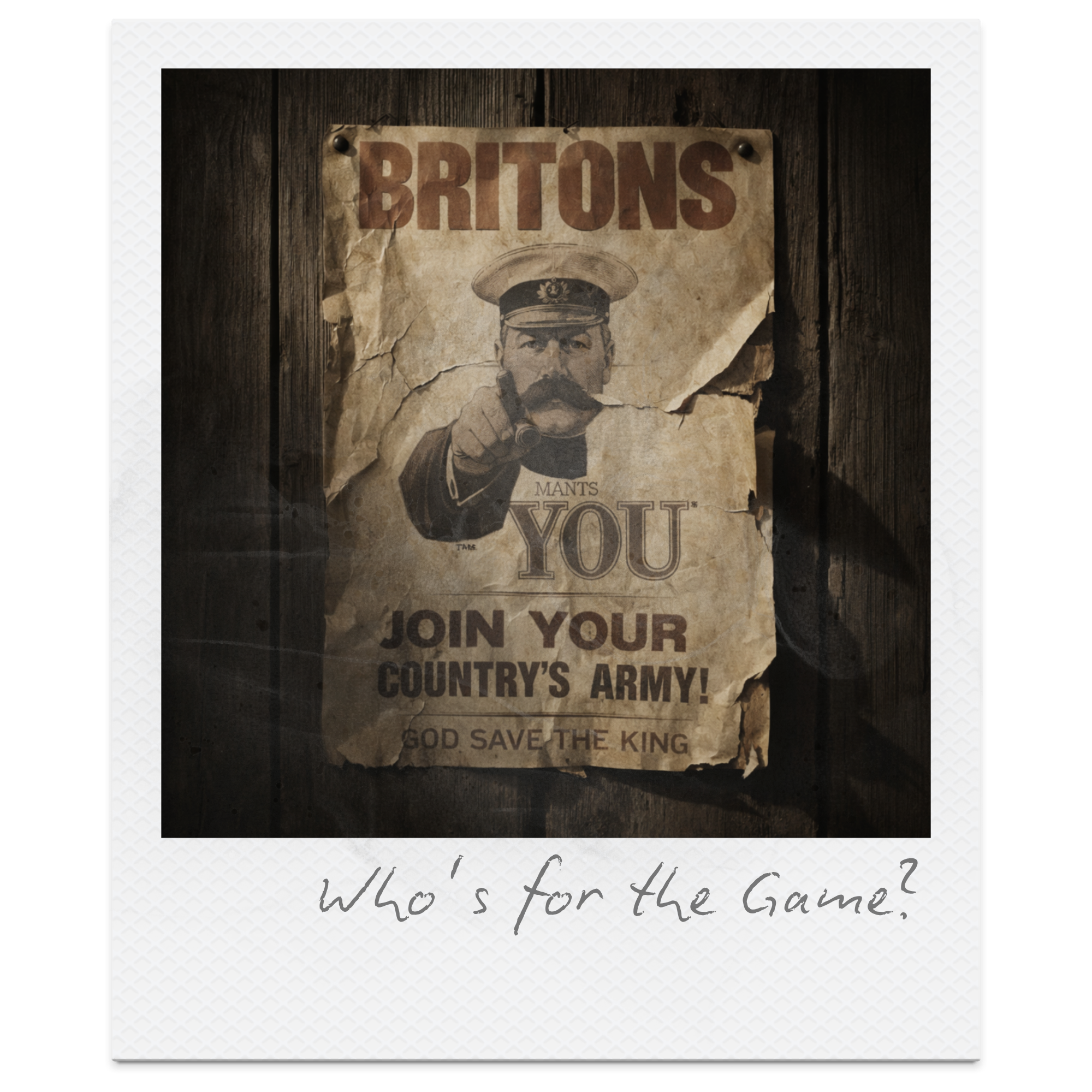
Who's for the Game? by Jessie Pope: Summary, Themes & Analysis
Jessie Pope’s Who’s for the Game? uses sporting imagery, rhetorical questions and direct appeals to patriotism to encourage young British men to enlist during the First World War. Explore how Pope transforms war into “the biggest” game, linking military service with masculinity, courage and national duty while using social pressure to make remaining at home increasingly difficult to defend.
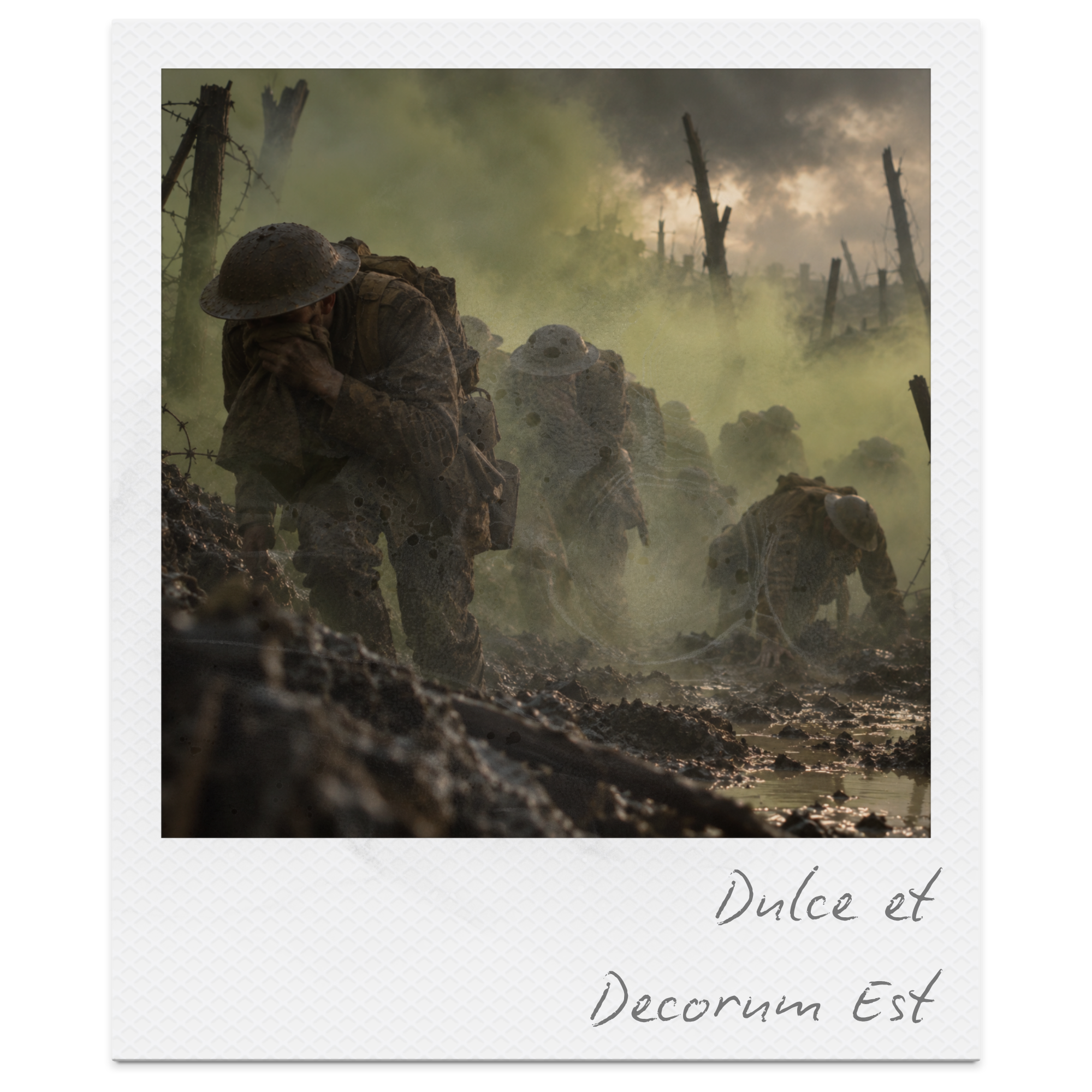
Dulce et Decorum Est by Wilfred Owen: Summary, Themes & Analysis
Explore Dulce et Decorum Est by Wilfred Owen with detailed analysis of its meaning, themes, form, structure, metre, symbolism, imagery and poetic techniques. Discover how Owen uses the horror of a gas attack and its traumatic aftermath to challenge patriotism, propaganda, glorious sacrifice and romanticised ideas of war.
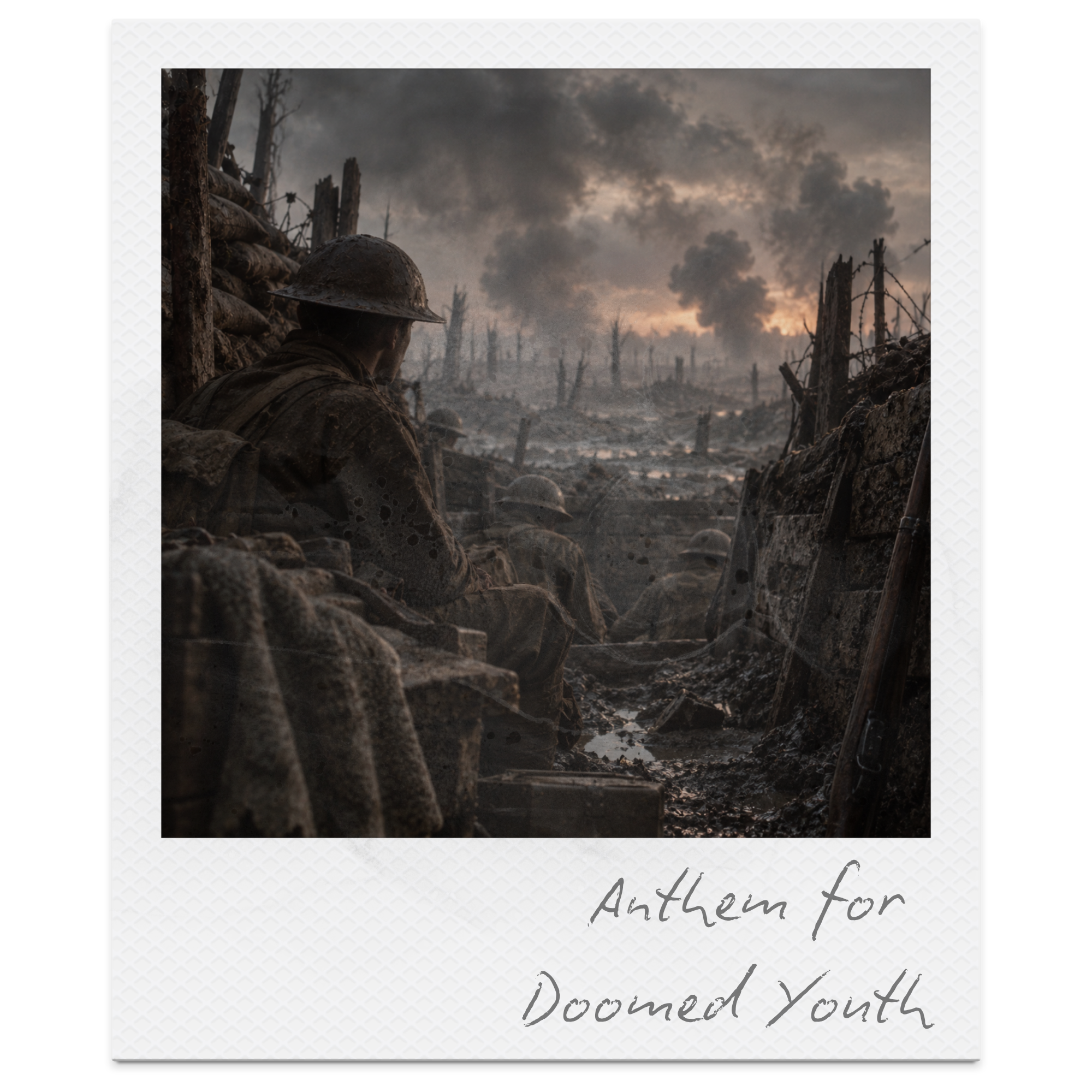
Anthem for Doomed Youth by Wilfred Owen: Summary, Themes & Analysis
Explore Anthem for Doomed Youth by Wilfred Owen with detailed analysis of its meaning, themes, form, structure, metre, symbolism, imagery and poetic techniques. Discover how Owen contrasts the brutal sounds of the battlefield with funeral rituals, private grief and remembrance to expose the human cost of the First World War.
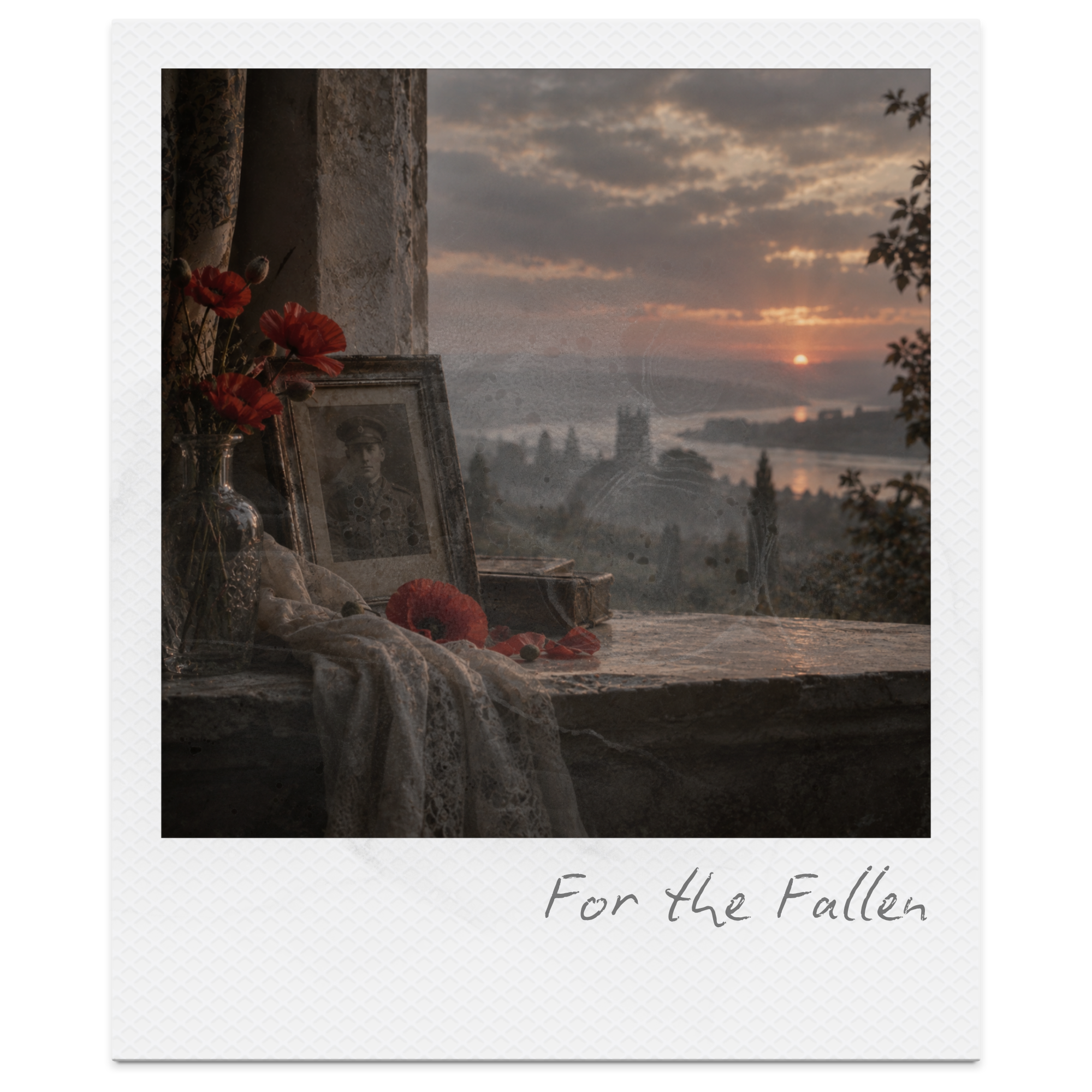
For the Fallen by Laurence Binyon: Summary, Themes & Analysis
Explore Laurence Binyon’s For the Fallen with a detailed guide to its meaning, context, themes, symbolism, key quotes, poetic techniques, structure and alternative interpretations. Discover how Binyon transforms grief and wartime loss into an enduring meditation on youth, sacrifice, remembrance, national identity and memory.
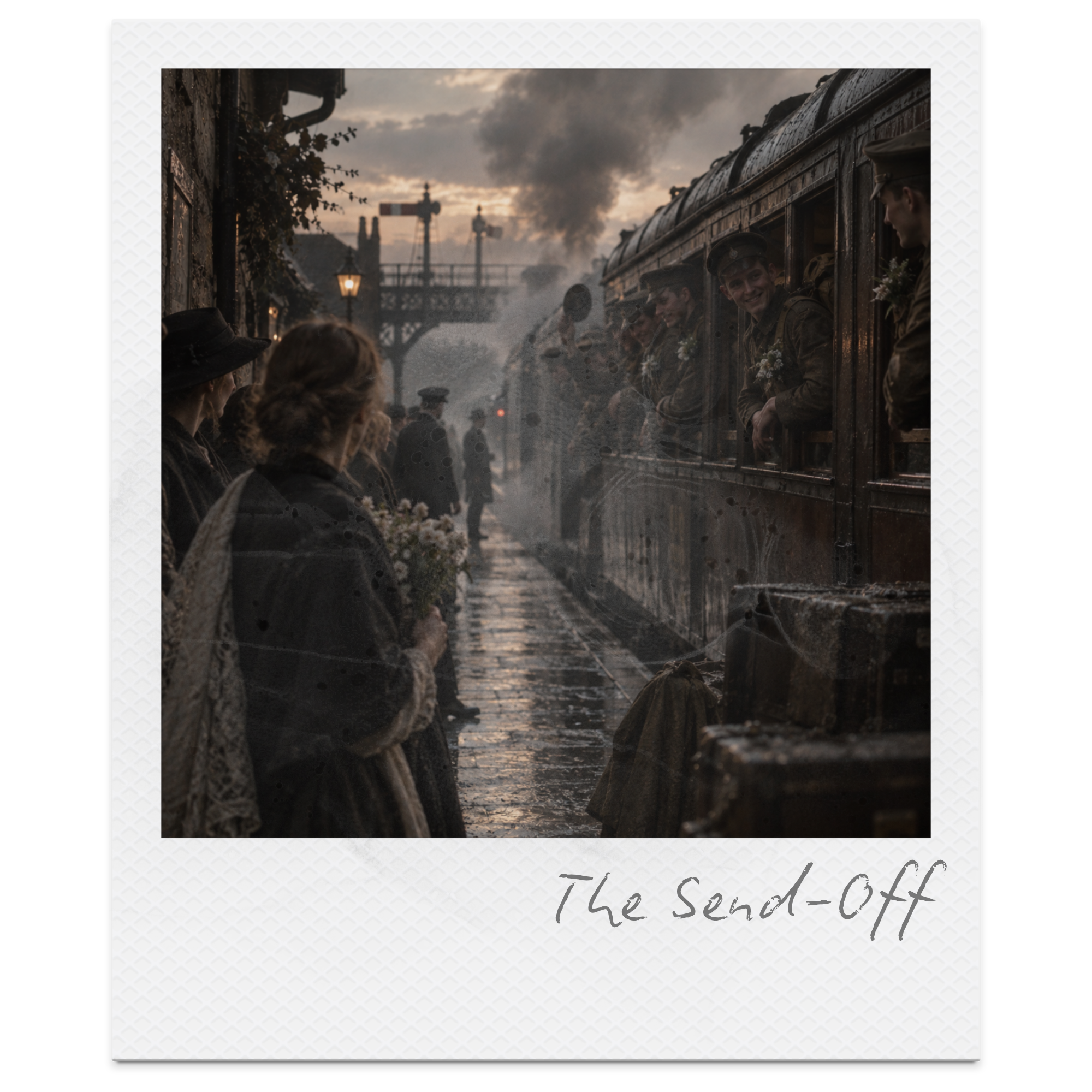
The Send-Off by Wilfred Owen: Summary, Themes & Analysis
Explore The Send-Off by Wilfred Owen with detailed analysis of its meaning, themes, form, structure, metre, symbolism, imagery and poetic techniques. Discover how Owen transforms a soldiers’ departure for war into an unsettling exploration of death, uncertainty, separation, loss and the possibility of returning home profoundly changed.
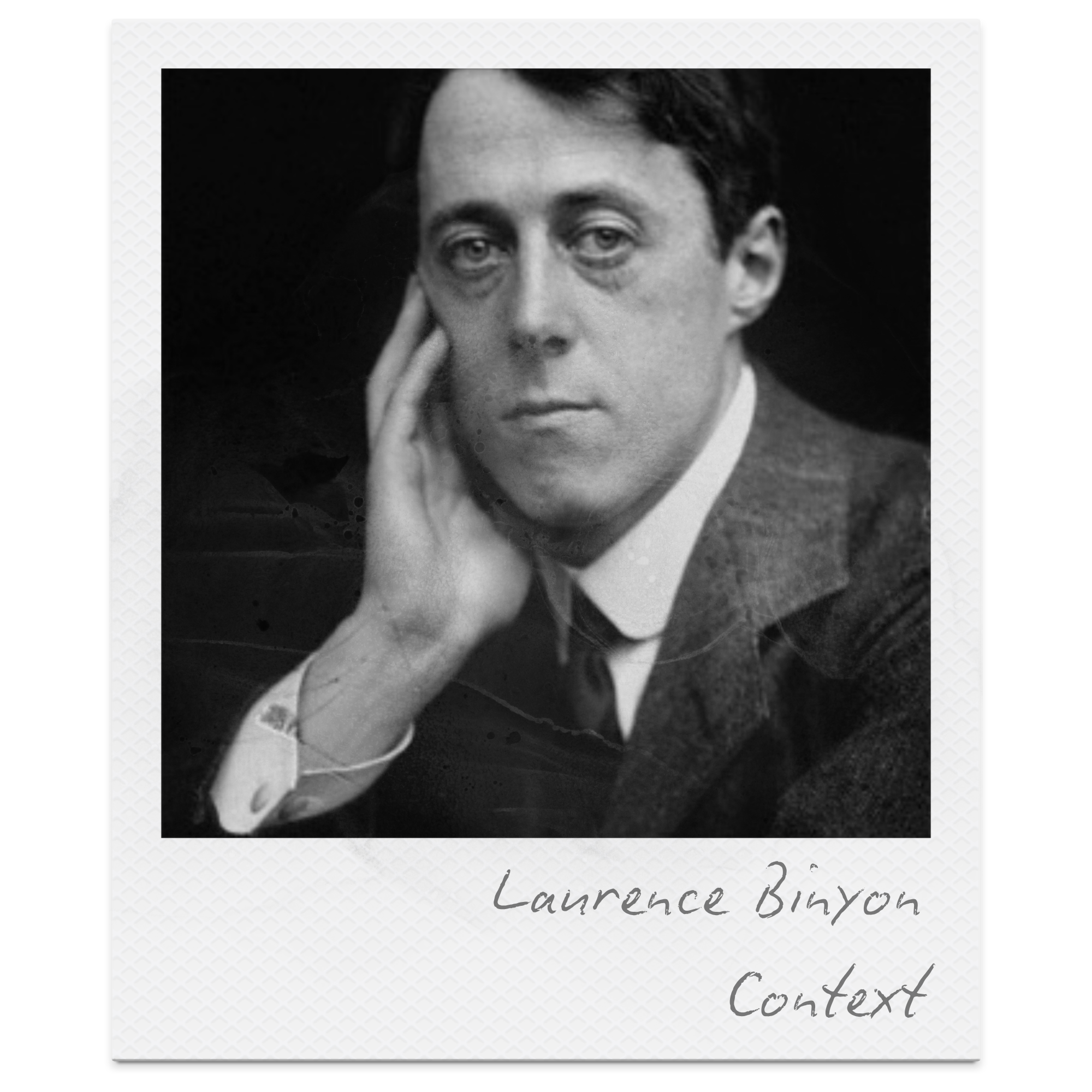
Laurence Binyon: Context, War Poetry, and Literary Significance
Explore the life, historical context, poetry and literary significance of Laurence Binyon, author of For the Fallen. Discover how remembrance, sacrifice, collective grief, mortality and cultural memory shaped his First World War poetry, and how the famous Ode of Remembrance became part of the enduring language of commemoration.
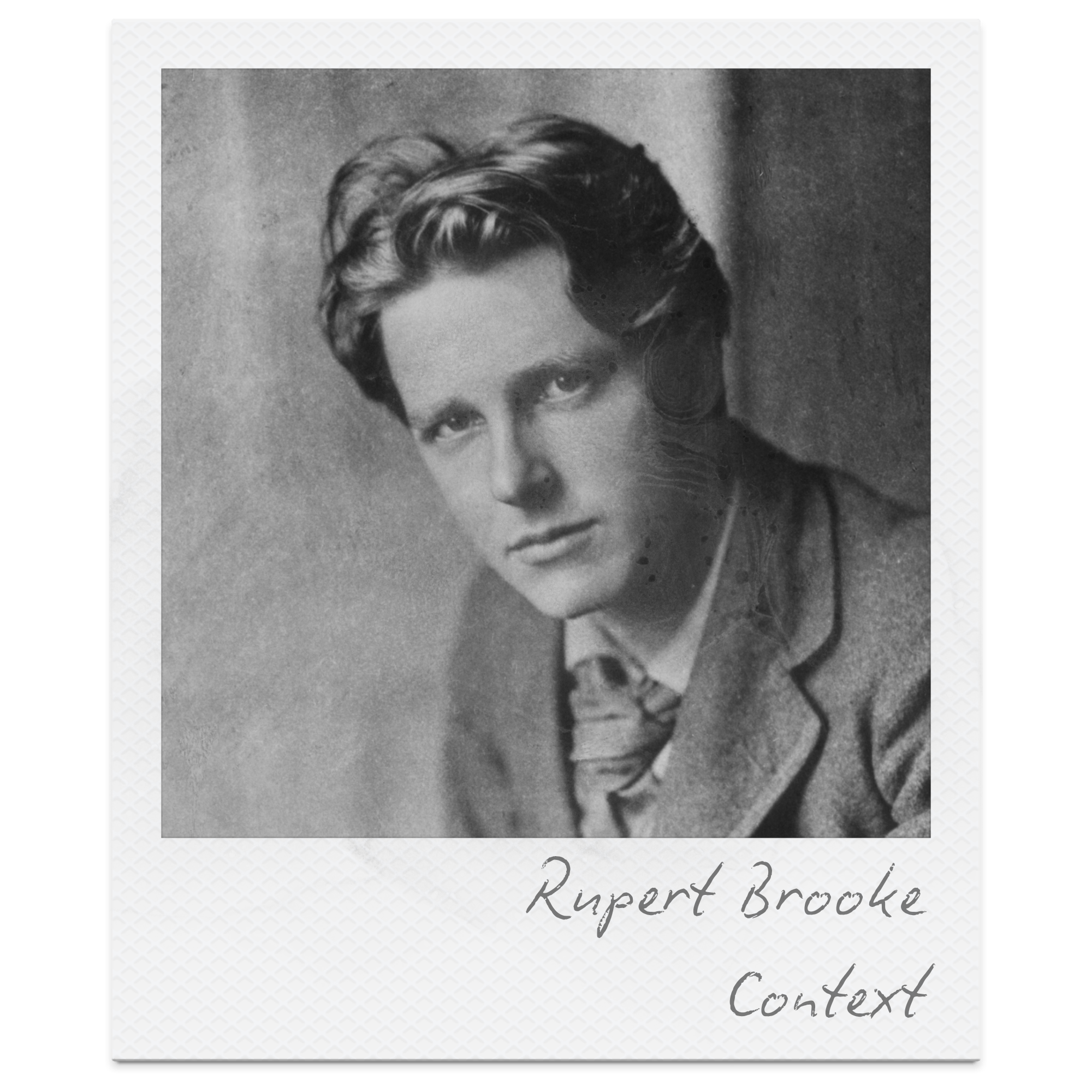
Rupert Brooke: Context, War Poetry, and Literary Significance
Explore the life, historical context, poetry, and literary significance of Rupert Brooke, one of the most famous voices of early First World War poetry. Discover how patriotism, sacrifice, Englishness, mortality, Georgian poetry, and the opening months of the war shaped his writing, and why poems such as “The Soldier” remain essential for understanding the changing literary representation of the First World War.
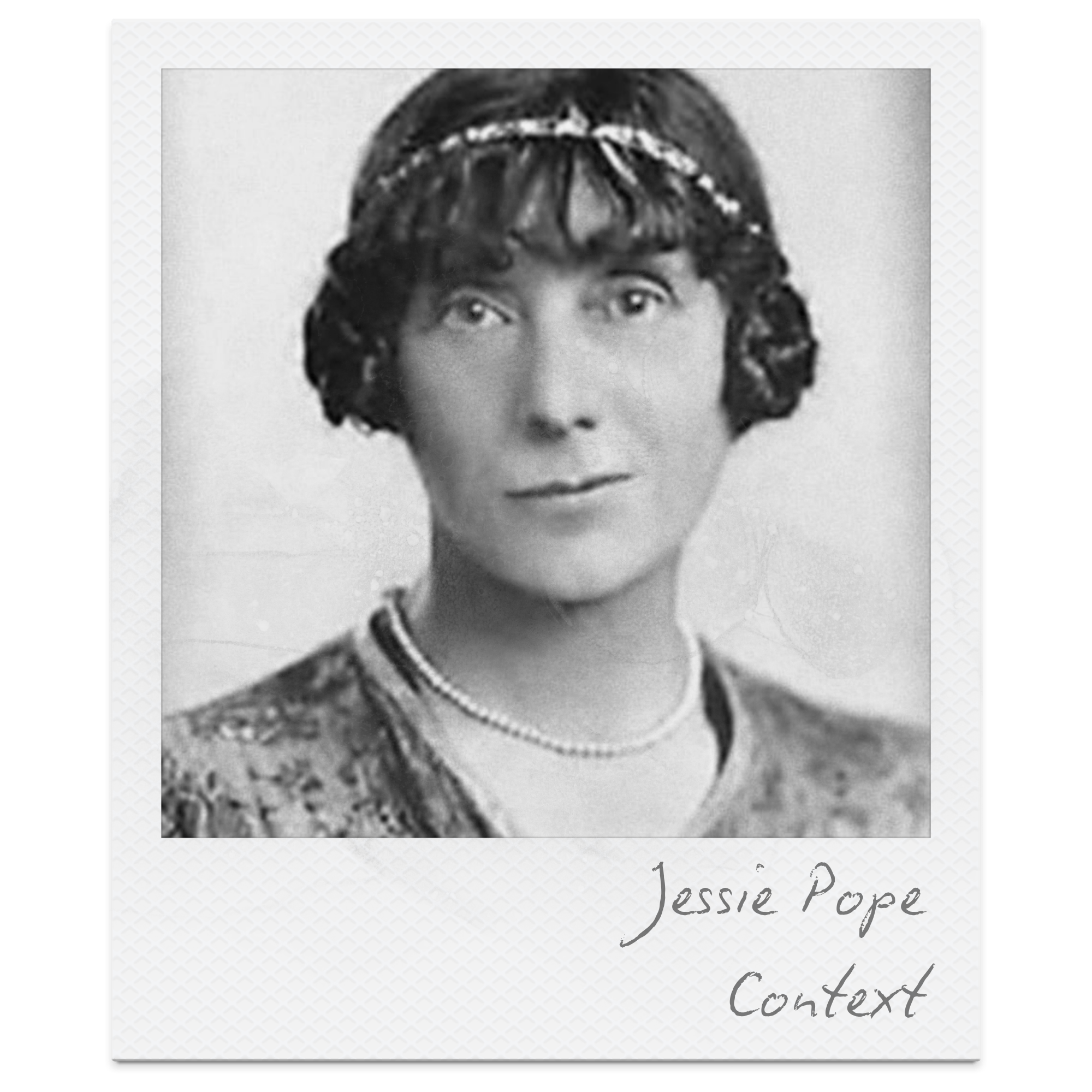
Jessie Pope: Context, War Poetry, and Literary Significance
Explore the life, historical context, poetry, and literary significance of Jessie Pope, one of the most controversial voices of First World War literature. Discover how patriotism, recruitment, propaganda, gender expectations, sporting imagery, and popular culture shaped her writing, and why reading Pope alongside poets such as Wilfred Owen and Siegfried Sassoon reveals the competing ways the First World War was represented through poetry.
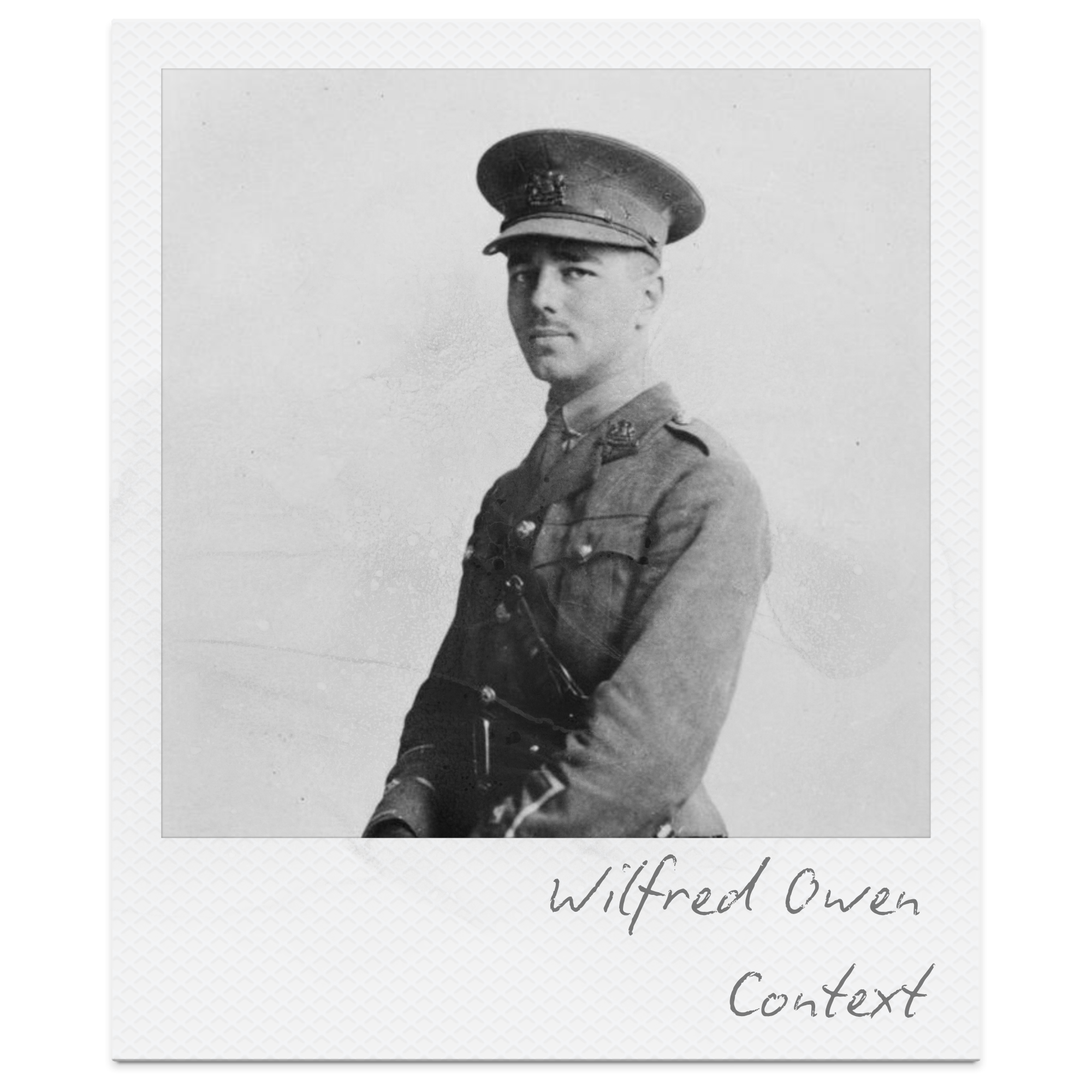
Wilfred Owen: Context, War Poetry, and Literary Significance
Explore the life, historical context, major themes, and literary significance of Wilfred Owen, one of the defining voices of First World War poetry. From patriotic ideas of King and Country to the brutal realities of trench warfare, shell shock, and mass loss, discover how Owen challenged romanticised representations of war and transformed the suffering of ordinary soldiers into some of the most powerful poetry of the twentieth century.
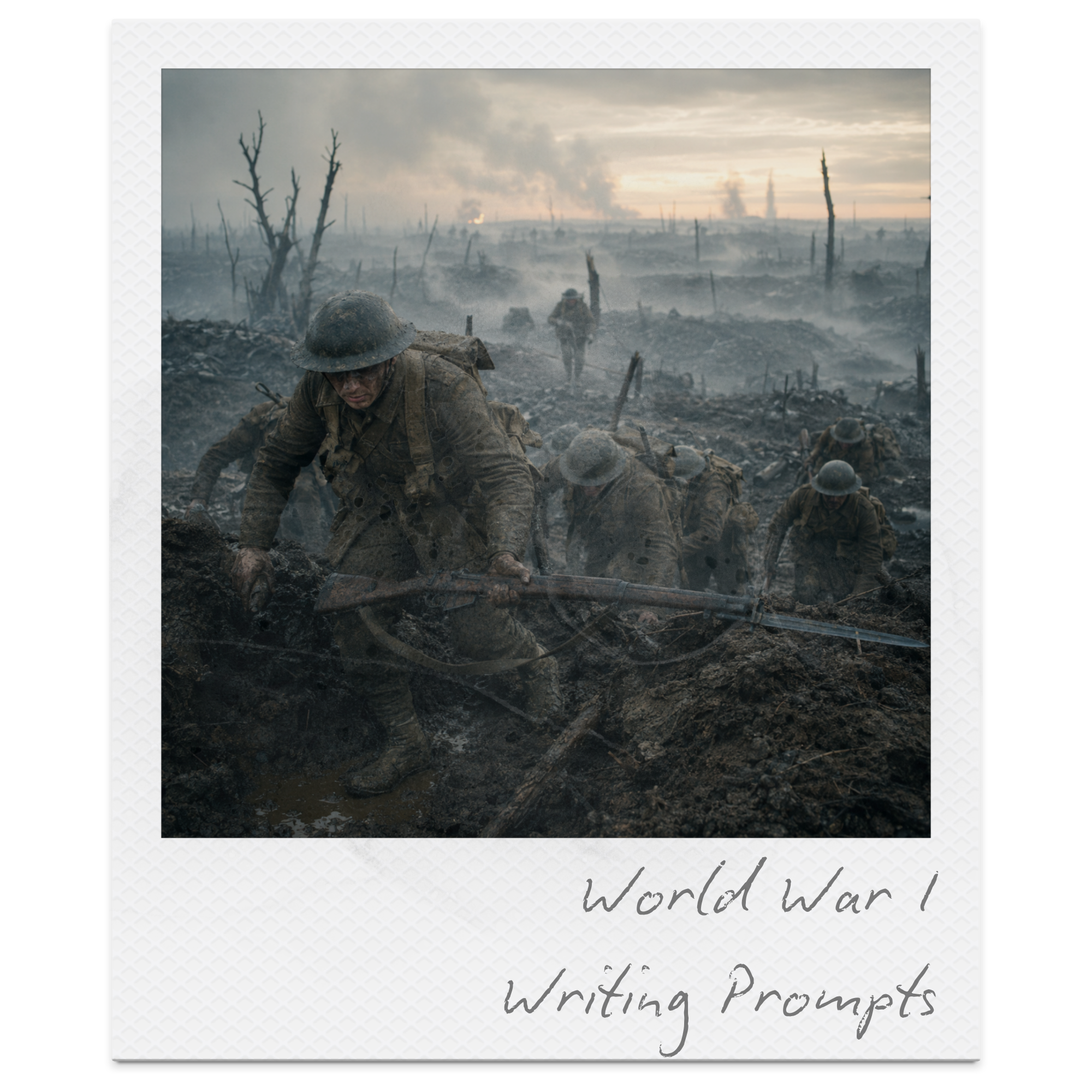
70 World War I Writing Prompts: Story Ideas, Characters, Settings & Plot Inspiration
Explore 70 World War I writing prompts designed to inspire powerful historical fiction through plot hooks, opening lines, characters, settings, titles, and visual inspiration. Journey beyond the trenches to military hospitals, munitions factories, quiet villages, battle-scarred landscapes, and the Home Front as you create stories of courage, sacrifice, friendship, love, survival, and remembrance. Whether you're writing a wartime romance, historical mystery, family saga, or military adventure, these prompts will help bring the people and experiences of the Great War vividly to life.
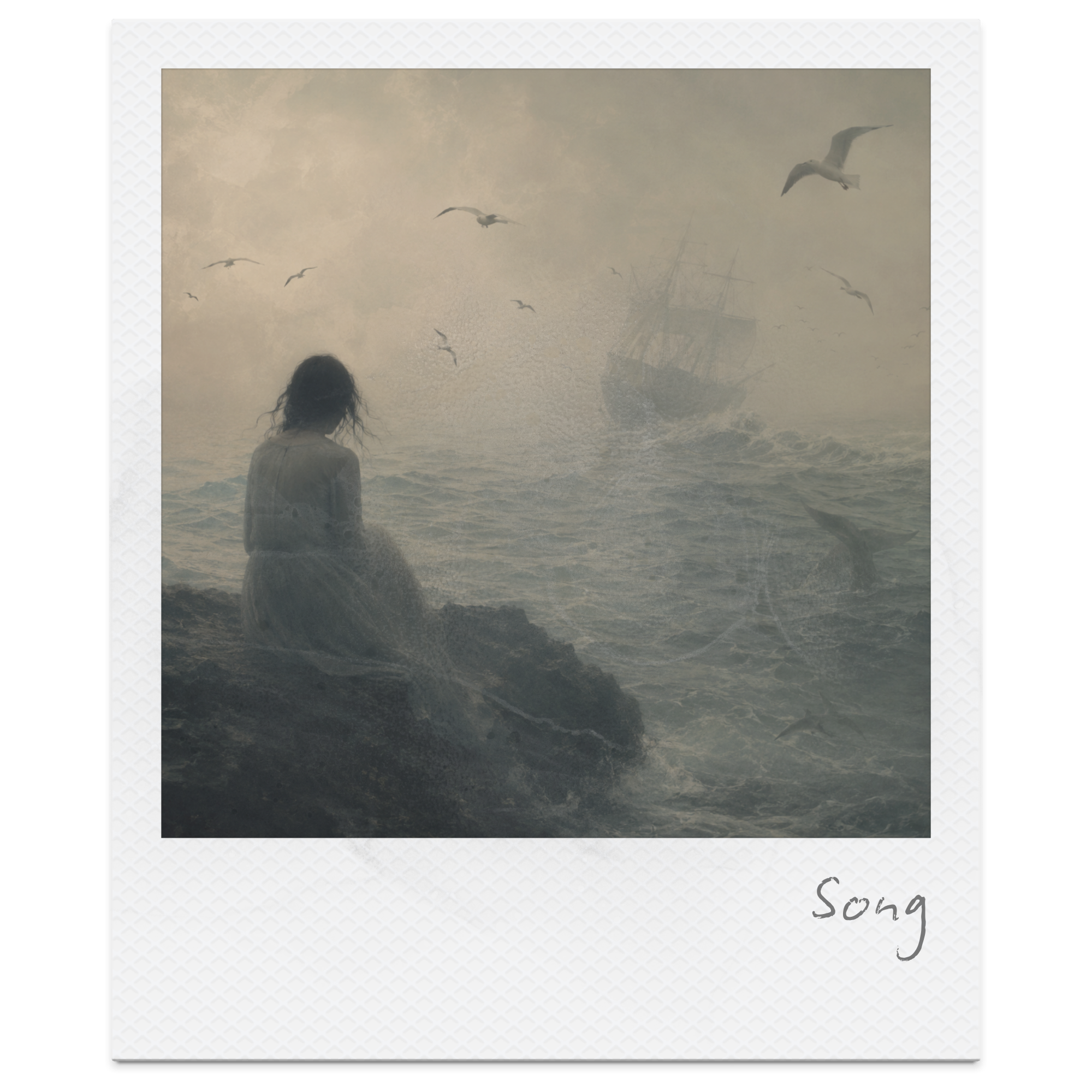
Song by Alun Lewis: Summary, Themes & Analysis
Alun Lewis's Song is a moving elegy that explores grief, love, absence, and the lasting psychological effects of loss. Written from the perspective of a woman mourning a lover lost at sea, the poem traces the gradual progression of bereavement through vivid maritime imagery, natural symbolism, and haunting reflections on memory. In this analysis, we explore the poem's themes, structure, symbolism, key quotations, and deeper meanings while examining how Lewis presents mourning as a force that reshapes both identity and the relationship between the living and the dead.
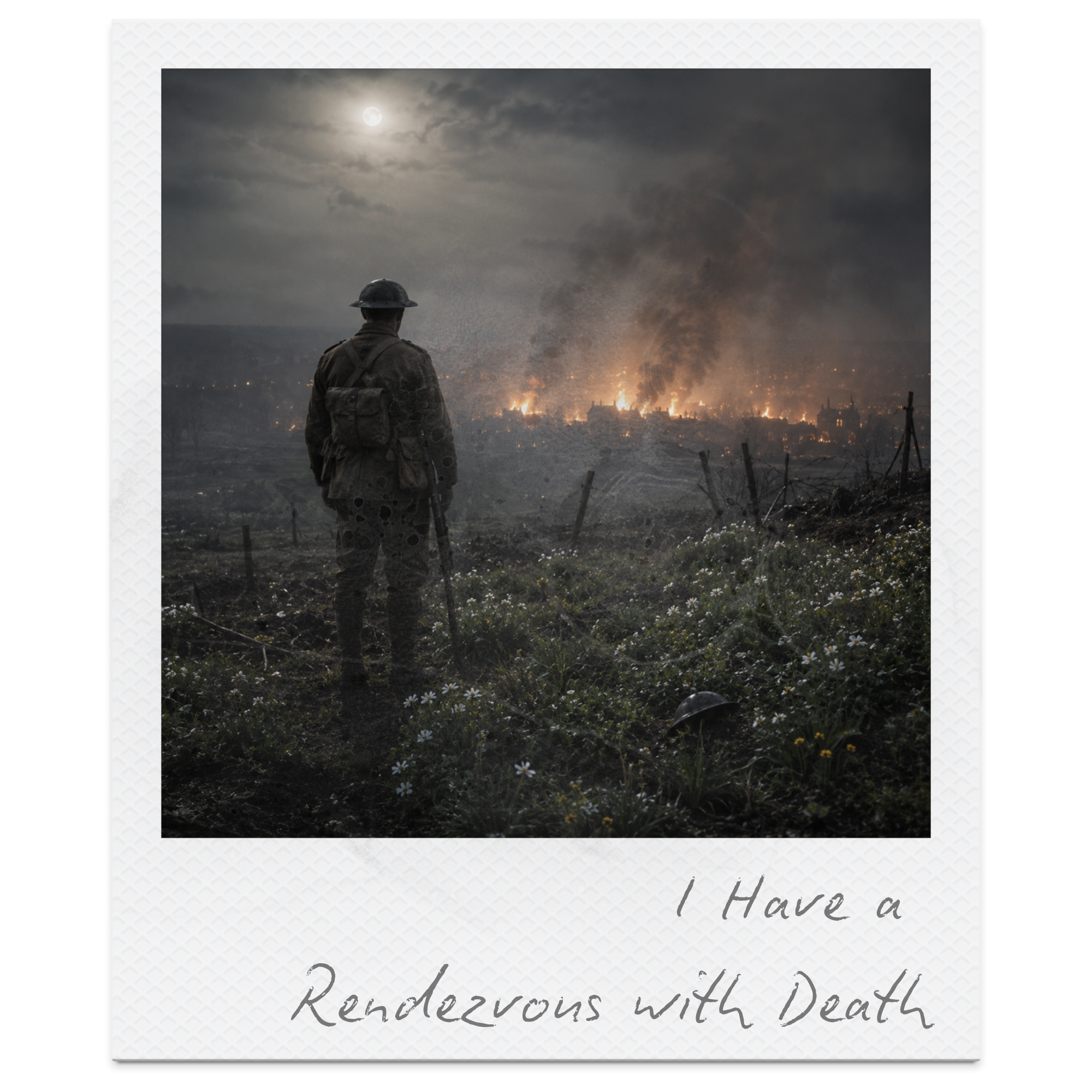
I Have a Rendezvous with Death by Alan Seeger: Themes, Symbolism and Analysis
I Have a Rendezvous with Death by Alan Seeger is a powerful First World War poem exploring mortality, duty, sacrifice, honour, and courage. Through the personification of Death, recurring spring imagery, and a speaker who calmly accepts the possibility of dying in battle, Seeger examines the tension between the beauty of life and the obligations that may require its sacrifice. This analysis explores the poem's themes, symbolism, structure, literary techniques, key quotes, and exam-ready insights, revealing how Seeger transforms a wartime reflection into a timeless meditation on commitment, mortality, and personal conviction.
Alternative Interpretations of Suicide in the Trenches by Siegfried Sassoon
Suicide in the Trenches is often taught as a poem with a clear message about the horrors of war. Yet Sassoon’s restraint, ambiguity, and shifting focus invite multiple interpretations about responsibility, blame, and silence. This post explores alternative interpretations of Suicide in the Trenches, examining whether the poem functions as a moral accusation against civilians, a critique of systems, or an exposure of emotional numbness. Designed to support discussion and debate, it encourages students to move beyond surface readings and engage with interpretation as an active, evidence-based process.
Themes in Suicide in the Trenches by Siegfried Sassoon
Suicide in the Trenches explores some of the most unsettling ideas in war poetry, from the erasure of individual lives to the moral responsibility of those who remain safely removed from conflict. Through restraint and contrast, Siegfried Sassoon exposes how innocence is worn away and suffering is quietly absorbed. This post examines the key themes in Suicide in the Trenches, including civilian complicity, loss of innocence, the reality of death, and the horrors of war. Designed for classroom use, it supports confident discussion and comparison while encouraging deeper, evidence-based interpretation.
Suicide in the Trenches by Siegfried Sassoon: Line-by-Line Analysis
Suicide in the Trenches is a short poem, but its impact depends on restraint. Reading it line by line reveals how meaning builds through small details, blunt statements, and deliberate silence rather than dramatic language or imagery. This post offers a clear line-by-line analysis of Suicide in the Trenches, exploring how innocence gives way to erasure and moral accusation. It’s designed to support close reading in the classroom, helping students move beyond paraphrase and towards confident, evidence-based interpretation.
Suicide in the Trenches: Overview, Context, Key Ideas & Teaching Approaches
Suicide in the Trenches is often introduced as a simple war poem, yet its power lies in what it refuses to explain. Through restraint, regularity, and plain language, Siegfried Sassoon presents suffering without consolation, exposing how easily individual lives are absorbed into silence. This pillar post brings together context, key ideas, interpretation, and teaching approaches for Suicide in the Trenches. It explores how meaning is shaped through tone, structure, and omission, and shows how the poem functions as both protest writing and a powerful gateway text for studying war poetry, responsibility, and moral judgement.
The Soldier by Rupert Brooke: Meaning, Themes, and How to Teach the Poem
The Soldier by Rupert Brooke is one of the most recognisable poems from the early years of the First World War, presenting death in war as meaningful, peaceful, and bound to ideas of home and national identity. Rather than depicting violence or trauma, the poem offers clarity and reassurance, reflecting the confidence and idealism that shaped early attitudes to conflict. This teaching-focused deep dive explores the meaning, themes, form, and structure of The Soldier, examining how patriotism, sacrifice, and legacy are constructed through language and sonnet form. Designed for classroom use, the post offers clear analysis, creative teaching approaches, and guidance on placing the poem within a wider study of conflict poetry.
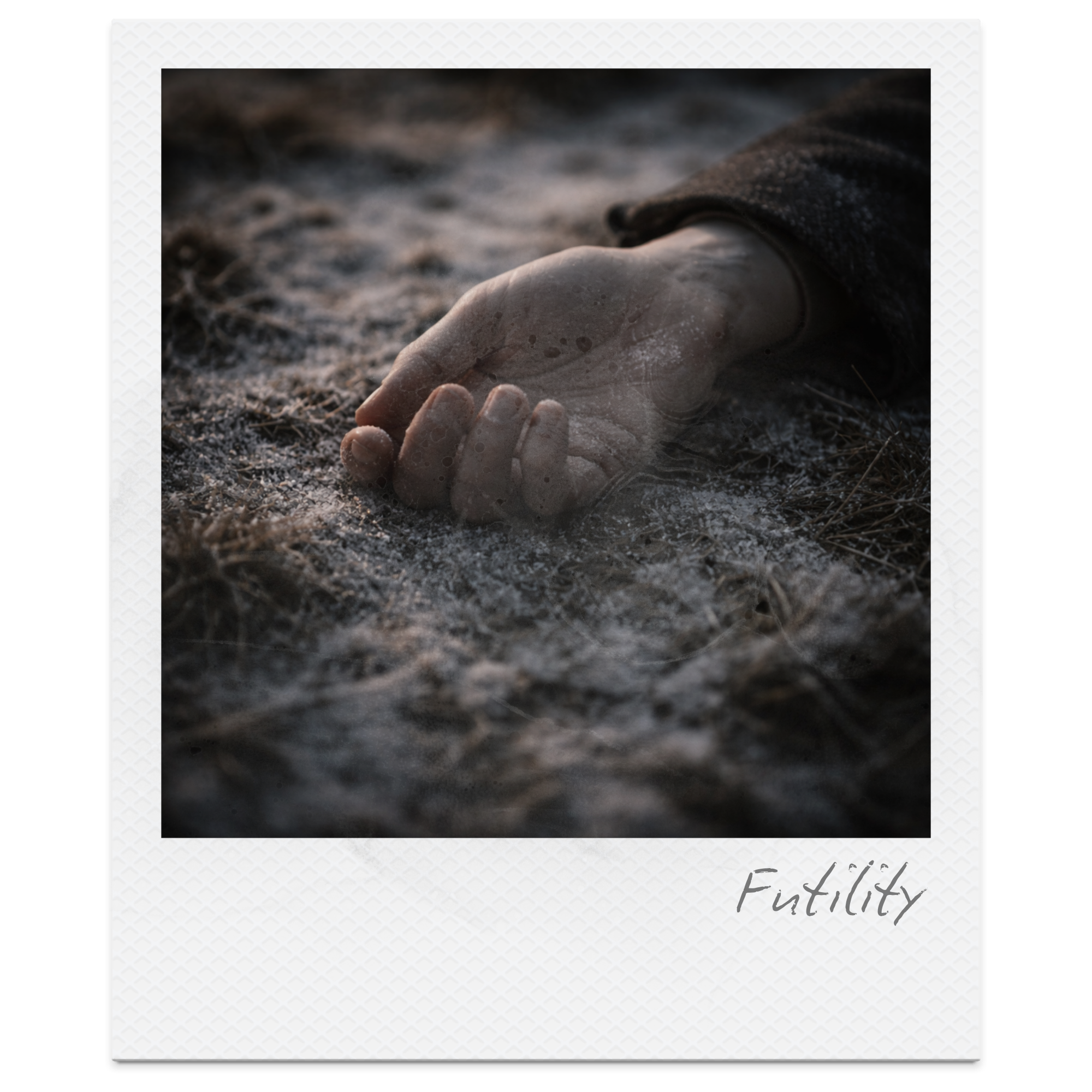
Futility by Wilfred Owen: Meaning, Themes, and How to Teach the Poem
Futility by Wilfred Owen is one of the most quietly devastating poems in First World War poetry, challenging readers to confront loss, creation, and the possibility that meaning itself may fail under pressure. Rather than depicting the violence of battle, Owen focuses on a single, still moment after death, using restrained language and natural imagery to question whether life, care, and sacrifice were ever guaranteed purpose. This deep dive explores the meaning, themes, form, and structure of Futility, examining how tenderness, love between soldiers, and faith in nature gradually give way to philosophical doubt. Written for teachers, this post moves beyond summary to support classroom discussion, close analysis, and thoughtful teaching, showing why Futility remains one of the most challenging and powerful war poems to study at higher levels.
20 Conflict Poems to Teach: A Timeline from WW1 to Modern Warfare
Looking for conflict poems to teach? This teacher-friendly guide brings together 20 powerful poems about war and conflict, spanning World War One, Vietnam, modern warfare, and media-driven violence. Each poem includes a brief overview and practical classroom ideas, making it easy to dip in and out when planning lessons on ethics, trauma, protest, responsibility, and witnessing conflict from afar.